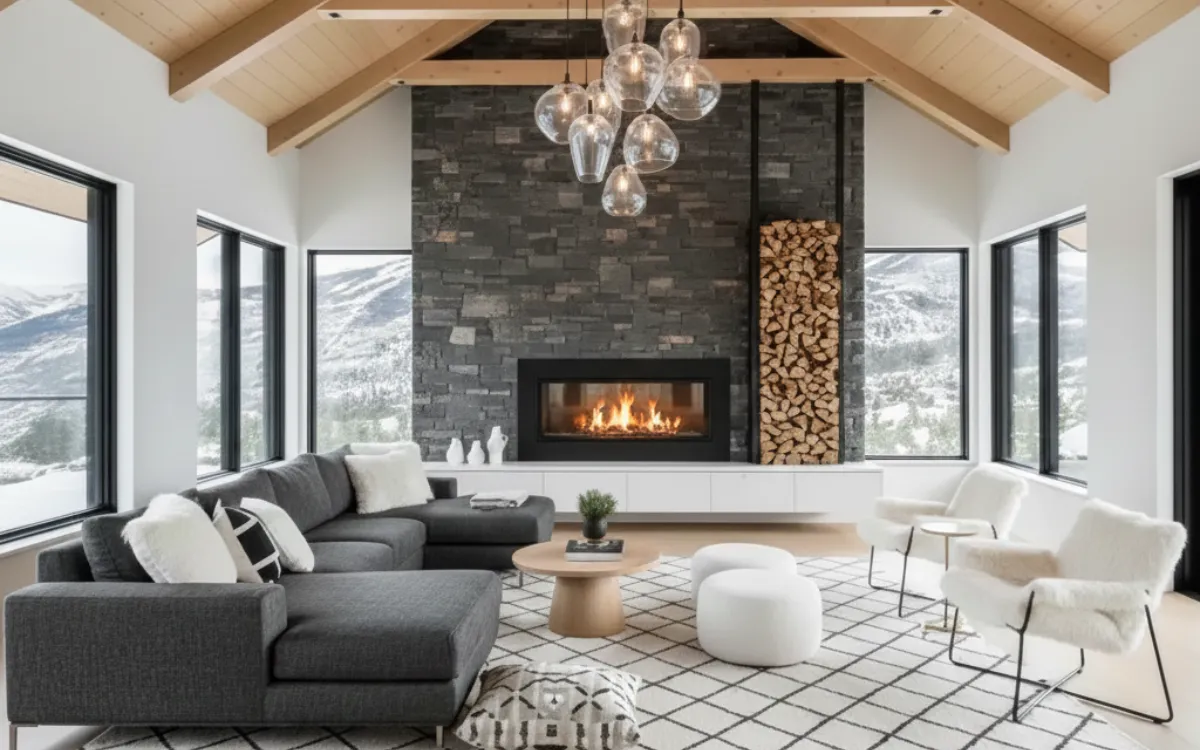
As winter’s chill settles outside, transforming our homes into warm, inviting sanctuaries becomes essential. The right furniture choices can make the difference between a cold, sterile space and a cozy haven that embraces you with comfort and style. This guide explores creative, inspiring ideas to elevate your winter interior design while ensuring maximum comfort during the colder months.
Traffic Flow Considerations
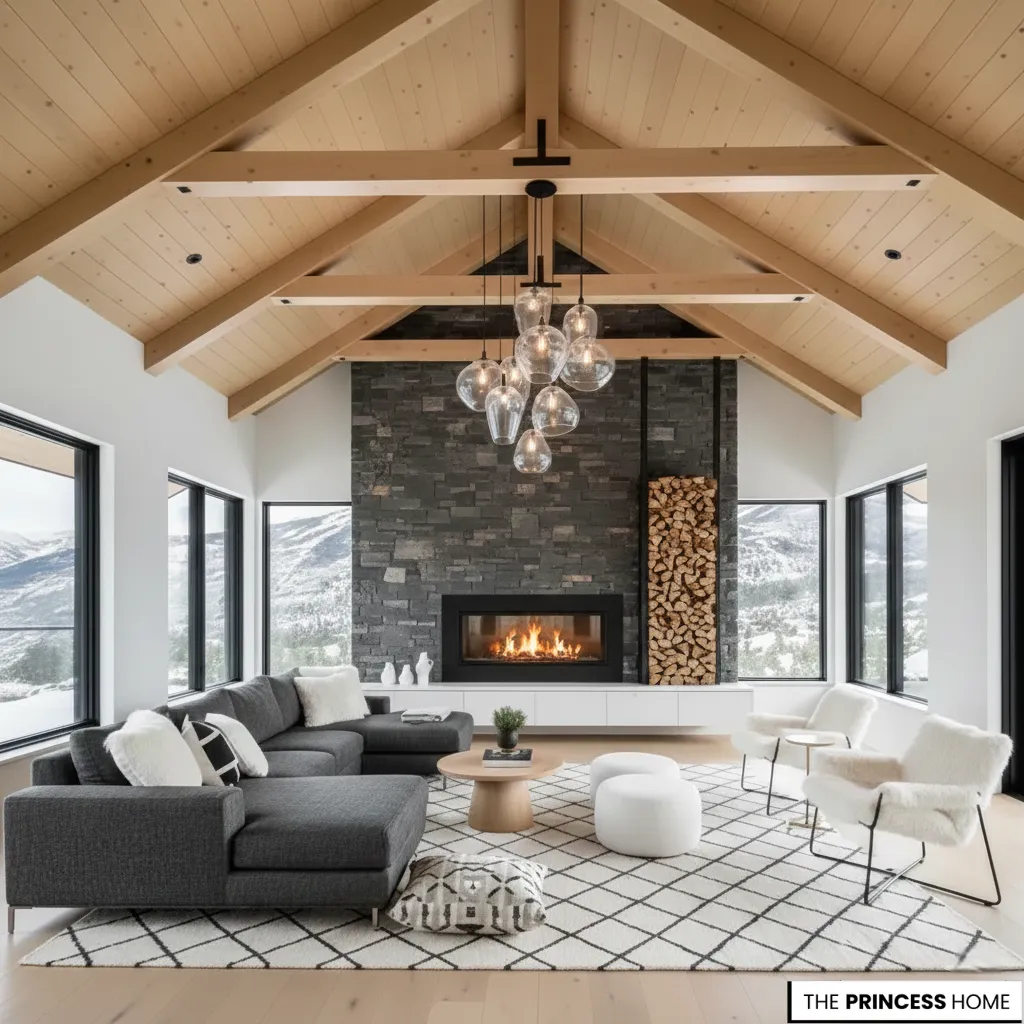
Ensure clear pathways between furniture pieces—nothing disrupts the cozy vibe like navigating a cluttered space. Aim for at least 30 inches of walking space between main pieces. When planning traffic flow, think about the direction of natural movement—toward windows, doors, and key seating zones. Use small accent pieces like slim console tables or wall-mounted shelves to maintain function without narrowing pathways. A visually open layout instantly makes a cozy space feel calm and welcoming.
The Psychology of Winter
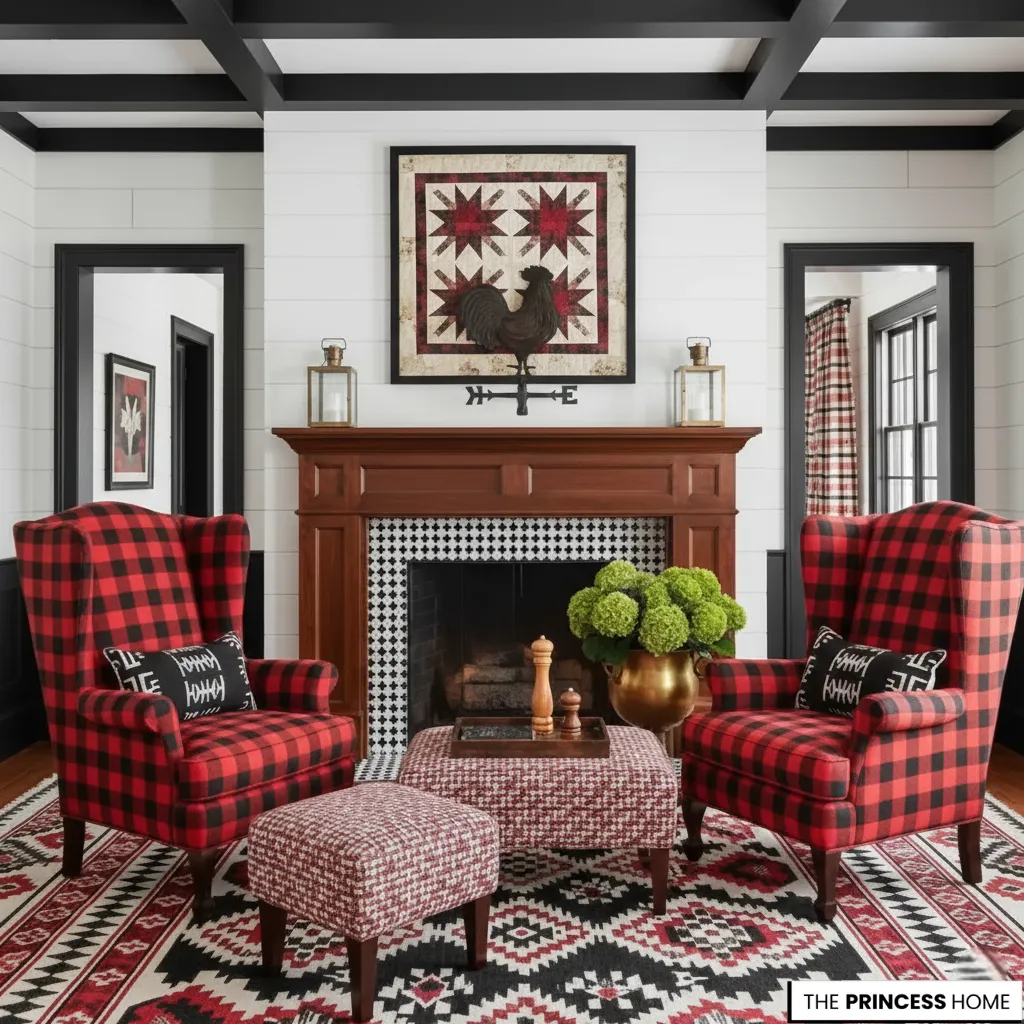
Humans naturally seek warmth and security in winter. This instinct is rooted in our evolution. Cozy spaces provide more than physical warmth—they offer psychological comfort too. The Danish concept of hygge captures this perfectly. It means finding joy in simple, warm moments and surrounding yourself with comforting things. Research shows warm, inviting spaces can cut stress by up to 68% and boost wellbeing. When choosing winter furniture, focus on tactile and visual warmth. Pick materials that feel cozy, colors that invite comfort, and designs that encourage relaxation and connection.
The Ultimate Sofa
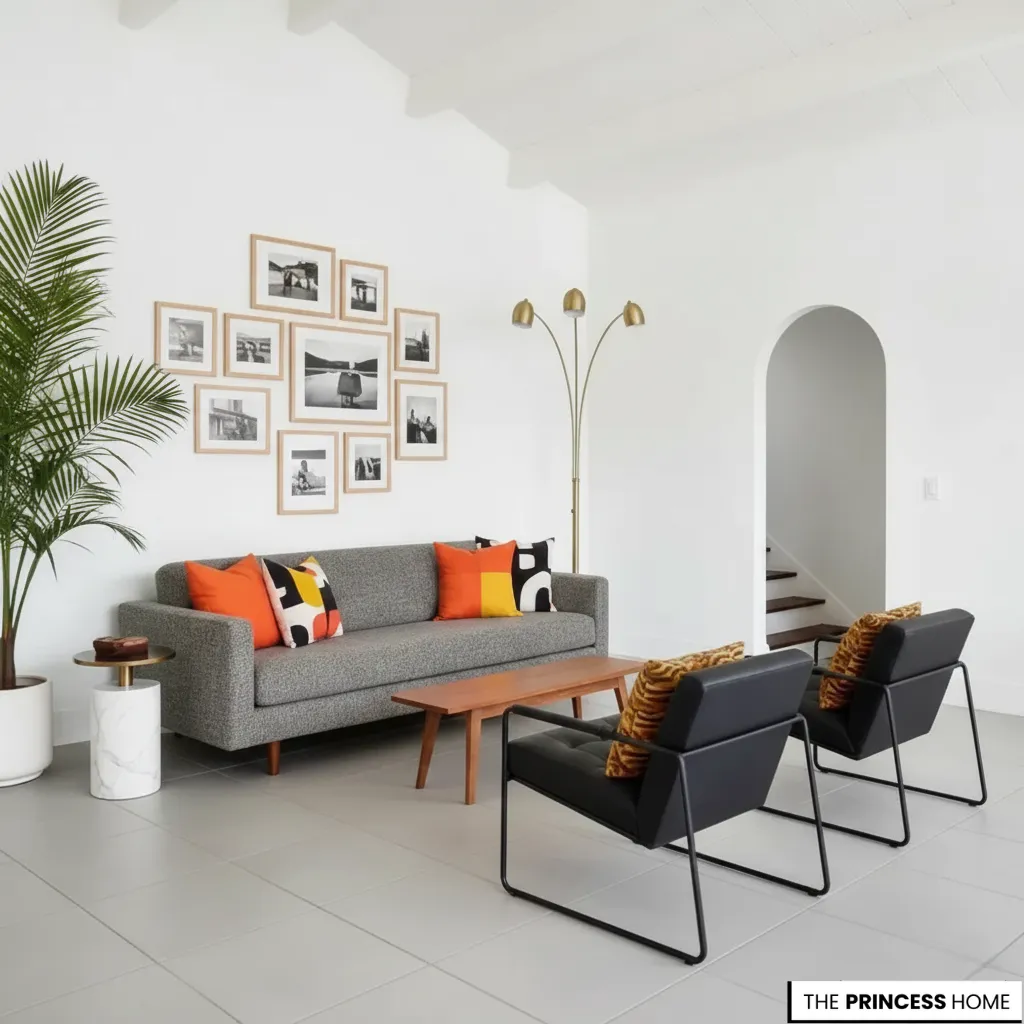
Your sofa is the heart of winter comfort. Look for deep-seated designs with plush cushions that invite sinking in after a cold day. Velvet, chenille, and heavy cotton blends provide both visual warmth and tactile comfort. Consider modular sofas that can be rearranged to create intimate conversation areas or open up space when needed. Choose sofas with removable, washable covers in darker, richer tones like deep burgundy, forest green, or charcoal gray—these colors absorb light and create visual warmth while being practical for winter living.
The Reading Nook
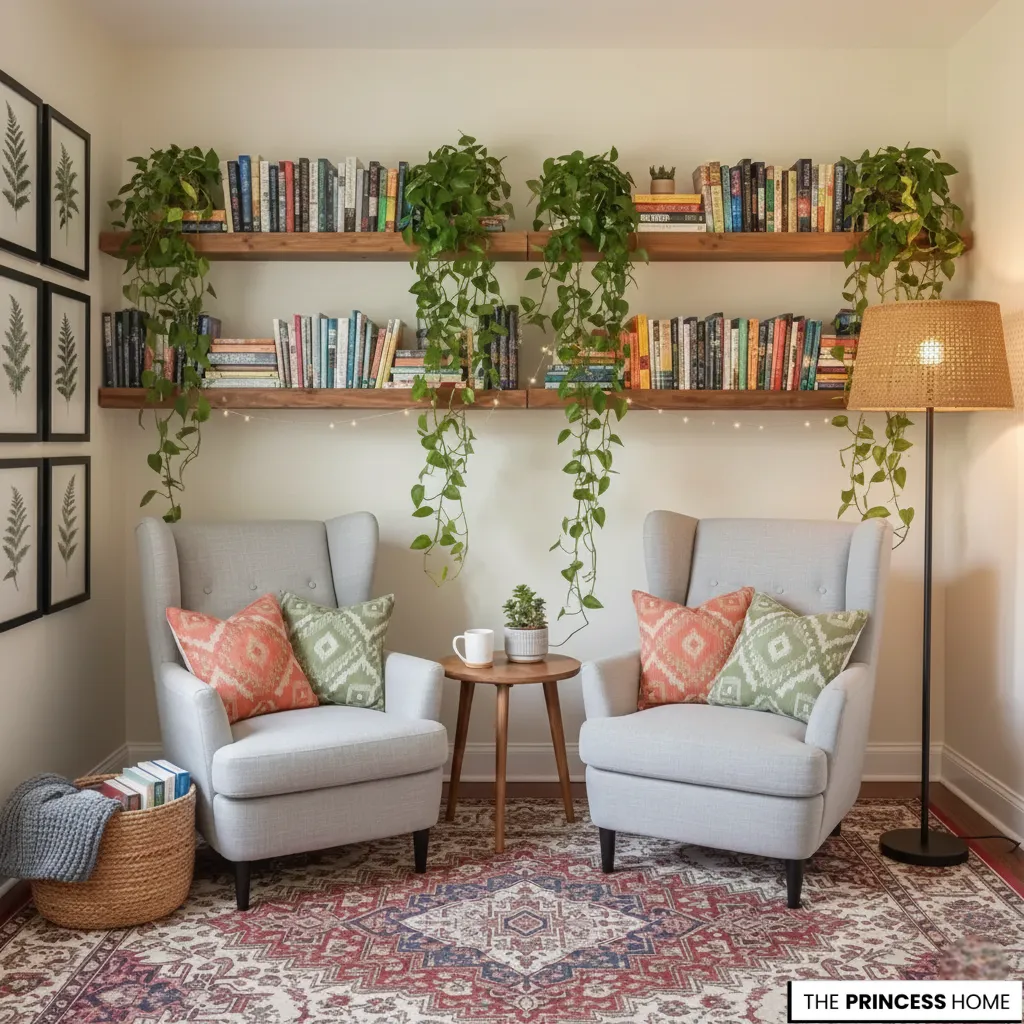
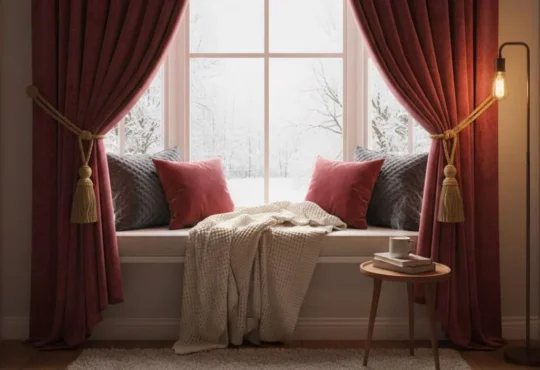
Every winter home needs a dedicated reading corner. A comfortable armchair with small table creates the perfect spot for winter afternoons with a book and tea. Look for chairs with high backs and winged designs that trap body heat. Pair with a floor lamp for warm, focused lighting and a small side table at the perfect height for beverages. Repurpose an antique chaise lounge by adding a plush faux fur throw and several pillows of varying sizes—this creates a luxurious reading spot that doubles as a statement piece.
Winter Coffee Table
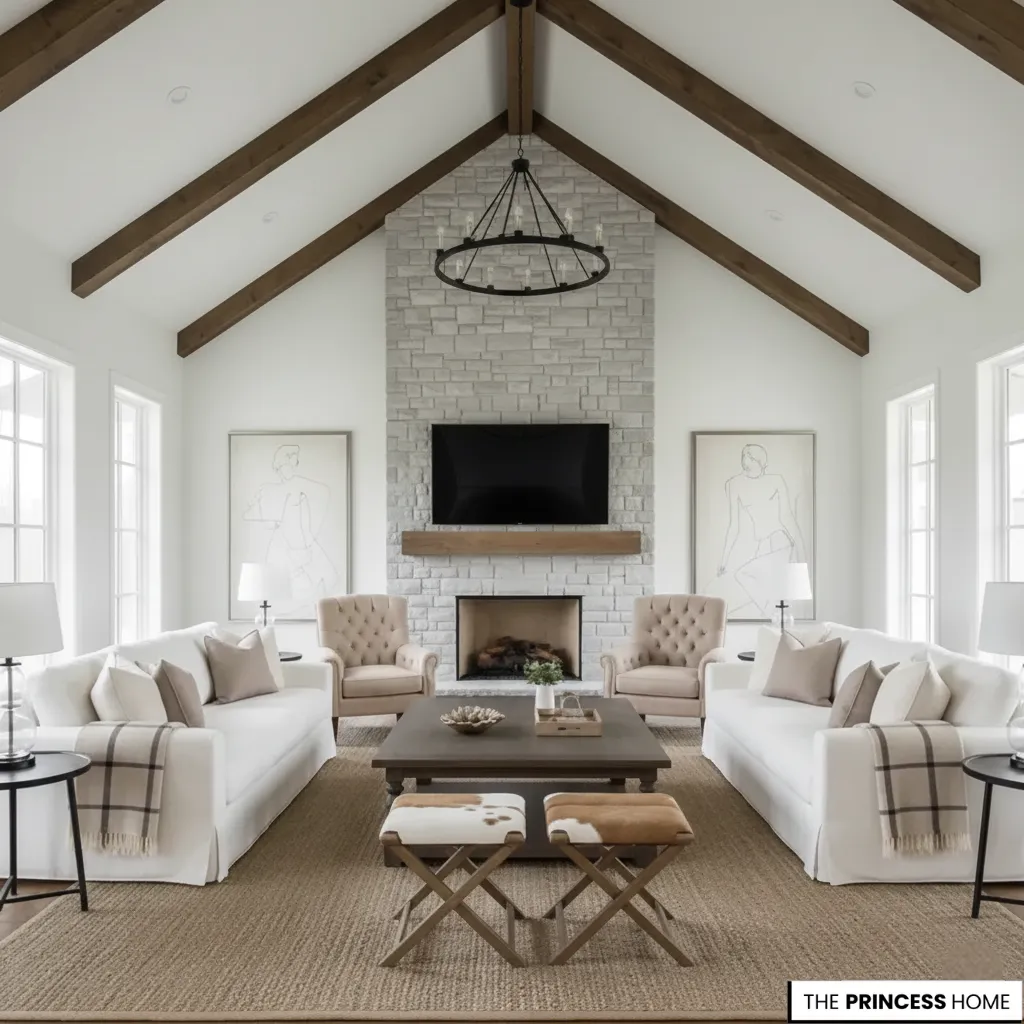
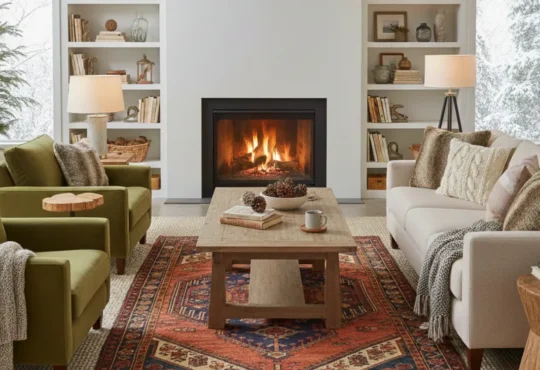
Swap your usual coffee table for something with more character and warmth. A reclaimed wood table with visible grain and natural imperfections adds organic warmth. Alternatively, consider an upholstered ottoman that serves as both table and extra seating. The soft surface is perfect for putting up feet while being functional enough for drinks and books. Choose a coffee table with built-in storage for winter essentials—extra blankets, candles, and board games—keeping your space tidy while having comfort items at the ready.
Faux Fur & Shearling
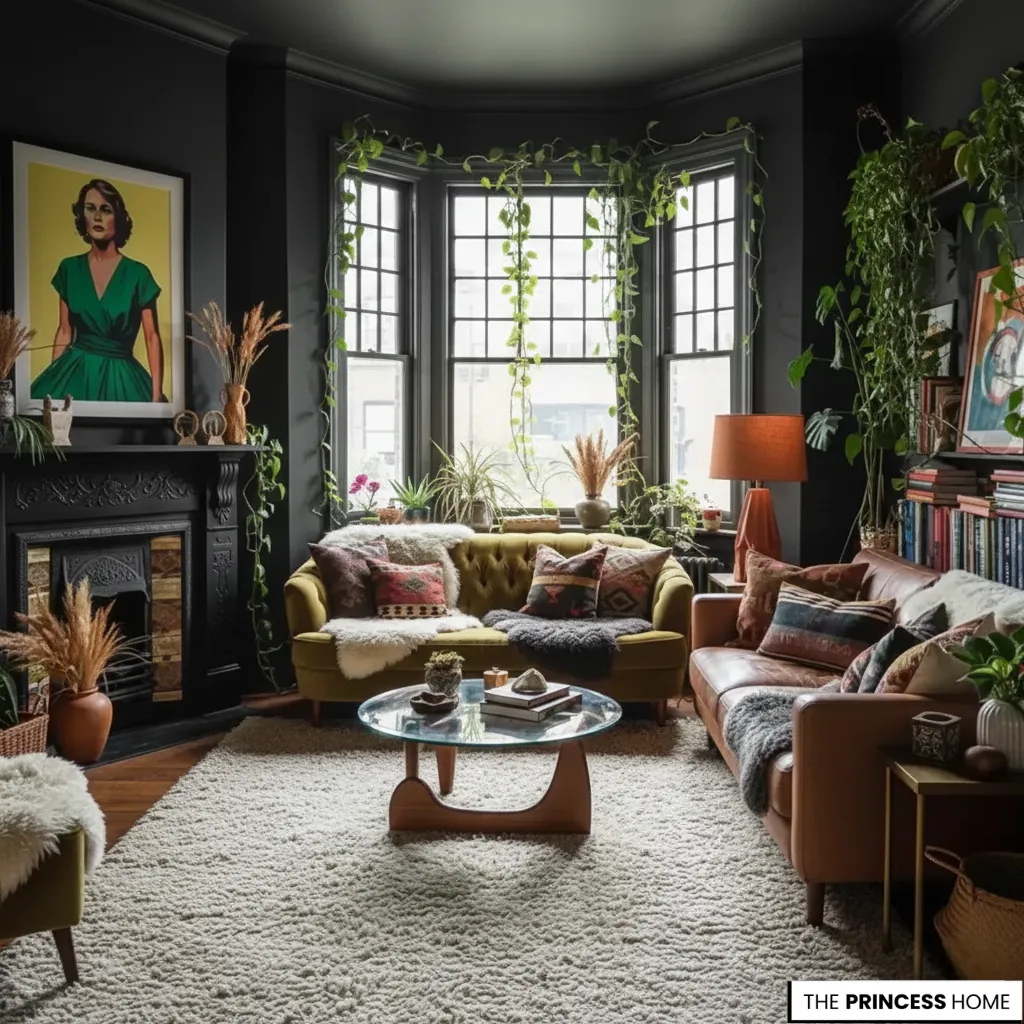
Nothing says winter comfort like the touch of faux fur. Incorporate through throws, pillow covers, or even upholstered accent chairs. Modern faux furs are incredibly soft, ethical, and available in subtle patterns that add sophistication without overwhelming your space. Layer faux fur with contrasting textures like knitted wool or smooth velvet to create depth and tactile interest. Choosing neutral or jewel-toned furs ensures versatility, allowing these cozy accents to complement seasonal decor while maintaining a polished, inviting look year-round.
Warm Neutrals
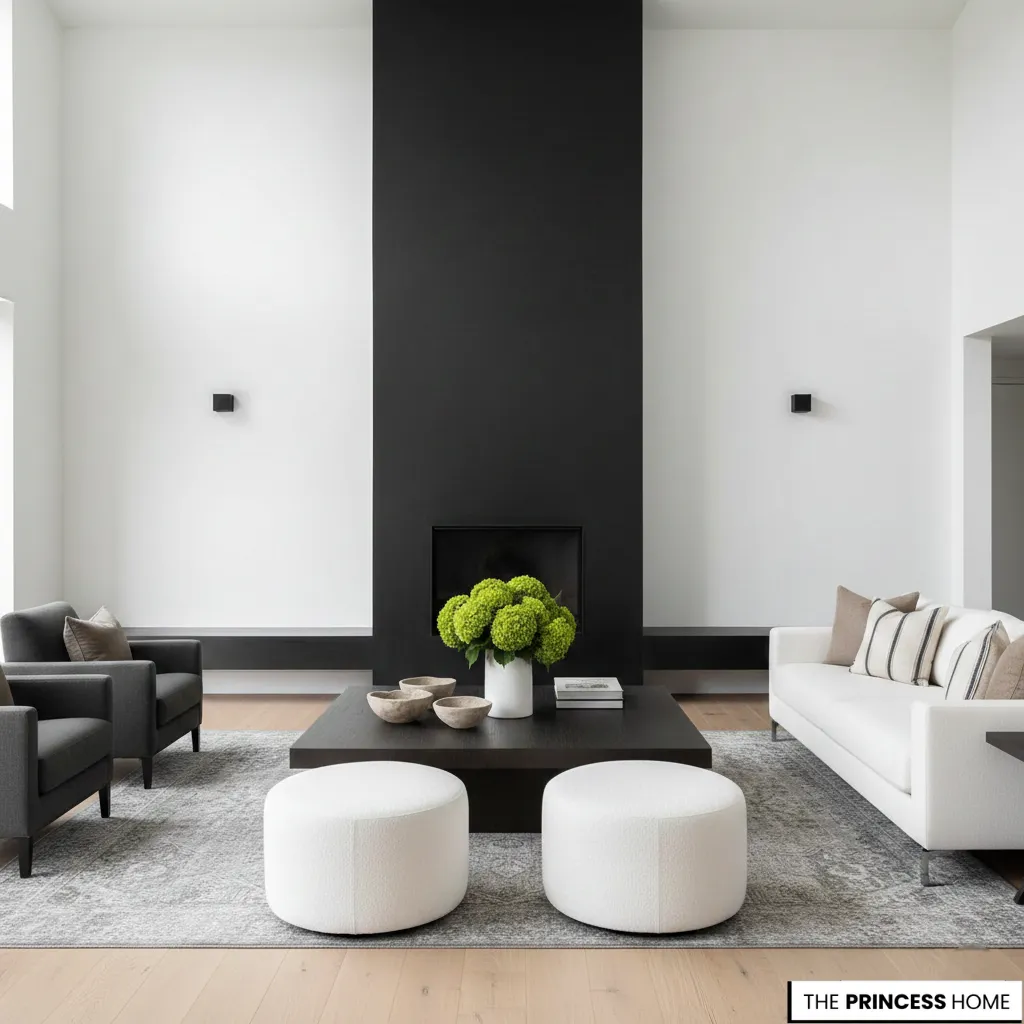
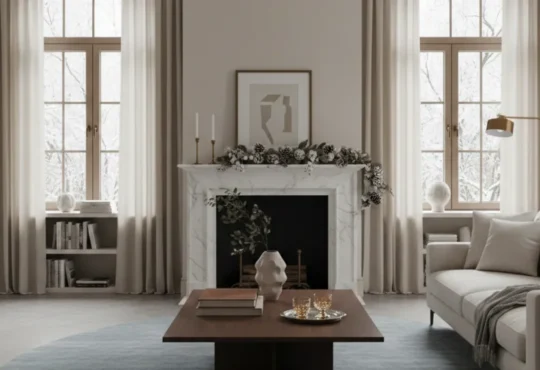
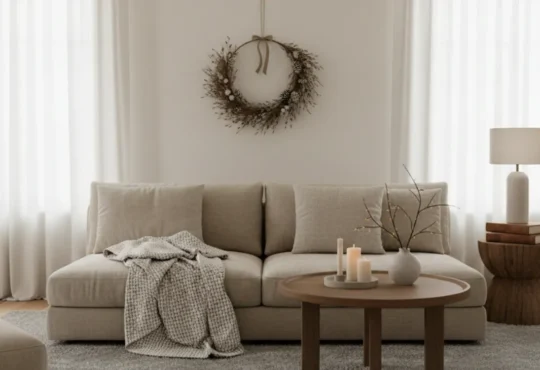
Instead of stark whites, opt for warm neutrals like cream, taupe, and greige. These colors reflect light softly while creating a cozy backdrop. Layer different shades of the same color for depth without visual clutter.
Consider incorporating subtle undertones—like a hint of green in greige or yellow in cream—to harmonize with your existing furniture and seasonal decor. Matte finishes also help diffuse light naturally, enhancing warmth and reducing harsh glare for a more comfortable, inviting atmosphere.
Heavy Knits & Chenille
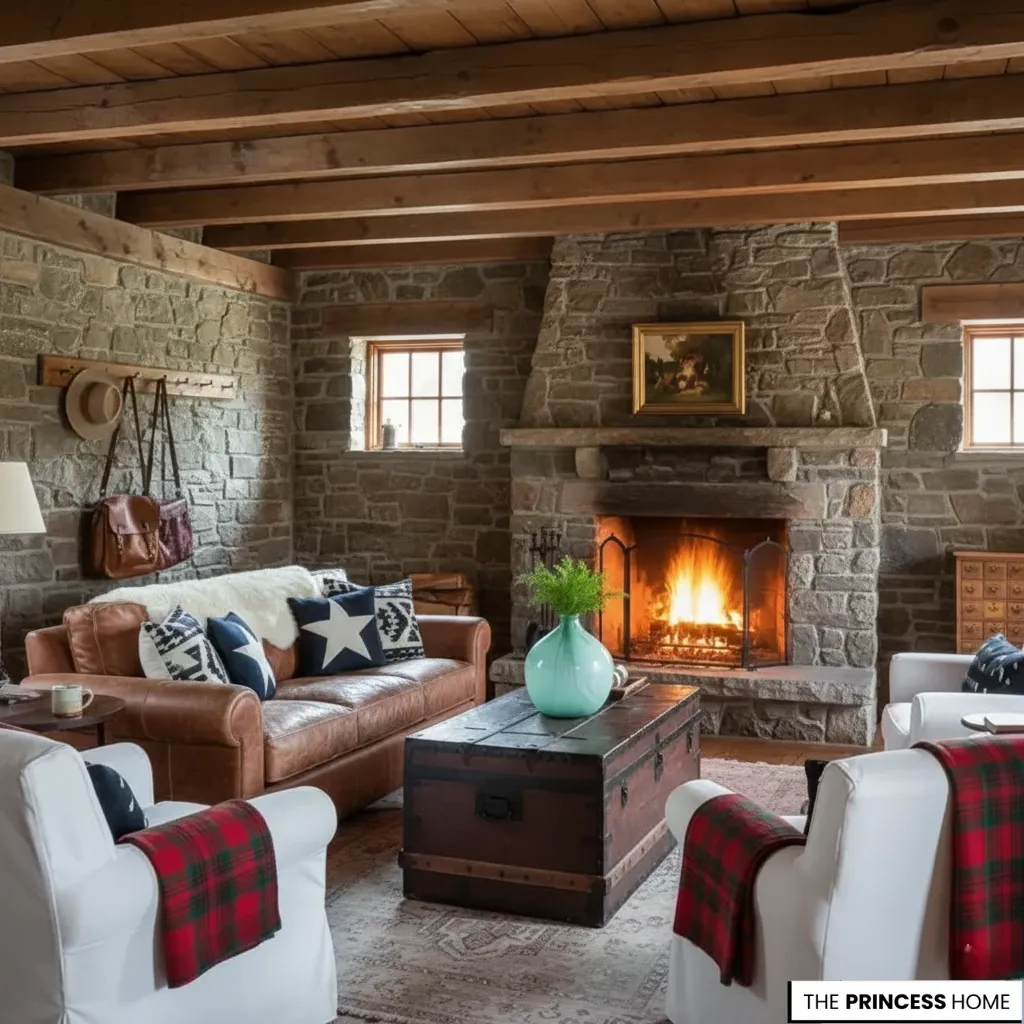
Chunky knit throws and chenille upholstery create visual interest while providing tactile warmth. Drape a chunky knit blanket over the back of a sofa or chair for instant coziness. Chenille sofas and chairs offer durability with a soft, inviting texture that improves with age. For a curated and cozy layered look, combine knits with smoother textiles like linen or velvet to balance bulk and add visual harmony. Opt for neutral or warm-toned throws that can easily transition through seasons, ensuring your space stays comfortable and stylish year-round.
Natural Woods Furniture
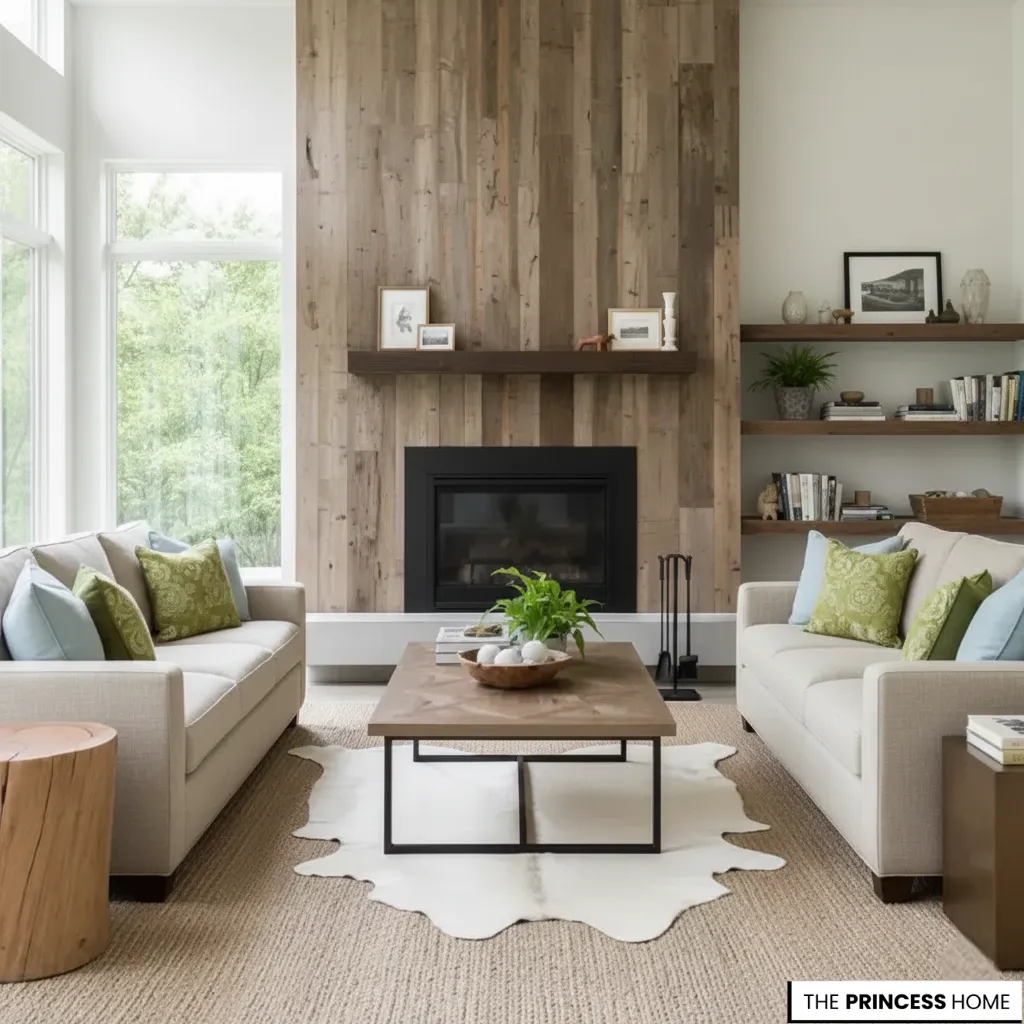
Wood furniture brings natural warmth to any space. Look for pieces with visible grain and warm tones like walnut, cherry, or oak. Live-edge tables, wooden frames on mirrors and art, and carved details add organic elements that balance softer textures. Mix wood finishes thoughtfully—pair a dominant tone (like oak) with one or two complementary accents to avoid a mismatched look. Sustainably sourced or reclaimed wood pieces not only add character but also support eco-friendly home design, making your cozy space feel meaningful as well as beautiful.
Earthy Reds & Oranges
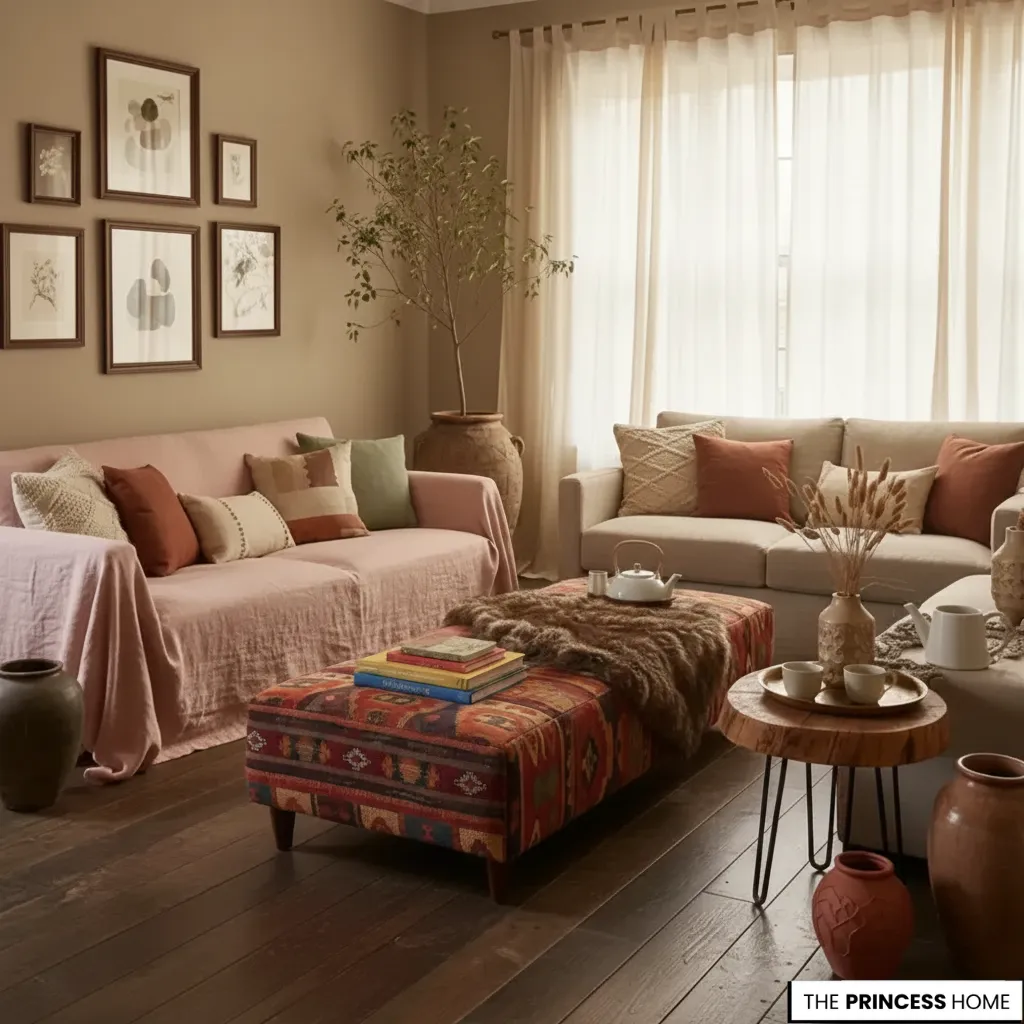
Terracotta, rust, and burnt sienna evoke fireside warmth. These colors work particularly well in spaces with limited natural light, creating the illusion of warmth even when the sun isn’t shining. Introduce these earthy hues through textured accents—like pottery, woven baskets, or patterned pillows—to bring depth without overwhelming the room. They pair beautifully with natural wood and beige tones, creating a grounded, cozy atmosphere that feels warm year-round.
Layered Lighting
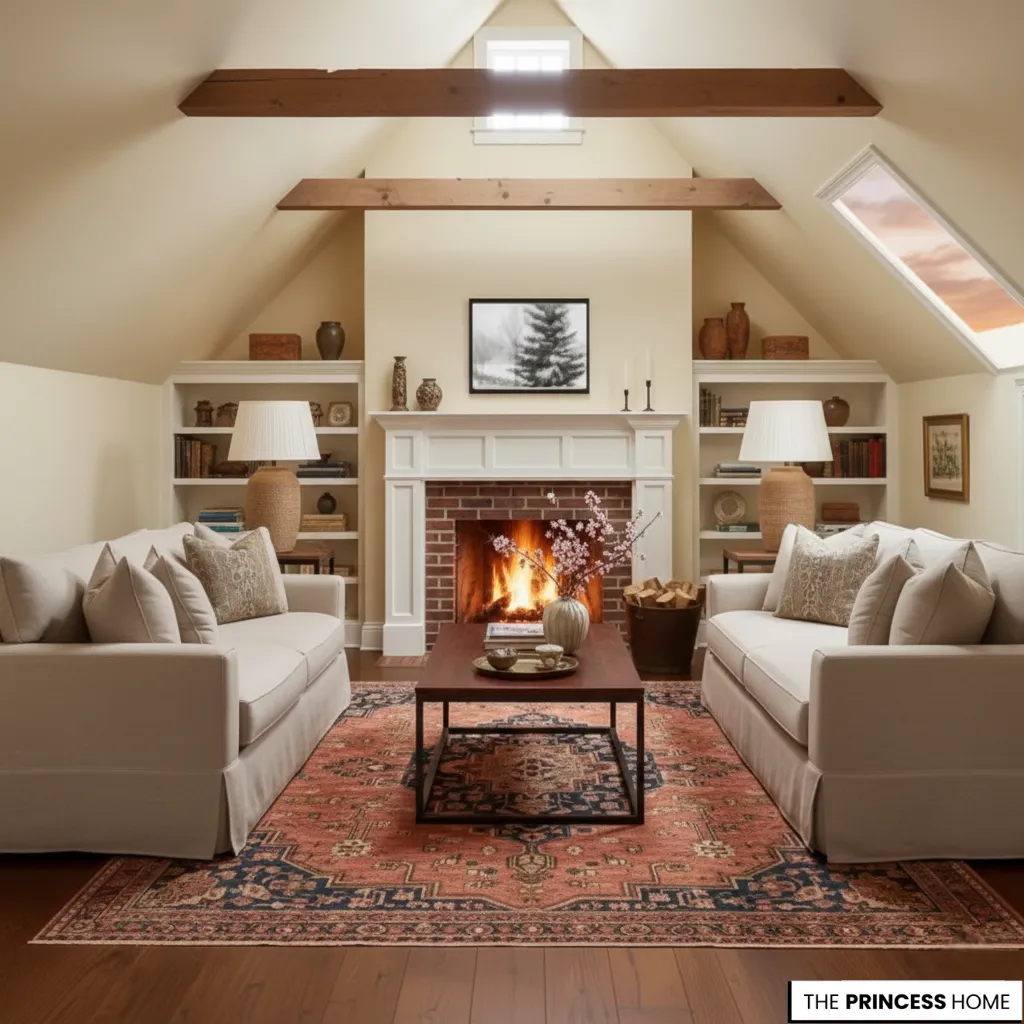
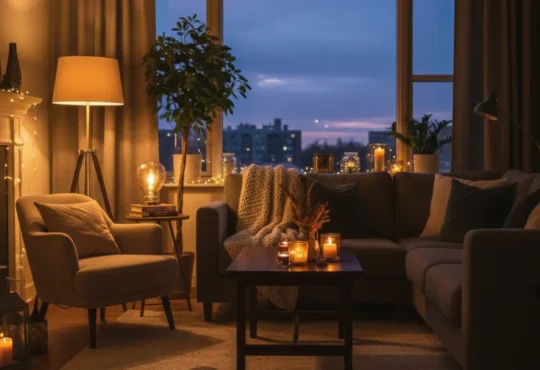
Use multiple light sources to create depth. Add overhead lighting for general illumination. Include task lights for reading and focused activities. Use ambient lighting to set a cozy mood. Dimmers are essential because they let you adjust brightness throughout the day. Match your lighting to natural light levels to keep the room comfortable. Choose bulbs between 2700K and 3000K for a warm glow. Avoid cool, blue-toned lights in winter. They can make a space feel cold and unwelcoming.
Rich Jewel Tones
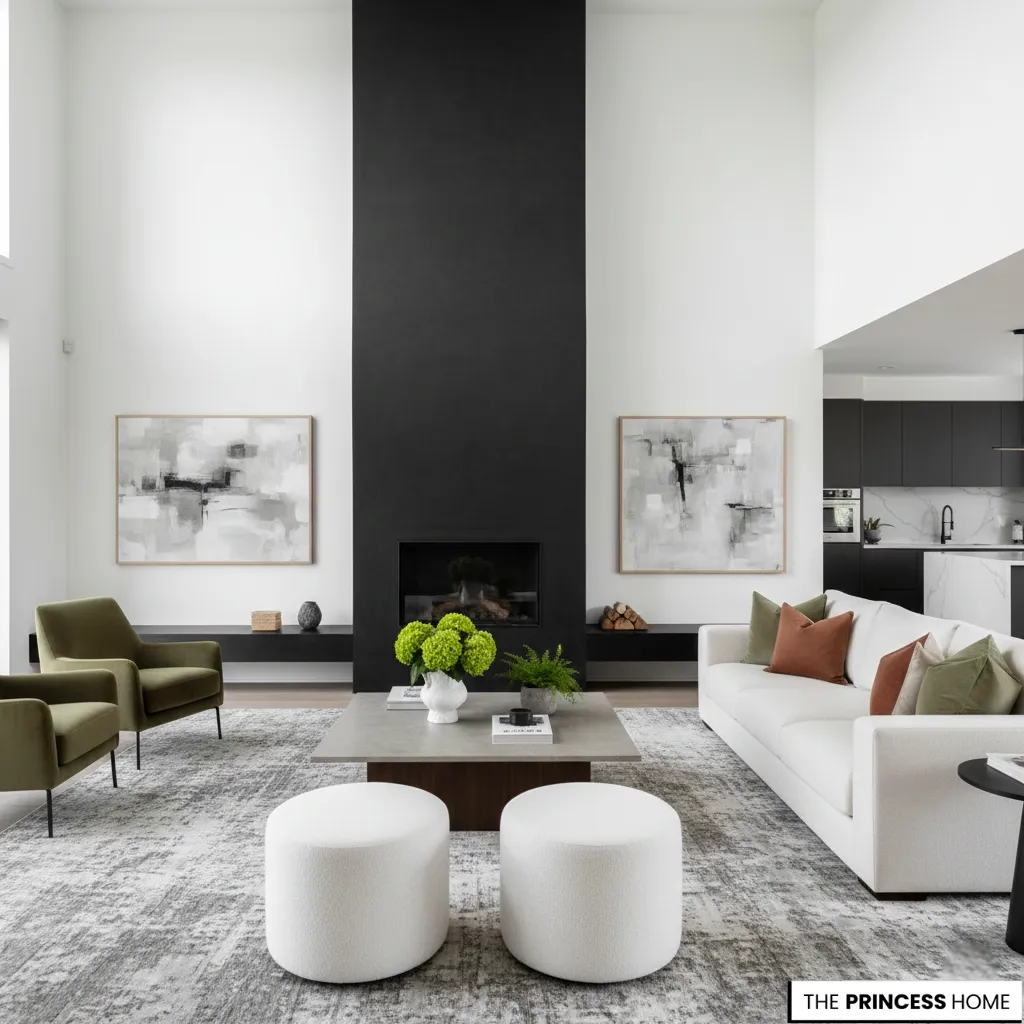
Deep emerald green, sapphire blue, and burgundy add sophistication while creating visual warmth. Use these in accent pieces—pillows, throws, or an accent chair—to make a statement without overwhelming the space. Choose rich jewel tones in plush fabrics like velvet or boucle to enhance their depth and elegance. When balanced with soft neutrals and warm lighting, these colors create a luxurious yet cozy atmosphere that feels both modern and timeless.
Candlelight and Fireplaces
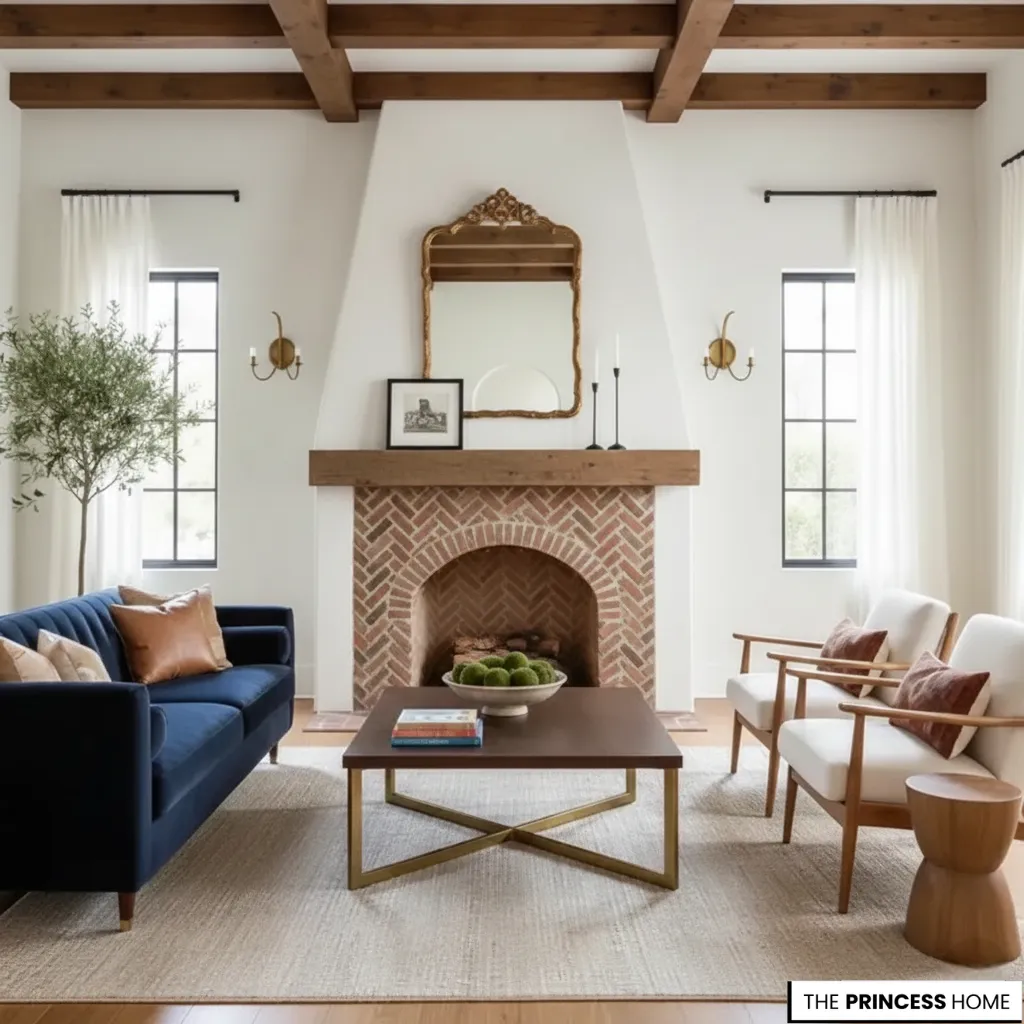
Nothing beats the flickering warmth of candles or a fireplace. Even if you don’t have a working fireplace, electric versions with realistic flame effects can create the same ambiance. Arrange candles of varying heights on mantels, tables, and windowsills for magical winter evenings.
Create Intimate Zones
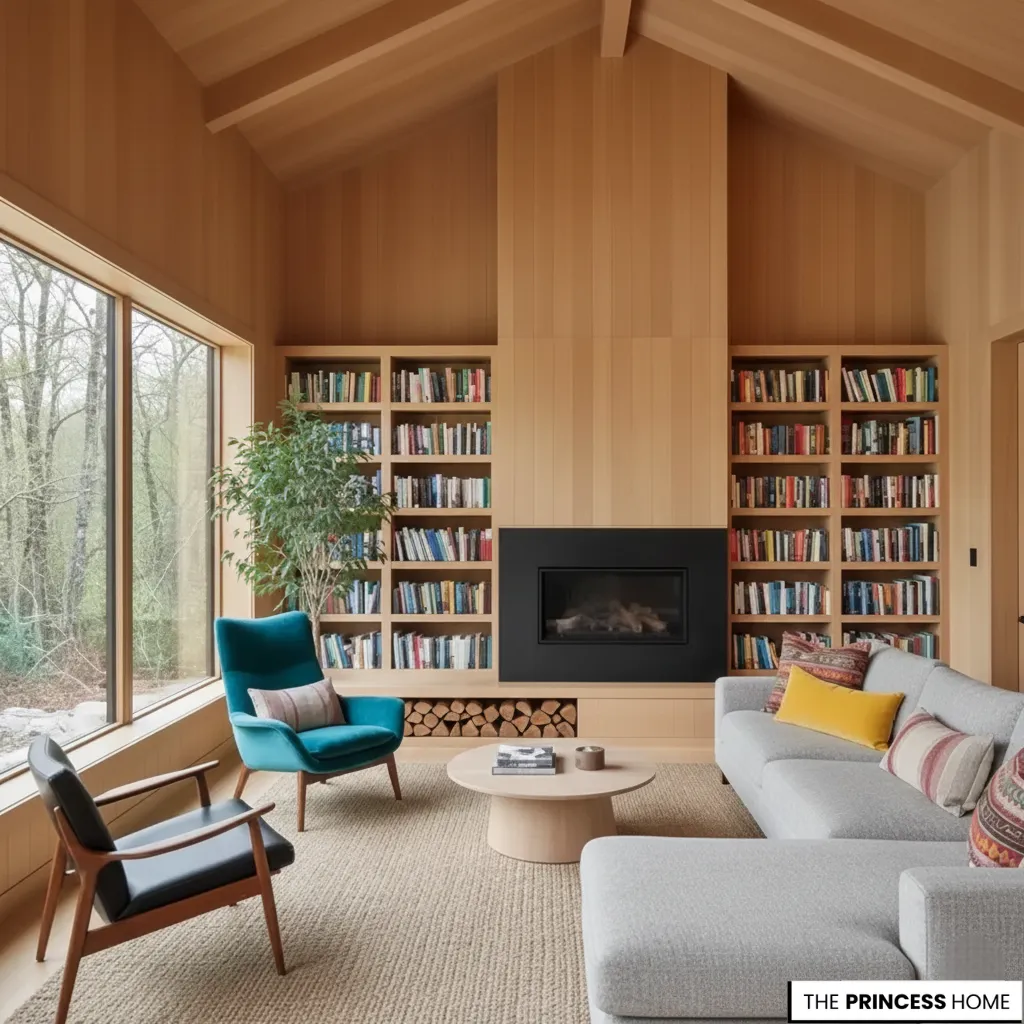
Divide larger spaces into smaller, intimate areas using furniture placement. Position sofas and chairs to create conversation nooks rather than leaving everything pushed against walls. This creates psychological warmth and encourages connection. Anchor each zone with a rug or statement lighting to define the space without adding physical barriers. Incorporating a round side table or a shared ottoman between seats encourages natural interaction, making the room feel more inviting and socially warm.
Vertical Space Utilization
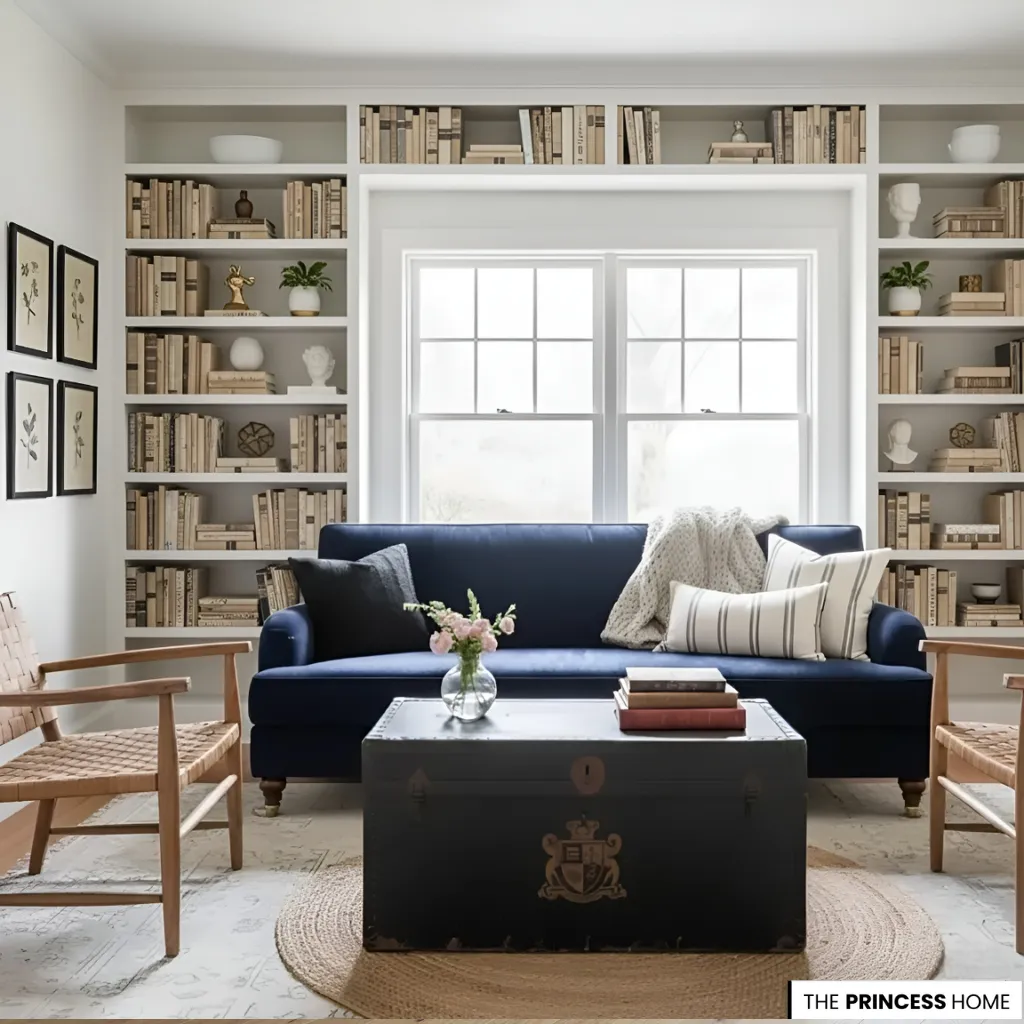
Draw the eye upward with tall bookcases, hanging plants, or artwork placed high on walls. This creates a sense of enclosure and intimacy while making rooms feel larger and more purposeful. Vertical elements also help balance low, cozy seating arrangements, preventing the space from feeling too grounded or flat. Choose pieces with soft curves or organic shapes to maintain warmth while adding height, encouraging a cozy yet elevated visual flow.
Eco-Friendly Materials
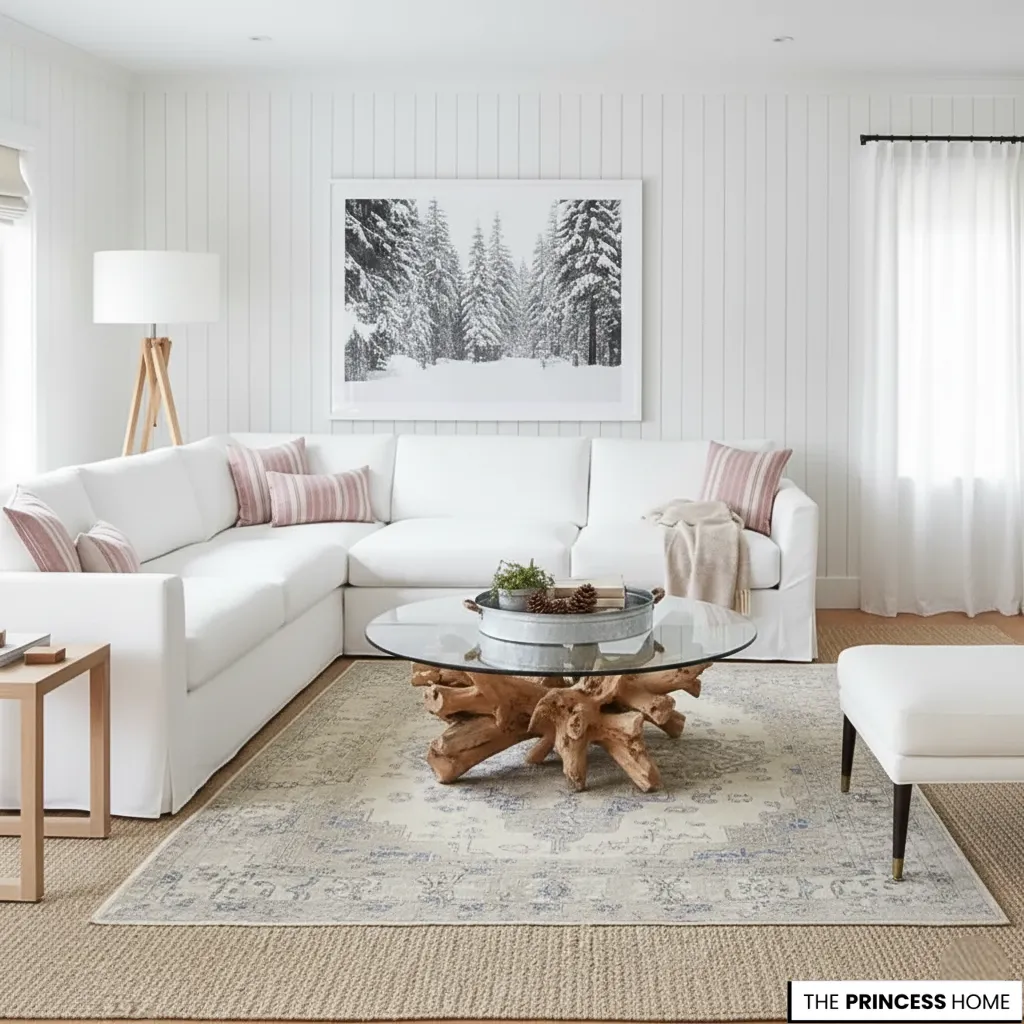
Choose furniture made from sustainable materials—reclaimed wood, recycled fabrics, and natural fibers. These pieces not only reduce environmental impact but often develop beautiful patinas that improve with age. Prioritize certified eco-friendly labels like FSC for wood and OEKO-TEX for textiles to ensure healthier indoor air quality. Investing in sustainable pieces creates a more mindful home where comfort, character, and environmental care naturally coexist.
Quality Over Quantity
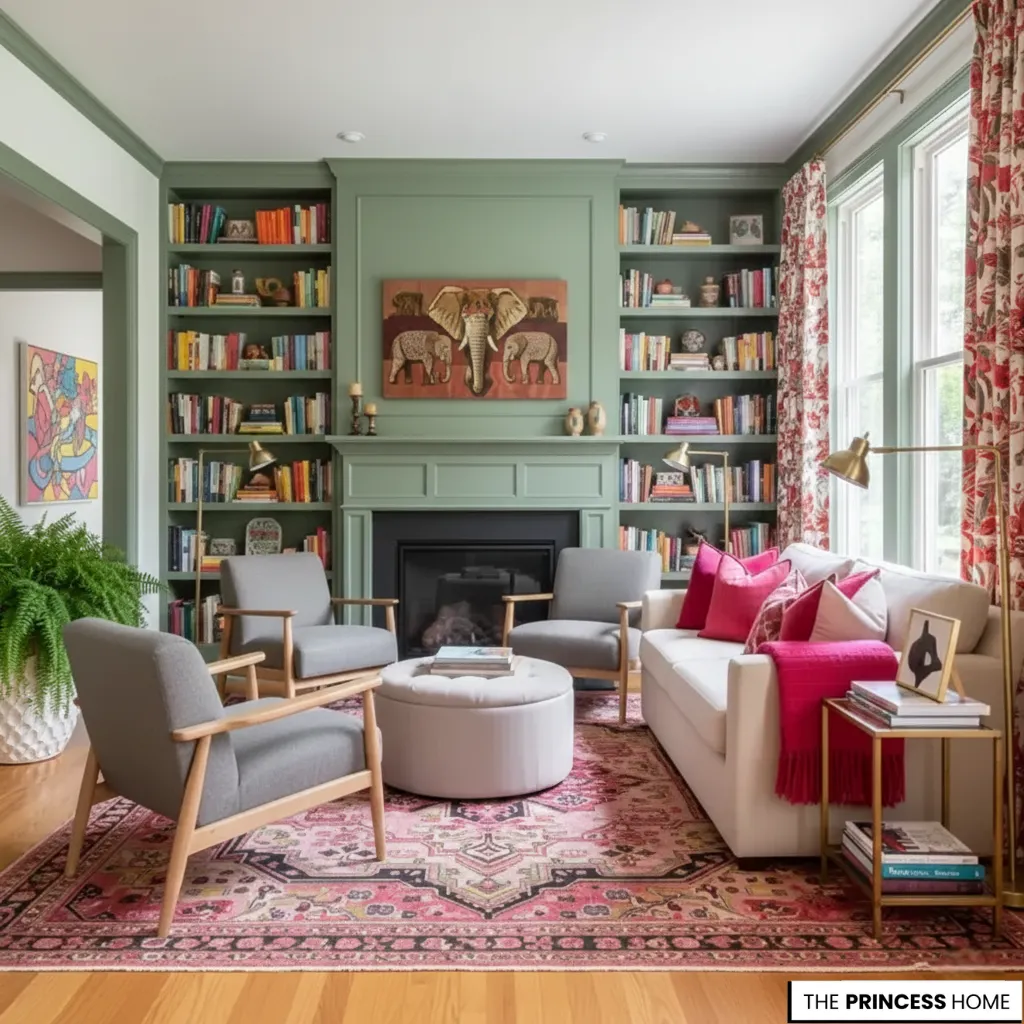
Invest in fewer, better pieces that will last for years rather than replacing furniture frequently. Well-made items develop character and tell stories, adding emotional warmth to your space. Focus on timeless designs and neutral tones that can adapt to changing decor trends, ensuring longevity both functionally and stylistically. High-quality craftsmanship not only adds durability but also creates a sense of permanence and comfort, making your home feel truly lived-in and inviting.
Secondhand Treasures
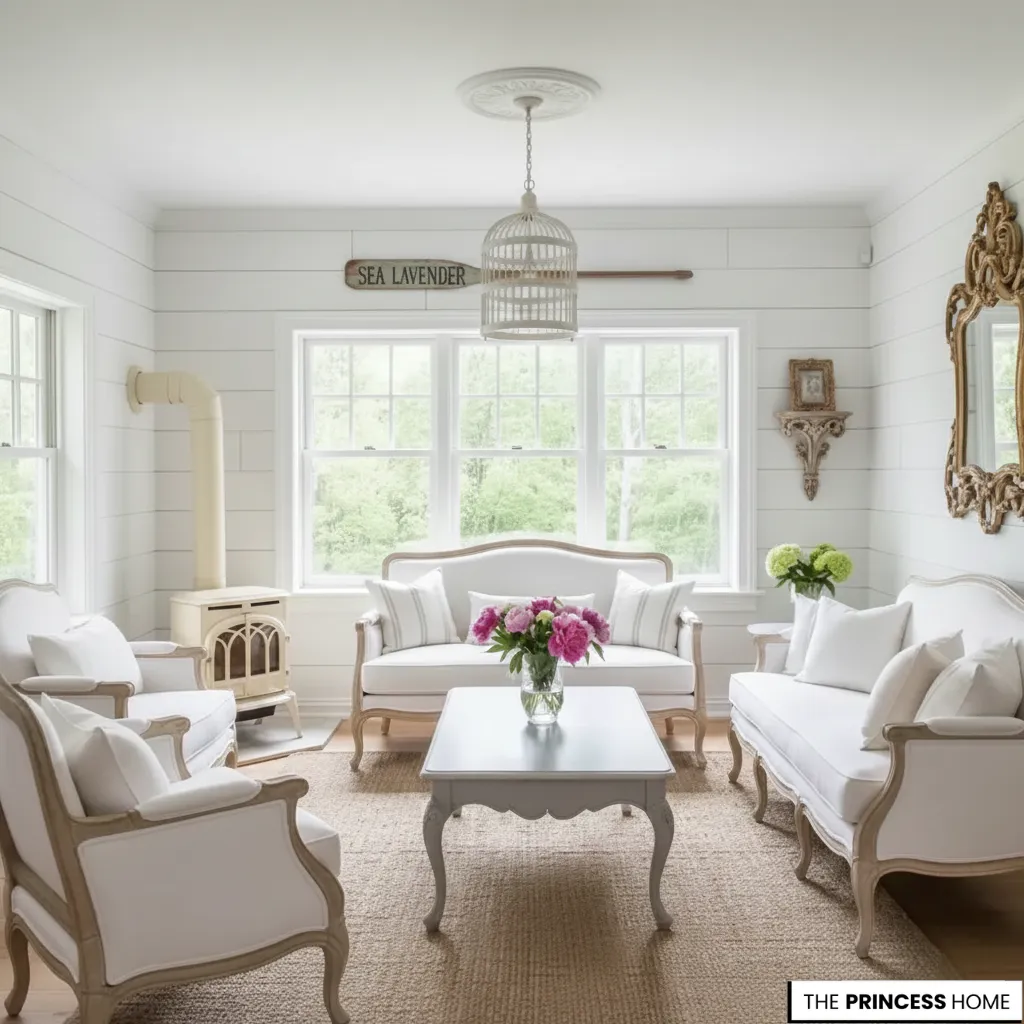
Antique and vintage furniture pieces bring history and character to modern spaces. Look for solid wood construction and timeless designs that transcend trends while adding unique personality to your winter home. Mix antiques with contemporary pieces to create a layered, curated look that feels both warm and dynamic. Even small vintage accents—like a side table, mirror, or lamp—can become focal points, infusing your space with charm and a sense of storytelling.
Conclusion
Creating a warm, inviting winter space is about more than just furniture—it’s about crafting an environment that nurtures both body and soul during the coldest months. By selecting pieces that combine comfort, style, and psychological warmth, you can transform your home into a sanctuary that embraces you every time you walk through the door.
Here are some frequently asked questions related to the article :
Q1: How can I make my small apartment feel cozier for winter without overcrowding it?
A: Focus on multi-functional furniture like storage ottomans and nesting tables. Use mirrors to reflect light and create the illusion of space. Choose furniture with legs to create a sense of openness, and stick to a cohesive color palette to avoid visual clutter.
Q2: What’s the best fabric for winter furniture that’s also pet-friendly?
A: Performance velvet and microfiber offer both luxury and durability. Leather is surprisingly pet-friendly as it doesn’t trap fur and is easy to clean. Look for fabrics with tight weaves and stain-resistant treatments for the best combination of comfort and practicality.
Q3: How can I add warmth to a room with lots of modern, minimalist furniture?
A: Layer textures through throws, pillows, and area rugs. Add wooden accents, warm lighting, and organic elements like plants or natural fiber baskets. Even minimalist spaces can feel cozy with the right textural contrasts and warm lighting.
Q4: Are there budget-friendly ways to make my furniture feel more winter-appropriate?
A: Absolutely! Swap out pillow covers and add chunky knit throws. DIY a slipcover for an accent chair in a warmer fabric. Add area rugs and warm lighting. Even small changes like switching to warmer lightbulbs can make a significant difference.
Q5: How do I balance winter coziness with good design principles?
A: Focus on quality over quantity—choose fewer, better pieces. Maintain clear sightlines and proper proportions. Use the 60-30-10 rule for your color palette, ensuring your winter accents enhance rather than overwhelm your design foundation.
Q6: What’s the most important winter furniture investment for comfort?
A: A high-quality sofa or armchair where you spend the most time. Since this is where you’ll likely relax most during winter months, investing in comfort here pays dividends in daily wellbeing and enjoyment of your space.
Q7: How can I transition my winter furniture to spring without buying new pieces?
A: Store heavy throws and swap lighter ones. Change pillow covers to brighter colors and lighter fabrics. Reconfigure furniture arrangement to maximize light and airflow. Add fresh flowers or plants to signal the seasonal change while keeping your core furniture pieces.
The princess home on Pinterest