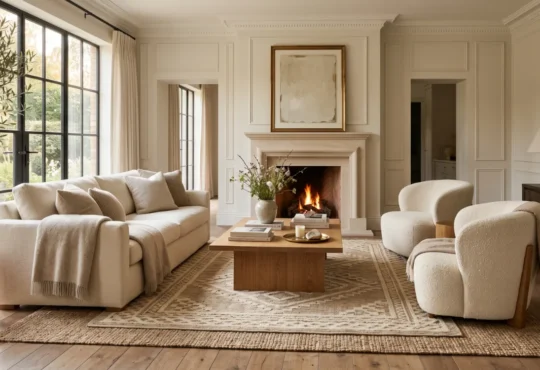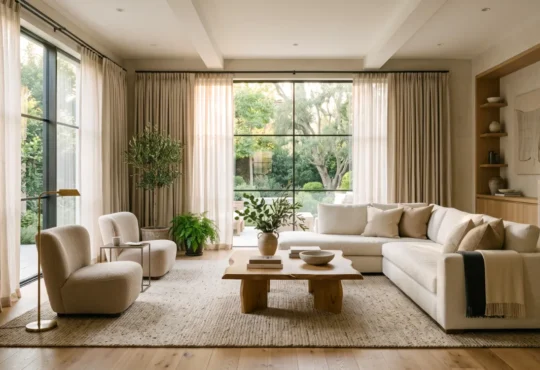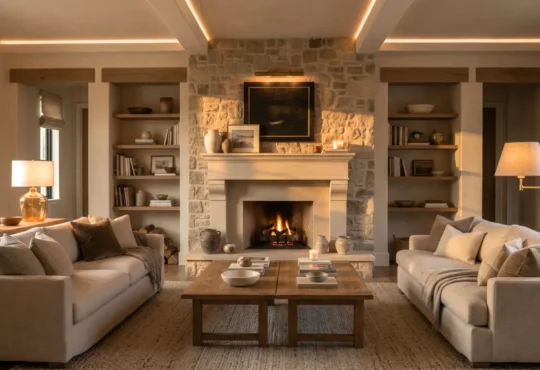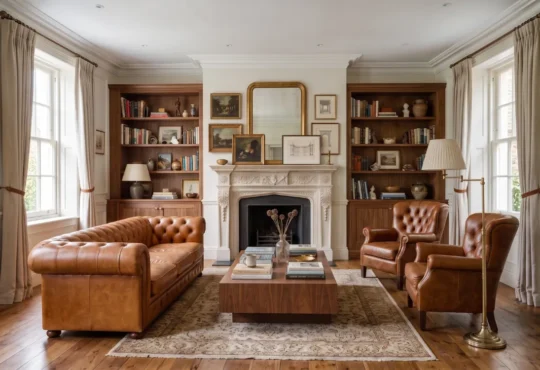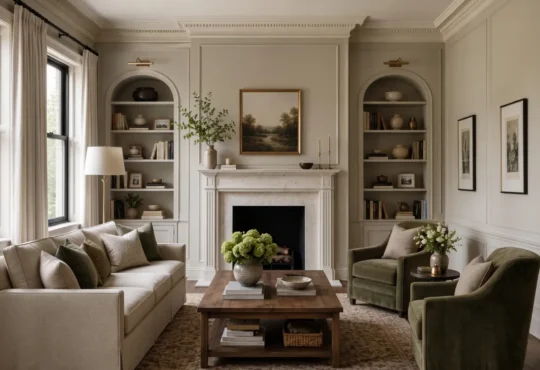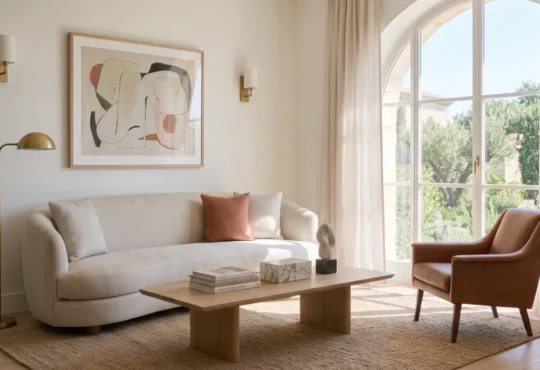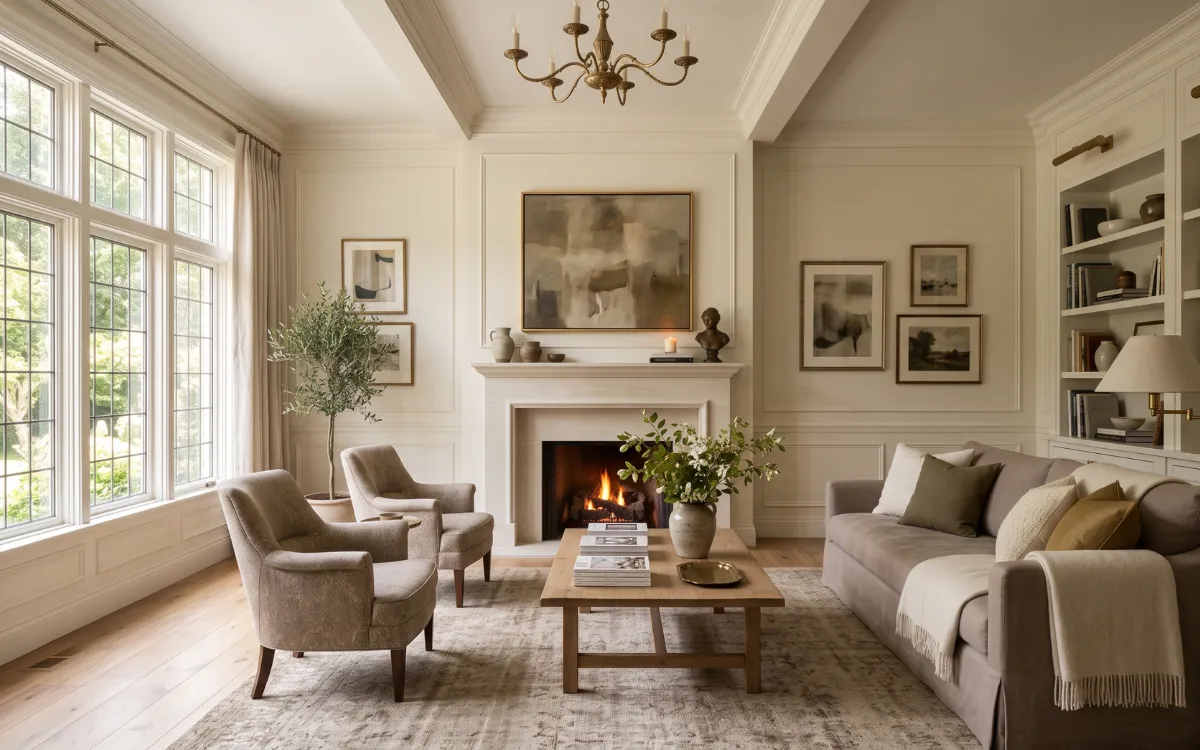
Elegant living room design is not defined by a single style or a collection of expensive furnishings. It emerges from harmony, where every material, every texture, and every carefully placed object contributes to a room that feels both refined and genuinely lived in.
Whether adapting the design for a compact modern apartment, a transitional family layout, or a large luxury estate, true elegance adapts beautifully. The secret lies in balancing atmosphere with structure, creating a space that feels elevated yet effortlessly functional for daily life.
Living Room Foundations
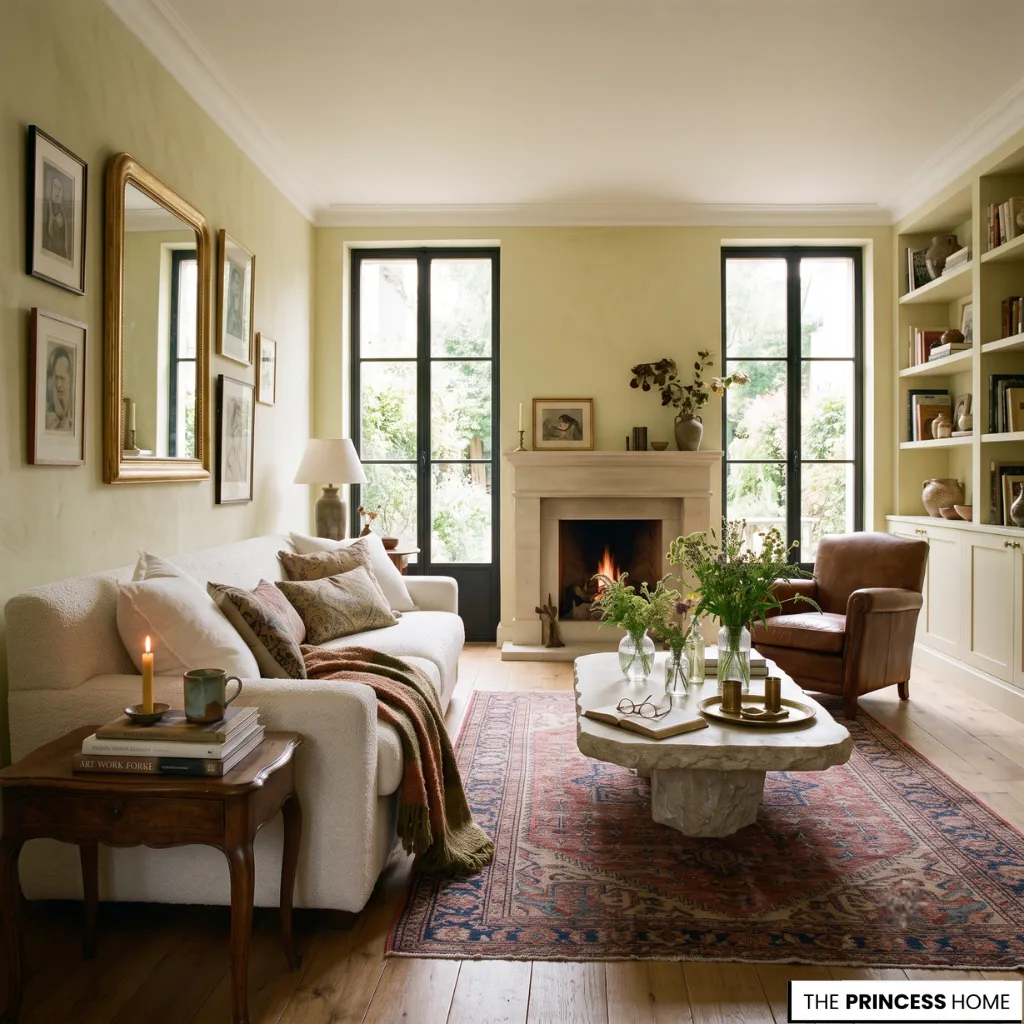
Every refined space begins with a clear understanding of proportion, structural balance, and the architectural elements that frame it. In an elegant living room, the arrangement of furniture dictates the traffic flow, ensuring that movement through the space feels natural and unhindered.
True room composition relies on establishing a clear focal point—such as a classic fireplace, built-in shelving, or large windows—and organizing seating to support comfortable conversation layouts. For large luxury homes or villas, create multiple seating groups to make expansive rooms feel warm and inviting.
Conversely, a small apartment adaptation achieves visual balance through scaled furniture proportions. It uses low-profile seating and draws the eye upward to emphasize ceiling height, creating an expansive feeling despite limited square footage.
💡 EXPLORE MORE
Decorating a compact home? Discover smart layout techniques, furniture choices, and visual tricks in our complete guide to Elegant Small Living Room Ideas to Maximize Space .
Timeless Color Palette
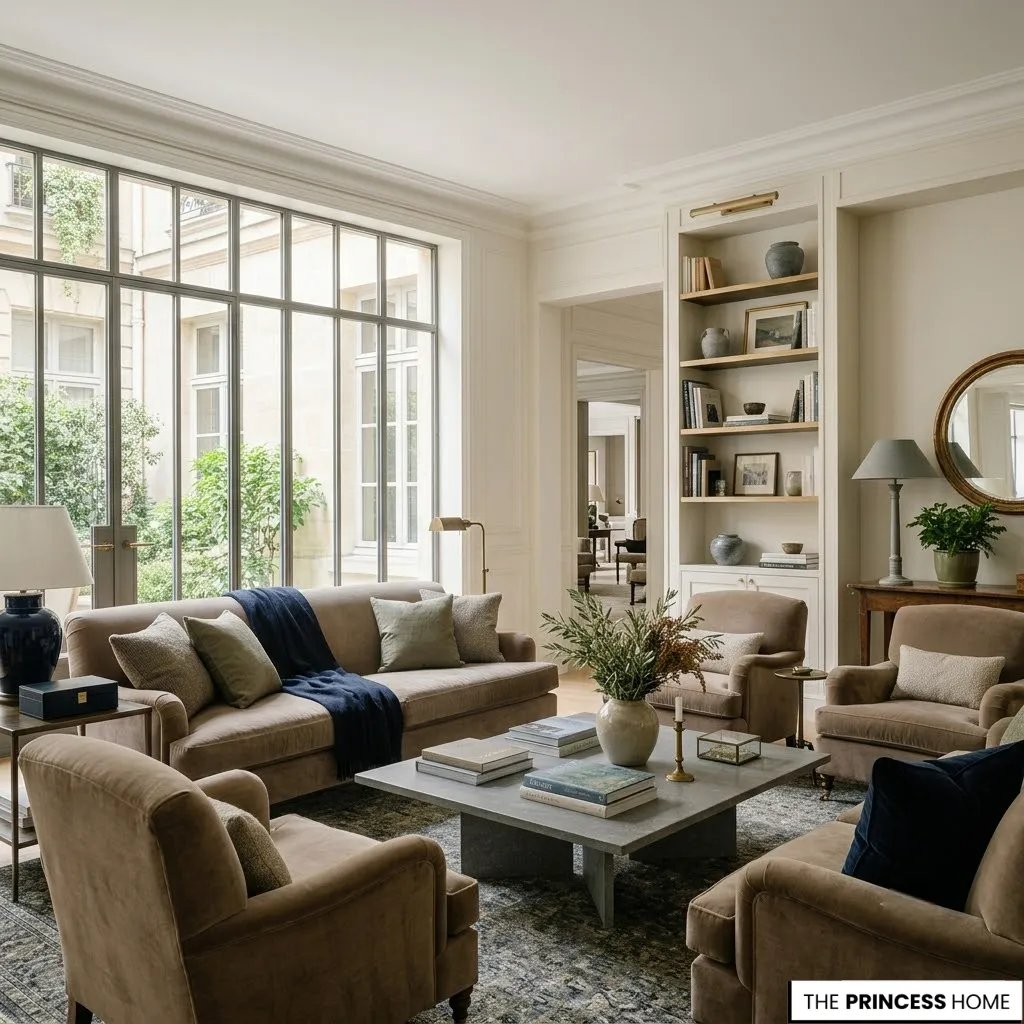
A sophisticated atmosphere relies heavily on a disciplined color story. Choosing the right wall color is one of the biggest decisions in creating an elegant interior. A carefully selected palette bridges classic elegance, modern home interpretation, and European elegant style while allowing timeless architectural details to stand out.
Cultivating a timeless palette involves more than selecting paint. It establishes the emotional tone of the entire home and dictates how natural light orientation interacts with the walls.
Darker, heritage shades often reveal their full depth and luxury when balanced against abundant natural light. As the sun shifts throughout the day, it uncovers subtle undertones and gives the room a living, breathing sense of visual depth. Muted neutrals—soft ivory, warm taupe, and mineral grays—serve as a versatile backdrop. They maximize light in compact spaces while adding soft depth to expansive rooms.
Layering these foundation shades with rich undertones like deep navy, muted olive, or warm amber creates subtle contrast. This ensures the palette feels curated rather than clinical.
💡 EXPLORE MORE
Ready to select the perfect backdrop for your space? Discover timeless palettes, undertones, and paint selection tips in our complete guide to Living Room Paint Colors for a Sophisticated and Timeless Home.
Furniture Layout
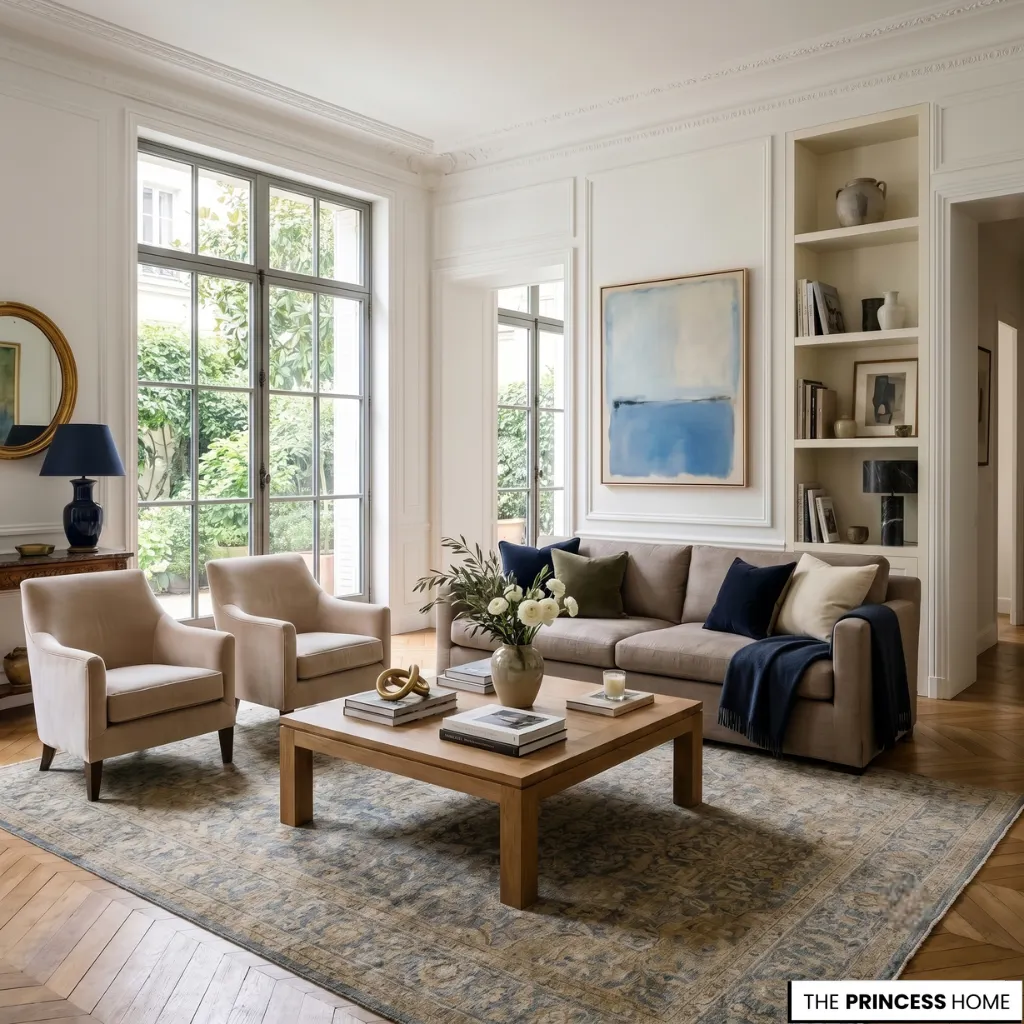
Comfort and structural logic must coexist to achieve visual cohesion and support effortless everyday living. Designing around comfort requires prioritizing high-quality furniture pieces that respect the spatial context, sight lines, and the overall visual weight within the room.
As a general guideline, a comfortable distance between the coffee table and the sofa often falls between 15 and 18 inches. These proportions create a framework that allows every furniture piece to feel intentional rather than crowded. Primary walkways are ideally kept at a minimum of 30 inches wide to allow seamless movement.
In a modern home setup, a classic tailored sofa paired with a balanced pair of streamlined armchairs offers a timeless composition. For compact living room layouts, choosing multifunctional pieces with clean silhouettes and exposed legs creates a sense of openness beneath the furniture. This simple design approach helps a small room feel larger.
Timeless elegance often emerges from the thoughtful balance between modern, classic, and transitional influences. Mixing a heritage-inspired mahogany coffee table with contemporary seating creates a timeless composition rooted in quiet luxury.
Authentic Materials
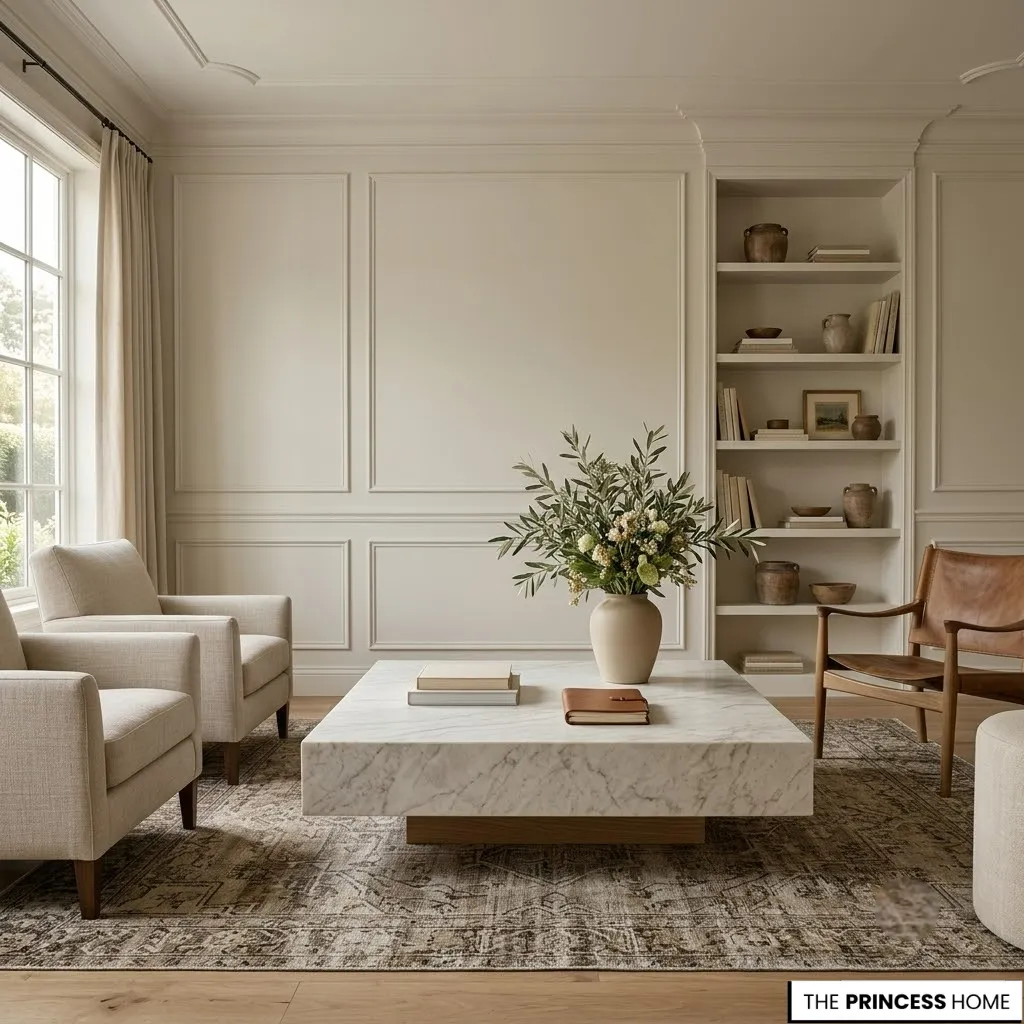
The tactile quality of an interior speaks volumes about its design identity and architectural authority. The beauty of natural materials lies in their ability to develop character over time, adding organic warmth to both contemporary and traditional spaces.
Incorporating rich hardwood flooring, honed marble surfaces, and aged leather accents establishes an immediate sense of permanence and quality. To enhance the vertical plane, integrating architectural details like crown molding, wall paneling, or wainscoting elevates the structural narrative.
In spacious luxury homes, these elements can be introduced through large-scale architectural features. Small apartments can channel the same premium feel through smaller, intentional material expressions, such as a travertine side table, solid wood shelving, or linen-wrapped wall panels.
💡 EXPLORE MORE
Looking to see how leather, warm wood, and timeless architectural details come together? Discover full inspiration in our guide to Classic Living Room Ideas with Leather and Warm Wood .
Layered Lighting
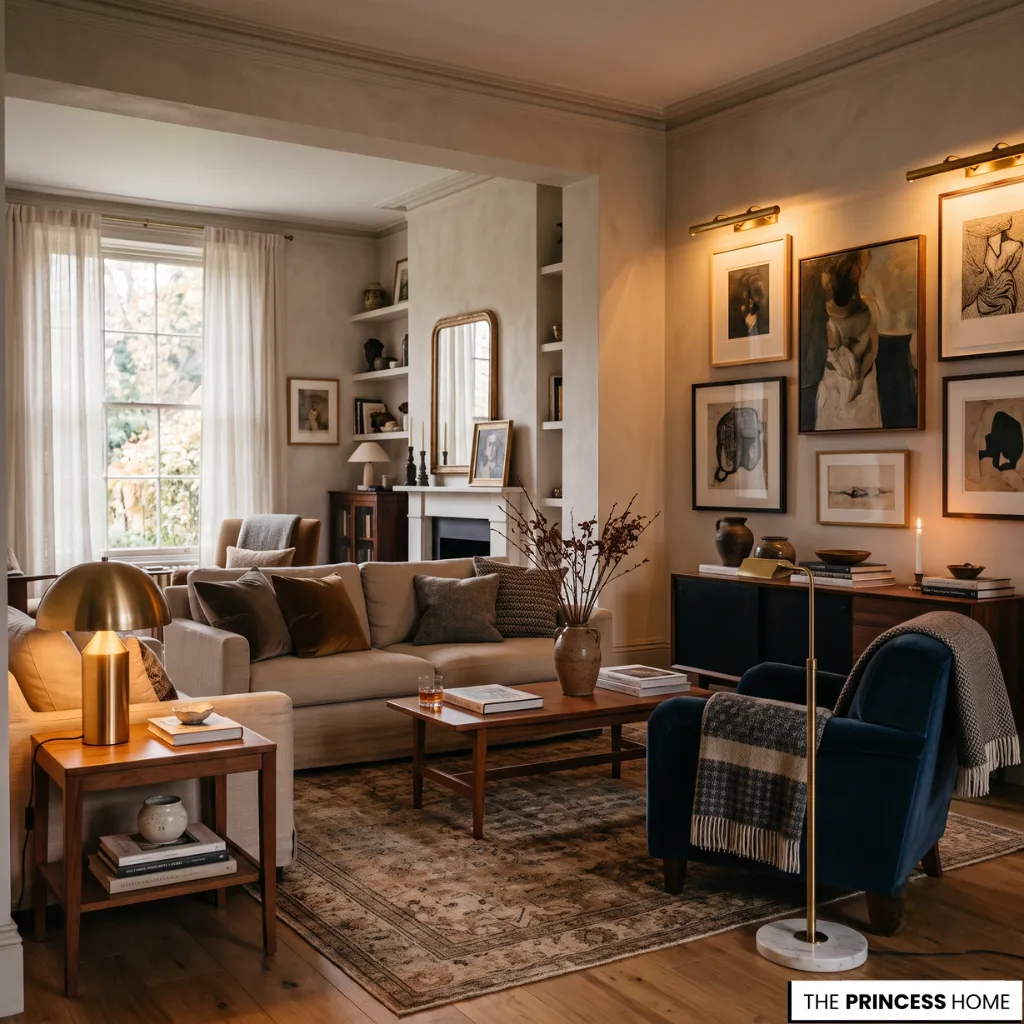
Light is a fundamental architectural element that transforms how textures, colors, and volumes are perceived from day to night. Achieving an elegant atmosphere requires a thoughtful system of layered lighting that rejects harsh, singular overhead sources in favor of ambient, task, and accent dimensions.
Ambient architectural lighting sets the baseline warmth, functional task lamps provide focus next to reading chairs, and low-level accent lights highlight artwork or architectural niches. In compact apartments, positioning large mirrors strategically opposite windows enhances daylight distribution and creates an illusion of depth.
Larger luxury spaces benefit from statement floor lamps, symmetrical table lamps, and understated picture lights that draw the eye to curated design details, balancing shadows and highlights seamlessly.
💡 EXPLORE MORE
Want to master atmospheric illumination and create balanced light throughout your space? Read our complete guide to Living Room Lighting Layering Light for a Cozy & Ambient Space .
Luxury Textures
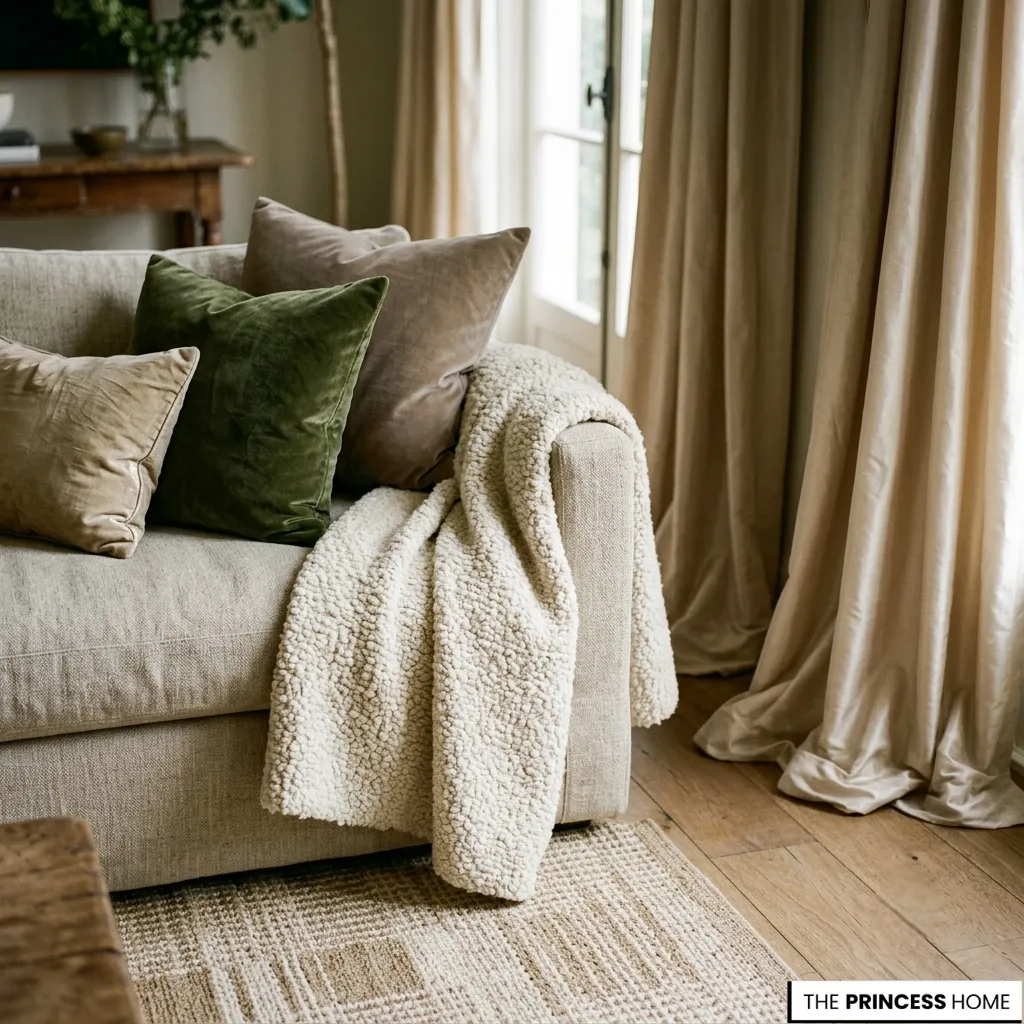
Visual interest in a monochromatic or neutral space is sustained entirely through tactile diversity, preventing a refined living room from feeling flat or sterile. Layered texture gives the eye subtle changes in depth and reflection, preventing large neutral surfaces from appearing visually static.
Creating true visual continuity requires a rhythmic repetition of textures, colors, or lines across the room. This allows the eye to glide smoothly from one piece to another. Combining contrasting textiles builds a sophisticated sensory experience—think heavy Belgian linen sofas, plush velvet pillows, silk-blend drapery that pools slightly on the floor, and woven wool or bouclé rugs.
For high-traffic modern family homes and transitional spaces, selecting high-performance premium fabrics ensures this luxurious texture layer remains pristine and durable. It also keeps the space practical for everyday living without sacrificing the overarching aesthetic.
💡 EXPLORE MORE
The right rug anchors the entire seating area. Discover how to select the ideal size, material, and placement in our guide to Living Room Rug The Guide to Size, Materials, Placement, & Style .
Window treatments play a major role in shaping texture and softness. Learn how to choose the perfect style, scale, and fabric in our guide to Living Room Curtains: Choosing the Perfect Style for Every Space .
Elegant Decor
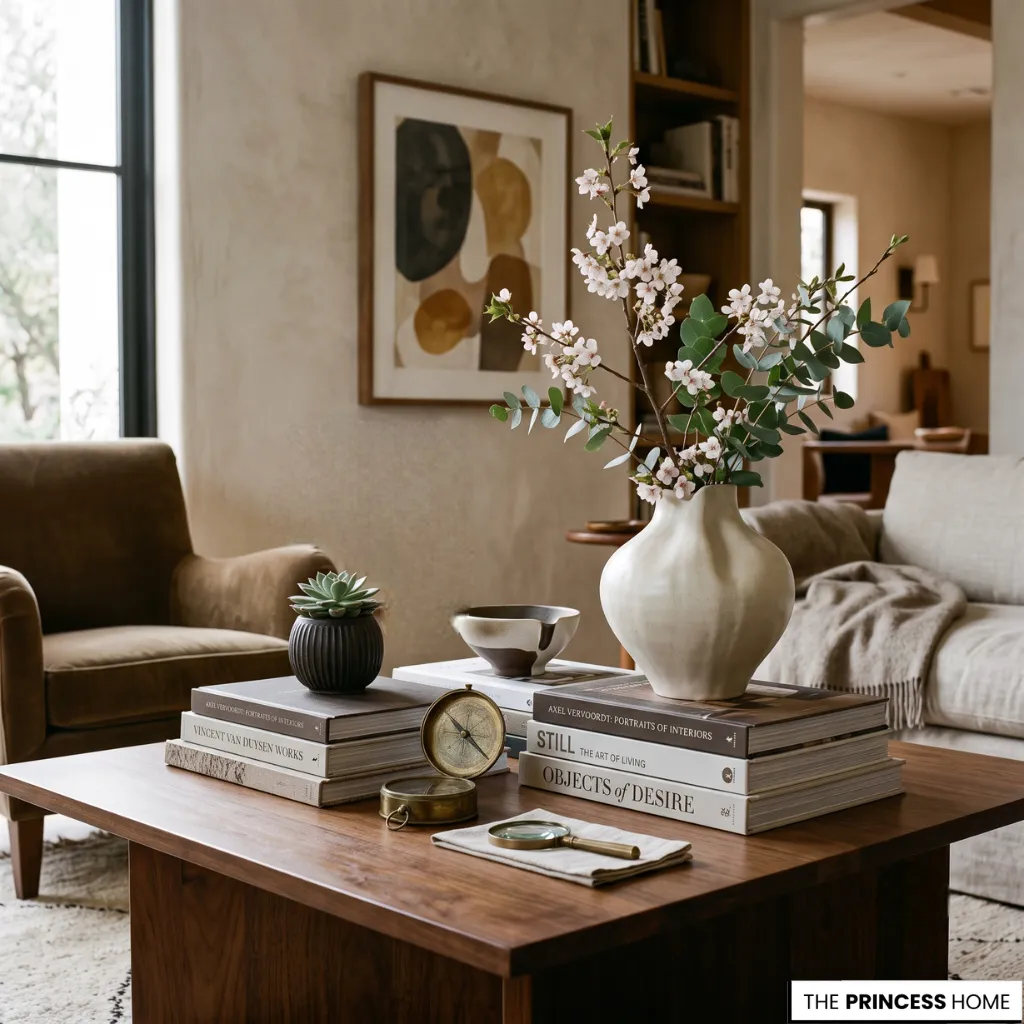
A refined home avoids the trap of over-decoration, favoring a philosophy of curated styling where every object tells a distinct story and contributes to visual balance. The final layer of an elegant living room relies on the purposeful arrangement of art, books, and heirloom pieces.
Rather than filling surfaces with mass-produced items, select a few meaningful, high-quality accessories to create an authentic identity. When styling surfaces, use the “rule of threes” and vary object heights to create dynamic groupings.
Mixing large-scale contemporary artwork with vintage decorative objects provides an implicit comparative context, blending luxury and minimalist aesthetics seamlessly to elevate the room’s overarching design narrative.
Personal Style
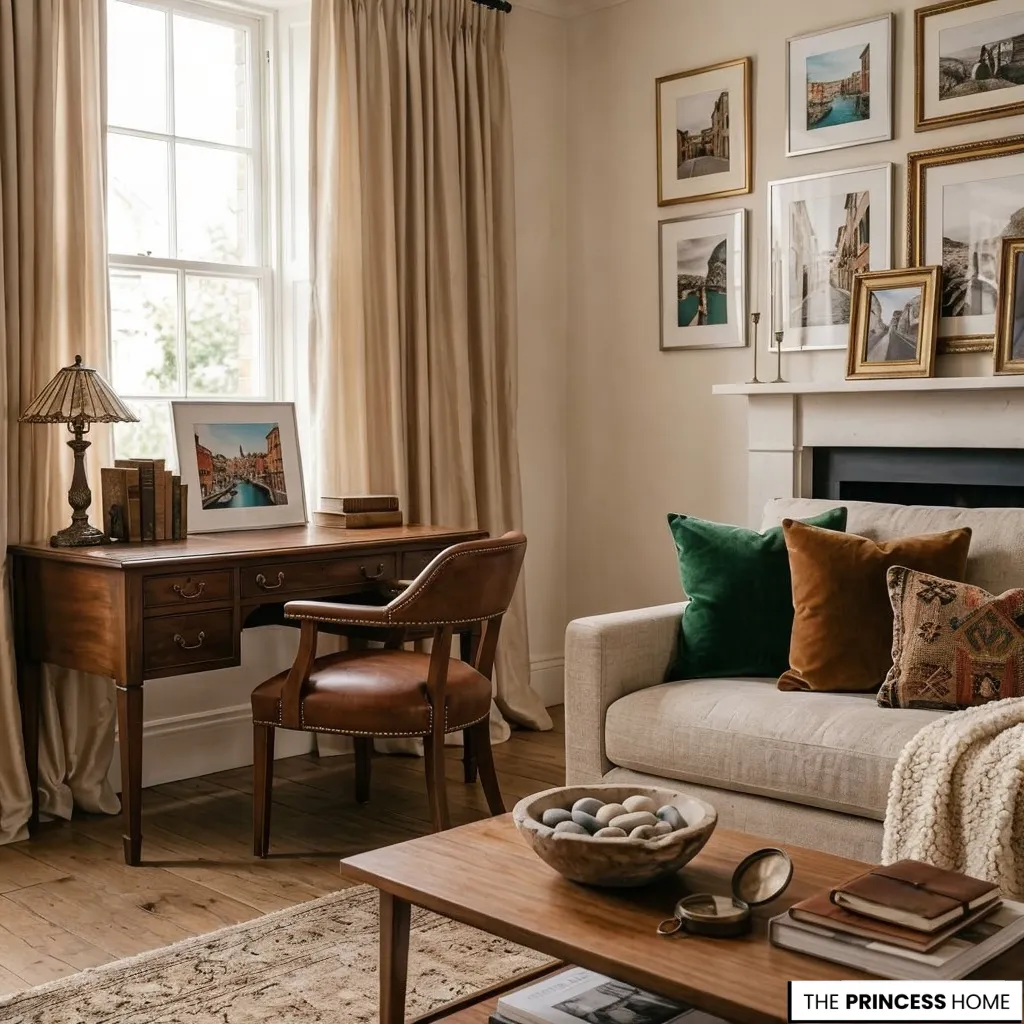
True elegance is never clinical, formulaic, or designed strictly like a showroom. It leaves room for personal expression and lifestyle adaptation. Personal spaces celebrate the unique history of their inhabitants, integrating personal narrative seamlessly into the structural layout.
Whether displaying a collection of travel photography in sleek modern frames, introducing personal artifacts that break rigid style boundaries, or integrating a cherished antique writing desk into a transitional apartment layout, these personal touches anchor the space, giving the room true character and authenticity.
This balance ensures that even the most high-end luxury environment feels warm, lived-in, and deeply connected to the people who inhabit it.
Ready to explore the foundational principles behind creating a timeless, cohesive home? Read our master editorial on Elegant Living Room Design Timeless Ideas for Every Home .
💡 EXPLORE MORE
Quiet Luxury
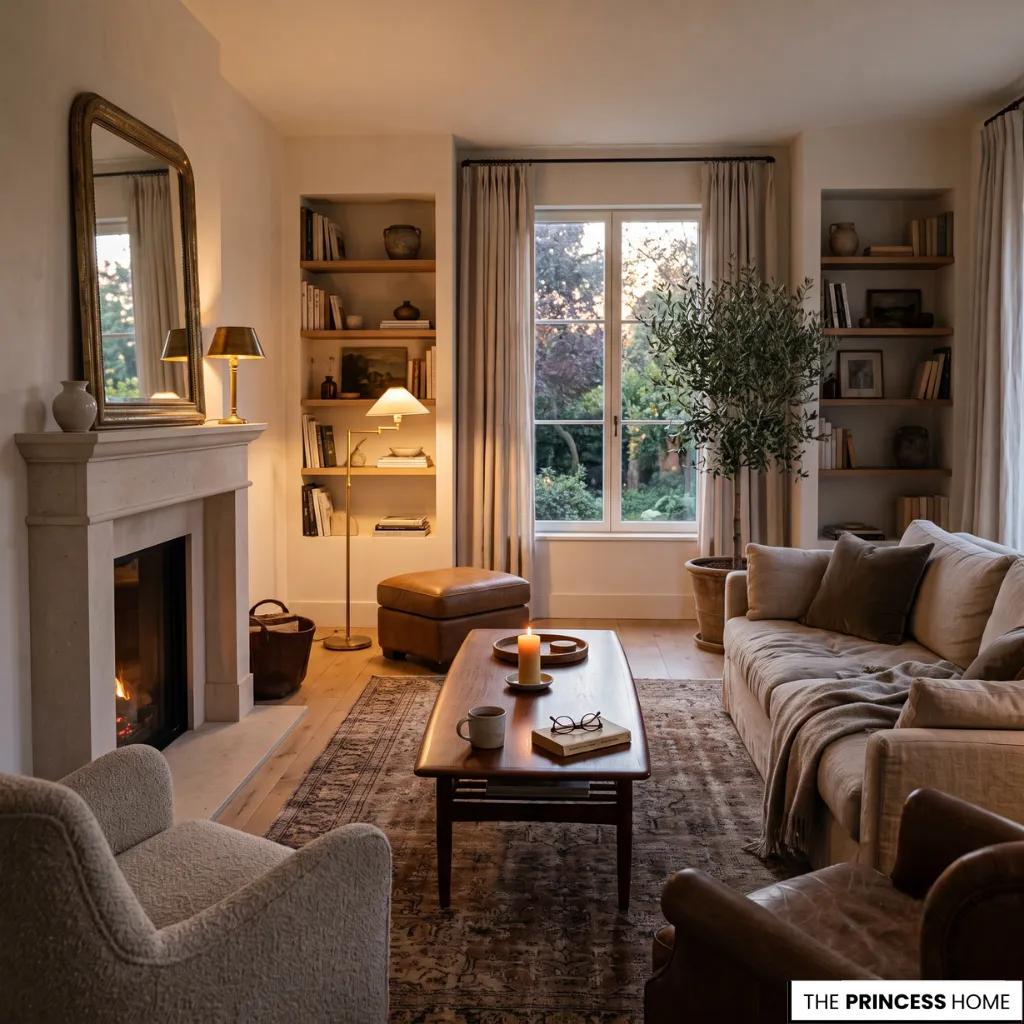
Ultimately, the essence of high-end interior design culminates in the quiet luxury of living well. It is a philosophy where functionality and beauty exist in perfect equilibrium. True elegance is never the result of a single, standalone design choice.
Instead, it emerges from the cumulative harmony of every deliberate decision made across the space. An elegant living room design gracefully accommodates the realities of daily life. It hosts family gatherings and quiet evenings alike while maintaining an elevated aesthetic.
By harmonizing thoughtful furniture proportions, a timeless color palette, authentic materials, layered lighting, and personal expression, any home can become a sanctuary of refined comfort and lasting beauty. This applies to every layout, from a compact urban apartment to a sprawling traditional house.
FAQ
What defines elegant living room design?
Elegant living room design is defined by balanced proportions, timeless materials, layered lighting, and thoughtful furniture placement. Together, these elements create a refined yet comfortable atmosphere.
How do you design an elegant living room?
Start with a balanced layout. Choose a timeless neutral palette. Invest in quality furniture. Layer lighting. Finish with carefully curated décor and personal details.
What colors work best for elegant living room design?
Soft ivory, warm taupe, mineral gray, deep navy, muted olive, and warm amber create a timeless palette that feels sophisticated. It also adapts beautifully to different spaces.
Which furniture fits an elegant living room?
Tailored sofas, classic armchairs, solid wood tables, and well-proportioned pieces create visual balance while maintaining comfort and natural traffic flow.
Can elegant living room design work in small spaces?
Yes. Scaled furniture, light-reflecting colors, layered lighting, and smart layouts help small apartments feel open, refined, and visually spacious.
Is elegant living room design still popular?
Yes. Elegant living room design remains popular because it combines timeless style, quality materials, and practical comfort instead of following short-lived trends.
Why is layered lighting important in elegant living room design?
Layered lighting adds warmth and highlights architectural features. It enhances texture and creates depth. This allows the room to feel inviting throughout the day.
Final Thoughts
Elegant living room design is built on harmony rather than excess. By combining balanced layouts, timeless colors, authentic materials, layered lighting, and meaningful personal touches, any home can achieve a refined, welcoming atmosphere that remains beautiful for years to come.