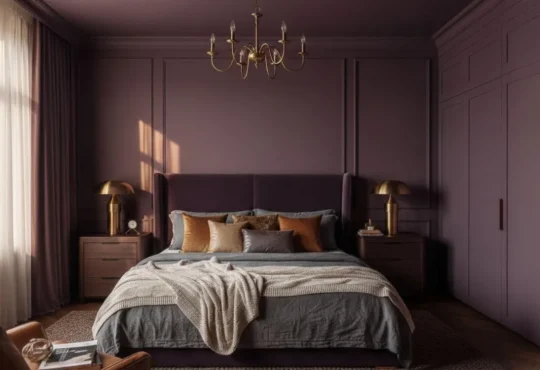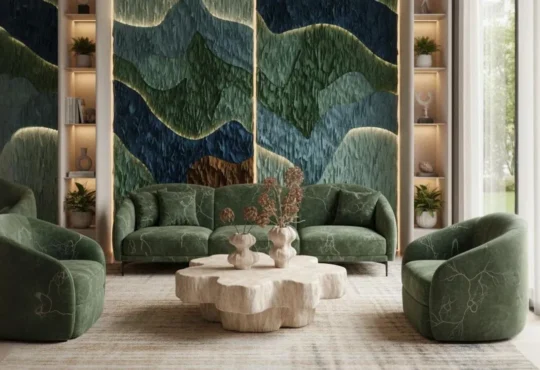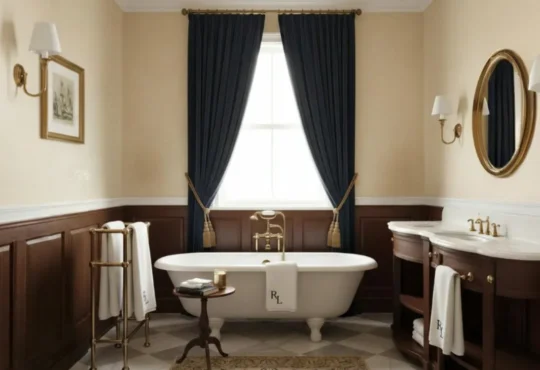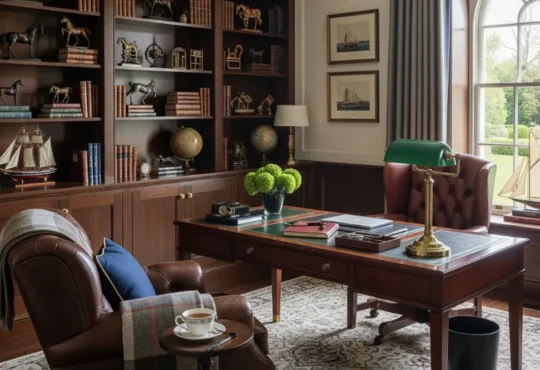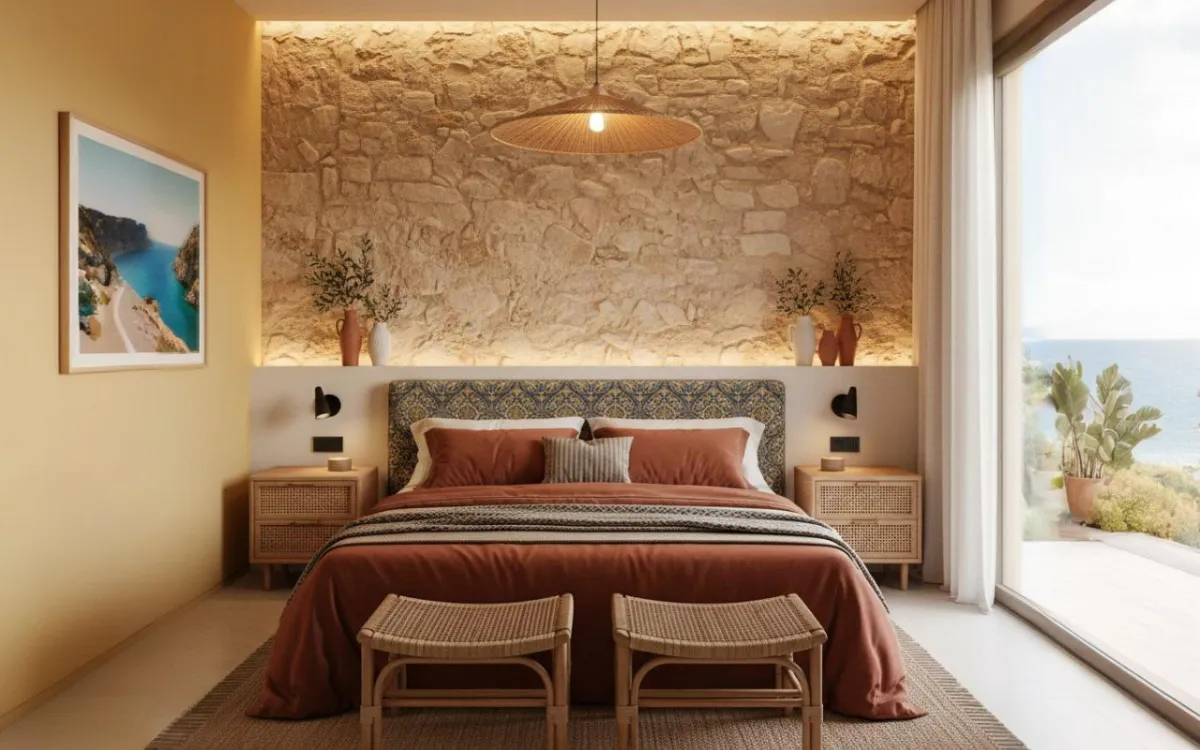
Bedrooms are more than just places to sleep in 2026 they’re being transformed into rejuvenating sanctuaries that reflect personality, comfort, and style. Designers across the globe say this year’s trends are about emotional wellbeing, tactile beauty, and intentional design choices a dramatic shift away from sterile minimalism and overly coordinated spaces.
Below, interior designers share the must‑know trends that will define bedroom design in 2026 and what to avoid along with image inspiration links you can use for visuals.
Earthy Palettes
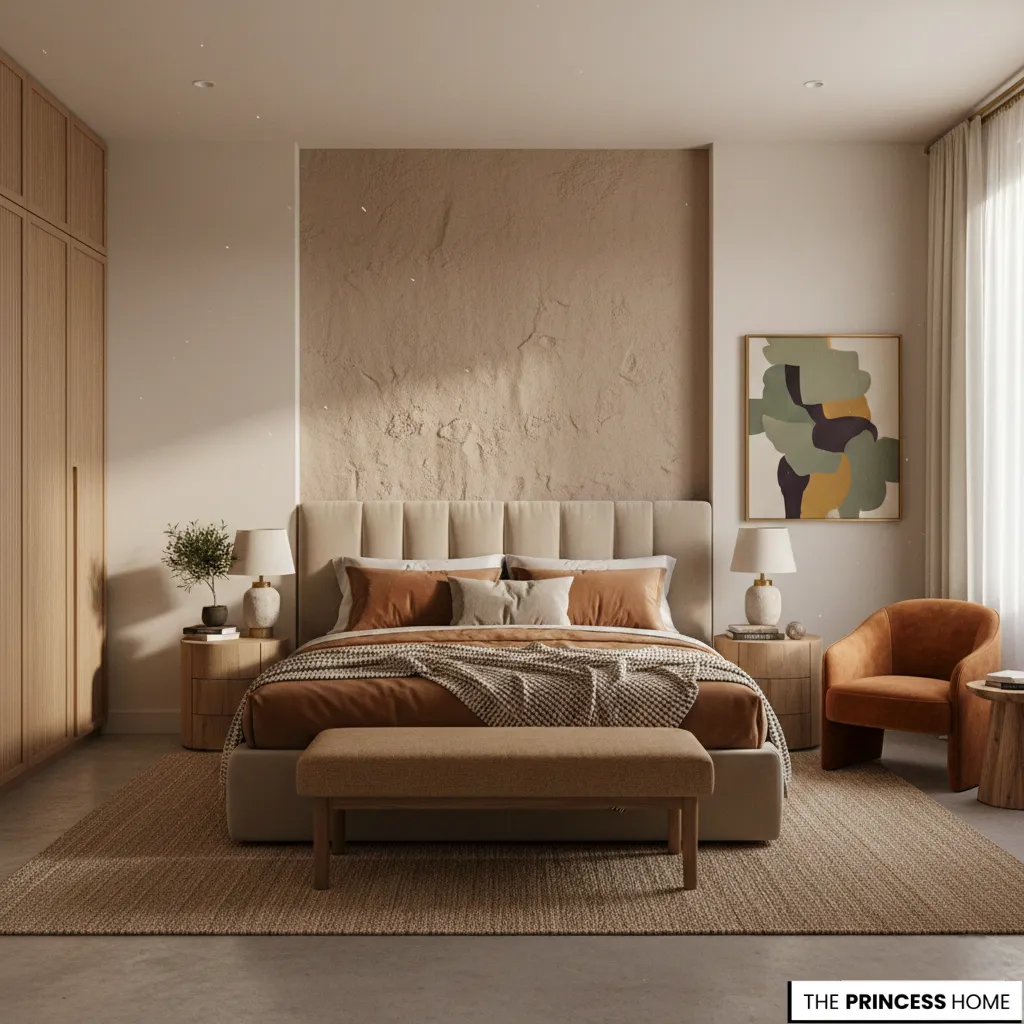
Designers are reshaping the meaning of neutral for 2026 bedrooms. The era of cold greys and sterile whites is fading, replaced by a warmer, more inviting palette that feels emotionally grounding. Shades like creamy taupe, sun-baked clay, soft caramel, and layered beiges create a cocooning atmosphere that supports rest rather than visual sharpness.
According to Jeanne Barber of Camden Grace Interiors, the new foundation for bedrooms is earthy and soothing — but never flat. These warm neutrals are intentionally paired with subtle, thoughtful accents: a muted olive throw, a brushed brass lamp, or a dusky blue headboard. The result is a space with quiet contrast, visual depth, and a sense of calm sophistication.
What makes this 2026 shift especially notable is how these neutrals are used. Designers are layering them across textures rather than relying on a single color. Limewashed walls, bouclé upholstery, raw wood nightstands, and softly ribbed linens all sit within the same warm spectrum, allowing the room to feel rich and dimensional without needing bold color blocks. This approach also improves longevity — warm neutrals adapt easily to seasonal styling and evolving trends.
From a wellness perspective, these tones are linked to comfort and emotional safety, making them ideal for bedrooms where stress reduction is a priority. They also perform beautifully in both natural and low lighting, maintaining warmth throughout the day and evening. In short, 2026 neutrals aren’t about playing it safe — they’re about creating bedrooms that feel human, tactile, and deeply restful while remaining timeless and search-friendly for modern design seekers.
Canopy & Statement Beds
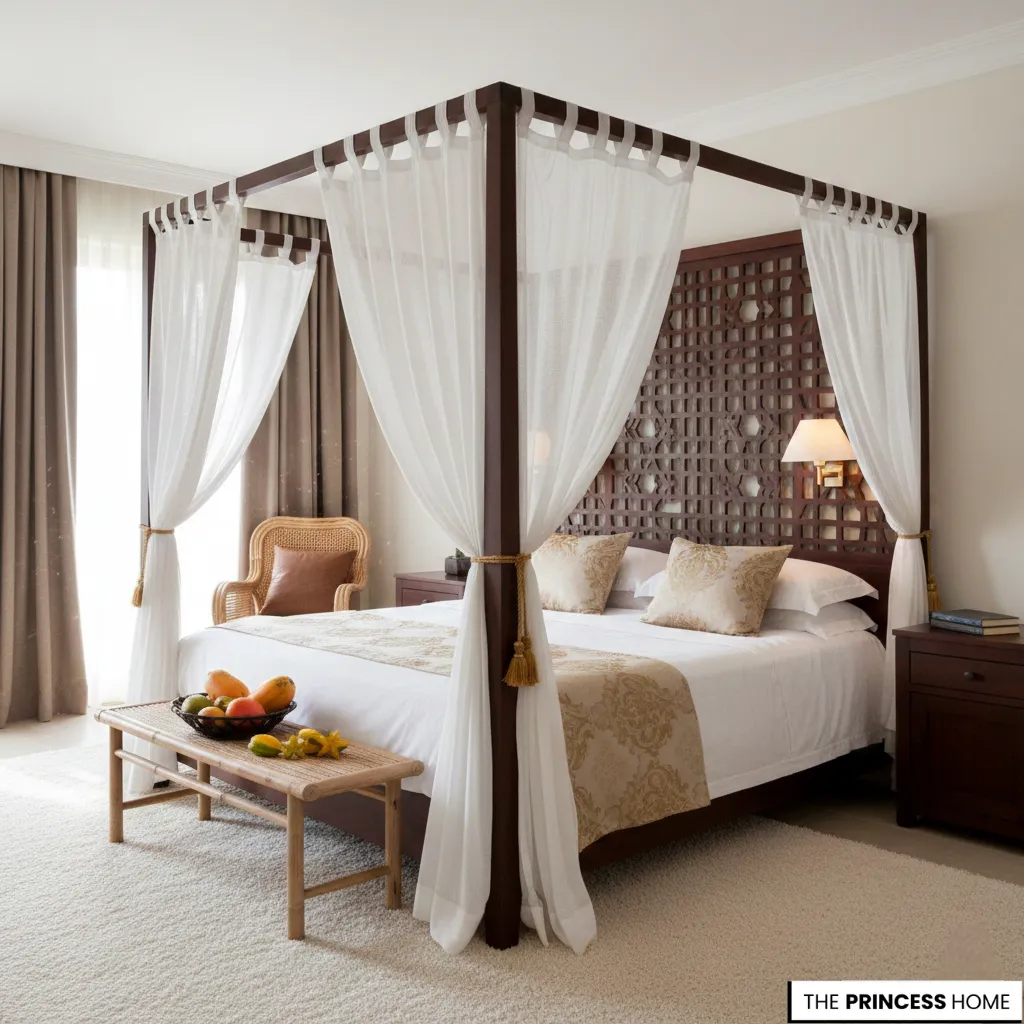
Canopy beds are stepping far beyond their traditional association with grand estates and historic homes, emerging as one of the most defining bedroom statements of 2026. Designers such as Kathy Kuo and Cath Beckett highlight the modern canopy bed as a focal point that instantly elevates the room while offering a sense of intimacy and escape.
What sets the 2026 canopy apart is its softness and adaptability. Instead of heavy, ornate structures, today’s designs favor refined frames in warm wood, matte black, or brushed metal, paired with airy drapes and layered textiles. Sheer linens, softly pleated curtains, and tactile bedding transform the bed into a cocoon-like retreat rather than a formal showpiece.
Designers are also using canopy beds as architectural tools. The vertical lines subtly define the sleeping zone in open-plan bedrooms, lofts, or larger suites, creating structure without walls. When styled with neutral palettes and tonal layering, canopy beds enhance depth and balance while maintaining a calm, restorative atmosphere.
Beyond aesthetics, the resurgence reflects a growing desire for privacy and comfort in personal spaces. In 2026, canopy beds symbolize intentional living — a bedroom designed not just to be seen, but to be experienced. They invite rest, ritual, and retreat, making them a natural centerpiece for modern, wellness-driven interiors.
Reading & Relaxation Zones
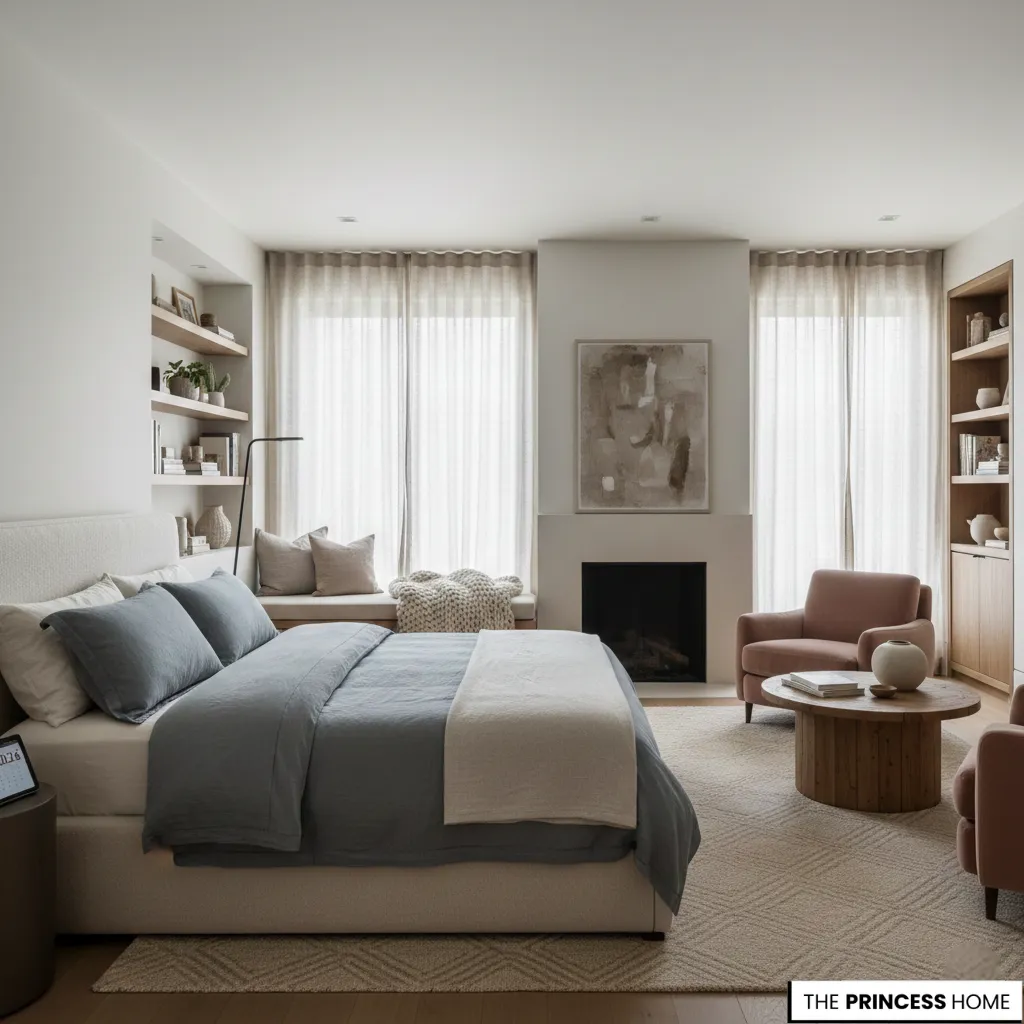
In 2026, the bedroom is evolving into a true personal sanctuary rather than a space reserved solely for sleep. Influential designer Shea McGee of Studio McGee emphasizes layouts that support slow living, where reading nooks and cozy seating areas are thoughtfully integrated to encourage rest, reflection, and intentional calm.
These additions are designed to feel seamless, not secondary. A softly curved lounge chair near a window, a petite sofa at the foot of the bed, or a built-in bench layered with cushions creates a natural pause point within the room. Paired with warm lighting, textured throws, and a small side table, these zones invite quiet rituals like evening reading, morning journaling, or simply unwinding without screens.
What makes this trend especially relevant in 2026 is its alignment with wellness-focused design. By separating “resting” from “sleeping” within the same room, designers help reduce mental overstimulation and reinforce healthier daily rhythms. Reading nooks also add visual balance, breaking up traditional bedroom layouts and making larger spaces feel more intimate and intentional.
From a design perspective, these cozy corners enhance functionality without sacrificing aesthetics. When styled in complementary tones and materials, they reinforce the room’s overall palette while adding depth and lifestyle value. In today’s bedrooms, comfort is no longer a luxury detail — it’s a core design principle.
Decorative Drapes
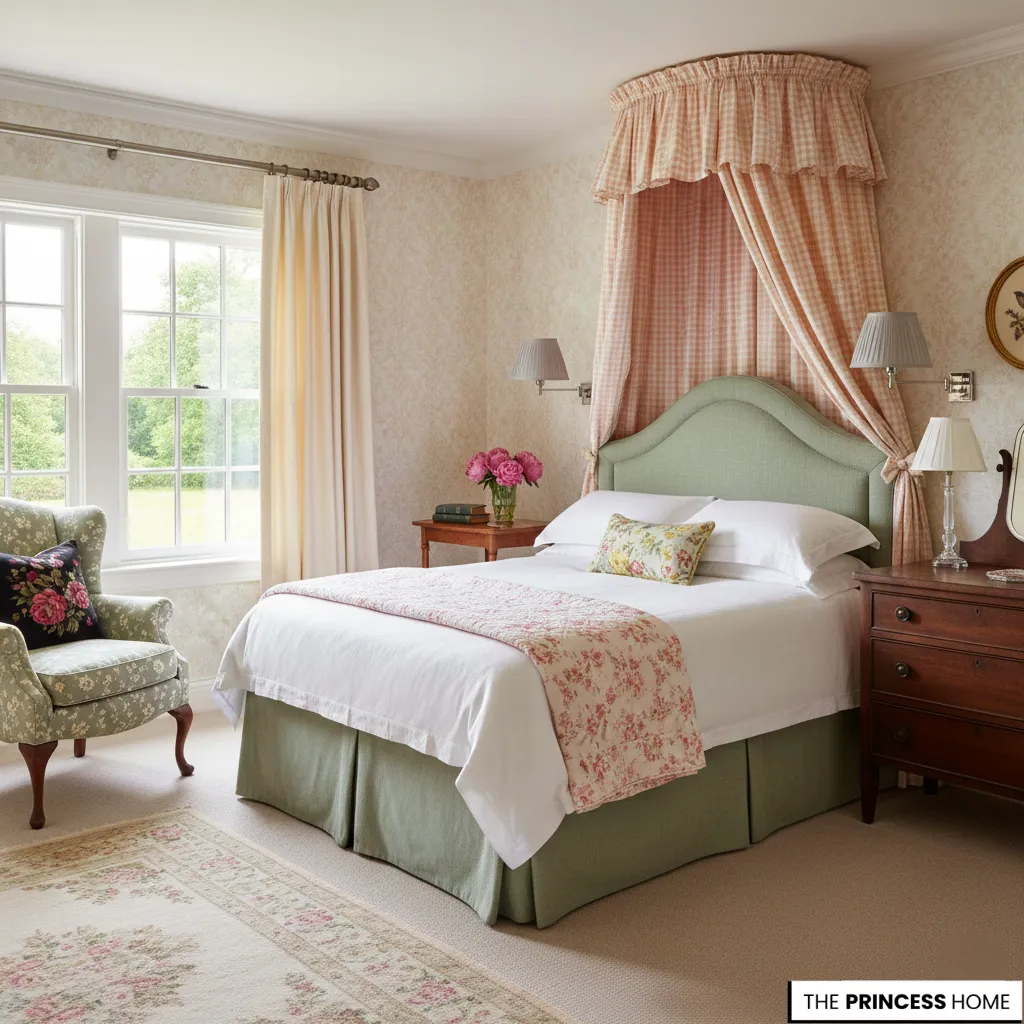
Decorative drapes are being reinvented as one of the most expressive design elements in modern interiors, moving far beyond their traditional role of simply covering windows. According to London-based designer Rebecca Hughes, known for her rich use of textiles and layered interiors, curtains are now being used to shape space, add softness, and introduce a sense of movement and intimacy throughout the home.
No longer confined to windows, drapery is emerging as a versatile design tool that can frame beds to create a sanctuary-like feel or define cozy nooks and entryways without the need for walls or rigid partitions. By thoughtfully selecting fabrics in varying weights — from airy sheers to plush velvets — designers can control how light and shadow play within a space, enhancing its atmosphere and visual flow.
This trend reflects a broader shift in interior design away from stark minimalism toward layered, tactile environments that feel both warm and personal. In bedrooms, for example, curtains can be hung around the headboard area or draped across a seating corner to create a soft backdrop that feels as intentional as furniture. In open-plan homes, lightweight drapes help distinguish living zones while maintaining openness and natural light.
Beyond aesthetics, these textile-based treatments also deliver practical benefits: improving acoustics, softening hard architectural lines, and enhancing comfort. By mixing materials like linen, wool blends, or performance fabrics, it’s possible to balance richness with functionality, ensuring that each drape feels tailored to both the design concept and daily living.
In essence, decorative drapery is no longer an afterthought — it’s becoming a deliberate and dynamic part of spatial storytelling, helping interior designers create rooms that feel layered, intimate, and deeply human.
Sense‑scaping
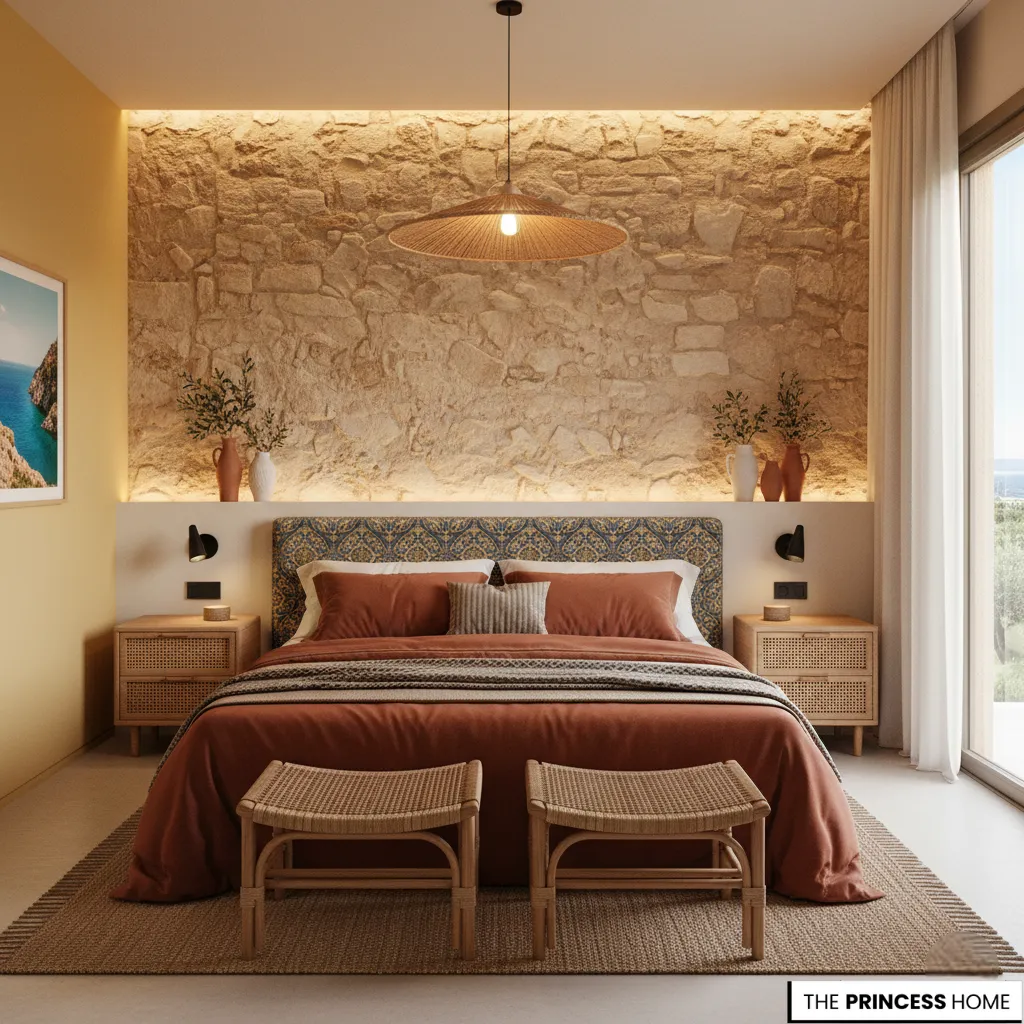
Portia Fox, founder of her eponymous studio, defines sense-scaping as a deeply holistic approach to bedroom design—one that prioritizes emotional well-being as much as aesthetics. In 2026, this concept is shaping how designers think about restorative spaces, shifting the focus from how a bedroom looks to how it feels to live in.
Sense-scaping works through intentional layering. Tactile textures such as washed linen, soft wool, and natural wood introduce comfort through touch, while carefully planned lighting—ambient, indirect, and dimmable—creates a sense of safety and calm as the day winds down. Color choices are equally deliberate, favoring grounded, nature-inspired hues that soothe the nervous system and support relaxation.
Scent completes the experience. Subtle fragrances like cedarwood, herbal notes, or warm resins are woven into the space through candles, diffusers, or even the materials themselves, adding an emotional layer that connects memory and mood. When these elements are thoughtfully balanced, the bedroom becomes more than visually pleasing—it becomes emotionally supportive.
In 2026, sense-scaping reflects a broader movement toward human-centered design. Bedrooms are no longer styled only to impress, but crafted to restore, comfort, and nurture daily life, redefining luxury as a feeling of ease, presence, and quiet well-being.
Final Thought
2026 bedroom design is about comfort, personality, and emotional well‑being. It blends style with sanctuary, making your bedroom not just a room — but a restorative experience.
Here are some frequently asked questions related to the article :
1. How can I achieve the dark color trend in my bedroom without painting all the walls?
Use a single accent wall in a deep hue like burgundy or sage. Layer the color through bedding, curtains, and rugs for a 2026 bedroom trend look without committing to full-wall paint.
2. My bedroom is small. Will curvy furniture and textures make it feel cramped?
Choose one or two statement curvy pieces. Use vertical textures like wallpaper or long curtains and low-profile furniture to keep the space feeling open—perfect for 2026 bedroom trends in small rooms.
3. How can I add the “Sensory Sanctuary” trend without a full redesign?
Focus on scent and sound. Add an essential oil diffuser, a soft area rug, and heavy lined curtains. These small updates create a calm, sensory-focused space, a key 2026 bedroom trend.
4. How can I get artisanal lighting on a budget?
Look for mass-produced lights with artisanal inspiration: ceramic lamps, rattan fixtures, or pendants with hand-blown glass. Swapping a lampshade for textured linen also fits the 2026 bedroom trends style.
5. How do I balance “European Maximalism” with a clean look?
Stick to a cohesive color palette and layer patterns within it. Use hidden storage to keep surfaces clear—this modern approach defines 2026 bedroom trends in maximalism.
6. Will a “Dark & Romantic” palette make my room feel like a cave?
Avoid a cave effect with multiple light sources, mirrors, and contrast bedding. These tips keep the 2026 bedroom trends dark and romantic yet balanced.
7. How can I create a workspace in my bedroom without ruining a relaxing vibe?
Use fold-down desks or secretaries, store tech when not in use, and separate zones with a divider or plant. This keeps your bedroom calm while staying on-trend with 2026 bedroom trends.
The princess home on Pinterest