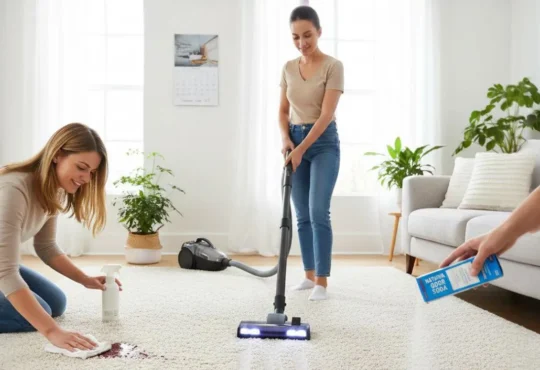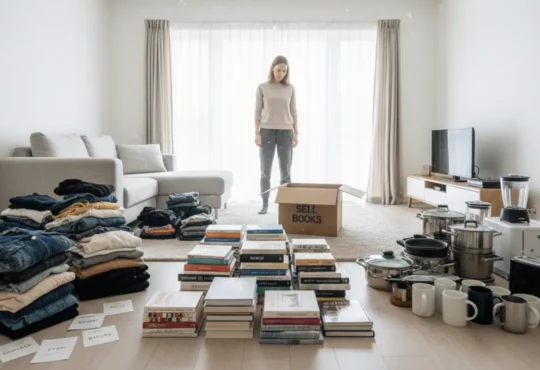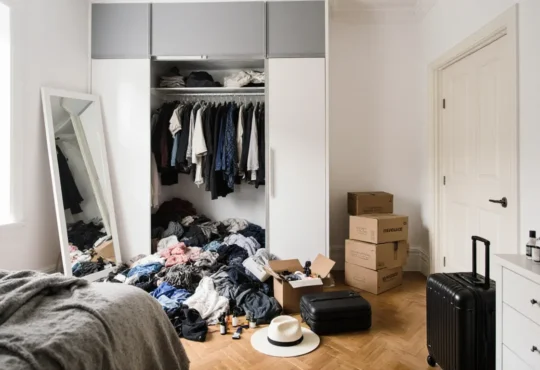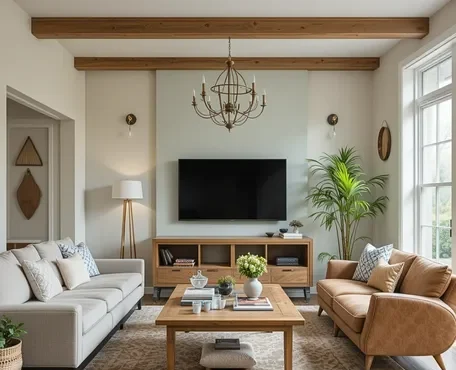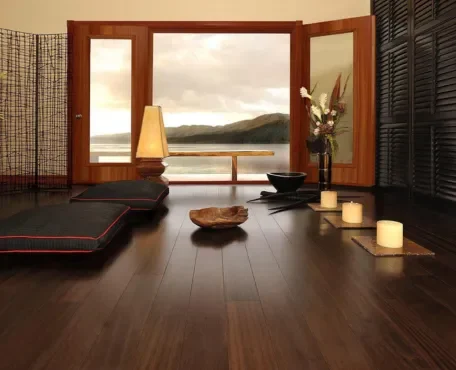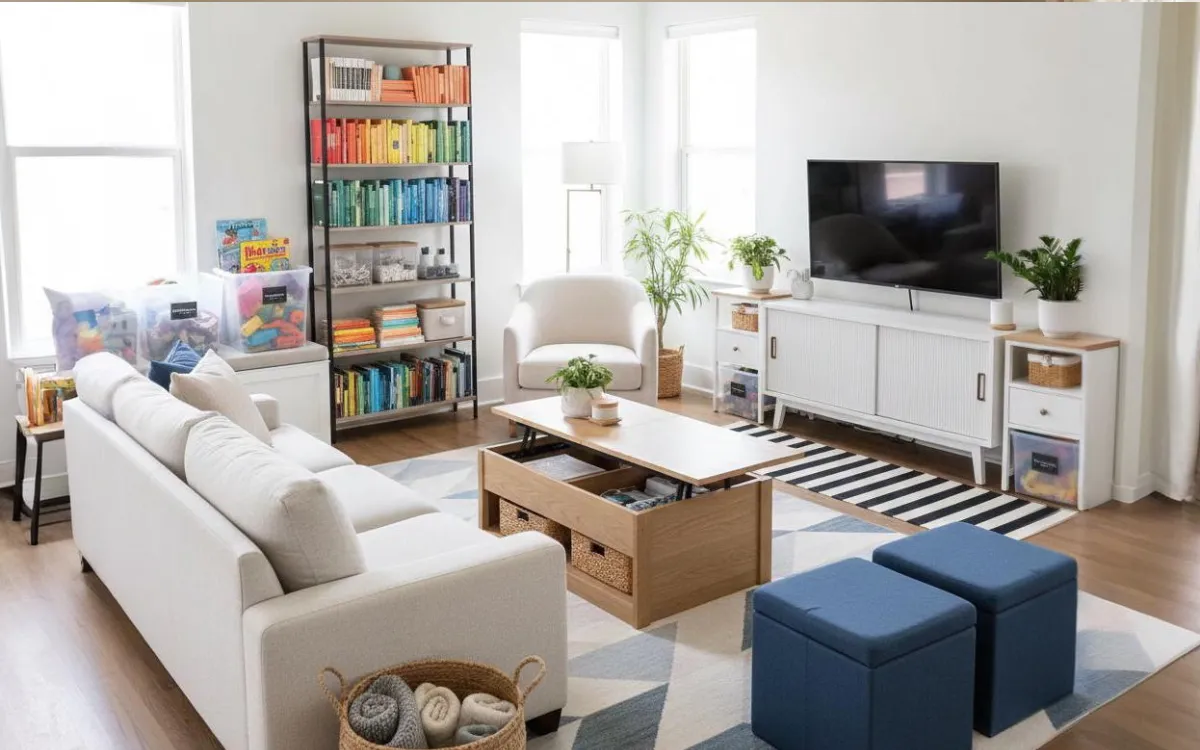
Welcome to your fresh start. Home organization isn’t about perfection; it’s about creating spaces that support your life, reduce stress, and feel genuinely good to inhabit. We’ve tapped leading interior designers and professional organizers to bring you inspiring, actionable ideas that blend function with beauty. Whether you’re resetting a single drawer or overhauling your whole home, this guide will help you declutter smarter and organize with intention.
Why Home Organization Matters
Clutter isn’t just physical—it’s mental. Studies and experts agree that an organized home boosts focus, lowers anxiety, and even improves sleep. the focus has shifted from rigid minimalism to mindful curation: keeping what you love, use, and find beautiful, and letting go of the rest with confidence. As the new year unfolds, it’s the perfect time to establish systems that last beyond January’s motivation.
Designer Decluttering Rules
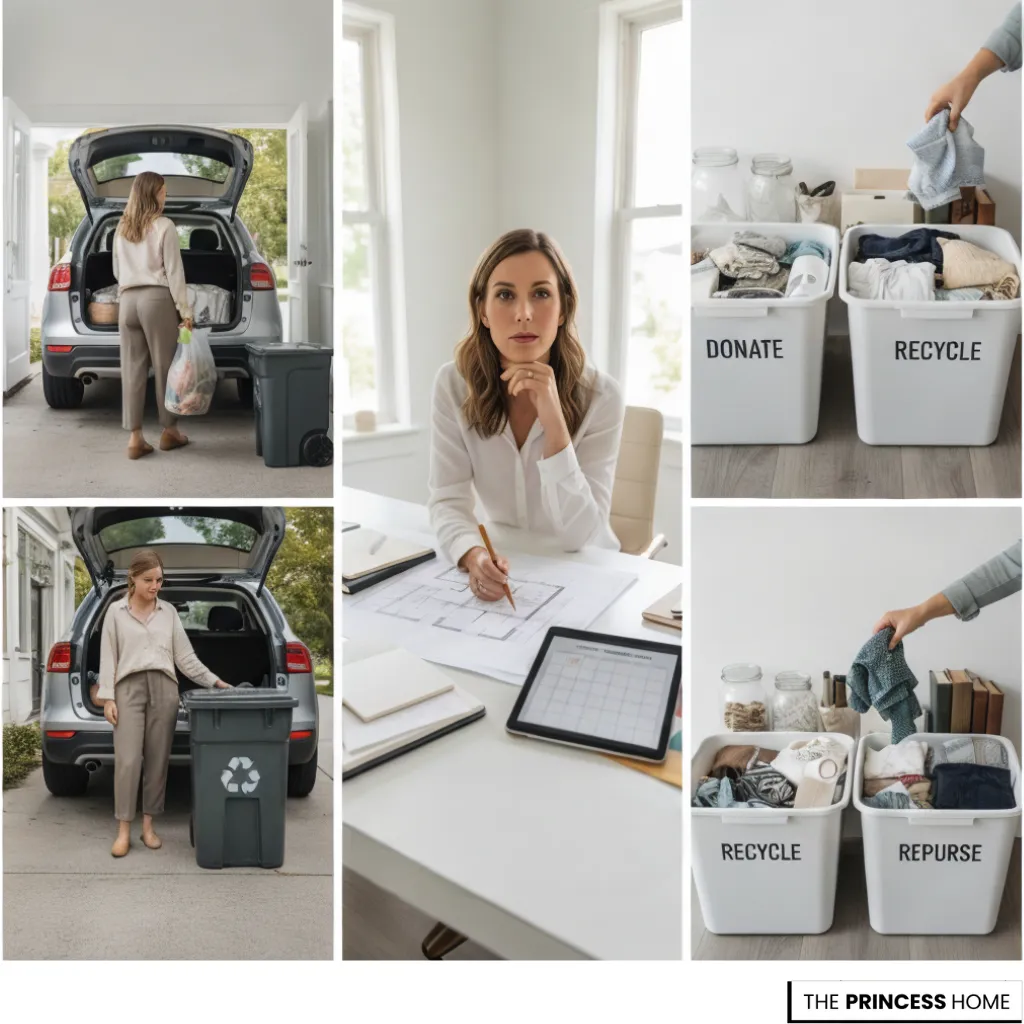
Sorting isn’t enough—remove items from your home immediately. Bags left by the door or in the car often sneak back inside. Make decluttering a full action: decide, remove, and be done. Approach decluttering strategically. Use January or a quiet month to assess your space before diving in. Professional organizer Regina Lark recommends mapping problem areas first, so purging is focused and effective.
Reduce waste while organizing. Learn how to donate, recycle, or repurpose items responsibly. Mindful purchasing and conscious disposal ensure your decluttering benefits both your home and the environment.This method keeps the process actionable, sustainable, and stress-free, turning decluttering into a long-term habit rather than a one-time chore.
Room-by-Room Organization
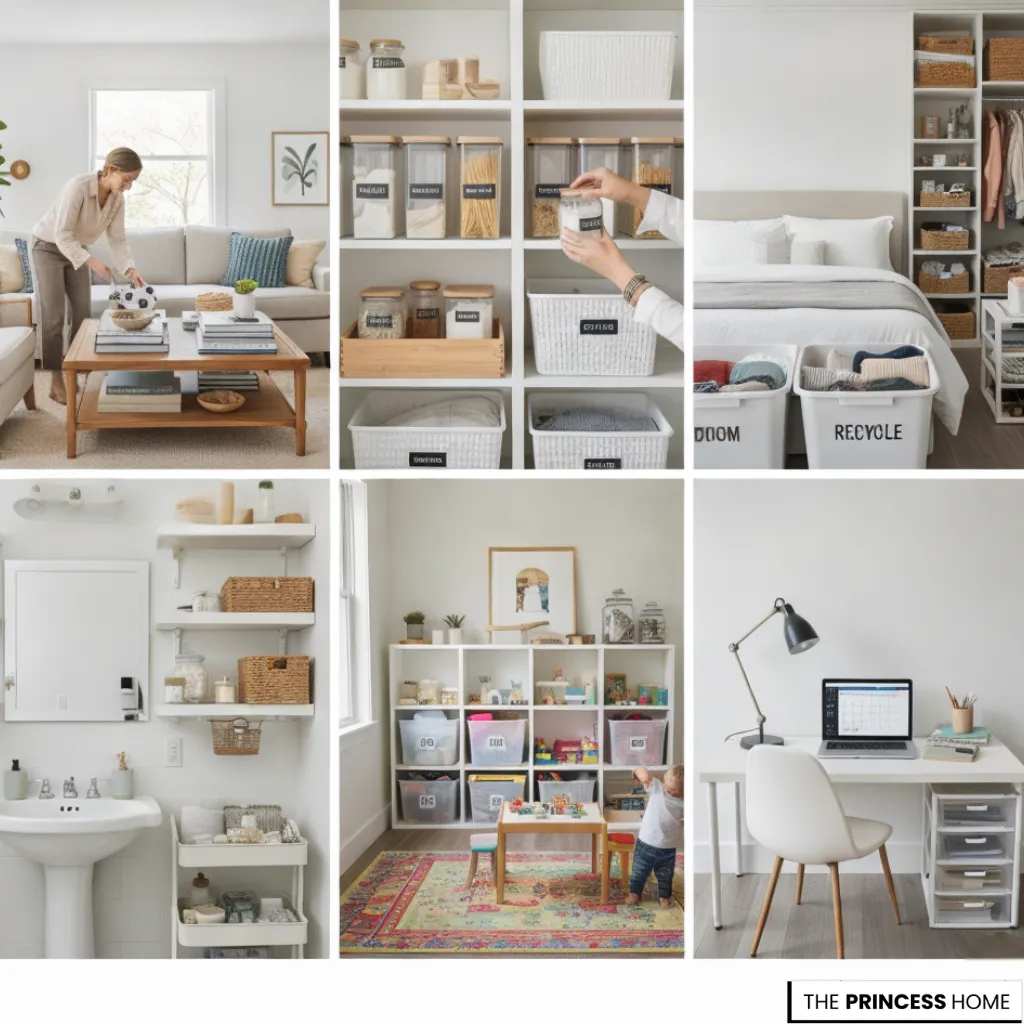
Organizing your home is easier when you focus on one room at a time. Below are strategies recommended by top interior designers like Nate Berkus and The Home Edit duo (Clea Shearer & Joanna Teplin) to make every space functional and beautiful. Here’s a Room-by-Room Organization Strategies guide, focusing on actionable tips, designer insights, and practical methods for a clutter-free home:
1. Clutter-Free Entryway
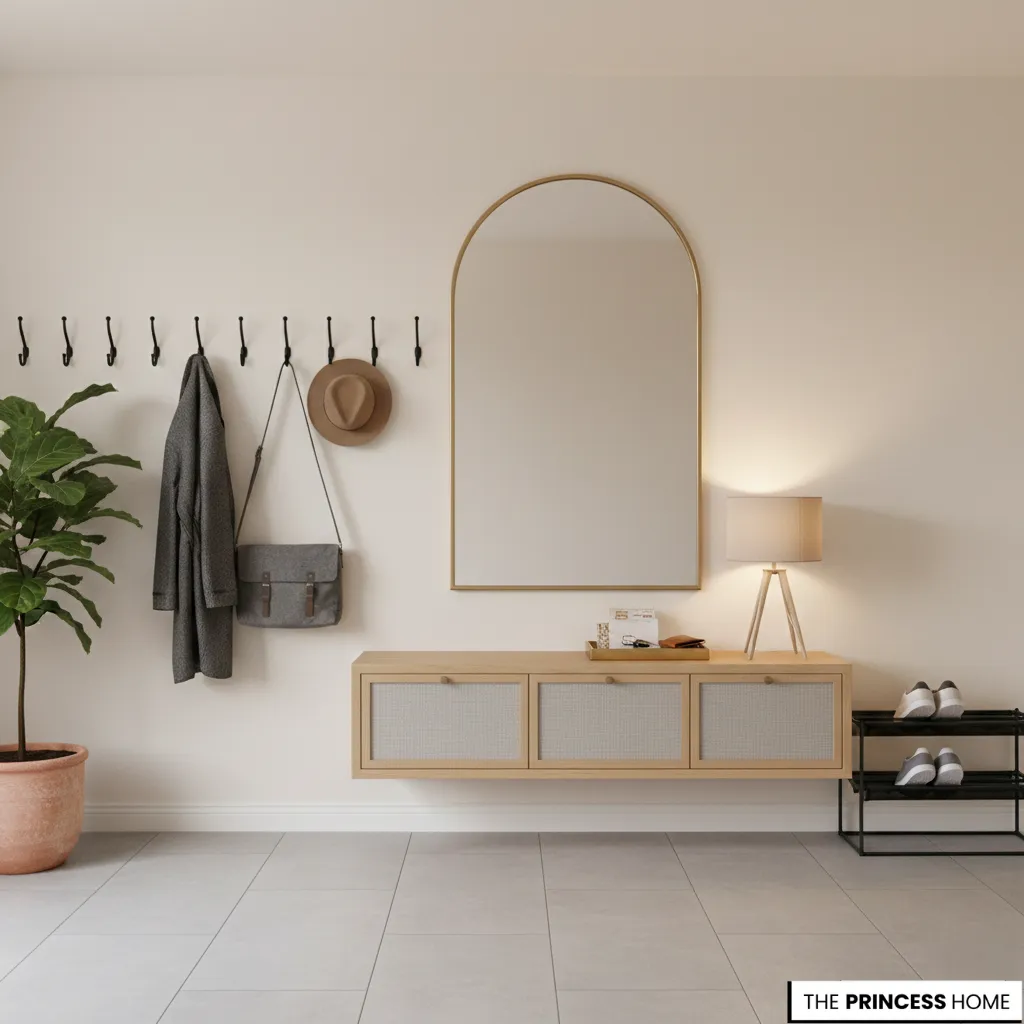
Create an entryway that instantly feels welcoming, organized, and stress-free. Install sleek wall hooks or a streamlined rack to keep coats, bags, and hats neatly within reach. Add a bench with hidden storage to discreetly store shoes, scarves, and seasonal essentials. Place a decorative tray or catchall bowl for keys, mail, and wallets to prevent everyday clutter from spreading.
Hang a mirror to reflect light, expand the space visually, and allow for a quick check before heading out. Layer in warm lighting with a small lamp or wall sconce to create a cozy first impression. Choose durable, easy-to-clean materials that balance function with timeless style. As Nate Berkus suggests, limit accessories to a few elegant containers and hooks to maintain a calm, functional foyer.
2. Organized Cozy Living
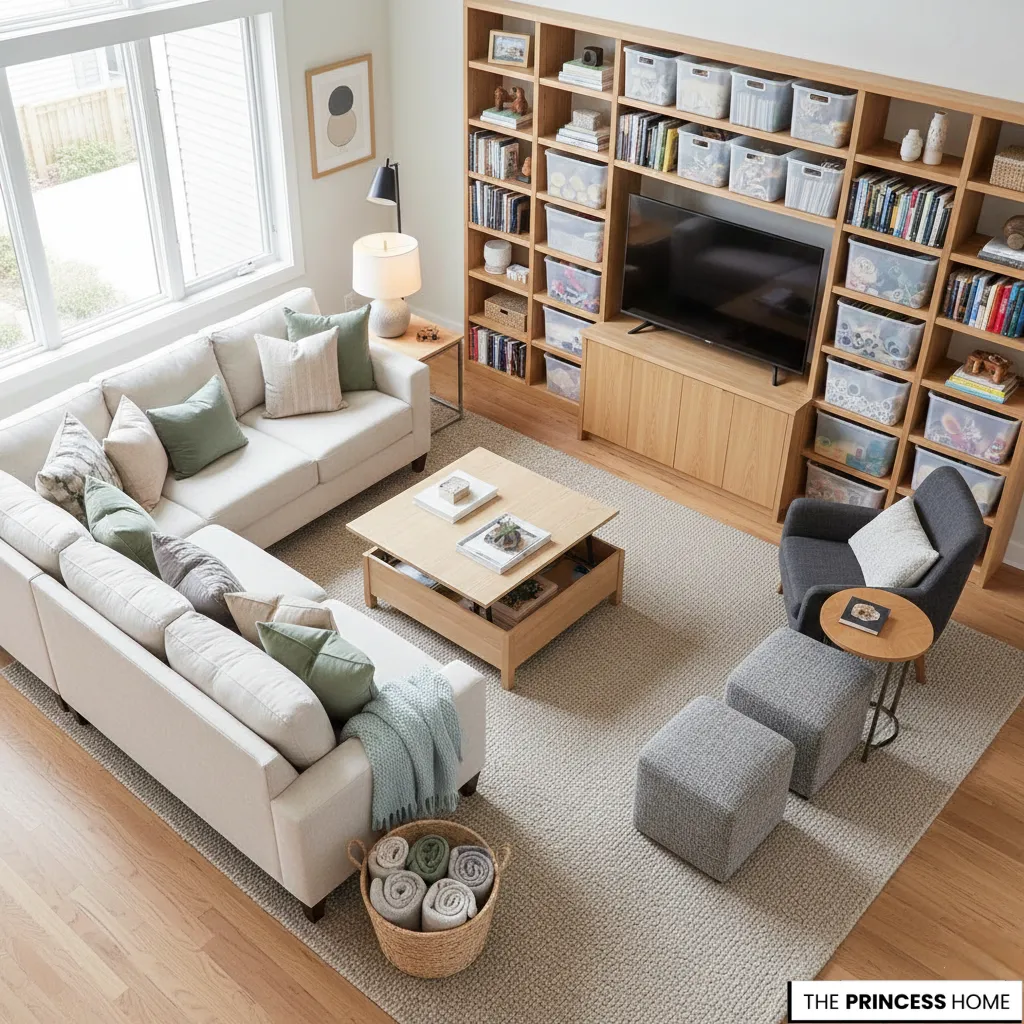
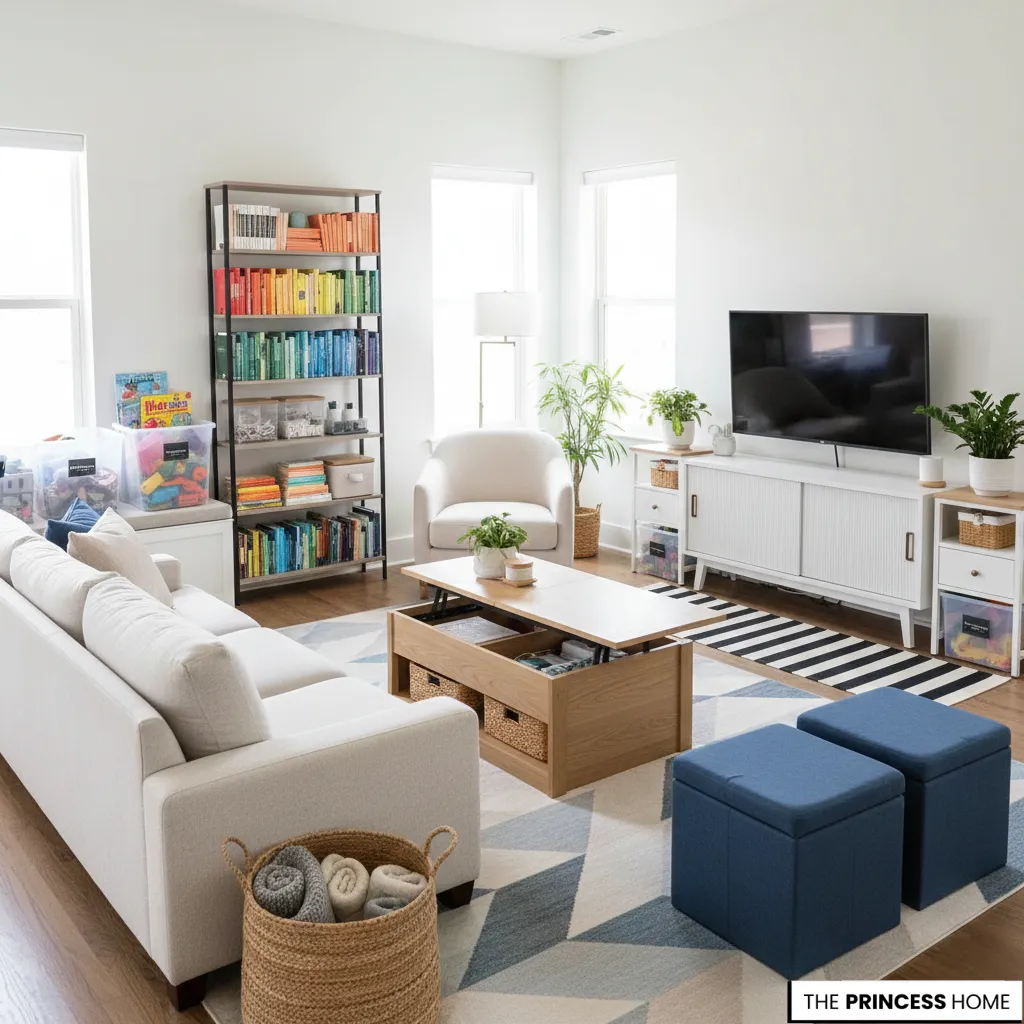
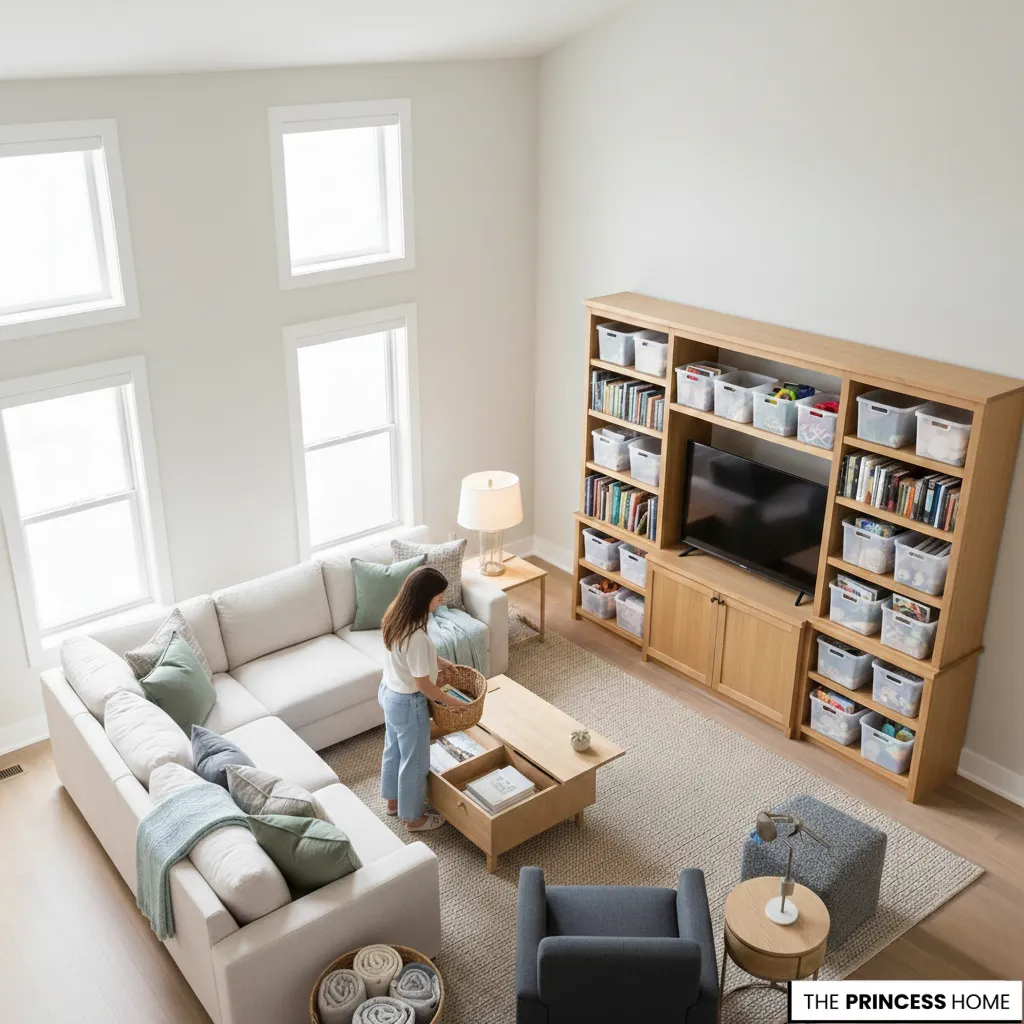
Blend comfort with smart organization to create a living room that feels calm yet functional. Start by zoning your space—define clear areas for seating, entertainment, reading, or décor to improve flow and usability. Use woven baskets and decorative bins to store blankets, toys, and magazines without visual clutter. Choose multifunctional furniture like storage ottomans, lift-top coffee tables, or side tables with drawers.
Anchor each zone with a rug or lighting to subtly separate activities while maintaining cohesion. Keep surfaces styled but minimal to avoid overwhelming the room. Follow The Home Edit’s approach by using color-coded or clear storage so every item has a visible “home.” A balanced mix of softness and structure ensures your living room stays cozy, organized, and effortlessly inviting.
3. Efficient Kitchen Flow
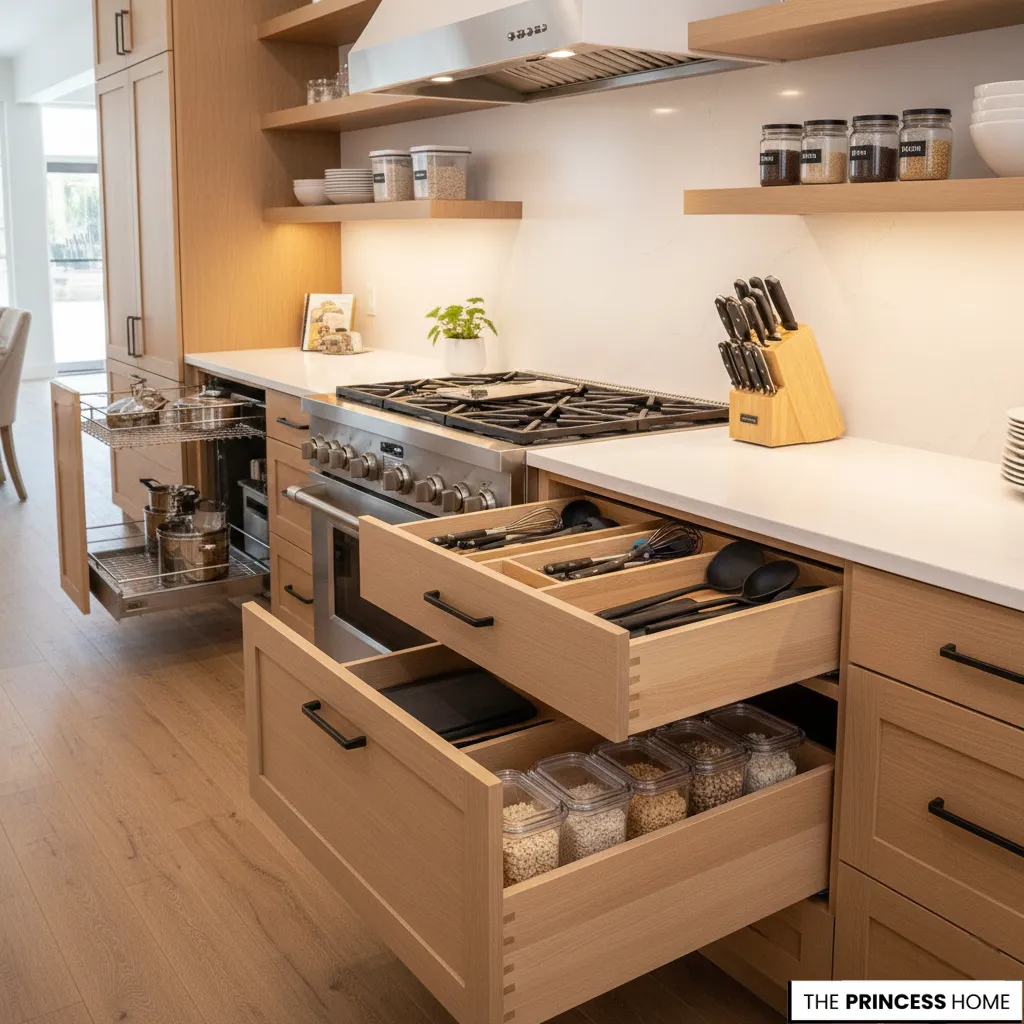
Create a kitchen that feels organized, functional, and easy to navigate every day. Start by grouping items by purpose—cooking tools near the stove, prep essentials by the counter, and dishes close to the dishwasher. Keep countertops clear by storing small appliances you don’t use daily. Use drawer dividers for utensils and organizers for lids and cutting boards to avoid cluttered cabinets.
Store dry goods in airtight containers to maintain freshness and visual order. Install pull-out shelves or lazy Susans in deep cabinets for better access. Maintain a weekly reset to wipe surfaces and reorganize high-traffic areas. A thoughtfully arranged kitchen supports efficiency, reduces stress, and makes cooking more enjoyable.
4. Organized Pantry Flow
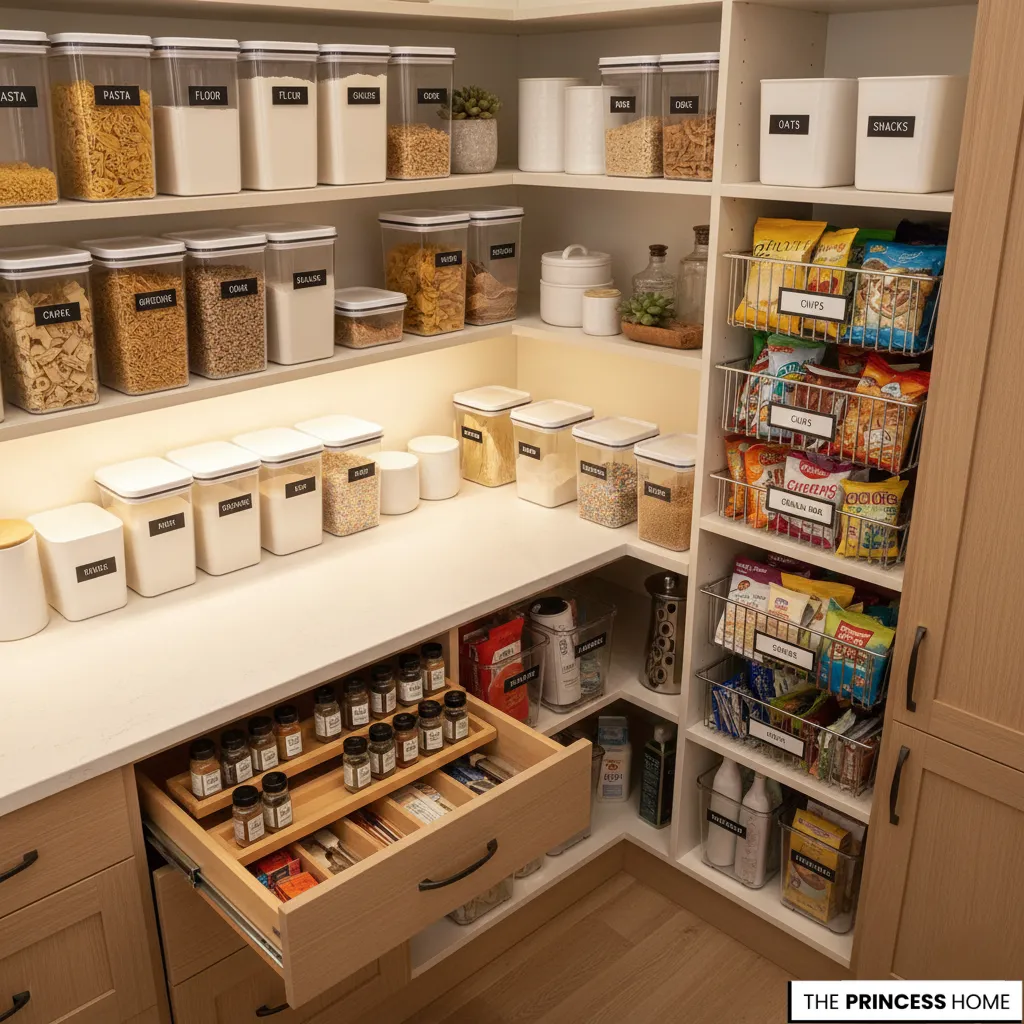
Make your kitchen routine efficient and stress-free with a smart pantry system. Group items by function—snacks, spices, grains, and baking essentials—so everything is easy to find. Store dry goods in clear, airtight containers to see inventory at a glance and keep ingredients fresh longer. Label shelves and jars clearly to simplify restocking and daily use.
Rotate pantry items regularly using the “first in, first out” method to reduce food waste and clutter. Add pull-out baskets or tiered shelves to improve visibility in deep cabinets. Drawer dividers help separate small packets and tools for a cleaner look. As Joanna Teplin recommends, functional storage solutions can maximize space while keeping your kitchen stylish and beautifully organized.
5. Serene Bedroom Order
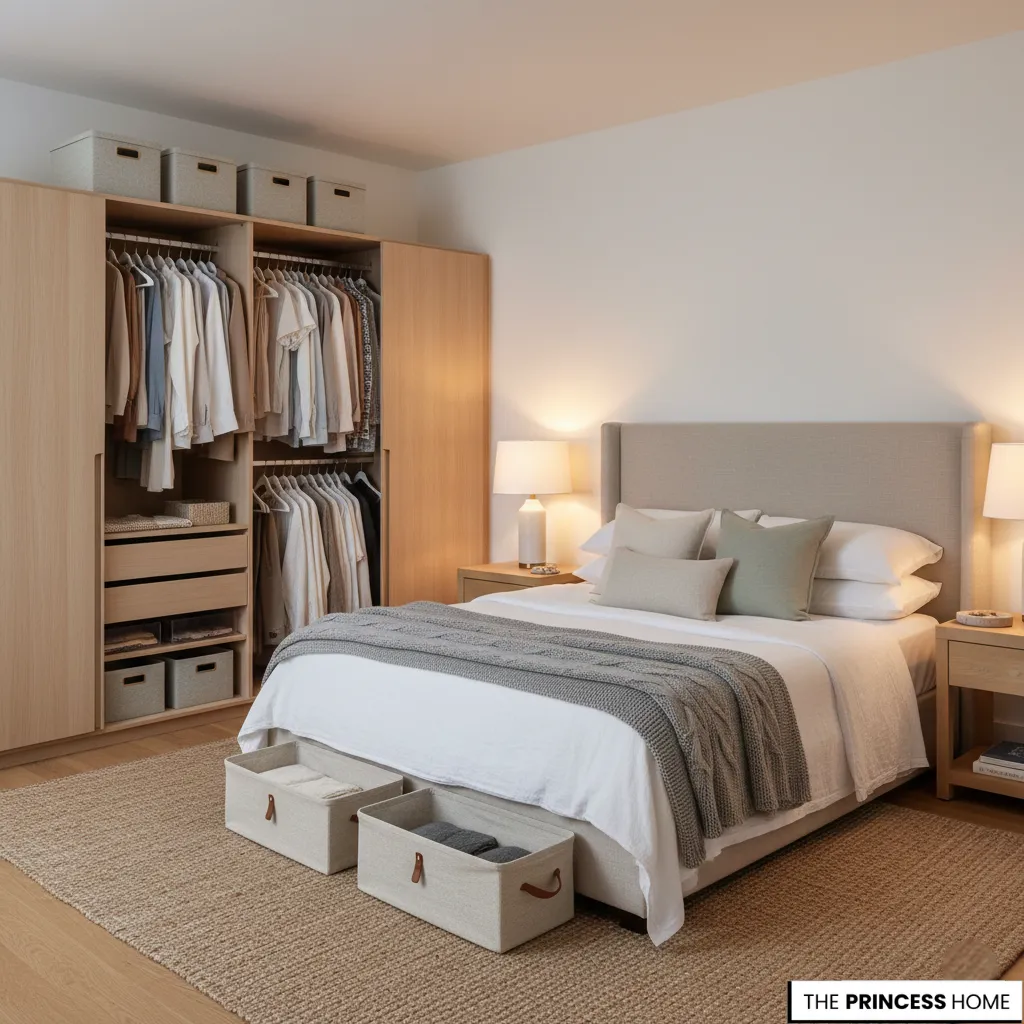
Transform your bedroom into a peaceful, functional retreat by prioritizing simplicity and structure. Declutter seasonally and remove clothing you no longer wear to prevent overcrowded closets. Edit first, then organize—fewer pieces make daily routines smoother and more intentional. Use uniform hangers and coordinated storage bins to create visual harmony and a boutique-like feel.
Store off-season clothing under the bed or in clearly labeled containers to free up prime closet space. Keep bedside tables minimal, holding only essentials like a lamp, book, and small tray. Incorporate soft lighting and calming textures to enhance relaxation. As Nate Berkus advises, thoughtful editing is the foundation of a beautifully organized and easy-to-maintain bedroom.
6. Curated Closet Care
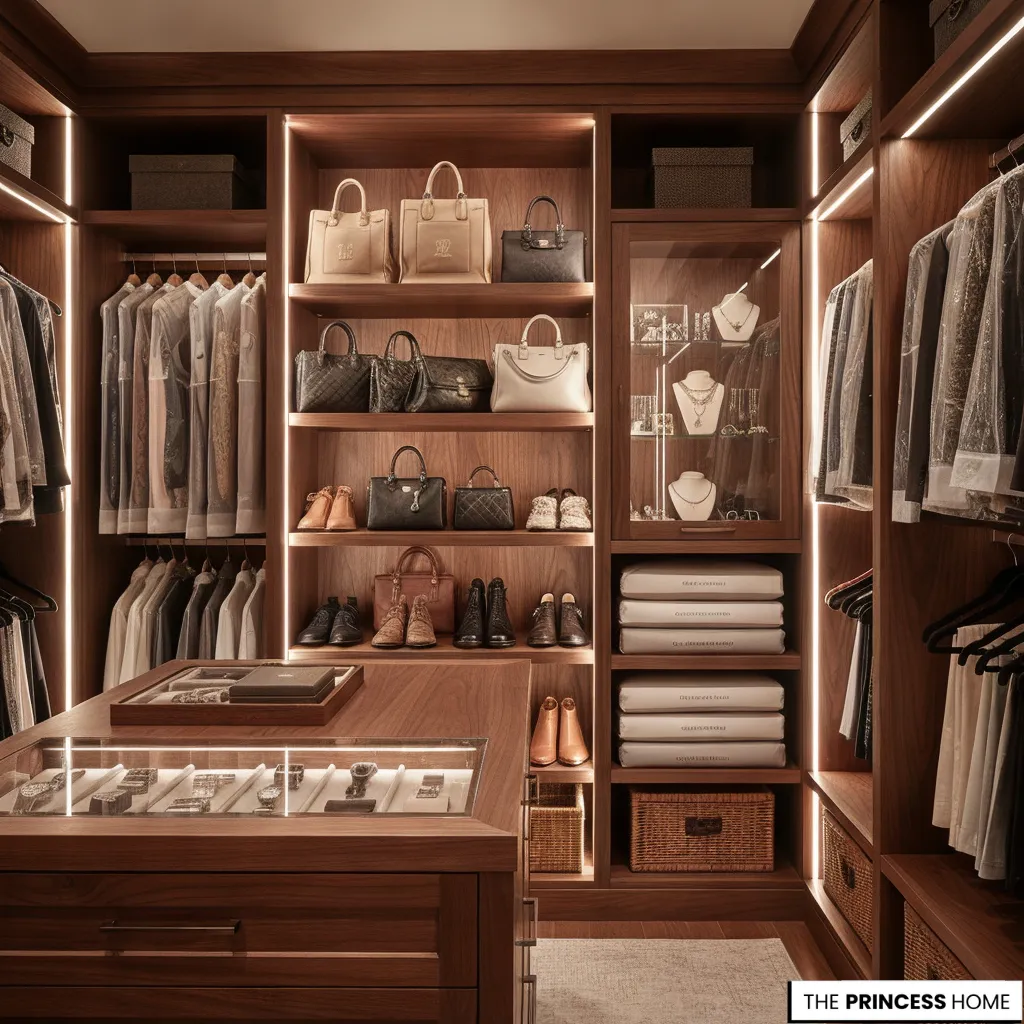
Transform your closet into a boutique-like sanctuary with thoughtful organization and care. High-end care: Celebrity closet designer Lisa Adams of LA Closet Design recommends using leather conditioners, garment bags, and proper storage to protect designer bags, formalwear, and luxury items. Bundle bedding: Fold linens neatly and store fitted sheets and pillowcases inside their matching duvet covers; label by size and style for quick access, as Ellie suggests.
Materials matter: Marissa Hagemeyer of NEAT Method highlights darker woods like acacia and walnut for storage, paired with rattan and glass accents for a stylish, functional aesthetic. Organize by category, color, or season to streamline daily routines. Keep frequently worn items front and center, while off-season pieces are stored in labeled bins. Incorporate uniform hangers and consistent storage containers for visual harmony. Curated closets combine elegance, practicality, and long-term care, making daily dressing effortless and enjoyable.
7. Focused Home Office
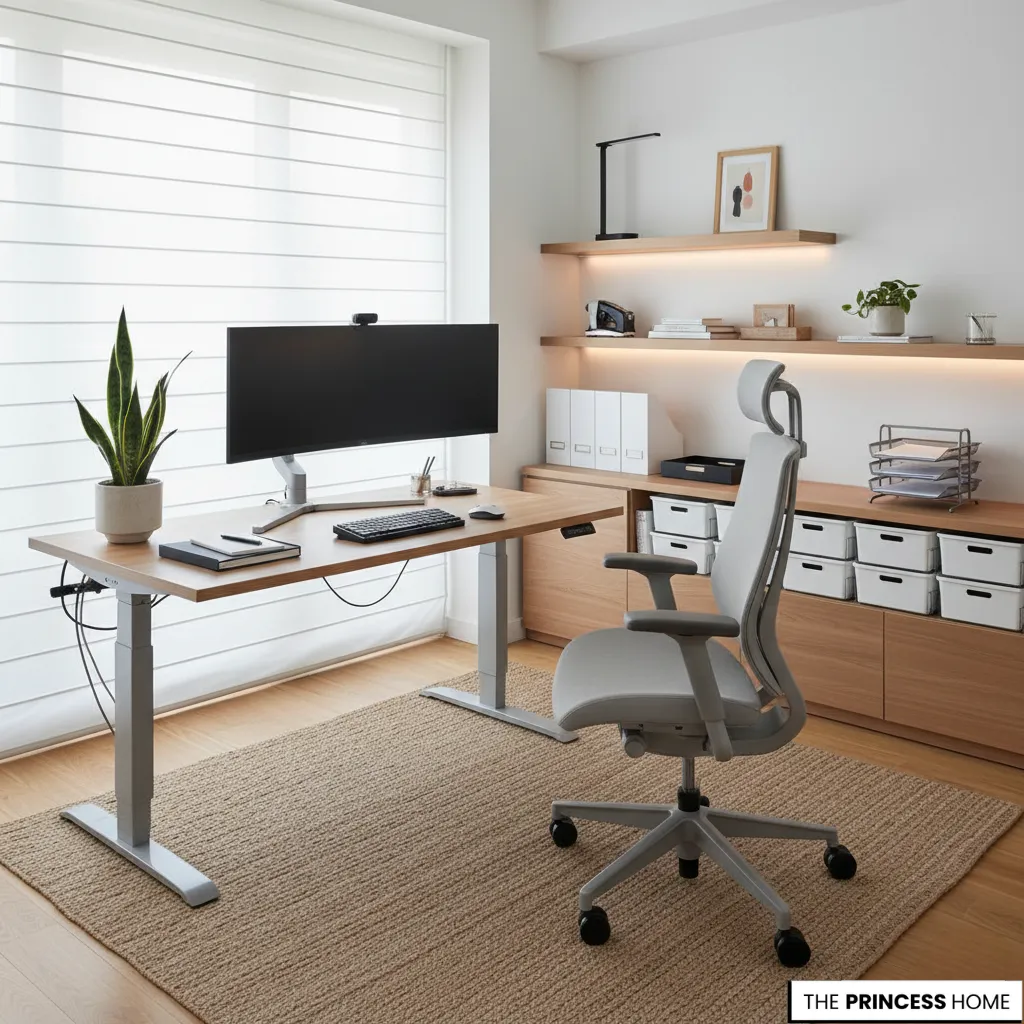
Design a home office that supports productivity, clarity, and deep focus. Keep only active projects on your desk to minimize distractions and maintain mental space. Store documents and supplies in labeled bins, trays, or a simple filing system for quick access. Create dedicated zones—such as desk, reference, and supply areas—to streamline your workflow and reduce decision fatigue.
Manage cables with clips, sleeves, or cord organizers to keep surfaces clean and professional. Digitize paperwork whenever possible to cut down on paper clutter and free up storage. Choose ergonomic furniture and layered lighting to enhance comfort and efficiency. A structured yet flexible setup ensures your workspace remains organized, functional, and inspiring every day.
8. Digital Declutter Flow
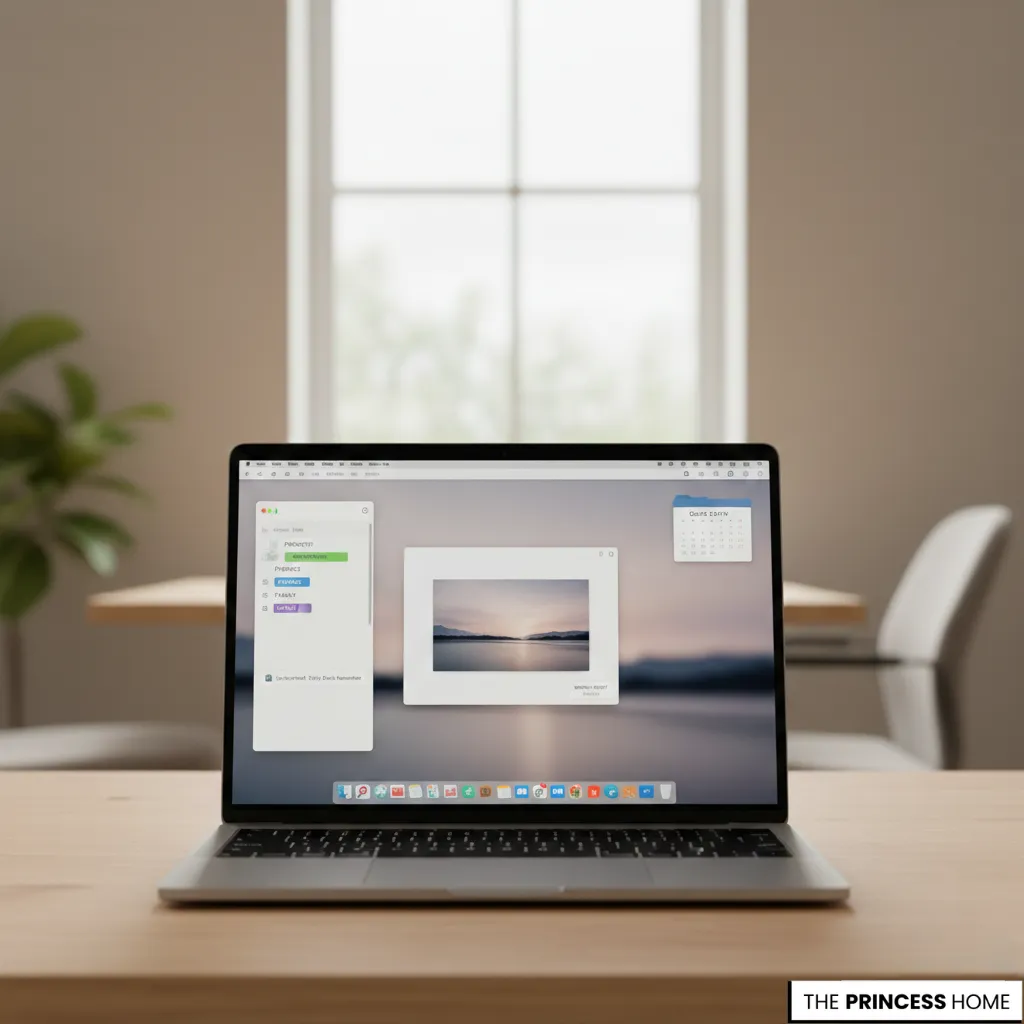
A messy digital space can create as much stress as a cluttered home. Laura Cattano emphasizes that extending organization online helps maintain overall calm and focus. Start with small bursts—clear emails, downloads, or desktop files in short, manageable sessions rather than marathon cleanups. Use simple systems: keep one main folder for screenshots and downloads to prevent overwhelming folder structures.
Unsubscribe from newsletters and promotional emails you don’t read to reduce inbox noise. Set up filters or labels to automatically sort essential emails, so important messages never get lost. Regularly archive or delete old files to keep storage under control. Treat your digital space like any other room—consistent maintenance makes it functional, stress-free, and visually calm.
9. Streamlined Bathroom Storage
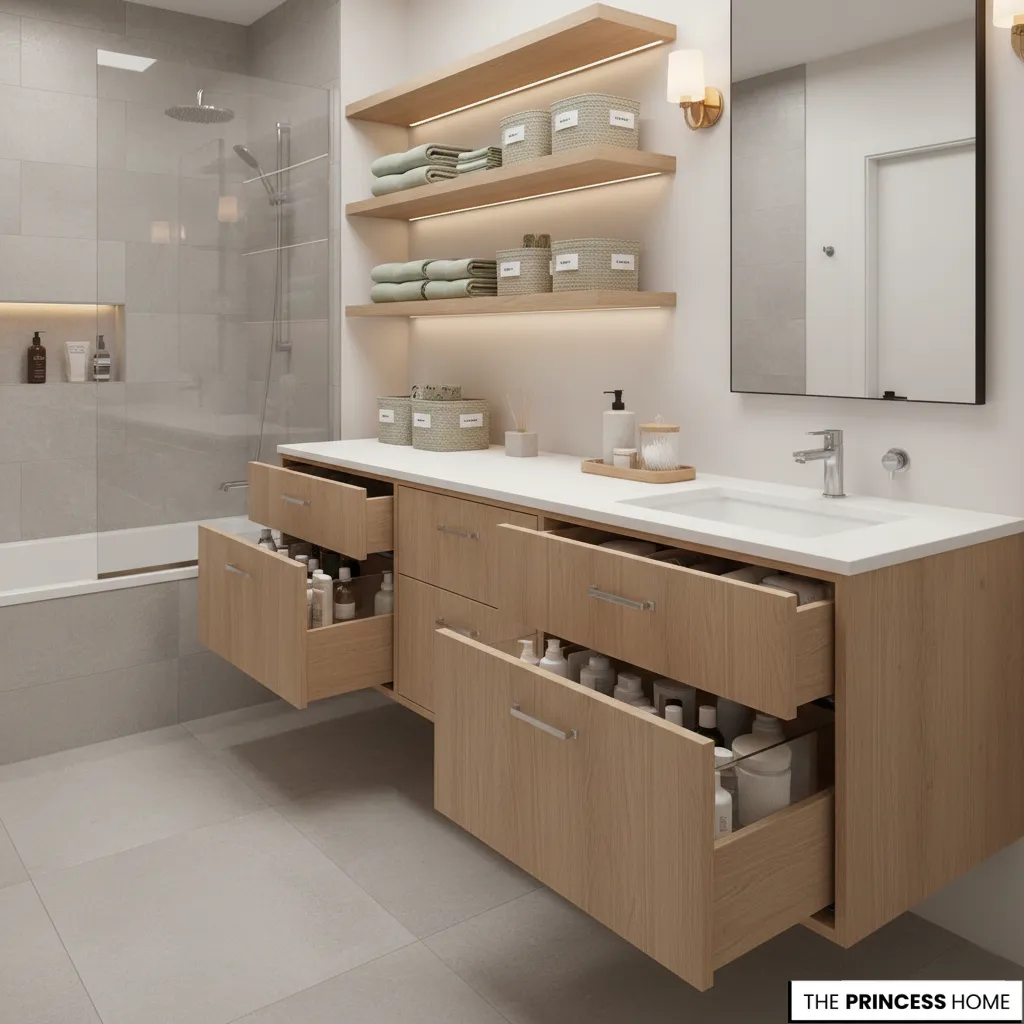
Maintain a bathroom that feels fresh, functional, and free of unnecessary clutter. Use drawer dividers to neatly separate toiletries, skincare, and makeup for quick access. Install floating shelves or wall-mounted units to store towels and extra supplies without crowding counters. Keep daily essentials in labeled jars or small baskets to create order while adding subtle style.
Limit countertop items to only what you use every day to maintain a clean, spa-like feel. Regularly check and discard expired products to prevent buildup and wasted space. Choose moisture-resistant containers that are easy to clean and durable. Consistent, intentional storage solutions keep even the smallest bathroom visually calm and effortlessly organized.
10. Organized Garage System
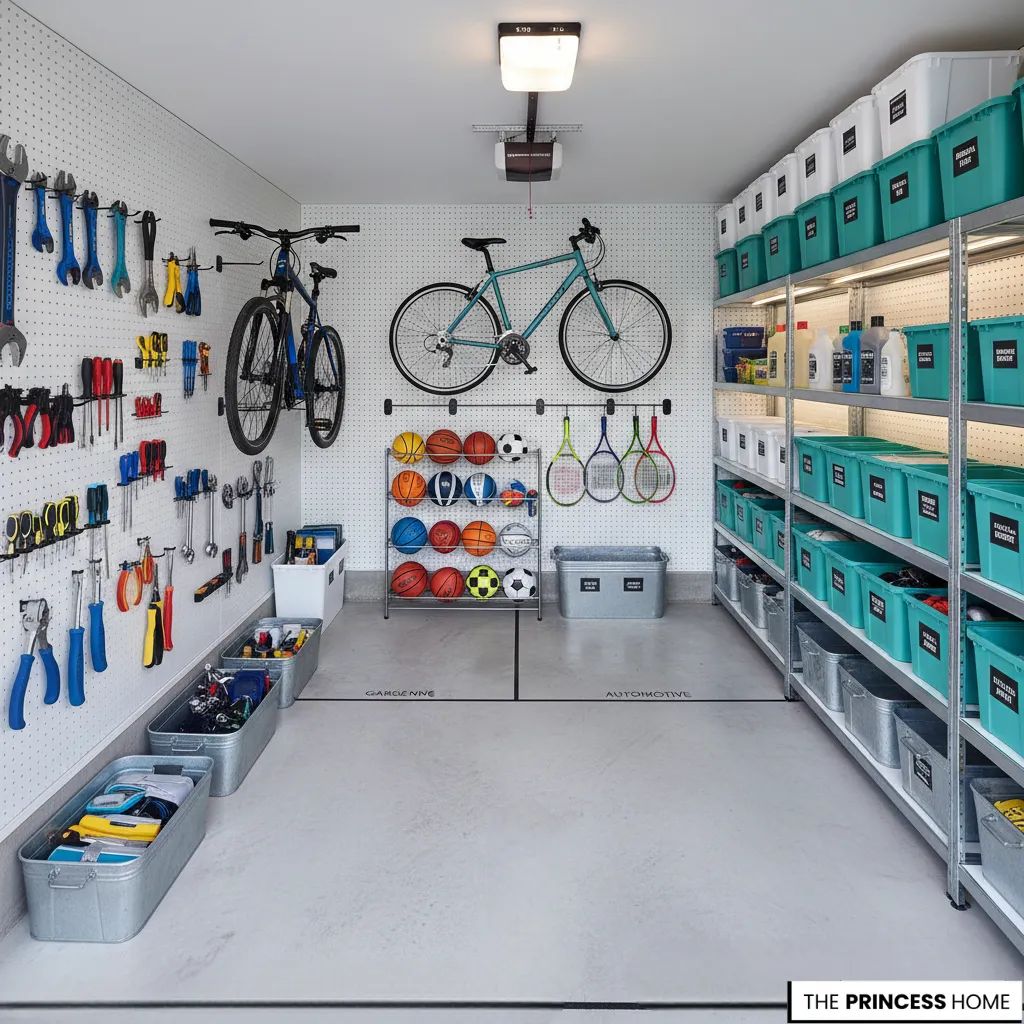
Turn your garage or utility space into a streamlined, highly functional storage zone. Maximize vertical space with wall-mounted hooks and pegboards for tools, sports gear, and bikes. Use sturdy, clearly labeled bins to make seasonal décor, cleaning supplies, and hardware easy to locate. Store frequently used items at eye level to improve accessibility and save time.
Reserve higher shelves for rarely used or long-term storage items. Create defined zones—such as gardening, automotive, and household overflow—to prevent random pileups. Schedule seasonal decluttering sessions to remove items you no longer need. As The Home Edit suggests, color-coded bins and clearly defined areas transform even large garages into organized, visually manageable spaces.
Consistent Home Organization
Create lasting order throughout your home with simple, repeatable systems. Follow the one-in, one-out rule—whenever you bring something new in, remove an old item to prevent accumulation. Label everything from storage bins to pantry jars to reduce confusion and keep systems running smoothly. Schedule weekly mini-checks to reset surfaces, return misplaced items, and stop clutter before it builds up.
Keep storage solutions consistent in style and function across rooms for a cohesive feel. Prioritize accessibility so everyday items are easy to use and return. Small, regular habits make organization sustainable rather than overwhelming. A home that stays organized isn’t about perfection—it’s about maintaining smart systems that work for your lifestyle.
Designer Organization Trends
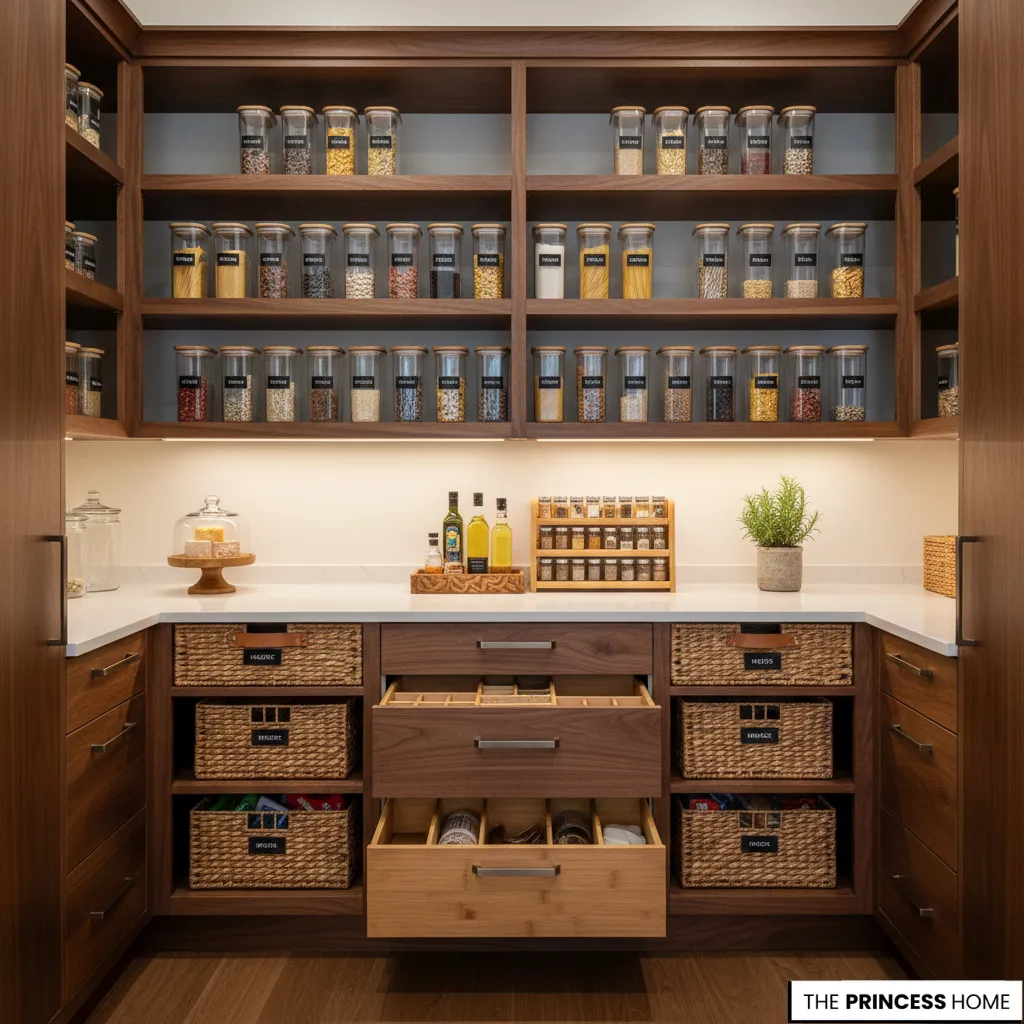
Top designers reveal what’s shaping home organization for stylish, functional spaces. Clara Schoen of The Home Organized highlights natural materials—seagrass, bamboo, wood, and glass—for warmth, texture, and eco-conscious appeal. Marissa Hagemeyer from NEAT Method notes darker woods like acacia and walnut, plus rattan and glass canisters, are trending for both style and practical storage. Reorient rooms and storage zones to better suit your family’s lifestyle and daily flow.
Lisa Adams of LA Closet Design emphasizes proper care for high-end items—use garment bags, conditioners, and dedicated storage to protect your investments. Alice Lane Interior Design champions pantries with clear containers and visible categories for effortless, functional beauty. Across the board, mindful purchasing, decluttering, and consistent organization remain key. These designer insights blend aesthetics and efficiency, creating homes that are both inviting and easy to maintain.
Sustainable Decluttering Guide
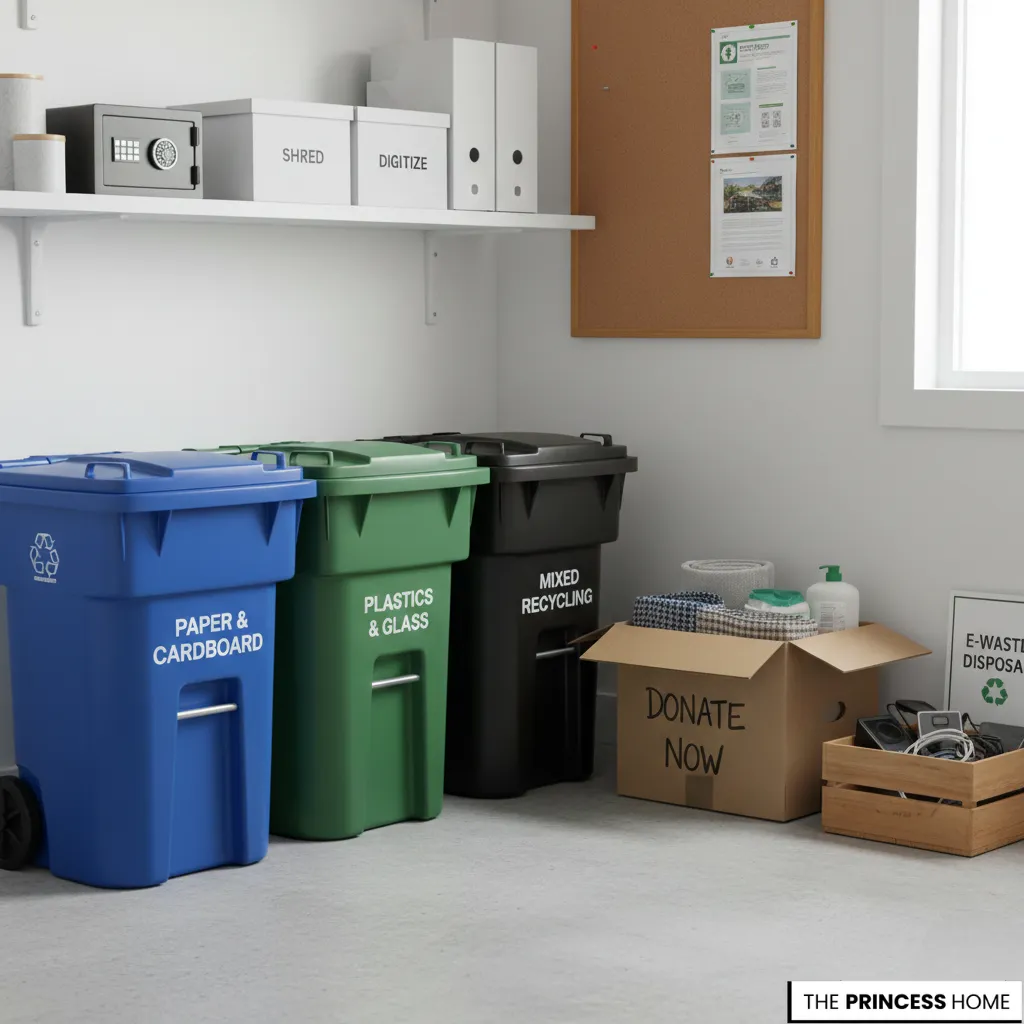
Make decluttering easier—and more meaningful—by donating and disposing of items responsibly. Donate blankets and gently used toiletries to local shelters or places of worship to help those in need. When purging paperwork, follow Jo Jacob’s advice: discard outdated documents like old bills or insurance statements that are already available digitally. Use labeled recycling bins and stay informed about local recycling programs to reduce environmental impact.
Choose donation centers and charities that align with your values for a positive, purposeful impact. Sort items by category—clothing, paper, electronics—to streamline the process. Keep a small “donate now” box handy to prevent clutter from returning. Sustainable decluttering not only frees your space but also supports your community and the planet.
Lasting Organization Habits
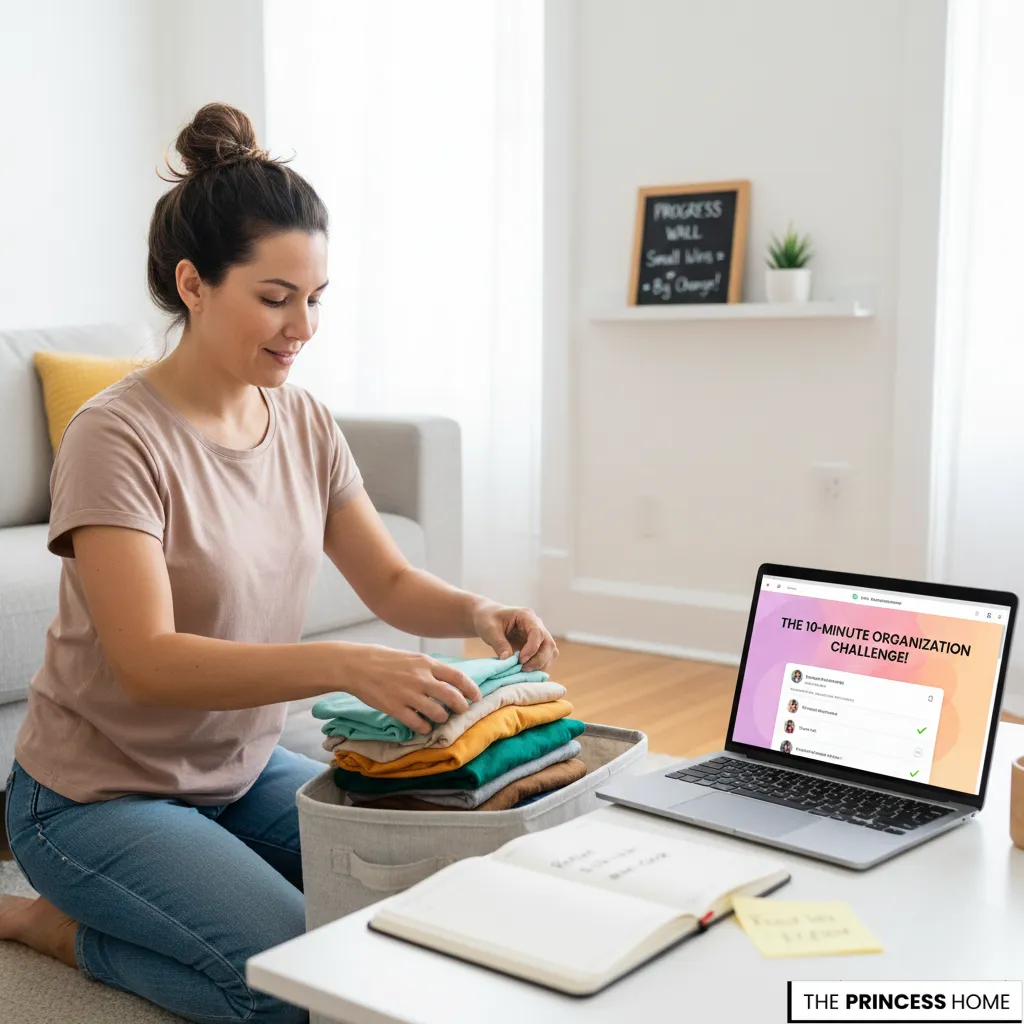
True organization is a lifestyle, not a one-time project. Start small—tackle one drawer, shelf, or digital folder in 10-minute bursts. These quick wins build momentum and make decluttering less overwhelming. Reflect and adjust by reviewing past attempts: note what worked, what didn’t, and adapt your system to fit your daily routine.
Leverage community support—join challenges, online groups, or memberships to stay accountable and gain fresh ideas. Celebrate progress, no matter how small, to reinforce habits. Keep storage solutions consistent and accessible to maintain order effortlessly. Over time, these intentional practices turn organization into a sustainable, stress-free part of life.
Your Organization Checklist
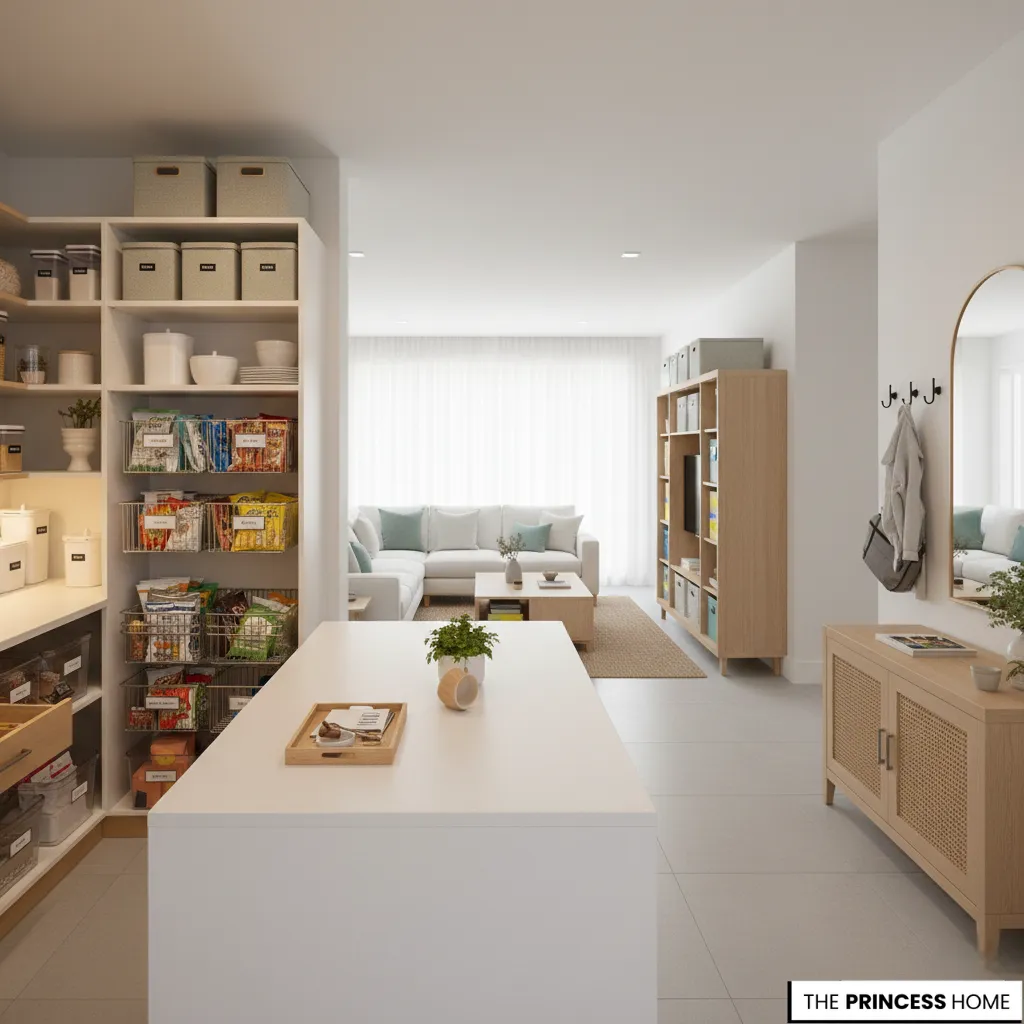
- Audit First: Walk through your home and note clutter hotspots.
- Set Clear Goals: Choose one area to tackle each week.
- Gather Supplies: Invest in quality, sustainable storage solutions.
- Sort Ruthlessly: Use the Drawer Dumping Method for quick wins.
- Remove Immediately: Take donations and disposals out of the house.
- Maintain Daily: Spend 5–10 minutes resetting key spaces.
- Celebrate Progress: Acknowledge your wins, no matter how small.
Conclusion
Home organization is about intention, not intensity. By blending designer wisdom with practical strategies, you can create spaces that are not only tidy but truly nourishing. Remember: progress over perfection, and every small step counts. Here’s to a calmer, more organized year ahead.
Here are some frequently asked questions related to the article :
1. What is the first step in home organization?
Start by decluttering. Remove everything from one small area and sort items into keep, donate, or discard categories. Editing comes before organizing.
2. How do I stay organized long-term?
Create simple systems you can maintain daily. Use labels, clear containers, and the “one in, one out” rule to prevent clutter from returning.
3. How often should I declutter my home?
Light decluttering can be done weekly, while deep organization sessions are best done seasonally (every 3–4 months).
4. Is home organization expensive?
Not necessarily. You can repurpose baskets, boxes, and jars you already own. The most important investment is time and consistency.
5. What room should I organize first?
Start with the area that causes the most daily stress — often the kitchen, entryway, or bedroom closet.
6. What’s the difference between decluttering and organizing?
Decluttering means removing excess items. Organizing means creating structured systems for what remains.
7. Can home organization improve mental health?
Yes. Studies and designers agree that an organized home reduces stress, improves focus, and creates a sense of control and calm.
The princess home on Pinterest