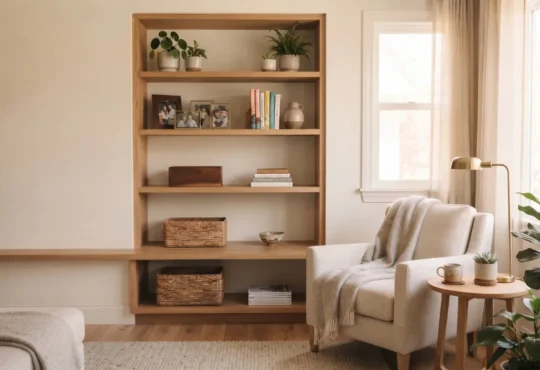
Tackling clutter in your home can feel difficult when belongings have accumulated across several rooms and every area seems to need attention. The challenge is knowing where to start, what to keep, and how to make progress without creating more mess.
A manageable plan, clear sorting decisions, and practical organizing habits can help you declutter your home one step at a time and make your living spaces easier to maintain.
Start Small
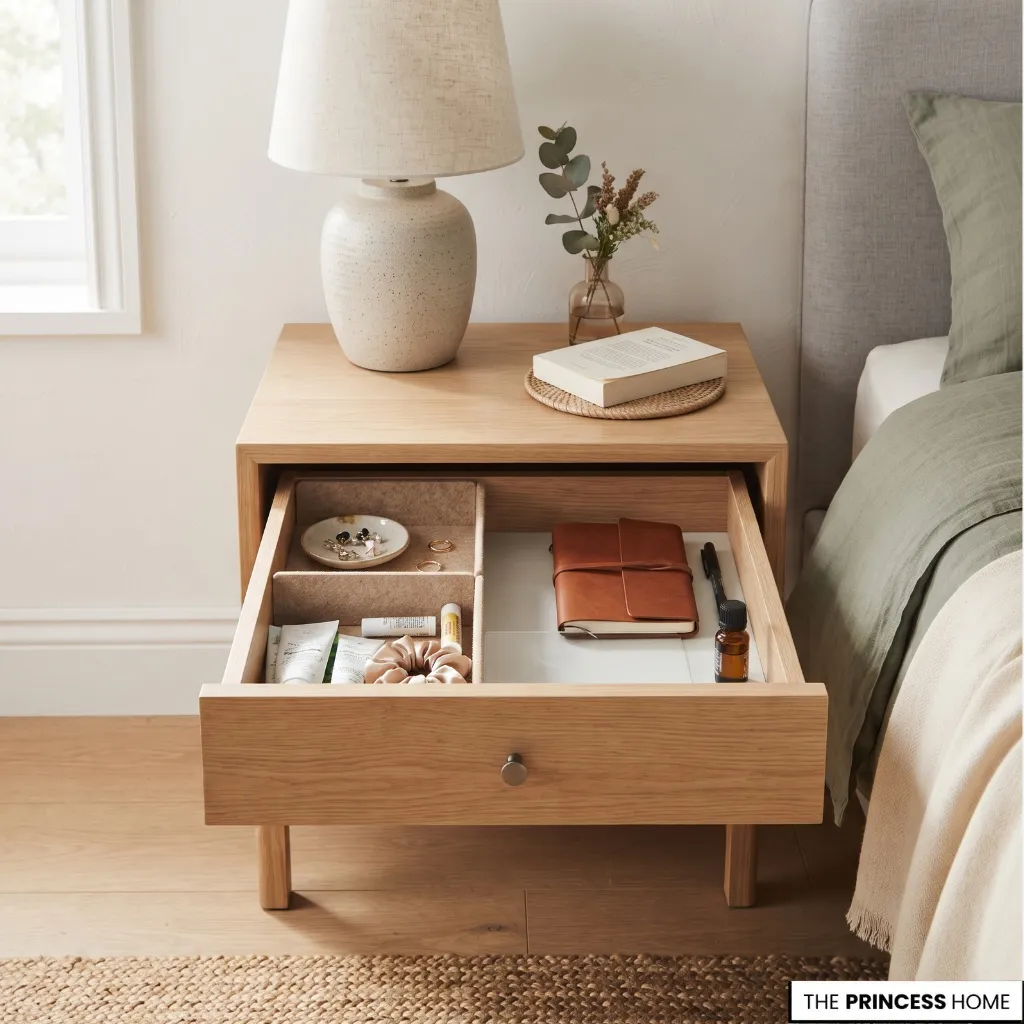
When your home feels cluttered, trying to organize everything at once can make the task seem impossible. Choose one small area you can reasonably finish, such as a drawer, a bedside table, one shelf, or a section of the kitchen counter.
Set a specific goal before you begin. You might clear a surface, remove unused items from a drawer, or return misplaced belongings to their proper rooms. A defined task makes it easier to decide what needs attention and recognize when you have finished.
Start with an area that affects daily life. Clearing a kitchen counter can make meal preparation easier, while organizing a bedside table can free space for items you use every day. If even these tasks feel too large, choose a smaller section and work only on that.
A short working session can also provide a manageable starting point. Spend an amount of time that suits your circumstances, then stop at a natural boundary. You do not need to complete an entire room in one sitting.
If you feel completely unable to begin, choose one item rather than an entire area. Decide whether it belongs where it is, needs to be returned somewhere else, or should leave your home.
Completing that single decision can help you move on to the next one without committing to a larger task before you feel ready.
The goal is to establish a workable process. Finish one small task, then choose the next area according to your household’s needs rather than the amount of clutter you can see.
Set Clear Priorities
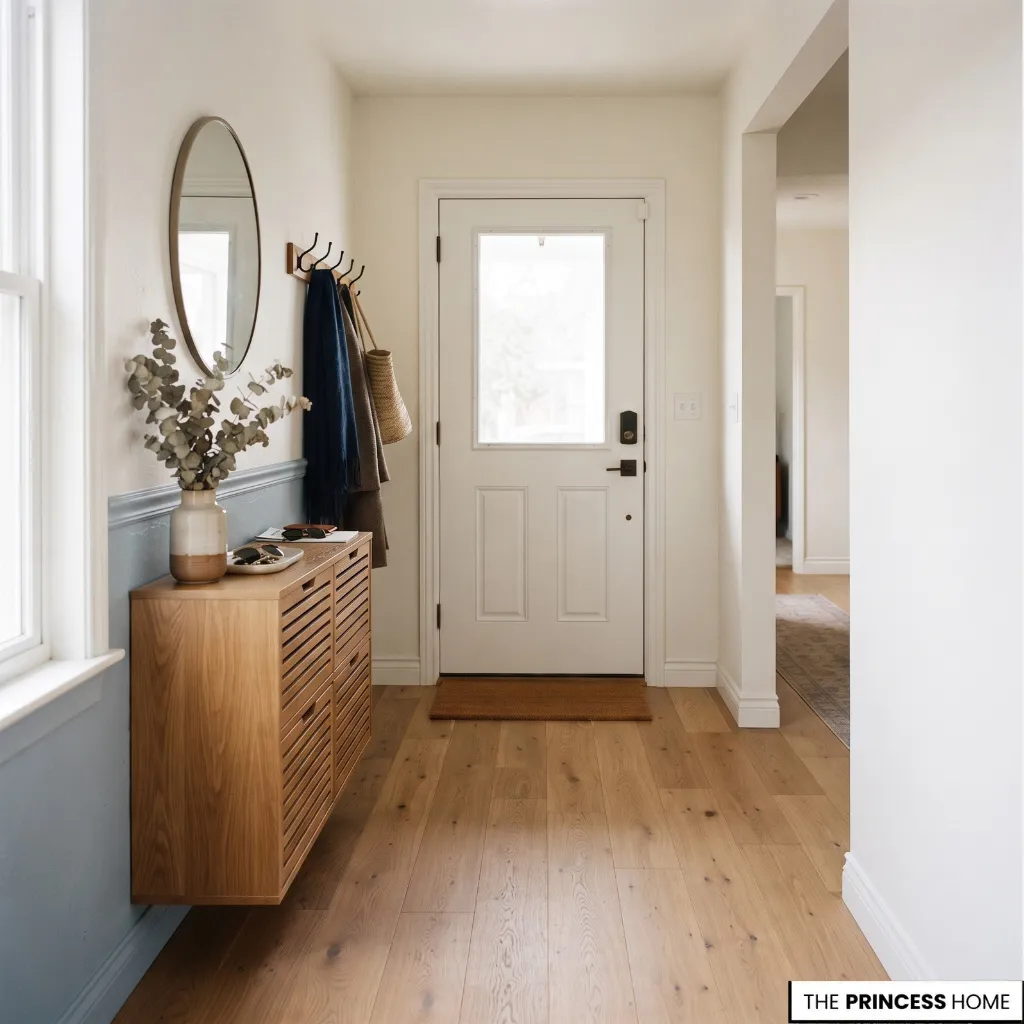
Decide which areas need attention first instead of moving randomly between rooms. A clear order directs your effort toward problems that affect daily life rather than whichever item happens to catch your attention.
Begin with safety and access. Clear obstructed walkways, entrances, and frequently used surfaces before sorting less urgent belongings. Next, consider which clutter interferes most with household activities. A crowded kitchen counter may deserve attention before a decorative shelf.
Consider four questions when setting priorities. Start by identifying the area that causes the most difficulty. Then choose a task you can realistically finish, identify the belongings you use most often, and decide what can wait until later.
For example, clear an obstructed hallway before organizing decorative objects. If the kitchen counter prevents you from preparing meals comfortably, make that your next priority. If a large storage room feels overwhelming, begin with a small bathroom drawer instead.
Your priorities may change as you work. You might discover that some belongings need to be relocated before you can finish an area. Keep the next step clear, but allow the plan to adapt to what you find.
There is no single room-by-room order that suits every home. Choose a sequence that reflects your space, responsibilities, and available time.
For more ideas: ⭐The Ultimate Guide to Home Organization & Decluttering
Prepare to Declutter
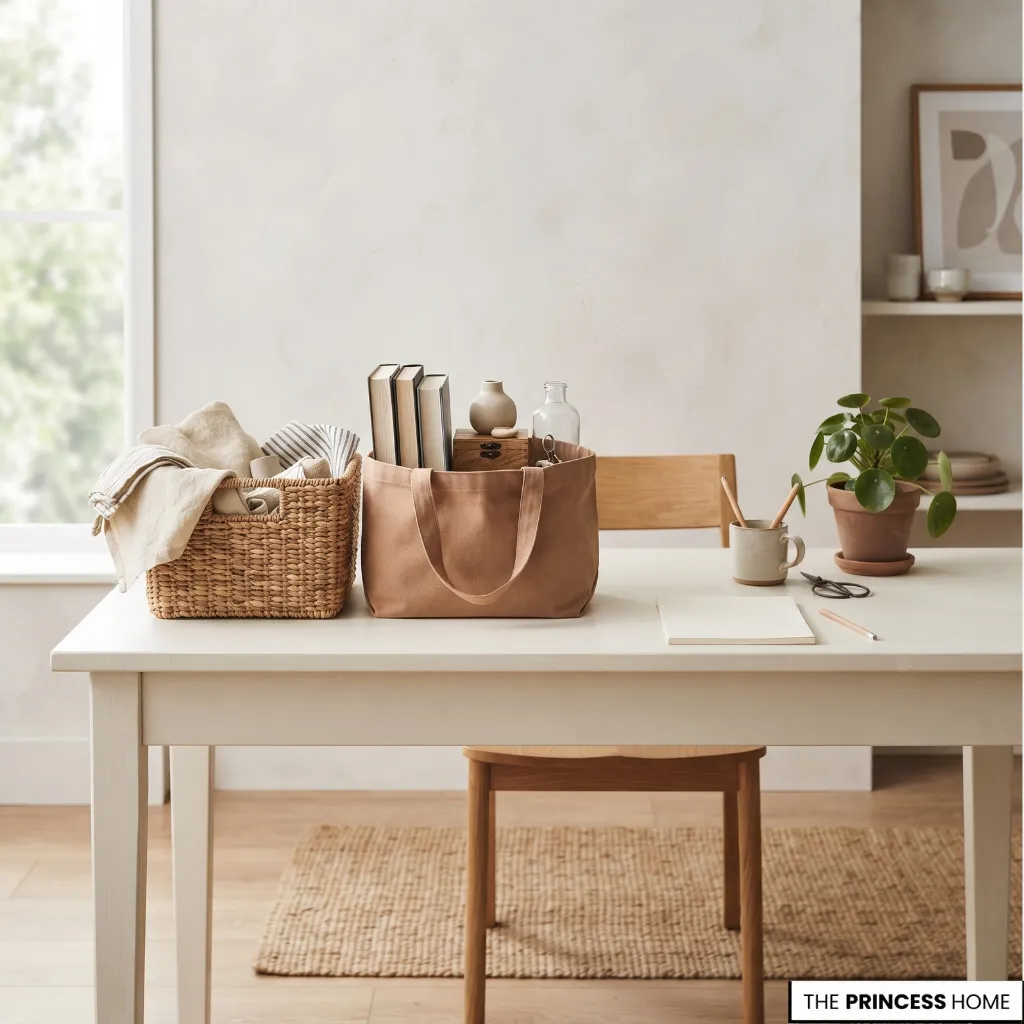
Define the area you will work on, decide what completion looks like, and prepare places for the items you remove. A simple working system can prevent decluttering from becoming another source of mess.
Gather a few reusable bags, boxes, or baskets. Prepare destinations for items to keep, donate, sell, recycle, discard, or relocate. You will not need every category for every task, but clear destinations make decisions easier to manage.
Keep supplies simple. Existing containers can serve as temporary sorting boxes, so there is no need to purchase organizing products before you know what you need. Keep cleaning supplies nearby if the cleared area requires cleaning afterward.
Consider how much space you have available. If you are working on a wardrobe shelf, clear a nearby surface where you can sort its contents. Avoid spreading belongings across an entire bed or floor if you cannot reasonably finish before needing that space again.
For a small drawer, removing everything at once may help you assess the contents. For a large cupboard, working shelf by shelf is often more practical. Choose the method that allows you to finish without leaving unnecessary piles behind.
Before starting, establish a clear stopping point. Decide what you will do with the items you have sorted and how you will restore the area before you stop. If you cannot finish the whole task, work on a smaller section that you can return to a usable condition.
Put items you are keeping back in their proper places, gather outgoing belongings together, and avoid leaving loose piles across surfaces or walkways. This is especially important when you are working in a shared room or using a surface needed for everyday activities.
Preparation should make the work easier to complete, not create another complicated project.
Sort Your Belongings
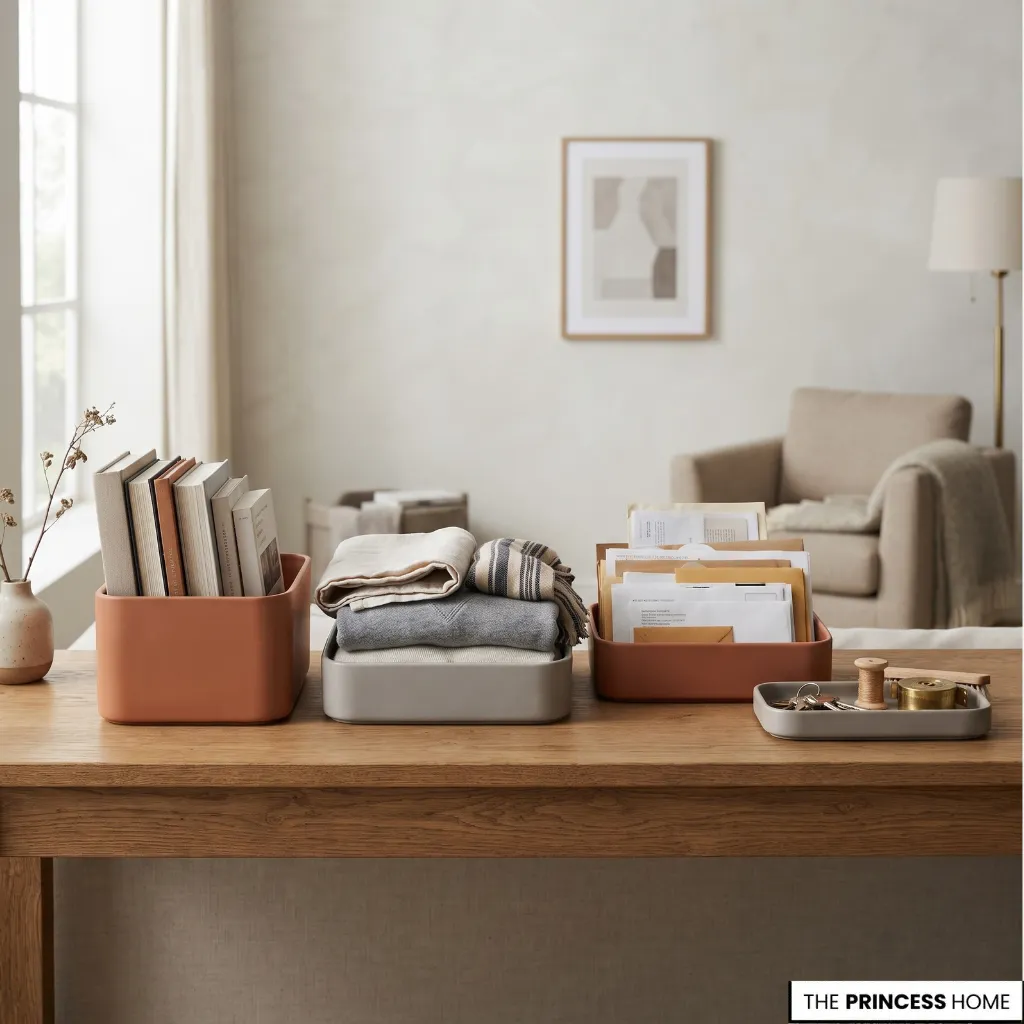
Examine each item and decide what should happen to it. A consistent sorting method reduces repeated handling and helps you distinguish useful possessions from things that no longer serve your household.
Keep items you use, need, or genuinely value. Donate usable belongings you no longer need, provided they meet the recipient’s requirements. Sell selected items when the likely return justifies the time and effort.
Recycle materials accepted by your local service, and discard items that are unusable or unsuitable for donation or recycling according to local disposal guidance. Relocate useful belongings that are stored in the wrong place.
For each possession, ask whether you use it, whether it meets a current need, whether you already own something that performs the same function, and whether keeping it justifies the space it occupies.
These questions are more useful than applying a rigid rule based only on an item’s age or how recently you used it. A winter coat, an emergency tool, or specialist kitchen equipment may be important despite infrequent use.
Consider duplicates carefully. If you own several similar kitchen utensils, compare their condition and usefulness before deciding how many to keep. Retain the number that reasonably supports your household’s needs.
Decluttering and organizing are different tasks. Decluttering reduces or redistributes possessions; organizing gives the remaining belongings practical places. Decide what stays before investing time in arranging every drawer and shelf.
Finally, complete the next step for outgoing items. Put donations in a designated place, arrange collection or drop-off when practical, and follow local recycling requirements. Bags that remain in the hallway for months can become another form of clutter.
For more ideas: Professional Declutterer Secrets What to Keep & What to Discard
Handle Difficult Decisions
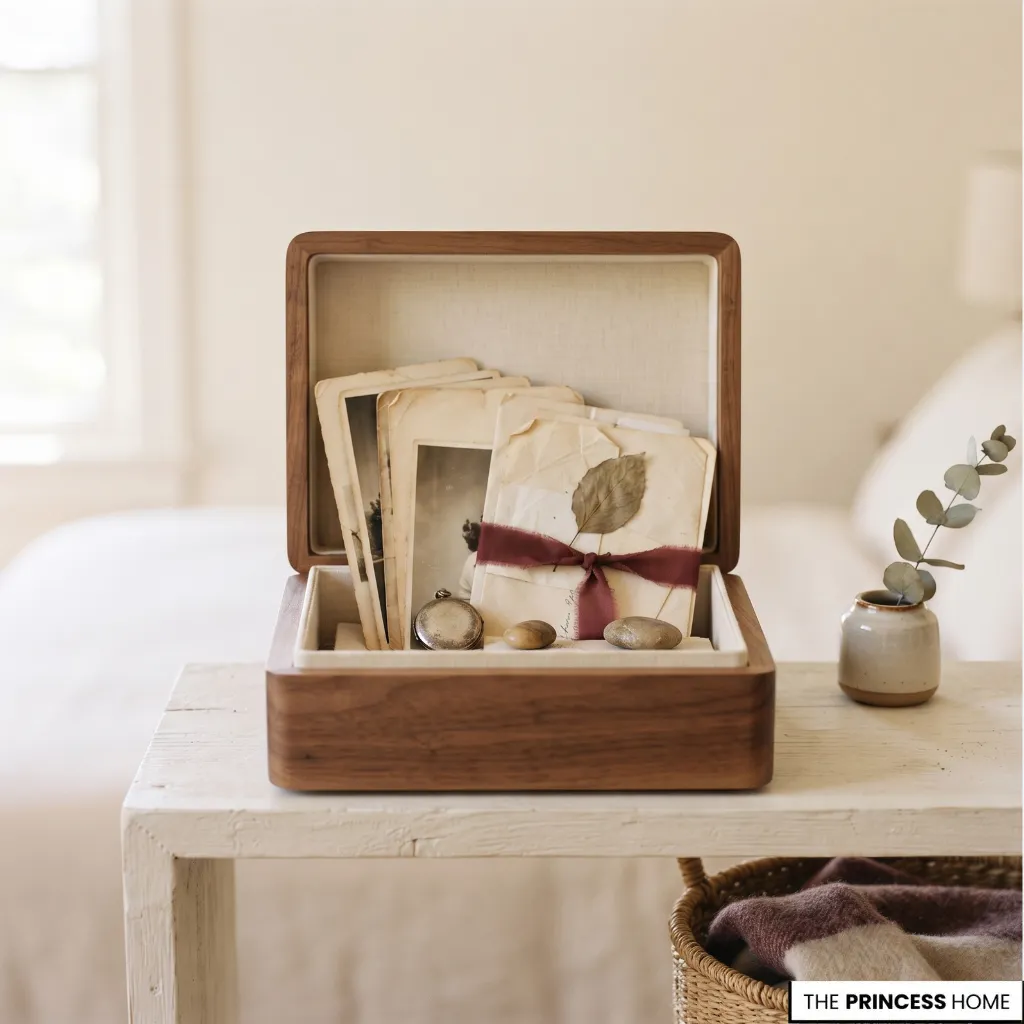
Some belongings are difficult to release because they represent memories, gifts, past interests, or money already spent. When a decision becomes uncomfortable, consider the item’s actual role in your life rather than forcing an immediate answer.
Sentimental possessions deserve particular care. You do not need to discard meaningful objects simply to reduce clutter. Instead, decide which items you most want to preserve and how much space you can reasonably dedicate to them.
For example, keep a selection of greeting cards that hold special memories rather than every card you have received. If a photograph can preserve the memory of a suitable keepsake, it may offer another option. The choice depends on the object’s significance and your preferences.
Gifts can create a different kind of pressure. Appreciating the person who gave you something does not necessarily mean you must keep the physical object indefinitely. If the gift no longer serves a purpose or holds personal meaning, consider whether someone else could use it.
Items kept for a hypothetical future need also deserve a practical review. Ask whether the situation is realistic, whether you already own an appropriate alternative, and whether the item justifies the storage space.
Apply particular care to emergency equipment, important documents, and possessions with genuine specialist uses.
When you cannot decide, place the item in a designated review box and set a reasonable date to revisit it. Keep this category limited so that it does not become a permanent substitute for making decisions.
Respect other people’s belongings when decluttering a shared home. Agree on decisions together rather than discarding possessions without permission. For shared spaces, discuss which items belong in the area, how much storage each person needs, and who is responsible for maintaining it.
Clear agreements can prevent the same clutter from returning and help household members feel that their needs have been considered.
A trusted helper can assist with sorting, carrying items, or considering options, but the final decision should remain with the person who owns them.
The aim is not to remove every possession that lacks an immediate use. It is to make deliberate choices about what you keep and why.
For more ideas: How to Let Go of Possessions When It Feels Emotionally Hard
Declutter Room by Room
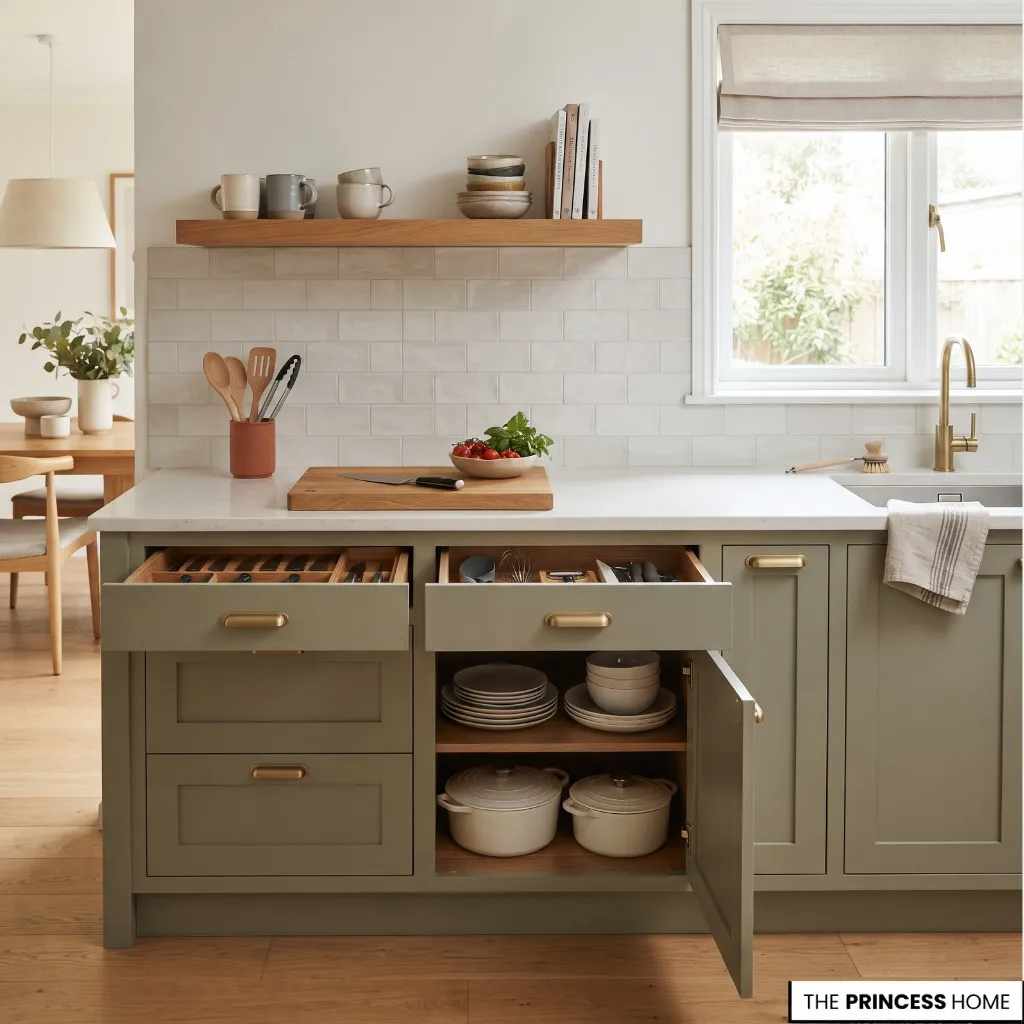
Apply the same sorting principles throughout your home, adapting each decision to the way you use the space. You do not need to complete every room before noticing progress; work through manageable sections according to your priorities.
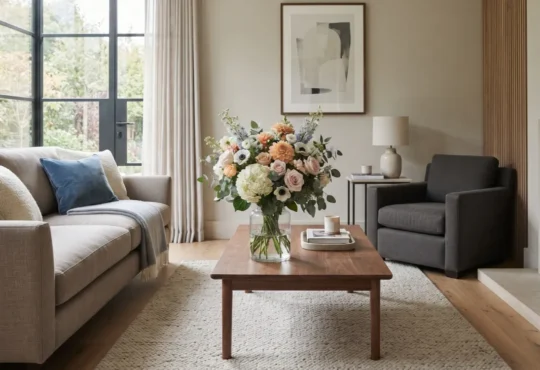
In the living room, start with surfaces where papers, books, remotes, and miscellaneous belongings collect. Return items that belong elsewhere, remove unwanted objects, and retain the pieces you use or genuinely enjoy. Avoid moving everything into a storage basket without deciding where the contents belong.
In the kitchen, review duplicate utensils, excess food containers, unused appliances, and expired food. Keep frequently used equipment accessible and store occasional-use items where you can retrieve them easily. Follow food-safety guidance when deciding what to discard.
In the bedroom, begin with a bedside table, a drawer, or one section of the wardrobe. Review clothing according to fit, condition, current needs, and realistic use.
Keep seasonal garments and occasional-use accessories when they serve a genuine purpose, but do not let unused items consume the space needed for everyday clothing.
In the bathroom, check toiletries, expired products, duplicate supplies, and empty packaging. Group the products you regularly use and keep them accessible. Follow product labels and local disposal guidance for items that should not go into ordinary household waste.
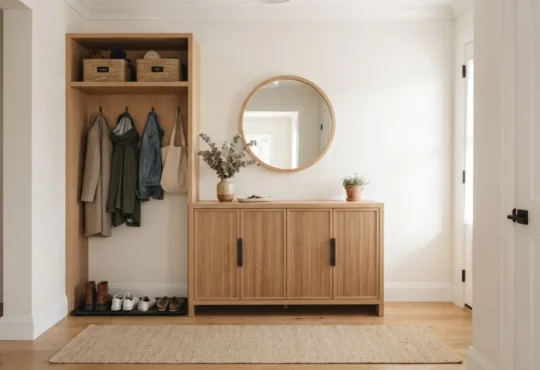
In the entryway, focus on shoes, coats, bags, mail, and keys. Keep frequently used items near the entrance and provide convenient storage for belongings that otherwise land on a console or floor. Preserve a clear path through the doorway.
In storage areas, work through cupboards, spare rooms, and boxes in manageable sections. Check what each item is for, whether it still meets a need, and whether another item already serves the same purpose.
Avoid transferring unsorted belongings from one storage area to another simply to make the first area look clearer.
Each room has different priorities, but the method remains consistent: identify the problem, make deliberate decisions, complete the section, and move on when you are ready.
Organize What Remains
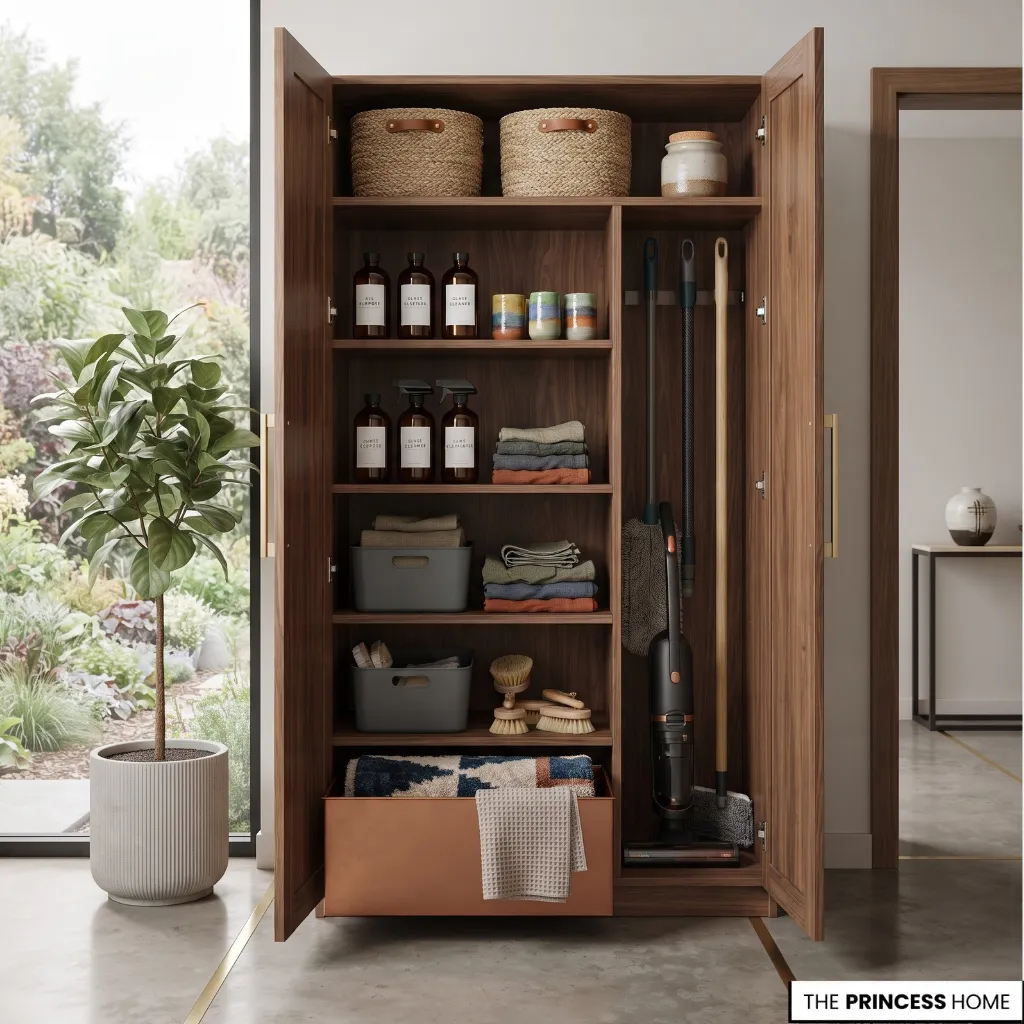
Once you have removed unwanted belongings, give the items you keep practical homes. Good organization makes everyday tasks easier because you can find what you need and return it without unnecessary effort.
Start by grouping similar belongings and identifying where you naturally use them. Keep cooking tools near food preparation areas, toiletries together in an accessible bathroom drawer, and everyday bags or shoes near the entrance when space allows.
Consider frequency of use when deciding where things belong. Store frequently used items within easy reach and place occasional-use belongings in suitable secondary storage. Important documents and emergency supplies should remain secure and easy to locate.
Use existing furniture and storage before purchasing anything new. A drawer, shelf, cupboard, or suitable basket may provide enough space once unnecessary items have been removed. If you need additional containers, measure the available area and assess the remaining belongings first.
When storage still feels crowded, consider whether you are keeping more than the space can comfortably accommodate. Adding another container may hide the problem without resolving it. Reducing excess or changing how you use the available storage may work better.
If you have already sorted the belongings and the cupboards still overflow, check whether the items fit the actual needs of your household, whether rarely used possessions could be stored more appropriately, and whether the current layout makes good use of the available space.
If the belongings are all genuinely needed, you may need to prioritize access and reorganize the storage rather than assume that more containers will solve the problem.
Make the system easy to maintain. Keep everyday items accessible, group related belongings, and avoid arrangements that require several steps every time you put something away.
Test the arrangement during normal use. If you repeatedly leave an item on a counter because its assigned storage is inconvenient, reconsider its location. An effective organizing system should support your daily habits rather than require constant effort to maintain.
For more ideas: Professional Home Organizer Secrets for an Organized Home
Work With Limited Time
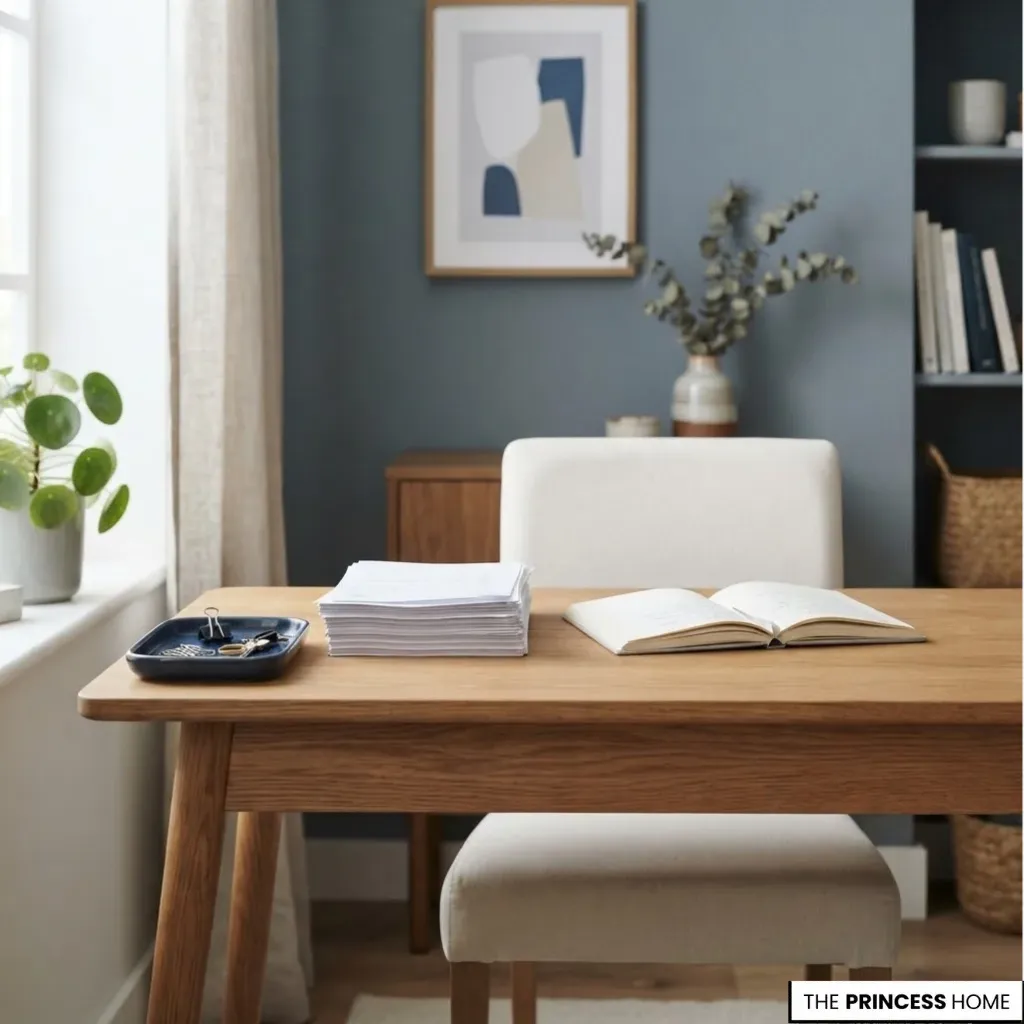
You do not need an entire free day to declutter your home. The process can fit around work, family responsibilities, and other commitments when you choose tasks that match the time and energy available.
If you have only ten minutes, clear one drawer, sort a small pile of papers, or return misplaced belongings to their proper rooms. With more time, you might finish a cupboard shelf or a defined section of a wardrobe. These are practical examples, not fixed time limits.
Choose tasks with a clear endpoint. Sorting one drawer is easier to complete than starting to organize every drawer in the bedroom. Before stopping, place outgoing items in their designated locations and return the belongings you are keeping to the area.
Your energy matters as much as your schedule. On a tiring day, choose a smaller task or sort items while seated if that is more comfortable. When you have more time and energy, tackle work that requires additional lifting, moving, or decision-making.
A simple written checklist can help you resume without planning everything again. Record the area you completed and the next specific task, such as sorting the top wardrobe shelf or clearing the papers beside the computer.
You can also ask a trusted person to help with moving heavy belongings, carrying donations, or sorting a shared space. Divide the work into clear responsibilities so that assistance does not create additional confusion.
There is no need to follow a rigid daily schedule. Work at a pace that fits your circumstances, and focus on completing manageable tasks rather than measuring success by the number of hours spent decluttering.
Avoid Common Mistakes

Some decluttering methods create more work because they expand the task beyond what you can reasonably complete. Adjusting these habits can help you finish each area and protect your progress.
Tackling the whole home at once can leave belongings scattered across several rooms. Define one manageable area and move forward when that area is complete.
Buying storage before sorting may make excess possessions look organized without addressing whether you need them. Declutter first, then choose storage according to the belongings that remain.
Creating too many undecided piles delays decisions and consumes working space. Use a limited review category and return to uncertain items at a planned time.
Starting too many rooms simultaneously spreads effort across unfinished tasks. Keep a short priority list and complete one defined section before beginning another large one.
Keeping donations indefinitely allows outgoing belongings to become new clutter. Arrange a suitable drop-off or collection when practical, and confirm that the recipient accepts the items.
Trying to sell everything can turn decluttering into a time-consuming project. Reserve selling for items whose likely return justifies the effort, and consider other suitable destinations for the rest.
Discarding items too quickly can lead to regret, especially with important documents, useful specialist equipment, or sentimental belongings. Apply consistent decision criteria and pause when an item genuinely requires further thought.
Organizing without a maintenance plan can leave cupboards crowded again after a short time. Assign convenient homes to belongings and establish routines that suit the way you use the space.
Comparing your progress with other homes can create unnecessary pressure. Household size, storage, responsibilities, and personal needs differ. Measure success by improvements in your own home’s function rather than by someone else’s standard of minimalism.
If a method repeatedly leaves you with unfinished piles, change the method. Smaller tasks, fewer sorting categories, and clearer stopping points may be more useful than trying harder to follow an approach that does not suit your circumstances.
For more ideas: Decluttering Checklist for Beginners Step-by-Step
Maintain Your Progress
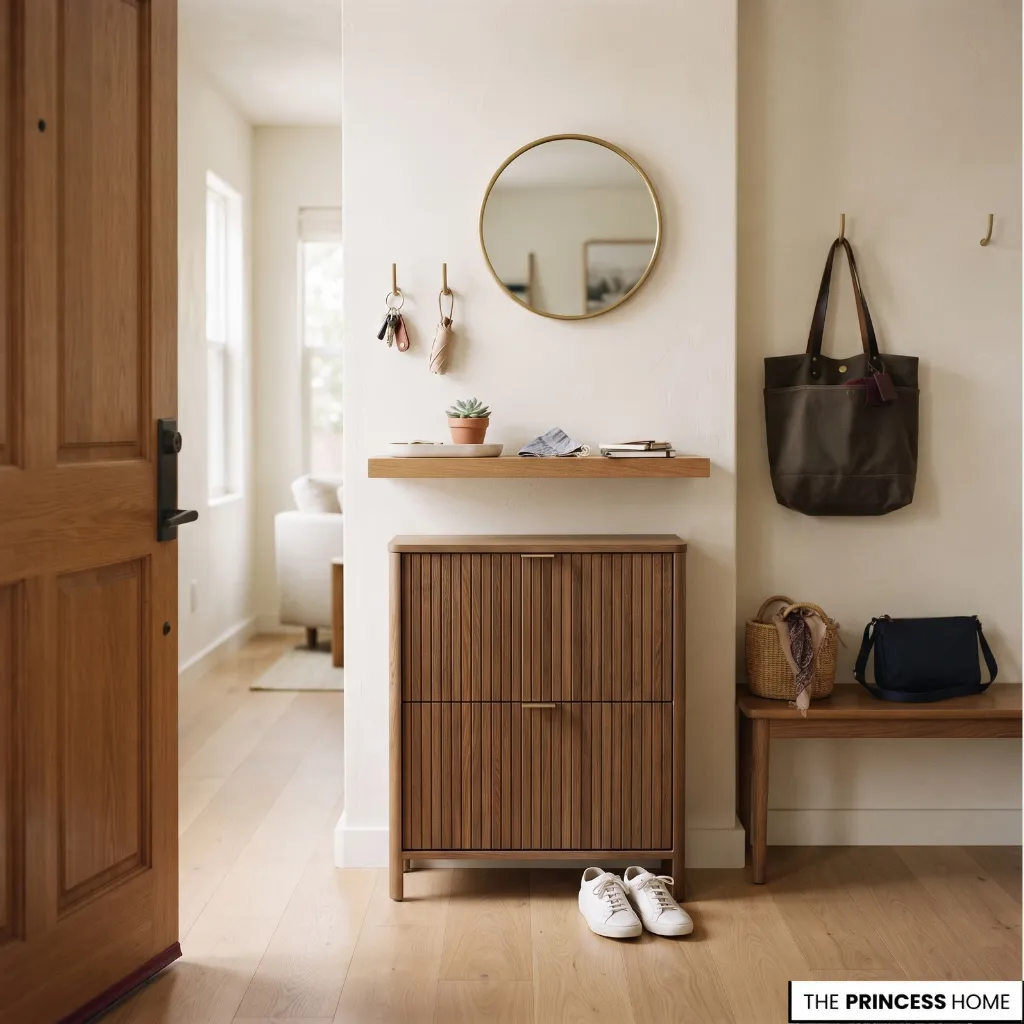
Once an area is clear and organized, establish a few habits that help it stay manageable. The goal is to handle everyday clutter before it accumulates, not to prevent every item from ever being out of place.
Return belongings to their assigned places after use. Keep frequently used items convenient to store, and reconsider any arrangement that makes putting things away unnecessarily difficult.
Pay attention to recurring clutter hotspots. If papers continually collect on the kitchen counter, establish a practical place for incoming mail and documents. If shoes accumulate by the entrance, review whether the available storage suits the number of pairs your household uses.
Process incoming items regularly. Recycle unwanted packaging, remove rubbish, and decide where new purchases belong before they join existing clutter. A one-in, one-out approach may help limit accumulation in selected categories, such as clothing or decorative accessories, when it suits your household.
Review storage when drawers or cupboards repeatedly overflow. The problem may be insufficient space, an inconvenient arrangement, or simply more belongings than the area can accommodate. Adjust the system according to what is actually happening.
Choose a maintenance routine you can sustain. Some people prefer a brief daily reset, while others find a weekly review more practical. Occasional checks of less frequently used storage areas can also help. The right frequency depends on your household and how quickly clutter accumulates.
If an area becomes cluttered again, treat it as useful information. Identify what caused the buildup and make the necessary adjustment instead of assuming that the entire decluttering process has failed.
Conclusion
Tackling clutter in your home becomes more manageable when you focus on one area, make deliberate decisions, and create practical places for the belongings you keep. Start with a task you can finish, build on what works, and maintain the results through habits that fit your everyday life.