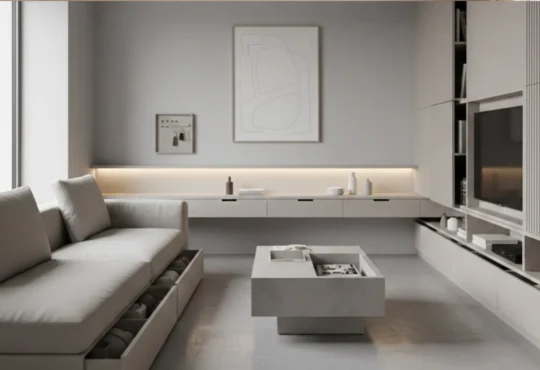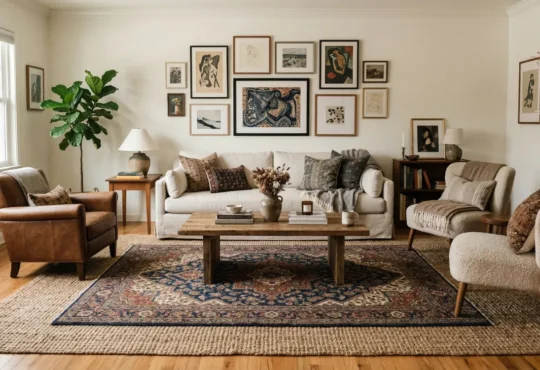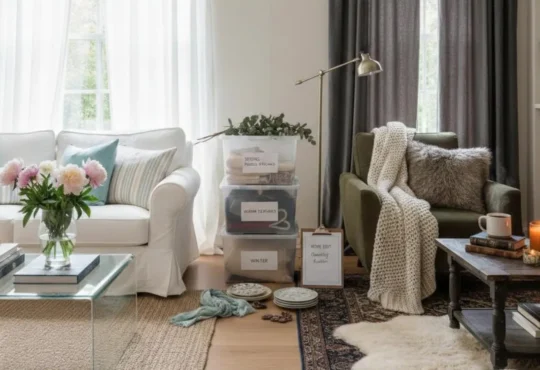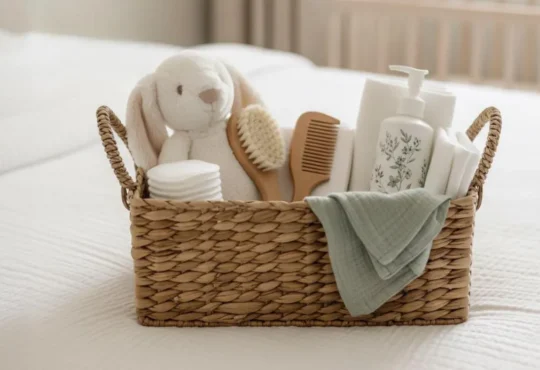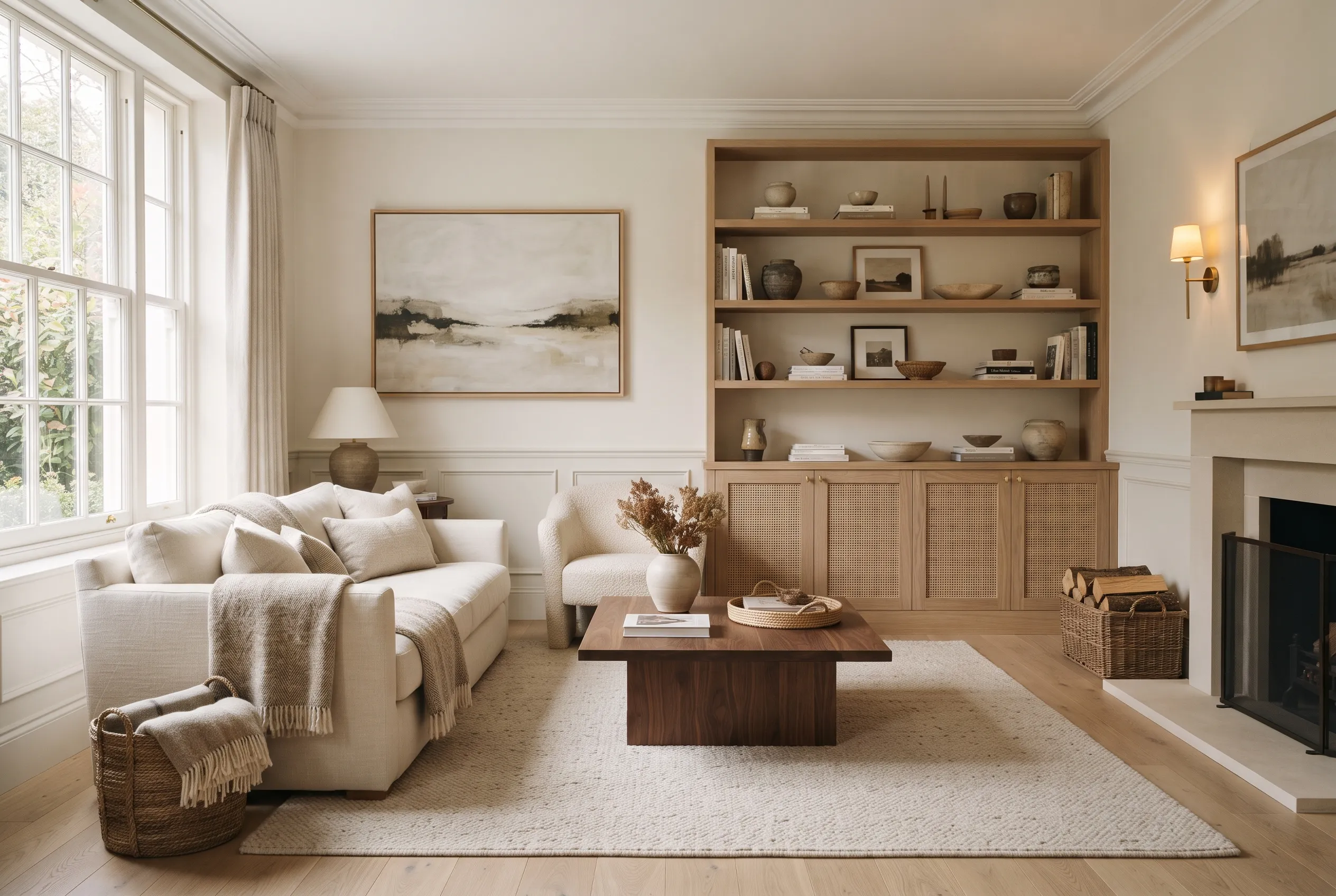
Welcome to your fresh start. Home organization isn’t about perfection; it’s about creating spaces that support your life, reduce stress, and feel genuinely good to inhabit. We’ve tapped leading interior designers and professional organizers to bring you inspiring, actionable ideas that blend function with beauty.
Whether you’re resetting a single drawer or overhauling your whole home, this guide will help you declutter smarter and organize with intention.
The Golden Rules of Organizing
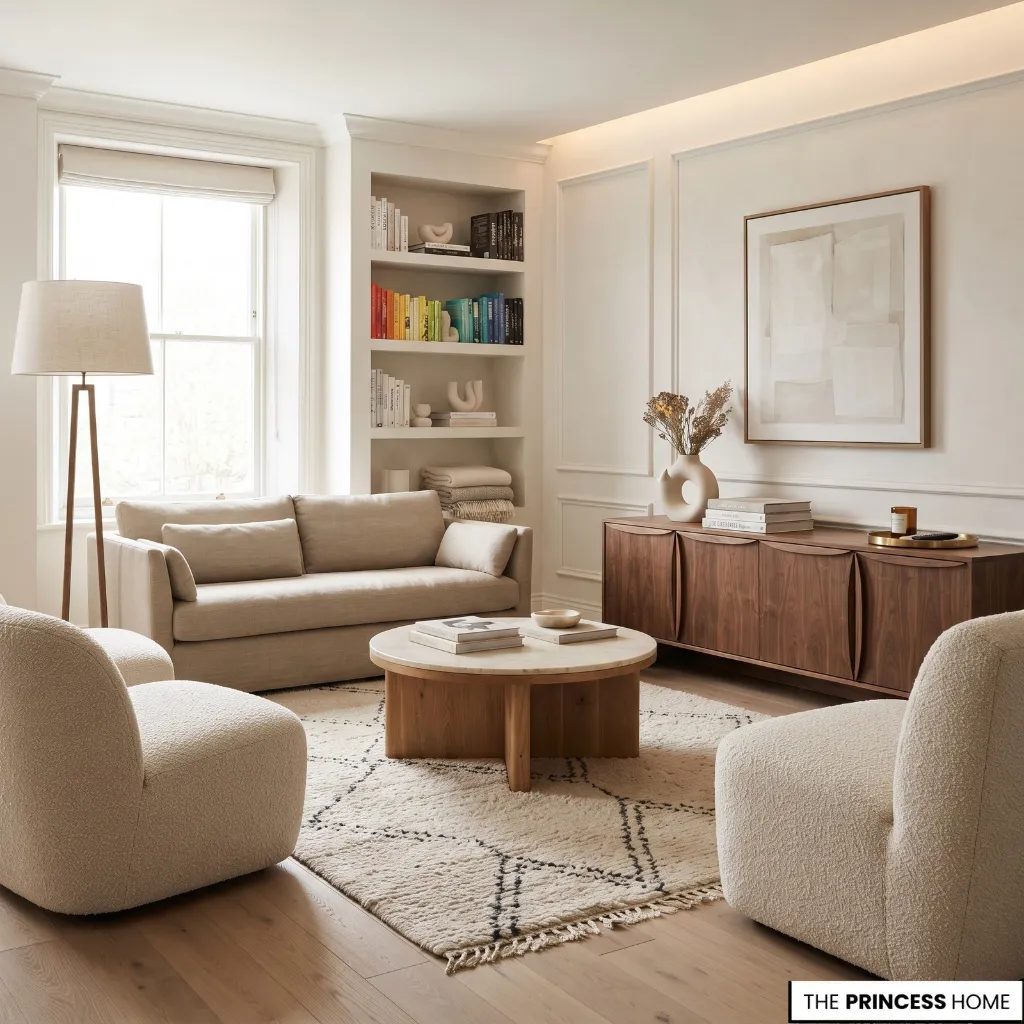
Good organization starts with editing before adding storage. Decide what deserves space, then group what remains and give each category a practical home.
Organizing becomes easier when you return each item directly to its designated place instead of setting it down temporarily, helping prevent small messes from accumulating.
It also helps to leave some breathing room in storage rather than filling every shelf, drawer, or container to its full capacity. This keeps items easier to reach and categories easier to maintain as everyday needs change.
Start With Your Space
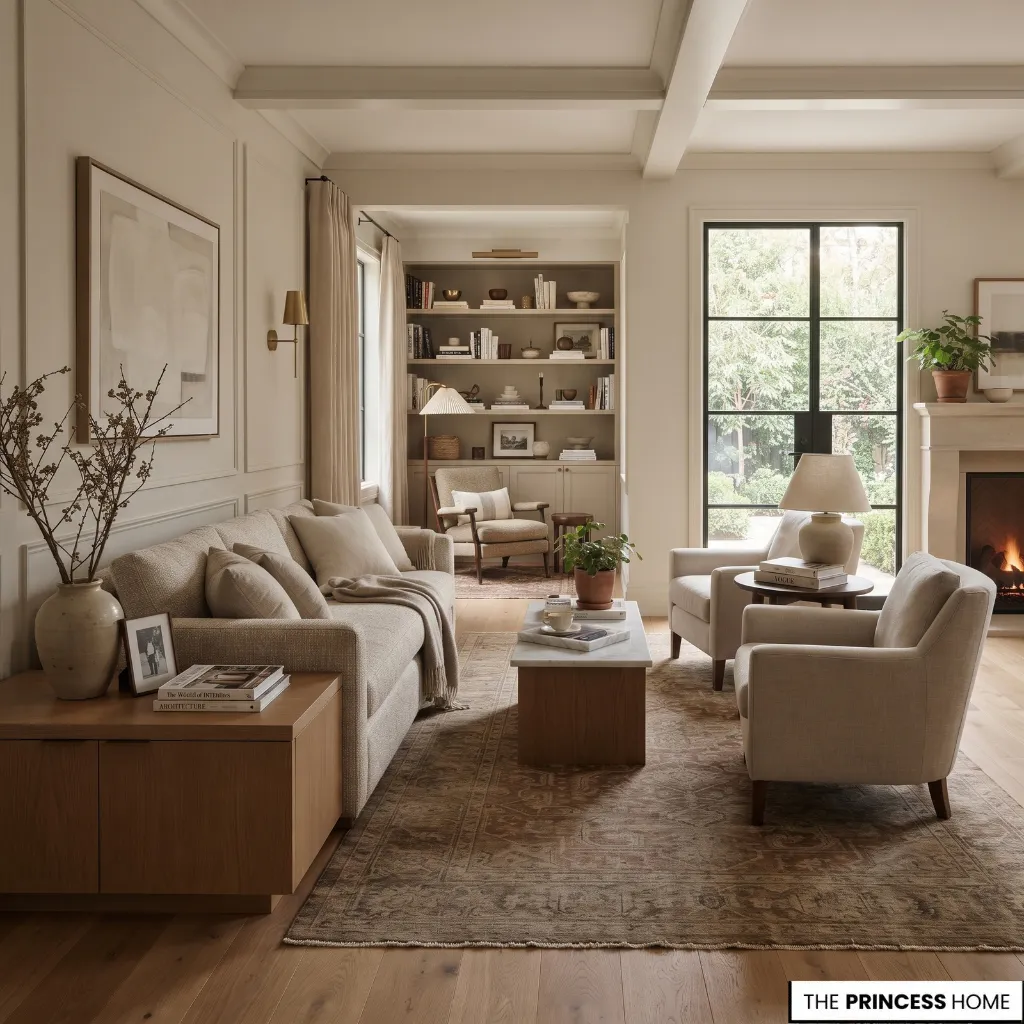
Before organizing anything, identify what is actually making the home difficult to use. Notice where possessions repeatedly collect, which surfaces become dumping grounds, and which rooms are hardest to maintain. Consider how each room is used, who uses it, and what activities take place there.
A kitchen, bedroom, entryway, and home office need different systems because their possessions and daily routines are different. Look at the storage you already have. You may have enough capacity but poor placement, or storage that does not suit the objects it contains.
A crowded drawer can be a category problem, while a frequently used item hidden in an inconvenient cabinet is an accessibility problem. Choose a starting zone that creates regular friction rather than trying to reorganize the entire home at once. Completing one area also gives you a practical model for the rest of the house.
As you assess the space, consider whether the problem is truly a lack of storage or simply more possessions than the available space can comfortably support. When a category repeatedly exceeds the space assigned to it, the solution may be reducing the quantity rather than adding another storage unit.
Declutter Before Organizing
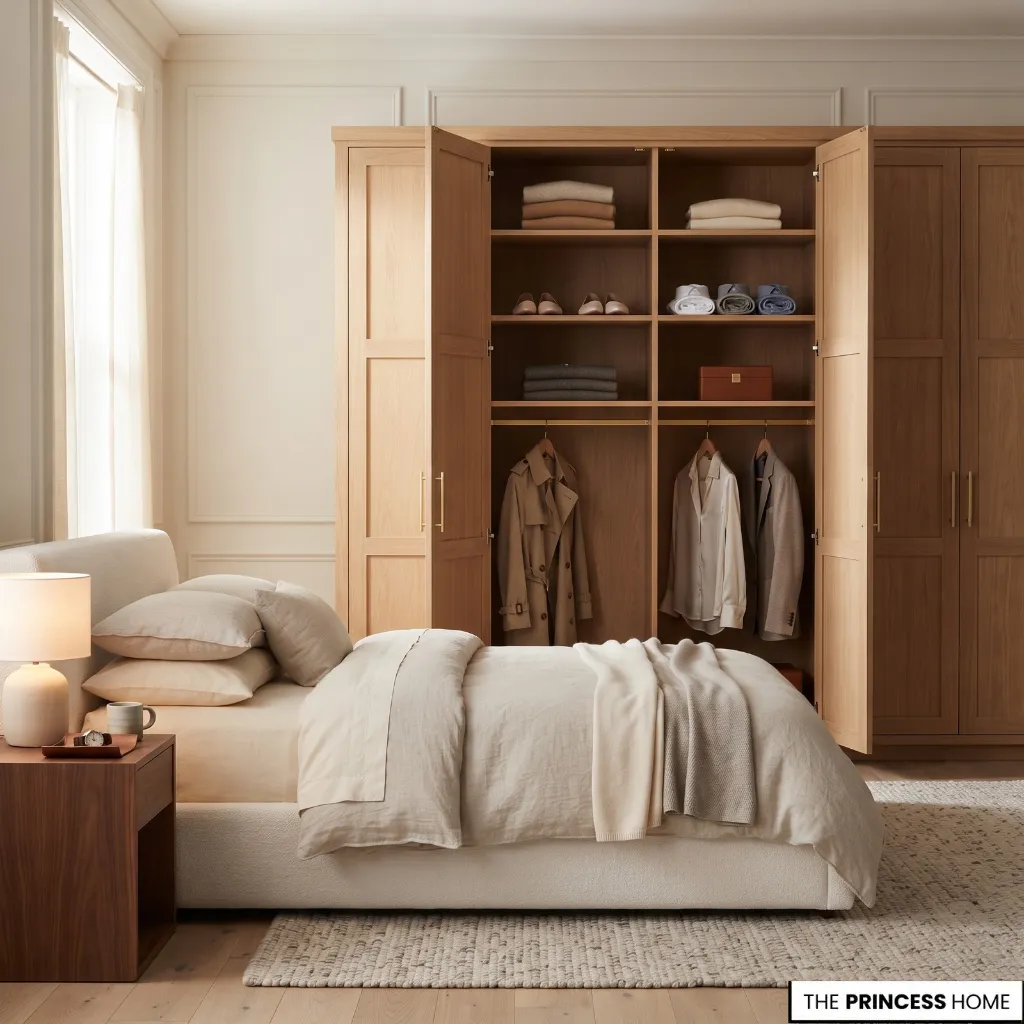
Decluttering and organizing solve different problems. Decluttering decides what remains; organizing decides how what remains will be arranged. Storage supports the system but should not be the first decision. Examine each category before looking for containers.
Ask whether an item is used, needed, useful, duplicated, difficult to replace, or suited to the household’s current life. An item can be perfectly usable and still not deserve permanent space in your home.
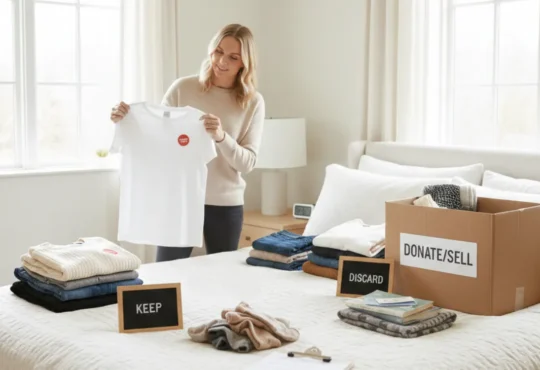
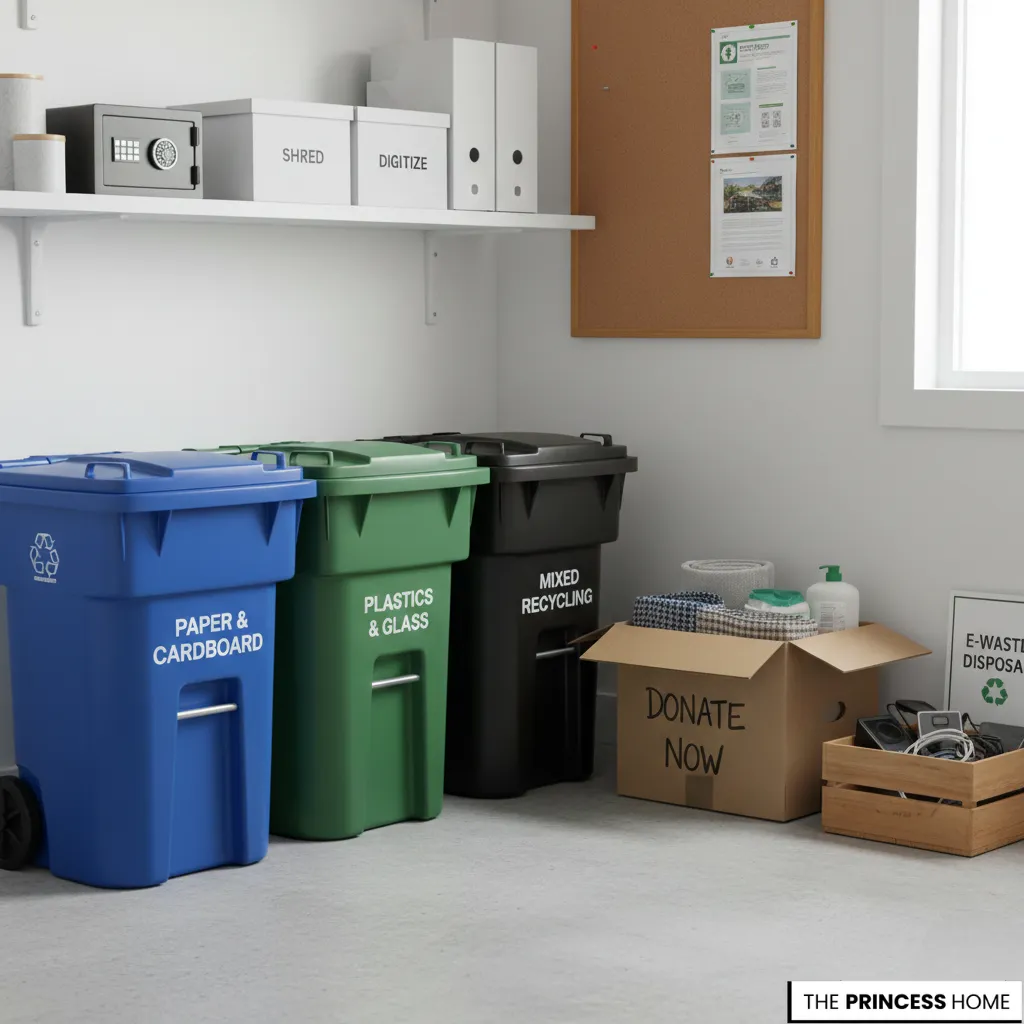
A simple decision process is to keep what serves a purpose, relocate items that belong elsewhere, donate or sell usable possessions you no longer need, and recycle or dispose of things that cannot reasonably be reused.
If an item remains uncertain, give the decision a defined review point rather than creating a permanent “maybe” box. Sentimental possessions deserve more consideration than ordinary unused objects.
A photograph, inherited piece, or meaningful keepsake may have little practical use but genuine emotional value. Decide deliberately which memories you want to preserve and give them an appropriate home. The same principle applies to expensive items, gifts, and possessions kept for a possible future.
The question is not whether something could conceivably be useful one day, but whether its value justifies the space and responsibility it currently requires. Decluttering should also remain non-judgmental.
Difficulty discarding possessions can have different causes, and ordinary household clutter should not be treated as a mental-health diagnosis.
When deciding how much of a category to keep, let the available space become part of the decision. You do not need a universal number of clothing items, dishes, towels, or other possessions; the useful question is whether the quantity fits the household’s actual needs and the space assigned to it.
Create Useful Categories
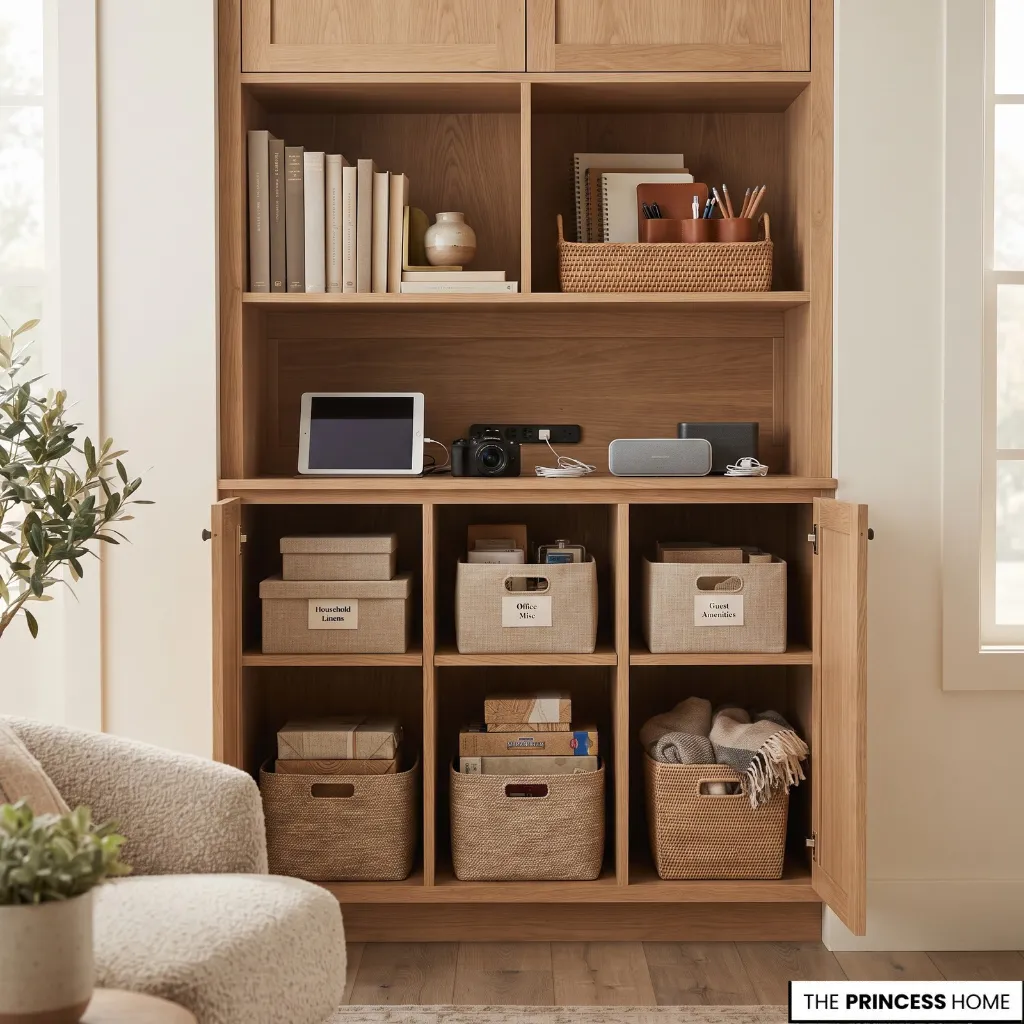
Once you know what is staying, group possessions according to how your household uses them. A useful category should make it easy to answer, “Where would I look for this?” Kitchen items might be grouped into everyday cooking tools, baking supplies, food-storage equipment, and occasional entertaining pieces.
A home office might separate active paperwork, reference documents, writing supplies, and electronics. Categories should be specific enough to make things easy to find without becoming so detailed that maintaining them becomes work.
Ten tiny categories can create more decisions than they solve, while one broad miscellaneous category often becomes a place where everything gets lost. Organize by function and use rather than appearance alone. Objects do not have to look alike to belong together if they support the same activity.
The best categories reduce the amount of thinking required to put something away.
Give Everything a Home
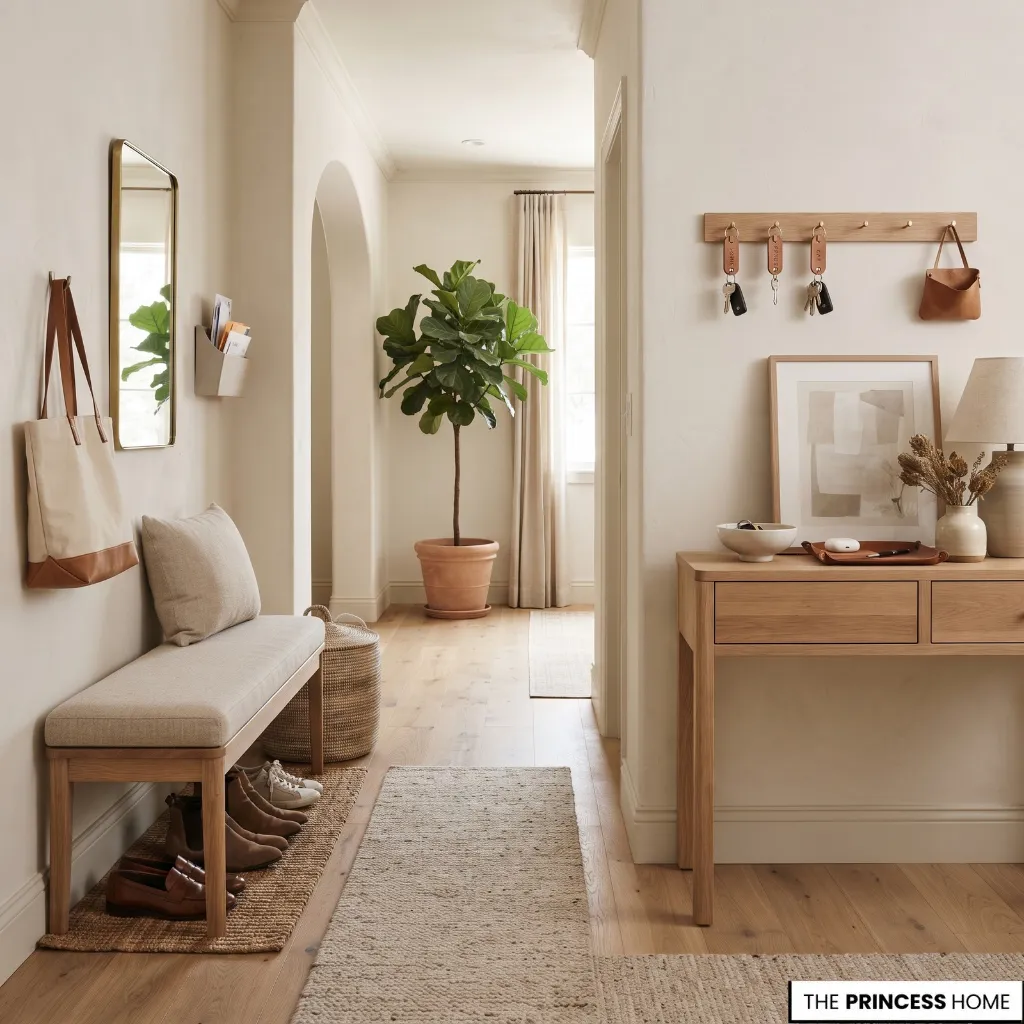
After creating categories, assign each one a consistent location. The location should reflect where and how the item is used whenever practical. Frequently used cooking tools should stay close to food-preparation areas. Towels belong near the rooms where they are needed.
Keys and everyday bags benefit from a defined location near the entrance. Work documents should be accessible where they are processed rather than repeatedly carried around the home. Frequency of use is important, but so is the person using the item.
In a shared home, a system that makes perfect sense to one person can fail if everyone else has to guess where things belong. Accessibility should also match the object.
Everyday possessions should be easy to reach, heavier items should be stored where they can be handled safely, and rarely used belongings can occupy less convenient areas. A good organization system reduces the number of steps required to retrieve and return something.
When a category does not fit comfortably in its assigned home, treat that as useful information rather than simply forcing everything into the available space. The category may need to be reduced, divided differently, relocated, or given more suitable storage.
Choose Storage Wisely
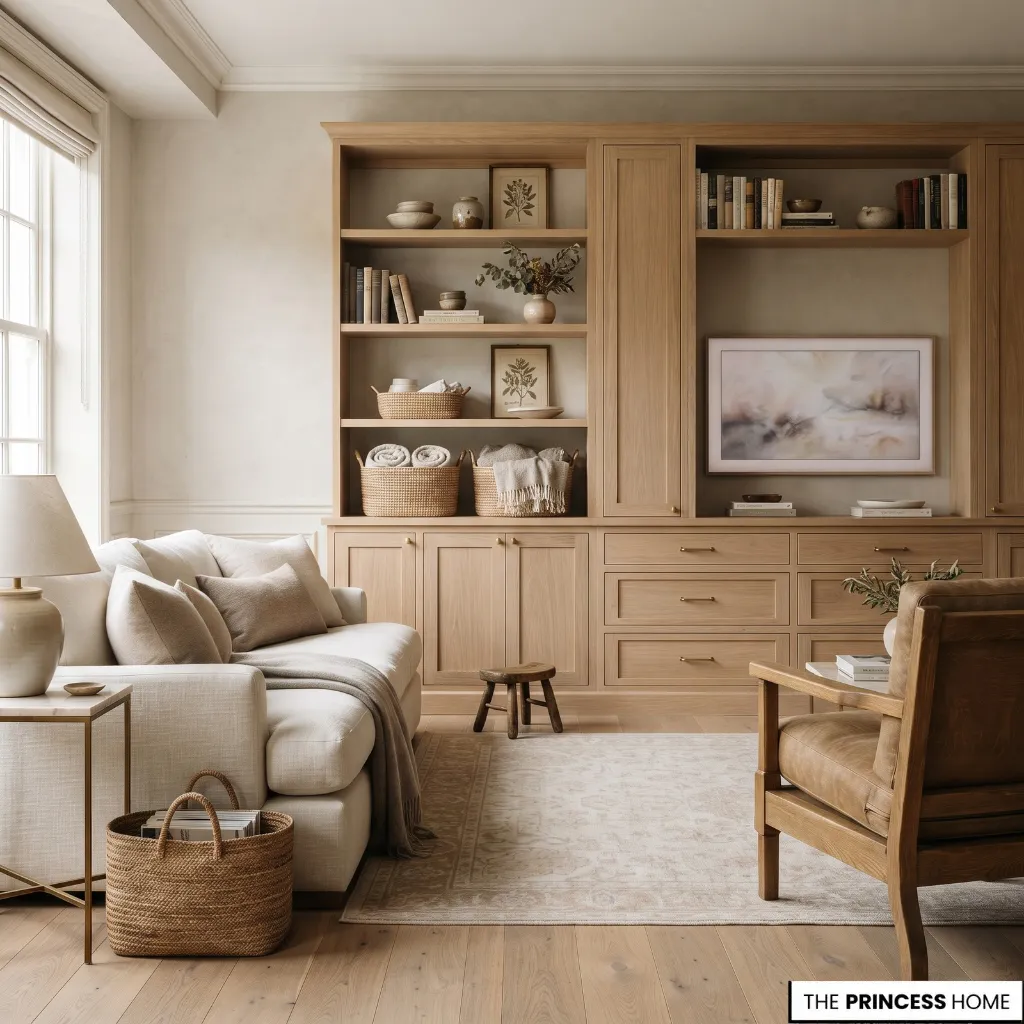
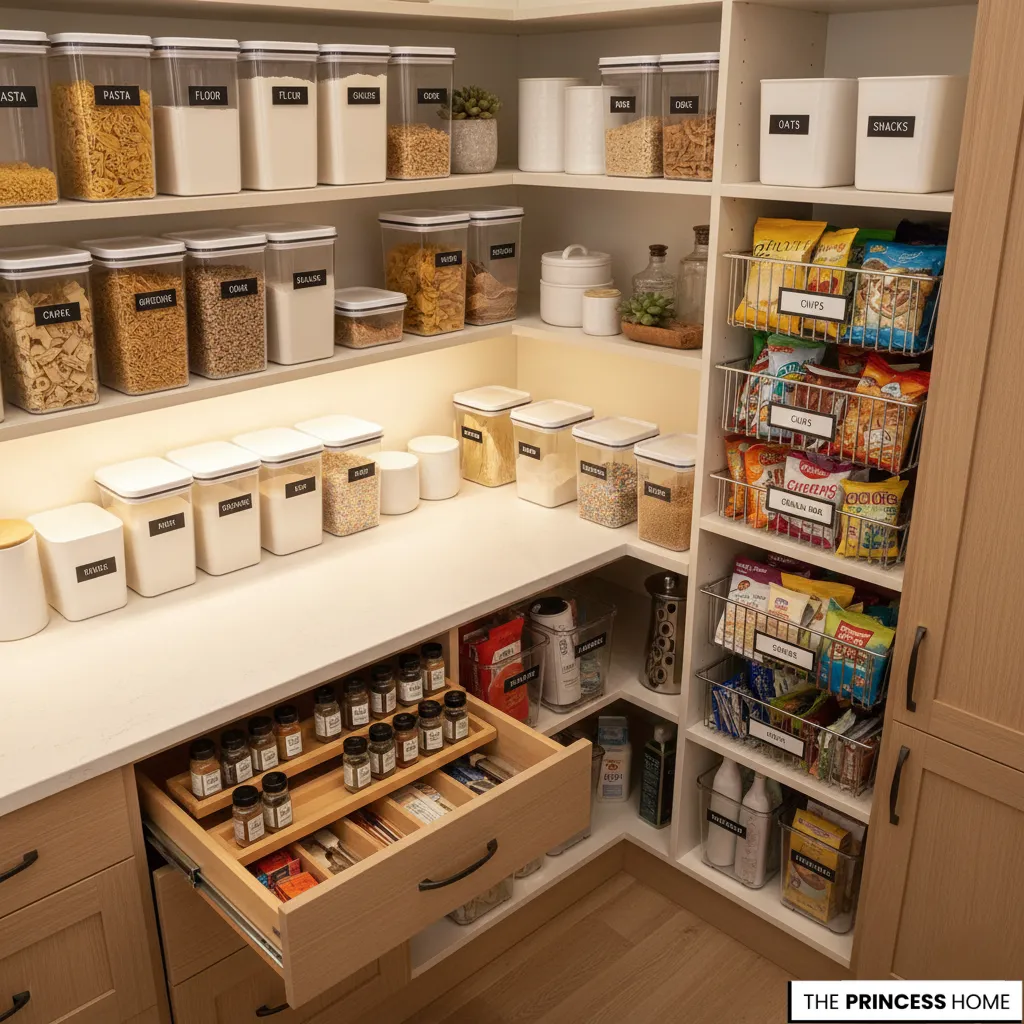
Storage should come after decluttering and categorizing. Once you understand what needs to be stored, you can choose the physical system that supports it. Drawers are useful for categories that benefit from separation and easy access. Cabinets contain larger or less visually desirable possessions.
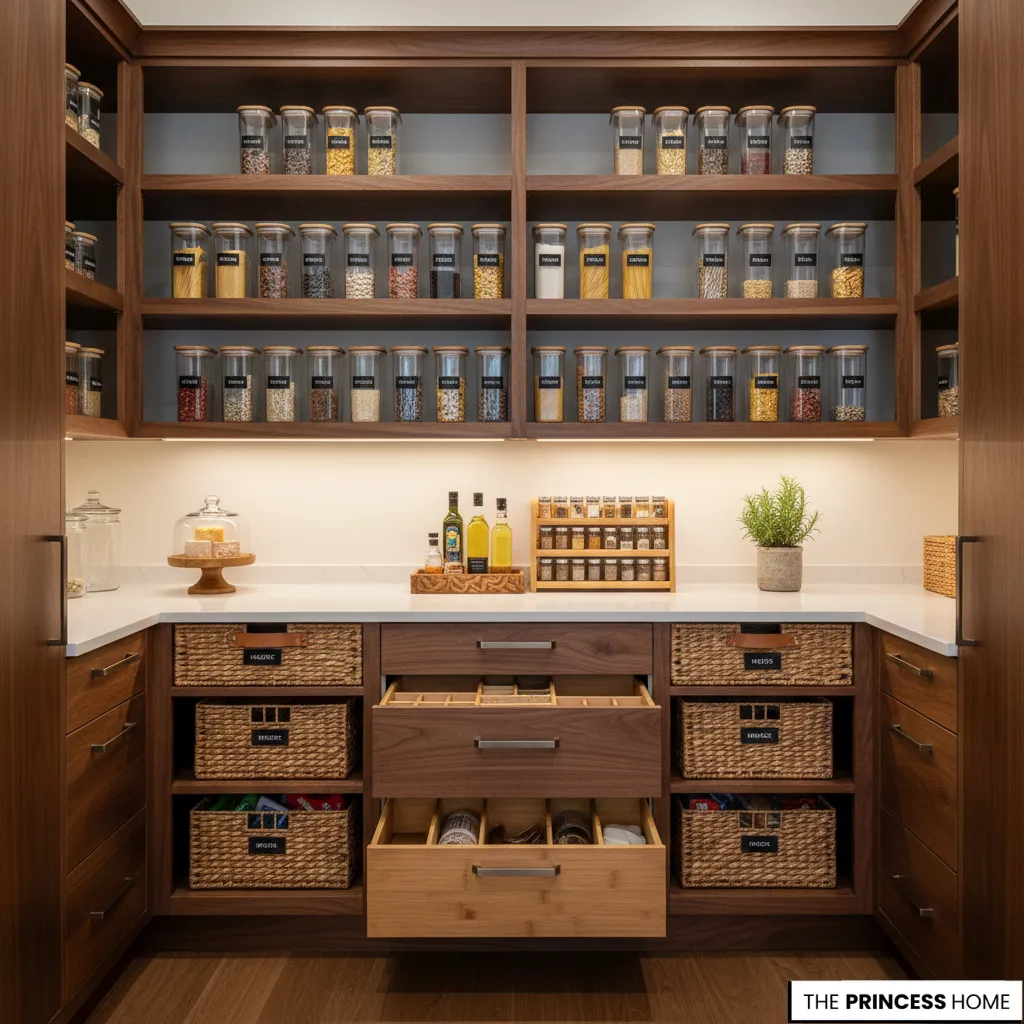
Shelves make contents visible, while baskets and bins can group smaller collections. Open and closed storage each have practical advantages. Open storage makes possessions easy to see and reach, but too many visible objects can make a room look busy.
Closed storage provides stronger visual control, but poorly organized cabinets can hide forgotten or duplicated possessions. Choose storage according to the category, frequency of use, available dimensions, accessibility, and household needs.
Measure the actual space before buying anything, especially for cabinets, drawers, closets, and narrow areas. Avoid buying a collection of matching containers simply because they look organized. A storage product is useful only when it solves a real problem.
If storage still seems insufficient after decluttering and improving placement, identify the specific capacity problem before buying more furniture. Sometimes the answer is a better use of existing space; sometimes it is additional storage; and sometimes the amount of stuff simply needs to be reduced further.
Organize by Frequency
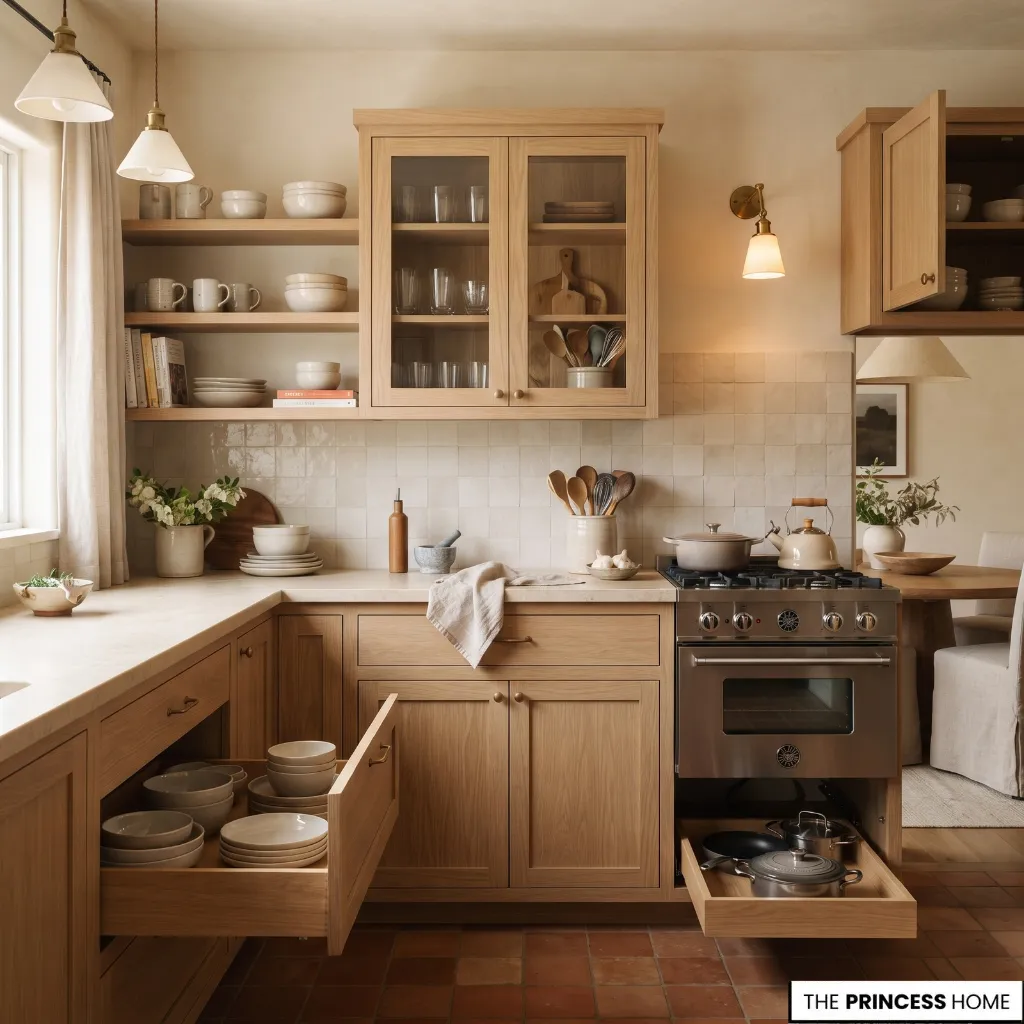
Match accessibility to frequency of use. Everyday items deserve the easiest access. Occasional items can occupy secondary storage, while seasonal or rarely used possessions can move into less accessible areas as long as they remain practical to retrieve.
This prevents prime storage space from being filled with possessions that are used only a few times a year. For example, everyday dishes should be easier to reach than special entertaining pieces.
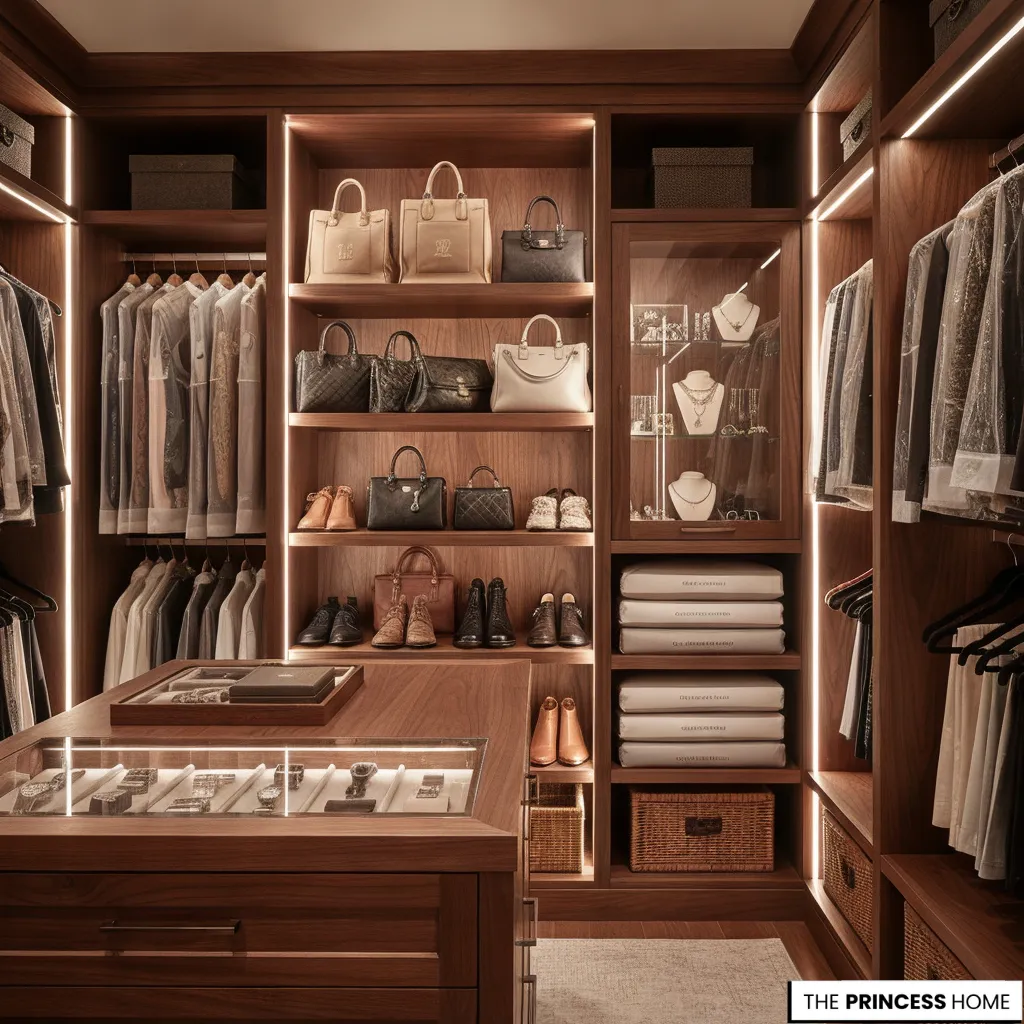
Frequently worn clothing should occupy convenient wardrobe space, while seasonal clothing can move elsewhere when appropriate. Think of storage as a hierarchy: the easiest spaces should support the activities you perform most often.
The same principle applies to possessions that are needed only during particular seasons, holidays, guests’ visits, or occasional activities. They do not need prime everyday storage as long as their secondary location remains clear, safe, and practical to access when needed.
Organize Every Room
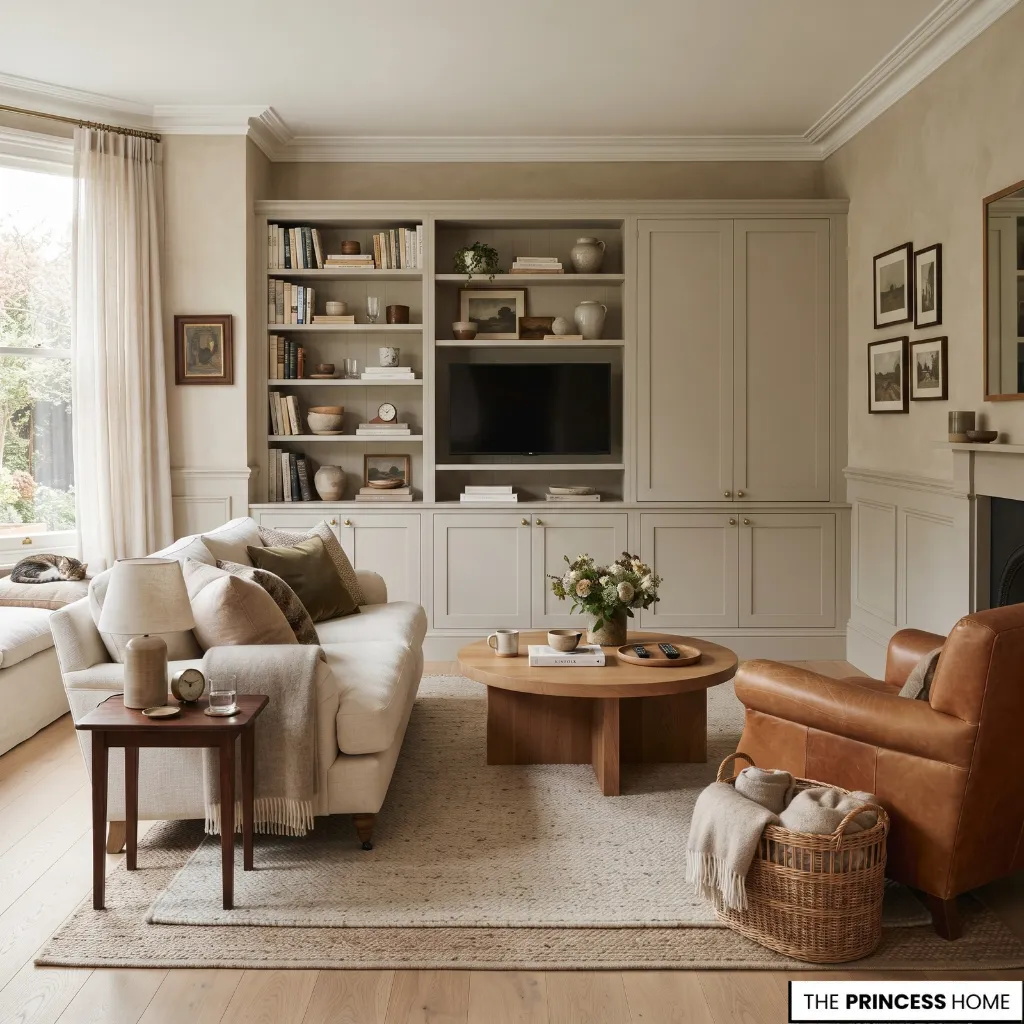
The same organizational principles can work throughout the home, but each room needs a system based on its activities.
In the entryway
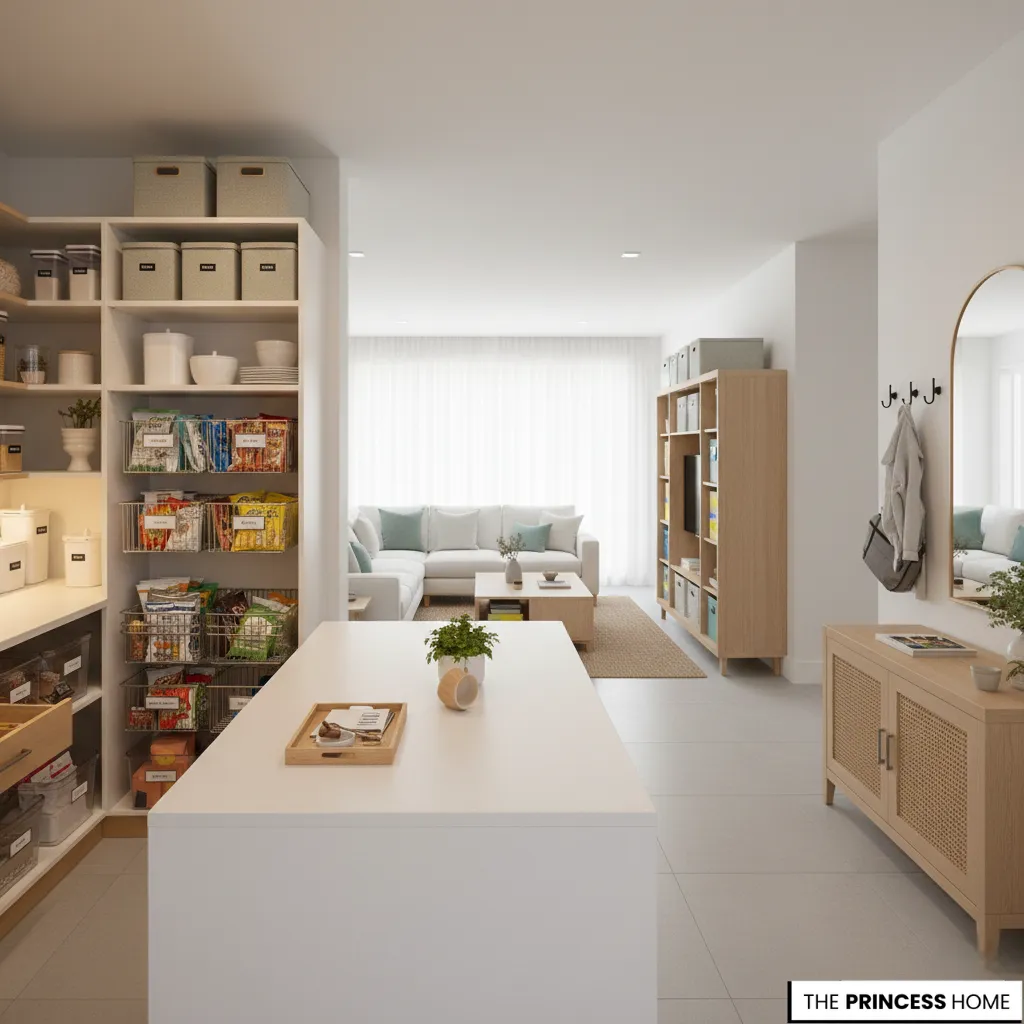
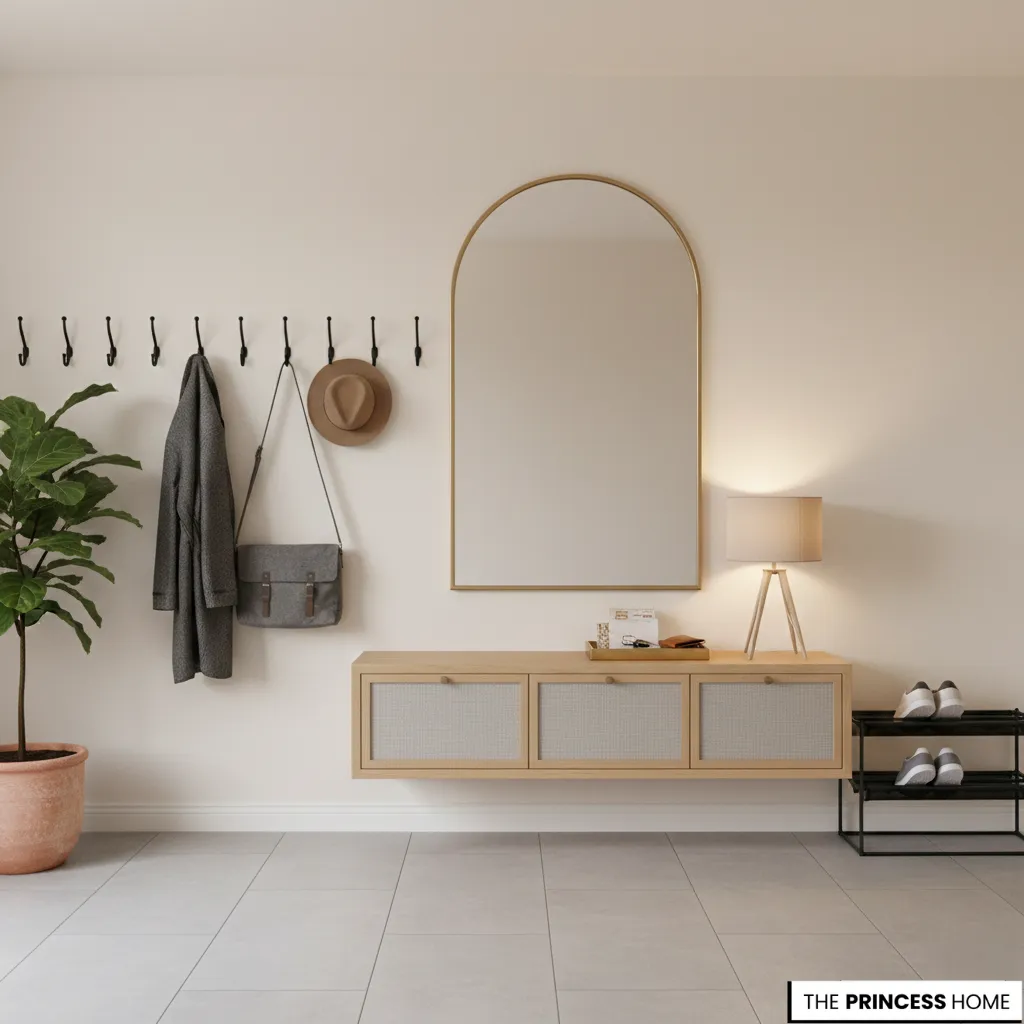
create defined locations for the things that regularly arrive and leave with the household, such as keys, bags, shoes, coats, umbrellas, and mail. Keep everyday items accessible and move seasonal or occasional belongings into secondary storage.
In the living room
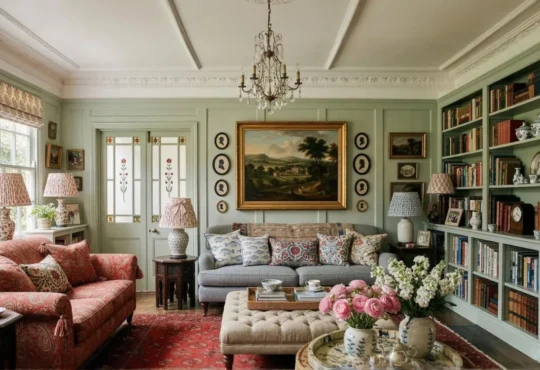
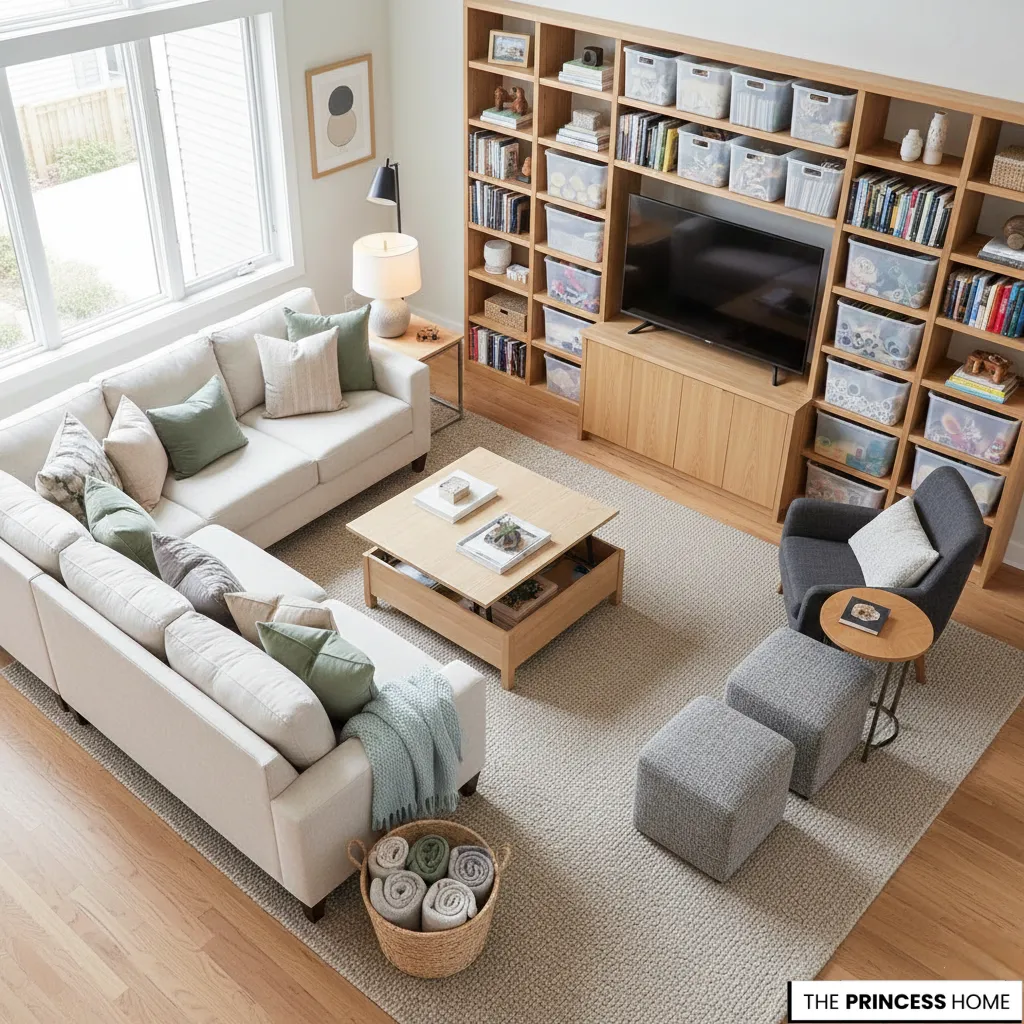
organize books, remote controls, electronics, throws, children’s belongings, and entertaining supplies according to actual use. Cabinets, drawers, baskets, and side tables can contain everyday possessions without turning every surface into storage. Visible objects should have a reason to remain visible, while frequently used items should have a reliable home.
In the kitchen
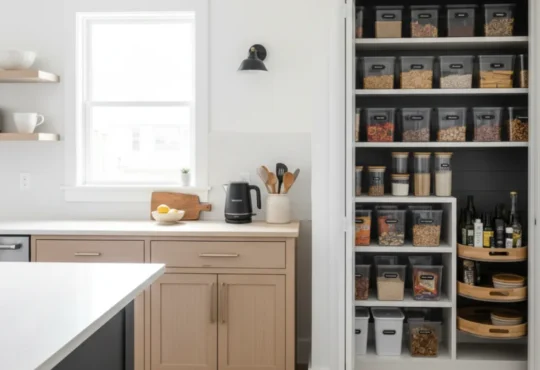
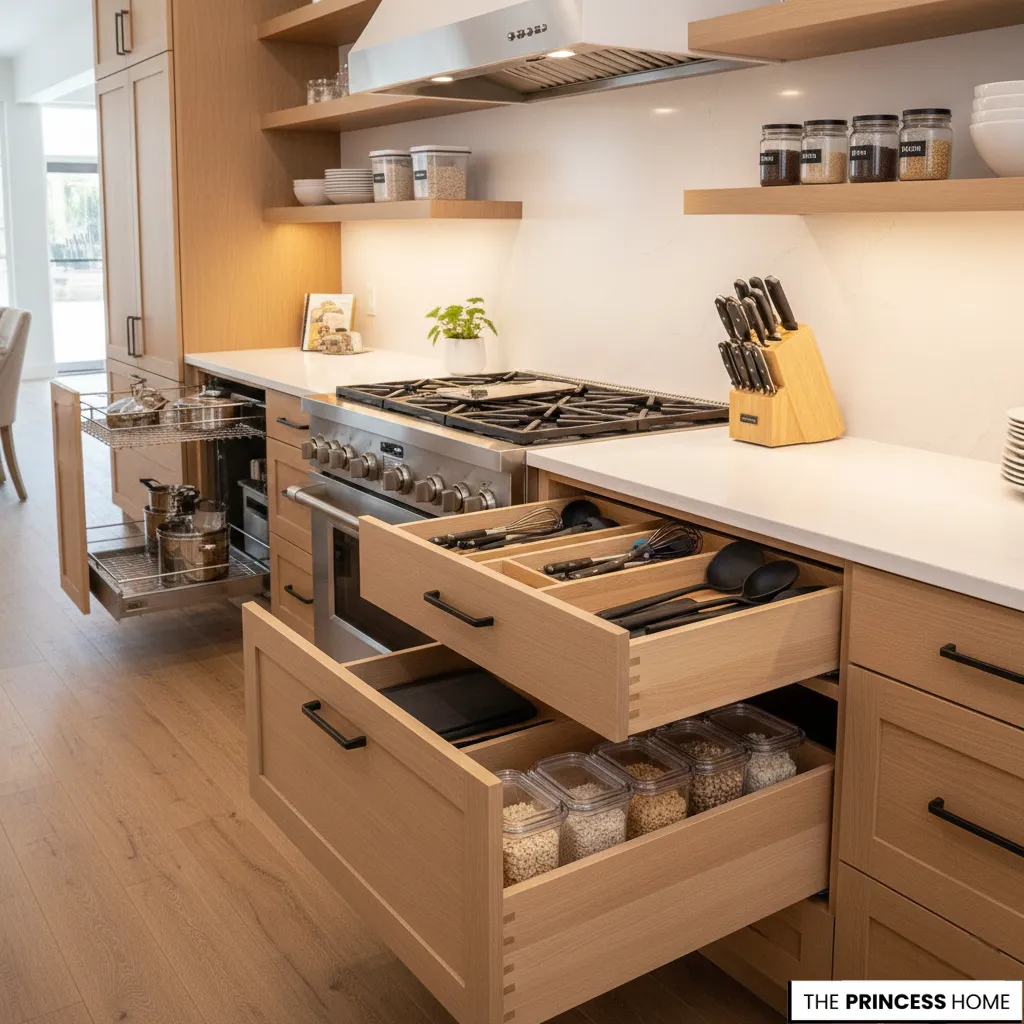
organize around the cooking process. Keep frequently used preparation and cooking tools close to the areas where those activities happen. Group baking supplies together, separate everyday equipment from specialty items, and avoid giving prime cabinet space to appliances used only occasionally. Review duplicate utensils and equipment because a kitchen can feel crowded even when every cabinet is technically being used.
In the bedroom,
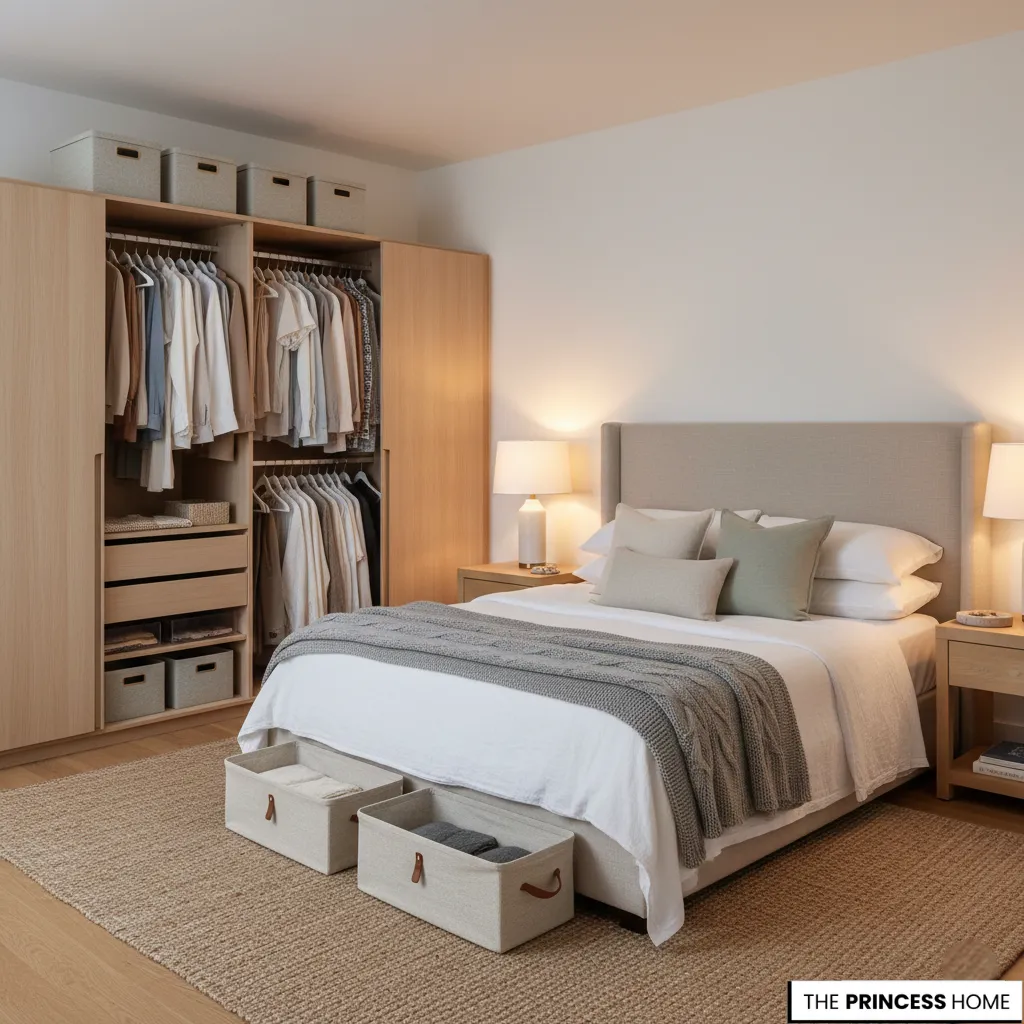
organize around getting dressed, sleeping, and preparing for the day. Separate everyday clothing from seasonal pieces where useful, and keep frequently worn items easy to reach. Consider the entire clothing cycle, including laundry. If worn clothing repeatedly collects on a chair, the problem may be the location of the hamper or temporary clothing storage rather than a lack of tidying.
In the bathroom
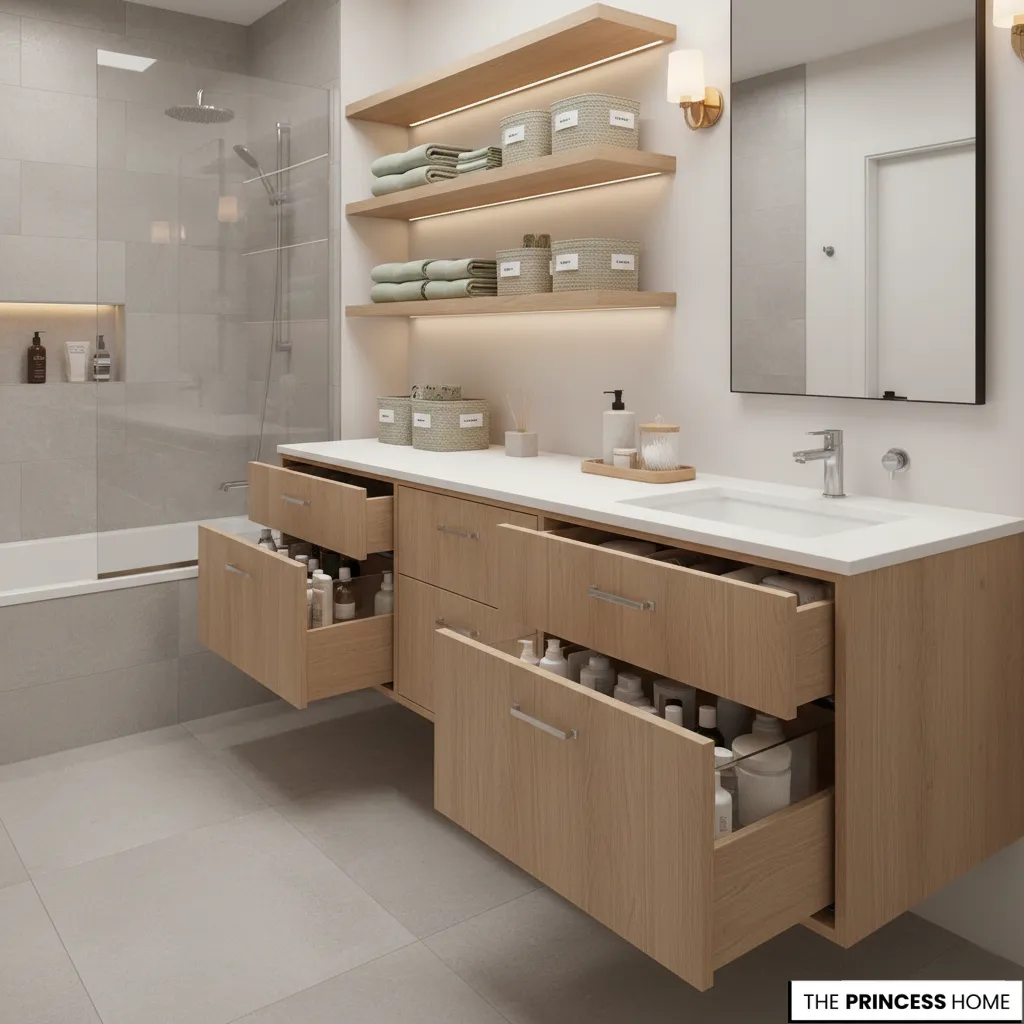
separate daily personal-care items from backup supplies. Keep everyday products easy to reach and group backups together so you can see what is already available. Review products that are empty, unwanted, expired where applicable, or no longer used. Towels, cleaning supplies, and personal-care categories should each have defined locations.
In the home office
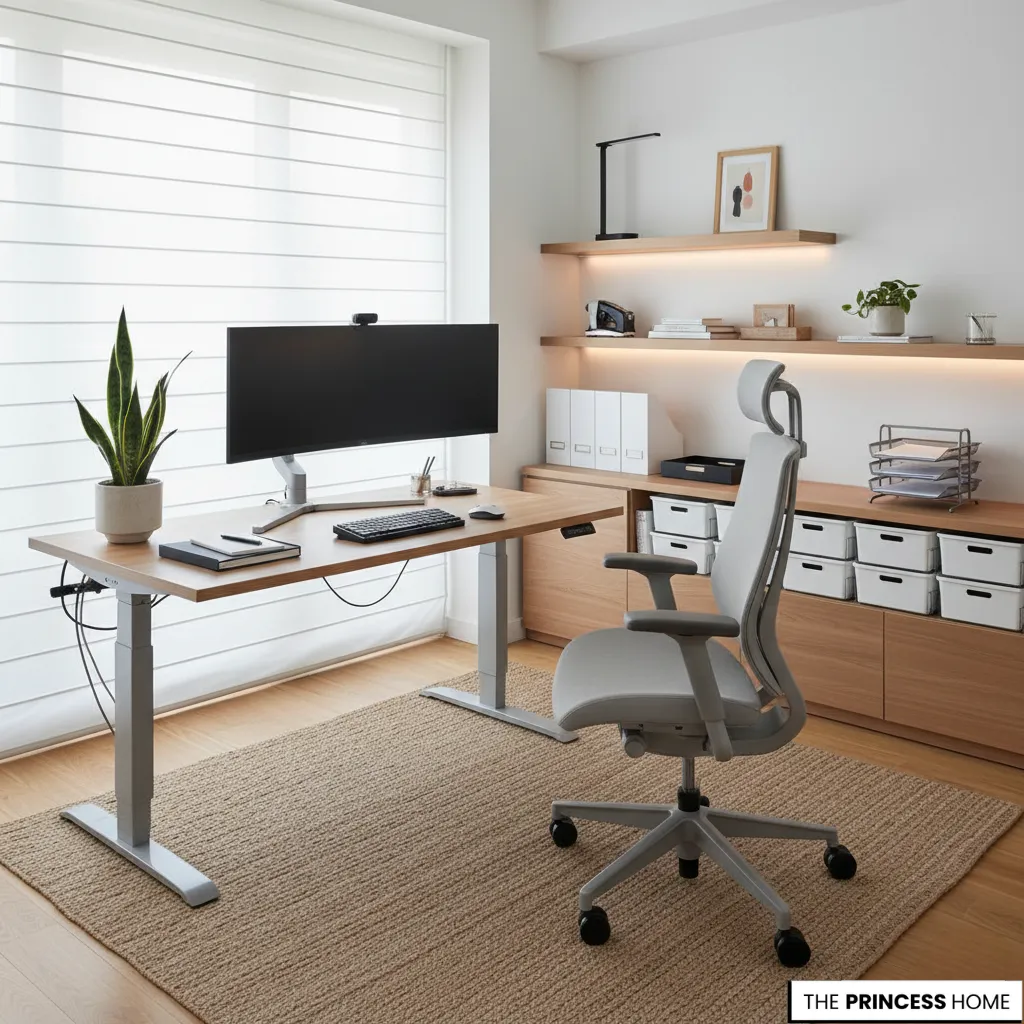
separate active work from reference material. Keep current paperwork and frequently used supplies accessible, while reference documents can occupy secondary storage. Important household records should have secure, clearly defined storage and remain easy to retrieve when needed. Cables, chargers, and electronics also benefit from clear categories rather than one miscellaneous drawer.
In laundry
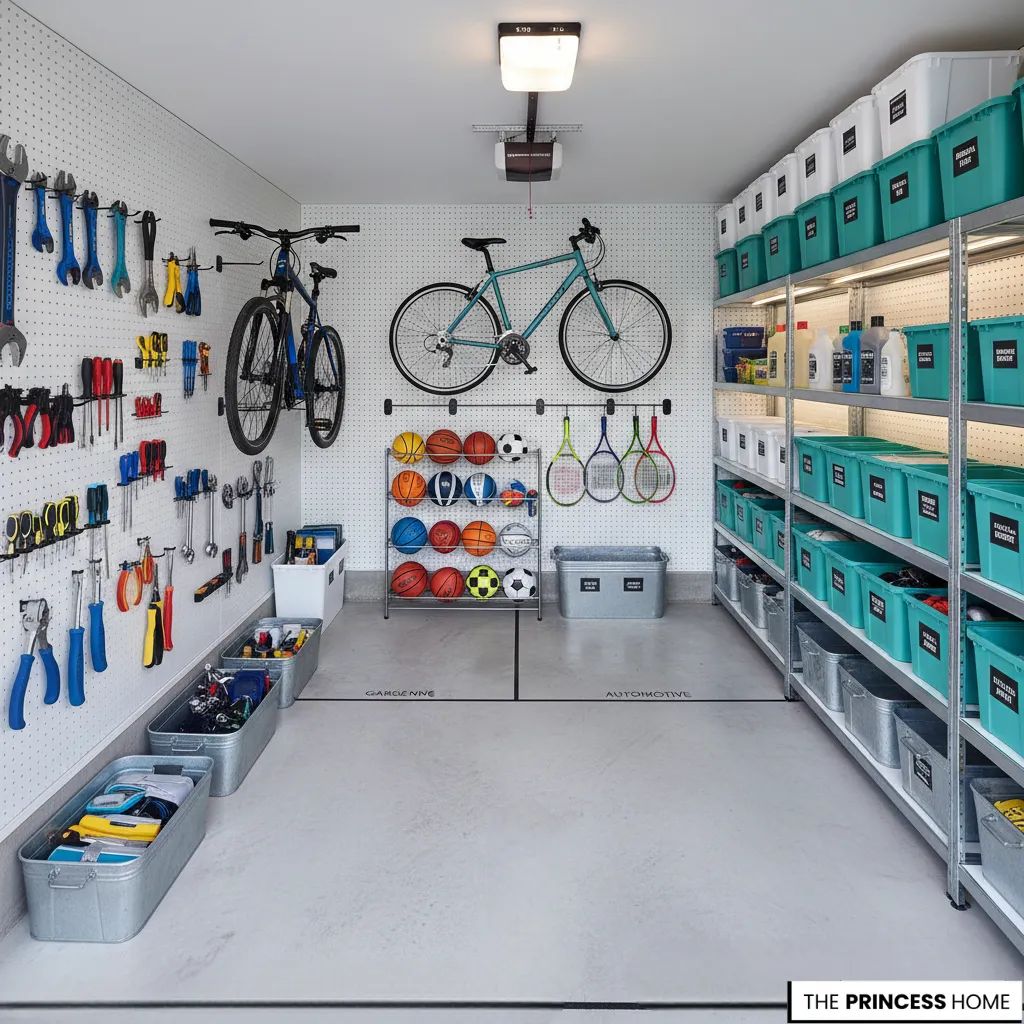
group cleaning products, laundry supplies, tools, and spare household materials according to their use. Keep frequently used items accessible and less frequently used supplies in secondary storage. Safety takes priority over convenience when storing cleaning products or other potentially hazardous household materials.
In children’s spaces
make categories simple enough to use regularly. Accessible storage for everyday toys, books, school materials, and clothing makes returning possessions easier. Less frequently used items can be rotated or stored elsewhere rather than occupying all of the everyday-accessible space.
The goal in every room is the same: make the right place for an item easier to use than leaving it wherever it happens to be.
Organize Small Spaces
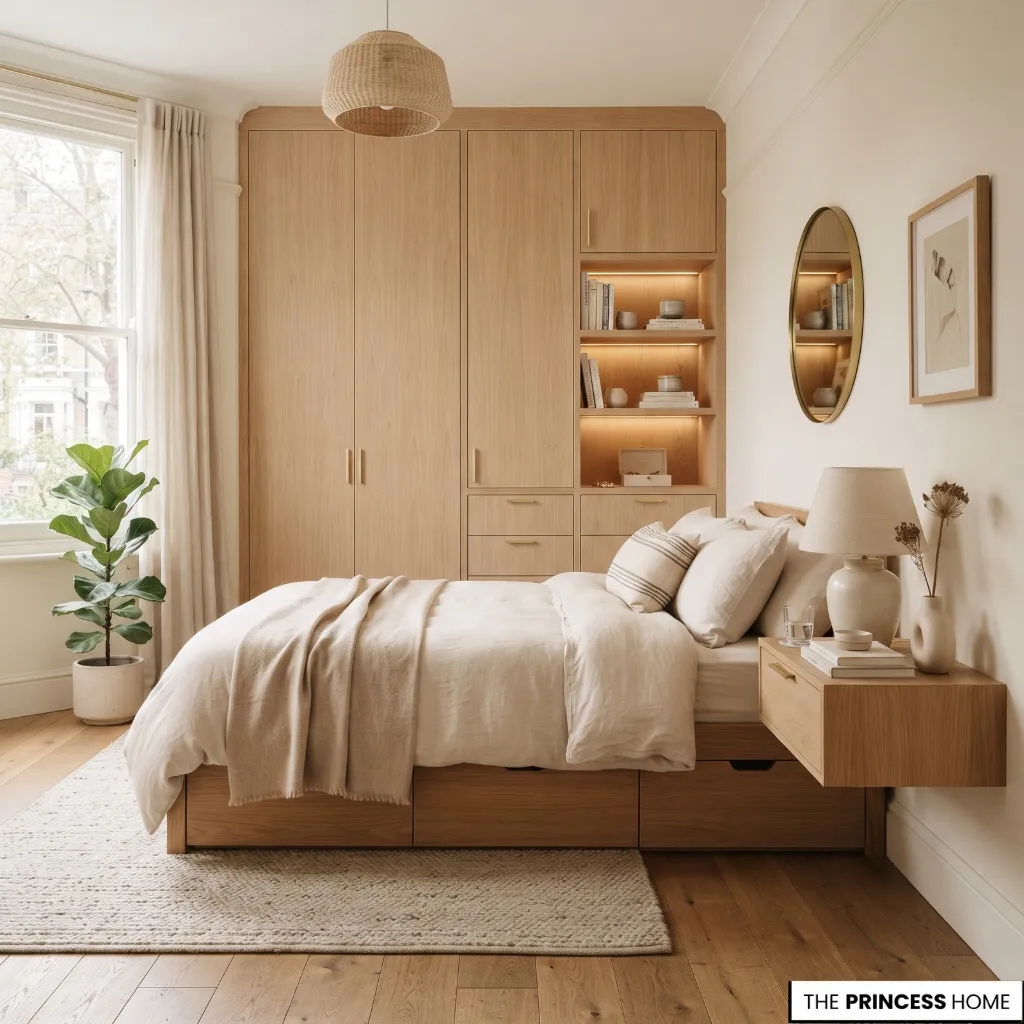
Small homes require more deliberate decisions because floor area and storage capacity are limited.
Start by reducing what needs to be stored. Vertical space, under-bed areas, suitable wall or door storage, and multifunctional furniture can increase usable capacity, but additional storage cannot solve an unlimited volume of possessions.
Keep everyday items in the easiest-to-reach locations and reserve harder-to-access areas for occasional or seasonal belongings. In a small room, the number and size of storage pieces also matter because every additional piece occupies physical and visual space.
When built-in storage is unavailable, freestanding furniture can provide a practical alternative. Existing furniture can sometimes be reassigned or adapted before buying something new. In a rental, removable solutions may provide useful organization without permanent changes when appropriate.
Avoid adding furniture simply because an empty corner exists. Sometimes reducing possessions creates more useful space than adding another storage unit.
When a small space repeatedly feels full, use the available storage capacity as a practical limit rather than assuming every possession needs to be accommodated. A smaller quantity of well-chosen belongings can create more usable space than a larger collection supported by increasingly complex storage.
Organize on a Budget
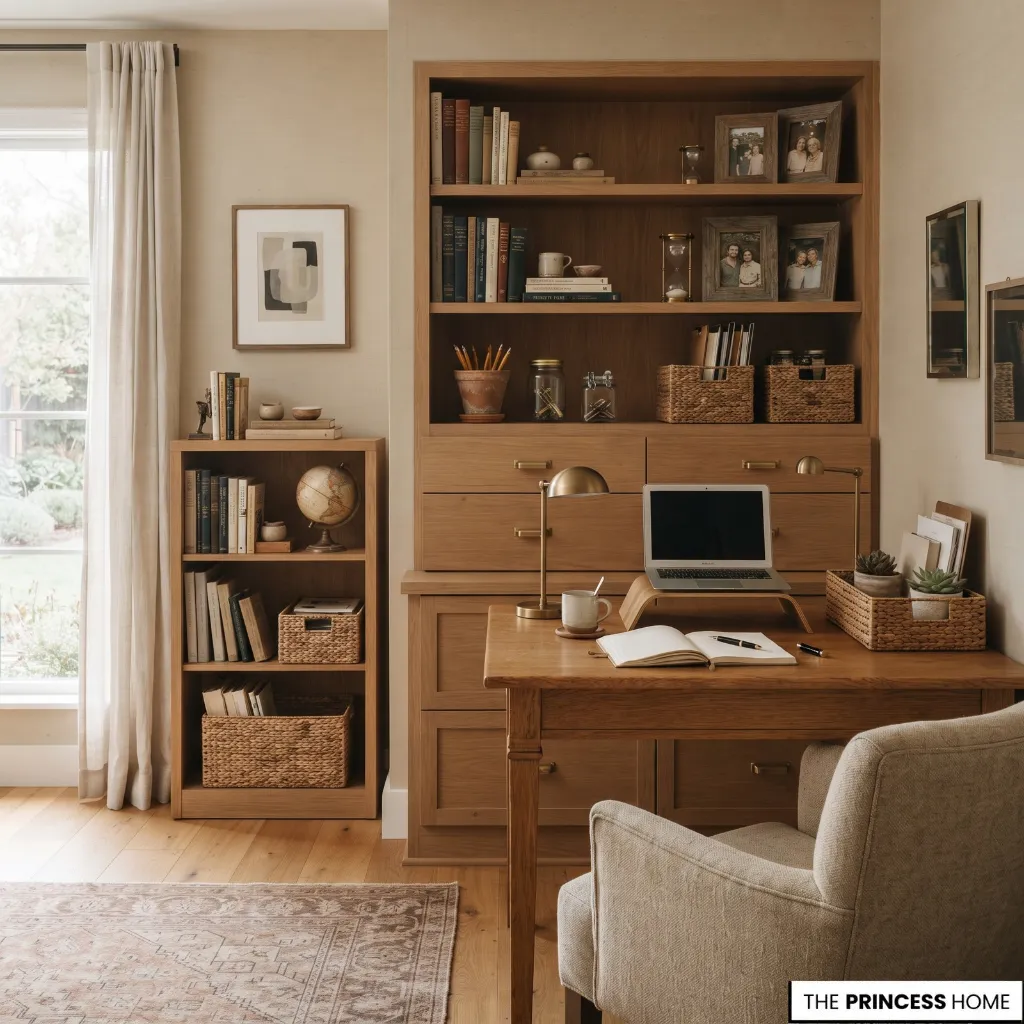
Home organization does not need to begin with a shopping trip. Start by decluttering, then reuse what you already own. Existing boxes, baskets, drawers, cabinets, shelves, and furniture may already solve part of the problem.
Next, improve placement. Moving an existing item closer to where it is used can make a greater difference than buying new storage. An unused cabinet may also work better in another room, while an existing drawer can be reassigned to a more useful category.
Buy only when a genuine storage problem remains.
When money is limited, prioritize systems that solve frequent problems and are used every day. A storage solution that improves an important daily activity deserves more attention than decorative containers for occasional possessions.
The basic order is simple: declutter first, reuse what you have, improve placement, adapt existing storage, then buy only what is necessary.
Maintain the System
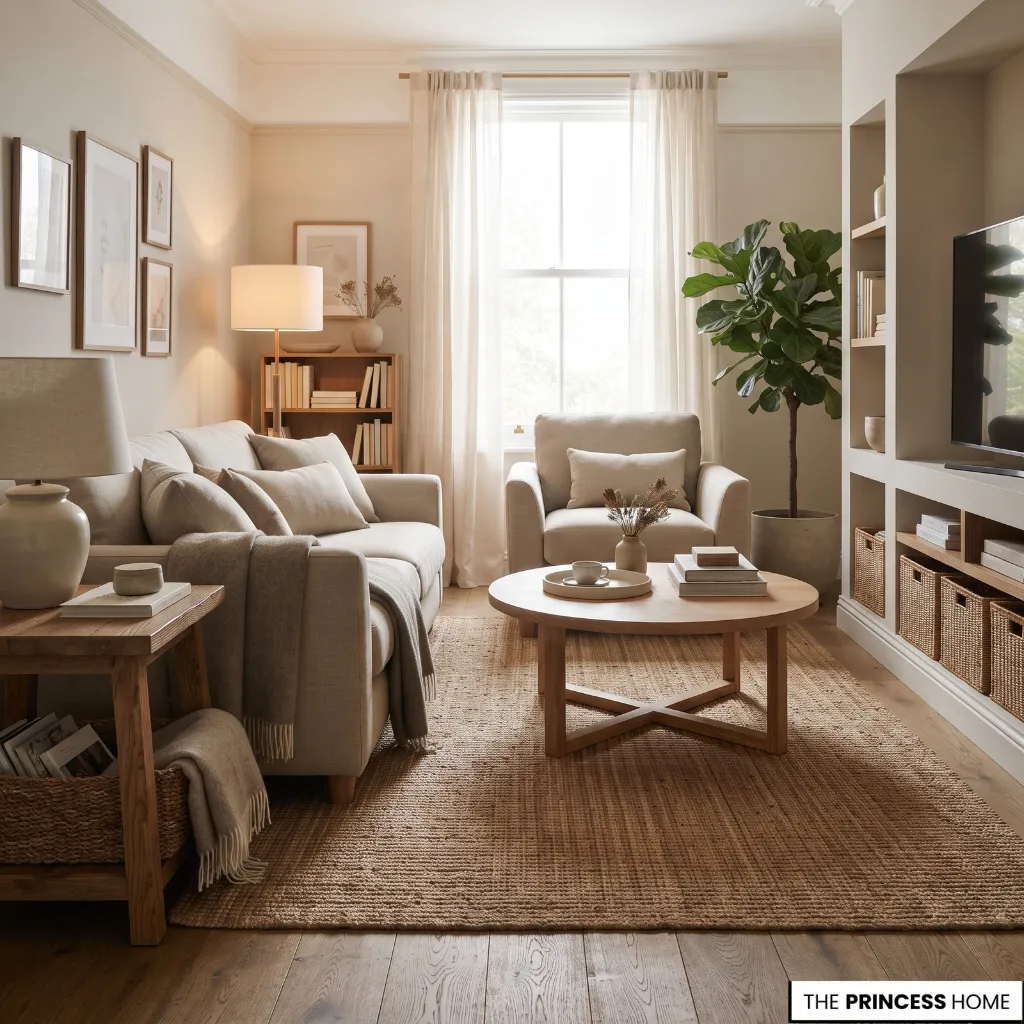
An organized home needs a system that can survive ordinary life. Return possessions to their assigned homes after use, but pay attention to repeated problem areas. If the same surface becomes cluttered every day, the answer may not be a stricter cleaning routine. The location or storage system may be wrong.
Use small resets rather than waiting for the home to become overwhelming. A short routine that can be repeated is more useful than an occasional major reorganization.
Review categories when household needs change. A home with young children will need different systems from a home with teenagers or adults working from home.
If a system repeatedly fails, examine the system itself. The storage may be too far away, the category may be unclear, the container may be difficult to use, or the household may need a different arrangement.
The strongest system is not the one that demands perfect behavior. It is the one that makes the desired behavior easy.
Repeated clutter is useful feedback. If the same category or surface becomes disorganized again and again, treat the pattern as evidence that something in the system needs to change rather than assuming the household simply needs more discipline.
Organization is also not a one-time project. As possessions, routines, household members, and activities change, the system may need occasional adjustment so that it continues to fit the way the home is actually being used.
Avoid Organization Mistakes
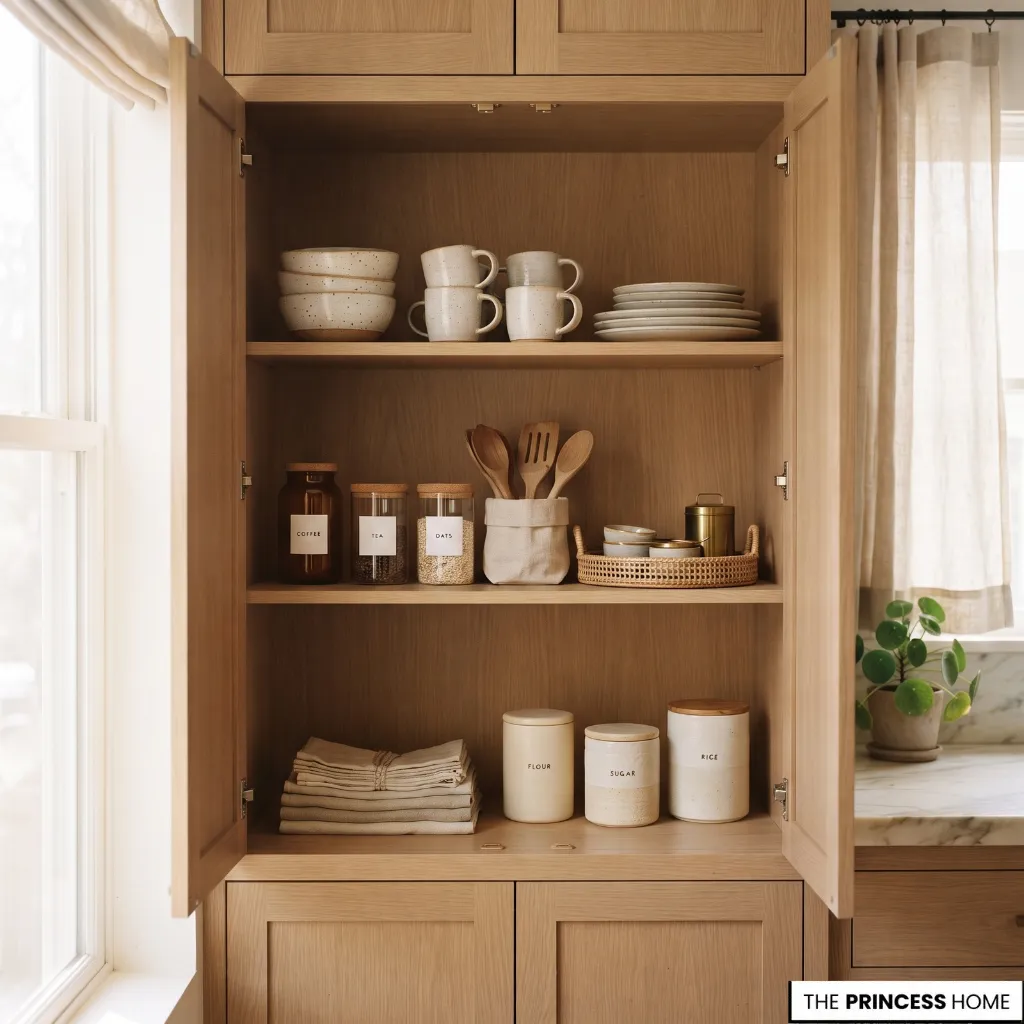
One common mistake is buying storage first. Containers cannot solve a problem caused by possessions that should not remain. Declutter and categorize before deciding what storage is necessary.
Another mistake is organizing by appearance alone. Matching baskets may look attractive but still make everyday items difficult to reach. Function and accessibility should come before visual uniformity.
Creating too many categories can also make a system harder to maintain. Create enough distinction to make things easy to find without turning every small group into its own system.
Storing everyday items too far away creates unnecessary friction. If an item is used constantly but requires several steps to retrieve and return, it is more likely to remain out. Move it closer to its point of use.
Avoid filling every available space. A full cabinet is not automatically an organized cabinet. Leave enough practical room to see, retrieve, and return possessions.
Another problem is creating systems only one person understands. Shared spaces need shared logic. Categories and storage locations should be clear to everyone who uses them.
Trying to organize everything at once can also make the project unnecessarily difficult. Work in manageable zones so each area can be completed and evaluated before moving on.
Finally, do not ignore what enters the home. Repeatedly buying duplicates, accepting unwanted possessions, or keeping unnecessary packaging can recreate the same problem. Before bringing something home, consider whether it serves a useful purpose and has a realistic place to live.
Build Better Habits
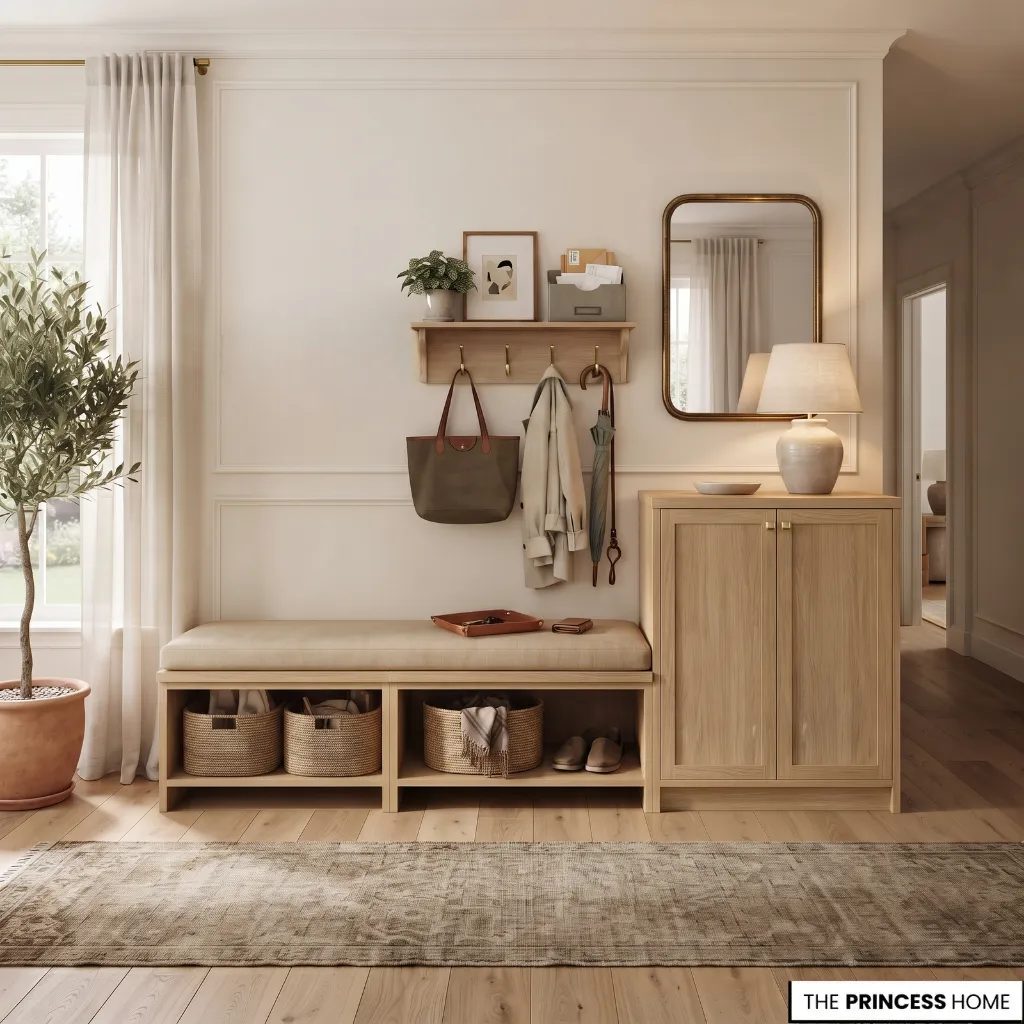
A sustainable organization system makes the desired action easy.When shoes always collect near the entrance, provide a practical shoe location there. For paperwork that gathers on the kitchen counter, create a clear place for active documents near where they are handled.
If laundry repeatedly lands on a chair, reconsider the location of the hamper or temporary clothing storage. This approach is more realistic than designing a system around an idealized version of household behavior.
Simple routines can include returning items after use, clearing high-traffic surfaces, reviewing incoming possessions, and checking categories that repeatedly become crowded.
The system should also be forgiving. A home does not need to remain perfectly organized throughout the day. It needs a clear and manageable path back to order. Repeated behavior is easier to establish when the surrounding environment supports it. Make the organized choice the convenient choice.
Handle Special Categories
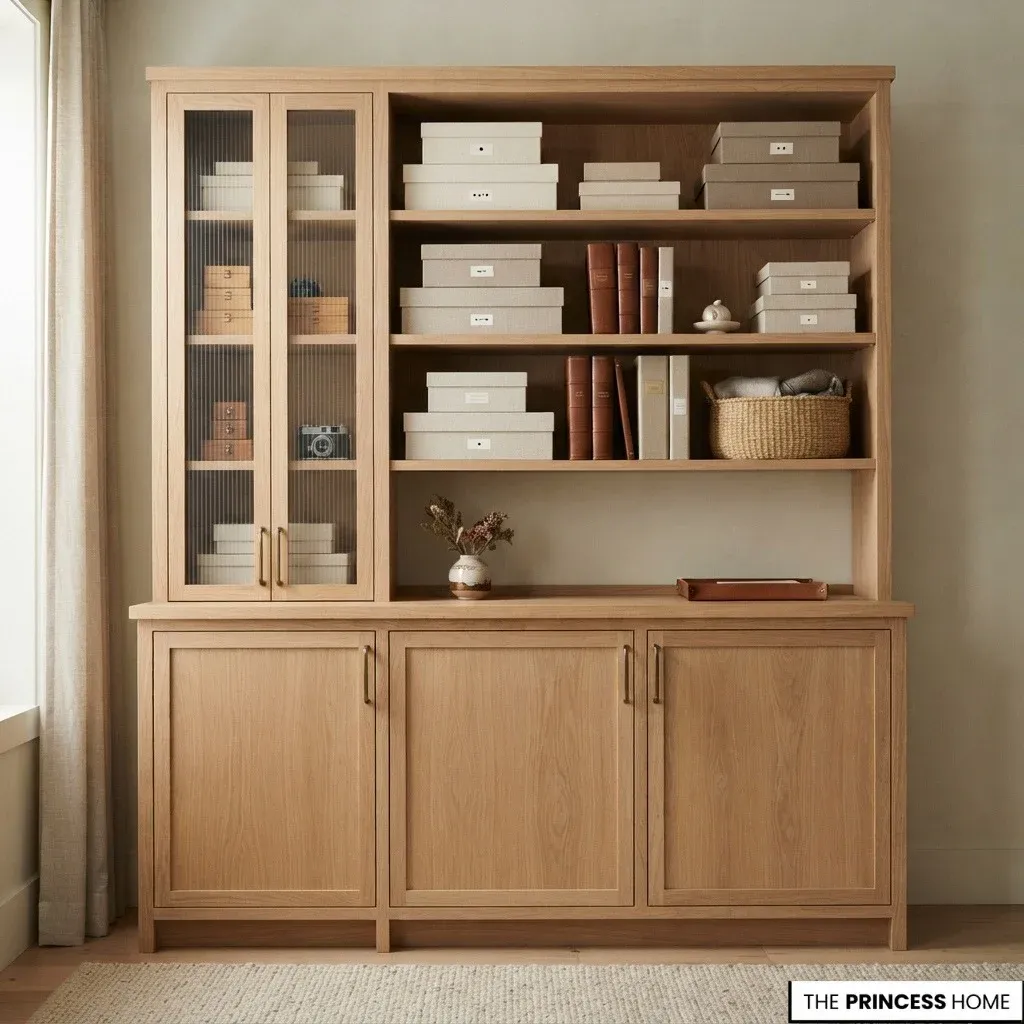
Some possessions require more deliberate decisions than ordinary household objects. Sentimental items should be evaluated for their actual emotional value rather than kept automatically because they represent a memory. Meaningful possessions deserve a defined place, even when they are not used every day.
Important documents should have secure, clearly defined storage and remain accessible when needed. Photographs and inherited possessions may also deserve dedicated categories rather than being mixed with everyday belongings. Seasonal possessions can move into secondary storage when you do not currently need them.
For items awaiting repair, set a realistic next step and give them a defined place; otherwise, “to repair” can become permanent storage. Items intended for donation or sale should leave the active living space once you make the decision.
Leaving them in the home indefinitely turns a completed decision into another source of clutter. Temporary categories are useful only when they have a clear purpose and destination. A box labeled “donate” has a defined outcome; a box labeled “things to deal with someday” usually does not.
If difficulty discarding possessions becomes severe enough to interfere with normal use of the home or causes significant distress, ordinary organization advice may not be sufficient. Hoarding-related difficulties are distinct from normal clutter and sentimental attachment and may require professional support.
Create a Home That Works
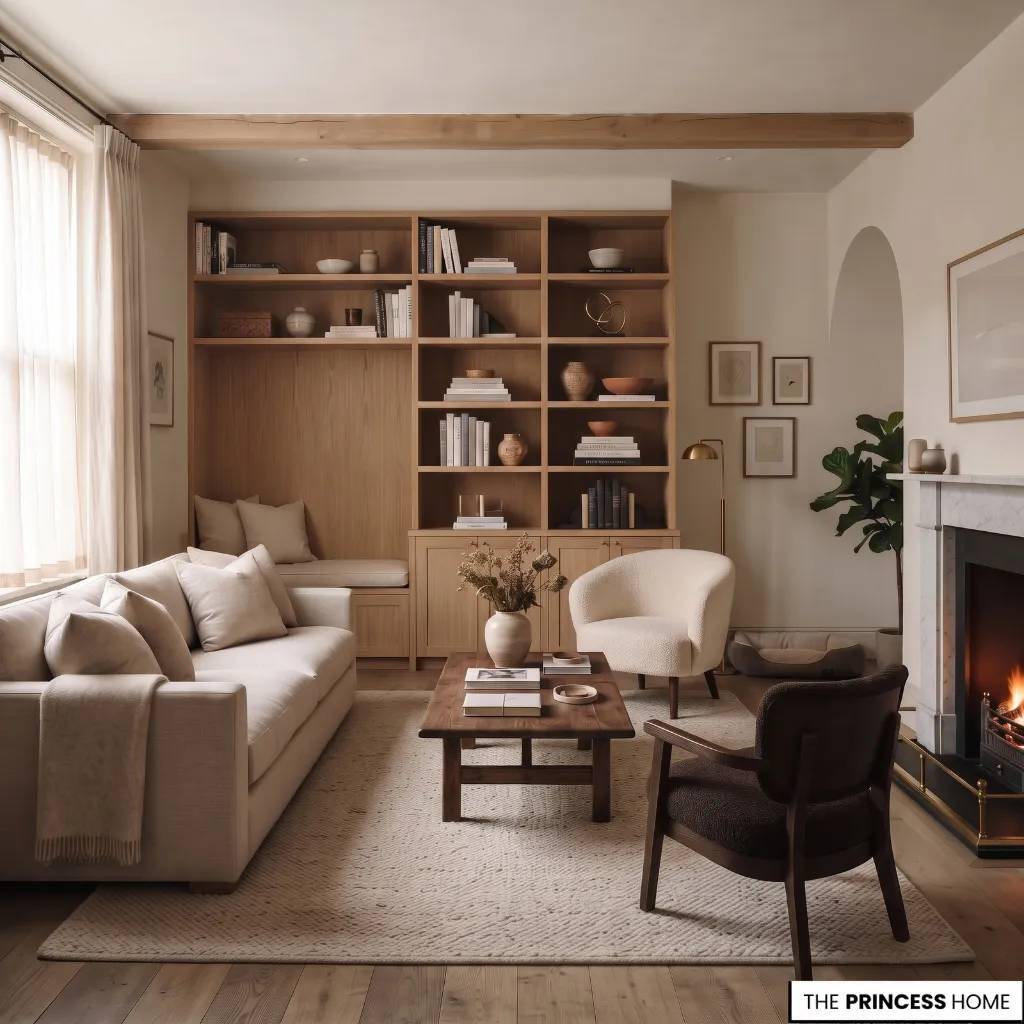
A well-organized home begins with deciding what deserves space. From there, the process becomes clearer: group what remains, give each category a practical home, make everyday possessions easy to reach, and choose storage only when a genuine need remains.
Conclusion
The strongest organization system is not the one with the most containers or the emptiest surfaces. It is the one that fits the household well enough to keep working after everyday life resumes. Home organization is successful when the home becomes easier to use, easier to maintain, and easier to return to order.
Explore the visual gallery below for inspiring ideas that bring this aesthetic to life in your home.
Watch this inspiring video from The Princess Home for more ideas and a closer look at how this aesthetic can come to life in your home.