Decluttering isn’t just about tossing things out — it’s about creating space that feels good, works well, and reflects who you are. This Decluttering Checklist Room-by-Room gives you a structured, humane and creative plan you can follow today. Interior designers approach clutter differently than most people — they look at function first, beauty second. In this article, you’ll learn what leading designers say and get real examples you can use now, with image links for inspiration.
Why Declutter Room by Room Works
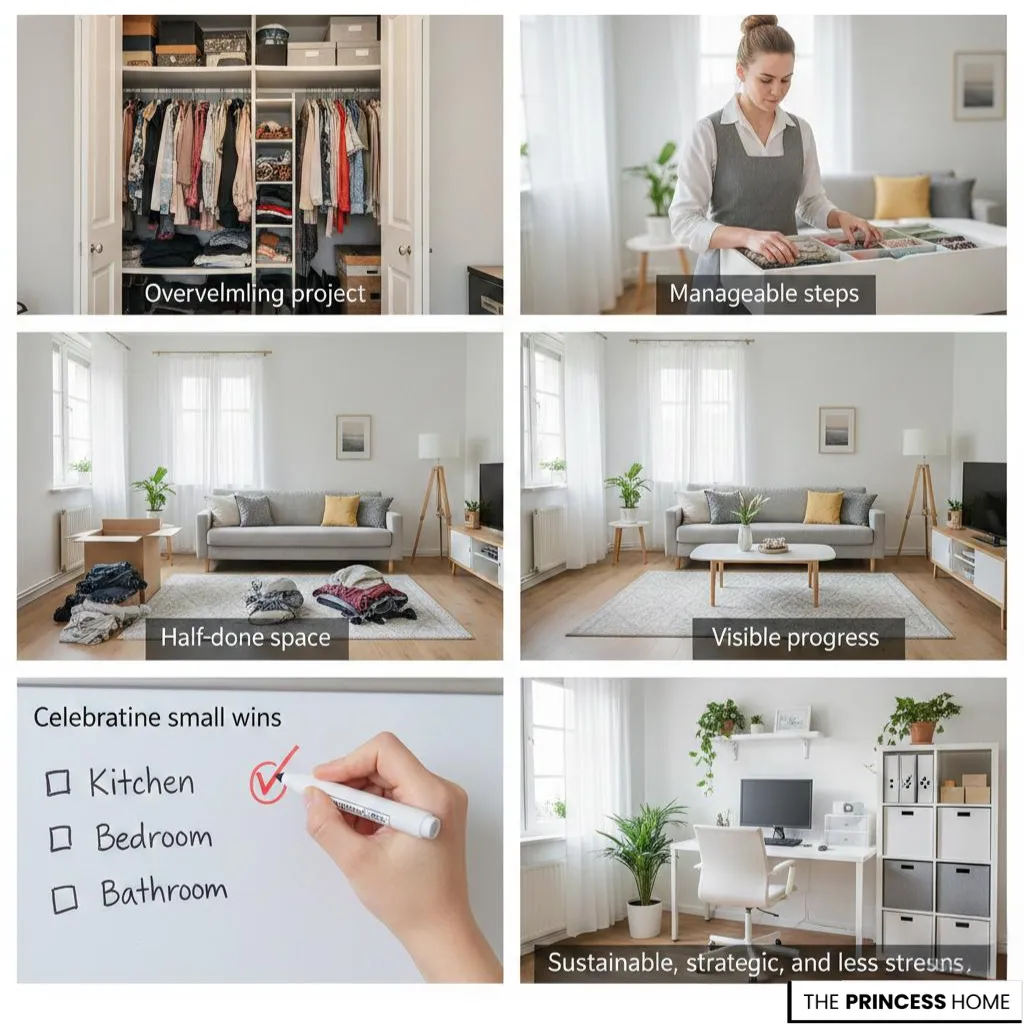
Decluttering room by room works because it narrows your focus and reduces decision fatigue. It turns an overwhelming project into manageable steps. Instead of jumping between closets, drawers, and piles, you complete one space at a time. This creates visible progress and boosts motivation. Organizing expert Marie Kondo teaches that finishing one category or area before moving on increases clarity. It prevents half-done spaces from draining your energy.
Interior designer Nate Berkus emphasizes that completing a room instantly improves how your home feels and reinforces positive habits. Working in zones helps you make faster decisions, as items are evaluated in their natural context rather than scattered. This approach also highlights storage gaps, duplicates, and unused belongings more efficiently. Celebrating small wins in each room builds momentum, carrying you through larger spaces. It makes decluttering sustainable, strategic, and far less stressful.
Entryway Reset Guide
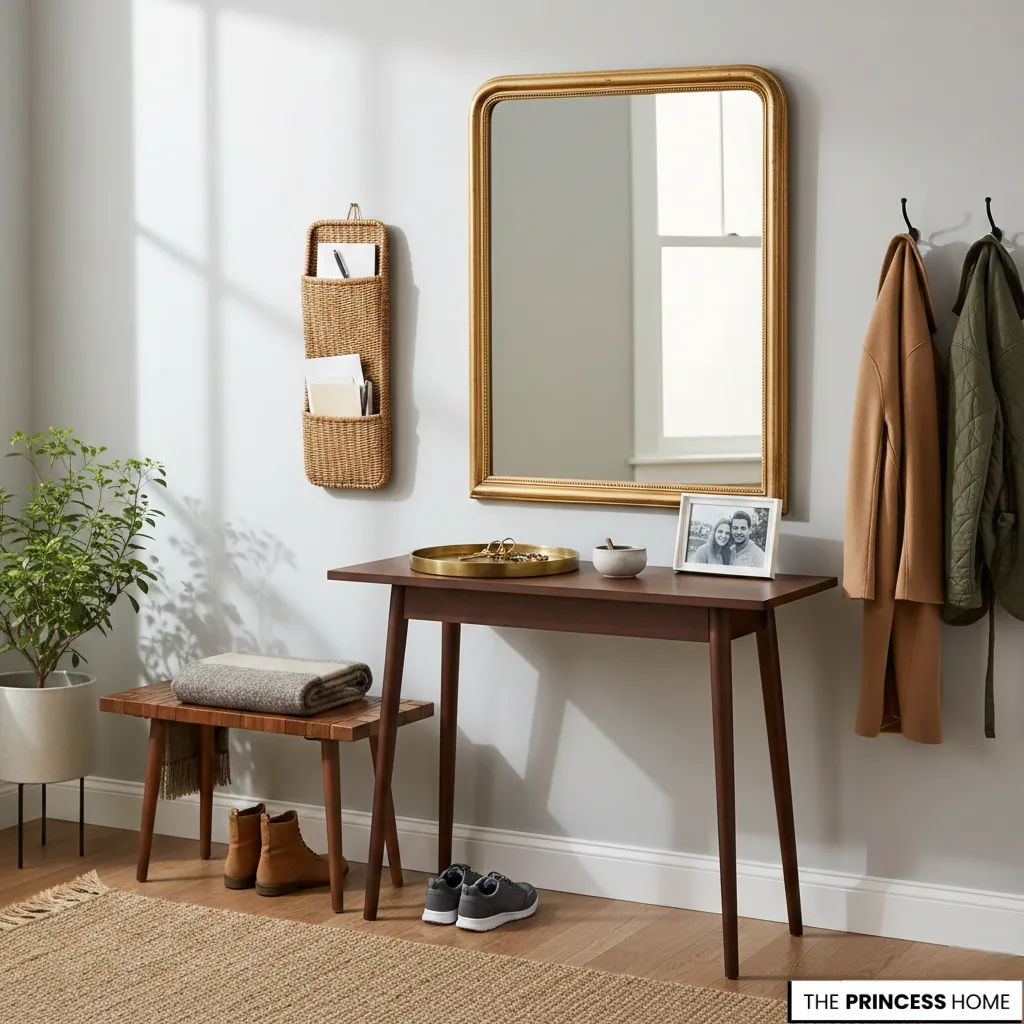
Start by clearing all flat surfaces—consoles, benches, and shelves—so mail, keys, and random clutter don’t overwhelm the space. Edit outerwear: keep only current-season coats and everyday shoes accessible, and store or donate the rest. Add intentional storage, like a stylish tray, bowl, or slim wall organizer, to give daily essentials a home without creating visual chaos.
Interior designer Nate Berkus advises displaying a few meaningful objects instead of hiding everything, allowing personality to shine through. A vintage piece, framed photo, or personal artifact can transform a functional entry into a curated first impression. When your entryway feels calm and purposeful, it sets the tone for an organized, welcoming home from the moment you walk in.
Living Room Refresh
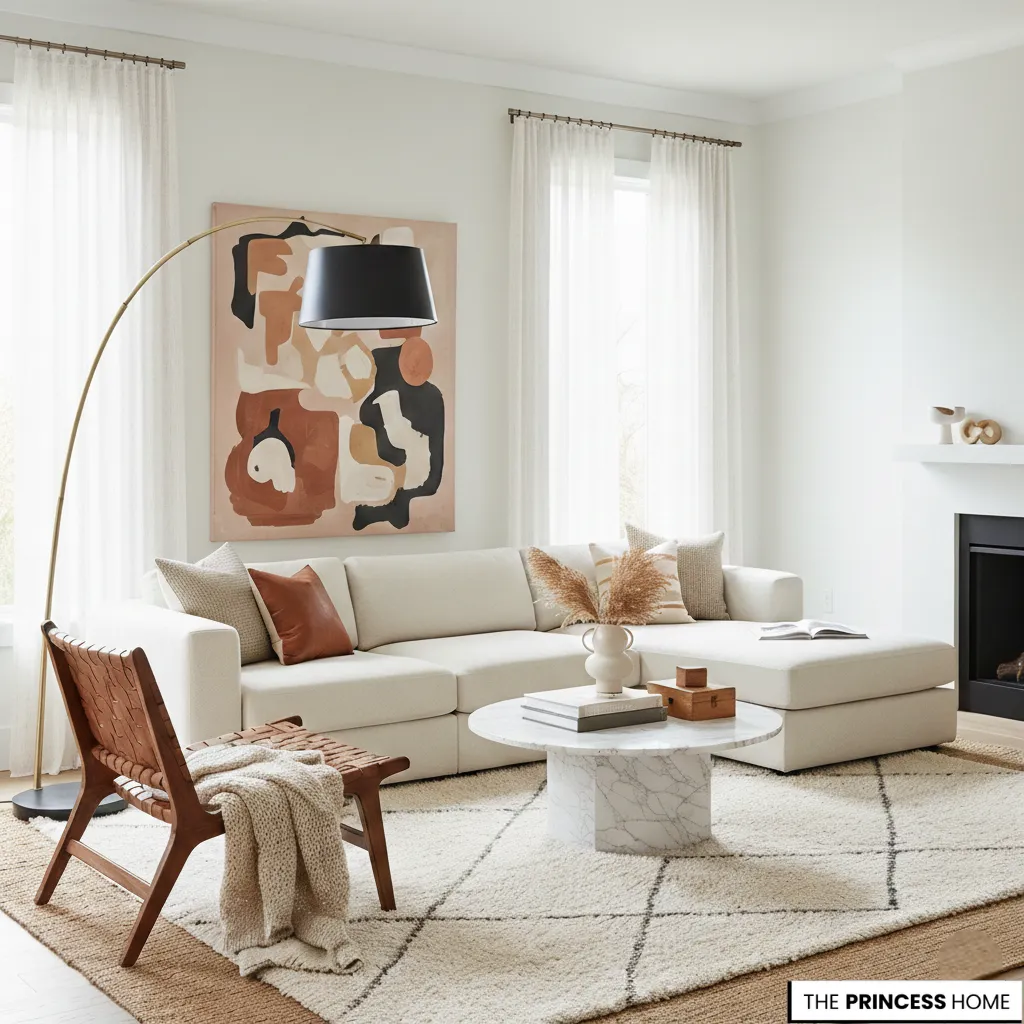
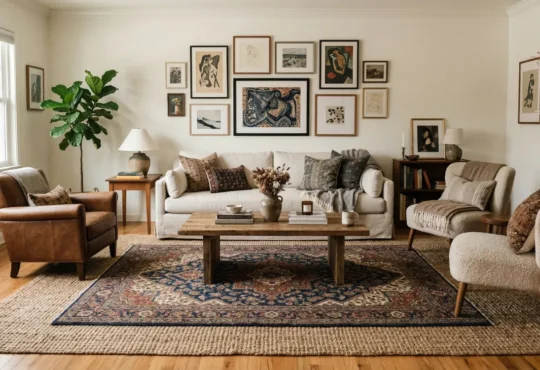
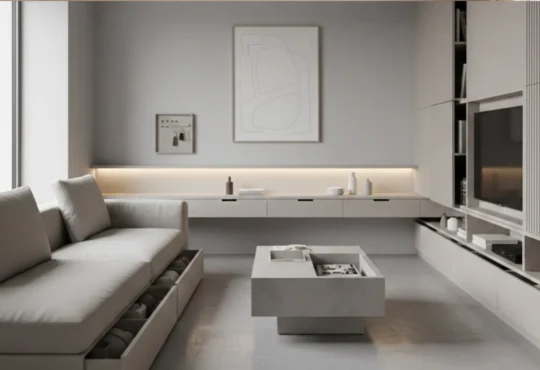
Start by editing your seating. Remove extra chairs, bulky ottomans, or unused side pieces that crowd the room and block flow. Curate décor intentionally, keeping only items that spark joy or tell a story—a principle Marie Kondo popularized to prevent trend-driven clutter. Rearrange furniture before buying anything new. Even shifting a sofa or repositioning a rug can refresh the space and improve functionality.
Interior designer Kelly Wearstler is known for mixing varied scales—pairing low-profile seating with tall lighting or statement art—to prevent visual monotony and create dynamic balance. Her layered approach shows that contrast in height, proportion, and texture adds depth without extra clutter. An edited yet expressive living room becomes both a relaxing retreat and a visually compelling space that reflects your personality.
Kitchen Clarity System
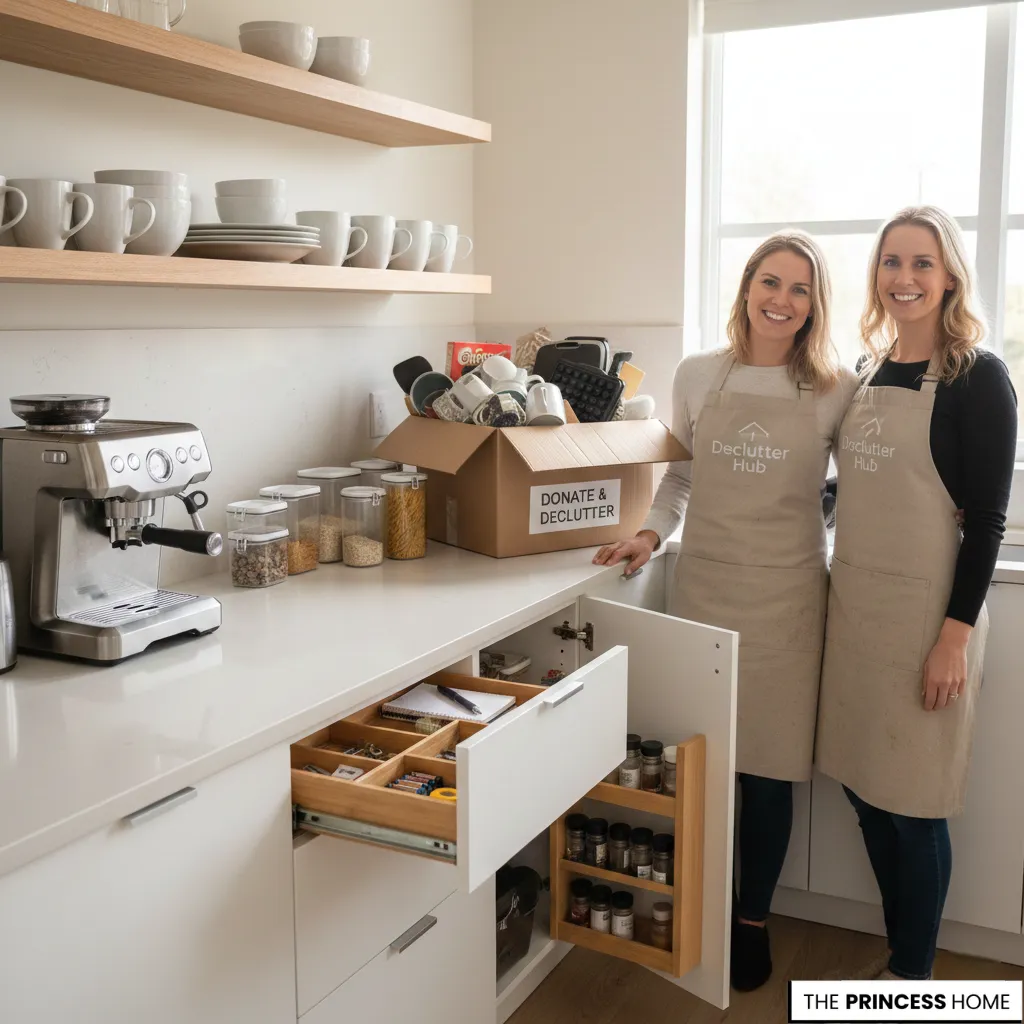
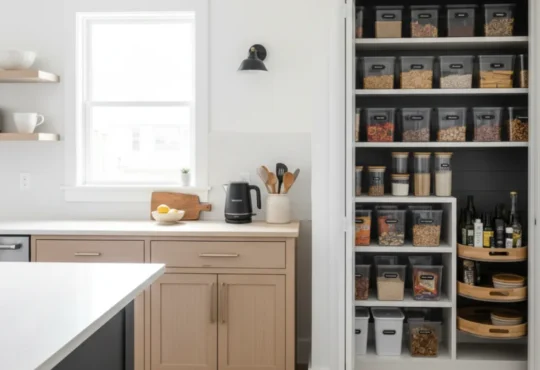
Create a kitchen that works for you by decluttering with intention. Professional organizers, like Declutter Hub, suggest removing duplicate utensils, single-use gadgets, and expired pantry items. These items quietly take up valuable storage space. Keep only one complete set of dishes and mugs per household member. Donate the extras to free up cabinets and create more breathing room.
Clear countertops by storing small appliances in cabinets unless used daily. This instantly makes your kitchen feel larger and easier to clean. Tackle the junk drawer by keeping only one, adding dividers for essentials like batteries or scissors, and tossing mystery items without hesitation. A streamlined, functional kitchen saves time, reduces stress, and makes everyday cooking smoother and more enjoyable.
Bedroom: A Restful Sanctuary
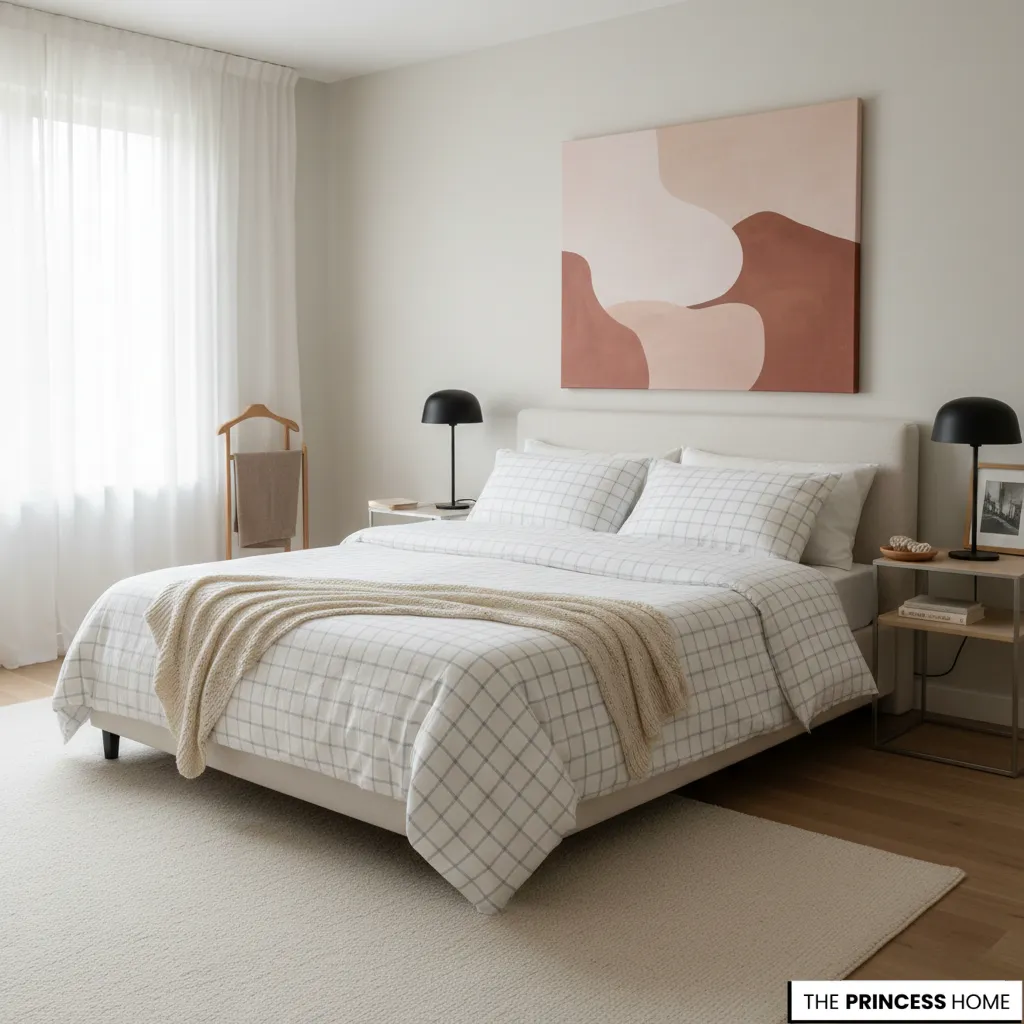
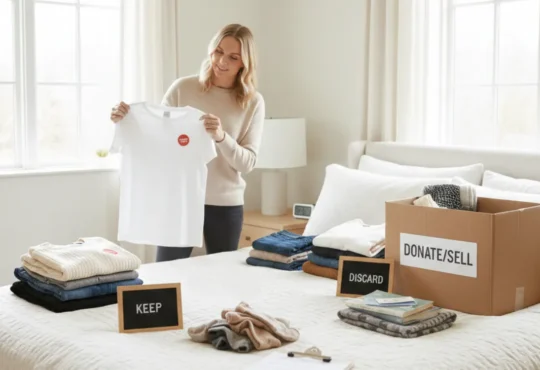
Refresh your bedroom by swapping plain bedding for a subtle pattern, like gingham or stripes, to energize the space without a full overhaul. Eliminate the “chair-drobe” by folding or hanging clothes immediately, and donate items you haven’t worn in a year. Simplify nightstands by keeping only a lamp, a book, and one small tray for essentials. This keeps surfaces clean and the room calming.
Interior designers like Emily Henderson recommend keeping décor minimal and personal: a few meaningful objects or textures add warmth without creating clutter. By focusing on function and serenity, your bedroom transforms into a true sanctuary that supports rest and rejuvenation.
Refresh Bathroom Space
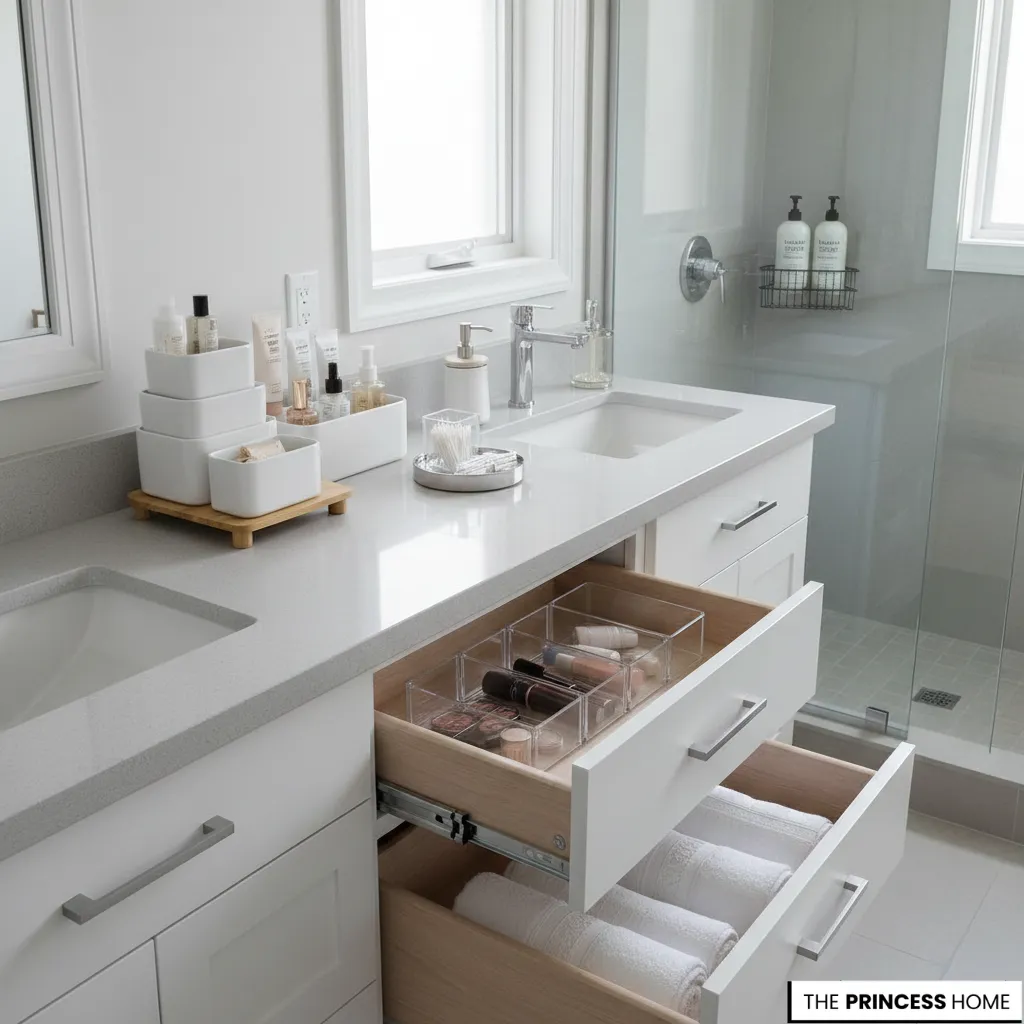
Create clear zones in your bathroom by assigning each vanity section a category—skincare, toiletries, or daily essentials. Use stacking bins and risers to maximize vertical space. This keeps items visible, contained, and easy to access. Interior designer Joanna Weiss recommends using a Decluttering Checklist with this method for efficient, clutter-free bathrooms. Regularly check expiration dates, and discard old medications, skincare, and makeup, keeping only what you actively use.
Limit towels to two sets per person and donate any frayed extras to reduce bulk. In the shower, simplify by clearing ledges and keeping just one caddy for essentials, maintaining a clean, open feel. By organizing your bathroom into functional zones, you create an efficient, stress-free space that’s both practical and visually calm—perfect for daily routines.
Home Office Refresh
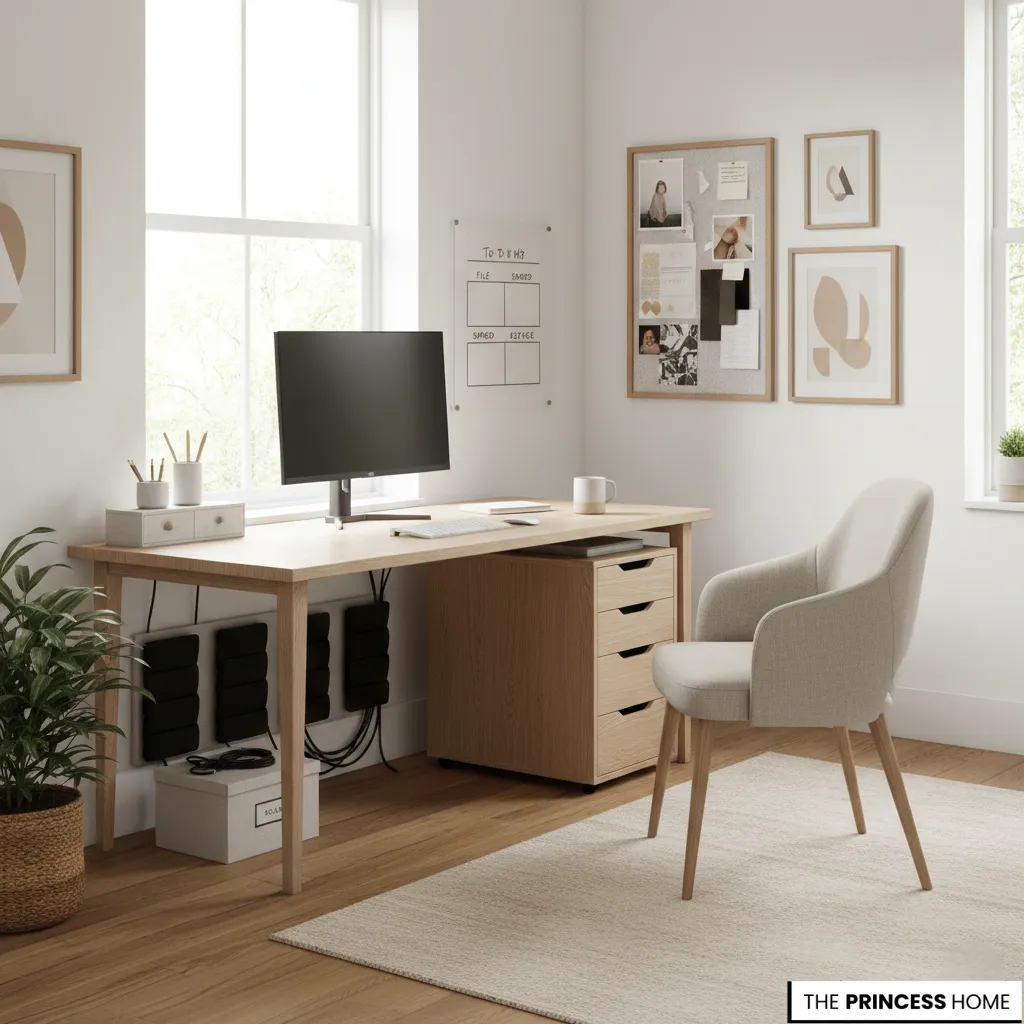
Refresh your home office by clearing old to-do lists, outdated notes, and vision boards from whiteboards to create a clean slate. Scan important papers and shred unnecessary documents. Sort the remaining items into “file,” “shred,” or “recycle” to reduce clutter and improve efficiency. Manage cables by labeling, bundling, and storing extras in a dedicated drawer or box, keeping surfaces clean and functional.
Interior designers like Nate Berkus emphasize that a balanced workspace combines practicality with style—organized storage, thoughtful décor, and intentional layouts make productivity easier. By merging digital and physical organization, your home office becomes a streamlined, inspiring space that supports focus and creativity.
Kids’ Room & Playroom
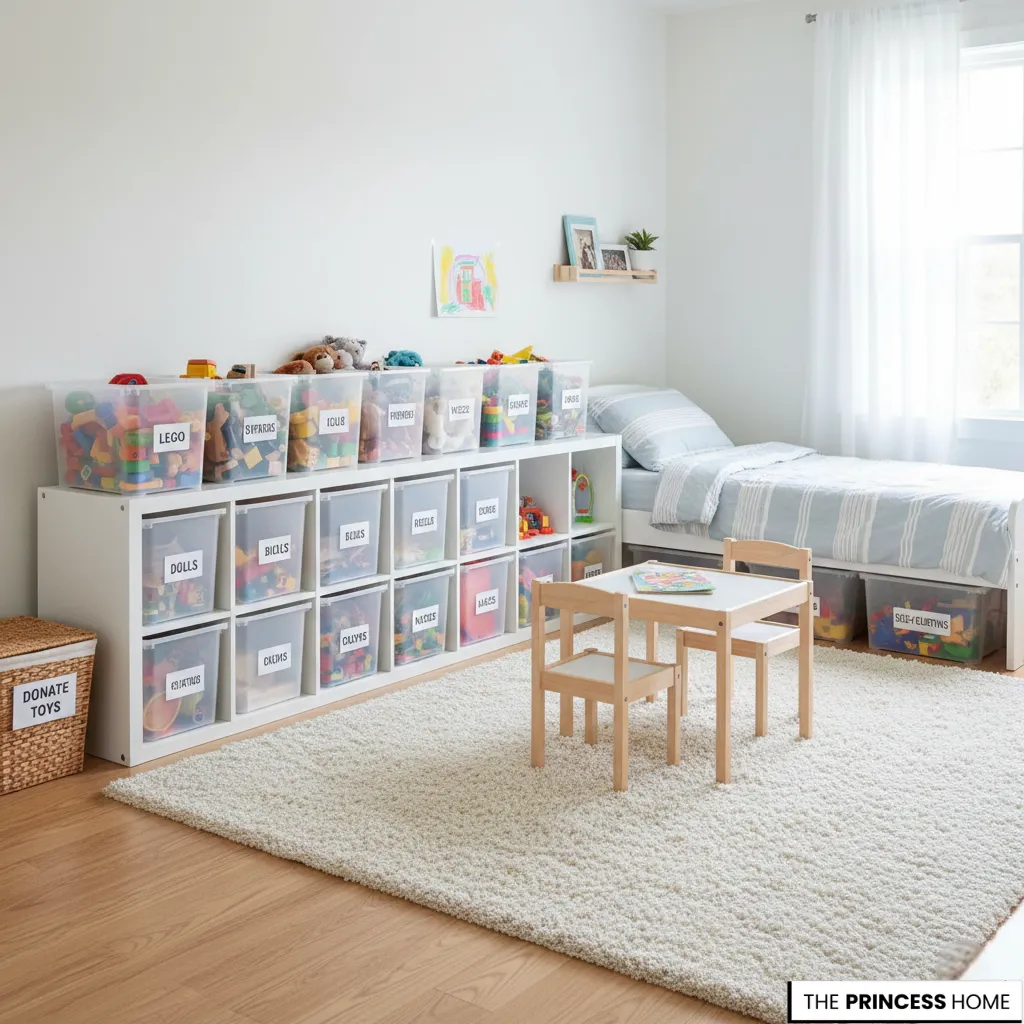
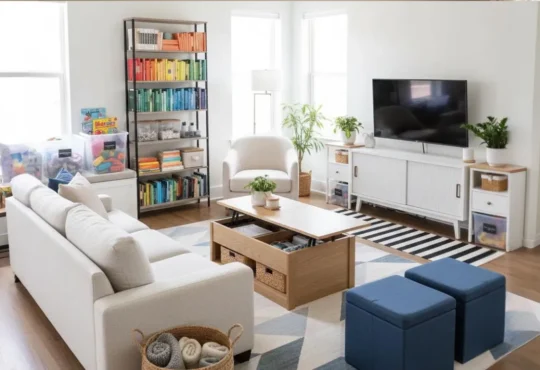
After the holidays, purge toys and belongings to make room for new, meaningful items, as recommended by Shea McGee. Use a storage unit with labeled bins to keep toys visible and contained, helping children learn to organize while making cleanup easy. Rotate toys by storing half away and swapping them quarterly to keep playtime fresh and reduce clutter.
Donate outgrown clothing immediately, keeping only one “size-up” bin per child to prevent overflow. This system not only keeps playrooms tidy but also encourages mindful ownership and a sense of order, helping kids enjoy their space without overwhelm while keeping your home organized year-round.
Closet Edit Strategy
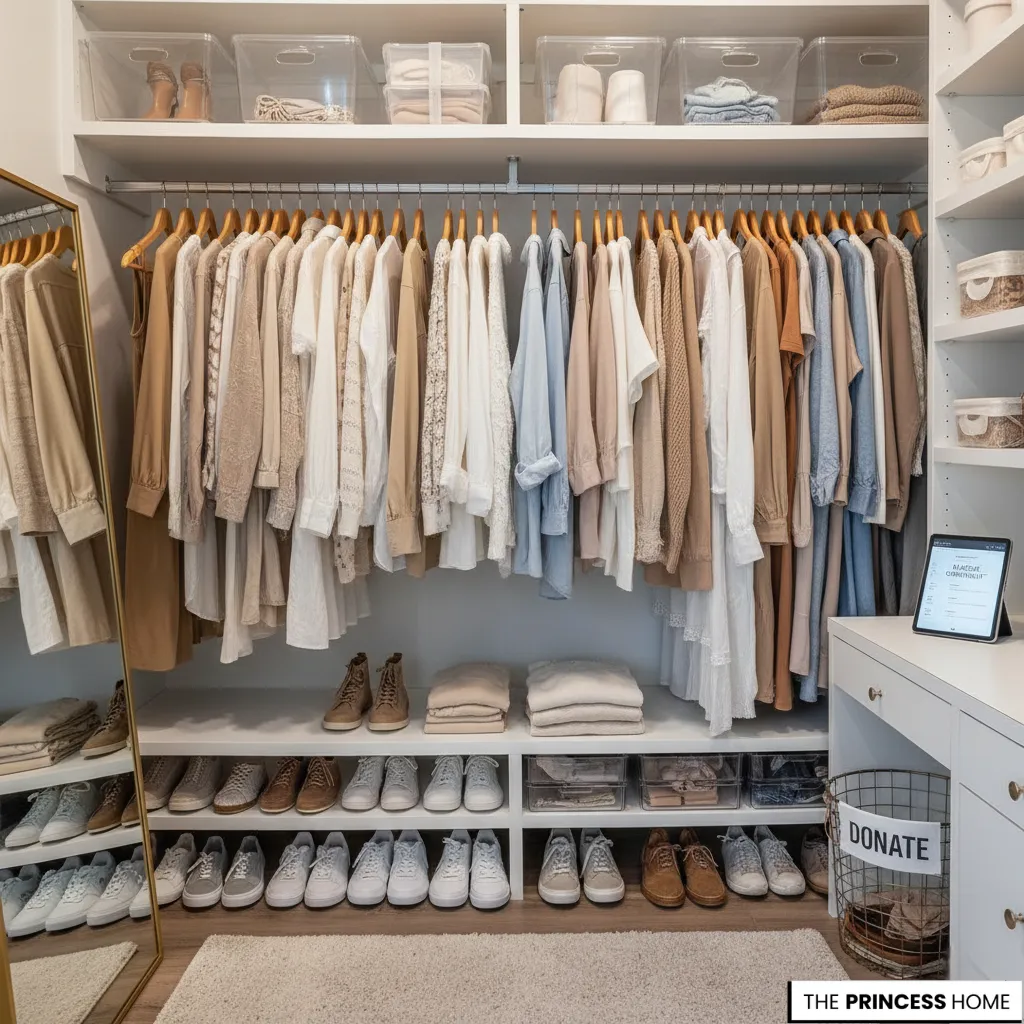
Start your closet overhaul by keeping only clothing that fits well and makes you feel confident, as advised by Ellie Cullman. Use the hanger trick: reverse all hangers at the season’s start, and donate any items still turned after six months. This keeps your wardrobe practical and wearable.
Organize shoes by occasion, storing off-season pairs on higher shelves or in labeled bins to free up prime space. By editing thoughtfully and rotating items seasonally, your closet becomes both functional and visually appealing—transforming daily dressing into a stress-free, organized routine.
Laundry Room Reset
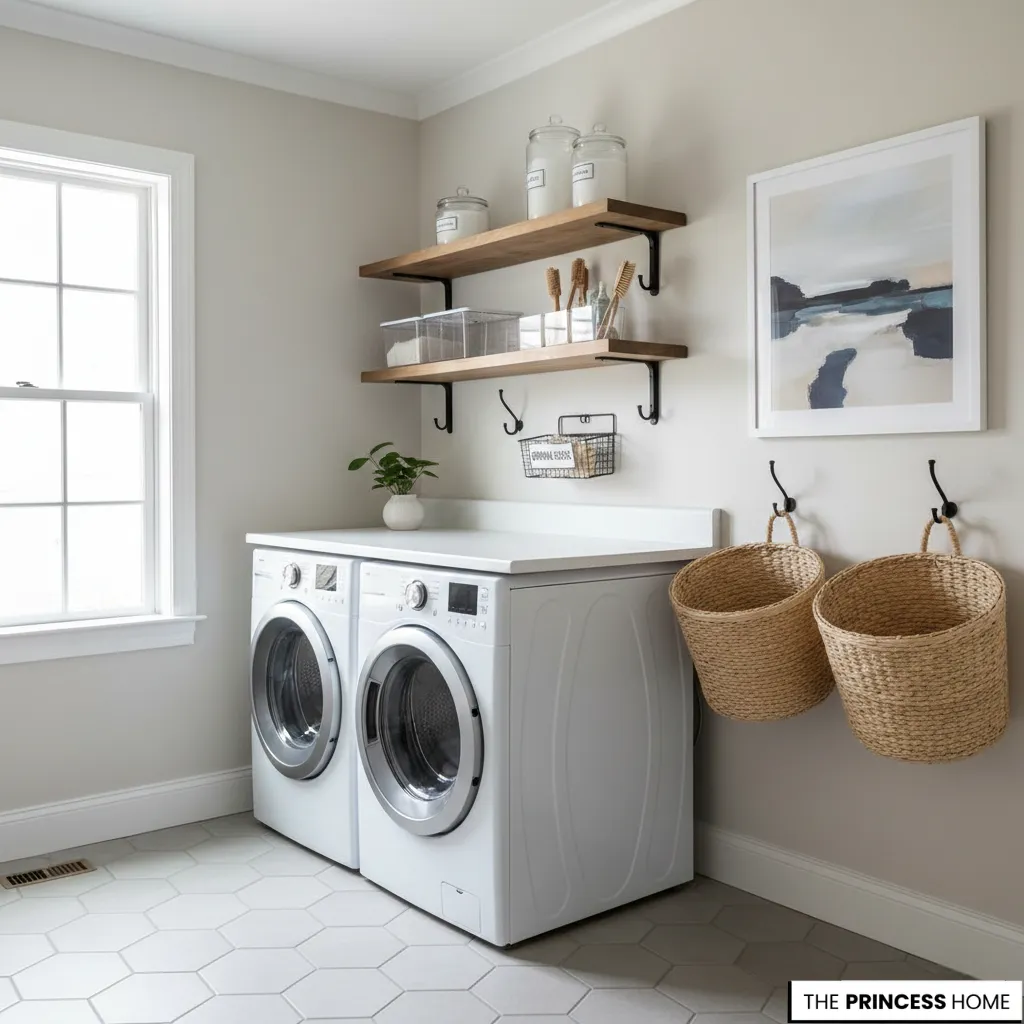
Transform your laundry room into a true workspace by removing non-laundry items and keeping only essentials like detergent, baskets, and stain treatments within reach. Use wall-mounted shelves or hooks to store supplies off the floor, maximizing space and making cleaning easier.
Donate or recycle orphan socks, mismatched hangers, and any extra items that don’t serve a functional purpose. Interior designers emphasize that a well-edited laundry area isn’t just about aesthetics—it’s about efficiency, accessibility, and reducing visual clutter, turning chores into a smoother, more organized process.
Garage Zone Strategy
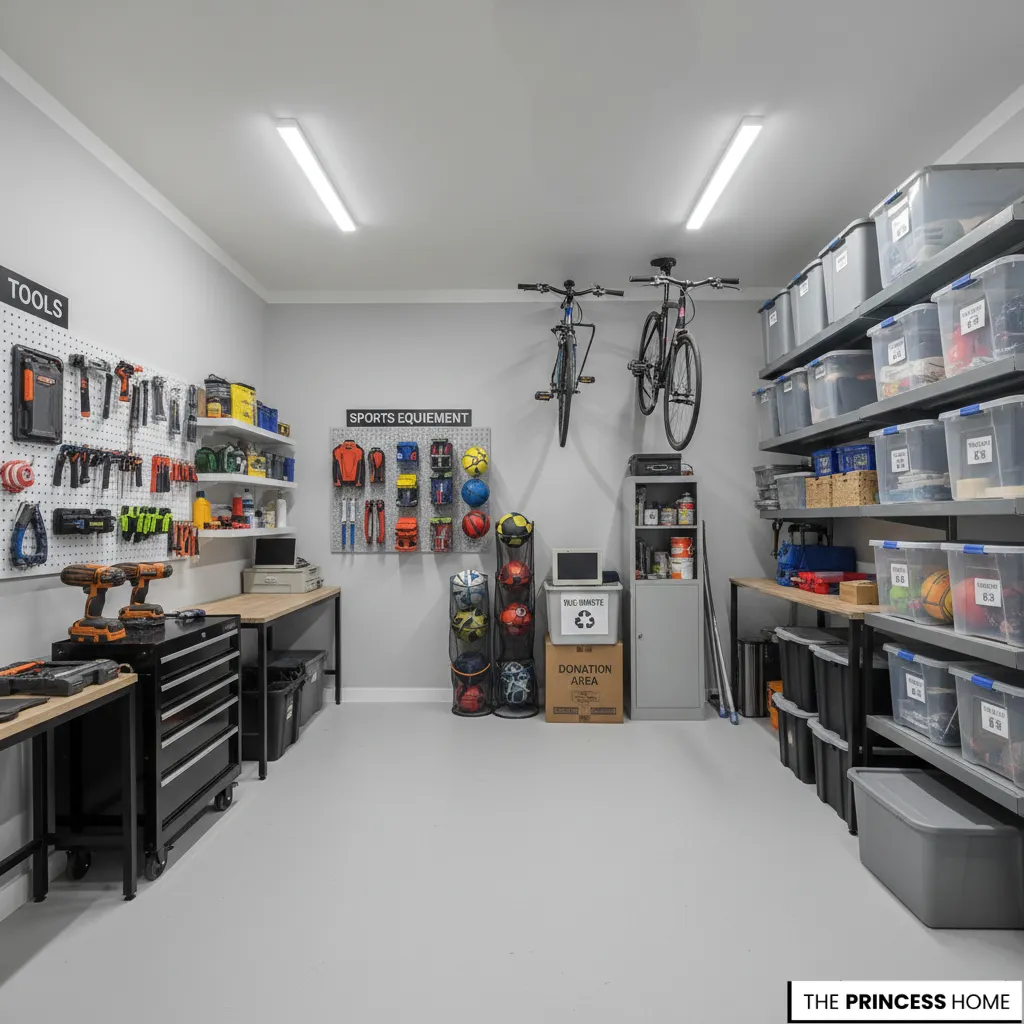
Organize your garage or utility space by creating clear zones—tools, sports equipment, seasonal items, and a donation area—so everything has a designated place. Safely dispose of hazardous waste, like old paint or chemicals, and recycle outdated electronics to reduce clutter and environmental impact.
Keep walkways clear for safety, and wall-mount heavy or bulky items to maximize floor space and accessibility. Designers like Nate Berkus stress that a zoned garage not only improves functionality but also transforms a chaotic storage area into a visually organized, practical extension of your home.
Designer Tips to Organizing
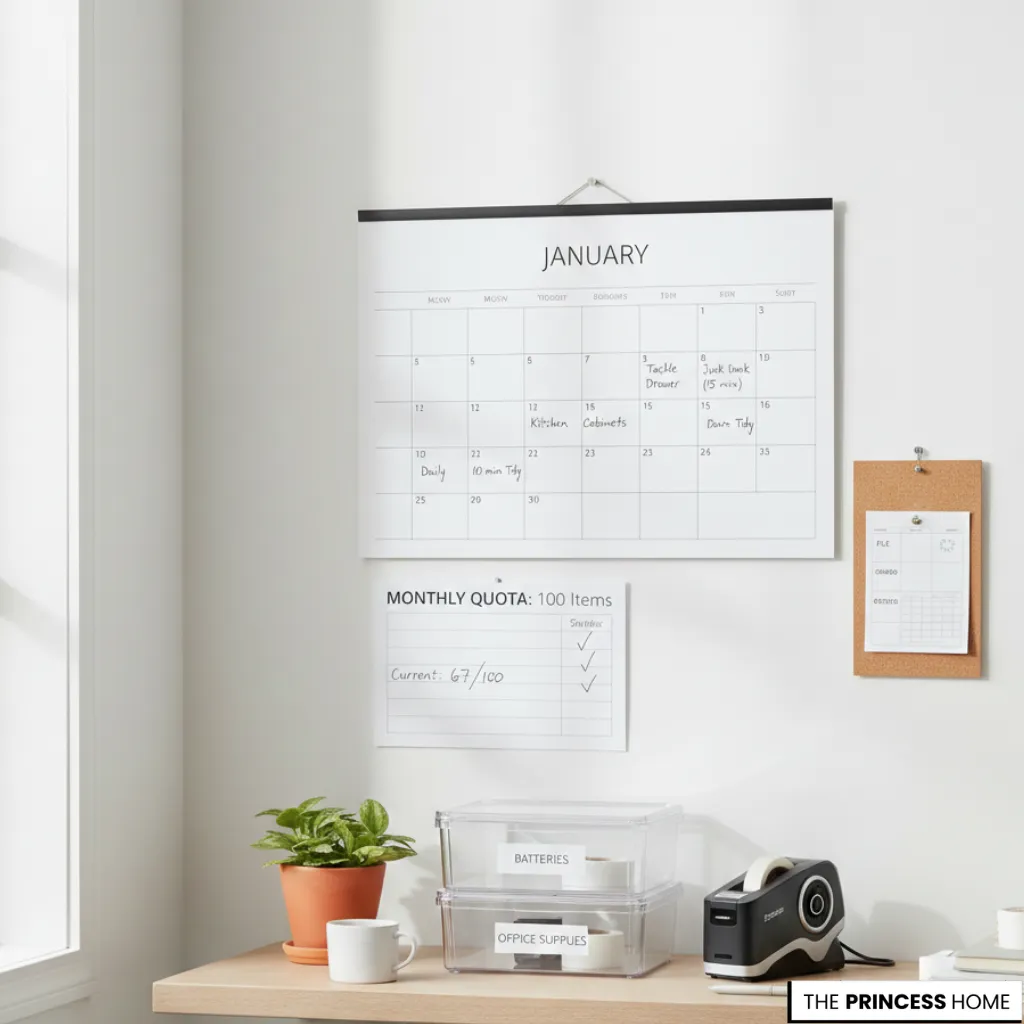
Interior designer Lauren Gilberthorpe views the new year as the perfect time to declutter and take stock, turning a fresh calendar into a fresh home. Start small—tackle one drawer or commit to 10-minute organizing sessions—to build momentum without feeling overwhelmed. Set a monthly decluttering quota, such as 100 items, and track progress digitally or on paper; rewriting leftover tasks encourages completion and accountability.
After seasonal decorations come down, deep clean and declutter. This reset refreshes your space and restores energy and focus. By following these designer strategies, you build sustainable habits that keep your home orderly year-round. Organization becomes achievable, practical, and far less daunting.
Bonus Declutter Challenges
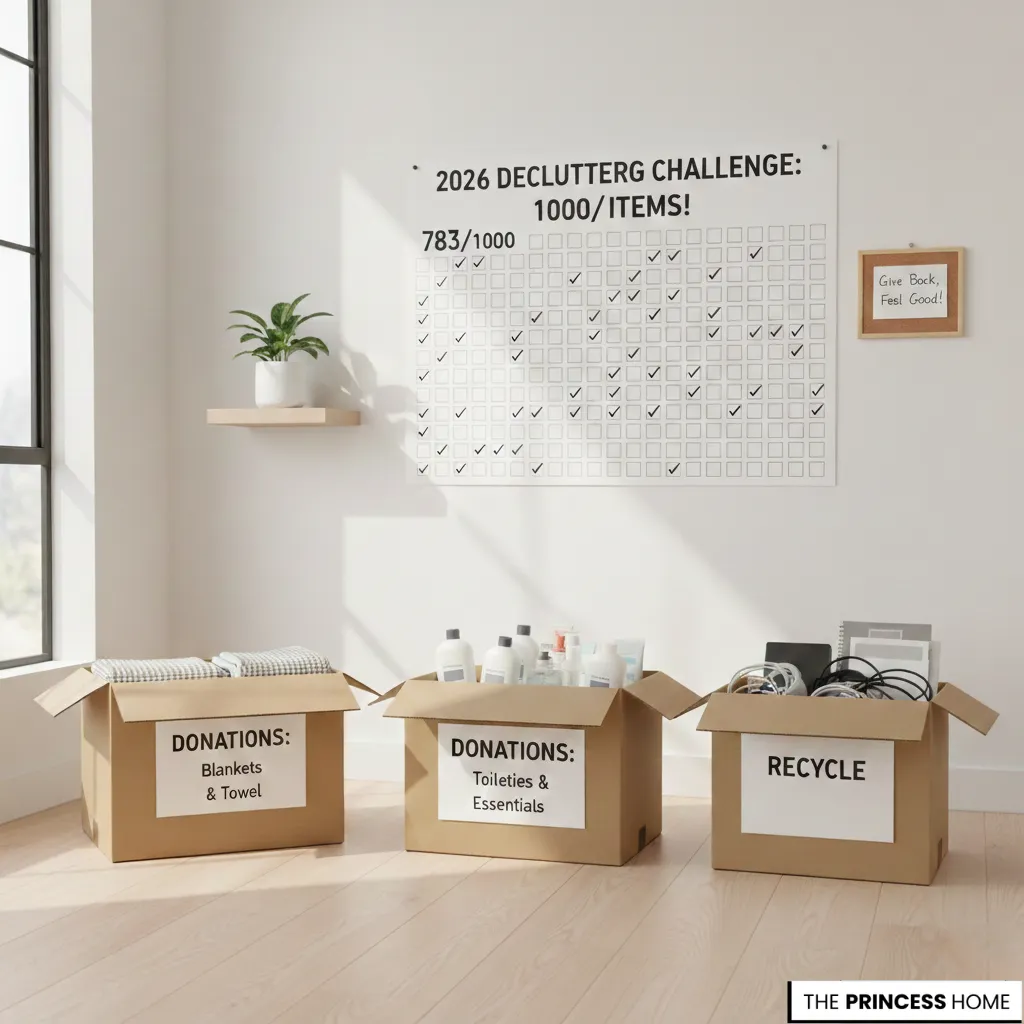
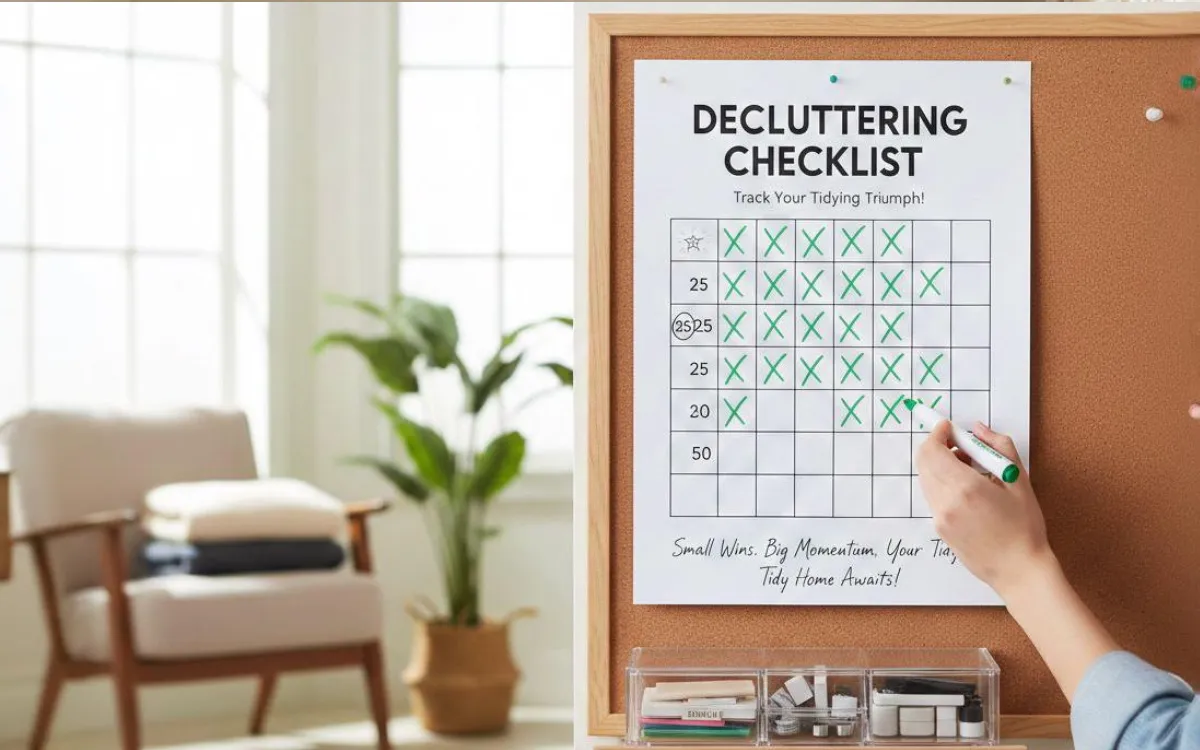
Take your decluttering further with simple, motivating challenges. Use a “declutter tracker” and check off every 25 items removed—visualizing progress keeps momentum high and makes large tasks feel achievable. Focus on end-of-year purges by clearing duplicates, outdated manuals, and leftover hotel toiletries, which often accumulate unnoticed.
Turn decluttering into an act of giving by donating gently used blankets, toiletries, and household items to local shelters or places of worship. These small, intentional actions not only tidy your home but also create positive impact, reinforcing the value of thoughtful organization.
Deeper Designer Insights
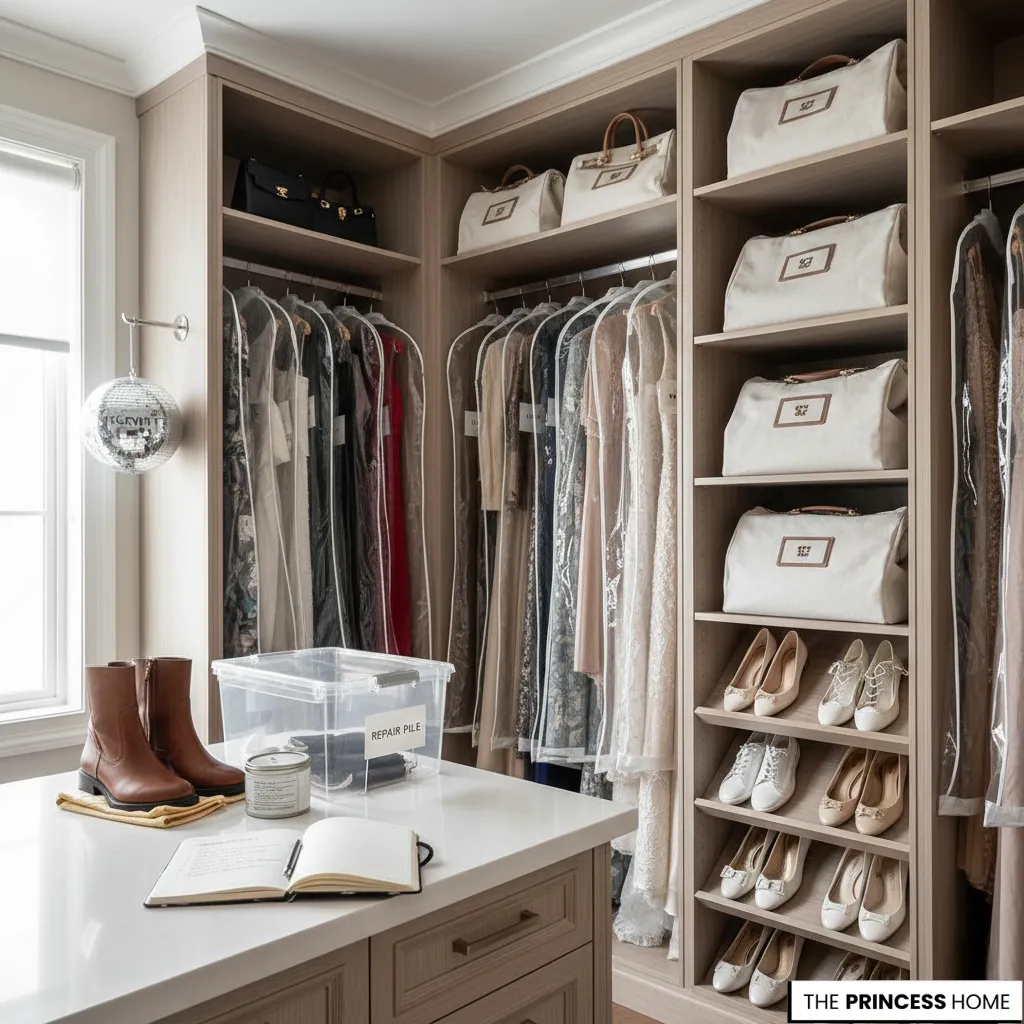
Interior designer Caroline Winkler cautions that the biggest decluttering mistake is keeping items “just in case.” If you find yourself wondering whether a used plastic disco ball might serve as future décor, it’s usually better to let it go—you can always replace items if a real need arises. For high-end pieces, Lisa Adams recommends using January to clean, condition, and properly store designer bags, formalwear, and shoes. Use leather conditioners, garment bags, and dedicated storage to prolong the lifespan of high-end items.
Send worn shoes to a repair shop to refresh your wardrobe for the year. Professional organizer Regina Lark treats January as a planning period: assess possessions, spot problem areas, and map out monthly mini-projects instead of tackling everything at once. By combining practical care with strategic planning, these designer-backed techniques make advanced decluttering not just achievable, but sustainable—and they protect your investment in both time and style.
Advanced Rules of Thumb
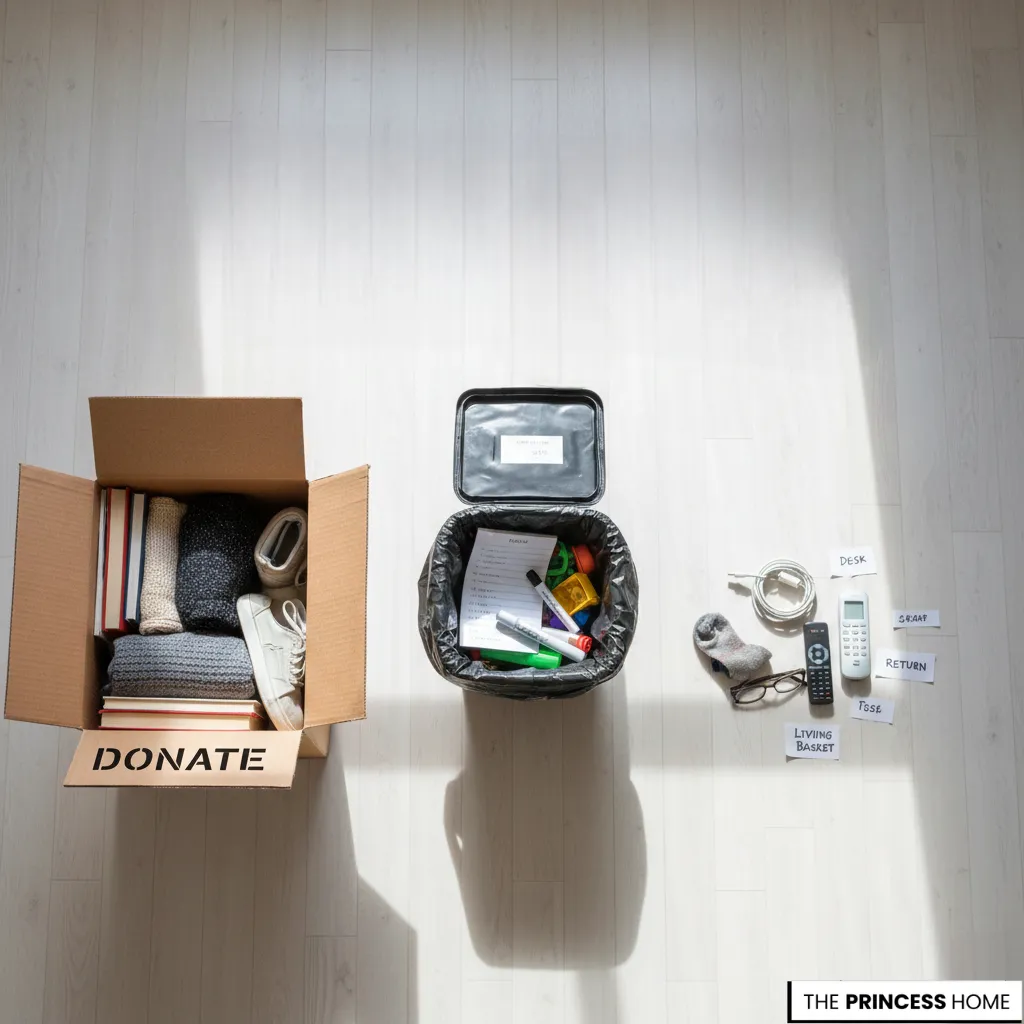
Speed up decision-making with designer-inspired rules of thumb. The 20/20 Rule suggests asking: could I replace this item for $20 or in under 20 minutes? If yes, it’s safe to let it go without guilt, keeping only what truly matters. Try the 12-12-12 Challenge: identify 12 items to donate, 12 to toss, and 12 to return to their proper homes—a fast, satisfying reset for moderately cluttered spaces.
Drawer Dumping takes this further: empty one drawer into a box and only return items you genuinely use and love. These techniques encourage ruthless, intentional choices while eliminating “maybe” piles, making decluttering faster, more effective, and surprisingly empowering.
Habits That Stick
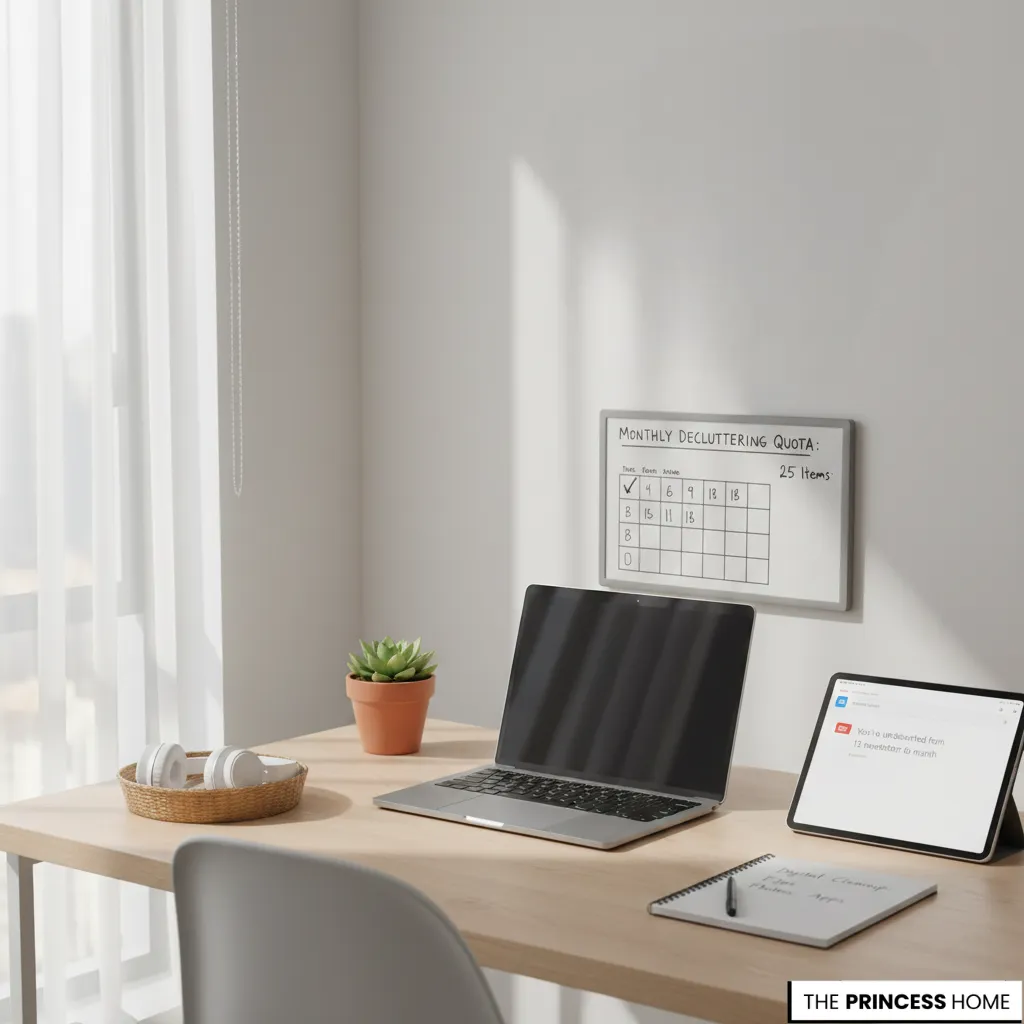
Keep your home clutter-free by adopting intentional habits that last. Embrace a “No-Buy Year” mindset for non-essential items to prevent new clutter and enjoy what you already own. Interior designer Laura Cattano reminds us that decluttering isn’t just physical—clear old files, unsubscribe from junk emails, and organize your digital workspace to reduce mental load.
Set a monthly decluttering quota, such as 25 items, and track it visibly with a checklist or digital tracker. The simple act of checking off boxes builds momentum, makes progress tangible, and transforms organization from a chore into a satisfying, ongoing habit. These small, consistent strategies ensure your home stays functional, calm, and ready for anything.
Your Declutter Tracker
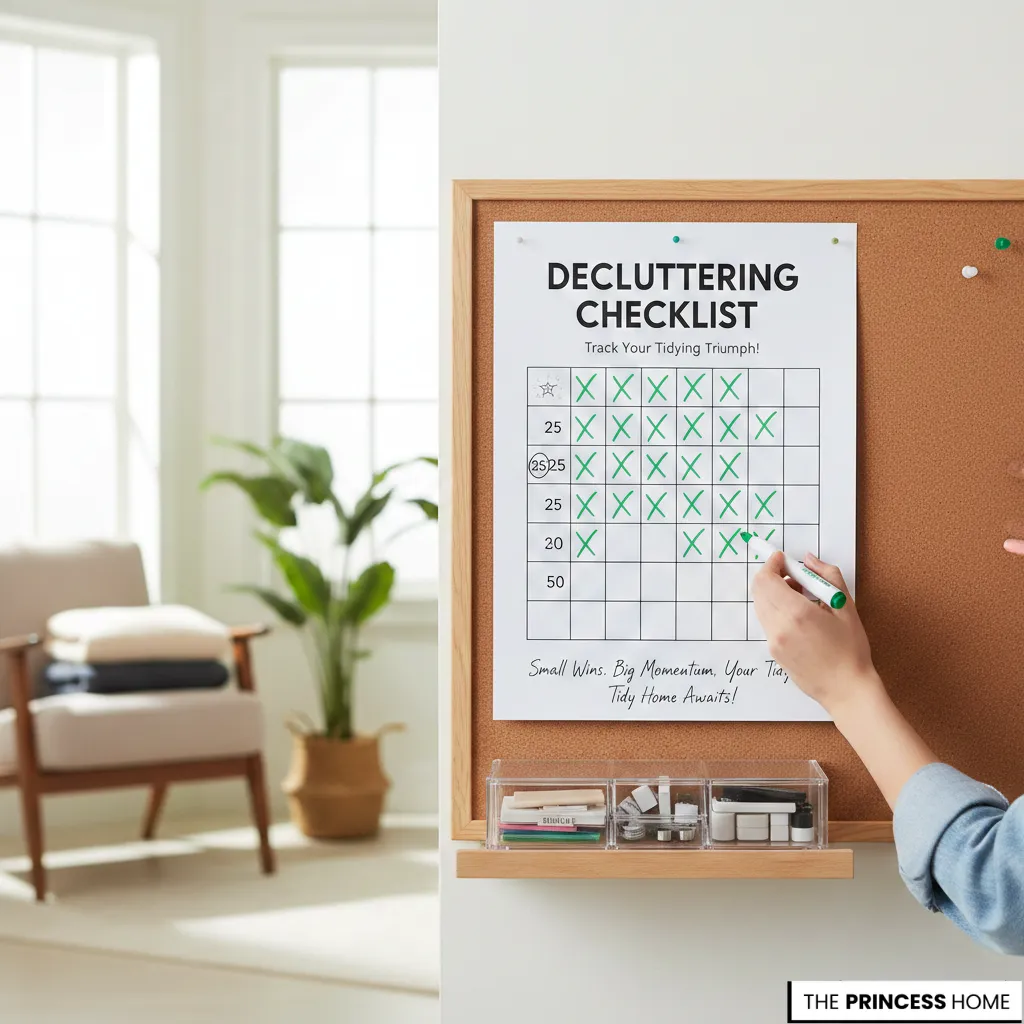
Make decluttering motivating with a simple Decluttering Checklist: mark off every 25 items cleared and post it somewhere visible to track daily progress. This visual system turns a chore into a satisfying game, boosting consistency and momentum. Start small—tackle a single drawer, shelf, or a 10-minute session—and let micro-wins build energy to carry you through your home. Over time, the tracker measures progress and reinforces intentional habits, making ongoing organization rewarding and sustainable.
Room Designer Hacks
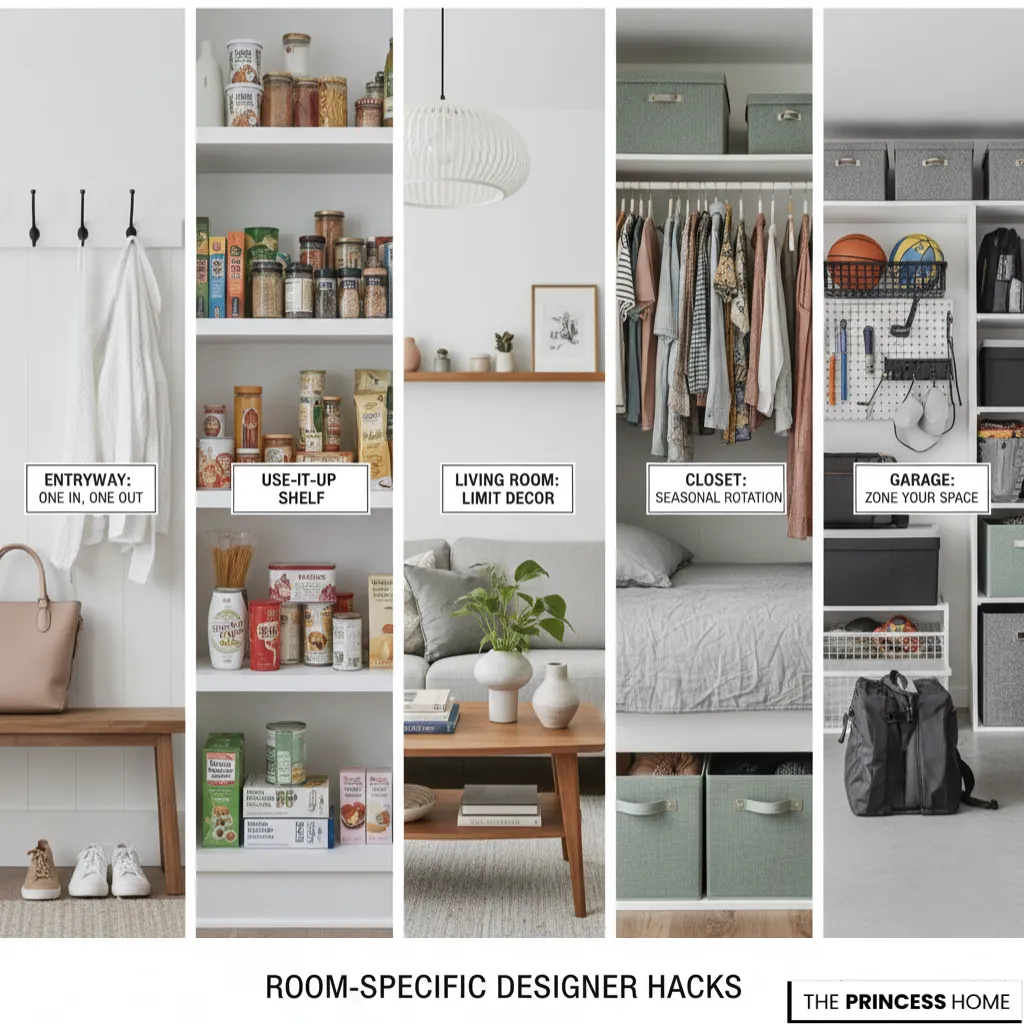
Entryway: Use a “one in, one out” rule for coats and shoes to keep the space tidy and functional, as advised by Shea McGee.
Kitchen: Create a use-it-up shelf for pantry items nearing expiration, and plan weekly meals around them to reduce waste and stay organized.
Living Room: Limit décor to a few meaningful pieces. Avoid the “disco ball” trap by curating intentionally, a tip from Caroline Winkler.
Closet: Store off-season clothing in labeled under-bed bins and rotate items seasonally to keep daily access easy, as recommended by Lisa Adams.
Garage: Zone your space into tools, sports gear, and seasonal items. Donate or store offsite anything unused for over two years to maintain clear walkways and functionality.
These room-specific hacks combine designer insight with practical systems, making organization efficient, sustainable, and visually satisfying.
Smart Donation Guide
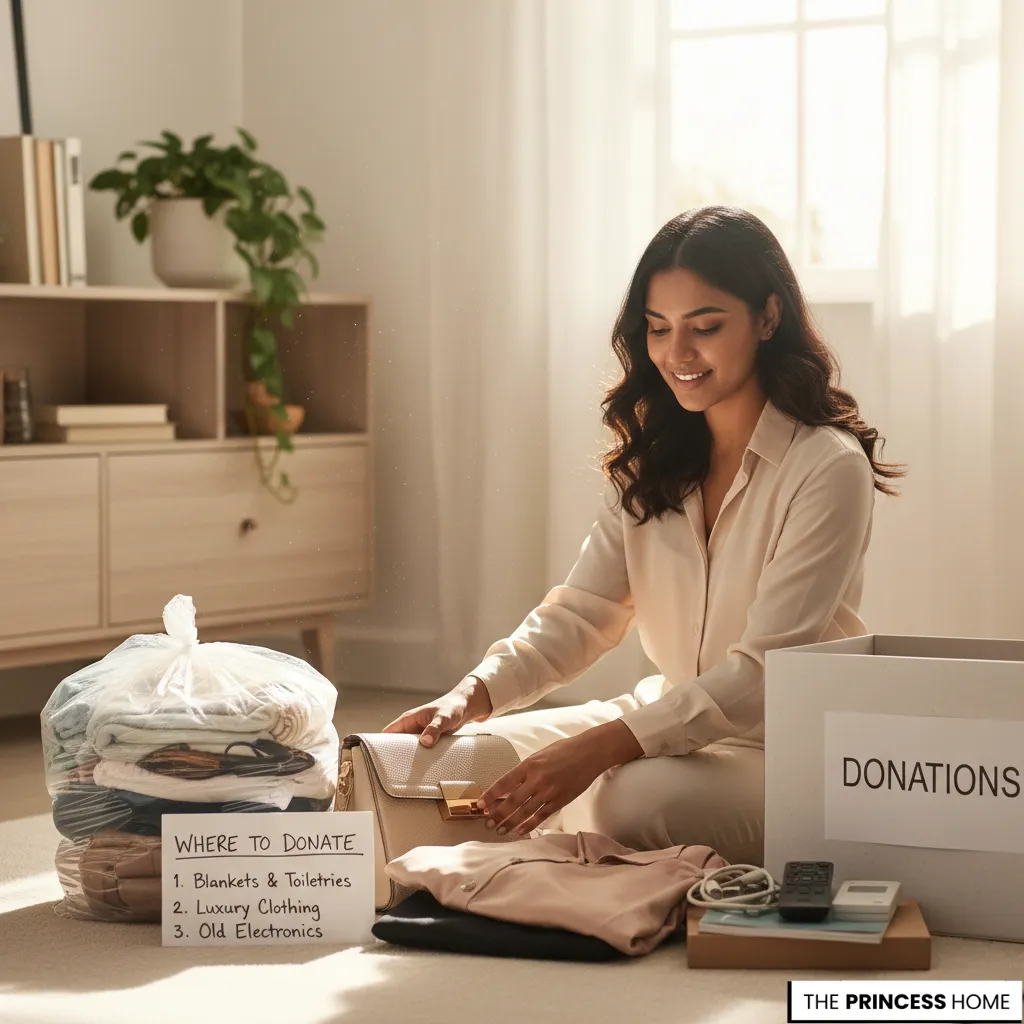
Blankets and toiletries: Local shelters, community centers, and places of worship frequently accept these essentials to support those in need.
High-end clothing and accessories: Consignment shops or designer resale platforms are ideal for passing on luxury items while recouping some value.
Old manuals and electronics: Participate in e-waste recycling events or take them to municipal drop-off sites to ensure safe disposal and reduce environmental impact.
Knowing where to donate items makes decluttering purposeful, sustainable, and beneficial both for your home and your community.
Conclusion
Decluttering isn’t about achieving perfection—it’s about creating breathing room, clarity, and intentionality in your home. By using a Decluttering Checklist and approaching your space room by room with designer-backed strategies from experts like Marie Kondo, Nate Berkus, and Emily Henderson, you build momentum without overwhelm. Each completed zone brings visible progress, making your home feel lighter, more functional, and truly personalized.
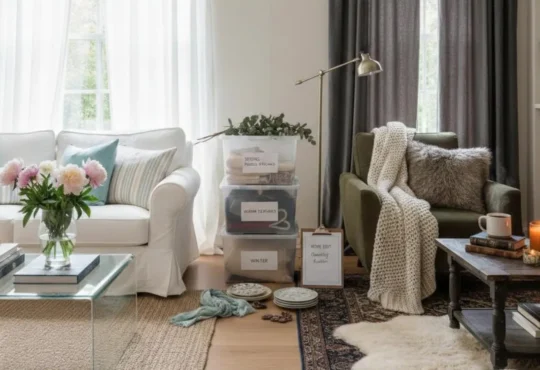
When you combine practical systems—like labeled bins, furniture rotation, and thoughtful storage—with curated décor, your living space becomes both efficient and inspiring. Intentional decluttering transforms everyday routines, enhances comfort, and sets the stage for the activities and moments that matter most.
Here are some frequently asked questions related to the article :
Q1: How do I start decluttering if I feel overwhelmed?
Pick one small, manageable spot you can finish in a single session—like a junk drawer, a basket, or the bedroom “chair-drobe.” Set aside 15–30 minutes, empty the area, clean it, and sort items into toss, recycle, or relocate piles. This quick win builds confidence and momentum for tackling larger spaces.
Q2: What’s the fastest way to decide what to keep or toss?
A: Use the 20/20 Rule: if you can replace an item for under $20 in less than 20 minutes, let it go. Also, avoid the “just in case” trap—it’s okay to occasionally re-purchase if a real need arises. For structured help, follow a simple yes/no decision flowchart to reduce mental effort.
Q3: How can I stay motivated to declutter all year?
A: Track your progress with a checklist or tally chart; checking items off or rewriting leftovers can be surprisingly motivating. Consider a themed challenge like “2026 in 2026” or monthly 25-item quotas to keep the habit alive. Even 10-minute daily sessions add up.
Q4: Where should I donate common items like blankets and toiletries?
A: Local shelters and places of worship often accept blankets and travel-sized toiletries. Always call ahead to confirm current needs and drop-off procedures.
Q5: How do I stop clutter from coming back?
A: Adopt a “one in, one out” rule for clothes, shoes, and outerwear. Act immediately on decluttered items—donate, toss, or relocate right away to avoid second-guessing. Digital decluttering (unsubscribing, clearing files) also reduces mental and physical clutter.
Q6: Should I declutter digitally too?
A: Absolutely. Clear old files, unsubscribe from junk email, and organize your desktop to reduce mental load and maintain clarity alongside your physical spaces.
Q7: What’s a good way to involve family in decluttering?
A: Turn it into a light competition: give each family member their color or box to mark items decluttered, especially if you have competitive kids. Focus on one category at a time and celebrate progress together.
The princess home on Pinterest