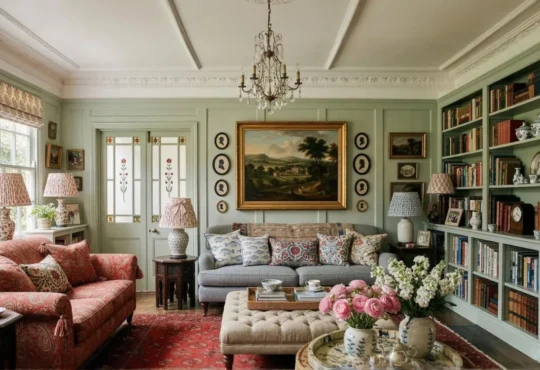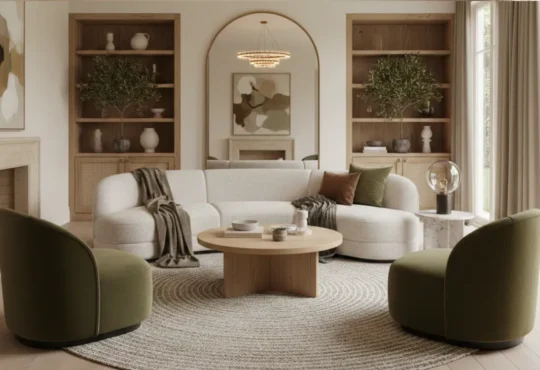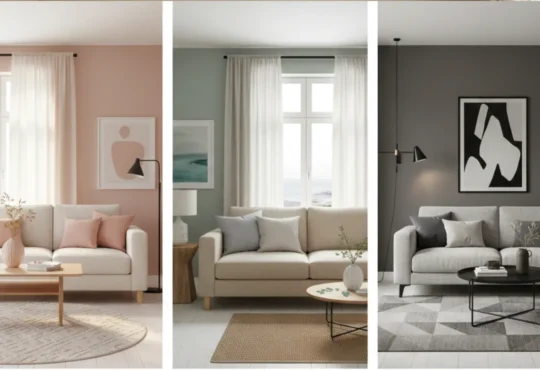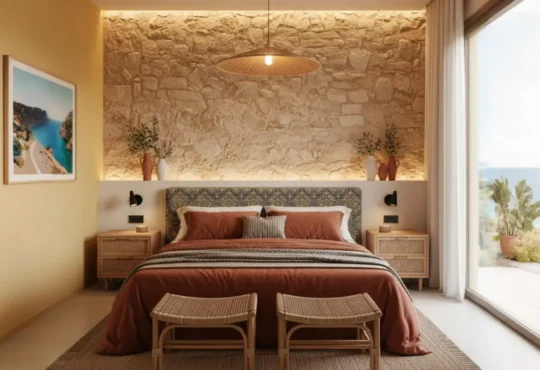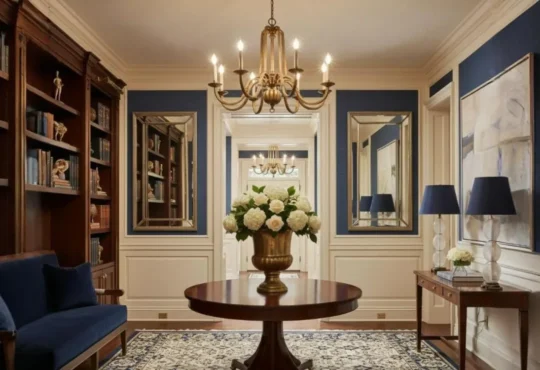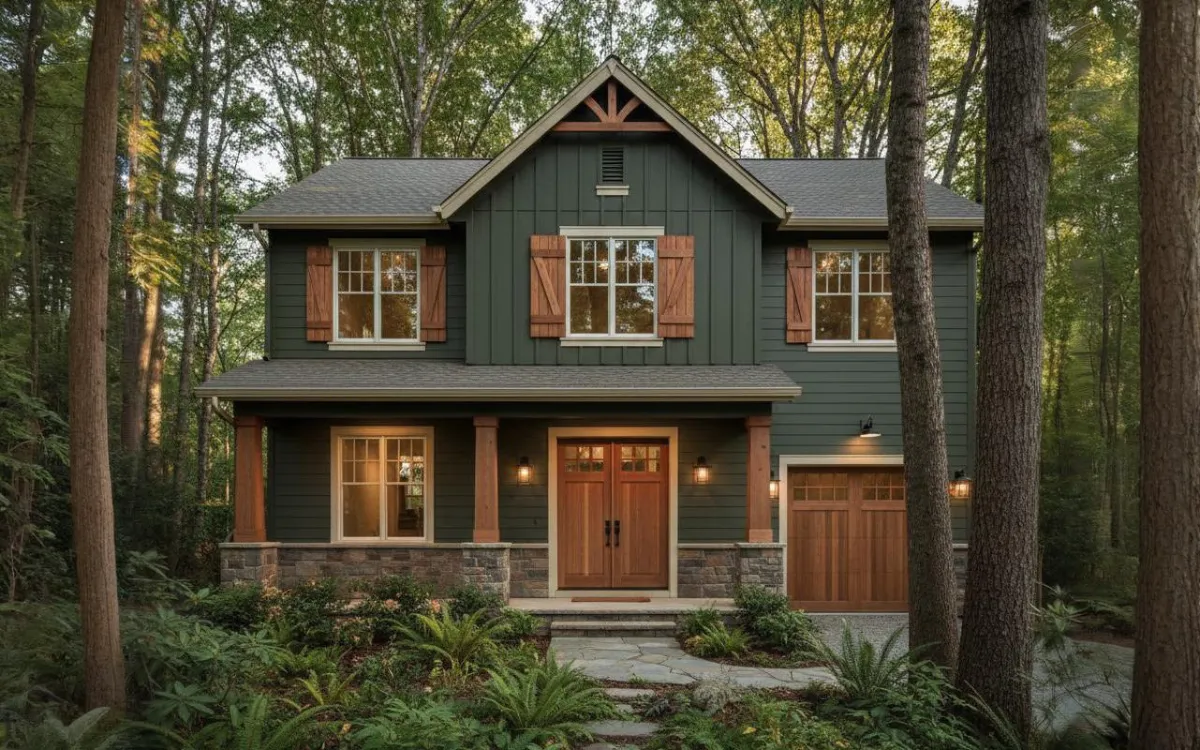
Exterior home painting in 2026 is all about soulful sophistication—colors that nurture, ground, and make a statement without shouting. This year’s palette moves beyond cool grays toward warm, earth-infused neutrals, rich jewel tones, and heritage-inspired hues that feel both timeless and fresh. Whether you’re refreshing a single accent or doing a full transformation, these trends and designer insights will help you choose a scheme that looks intentional, elevated, and uniquely yours.
Top Exterior Color Trends for 2026
Design leaders and major paint brands are aligned for 2026, homeowners are moving away from short-lived micro-trends and choosing rich, enduring colors with depth and character. Instead of viral hues that dominate social media for a season and disappear, today’s palettes focus on longevity, craftsmanship, and emotional comfort.
Hannah Yeo, Senior Manager of Color Marketing at Benjamin Moore, highlights the growing crossover between fashion and interior design, noting that their 2026 Color of the Year, Silhouette AF-655, draws inspiration from the refined elegance of tailored suiting. This deep, nuanced shade responds directly to what many designers call “micro-trend fatigue,” offering a grounded alternative to fast-cycling digital aesthetics.
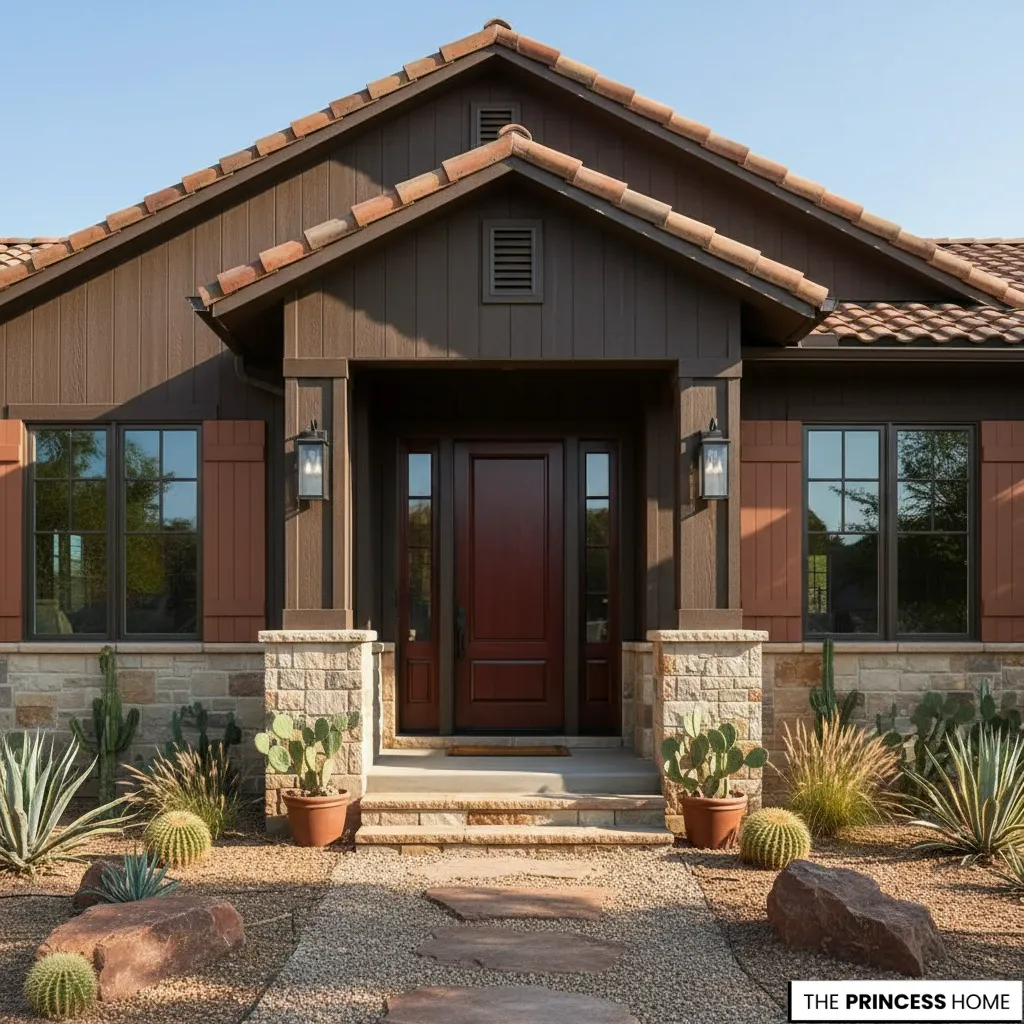
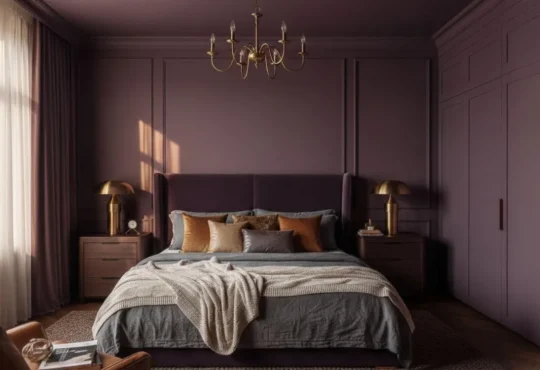
The broader 2026 color story is best described as earthy, elevated, and effortlessly livable. Think lush chocolate browns, velvety burgundies, and warm cinnamon-terracotta tones that create a cocooning effect in both modern and traditional spaces. These hues act as a sophisticated foundation, allowing natural materials—like walnut wood, aged brass, and textured stone—to shine. To keep spaces dynamic, designers recommend layering in saturated accents such as jewel-toned blues or botanical greens for contrast and visual energy.
Ultimately, 2026’s color movement reflects a deeper cultural shift: homeowners are prioritizing timeless atmosphere over temporary attention, choosing shades that feel personal, comforting, and confidently refined.
Greige & Khaki
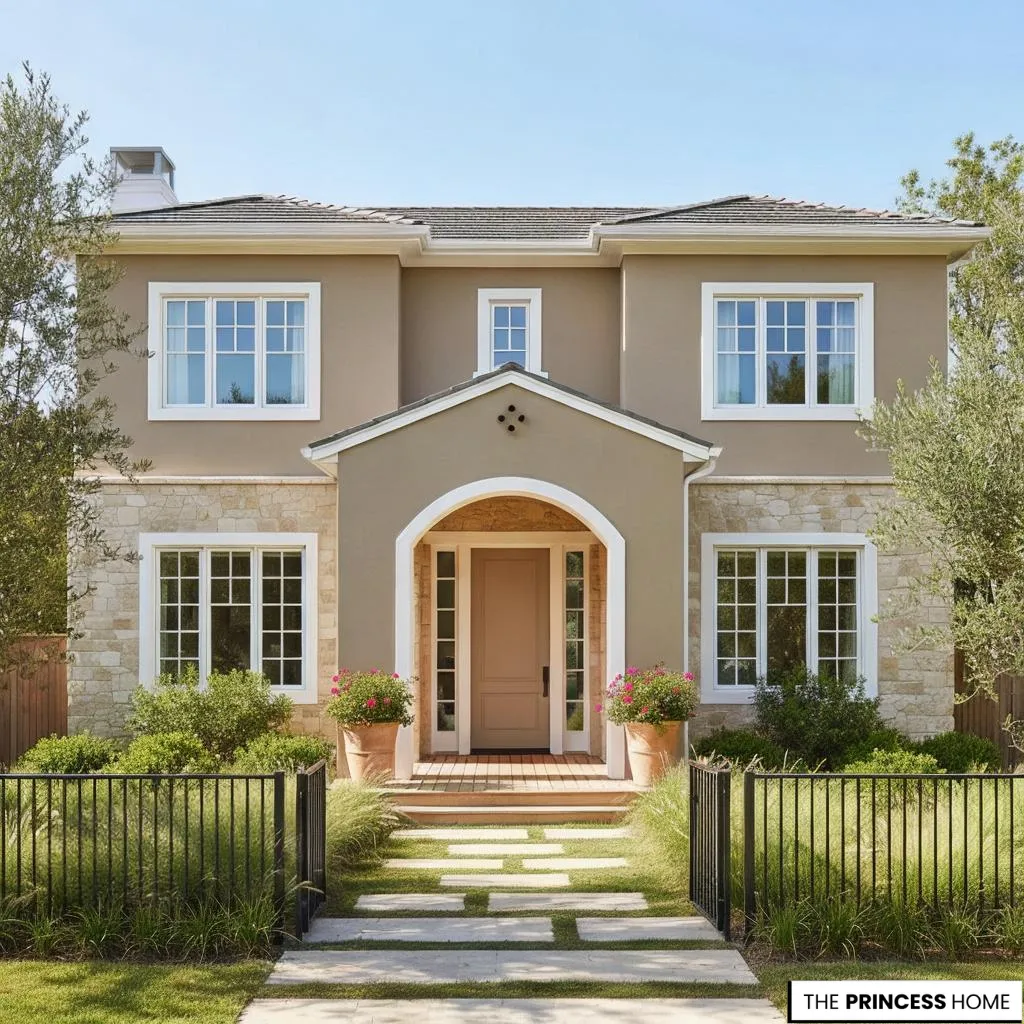
While classic gray remains a design staple, 2026 marks a clear shift toward warmer, more organic neutrals for home exteriors. Instead of cool steel and slate tones, designers and color forecasters are embracing greige (a balanced blend of gray and beige) and true khaki, which feel more connected to natural landscapes and built environments. These hues provide sophisticated curb appeal that works beautifully with stone, wood, and landscape elements, making homes feel both modern and timeless.
At the forefront of this trend, Sherwin-Williams—alongside HGTV Home by Sherwin-Williams—has named Universal Khaki (SW 6150) as the 2026 Color of the Year. This mid-tone tan with warm, earthy undertones is designed to function as a foundational neutral that adapts effortlessly to a wide range of architectural styles, from traditional cottages to contemporary facades.
Universal Khaki isn’t just another beige. Its subtle warmth helps architecture feel inviting without feeling dated, and it reflects light in a way that enhances exterior features without creating harsh contrast. Because of this, design experts are recommending it not only for siding but also for trim, doors, and accent elements, where it can unify a home’s exterior while allowing natural materials and landscaping to stand out.
Designers planning 2026 projects are also pairing Universal Khaki with pure white trim or warm off-whites to create clean, uplifting contrast that frames architectural details and helps homes feel both crisp and grounded. These combinations work particularly well in climates with abundant sunshine, making homes appear brighter and more connected to their surroundings.
Importantly, these warmer neutrals aren’t limited to one style or era. From Mediterranean-inspired façades to modern minimalist homes, greige and khaki tones are proving to be versatile exteriors that improve street-side appeal, resale value, and visual harmony with nature.
Chocolate Browns & Reds
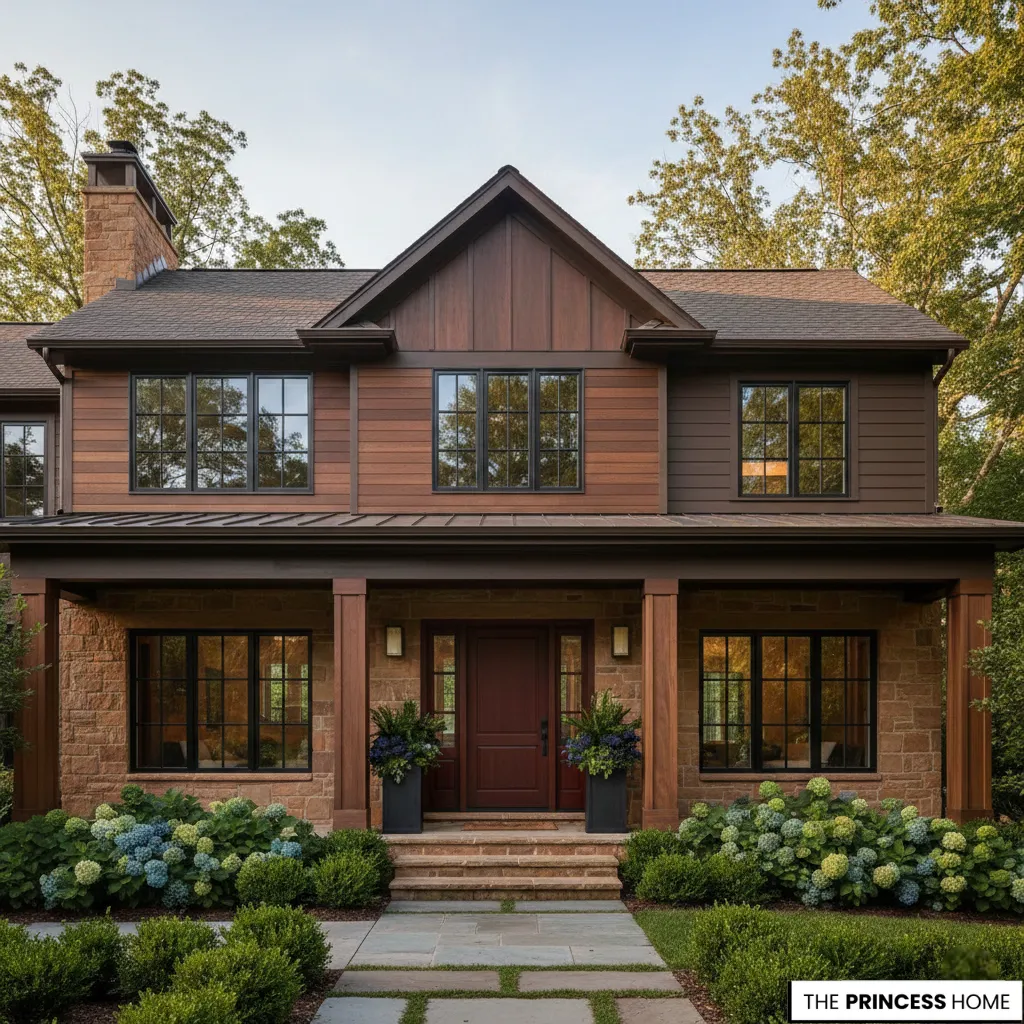
In 2026, chocolatey browns and grounded reds are reclaiming their place in exterior design, signaling a shift away from predictable grays toward colors with richness and emotional depth. These shades feel intentional and architectural — bold without being overpowering.
Glidden’s 2026 Color of the Year, Warm Mahogany, is being described as the ultimate “anti-trend” color. It appeals to homeowners who feel stuck between playing it safe and making a dramatic statement. Deep yet balanced, this tone offers the security of a neutral while delivering the personality of a statement hue — making it ideal for front doors, shutters, and even full façades on modern or craftsman-style homes.
Ashley McCollum, color expert for Pittsburgh Paints, also points to warm rusts and terracotta tones, such as Cinnamon Spice, as key players in this year’s palette. These earthy reds introduce vibrancy without feeling flashy, and they pair beautifully with matte black fixtures, bronze hardware, and textured stone elements.
What makes these hues especially powerful for exteriors is their harmony with natural materials. When layered with cedar siding, limestone accents, clay roof tiles, or desert landscaping, chocolate browns and terracotta reds create a cohesive, high-end aesthetic that feels both grounded and refined. In sunny climates, these shades develop even more dimension throughout the day, shifting subtly with the light and enhancing architectural depth.
For homeowners seeking curb appeal that feels timeless rather than trendy, rich browns and sophisticated reds offer warmth, character, and lasting impact — proving that 2026 is all about confident, earth-inspired design.
Greens and Muddy Olives
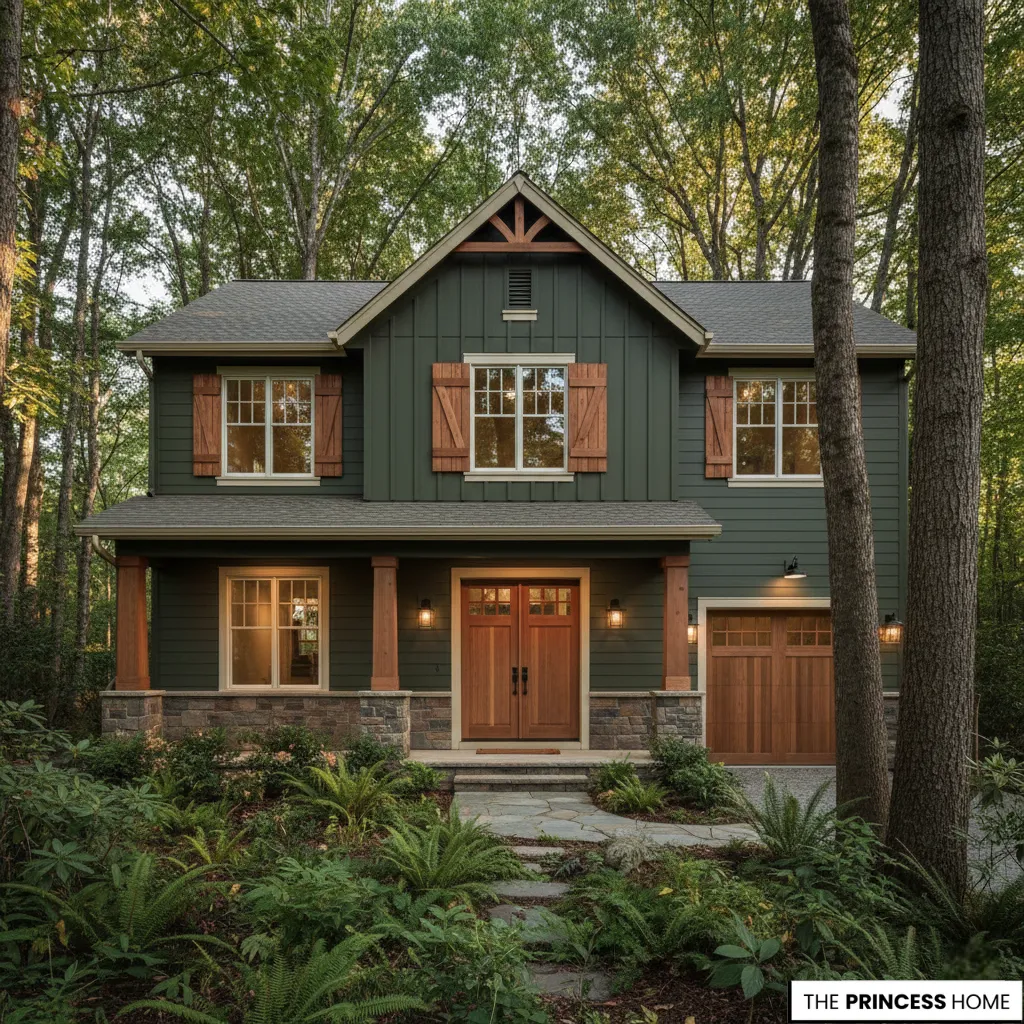
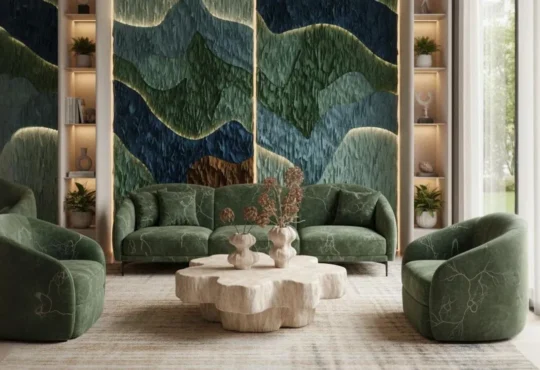
Green remains a defining color for 2026, but the trend is shifting toward deeper, moodier tones and muddy olive variations that feel grounded and architectural. Instead of bright botanical greens, homeowners are choosing complex shades with gray or brown undertones — colors that echo forest landscapes, aged patina, and natural stone.
Behr’s 2026 Color of the Year, Hidden Gem, and Valspar’s Warm Eucalyptus both reinforce this evolution toward earthy sophistication. These hues balance richness with subtlety, making them adaptable across modern, farmhouse, and cottage-style exteriors. They deliver personality without overpowering the structure — a key factor for homeowners seeking timeless curb appeal.
Designer Dan Mazzarini demonstrated this beautifully by using Benjamin Moore’s Green Grove, a dusty deep green, in a cottage project to establish an elegant yet relaxed atmosphere. On exteriors, similar shades work exceptionally well on front doors, shutters, trim, or full siding, especially in wooded lots or garden-forward properties. The result feels immersive and harmonious rather than decorative.
Muddy olives and deep greens also pair effortlessly with cream or warm white trim, natural cedar accents, bronze fixtures, and textured stonework. In changing daylight, these tones develop depth and dimension, enhancing architectural details while blending naturally with landscaping.
In 2026, deep greens are more than a color choice — they reflect a broader design movement centered on biophilic principles, authenticity, and lasting elegance.
Soft Blues and Sky
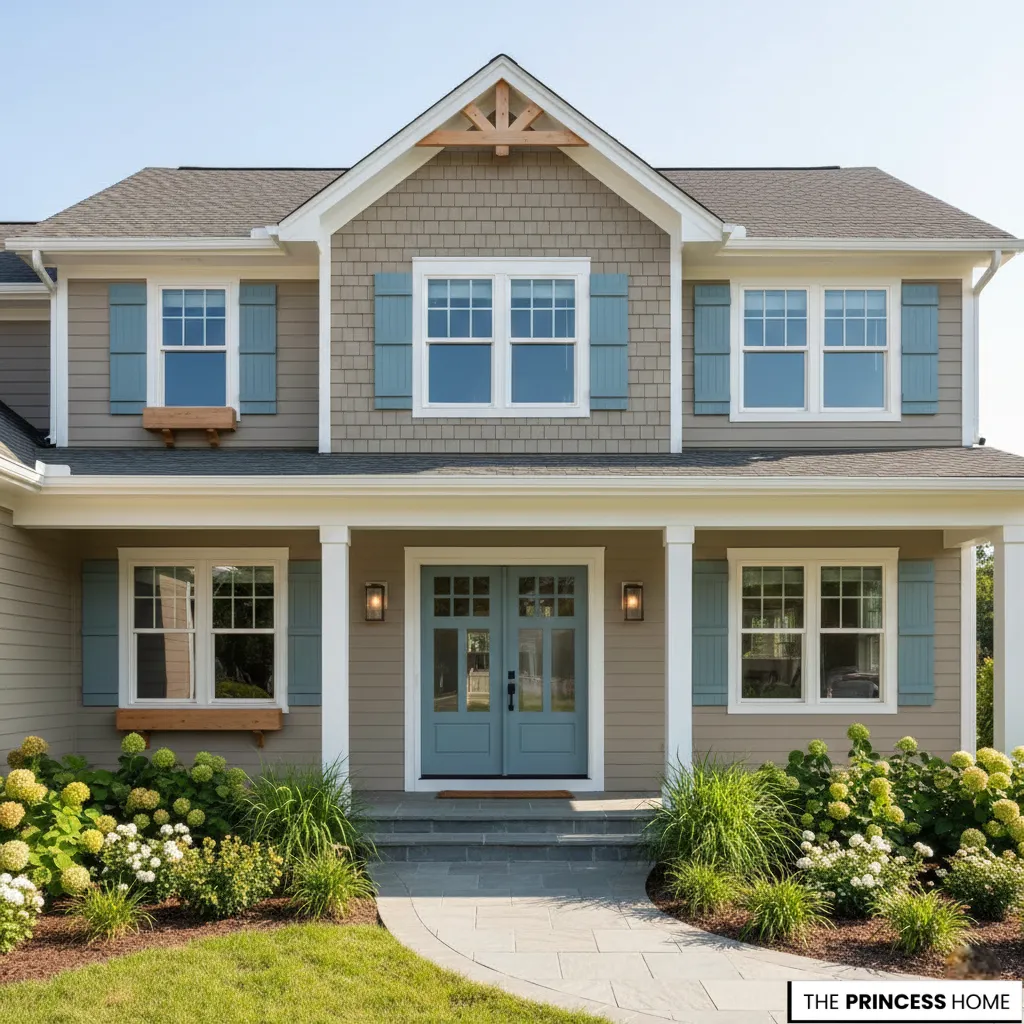
For homeowners craving a lighter, uplifting accent in 2026, soft sky blues are steadily gaining momentum in exterior home painting. These shades offer freshness without overwhelming the façade, making them ideal for doors, shutters, porch ceilings, or even full siding in coastal and suburban settings alike.
Erika Woelfel of Behr highlights Aerial View, a gentle sky blue, as a color poised to shine in 2026. Unlike overly bright aqua tones of the past, this muted blue carries a subtle gray undertone that keeps it sophisticated and adaptable. It delivers calm energy while still adding personality — a balance many homeowners are seeking as they move away from stark whites and flat neutrals.
What makes sky-inspired hues especially versatile is their ability to bridge cool and warm palettes. Pairing a soft blue with warm greige or khaki siding creates a welcoming contrast that feels airy yet grounded. When matched with charcoal or deep navy trim, the result feels crisp and architectural. For added curb appeal, designers suggest layering in brushed nickel lighting, natural wood accents, or slate pathways to enhance the tranquil effect.
These gentle blues also perform beautifully in sunlit climates, reflecting light and helping homes appear brighter and more open. The overall aesthetic feels serene, optimistic, and subtly coastal — but without the predictable beach-house cliché.
In 2026, sky blues aren’t just decorative accents; they represent a broader desire for peaceful, open-air color stories that bring lightness and emotional balance to exterior design.
Inky Charcoals and Darks
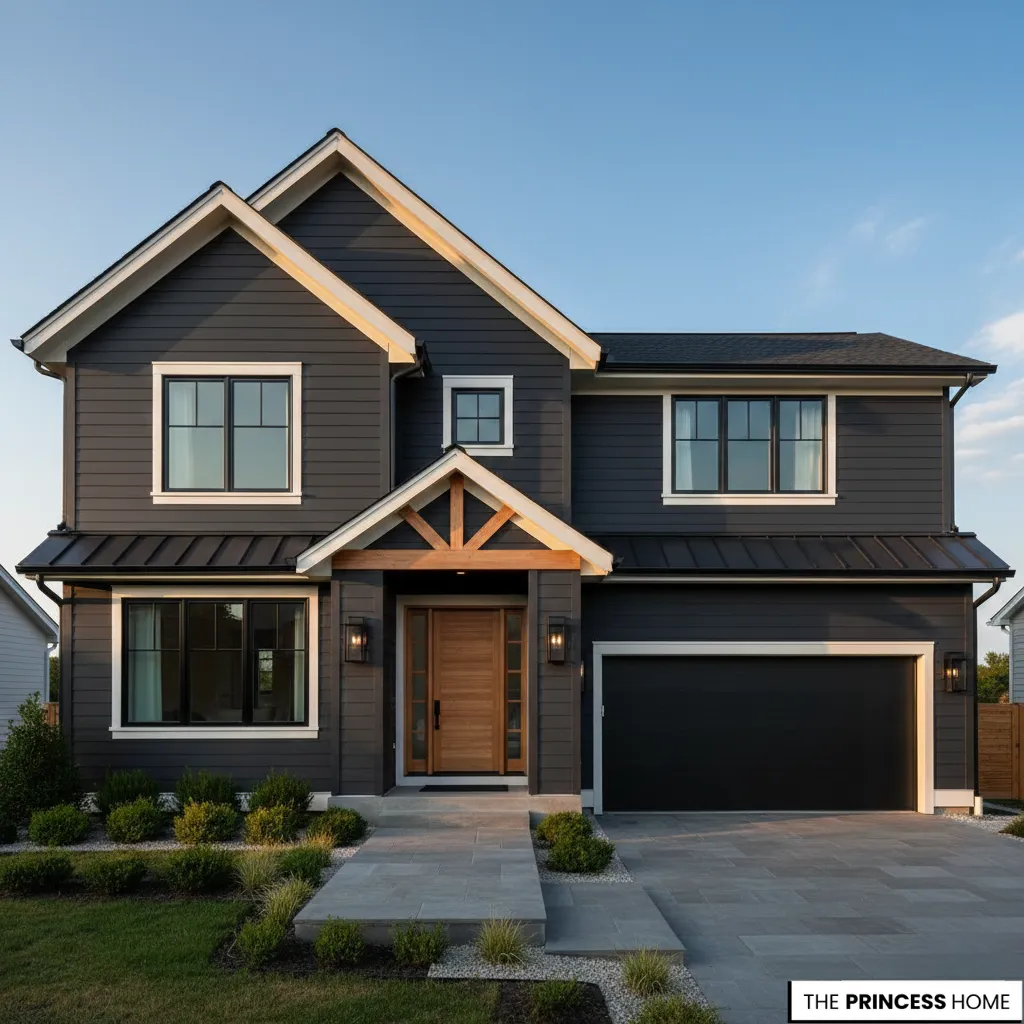
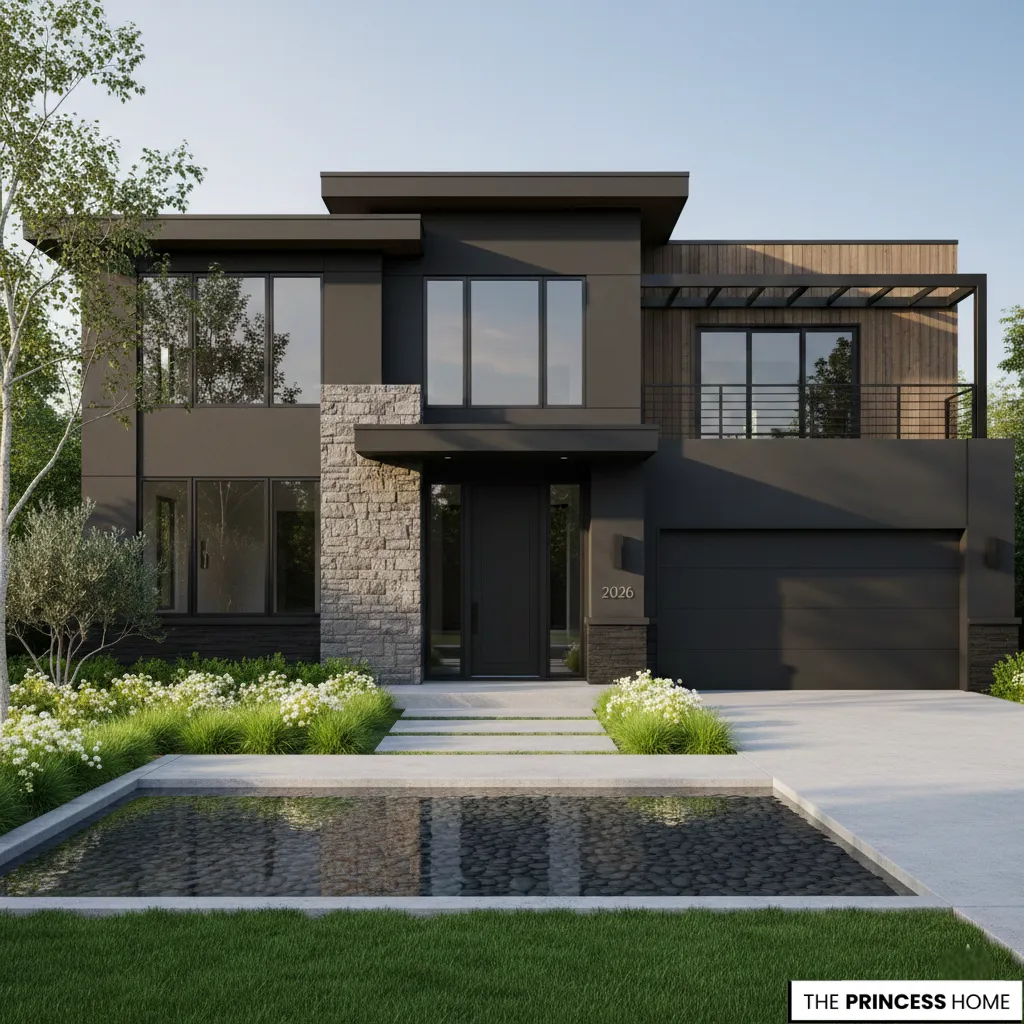
Dark exterior colors continue to dominate in 2026, especially inky charcoals, espresso-infused blacks, and saturated gem-inspired tones. These shades offer instant sophistication and create a striking architectural presence without feeling overly trendy. When used thoughtfully, they elevate even simple home designs into something that feels custom and high-end.
Benjamin Moore’s Silhouette, a rich espresso-charcoal blend, perfectly captures this movement toward deeper, more intentional color choices. With its subtle brown undertones, it avoids the harshness of flat black while delivering a tailored, refined look. This type of shade works beautifully on modern builds, updated ranch homes, and urban properties seeking a bold yet timeless façade.
Design experts often note that dark exteriors can make a home appear more expensive because they emphasize clean lines, highlight contrast, and create visual depth. Inky charcoals absorb light in a way that enhances architectural details — especially when paired with crisp white trim, creamy off-whites, or warm natural wood accents. Matte black hardware, oversized lantern lighting, and metal roofing further enhance the luxurious effect.
For homeowners hesitant to commit to full dark siding, consider using charcoal on trim, shutters, garage doors, or window frames to create a monochromatic layered look. In sunny climates, these tones add drama without overwhelming the property, while in wooded or urban settings, they blend seamlessly into the environment.
In 2026, “expensive” dark colors aren’t about being bold for the sake of attention — they’re about creating confidence, contrast, and architectural clarity that stands the test of time.
Designers’ Color Strategies
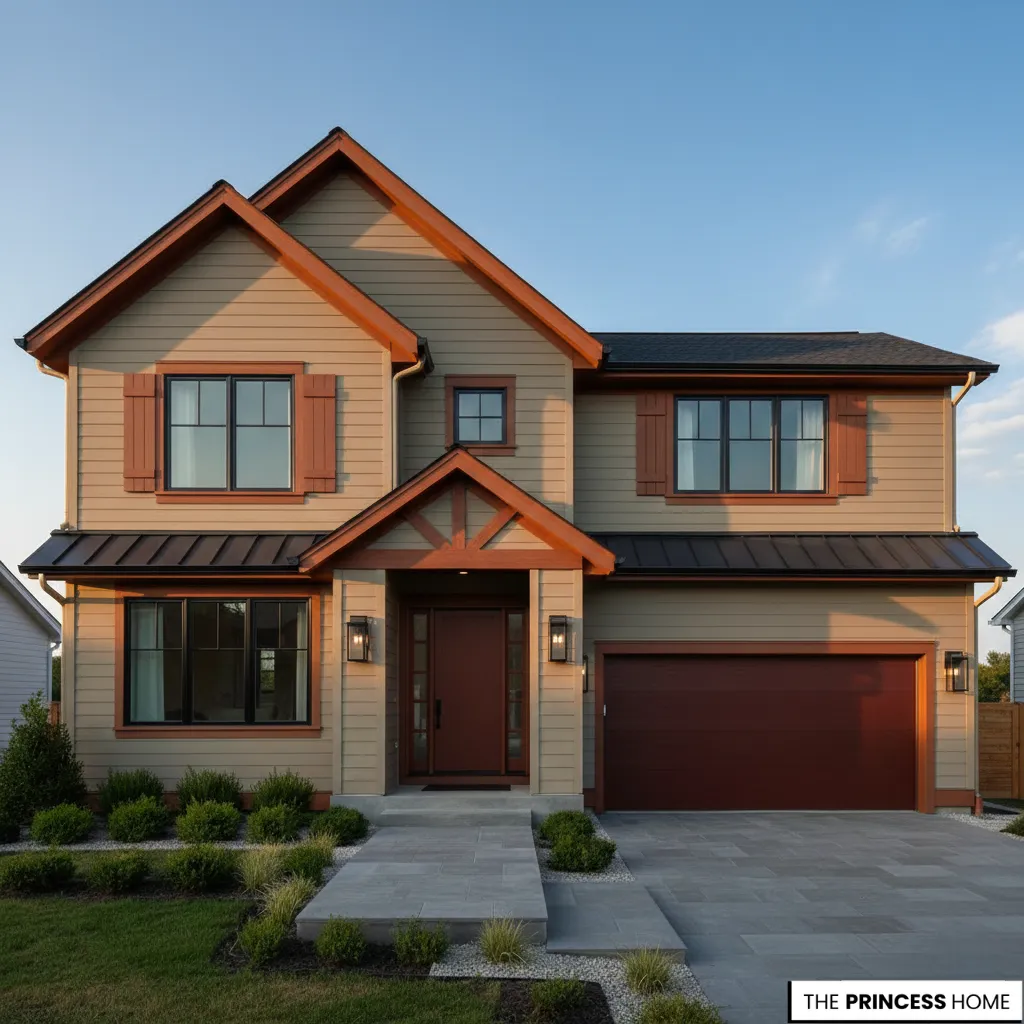
Leading designers and color experts aren’t just naming trending shades for 2026 — they’re showing homeowners how to apply them with intention in exterior home painting projects. Here’s how top industry voices would bring this year’s most talked-about hues to life on real exteriors.
Hannah Yeo (Benjamin Moore)
Hannah Yeo recommends Silhouette AF-655, a deep espresso-charcoal, for exteriors that need depth and architectural polish. She suggests pairing it with warm natural woods, brushed brass, or aged bronze fixtures to create a refined, tailored aesthetic. On modern homes, Silhouette can anchor the entire façade; on traditional properties, it works beautifully for shutters, window frames, or statement trim to introduce contrast without overwhelming the structure.
Ashley Banbury (HGTV Home by Sherwin-Williams)
Ashley Banbury champions their khaki 2026 Color of the Year as a versatile canvas for layered exterior design. Rather than using it as a flat neutral, she recommends creating subtle “sunset effects” by combining khaki with warmer complementary tones like Cordovan or Reddened Earth on shutters, doors, or architectural accents. This approach adds dimension and warmth, especially in regions with golden evening light.
Jennifer Homeyer (Designer)
Jennifer Homeyer plans to pair Universal Khaki with Pure White trim to achieve a look that feels clean yet inviting. This combination bridges modern simplicity and classic charm, making it especially effective for transitional homes. The warm undertones soften the contrast, ensuring the result feels welcoming rather than stark.
Erika Woelfel (Behr)
Erika Woelfel envisions Aerial View, a soft sky blue, as an uplifting front door or accent color against warm greiges or dark gray siding. She notes that subtle blues add personality without overpowering the façade, offering a hint of optimism while maintaining sophistication.
Dan Mazzarini (Designer)
Dan Mazzarini favors deep, dusty greens like Green Grove for exteriors surrounded by landscaping. By using these tones on siding or shutters, he creates a seamless transition between home and garden. The effect is immersive and organic — ideal for cottage-style homes or wooded properties seeking a cohesive, nature-forward aesthetic.
Together, these designer insights reveal a clear theme for 2026: exterior color is no longer just decorative — it’s strategic. The right shade enhances architecture, complements materials, and reflects a homeowner’s personality while maintaining long-term curb appeal.
Expert Tips for a Flawless Exterior Paint Job
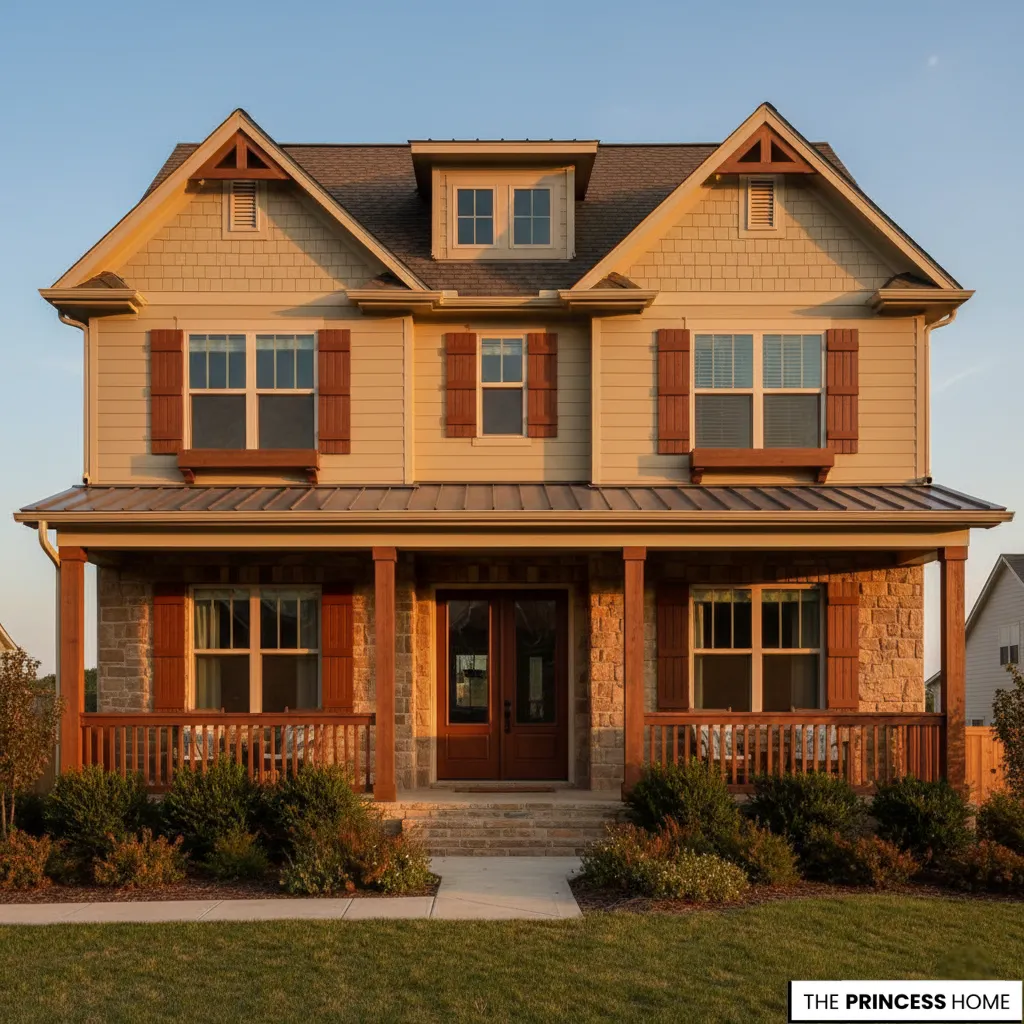
Test in Context: Paint large swaths (2×3 feet) on different sides of your home to see how colors look in morning, midday, and evening light.
Coordinate with Fixed Elements: Consider roof, stone, brick, and existing landscaping. Khaki and greige are adaptable, while bold greens or reds work best with complementary natural materials.
Finish Matters: Use satin or eggshell for siding to balance durability and subtle sheen. Semi-gloss on trim and doors adds contrast and is easier to clean.
Don’t Ignore the Neighborhood: If surrounding homes are neutral, a warm khaki or deep charcoal can stand out subtly without clashing. Avoid overly bright hues unless they’re confined to accents like doors.
Layer with Hardware and Lighting: Tie your palette together with matching metals—oil-rubbed bronze for warm tones, satin nickel for cooler blues or grays.
Conclusion
Exterior home painting in 2026 is about choosing colors that feel personal, grounded, and enduring. Whether you lean into warm khakis, rich chocolates, moody greens, or inky charcoals, the key is balance: pair bold choices with thoughtful accents, and always let your home’s architecture and environment guide the final decision. With these trends and expert insights, your home’s exterior can become a timeless expression of style and sanctuary.
Here are some frequently asked questions related to the article :
1. What exterior paint colors are trending in 2026?
Earthy greens, warm greiges, blue-gray tones, terracotta tones, and deep charcoals are among the top choices designers recommend.
2. Should I choose bold or neutral colors for resale?
Neutral tones combined with subtle accents (like dark doors) tend to appeal to buyers while still looking modern.
3. How do I test paint colors on my home?
Apply large swatches on all sides, and evaluate them in morning and afternoon light.
4. Can exterior paint affect home temperature?
Yes — lighter colors reflect more heat, while darker ones absorb it, which can influence energy use.
5. What finish should I choose?
Satin and semi-gloss are durable and easier to clean — great for exteriors.
6. How long does exterior paint last in 2026 standards?
With quality paint and prep, most exteriors last 5–10 years depending on climate.
7. Should trim colors stay classic or bold?
Classic trim (white, cream, warm gray) pairs well with most 2026 palettes, but bold trims can add personality when balanced properly.
The princess home on Pinterest