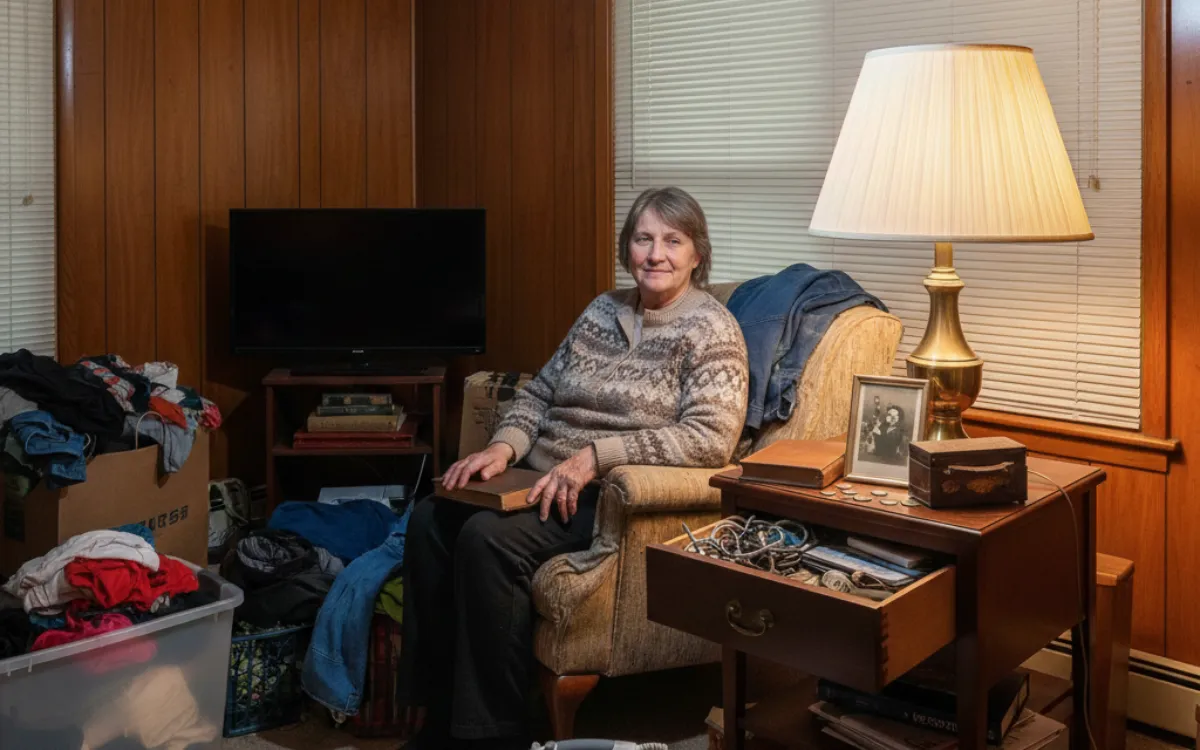
Letting go of possessions is rarely just about physical decluttering—it’s an emotional journey tied to memory, identity, and fear of loss. If you’ve ever stared at a box of old keepsakes and felt stuck, you’re not alone. The good news? Learning how to let go of possessions can be simple, empowering, and even freeing.
Designers and psychologists agree that the goal isn’t ruthless minimalism but creating a home that feels like you warm, intentional, and emotionally resonant . Here’s how to approach letting go with compassion, creativity, and a clear path forward.
Why Letting Go Feels So Hard
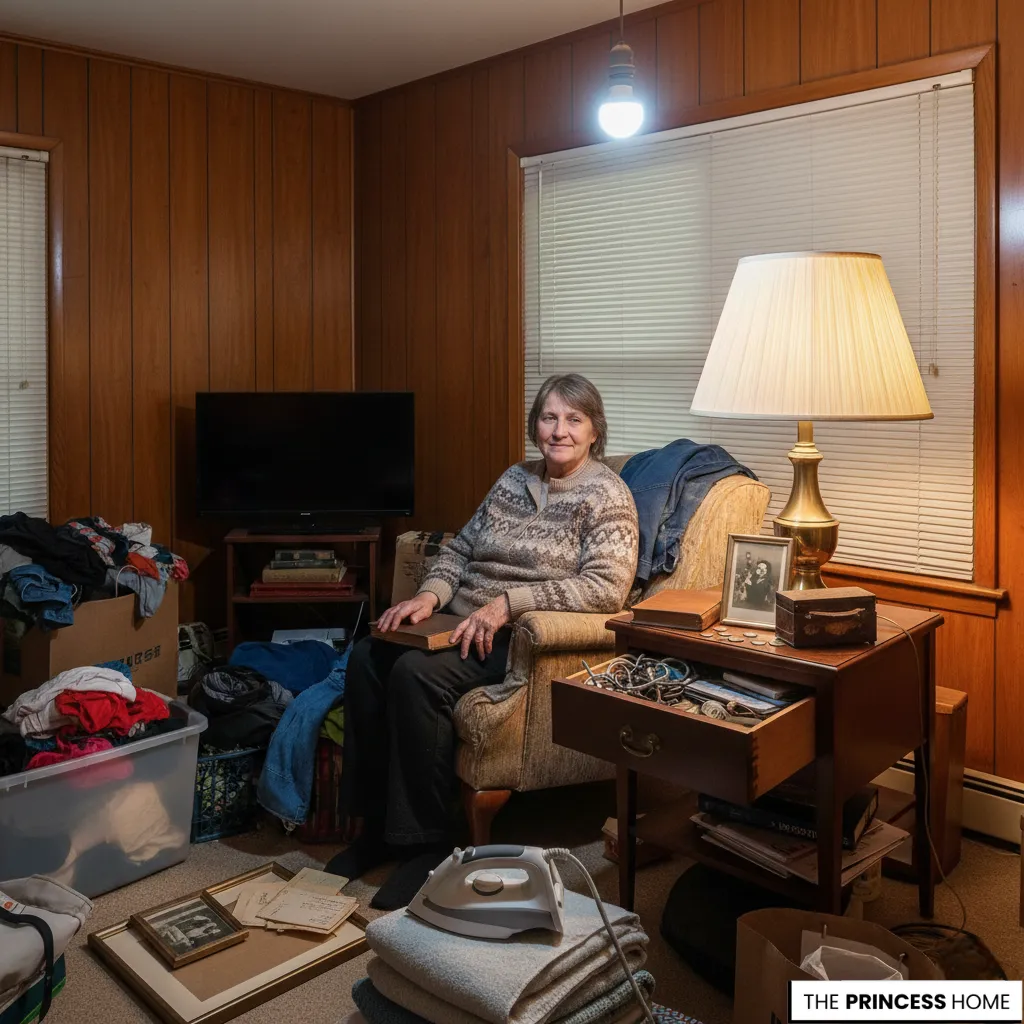
Letting go is hard because our brains attach meaning to objects, turning everyday items into emotional anchors tied to memories and relationships. A chipped mug or old concert ticket can trigger nostalgia, activating the same neural pathways linked to comfort and belonging.
We also hold onto things because they reinforce our identity who we once were, who we are now, or who we hope to become. Behavioral research shows the “endowment effect” makes us overvalue what we own, which is why parting with it feels like a real loss.
Add future-focused anxiety the classic “just in case” thinking and clutter quickly becomes emotional security. Recognizing these psychological triggers is the first powerful step toward decluttering with clarity, compassion, and confidence.
Emotional Decluttering Insights
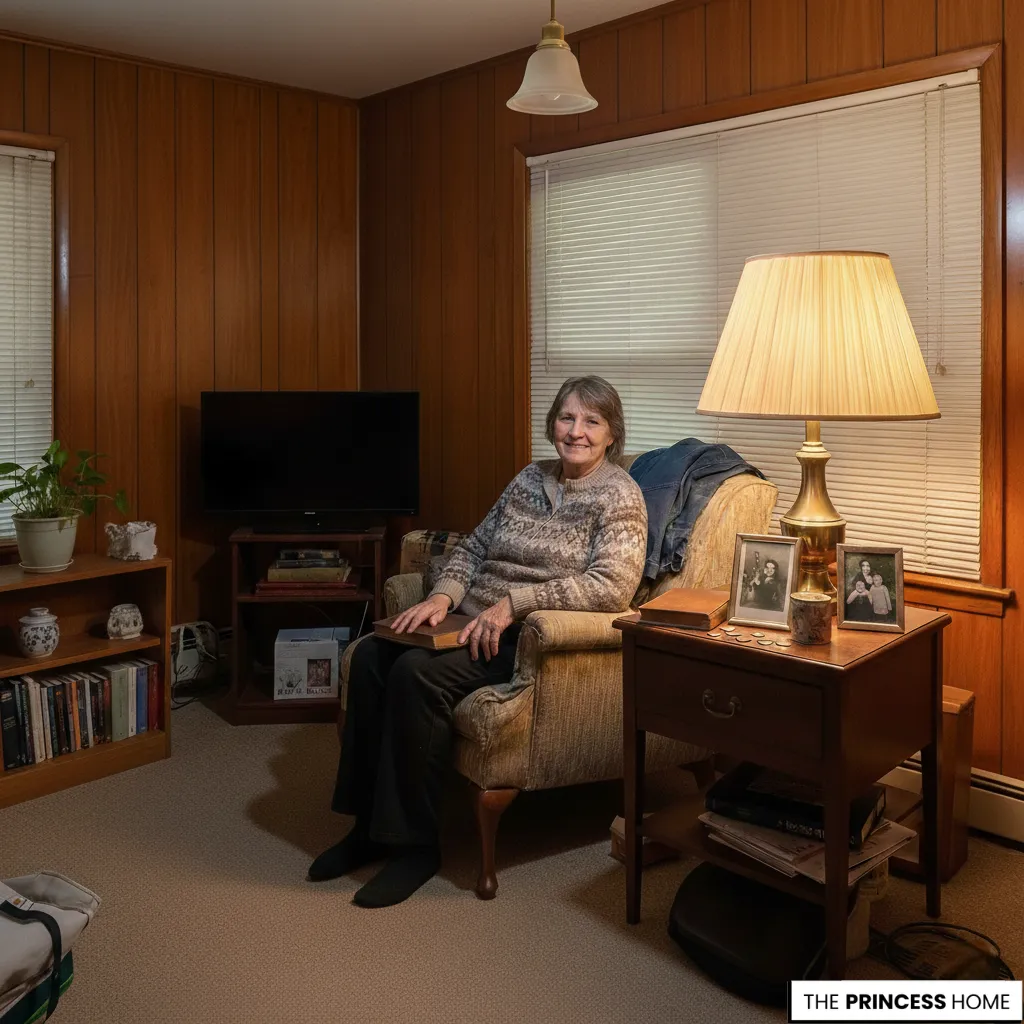
Top interior designers agree: emotional decluttering isn’t about stripping a space bare it’s about editing with intention. Many, including Jake Arnold and Beata Heuman, emphasize that a well-designed home reflects personality without being overcrowded, meaning every object should either serve a purpose or tell a meaningful story.
Instead of asking “Should I throw this away?”, designers suggest reframing the question to “Does this support how I want my home to feel?” a subtle shift that reduces guilt and increases clarity.
Creating Memory Zones
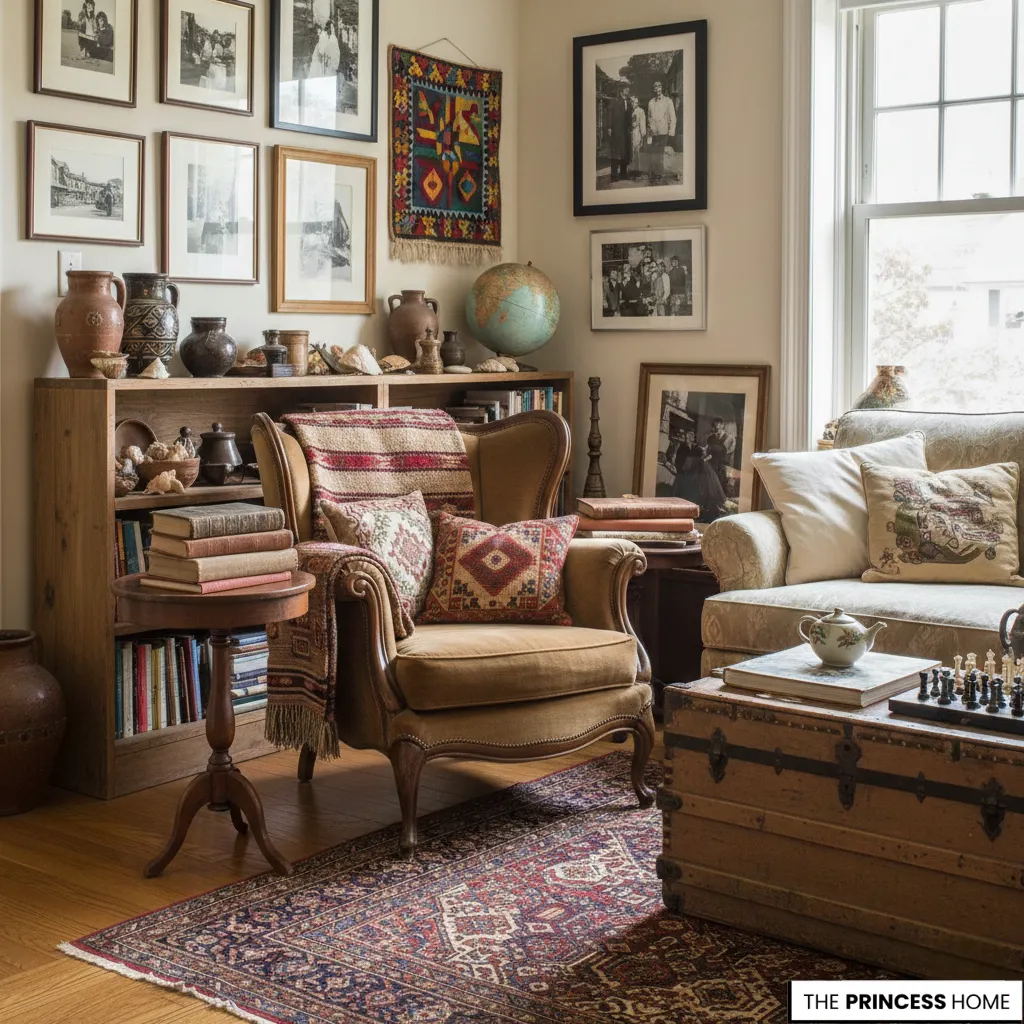
Another common professional strategy is creating “memory zones”: rather than scattering sentimental items throughout the house, curate them in one intentional space so they feel honored, not overwhelming. Designers also recommend rotating keepsakes seasonally, which preserves emotional value while preventing visual fatigue.
The result isn’t minimalism just for trends—it’s how to let go of possessions with emotional alignment. Your space supports calm, reflects your identity, and enhances daily function without carrying unnecessary emotional weight.
Collect Before Coordinate
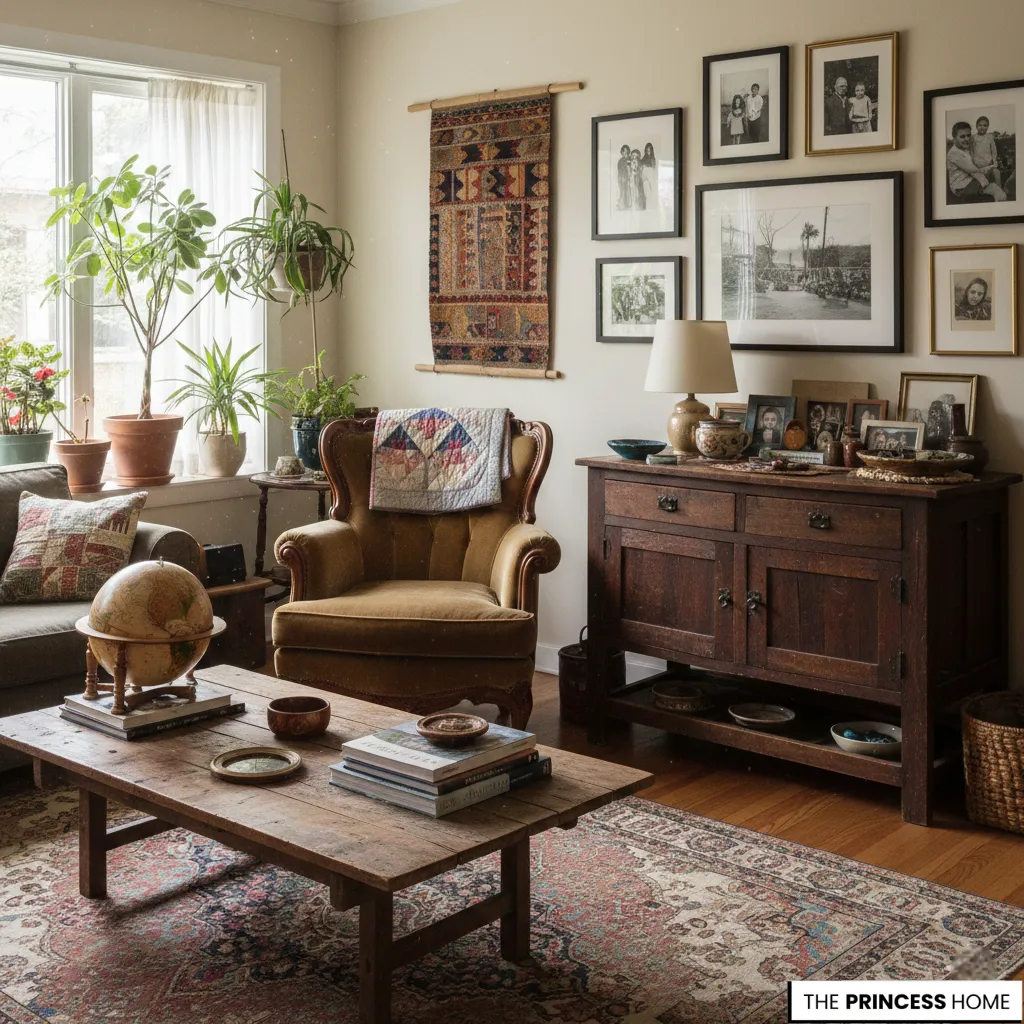
Start by collecting what you genuinely love before worrying about matching everything. The most memorable homes are layered with meaning, not built from a showroom set so let pieces with history, craftsmanship, or personal stories guide your design direction.
Keep items that spark joy, reflect your travels, or connect to family memories, even if they feel eclectic or unexpected. Let go of trend-driven purchases that don’t resonate with your lifestyle; design experts consistently note that authenticity creates more timeless interiors than strict style rules.
A vintage armchair with character and sentimental value will always outshine a perfectly coordinated but personality-free sideboard. When you curate first and coordinate second, your space becomes a reflection of you not a replica of a catalog.
Embrace Emotional Longevity
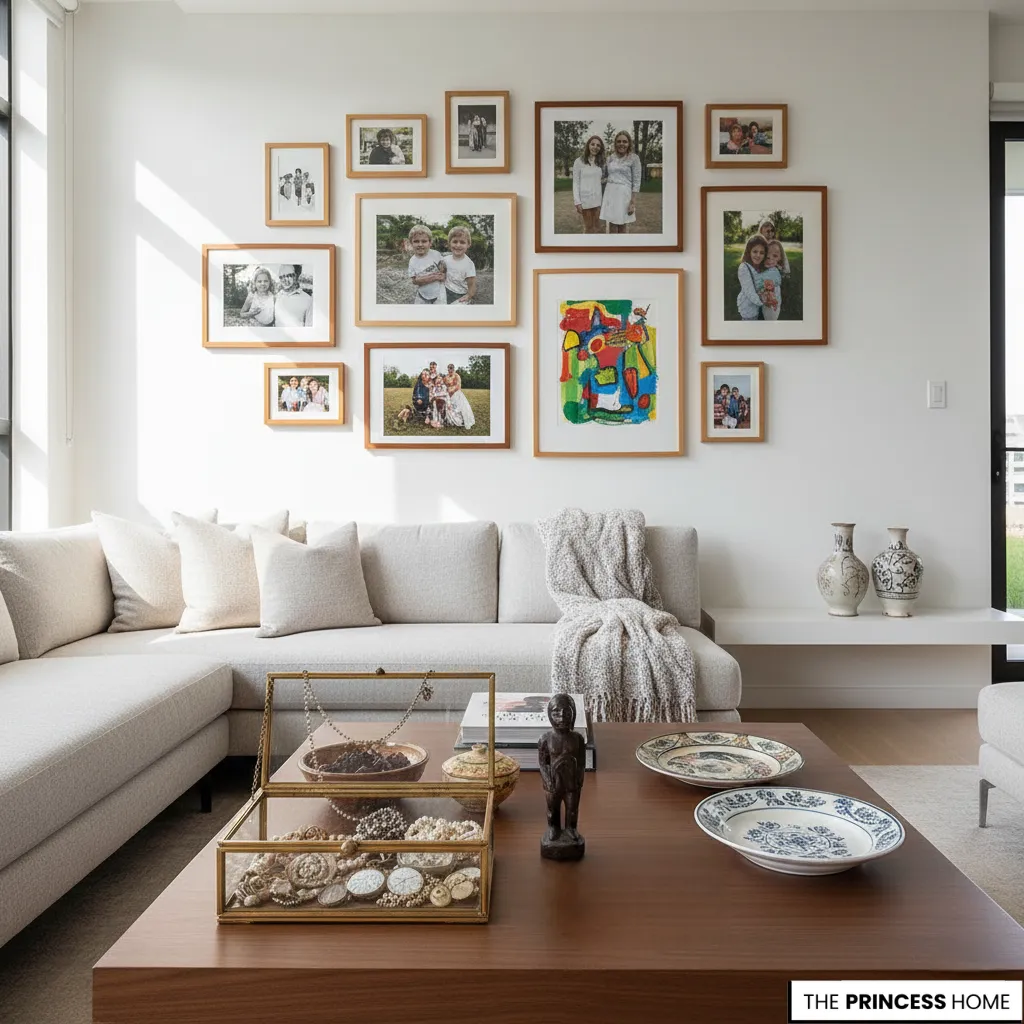
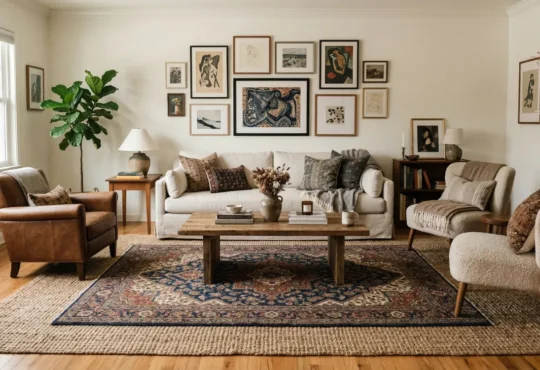
Design is go to shifting toward Emotional Longevity a movement highlighted in IKEA trend forecasting that encourages keeping and elevating meaningful objects instead of constantly replacing them. Rather than hiding heirlooms in drawers, turn them into intentional décor: frame a child’s artwork, style grandma’s jewelry in a glass box, or display travel keepsakes with pride.
Designers note that emotionally connected items create deeper satisfaction and reduce the urge for trend-driven shopping, making your home both more sustainable and more personal. These pieces aren’t clutter they’re narrative anchors that tell your story and add authentic character no mass-produced décor can replicate.
In fact, many interior reports show a strong shift away from generic typography prints and overused “live, laugh, love” word art. Swap impersonal wall slogans for a curated gallery of family photos or meaningful art, and you’ll create a space that feels layered, grounded, and uniquely yours.
Warmth Over Minimalism
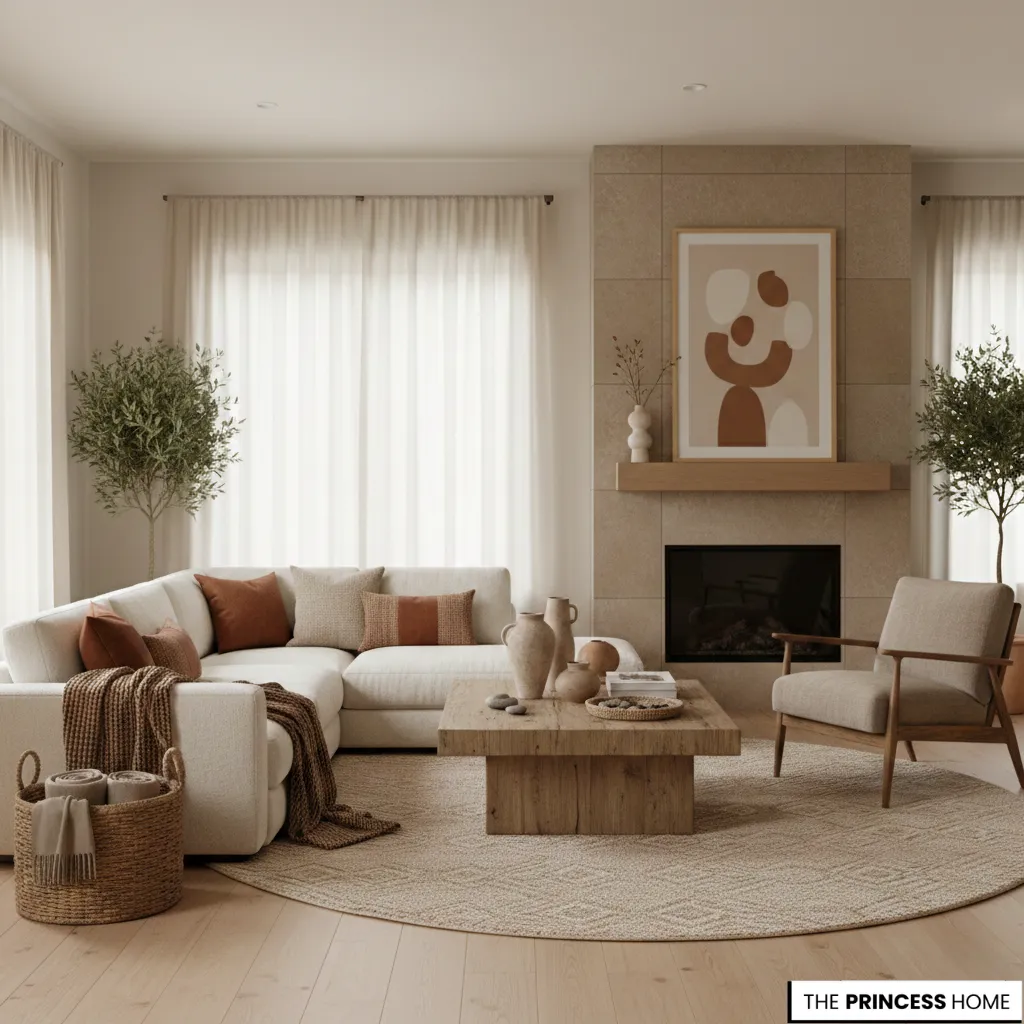
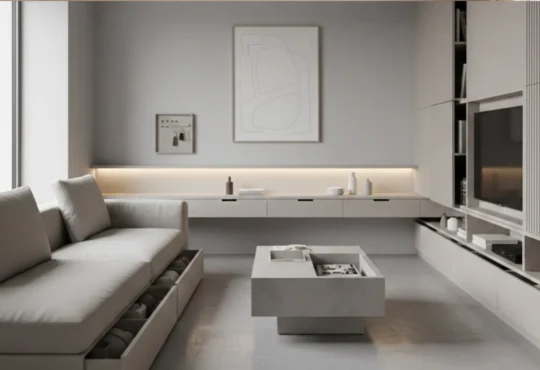
Cool gray interiors are fading fast, replaced by warm neutrals like cream, taupe, clay, and soft terracotta that feel grounded and inviting. Leading paint brands such as Sherwin‑Williams and Benjamin Moore have recently spotlighted earthy, mushroom-inspired tones in their trend forecasts signaling a clear shift away from stark, cold palettes.
When decluttering, notice how certain pieces make a room feel sterile or flat; those are often the easiest to release. Prioritize layered textures linen curtains, woven baskets, natural wood, boucle, or stone to create depth and emotional comfort.
Even small swaps, like replacing bright white décor with a mushroom-toned throw, can instantly soften a space. The goal isn’t abandoning minimalism it’s evolving it into something warmer, calmer, and more human-centered.
Letting Go Plan
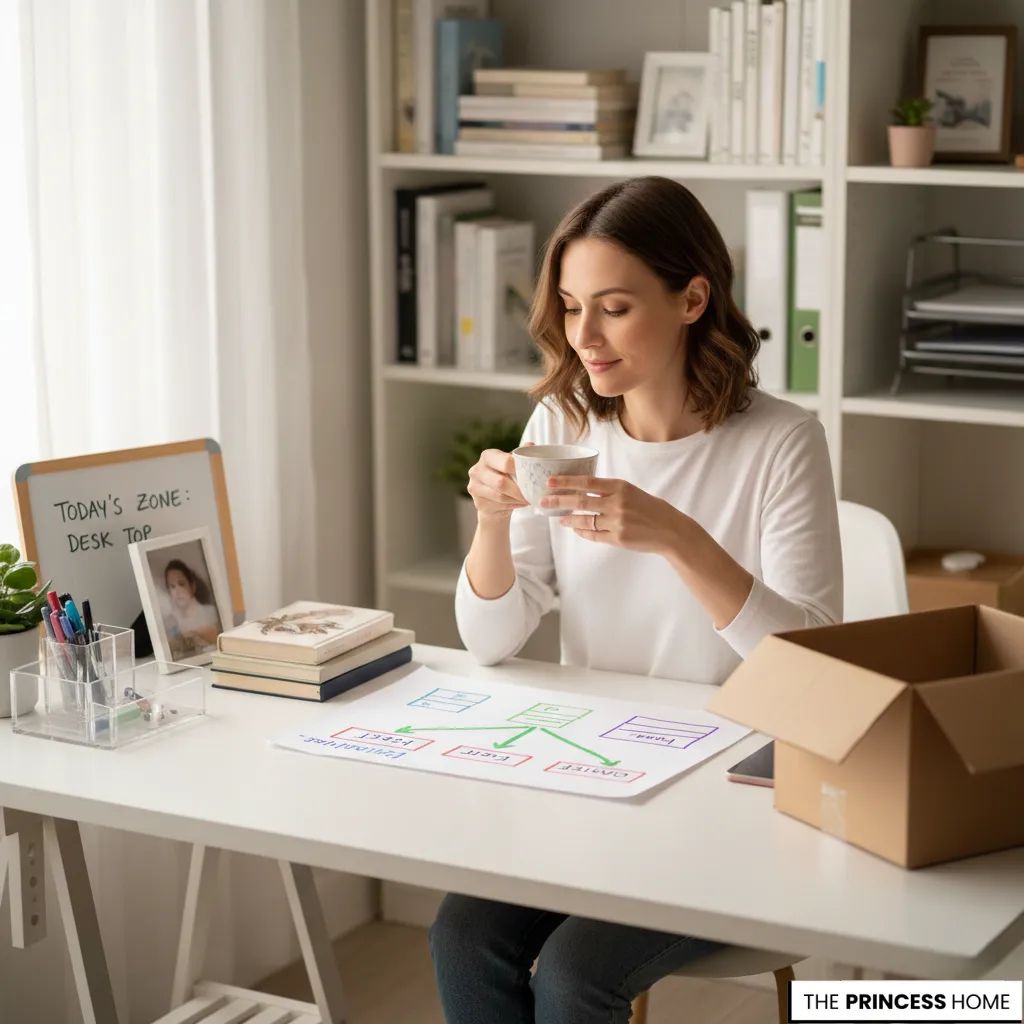
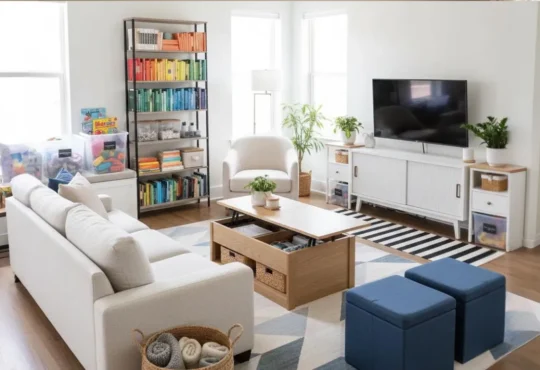
Letting go of clutter starts with clarity, not chaos so begin with a simple plan instead of tackling everything at once. Professional organizers recommend breaking the process into small zones and using decision tools like yes-or-no flowcharts to reduce mental overload and speed up choices.
Research shows that visual systems minimize decision fatigue, making it easier to separate real value from emotional guilt. Focus first on low-stakes categories to build momentum before approaching sentimental items.
As you sort, ask whether each object supports your current lifestyle, goals, and sense of well-being not who you were five years ago. When you declutter with intention and self-compassion, you create space that feels lighter, more functional, and genuinely aligned with your life today.
Begin With Basics
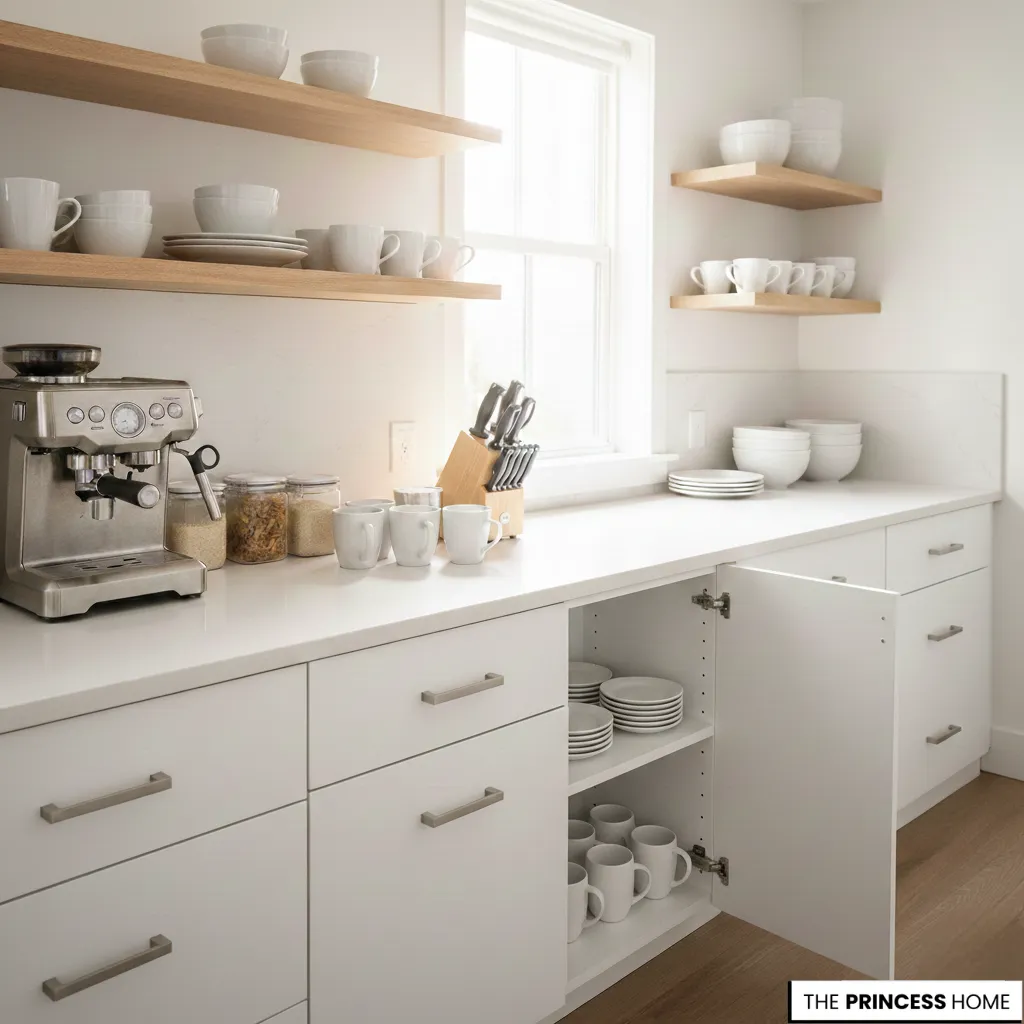
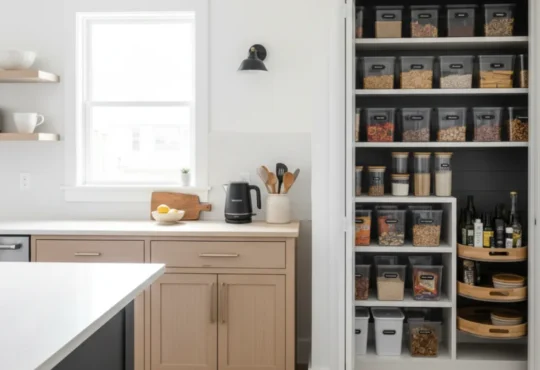
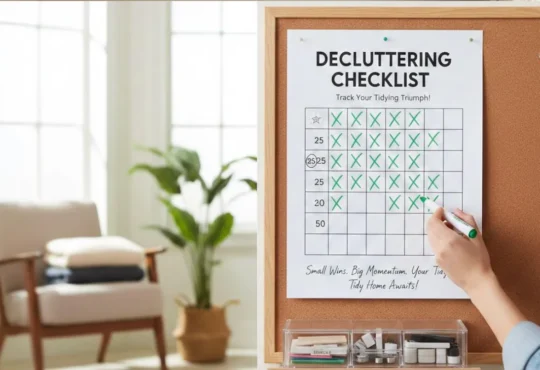
Begin your decluttering journey with low-stakes categories think duplicate kitchen utensils, mismatched mugs, or books you’ve never read twice. Tackling these easy wins first reduces decision fatigue and makes the process feel achievable rather than overwhelming.
Celebrate each small victory: a cleared drawer, a donated pile, or a neatly stacked shelf is proof your space and mindset are shifting. Experts note that these early successes build momentum, making it easier to move on to higher-stakes areas like sentimental items or large furniture.
Over time, this “small-step method” makes how to let go of possessions feel less like a chore and more like a satisfying habit. Even five minutes a day on tiny zones adds up, creating a visibly calmer, more intentional home.
Meaningful things
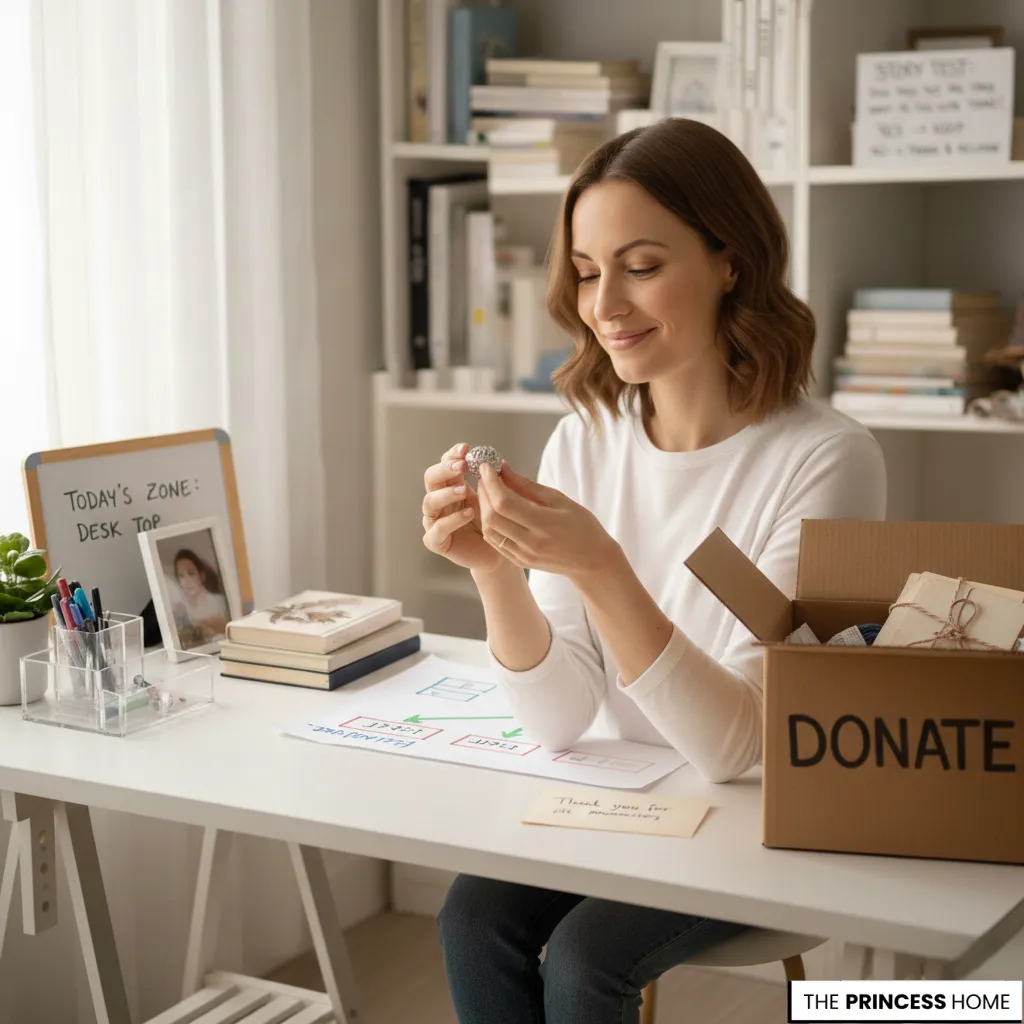
Next, apply the “Story Test” to each item: ask yourself, Does this tell a story I want to live with today? If the answer is yes, it stays because meaningful objects anchor your space with personality and memory. If the story feels outdated, stressful, or disconnected from your current life, thank the item for its role and let it go.
Designers and professional organizers highlight that this method reduces guilt-driven clutter and keeps only what truly resonates. It transforms decluttering from mindless sorting into an intentional, emotional process. Over time, your home becomes a curated narrative, reflecting who you are now rather than who you used to be.
Photograph your keepsakes
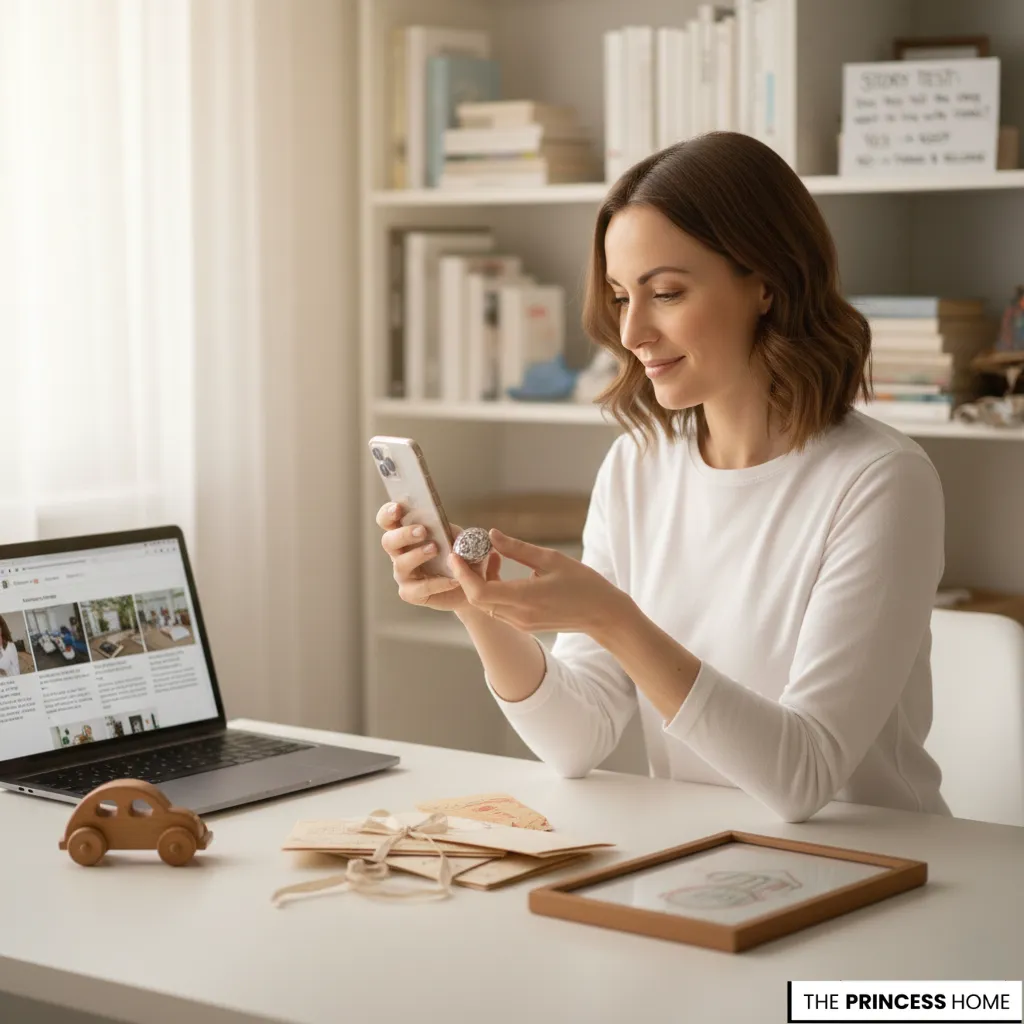
For items packed with sentiment but rarely used, capture the memory before letting them go. Photograph your keepsakes grandma’s jewelry, childhood toys, or old letters and create a digital album or a dedicated memory box. This preserves the story and emotional value without crowding your space.
Experts emphasize that this approach keeps nostalgia alive while freeing your home from unnecessary clutter. By shifting from physical possession to mindful documentation, you honor the past and embrace the present. Over time, your collection of memories becomes a curated, clutter-free archive that you can revisit anytime.
One-Year Rule
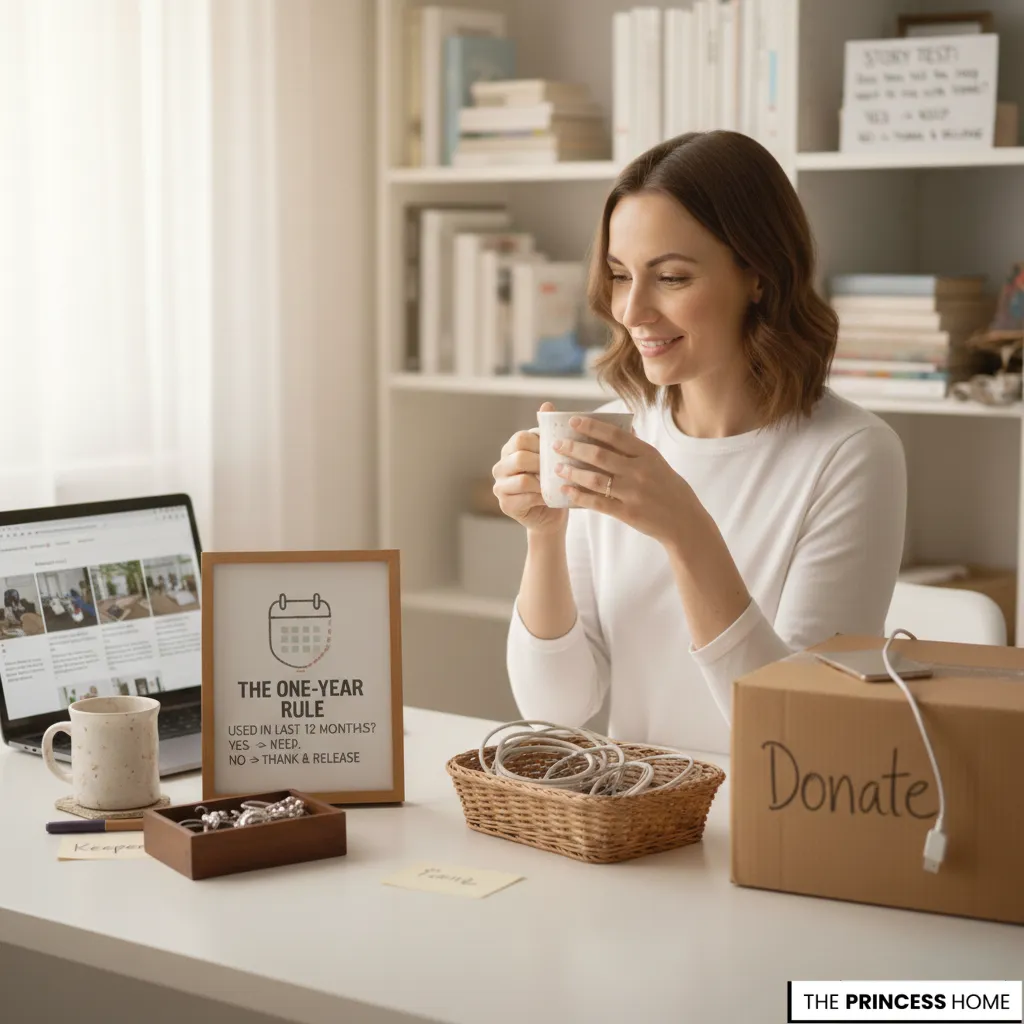
Use the “One-Year Rule” as a flexible decluttering guide: if you haven’t used an item in the past 12 months, it’s a strong candidate for release. Items that hold deep emotional or practical significance are exceptions this isn’t about strict rules, it’s about intentional choices.
Professional organizers note that most clutter accumulates because we overestimate future use; this rule helps ground decisions in reality. Approach it with kindness to yourself: letting go doesn’t erase memories or value, it simply makes space for what truly matters now.
Flexibility keeps the process sustainable, helping you learn how to let go of possessions without guilt. Over time, your home transforms into a space filled with purposeful, lived-in objects rather than dormant clutter.
Redefine Useful
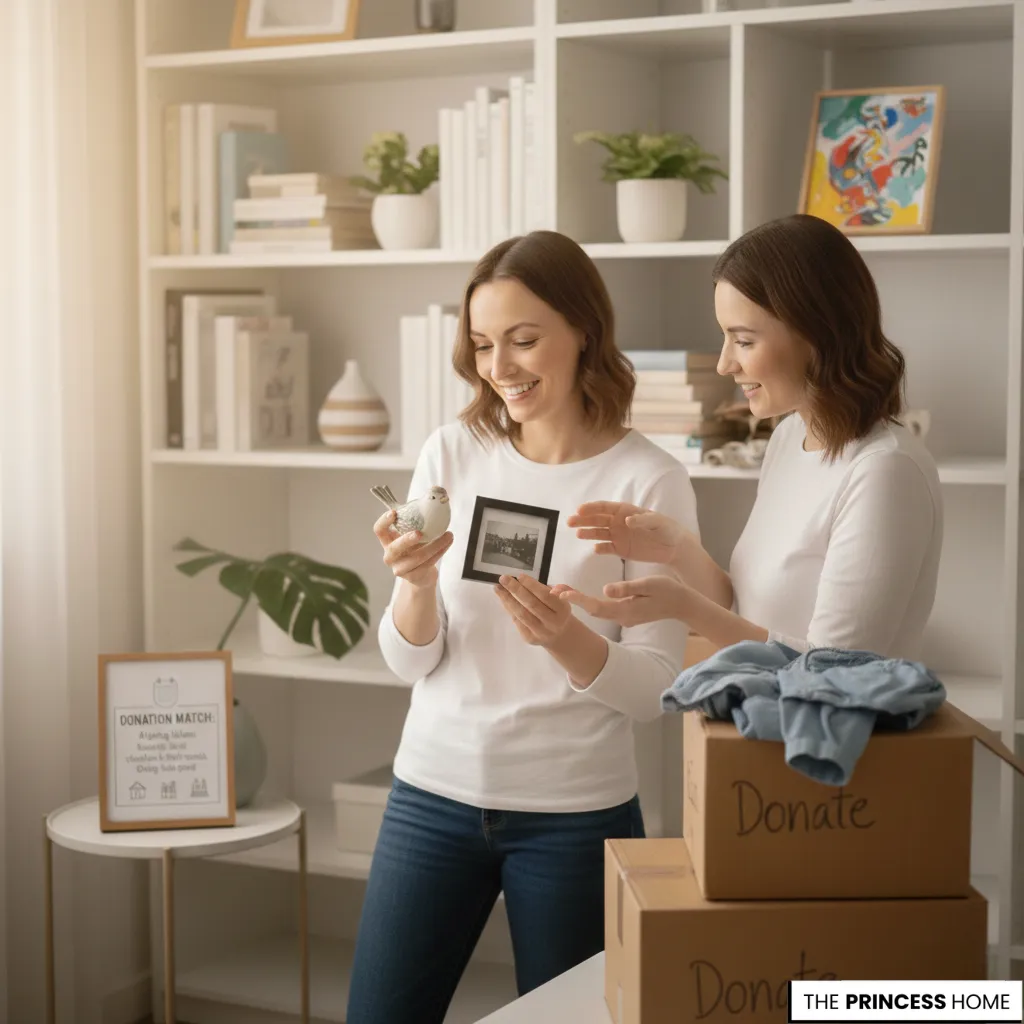
Rethink what “useful” really means in your home. Some items may rarely see action but spark joy, inspire creativity, or carry meaningful memories these are worth keeping. Others may be technically functional yet feel joyless, heavy, or uninspiring; these are prime candidates for release.
Experts highlight that clutter often persists because we confuse utility with emotional value. By redefining usefulness as both practical and joyful, you make space for items that truly enhance daily life. Over time, this approach transforms your home into a collection of purposeful, uplifting objects rather than a storage of obligation.
Donate with Purpose

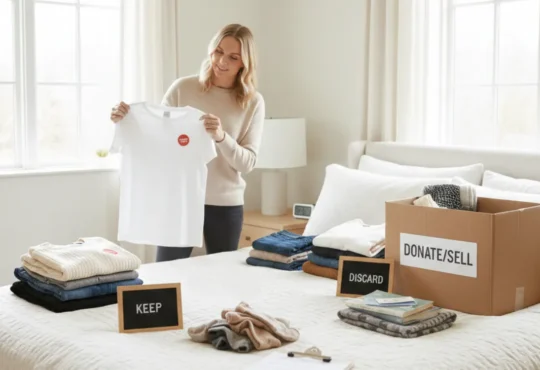
When parting with items, choose donation destinations that align with your values local shelters, schools, community centers, or organizations supporting causes you care about. Knowing that your belongings will benefit someone in need transforms the act from loss into meaningful contribution.
Designers and decluttering experts stress that this mindset eases emotional attachment, making it simpler to release items without guilt. Take a few minutes to research charities’ needs; targeted donations ensure your items have real impact.
Over time, this approach not only declutters your space but also fosters a sense of purpose and connection. Giving thoughtfully turns everyday tidying into a positive, heart-centered habit.
Honor Letting Creatively
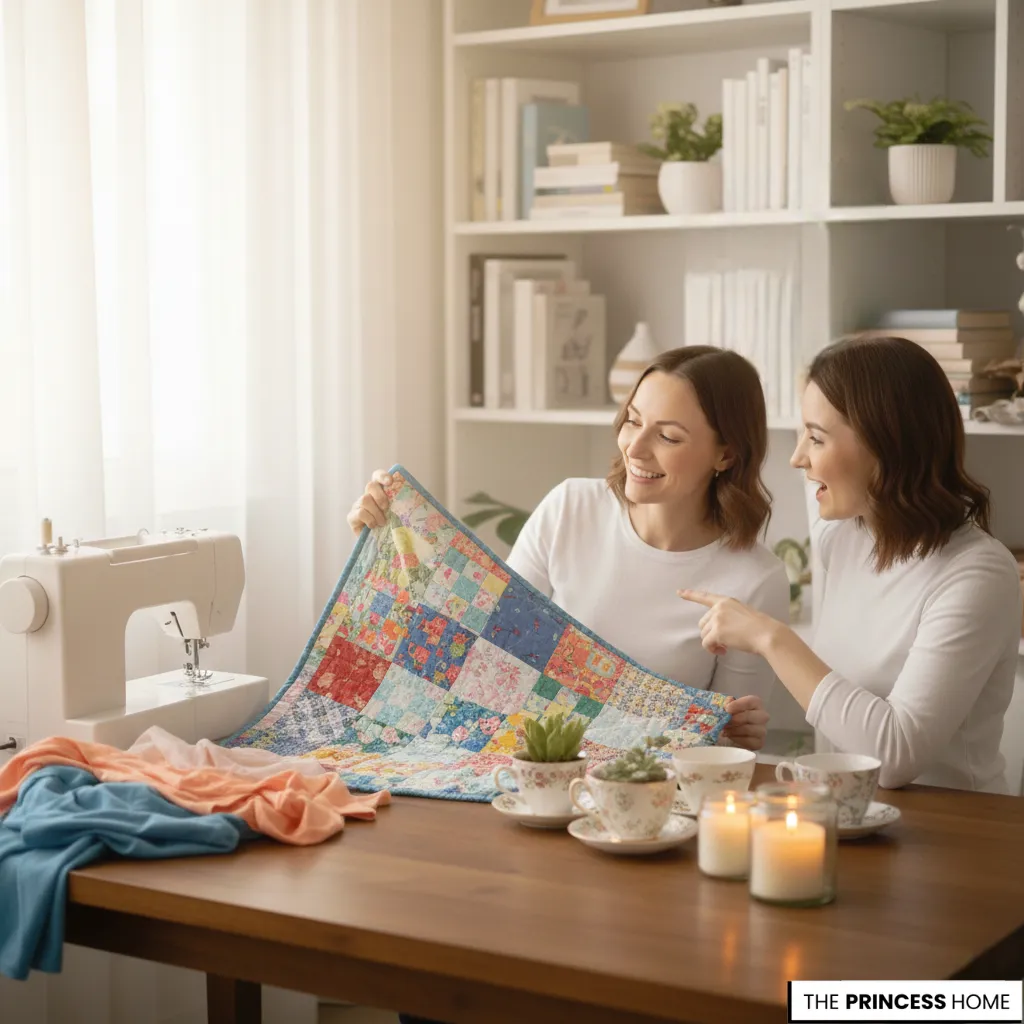
Letting go doesn’t have to mean forgetting there are creative ways to preserve memories while freeing space. Transform old clothes into a memory quilt, keeping warmth and nostalgia alive in a practical form. Use shadow boxes to display small keepsakes like ticket stubs, jewelry, or miniature souvenirs without adding clutter.
Upcycling gives items a second life turn teacups into planters or jars into candle holders, blending sustainability with sentiment. Another meaningful approach is storytelling sessions: share the history of cherished items with friends or family before parting with them.
Designers and professional organizers note that knowing how to let go of possessions honors emotional value, making decluttering a thoughtful, personal, and even celebratory process.
Designer Inspiration
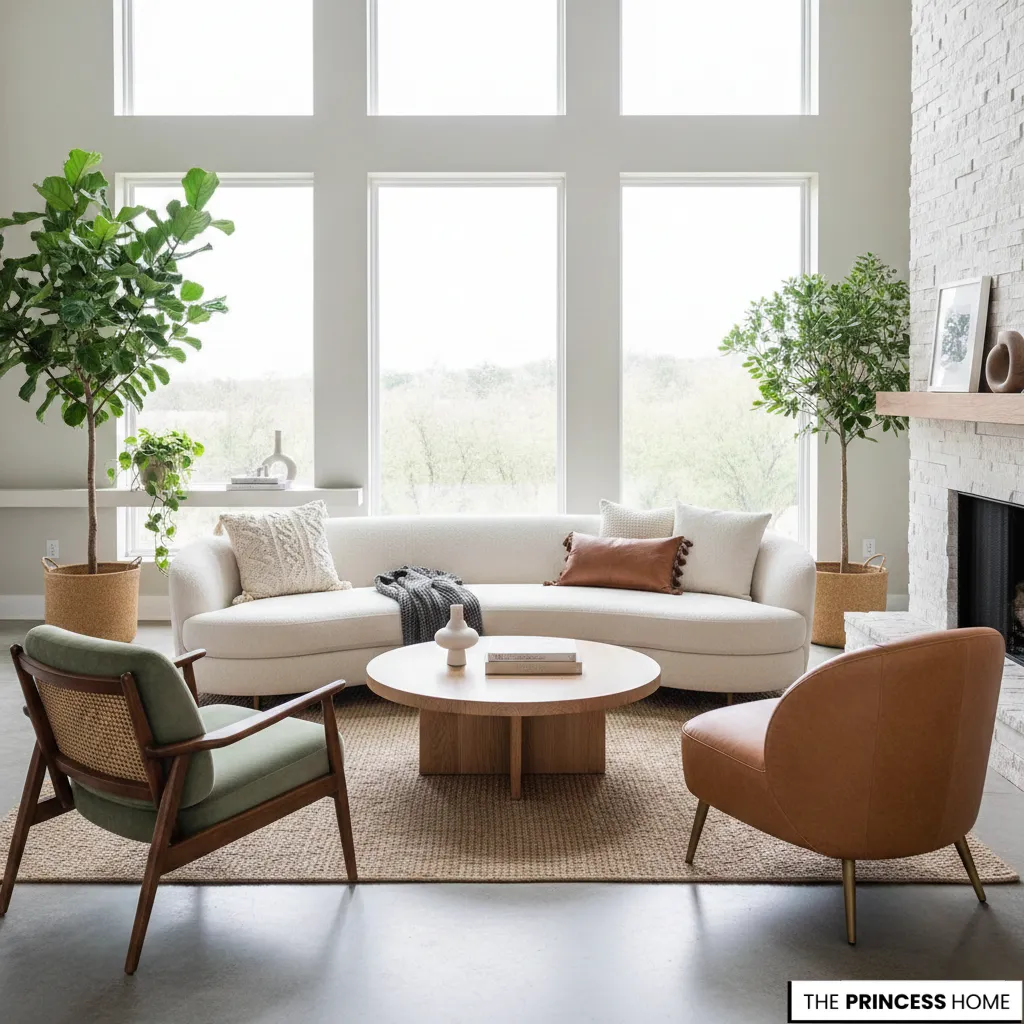
“A house is much more than a mere shelter—it should lift us emotionally and spiritually.” This reminder from leading interior experts emphasizes that your home’s purpose goes beyond walls and furniture—it should nurture your well-being. Design is about making people happy, either functionally, aesthetically, or emotionally.”
True design balances beauty with comfort and meaning, showing that every choice in your space can spark joy and connection. Keep these quotes in mind as guiding principles while decluttering: the goal isn’t perfection, but a home that feels alive, intentional, and reflective of who you are.
Letting Go Made Simple
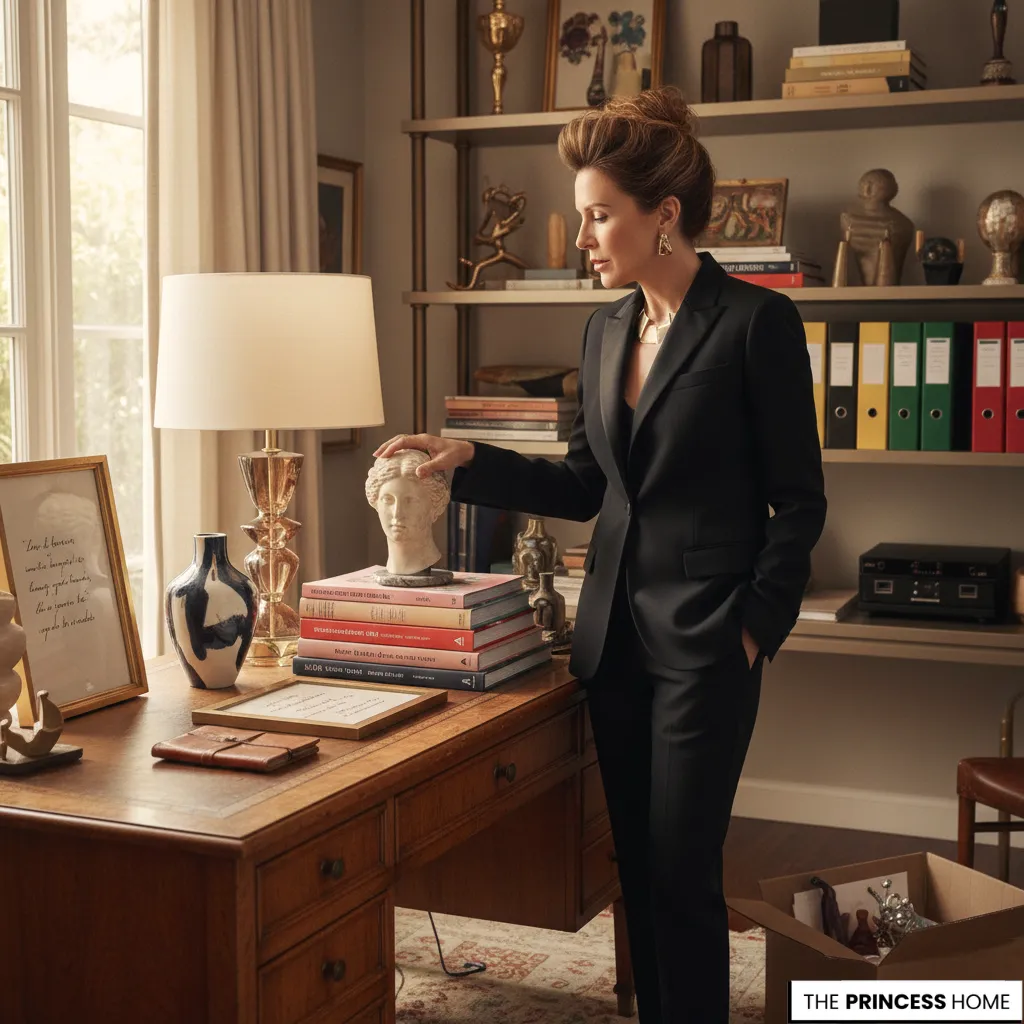
Letting go doesn’t have to feel overwhelming or dramatic it can be a calm, intentional reset. The key is shifting your mindset from loss to alignment: you’re not giving things up, you’re making space for what truly supports your life right now. When your home reflects your current values and routines, daily living feels lighter and more focused.
Many experts echo this idea. Marie Kondo teaches that we should keep only what adds meaning or joy, while Nate Berkus believes our homes should tell our story not store our past by default. Similarly, Joanna Gaines encourages intentional design choices that balance beauty with everyday function. Their shared philosophy? Clarity creates calm.
Step-by-Step Guide
Step 1: A Decision Flowchart Use a free decluttering flowchart to remove mental effort. Follow yes-or-no prompts until you arrive at an answer, separating choice from irrelevant emotions .
Step 2: Try the “90/90 Rule” Ask: Have I used this in the past 90 days? Will I use it in the next 90? This practical framework simplifies decisions.
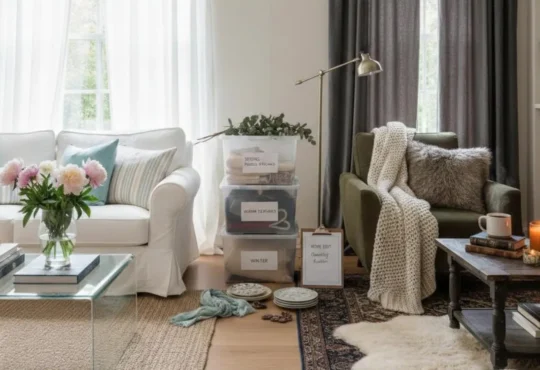
Step 3: House Hushing Temporarily remove almost everything from a room. Only reintroduce essentials. This helps you see your space and emotional attachments clearly.
Step 4: Take photos Take photos of sentimental items you don’t use. Create a digital album or memory box to honor them without physical clutter.
Step 5: The “Surgical Strike” Method Pull everything out of a category (e.g., all clothes). Be decisive. This isn’t about perfection it’s about breaking the cycle of paralysis.
Step 6: Donate with Purpose Research local charities that align with your values (e.g., shelters, schools). Knowing your items will help others eases the goodbye.
Designer Quotes to Inspire You
“Spaces should evoke emotion and tell a story.” Kelly Wearstler
“Having fun with glamour is the goal.” Jonathan Adler
“Design is about making people happy functionally, aesthetically, or emotionally.” Emily Henderson
These quotes remind us that great design isn’t about perfection. It’s about personality, joy, and purpose. Your home should feel like you.
Conclusion
Letting go of possessions isn’t about creating a sterile, magazine-perfect home. Learning how to let go of possessions is about intentionally shaping a space that supports who you are today and who you’re becoming.
The emotional weight attached to objects is real, but it doesn’t have to control you. When you understand why you hold on identity, grief, comfort, or control you can separate the memory from the item. You keep the meaning, not the clutter.
Here are some frequently asked questions related to the article :
1. Why does letting go of possessions feel so emotionally difficult?
It feels hard because the struggle is often deeper than the physical objects. The real work involves untangling emotions tied to your identity, sense of success, need for control, or unresolved grief. Once you name the underlying feeling, it begins to lose its power.
2. How can I let go of items with sentimental value without feeling guilty?
The process isn’t about erasing memories; it’s about choosing what you actively carry forward. Honor the memory by taking a high-quality photo of the item, writing down its story, or repurposing it into something new and functional, like a quilt or shadow box.
3. What if I regret getting rid of something later?
This fear is common, but often unfounded. A practical approach is the “90/90 Rule”: if you haven’t used the item in the past 90 days and don’t see yourself using it in the next 90, it’s a strong candidate for letting go. Downsizing is a strategic step toward more freedom, not a loss.
4. How can I make my home feel intentional without being sterile or minimalist?
Embrace the design trend of “lived-in luxury.” Focus on warm, neutral color palettes, natural materials like stone and linen, and personalized decor such as family photos and travel finds. The goal is a home that feels used, welcoming, and emotionally resonant, not staged.
5. What is a good starting point for decluttering when I feel overwhelmed?
Start small to build momentum. Use a decision-making flowchart to remove the mental burden of choice or try a “house hushing” exercise by clearing a room and only reintroducing essentials. This helps you see your space and attachments with clarity.
6. Are there any decor items I should get rid of as part of this process?
Designers are unanimously tired of faux plants and generic, tacky word art. Replacing these with real plants or more personal, meaningful items will instantly make your space feel more authentic and alive.
7. How do I maintain a clutter-free home long-term?
Shift your mindset from periodic “big declutters” to an ongoing “interiors therapy” practice. Be mindful of what you bring into your home and regularly assess if your possessions still spark joy or serve a purpose. This prevents emotional ties from becoming shackles and keeps your space aligned with your current life.
The princess home on Pinterest