Feeling buried under stuff isn’t a personal failure it’s a signal your home needs a reset. The secret isn’t a massive weekend purge; it’s a mindset shift paired with clever, designer-approved tactics that work even when motivation is low. We asked interior designers and professional organizers for their freshest, most humane approaches to cutting clutter without the burnout.
Clutter Overwhelm Reasons
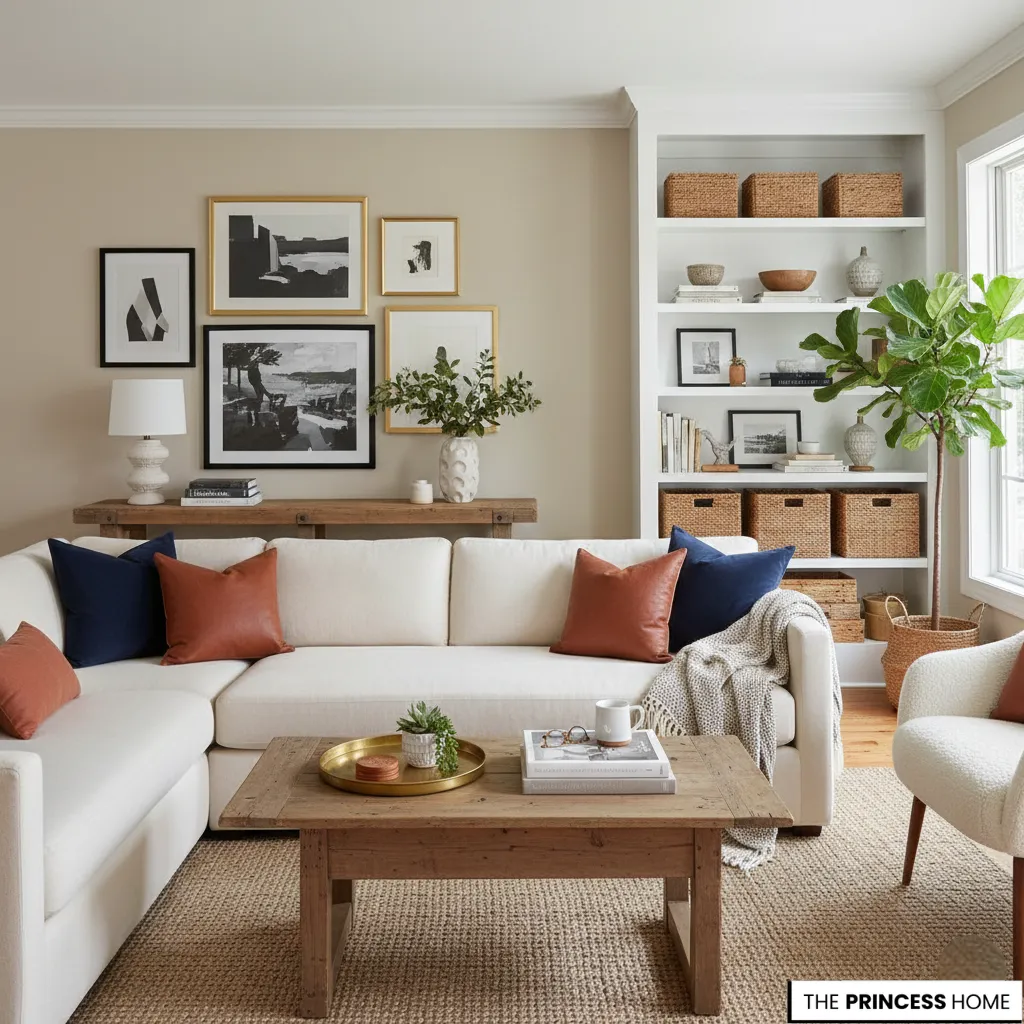
Clutter overwhelms the brain, increases stress hormones, and quietly drains your ability to focus, which is why messy spaces can feel emotionally exhausting. But minimalism isn’t the only solution today’s designers are embracing purposeful clutter, where every item earns its place and supports daily life.
As Kate Conrad, interiors expert and founder of Madison and Mayfair, explains, there’s a fine line between lived-in and messy: surfaces should breathe, walkways should stay clear, and storage should work effortlessly.
Instead of stripping rooms bare, design experts recommend zoning your space, styling in small curated groupings, and keeping frequently used items accessible yet organized. This balanced approach blends personality with order, helping you create a home that feels warm, intentional, and easy to maintain.
The 15-Minute Reset
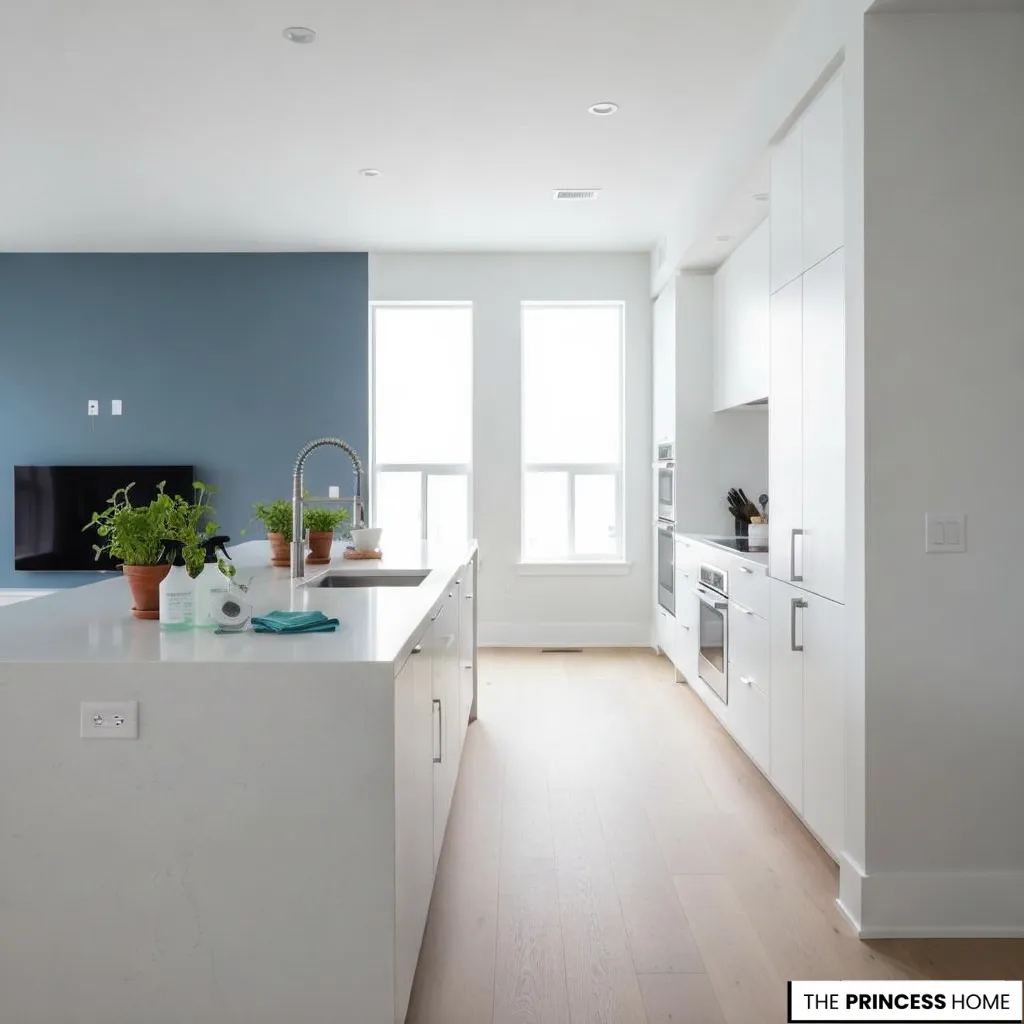
Start with a simple 15-minute surface sweep before buying bins or reorganizing closets. As the designers at Spaces in Bloom Designs explain, clearing surfaces and removing items that don’t belong can eliminate up to 80% of the “cluttered feeling” almost instantly.
Focus on high-traffic areas first entry tables that collect keys and bags, kitchen counters crowded with daily essentials, and nightstands stacked with random extras. Set a timer, remove anything that belongs in another room, and wipe the surface clean to create immediate visual calm.
This quick decluttering method improves focus, reduces stress, and builds momentum without overwhelm. You don’t need perfection just enough open space to breathe, think clearly, and reset your home with intention.
Designer-Led Strategies
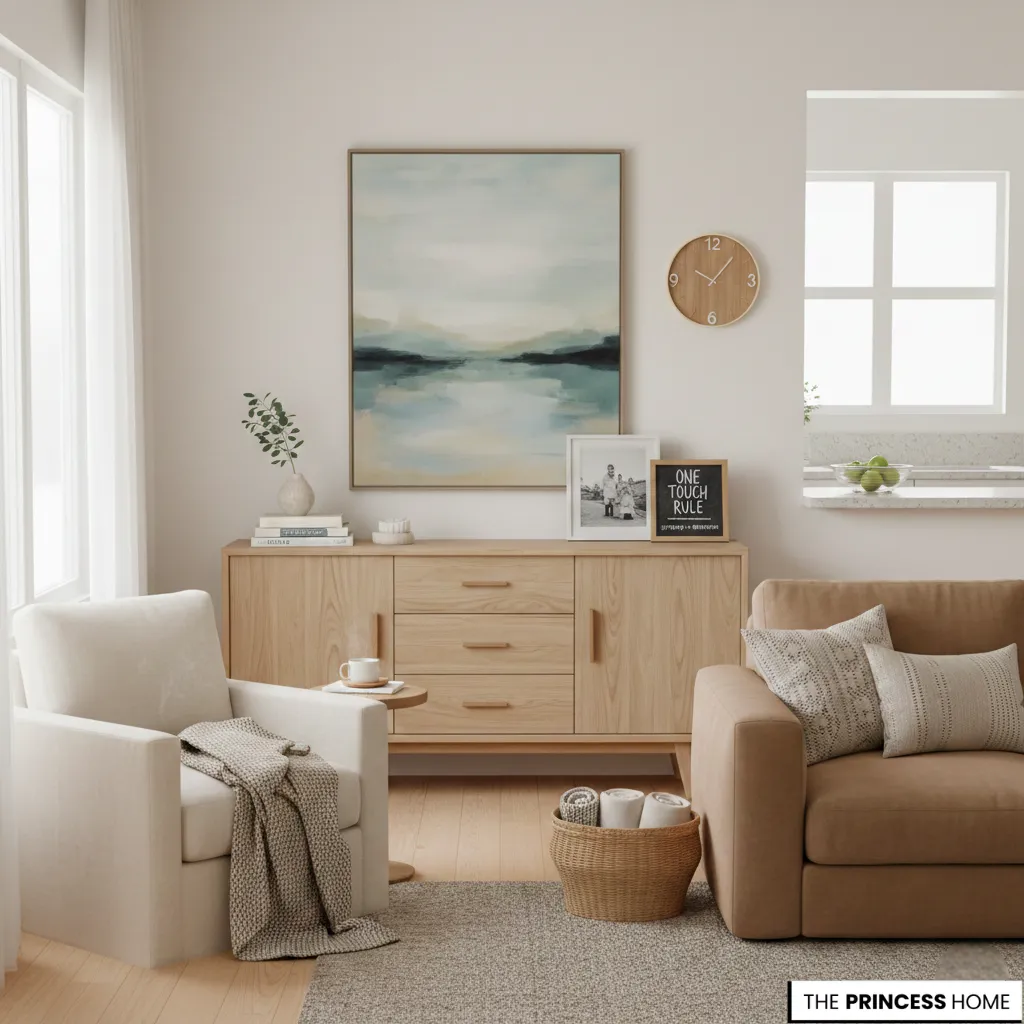
When clutter feels paralyzing, interior designers say the answer isn’t perfection it’s strategy. Nate Berkus advises editing with intention, asking whether each item tells your story or simply takes up space, while Marie Kondo encourages keeping only what supports your current season of life.
Designer Joanna Gaines recommends starting with high-visibility zones like kitchen counters to create instant visual calm that builds momentum. According to Bobby Berk, breaking decluttering into 20-minute, room-by-room sprints reduces overwhelm and increases follow-through.
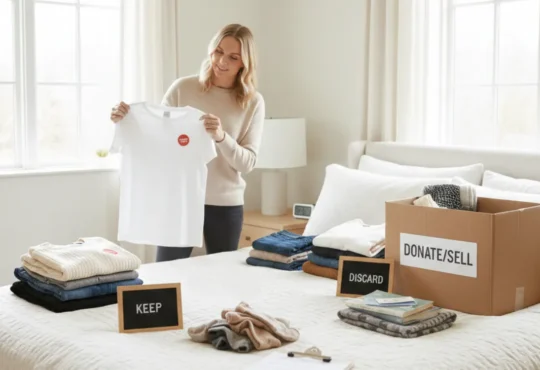
Many professionals also use the “one-touch rule” handle an item once and decide immediately whether to keep, donate, or discard—to prevent decision fatigue. The most effective designer-led strategy is simple: create small, repeatable systems that fit your lifestyle, so your home supports you instead of stressing you out.
1. One-Box Exit Method
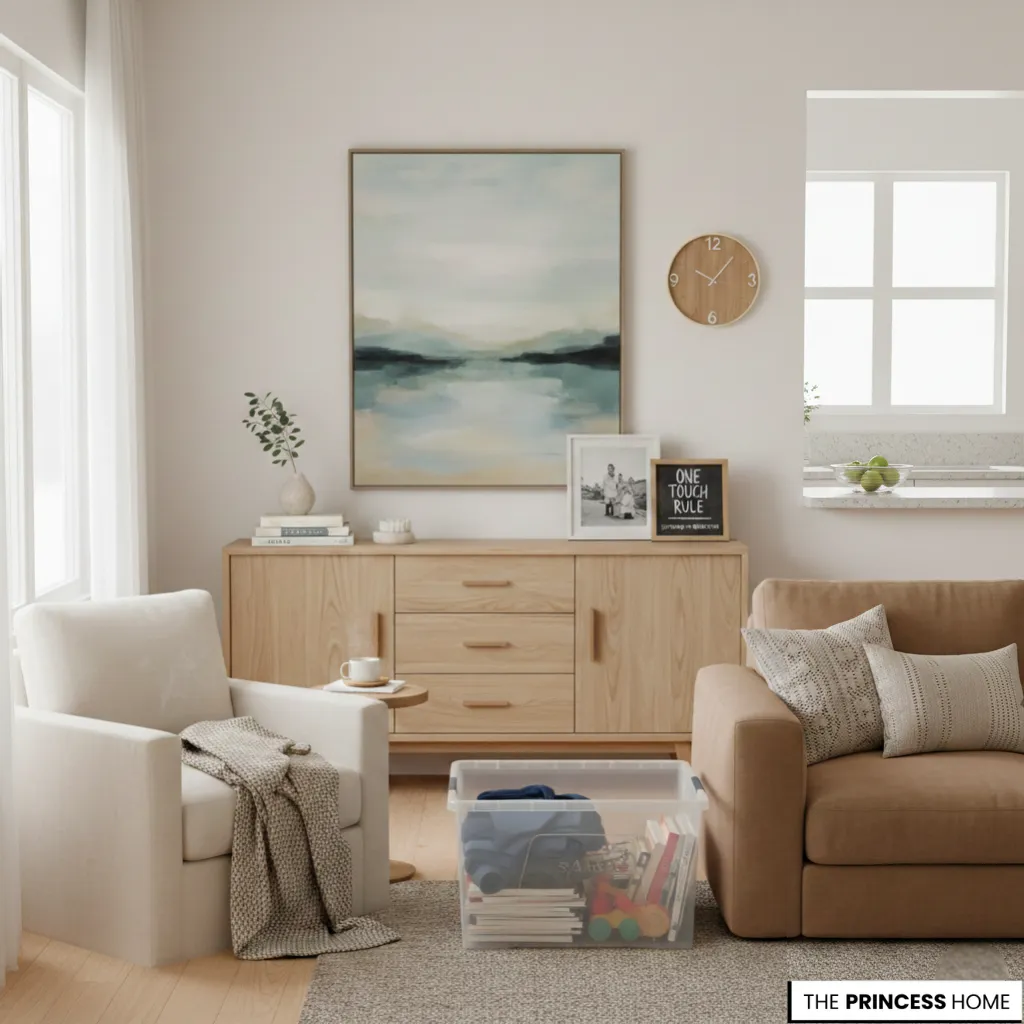
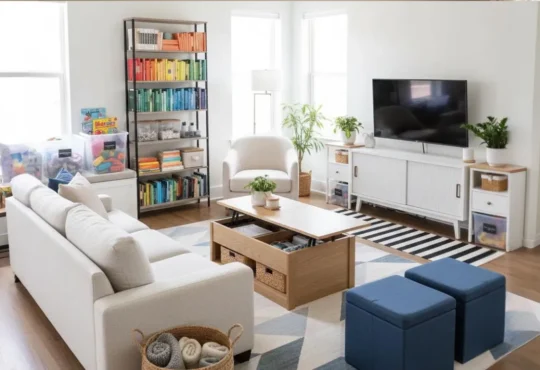
The One-Box Exit Method is a simple decluttering strategy that prevents mess from spreading while you organize. Keep one sturdy, “donatable” box nearby many organizers like the transparent IKEA SAMLA box because it’s durable and easy to carry and drop in any out-of-place or no-longer-needed items as you move through a room.
Instead of creating multiple messy piles, everything goes into one contained space, which instantly reduces visual chaos. If you need to pause mid-task, your progress stays neat and manageable. When the box is full, take it directly to a donation center without re-sorting. This method keeps decluttering practical, efficient, and stress-free no perfection required, just steady momentum.
2. Five-Five Rule
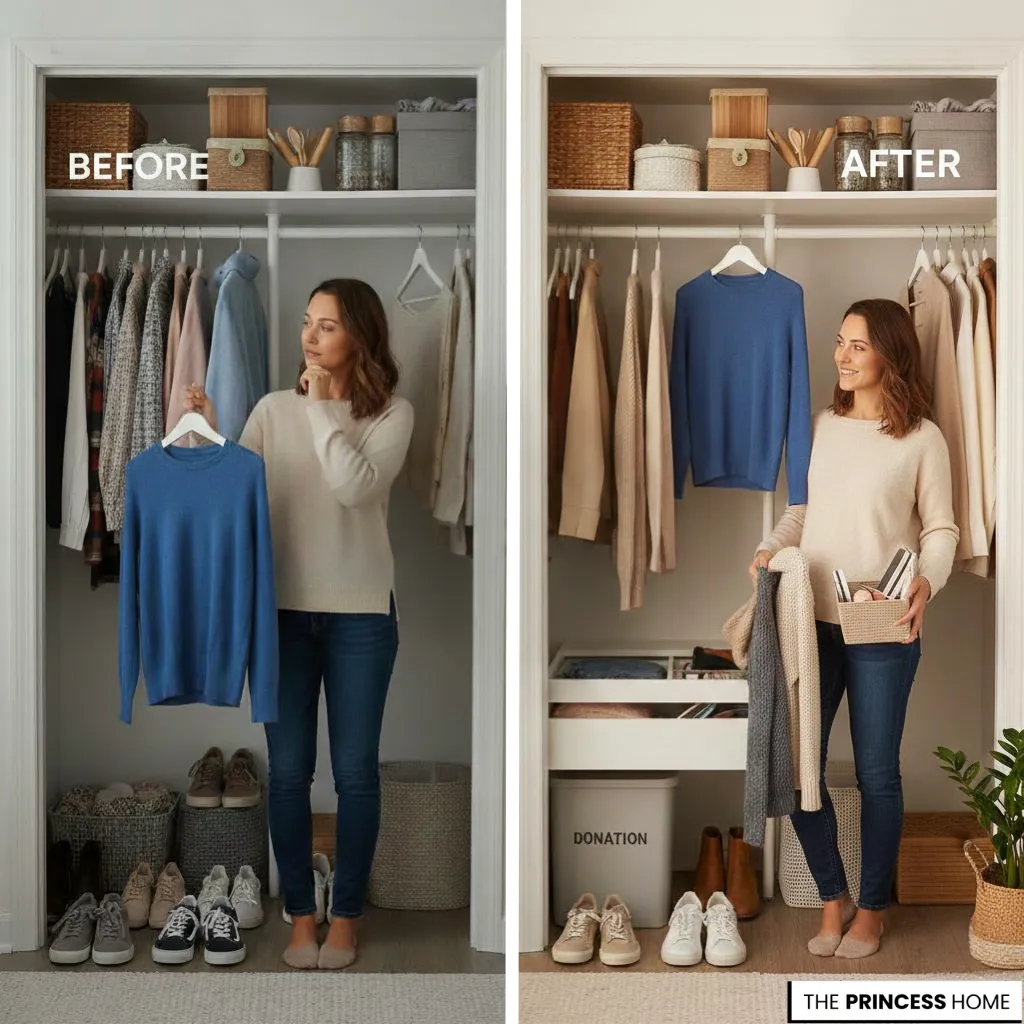
The Five-Five Declutter Rule is a practical way to prevent clutter from quietly building up over time. Before bringing anything new into your home whether it’s clothing, kitchen tools, or décor remove five similar items. This simple ratio keeps closet creep under control and helps collections stay intentional rather than excessive.
It also encourages mindful buying, because every new purchase requires a small edit first. Over time, this habit creates balanced storage, easier organization, and less visual overwhelm. Small, consistent decisions like this make maintaining a calm, functional home far easier than occasional massive clean-outs.
3. Intentional Room Layering
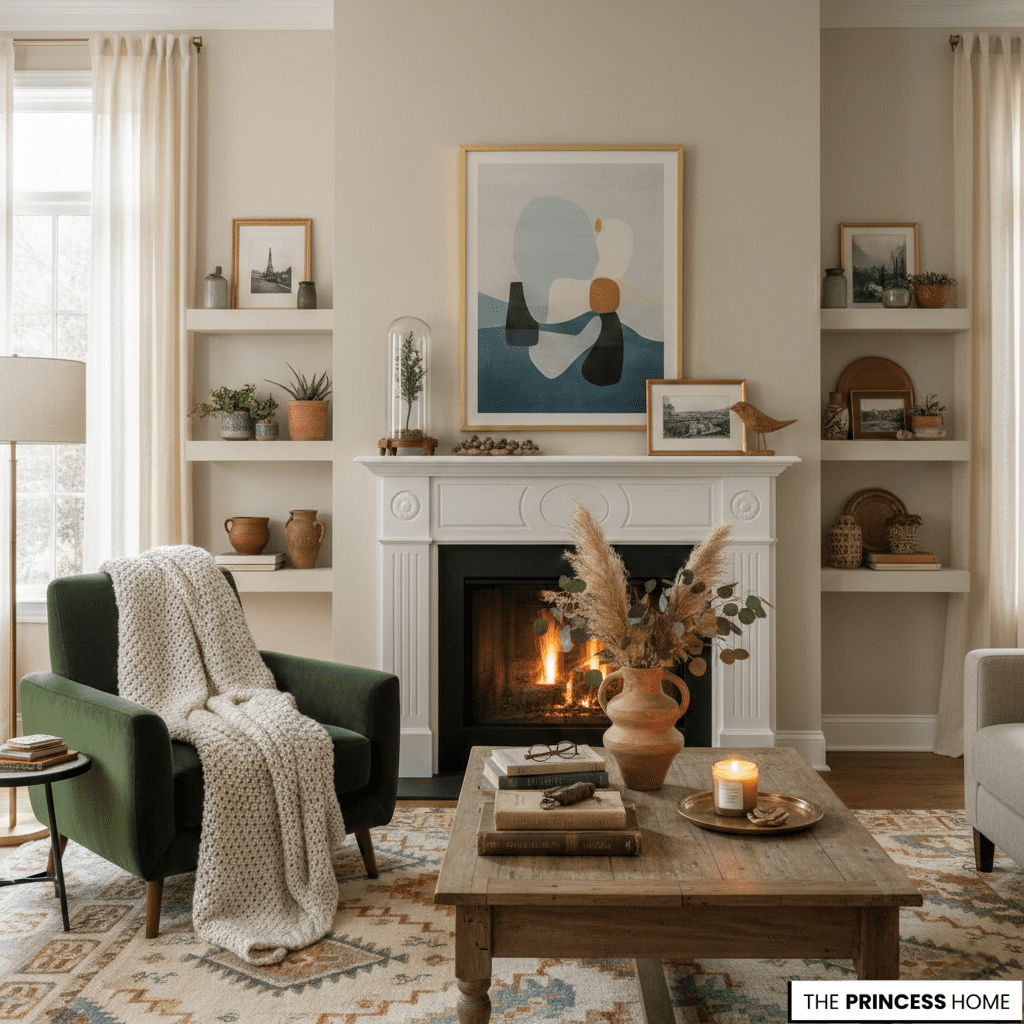
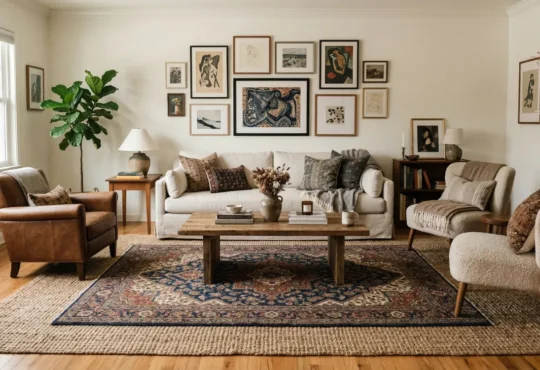
Layer with intention to transform a room from flat or chaotic into warm, dimensional, and lived-in. As design experts note, the goal isn’t to pile on décor but to choose purposeful layers a textured throw, a meaningful art print, or a sculptural vase that each earn their spot.
This method blends personality with order, giving rooms character while avoiding visual overload. Start with surfaces that naturally draw the eye, like coffee tables, shelves, and mantels, and curate small, complementary groupings.
By prioritizing intention over quantity, every addition enhances comfort, style, and usability. Purposeful layering turns a home into a space that feels both curated and authentically yours.
4. The Drawer Dump
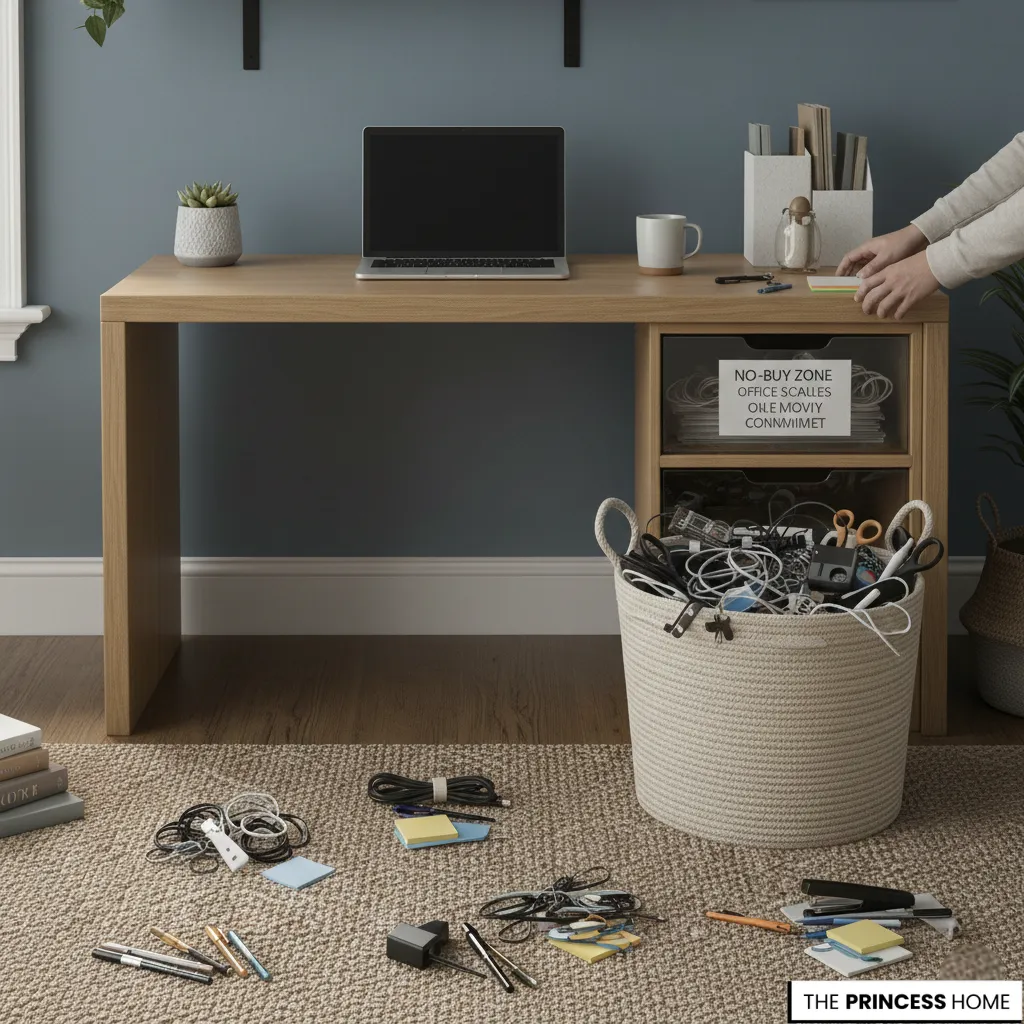
The Drawer Dump is a fast and satisfying way to reclaim control over cluttered drawers. Simply empty the contents into a laundry basket and sort items into three categories: keep, relocate, or donate. Seeing everything at once makes decision-making easier and prevents “out of sight, out of mind” piles.
This method works for junk drawers, office supplies, or kitchen utensils and restores order quickly. It also helps you identify items you no longer need, making future clutter less likely. With just one drawer at a time, you can make meaningful progress without feeling overwhelmed.
5. No-Buy Zones
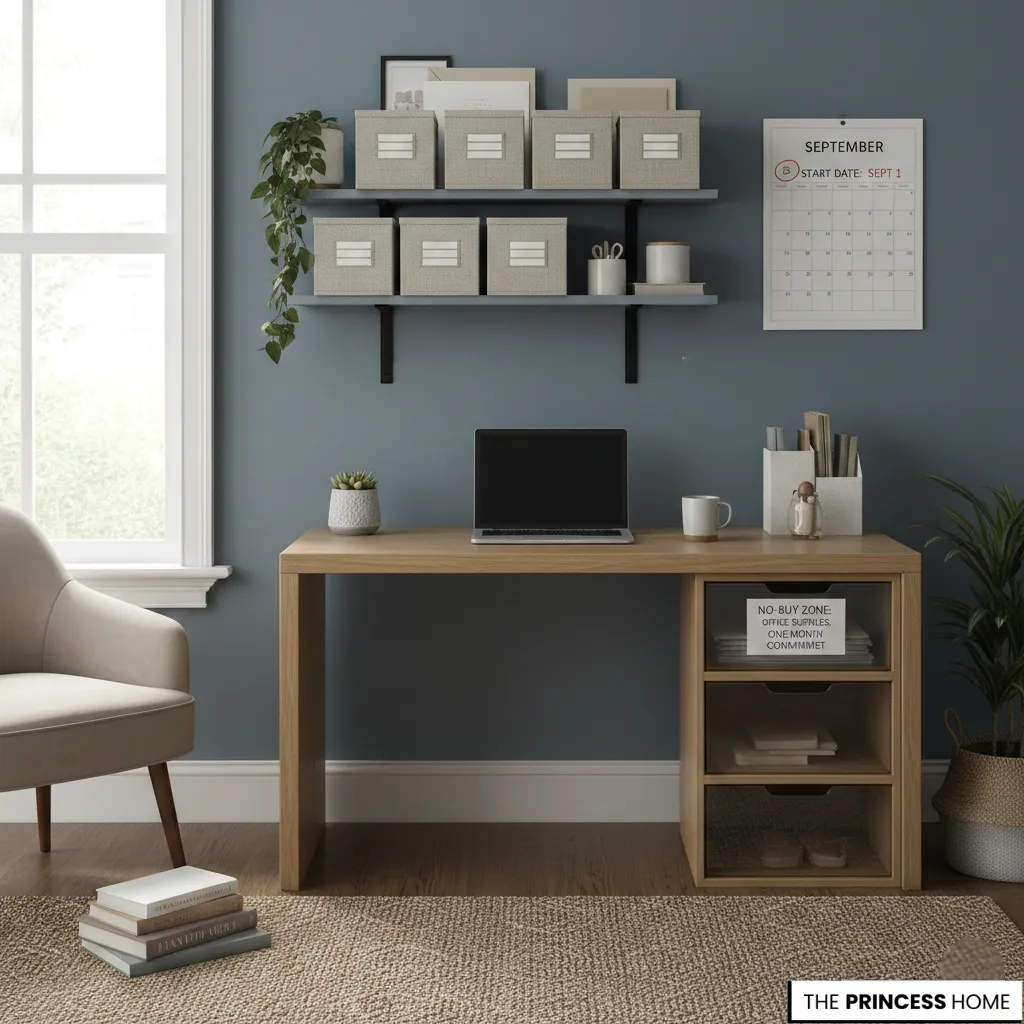
No-Buy Zones are intentional pauses that help prevent rebound clutter and reset your home’s energy. Designers often recommend starting small choose one category, like kitchen gadgets, home décor, or office supplies, and commit to a one-month no-buy.
This period allows you to observe what you truly use and enjoy versus what you accumulate out of habit. It also encourages creativity with what you already own, highlighting underused items that can be repurposed.
Over time, these small no-buy experiments create lasting mindfulness around purchases and reduce unnecessary clutter. By setting boundaries, your home stays calmer, more functional, and easier to maintain.
6. Seasonal Sentiment Curation
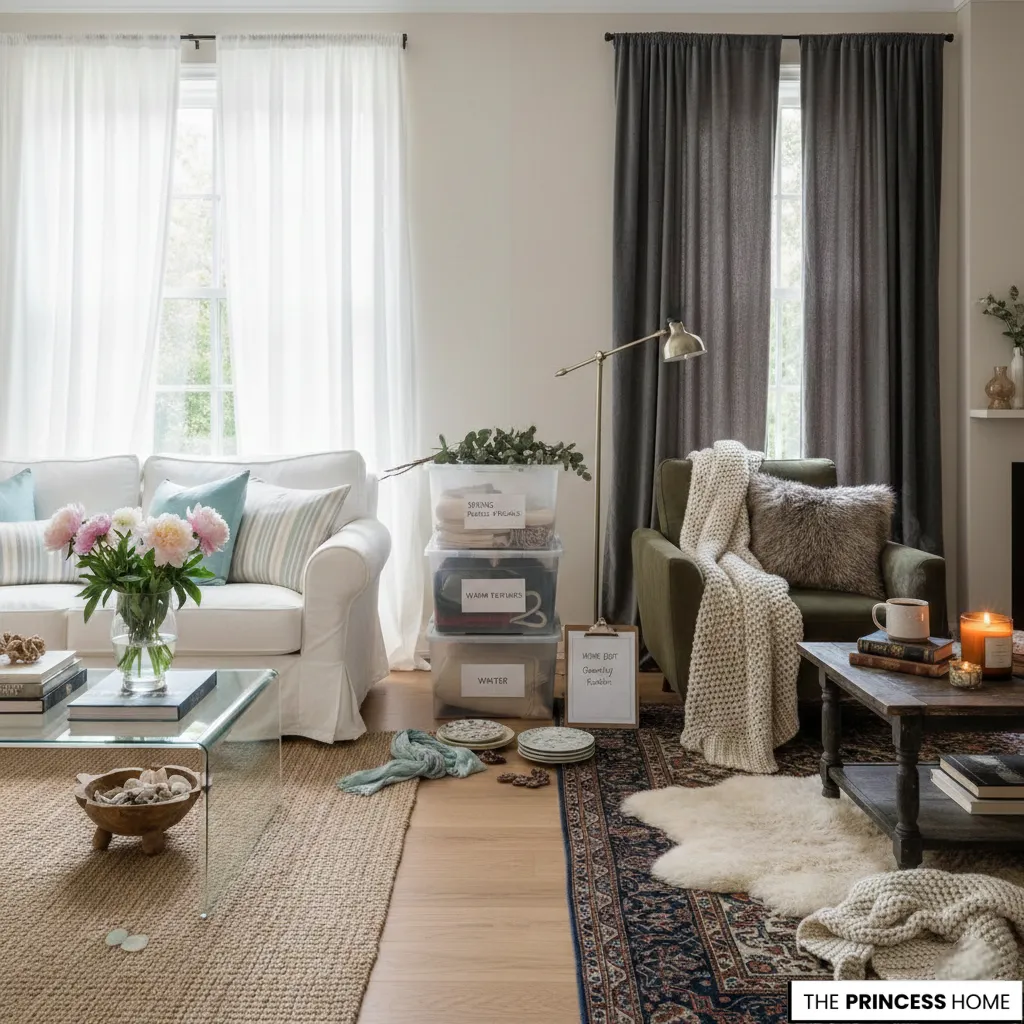
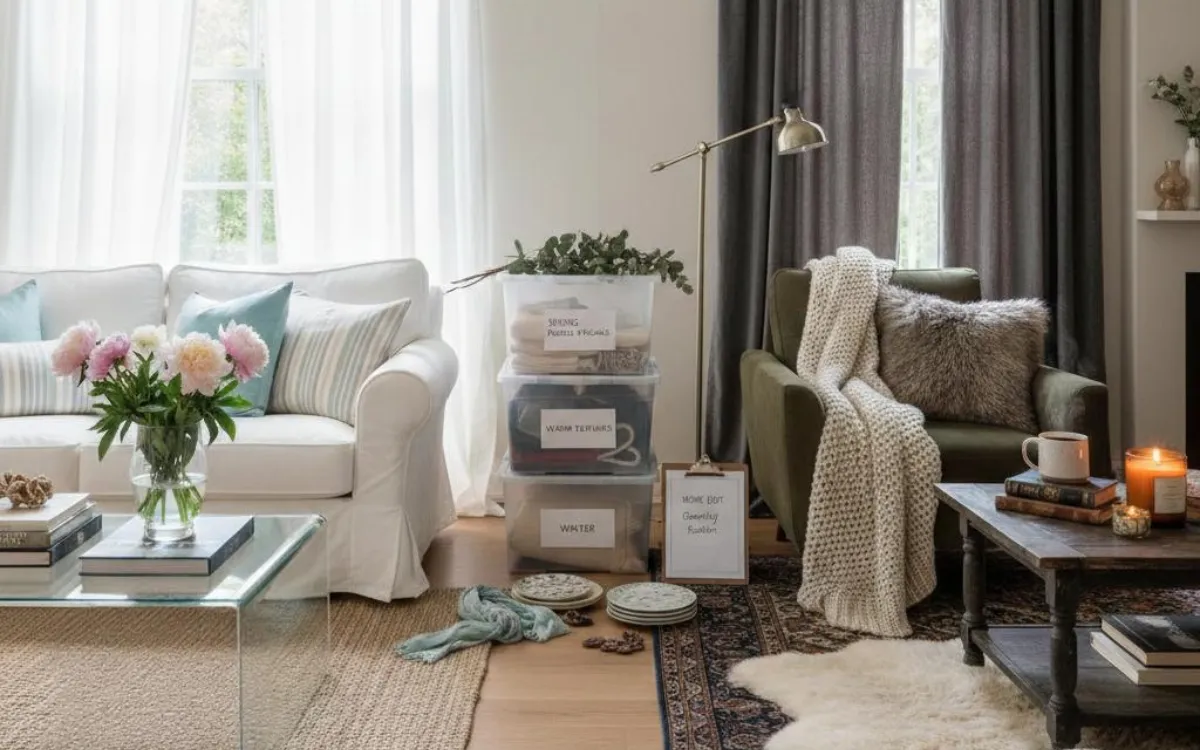
Seasonal Sentiment Curation is the designer-approved practice of rotating decor and belongings with the rhythm of the year keeping your home emotionally aligned, not overcrowded. Instead of storing everything year-round, edit your space quarterly, highlighting pieces that reflect the current season’s mood (light linens in spring, textured throws in winter).
Nate Berkus emphasizes storytelling through objects, suggesting that meaningful items should evolve with your life, not sit forgotten in boxes. Emily Henderson often recommends a “visual reset” by swapping small accents pillows, artwork, centerpieces to refresh a room without major spending.
Professional organizers also use clear, labeled storage bins and a simple inventory list to prevent duplicate purchases and reduce clutter creep. The result is a home that feels intentional, emotionally current, and easier to maintain all year long.
Storage Item Guide
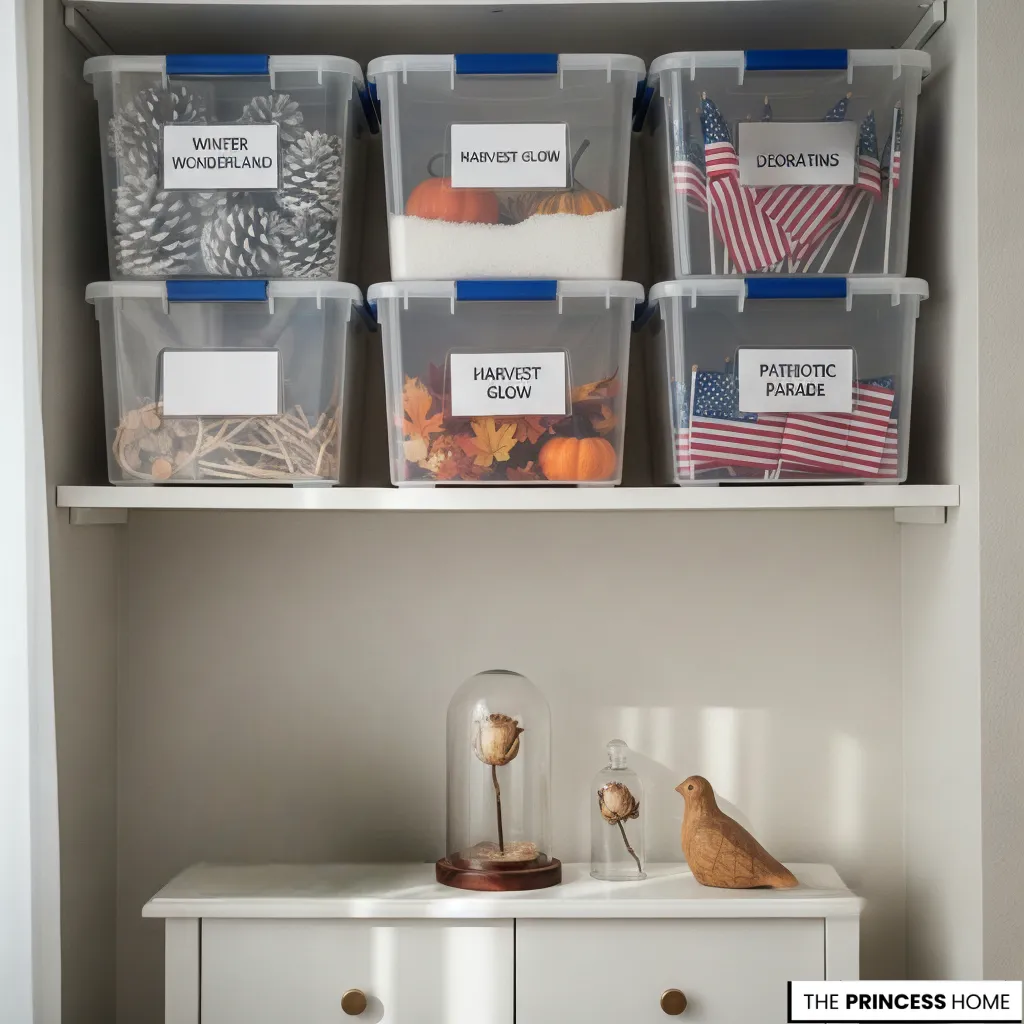
Store Seasonal Sentiment helps balance emotional attachment with a clutter-free home. Holiday or sentimental items often carry meaning, but displaying everything at once can feel overwhelming. As Spaces in Bloom Designs advise, focus on what you truly love and let the rest go, creating a small, intentional display that sparks joy without crowding surfaces.
Store the remaining items in labeled, clear containers so you can rotate them seasonally without stress. This approach preserves memories while keeping your home organized and visually calm. By curating intentionally, every festive detail adds warmth and meaning instead of chaos.
7. Invisible Storage Wins
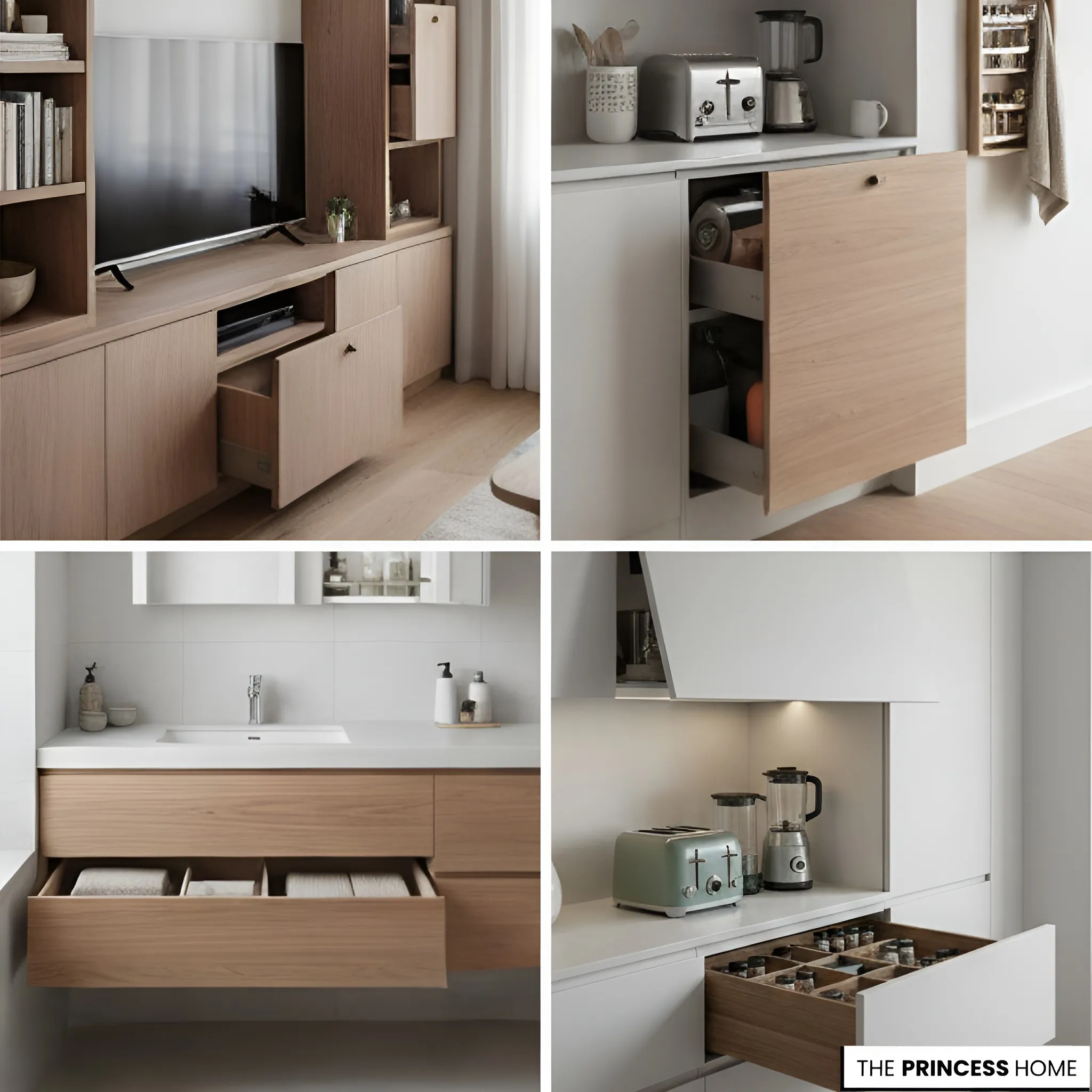
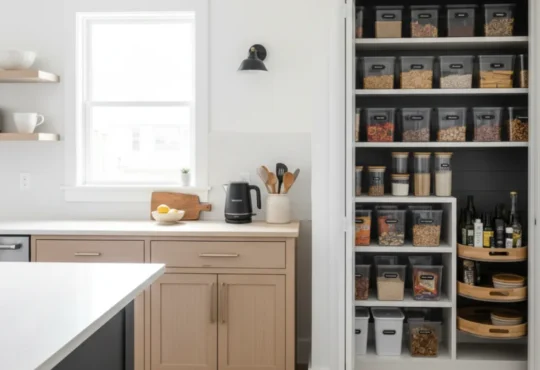
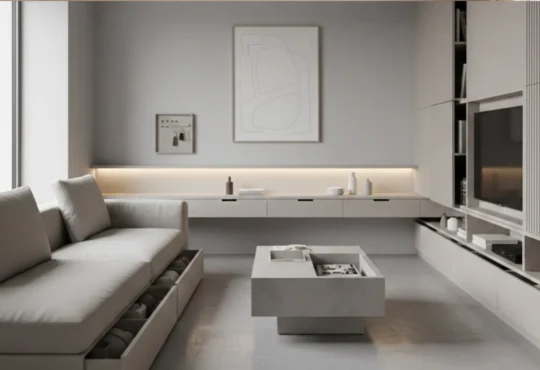
Invisible Storage Wins by keeping everyday essentials out of sight while staying easily accessible. Designers recommend solutions like appliance garages, built-in niches, or drawer organizers to hide clutter without sacrificing convenience.
One home tour enthusiast even called a £25 concealed storage solution a “game-changer” for making a space feel clean while keeping essentials nearby. By minimizing visual noise, invisible storage creates a calmer, more open environment that supports focus and relaxation.
These solutions work in kitchens, bathrooms, and living areas, letting you maintain order without constant tidying. Small investments in smart concealment pay off big in everyday functionality and aesthetics.
8. Masterplan First Approach
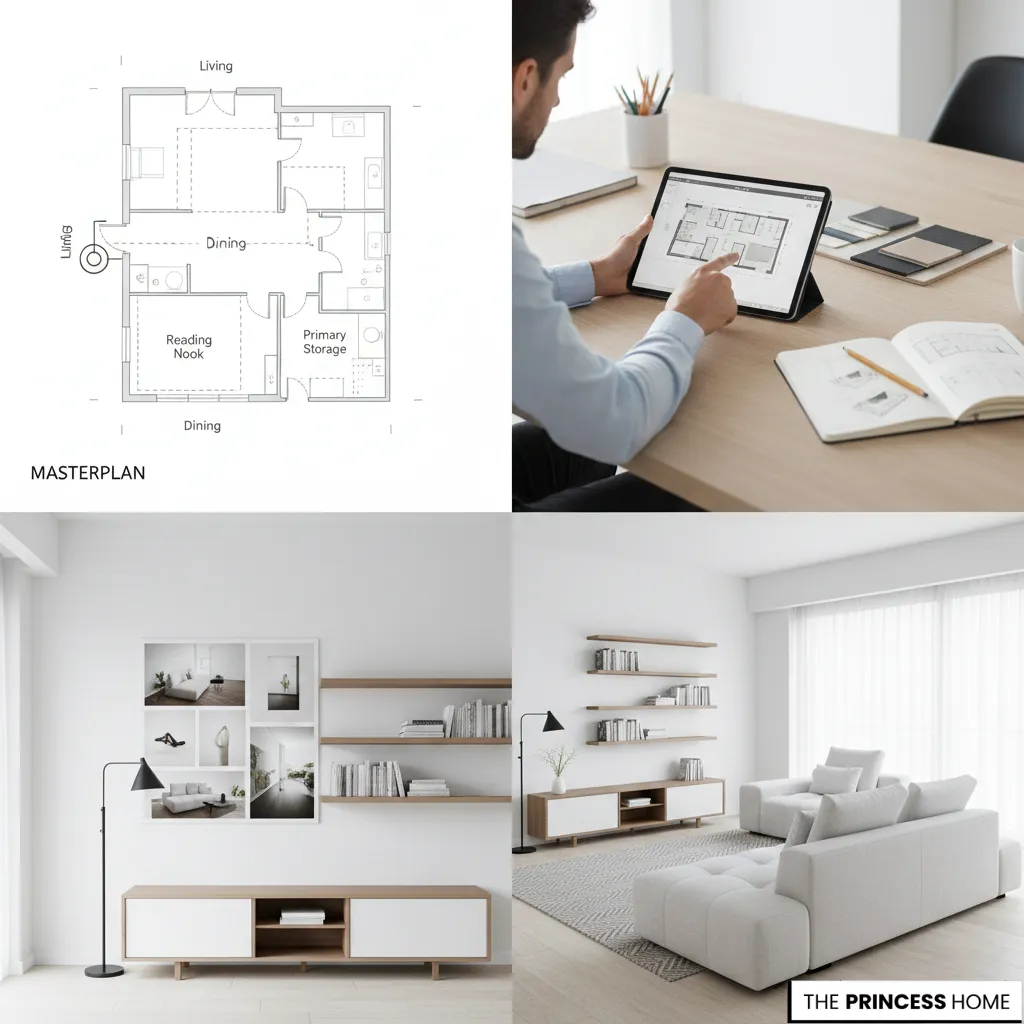
Masterplan First is a proactive approach to keep clutter from creeping back in during renovations or reorganizations. Designers emphasize drafting a comprehensive plan before buying furniture, storage solutions, or décor.
Mapping zones, storage systems, and traffic flow ahead of time prevents impulse purchases and mismatched solutions that can create new clutter. A masterplan ensures every addition has a purpose, fits the space, and supports functionality.
This strategy saves time, money, and stress by avoiding last-minute fixes or constant rearranging. When executed thoughtfully, a pre-planned layout turns any space into a cohesive, intentional, and clutter-resistant home.
9. Sensory Reset Benefits
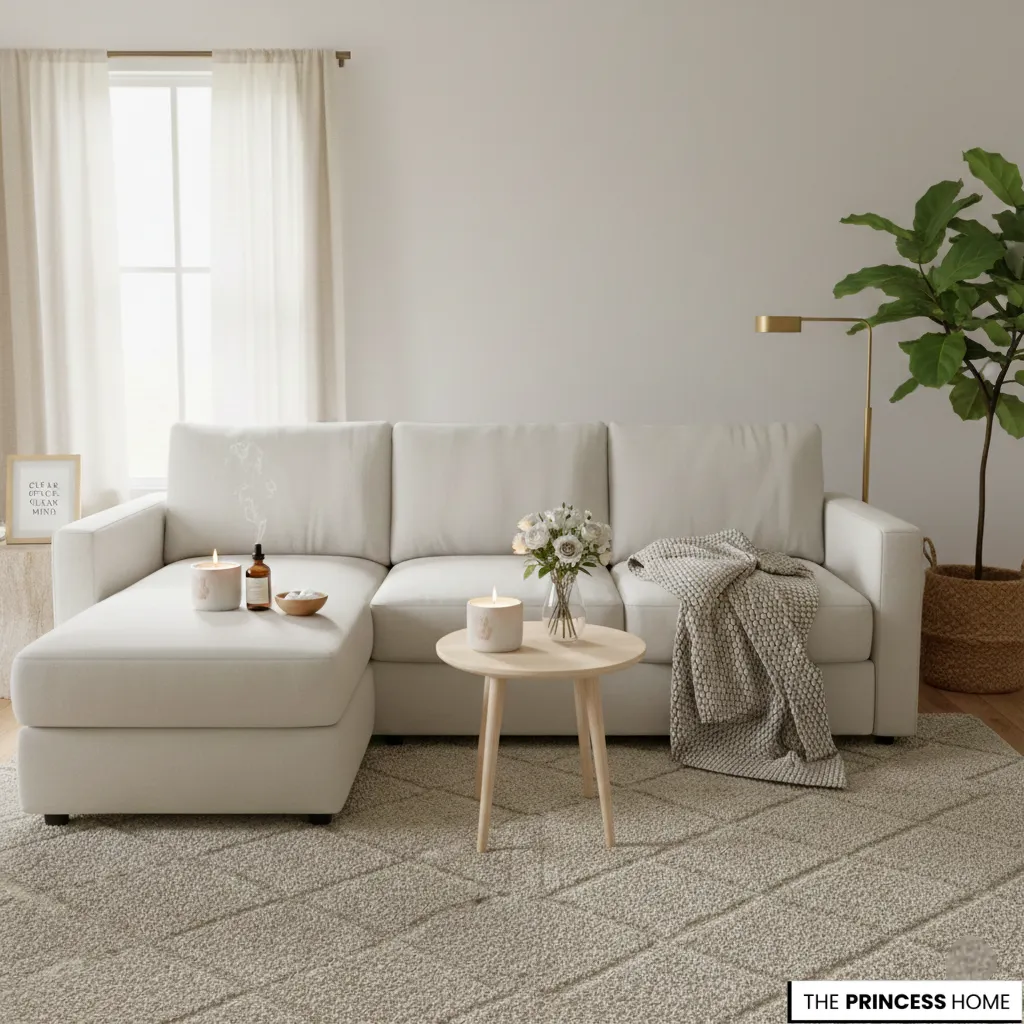
Sensory Reset reminds us that clutter impacts more than just sight it can affect mood and mental energy. Designers refresh spaces by introducing new scents, textures, or tactile elements, which act as cues for a mental reset and encourage regular upkeep.
A scented candle, a soft throw, or a textured rug can subtly signal that a space is refreshed and cared for. This approach not only makes rooms feel more inviting but also motivates you to maintain order. Engaging multiple senses creates a richer, more intentional home environment.
Small sensory updates make clutter management feel easier and more enjoyable, turning organization into a mindful ritual.
10. Curate With Gratitude
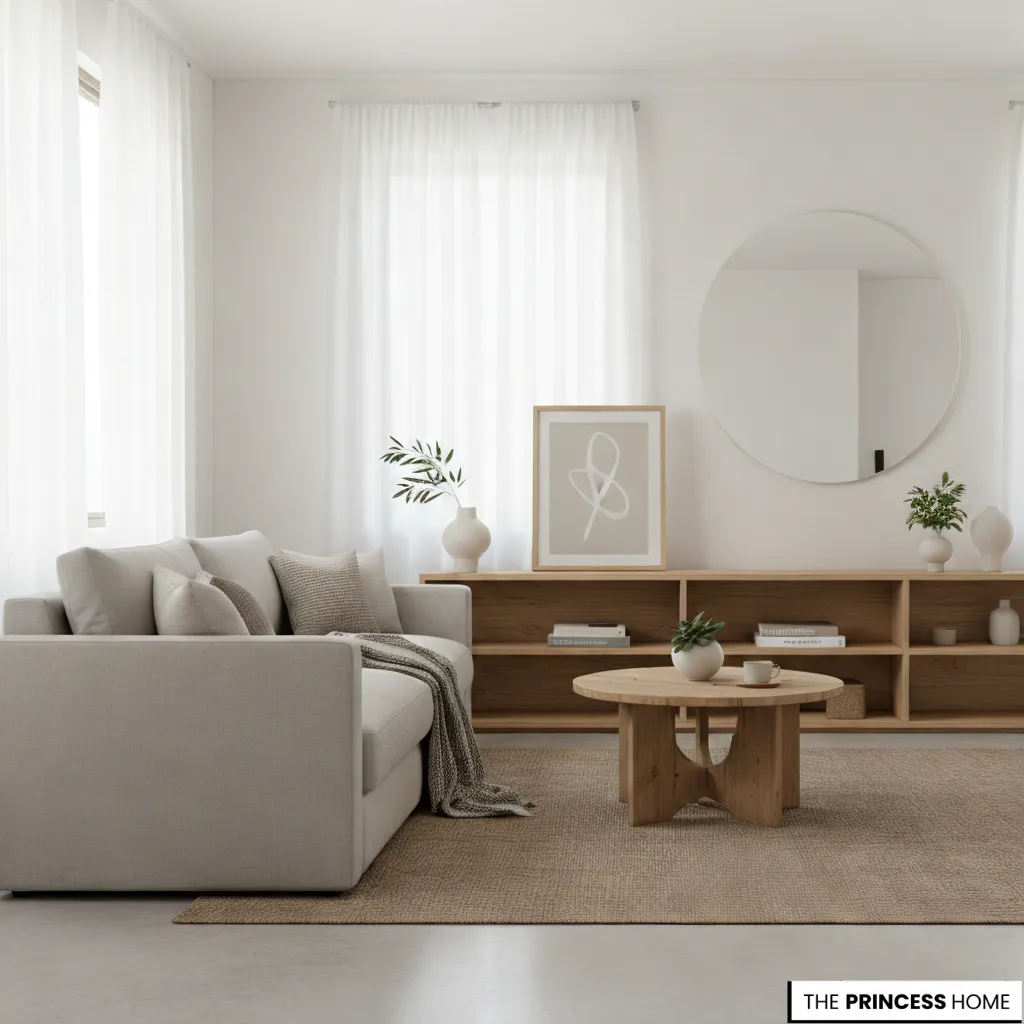
Curate With Gratitude encourages a mindful approach to what stays in your home. As Elegant Simplicity Interiors teaches, design your space with everything you need and nothing more. Treat each item as a deliberate choice keep only what supports your lifestyle, values, and current needs.
This method reduces visual chaos, fosters appreciation for what you own, and makes daily upkeep simpler. By valuing quality over quantity, your home feels intentional, serene, and truly reflective of you. Curating with gratitude transforms decluttering from a chore into a purposeful, satisfying practice.
Daily Clutter Solutions
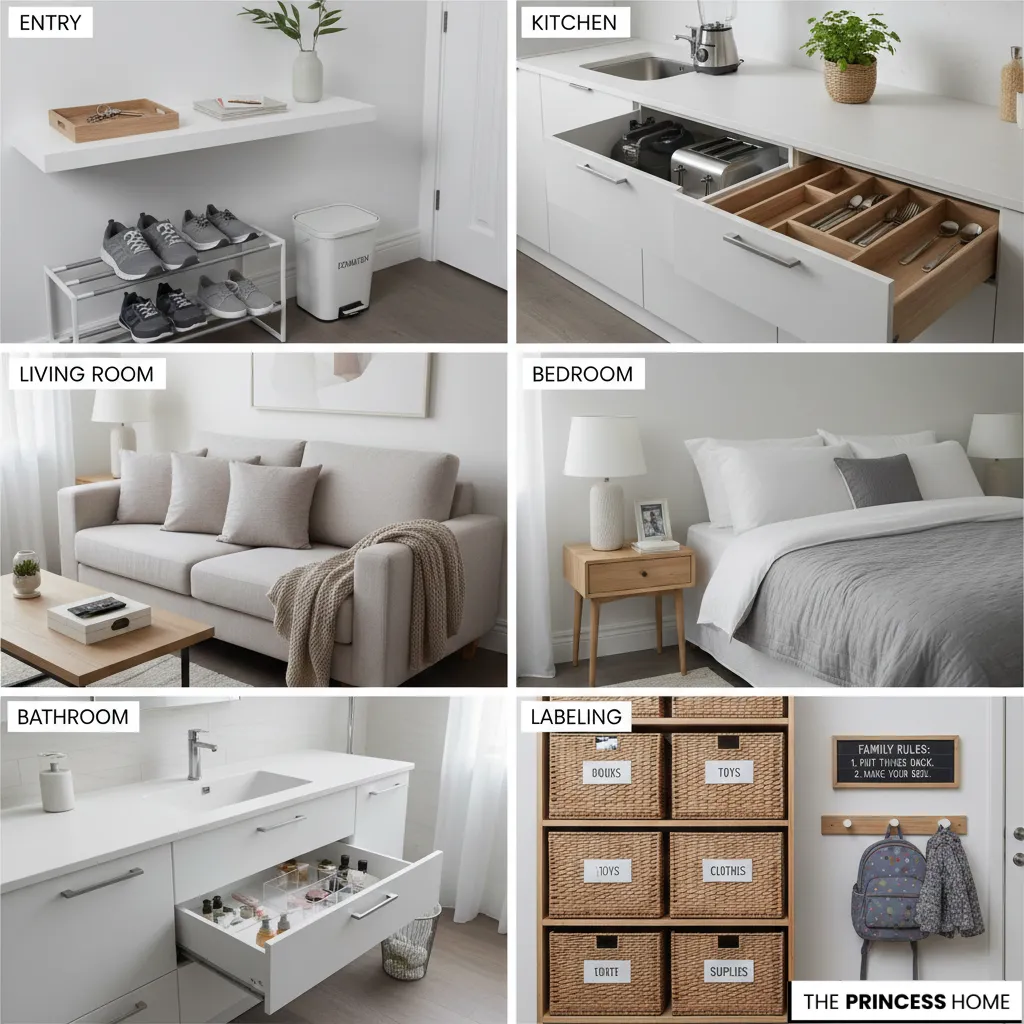
Entryway Reset
Create instant calm at your front door with one dedicated tray for mail and keys no more scattered paper piles or last-minute searches. Add a few wall hooks for bags and jackets to prevent furniture from becoming a drop zone. Donate or store shoes you haven’t worn in six months to free up visible space and simplify choices. Designers often stress that a clear entry sets the emotional tone for the entire home, making this small reset one of the highest-impact decluttering wins.
Kitchen Clarity
Reset your kitchen each night by clearing counters completely return appliances, stack dishes, and wipe surfaces so you wake up to visual calm. Store everyday tools in cabinets and use appliance garages to conceal toasters, mixers, and coffee machines without sacrificing convenience. Designers like Joanna Gaines often emphasize that open space is what makes a kitchen feel bigger, brighter, and easier to clean. The result is a streamlined cooking zone that reduces stress and keeps clutter from building up again.
Living Room Edit
Refresh your living room by limiting throw pillows and blankets to three coordinated sets or fewer this keeps the space cozy without feeling crowded. Fold or drape blankets intentionally instead of layering them randomly. Store all remotes in one stylish box or tray on the coffee table to eliminate small-item clutter. Designers like Nate Berkus often highlight that editing not adding is what makes a room feel elevated and calm.
Bedroom Reset
Create a calmer sleep space by limiting your nightstand to just three essentials: a lamp, your current book, and one meaningful personal item. Removing extra chargers, papers, and random objects instantly reduces visual stress and supports better rest. Designers like Bobby Berk often stress that bedrooms should feel like retreats, not storage zones. A simplified bedside setup signals your brain to unwind, making it easier to relax at the end of the day.
Bathroom Refresh
Start by tossing expired skincare, makeup, and medications old products create clutter and can irritate skin. Keep countertops nearly clear to make your bathroom feel instantly cleaner and more spacious. Use drawer dividers to separate daily essentials from backups so everything has a defined spot. Designers like Emily Henderson often recommend zoning your vanity into “everyday,” “weekly,” and “occasional” categories to prevent buildup. A streamlined system makes your morning routine faster and keeps clutter from creeping back.
Start Small Wins
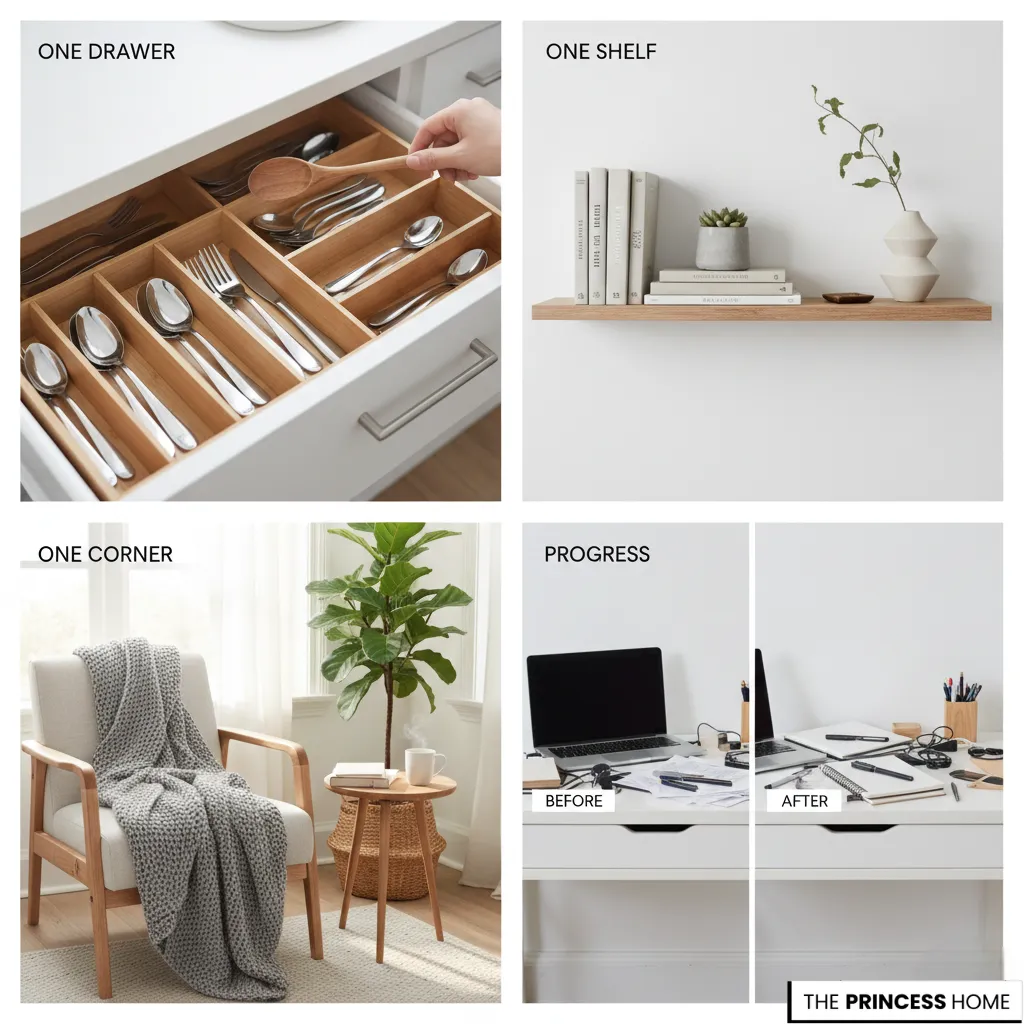
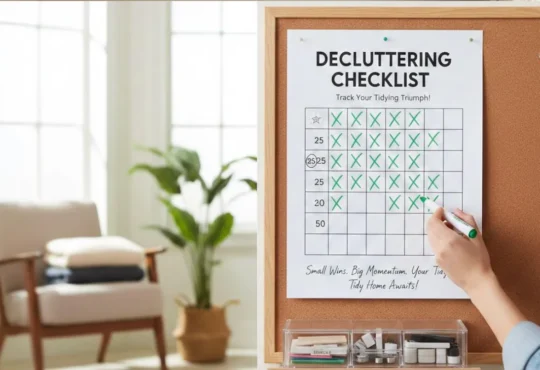
When You’re Still Stuck, the key is to start smaller and focus on tiny, manageable wins. Instead of tackling an entire room, pick one drawer, one shelf, or one corner to declutter. Celebrate every small victory seeing progress, no matter how minor, builds momentum and reduces overwhelm.
Remember, progress beats perfection; your goal is consistent improvement, not instant transformation. If clutter still feels unmanageable, professional designers and organizers can create tailored strategies that turn chaos into calm. With focused steps and support, even the most overwhelming spaces can become organized, functional, and stress-free.
5-Day Clutter Shakedown
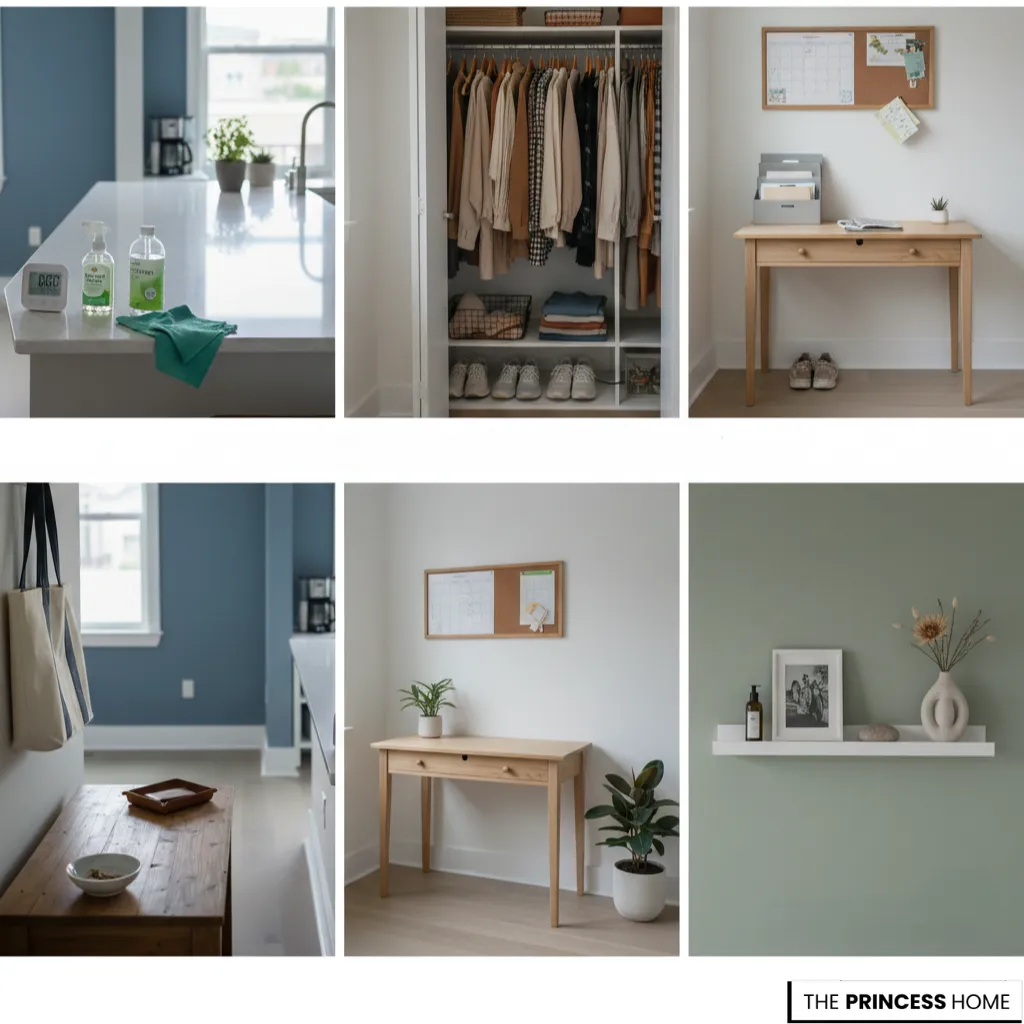
The 5-Day Clutter Shakedown is a structured, low-stress approach to decluttering without weekend overwhelm. Instead of tackling everything at once, focus on one category or zone per day for example: Monday, kitchen counters; Tuesday, a single closet; Wednesday, paper piles; Thursday, entryway; Friday, a sentimental surface. This rhythm allows for visible progress each day and keeps motivation high.
By breaking the work into manageable chunks, you avoid burnout while creating noticeable results. The method also helps establish new habits, turning decluttering from a stressful task into a repeatable, achievable routine. Small, daily wins add up to a home that feels organized, intentional, and calm.
Styled Set Mindset
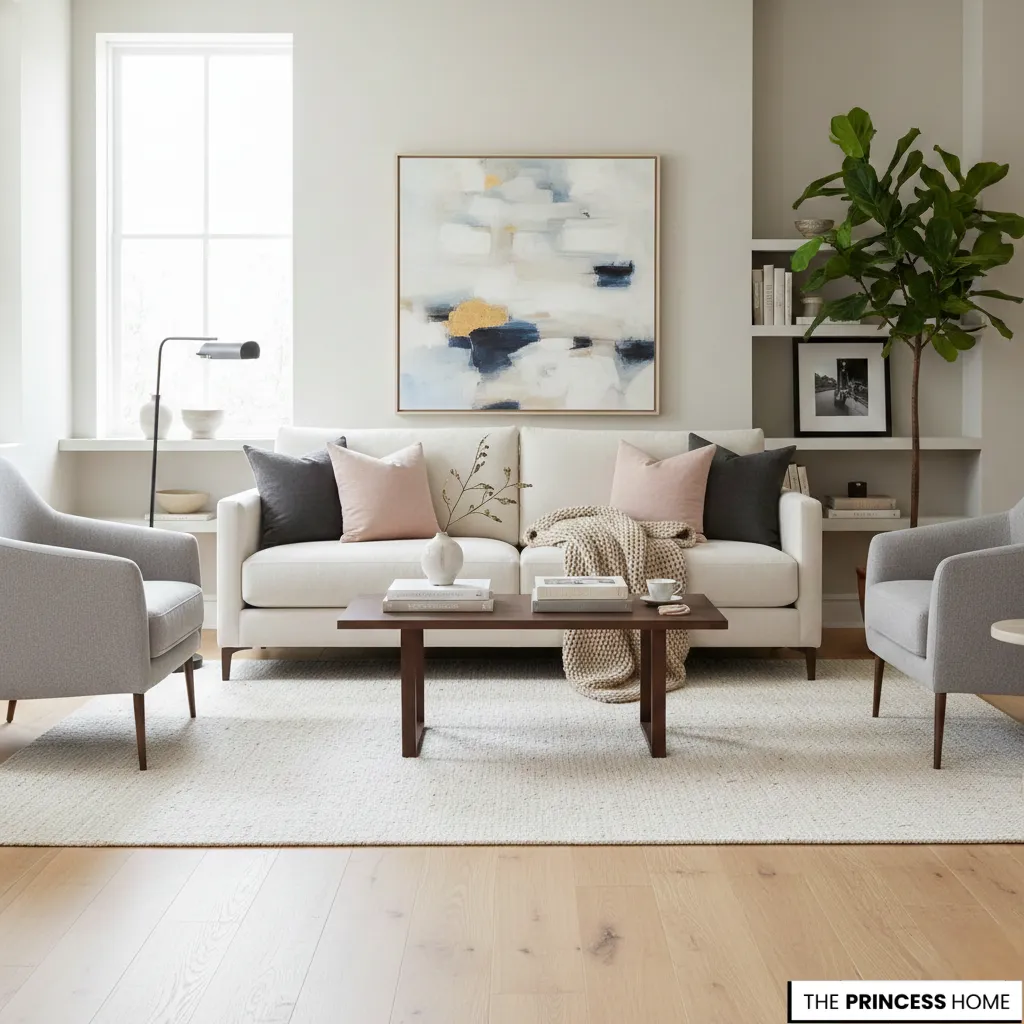
Treat Your Home Like a Styled Set to make decluttering feel more intentional and inspiring. Take a cue from influencers and designers who edit ruthlessly, keeping only what you’d proudly feature in a photo or showcase to guests.
This mindset sharpens decision-making and curbs the accumulation of “just-in-case” items that often linger unnecessarily. By viewing your home as a curated set, you naturally prioritize pieces that bring joy, function, or beauty.
The result is a space that looks cohesive, intentional, and visually calm. Over time, this habit reinforces mindful ownership and keeps clutter from creeping back.
Now-or-Never Rule
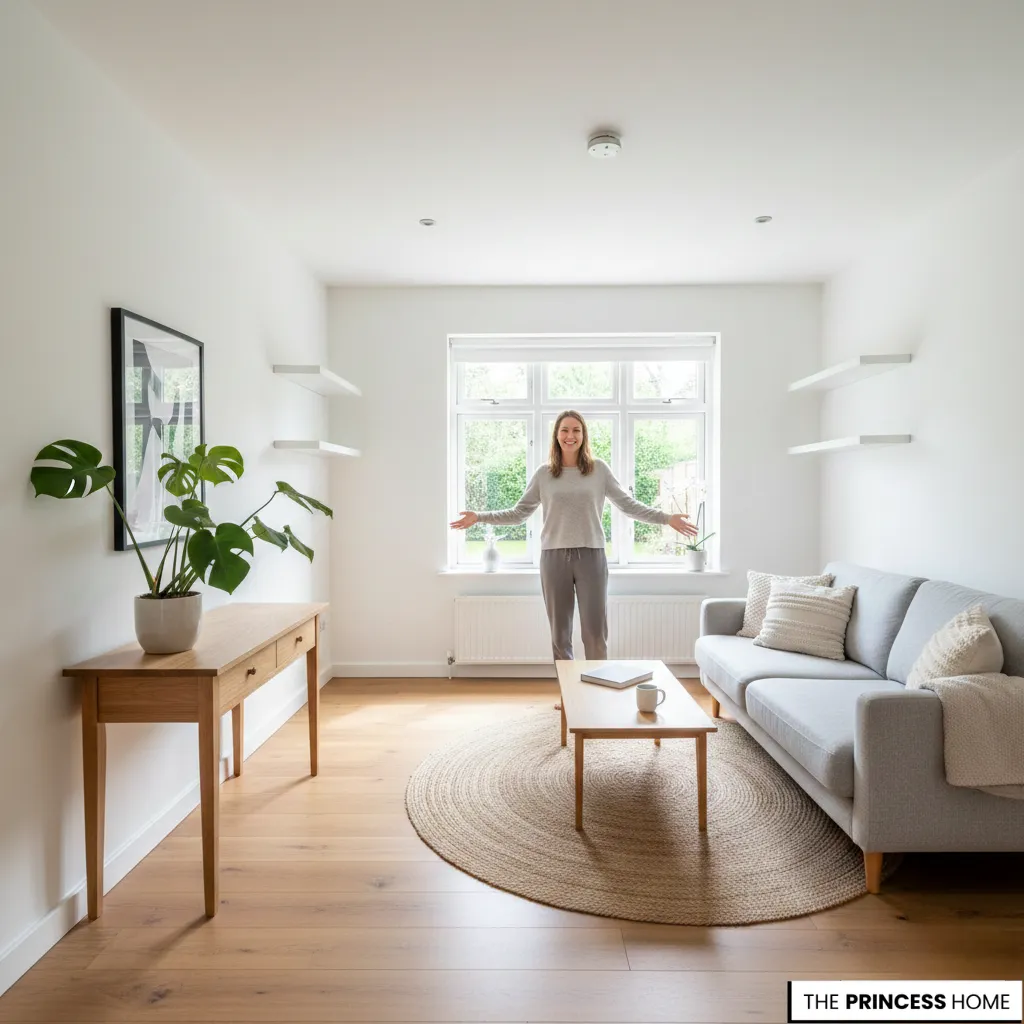
The Now-or-Never Rule is a mindset shift that prioritizes present-day function and joy over hypothetical future uses. If you don’t use it, display it, or genuinely love it right now, it goes no exceptions. Start small by tackling one highly visible area, clearing it completely, and only returning items that truly belong.
This approach makes decision-making faster, prevents clutter from lingering, and creates instant visual relief. The mental boost from a single clean surface often fuels motivation to tackle other areas. Over time, applying this rule consistently keeps your home functional, intentional, and clutter-free.
Thoughtful Maximalism
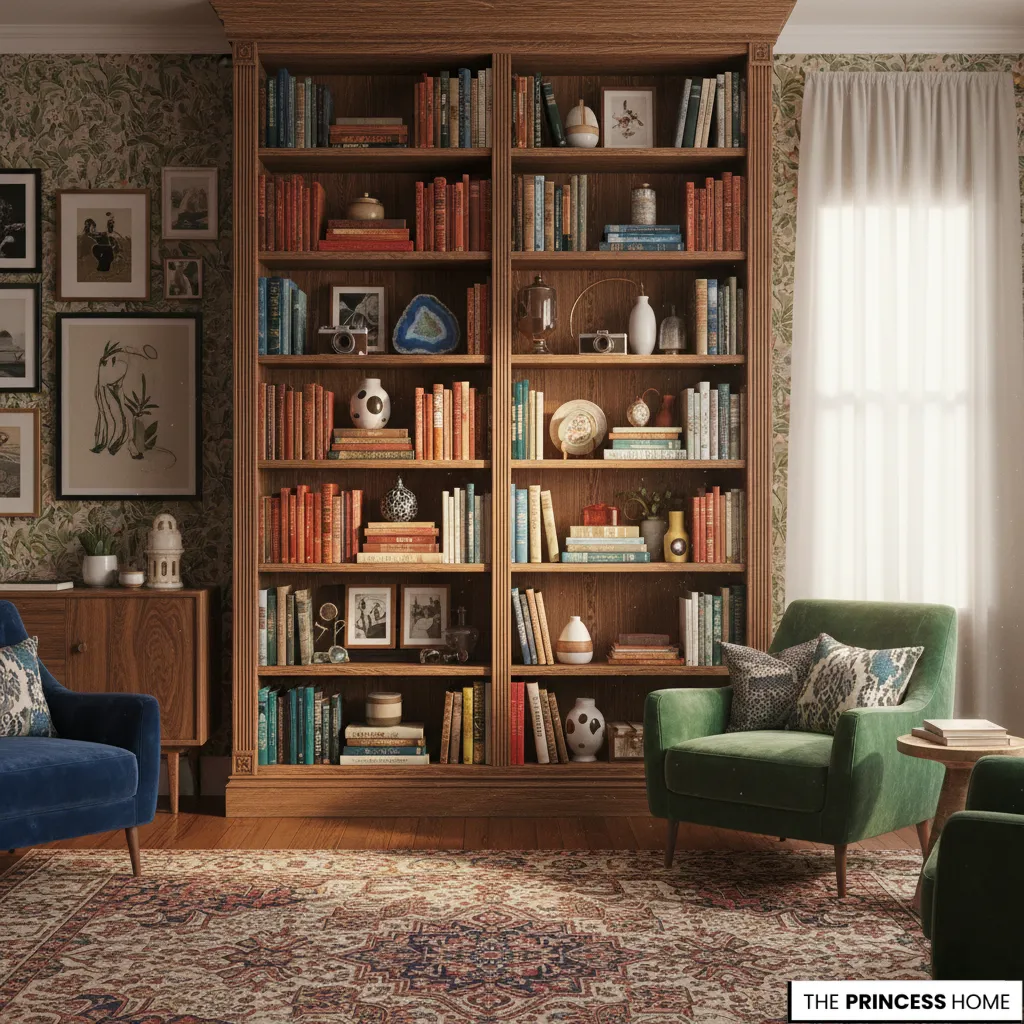
Thoughtful Maximalism Over Clutter shows that a full space doesn’t have to feel chaotic. Designers emphasize intentional curation mixing patterns, colors, and collections so every item has purpose and placement.
For example, a styled bookshelf can display a rich mix of books, art, and objects without looking messy if items are grouped thoughtfully and visually balanced. The key is quality over quantity, ensuring every piece contributes to the room’s aesthetic or function.
This approach allows personality and abundance without overwhelming the senses. When done intentionally, maximalism becomes a curated, joyful, and inspiring home style rather than clutter.
Purposeful Functional Beauty
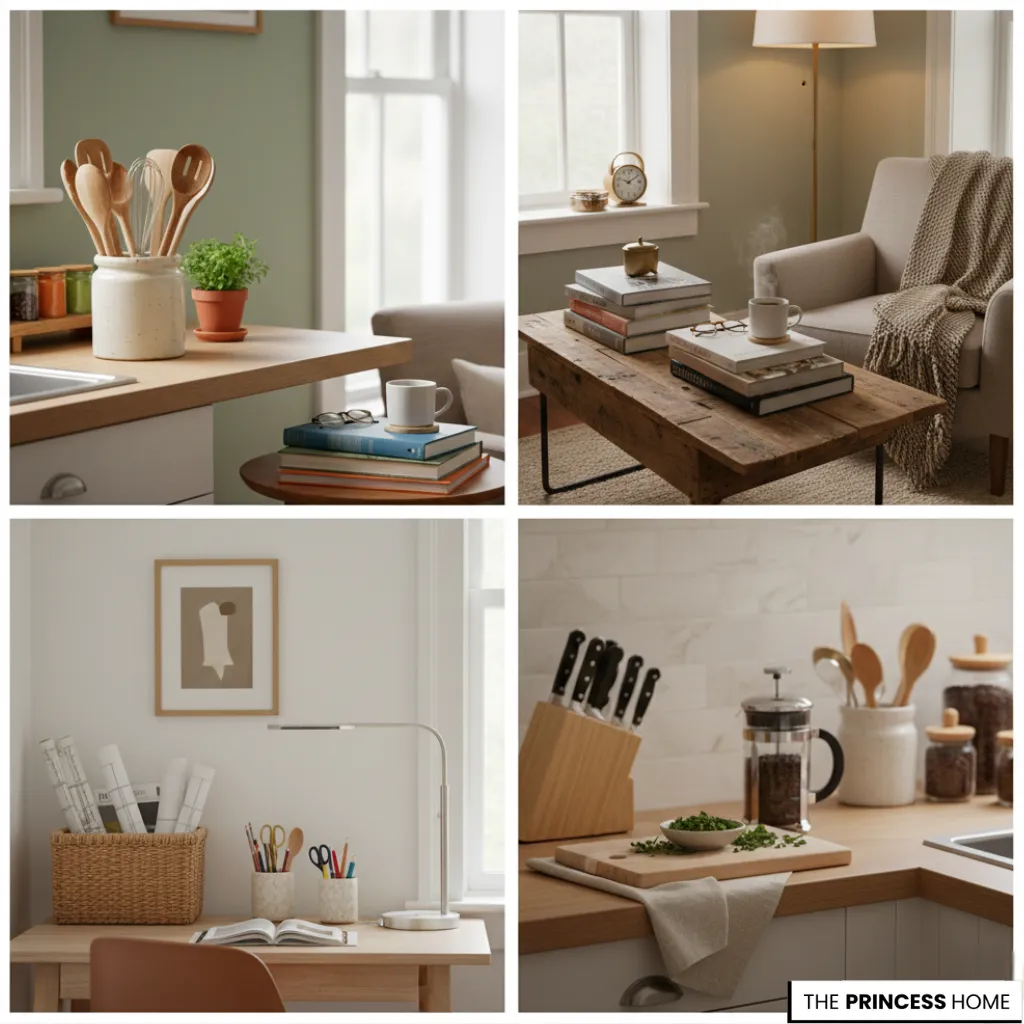
Purposeful Clutter: Functional Beauty encourages leaving select items visible when they serve both function and aesthetics. designers recommend items like a ceramic crock for utensils or a carefully stacked set of art books on a side table practical, attractive, and intentional.
The trick is curation, not covering every surface; leave enough breathing room so the space feels open and calm. Purposeful clutter blends usability with style, creating a home that’s both lived-in and visually appealing.
By choosing what stays carefully, you maintain organization while showcasing personality. This approach turns everyday essentials into decorative features rather than contributors to chaos.
Small Wins Momentum
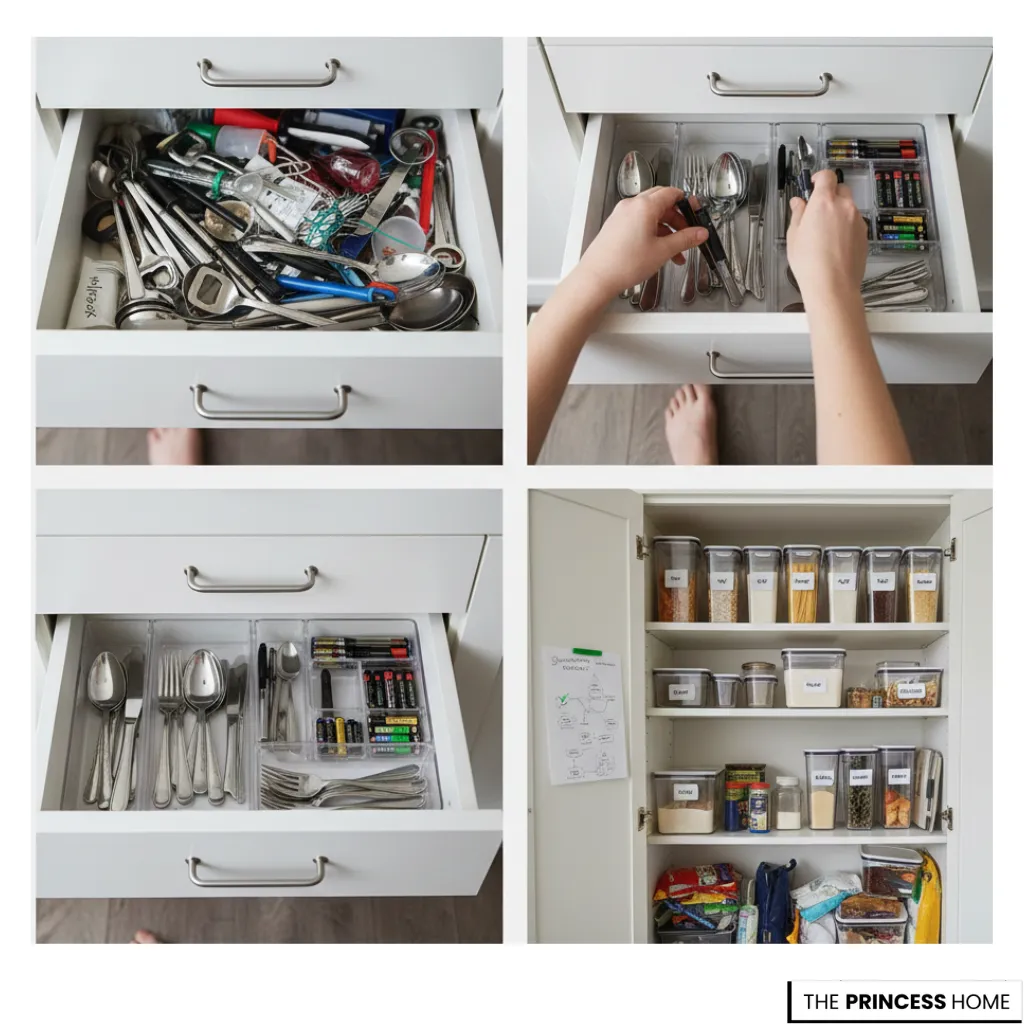
Start Small to Build Momentum by focusing on one micro-space at a time a drawer, a shelf, or a single pantry zone. Decluttering can feel overwhelming if you try to tackle an entire room at once, so quick wins keep motivation alive.
Create an organizing roadmap that breaks larger spaces into manageable sections, making the process less stressful and more achievable. Gradually expand from one small zone to the next, letting progress compound naturally.
Each completed micro-area provides a visual and mental boost, reinforcing habits and confidence. Over time, these incremental wins transform your home into a functional, calm, and organized environment.
Drawer Dumping Method
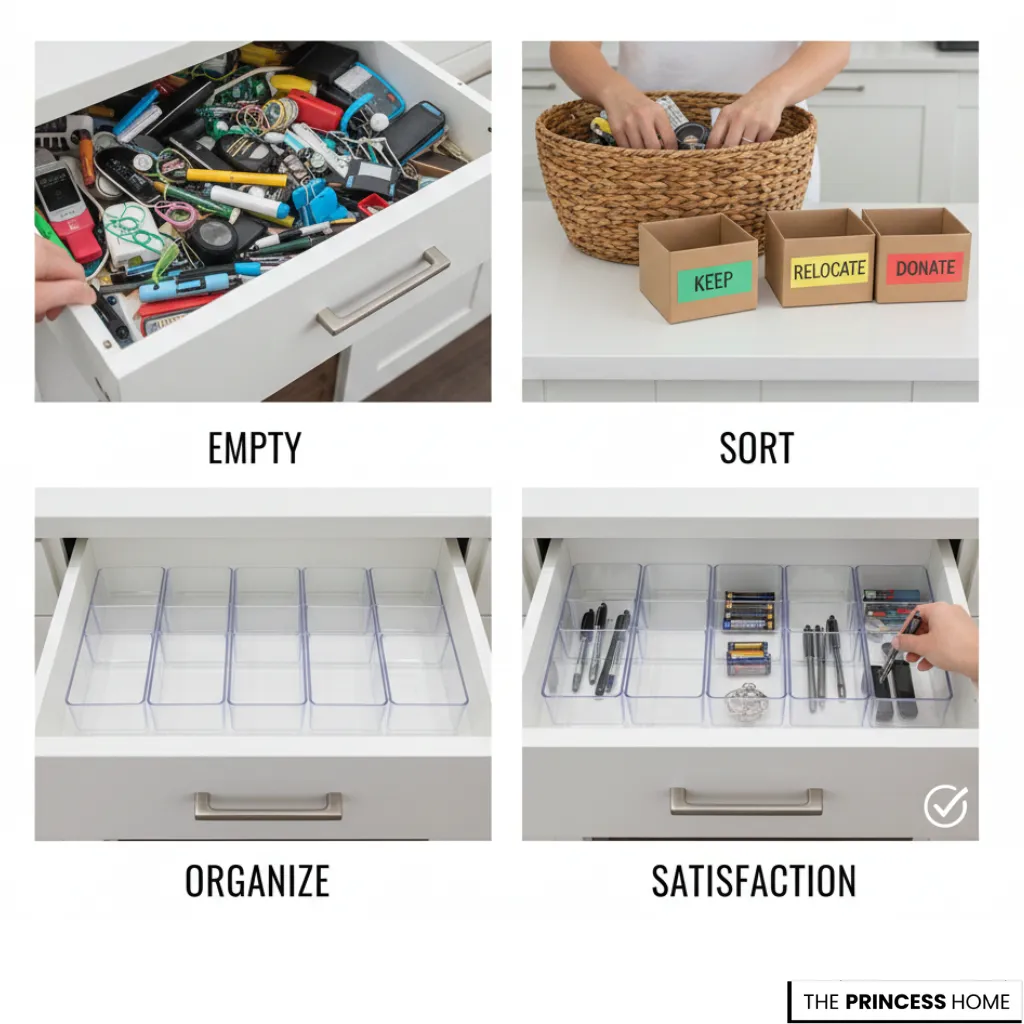
The Drawer Dumping Method is a quick, effective way to reclaim control over cluttered drawers. Simply empty one drawer into a basket and sort items into three categories: keep, relocate, or donate. This approach makes decisions fast and painless, eliminating the temptation to shuffle items around endlessly.
It works for junk drawers, office supplies, or kitchen utensils, and instantly restores visual order. Completing one drawer provides a sense of accomplishment that motivates tackling larger spaces. Over time, consistent use of this method builds confidence and momentum for organizing your entire home.
Flip the Design Script
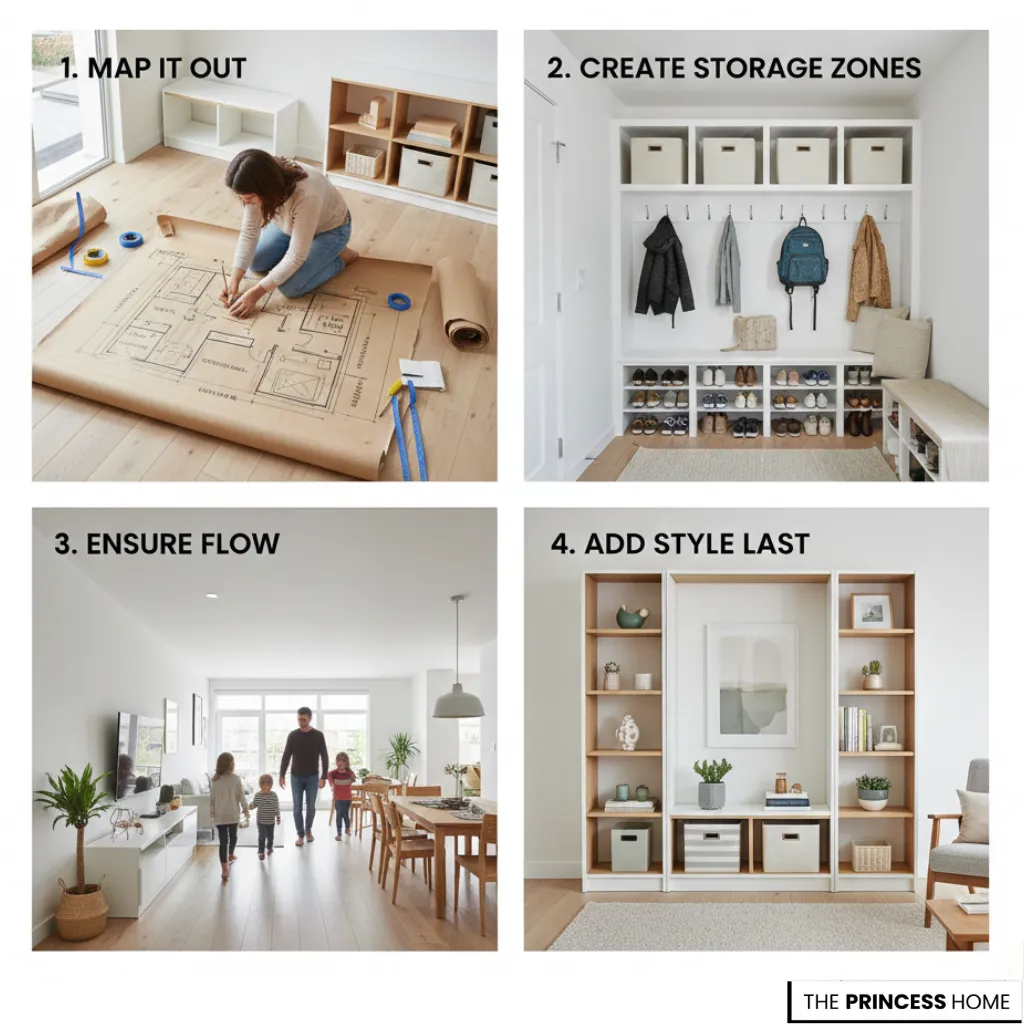
Flip the Design Script: Function First emphasizes prioritizing storage and flow before aesthetics. Designers recommend giving every item a designated home and ensuring rooms transition smoothly between activities.
When function is planned first, clutter has nowhere to accumulate, making upkeep easier and more intuitive. This approach also informs furniture placement, storage solutions, and daily routines, creating a home that works for how you live.
By focusing on usability first, style becomes a natural layer rather than a source of chaos. Function-first design transforms your space into a calm, organized, and highly functional environment.
Intentional Home Questions
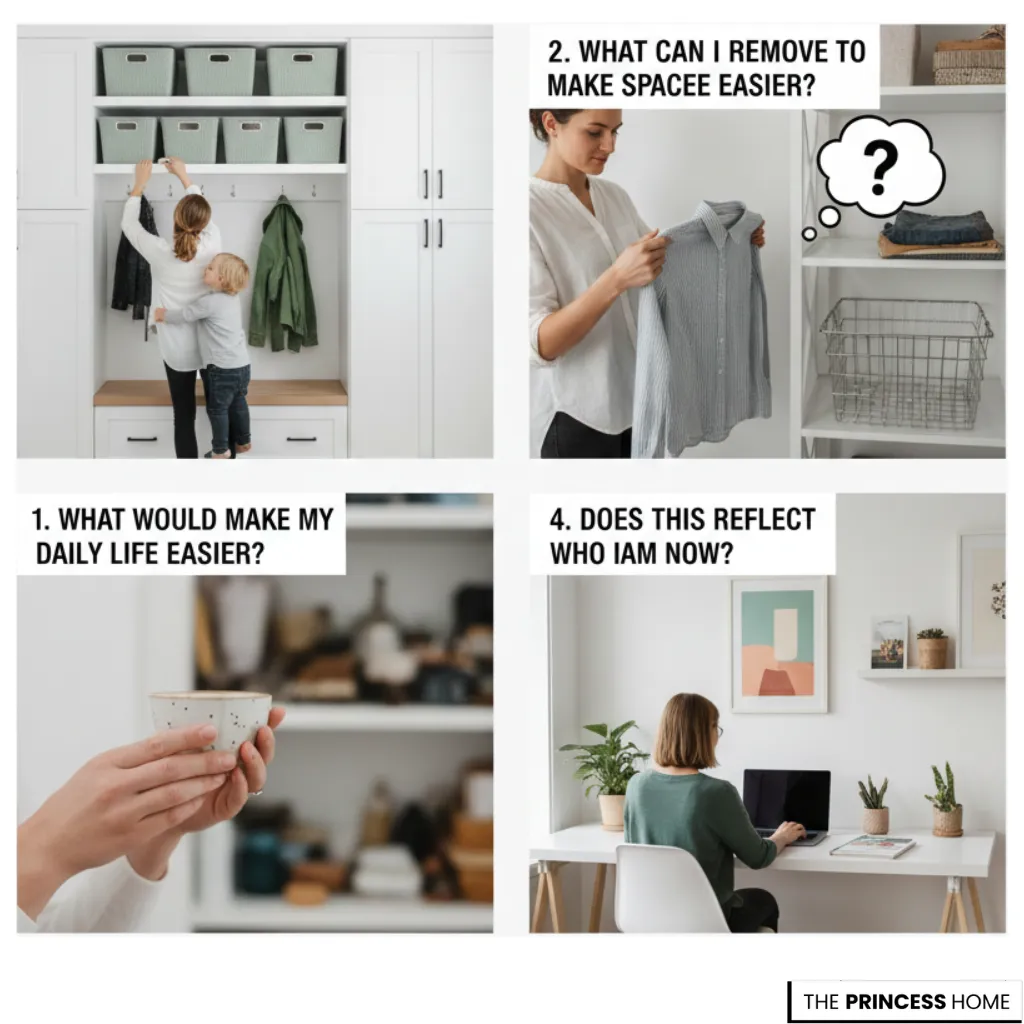
Intentional Home Questions shift your focus from passing trends to personal functionality, helping you design a space that truly supports your life. Instead of asking, “What’s trending?”, designers like Nate Berkus encourage homeowners to ask, “What would make my daily life easier and calmer?”
Another powerful prompt is, “What can I remove to make this space work better?” because subtraction often creates more impact than adding new decor. Marie Kondo similarly emphasizes choosing what you genuinely need and love right now, not what once fit a past version of you.
These questions create clarity, reduce impulse purchases, and turn your home into a reflection of your current priorities. When your space answers to your real life not to trends it becomes lighter, more functional, and easier to maintain.
These questions guide mindful decisions, helping you curate items that truly serve you while letting go of unnecessary clutter. Over time, adopting this intentional mindset keeps your home functional, organized, and reflective of your lifestyle. It turns every addition or removal into a deliberate, value-driven choice.
Warm Neutral Spaces
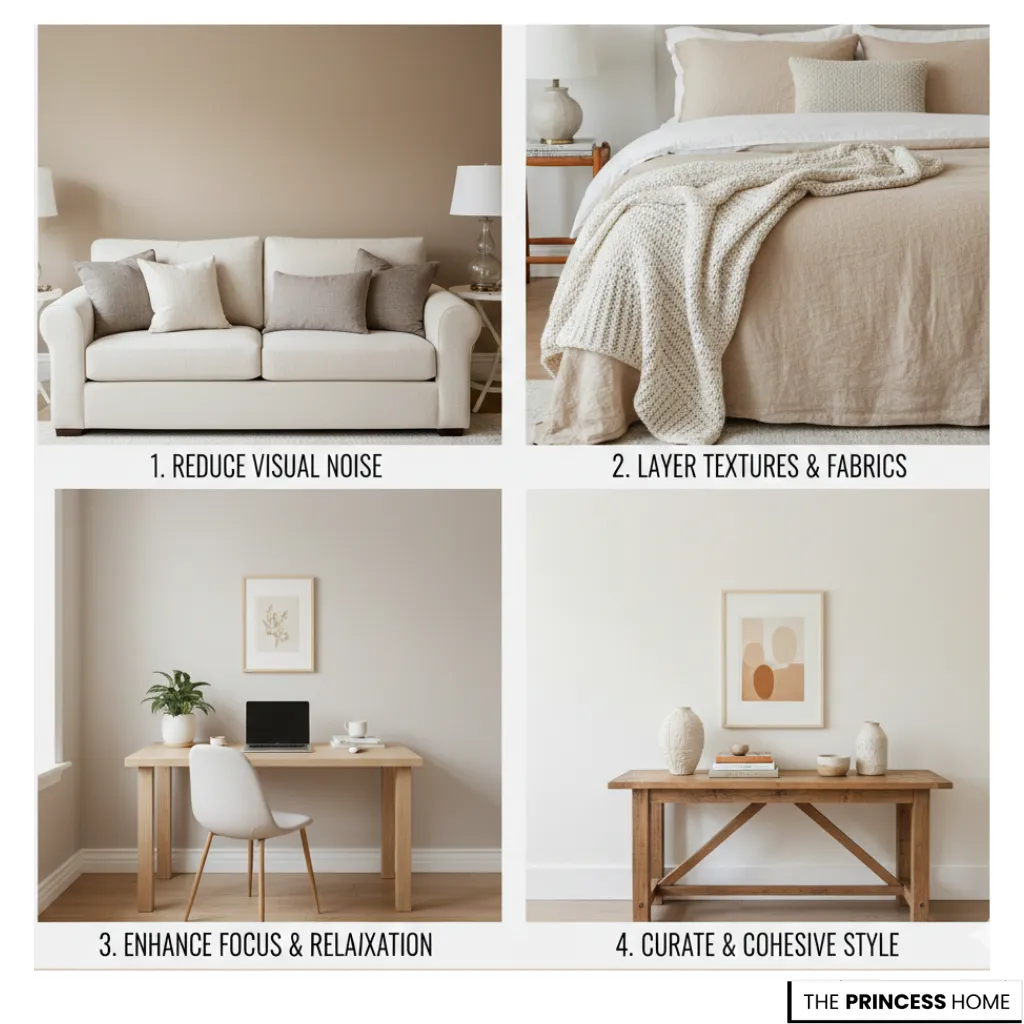
Warm Neutrals to Calm Spaces are a designer favorite for creating interiors that feel inviting, layered, and timeless. Shades like cream, taupe, and mushroom reduce visual noise, helping spaces feel calmer even when they contain personal items or functional clutter.
Using warm neutrals as a base allows you to layer textures, fabrics, and purposeful décor without overwhelming the eye. This color approach enhances focus, promotes relaxation, and subtly organizes the visual landscape of a room.
Combined with curated items and intentional placement, warm tones make a home feel cohesive, serene, and beautifully styled.
Personalized, Layered Decor
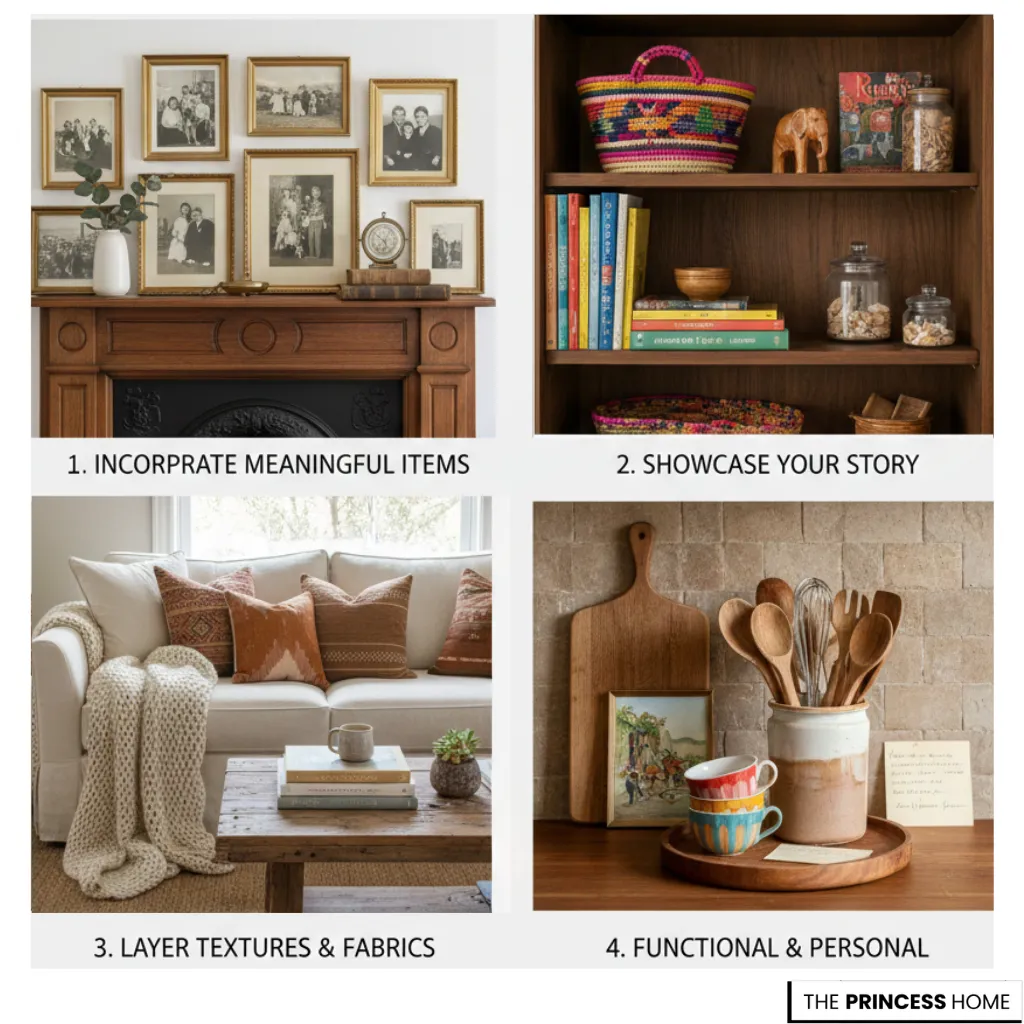
Personalized, Layered Decor turns everyday items into meaningful design features. Incorporate family photos, travel finds, and heirlooms as purposeful accents to make a space feel authentic and lived-in. This approach transforms potential clutter into curated, intentional displays that reflect your story and personality.
Layering personal items thoughtfully adds warmth and depth while maintaining visual order. By balancing functionality with sentiment, you can showcase meaningful pieces without overwhelming surfaces. The result is a home that feels both stylish and deeply personal.
Mood-Boost Lighting
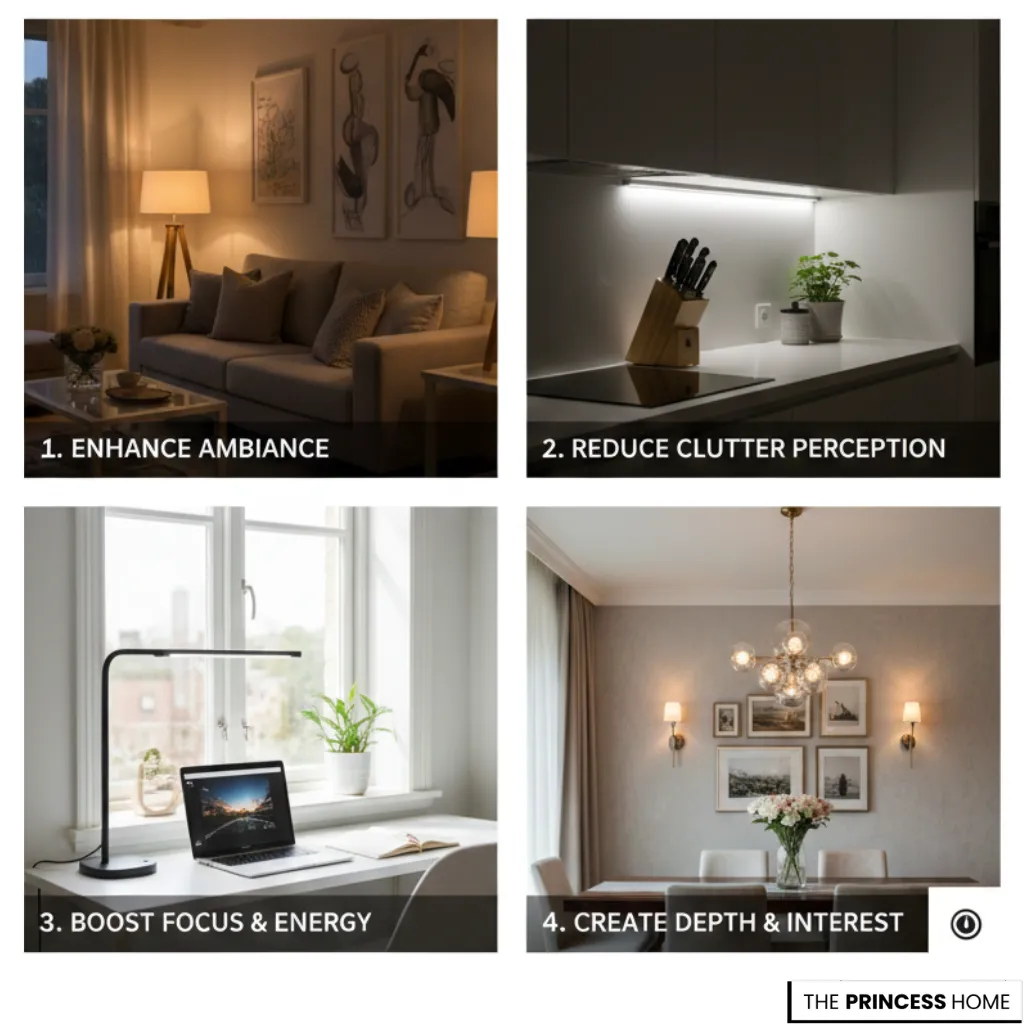
Lighting to Elevate Mood is a simple but powerful tool for making a home feel organized and welcoming. Well-planned lighting enhances ambiance and even reduces the perception of clutter by highlighting curated areas and softening overlooked zones.
Bright, natural-feeling light boosts happiness and focus, while layered options like task lights, accent lamps, and dimmers create depth and visual interest. By combining functionality with style, lighting transforms rooms into spaces that feel intentional, calm, and energizing.
Thoughtful illumination makes both practical tasks and aesthetic enjoyment easier. It’s an effortless way to keep your home looking polished and serene.
Conclusion
Tackling clutter when you feel overwhelmed isn’t about perfection it’s about progress. Confidence in your choices matters more than chasing trends fill your home with what you use, love, and find beautiful, and you’ll stay ahead of clutter for good. By borrowing from design ethos intentional layering, warm minimalism, and personal curation you can create a home that feels calm, functional, and truly yours.
Here are some frequently asked questions related to the article :
1. How do I start decluttering when I feel completely overwhelmed?
Start tiny. Pick one drawer, one shelf, or a single surface. Clear it completely, then return only what belongs. Quick wins build momentum and reduce decision fatigue.
2. What’s the fastest way to see a real difference?
Do a 15-minute surface sweep: clear entry tables, kitchen counters, and nightstands. Removing items from the wrong spots instantly reduces 80% of the visual clutter.
3. Can I keep a maximalist style without it looking messy?
Yes. Maximalism in 2026 is about intentional curation combining colors, patterns, and collections thoughtfully so the space feels rich, not chaotic. Purposeful clutter is allowed; aim for breathing room and clear zones.
4. How do I stop clutter from coming back?
Try the Five-Five Rule (remove five items before adding five new ones), adopt no-buy periods for categories like decor, and assign every item a specific home. Built-in storage and hidden features also help maintain order.
5. What if I’m sentimental and struggle to let things go?
Curate seasonal or sentimental displays: choose a small, meaningful collection to showcase and store the rest with clear labels. Treat each item as a choice keep only what resonates now.
6. Should I hire a professional, or can I do this myself?
You can start yourself using small, repeatable methods like the Drawer Dump or the 5-Day Clutter Shakedown. If overwhelm persists or you need a tailored masterplan, a professional organizer or designer can provide structure and momentum.
7. How do I declutter when my family isn’t on board?
Start with your own space and model the change. Set simple shared rules for common areas, and use easy systems like labeled bins or hooks an approach designers like Bobby Berk recommend to make tidying effortless.
The princess home on Pinterest