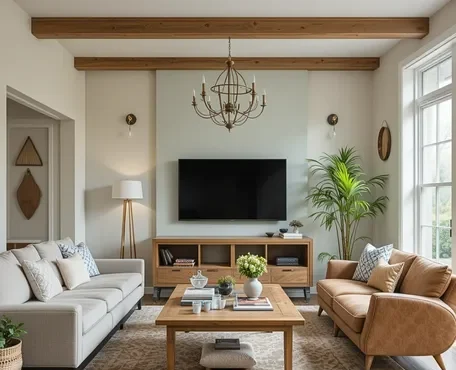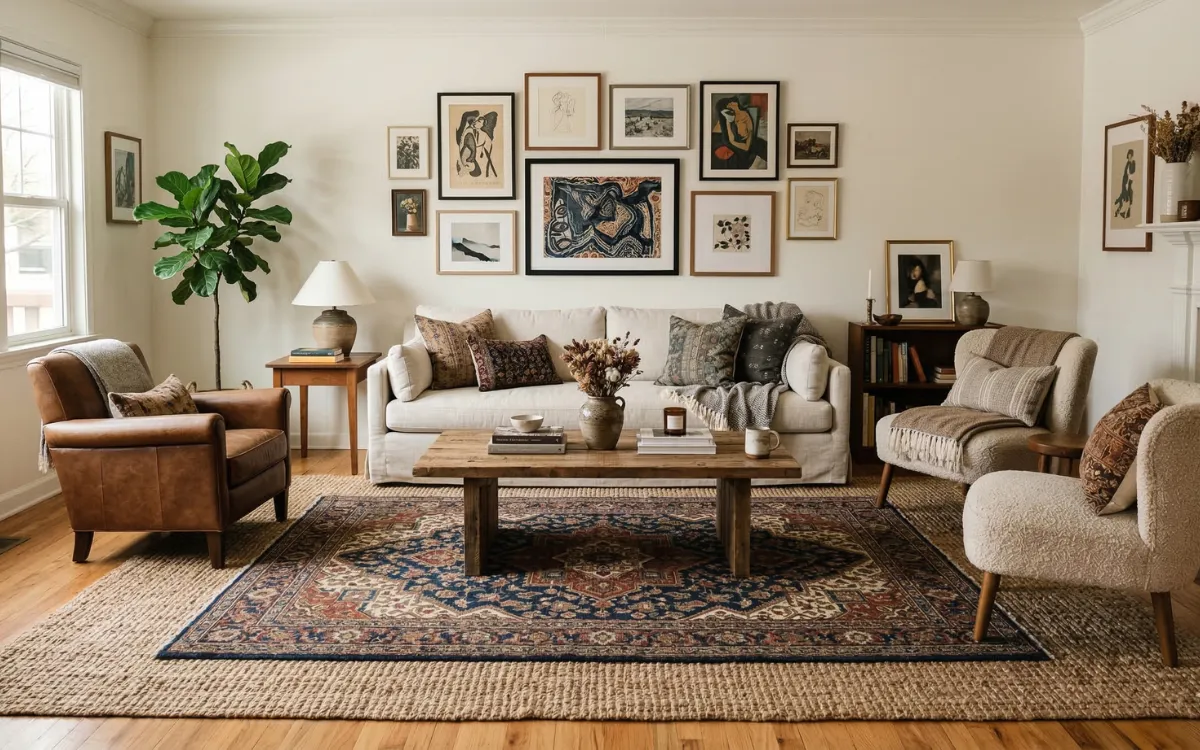
In today’s economic climate, creating a beautiful home doesn’t require a bottomless budget. The secret lies in strategic thinking, creativity, and knowing where to invest your resources for maximum impact. We’ve consulted with top interior designers and budget decor experts to bring you 21 innovative ways to transform your living space without financial sacrifice.
The Philosophy of Budget
The philosophy of budgeting is not about restriction; it is about intentional choices that maximize value and meaning in everyday living. Many interior designers emphasize that a thoughtful budget helps people focus on what truly matters instead of spending impulsively.
Designer Nate Berkus often explains that great design can exist on any budget, noting that the key is prioritizing the changes that create the most impact and joy in a home. Similarly, Kelly Wearstler believes that well designed spaces combine creativity, texture, and personality rather than simply expensive objects, proving that style does not always depend on a large budget.
Experts also recommend mixing high quality investment pieces with more affordable items to maintain both style and financial balance.Ultimately, the philosophy of budgeting encourages mindful spending building spaces, lifestyles, and financial habits that reflect personal values rather than price tags.
Budget Decorating Mindset
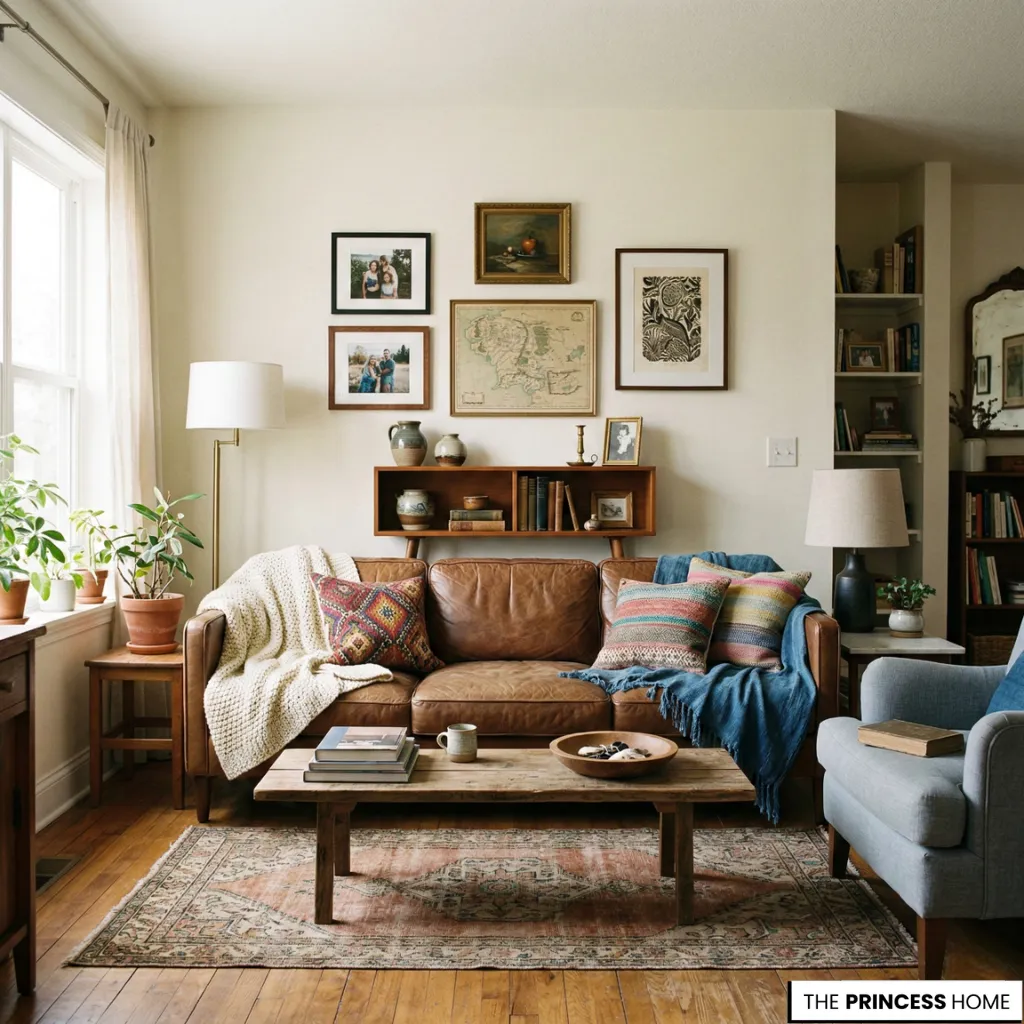
Decorating on a budget isn’t about rushing to copy trends it’s about building a home with intention, layer by layer, over time. Interior designer Nate Berkus often emphasizes that a home should tell your story, which only happens when you collect pieces gradually instead of buying everything at once.
Similarly, Joanna Gaines encourages homeowners to live in a space before committing to major changes, so decisions feel authentic rather than impulsive. Even bold tastemakers like Kelly Wearstler suggest investing in statement pieces slowly, mixing high and low elements to create depth without overspending.
This slow design philosophy not only protects your budget but also prevents costly mistakes like trendy feature walls or renovations you may regret later. The most beautiful homes aren’t finished in a weekend they’re thoughtfully curated environments shaped by patience, personality, and smart financial choices.
Expert Backed Strategies
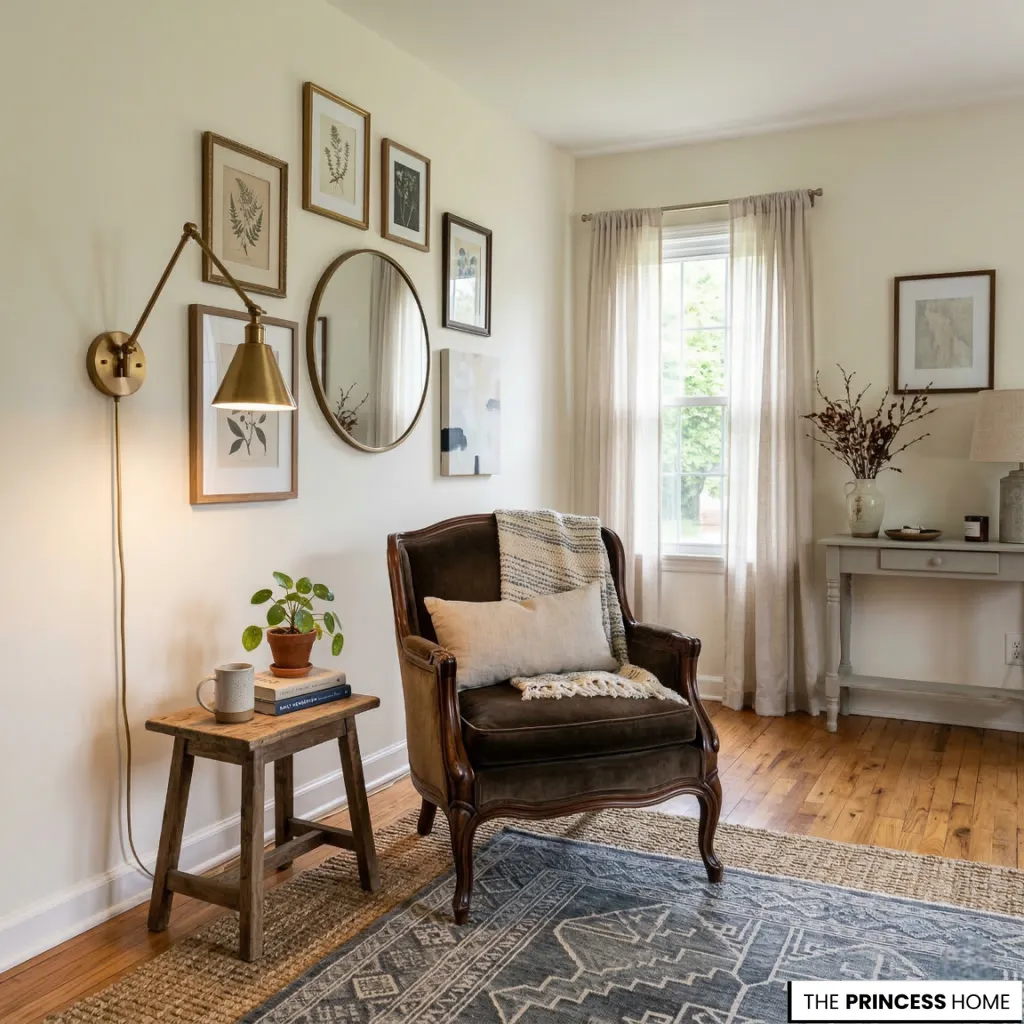
Transforming your home on a budget starts with expert insight and intentional choices. Designers like Emily Henderson recommend layering lighting, rugs, and accessories to create depth without major renovations. Nate Berkus advises investing in one or two standout pieces while keeping surrounding elements simple and affordable.
Studios such as Pure Salt Interiors show how a single addition like a well placed sconce can redefine an overlooked corner. Meanwhile, creatives like Kristen McGowan share practical DIY upgrades and budget sourcing tips that make designer style accessible. By combining strategic spending, thoughtful cohesion, and creative repurposing, you can achieve a high end transformation without overspending.
Vintage Charm Wins
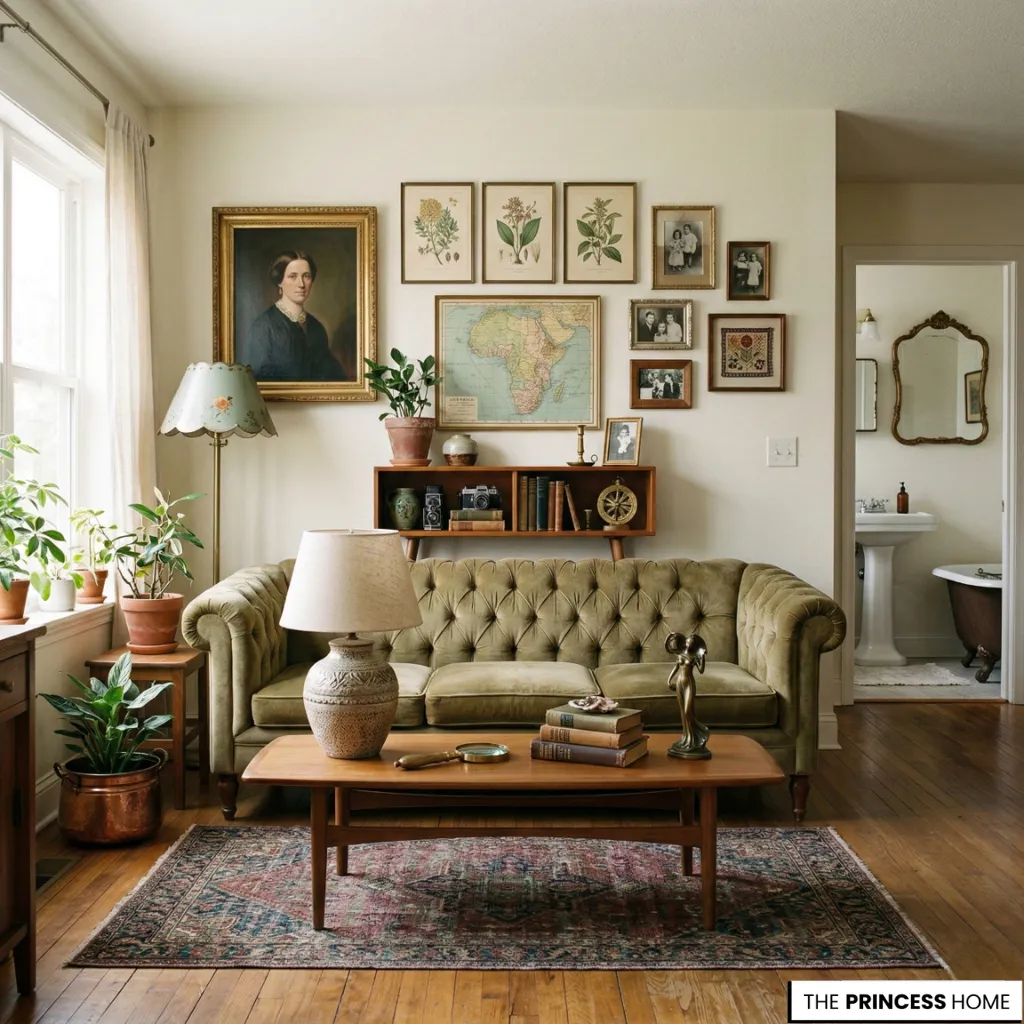
Designers like Emily Henderson also highlight that mixing vintage with modern prevents a room from feeling flat or showroom staged. With the resurgence of retro and heritage styles, sourcing from flea markets, estate sales, and curated resale platforms makes it easier than ever to uncover one of a kind treasures.
Choosing vintage isn’t just a budget trick it’s a design strategy that adds instant soul to your home. Interior designer Temi Johnson encourages homeowners to look for secondhand finds even in overlooked spaces like bathrooms because older pieces often offer better craftsmanship and timeless detail than mass produced alternatives.
Beyond saving money, vintage decor reduces waste and supports sustainable design an approach many professionals now prioritize. The result? A layered, story driven space that feels collected, personal, and far more expensive than it actually is.
Seamless Lighting Trick
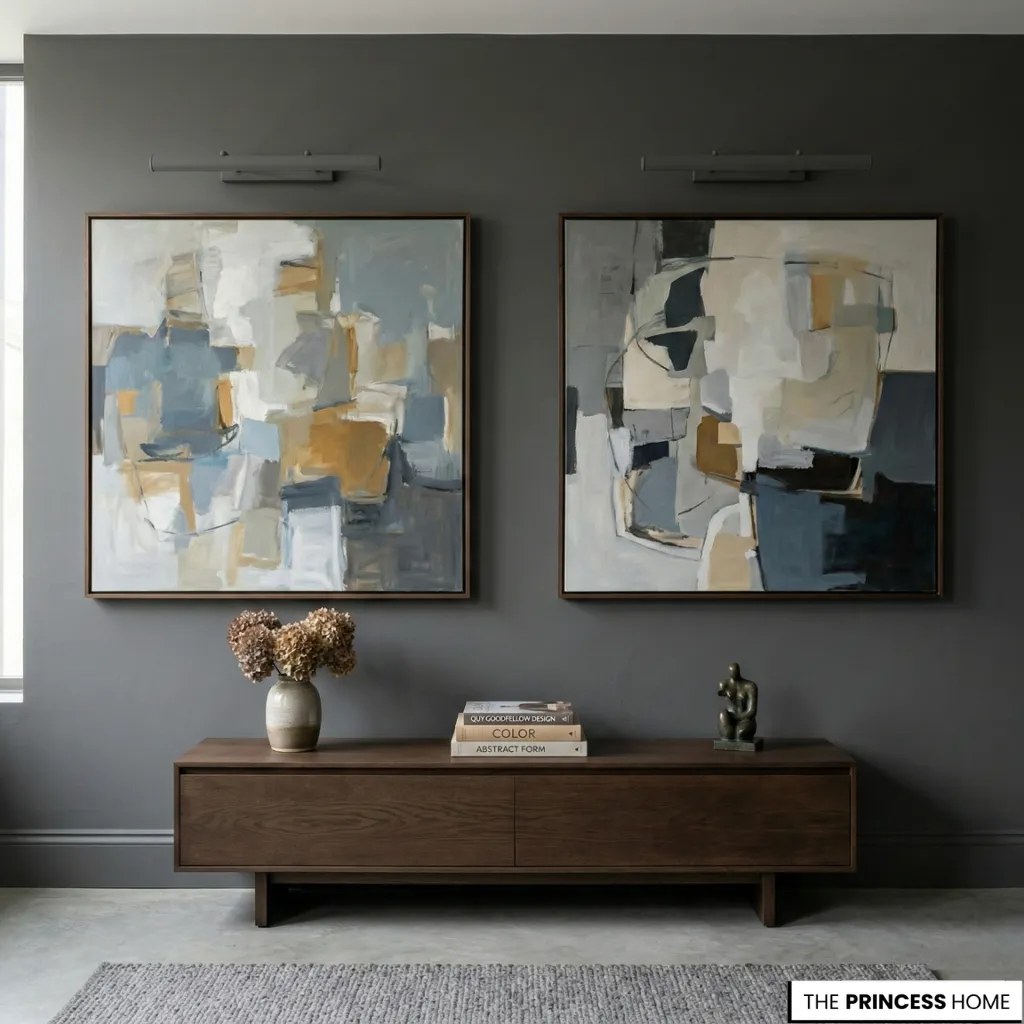
Instead of defaulting to trendy brass fixtures, Guy Goodfellow of Guy Goodfellow Design suggests a subtle but transformative approach: paint picture lights the exact same color as the wall. By color matching the fixture, the hardware visually disappears during the day and only reveals itself when illuminated at night creating a refined, gallery like glow without visual clutter.
This designer approved trick delivers a bespoke look without the high cost of custom joinery or recessed lighting. Many contemporary designers now favor this tone on tone method because it supports a calm, layered aesthetic rather than competing for attention.
It’s a smart example of “quiet luxury” design where restraint, not flash, signals sophistication. Sometimes the most impactful upgrades aren’t about adding more, but about helping existing elements blend beautifully into the background.
Layered Lighting Magic
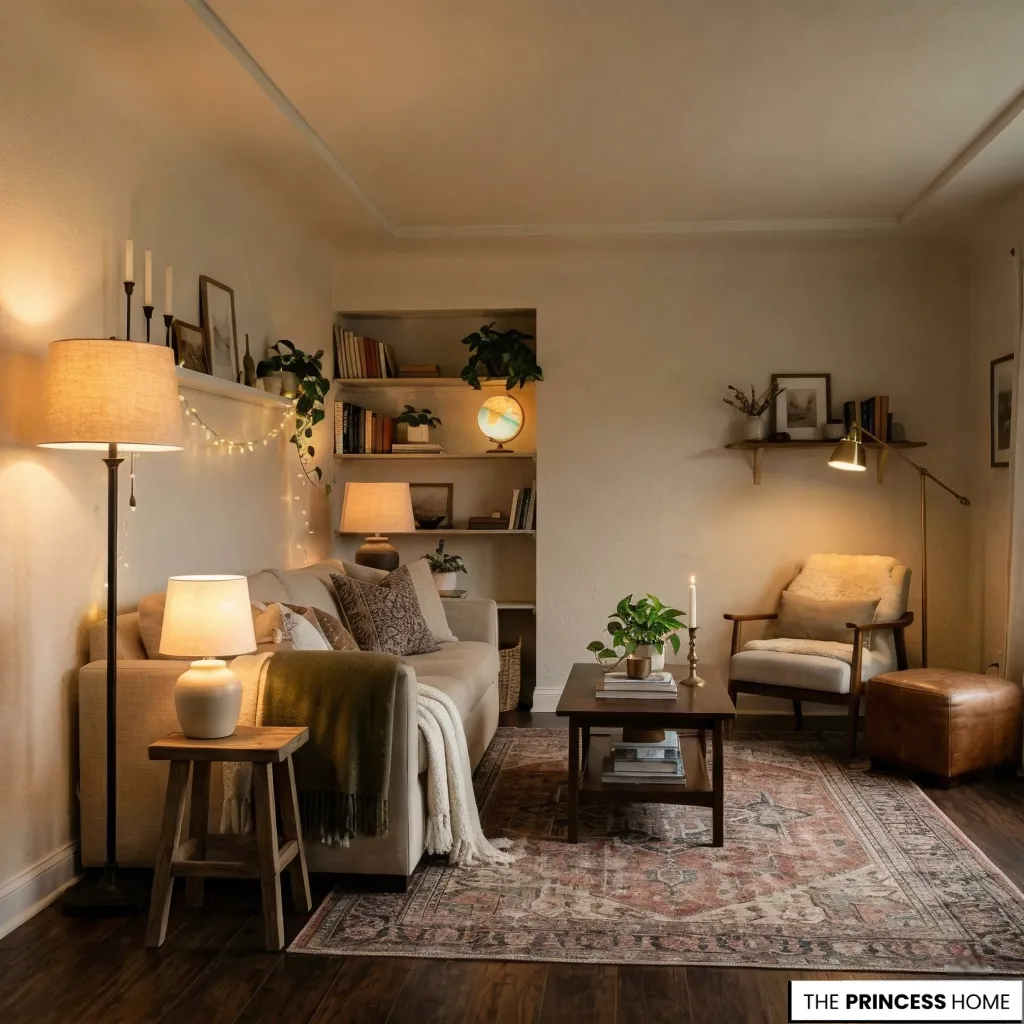
Great design rarely relies on a single overhead fixture; instead, it layers light to shape mood and dimension. Designers like Amber Lewis often stress the importance of ambient and task lighting to create warmth rather than harsh brightness.
Swapping one ceiling light for a mix of affordable table lamps, floor lamps, and subtle string lights instantly softens a room and makes it feel inviting. Even design experts such as Bobby Berk recommend using multiple light sources at different heights to give spaces a cozy, designer finished glow.
This strategy avoids costly rewiring while dramatically improving how a room looks and feels. Thoughtful lighting isn’t about spending more it’s about placing light intentionally to transform everyday spaces into comforting retreats.
Framed Wallpaper Art
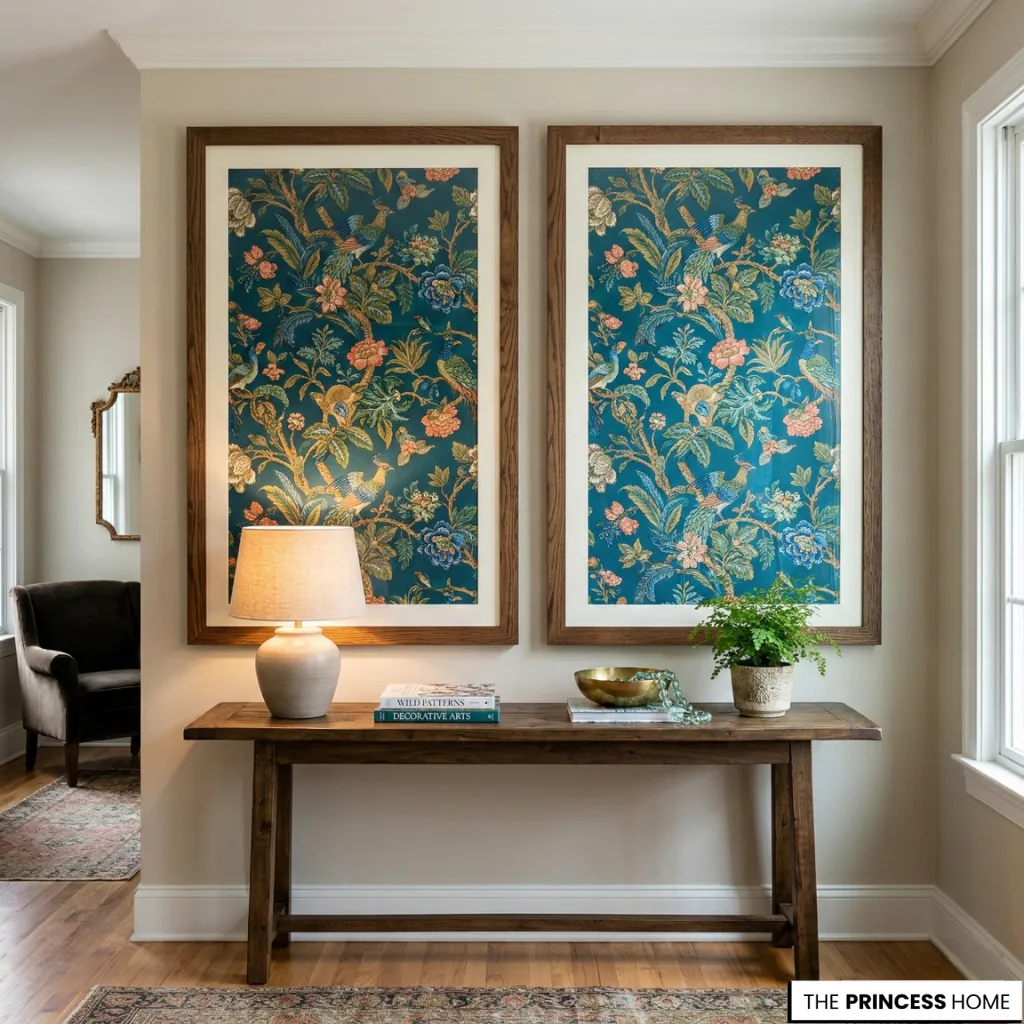
When original artwork isn’t within reach, framed wallpaper can become an instant statement piece. Interior designer Molly Coath suggests selecting a striking wallpaper pattern and placing it inside oversized frames to create high impact wall art. The result feels custom and curated yet costs a fraction of traditional artwork.
She even crafts her own frames by gluing MDF strips together, proving that ingenuity often matters more than budget. This approach allows you to introduce bold pattern, color, or texture without committing to an entire wallpapered wall. With a little creativity, decorative paper can transform into gallery worthy art that elevates the entire room.
Painted Furniture Power
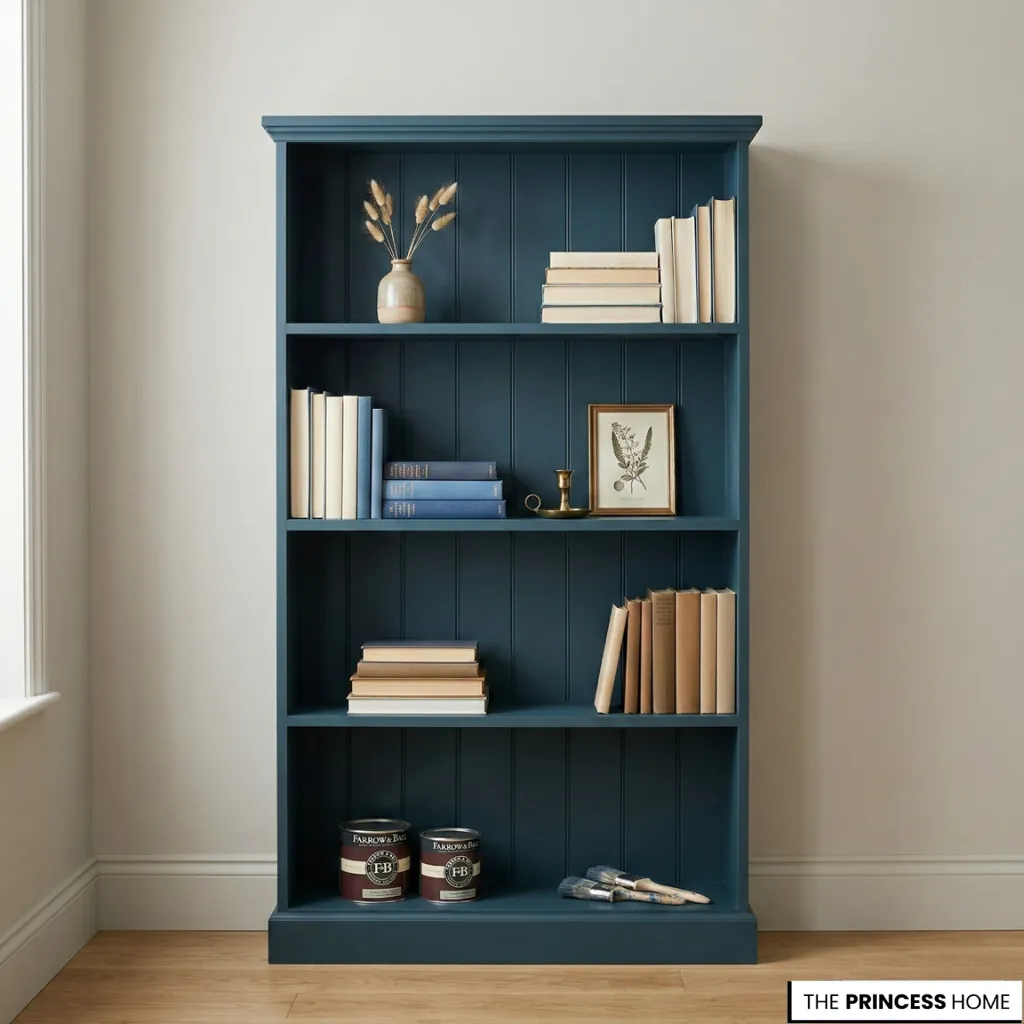
If a full renovation feels overwhelming, start with one small, high impact change. Interior designer Lonika Chande currently renovating her own family home often reminds homeowners that paint is one of the most transformative tools in design.
Rather than committing to walls immediately, she suggests painting furniture first, giving basic pieces a custom, elevated look for a fraction of the cost. A simple bookshelf, dresser, or side table can feel bespoke with a coat of eggshell or satin paint in a thoughtful shade.
Many designers favor this approach because it allows experimentation without the permanence or expense of larger projects. Small upgrades like this build confidence, stretch your budget, and gradually create a home that feels curated rather than rushed.
Cohesive Color Story
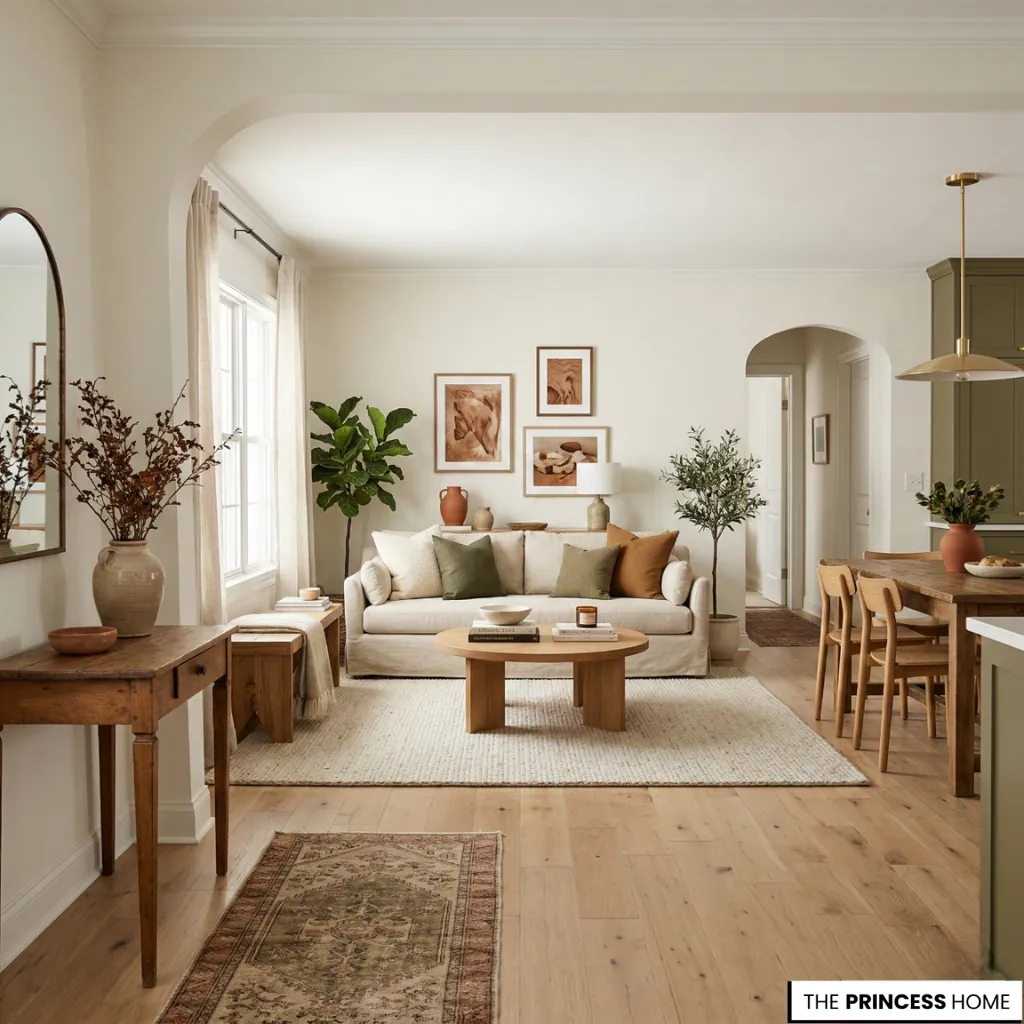
A truly beautiful home isn’t defined by expensive furniture it’s defined by cohesion. Designers like Sarah Sherman Samuel emphasize that repeating a consistent color palette from room to room instantly creates flow and visual harmony.
Before buying anything new, establish a clear direction whether that’s warm neutrals, earthy greens, or soft coastal blues so every piece feels intentional rather than random. Even celebrated tastemaker Athena Calderone often speaks about restraint and tonal layering as the secret to elevated interiors.
When colors echo subtly throughout your home in textiles, art, and accessories the entire space feels curated and high end. Thoughtful color planning doesn’t cost extra, but it’s the difference between a house that looks decorated and one that feels beautifully designed.
Rediscover What You Own
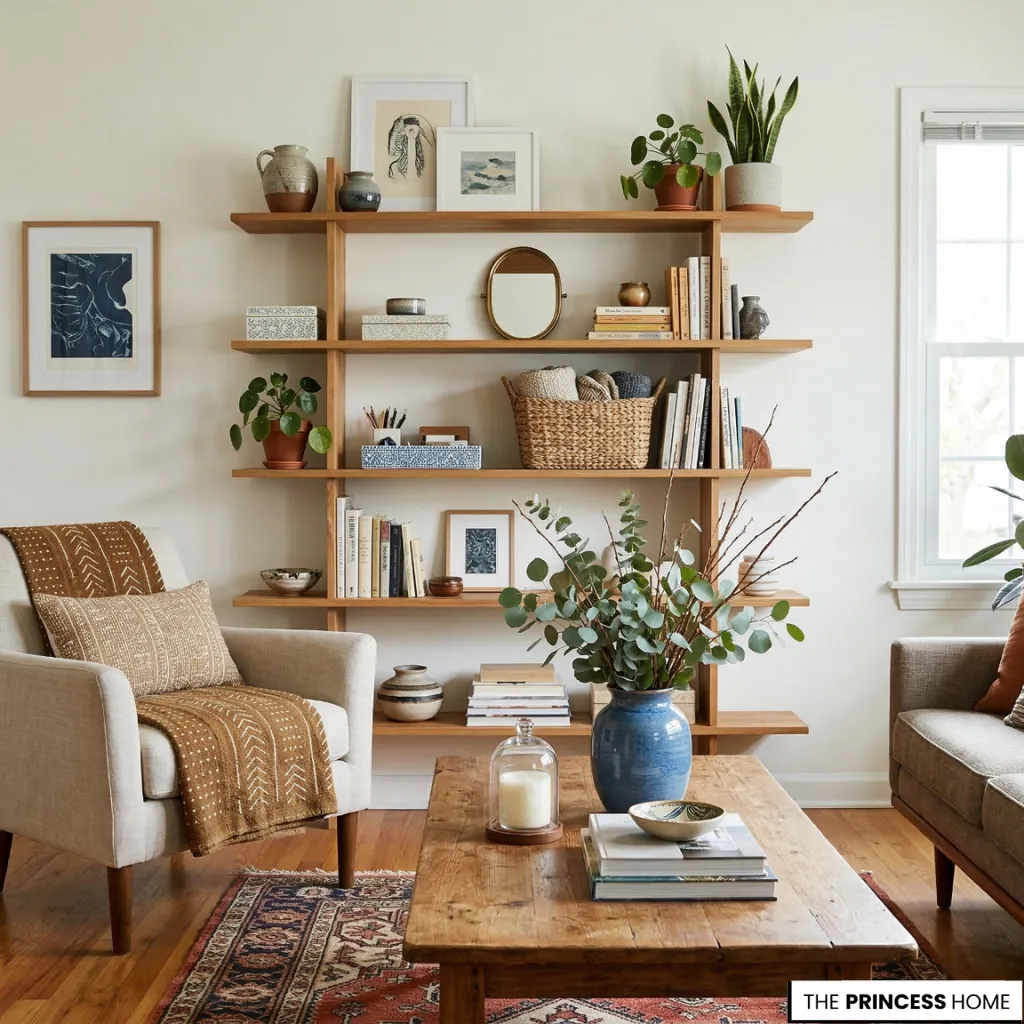
Before buying anything new, take a fresh look at what’s already in your home. Designers like Justina Blakeney often encourage clients to “shop their own house” first moving decor between rooms to instantly refresh a space without spending a dollar.
A woven basket can become stylish bathroom storage, a vase from the hallway can anchor a dining table, and decorative boxes can neatly organize open shelving. Even organizing expert Emily Henderson frequently highlights that rearranging accessories creates visual change faster than purchasing new items.
This zero cost strategy not only stretches your budget but also helps you see your belongings with fresh perspective. Sometimes the key to a beautifully styled home isn’t buying more it’s reimagining what you already have.
Corner Sconce Upgrade
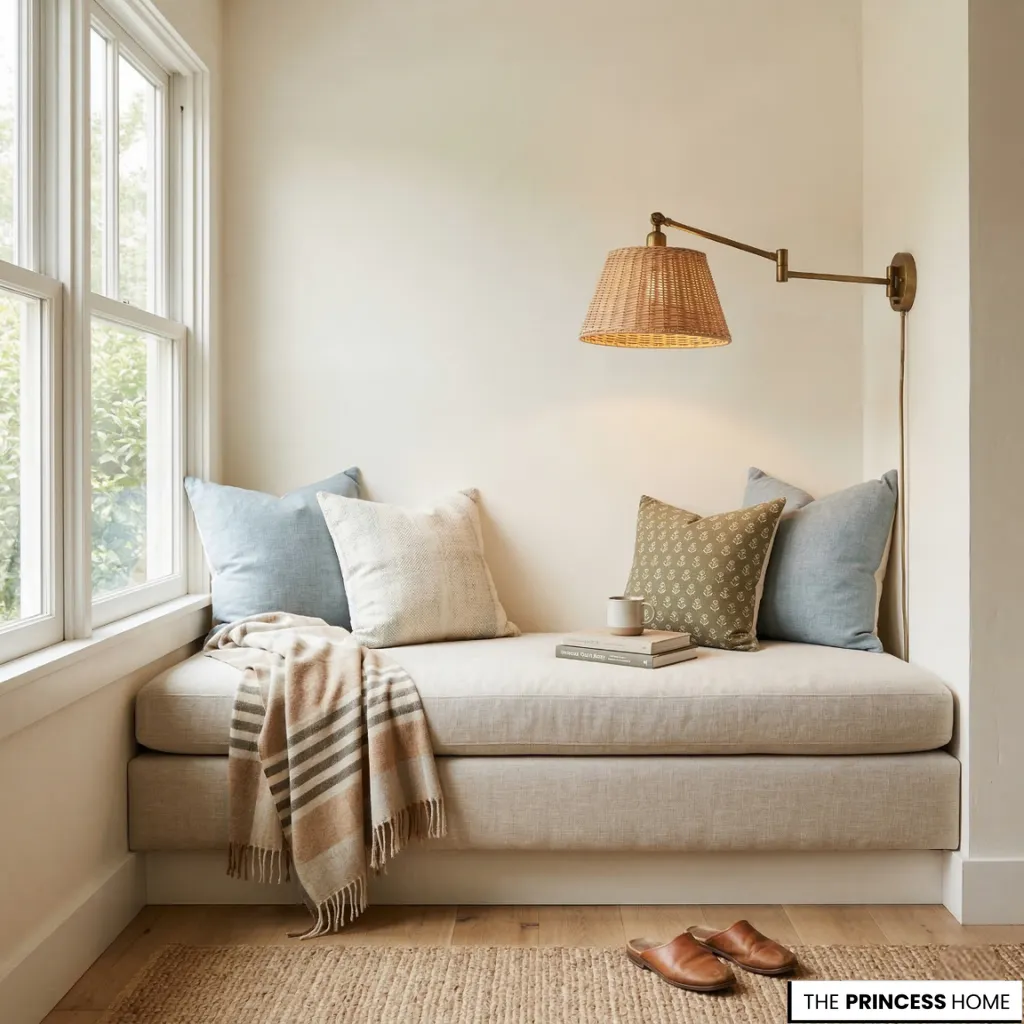
Empty corners often feel like wasted space but the right wall sconce can completely transform them. Design studio Pure Salt Interiors demonstrates this beautifully by using an articulating rattan sconce to turn an overlooked corner into a cozy reading nook that functions like a window seat.
A single swing arm or plug in sconce adds both task lighting and architectural interest without the expense of major renovations. Many designers favor sconces because they free up floor and table space while adding a layered, high end feel.
Choosing a textured material like rattan, linen, or aged metal also introduces warmth and dimension. With one thoughtful fixture, an awkward corner can become one of the most inviting spots in the room.
Statement Pieces Strategy
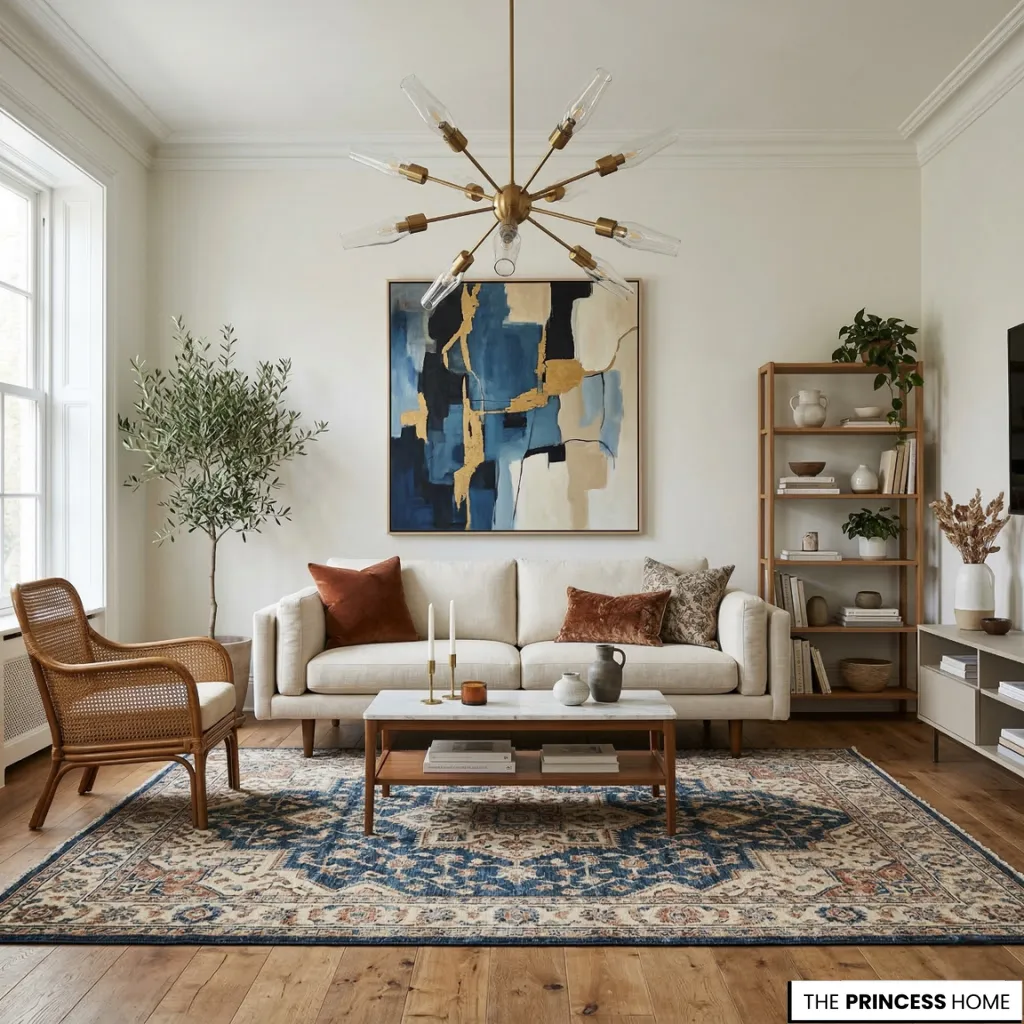
Designing on a budget doesn’t mean avoiding investment pieces it means choosing them wisely. Designers like Nate Berkus often advise splurging on one or two high impact items such as a sculptural light fixture, a quality sofa, or a timeless rug that anchor the entire room.
Similarly, Kelly Wearstler is known for creating drama through bold focal points while keeping surrounding elements more understated. This high–low approach allows your space to feel elevated without overspending on every detail.
By identifying where the eye naturally lands, you can allocate your budget strategically for maximum visual return. A few well chosen statement pieces can make even the simplest room feel intentional, layered, and professionally designed.
Smart Repurposing Ideas
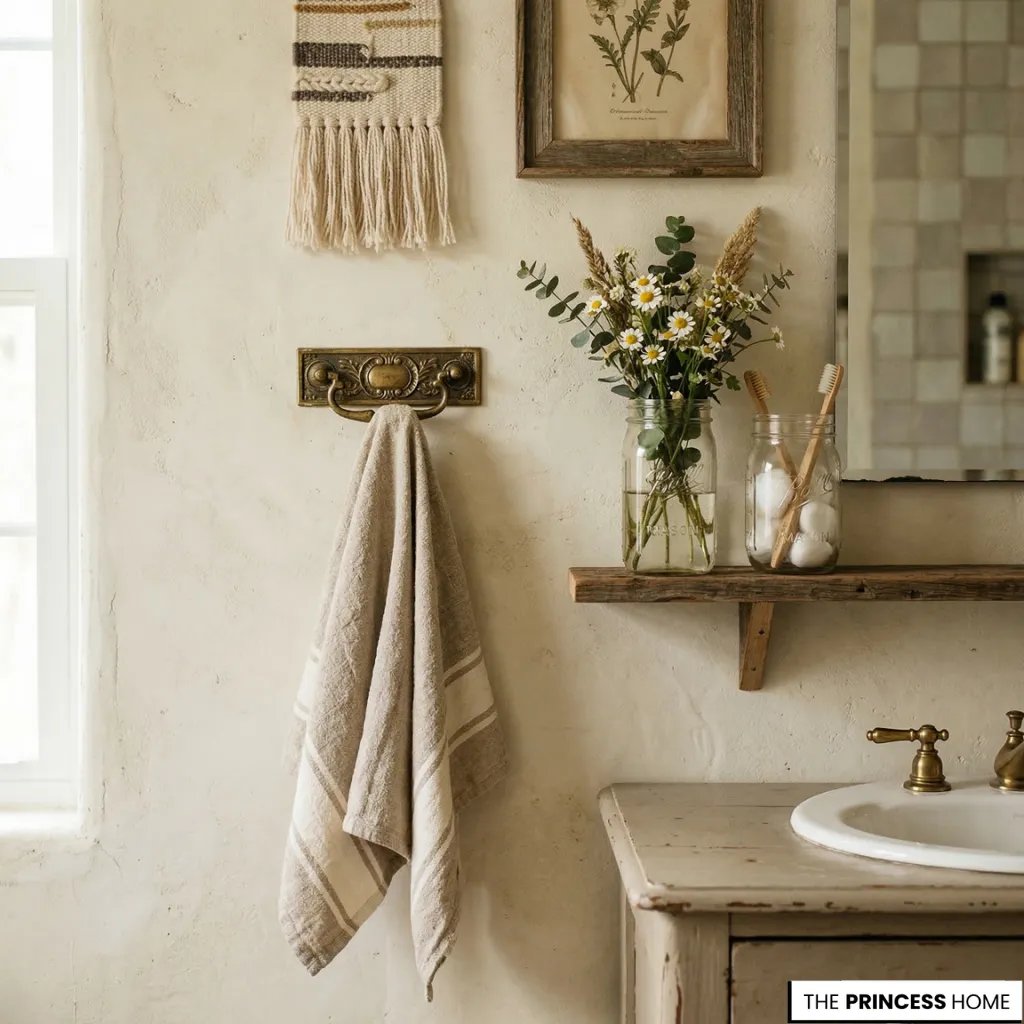
Great design often starts with creative thinking rather than a bigger budget. Designers like Leanne Ford frequently highlight the beauty of using everyday objects in unexpected ways to create relaxed, character filled spaces.
A decorative drawer pull can double as a compact brass towel hook, while simple mason jars can become charming flower vessels or bathroom organizers. Even resourceful stylists such as Justina Blakeney embrace repurposing as a way to add personality without unnecessary spending.
This approach encourages you to see potential where others see ordinary items. By reimagining what you already own, you solve practical design challenges while keeping your budget completely intact.
Layered Rug Styling
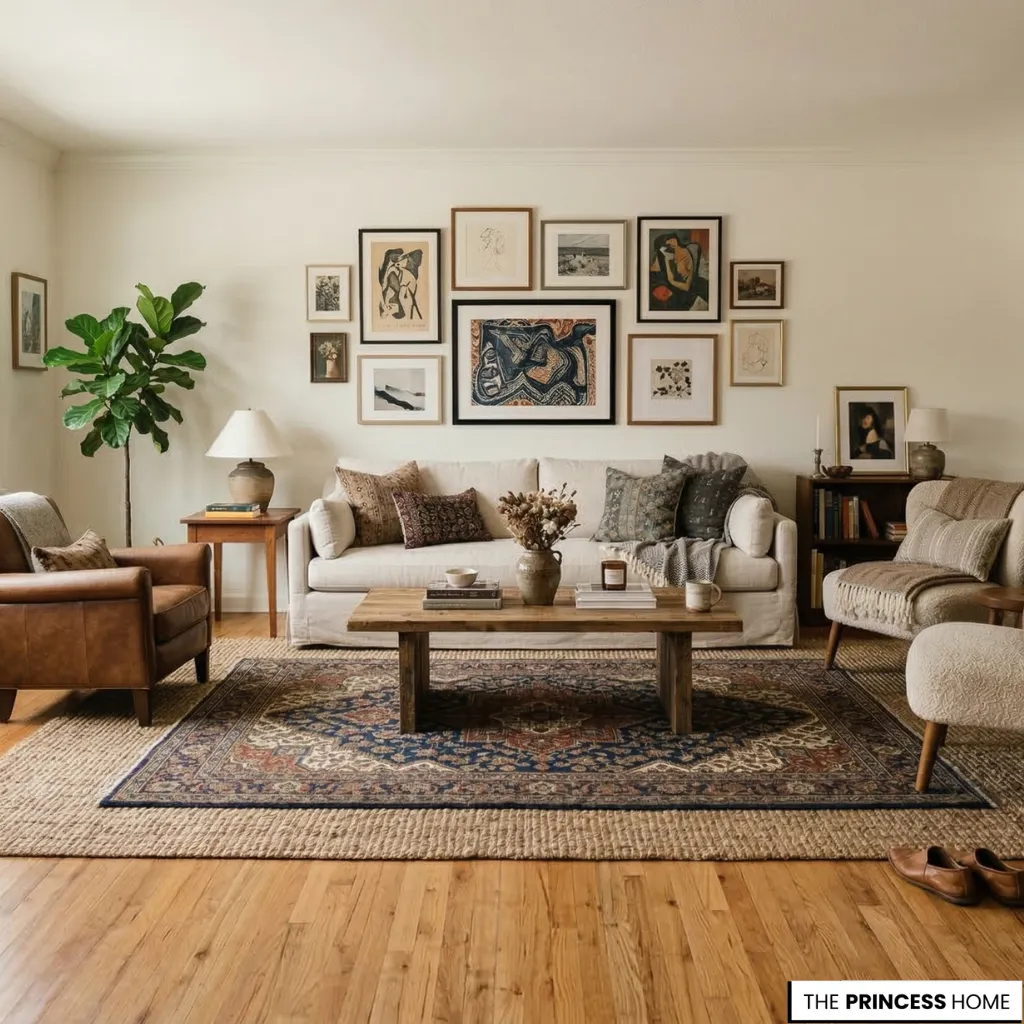
Rugs aren’t just for comfort they’re powerful tools for defining and elevating a space. Designers like Emily Henderson often recommend starting with a large, neutral rug as a base, then layering smaller rugs on top to create intimate conversation areas or activity zones.
Similarly, Amber Lewis uses rug layering to introduce texture, pattern, and visual interest without overwhelming the room or breaking the budget. This approach makes even inexpensive rugs look curated and high end while adding depth and warmth.
Layering also allows flexibility swap out colors or textures seasonally for a fresh update without major investment. The result is a designer level, layered look that feels intentional, cozy, and effortlessly stylish.
DIY Art Magic
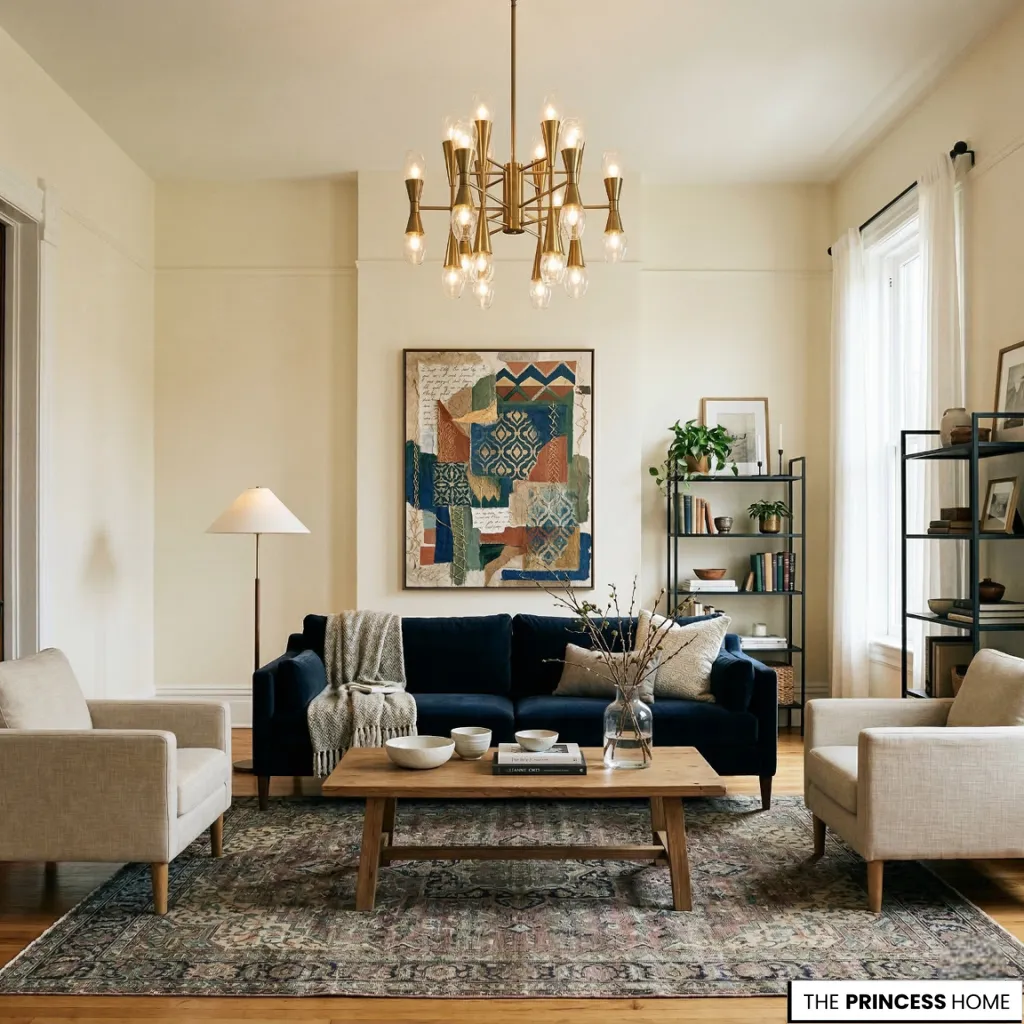
Original artwork doesn’t have to come with a designer price tag sometimes the best pieces are made by you. Designers like Justina Blakeney often encourage homeowners to create custom canvases using paint, stencils, or collage techniques to reflect personal style.
Even abstract shapes or simple color blocks can feel modern and gallery worthy when scaled and framed thoughtfully. Interior stylist Leanne Ford highlights that DIY art adds personality and uniqueness that purchased pieces rarely capture.
This approach lets you match your color palette perfectly while creating conversation worthy decor. With a few materials and creativity, your walls can become a curated showcase of your own design vision.
Hallway Design Impact
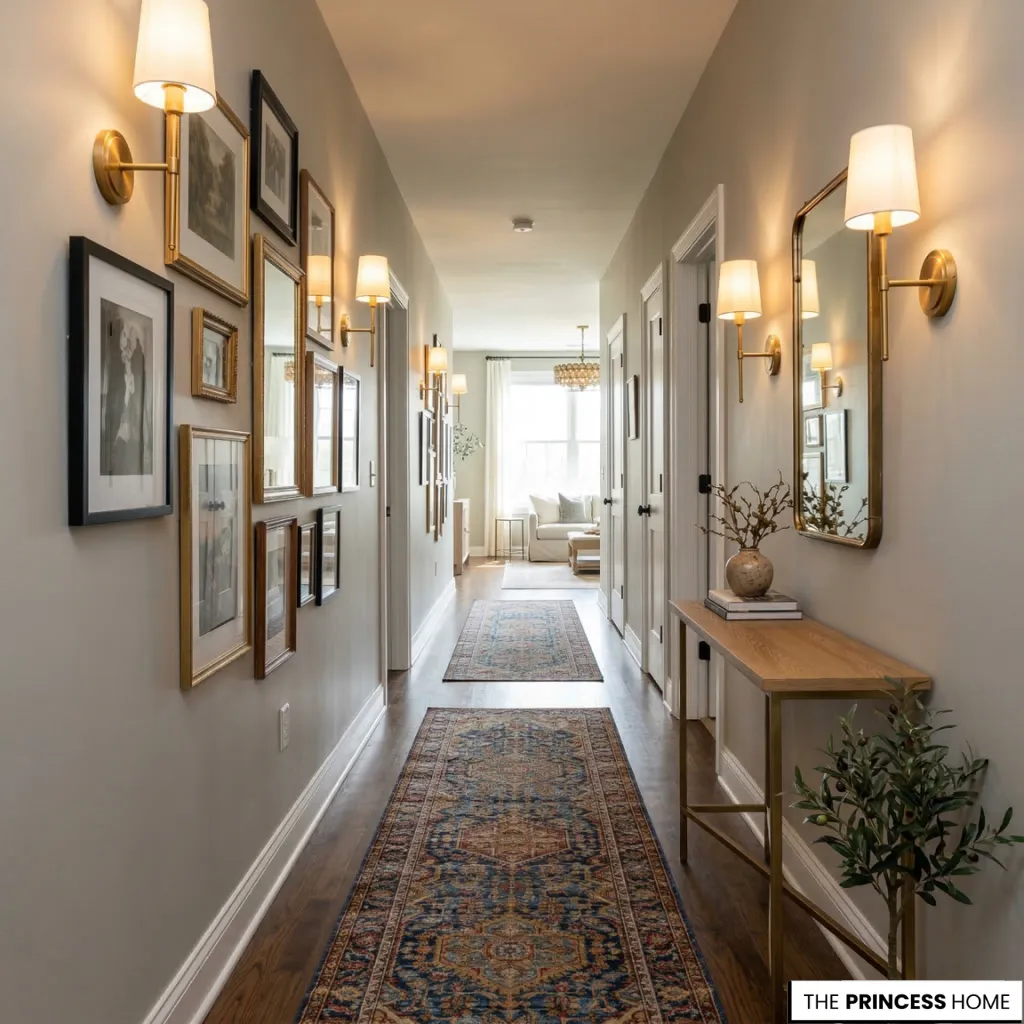
Hallways aren’t just pass through spaces they’re opportunities to tie your home together. Designers like Nate Berkus emphasize using color, lighting, and curated artwork to transform hallways into cohesive, visually engaging corridors.
Similarly, Emily Henderson suggests layering sconces, mirrors, or gallery walls to make even narrow passages feel intentional and stylish. Thoughtful hallway design creates a sense of flow between rooms, giving your home a curated, high end feel without large renovations.
A pop of paint, a runner rug, or a statement light fixture can dramatically elevate these often overlooked areas. When hallways feel considered, your entire home reads as connected, polished, and inviting.
High Low Balance
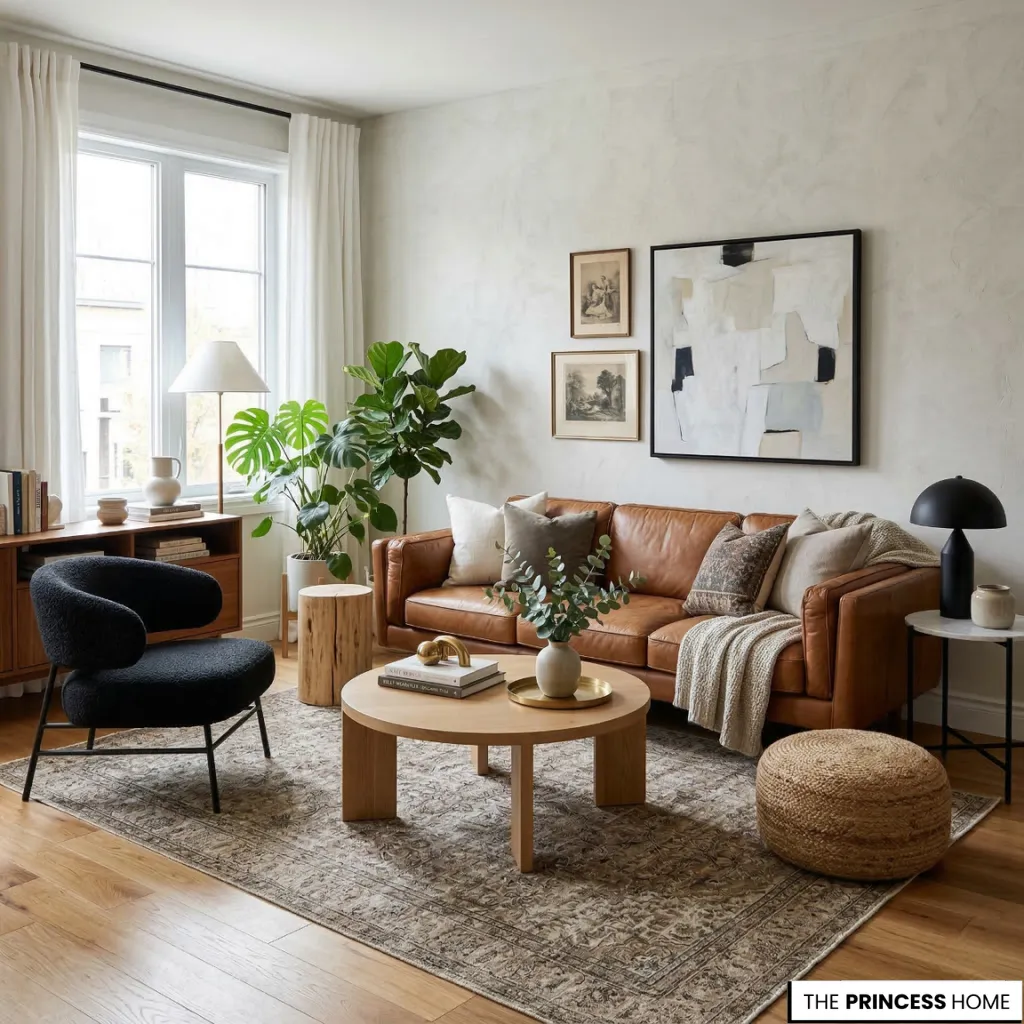
Smart interiors aren’t about buying everything expensive they’re about mixing high and low pieces with intention. Designers like Kelly Wearstler often pair statement investment pieces, such as a leather sofa or sculptural chair, with more affordable elements like coffee tables, poufs, or side tables to create visual balance.
Similarly, Nate Berkus emphasizes that blending quality with budget friendly finds prevents a room from feeling either cheap or overly staged. This approach allows key pieces to shine while keeping overall costs manageable.
Accessories, rugs, and lighting can then layer in personality without breaking the bank. The result is a curated, designer level look that feels elevated, collected, and completely achievable.
Luxe Fabric Hacks
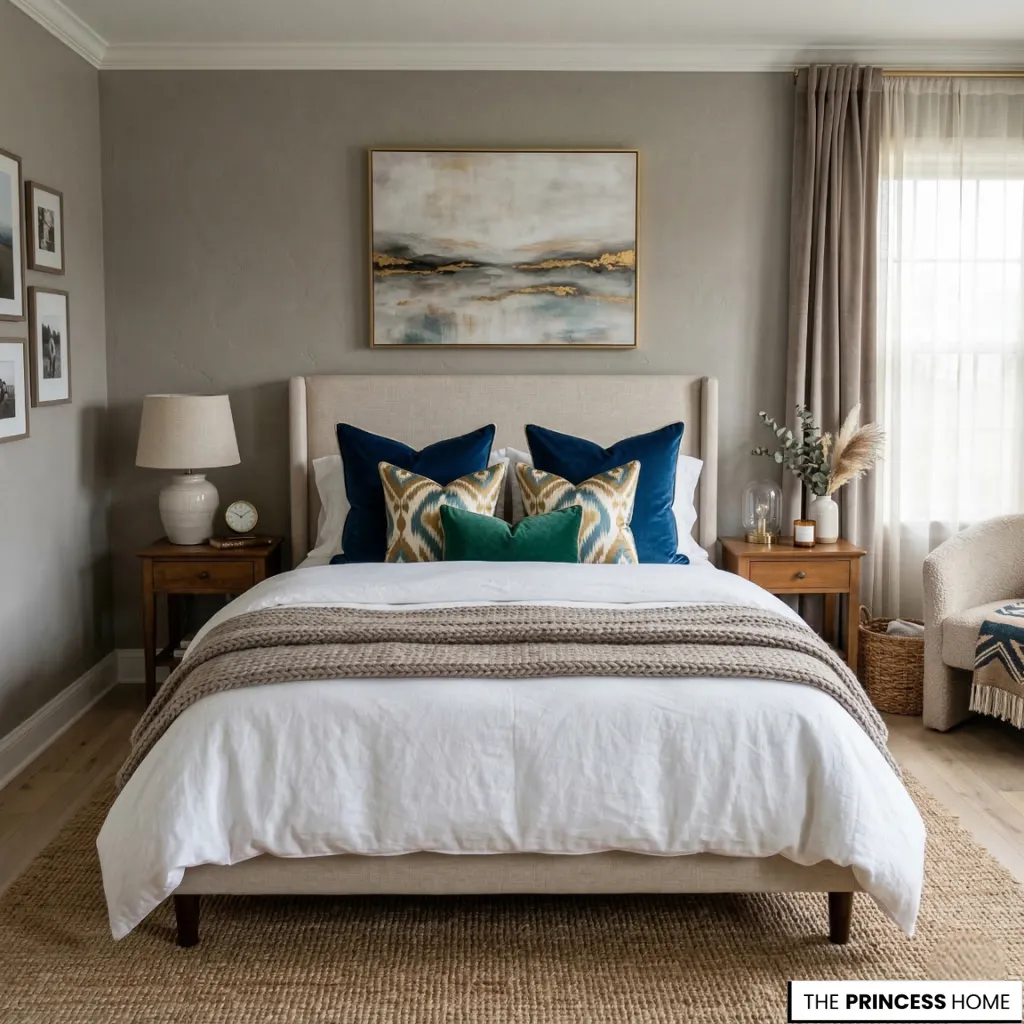
You don’t need a millionaire budget to enjoy the feel of luxury fabrics at home. Designers like Amber Lewis suggest using plush materials like silk, velvet, or satin on high impact surfaces such as pillow fronts, while using more affordable fabrics on the reverse.
Similarly, Emily Henderson highlights that this mix and match method achieves the tactile richness of luxury without overspending. This technique works for cushions, throws, and even small upholstery projects, letting you indulge in texture and elegance strategically.
Layering these fabrics adds depth, warmth, and visual interest to your space. Thoughtful fabric choices are one of the easiest ways to elevate a room and make it feel curated and high end on a budget.
Selective Wallpaper Impact
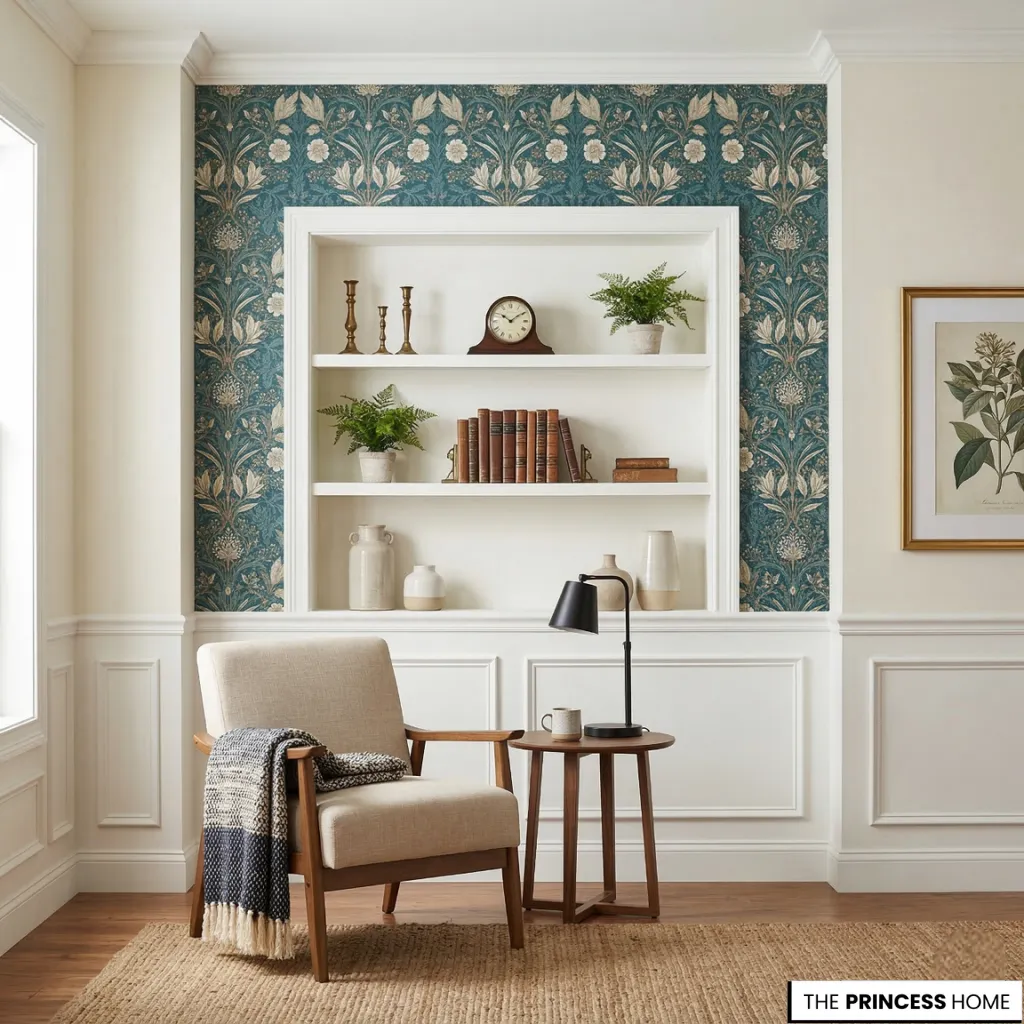
Wallpaper doesn’t have to cover every wall to make a statement used thoughtfully, it can elevate a space dramatically. Designers like Joanna Gaines recommend applying elegant wallpaper to a single feature wall or as a backdrop for built in shelving to draw the eye and create focal points.
Similarly, Bobby Berk often uses selective wallpapering to introduce pattern, texture, or color without overwhelming a room or inflating costs. This approach maximizes visual impact while minimizing material usage and effort.
Even small sections of wall can transform the atmosphere, adding personality and sophistication. Strategic wallpaper placement is a simple, budget friendly trick to make any room feel curated and luxurious.
Affordable Style Wins
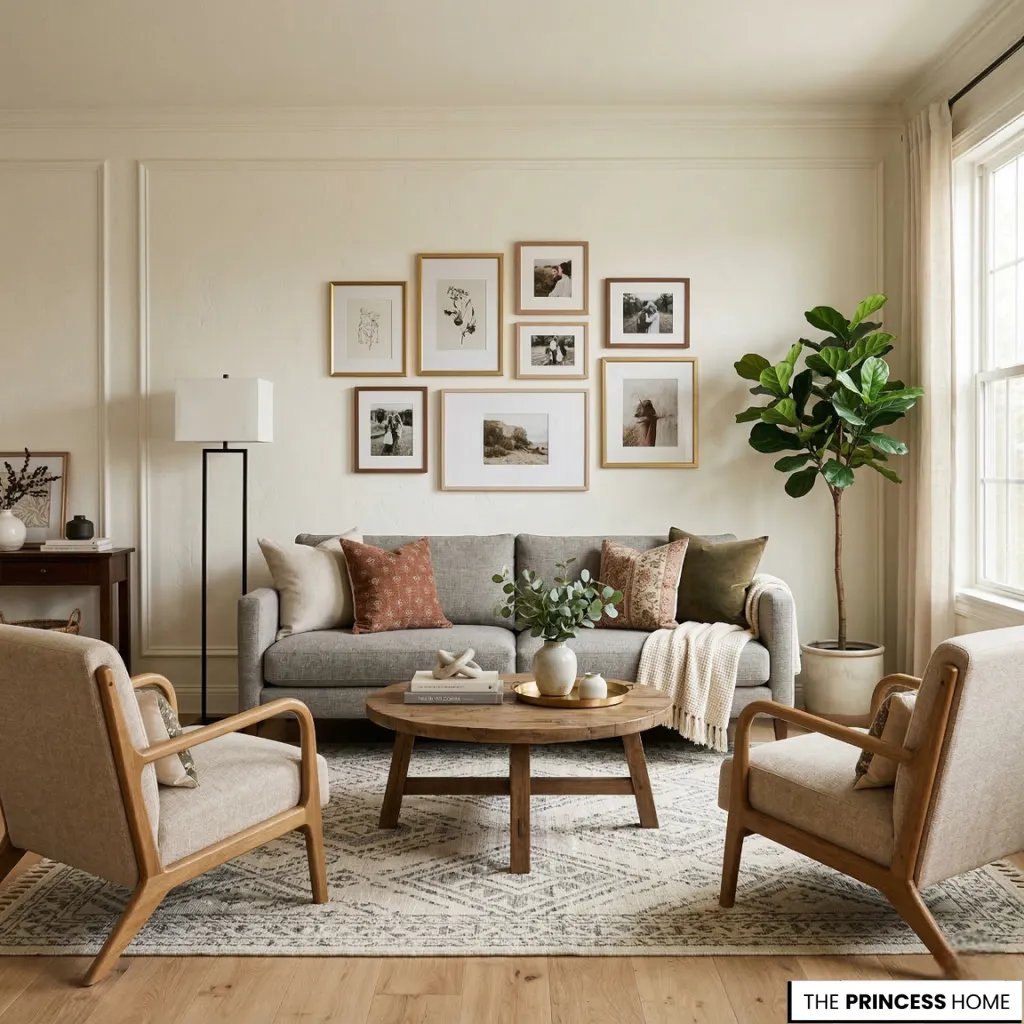
You don’t need luxury labels to achieve a polished, designer level look. Interior designers like Nate Berkus often emphasize seeking high quality, budget friendly alternatives that mimic the style and feel of expensive pieces.
Similarly, Kelly Wearstler suggests shopping sales, clearance events, and trusted discount retailers to stretch your budget without sacrificing aesthetics. Even simple swaps like choosing a well made sofa from a mid range brand instead of a luxury label can dramatically lower costs.
By focusing on quality, proportion, and style rather than brand names, your home can look curated, cohesive, and elevated. Smart shopping is not just frugal it’s a key strategy for creating a beautiful home on any budget.
Budget Inspiration Online
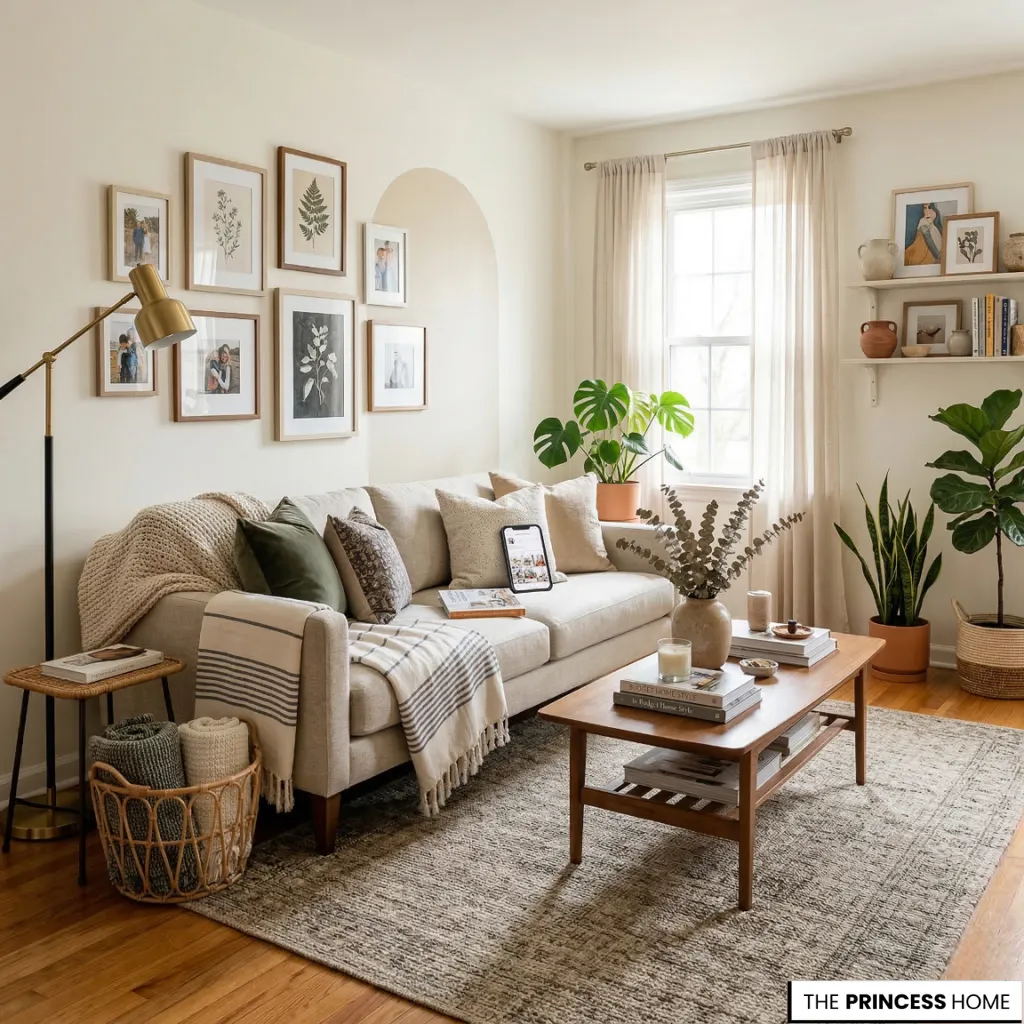
Following budget focused design influencers can give you a constant stream of creative ideas without spending a dime. Experts like Kristen McGowan share practical decorating tips, DIY hacks, and affordable shopping guides that help everyday homeowners elevate their spaces.
Similarly, influencers such as Sarah Sherman Samuel provide style inspiration with an emphasis on budget friendly solutions and smart layering techniques. Their content shows how small changes like swapping accessories, rearranging furniture, or adding texture can feel high end.
Social media also allows you to see real life results, helping you avoid costly mistakes and adopt strategies that actually work. Engaging with these experts turns scrolling into a source of actionable, style conscious inspiration for your home.
Painted Fixture Upgrade
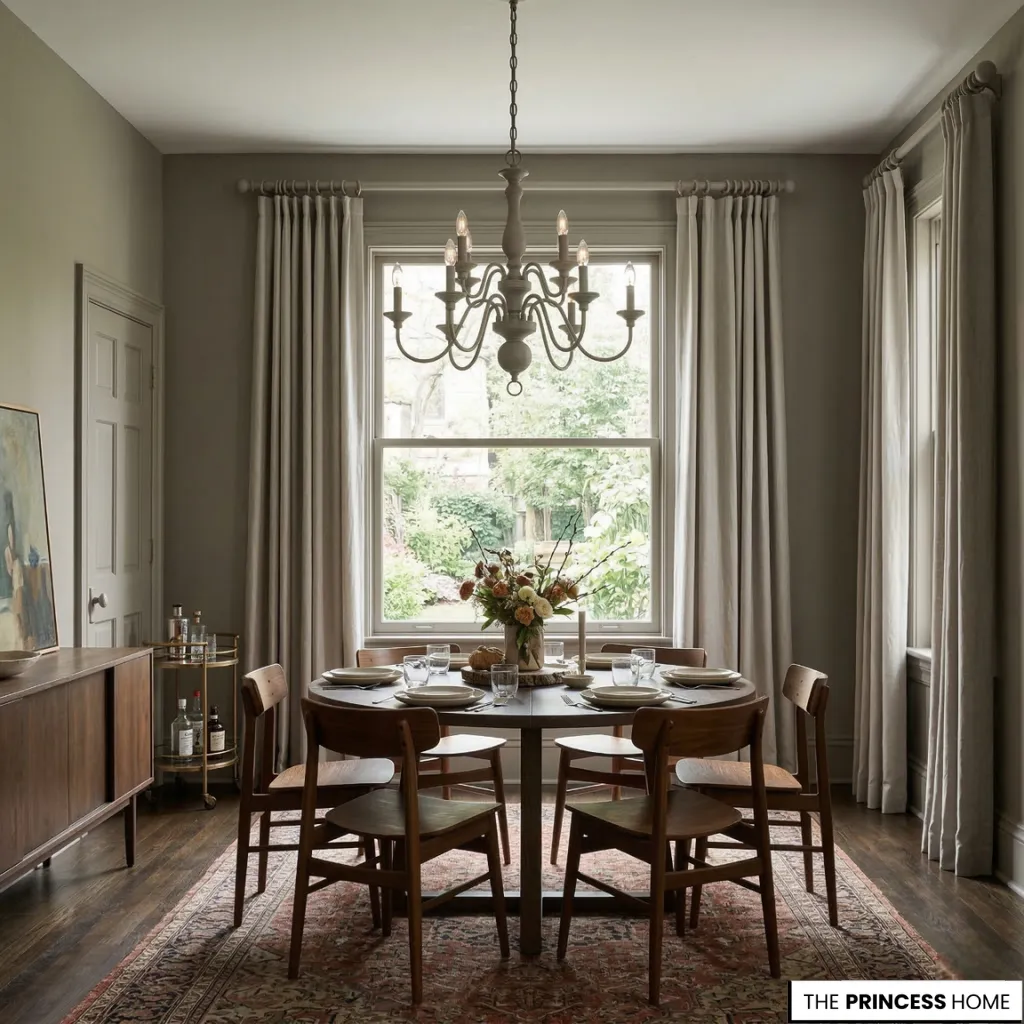
Small changes can make a big impact when it comes to fixtures. Designers like Guy Goodfellow recommend painting light fixtures, curtain rods, or even door hardware the same color as your walls for a seamless, integrated look.
This simple trick makes ordinary elements appear custom designed without the expense of replacement or bespoke pieces. Interior stylist Emily Henderson notes that tone on tone fixtures create subtle elegance, allowing other design elements to shine while keeping visual clutter minimal.
Beyond aesthetics, painted fixtures offer flexibility change the wall color, and your hardware instantly refreshes to match. It’s a cost effective way to elevate your space and achieve a high end designer feel on a budget.
Whimsical Secret Doors
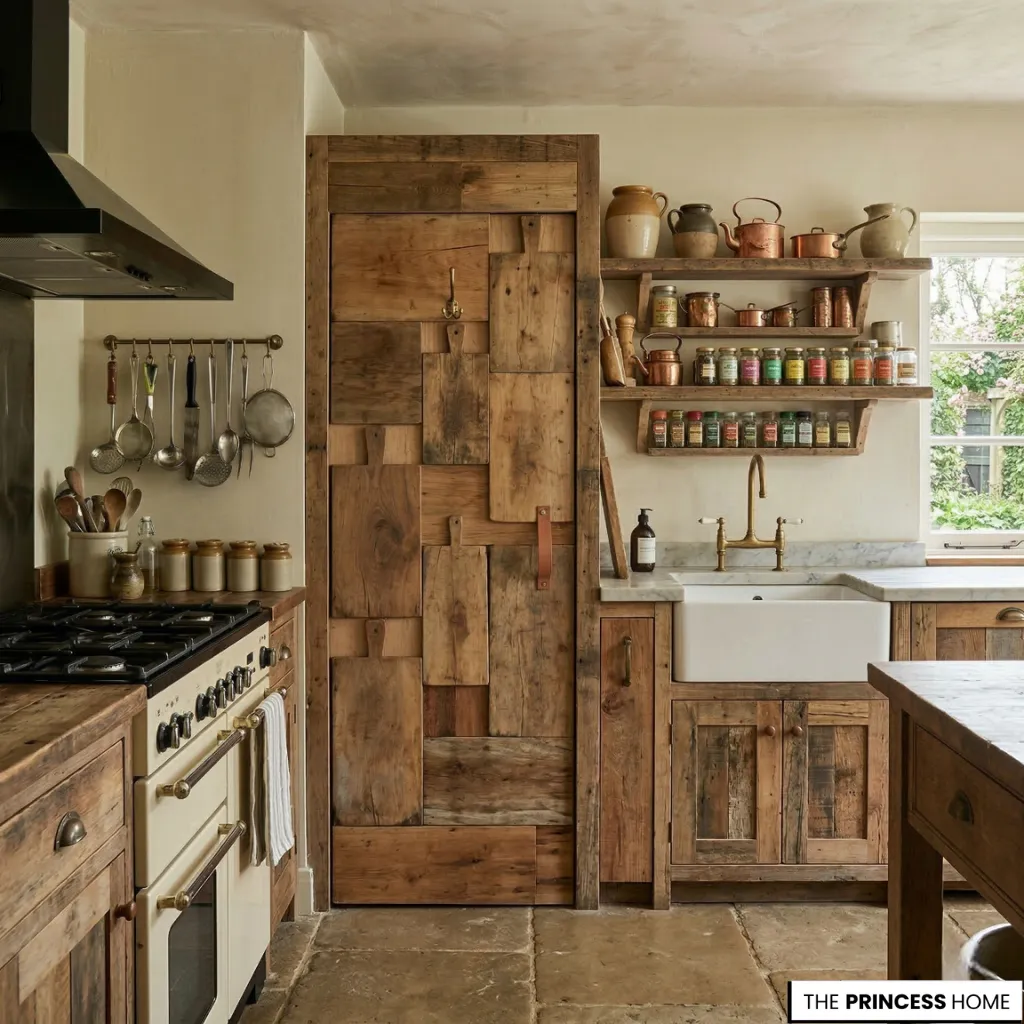
A touch of creativity can turn ordinary reclaimed materials into unforgettable design features. Designers like Lonika Chande have transformed salvaged items like cheese boards from a salvage yard into playful secret doors that add both function and character.
This budget friendly approach brings personality and surprise to a home without costly custom carpentry. Even small touches like this can become conversation starters while reflecting your personal style. Creative reuse also aligns with sustainable design, giving old materials new life.
Thoughtful, imaginative solutions like secret doors show that high impact design doesn’t require a high end budget.
Perfectly Imperfect Style
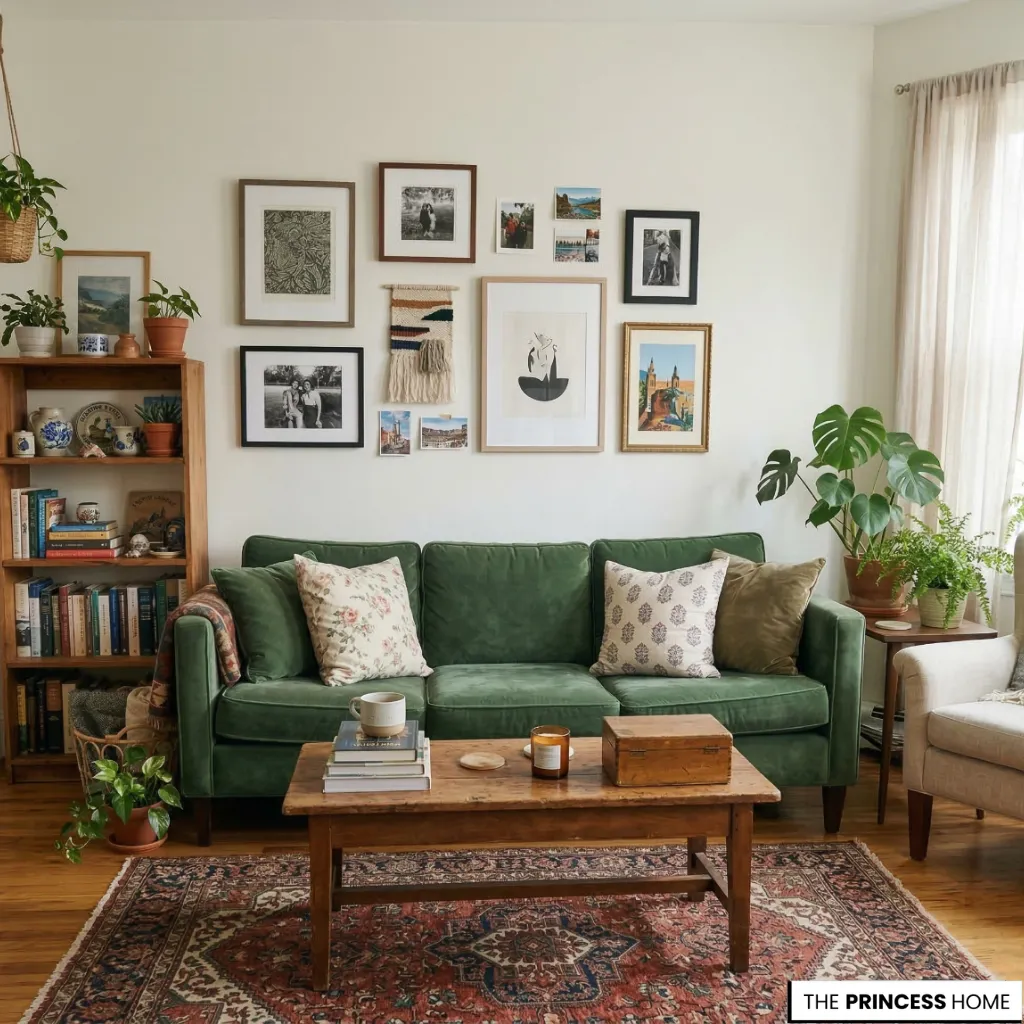
True style isn’t about perfection it’s about personality and comfort. Designers Amra and Elma emphasize that small, intentional touches like layering textiles, mixing patterns, or displaying personal mementos make a home feel lived in and authentic.
Focusing on what makes a space uniquely yours reduces the pressure to follow every trend or splurge on luxury pieces. This mindset not only saves money but also fosters a more relaxed, enjoyable living environment.
Even high end interiors often include imperfections that add charm and warmth. Embracing imperfection allows your home to reflect your personal style while staying budget conscious and inviting.
Designer Insights
We reached out to several interior designers for their exclusive tips on creating luxury looks for less:
Emily Rayna, a TikTok sensation known for transforming ordinary spaces into stylish, budget friendly interiors, emphasizes that “affordability doesn’t mean compromising style.” Her creativity proves that with the right approach, anyone can achieve a high end look without the high end price tag.
Nick Lewis, an interior designer who simplifies design concepts for everyday homeowners, highlights “smart furniture selections and decor choices that don’t break the bank.” His YouTube videos showcase affordable ways to achieve timeless, stylish spaces.
Pure Salt Interiors demonstrates how a single strategic addition like an articulating rattan wall sconce can transform an awkward corner into a functional, beautiful reading nook. This proves that sometimes the smallest changes make the biggest impact.
Conclusion
Creating a beautiful home on a budget isn’t about deprivation it’s about creativity, strategy, and making informed choices. By implementing these 21 smart strategies, you can transform your living space into a reflection of your personal style without financial sacrifice. Remember that the most beautiful homes are those curated slowly over time, with each piece chosen thoughtfully and purposefully. Your home should tell your story, and with these budget friendly approaches, you can write that story beautifully and affordably.
Here are some frequently asked questions related to the article :
1. How much should I budget for home decor updates?
The amount varies greatly depending on your scope, but experts suggest starting with 10% of your home’s value for comprehensive updates. For smaller refreshes, even $500 can make a significant difference when spent strategically on high impact items like paint, lighting, and statement pieces.
2. Where are the best places to find budget friendly decor?
Thrift stores, salvage yards, online marketplaces, and discount retailers offer excellent finds. Additionally, following budget decor influencers like Kristen McGowan can lead you to the best current deals and hidden gems.
3. How can I make my home look more expensive on a tight budget?
Focus on cohesion, lighting, and one or two standout pieces. Paint is transformative and relatively inexpensive, while strategic lighting can completely change a room’s ambiance. Investing in a quality anchor piece while saving on accessories creates balance.
4. Is it worth hiring an interior designer if I’m on a budget?
Many designers offer consultation services for a few hours that can provide valuable direction, saving you money in the long run by preventing costly mistakes. Some, like those featured in this article, also share free tips through social media and blogs.
5. How do I know when to splurge versus save?
Splurge on items you use daily and that impact comfort and functionality, like mattresses, sofas, and lighting. Save on decorative items, trendy pieces, and things you can easily update
The princess home on Pinterest