There is a particular moment in early summer when a home begins to feel different. The light lingers a little longer across the floorboards, windows stay open just enough to invite movement through the curtains, and familiar rooms suddenly seem ready for something lighter.
Summer decor emerges from this shift almost naturally—not as a dramatic redesign, but as a subtle transformation that allows a space to feel brighter, softer, and more deeply connected to the season unfolding outside.
By exploring creative ways to refresh your rooms, you can welcome the season in style, whether in a compact apartment, a modern city home, or a larger residence filled with open rooms and natural views.
Summer Interior Light
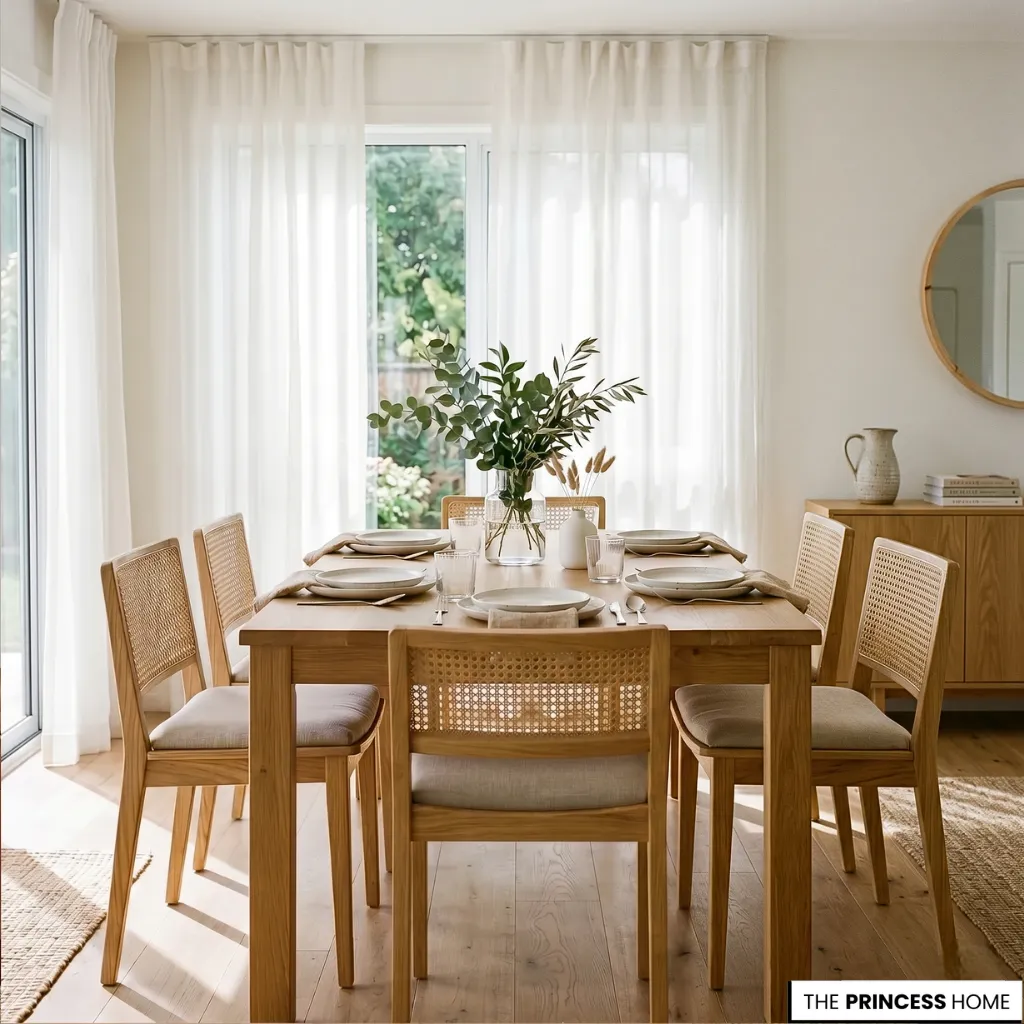
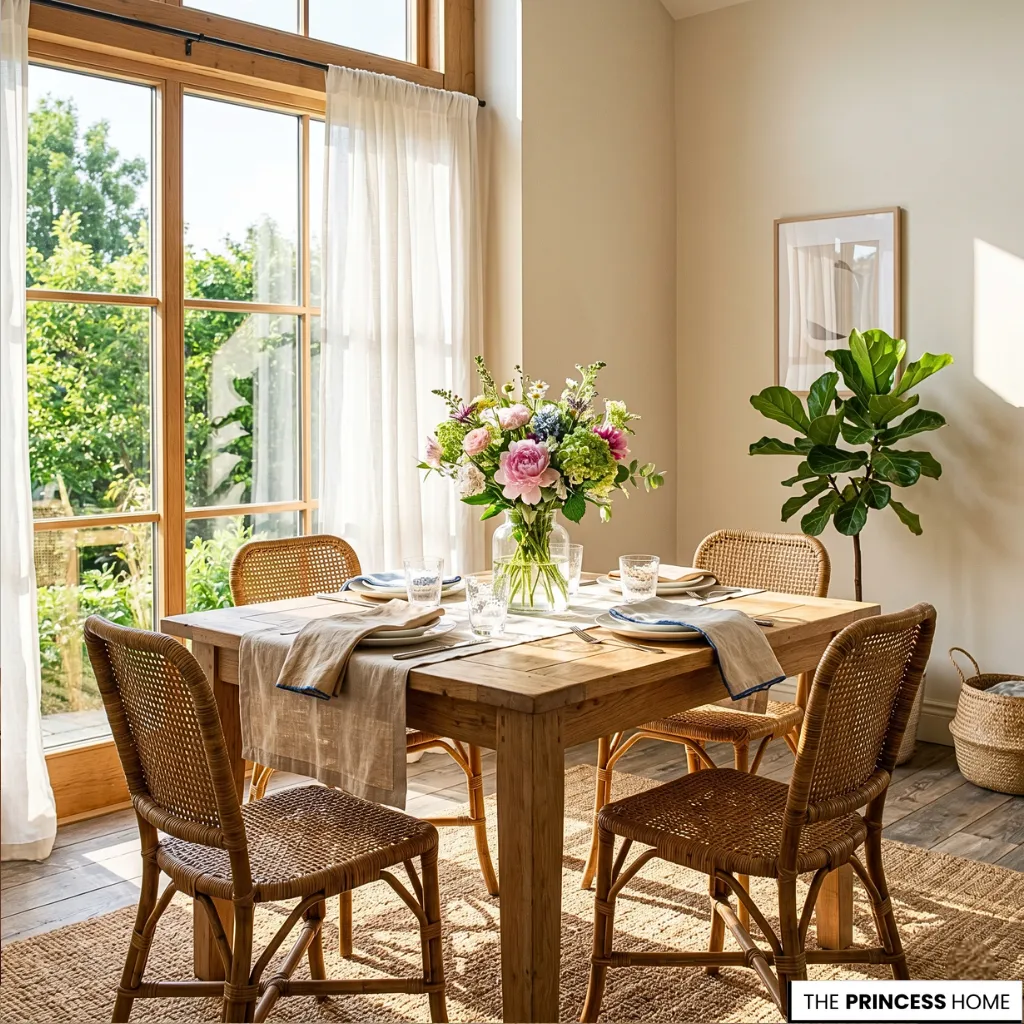
The essence of summer decor often begins long before any decorative object enters the room. It starts with light itself. Morning sunlight stretching across a dining table creates a completely different atmosphere from the muted glow of winter months.
Corners that once felt intimate become open and expansive, while textures reveal details that were previously unnoticed. Linen appears softer, wood grain feels warmer, and neutral walls begin to reflect an entirely new spectrum of color shaped by the season.
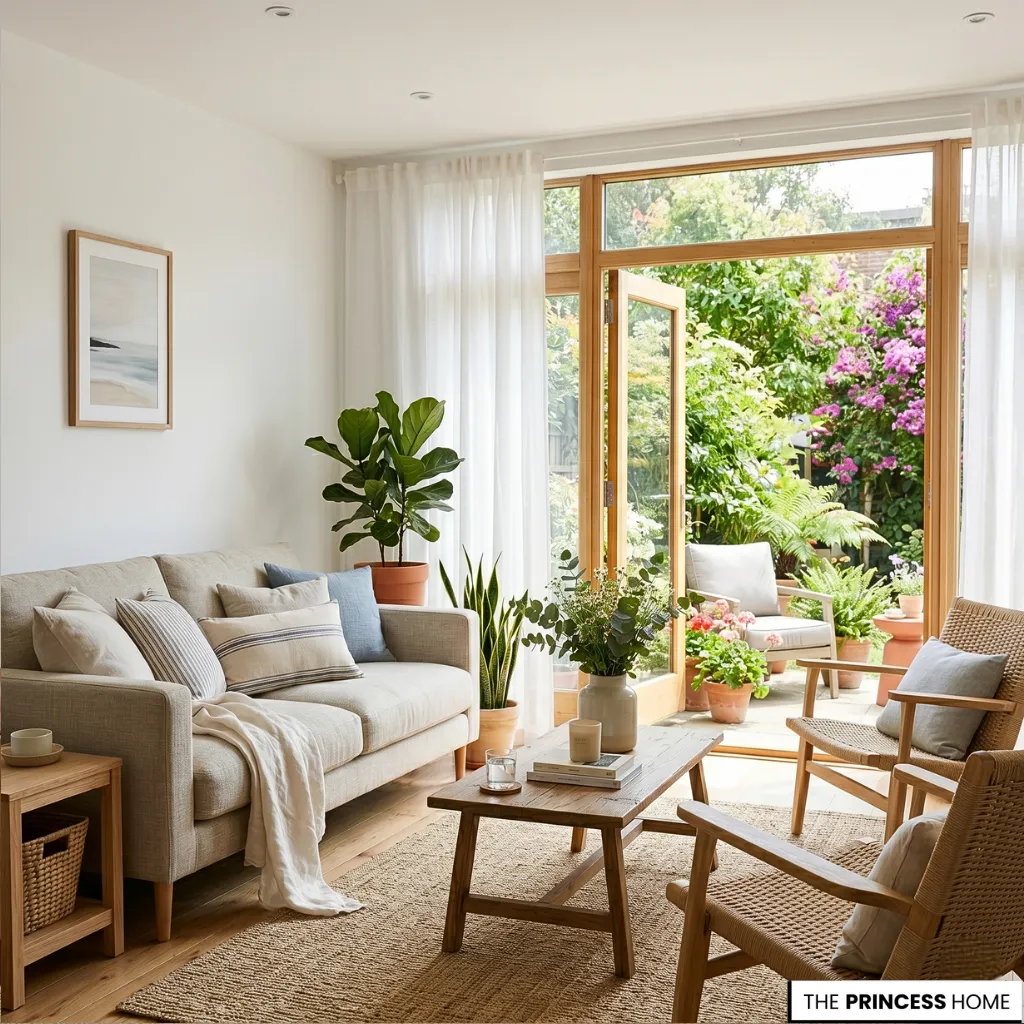
This seasonal shift explains why summer decor feels less concerned with adding and more concerned with revealing. Spaces begin to breathe differently. Heavy visual layers fade into the background, allowing natural brightness to shape the experience of the home in both small apartments and larger, more architectural spaces.
Whether in a compact urban apartment or a spacious modern home with wide openings to the outdoors, the effect remains consistent. Summer encourages interiors to feel effortless, as though the rooms have quietly relaxed into a lighter rhythm of living.
💡 EXPLORE MORE:
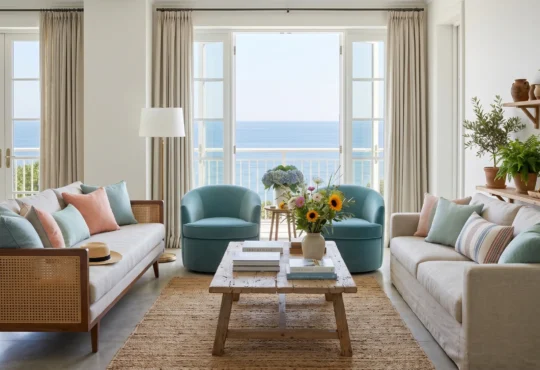
Revitalize your main gathering space with Summer Decor Ideas for Living Room for a Bright & Fresh Home.
Seasonal Color Palette
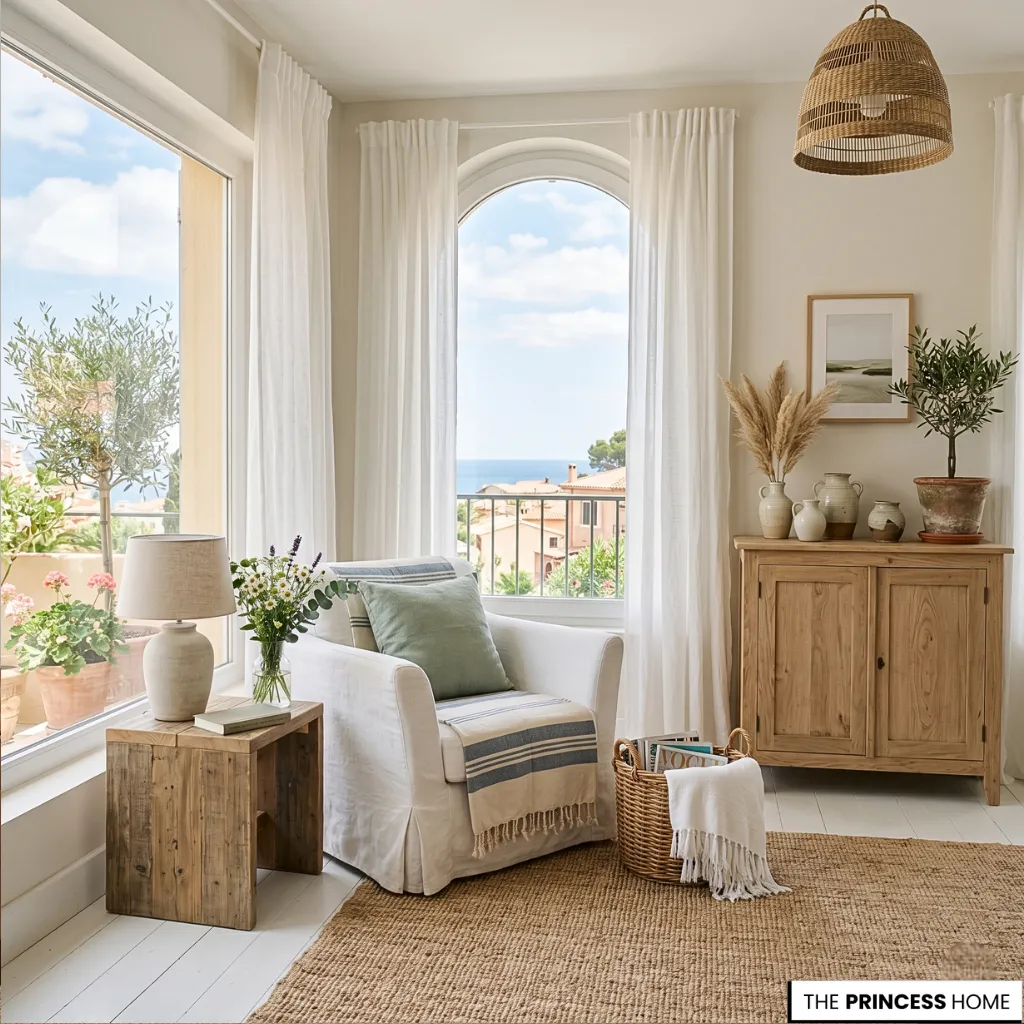
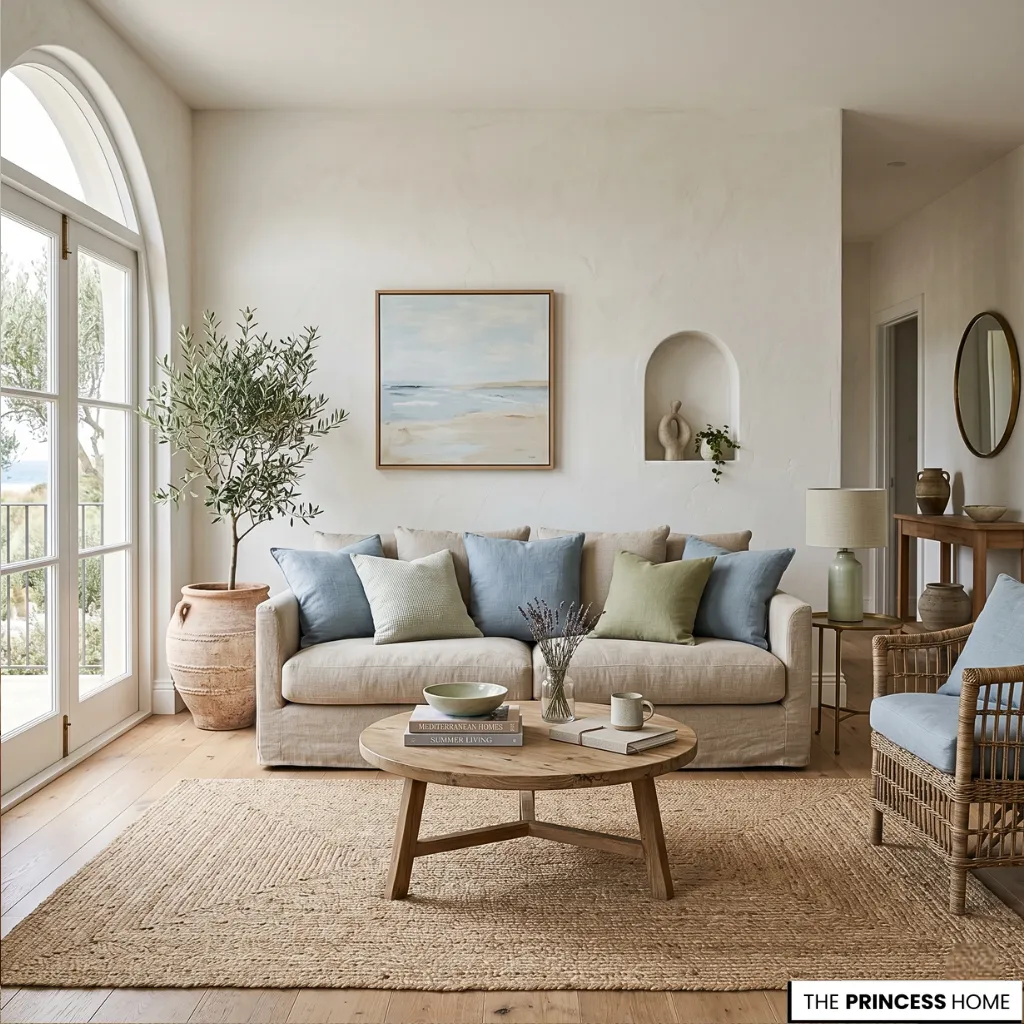
Summer interiors often carry the colors of places associated with ease and openness. Soft sand tones, sun-washed whites, muted blues, pale greens, and gentle earth colors appear not as a strict trend but as a natural translation of environments people instinctively associate with calm.
Coastal landscapes, countryside retreats, and bright Mediterranean light all share a visual language built around softness and air. Within the home, this seasonal palette creates continuity between indoor and outdoor spaces.
Walls feel less confined, furnishings appear visually lighter, and familiar objects gain a renewed presence when placed within a softened summer context.
The result is rarely dramatic. Instead, the atmosphere shifts subtly, as if the entire home has adjusted its tone by a few degrees—enough to feel refreshed, yet restrained enough to remain timeless across modern apartments and larger family homes alike.
💡 EXPLORE MORE:
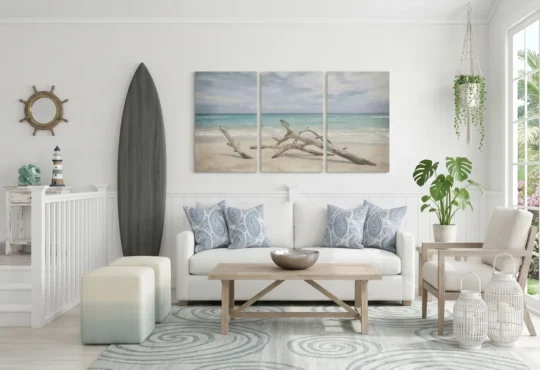
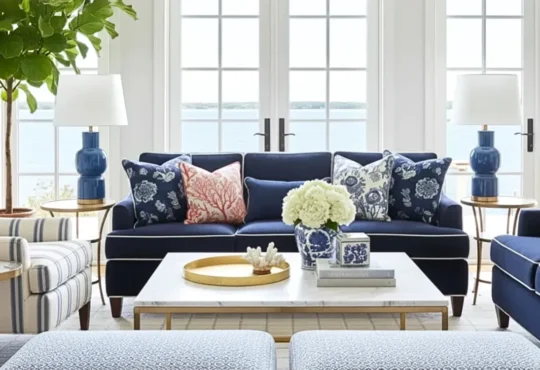
Infuse your spaces with coastal serenity through Beach House Decor Ideas Coastal Serenity for Stylish Spaces.
Natural Summer Materials
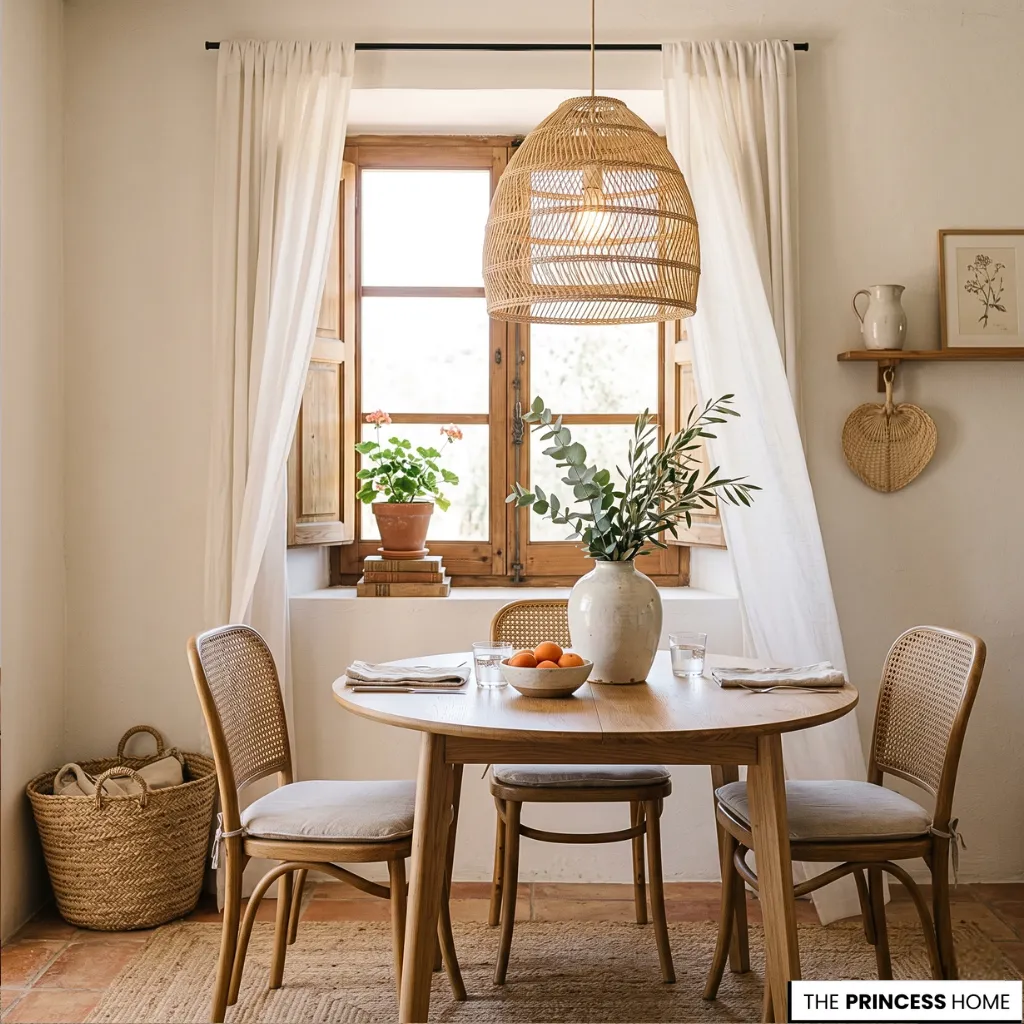
Some materials seem naturally aligned with summer decor because of how they interact with light and air. Linen drapes move gently with passing currents. Woven baskets introduce texture without visual weight. Light woods bring warmth while maintaining clarity.
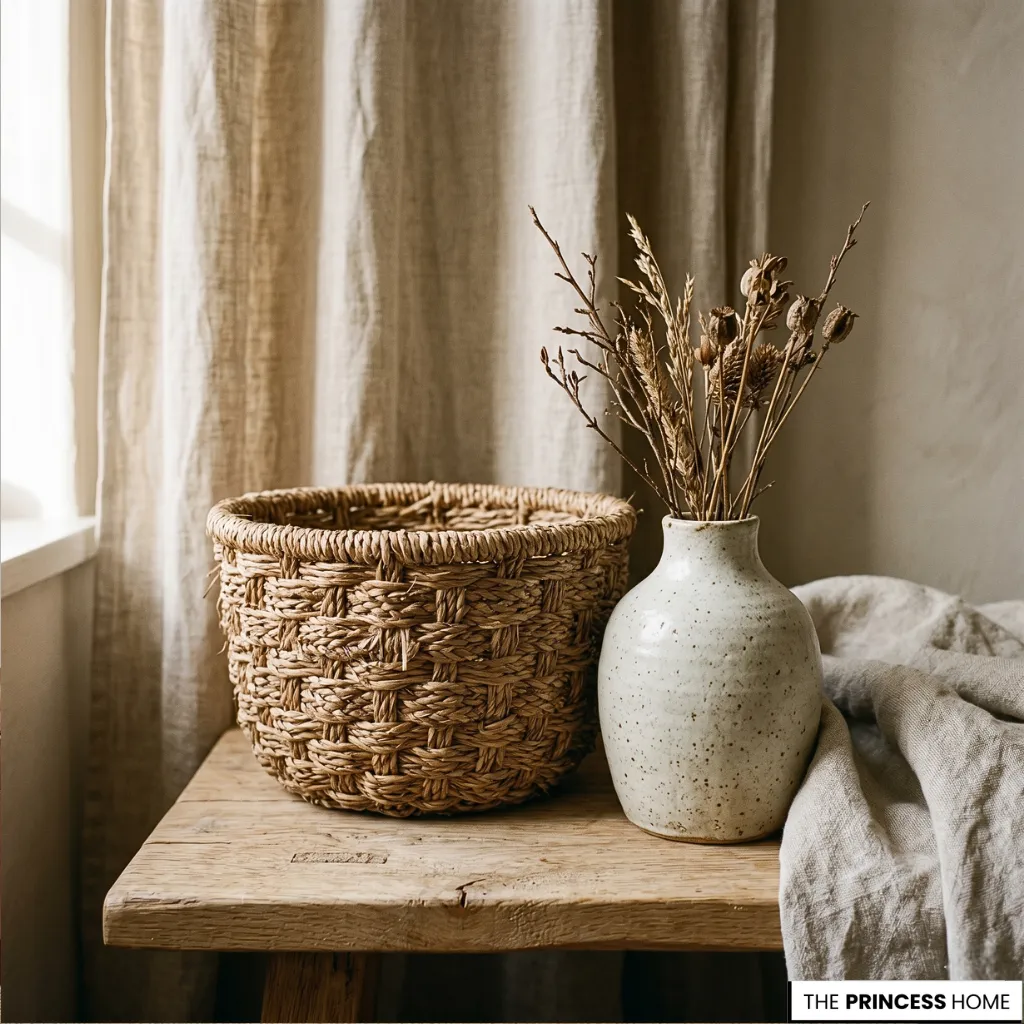
Ceramics with subtle imperfections add a grounded, organic character that avoids anything overly decorative. Together, these elements create a layered interior that feels collected rather than designed in a rigid way.
What defines summer decor here is not abundance but restraint. A woven pendant light above a dining space or a ceramic vase placed near a window introduces a gentle touch to your seasonal styling.
In both compact living spaces and more open-plan homes, this material approach allows the interior to remain connected to nature through texture rather than imitation.
💡 EXPLORE MORE:
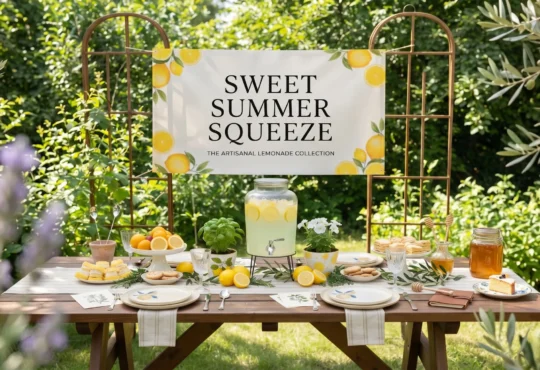
Add a cheerful and vibrant touch to your styling with Lemon Decor Ideas Beautiful & Cute for a Refreshing Summer.
Relaxed Summer Spaces
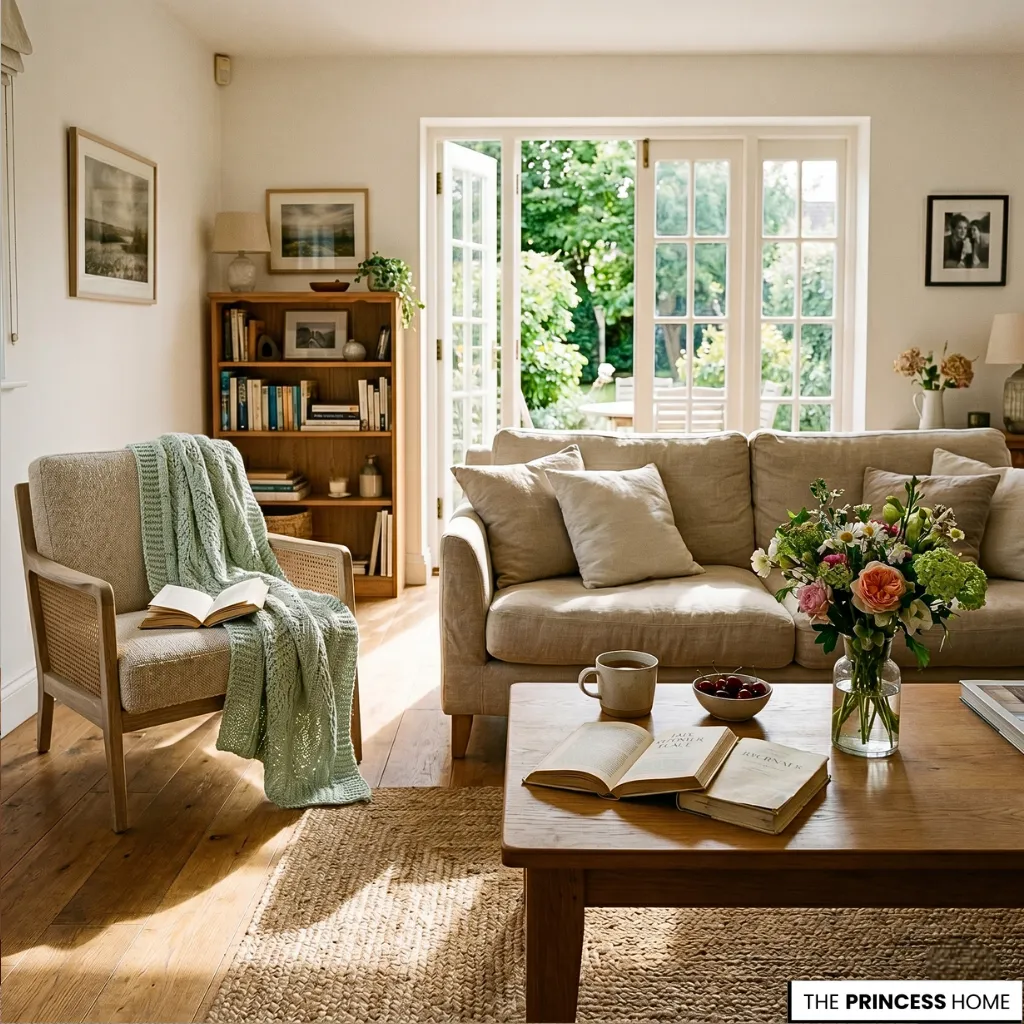
The most memorable summer interiors rarely appear overly styled, regardless of scale or layout. Instead, they carry a sense of ease that suggests daily life unfolding naturally within them. A throw casually placed over a chair, books catching late afternoon light, or fresh flowers placed without formal arrangement all contribute to this lived-in quality.
Summer decor succeeds when it allows function and atmosphere to coexist. Living rooms become brighter social spaces, bedrooms feel calmer and more restorative, while private sanctuaries can be elevated into a quiet retreat.
From small apartments where every element must remain intentional, to larger homes where space allows for layering, the principle remains the same: summer decor amplifies comfort without altering identity.
💡 EXPLORE MORE:
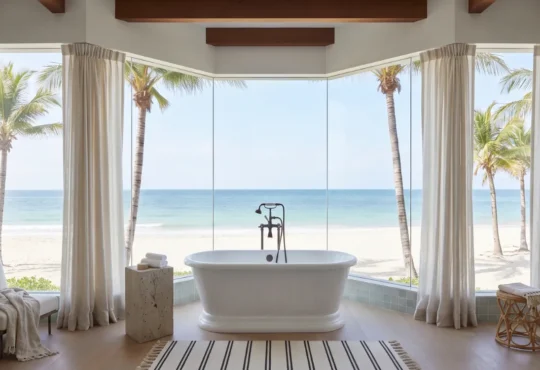
Transform your private sanctuary into a coastal retreat with Best Coastal Themed Bathroom Ideas for a Relaxing Retreat.
Summer Interior Styles
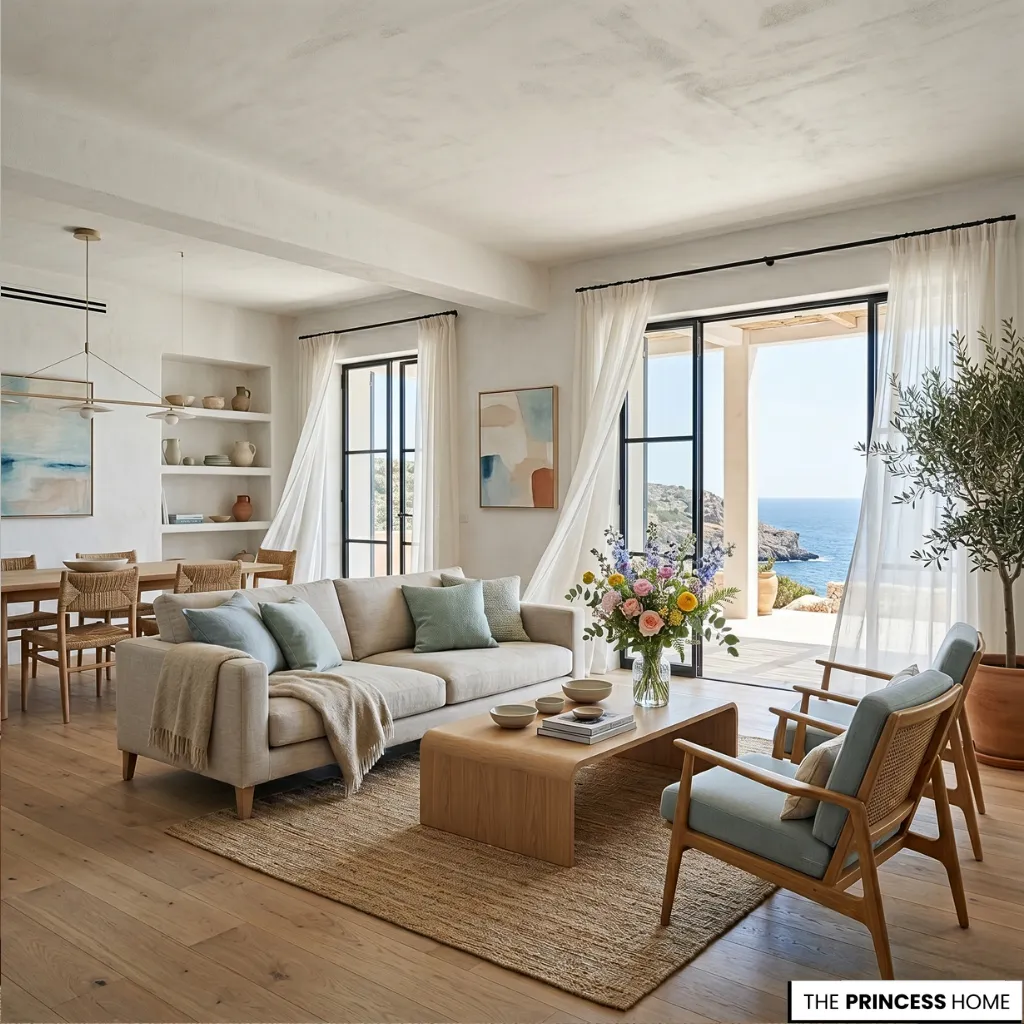
Many summer interiors draw influence from coastal homes, cottage environments, and relaxed countryside living, yet these references extend easily into contemporary spaces. In coastal-inspired interiors, natural textures and light tones dominate, creating an atmosphere of softness and openness.
In more modern homes, the same principles appear through cleaner lines, reduced visual clutter, and a stronger emphasis on negative space. The contrast between traditional and contemporary interpretations of summer decor is subtle but present.
One leans toward layered warmth and rustic familiarity, while the other emphasizes clarity, structure, and restraint. Yet both rely on the same foundation: light, air, and material honesty. Even in luxury spaces, summer decor often expresses itself through simplicity rather than excess, allowing architecture and natural light to carry most of the visual weight.
💡 EXPLORE MORE:
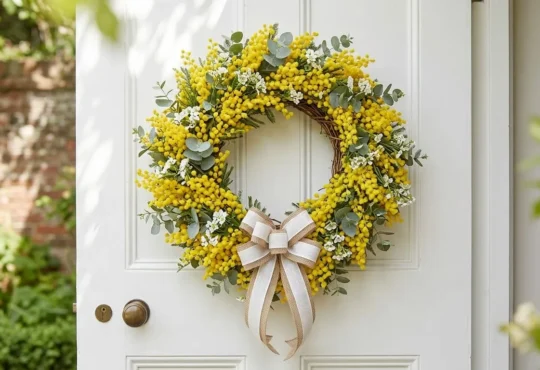
Make a lasting first impression right at your doorstep using Summer Wreath Ideas Curating Light & Texture for Your Entryway.
Summer Interiors
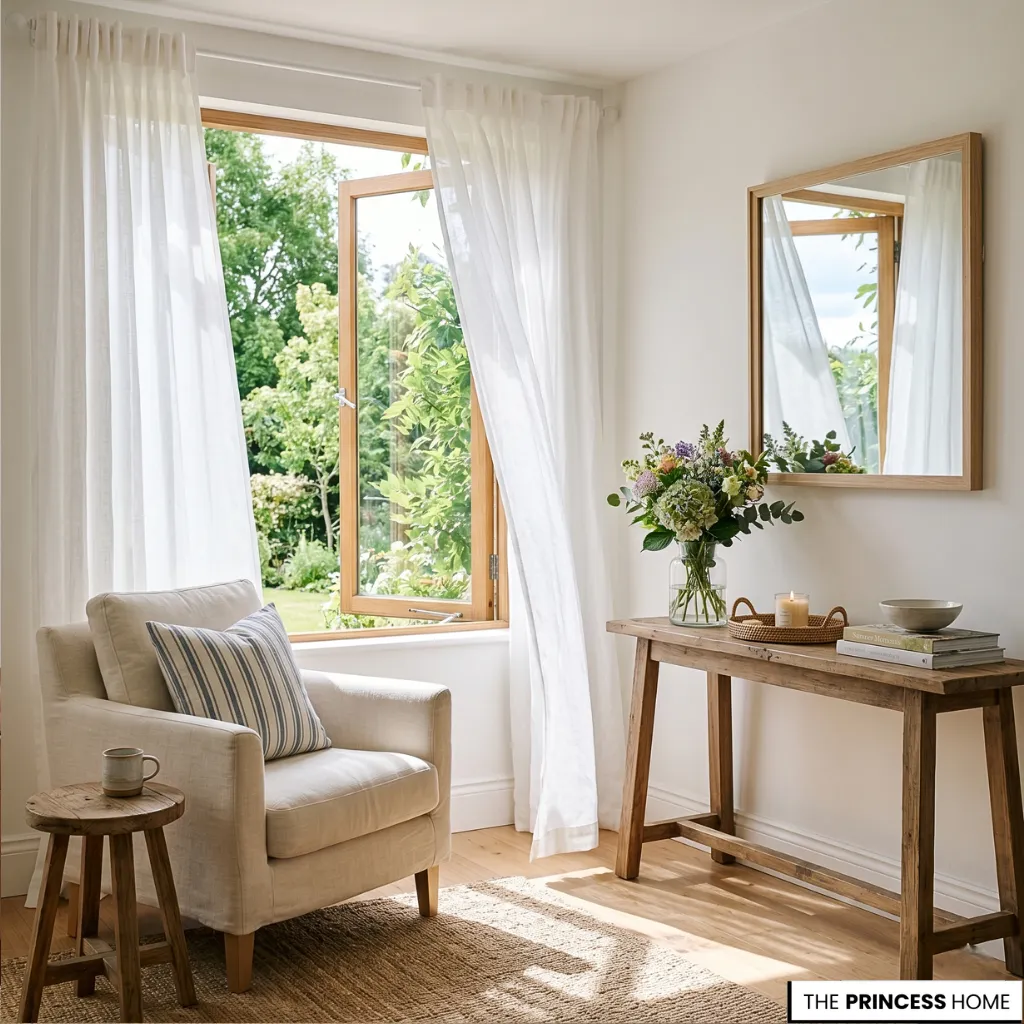
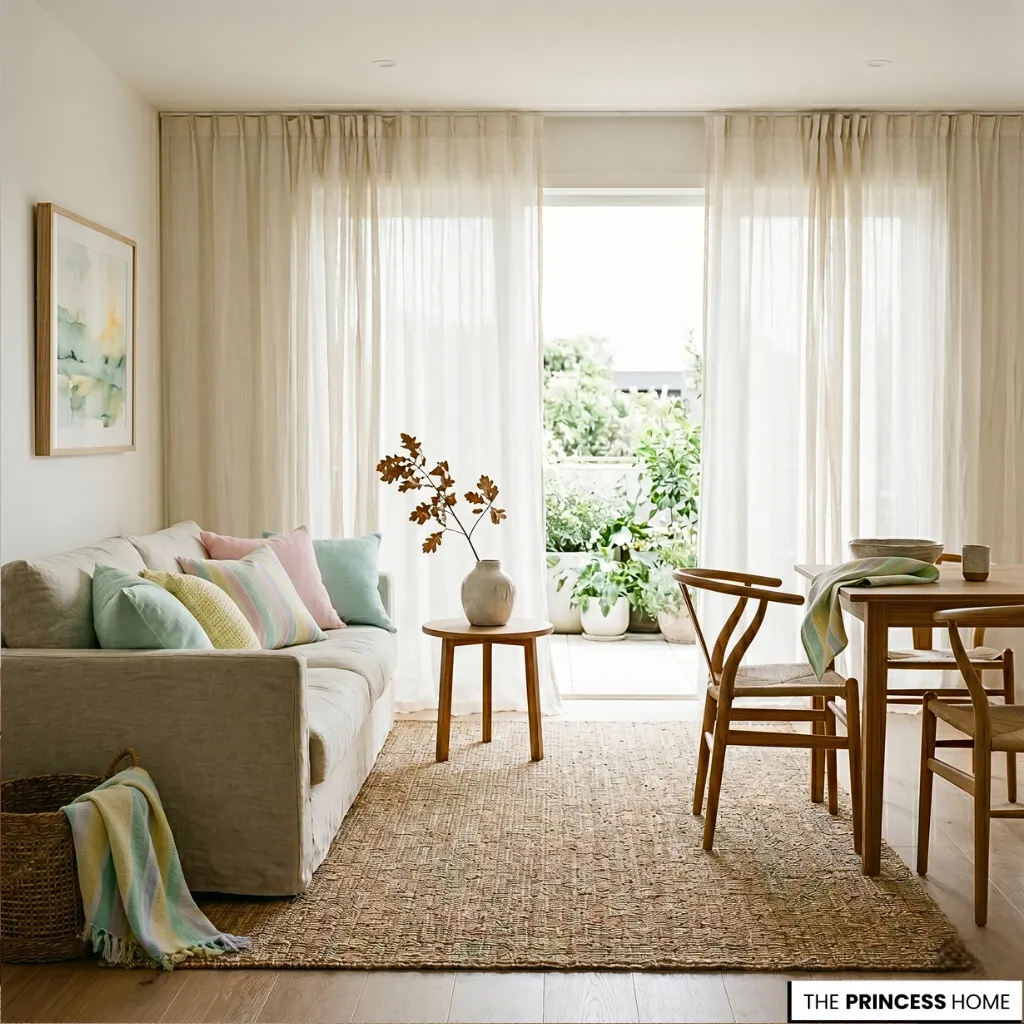
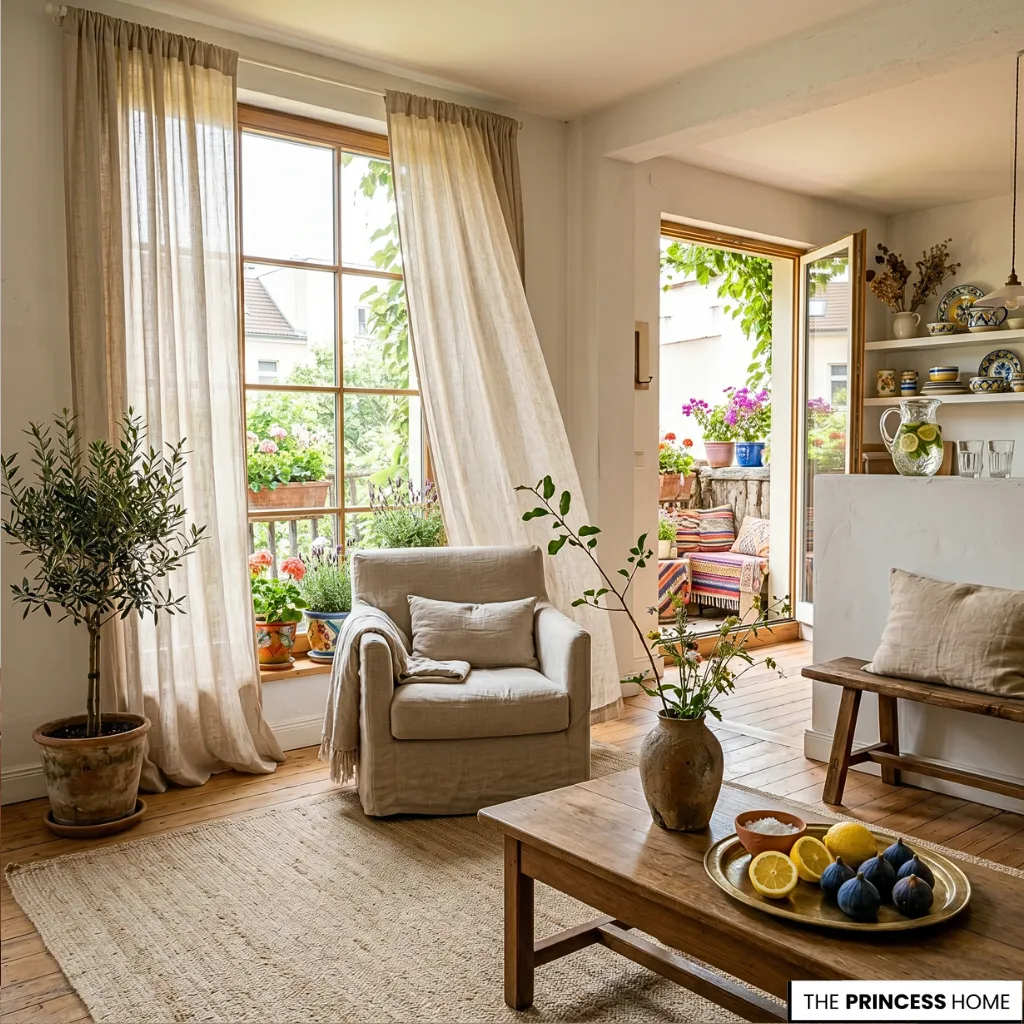
One of the most defining yet often unnoticed aspects of summer decor is movement. Curtains shifting with a breeze, reflections changing across glass surfaces, and shadows evolving throughout the day introduce a sense of quiet animation into the home. These details make interiors feel alive rather than static.
Open windows, natural ventilation, and changing daylight become active participants in the overall design experience.
This sense of movement reinforces the idea that summer decor is not only visual but experiential, shaping how a space is felt over time rather than how it is simply arranged.
💡 EXPLORE MORE:
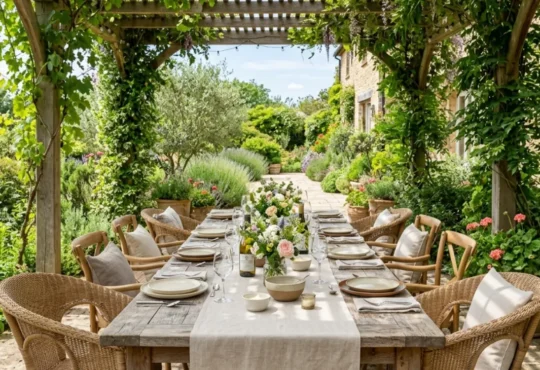
Seamlessly extend your interior into the open air with Refreshing Outdoor Summer Decor Ideas for a Beautiful Backyard.
Seasonal Atmosphere
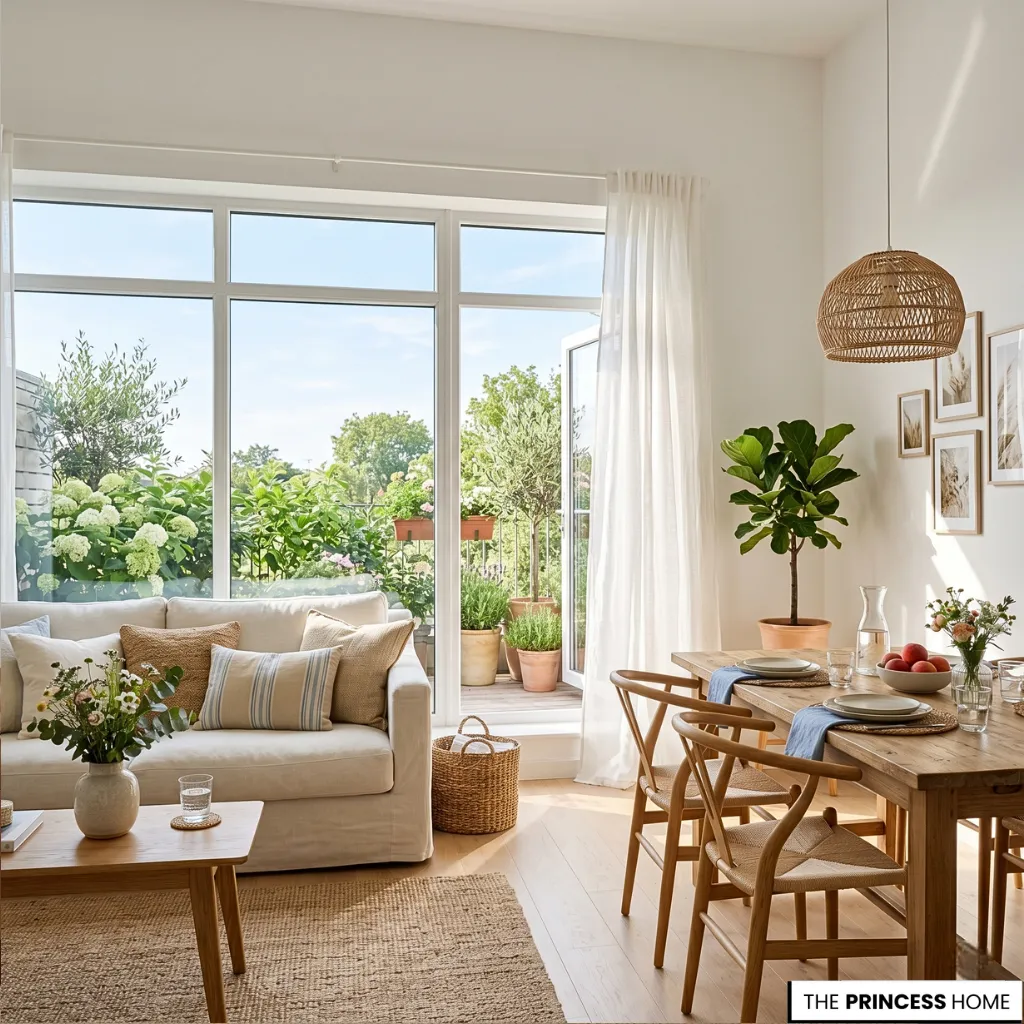
At its most compelling, summer decor is defined not by specific objects or decorative themes but by atmosphere itself. The feeling of walking into a room filled with natural light, the softness of breathable materials, and the calm created by lightened color palettes all contribute to a home that feels more open and more alive with the season.
In that way, summer decor adapts effortlessly across different environments—whether a small apartment in the city, a modern architectural home, or a larger residence with expansive interiors. It becomes less about decoration and more about shaping an atmosphere that reflects the ease of long days and quiet, unhurried moments.
Natural Summer Materials in Practice
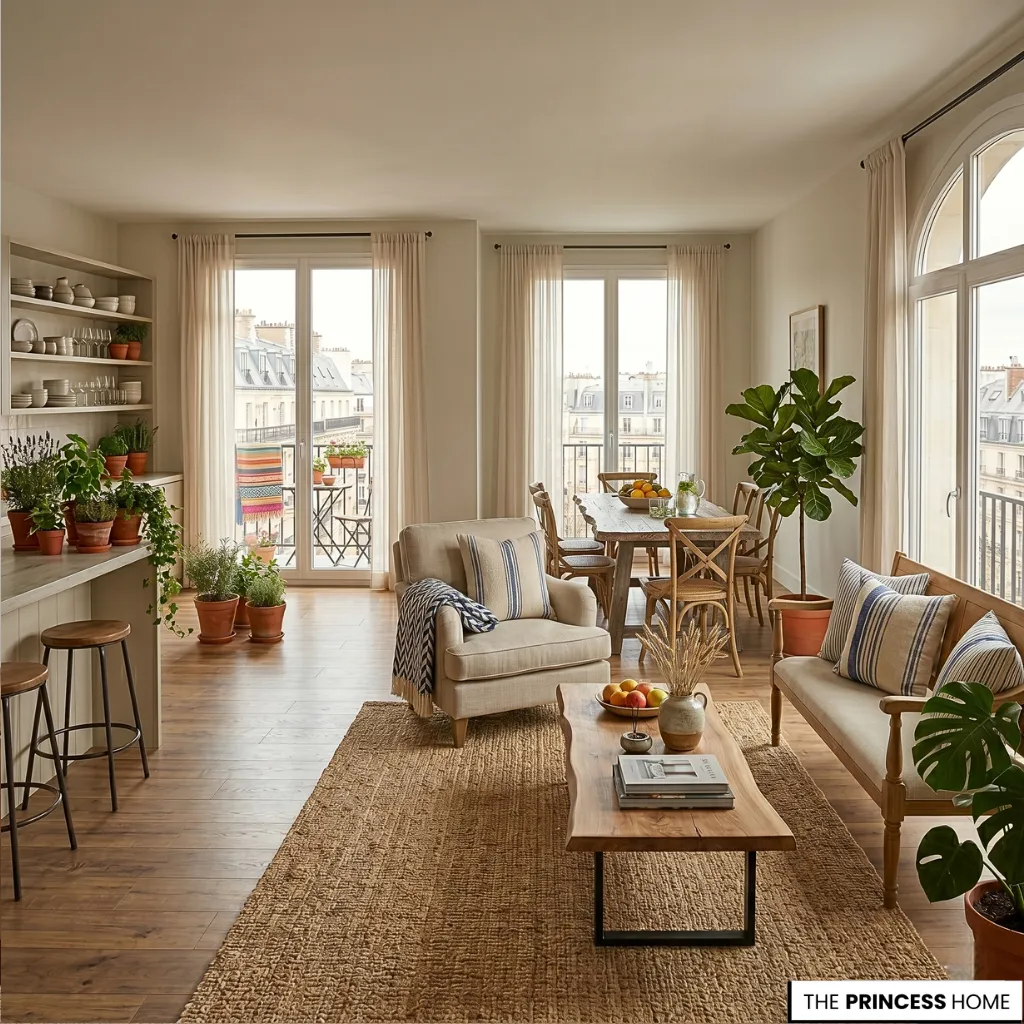
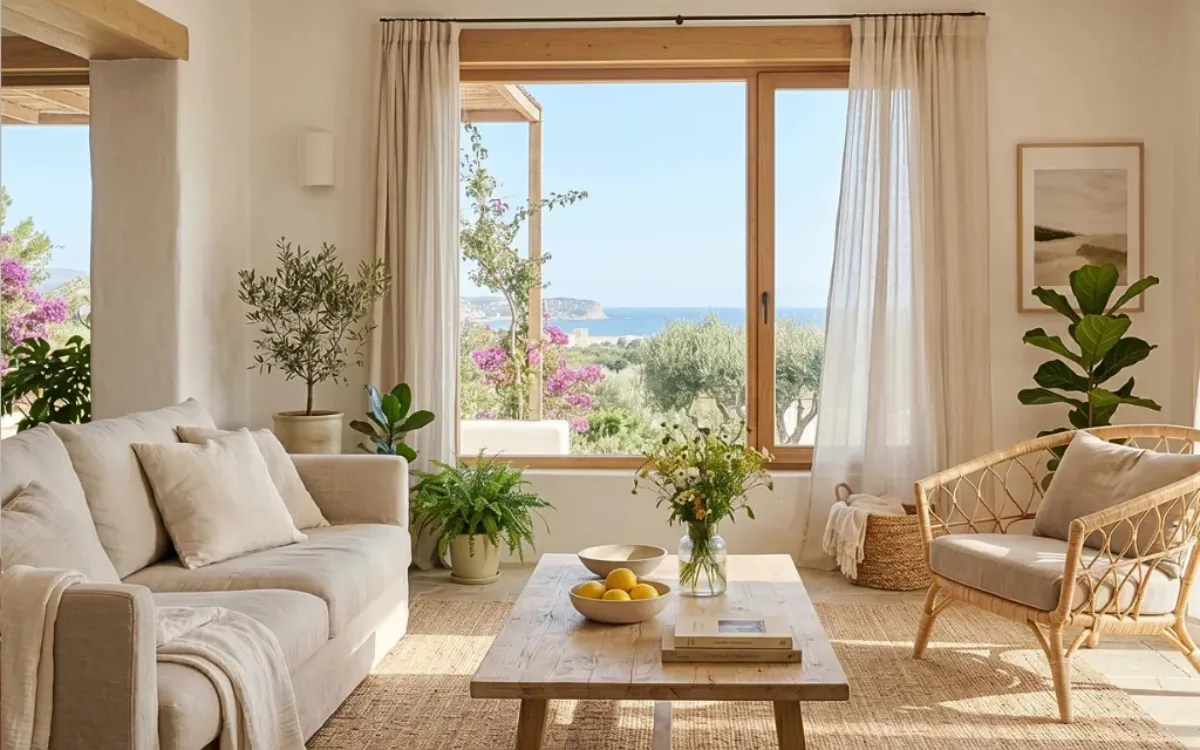
The language of summer decor becomes clearer when materials are experienced in real application rather than description. Organic Belgian linen, for example, replaces heavy seasonal fabrics not as a stylistic statement, but as a shift toward allowing morning light to move freely across living rooms and bedrooms, softening the boundaries between interior and exterior space.
Natural jute and sisal rugs quietly ground a room, especially in open-plan apartments, where they replace heavier winter textiles with textures that feel closer to raw earth and summer air.
In smaller entryways or dining corners, wabi-sabi ceramics introduce a sense of quiet imperfection—hand-thrown forms paired with a single branch or stem that feels more aligned with seasonal restraint than decorative abundance.
Meaningful Living Over Fleeting Trends
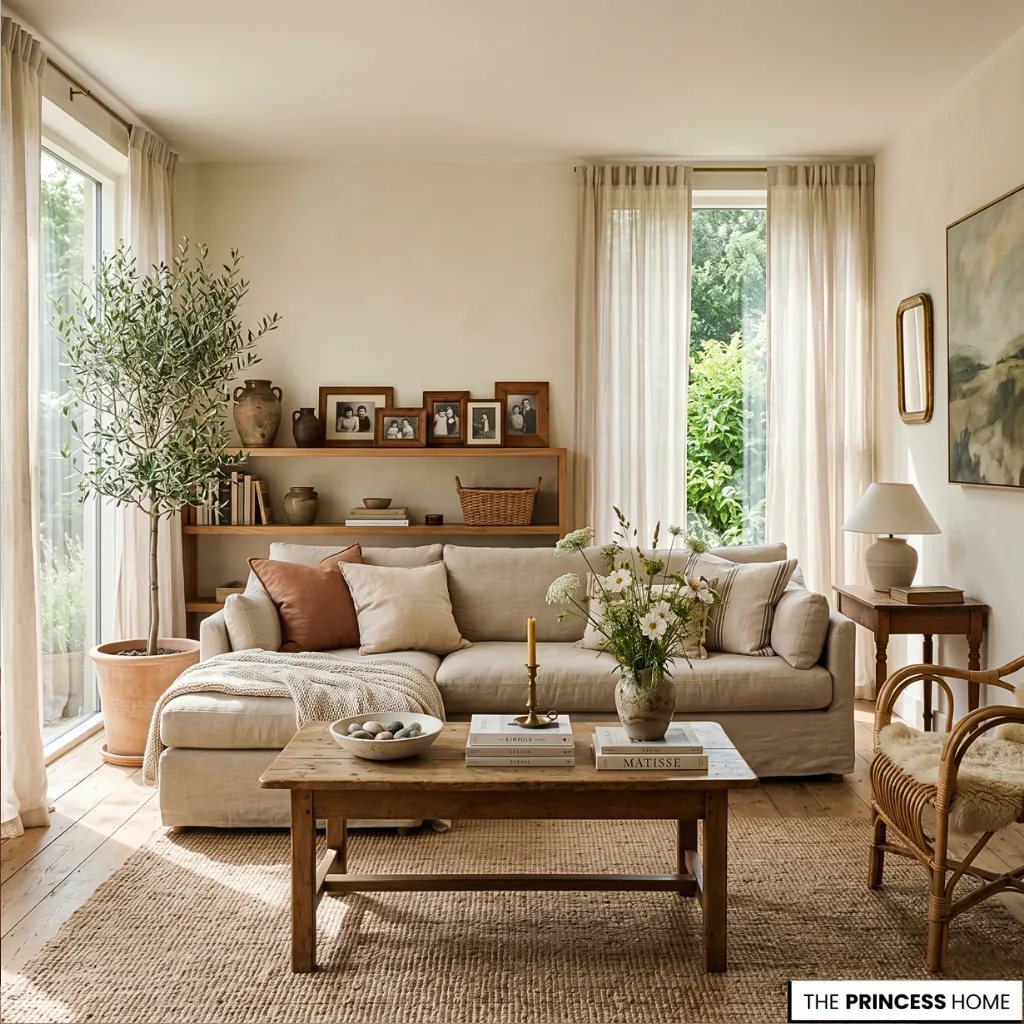
A well-designed summer home is not defined by seasonal decoration alone, but by intention. Beyond aesthetics, it reflects a shift toward meaning—where every object carries purpose, memory, or emotional weight.
Instead of chasing temporary trends, the focus moves toward creating spaces that feel personal, grounded, and quietly expressive. This balance between comfort and identity gives the home a deeper sense of authenticity that lasts beyond the season.
Design Foundation
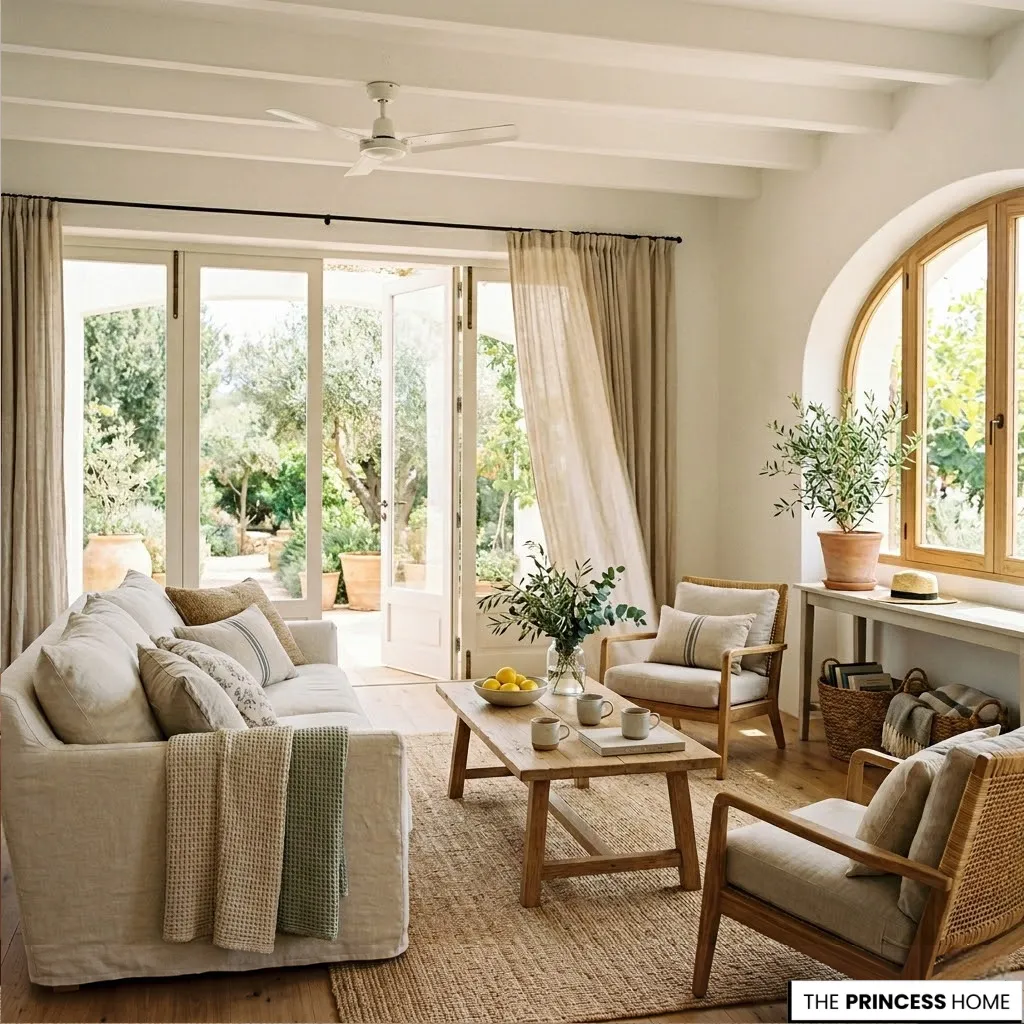
Summer interiors are ultimately shaped by how a space feels, not only how it appears.Prioritizing comfort means allowing materials to breathe, light to circulate freely, and spaces to remain visually calm.
This approach creates interiors that respond naturally to warmer months, where ease becomes the central design principle rather than decoration itself.
Emotional Connection
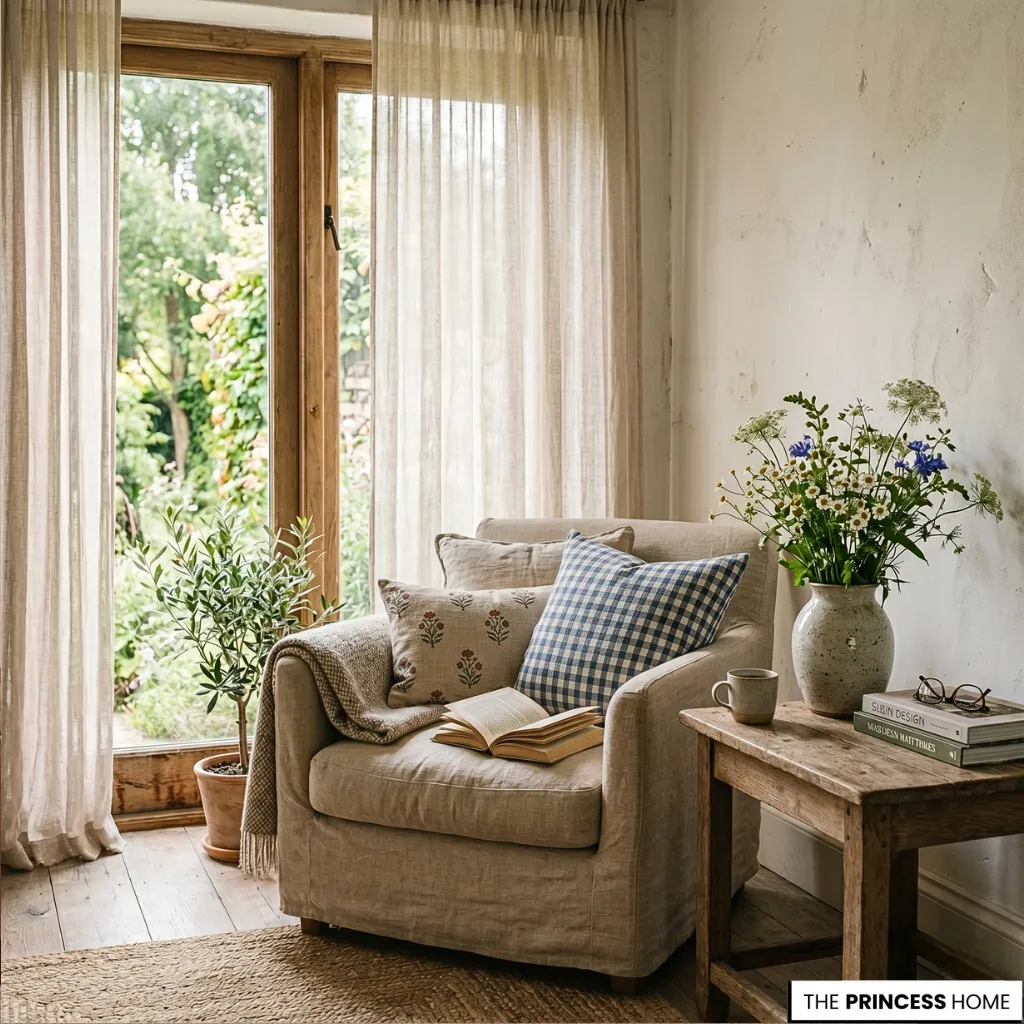
A summer home becomes truly successful when it integrates seamlessly into everyday living. Morning routines feel softer in natural light, evenings become more relaxed in uncluttered spaces, and even simple moments gain a sense of quiet clarity. When design supports daily rhythm, the home evolves into something lived-in, not just styled.
Seasonal Transition
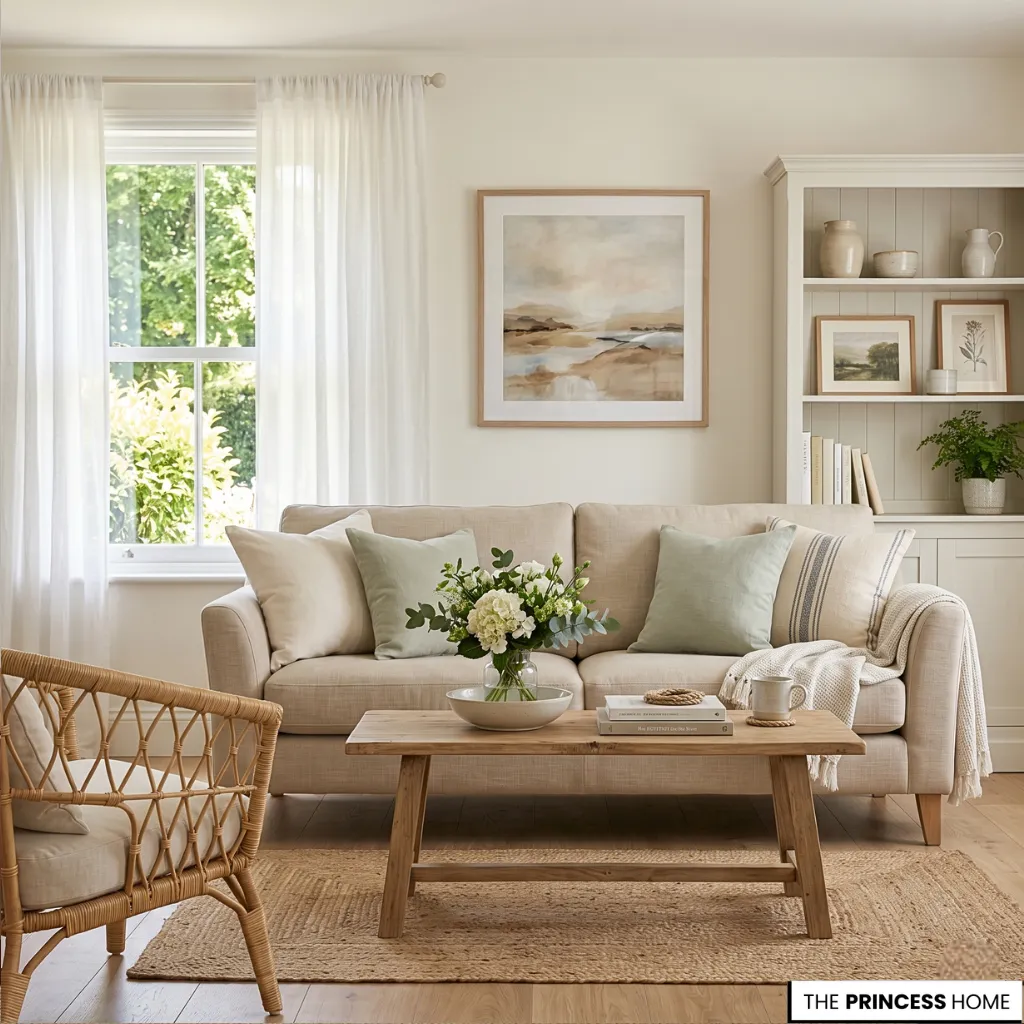
Rather than a complete transformation, summer interiors work best through subtle progression. Lightening textures, softening tones, and simplifying surfaces should feel like a natural transition rather than a sudden change. This gradual shift allows the home to remain coherent while slowly adapting to the atmosphere of the season.
Summer Simplicity
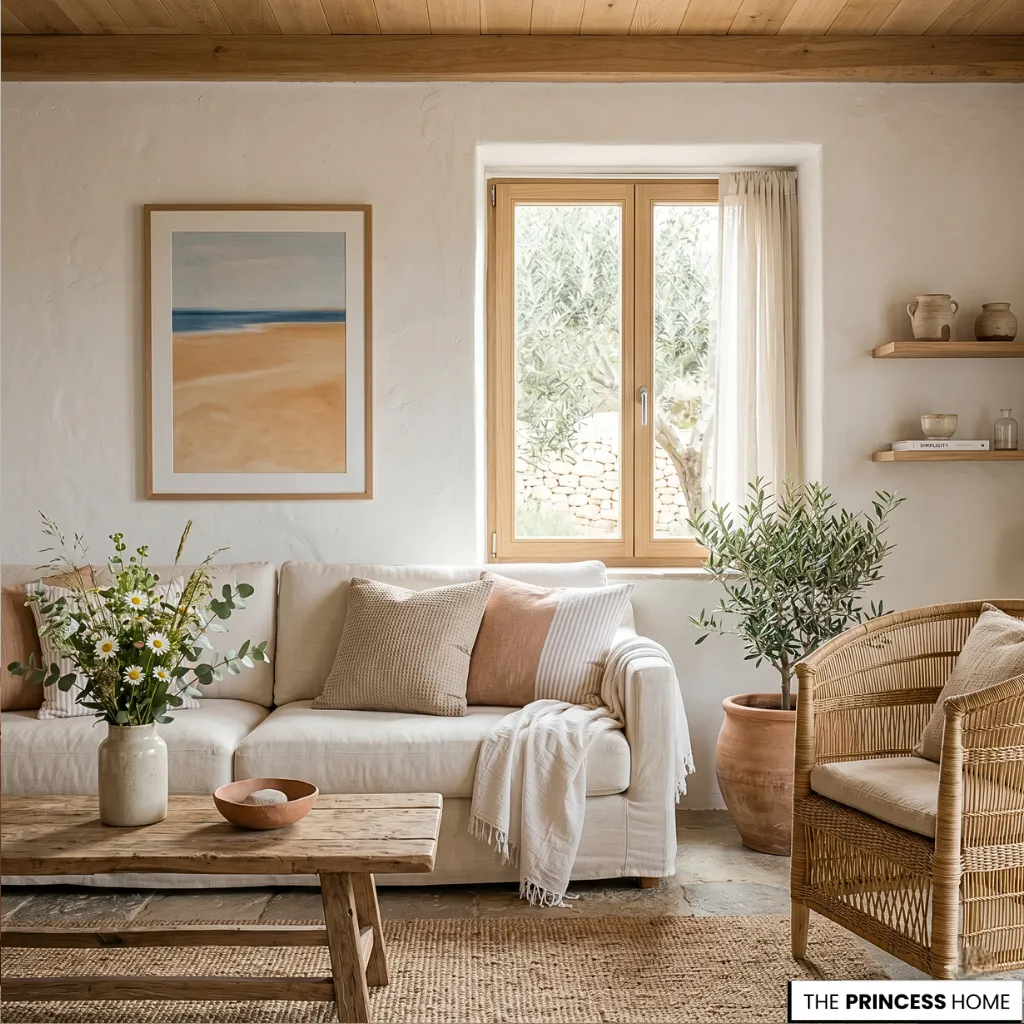
Simplicity is not absence—it is refinement. By removing unnecessary visual weight, the remaining elements gain presence and meaning. This restraint allows light, texture, and space to become the true focus of the interior, creating a calm and balanced environment that feels effortless rather than staged.
Inspiration Gallery
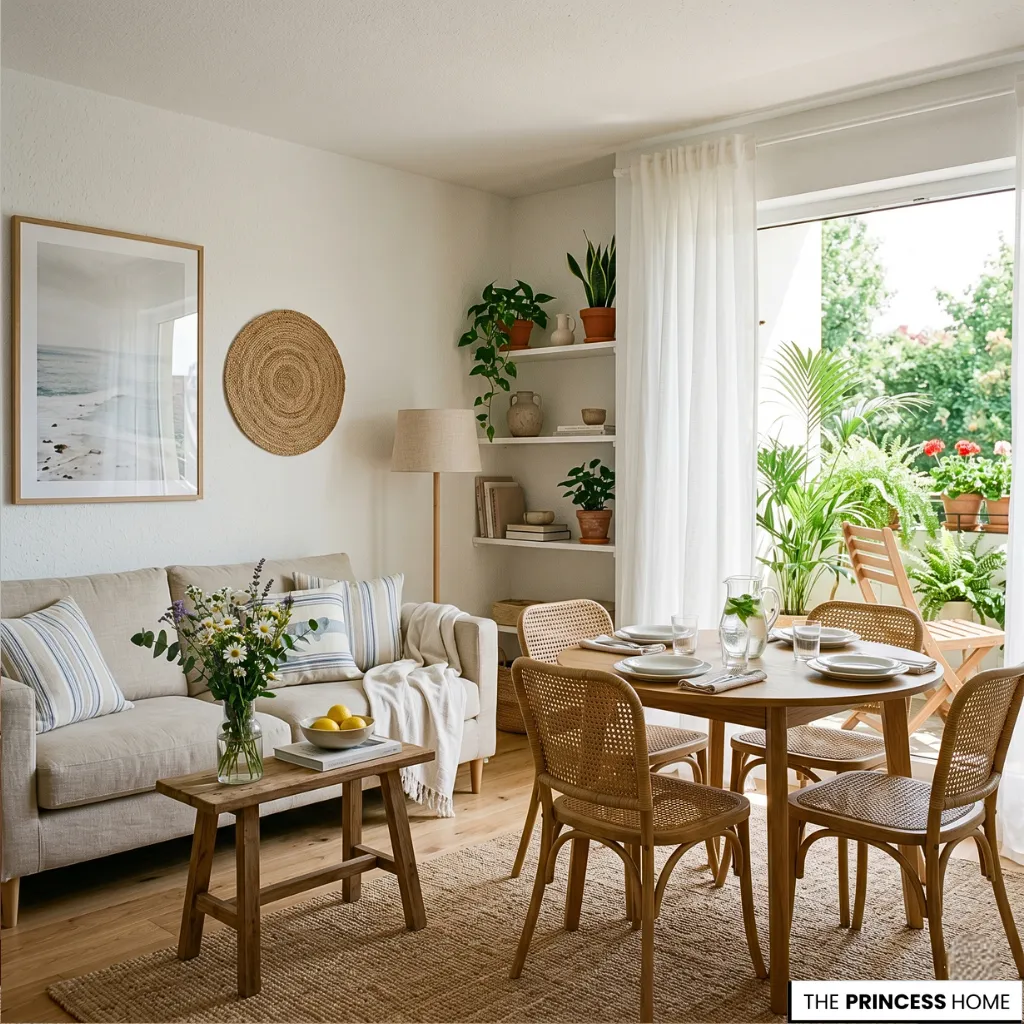
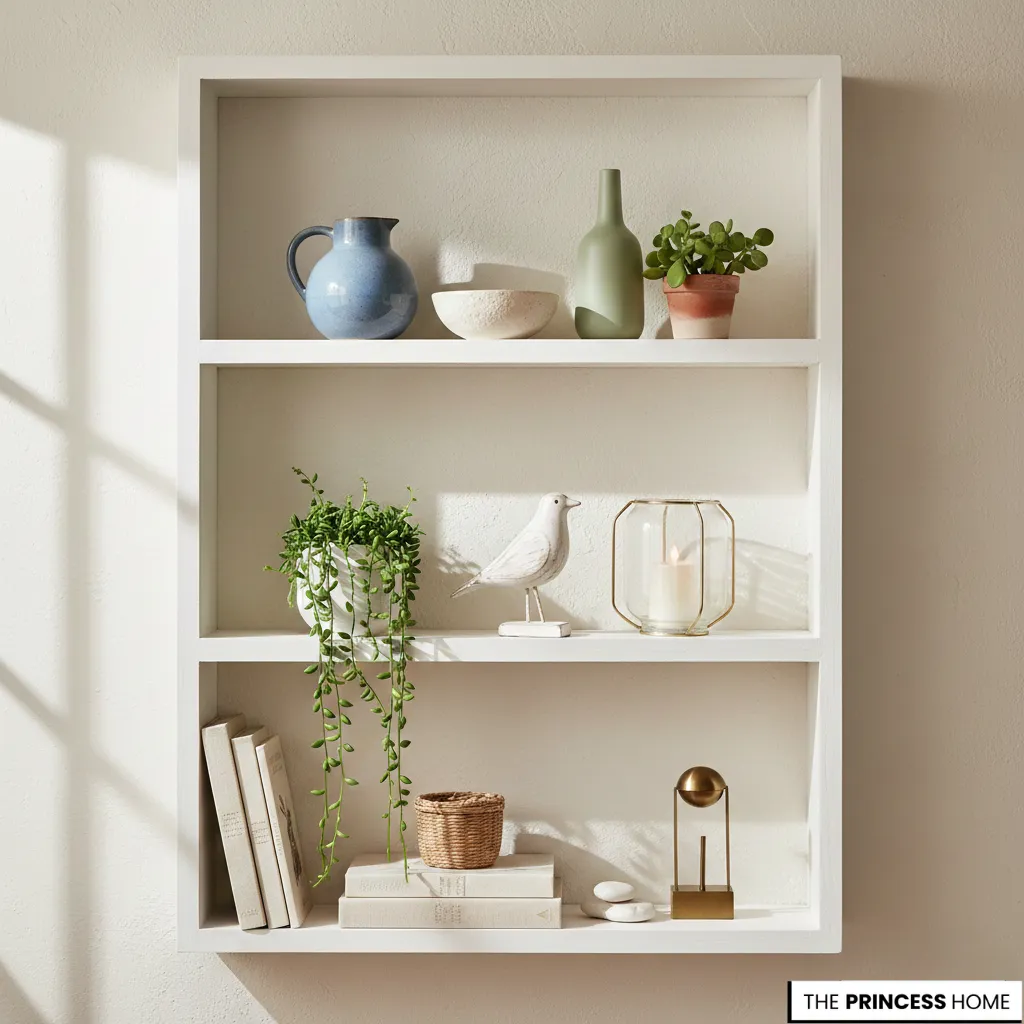

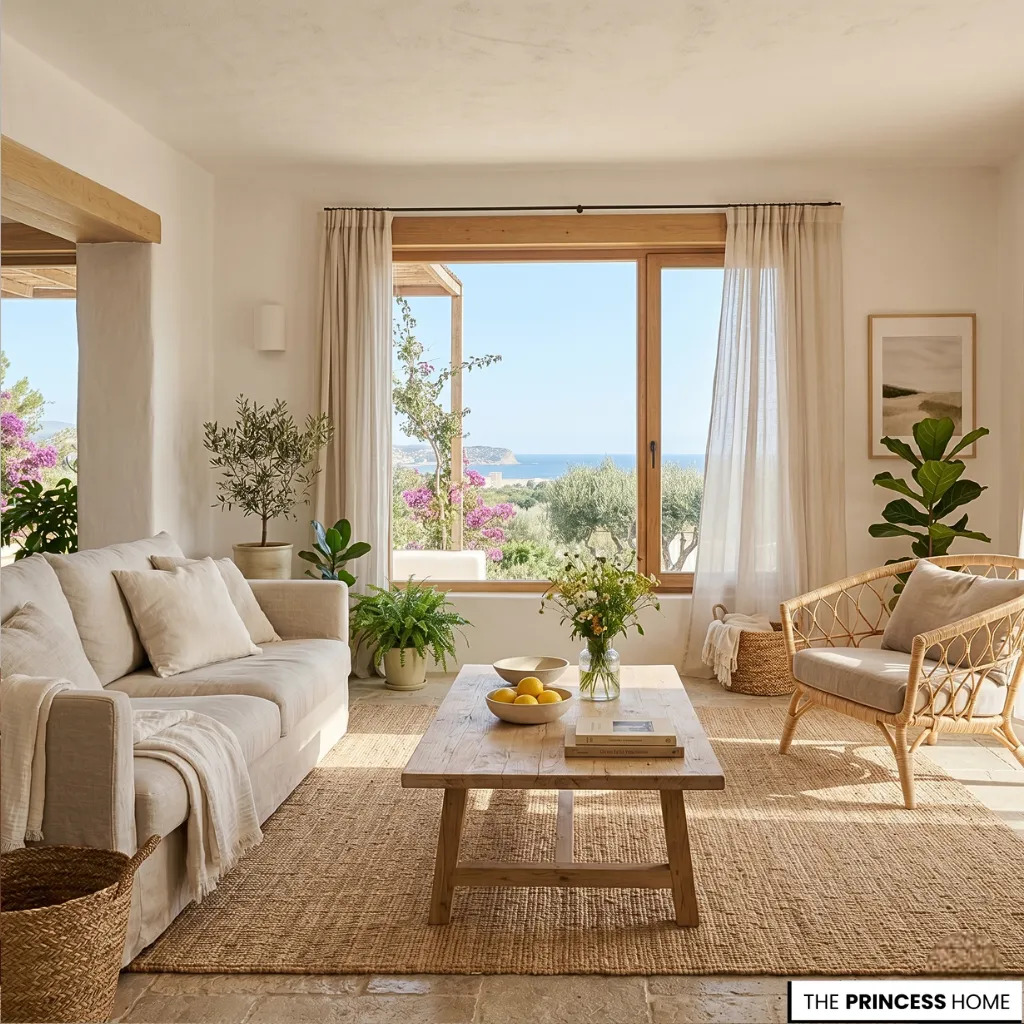
After exploring these curated interior design ideas, let’s translate visual inspiration into reality. Below, we address your most defining home decor questions, offering clarity for your own styling journey:”
FAQ
What is summer decor in interior design?
Summer decor is a seasonal interior style that focuses on light, breathable materials, soft colors, and natural textures to create a brighter and more relaxed home atmosphere.
How to style summer decor in a modern home?
Summer decor in modern homes is achieved by reducing visual weight, using light fabrics, natural wood, and keeping spaces open, airy, and connected to natural light.
What colors work best for summer decor style?
Soft sand tones, warm whites, muted blues, pale greens, and earthy neutrals define summer decor by reflecting calm outdoor-inspired environments.
Can summer decor work in small apartments?
Yes, summer decor works especially well in small apartments by using minimal layering, light textiles, and reflective surfaces to enhance space and brightness.
What furniture fits summer decor aesthetic?
Light wooden furniture, low-visual-weight seating, woven accents, and simple organic shapes fit summer decor by maintaining openness and visual balance.
Why is summer decor popular for seasonal home styling?
Summer decor is popular because it transforms interiors into lighter, more breathable spaces that feel naturally connected to daylight and outdoor environments.
How to start summer decor in your home easily?
Start summer decor by replacing heavy fabrics with linen, introducing natural textures, and maximizing natural light through lighter, simplified arrangements.
Final Thoughts
Summer decor is ultimately about creating a home that feels open, calm, and naturally connected to the rhythm of the season, regardless of space size or style.