Morning light arrives differently in summer. It lingers a little longer along windowsills, softens the edges of familiar rooms, and fills quiet corners with a warmth that feels almost effortless. This subtle shift often inspires a home to change with it. Summer decorations reflect lightness, comfort, and the relaxed rhythm of longer days.
By exploring texture, color, and atmosphere, a home begins to mirror the season itself—whether in a compact apartment, a modern home, or a larger open interior where light becomes part of the architecture.
Summer Interior Mood
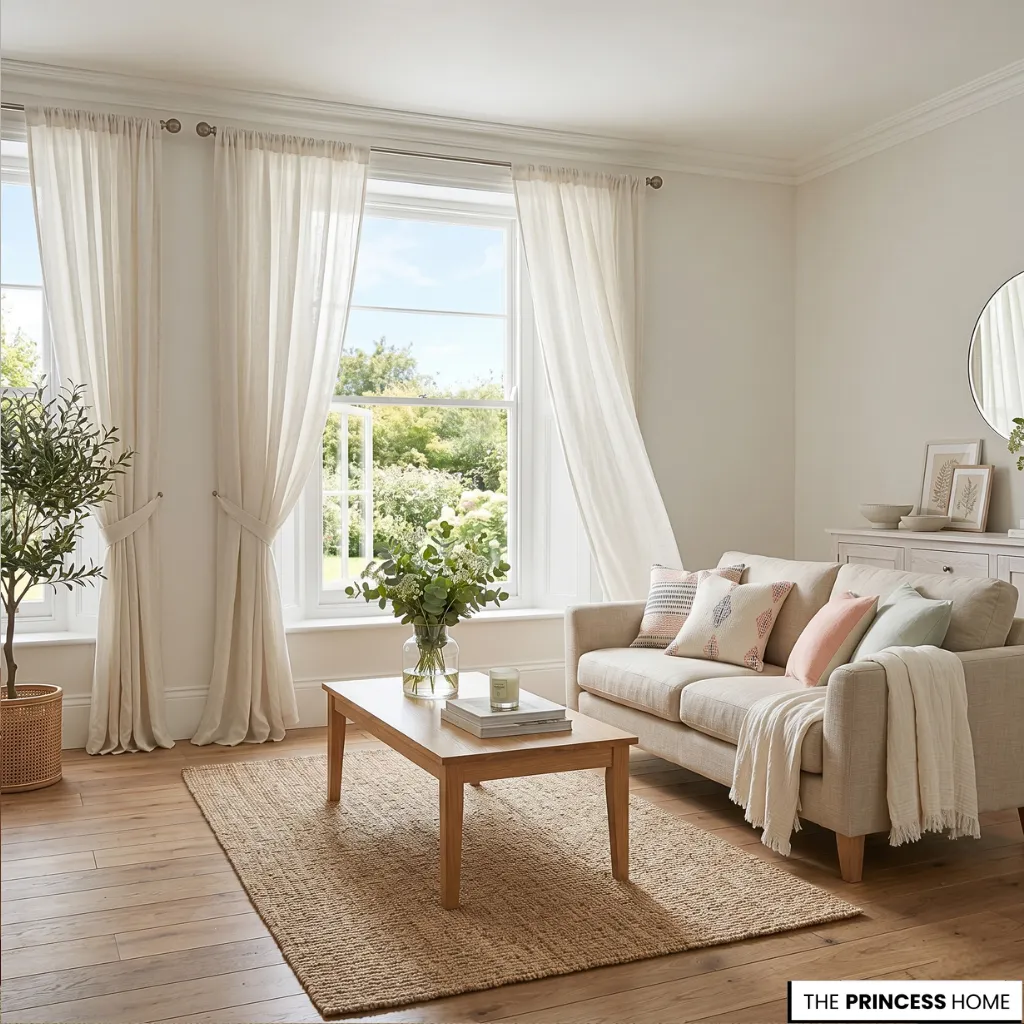
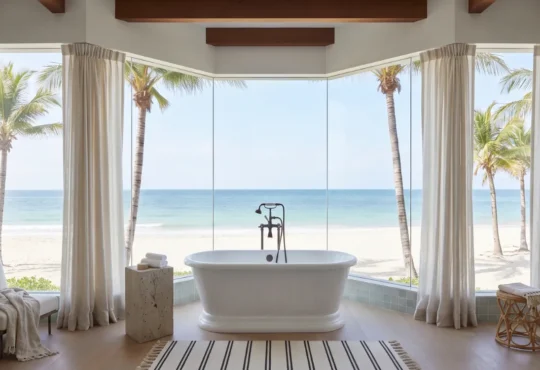
Some transformations happen gradually. A vase of fresh greenery appears on a dining table. Linen drapes move gently with the afternoon breeze, often in sheer cotton or linen panels that soften the room and enhance airflow.
Sunlight reflects from woven textures and natural surfaces that seem to glow under the season’s brighter skies, giving even small spaces a more open and breathable feeling.
The feeling of summer inside a home is rarely created by a single object. Instead, it emerges through layered summer decorations that work together to create an environment that feels lighter and more open.
These details often appear through movement and material—fabric that dances with the wind, light textiles replacing heavy drapes, and surfaces that feel closer to nature than to structure. Spaces that once felt enclosed during colder months begin to embrace air, motion, and simplicity, whether in a city apartment or a spacious modern home.
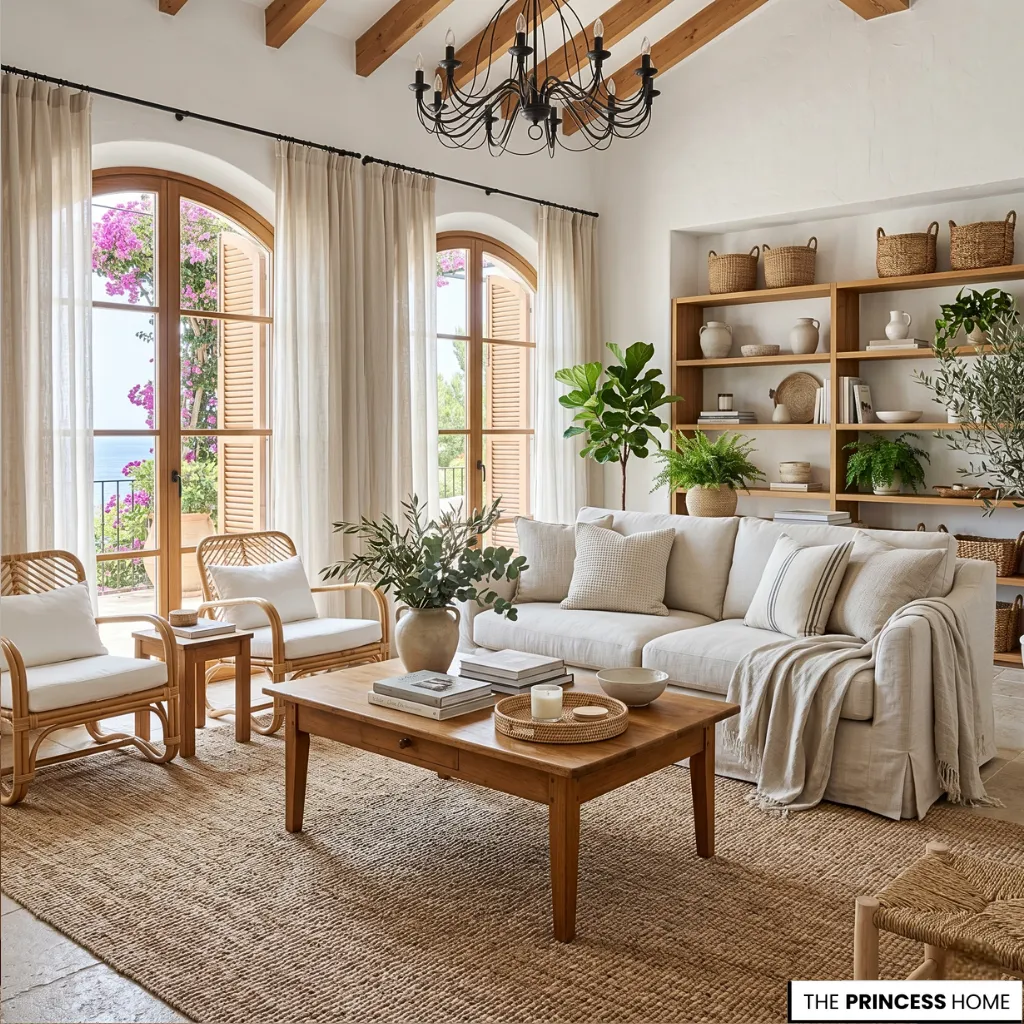
This seasonal transition is less about replacing a home’s identity and more about revealing a softer, more breathable version of it. Familiar rooms remain recognizable, yet they carry a refreshed summer interior design feeling connected to natural light and outdoor life.
💡 EXPLORE MORE:
Welcome the season in style across every room using Summer Decorations for Home to Welcome the Season in Style.
Natural Summer Light
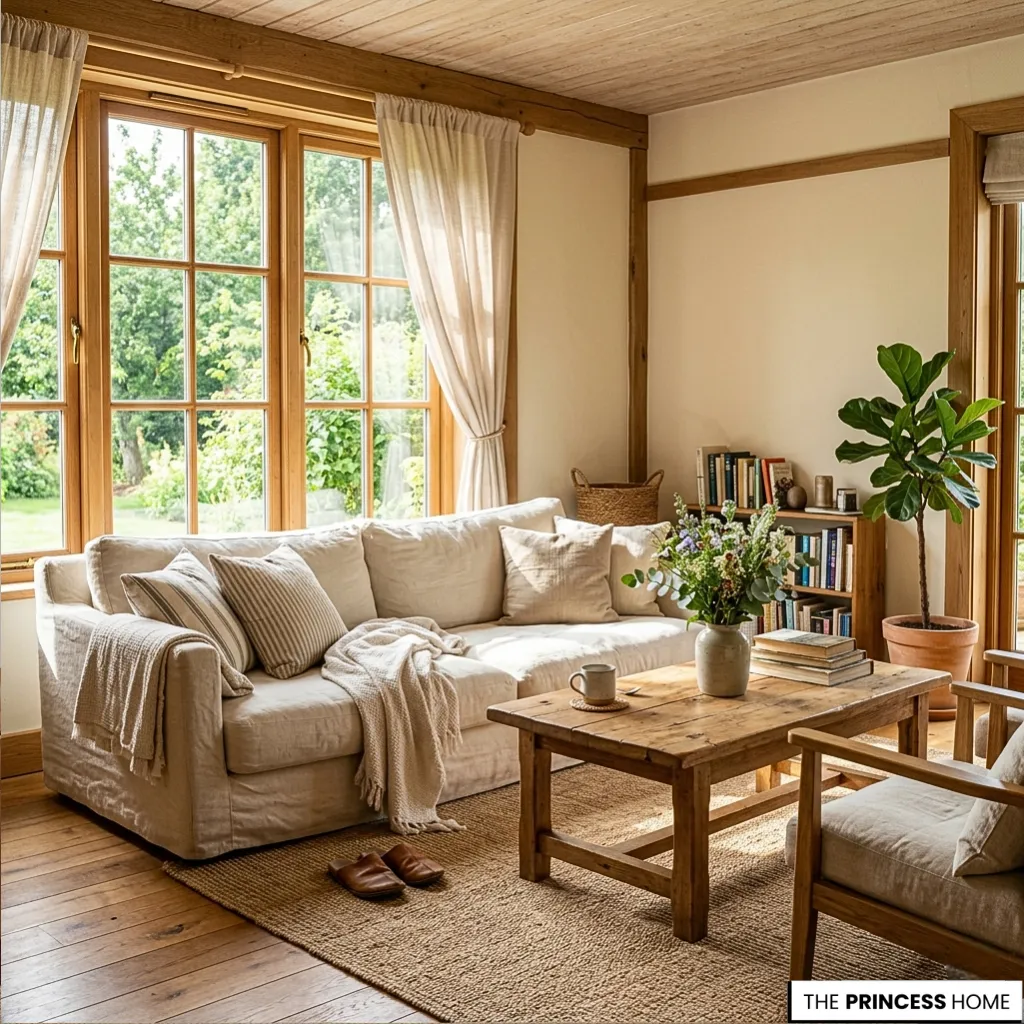
Long before decorative accessories are introduced, summer changes a room through natural light itself. Windows become active participants in the atmosphere, drawing brightness deeper into the home and shaping a soft rhythm of illumination throughout the day.
Natural lighting highlights textures that may go unnoticed during darker seasons. The grain of wood becomes more visible, stone surfaces feel warmer, and soft fabrics appear almost luminous when touched by sunlight, especially in open-plan modern interiors where daylight moves freely through space.
Summer decorations often focus on enhancing this natural effect rather than competing with it. Materials that reflect light gently—glass decor, woven fibers, pale ceramics, and natural linen—allow rooms to feel more spacious without becoming overly polished or artificial.
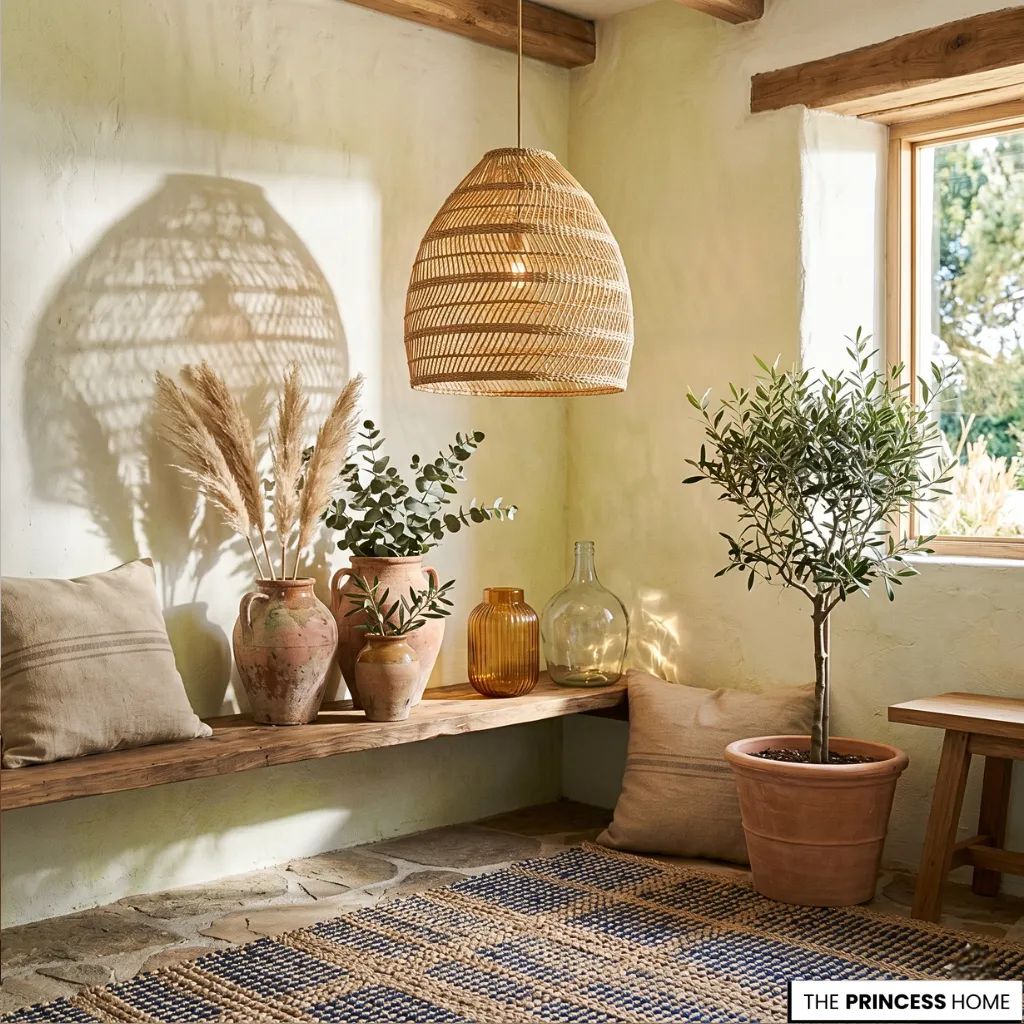
In many interiors, this effect is reinforced through subtle design choices: woven lighting that casts soft patterned shadows, indoor-outdoor rugs that blur spatial boundaries, or sheer room dividers that define zones without blocking light.
Even compact apartments can feel more expansive, while larger homes gain a balanced interplay between brightness and shadow.
💡 EXPLORE MORE:
Discover how to optimize natural light and soft textures in our guide to Summer Decor Ideas for a Bright and Relaxed Home
Organic Summer Textures
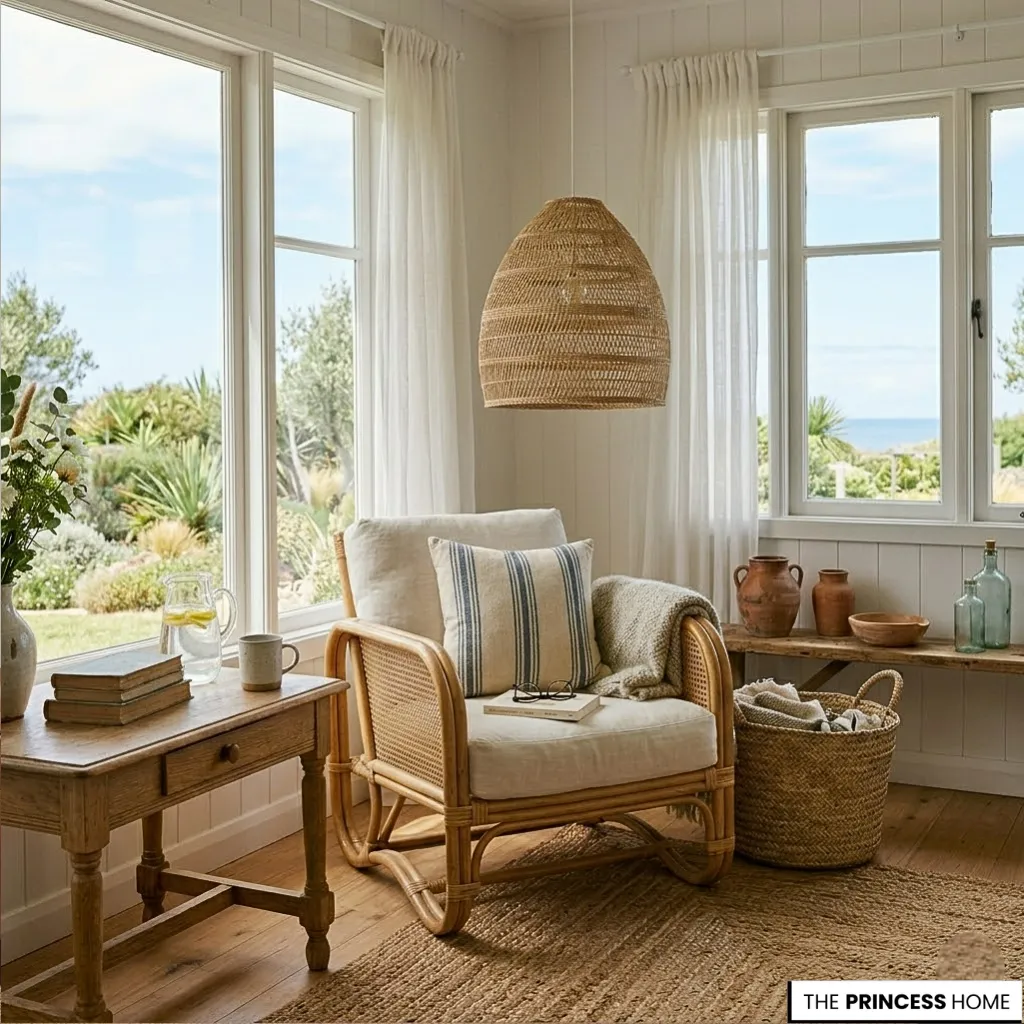
Natural textures are a defining element of summer decorations, especially in coastal-inspired homes, cottage interiors, and modern urban apartments. They create a sense of ease that aligns naturally with seasonal living.
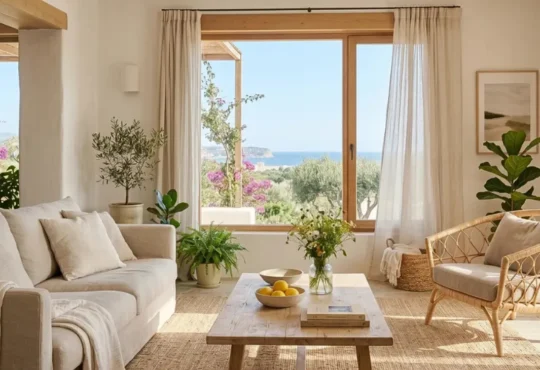
Rattan chairs, woven baskets, light woods, cotton textiles, and handcrafted ceramics introduce warmth without heaviness. Their appeal lies in their organic imperfections, which make a space feel lived-in, grounded, and authentic across different interior styles.
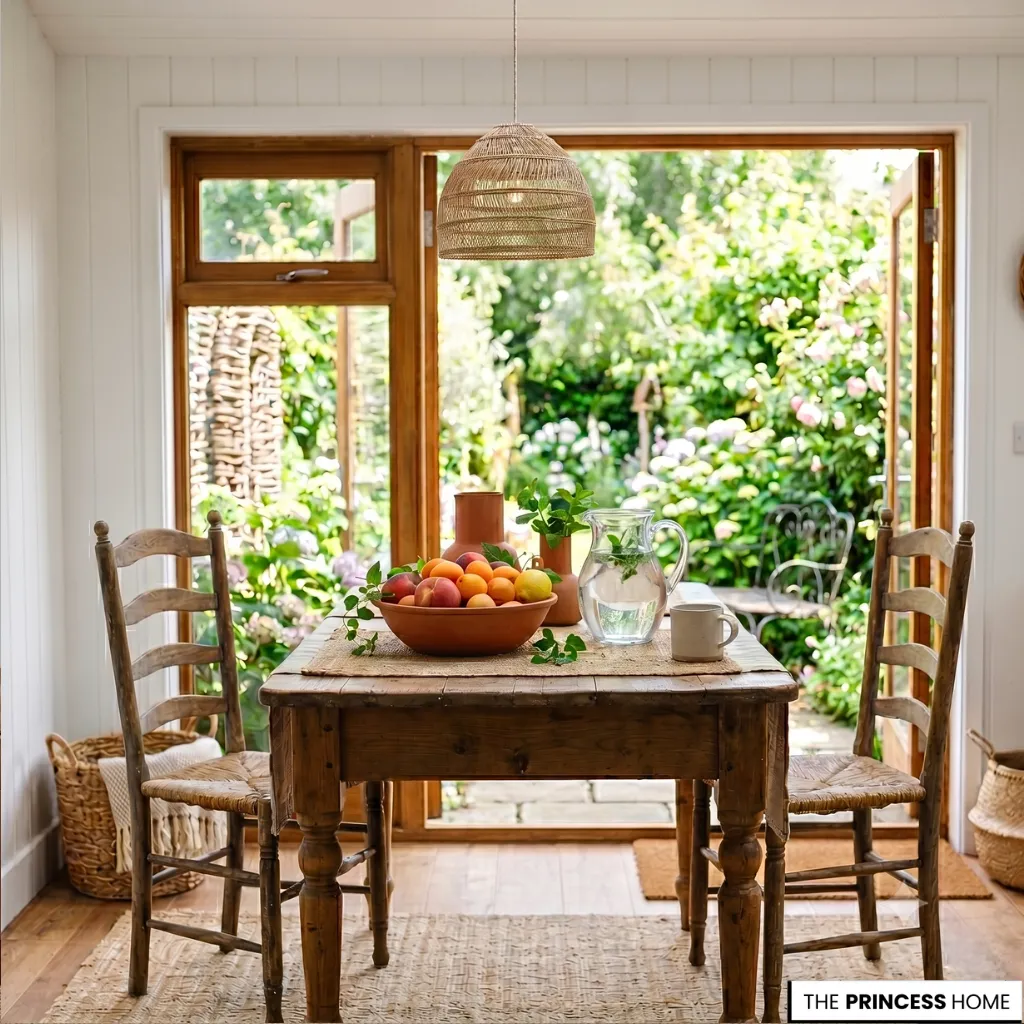
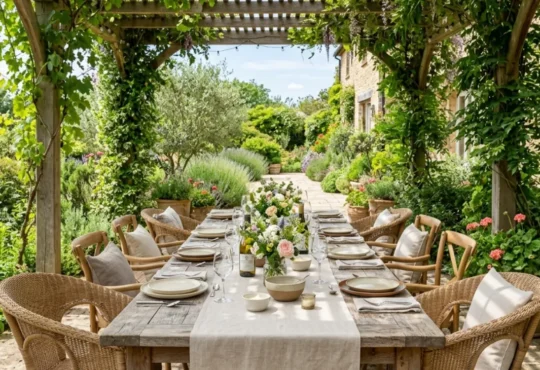
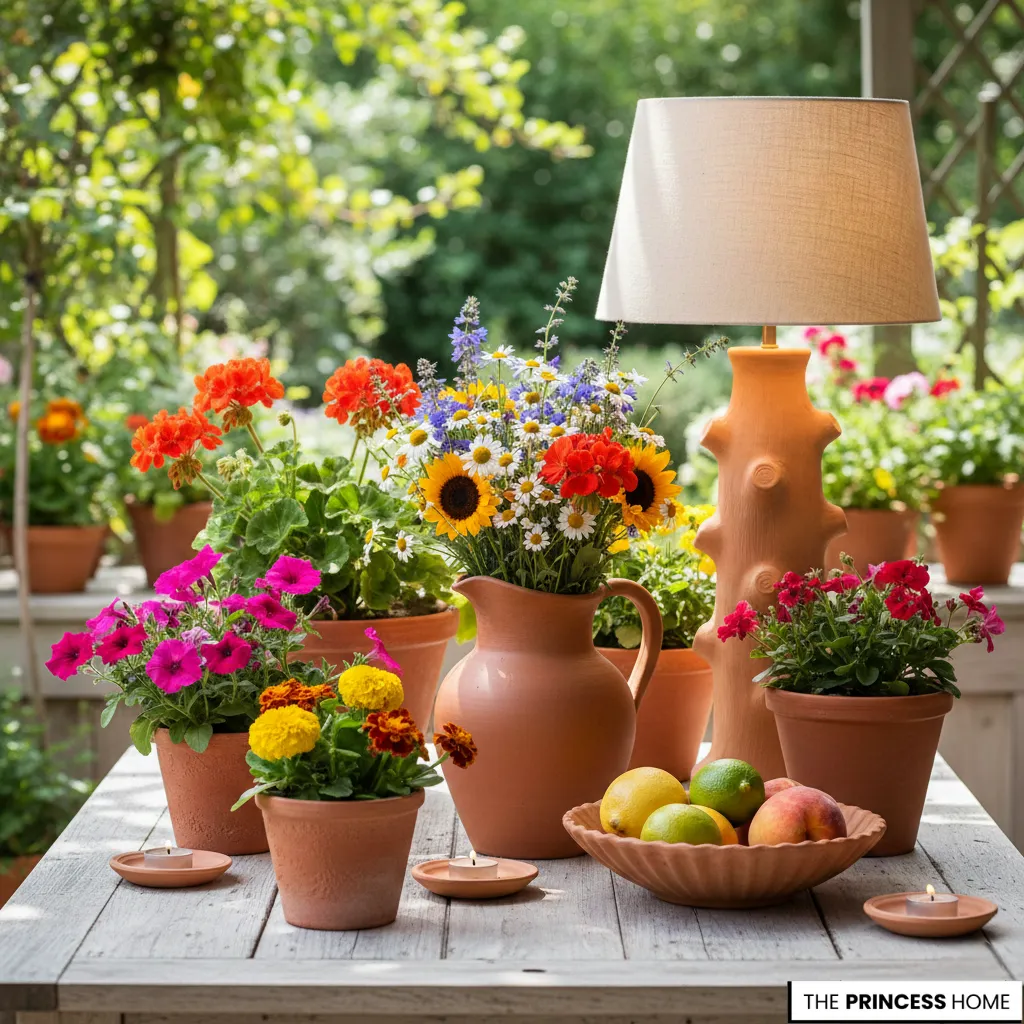
These materials also strengthen the connection between indoor and outdoor environments. Woven pendant lights may echo garden structures outside, while terracotta decor pieces, vintage glass pitchers, and natural fiber accents in jute or sisal bring earthy balance into brighter summer palettes.
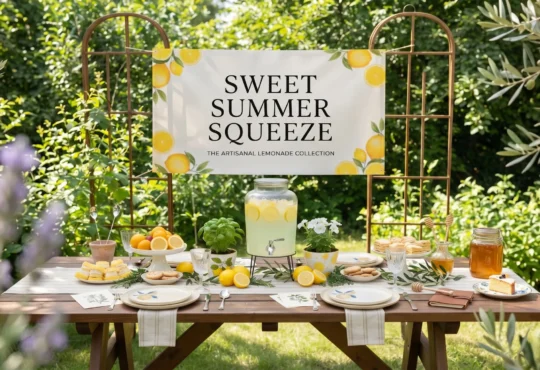
Seasonal fruit bowls filled with citrus, peaches, or apricots add a living decorative layer that connects color, scent, and texture. Together, these elements establish a natural continuity between architecture and environment, making summer interiors feel deeply connected to nature.
💡 EXPLORE MORE:
Introduce a cheerful pop of color and refreshing style with Lemon Decor Ideas Beautiful & Cute for a Refreshing Summer.
Summer Color Palettes
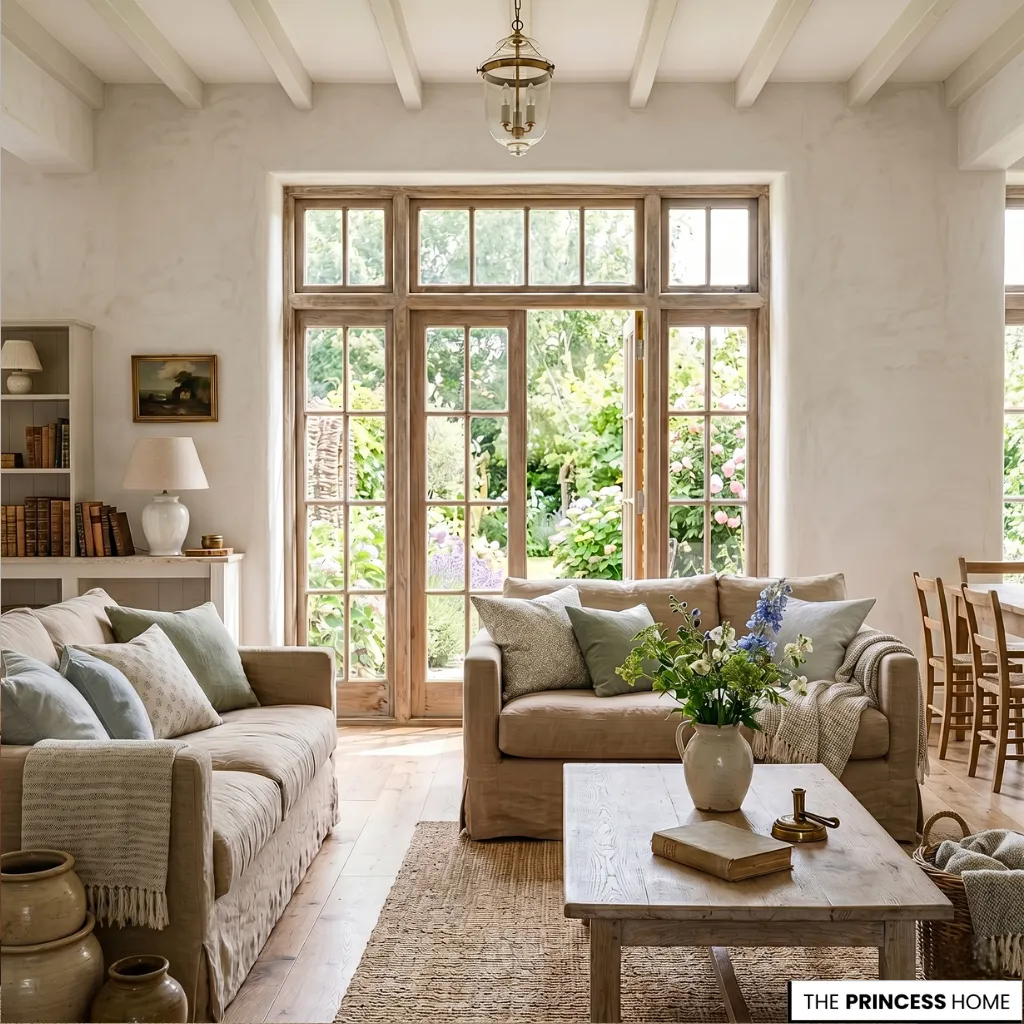
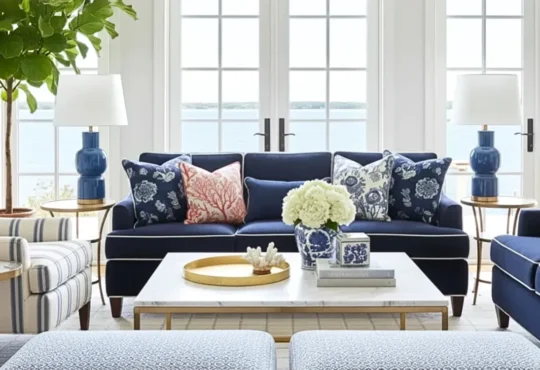
Summer color palettes rarely rely on strong contrasts. Instead, they draw inspiration from natural seasonal tones that work across both modern apartments and traditional homes.
Soft whites resemble sun-bleached fabrics drying outdoors. Sand tones introduce warmth without overwhelming a room. Muted greens reflect garden landscapes seen through open windows, while sky blues bring a calm, airy movement into interior spaces.
These colors are effective because they support atmosphere rather than dominate it. Natural light remains the focal point, while color quietly shapes the emotional tone of the space.
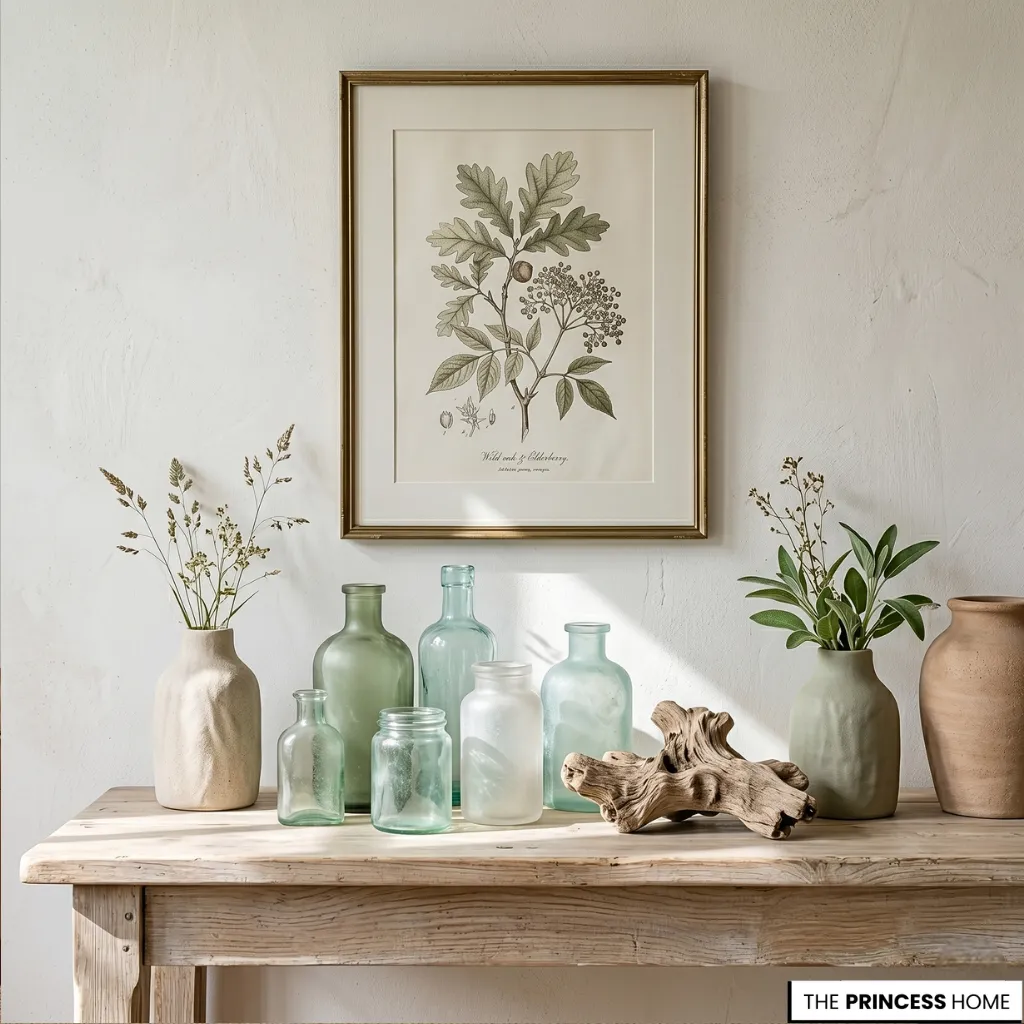
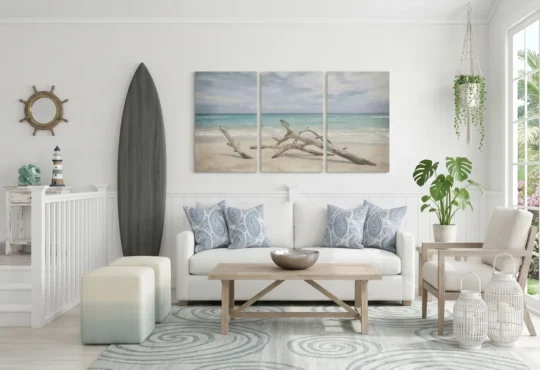
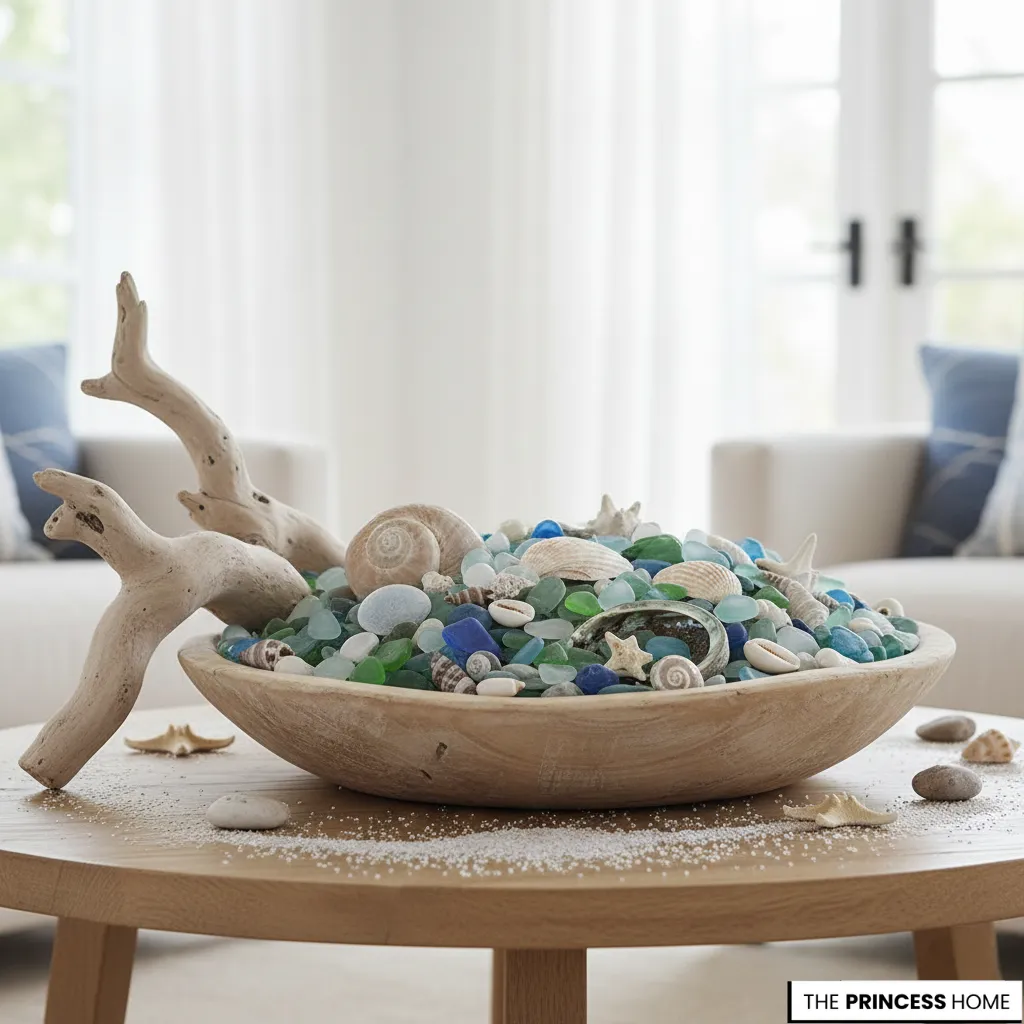
In contemporary homes, these palettes often appear through textiles and decorative accents. In more classic interiors, they emerge through painted furniture, ceramic pieces, or curated artwork. Coastal-inspired details such as sea glass, driftwood accents, and botanical prints extend this palette into narrative design layers, reinforcing the identity of summer decorations in interior styling.
💡 EXPLORE MORE:
Keep your main gathering area light and fresh using Summer Decor Ideas for Living Room for a Bright & Fresh Home.
Relaxed Living Spaces
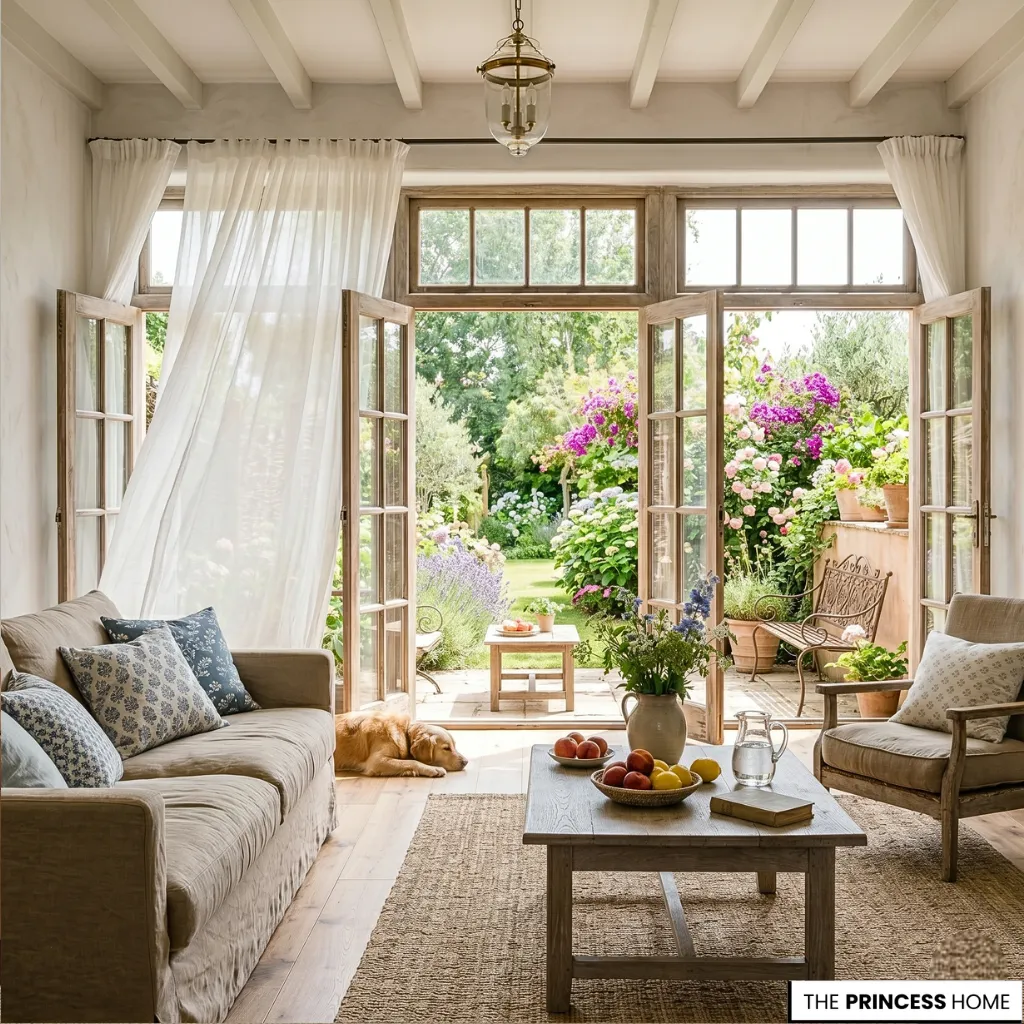
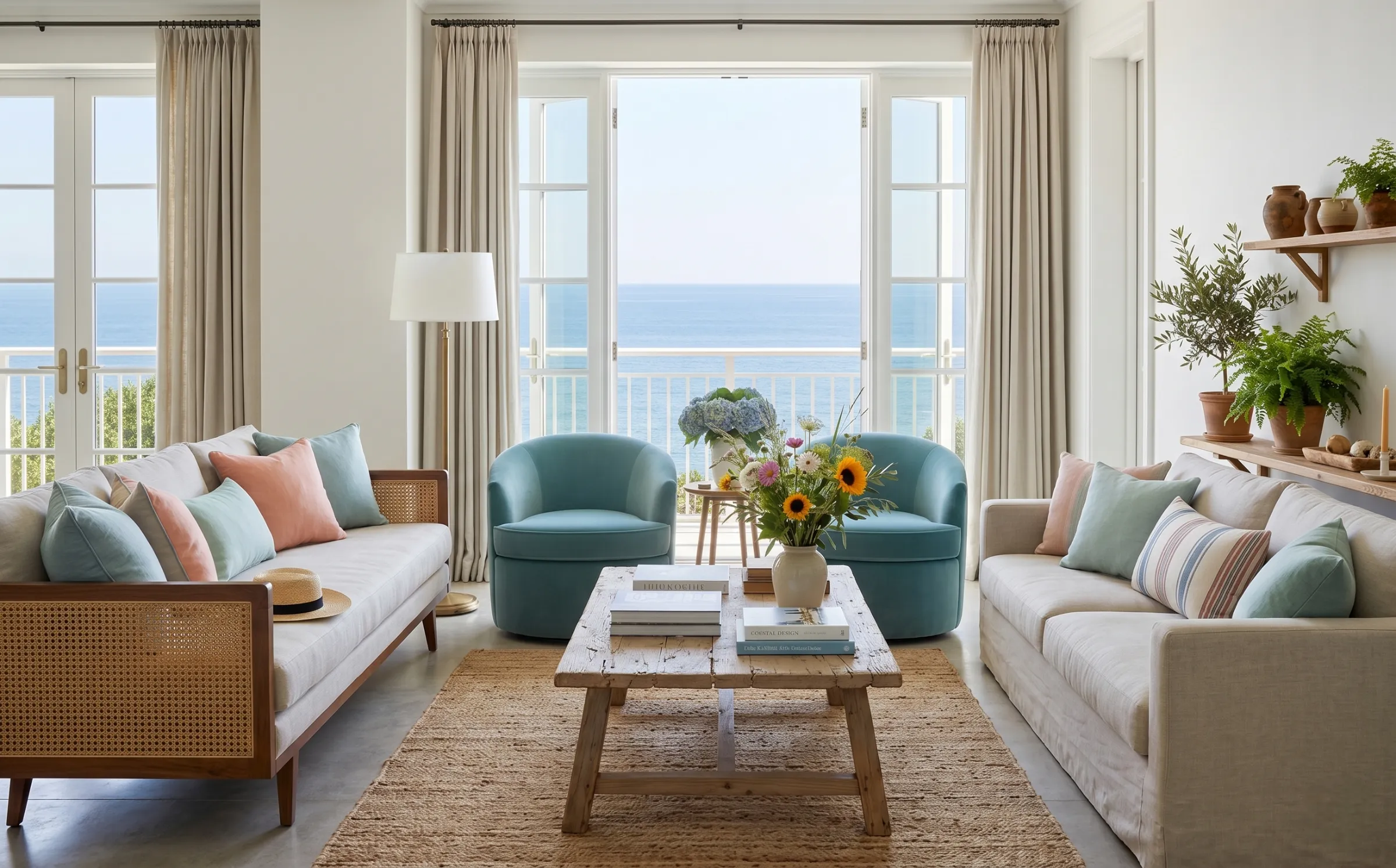
Summer changes how homes are experienced, and summer decorations often reflect this shift in daily rhythm. Doors stay open longer, movement becomes more fluid between indoor and outdoor areas, and small corners evolve into personal relaxation zones.
Because of this transition, summer interior design focuses on lived experience rather than visual styling alone. A reading chair positioned near natural light. A table arranged with fresh flowers and organic textures. Lightweight throws layered across seating areas in modern apartments or larger living rooms.
In some interiors, hanging chairs or soft canopy-like fabrics introduce a subtle sense of leisure, reinforcing a relaxed seasonal mood.
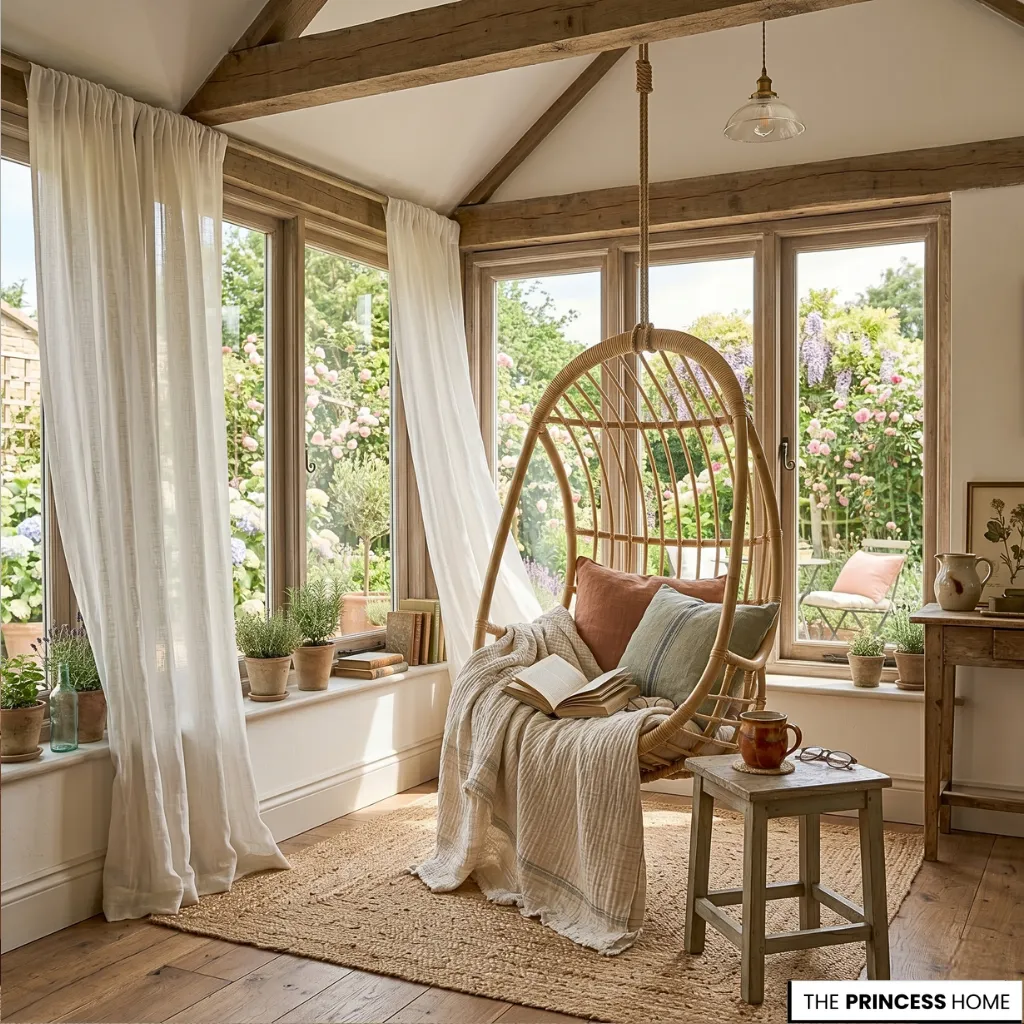
Reading corners, plant-filled shelves that filter sunlight, and softly defined seating areas all contribute to this slower rhythm. In larger homes, these ideas expand into multiple living zones; in smaller apartments, they become about clarity, openness, and light efficiency. In both contexts, summer decorations support a calm and welcoming atmosphere.
💡 EXPLORE MORE:
Create a serene, sea-inspired retreat at home with Beach House Decor Ideas Coastal Serenity for Stylish Spaces.
Indoor Outdoor Flow
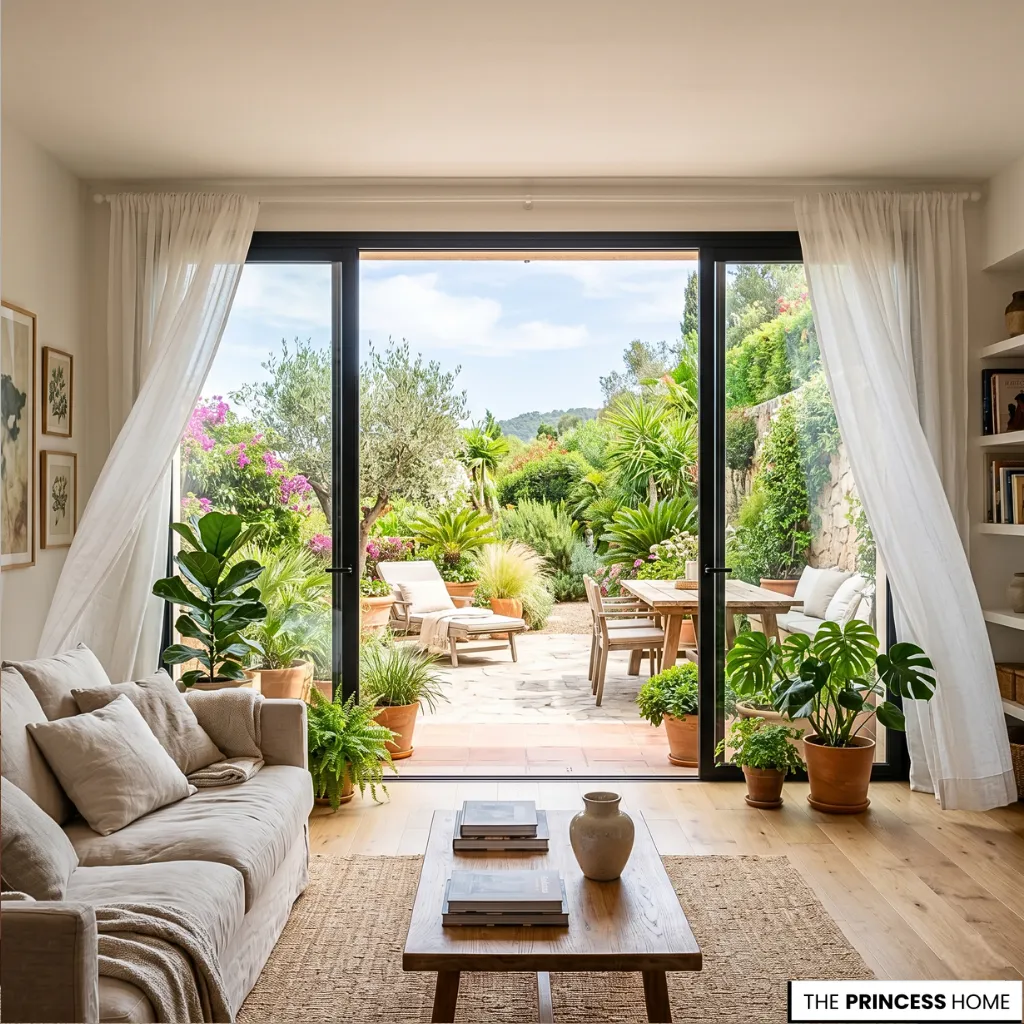
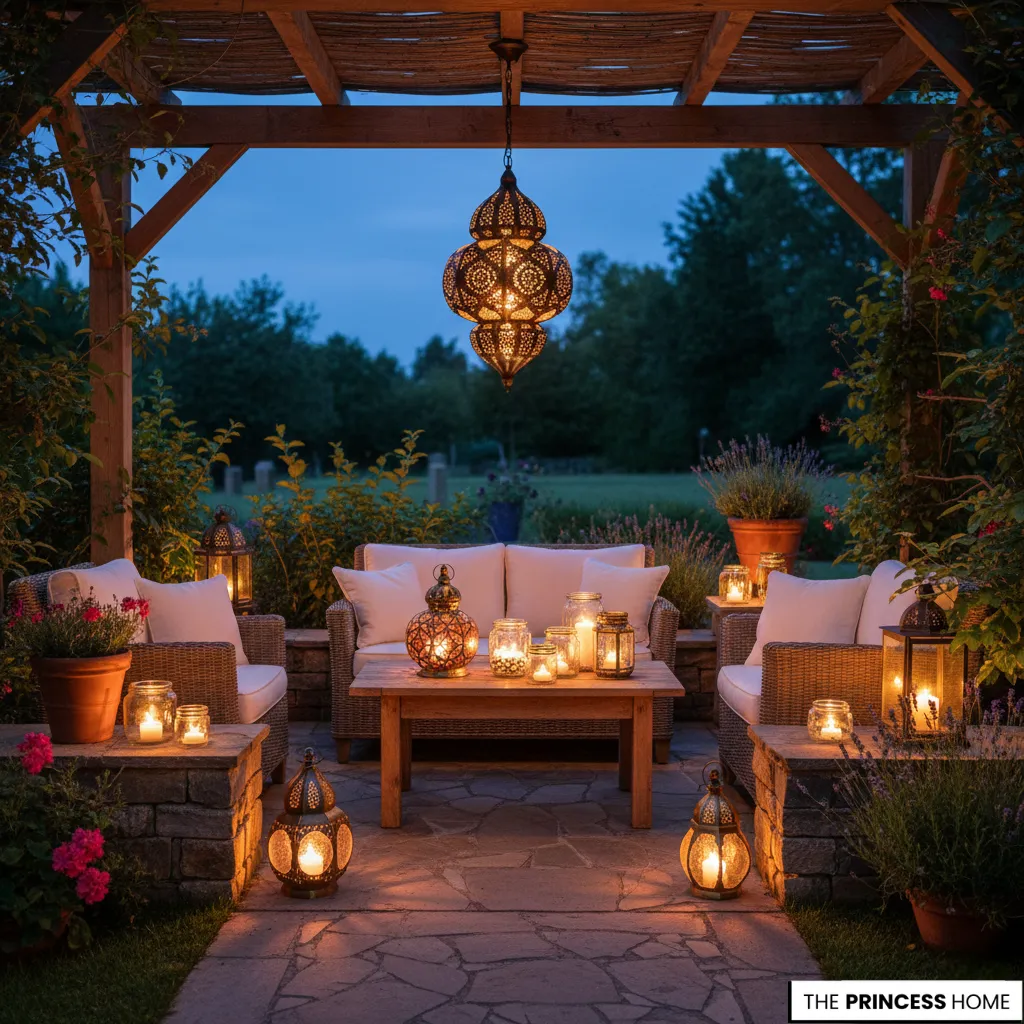
strongest principles in summer interior design is the blurred boundary between indoor and outdoor living, which plays a key role in summer decorations. Balconies extend living rooms, while backyards and patios become evening lounges illuminated by lanterns and soft candlelight.
Even in compact urban apartments, plants placed near windows or on floating shelves create a visual connection to nature.
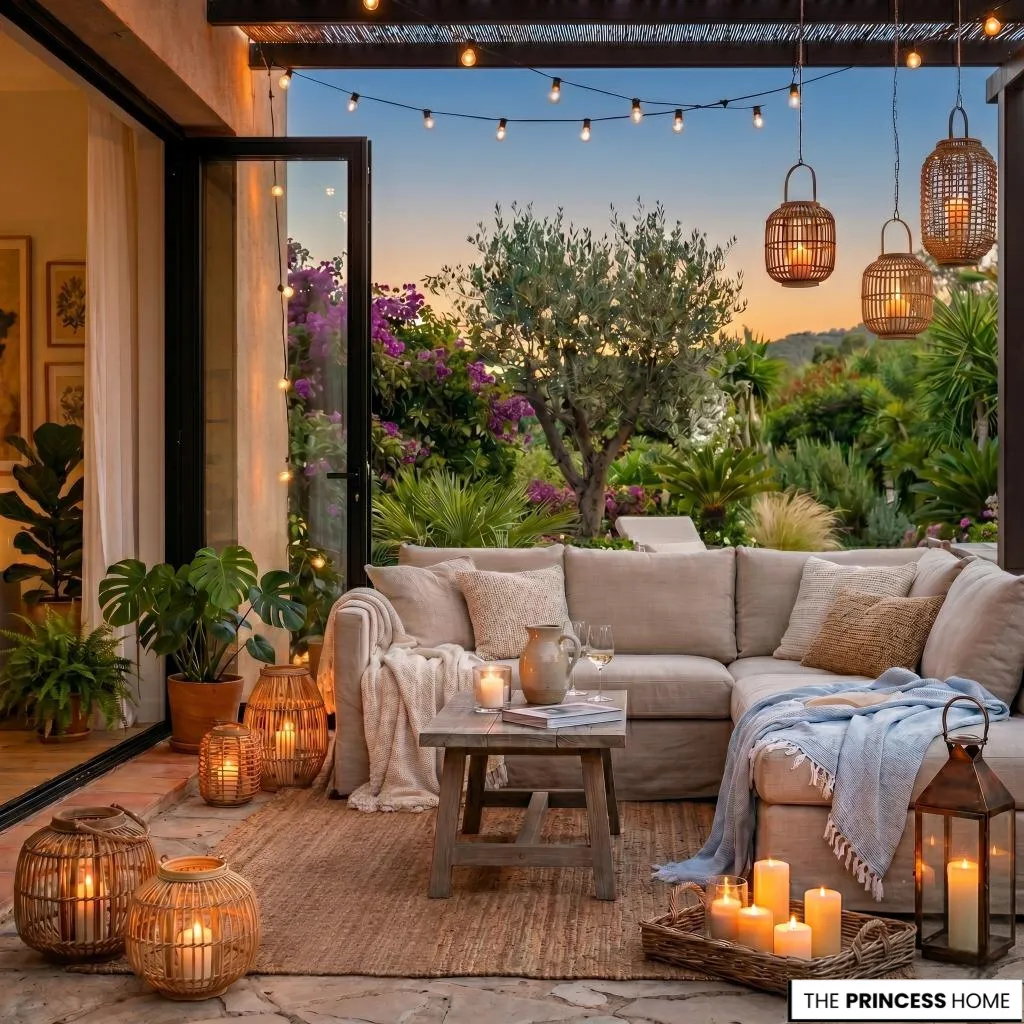
This relationship can also appear through architectural and decorative details such as soft ceiling tones that extend visual height, or sheer fabrics that maintain airflow while shaping space. These subtle interventions enhance openness without sacrificing intimacy.
This indoor-outdoor flow influences material selection, color palettes, and decorative composition. Botanical arrangements, natural fibers, and organic forms unify interior and exterior environments into one continuous seasonal experience.
💡 EXPLORE MORE:
Extend your aesthetic outdoors using Refreshing Outdoor Summer Decor Ideas for a Beautiful Backyard.
Lasting Summer Impact
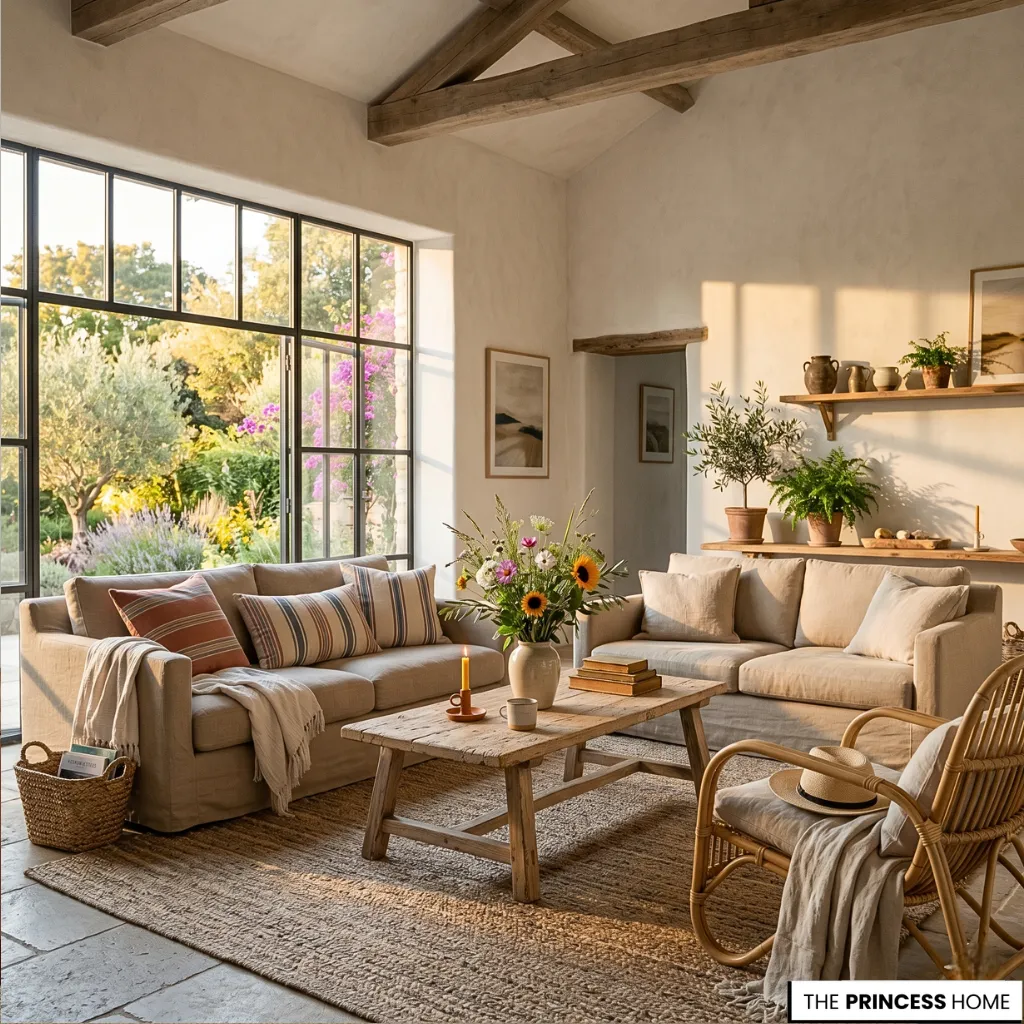
The most enduring quality of summer decorations lies in their emotional effect rather than their visual presence. While individual elements may change, the atmosphere they create often extends beyond the season itself.
Rooms filled with natural light, layered textures, and breathable materials maintain a timeless quality that works across seasons. They feel calm without minimalism, elegant without rigidity, and welcoming without effort.
Across small apartments, modern interiors, and larger homes, these layered design choices create a unified experience. They define a space shaped by light, guided by natural materials, and grounded in the subtle, lasting rhythm of summer interior design.
💡 EXPLORE MORE:
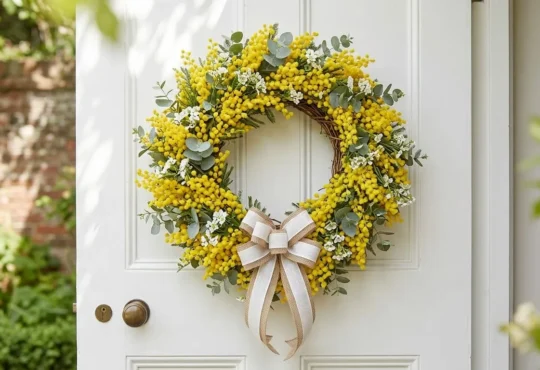
Complete your home’s seasonal look right at the entrance with Summer Wreath Ideas Curating Light & Texture for Your Entryway.
Inspiration Gallery
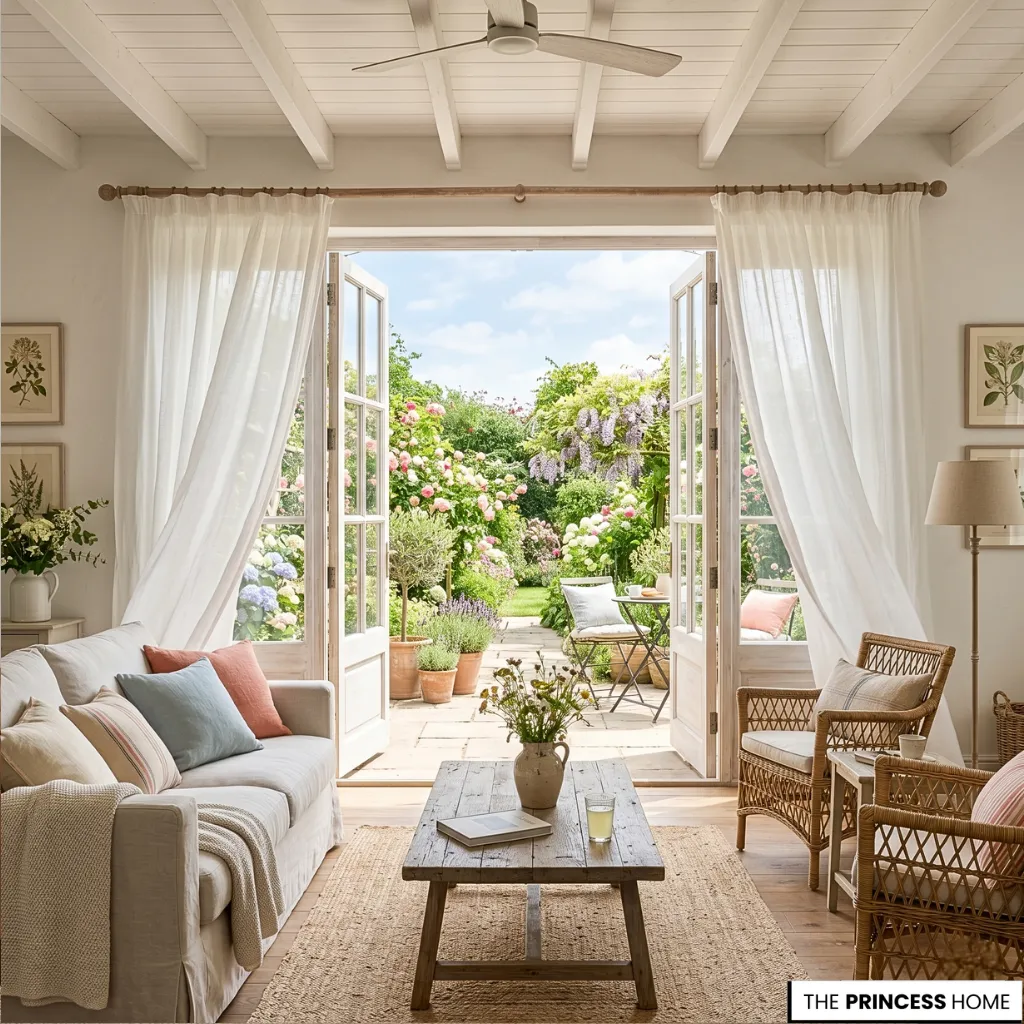
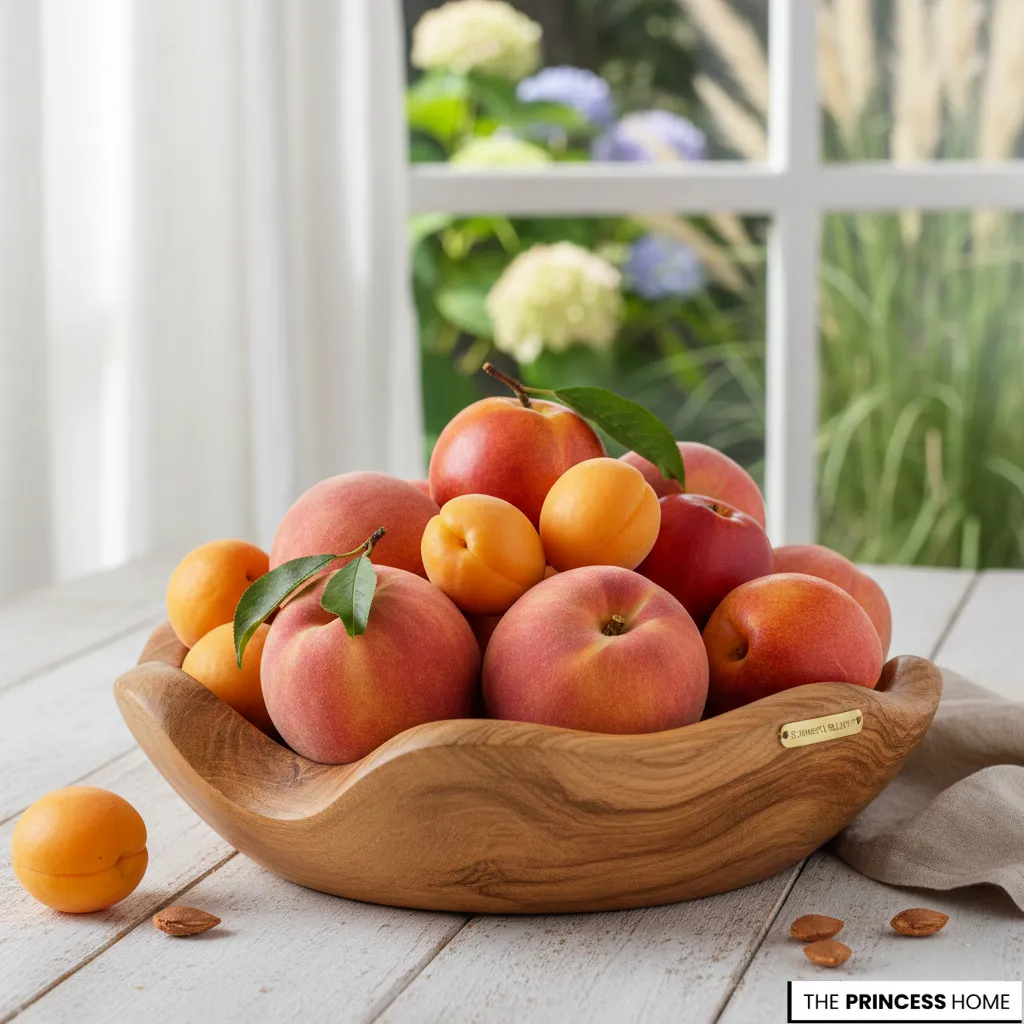
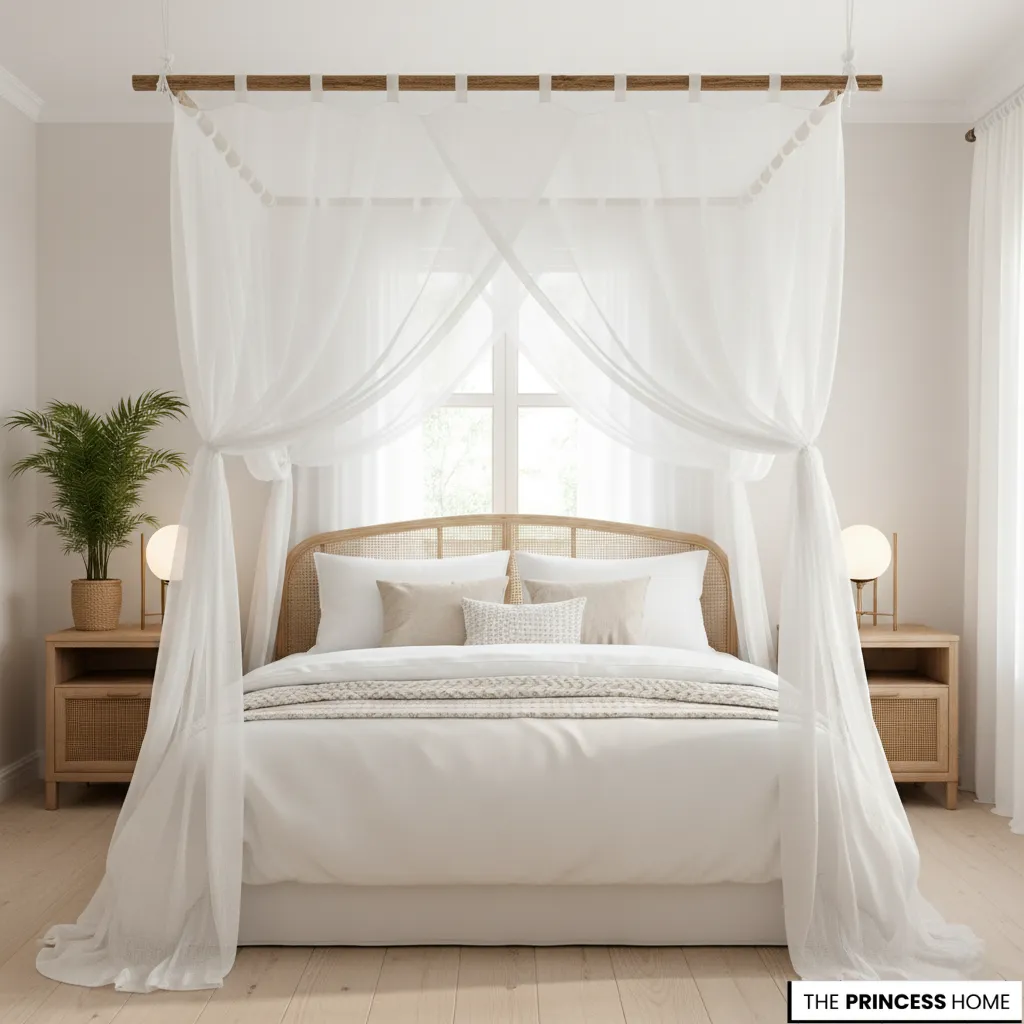
After exploring these curated interior design ideas, let’s translate visual inspiration into reality. Below, we address your most defining home decor questions, offering clarity for your own styling journey:”
FAQ
What are summer decorations in interior design?
Summer decorations are light seasonal elements that refresh a home using natural textures, soft colors, and airy materials to create a brighter, more relaxed atmosphere.
How to style summer decorations in a modern home?
Focus on natural light, linen fabrics, woven textures, and minimal accessories to keep spaces open, breathable, and visually calm.
What colors work best for summer decorations?
Soft whites, sand tones, muted greens, and sky blues work best, as they enhance brightness and support a fresh seasonal mood.
Can summer decorations work in small apartments?
Yes, small apartments benefit from light fabrics, mirrors, and minimal decor that maximize natural light and create a sense of openness.
Why are natural materials important in summer decorations?
Natural materials like rattan, wood, and cotton add warmth and texture while keeping interiors visually light and connected to nature.
What furniture fits summer decorations style?
Lightweight furniture, open silhouettes, and natural finishes like wood or woven pieces fit perfectly with the relaxed summer aesthetic.
How to create a summer atmosphere at home easily?
Use sheer curtains, fresh greenery, soft textiles, and natural light to instantly shift the mood toward a brighter, seasonal feel.
Final Thoughts
Summer decorations are less about changing a home and more about softening its atmosphere. Through light, texture, and color, any space can feel more open, calm, and naturally connected to the season.