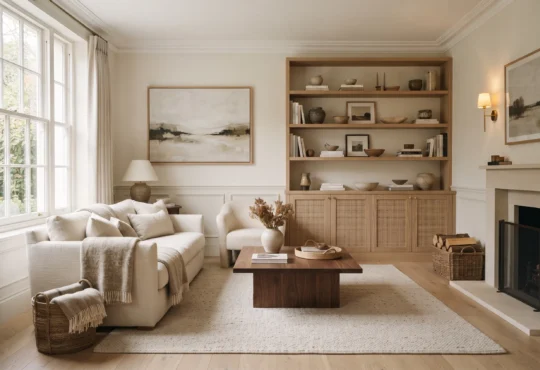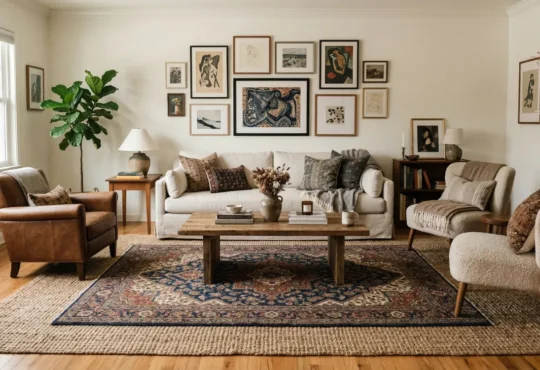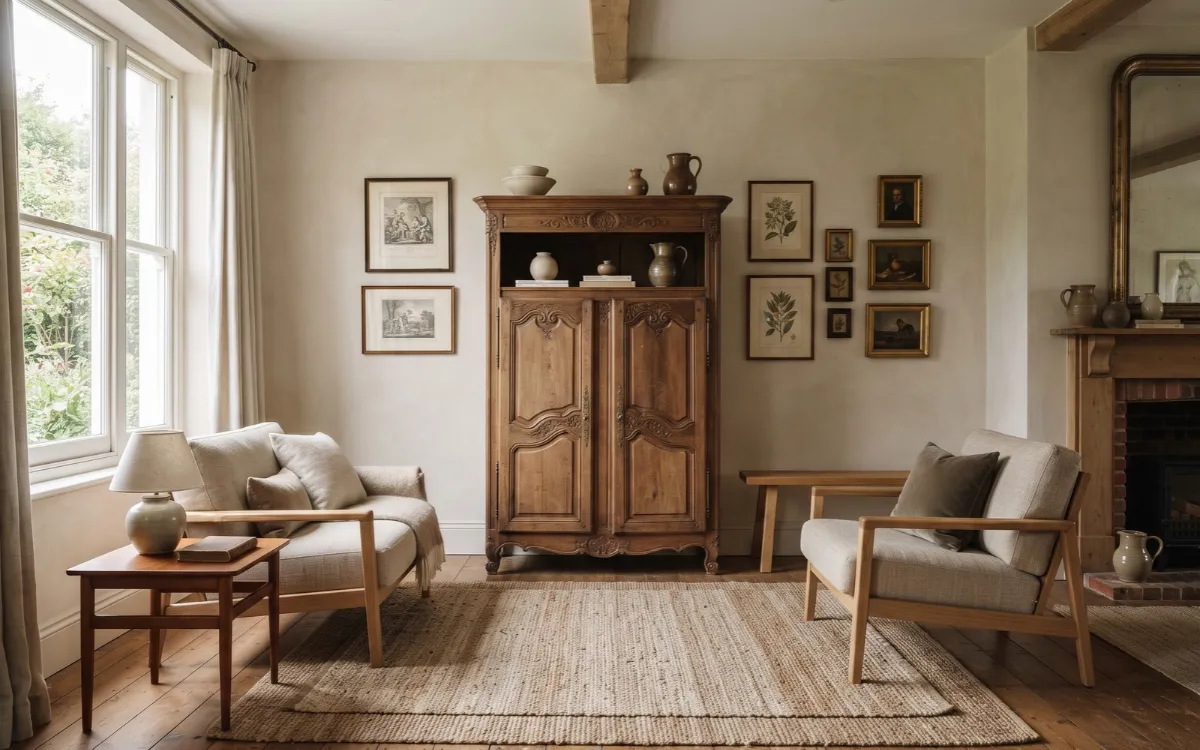
Vintage decor brings character, craftsmanship, and individuality into a home through furniture, artwork, lighting, textiles, and decorative objects from earlier periods. The challenge is combining these pieces with existing furnishings without making a room feel cluttered, outdated, or disconnected.
With thoughtful choices about scale, color, materials, and placement, you can create a vintage-inspired interior that feels personal, comfortable, and well balanced.
What Is Vintage Decor?
Vintage decor incorporates furniture and decorative objects associated with earlier periods. These pieces may stand out through their craftsmanship, distinctive shapes, materials, finishes, or personal significance. Some show visible signs of age, while others remain in excellent condition.
Vintage, antique, retro, and secondhand are related terms, but they have different meanings. Vintage generally describes items associated with an earlier period, although its precise age definition varies. Antique traditionally refers to objects at least 100 years old in conventional collecting terminology.
Retro describes designs that recall an earlier era, including newly manufactured pieces. Secondhand simply means that an item has been owned or used before. These distinctions help you make informed decorating decisions.
An authentic vintage cabinet, a newly made retro lamp, and an inherited wooden table can all work in the same interior, even though they belong to different categories.
Vintage decor can complement traditional, cottage, industrial, mid-century, and contemporary interiors. The most suitable pieces depend on the architecture, available space, and furnishings already in place.
Detailed woodwork and floral fabrics may complement a cottage-inspired room, while simpler vintage furniture can introduce warmth into a contemporary interior. Aged metal and sturdy wood can also work well in industrial-inspired spaces. Consider what each object contributes to the room.
A carved mirror might introduce intricate detail, a wooden side table could add warmth, and a ceramic vase might connect colors already present in the space. Identifying the quality you want to introduce helps you select pieces that support the room rather than accumulate unrelated decorations.
Choose Meaningful Pieces
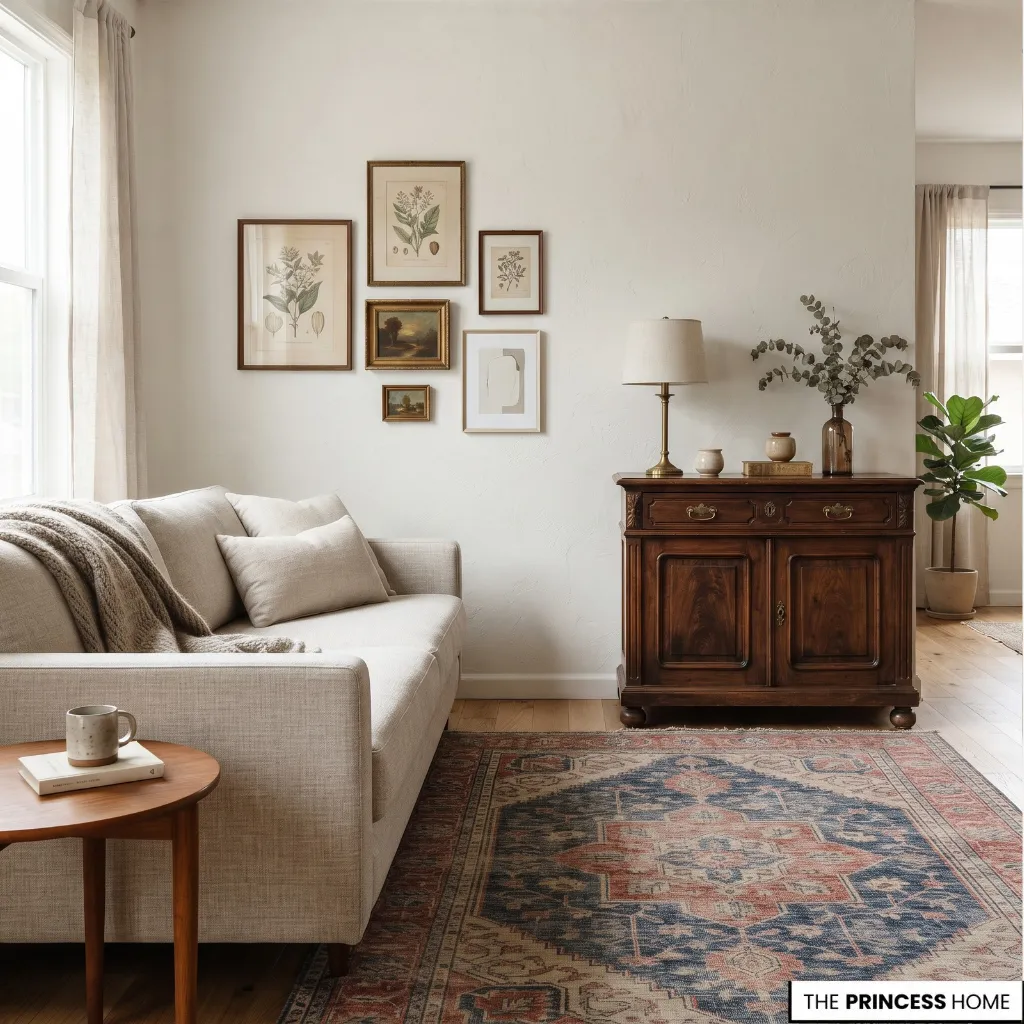
Start by choosing vintage items for their usefulness, distinctive design, craftsmanship, or personal significance. A few carefully selected pieces can contribute more to a room than a large collection of unrelated purchases.
Look for objects with interesting shapes, appealing materials, or details that distinguish them from ordinary furnishings. An old writing desk may provide practical storage as well as visual interest.
A framed print might introduce a color that connects the curtains to the upholstery, while a ceramic vase may complement a nearby lamp or table. Consider scale before buying. A large mirror can suit a spacious living room but overwhelm a narrow entryway.
A small decorative box may disappear on a substantial sideboard unless it forms part of a deliberate arrangement. Compare an item’s dimensions with the available space and nearby furniture.
You can mark the proposed footprint on the floor or use paper cut to the approximate size of a wall decoration to judge its proportions before purchasing. Condition matters as much as appearance. Check furniture for structural instability, loose joints, missing hardware, and signs of previous repairs.
Examine upholstered pieces for persistent odors, damaged fabric, and potential pest problems. For lamps and other electrical fixtures, consider the condition of the wiring and components rather than judging safety by appearance alone.
When inspecting wooden furniture, look closely at the joints, legs, drawer movement, and areas around handles. Check for signs of active wood damage, moisture, or severe warping, and ask about previous repairs when that information is available.
These checks cannot establish the full condition of an item, but they can help you identify concerns before purchasing it. When a seller describes an item as authentic vintage, look for available maker’s marks, labels, construction details, dated documentation, or information about its previous ownership.
Compare these clues with reliable references for the relevant period when possible. No single feature proves an item’s age or authenticity, so seek a qualified appraisal when the distinction significantly affects its value.
Visible wear can contribute to a vintage item’s appeal, but damage should not automatically be treated as attractive patina. Natural variation in an older finish may add character, while deep cracks, unstable joints, or extensive damage may affect safety and usefulness.
A piece with an original finish is not automatically better than a restored one; the decision depends on its condition, craftsmanship, and significance. Before purchasing anything, identify its role in the room.
Decide whether you need functional furniture, a focal point, a decorative accent, or an object that connects existing colors and materials. If you are unsure where to begin, choose one item that can anchor the arrangement, such as a cabinet, mirror, rug, or distinctive chair.
Then consider what the room still needs instead of buying several pieces at once. When comparing possible purchases, assess condition, scale, usefulness, compatibility with existing furnishings, and total cost.
The most attractive item is not always the better choice if it requires expensive repairs or does not fit the room. Choose the piece that meets a clear design need and works within your budget.
Mix Old and New
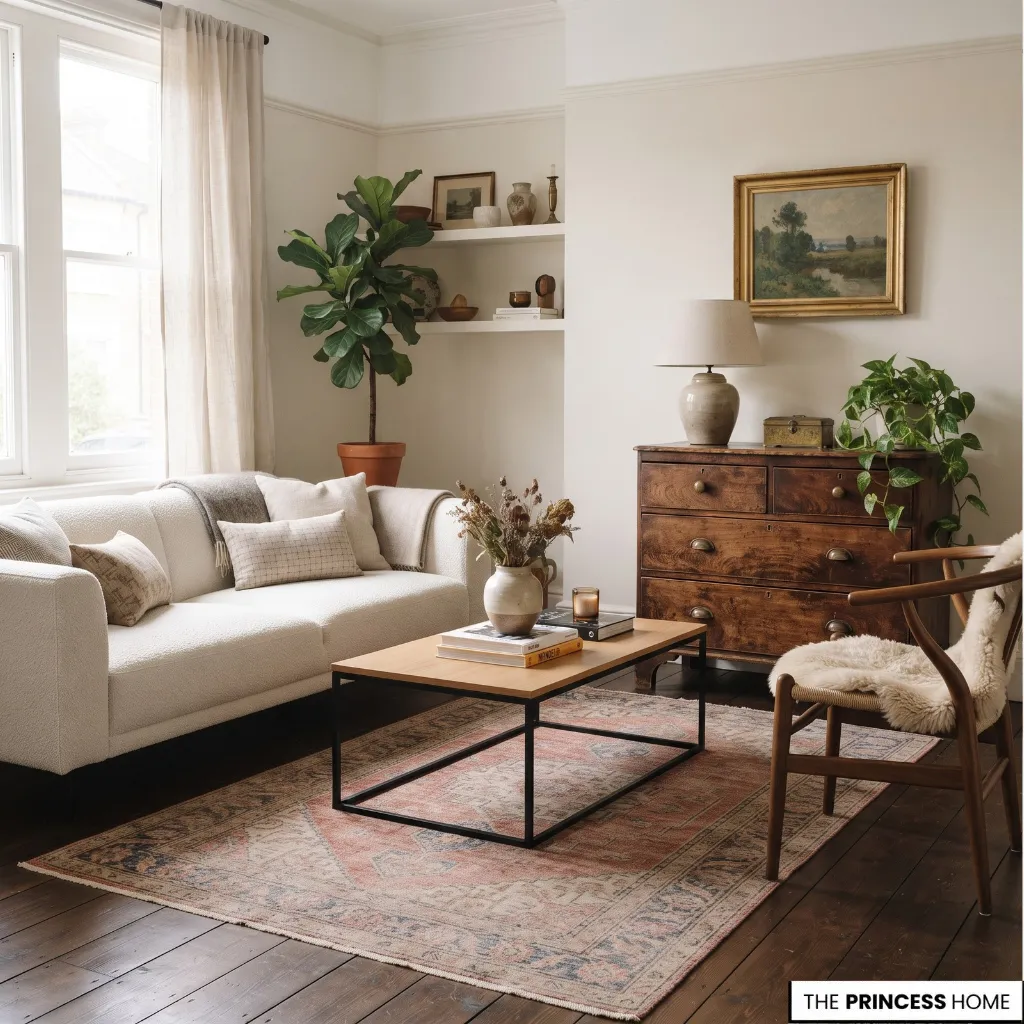
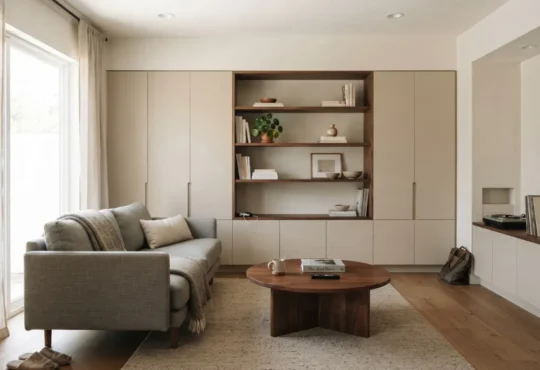
Combining vintage and modern decor allows older pieces to stand out without making the entire room feel tied to one period. Contemporary furniture can provide a simpler setting for detailed vintage objects, while older pieces can give a modern interior more individuality.
Begin with the furnishings you already have. If your living room contains a contemporary sofa and a simple coffee table, a vintage wooden cabinet or carved mirror may provide enough contrast. If the room has ornate traditional furniture, simpler lighting and less detailed accessories can help the arrangement feel more current.
In a modern home with plain walls, large windows, and minimal architectural detail, one vintage cabinet, framed artwork, or sculptural lamp can introduce character without requiring period-style furniture throughout the room.
Connect pieces through shared colors, materials, shapes, or proportions rather than trying to make everything match. A vintage cabinet with warm wood tones, for example, may work well beside contemporary seating in a compatible neutral fabric.
Contrast is equally useful. An ornate mirror can stand out against a plain wall, while a streamlined modern lamp can simplify a traditional bedside arrangement. The difference between the pieces should feel deliberate, with each contributing something distinct.
To make the relationship feel intentional, repeat one feature of the vintage piece elsewhere in the room. A warm wood finish might appear again in a small frame, while a muted green detail in an old artwork could be echoed in a cushion.
One or two connections are usually enough; repeating every color and material can make the arrangement feel overly matched. Pay attention to visual weight.
A large, elaborate cabinet may need simpler objects around it, while a small vintage table can sit comfortably beside substantial contemporary seating if their proportions work together.
Avoid buying unrelated objects simply because each looks attractive individually. Consider the complete arrangement before adding another piece. The aim is to make different periods work naturally together while allowing distinctive vintage details to remain visible.
Layer Color and Texture
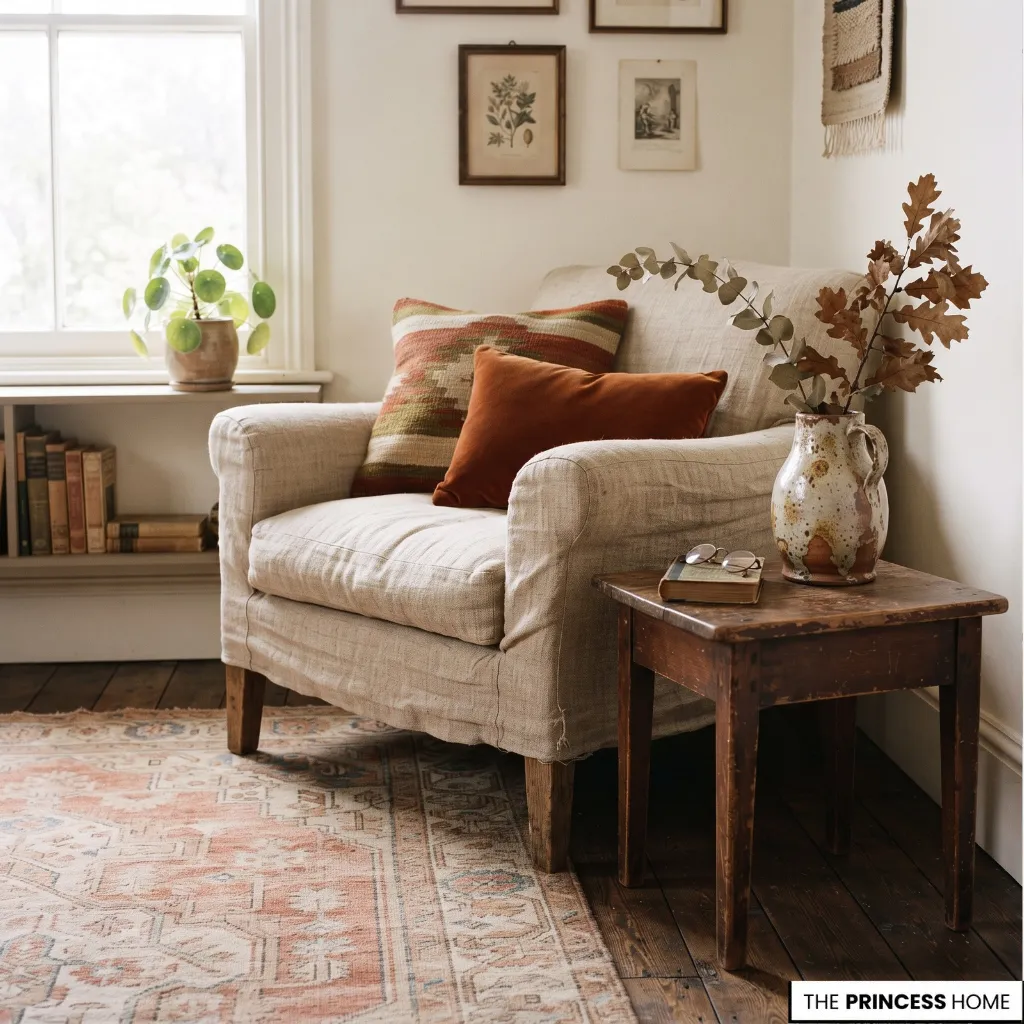
Color and texture help connect vintage decor with the rest of the home. They can make a mixture of periods feel cohesive without requiring identical finishes or matching furniture sets. Begin with the colors already present in the room. Examine the walls, flooring, upholstery, curtains, and larger furniture pieces.
Use these elements to identify a palette that supports your vintage finds. A practical starting point is to choose one vintage item with a color or finish you want to emphasize. Identify its dominant color, then select a compatible neutral for larger surfaces and one or two supporting colors for smaller accents.
For example, a cabinet with warm brown wood may work with cream walls, muted green cushions, and a natural linen rug. The exact colors should respond to the room’s existing finishes and natural light rather than follow a fixed formula. A vintage brass accessory may complement warm wood and darker fabrics.
Colorful ceramics or patterned textiles can also work in a contemporary interior when their strongest colors appear elsewhere in the room. Vintage decor does not have to rely on brown, beige, or faded colors. Rich blues, deep greens, reds, and brighter tones can all suit a vintage-inspired space.
Choose colors according to the objects you own and the atmosphere you want to create. Texture provides another way to connect different pieces. Combine the grain of natural wood with smooth glass, glazed ceramics, woven linen, or upholstered fabric.
Contrasting surfaces can keep a room interesting without requiring additional decorative objects. Patterns need similar consideration. Floral curtains, patterned upholstery, and decorative cushions can coexist when they share colors or differ in scale.
If a vintage rug already contains several strong patterns and colors, simpler cushions and curtains may help the room remain visually clear. Repeat selected colors to connect separate areas of the room. A shade found in an artwork might appear again in a cushion or ceramic object.
However, avoid matching every finish and material. Some variation allows individual vintage pieces to retain their character. Before buying additional accessories, view the room from its main entrance or seating area.
Notice which colors attract attention first and whether any area feels disconnected. If the arrangement already feels balanced, you may not need another decorative object.
Decorate With Furniture
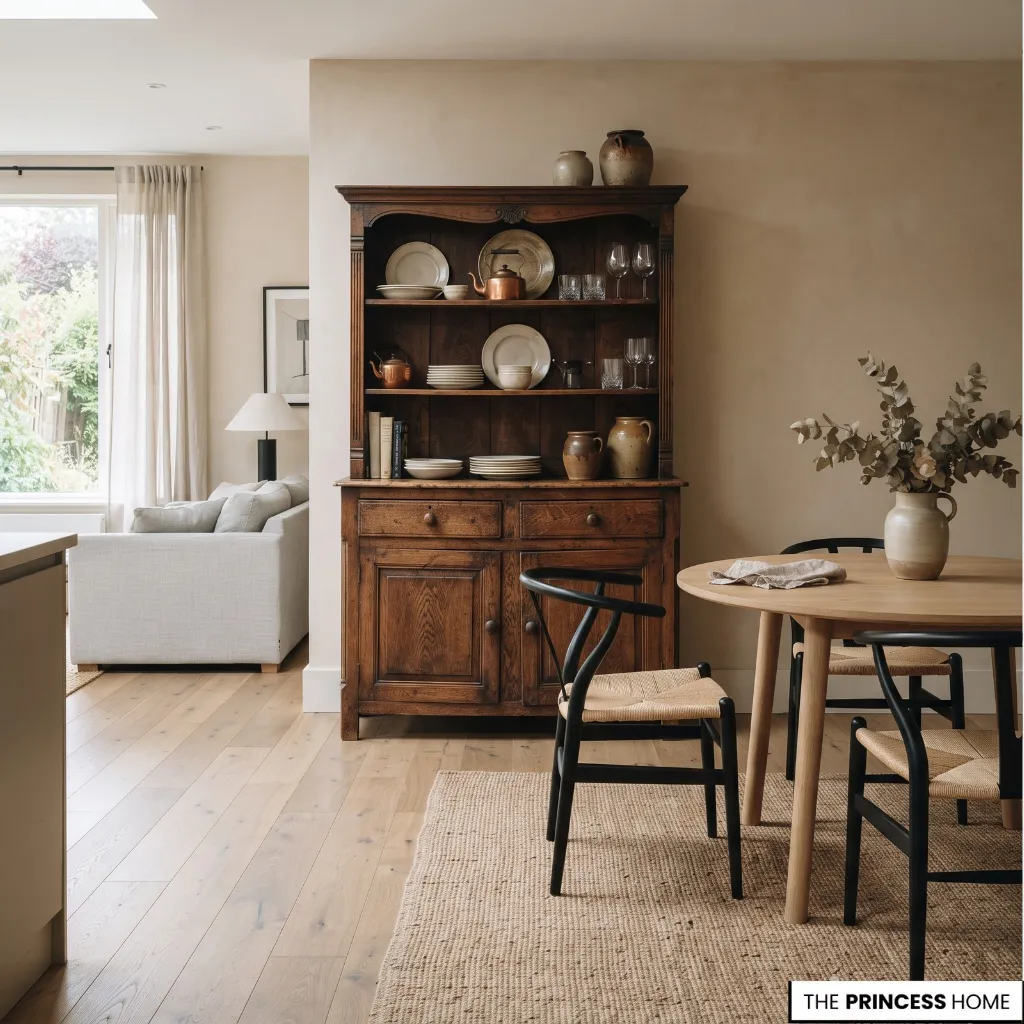
Vintage furniture can become the foundation of a room or provide a smaller accent within a contemporary arrangement. Choose each piece according to available space, intended use, condition, and the scale of the surrounding furnishings.
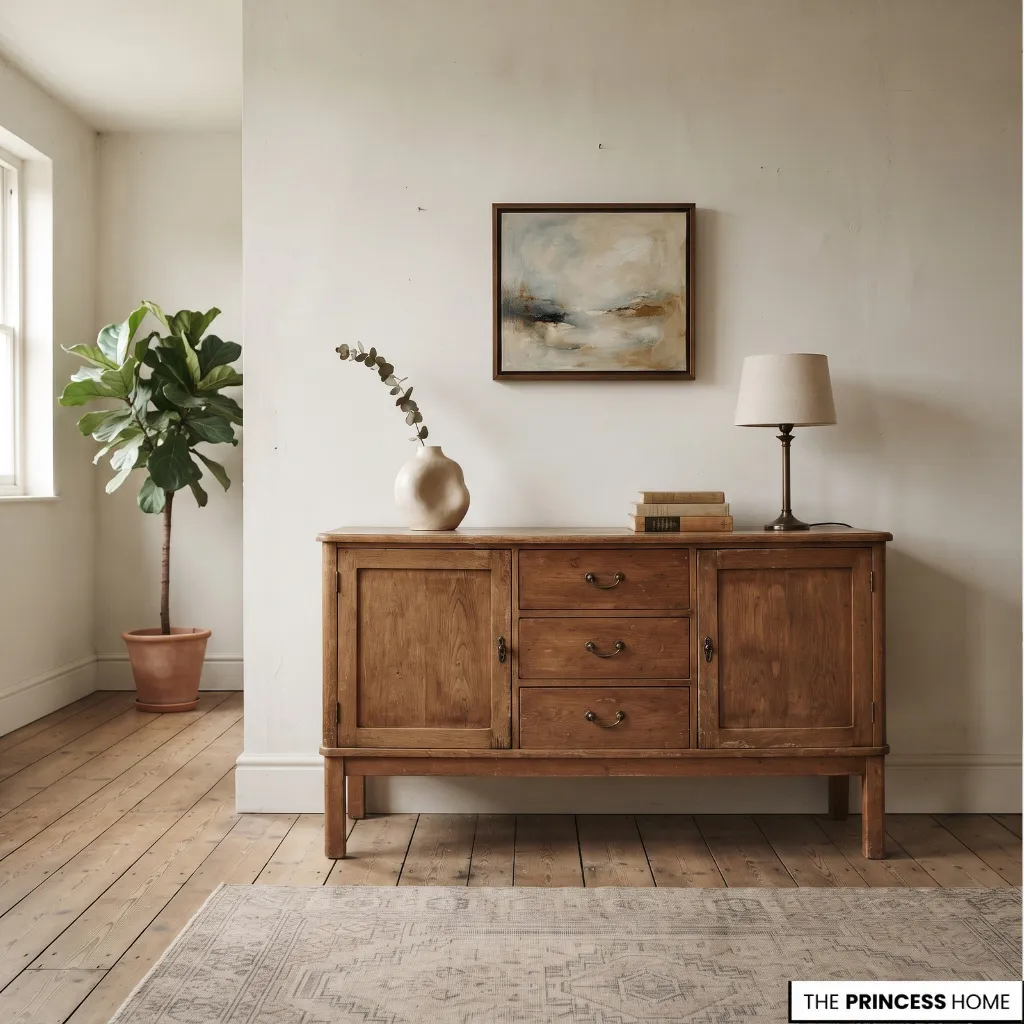
A vintage dresser can provide practical storage in a bedroom, while an older sideboard may work in a dining room or living area. Occasional tables, writing desks, dining chairs, and small cabinets can also introduce vintage character without requiring a complete furniture replacement.
Before selecting a piece, measure the available area and consider how people move around it. Check door openings, drawer clearance, nearby furniture, and the space needed to use the item comfortably. A beautiful cabinet is less useful if its doors cannot open fully or it obstructs an important walkway.
Give distinctive furniture enough room to stand out. A carved wooden cabinet may benefit from a relatively simple wall and limited surrounding decoration. An intricately shaped chair can become a focal point when paired with quieter furniture rather than several equally elaborate pieces.
Furniture condition should influence your decision. A structurally sound wooden table may need only cleaning and appropriate maintenance. A damaged upholstered chair may require new fabric, repairs, or specialist restoration.
Compare the total cost with the piece’s usefulness and significance before committing. You can also adapt existing furniture instead of replacing it. Repairing loose joints, replacing unsuitable hardware, or updating upholstery may help a piece work better with your interior.
Preserve original finishes and distinctive details when they contribute to the item’s character and remain in suitable condition. Before sanding or painting an older piece, consider whether its existing finish is original, historically significant, or simply attractive and serviceable.
Cleaning and repairing the surface may be sufficient, while more extensive changes may be appropriate when the finish is badly damaged or the piece needs to serve a different purpose. For valuable or historically significant furniture, seek specialist advice before making irreversible alterations.
In a small room, choose compact vintage furniture with a clear purpose. A narrow console, small bedside table, or modest occasional chair may provide the character you want without sacrificing circulation.
A piece that combines useful storage with an attractive design may be more valuable than a larger item used only for display. Before finalizing the arrangement, check how the furniture works together in everyday use.
Make sure drawers and doors open freely, seating remains comfortable to reach, and the main routes through the room stay clear. If a piece looks attractive but makes movement difficult, try repositioning it before deciding that the room needs different furniture.
Style Walls and Displays
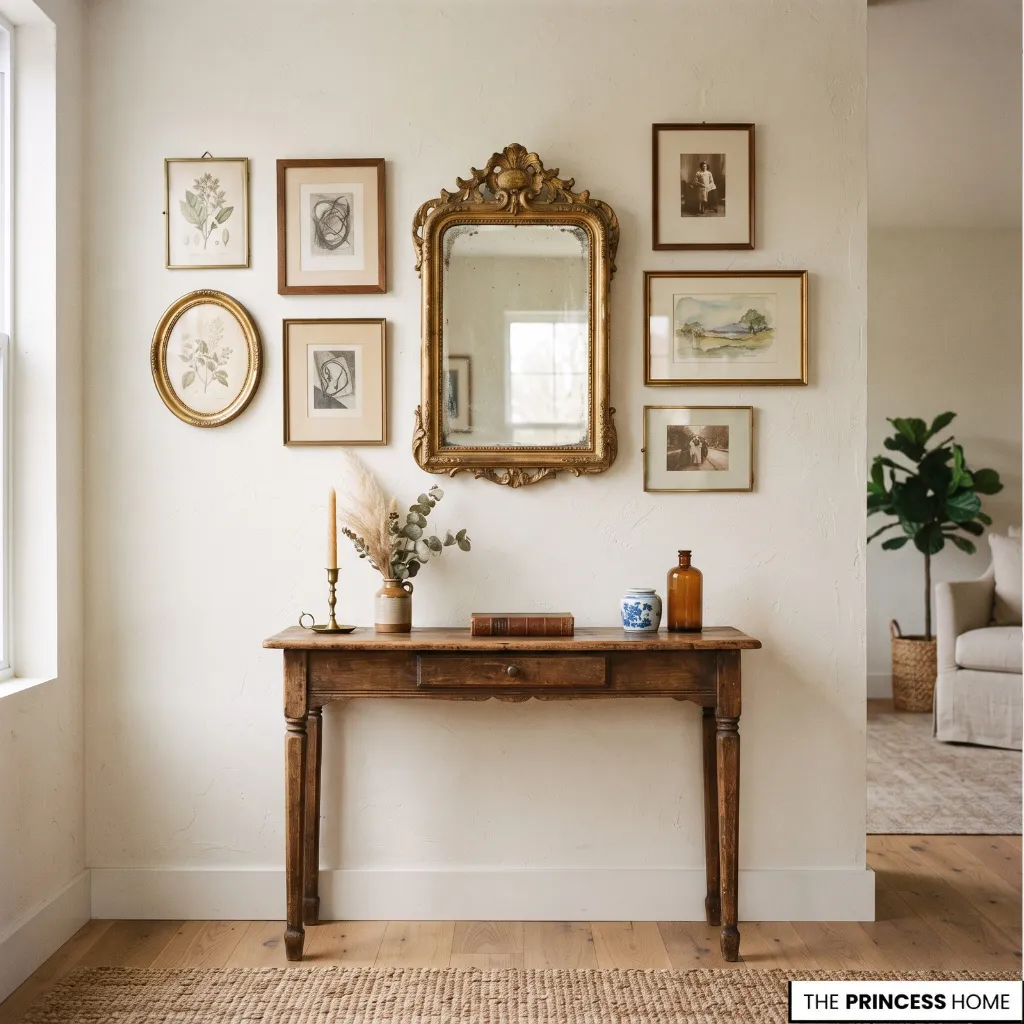
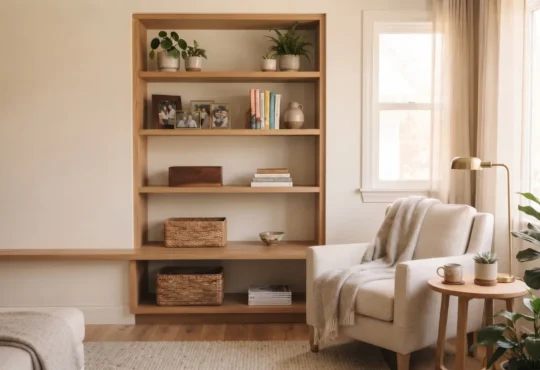
Walls, shelves, and tabletops provide opportunities to display vintage artwork, mirrors, books, ceramics, photographs, and personal collections. Arrange these objects according to their size, color, subject, and relationship with the surrounding furniture.
A vintage mirror can serve as a focal point above a console or fireplace. Framed prints and photographs can form a gallery wall, while smaller objects can be grouped on a shelf or sideboard. Choose an arrangement that suits the size of the wall and the visual weight of the pieces.
When creating a gallery wall, consider frame sizes, colors, subjects, and spacing. Different frames can work together when the artwork shares a common color, theme, or general character. Alternatively, a consistent frame finish can connect images from different periods.
Lay out the arrangement before fixing anything to the wall. This allows you to adjust the relationship between larger and smaller pieces without creating unnecessary holes. Secure heavy mirrors and artwork with suitable fixings for the wall construction and the item’s weight.
Decorative displays benefit from a clear focal point. On a sideboard, for example, a mirror or artwork can provide the main vertical element, while a lamp, books, or a ceramic object offers supporting detail. Vary the heights of objects where useful, but avoid filling every available surface.
Collections do not need to be displayed in their entirety. Select the objects that work best together and store or rotate the others. A smaller group of related pieces is often easier to appreciate than a crowded display containing everything you own.
Leave open space around important objects so that their shapes and details remain visible. The aim is not to make every display symmetrical but to establish a clear relationship between the objects and the space around them.
When a display feels crowded, remove one or two items and reassess the arrangement from a short distance. Keep the pieces that contribute the most through shape, color, meaning, or function. This simple editing step can improve a display without requiring new purchases.
Add Lighting & Textiles
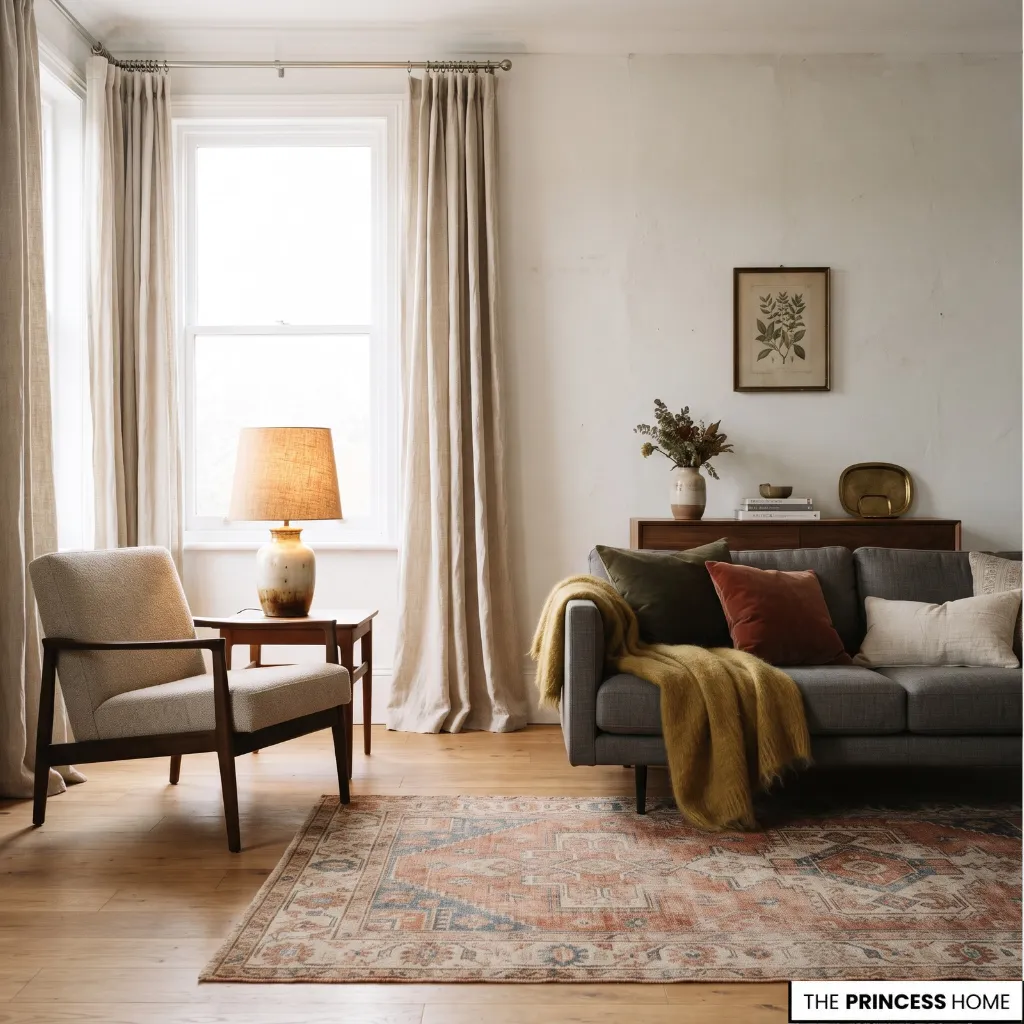
Lighting and textiles connect vintage furniture with contemporary surroundings while supporting the practical needs of a room. They offer a way to introduce vintage character without adding more large furniture pieces.
Vintage table lamps, floor lamps, and suitable pendant fixtures can provide distinctive shapes and finishes. Consider how the fixture distributes light as well as how it looks. Reading areas need useful task lighting, while general room lighting should support comfortable movement and everyday activities.
Older electrical fixtures require particular attention to safety. Check their condition before use and arrange professional inspection or repair when appropriate. An attractive exterior does not establish that the wiring or other electrical components are safe.
Textiles offer flexibility when working with different periods. A traditional rug can sit beneath a contemporary sofa, while vintage-inspired cushions can complement a simple upholstered chair.
Linen curtains, woven throws, and patterned fabrics can connect older furniture to the rest of the room through color and texture. Choose patterns according to the other elements already present. If the rug has a strong design, quieter cushions may allow it to remain the main patterned feature.
If the furniture is relatively plain, a patterned cushion or vintage textile can provide a more noticeable accent. Consider practical requirements before choosing fabric.
Curtains need appropriate coverage and privacy, rugs should suit the room’s traffic and cleaning needs, and upholstery must be suitable for the way the furniture is used. Authentic vintage textiles are not necessary for every application.
A newly made fabric with a compatible pattern, texture, or color can support the same overall design when an original piece is too delicate, expensive, or impractical for everyday use. Use lighting and textiles to address what the room needs rather than adding them automatically.
If the furniture and artwork already provide strong visual detail, a simple rug and understated curtains may be enough. If the room feels plain, a patterned textile or distinctive lamp can introduce the missing interest without requiring a larger change.
Apply Vintage Room by Room
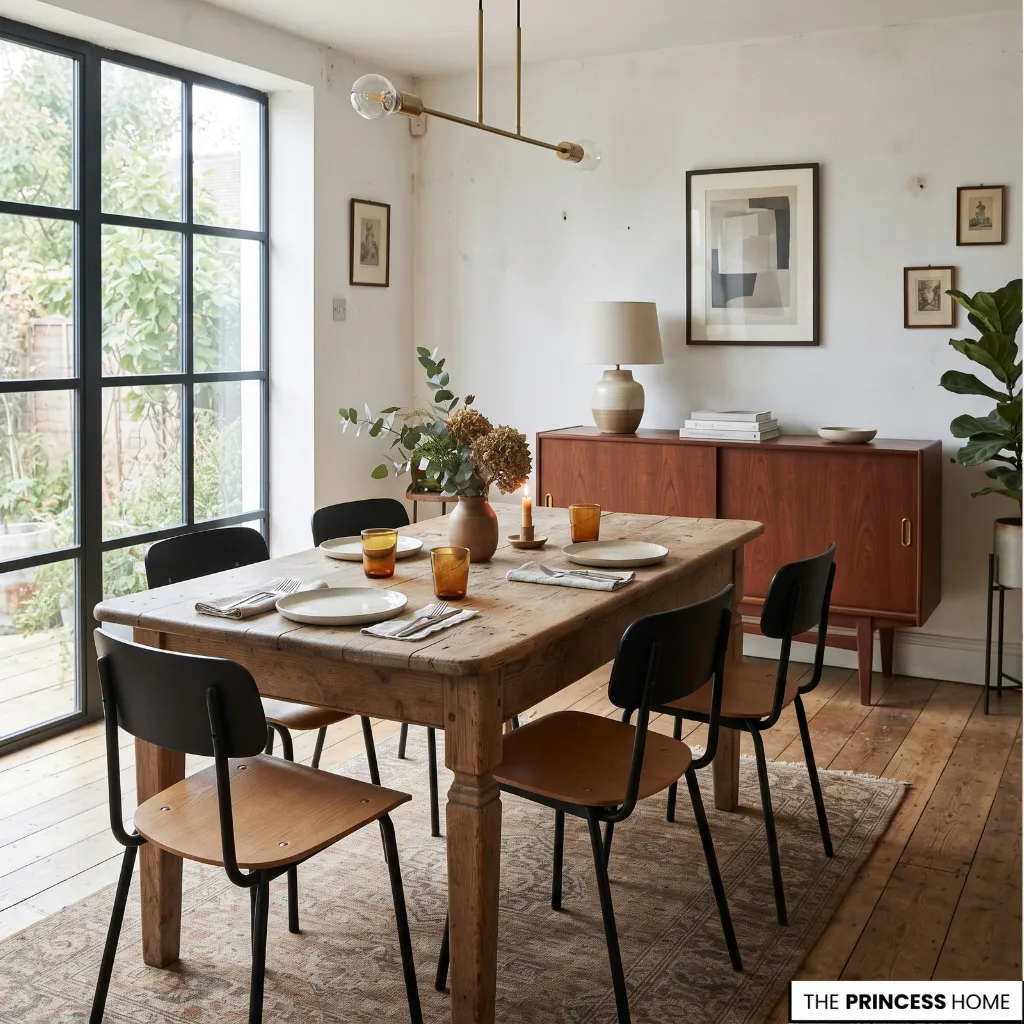
Vintage decor works best when each choice responds to the room’s function. An object that suits a formal sitting area may be inconvenient in a busy entryway, while delicate decorative pieces may need a different position in a frequently used family space.
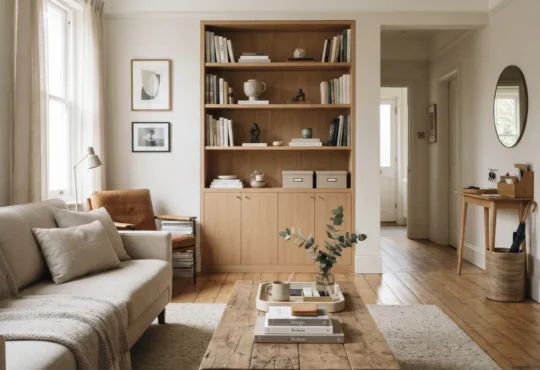
Living room: Start with one or two distinctive pieces, such as a vintage side table, wooden cabinet, mirror, or framed artwork. Combine them with comfortable seating and simpler supporting furniture. Keep walking routes clear and avoid spreading small accessories across every surface.
Bedroom: Vintage bedside tables, dressers, mirrors, and selected textiles can introduce character without compromising comfort.
Check that bedside surfaces accommodate the items you use regularly, and provide practical lighting for reading or moving around the room. If the bed has an elaborate frame or headboard, keep nearby accessories relatively simple.
Dining room: A vintage sideboard can offer storage and display space, while older dining chairs can add variation around a contemporary table.
Check chair stability and seat comfort before using them for everyday meals. Keep centerpieces low enough to preserve conversation across the table, and avoid displays that interfere with serving.
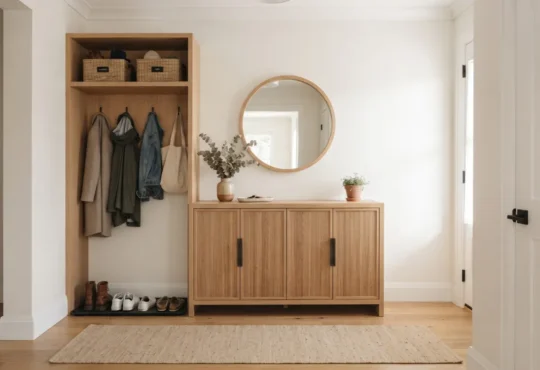
Entryway: A vintage console, mirror, stool, or compact storage cabinet can make the entrance more useful. Choose furniture that fits the available wall space and does not interfere with the door or normal movement.
If the entryway is narrow, a single well-proportioned piece may work better than several decorative items.
Kitchen: Vintage ceramics, wooden serving pieces, selected containers, and decorative objects can introduce character to open shelves or counters. Keep frequently used work surfaces clear and choose items that can be cleaned appropriately.
Objects intended for food preparation or storage must remain suitable for that purpose rather than being selected only for appearance.
In every room, consider what needs to remain accessible, which existing elements should stay, and where a vintage piece can make the greatest contribution. Adapt the idea to the room rather than forcing the room to accommodate a decorative theme.
A useful final check is to use the room as you normally would. Walk through the entry, sit in the main seating area, open storage, and reach for frequently used items. If the arrangement interferes with these activities, adjust the placement or choose a more practical piece.
Decorate on a Budget
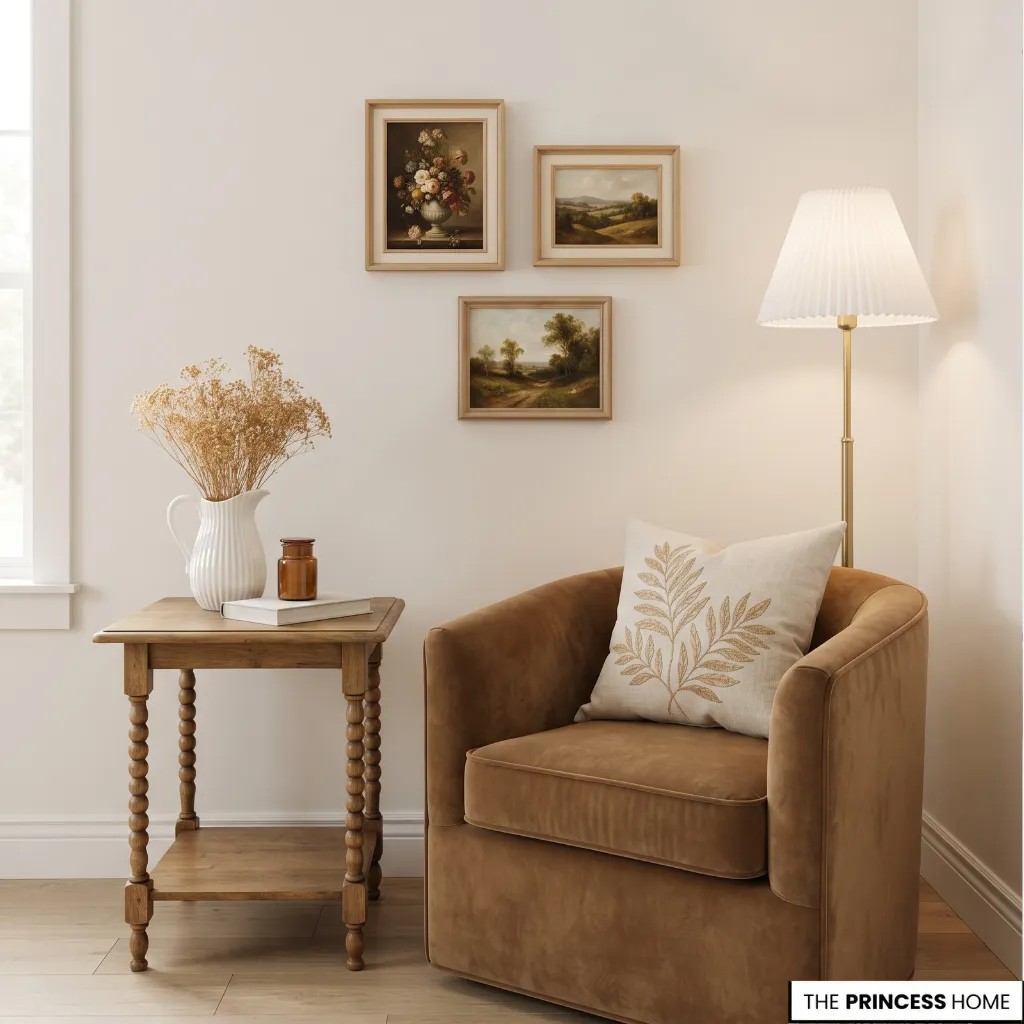
You do not need a complete collection of vintage furniture to create a convincing result. Establish priorities, reuse suitable items, and spend carefully on pieces that provide the greatest value.
Begin with what you already own. An inherited mirror, an old wooden table, framed family photographs, or a collection of ceramics may provide useful starting points. Assess their condition and consider how they could work in a different room or arrangement before buying replacements.
Secondhand shops, flea markets, estate sales, and local resale listings can provide opportunities to find distinctive pieces. Compare the asking price with the object’s condition, dimensions, usefulness, and likely repair costs.
Transport and restoration can make an apparently inexpensive purchase more costly than expected. Prioritize function and visual contribution over quantity. A useful vintage side table or distinctive mirror may do more for a room than a large collection of inexpensive accessories.
If you cannot afford the piece you originally wanted, consider whether a smaller item with similar design characteristics would achieve the same purpose. You can also refresh existing furniture when its structure and materials justify the effort.
Suitable maintenance, repaired hardware, or updated upholstery may extend the usefulness of a piece. Before sanding, painting, or refinishing an older object, assess whether the original finish contributes to its character and whether the work is appropriate for its condition.
Modern alternatives can help preserve your intended design without pretending to be authentic vintage objects. A newly manufactured lamp with a compatible shape, for example, may work well beside older furniture.
A contemporary print in a vintage-style frame can provide a similar visual connection when an original artwork is unavailable.
In smaller homes, prioritize pieces that combine decorative value with useful storage or everyday function. A compact vintage cabinet may be a better investment than a large decorative item that consumes space without serving a practical purpose.
Before making a purchase, calculate the likely total cost, including transport, cleaning, repairs, and any professional work. Compare this amount with the cost of a suitable alternative and consider how frequently you will use the item.
A higher initial price may be worthwhile for a sound, functional piece, while a cheap item needing extensive repairs may offer little real value. The best budget decision is not always the cheapest purchase.
It is the choice that meets your needs, suits the room, and avoids unnecessary spending on repairs, replacements, or objects that never find a suitable place.
Avoid Common Mistakes
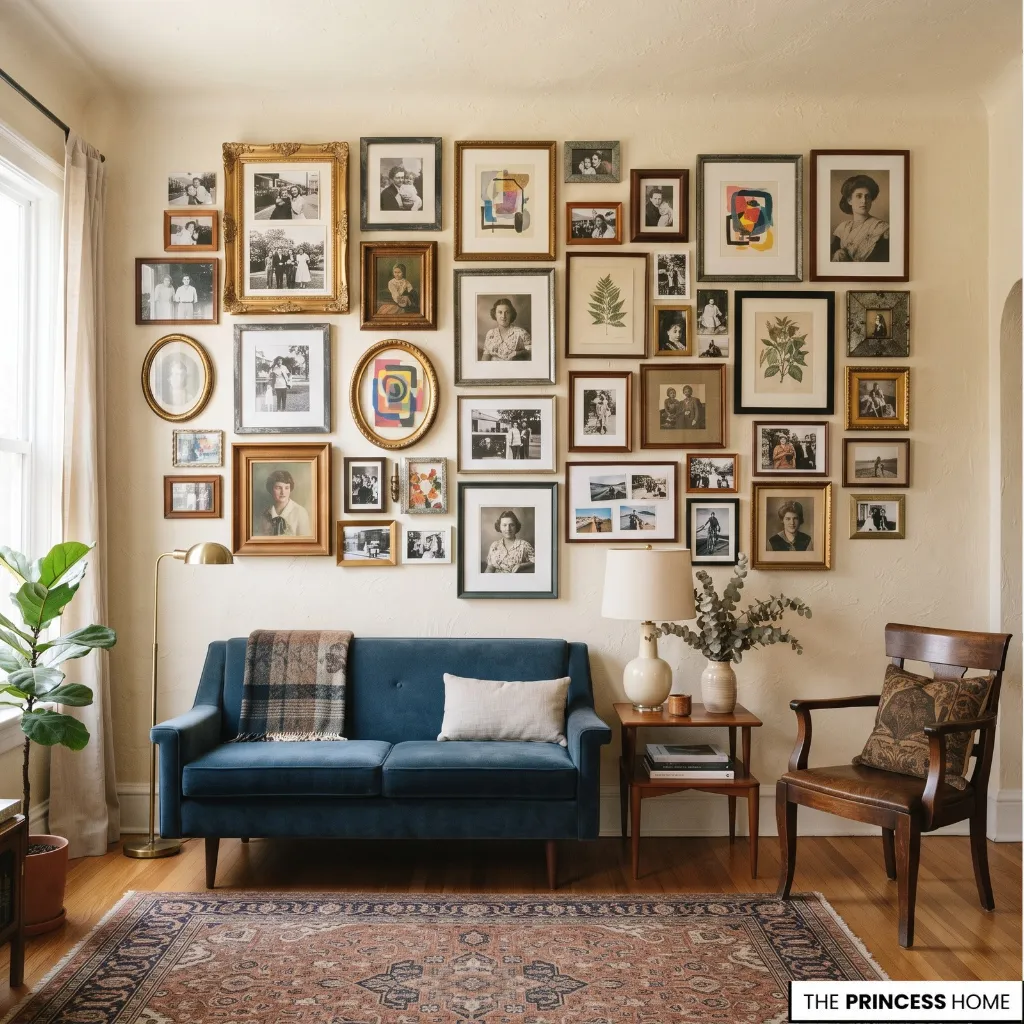
Vintage decorating can lose its effectiveness when individual pieces are chosen without considering the room as a whole. Recognizing common problems makes it easier to correct an arrangement before buying more furniture or accessories.
Collecting too many unrelated objects: Attractive items do not automatically work together. Remove pieces that compete for attention and group the remaining objects according to color, material, subject, or function.
Making every item look old: A room filled with similar period-inspired furniture and accessories can feel like a themed display. Introduce contemporary elements or simpler finishes to create contrast, unless a deliberately period-specific interior is your goal.
Ignoring scale: Oversized furniture can overwhelm a small room, while tiny accessories may disappear on a large surface. Reassess proportions before buying another piece, and consider whether repositioning existing objects would solve the problem.
Combining competing patterns: Several strong patterns can make an arrangement difficult to read when they have no connecting colors or differences in scale. Keep the strongest pattern as the main feature and choose quieter supporting textiles where necessary.
Filling every surface: Crowded shelves, consoles, and tables reduce the visibility of individual objects. Remove less important items, leave some open space, and display collections in smaller groups.
Overlooking condition and safety: Loose furniture joints, damaged upholstery, unstable mirrors, and questionable electrical components need attention. Repair or professionally assess items where appropriate before placing them into regular use.
Choosing appearance over function: A vintage chair should be comfortable enough for its intended use, and a decorative cabinet should not obstruct movement or access to everyday belongings. Reconsider an item when its placement creates more problems than it solves.
Buying without a plan: Repeated purchases can leave you with pieces that have no suitable place. Before buying, identify the room, intended function, approximate dimensions, and colors or materials that would help the item work with your existing furnishings.
If a room does not feel balanced after you introduce a vintage piece, pause before purchasing anything else. Try changing its position, removing competing accessories, or repeating one of its colors elsewhere. These adjustments may solve the problem more effectively than adding more decor.
The most effective corrections involve evaluating each object by its contribution to the room, not simply by its age or individual appeal.
Conclusion
Vintage decor does not require a house full of antiques or a strict commitment to one period. Start with pieces that have a clear purpose, connect them through thoughtful choices of color, scale, and material, and leave enough space for each to be appreciated.
When older objects work naturally with the way you live, they become part of a comfortable and personal home rather than a collection of decorations.