Letting go of possessions can feel emotionally overwhelming, especially when memories and identity are tied to what we own. If you are struggling with how to let go of possessions, you are not alone. This guide will help you release clutter with clarity, preserve meaningful memories, and create a home that reflects your present life—not your past.
“At The Princess Home, we believe your space should evolve with you
“Your memories are held in your heart, not in your clutter.”
“Your memories are held in your heart, not in your clutter.”
Why Letting Go Feels So Hard
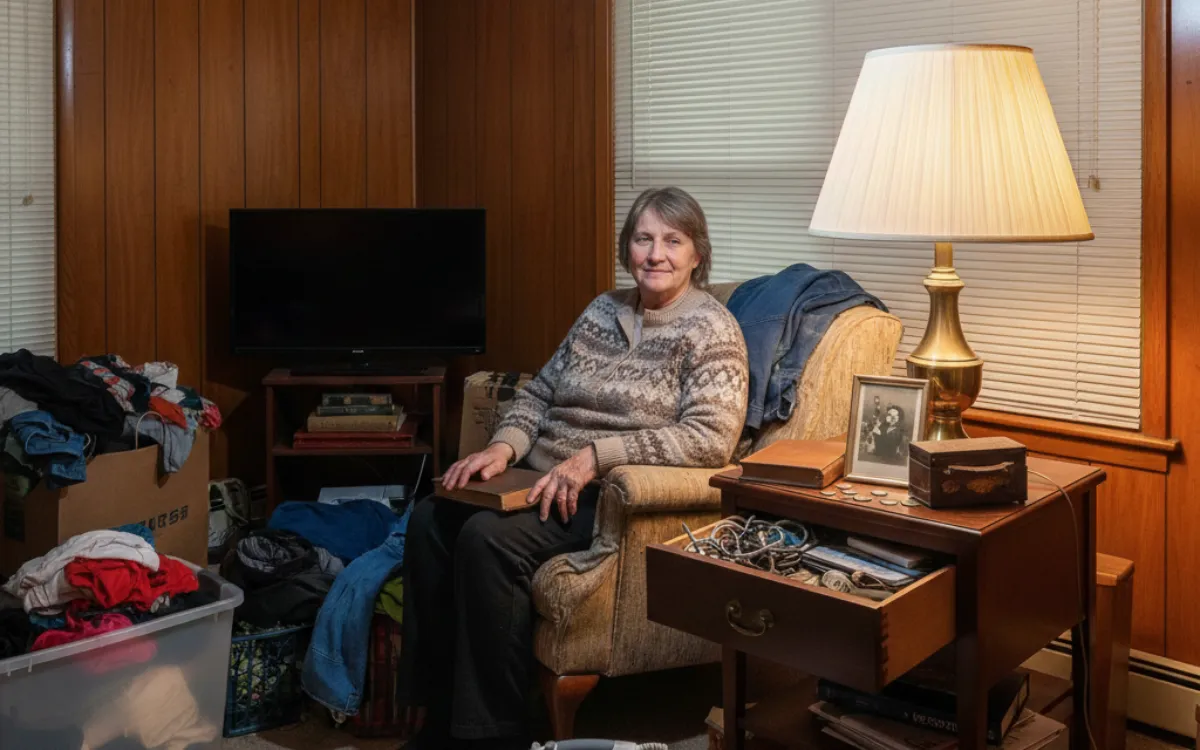
Letting go feels difficult not because of the object itself, but because of how our minds assign meaning to it. Psychologists describe this as the endowment effect—we instinctively overvalue what we own, linking it to identity, memory, and even a sense of security, which makes loss feel more painful than gain feels rewarding.
Research in behavioral psychology shows that visual decision systems significantly reduce decision fatigue, helping you separate genuine usefulness from emotional attachment or guilt. When you feel stuck, it is often because your brain is experiencing “choice overload.”
This is why interior designers like Marie Kondo and Nate Berkus emphasize that homes should reflect who you are now, not who you used to be. Bobby Berk adds that clutter is rarely about space; it’s about unresolved emotional attachment. When decluttering is guided by intention and self-compassion, your space naturally becomes lighter and more functional.
From a design perspective, letting go isn’t about loss—it’s about editing your environment to support your present life rather than storing your past. By asking whether each object supports your current goals rather than reflecting who you were years ago, you create space for clarity, functionality, and beauty.
Emotional Decluttering Insights
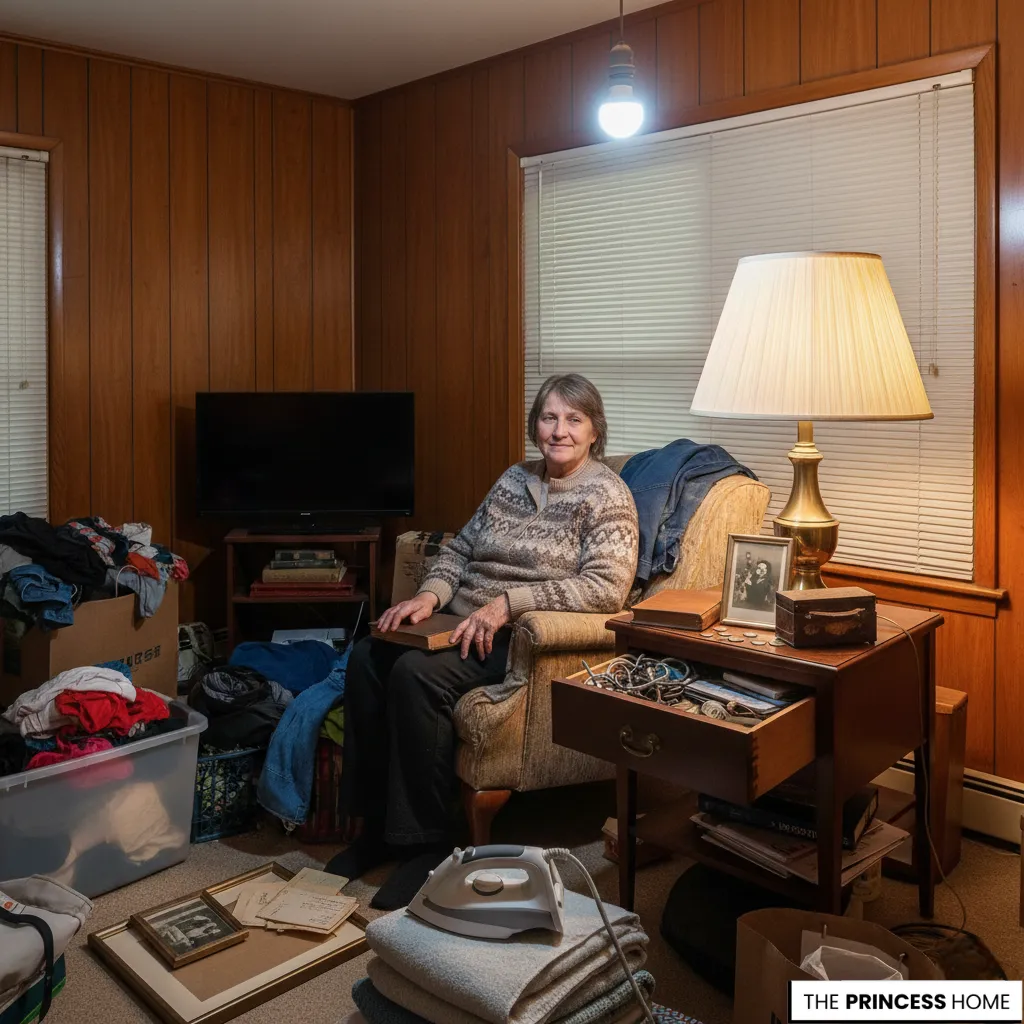
TEmotional decluttering goes beyond tidying your space—it’s about understanding why certain items carry emotional weight and learning how to release them with intention. Experts like Marie Kondo encourage keeping only what “sparks joy,” while designers such as Nate Berkus believe our homes should tell the story of who we are today, not who we used to be.
Often, we hold onto possessions due to memory attachment, fear of future need, or guilt, but these emotions can quietly create mental clutter. Interior stylist Bobby Berk notes that a well-designed space isn’t just visually appealing—it should support emotional clarity and daily ease.
By reframing objects as tools rather than identity markers, emotional decluttering becomes a powerful act of self-awareness. Letting go with purpose creates space not only in your home but also in your mindset, allowing you to design a life that feels lighter, more intentional, and aligned with your present self.
The Designer’s Approach
Creating Memory Zones
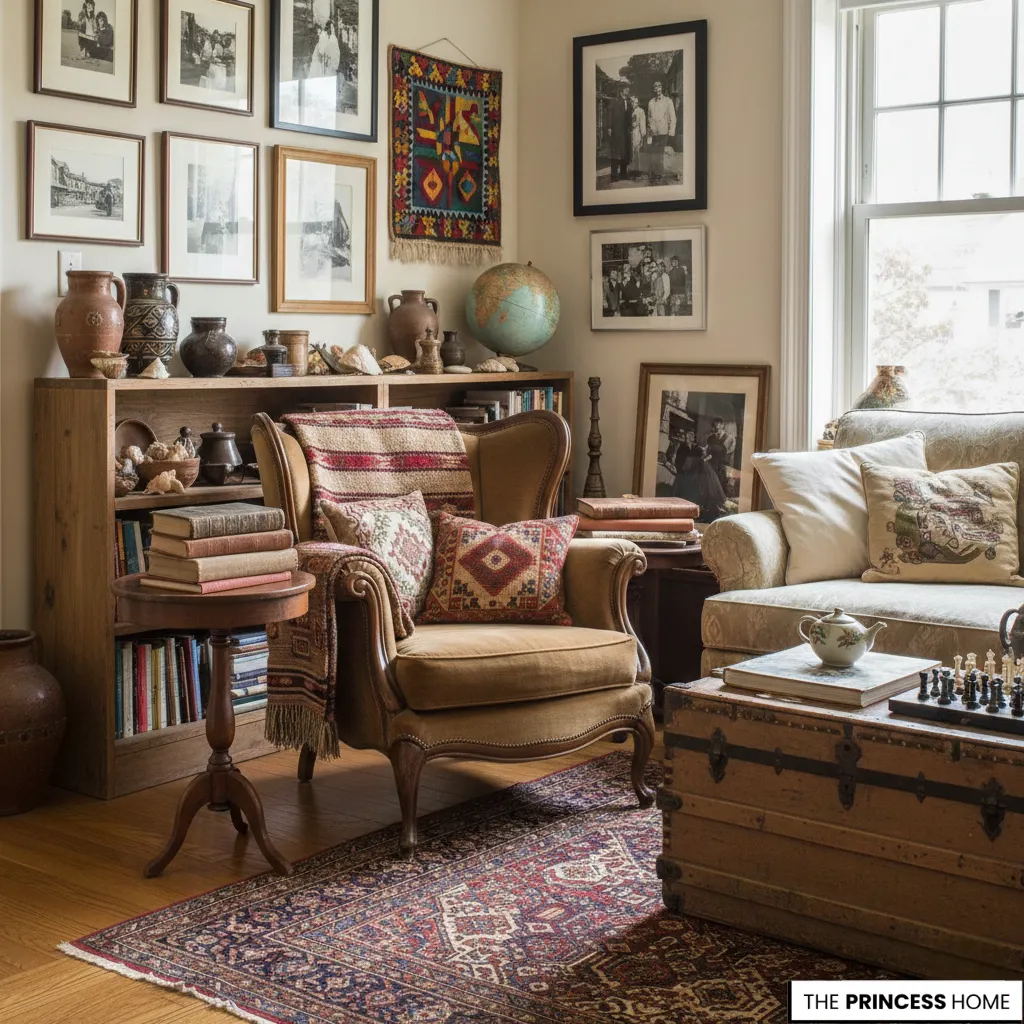
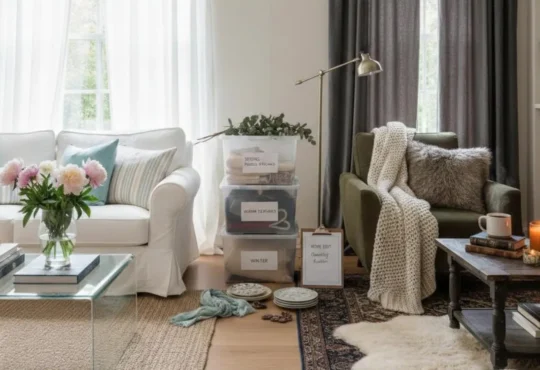
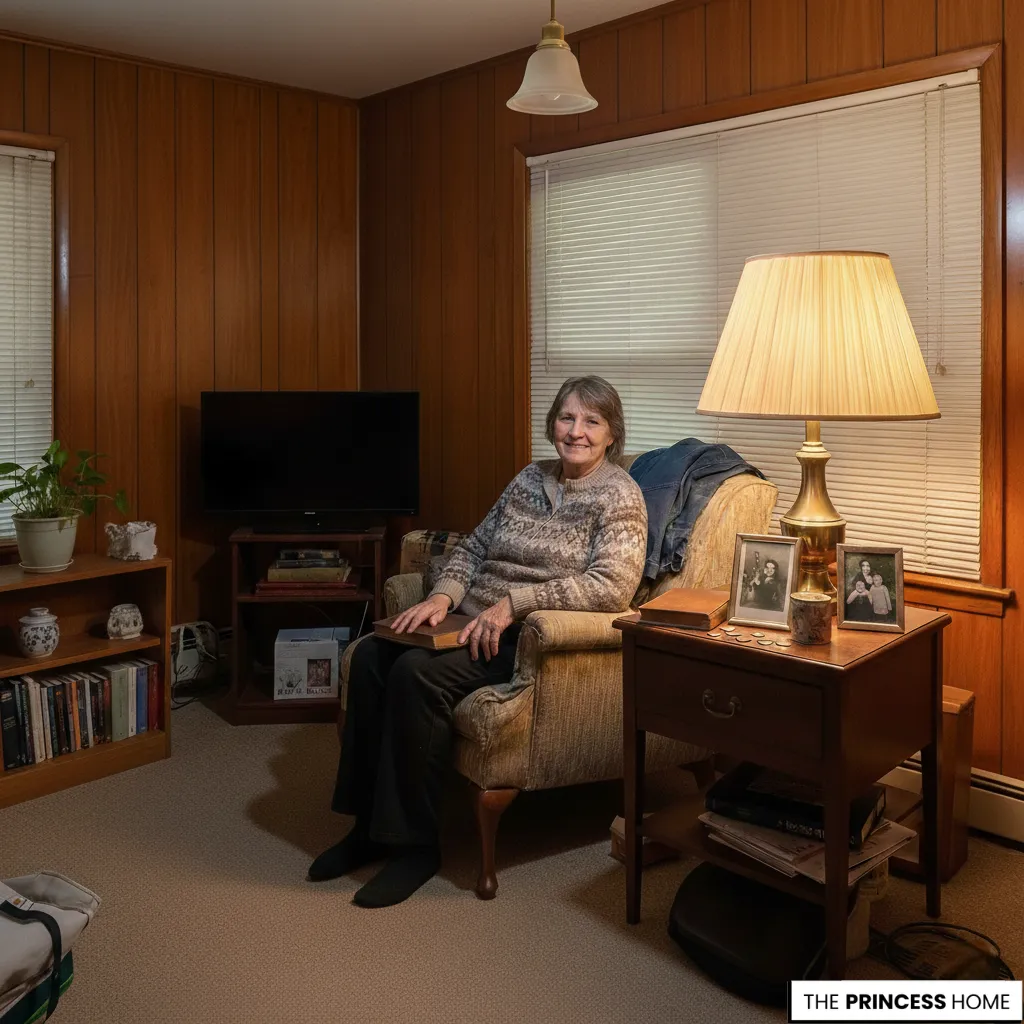
Creating Memory Zones: Another professional strategy often used in interior design is creating “memory zones”—dedicated spaces where sentimental items are intentionally grouped instead of being scattered throughout the home. This approach allows keepsakes to feel honored and visible without overwhelming every room, turning emotional objects into a curated part of your environment.
Designers also suggest rotating meaningful items seasonally, which helps preserve their emotional impact while preventing visual fatigue and clutter buildup over time. Ultimately, this isn’t about minimalism for aesthetics alone—it’s about learning how to let go of possessions in a way that stays emotionally aligned.
The goal is a home that supports calm, reflects your present identity, and enhances daily function without being weighed down by unnecessary emotional noise.
Warmth Over Minimalism
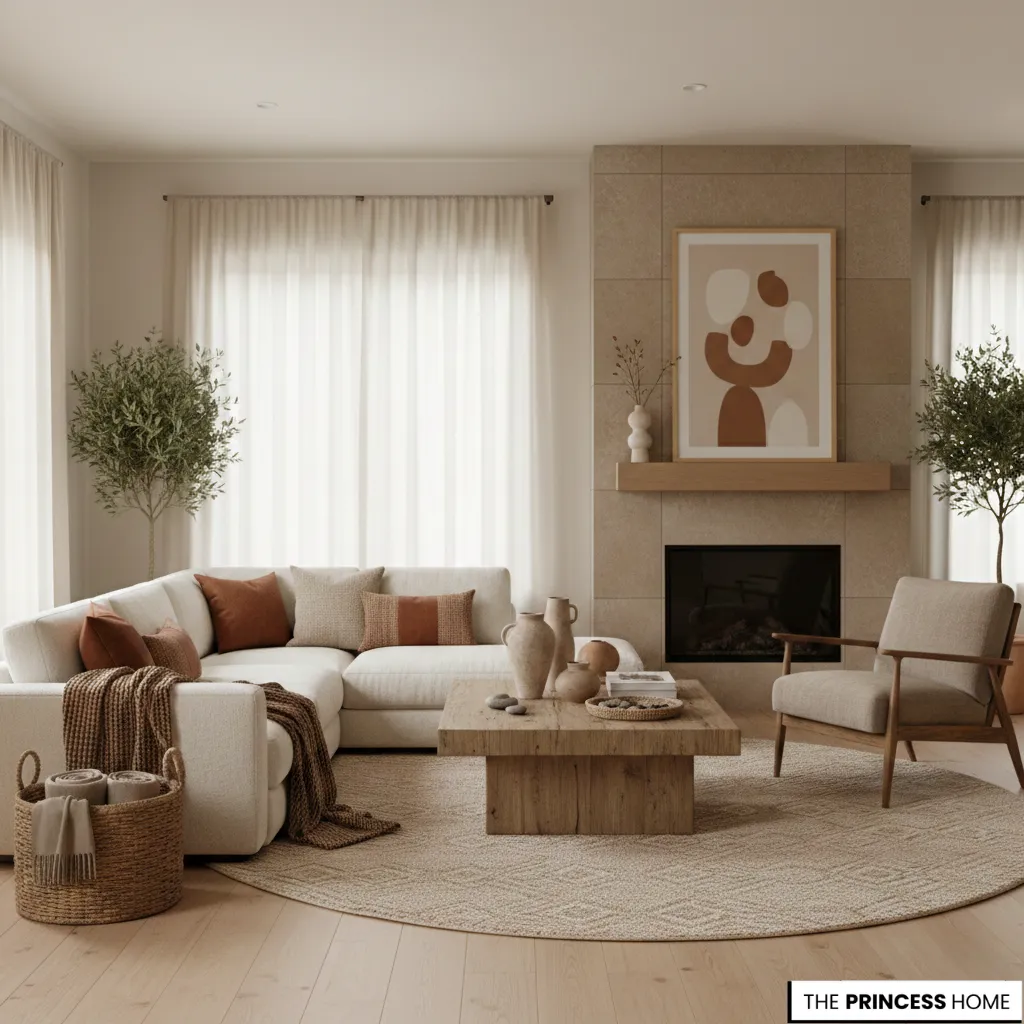
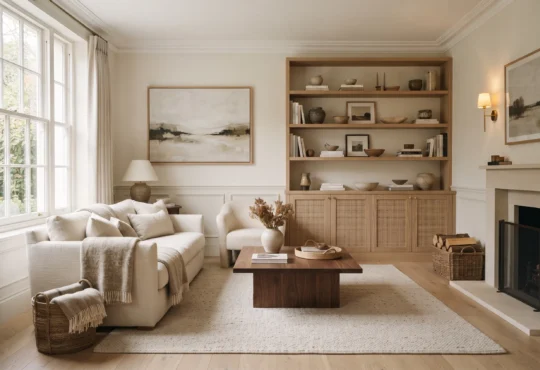
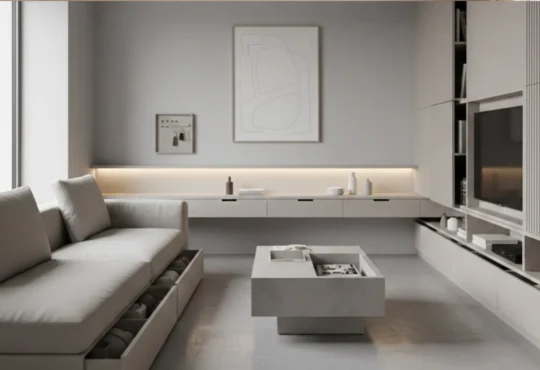
Cool gray interiors are quickly fading, giving way to warm neutrals like cream, taupe, clay, and soft terracotta—tones that feel grounded, tactile, and emotionally inviting. This shift is echoed by leading paint brands like Sherwin-Williams and Benjamin Moore, which highlight earthy, mushroom-inspired tones to meet the growing desire for softer, more livable interiors.
When decluttering, pay attention to objects that make a room feel visually cold or emotionally flat—these are often the easiest to release because they no longer support the atmosphere you want to create. Instead, designers increasingly prioritize layered textures like linen curtains, woven baskets, natural wood, boucle, and stone to build depth, warmth, and sensory comfort.
Even small updates—such as swapping stark white décor for a mushroom-toned throw or warm ceramic accents—can instantly transform the emotional tone of a space. The goal isn’t to abandon minimalism, but to evolve it into something more human-centered: calmer, warmer, and more connected to real daily living.
Collect Before Coordinate
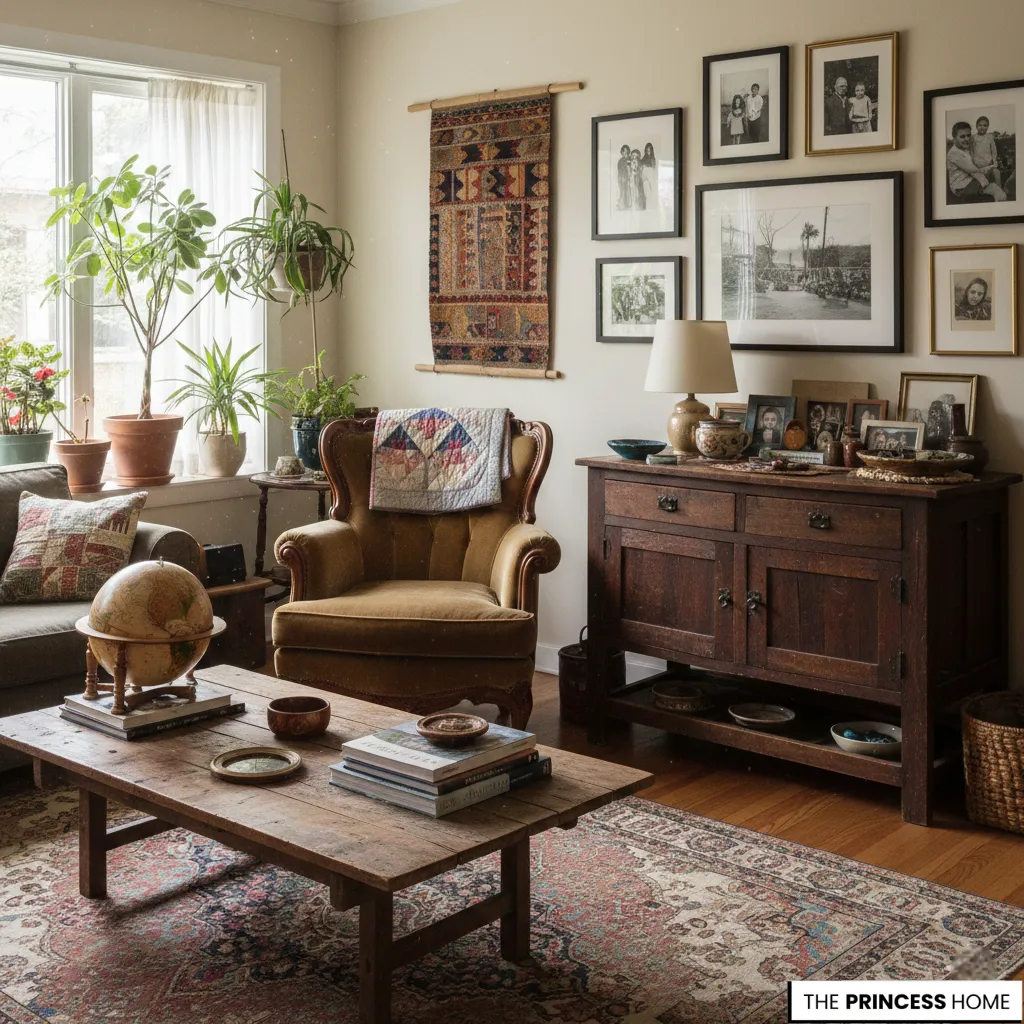
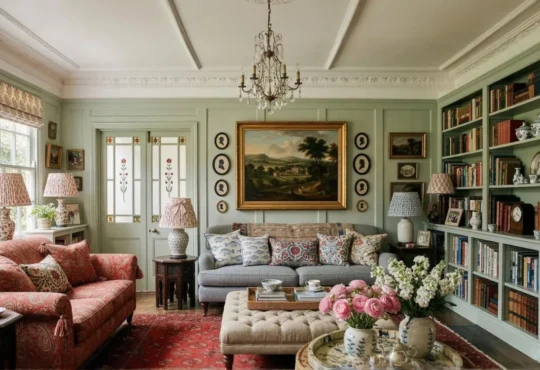
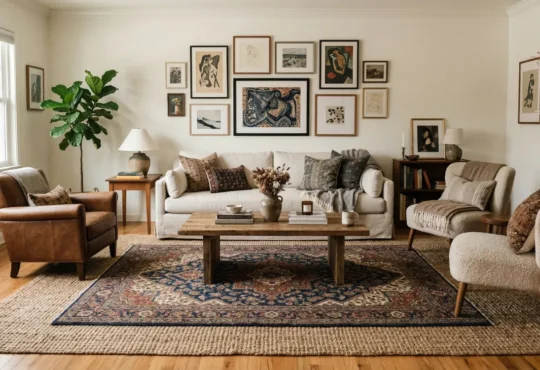
Start by collecting what you genuinely love before worrying about matching everything—this is a core principle used by many modern interior designers who prioritize emotional authenticity over visual perfection. The most memorable homes are layered with meaning, not built like showroom displays, so let pieces with history, craftsmanship, or personal stories guide your design direction.
Keep items that spark joy, reflect your travels, or connect to family memories, even if they feel eclectic or unexpected. At the same time, intentionally release trend-driven purchases that no longer align with your lifestyle, a point often emphasized by designers like Nate Berkus, who advocates for spaces that evolve with real life rather than passing aesthetics.
A vintage armchair with character and emotional value will always feel more powerful than a perfectly coordinated but personality-free piece. When you curate first and coordinate second, your home stops imitating a catalog and starts expressing who you truly are.
Embrace Emotional Longevity
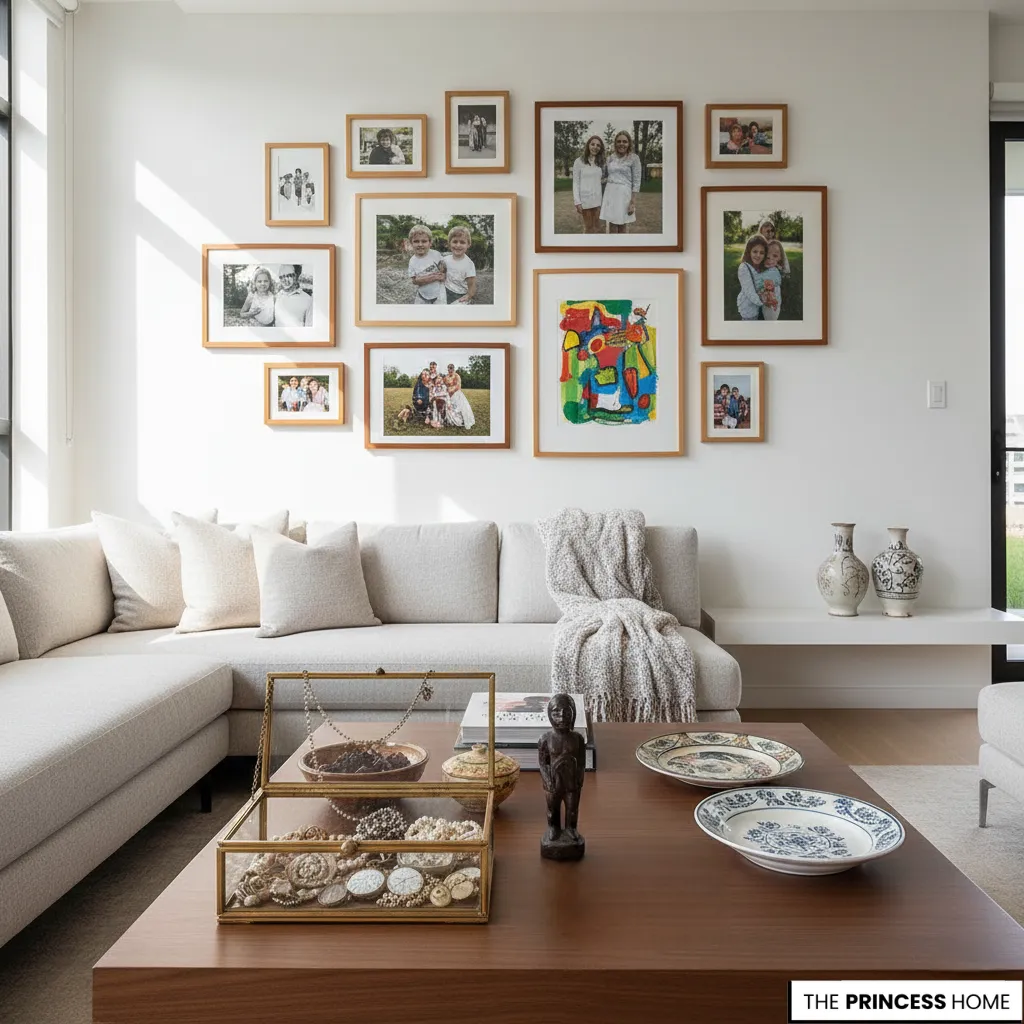
Design is increasingly shifting toward Emotional Longevity, a trend highlighted in IKEA trend forecasting, which encourages people to keep, elevate, and reframe meaningful objects instead of constantly replacing them.
Rather than hiding heirlooms or sentimental pieces away, the idea is to turn them into intentional décor—like framing a child’s artwork, displaying grandma’s jewelry in a glass case, or showcasing travel keepsakes as part of your home’s story.
Interior design insights show that emotionally connected objects create stronger long-term satisfaction and reduce the urge for constant trend-driven shopping. These pieces are not clutter—they function as narrative anchors that add depth, memory, and authenticity, something mass-produced décor often fails to achieve.
This shift is also moving homes away from generic, impersonal décor trends like overused typography prints or “live, laugh, love” wall art. Instead, replacing them with curated family photos or meaningful artwork creates interiors that feel layered, grounded, and deeply personal—spaces that reflect real life rather than design clichés.
How to Let Go of Possessions
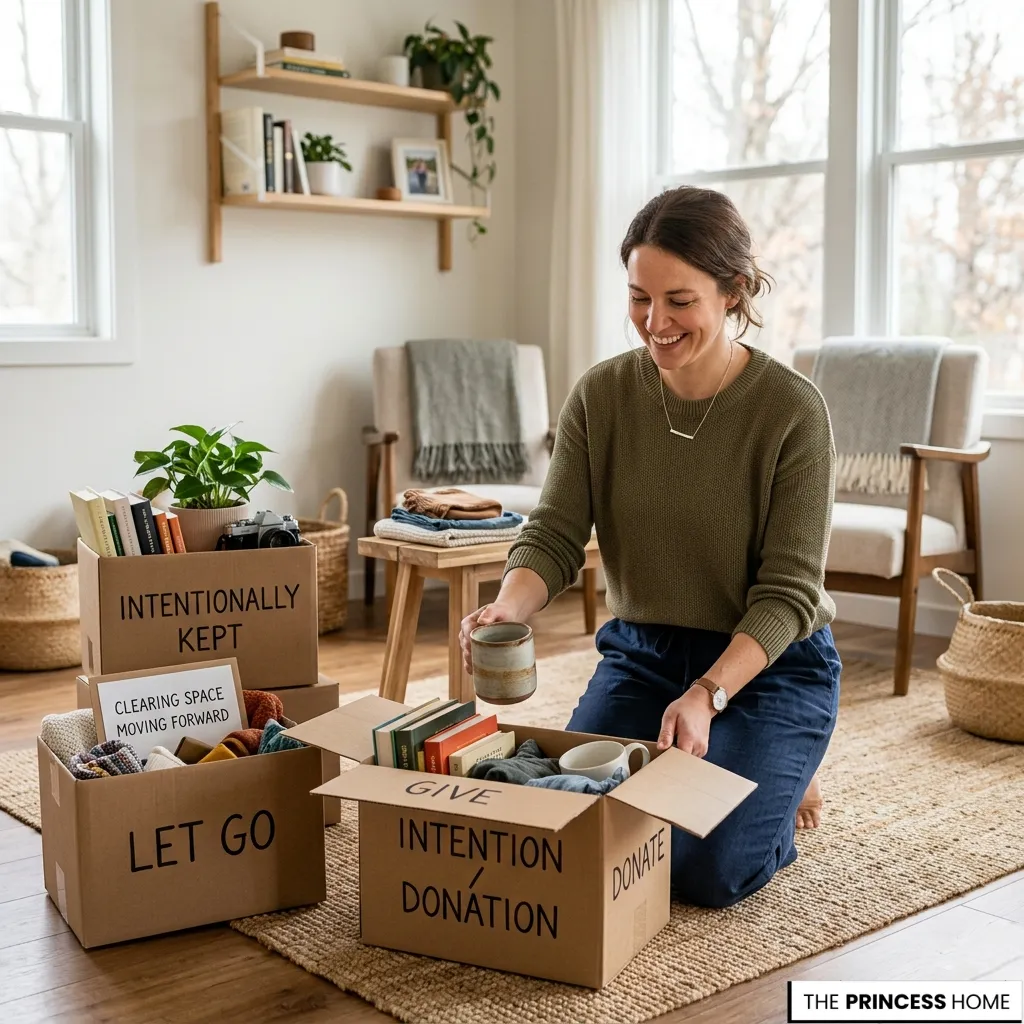
“Keep the memory, let go of the object.”
Letting go of possessions becomes easier when you stop seeing it as loss and start seeing it as intention. The goal isn’t to own less—it’s to keep only what supports your life today, not what anchors you to your past. Before you start decluttering physically, it helps to reset your mindset the way leading interior designers approach space and emotion.
Marie Kondo encourages keeping only items that “spark joy,” transforming letting go into an act of gratitude rather than guilt or pressure. Nate Berkus emphasizes that your home should evolve with you, reflecting who you are today—not preserving an older version of yourself.
Meanwhile, Bobby Berk highlights that clutter is rarely about space; it’s usually the result of delayed decisions. Once this mindset shift happens, choosing what to keep or release becomes clearer, faster, and far less emotional.
| Method | Best For | How It Works |
|---|---|---|
| 90/90 Rule | Daily items | If you haven’t used it in 90 days and won’t in the next 90, let it go |
| One-Year Rule | Clothes & tools | If it hasn’t been used in a full year, it likely no longer fits your life |
| Story Test | Sentimental items | Ask: Do I need the object, or just the memory? |
| Photo Method | Emotional keepsakes | Take a photo to preserve the memory, then release the item |
Signs It’s Time to Let Go
You don’t need a special occasion to start decluttering. It’s time to act if:
- Your space feels visually or mentally overwhelming
- You keep items “just in case”
- You struggle to find things you actually use
- Your home feels stressful instead of calming
- You feel emotionally drained by your environment
Proven Decluttering Methods That Work
To avoid overwhelm, use structured rules instead of emotional guessing:These methods remove emotional pressure and replace it with clarity.
1. Creating Space for Your Present Life
Start small. Begin with easy wins like duplicates or unused items to build momentum. Each decision strengthens your confidence. Reframe letting go as self-respect—not sacrifice. When you release what no longer serves you, you create space for calm, clarity, and functionality. Your home stops being a storage space for the past and becomes a reflection of the life you are actively living today.
2. Start with Easy Wins
Begin your journey by tackling low-emotional items like duplicate kitchen tools, unused products, or clothes you rarely wear. These small decisions build confidence and create quick visible progress, making the process feel less overwhelming. When you start easy, you train your mind to let go without resistance.
3. Use the Story Test
Ask yourself: “Does this item tell a story I still want to live with today?”
If the answer is yes, it deserves a place in your home. If it represents a past version of you that no longer fits, it may be time to release it. This method transforms decluttering into a meaningful and mindful process instead of a stressful one.
4. Try the One-Year Rule
If you haven’t used something in the past 12 months, chances are you don’t truly need it. This rule is especially helpful for clothes, tools, and seasonal items. It shifts your decision from emotional guessing to practical clarity—one of the most effective ways to learn how to let go of possessions without overthinking.
5. Photograph Your Keepsakes
For items filled with memories but rarely used, take a photo before letting them go. This allows you to preserve the emotional value without keeping physical clutter. Over time, you can create a digital memory album that keeps your stories alive while freeing your space.
6. Redefine What “Useful” Means
Not everything useful deserves to stay. Some items may function well but add no joy or meaning to your life. Others may not be used often but bring emotional comfort or inspiration. True usefulness lies in both function and feeling—keeping only what enhances your daily life.
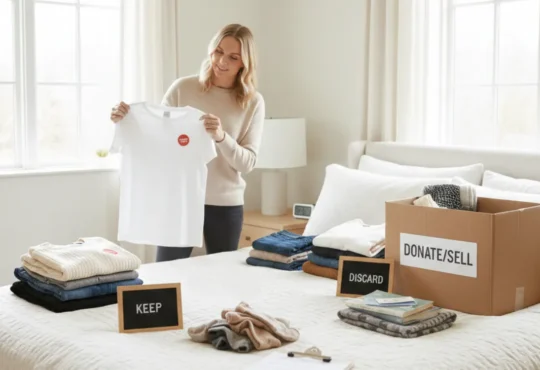
7. Donate with Purpose
Letting go becomes easier when you know your items will help someone else. Donate to local charities, shelters, or community organizations that align with your values. This simple shift turns decluttering from a feeling of loss into an act of giving and purpose.
Learning how to let go of possessions becomes much easier when you focus on clarity instead of perfection. The goal isn’t to remove everything—it’s to intentionally keep what supports your life today and gently release the rest.
What to Do with Items After Letting Go
- Donate to local charities
- Sell valuable items online
- Gift meaningful pieces to loved ones
- Recycle or repurpose creatively
Letting Go Plan
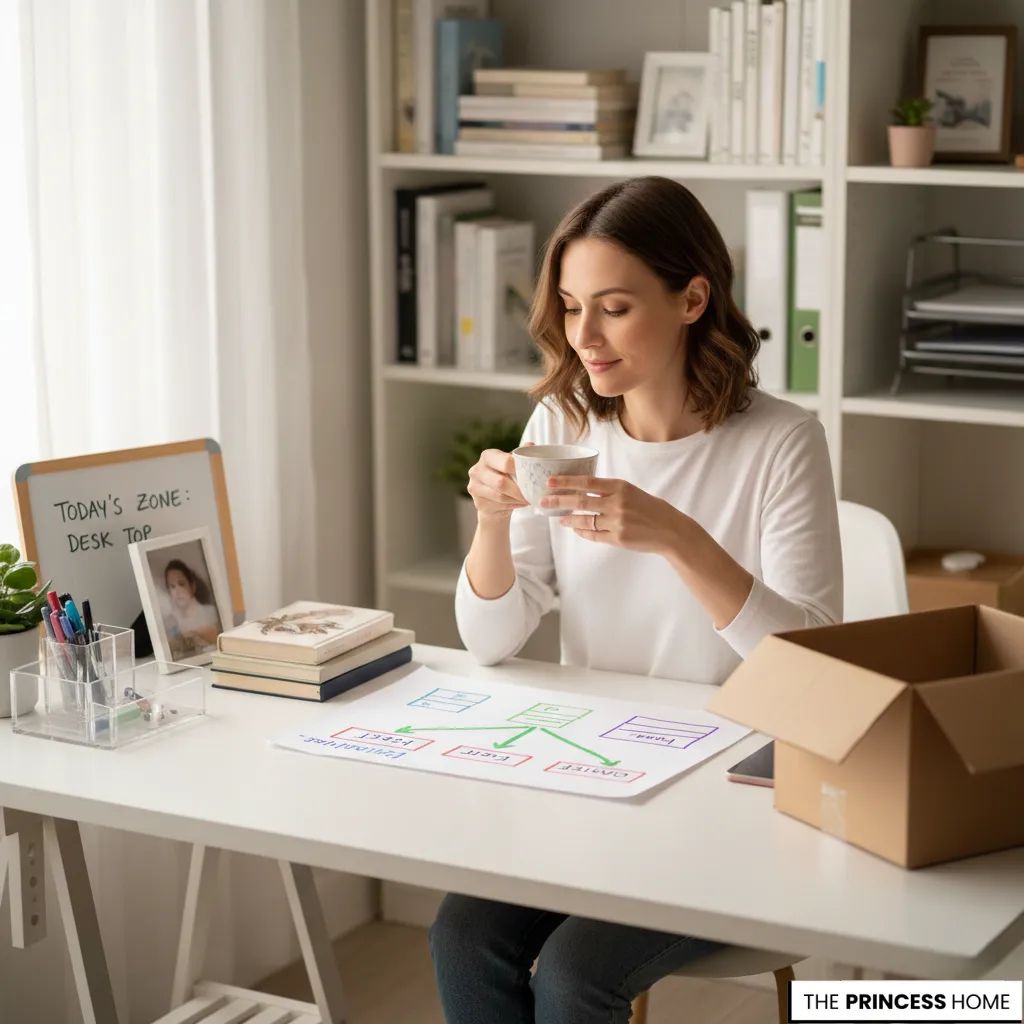
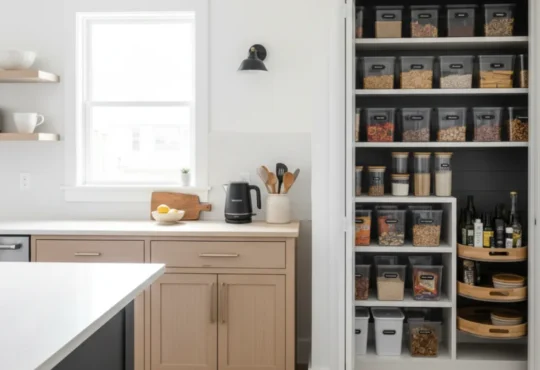
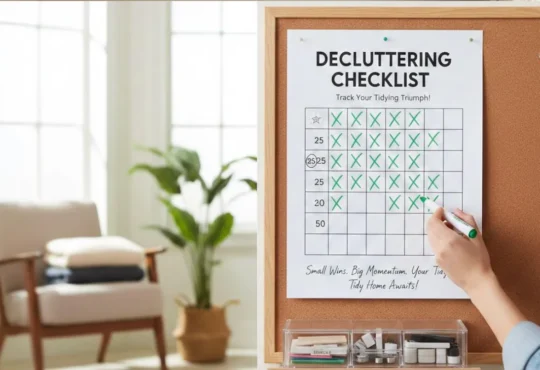
Letting go of clutter starts with clarity, not chaos—so instead of trying to overhaul everything at once, begin with a simple, structured plan. Professional organizers often recommend breaking the process into small zones and using decision frameworks like yes-or-no flowcharts to reduce cognitive overload and make choices faster and more objective.
Begin With Basics
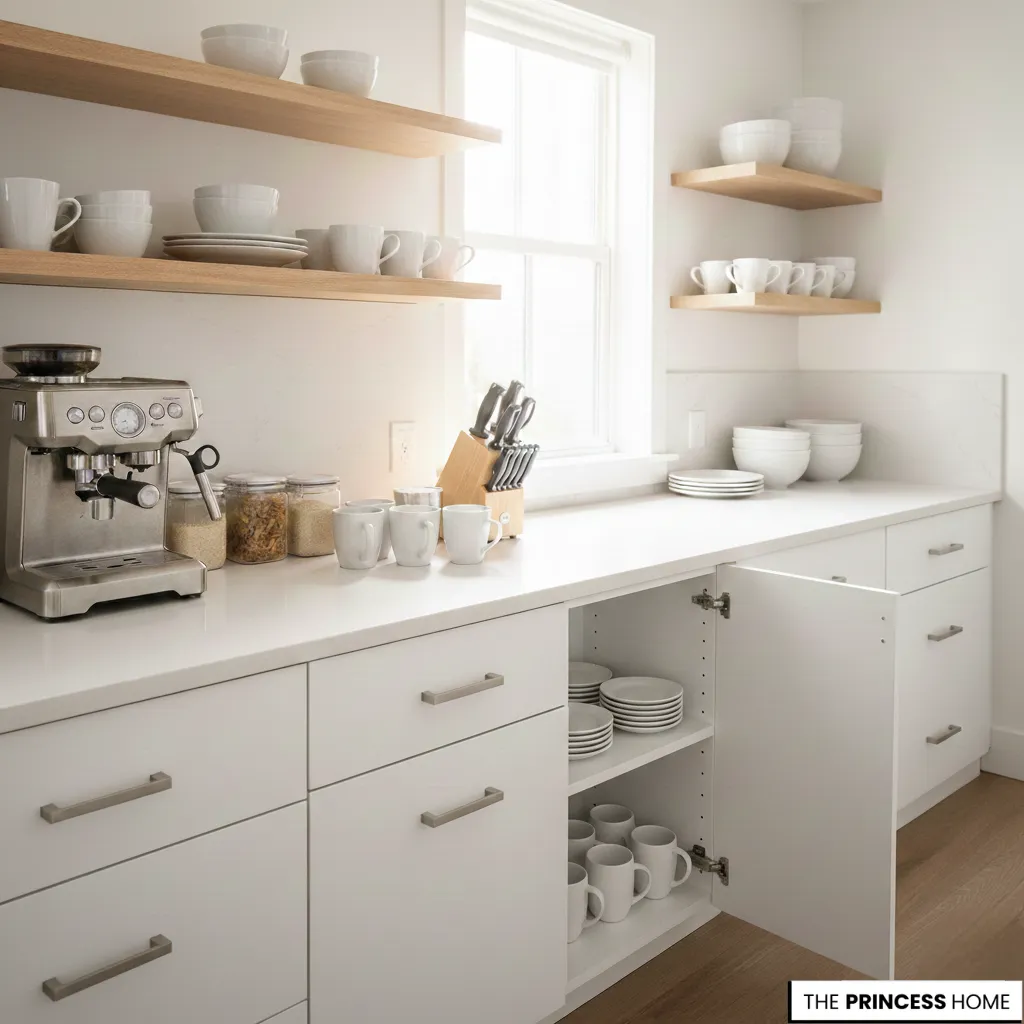
Begin your decluttering journey with low-stakes categories—think duplicate kitchen utensils, mismatched mugs, or books you’ve never revisited. Starting with these “easy wins” helps reduce decision fatigue and makes the entire process feel manageable instead of overwhelming.
Celebrate each small victory along the way: a cleared drawer, a donated bag, or a neatly organized shelf signals real progress in both your space and mindset. This approach is widely supported by professional organizers and behavioral design insights, which show that early success builds momentum and makes it easier to later approach emotionally charged categories like sentimental items or bulky furniture.
Over time, this small-step method transforms how to let go of possessions from a stressful task into a sustainable habit. Even just five focused minutes a day in small zones can compound into a noticeably calmer, more intentional home that reflects clarity rather than clutter.
The Story Test for Sentimental Items
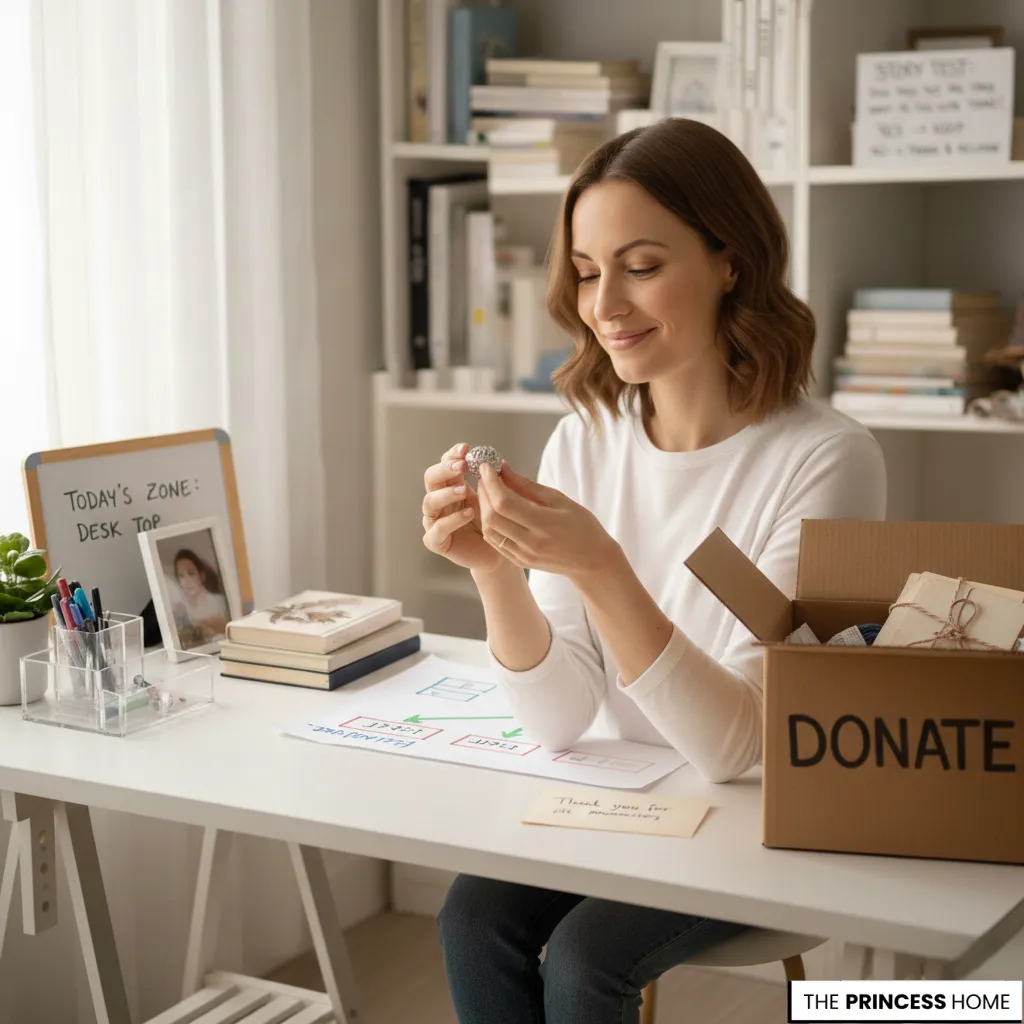
Next, apply the “Story Test” to each item by asking: Does this tell a story I want to live with today? If the answer is yes, the item stays—because meaningful objects act as emotional anchors, adding identity, warmth, and continuity to your space.
If the story feels outdated, stressful, or no longer aligned with your current life, acknowledge its past value and let it go with intention rather than guilt. Professional organizers and designers often emphasize this approach because it reduces guilt-based holding patterns and replaces them with conscious decision-making rooted in meaning.
It shifts decluttering from mechanical sorting into a reflective, emotionally aware process where every object is evaluated for relevance, not just appearance. Over time, your home becomes less of a collection of things and more of a curated narrative—a space that reflects who you are today, not who you used to be.
Photograph your keepsakes
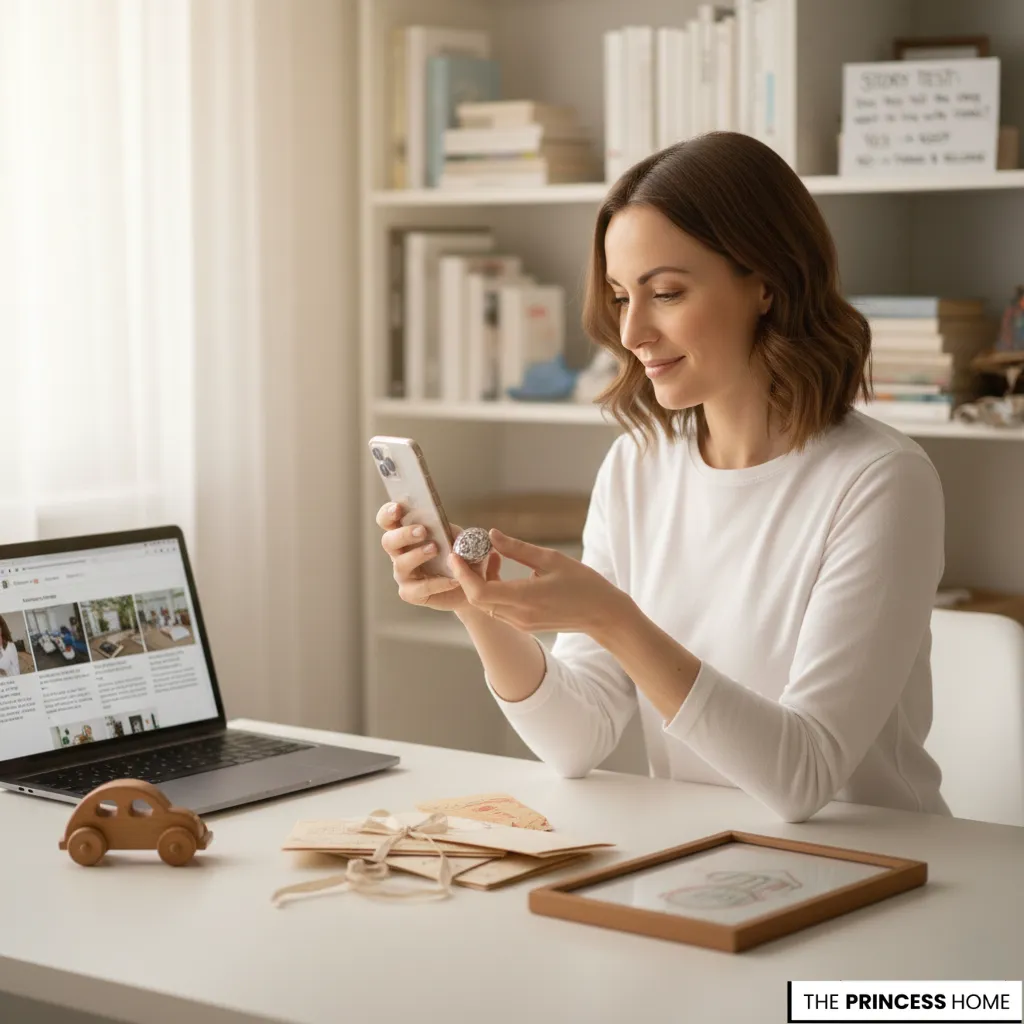
For items filled with sentiment but rarely used, the key is to preserve the memory before releasing the object. Photograph meaningful keepsakes—such as grandma’s jewelry, childhood toys, or handwritten letters—and organize them into a digital album or a dedicated “memory archive.”
This allows you to retain the emotional story without allowing physical clutter to accumulate in your living space. Professional organizers often highlight this method as a way to balance nostalgia with practicality, ensuring that memories remain accessible while your environment stays clear and functional.
By shifting from physical possession to intentional documentation, you honor the past without letting it dominate your present. Over time, this practice transforms your memories into a curated, clutter-free collection you can revisit anytime—keeping the emotion alive while freeing your home to support your current life.
One-Year Rule
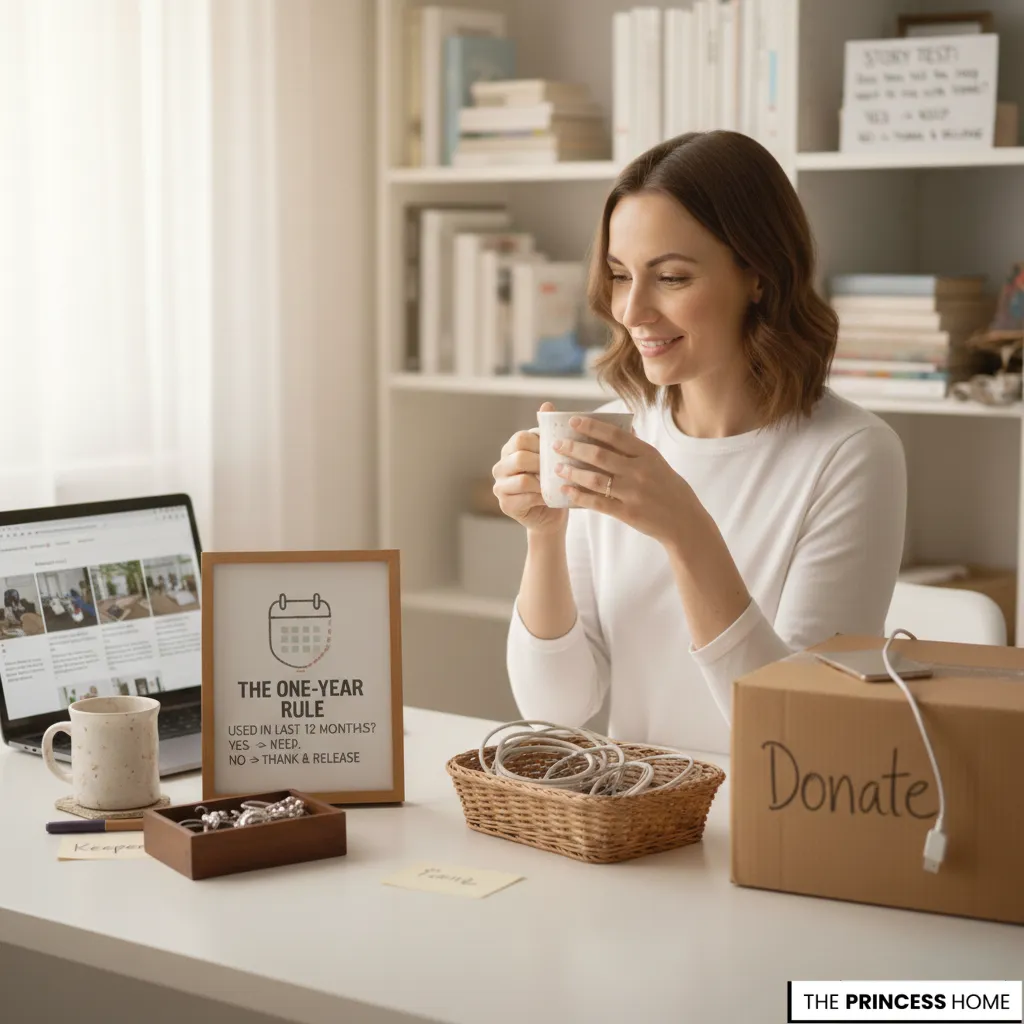
Use the “One-Year Rule” as a flexible decluttering guide: if you haven’t used an item in the past 12 months, it’s often a strong candidate for letting go. This isn’t a rigid rule—items with deep emotional meaning or clear future use can absolutely be exceptions—but it helps anchor decisions in real-life patterns rather than vague “someday” thinking.
Professional organizers often point out that clutter builds up because people consistently overestimate future use and underestimate how little certain items actually serve them. This rule helps reset that bias by grounding choices in actual behavior, not imagined scenarios.
Most importantly, approach the process with self-compassion: letting go doesn’t erase memories, usefulness, or value—it simply clears space for what actively supports your life today. With time, this flexible mindset makes it easier to understand how to let go of possessions without guilt, turning your home into a space filled with intentional, lived-in essentials rather than dormant clutter.
Redefine Useful
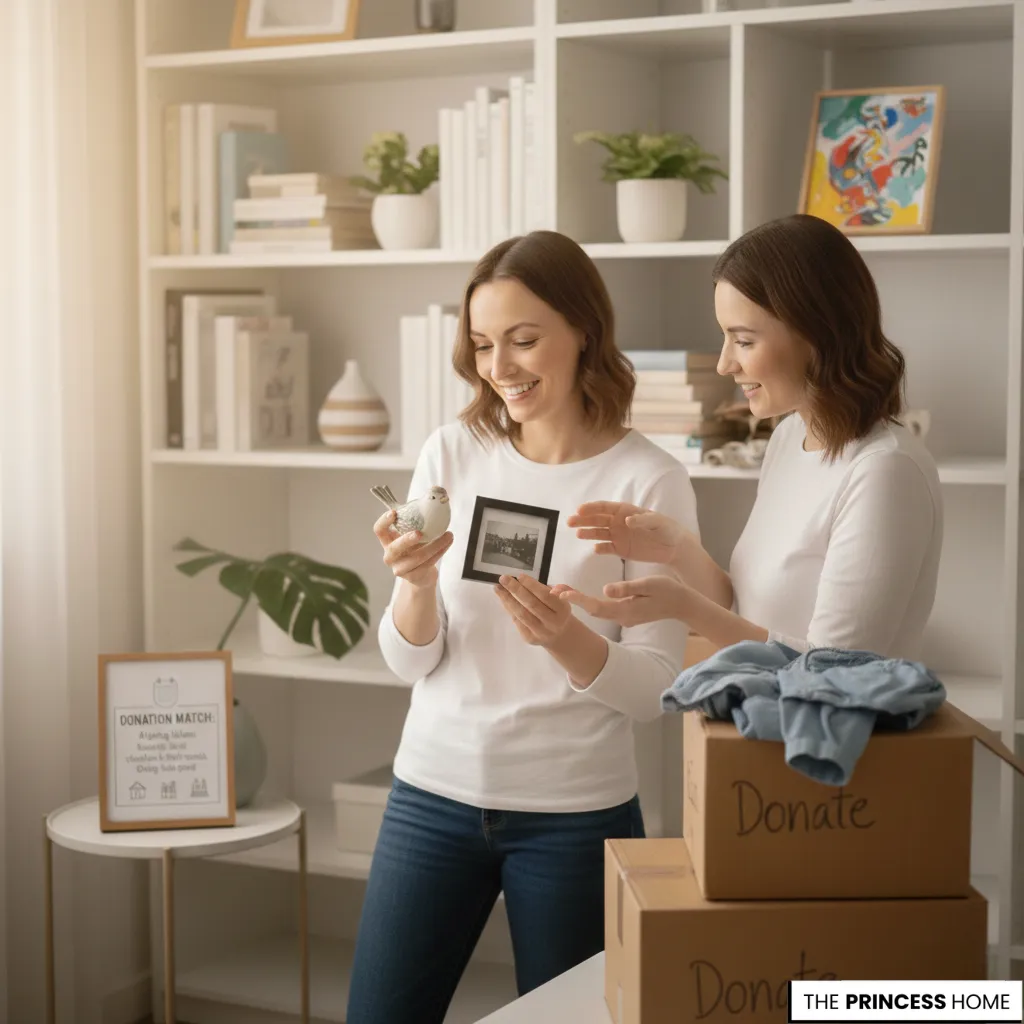
Rethink what “useful” truly means in your home—because usefulness isn’t only about function, but also about how an object affects your daily experience. Some items may rarely be used yet still matter deeply because they spark joy, inspire creativity, or preserve meaningful memories, and those can absolutely earn their place.
At the same time, objects that are technically functional but feel heavy, uninspiring, or emotionally draining often contribute more to clutter than value. Design thinking and organizing experts note that clutter persists when we confuse utility with emotional attachment or obligation.
By redefining usefulness as a balance between practicality and emotional well-being, you start making decisions that feel clearer and more aligned with your real life. Over time, this mindset reshapes your environment into a curated collection of purposeful, uplifting objects—turning your home from a space of obligation into one that actively supports calm, clarity, and everyday inspiration.
Donate with Purpose

When parting with items, consider directing them to donation destinations that reflect your values—such as local shelters, schools, community centers, or organizations supporting causes you care about. Knowing your belongings will continue to serve someone else transforms decluttering from a feeling of loss into a meaningful act of contribution.
Designers and professional organizers often emphasize that this shift in perspective significantly reduces emotional resistance, making it easier to release items without guilt or hesitation. Taking a few extra minutes to research what specific charities actually need also ensures your donations have real, practical impact rather than going unused.
Over time, this approach does more than clear physical space—it creates a deeper sense of purpose and connection. When letting go becomes intentional giving, everyday decluttering evolves into a grounded, heart-centered habit that benefits both your home and your wider community.
Creative Ways to Honor Memories
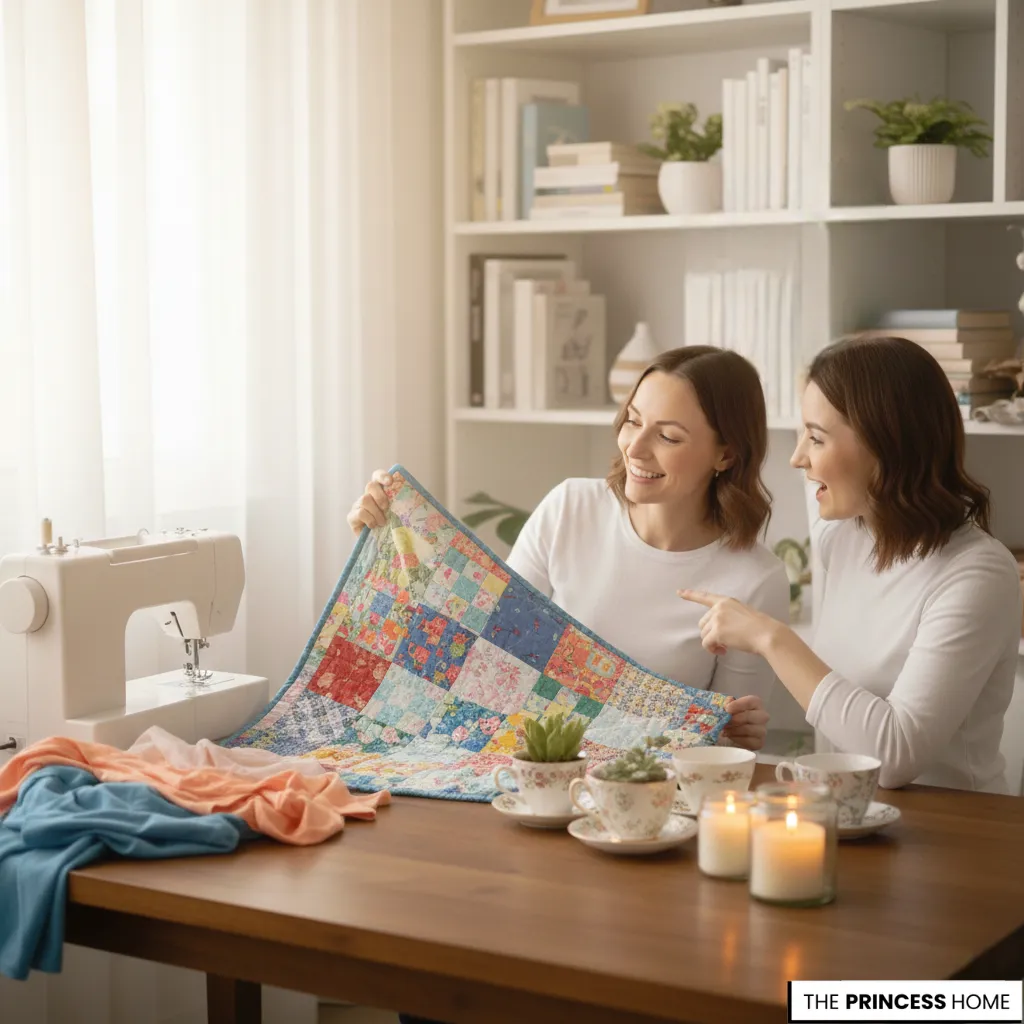
Letting go doesn’t have to mean forgetting—there are thoughtful ways to preserve memories while still freeing up space. You can transform old clothes into a memory quilt, turning sentimental fabric into something functional that still carries emotional warmth.
Another option is using shadow boxes to display small keepsakes like ticket stubs, jewelry, or travel souvenirs, allowing them to be appreciated without contributing to clutter. Upcycling also adds a creative layer to decluttering: teacups can become planters, and glass jars can be turned into candle holders, blending sustainability with personal meaning.
Some people even use storytelling moments—sharing the history of cherished items with friends or family before passing them on—as a way to honor their significance before letting them go. Designers and professional organizers often highlight that learning how to let go of possessions in this intentional way helps preserve emotional value while reducing physical excess.
Letting Go Made Simple
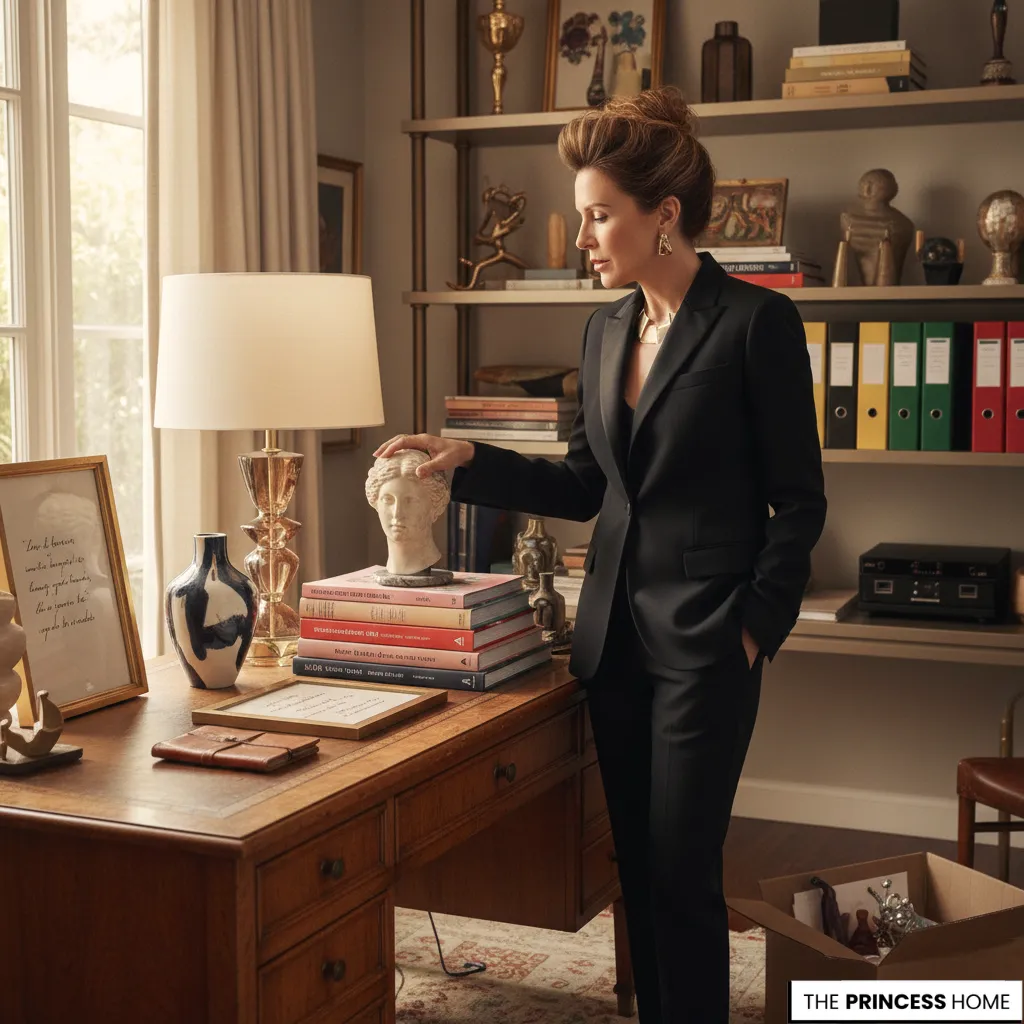
Letting go doesn’t have to feel overwhelming or dramatic—it can be a calm, intentional reset that gently redefines your space. The key is shifting your mindset from loss to alignment: you’re not giving things up, you’re making room for what genuinely supports your life right now. When your home reflects your current values, habits, and routines, everyday living naturally feels lighter, clearer, and more focused.
Many design experts reinforce this perspective. Marie Kondo teaches that we should keep only what adds meaning or joy, while Nate Berkus emphasizes that a home should tell your story—not passively store your past. Likewise, Joanna Gaines advocates for intentional design choices that blend beauty with practical, lived-in comfort.
Across their approaches, one principle remains consistent: clarity creates calm. When you declutter with intention instead of pressure, your space becomes not just more organized, but more emotionally aligned with who you are today.
| If you are feeling… | Ask yourself… | The Designer’s Shift |
| Guilt (It was a gift) | Does keeping this honor the giver, or just create a burden? | Honor the person, release the object. |
| Fear (I might need it) | Have I used this in the last 12 months? | Trust your future self to provide. |
| Sentiment (It has memories) | Do I need the physical item to keep the memory alive? | Take a photo; keep the space. |
| Identity (Who I used to be) | Does this support the person I am becoming today? | Edit your home for your present life. |
| Waste (It cost a lot) | Is the money already spent, or is it costing me my peace? | Prioritize your mental clarity over cost. |
Designer Inspiration
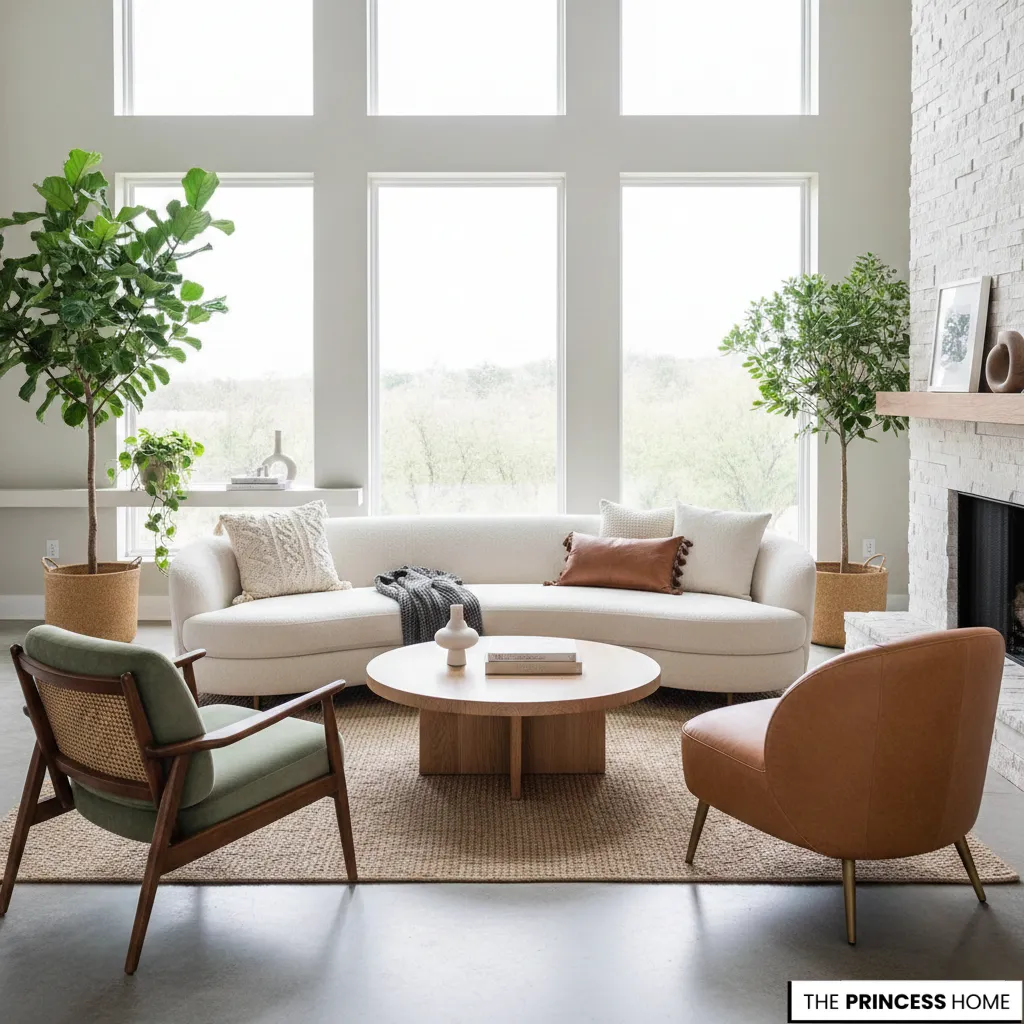
“A house is much more than a mere shelter—it should lift us emotionally and spiritually.” This idea, often echoed by leading interior design thinkers, reframes the home as a space that actively supports well-being rather than simply containing belongings.
As many designers emphasize, design is ultimately about improving quality of life—whether functionally, aesthetically, or emotionally. True interior design is a balance of beauty, comfort, and meaning, where every object and layout choice contributes to a sense of ease, clarity, or joy.
In this sense, your environment becomes a reflection of your inner state, not just a styled surface. Keeping this perspective in mind while decluttering helps shift the goal away from perfection and toward intention. The result is a home that feels alive, grounded, and genuinely aligned with who you are today.
“Decluttering isn’t about what you lose; it’s about what you gain—peace, space, and a home that breathes.”
Conclusion
Learning how to let go of possessions isn’t about losing parts of your past—it’s about making space for your present and future. When you release what no longer serves you, your home becomes lighter, calmer, and more aligned with your true self. Ready to start your decluttering journey? Begin with one drawer today and experience how small steps can lead to a big transformation.
Here are some frequently asked questions related to the article :
1: How do I start letting go of possessions?
Start with “easy wins”—low-emotional items like duplicates or unused kitchen tools. This builds the momentum and confidence needed to tackle sentimental belongings later.
2: How do I declutter without guilt?
Focus on the memory, not the object. Take a photo or journal the story to preserve the experience, then release the physical item with gratitude.
3: What is the 90/90 rule?
If you haven’t used an item in the last 90 days and won’t use it in the next 90, let it go. It’s a simple tool to eliminate overthinking.
4: Why is letting go so difficult?
Objects often feel like extensions of our identity or anchors to memories. Acknowledging this emotional tie makes it easier to process the “loss” and move forward.
5: What if I regret getting rid of something?
Use a “maybe box.” Store uncertain items for a few weeks; if you don’t reach for them, you can donate them with total confidence.
6: How do I maintain a clutter-free home?
Adopt a “one-in, one-out” rule and perform quick seasonal resets. Focus on mindful consumption and progress rather than perfection to keep your home aligned.
7: What is the best way to handle “just in case” items?
Give these items a expiration date. Place them in a “maybe box” and if you haven’t reached for them within six months, donate them. This practical boundary helps you release the fear of future need.
The princess home on Pinterest