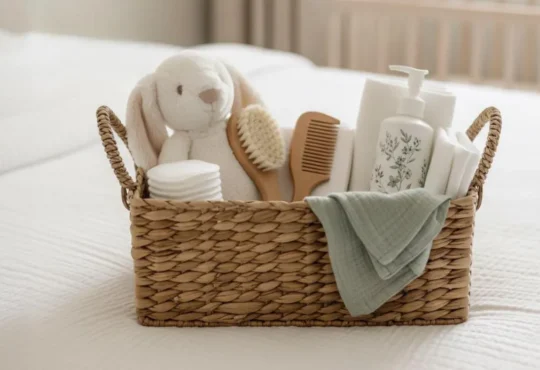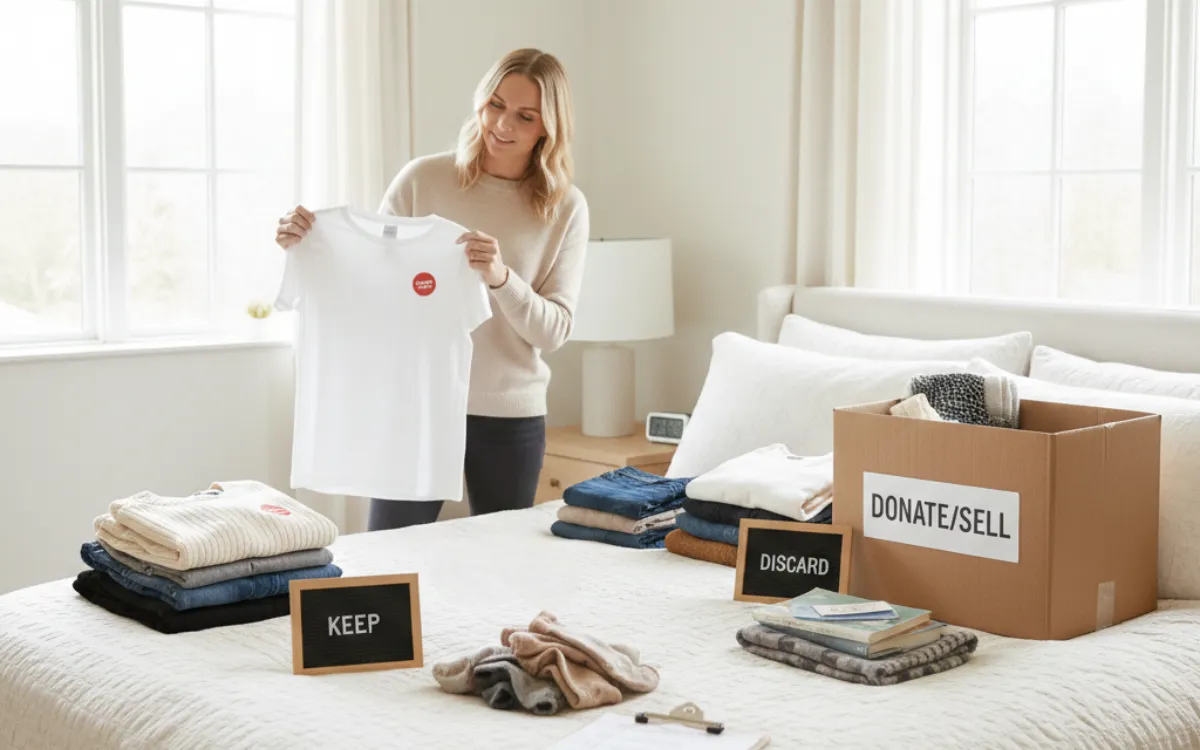
The truth is—it’s not about being ruthless; it’s about being intentional. A professional declutterer doesn’t just clean spaces; they transform how you think about your belongings. In this expert guide, you’ll discover proven strategies, psychological tricks, and designer insights to help you declutter your home like a pro—without overwhelm or regret.
The Declutterer’s Core Strategy
What Does Professional Declutterer Do?
A professional declutterer helps clients make clear decisions about their belongings by combining psychology, organization systems, and practical strategies. Instead of simply tidying up, they create sustainable systems that prevent clutter from returning.
The Professional Declutterer’s Mindset
Real organization starts in the mind. Clutter often persists because of guilt or attachment to a “fantasy self.” Experts reframe the process as Intentional Curation, not loss. It’s not about “losing” items; it’s about choosing what supports your life now.
One helpful mental model is “Strangers, Acquaintances, and Friends”:
- Friends: Items you love and use. Keep.
- Acquaintances: Items you feel indifferent about. Question.
- Strangers: Items you no longer recognize or need. Let go.
The Professional Declutterer Mindset
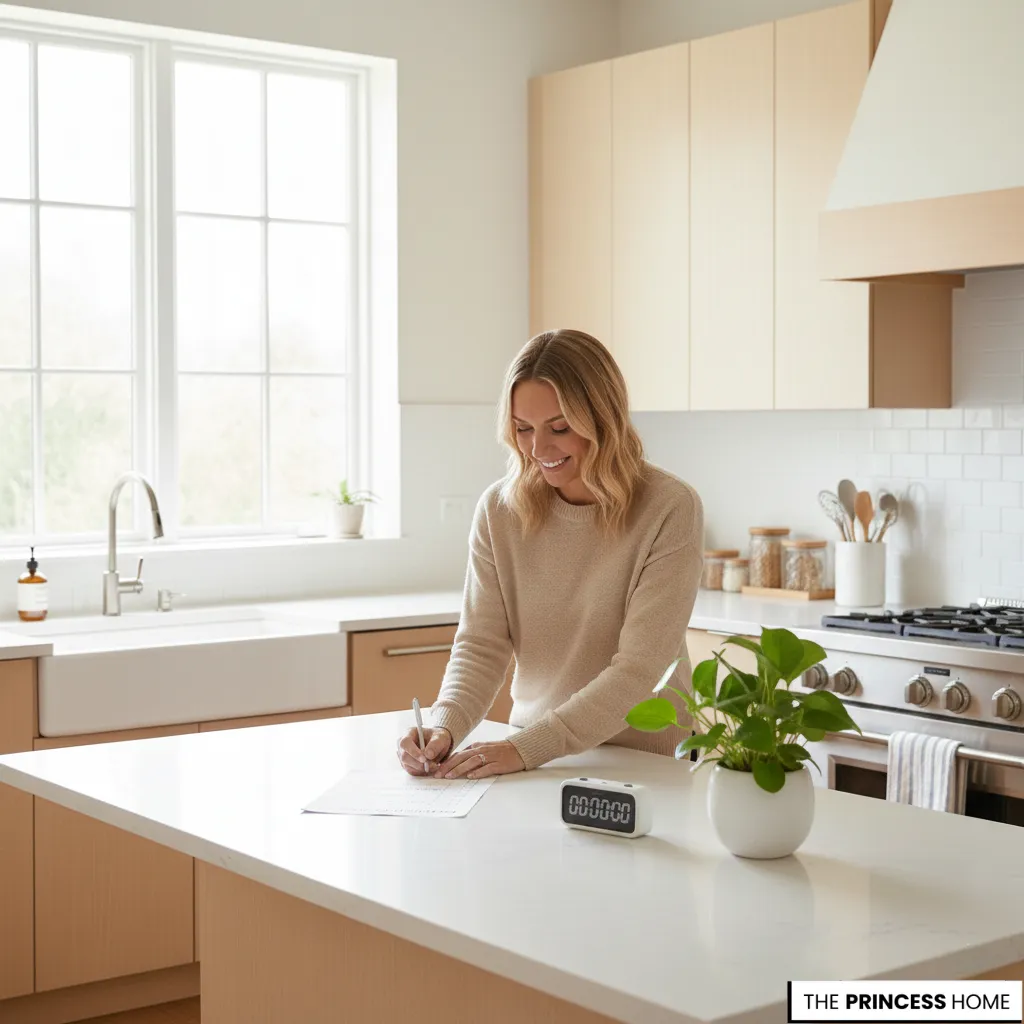
Professional declutterers believe real organization starts in the mind. Clutter often stays because of guilt or attachment to a “fantasy self.” Intentional Curation: Stop seeing it as “losing” items and start seeing it as choosing what supports your life now.
That’s why experts reframe decluttering as intentional curation, not loss. You’re choosing what supports your life now. One helpful method is “Strangers, Acquaintances, and Friends.” Sort items by emotional connection. Keep the “friends.” Question the “acquaintances.” Let go of the “strangers.
The Professional Blueprint at a Glance
| Step | The Professional Approach | Why it Works |
| Sorting | Category, not Room | Reveals duplicates instantly |
| Decision | The 90/90 Rule | Removes “Just in case” anxiety |
| Action | One-Touch Rule | Prevents piles from re-forming |
| Sentiment | Digitize & Donate | Keeps memories, loses bulk |
The Professional’s Toolkit: 5 Rules to Live By
To declutter like a pro, you need more than just trash bags; you need a framework. These five industry-standard rules eliminate decision fatigue and ensure your home stays curated long after the initial clean.
The 90/90 Rule Look at an item and ask: Have I used this in the last 90 days? Will I use it in the next 90? If the answer is no to both, it’s likely “just in case” clutter that is weighing you down.
The One-Touch Rule This is the ultimate habit for maintaining order. When you pick something up, put it exactly where it belongs immediately. Don’t set it down on a “temporary” surface—deal with it once and be done.
The One-In, One-Out System To prevent clutter from creeping back, adopt a balanced exchange. For every new item that enters your home—whether it’s a pair of shoes or a kitchen gadget—one existing item must leave.
The Six-Month Sticker Test Unsure about an item? Place a small sticker on it. If the sticker is still there six months later, it’s proof that the object isn’t part of your active life. It’s time to donate it with confidence.
The Threshold Test Evaluate items based on a personal “quality threshold.” If a piece of clothing isn’t comfortable, or a décor item no longer reflects your current style, it has fallen below your threshold. Keep only what meets your standards for beauty and function.
Character Over Clutter
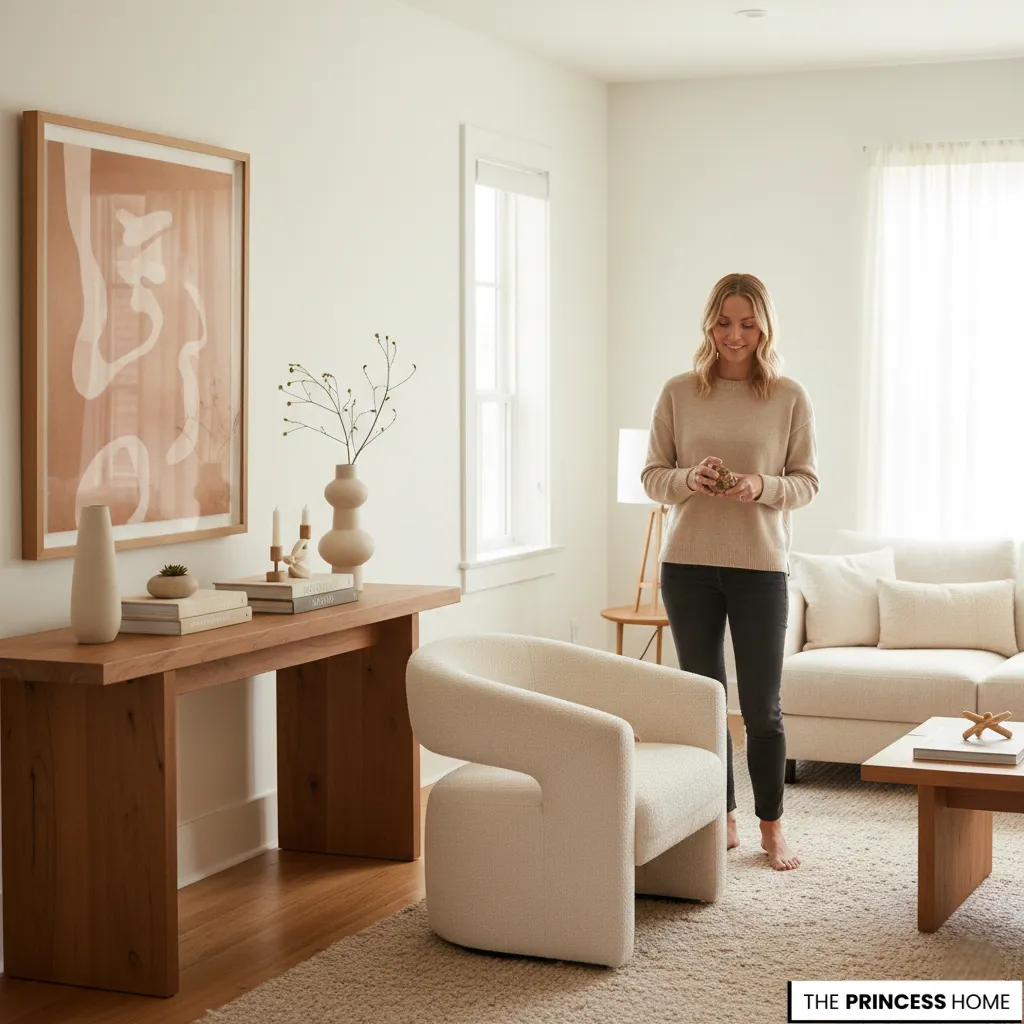
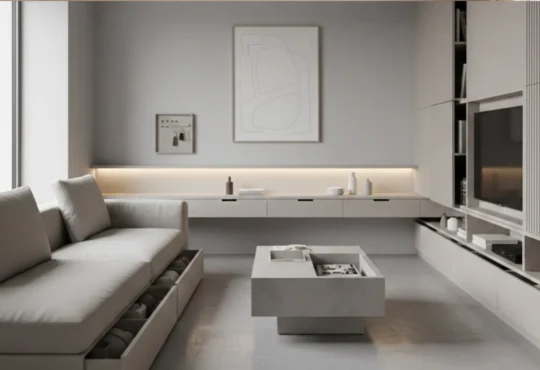
A beautifully decluttered home isn’t empty—it’s intentional, layered, and full of personality. Jake Arnold is known for pairing rich textures, warm neutrals, and statement art while keeping surfaces edited so each piece has space to breathe.
Meanwhile, Beata Heuman embraces what she calls “liveable maximalism,” encouraging homeowners to curate meaningful collections—but always assign every object a defined home. Abigail Ahern adds that editing should be seasonal and ongoing,
as your life evolves, so should your space, preventing clutter from quietly reclaiming corners. Their shared principle is simple yet powerful: treat countertops, consoles, and tables as curated vignettes—not dumping grounds.
By styling in small, intentional groupings (varying height, texture, and negative space), you create visual impact without overcrowding, proving that true design isn’t about having less—it’s about choosing better.
Decision-Making & Practical Tests
How a Professional Declutterer Decides
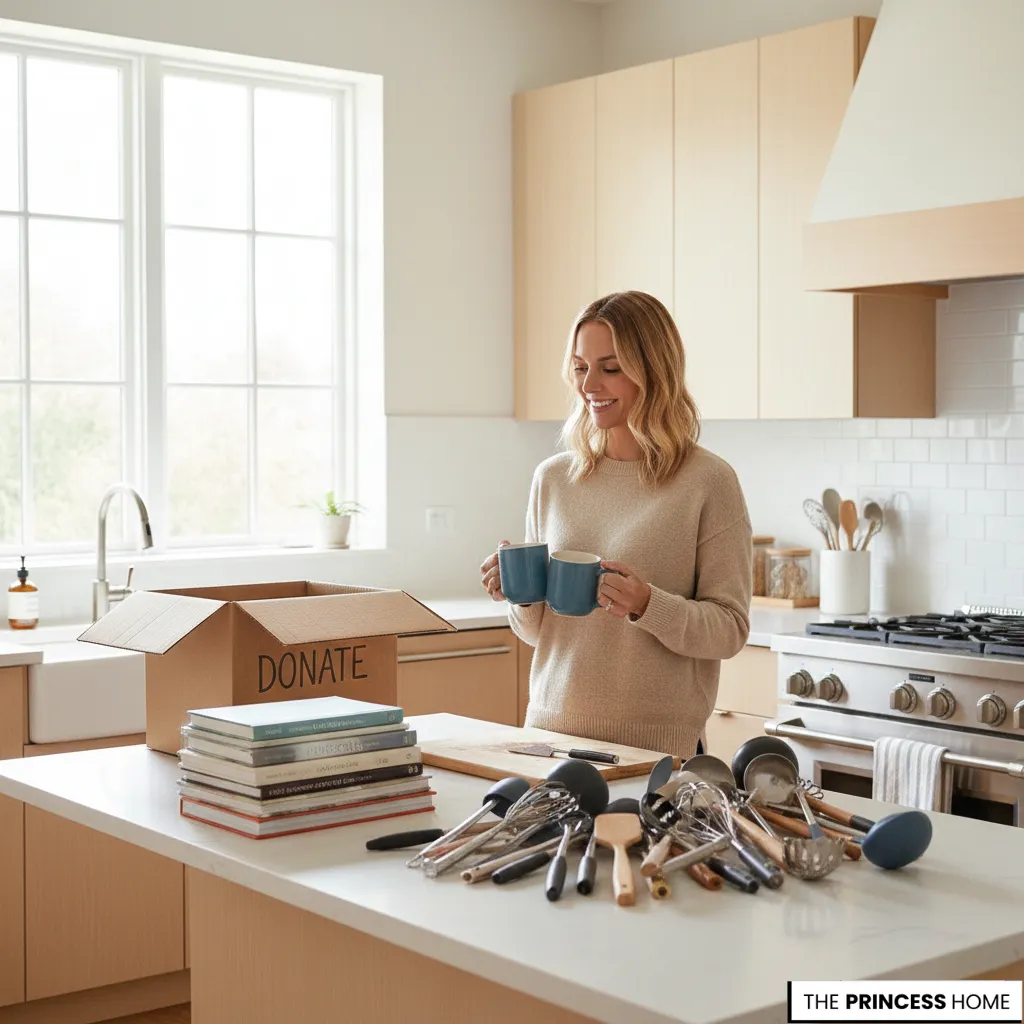
An effective Keep vs. Discard framework starts with clarity: hold onto items that combine genuine joy with everyday utility, and question anything that serves neither beauty nor function. Professional organizers advise finishing the discarding phase first—because rearranging clutter only disguises the problem instead of solving it.
Another core rule is to tidy by category, not by room; gathering all clothes, books, or kitchen tools in one place reveals duplicates and highlights your real consumption habits. To prevent clutter from creeping back, adopt the “one-in, one-out” habit so every new purchase replaces, rather than adds to, what you already own.
When you apply these decluttering principles consistently, your home becomes a curated, functional space that supports your lifestyle—not a storage unit for “just in case.”
The 6-Month Sticker Test
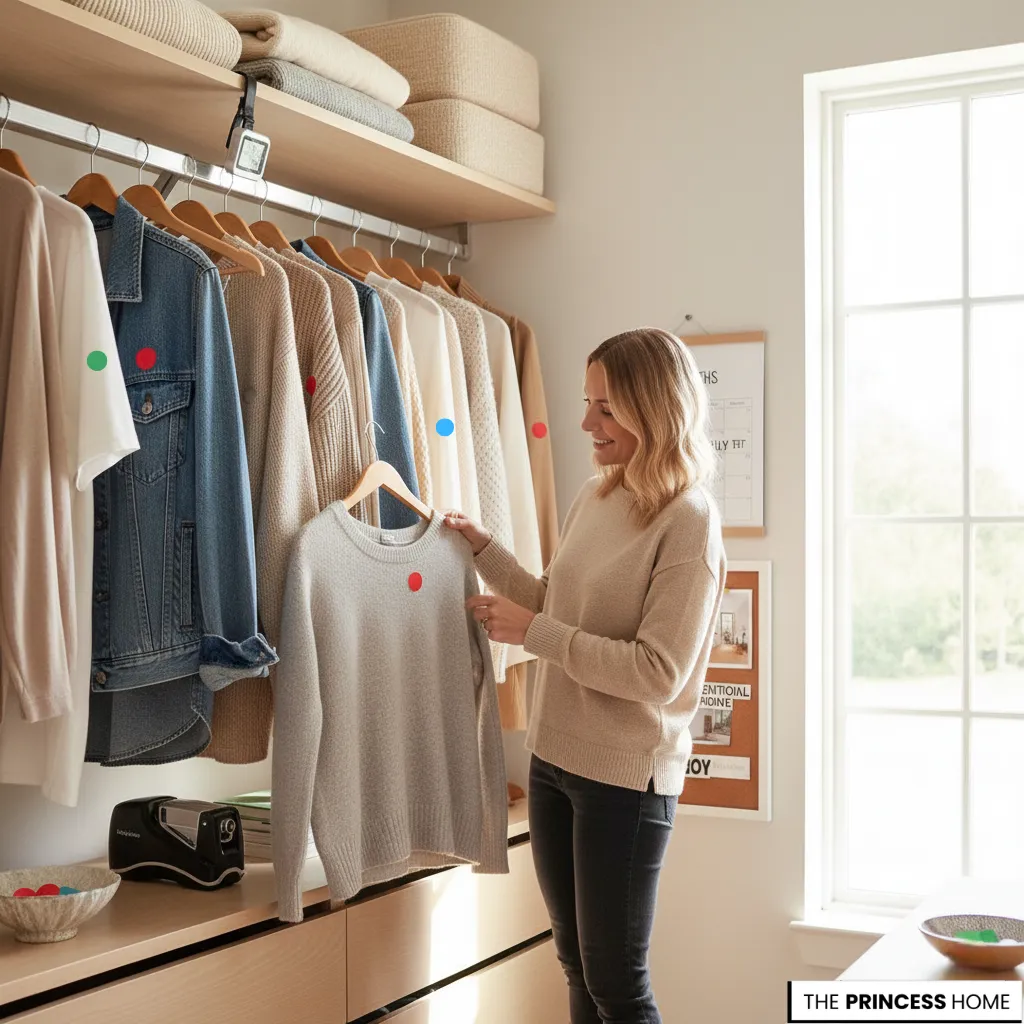
A professional declutterer relies on simple but powerful methods to make decisions easier and more intentional. One of the most effective techniques is the six-month sticker test: place a small sticker on items you’re unsure about and remove it only when you actually use them—if the sticker is still there after six months, it’s likely clutter.
For clothing, the reverse-hanger test works just as well—if a hanger hasn’t been turned after months of use, it’s a clear sign the item no longer serves you. These strategies reduce decision fatigue by focusing on real-life habits rather than guilt or “just in case” thinking.
Before you begin, take a moment to define your vision by asking: how do you want your space to feel—calm, functional, cozy, or inspiring? This clarity guides every decision you make. To maintain momentum, apply the one-touch rule: handle each item only once and decide immediately whether to keep, donate, or discard it.
You can also digitize sentimental items like photos and documents to preserve memories without adding physical clutter. Finally, schedule short 15-minute decluttering sessions each day to avoid overwhelm and build consistency.
By shifting your mindset from “getting rid of things” to curating a space that supports and energizes your life, decluttering becomes a rewarding and sustainable habit.
Practical Decluttering Methods
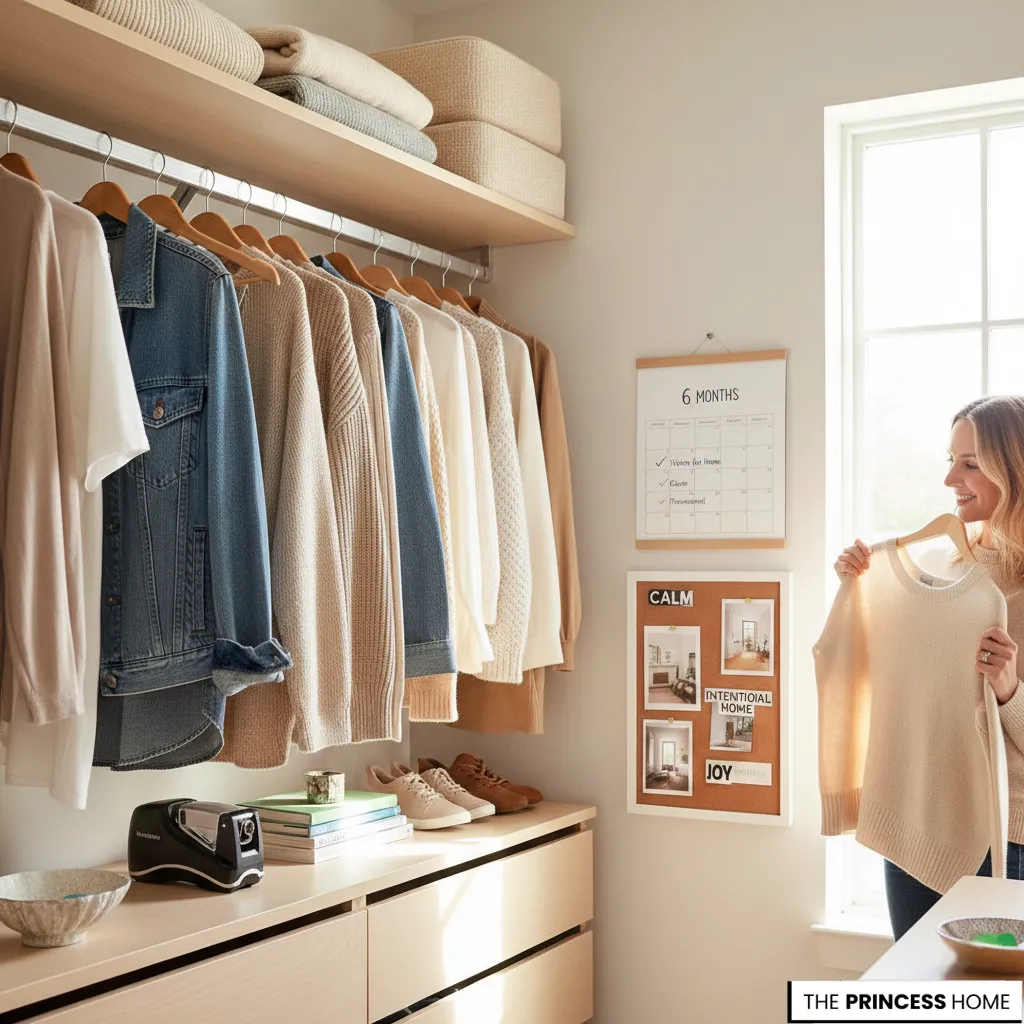
One effective strategy is the full-price question: ask yourself, “Would I buy this again today at full price?” If the answer is no, it becomes much easier to release the item without guilt. Another method is the reverse hanger trick—hang all clothes backward and, after wearing an item, turn its hanger the correct way.
After a few months, untouched pieces clearly reveal what should be donated. For quick, motivating sessions, try the one-song method. Set a timer for the length of a single song and declutter one hotspot; these short sprints make tidying feel achievable and even fun.
The domino decluttering technique works similarly—start with a small area, like a counter, and the momentum from clearing it naturally inspires you to tackle the next spot. Closets can also benefit from the threshold test: evaluate each item based on comfort and frequency of use.
Anything that doesn’t meet your threshold is ready to go. These professional strategies combine psychology, time management, and small wins to make decluttering stick long-term, turning organization into a sustainable habit rather than a one-time chore.
Target Areas & Impact Zones
Clutter Impact Zones
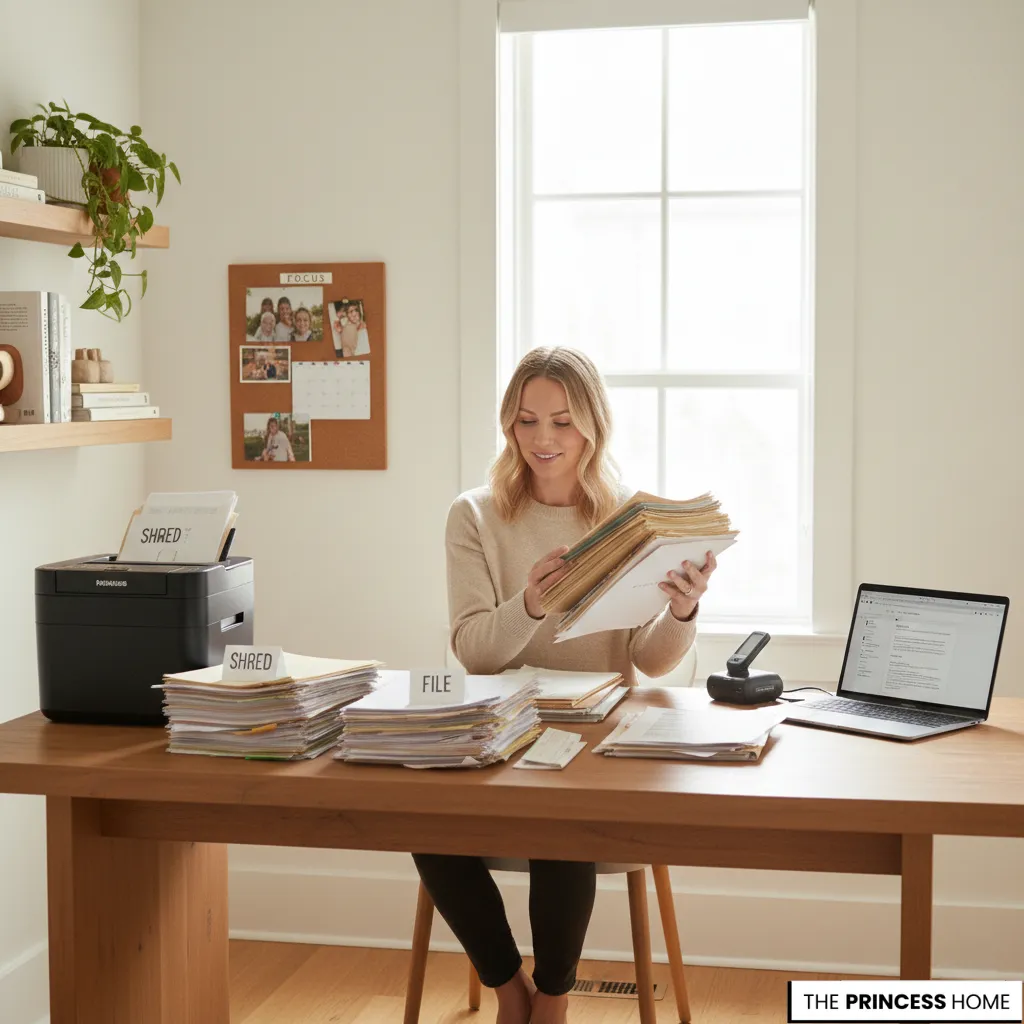
A professional declutterer knows that targeting the right clutter categories can completely transform not only your space—but how you feel within it. Papers, from daily mail to old manuals and receipts, quietly drain focus and increase stress.
That’s why sorting, shredding, or digitizing them is often a powerful first step toward mental clarity. At the same time, duplicate items—such as extra utensils, storage containers, or repeated clothing pieces—don’t just crowd your shelves; they also waste time, money, and energy.
Professional declutterers also highlight the hidden weight of “fantasy self” clutter, including unused workout equipment, unworn luxury clothes, or abandoned hobby supplies. These items often carry guilt and decision fatigue, and letting them go can feel surprisingly freeing. Sentimental belongings, while meaningful, can become overwhelming when they anchor you too strongly to the past.
The key is to curate them with intention—keeping only what truly matters. Finally, clearing expired consumables like old toiletries, spices, and medications not only improves safety but also simplifies your daily routine.
Top Items to Declutter Right Now
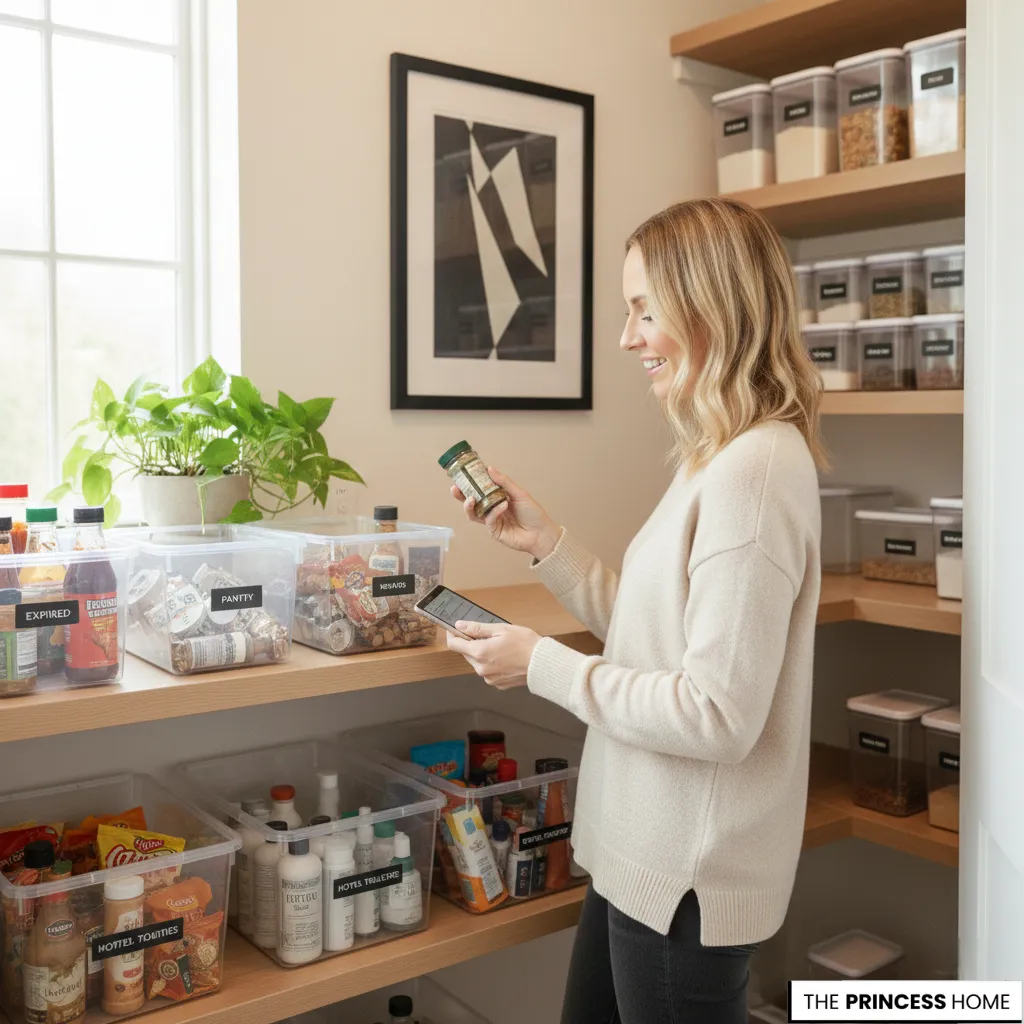
A professional declutterer focuses on high-impact areas first to create quick, visible results. Start by clearing expired pantry items and old spices—this simple step not only frees up space but also reduces waste and avoids potential safety risks in your daily routine.
Next, eliminate duplicates such as extra utensils, storage containers, and unused cables. Keeping only what you truly need makes your space more functional and easier to maintain. Items like hotel toiletries and sample-sized products don’t have to go to waste—they can be donated to shelters or community centers, offering a meaningful and sustainable solution.
Visual clutter matters just as much as physical clutter. Replace faux décor, such as artificial plants and generic word art, with real greenery or meaningful artwork to bring life, texture, and personality into your home.
At the same time, tackle paper piles—old manuals, receipts, and magazines—by sorting and removing what no longer serves you. Be mindful with sentimental items as well; if they bring guilt instead of joy, it may be time to let them go with intention.
By following thisprofessional declutterer checklist, you target the most impactful items first—creating an immediate sense of calm, clarity, and freshness in your space.
Room-by-Room Designer Approach
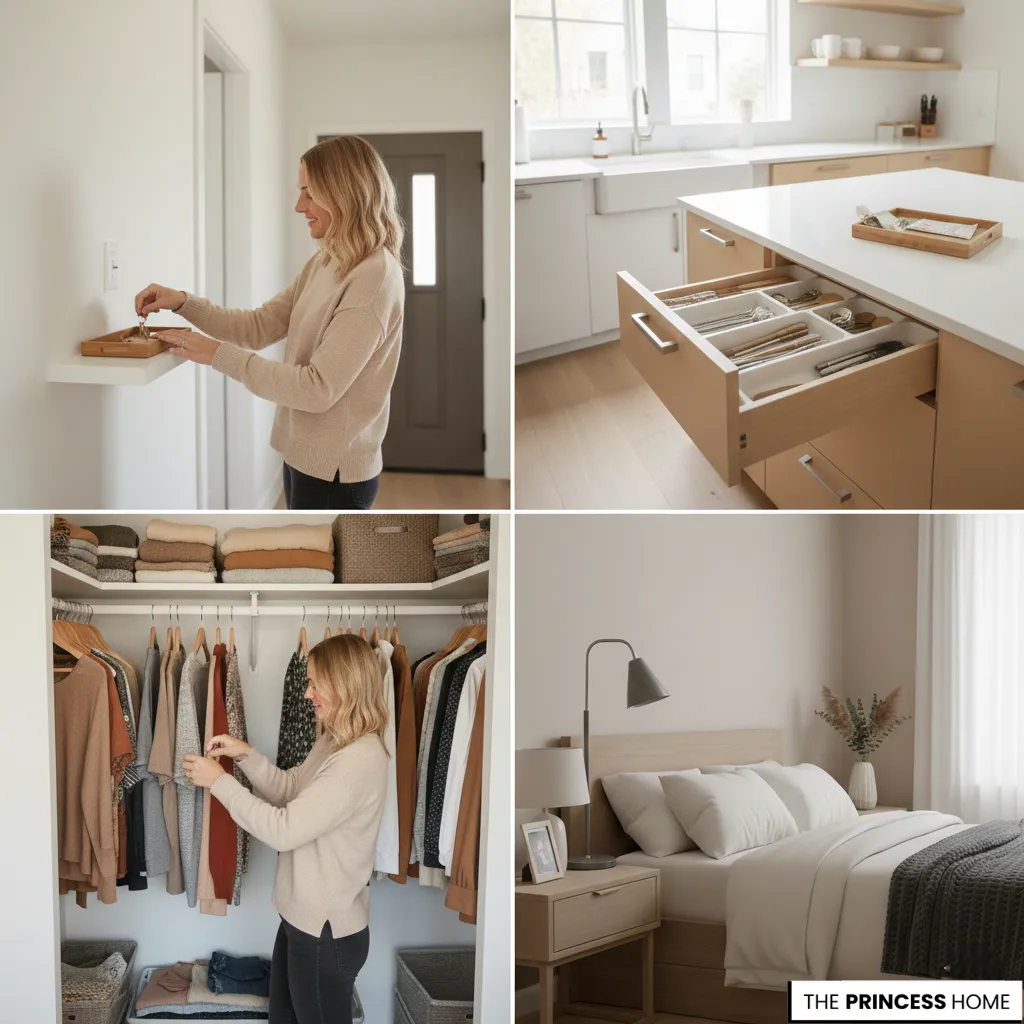
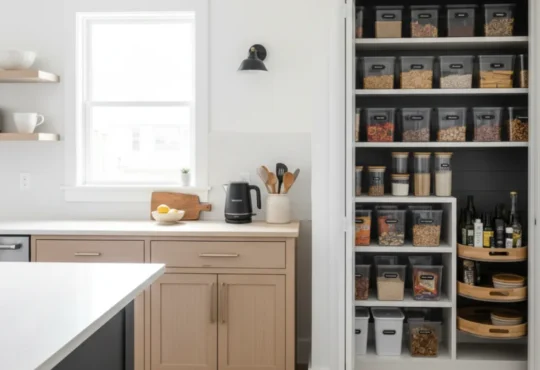
In entryways, keep only a single tray for keys and mail to prevent clutter from accumulating. Avoid multiple catch-all surfaces that create visual chaos. In kitchens, clear at least one counter completely to give the space breathing room, and use drawer dividers to organize utensils and small tools efficiently.
For closets, group like items together—short sleeves with short sleeves, pants with pants—before deciding what to keep, donate, or discard. In living areas, swap out faux florals for real plants or high-quality dried stems, adding texture, color, and life without creating clutter.
Bedrooms benefit from limiting nightstand décor to a lamp and one personal item, cultivating a calm and restful environment. These designer-backed strategies blend functionality with aesthetics, helping each room feel organized, intentional, and visually appealing.
The Declutter Success Blueprint
Following the Declutter Success Blueprint
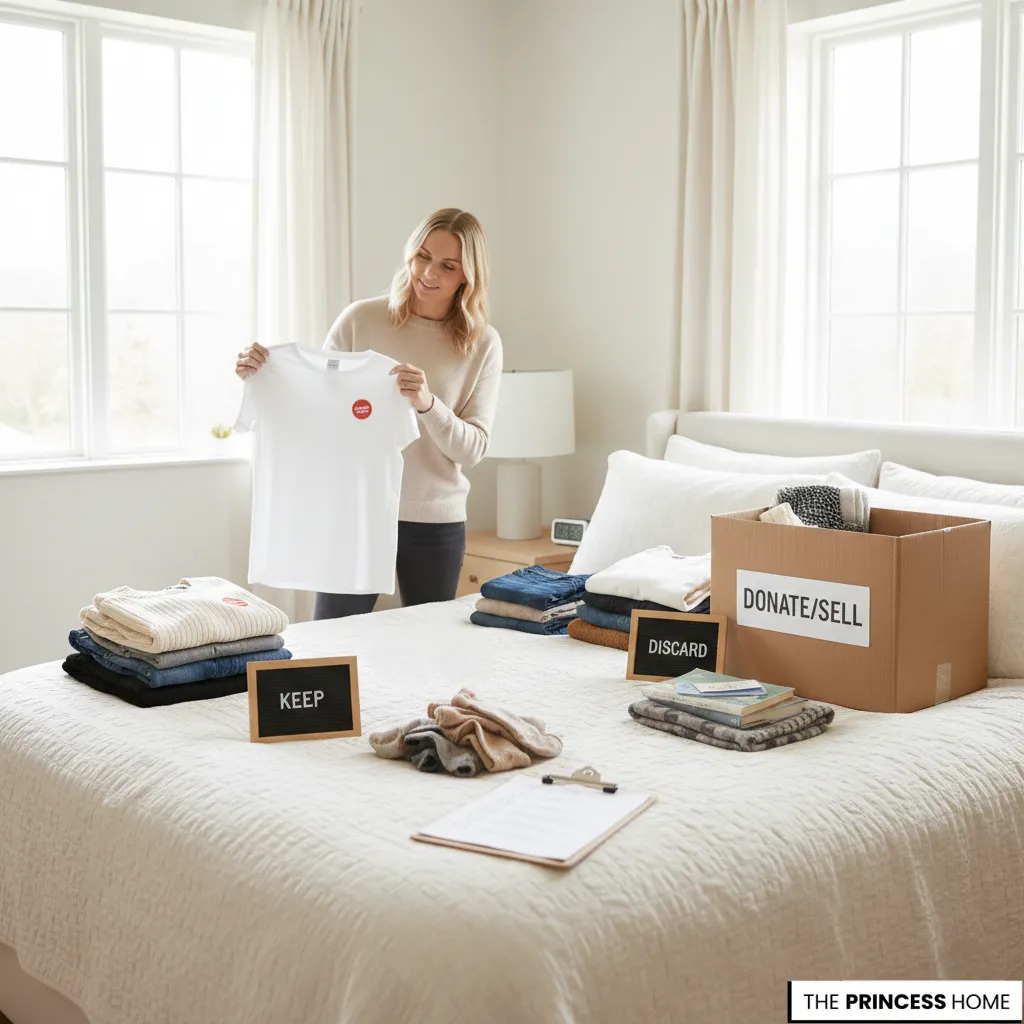
Start by setting a timer and committing to just 10–15 minutes a day. Small, consistent sessions prevent overwhelm and help build momentum. Choose a starting category that feels manageable—clothes are often the easiest win, but you can begin with anything that sparks motivation.
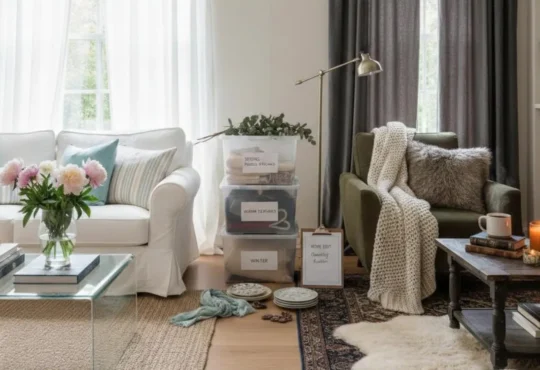
Sort your items strategically by creating four piles: Keep, Donate or Sell, Discard, and Relocate. For items you’re unsure about, try the “sticker test”: mark uncertain pieces and revisit them in six months. This approach reduces regret while helping you cut clutter effectively.
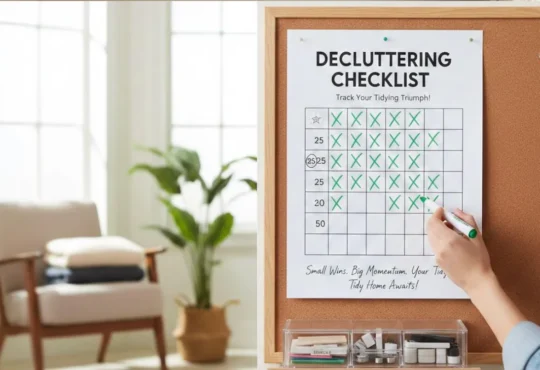
Once you decide to keep an item, assign it a home immediately. Place it where it is used and visible to maintain organization. Finally, celebrate your progress. Track your achievements with a checklist or app, as recognizing small successes fuels continued decluttering.
This method balances efficiency, mindfulness, and long-term sustainability, making the decluttering process feel achievable rather than overwhelming.
Sustainable Exit Strategies
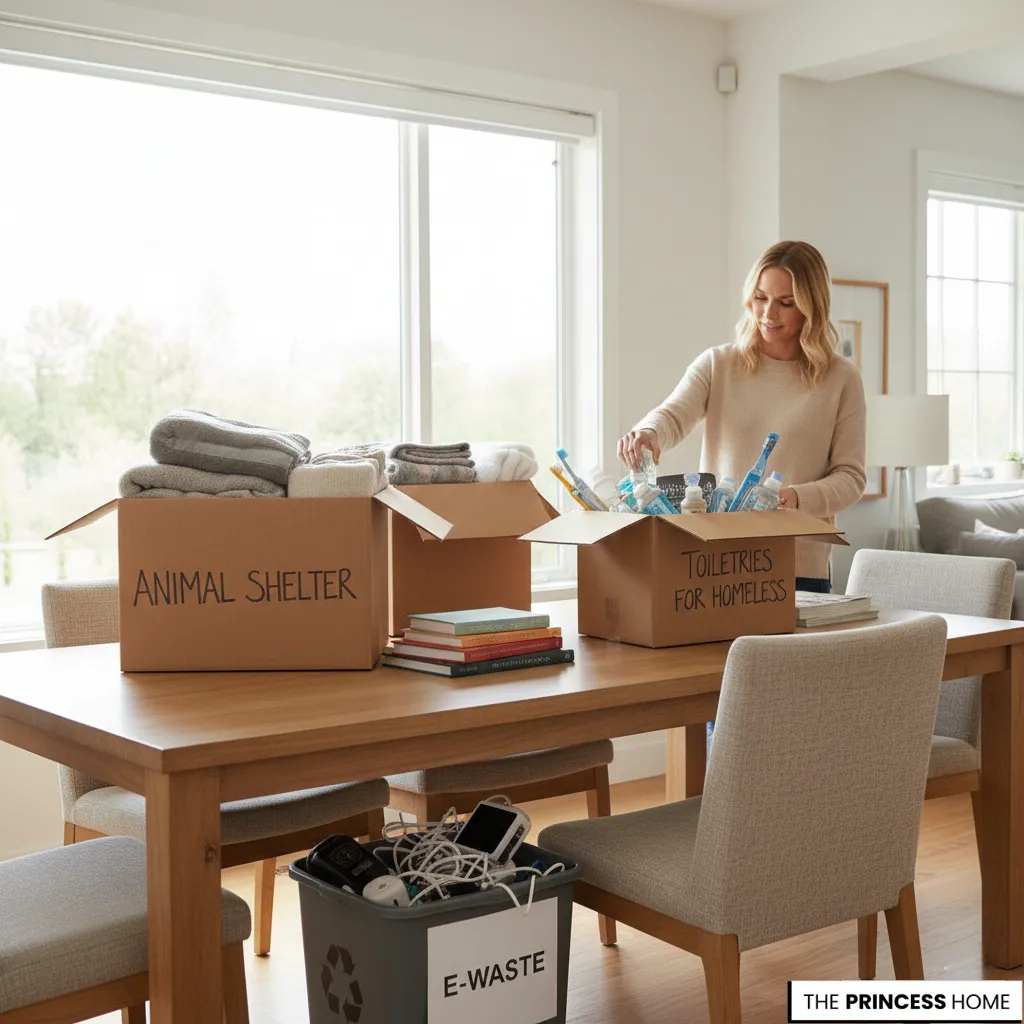
When decluttering, a professional declutterer doesn’t just focus on clearing space—they focus on creating impact. Gently used blankets and linens can be donated to animal shelters or homeless outreach programs, keeping them out of landfills while supporting those in need.
Even small items like hotel toiletries—mini shampoos, soaps, and lotions—are highly valued by shelters and community centers, proving that simple contributions can make a meaningful difference. For electronics and e-waste, such as old gadgets, batteries, and cords, it’s best to use certified recycling centers or retailer take-back programs.
This ensures that valuable materials are recovered responsibly while reducing environmental harm. Books, too, deserve a second life—donating them to Little Free Libraries, hospitals, or schools helps spread knowledge and joy while keeping your home organized.
Clothes and household items that no longer serve your space but are still in good condition can be donated to purpose-driven thrift stores or shared through local buy-nothing groups. By following these professional declutterer strategies, you transform decluttering into a mindful, eco-friendly process.
Designer Insights & Refresh Ideas
Designer Refresh Ideas
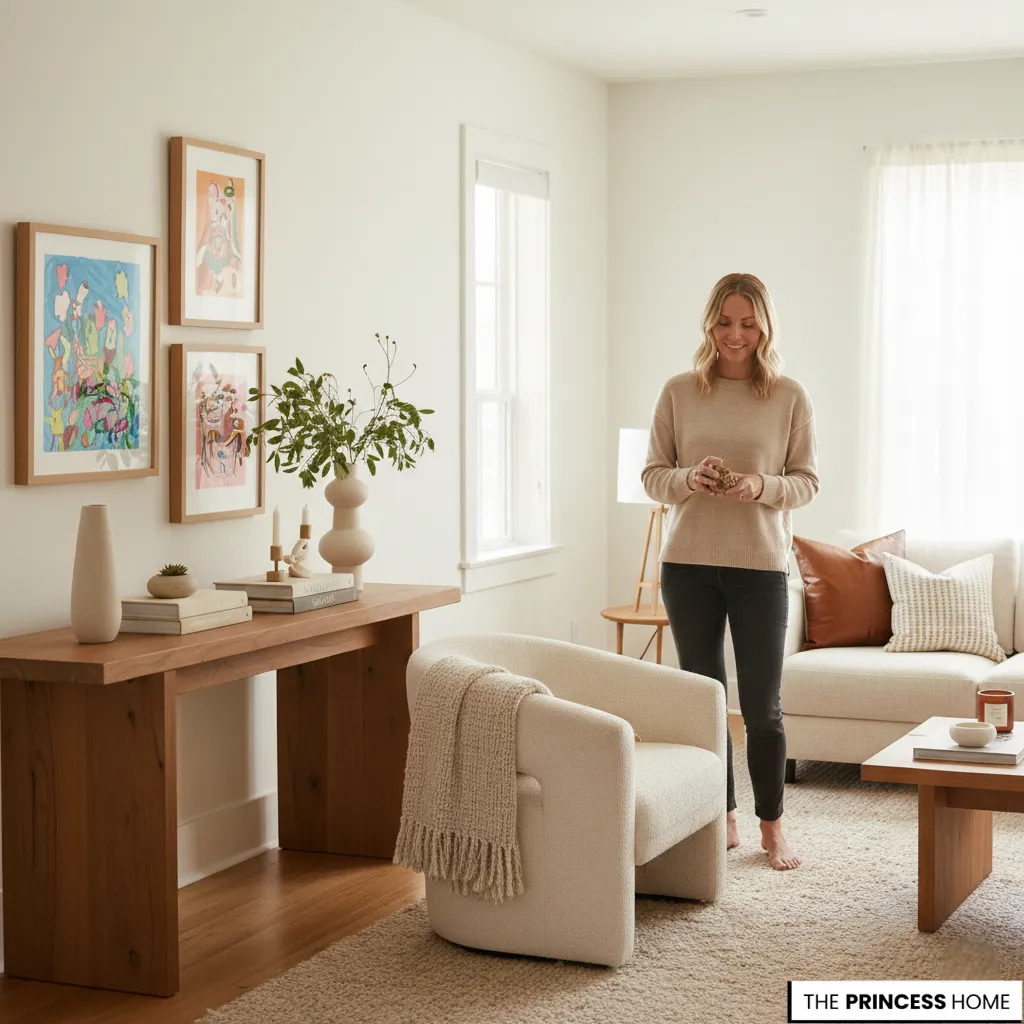
Designers recommend retiring faux plants and swapping them for real greenery or fresh flowers. Real plants bring natural life, texture, and subtle scent into any room, instantly elevating the atmosphere. Similarly, it’s time to ditch generic word art—farmhouse-inspired or mass-produced signs are increasingly outdated.
Instead, choose personal artwork or meaningful objects to make your space feel authentic and uniquely yours. For a more intentional look, embrace the concept of “liveable maximalism.” Curate collections so that every item has a purpose and a designated home, keeping spaces visually rich without creating clutter.
Treat surfaces like vignettes: start by clearing counters and tables, then style a few carefully chosen pieces to create focal points rather than dumping grounds. These designer-backed strategies combine aesthetics with functionality, helping your home feel organized, stylish, and personalized .
Clutter-Proof Habits for a Stylish Home
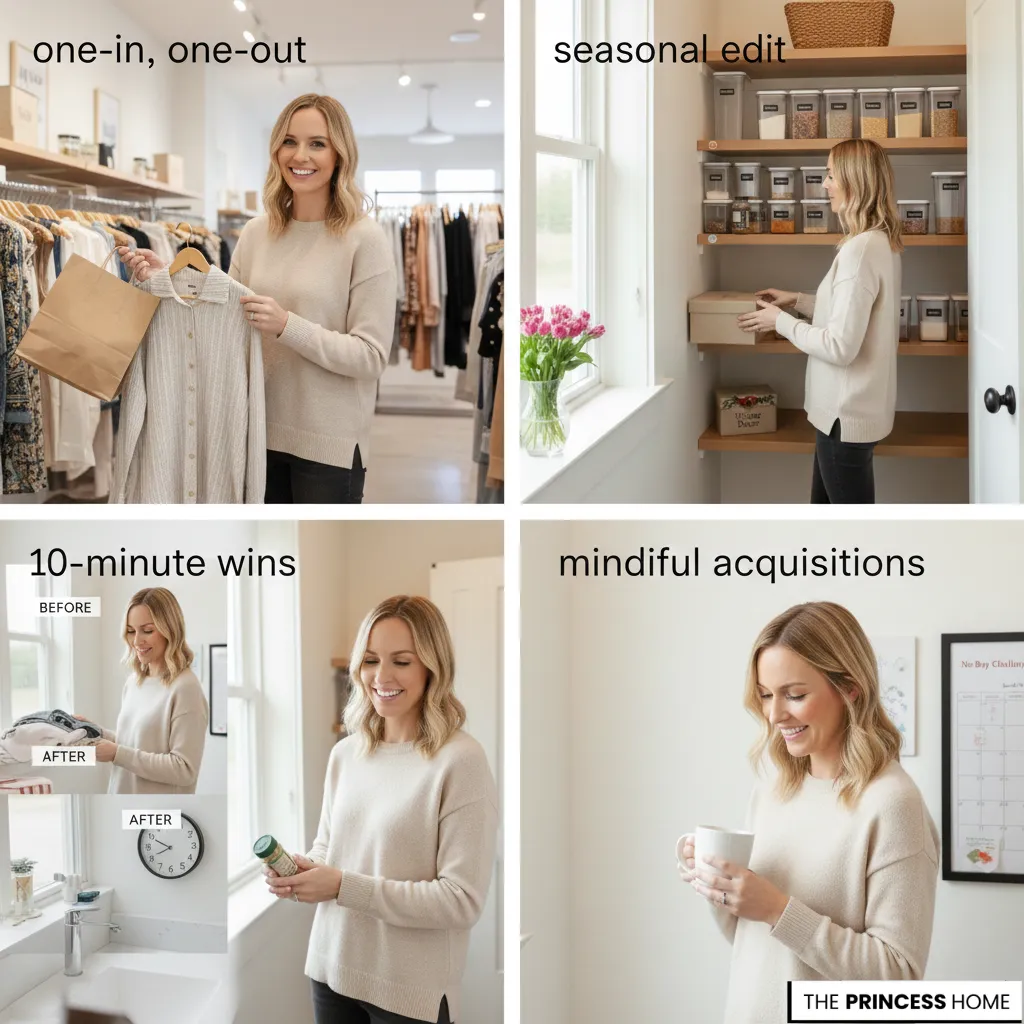
Adopt a one-in, one-out rule: for every new item you bring home, let a similar item go. This simple habit keeps accumulation in check and maintains balance in your space. At the start of each season, perform a seasonal edit by decluttering seasonal gear and décor, which refreshes both your environment and your mindset.
Short, consistent sessions—such as 10-minute weekly wins—prevent clutter from creeping back and make ongoing maintenance manageable. Practice mindful acquisitions by adopting a “no-buy” approach for non-essential items, saving money, space, and mental energy.
To reinforce progress, take before-and-after photos of small areas; seeing visual improvements fuels motivation and strengthens good habits. Together, these systems create lasting organization by blending simple routines, mindful choices, and small wins that accumulate over time.
Maintaining Clutter-Free Momentum
Daily Decluttering Habits
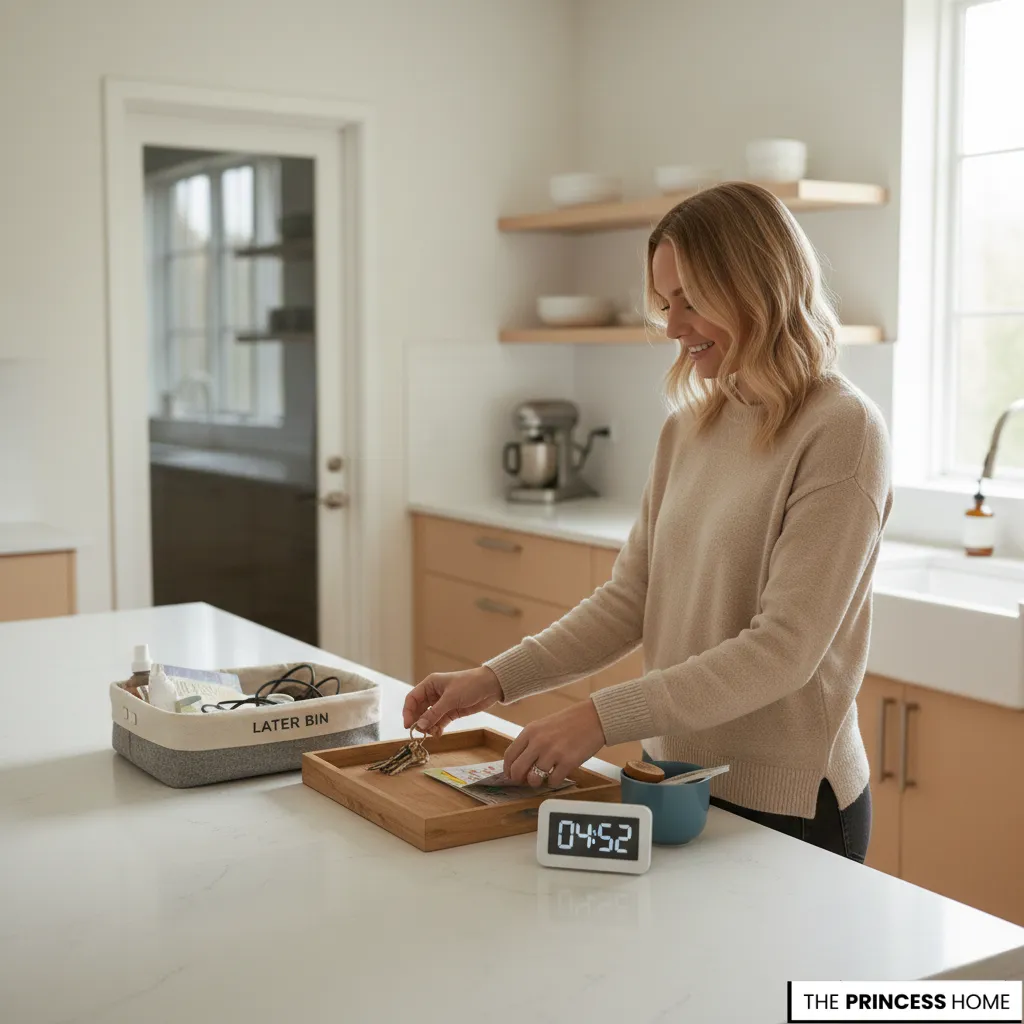
Start with a daily five-minute sweep by selecting one hotspot—such as the entry tray or kitchen counter—and resetting it before bed. This simple routine helps maintain order effortlessly.
Follow the one-touch rule by always putting items where they belong immediately, instead of shuffling them from pile to pile; these small actions prevent clutter from building up.
For items you’re unsure about, use a “later” bin and revisit it weekly. This stops indecision from stalling your progress and keeps clutter from accumulating.
Additionally, perform a daily mini declutter by tossing junk mail, expired coupons, and single-use wrappers. These quick, repeatable habits keep your home organized without feeling like a chore, making clutter management a seamless part of everyday life.
Sustaining Clutter-Free Momentum
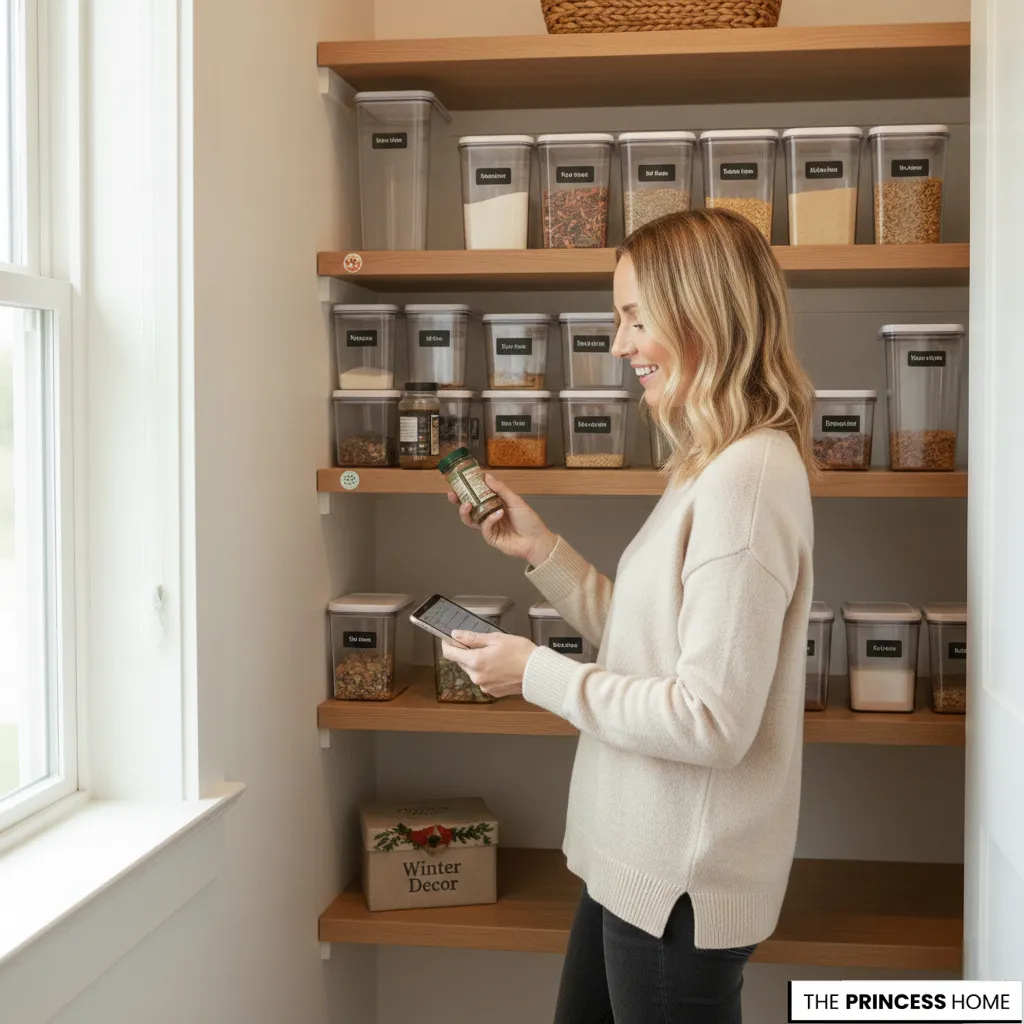
Adopt the daily one-touch rule by handling items only once—put them away immediately to prevent piles from forming. Each week, set aside five minutes to sweep a single clutter hotspot, keeping small areas under control before they grow.
On a monthly basis, revisit one category, such as clothes, pantry items, or hobbies, and remove anything unused or unnecessary. With each change of season, perform a seasonal reset by decluttering seasonal décor and gear.
This not only refreshes your space but also renews your mindset. Additionally, practice mindful acquisitions by adopting a “no-buy” approach for non-essential items, saving space, money, and mental energy.
These layered routines—daily, weekly, monthly, and seasonally—build lasting organization while keeping maintenance manageable and stress-free.
“When to Hire a Professional Declutterer?”
While DIY is great, you might need a pro if you are dealing with chronic hoarding, physical limitations, or a major life transition like downsizing. A professional declutterer provides the objective emotional distance needed to make hard decisions quickly.
Quick Checklist from a Professional Declutterer
- Keep items you use regularly
- Remove duplicates
- Let go of “fantasy self” items
- Use the one-in, one-out system
- Declutter by category, not by room
Final Thought
A professional declutterer doesn’t aim for perfection—they aim for clarity, function, and intention. By applying small daily habits and smart decision-making frameworks, you can create a home that supports your life instead of overwhelming it. Decluttering isn’t about having less—it’s about making room for what truly matters.
Here are some frequently asked questions related to the article :
1. How does a professional declutterer start decluttering?
Begin with a small, manageable category like socks or a single drawer. Use the One-Song Method: declutter for the length of one favorite song. This creates a quick win and builds momentum without the pressure of tackling an entire room at once.
2. What if I’m afraid to get rid of something I might need later?
Use the Sticker Test. Place a sticker on items you’re unsure about. If you haven’t used the item in six months and the sticker is still there, it’s likely safe to let it go. You can also store “maybes” in a labeled box and revisit them after a set period.
3. How do I handle sentimental items without feeling guilty?
Acknowledge the memory without keeping the clutter. Take a photo of the item, display one curated collection in a shadow box, or repurpose a meaningful piece into something useful. Keep only the most significant items that truly bring you joy.
4. Should I declutter by room or by category?
Professional organizers recommend tidying by category (e.g., all clothes, all books) rather than by room. This method helps you see the true volume of what you own and prevents duplicates from hiding in different spaces.
5. How often should I declutter to maintain a tidy home?
Incorporate small habits daily, like the 5-Minute Sweep and the One-Touch Rule. Perform a weekly edit of one hotspot and a seasonal reset for decor and gear. Consistency prevents clutter from accumulating again.
6. What are the best ways to donate or discard items responsibly?
- Blankets and linens: Local animal shelters or homeless outreach.
- Hotel toiletries: Community centers and shelters.
- Electronics: Certified e-waste recyclers or retailer take-back programs.
- Books: Little Free Libraries, hospitals, or schools.
- Clothes and household goods: Thrift stores or local buy-nothing groups.
7. How can I make my decluttered space look stylish, not empty?
Treat surfaces as vignettes. After clearing a space, style it with a few intentional items—like a small plant, a piece of art, or a decorative tray. Designers suggest using varied textures and heights to add depth while keeping the overall look clean and intentional.
The princess home on Pinterest