Bathroom humidity is more than a minor inconvenience. Left untreated, it leads to mold growth, peeling paint, unpleasant odors, damaged fixtures, and even health concerns. Whether you live in a small apartment or a luxury home, managing moisture is essential for comfort, hygiene, and durability. This article explores real bathroom humidity problems and offers practical, modern solutions—from simple daily habits to smart design upgrades—presented in a clear, inspiring, and actionable way.
Why Bathroom Humidity Is a Serious Problem
Bathrooms naturally generate moisture from hot showers, baths, and poor airflow. When humidity levels stay above 60%, the space becomes a breeding ground for mold, mildew, bacteria, and material decay. Over time, this can affect air quality, aesthetics, and even your home’s value.
Quality Exhaust Fan

A powerful, quiet exhaust fan is the most effective solution. Choose one sized correctly for your bathroom and run it for at least 20 minutes after showering. A high-quality exhaust fan should be sized based on your bathroom’s square footage (measured in CFM) to ensure efficient moisture removal without excessive noise. For best results, choose a model with a low sone rating and energy-efficient motor, as this improves daily comfort and encourages consistent use—key to long-term humidity control and mold prevention.
Humidity Sensor Fan

Modern smart fans with built-in humidity sensors automatically activate when moisture rises, providing consistent ventilation without relying on memory. Advanced models adjust runtime based on real-time humidity, saving energy while preventing overuse. Many also include quiet operation, night lights, and app connectivity, offering a convenient, user-friendly solution that protects walls, ceilings, and fixtures from long-term moisture damage.
Open Windows

If your bathroom has a window, open it during and after showers to release trapped steam naturally. Opening bathroom windows during and after showers allows trapped steam to escape naturally, reducing humidity buildup and preventing mold growth. For optimal airflow, create a cross-ventilation effect by slightly opening a door or a second window, which accelerates moisture removal while keeping your bathroom fresh and odor-free.
Open Bathroom Door

Leaving the bathroom door open after showers or baths promotes airflow into adjoining rooms, helping humidity dissipate faster and preventing moisture from lingering on walls and fixtures. Pairing this habit with an exhaust fan or a window slightly ajar maximizes ventilation, protecting surfaces from mold and extending the life of paint, grout, and cabinetry.
Use a Dehumidifier

Compact bathroom dehumidifiers are ideal for internal bathrooms or high-humidity climates. Compact dehumidifiers are perfect for bathrooms without windows or in high-humidity regions, efficiently extracting excess moisture from the air. Choosing a model with an automatic shut-off and adjustable humidity settings ensures consistent control, prevents mold growth, and keeps the space comfortable without constant monitoring.
Moisture-Resistant Paint

Using anti-mold and mildew-resistant paint safeguards bathroom walls and ceilings from moisture damage while keeping surfaces visually appealing. For best results, apply multiple coats with proper primer, and consider paints with antimicrobial properties to enhance long-term protection and maintain a healthier indoor environment.
Humidity-Resistant Materials

Selecting humidity-resistant materials like porcelain tiles, natural stone, PVC panels, and treated wood ensures your bathroom withstands moisture without warping, staining, or promoting mold growth. Combining these durable surfaces with proper sealing and ventilation creates a long-lasting, low-maintenance space that stays both functional and visually appealing.
Dry Wet Surfaces

Wiping down shower walls, glass doors, and floors right after use prevents water from lingering, reducing the risk of mold, mildew, and water stains. Using a squeegee or microfiber cloth makes this quick and easy, keeping surfaces spotless while supporting overall bathroom hygiene and longevity.
Fabric Shower Curtains

Fabric shower curtains can trap moisture, creating an ideal environment for mold and mildew. Upgrade to mold-resistant liners or switch to glass shower enclosures for a cleaner, more hygienic bathroom that’s easier to maintain and visually modern.
Improve Natural Lighting

Natural sunlight helps reduce bathroom dampness by drying surfaces and inhibiting mold growth. Installing frosted windows, skylights, or light tubes brightens the space while maintaining privacy, creating a healthier, more inviting environment that feels fresh and airy.
Grout and Tile Joints

Unsealed grout and tile joints easily absorb moisture, promoting mold and mildew growth over time. Applying a high-quality sealant and resealing at least once a year provides long-term protection, keeps tiles looking fresh, and prevents costly repairs caused by water damage.
Fix Leaks Promptly

Even small leaks under sinks, around faucets, or behind walls can significantly raise bathroom humidity and encourage mold growth. Addressing leaks immediately not only protects your surfaces and cabinetry but also improves air quality and prevents costly structural damage over time.
Plants Absorb Moisture

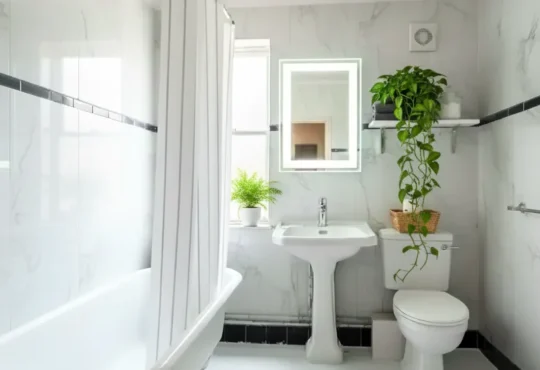
Certain indoor plants, such as peace lilies, Boston ferns, and spider plants, naturally absorb excess moisture from the air, helping to regulate humidity levels. Beyond their functional benefits, they add greenery and a calming, fresh atmosphere, making your bathroom both healthier and more visually appealing.
Hanging Wet Towels

Hanging wet towels inside the bathroom traps moisture, increasing humidity and promoting mold growth. Instead, dry towels in a well-ventilated area or use heated towel racks to keep them dry, reducing dampness and maintaining a cleaner, fresher bathroom environment. These dry towels quickly and reduce excess moisture in the air.
Consistent Room Temperature

Maintaining a consistent bathroom temperature helps prevent condensation from forming on walls, mirrors, and tiles after hot showers. Using underfloor heating or a thermostat-controlled heater creates stable warmth, reducing lingering moisture while improving comfort and protecting finishes from mold and long-term damage.
Design with Minimalism

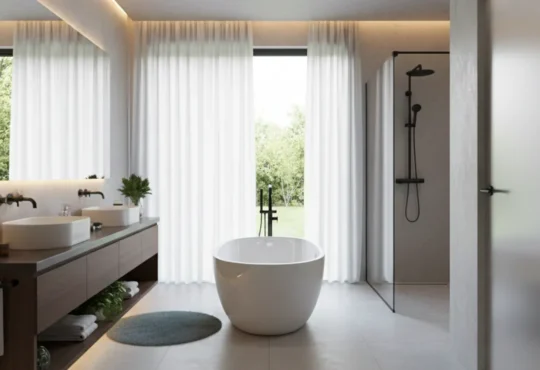
Minimalist bathroom design naturally supports better moisture control by allowing air to circulate freely around surfaces. Floating vanities, streamlined fixtures, and thoughtfully spaced open shelving reduce hidden damp areas, making the space easier to dry, cleaner to maintain, and visually calm—an ideal balance of function and modern style.
The Long-Term Benefits of Controlling Bathroom Humidity
Proper humidity control protects your health, preserves finishes, prevents costly repairs, and keeps your bathroom fresh and luxurious. It also improves indoor air quality and supports a more sustainable home environment.
Conclusion
Bathroom humidity problems are common—but entirely solvable. With the right combination of smart ventilation, moisture-resistant materials, daily habits, and modern technology, you can transform your bathroom into a clean, healthy, and long-lasting space. These practical solutions offer a balanced approach that works for both new homes and existing bathrooms, proving that comfort and functionality can coexist beautifully.
Here are some frequently asked questions related to the article :
1. What is the ideal humidity level for a bathroom?
The ideal bathroom humidity level is between 40% and 60%, which prevents mold growth while maintaining comfort.
2. Can bathroom humidity cause health problems?
Yes. Prolonged exposure to mold and mildew caused by high humidity can trigger allergies, asthma, and respiratory issues.
3. Is an exhaust fan enough to control humidity?
In most cases, yes—if it’s properly sized and used consistently. However, windowless bathrooms may need additional support like a dehumidifier.
4. How can I reduce bathroom humidity naturally?
Open windows, increase airflow, wipe surfaces dry, and use moisture-absorbing plants or natural absorbers like charcoal.
5. What materials are best for humid bathrooms?
Porcelain tiles, sealed stone, PVC panels, stainless steel, and moisture-resistant paints perform best in high-humidity conditions.
6. How often should I clean mold-prone areas?
At least once a week, focusing on grout lines, corners, and areas with limited airflow.
7. Can bathroom design affect humidity levels?
Absolutely. Open layouts, floating fixtures, minimal clutter, and good lighting all improve airflow and reduce moisture retention.
The princess home on Pinterest