In the pursuit of creating beautiful living spaces, homeowners often invest in decorative items that catch the eye but become maintenance nightmares over time. We’ve consulted with leading interior designers to identify the most challenging decorative pieces and provide practical, stylish alternatives that deliver the same visual impact without the ongoing hassle.
The Hidden Cost of Beautiful Decor
We’ve all been there falling in love with a stunning decorative piece at a boutique or scrolling through Pinterest and dreaming of that perfect Instagram-worthy room. But what happens when the romance fades and the reality of maintenance sets in? According to interior designers, some of the most beautiful decorative items can become the biggest headaches in your home. The good news? There are brilliant alternatives that deliver the same visual impact without the ongoing stress.
Decor Regret List
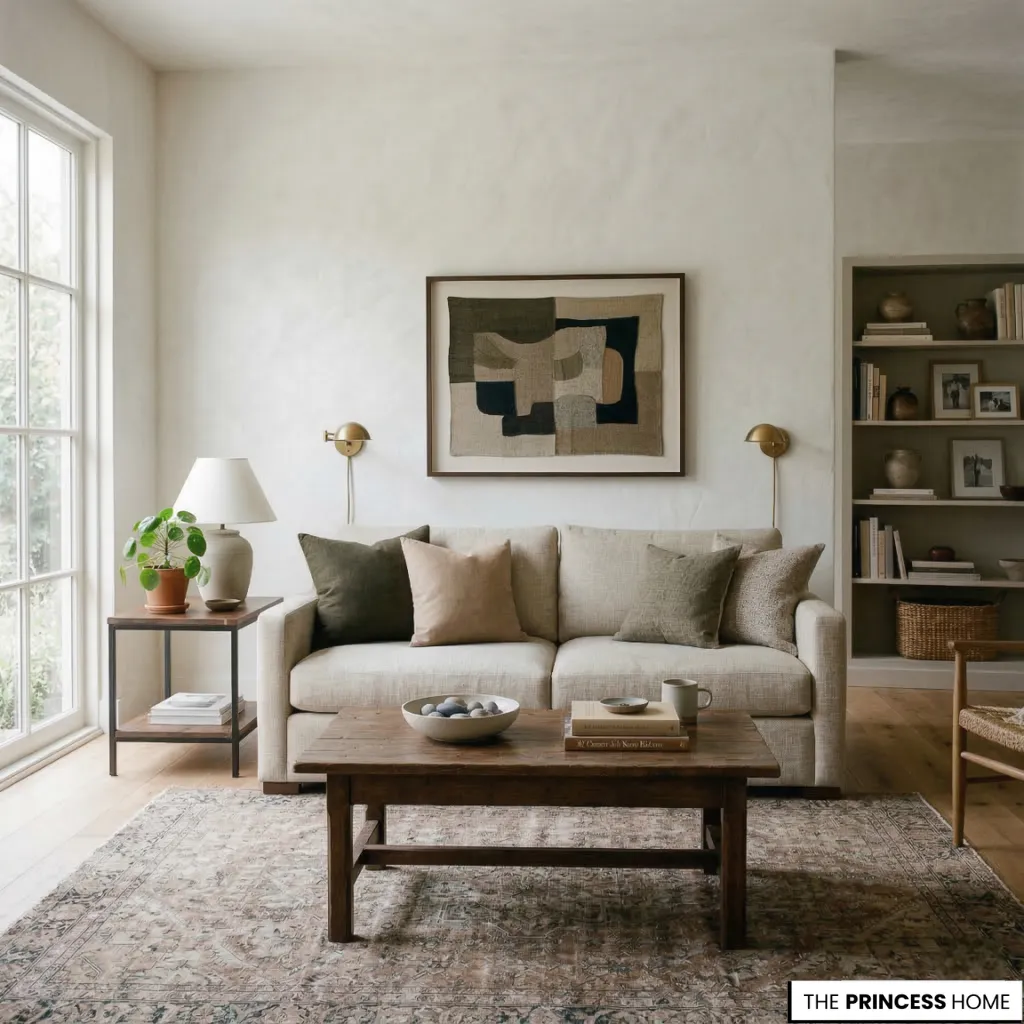
Some decorative items look stunning in magazines but quickly become a maintenance nightmare in real homes. Designers like Kelly Wearstler often point out that overly elaborate décor can create visual clutter and require constant upkeep, turning beauty into daily work.
Meanwhile, Nate Berkus frequently advises homeowners to prioritize meaningful, practical pieces instead of filling rooms with fragile or dust-collecting accents. Even design minimalist Bobby Berk notes that trendy decorative items like oversized gallery walls or delicate crystal accessories may photograph well but rarely fit the rhythm of everyday living.
The smarter approach is choosing fewer, more durable pieces that still express personality without demanding constant cleaning or rearranging. In modern interior design, the most beautiful homes are not the most decorated they are the ones thoughtfully edited to make daily life easier and calmer.
1. Delicate Crystal Chandeliers
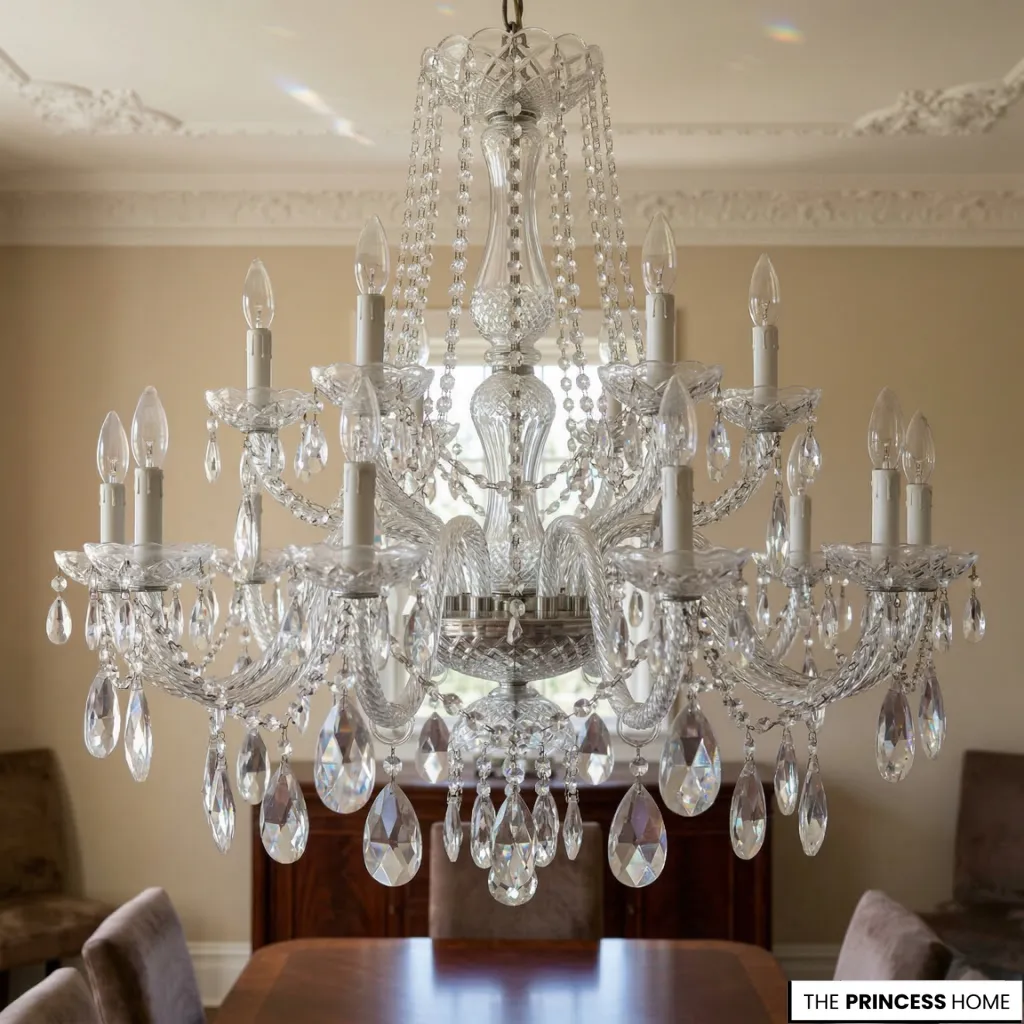
Delicate crystal chandeliers may look glamorous, but they are among the most high-maintenance decorative items you can bring into a home. Dust clings to every crystal, fingerprints dull the shine, and restoring that sparkle often means carefully cleaning dozens or even hundreds of tiny pieces one by one.
The process can take hours and sometimes requires ladders, special cleaning sprays, or professional services to avoid damaging the fixture. Crystal chandeliers are the divas of lighting,” notes Sarvin B from Decorilla. “They demand constant attention and professional cleaning to maintain their brilliance, which can cost hundreds annually.”
LED pendant lights
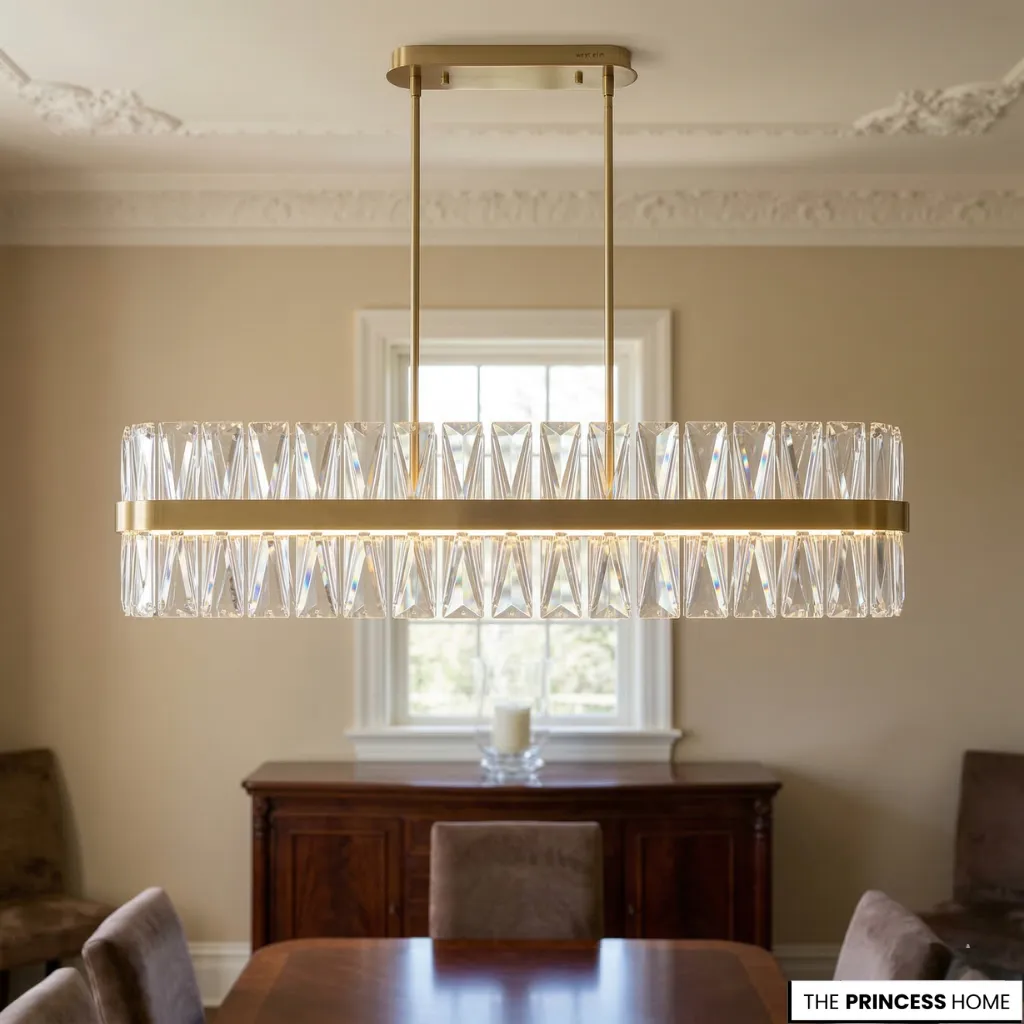
Today’s designers often recommend sleek LED pendant lights with crystal-effect acrylic diffusers. These modern fixtures deliver a similar shimmer and elegance while requiring nothing more than a quick wipe to stay clean. Stylish options from brands like West Elm and Restoration Hardware prove that you can achieve dramatic lighting without the high-maintenance routine.
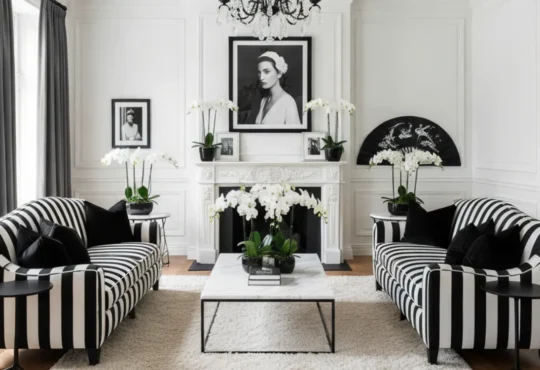
2. White Marble Surfaces
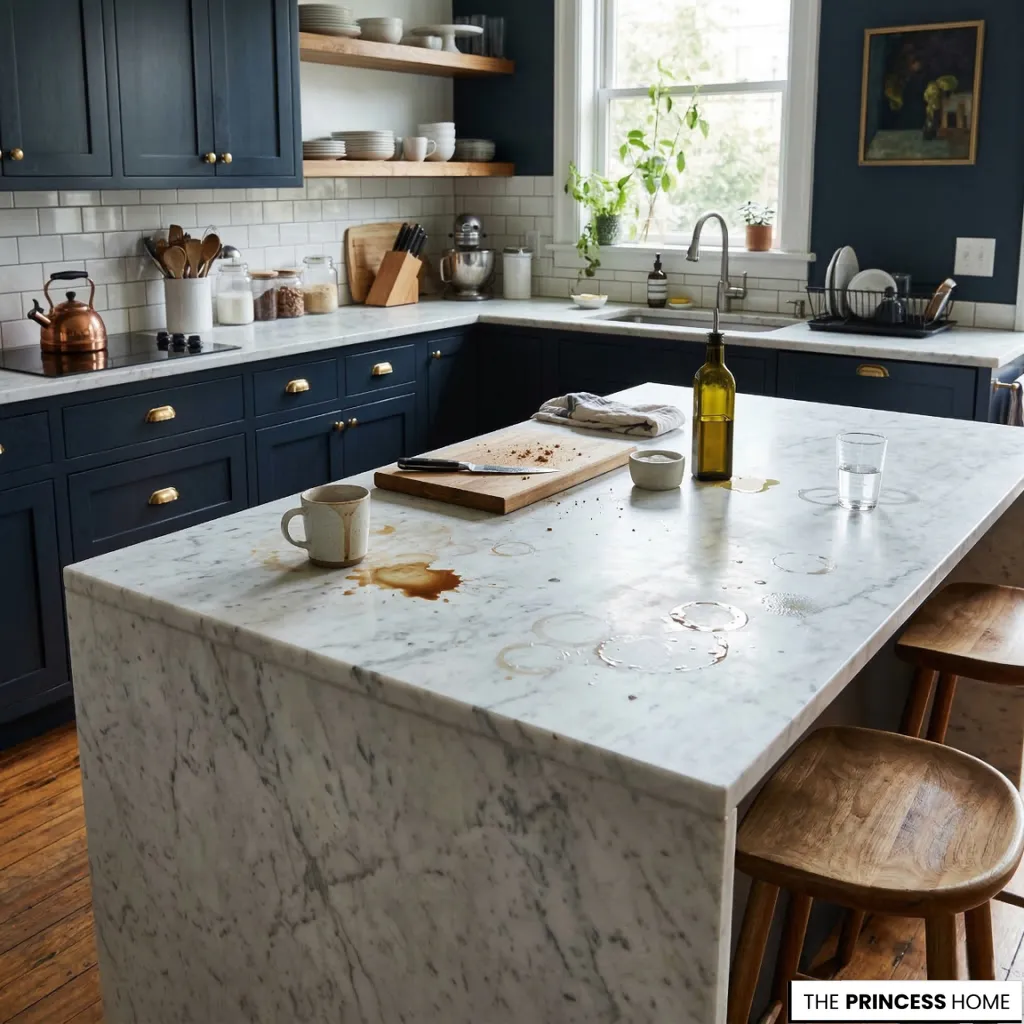
White marble exudes luxury, but it’s notoriously high-maintenance. It stains easily, needs regular sealing, and instantly reveals dust, water rings, or even tiny spills. That morning coffee drip? Without immediate attention, it can leave a permanent mark, making this classic decorative item less practical for everyday living.
Interior designer Danielle Balanis compares white marble to “a high-maintenance relationship beautiful but demanding,” noting she only specifies it for clients who either have housekeeping support or understand the constant care required. Designers like Nate Berkus also caution that while marble elevates a space visually, its upkeep often outweighs its aesthetic benefits for most homeowners.
Engineered Stone Countertops
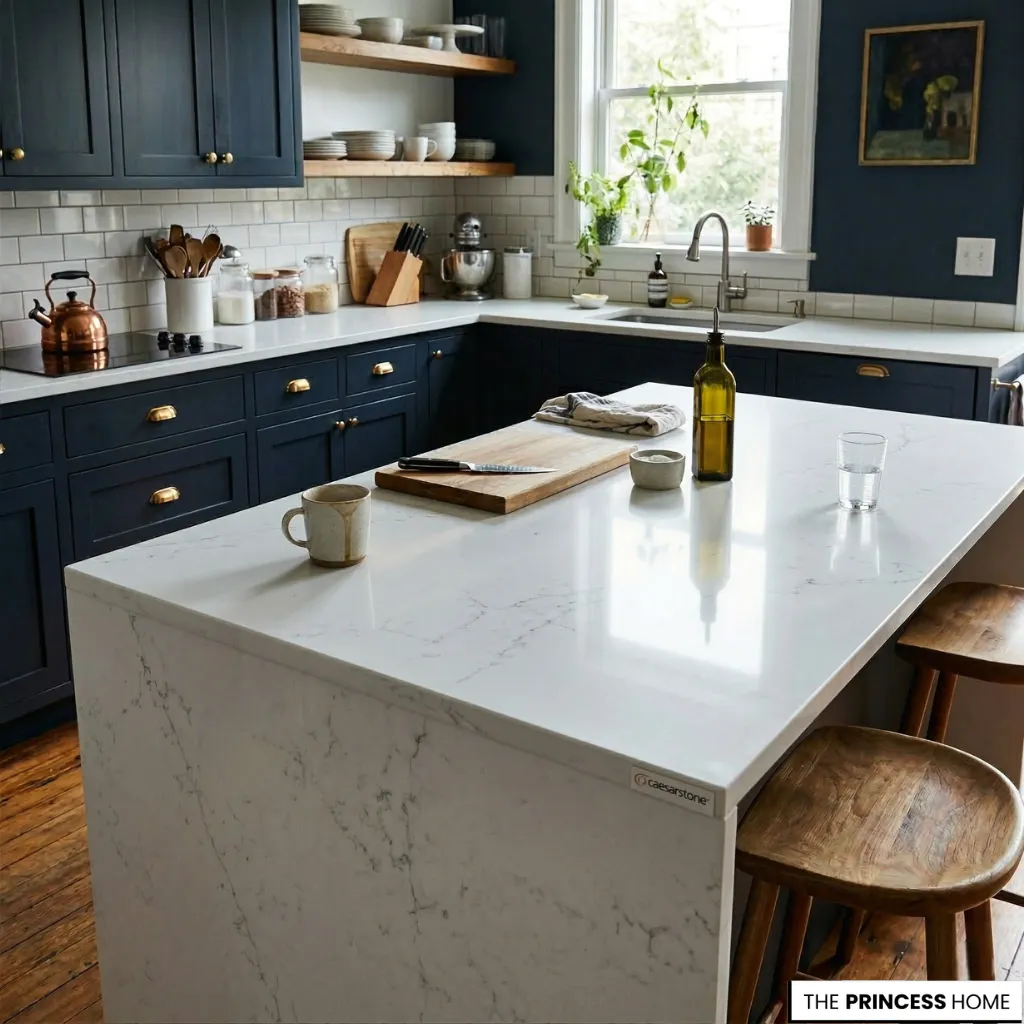
Durable quartz or engineered stone countertops mimic marble’s veined elegance but resist stains, scratches, and daily wear. Brands such as Caesarstone and Silestone offer low-maintenance options that keep the luxury look without the constant worry.
3. Silk Curtain Struggles
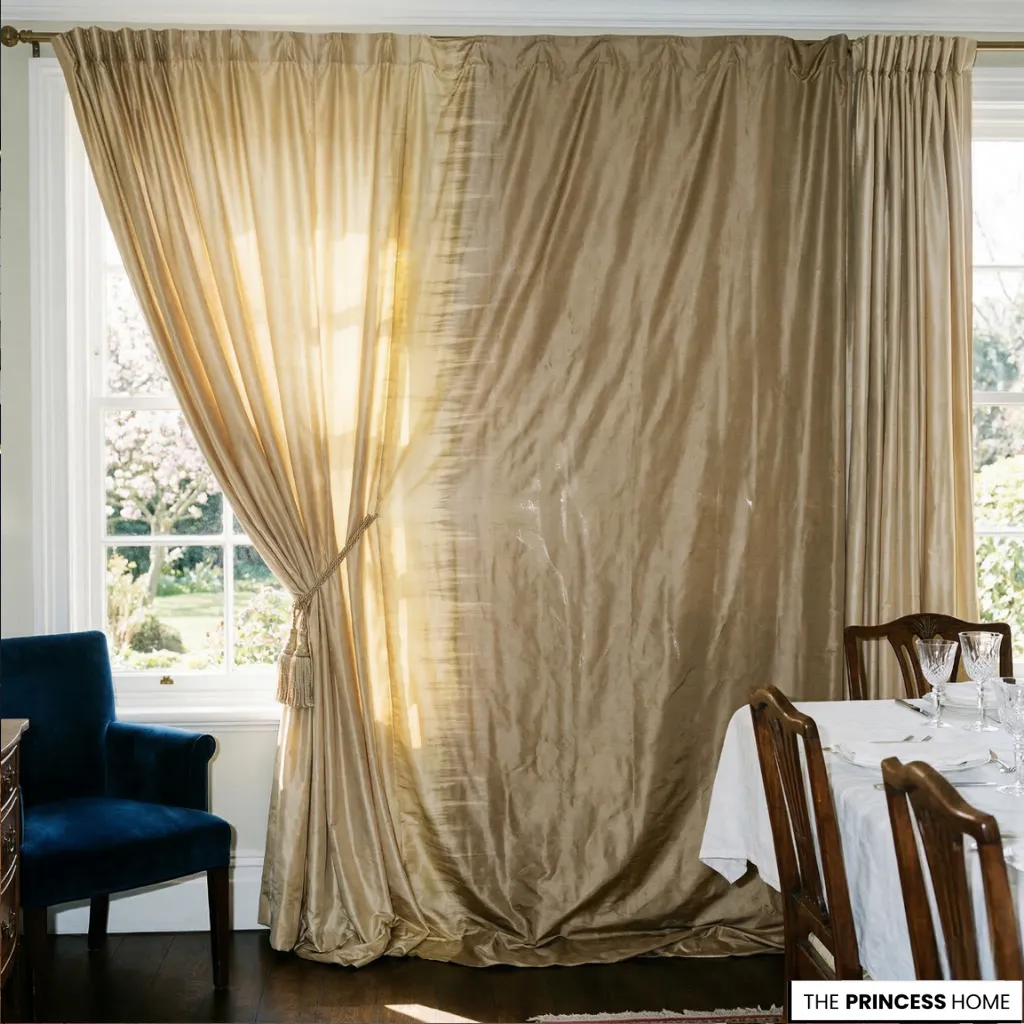
Silk draperies look undeniably elegant, but they’re among the most delicate decorative items in interior design. Natural silk fades quickly in sunlight, stains easily, and usually requires professional dry cleaning instead of simple washing. In bright rooms, those luxurious floor to ceiling panels can begin to yellow or lose their vibrancy within months.
Interior designer Lucy Hammond Giles explains that silk curtains are “the equivalent of wearing a ballgown every day beautiful but impractical for most lifestyles.” She notes that many homeowners end up replacing expensive silk drapes within just a few years because of fading and wear.
Modern Silk Alternatives
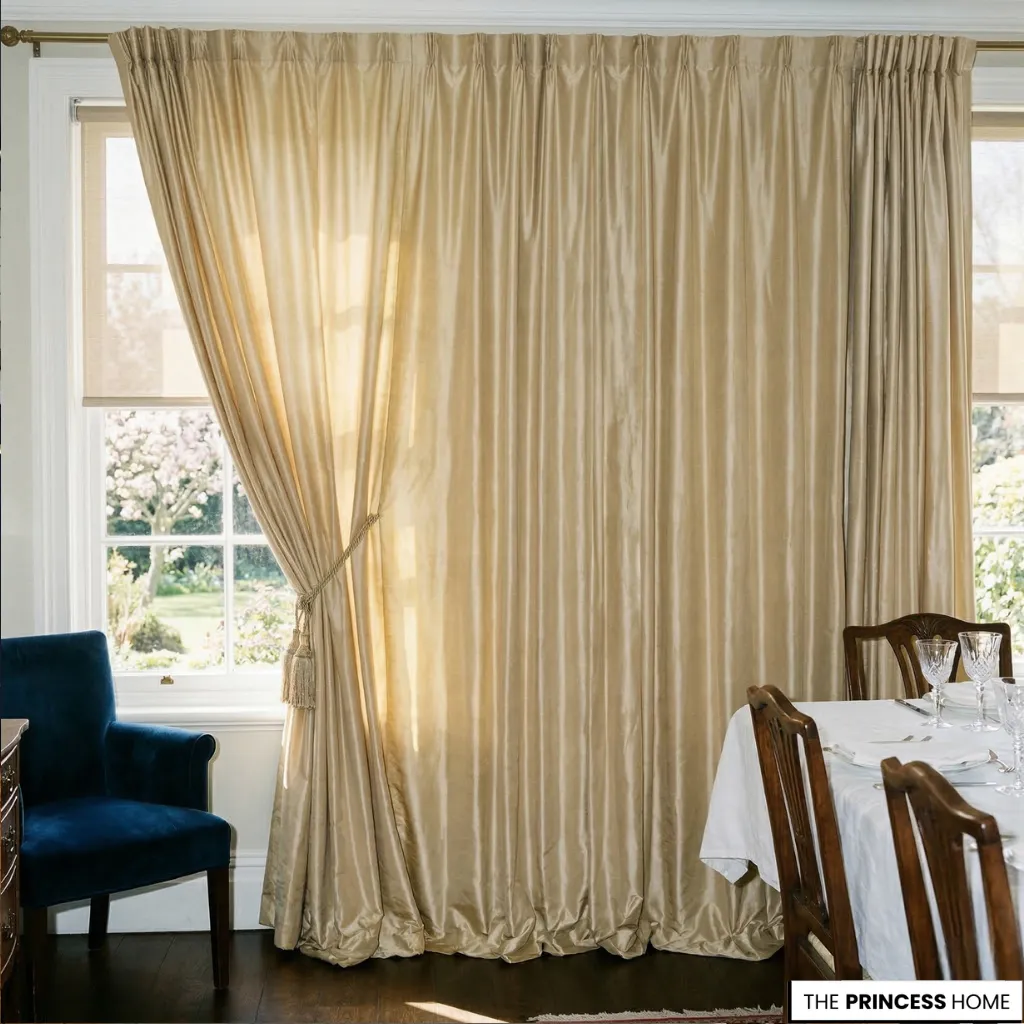
Many designers now recommend high-performance faux silk fabrics that replicate the sheen and drape of natural silk while offering durability and UV resistance. Textile houses such as Schumacher and Kravet produce washable options designed for real homes. For an even lower-maintenance solution, modern solar shades with a subtle silk-like finish provide elegance while protecting interiors from harsh sunlight.
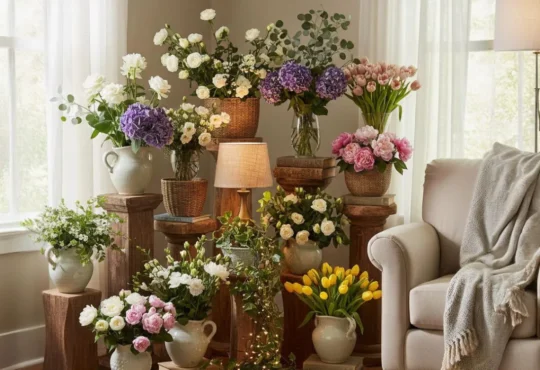
4. Fresh Flower Arrangements
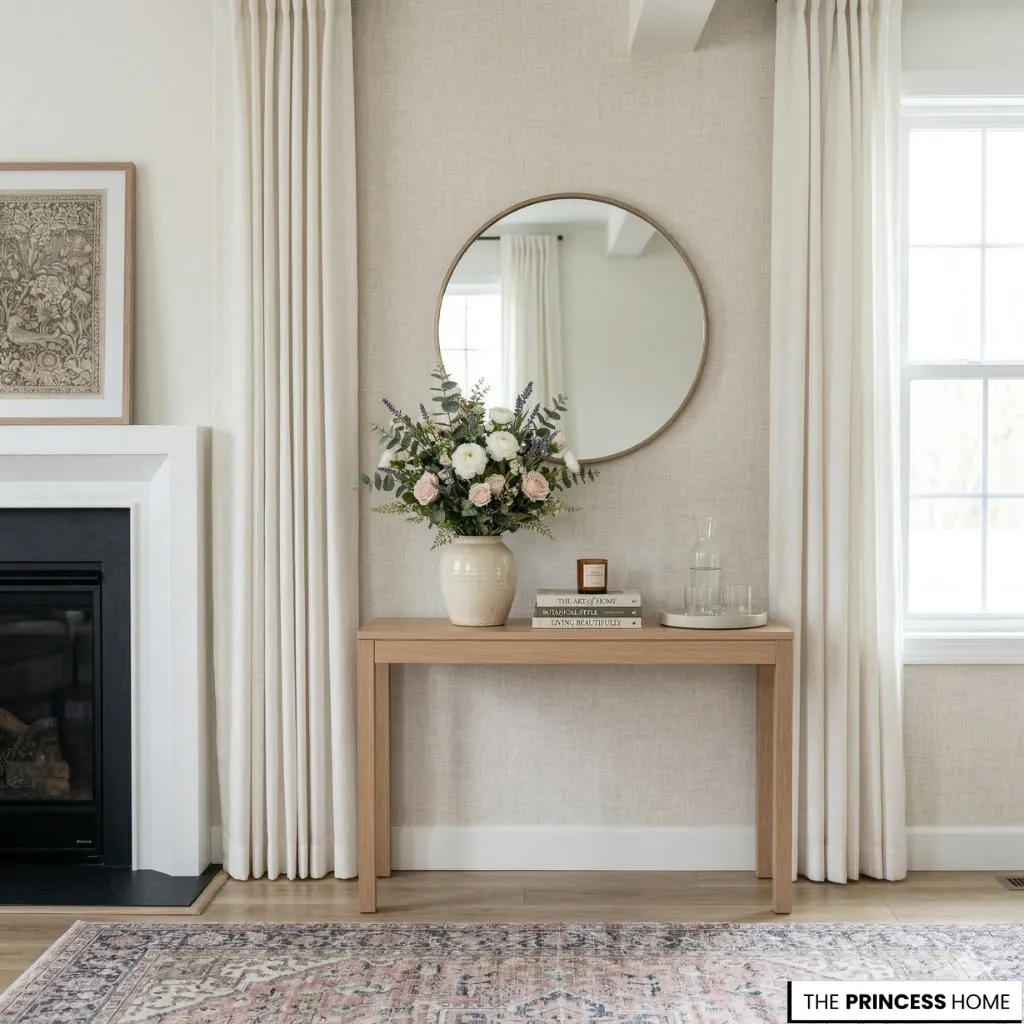
Fresh flower arrangements are undeniably beautiful, but they can be one of the most demanding decorative items in a home. They require constant replacement, can trigger allergies, and typically wilt within just a few days. Over time, the cost of regularly buying bouquets adds up quickly, turning what seems like a small decorative touch into an ongoing expense.
Interior designer Cheryl Clendenon describes fresh flowers as “renting beauty,” explaining that while they’re perfect for celebrations or hosting guests, they’re rarely practical as everyday décor. Meanwhile, Zoë Feldman notes that many modern homes now rely on high-quality artificial botanicals that provide long-lasting style without constant upkeep.
Faux Plant Guide
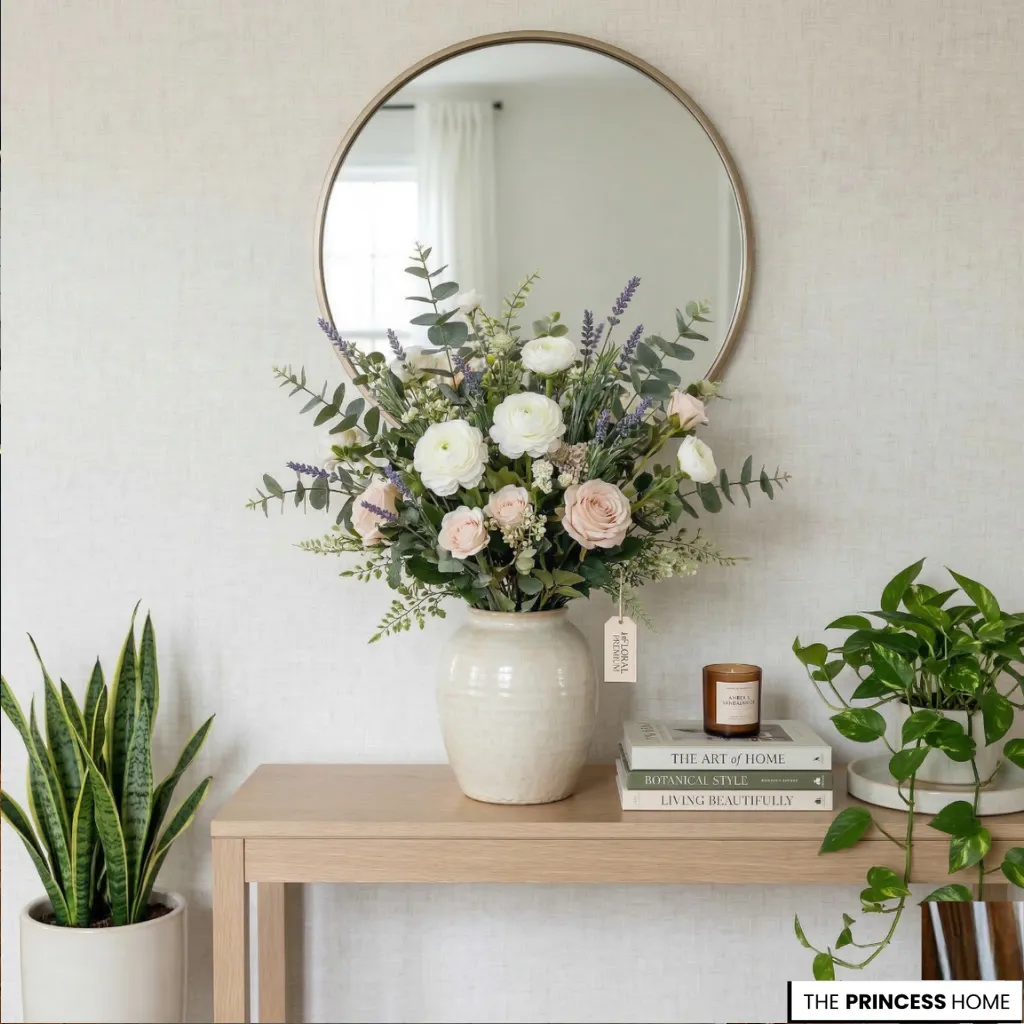
Today’s premium faux botanicals are surprisingly realistic and can last for years with minimal care. Designers often recommend sourcing them from brands like Afloral or Nearly Natural. For a balanced look, combine a few lifelike artificial arrangements with hardy real plants such as snake plants or pothos creating a fresh, stylish space without the endless maintenance.
5. Antique Persian Rugs
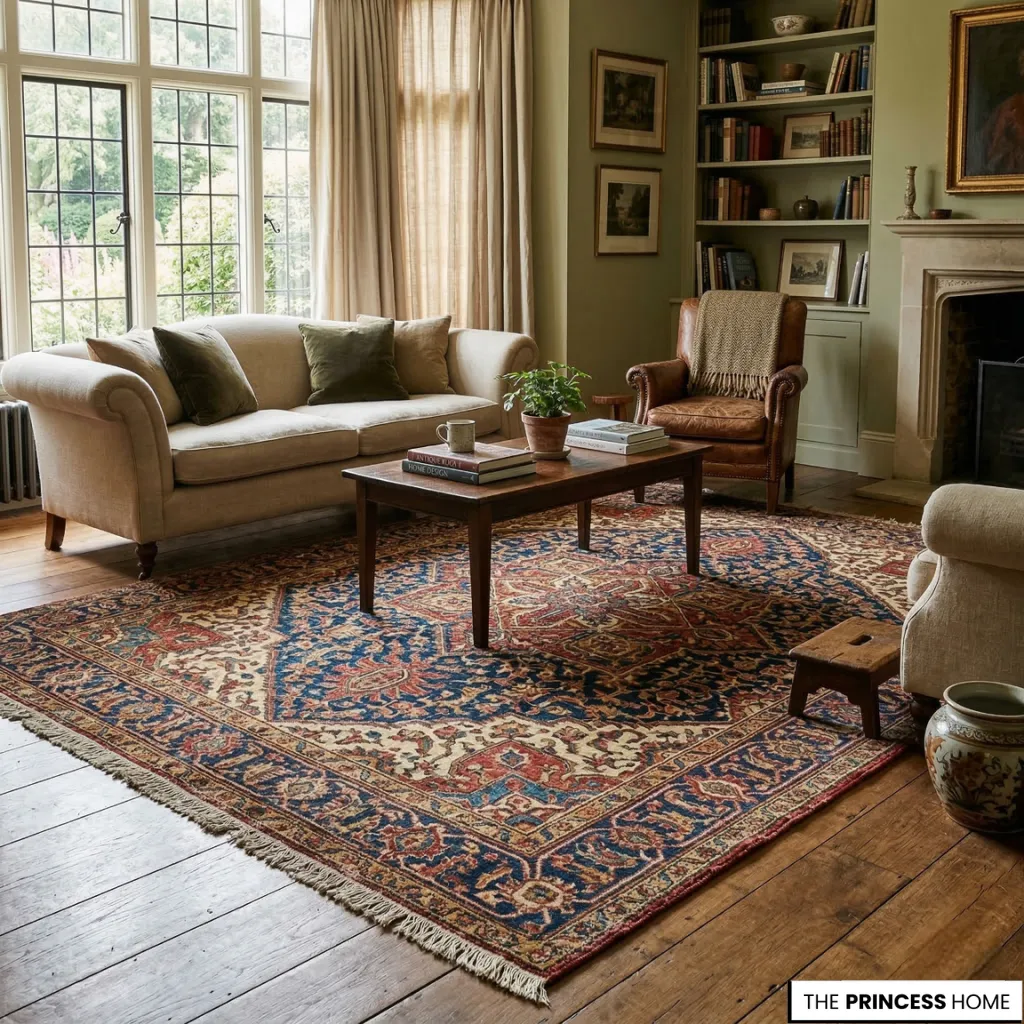
Antique rugs are often considered heirloom decorative items, but their beauty comes with strict care requirements. These investment pieces typically need specialized cleaning, are highly sensitive to sunlight, and shouldn’t be placed in high-traffic areas. Even a small spill or pet accident can lead to expensive professional restoration that may cost thousands.
Design expert Sophie Salata explains that antique rugs can sometimes feel more like museum artifacts than practical home décor. She notes that many homeowners become so worried about damaging them that they stop using the room normally turning the rug into untouchable art rather than a functional design element.
Practical Vintage Rugs
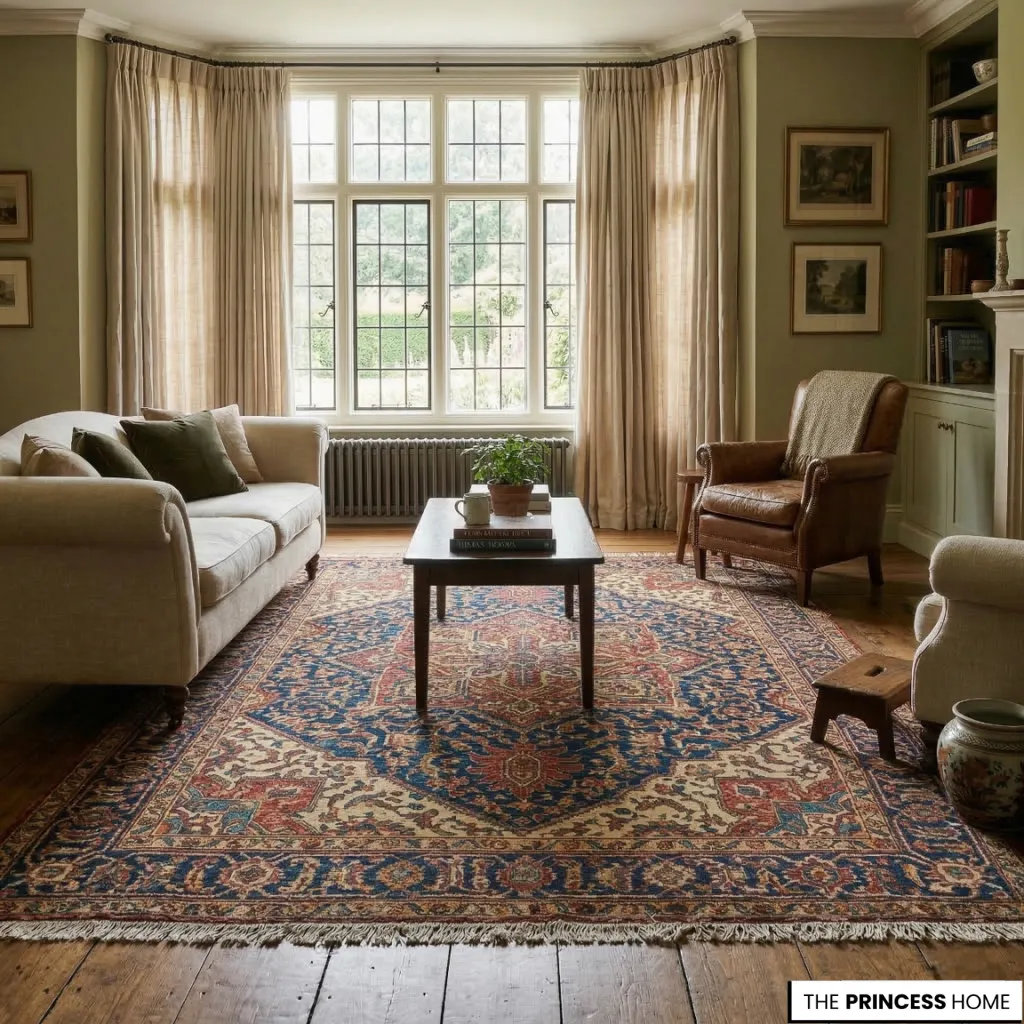
Vintage-inspired rugs provide the same timeless aesthetic without the stress. Modern brands like Loloi and Surya create rugs with stain-resistant fibers and durable construction designed for everyday living. Many can be cleaned using standard household methods, allowing you to enjoy classic style without treating your living room like a gallery.
6. Ornate Mirror Trouble
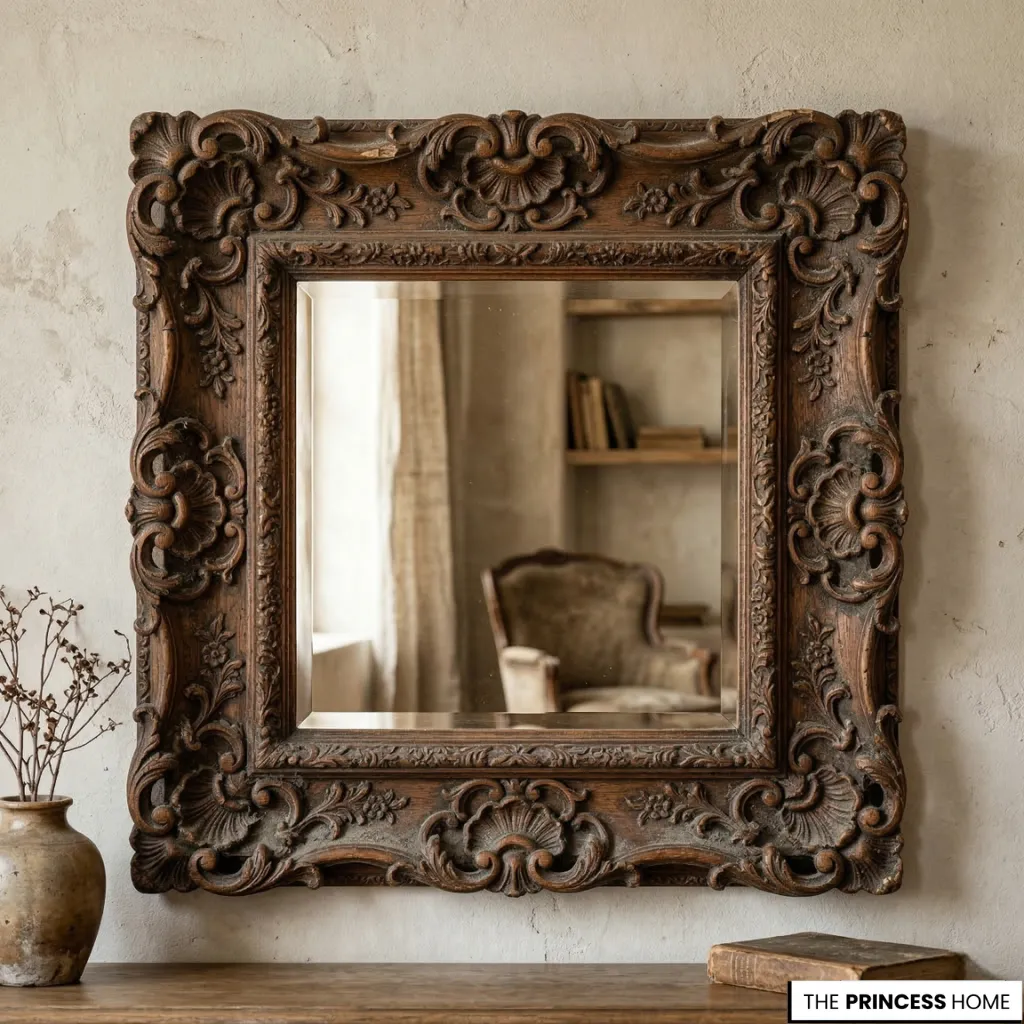
Intricately carved mirror frames may look impressive at first glance, but they can quickly become some of the most frustrating decorative items to maintain. Every groove and carved detail collects dust, making regular cleaning time-consuming and often ineffective. Over time, the delicate ornamentation can chip, crack, or loosen, sometimes requiring costly professional repairs.
Interior designer Olivia Botrie explains that while statement mirrors can elevate a room, excessively ornate frames often become “dust magnets that are nearly impossible to clean properly.” She notes that many homeowners regret these pieces once they realize how difficult they are to maintain.
Stylish Mirror Alternatives
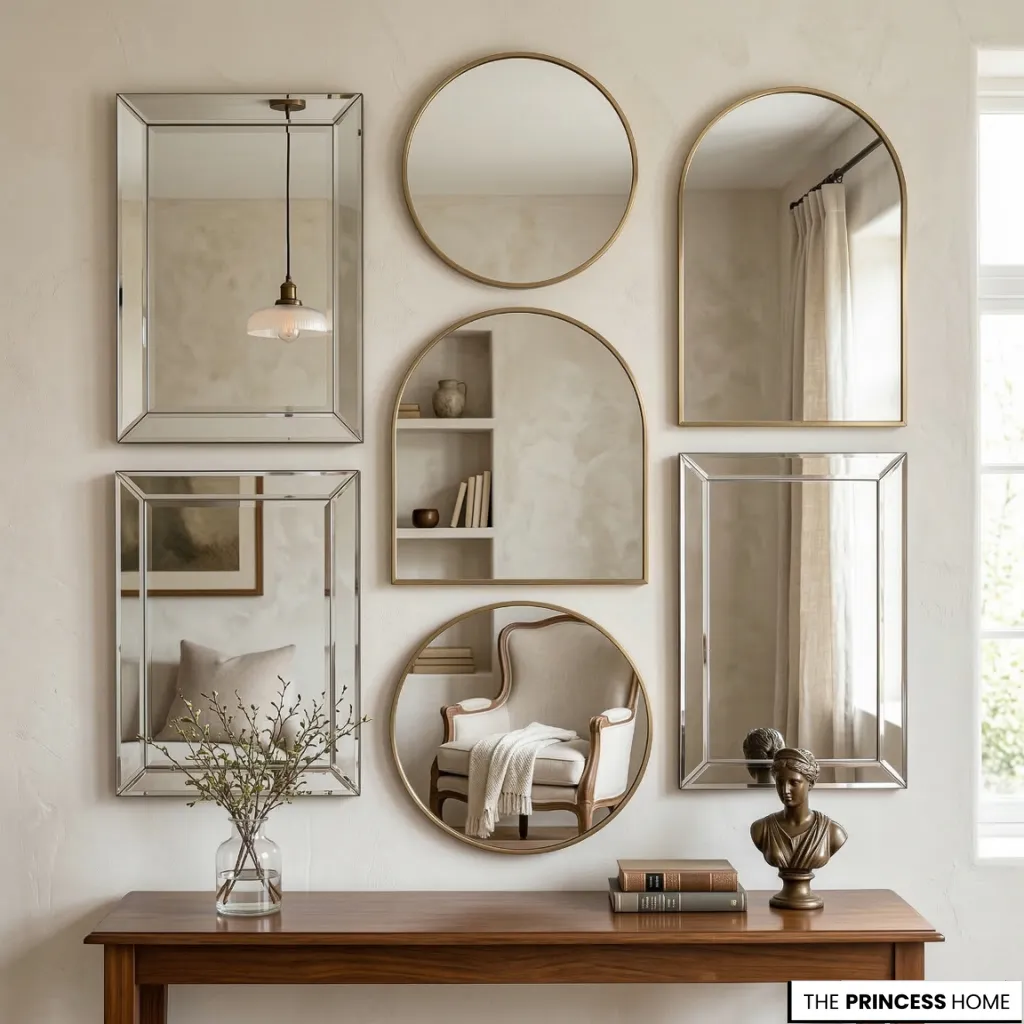
Designers increasingly recommend frameless beveled mirrors or mirrors with slim metal frames that still reflect light beautifully but are far easier to clean. For added visual impact, you can also create a curated arrangement of multiple mirrors an approach often favored by designers like Emily Henderson because each mirror can be cleaned individually while creating a striking gallery-style focal point.
7. Delicate Glass Shelving
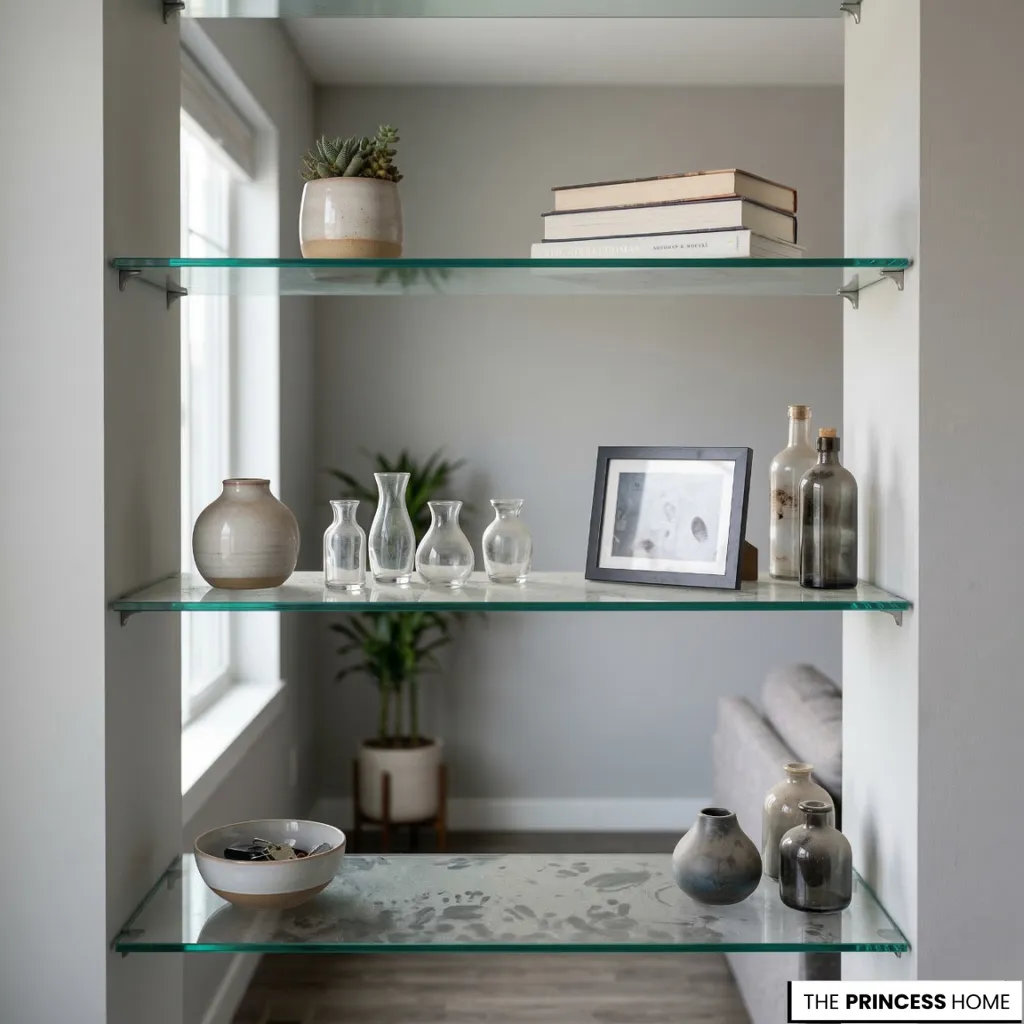
Glass shelves may look sleek and modern, but they quickly become some of the most demanding decorative items in a home. Every fingerprint, dust particle, and smudge shows instantly on the transparent surface. They can also crack under excessive weight, and keeping them streak-free often requires special glass cleaners and constant polishing.
Interior designer Kathryn M. Ireland compares glass shelving to “wearing white every day beautiful in theory but impractical in real life.” She notes that many homeowners end up replacing them within months because the constant maintenance becomes frustrating.
Practical Shelf Solutions
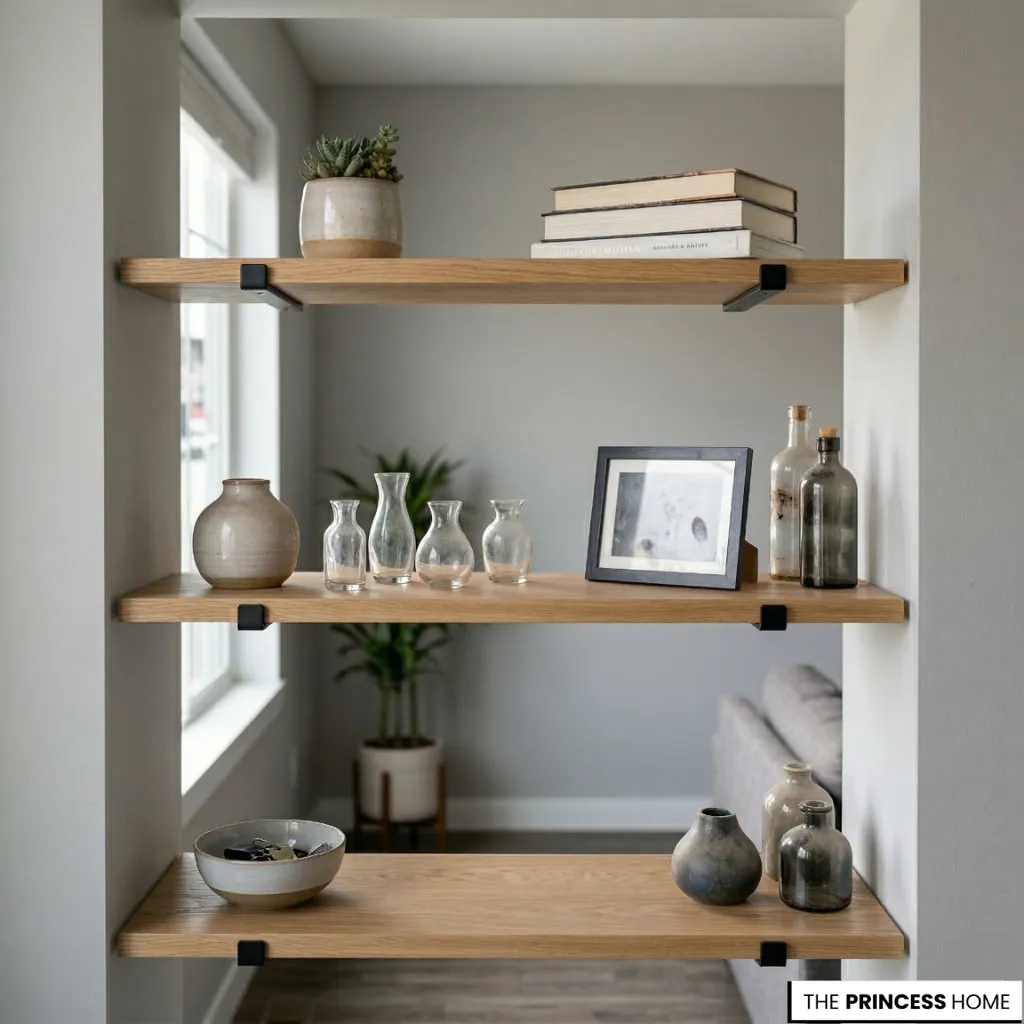
Designers often recommend floating wooden shelves with natural finishes or matte black metal brackets, which provide the same airy floating effect while adding warmth and durability. For homeowners who love the transparent look, acrylic shelves offer a similar style but tend to hide fingerprints better and resist breakage making them a smarter, low-maintenance design choice.
8. White Rug Regret
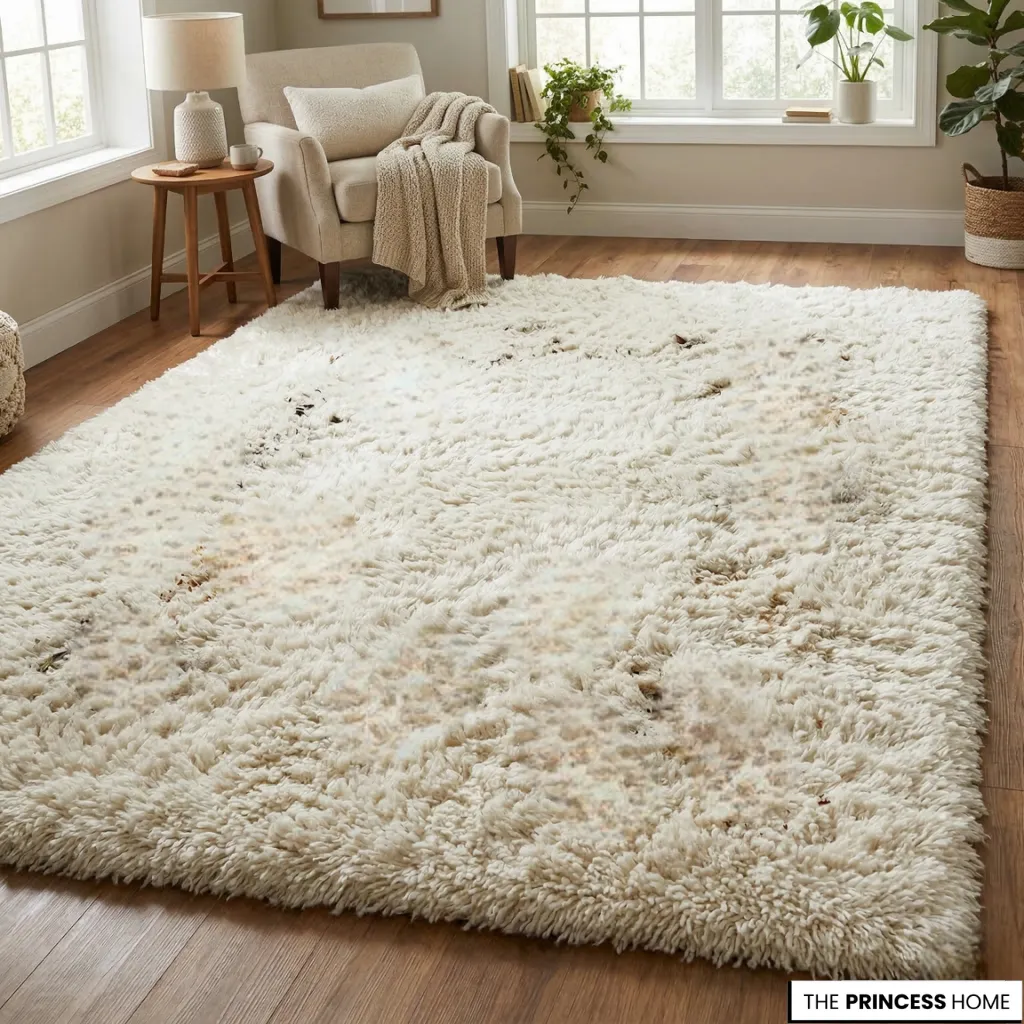
White high-pile rugs look luxurious and soft underfoot, but they can quickly become one of the most stressful decorative items in a busy home. Their light color highlights every speck of dust, pet hair, or footprint, and spills tend to soak deep into the thick fibers. Because debris gets trapped inside the pile, cleaning often requires professional extraction rather than simple vacuuming.
Design expert Sophie Salata calls white rugs one of the most common sources of homeowner regret. She explains that while they photograph beautifully, they often look pristine for only a short time before becoming a constant cleaning concern.
Practical Light Rugs
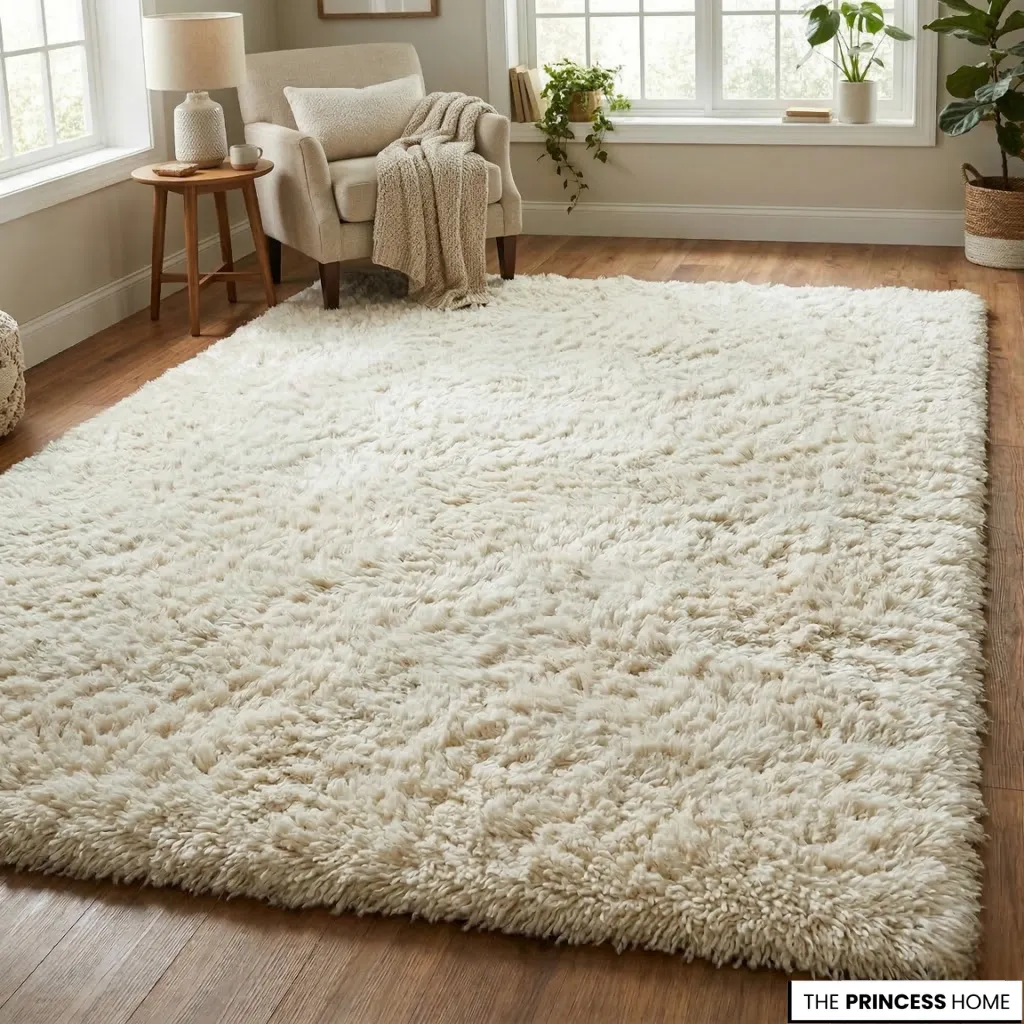
Many designers recommend low-pile rugs in subtle patterns or natural tones that hide everyday wear while still keeping the room bright. Materials like wool or durable nylon blends with stain-resistant treatments are especially practical for active households. If you love the airy aesthetic of light rugs, soft gray or beige patterned designs can deliver the same visual lightness while cleverly camouflaging dirt and daily use.
9. Brass Fixture Burden
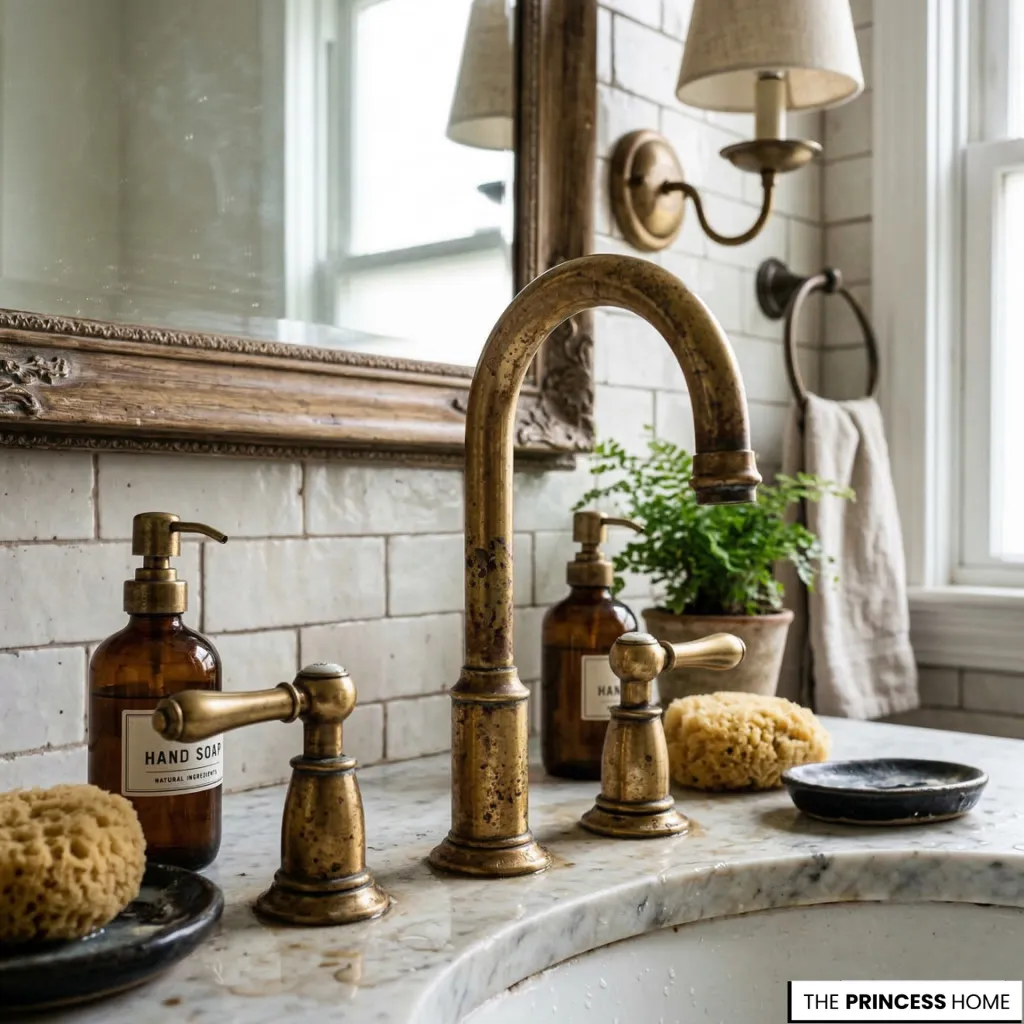
Unlacquered brass fixtures bring warmth and vintage charm to interiors, but they can quickly become some of the most demanding decorative items in kitchens and bathrooms. Because the metal is unprotected, it naturally tarnishes and develops dark spots over time. With constant exposure to moisture, soap residue, and fingerprints, maintaining a polished shine often requires frequent cleaning and polishing.
Interior designer Erin Shakoor explains that unlacquered brass is “beautiful but demanding.” She notes that she usually recommends it only for clients who appreciate the evolving patina that develops with age, rather than those expecting the fixture to remain shiny and pristine.
Durable Brass Finishes
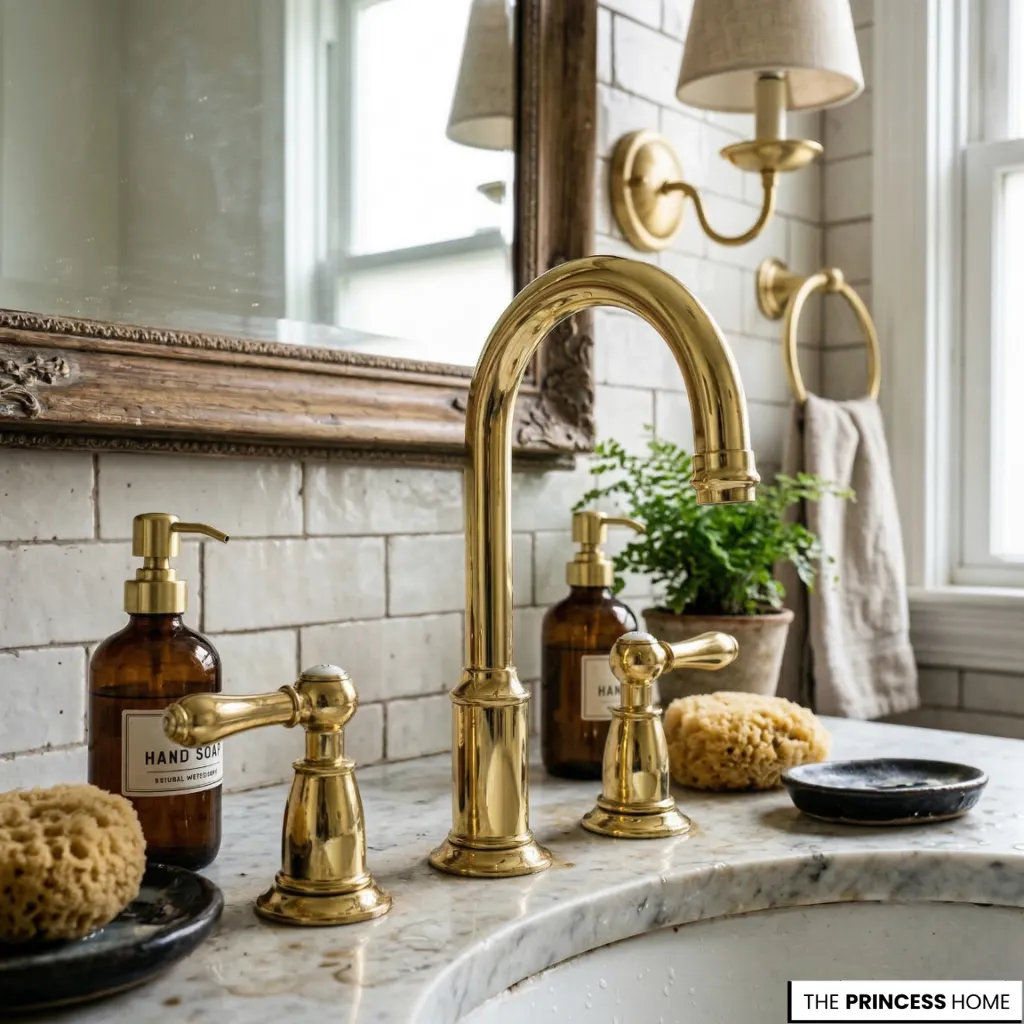
Many designers now prefer PVD-coated brass fixtures, which offer the same warm golden tone but resist tarnishing and require far less maintenance. Durable finishes like matte black or brushed nickel are also popular choices because they hide fingerprints and water spots more effectively making them ideal for high-use spaces like kitchens and bathrooms.
10. Curtain Layer Chaos
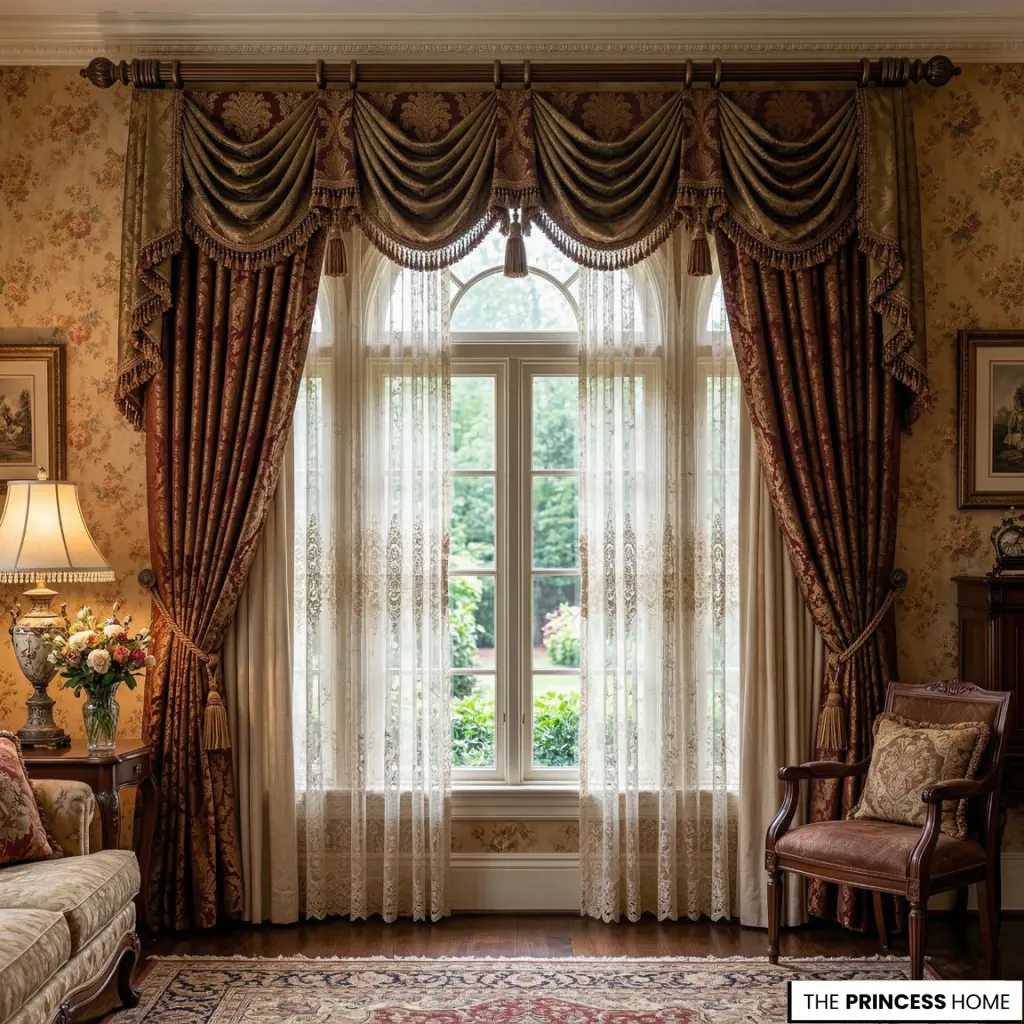
Layered window treatments—featuring valances, sheers, and heavy drapes may look luxurious, but they are among the most difficult decorative items to maintain. Each fabric layer traps dust, allergens, and odors, and cleaning them often requires removing multiple pieces and sending them for professional dry cleaning. Over time, this maintenance becomes costly and inconvenient.
Interior designer Lucy Hammond Giles notes that complicated window treatments are gradually falling out of favor. According to her, modern interiors are moving toward simpler solutions where fabric panels act as architectural elements rather than overly decorative layers.
Modern Window Treatments
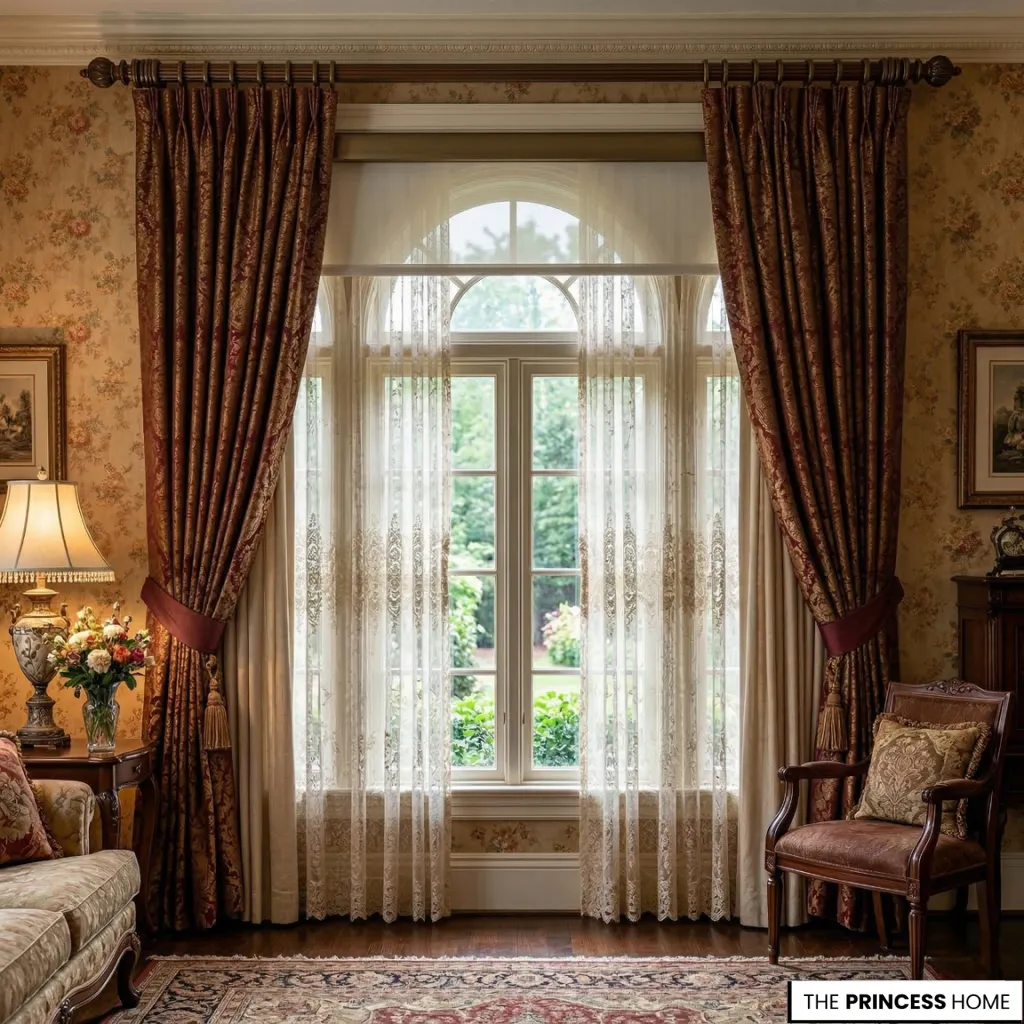
Many designers now recommend single-layer curtain panels or elegant portières fabric panels that can divide spaces while remaining easy to clean and maintain. For an even more practical solution, homeowners are turning to motorized shades that retract completely when not in use, reducing dust buildup while keeping the window design clean, modern, and functional.
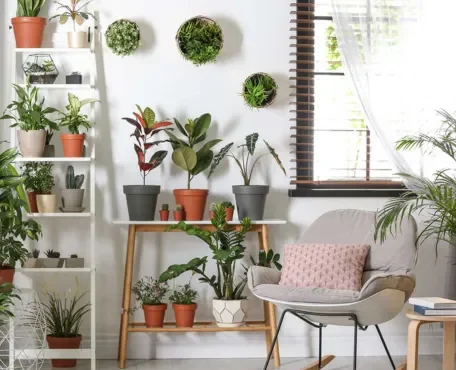
11. Stress Free Plant Care
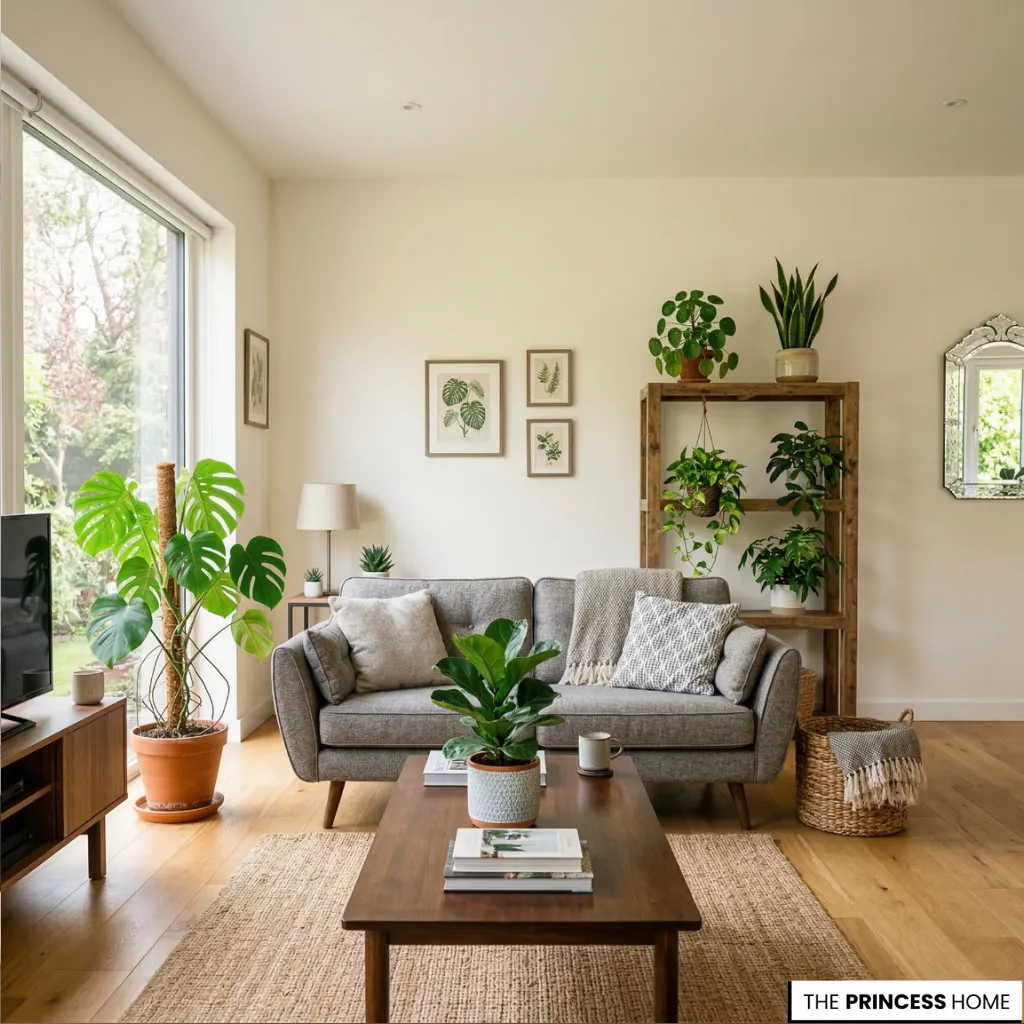
Many homeowners love the idea of greenery but struggle with the upkeep of traditional plants. Overwatering, poor lighting, and inconsistent care often turn living plants into another stressful decorative item rather than a relaxing design element.
Interior designers like Bobby Berk frequently emphasize that modern homes should combine beauty with functionality. Smart indoor gardens solve this problem by blending technology and design, allowing plants to grow automatically while doubling as sculptural décor.
Indoor Herb Gardens
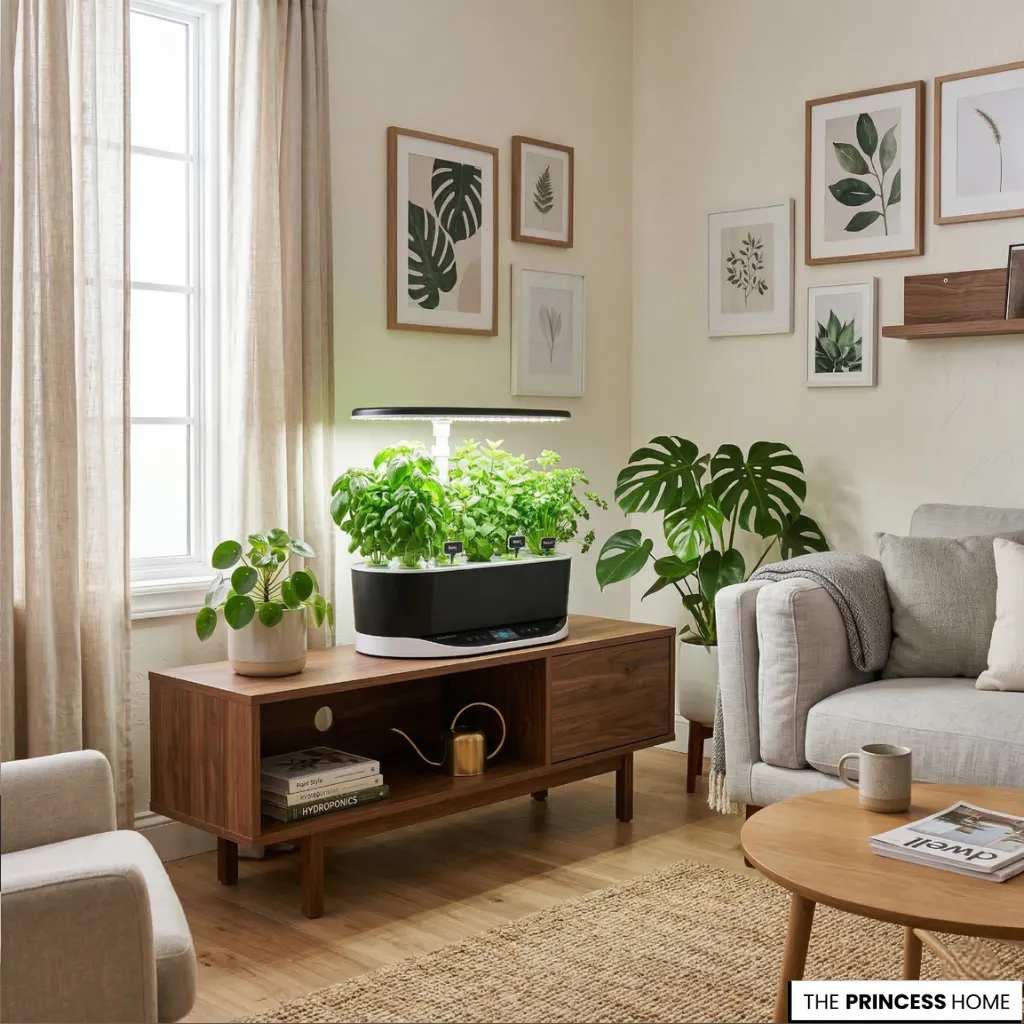
Self watering indoor garden systems with built-in LED grow lights can cultivate herbs like basil, mint, and parsley while looking like sleek design pieces. Innovative brands such as AeroGarden and Click & Grow create countertop gardens that require minimal effort turning fresh herbs into both a practical kitchen feature and a stylish focal point.
12. Sunlight Damage
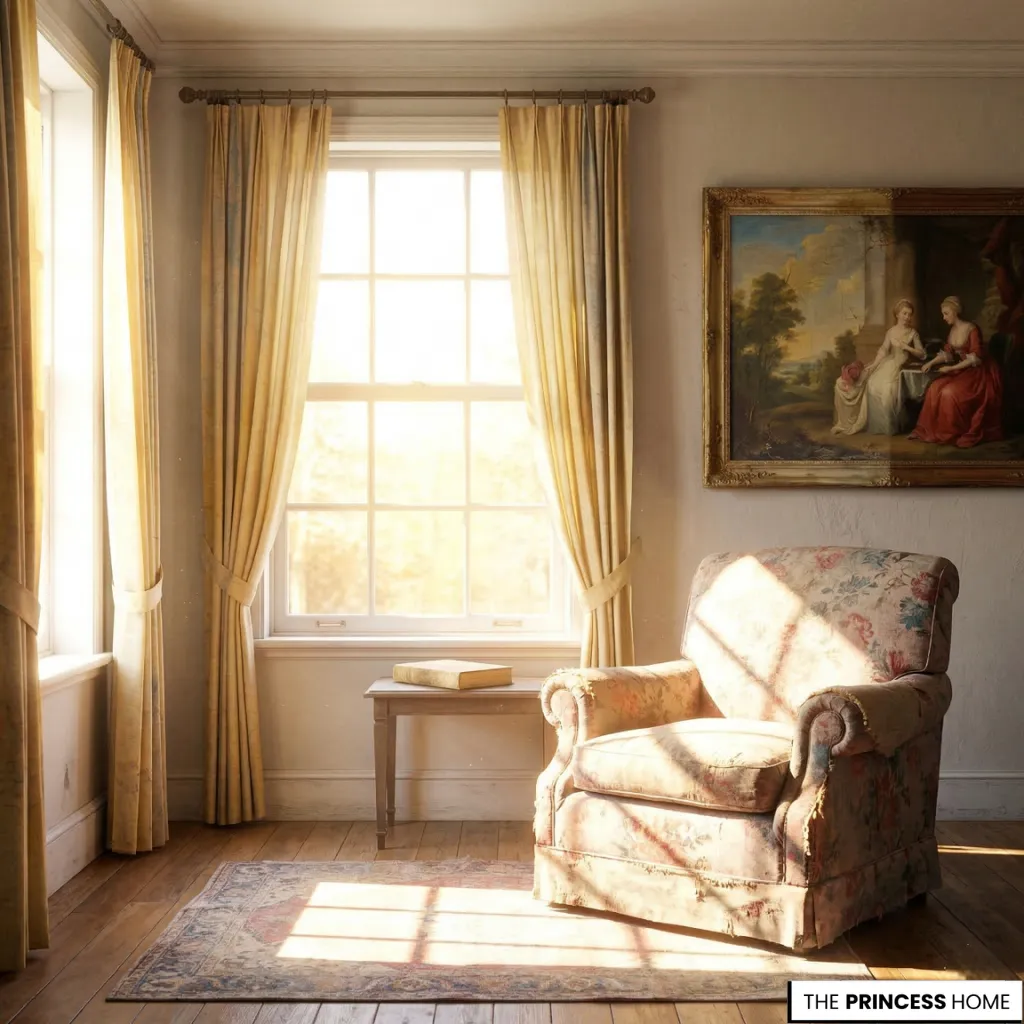
Sunlight can quietly damage many decorative items in a home—fading fabrics, yellowing curtains, and weakening delicate materials over time. Traditional window coverings often remain open or closed for long periods, offering little flexibility in protecting furniture, artwork, and flooring from harmful UV exposure.
Designers like Nate Berkus often emphasize that great interiors should combine beauty with functionality. Smart shading systems allow homeowners to control natural light effortlessly, protecting furnishings while maintaining the atmosphere of a well-designed space.
Smart Shade Systems
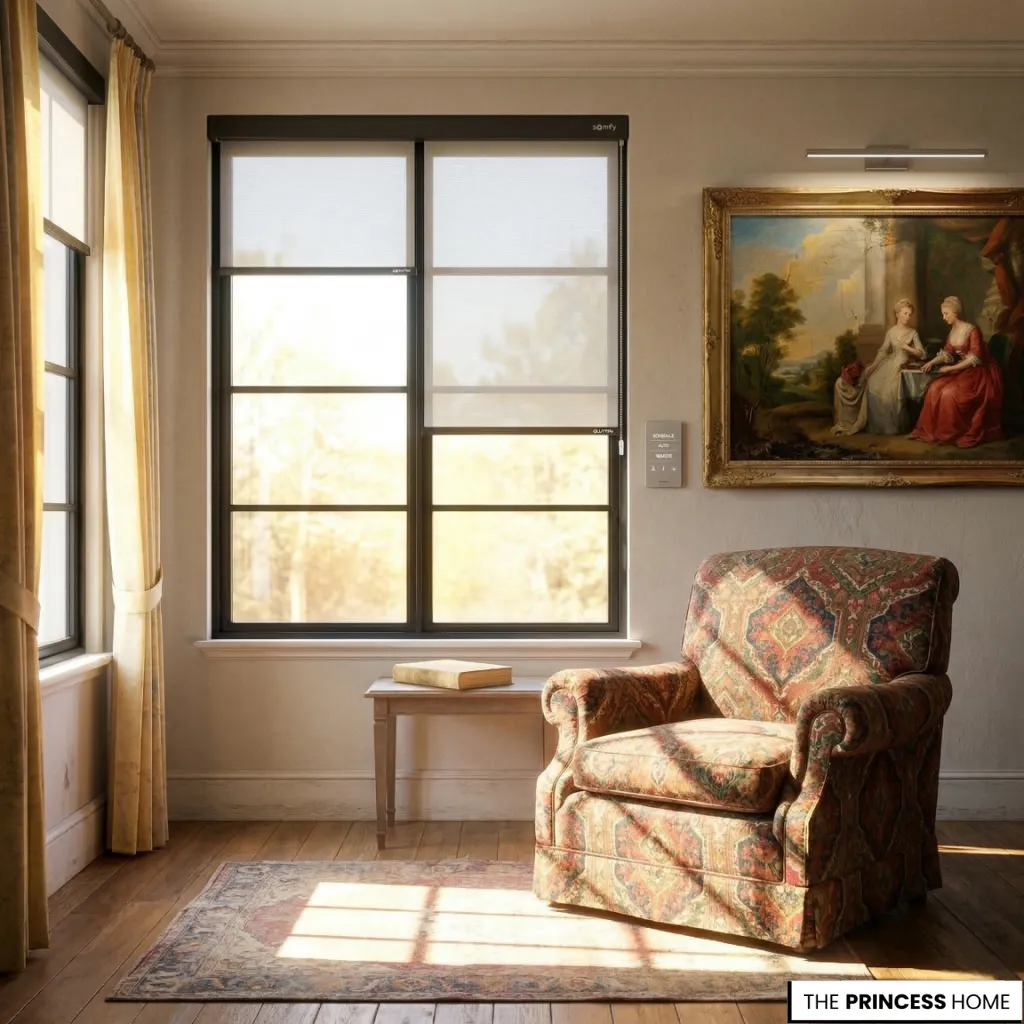
Automated shading systems adjust throughout the day based on sunlight levels, helping preserve fabrics, rugs, and artwork from fading. Companies such as Lutron and Somfy offer motorized shades that can be scheduled or controlled remotely, adding both convenience and long-term protection to modern interiors.
13. Delicate Fabric Concerns
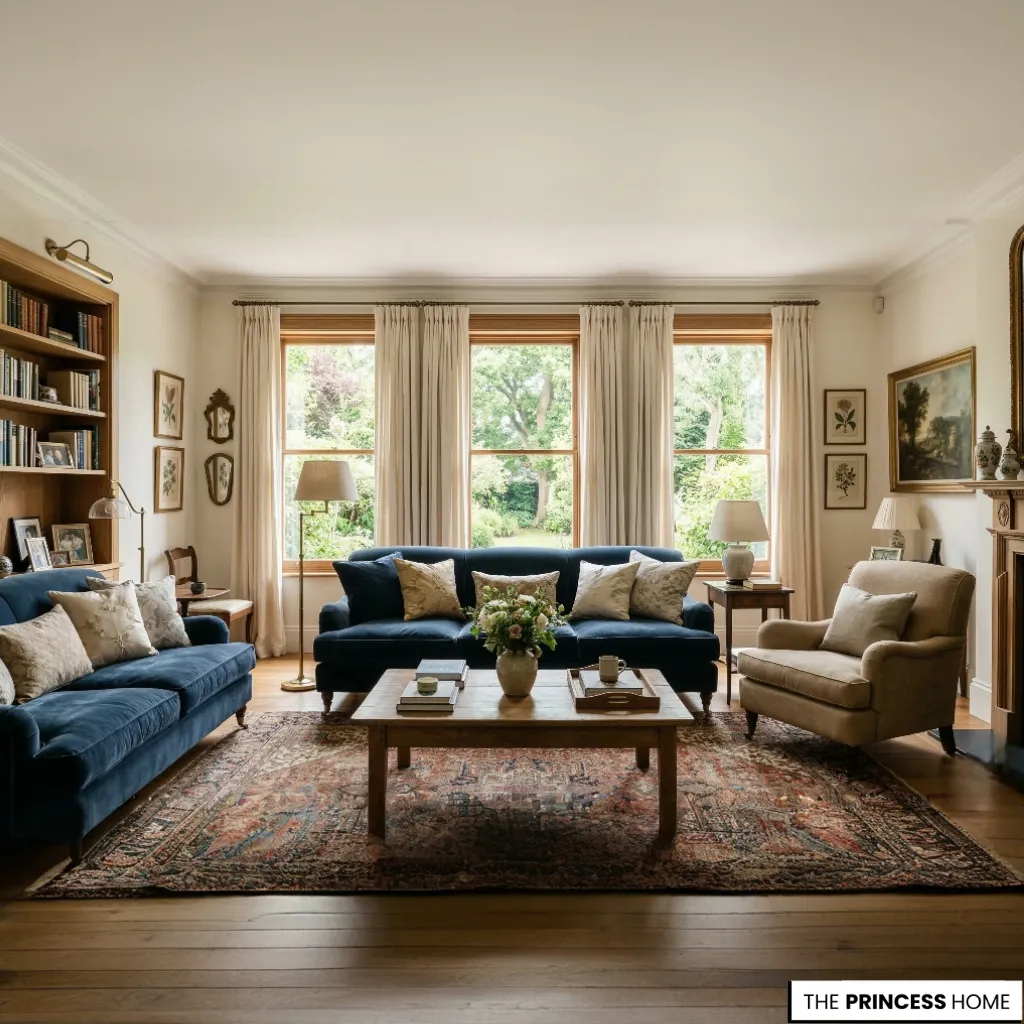
For years, luxurious fabrics like velvet, linen, and silk were considered risky decorative items in busy homes because they stained easily and required delicate care. Spills, pets, and daily use could quickly damage upholstery, making beautiful furniture feel impractical for real life.
Interior designer Amber Lewis often emphasizes that modern homes should balance comfort with durability. She and many other designers now specify performance textiles that look elegant but are designed to resist stains, moisture, and everyday wear.
Performance Fabric
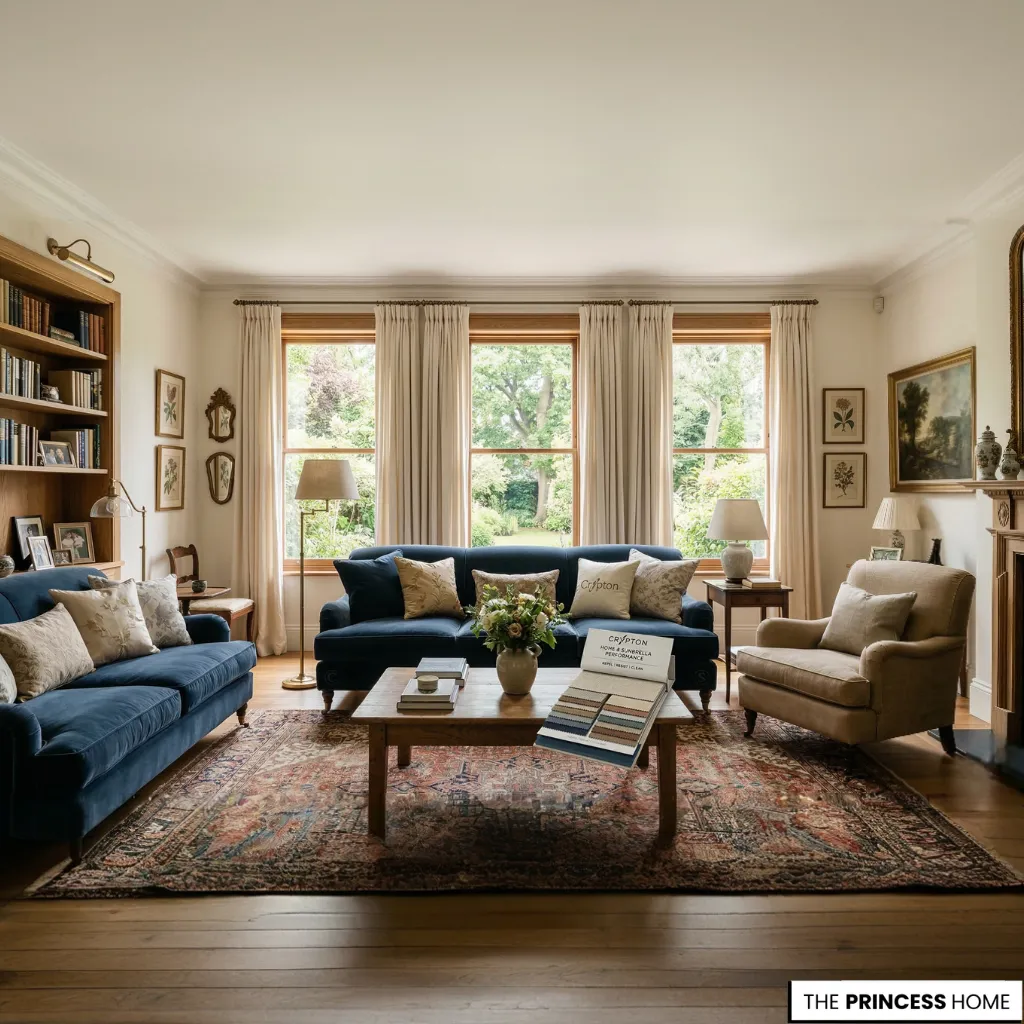
Performance fabrics combine advanced textile technology with high-end aesthetics, allowing sofas, chairs, and cushions to stay beautiful for years. Brands such as Crypton and Sunbrella produce fabrics that repel liquids, resist fading, and clean easily making them ideal for families, pet owners, and anyone who wants luxury without constant worry.
14. Character Stone Surfaces
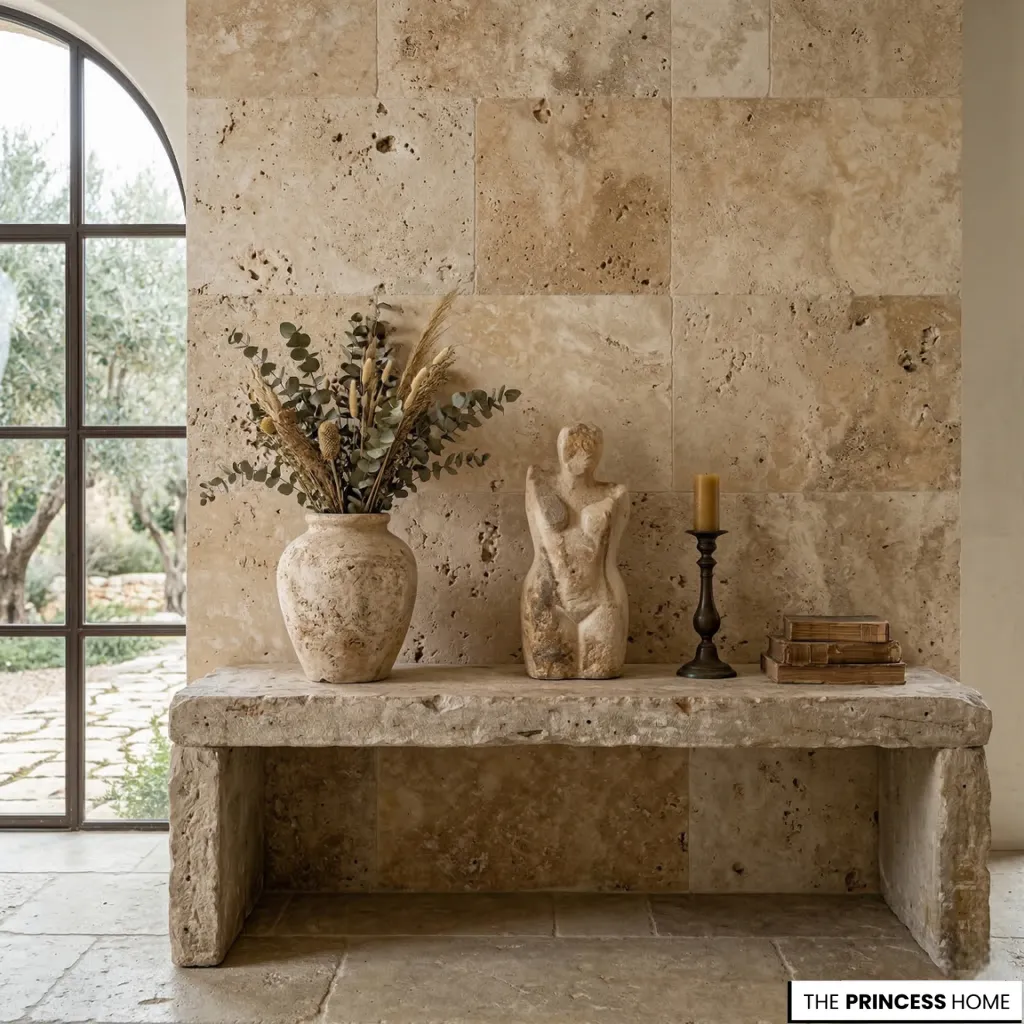
Unlike delicate finishes that quickly reveal damage, natural stones like travertine and limestone age gracefully. Instead of looking worn, these materials develop subtle variations in tone and texture over time—adding depth and personality to interiors while remaining durable decorative items.
Interior designers such as Axel Vervoordt often highlight the beauty of materials that evolve naturally with use. According to this philosophy, stones like travertine and limestone don’t hide aging they transform it into character that enriches the space.
Natural Stone Versatility
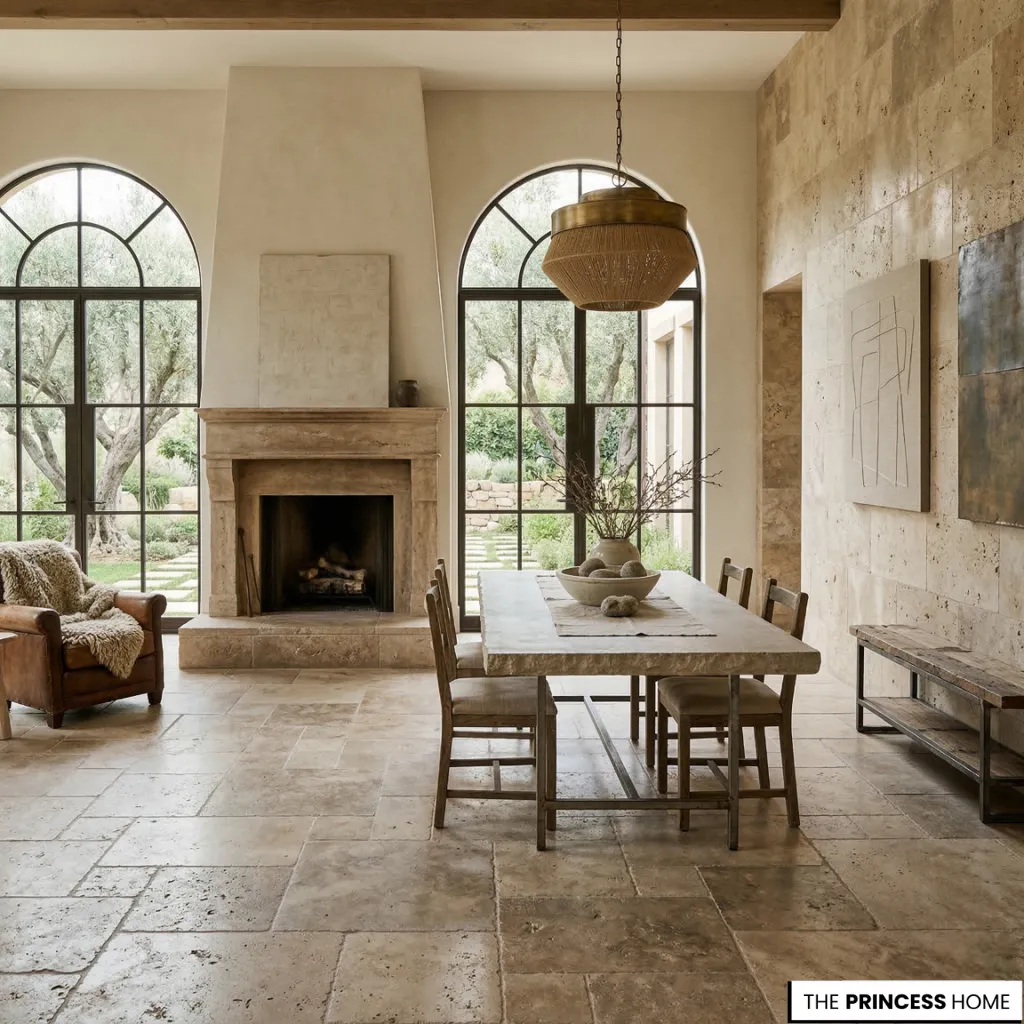
Travertine and limestone work beautifully for floors, tables, fireplaces, and wall accents because minor scratches or marks blend into the natural surface. Many designers prefer these stones over high-gloss marble since they maintain a timeless, lived-in elegance without demanding constant polishing or perfection.
15. Wood Finish Reality
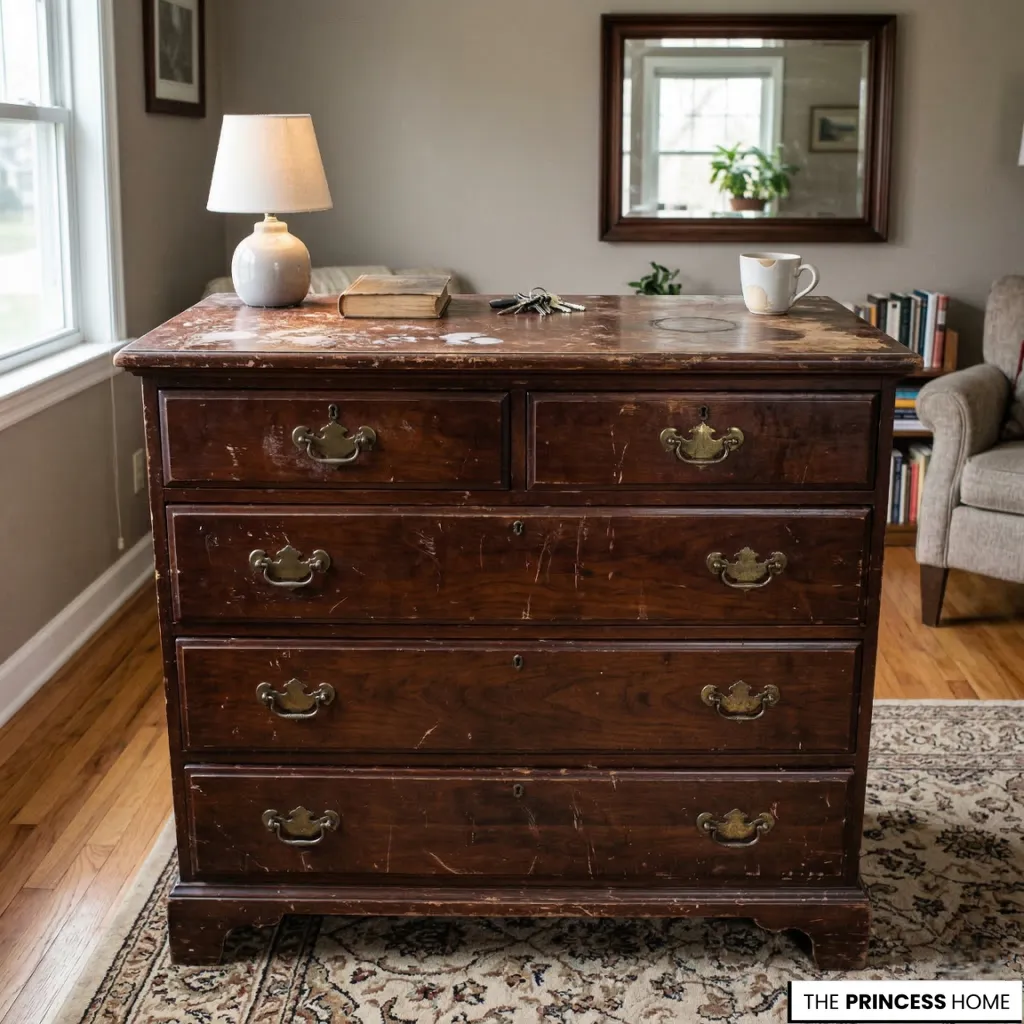
Painted or polished wooden furniture can look flawless at first but quickly reveals scratches, dents, and signs of daily use. These finishes demand constant touch-ups or refinishing to maintain a pristine look, turning beautiful decorative items into high-maintenance stress points.
Designers like Axel Vervoordt note that natural solid wood develops a warm, distinctive sheen over time, rewarding everyday use rather than punishing it. Unlike glossy or painted surfaces, it embraces wear and age as part of its charm.
Aging Wood Gracefully
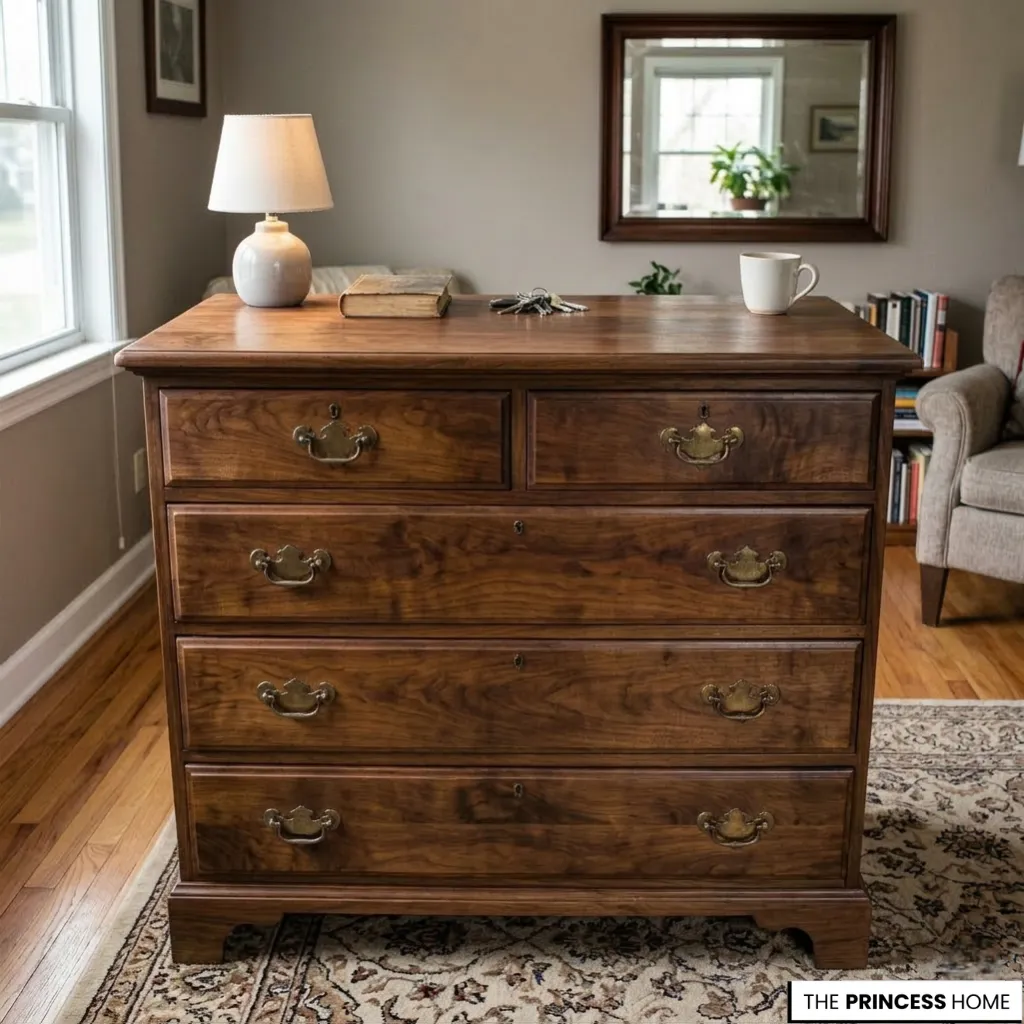
Opting for solid wood with natural or oiled finishes allows furniture to age gracefully, enhancing texture and color without requiring constant upkeep. Over the years, these pieces gain personality, creating a rich, lived-in look that adds warmth and authenticity to any interior.
16. Durable Textured Decor
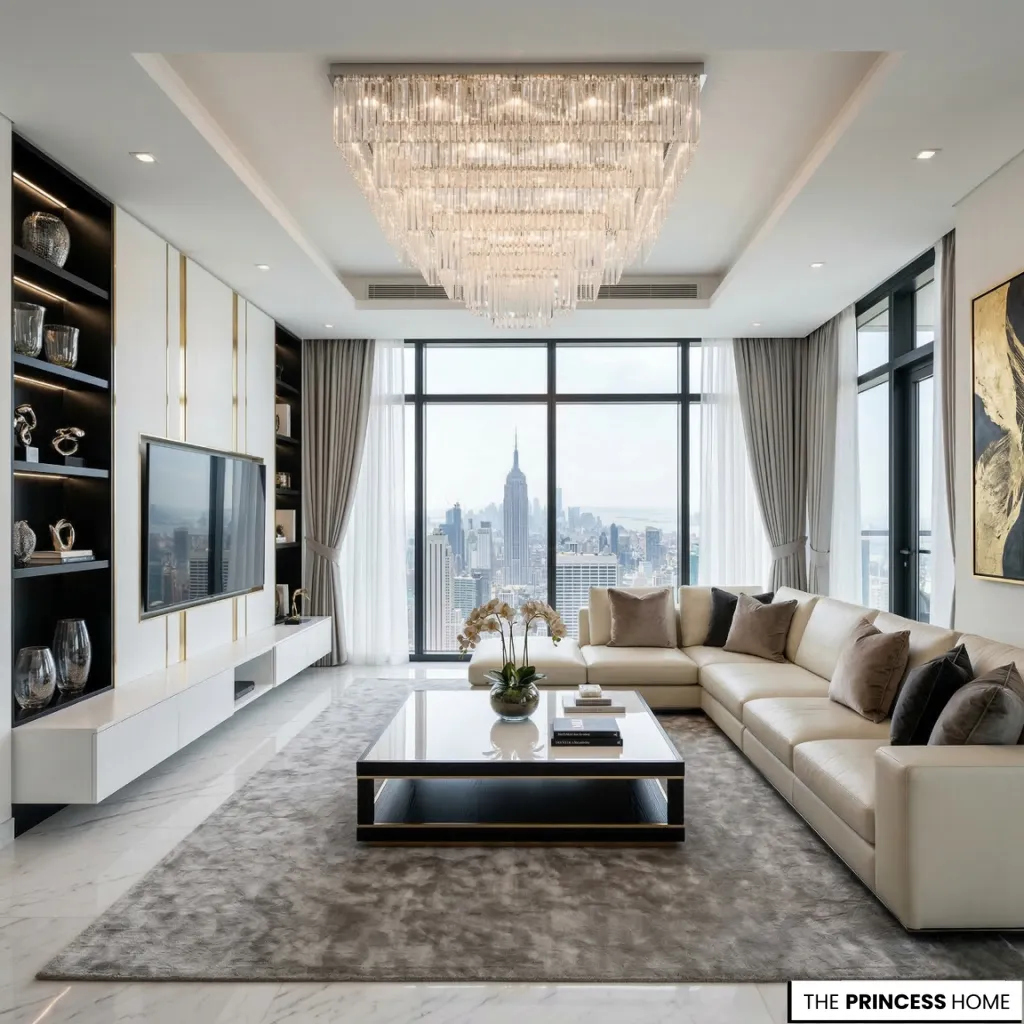
While delicate fabrics like silk and velvet and high-gloss finishes may look luxurious, they come with significant downsides that go beyond simple cleaning. High-gloss surfaces, in particular, require constant wiping because they highlight dust, smudges, and micro-scratches, which can quickly make a space look messy rather than elegant.
Interior designer Kelly Wearstler recommends woven textures for a warm, organic look without high maintenance. She notes that textured materials are forgiving and allow furniture and décor to age beautifully over time. Designers often emphasize balancing beauty with durability by choosing textured fabrics, performance materials, and low-sheen finishes that hide everyday wear.
Woven Texture Wins
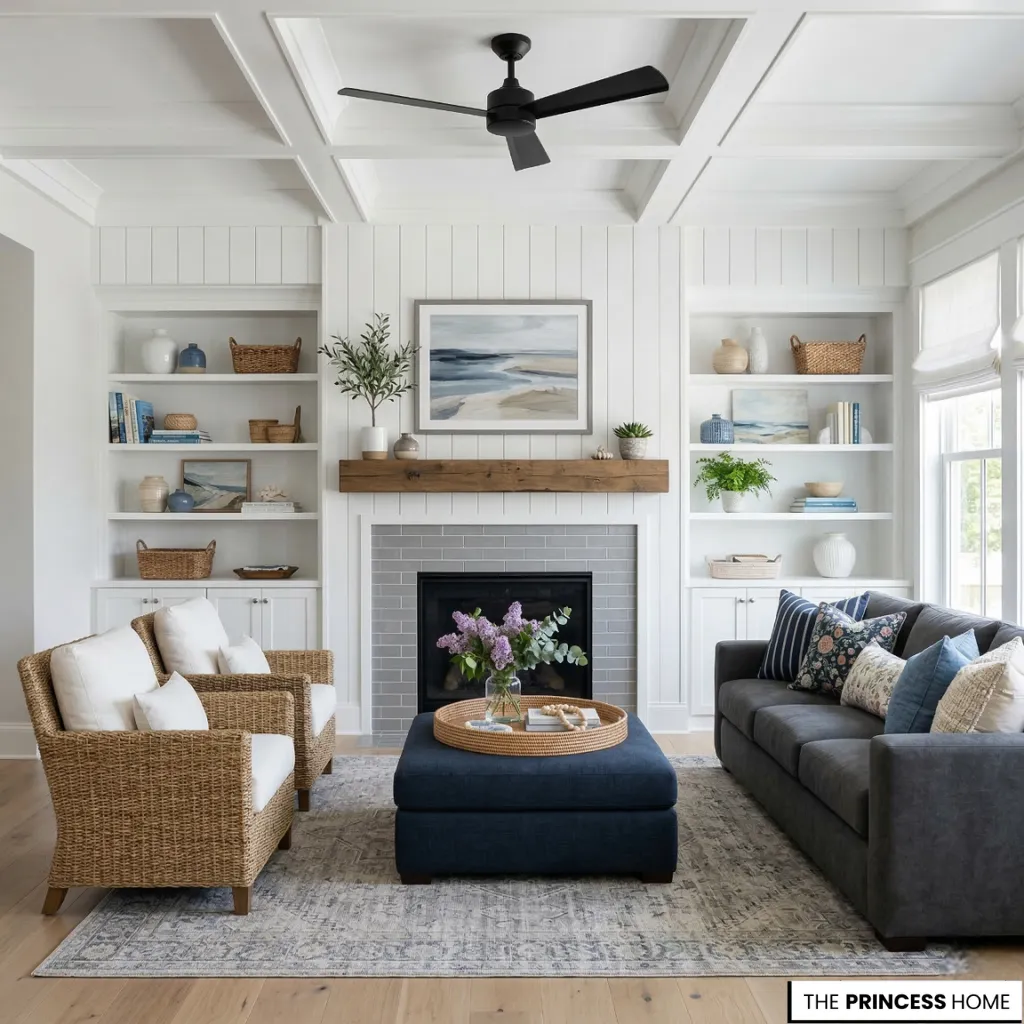
Incorporating woven chairs, baskets, rugs, or light fixtures adds visual warmth and a natural feel to interiors. Because small imperfections blend seamlessly into the texture, these pieces are durable, practical, and timeless perfect for homes where style meets real life living.
17. Personal Over Perfect
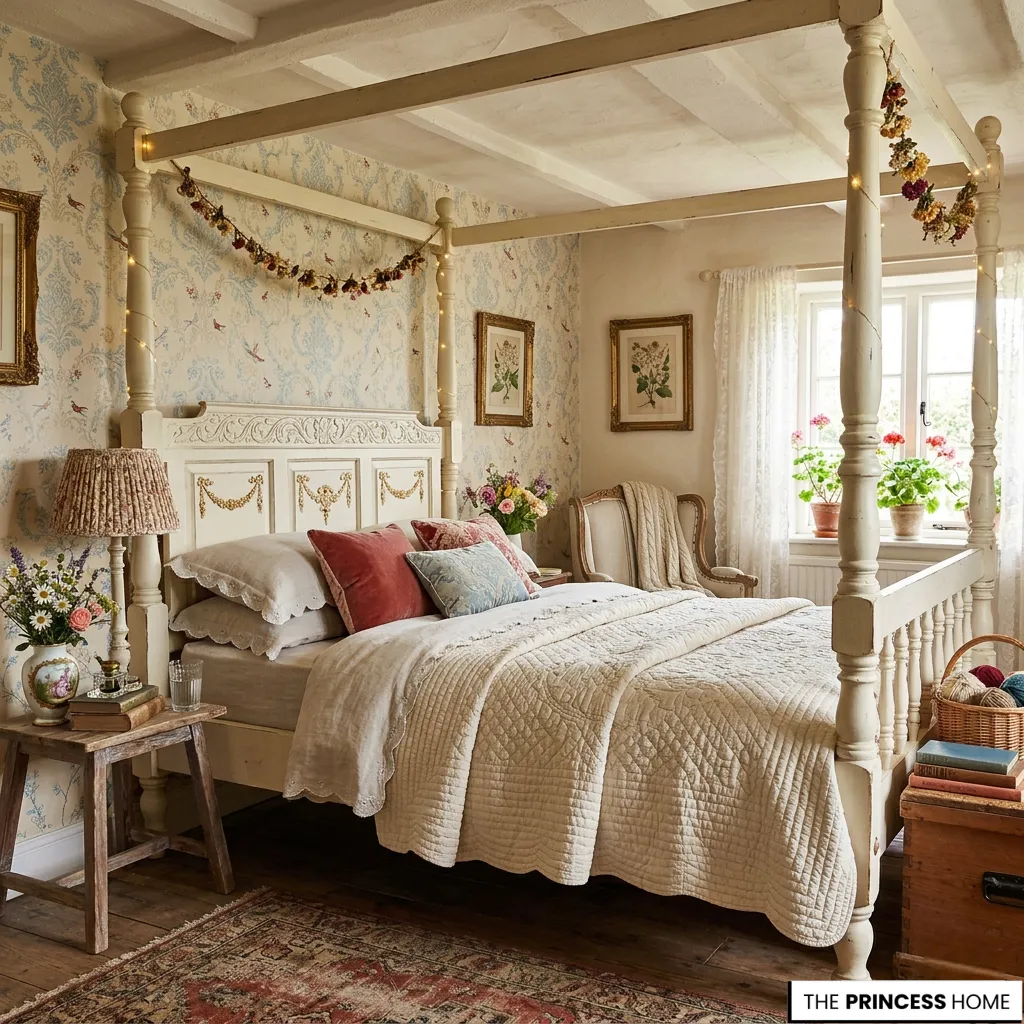
The biggest trend in interior design is moving away from overly staged, Instagram-perfect rooms toward spaces that reflect everyday living. Homes are becoming more human-centere, embracing functionality, comfort, and authenticity over flawless aesthetics.
Interior designer Lucy Hammond Giles observes, “Rooms with a little clutter? They’re finally in. There’s a real upswell of people showing their rooms as they’re actually used and lived-in.” This shift encourages decorating with pieces that are both beautiful and practical.
Real Life Interiors
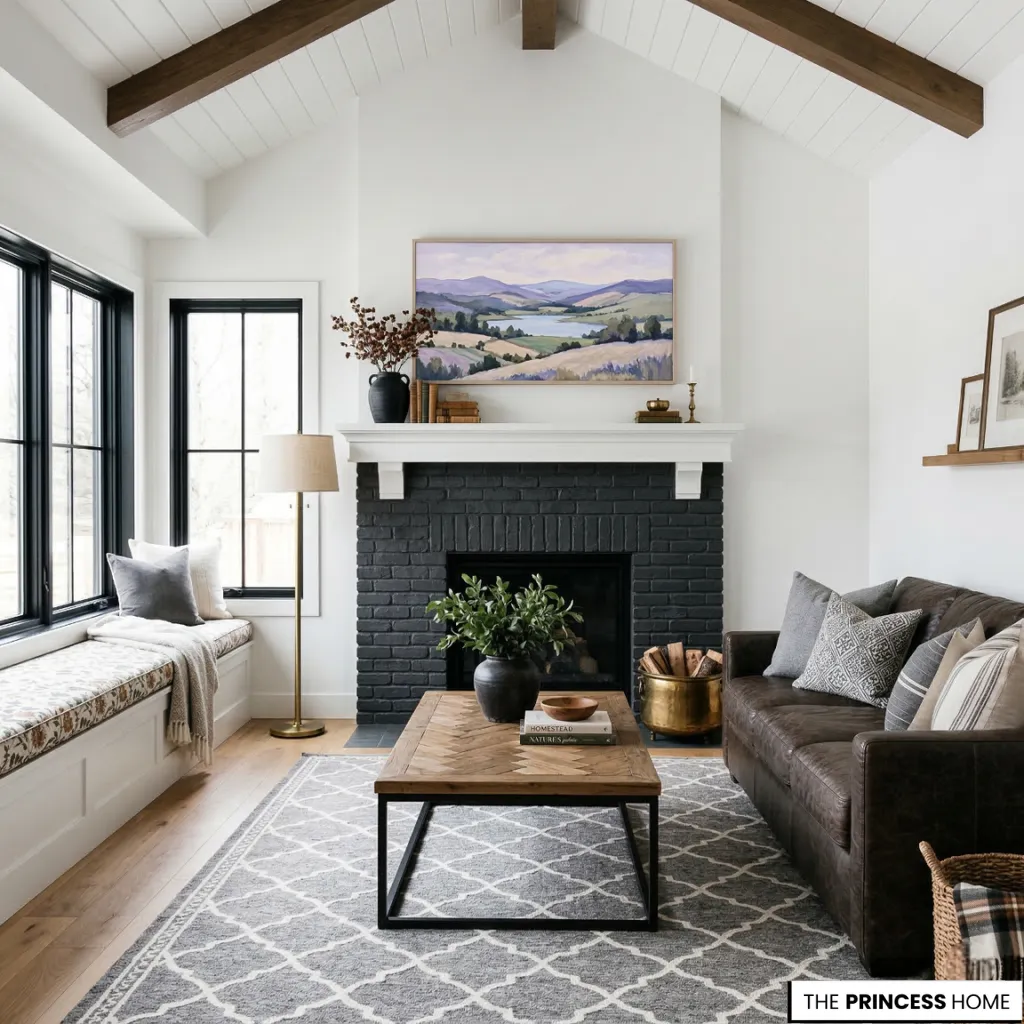
Prioritizing low-maintenance decorative items, resilient materials, and thoughtful layouts lets homeowners craft spaces that remain stylish without constant effort. Designers like Kelly Wearstler and Jazmin Valdez Hamid champion lived-in aesthetics, creating interiors that feel personal, warm, and reflective of those who live in them.
The key is selecting pieces that endure daily life, rather than curating “museum-like” spaces that are beautiful but untouchable. This approach ensures your home is both functional and inviting, blending style with everyday practicality.
Smart Design Rules
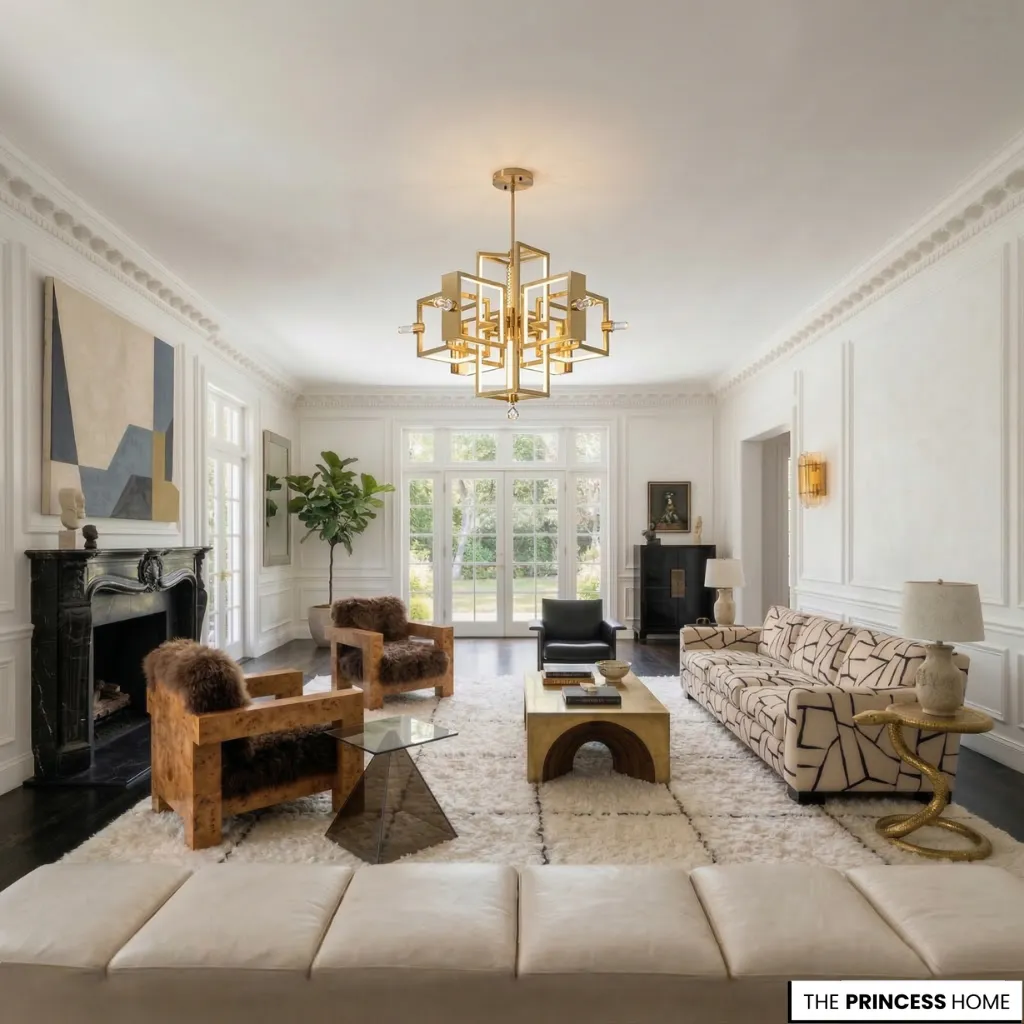
Top designers like Kelly Wearstler and trend-savvy pros warn that decorative choices should be about real durability and lifestyle fit, not just looks factor in long‑term cleaning, repairs, and replacements when you choose a piece so your space stays beautiful without constant fuss.
Experts such as Jazmin Valdez Hamid and Jennifer Stephan emphasize avoiding dated “matchy‑matchy” decor and replacing it with curated, personal objects that age gracefully and feel lived in rather than staged, offering better modern alternatives that blend warmth with functionality.
Thinking like design legend Dieter Rams whose “less, but better” ethos champions long‑lasting quality helps you select elements that improve with time and respect your daily life rather than intimidate use. Ultimately, ask: Can you live with it every day? and lean into modern equivalents that marry performance with timeless style for a space that’s both stylish and sensible.
Beautiful & Practical
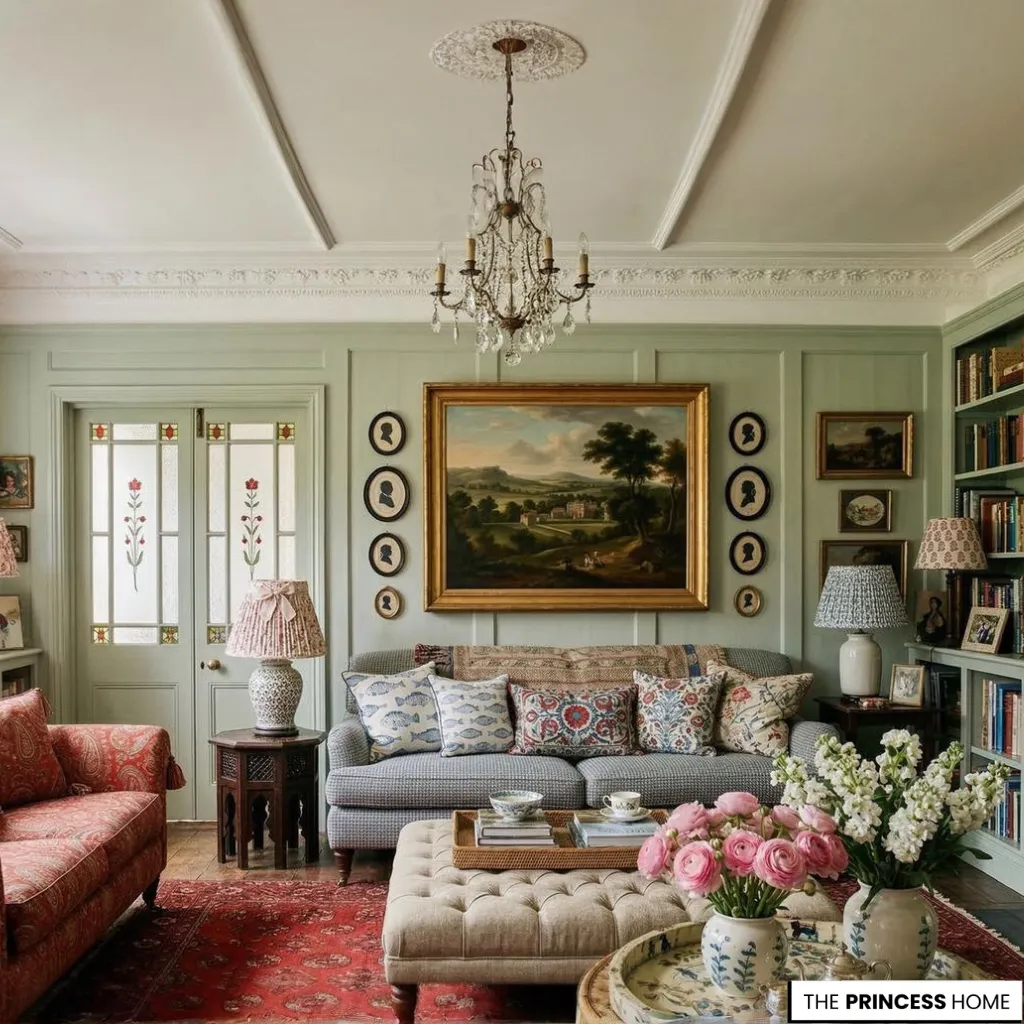
The most sophisticated homes strike a balance between elegance and everyday livability, a point interior designers like Ashley Rose Walsh of Mojo Stumer Associates consistently emphasize: decorative items should delight, not stress, their owners. As Walsh notes, “The most luxurious thing isn’t a difficult to maintain material it’s the freedom to truly live in and enjoy your home.”
True luxury, according to design experts, is about peace of mind and the ability to enjoy your space without constant upkeep. By choosing pieces that are both stunning and sustainable, your home becomes a sanctuary that is as practical as it is beautiful.
Beauty Without Burden
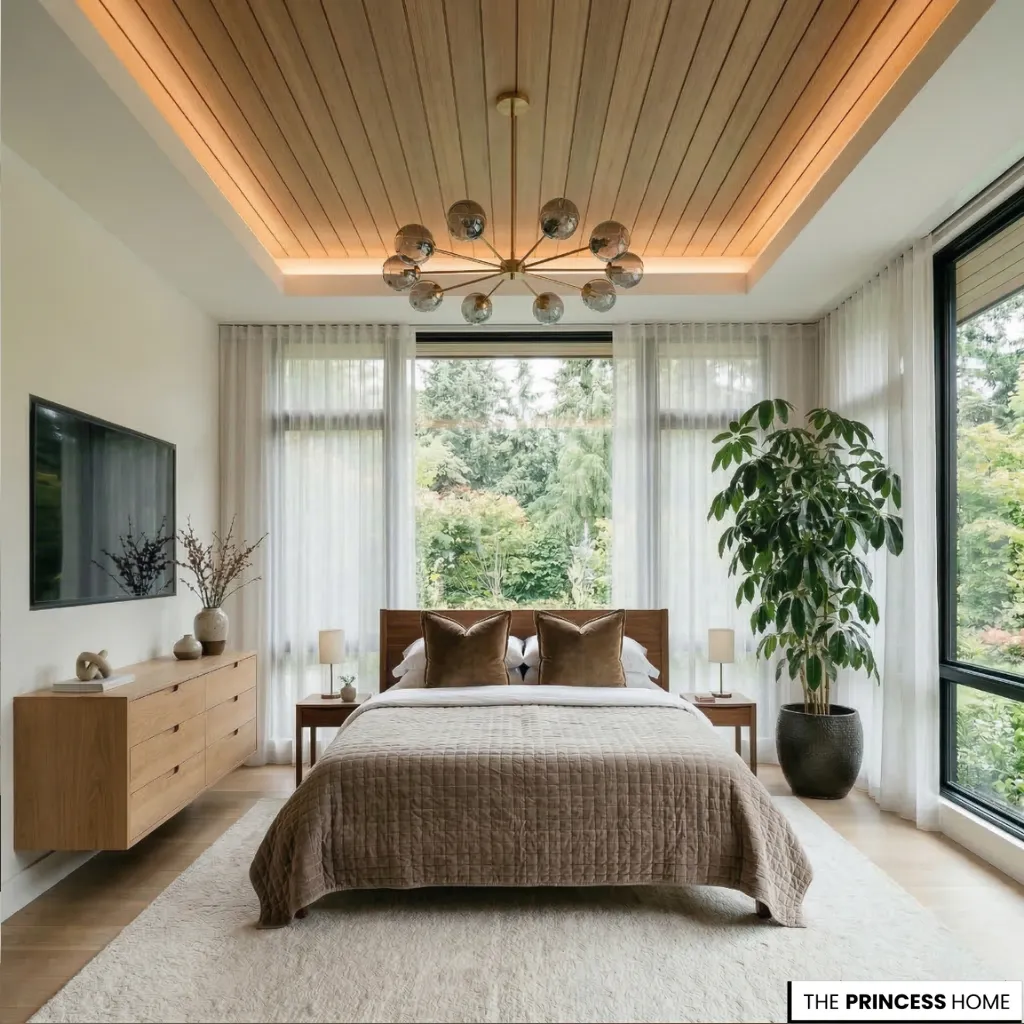
Designers are leading a new wave they call “Tech Meets Tactility”, blending elegance with smart, low-maintenance solutions. Innovations include self cleaning surfaces that resist dust and stains, modular designs that make replacing worn parts simple, and high-performance fabrics that retain luxury while enduring everyday life.
This philosophy ensures that beauty in a home doesn’t come at the cost of constant upkeep, letting spaces remain both stunning and practical. By embracing these solutions, homeowners can enjoy stylish interiors that work as hard as they look.
Low-Maintenance Luxury
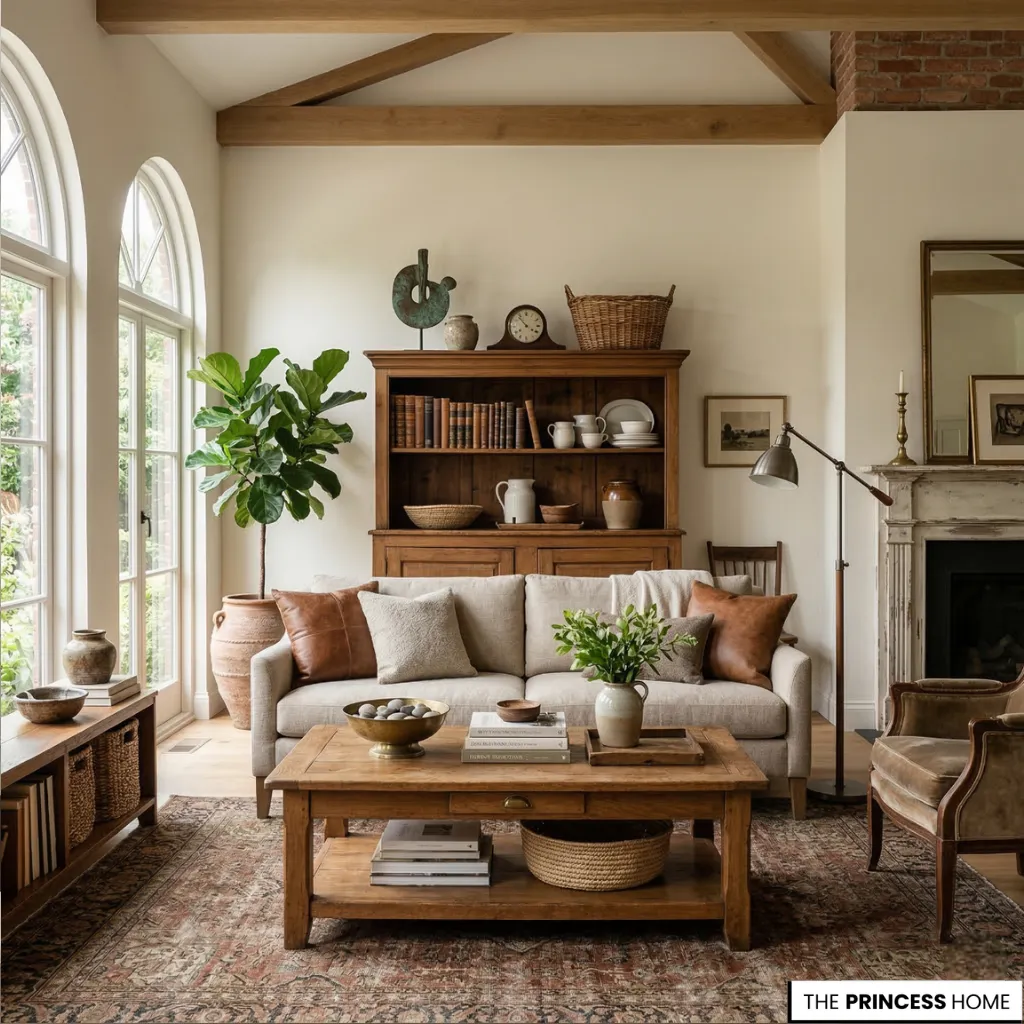
Designers advise approaching decorative items with both style and practicality in mind. Ask how materials age some develop a rich patina, while others may quickly deteriorate and consider the real cleaning demands, from daily dusting to seasonal upkeep.
Reflect on whether you can live with imperfection, as some surfaces only improve with use, adding character over time. Finally, explore modern alternatives: technology-driven solutions often provide the same aesthetic appeal with far less maintenance, keeping your home both beautiful and stress-free.
Luxury Made Livable
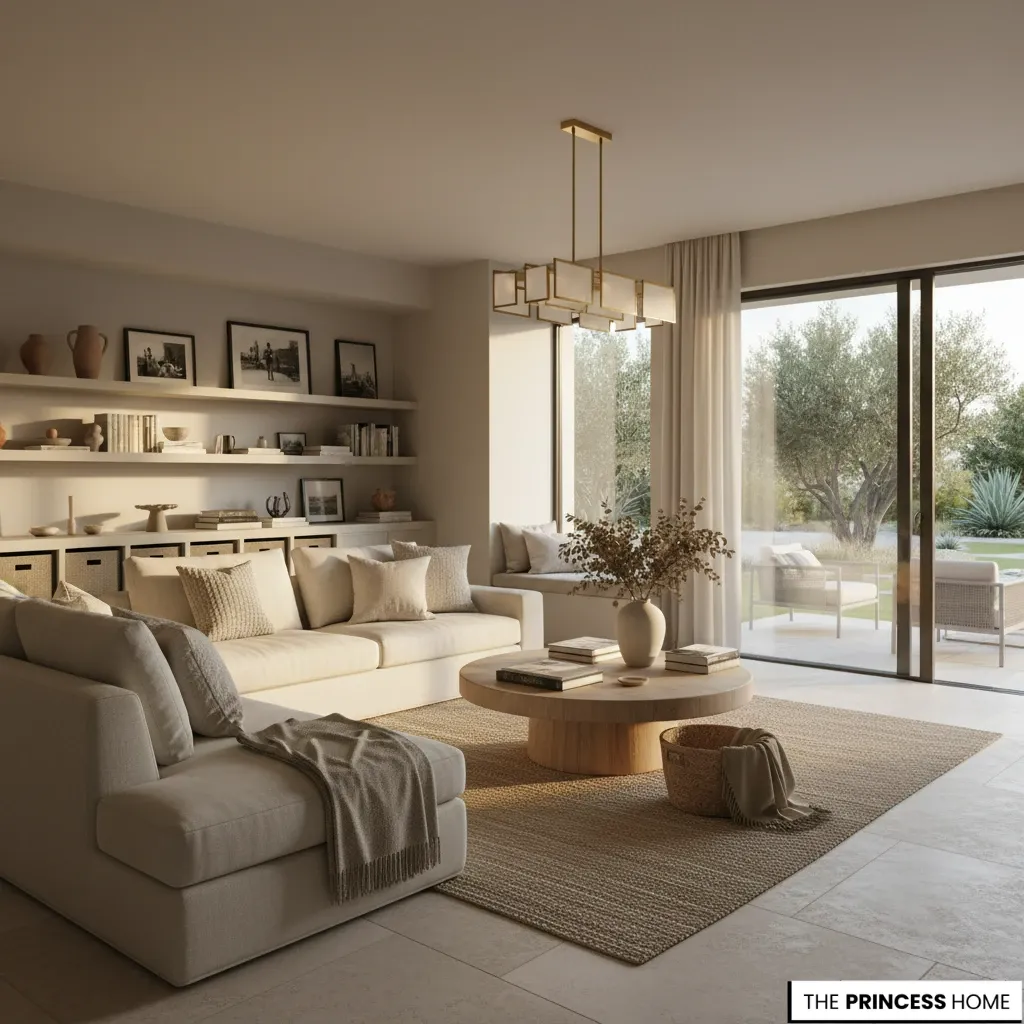
Today’s most sophisticated homes strike a careful balance between beauty and practicality, with designers emphasizing that true luxury is freedom to enjoy your space, not endless upkeep. As AD Middle East notes, interior trends now focus on meaning creating restorative, expressive, and deeply personal environments.
The key is selecting decorative items that enhance daily life rather than complicate it. By prioritizing pieces that are both stunning and sustainable, you can craft a home that is beautiful, lived-in, and stress-free.
Conclusion
A beautiful home doesn’t demand constant upkeep opt for low-maintenance decor and smart alternatives to enjoy your space stress free. Current trends favor authenticity, functionality, and layered, personal interiors. As Brad Ramsey notes, “We’ll see a shift toward deeply personal spaces.” Your home should reflect both your style and the lifestyle you want to live.
Here are some frequently asked questions related to the article :
1: How often should decorative items be cleaned?
The frequency depends on the item and your environment. Generally, dust decorative pieces weekly, deep clean textiles monthly, and schedule professional cleaning for delicate items annually or as needed.
2: Are high-quality faux plants really worth the investment?
Yes, premium artificial botanicals from reputable manufacturers can last 5-10 years with minimal maintenance, making them cost-effective compared to constantly replacing fresh plants.
3: What’s the most low-maintenance decorative lighting option?
Integrated LED fixtures with sealed construction require virtually no maintenance beyond occasional dusting and last 15-20 years without bulb replacement.
4: How can I protect velvet furniture from stains?
Apply a fabric protector specifically designed for velvet, avoid eating on upholstered pieces, and address spills immediately with the appropriate cleaning method for your specific fabric type.
5: Are mirrored furniture alternatives as reflective as real mirrors?
High-gloss lacquered surfaces can reflect 70-80% of light compared to mirrors’ 90-95%, providing significant light-enhancing benefits with much easier maintenance.
6: What’s the best way to clean intricate chandeliers without removing crystals?
Use a microfiber duster with extension handle for regular maintenance, and for deep cleaning, use a spray bottle with diluted alcohol and water, spraying lightly and letting drip-dry.
7: How do I choose between real and artificial decorative elements?
Consider your lifestyle, time availability, and budget. Real elements offer authenticity but require maintenance; quality artificial alternatives provide similar visual impact with less upkeep—many designers recommend a strategic mix of both.
The princess home on Pinterest