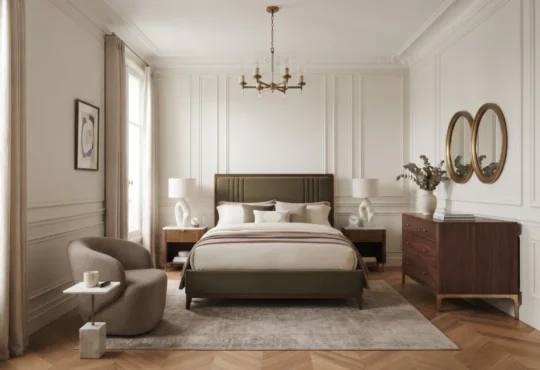
Choosing the right headboard involves more than selecting an attractive design. Its height, width, shape, and material affect how the bed fits into the bedroom, how comfortable it is to use, and how the wall behind it looks. The best choice should suit the bed frame, room proportions, and your everyday needs.
This guide explains how to measure your space, compare headboard materials, select suitable dimensions, and choose an installation method that works with your bedroom. It also covers the practical details that help you create a comfortable and well-planned sleeping area.
Understanding Headboards
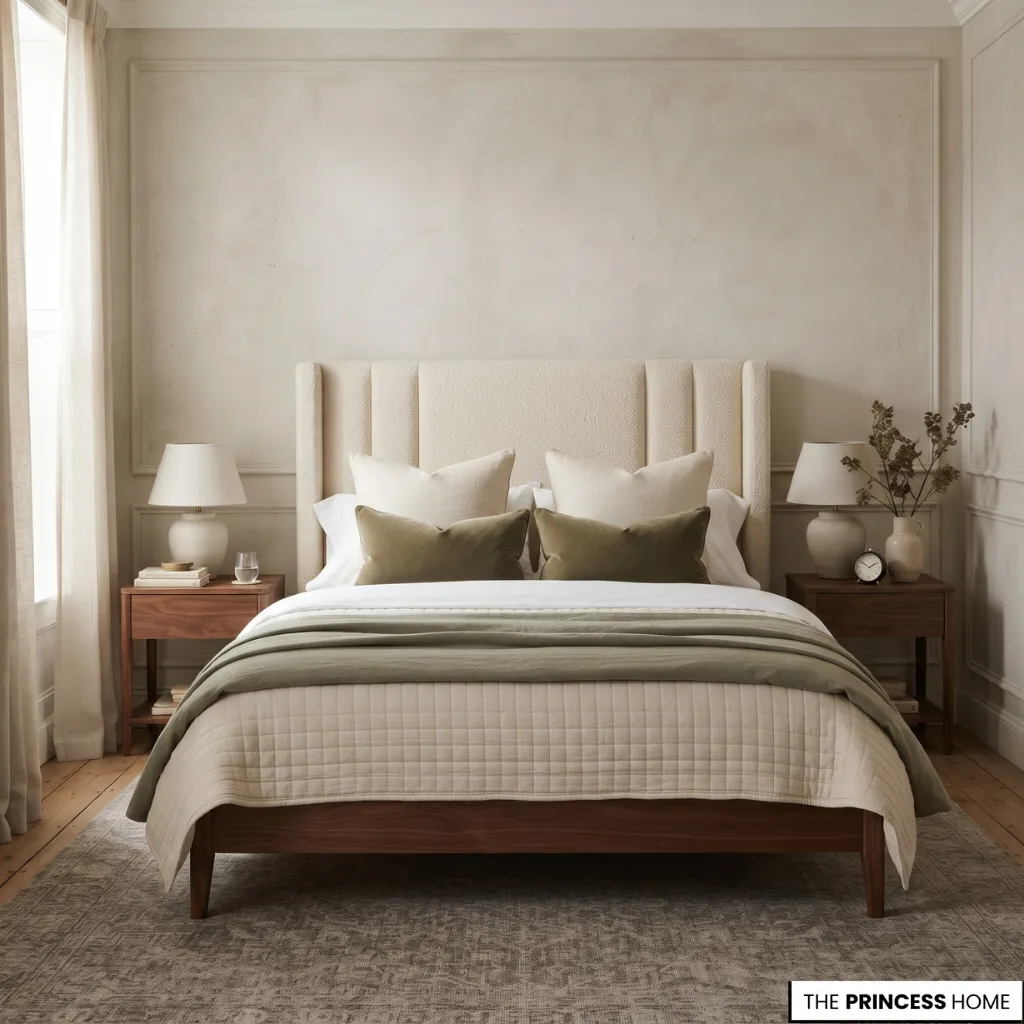
A headboard serves both functional and decorative purposes. It provides a finished background for the bed, protects the wall from everyday contact, and can offer comfortable support when sitting up to read or relax.
Because the bed usually occupies a central position in the bedroom, the headboard helps establish the scale and character of the sleeping area. Its dimensions, construction, and position affect how the bed relates to the surrounding furniture and available wall space.
Headboards are available as separate furniture pieces, components of a bed frame, or architectural panels attached directly to the wall. Some prioritize padded support, while others provide storage, integrated bedside surfaces, or a more defined architectural feature.
Understanding these differences helps you select a headboard that performs the function you need. A padded model may be preferable if you regularly sit against it, while a solid wooden or metal construction may suit a bedroom where easy cleaning and a firm structure are more important.
Before choosing one, consider how you use your bed. If you regularly sit against the headboard, look for sufficient padding, a comfortable height, and upholstery that suits everyday use. If practical maintenance is a priority, compare the cleaning requirements and durability of the available materials.
It is also important to distinguish between the headboard itself and the complete bed structure. A headboard attached to a bed frame must fit its dimensions and fixing points. A wall-mounted panel offers more flexibility in width and positioning but requires suitable wall support and installation planning.
Assess Your Space
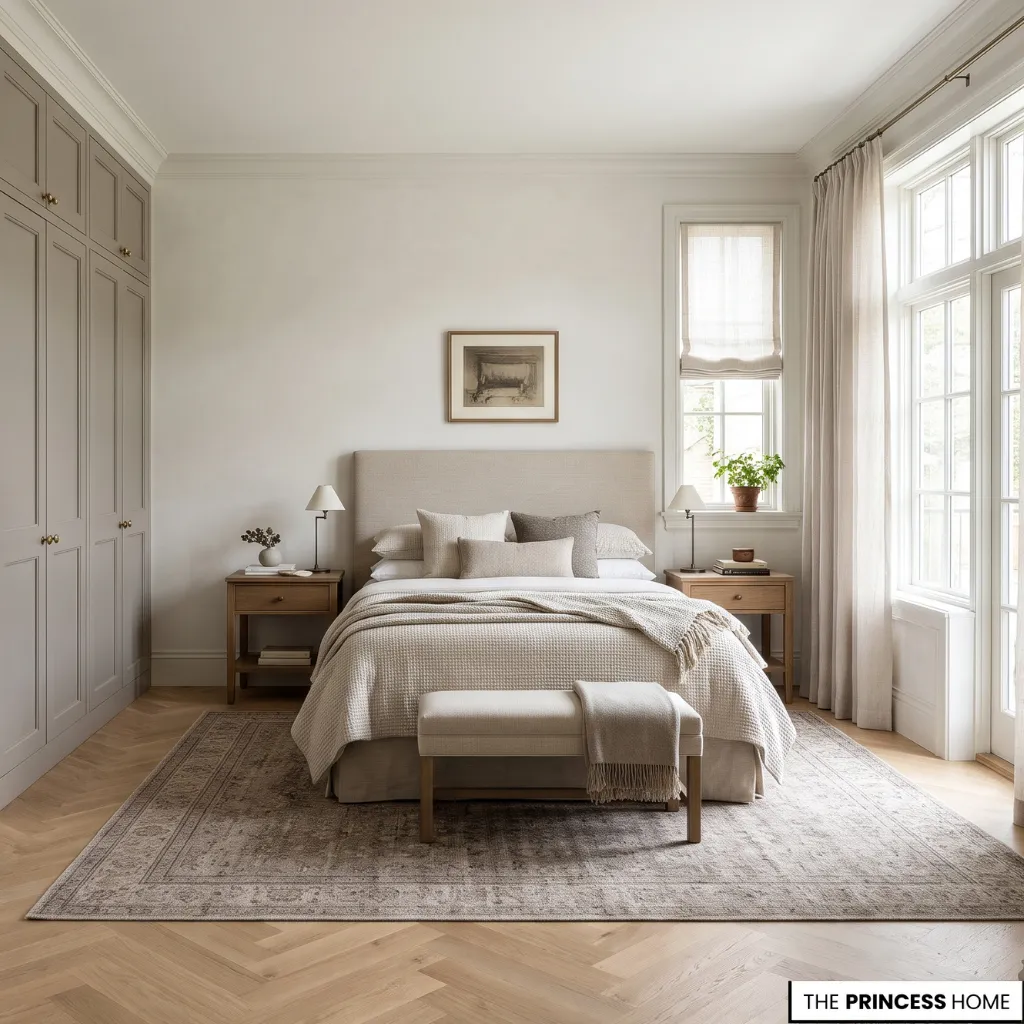
Measure the bed and the available wall before comparing headboard designs. A style that looks proportionate in a large bedroom may overwhelm a smaller room or conflict with existing architectural features.
Start with the complete bed frame, not just the mattress. Record its overall outside width and length, along with the height of the mattress once it is placed on the frame. These measurements provide a more accurate reference for selecting a compatible headboard.
Next, measure the available wall. Record its width and height, and check the positions of windows, doors, electrical outlets, wall lights, and decorative mouldings. These features may limit the headboard’s dimensions and affect where it can be installed.
Pay particular attention to the distance between the bed and nearby walls or furniture. A headboard should not reduce the clearance needed to walk around the bed, open drawers, or reach bedside storage.
Include the bedside tables in your measurements. A headboard that extends beyond the bed can look well integrated when it continues behind the bedside tables, but the arrangement needs enough wall width and clearance for drawers and doors to open.
Consider the existing wall finish as well. If the bedroom already has wallpaper, decorative panelling, or prominent mouldings, the headboard should work with those features rather than interrupting them.
Pillow thickness also deserves attention. Large pillows can cover a considerable portion of a headboard, particularly when the mattress is relatively high. This affects the visible height and the amount of padded surface available for back support.
A practical way to test the proportions is to mark the proposed dimensions on the wall with removable painter’s tape. Mark both the intended width and height, then view the outline from the doorway and from the bed.
This simple test helps you assess whether the headboard will dominate the wall, interfere with architectural details, or leave an appropriate amount of space around the bed before ordering or commissioning the piece.
For more ideas: Bedroom Design Planning a Beautiful and Comfortable Room
Choose Headboard Height
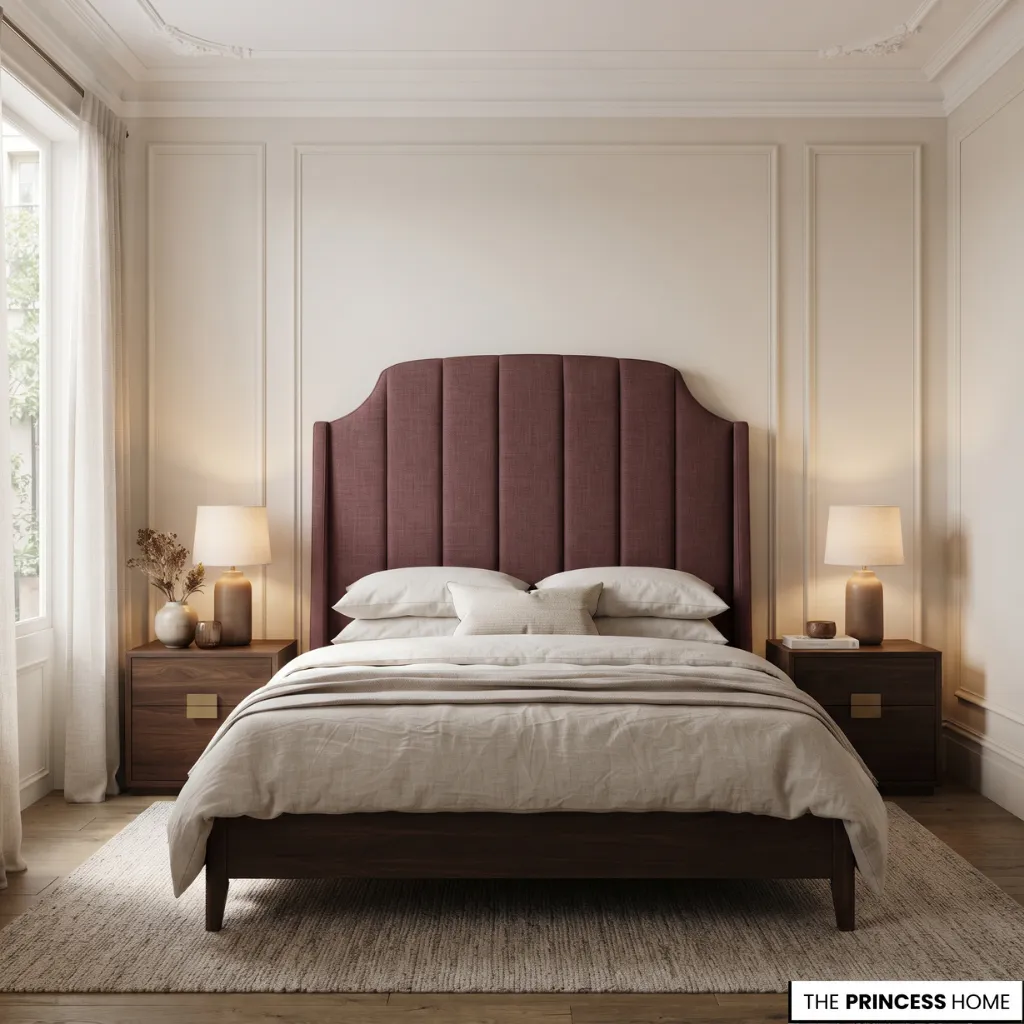
Headboard height determines how prominently the bed appears in the bedroom and how much support the headboard provides. The right measurement depends on the mattress, pillows, ceiling height, and surrounding wall features rather than one universal standard.
Before comparing heights, distinguish between the headboard’s total height and its visible height above the mattress. These are not always the same.
For a floor-standing headboard, the total height is measured from the floor to its upper edge. For a wall-mounted model, measure from the specified installation reference point to the top of the panel.
The visible height is the distance between the top of the mattress and the upper edge of the headboard once the bed is assembled. This is particularly important because the bed frame and mattress may conceal a substantial part of a floor-standing design.
To calculate the visible height, measure the mattress height from the floor when it is in its normal position, then subtract that measurement from the headboard’s total floor-to-top height.
For example, if the upper edge of a floor-standing headboard reaches 130 cm from the floor and the mattress sits 60 cm above the floor, approximately 70 cm of the headboard will remain visible above it. This is a measurement example, not a recommended standard.
Pillows will cover part of this exposed area, so consider their usual position when assessing the final result.
Low-profile headboards sit relatively close to the mattress. They suit bedrooms where the wall already has decorative details or where a taller design would interfere with a window. However, check that enough of the headboard remains visible above the pillows to provide the intended appearance and support.
Medium-height headboards offer a practical balance between visual presence and proportion. They work with many bedroom arrangements and can leave room for artwork or decorative wall treatments above the bed when appropriate.
Tall headboards create a stronger focal point and draw attention upward. They work particularly well against generous, uninterrupted walls, where their height can relate to the ceiling and other architectural details. In a compact room, an excessively tall design may dominate the arrangement.
Comfort matters as much as appearance. If you read or relax in bed, consider where your shoulders and upper back will rest. The padded section should extend high enough above the mattress and usual pillow position to provide comfortable support.
Before purchasing, check the manufacturer’s stated height and the reference point used for that measurement. A headboard described as 120 cm high may be measured from its base rather than from the floor after installation. Confirming this detail prevents unexpected differences once the bed is assembled.
For more ideas: Bedroom Furniture Ideas: How to Choose the Right Pieces
Headboard Width
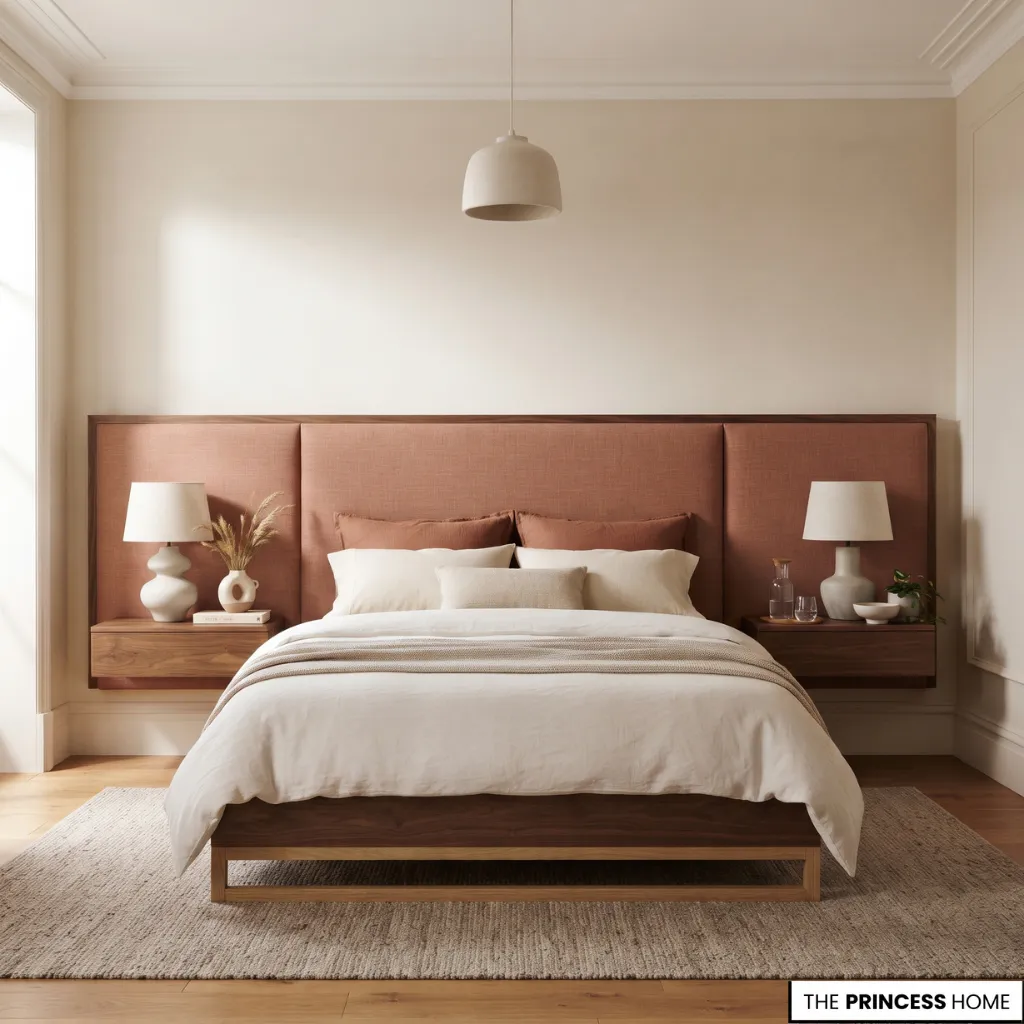
Headboard width affects how the bed relates to the wall and bedside furniture. A well-proportioned design should look connected to the bed rather than appearing like an unrelated panel behind it.
Start by measuring the complete outside width of the bed frame. Do not rely on the mattress measurement alone, because bed frames may extend beyond the mattress on both sides.
A headboard that matches the overall frame width creates a straightforward arrangement. It keeps the visual boundaries of the bed clearly defined and is often suitable for conventional bed-frame-mounted models.
Extending the headboard slightly beyond the frame can give the bed a more substantial appearance, particularly when the frame has a simple shape. The amount of extension should be considered in relation to the room, the available wall width, and the surrounding furniture rather than chosen by a fixed rule.
Headboards extending behind bedside tables create a more integrated sleeping area. Their width should be calculated using the complete arrangement, including the bed frame and both bedside tables.
To determine the required width, measure from the outer edge of one bedside table to the outer edge of the other. Then consider whether you want the headboard to finish at those edges or extend slightly beyond them.
Check the position of lamps, sockets, switches, and other bedside accessories. Also make sure that drawers and cabinet doors can open fully without obstruction.
Wall-to-wall headboards take this approach further by treating the background as one continuous feature. They may incorporate bedside surfaces, shelving, or lighting, but their dimensions and construction require careful planning.
Before selecting an extended design, check the total available wall width and the position of windows, doors, and architectural features. A continuous panel should not obstruct access or create awkward interruptions around existing fittings.
Avoid choosing a wider design simply because the wall allows it. A narrow headboard behind a large bed can look disconnected, while an oversized one may overwhelm a compact arrangement.
The most suitable width is the one that relates logically to the complete bed arrangement, provides enough space for bedside functions, and maintains comfortable circulation around the furniture.
Compare Headboard Materials
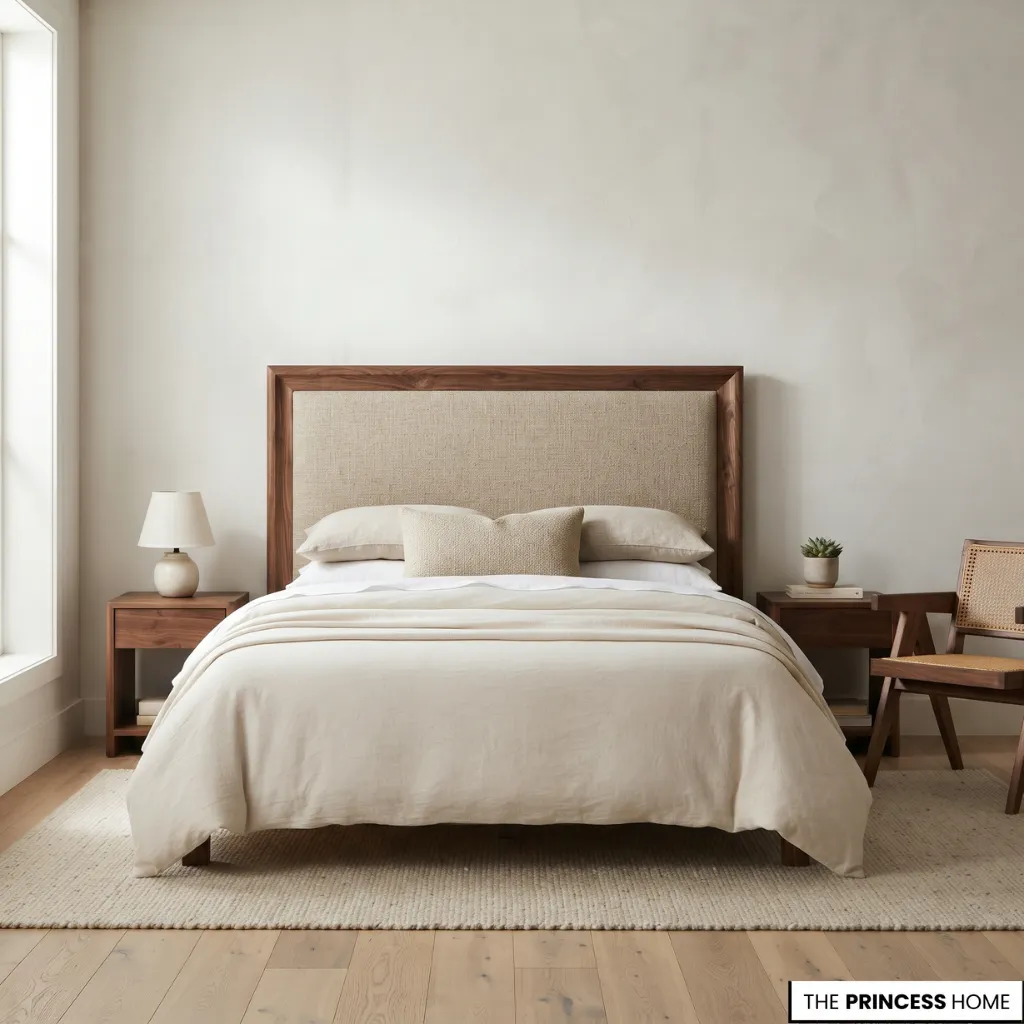
The material affects comfort, maintenance, durability, and the overall appearance of the headboard. Compare each option according to how you use the bed, how much maintenance you can manage, and the finishes already present in the bedroom.
Upholstered Fabric
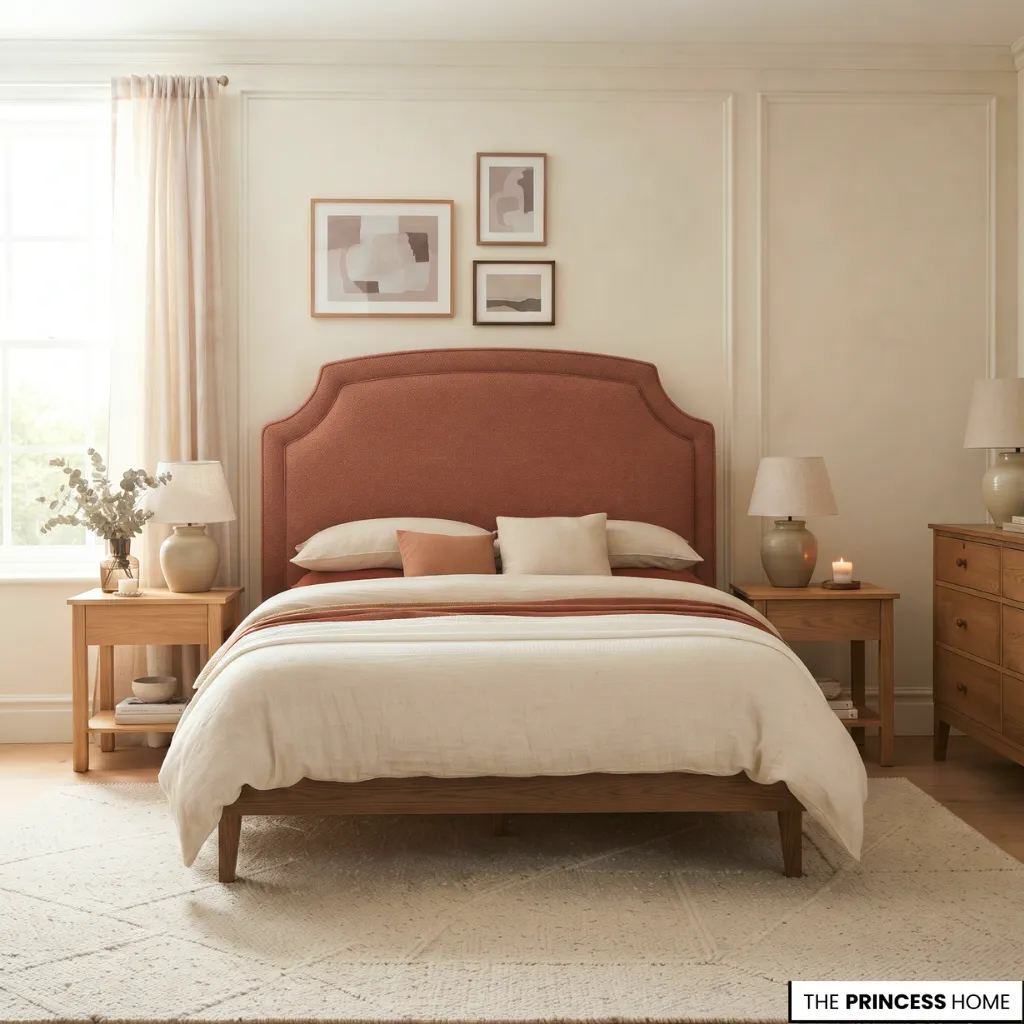
Fabric headboards offer a wide choice of colors, textures, and padded constructions. Linen, velvet, chenille, and bouclé each create a different surface and require different levels of care.
They are particularly useful when comfortable back support is important. Upholstery also allows different headboard profiles, including curved shapes, channel detailing, and tufted surfaces.
The type of fabric matters as much as its appearance. Linen has a natural texture but may show creasing and require careful cleaning. Velvet has a soft pile that can show pressure marks and needs care suited to its composition. Chenille offers a textured surface, while bouclé has a looped construction that may collect dust or small particles.
Before selecting a fabric, check its cleaning instructions, durability, and suitability for everyday use. Removable covers can make maintenance easier, while fixed upholstery may require more careful cleaning. If the bed is used frequently for reading or relaxing, choose a fabric that can withstand regular contact.
The weave and surface texture also affect how the headboard performs. Tightly woven fabrics may be easier to maintain in some settings, while textured fabrics can show dust or wear differently.
Ask for a fabric sample when possible, and view it beside the bedroom’s flooring, curtains, and other large finishes before making a final choice.
For upholstered headboards, also check the quality of the padding, seams, and internal construction. A well-finished surface should feel comfortable and retain its shape during normal use.
Wood
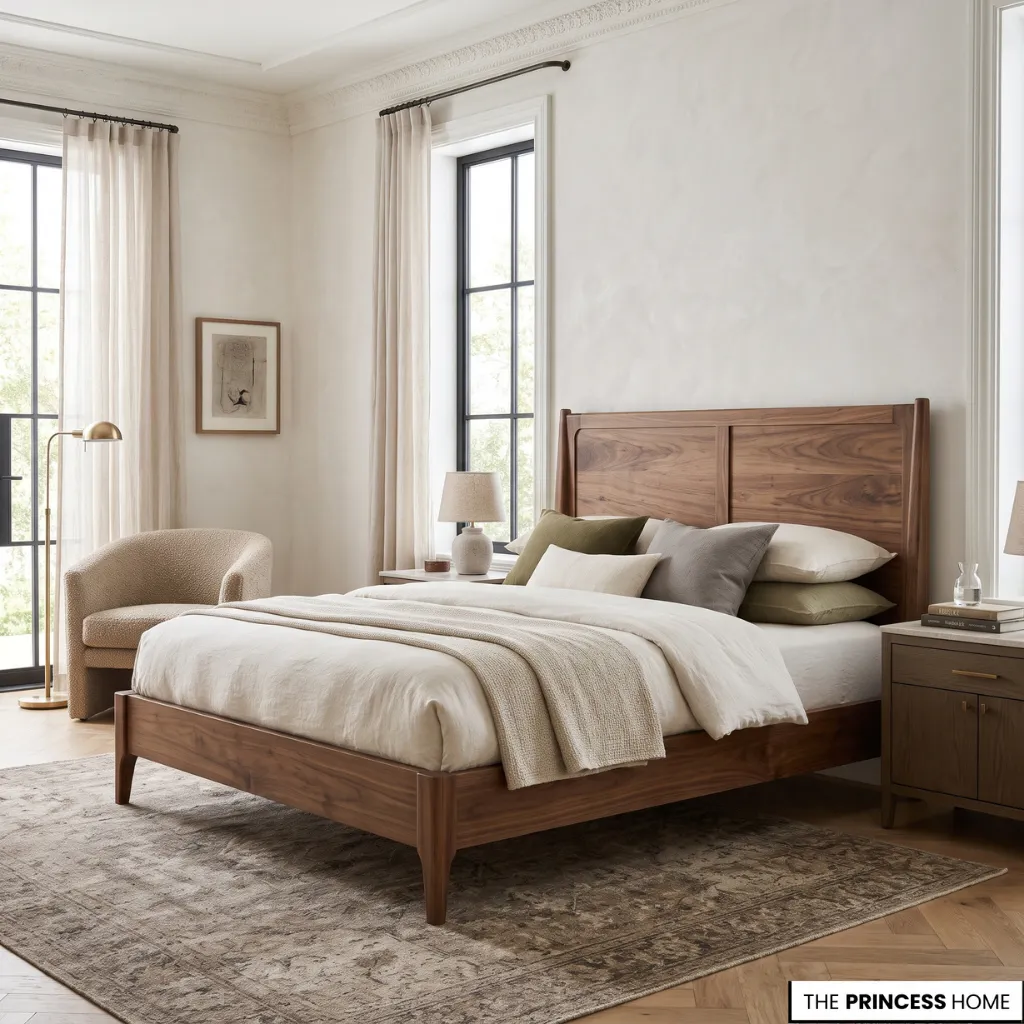
Wood provides a structured surface with natural grain and a range of finishes. Solid panels, framed designs, carved details, and slatted constructions offer different ways to introduce timber into the bedroom.
Walnut provides a deeper finish, while lighter oak offers a more restrained appearance. The choice should relate to existing furniture and flooring rather than being selected in isolation. Matching every wooden surface exactly is not essential, but the tones and finishes should work together.
Wood is generally easier to wipe clean than fabric, although its surface still needs appropriate care. Dust regularly with a soft cloth and use cleaning products suitable for the specific finish. Avoid excessive moisture, particularly around joints and unfinished edges.
When comparing wooden headboards, consider whether the surface is solid timber, veneer, or another engineered construction. These options differ in appearance, construction, and maintenance requirements.
Solid timber displays natural grain variation and may respond to changes in humidity. Veneered panels provide a real-wood surface over a manufactured core, while other engineered constructions may use different decorative finishes.
Check the quality of the joins, edges, surface coating, and supporting structure, particularly with large or custom-made panels. A smooth panel can suit a simple bedroom arrangement, while slatted or framed construction adds more detail and may need careful coordination with other wood finishes.
Rattan and Cane
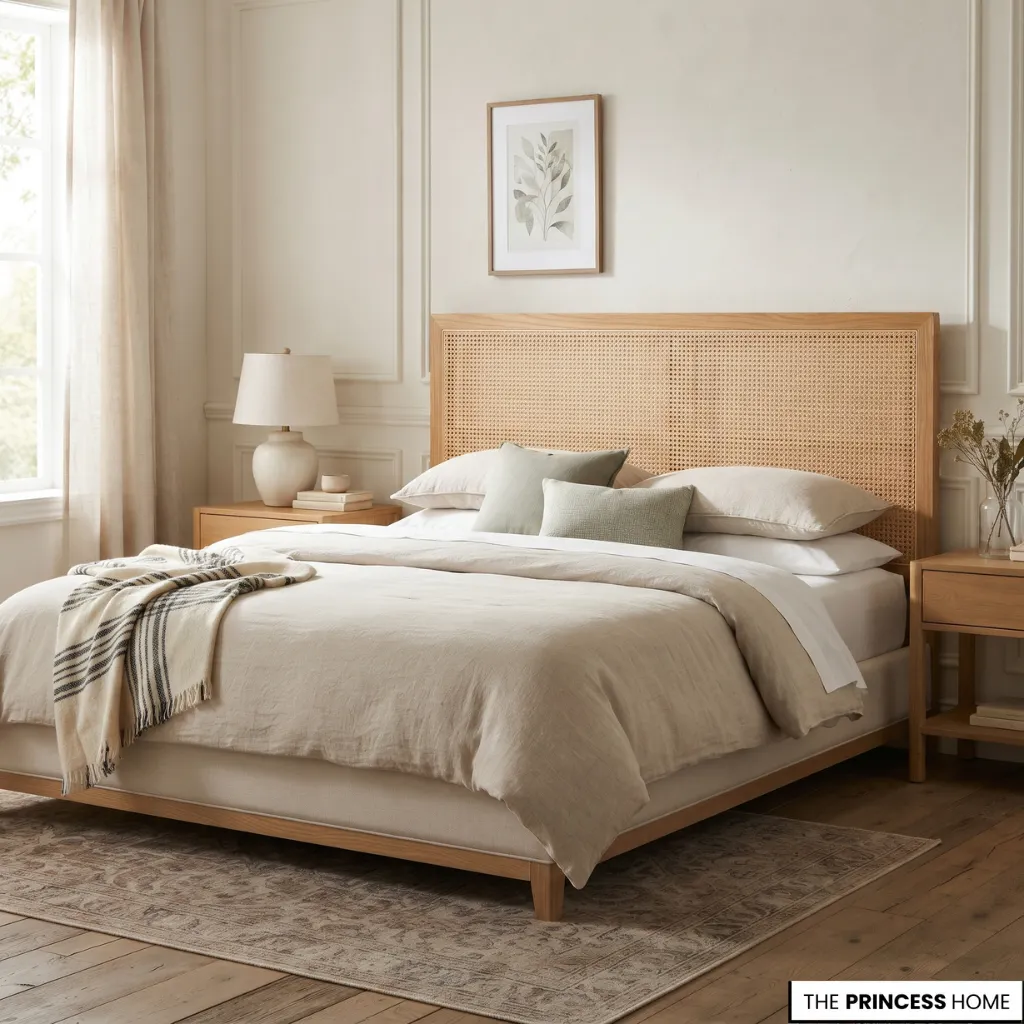
Rattan and cane headboards introduce woven texture and an open appearance. Their construction allows more of the wall to remain visible than a solid upholstered or wooden panel.
They suit natural, traditional, and contemporary interiors, depending on the frame, weave, and finish. A simple woven panel can work with understated furniture, while a framed cane design may suit a more traditional bedroom.
Check the quality of the weave and how securely it attaches to the frame. Dust can collect within the woven surface, so clean it gently with a soft brush or suitable vacuum attachment. Avoid excessive moisture that could affect natural materials.
Because woven headboards usually provide less padding than upholstered designs, consider how you use the bed before choosing one as a backrest. If you regularly read or sit up, add supportive cushions or choose a design with a padded section.
A frame with a well-defined border can also help the woven surface feel more integrated with the bed. Check that the woven material is evenly fitted and that there are no loose or damaged sections.
Metal

Metal headboards range from delicate traditional frames to substantial contemporary designs. Brass, black metal, and other finishes offer different visual effects.
Their open construction is useful when you want the wall behind the bed to remain visible. Metal surfaces are also generally straightforward to clean, although the finish may need specific care to prevent damage or corrosion.
Metal provides a firm surface rather than padded back support. If you regularly sit up in bed, consider whether the frame’s shape and construction will be comfortable. You may prefer an upholstered headboard or additional cushions for support.
When selecting a metal design, compare the frame’s finish with the bedroom’s handles, lighting, and other metal details. Check that the joints and frame feel stable, and confirm that the headboard’s attachment points suit the bed.
An open design can preserve a sense of space, but its bars and decorative details should still provide a comfortable arrangement around the pillows. Pay attention to the spacing and shape of the frame if you intend to lean against it.
Leather and Alternatives
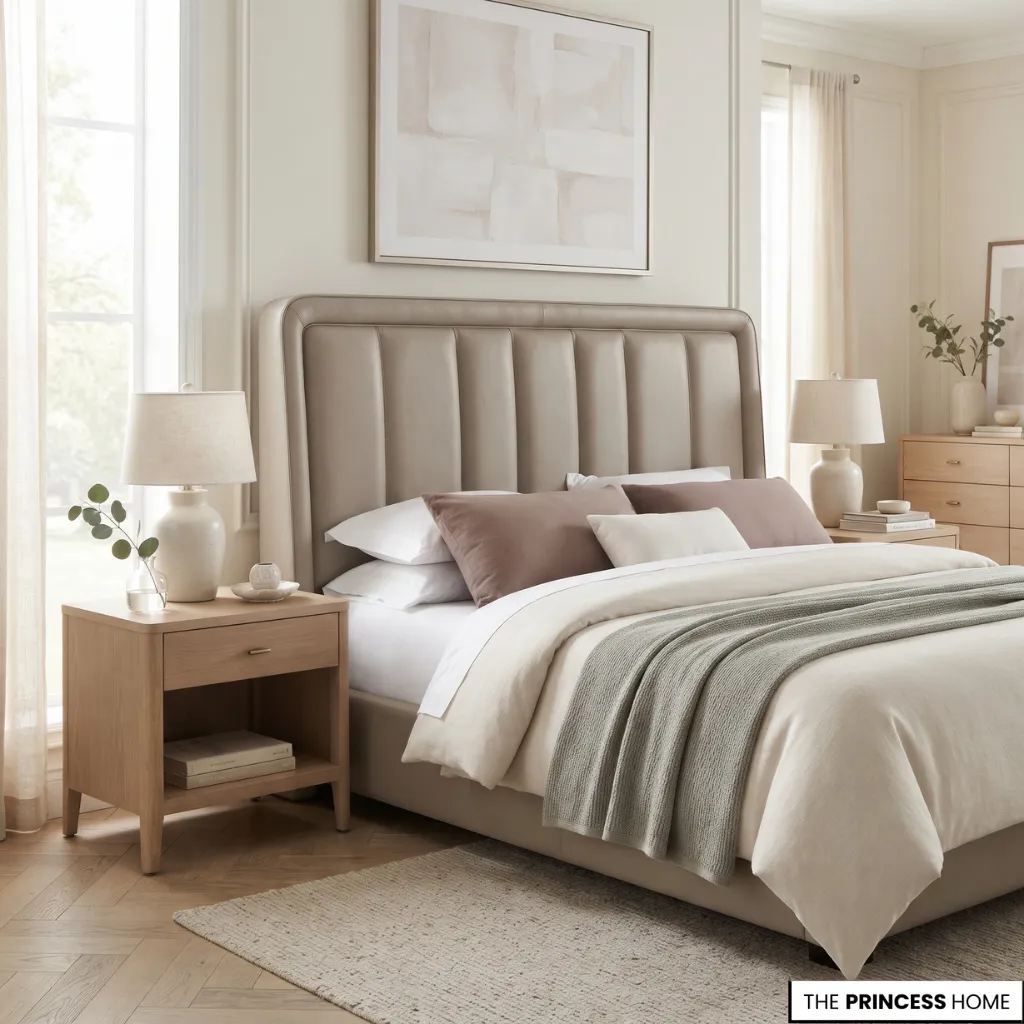
Leather headboards provide a smooth, structured finish that can complement contemporary and traditional bedroom furniture. Their appearance ranges from natural leather with visible surface variation to more uniform synthetic alternatives.
Genuine leather develops its own character over time and requires care appropriate to its finish. Synthetic alternatives can offer different maintenance and price advantages, but their durability varies according to their construction and quality.
Check the manufacturer’s cleaning instructions before choosing either option. Consider how the surface will respond to regular contact, sunlight, and the cleaning products you intend to use.
If you are comparing genuine leather with a synthetic alternative, ask about the surface finish, cleaning requirements, and expected wear. View a sample in the bedroom’s natural light, as the finish can look different beside warm or cool wall colors.
For a padded leather headboard, also check the quality of the upholstery and seams, especially if the bed is used regularly for sitting and reading.
Leather and coated synthetic surfaces are generally maintained differently from woven or fabric upholstery. Avoid assuming that every leather-like material can be cleaned with the same products. Follow the manufacturer’s guidance to protect the surface from drying, staining, or damage.
Match the Wall
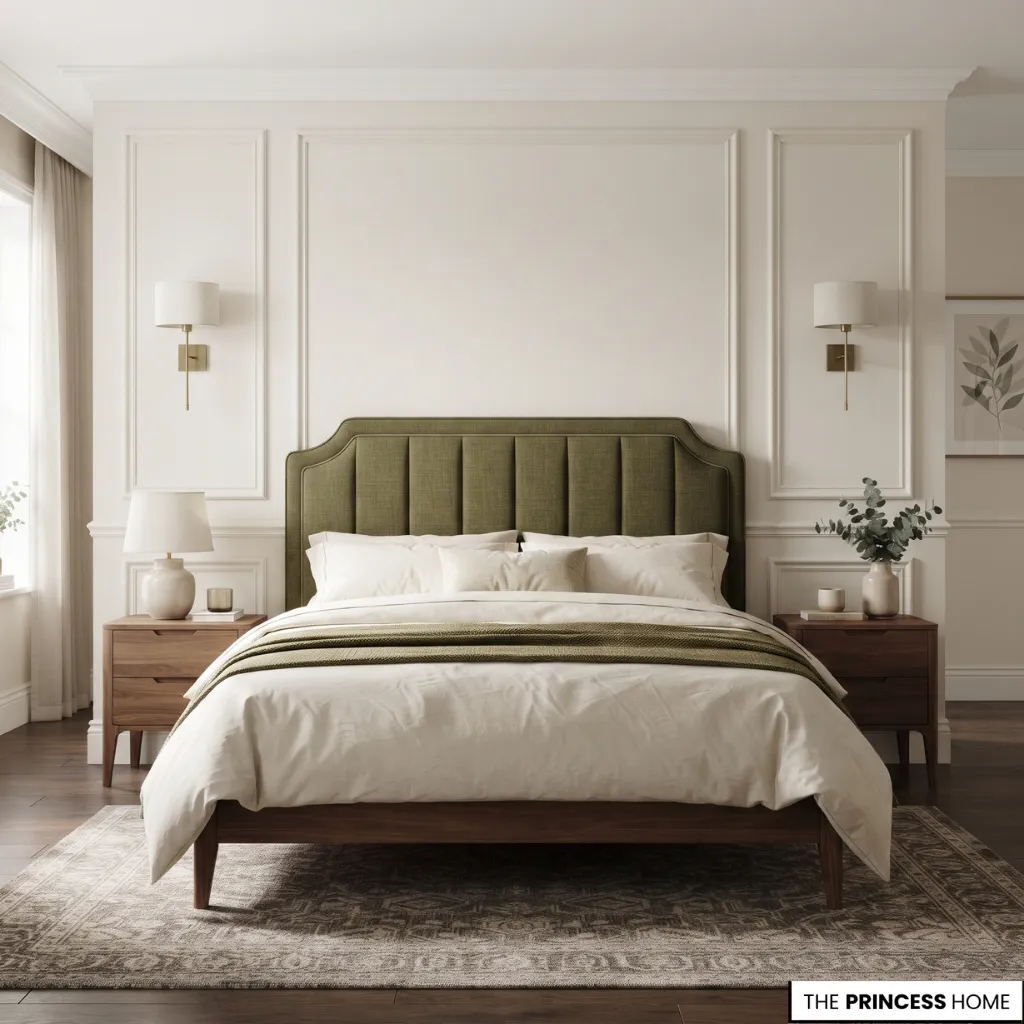
The wall behind the bed should support the headboard rather than compete with it. Its color, texture, and architectural details influence how clearly the bed stands out and how the entire arrangement comes together.
Painted walls provide a straightforward background for most headboard styles. A contrasting headboard creates a more defined focal point, while a closely coordinated finish makes the bed and wall feel more integrated.
Wallpaper introduces pattern and texture. If it has a strong motif, a simpler headboard may provide better balance. More restrained wallpaper can work with an upholstered design or a wooden headboard with decorative detailing.
Decorative mouldings can frame the bed area and introduce architectural structure. When using a panelled wall, consider the headboard’s height and width in relation to the moulding divisions.
Aligning the headboard with the panels, where possible, helps the arrangement look intentional. Avoid a position that cuts awkwardly across prominent moulding details.
Wood panelling creates a continuous background and can work particularly well with upholstered headboards. The contrast between the firm timber surface and soft fabric gives each material a clear role.
Upholstered wall panels offer another way to extend the headboard visually. They can create a padded background across the sleeping area and may incorporate bedside features. Plan their dimensions carefully so that they relate to the bed and bedside furniture.
Windows and other architectural features also affect the arrangement. A headboard positioned below a window should respect the sill and opening mechanism. A design extending across the wall should not obstruct access, natural light, or necessary ventilation.
Wall lights and artwork need similar attention. Position them so they complement the headboard’s outline and remain easy to use. If the headboard has elaborate detailing or rich upholstery, a quieter background often works well.
If the wall already contains strong mouldings, wallpaper, or decorative panelling, a simpler headboard may create a more comfortable balance.
Before settling on the combination, compare the headboard and wall finish together rather than judging them separately. A fabric or wood sample placed against the wall can help you assess their colors and textures in the room’s actual light.
Also check that wall lights, switches, sockets, and electrical outlets remain accessible once the headboard is in position. If the headboard covers an existing fitting, plan any necessary changes before installation.
For more ideas: How to Choose the Right Bedroom Style for Your Home
Choose Mounting
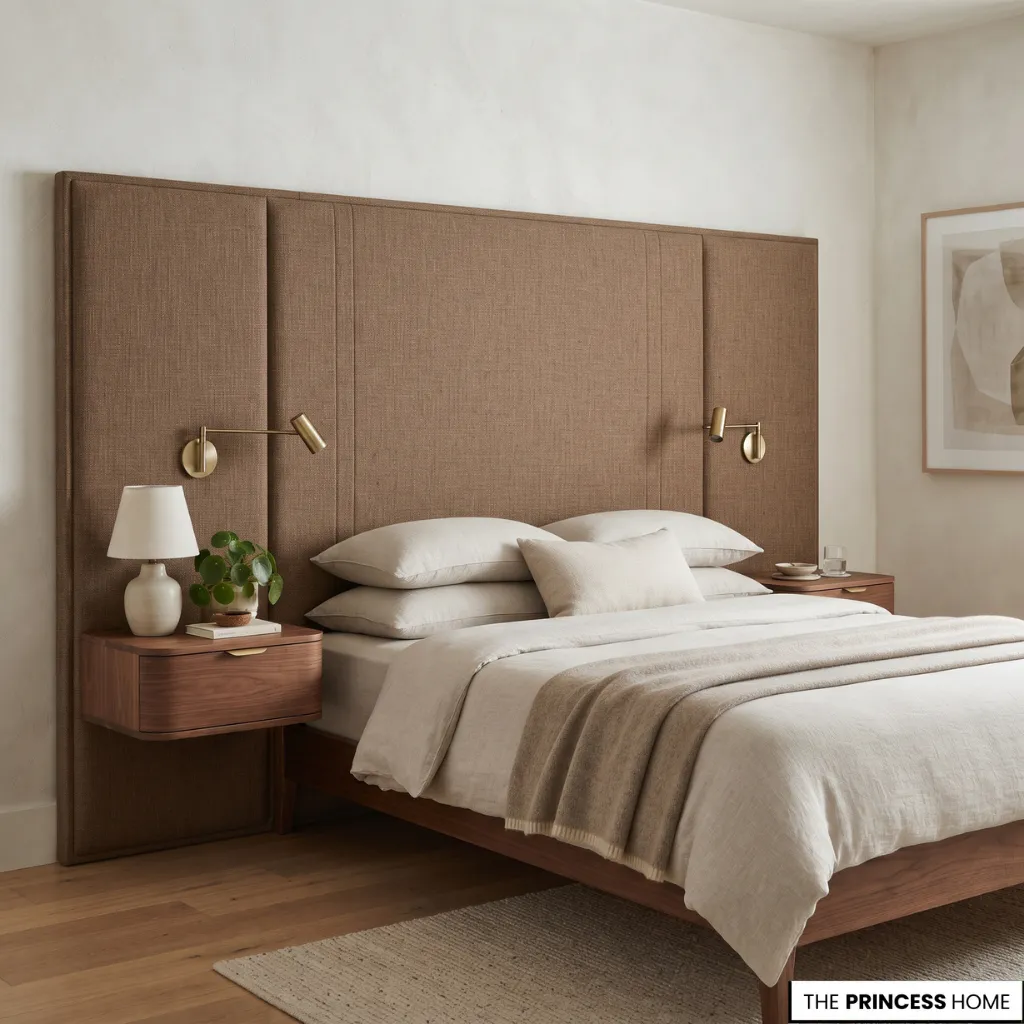
Headboards can attach to the bed frame, mount directly to the wall, or stand independently behind the bed. The right method depends on the headboard’s construction, the existing bed, and whether you want a permanent installation.
Bed-Frame Mounted
Bed-frame-mounted headboards connect to compatible fittings on the bed frame. This keeps the headboard attached to the bed and can be convenient when replacing an existing design without changing the wall.
Check the frame’s attachment points, dimensions, and manufacturer compatibility before purchasing. A headboard that appears to fit the bed’s width may still require different brackets or fixing positions.
Also check the height adjustment available on the frame. Some mounting systems allow the headboard position to be changed, while others have fixed attachment points.
Wall-Mounted
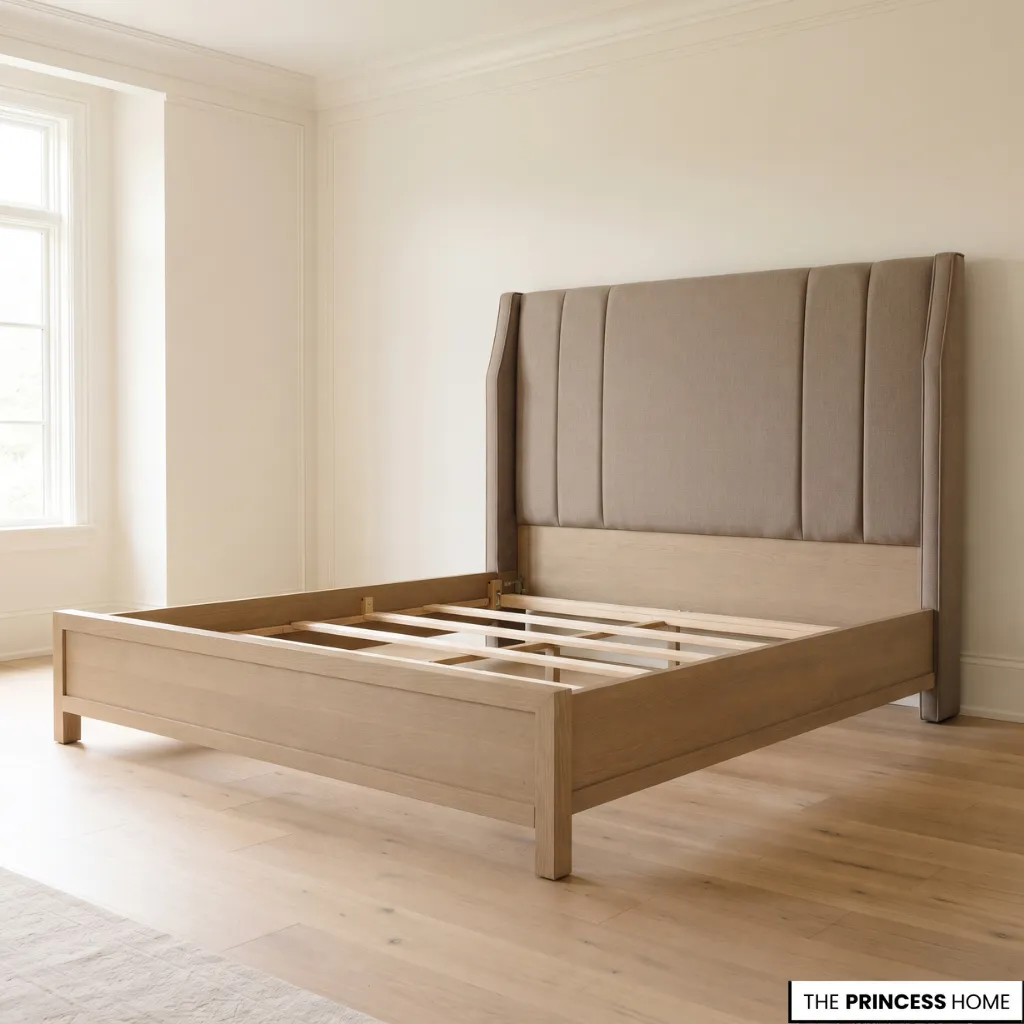
Wall-mounted headboards attach directly to the wall. They offer flexibility in positioning and suit extended panels that do not depend on the bed frame’s width.
The fixing method must match the wall construction and the headboard’s weight. Plasterboard, timber-stud walls, and masonry require different fixing solutions.
Follow the manufacturer’s instructions and use suitable hardware. For heavy or custom installations, seek professional advice rather than assuming that ordinary wall fixings will provide adequate support.
Before drilling, identify concealed electrical cables and plumbing where relevant. Confirm the intended mounting height and position, particularly when the panel extends behind bedside tables or incorporates lighting and shelving.
Freestanding
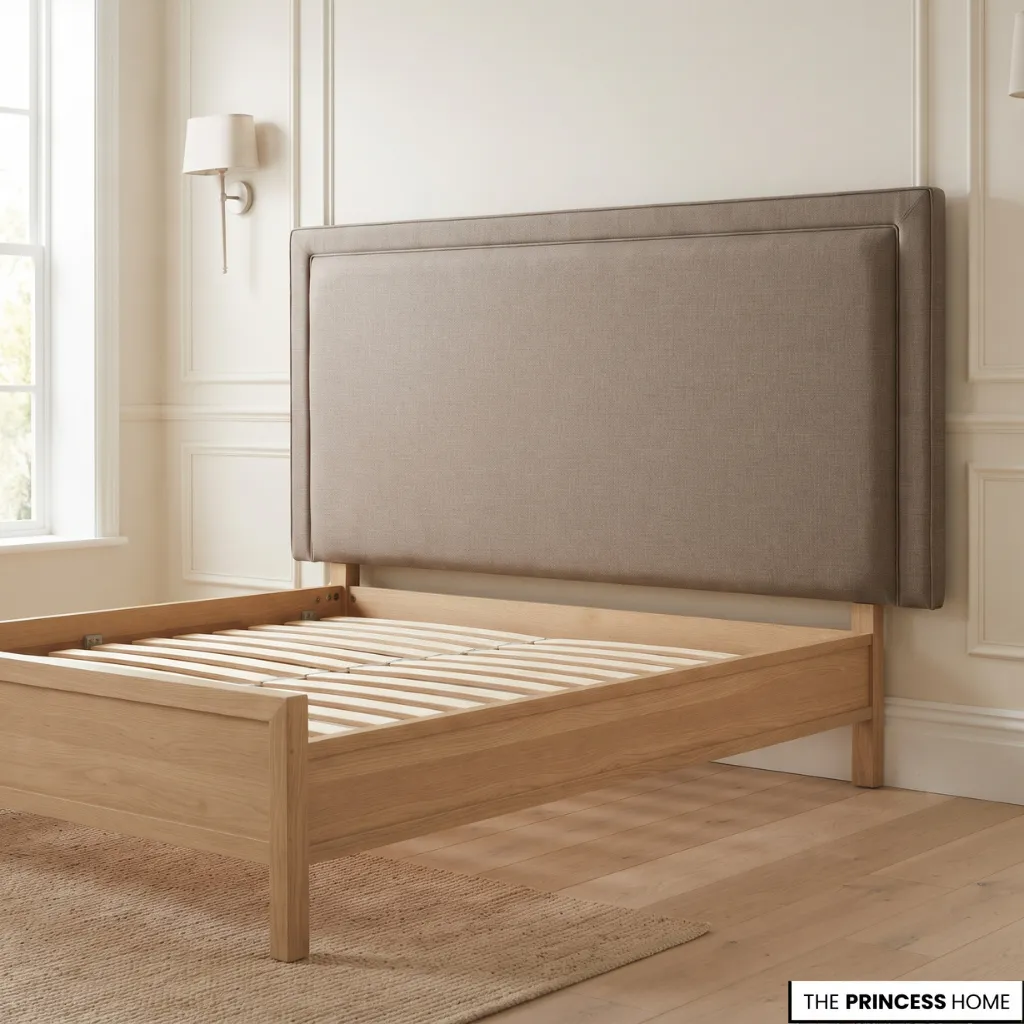
Freestanding headboards sit behind the bed without necessarily attaching to the wall or frame. They can be useful when permanent installation is undesirable, but their stability must be checked carefully.
Some designs rely on their own supporting structure, while others are held in position by the bed. Check the manufacturer’s instructions to understand how the model is intended to remain stable.
Floor-Standing
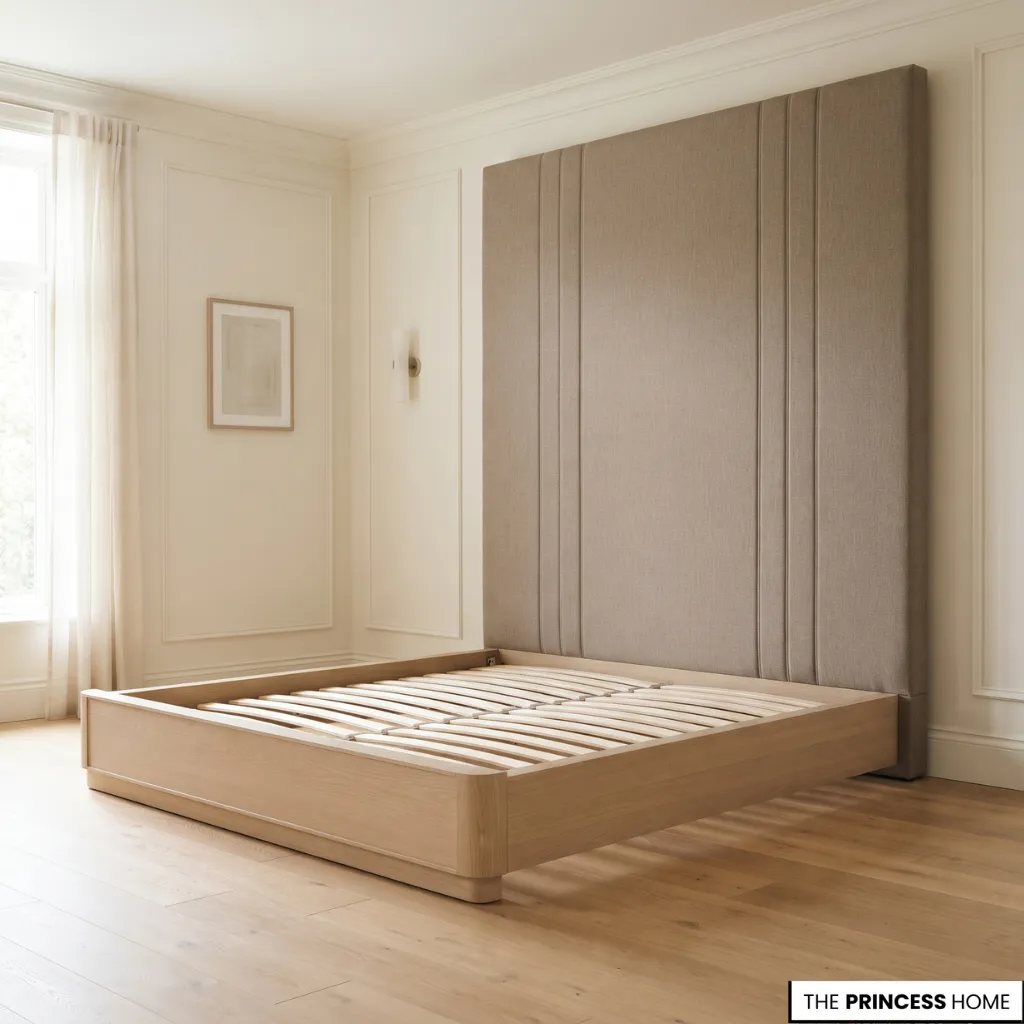
Floor-standing headboards extend toward the floor and may be secured to the bed frame or installed according to the manufacturer’s specifications. Their construction can create a substantial appearance, but they need adequate space and correct support.
Check the overall height, base dimensions, and fixing arrangement before purchasing. A floor-standing design may have a different visible height from a wall-mounted panel with the same stated upper-edge measurement.
For rental properties or rooms where wall drilling is restricted, a compatible bed-frame-mounted or freestanding design may be more appropriate.
Whichever method you choose, make sure the headboard cannot tip, shift, or become unstable during normal use. If the headboard includes integrated electrical fittings or bedside lighting, ensure that the installation also meets the relevant safety requirements.
Adapt Smaller Bedrooms
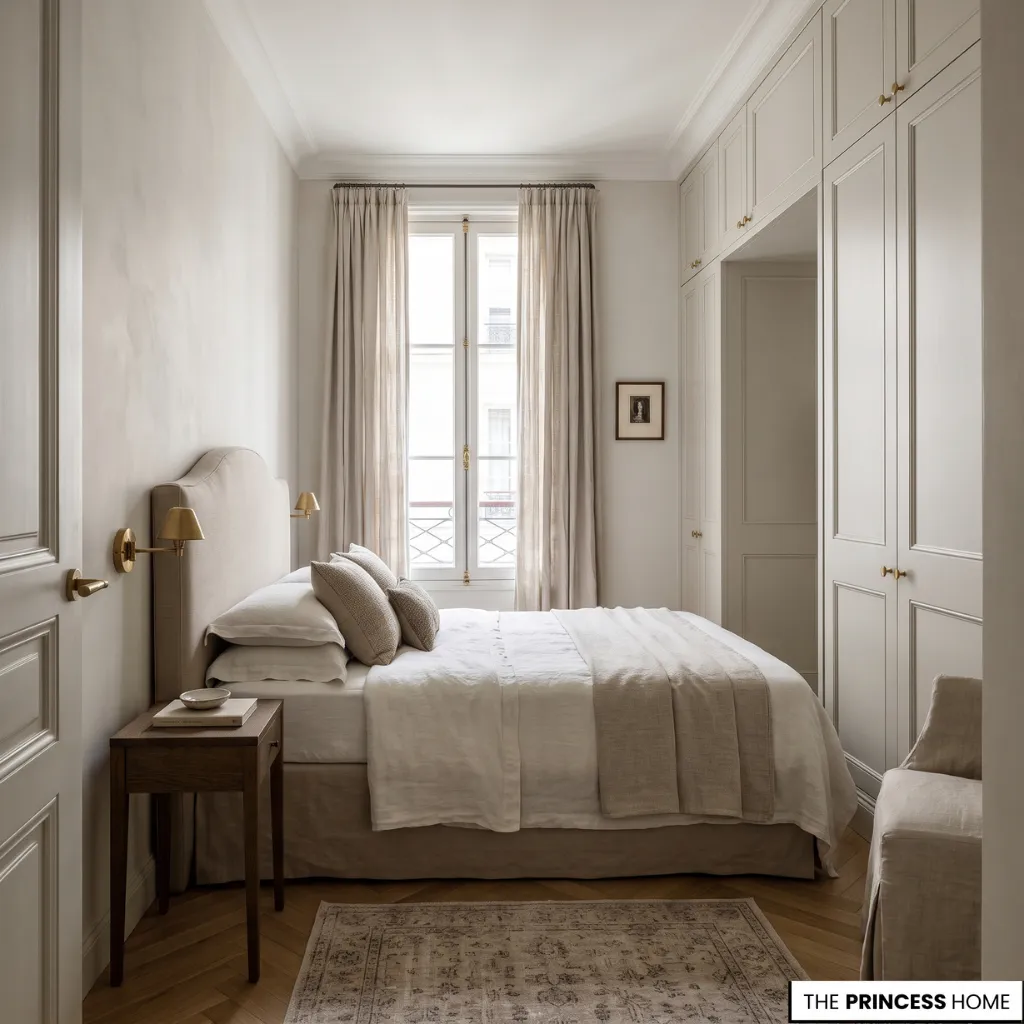
A small bedroom can accommodate an attractive headboard when its dimensions and construction suit the available space. The aim is to provide the required comfort and appearance without reducing circulation or making the bed area feel crowded.
Slim upholstered panels and wall-mounted designs provide a defined background without taking up additional floor space. A simple rectangular shape may work better than deeply padded wings when the bed sits close to other furniture.
Wall-mounted panels can also extend slightly beyond the bed without requiring a large freestanding structure. This connects the sleeping area visually while keeping the floor clear. Keep the extension proportionate to the bedside tables and the available wall width.
Consider lighter-looking materials when the room already contains substantial furniture. Open metal frames and woven cane designs allow more of the wall to remain visible, while carefully selected wooden panels can provide structure without excessive depth.
Integrated bedside shelves or shallow niches may replace separate bedside tables when floor space is limited. However, check that their dimensions suit the items you need to keep nearby and that they remain easy to reach from the bed.
Vertical designs can make use of available wall height, but a tall headboard is not automatically the best solution for a small room. Consider ceiling height, windows, and other wall features before selecting one.
The headboard’s depth also matters. A deeply padded or winged design may extend farther into the room than a flat wall-mounted panel. Compare the complete depth with the available space between the bed and nearby furniture.
Keep enough clearance for walking, opening drawers, and making the bed. A compact headboard should not interfere with these everyday activities simply to save floor space.
The best design is one that fits the complete arrangement rather than reducing the headboard at the expense of comfort or function.
For more ideas: Bedroom Layout Ideas: How to Arrange Furniture for Better Space
Avoid Common Mistakes
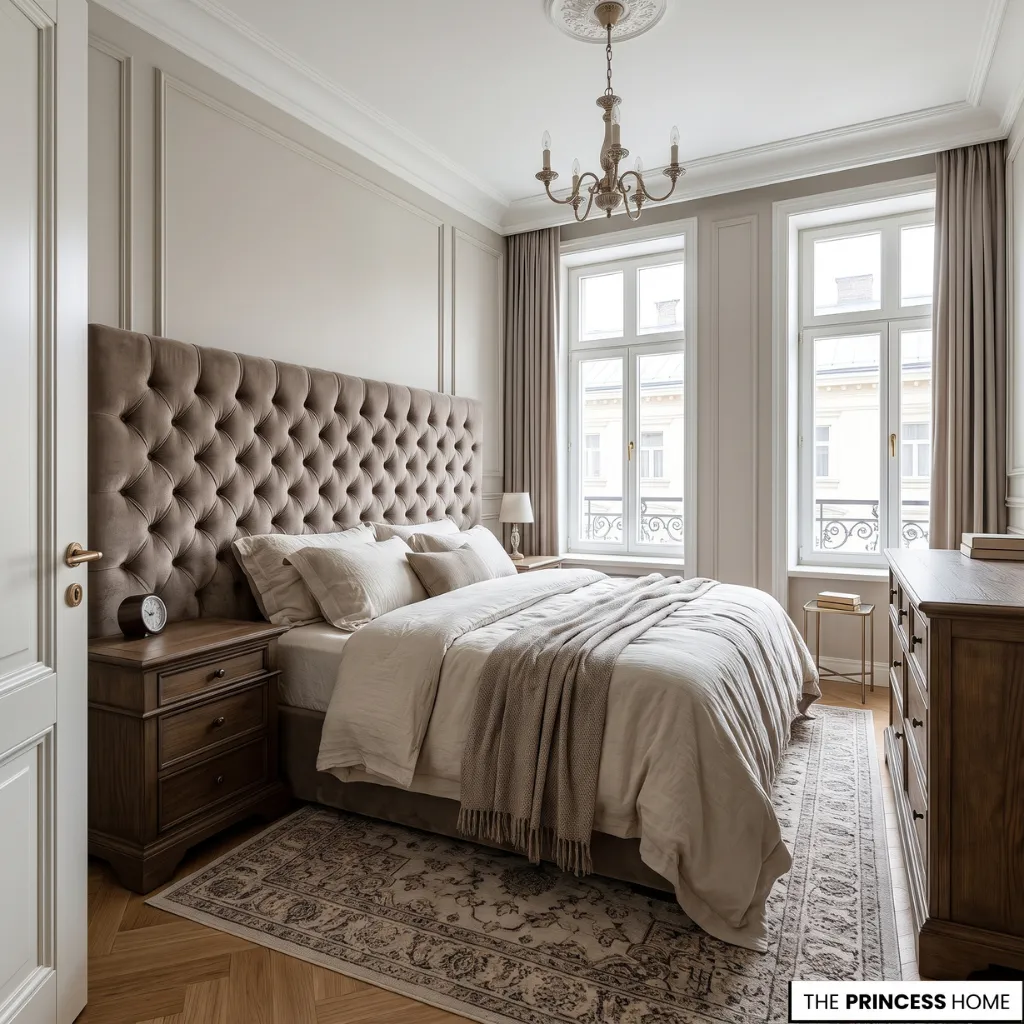
Even an attractive headboard can look unsuitable when its proportions, material, or installation have not been considered carefully. Reviewing the following points before purchasing can help prevent measurement errors and unnecessary adjustments.
Measuring Only the Mattress
Measuring only the mattress can produce an incorrect width. Bed frames may extend beyond the mattress on both sides, so always check the complete outside dimensions of the frame before selecting a compatible headboard.
Ignoring Mattress and Pillow Height
A headboard may appear tall in a product photograph but leave very little visible surface once the bed is made. Evaluate its exposed height above the mattress and consider how much the usual pillow arrangement will cover.
Selecting an Oversized Design
A wide or tall headboard can conflict with windows, lighting, and bedside furniture. Check the entire wall arrangement rather than considering the bed alone.
Combining Too Many Dominant Features
An elaborate headboard against heavily patterned wallpaper and decorative panelling can create visual competition. Allow one feature to lead and simplify the surrounding finishes where necessary.
Choosing Upholstery Without Checking Maintenance
Fabric appearance does not reveal its cleaning requirements. Review the manufacturer’s care instructions and select a material appropriate for everyday use.
Overlooking Mounting Compatibility
A headboard may have the correct dimensions but still be unsuitable for the existing bed frame or wall. Check the attachment method, fixing positions, and installation requirements before ordering.
Ignoring Bedside Clearance
Extended headboards and integrated shelves can interfere with drawers, doors, and walking space. Measure the complete arrangement, including the surrounding furniture, and confirm that all fittings remain accessible.
Conclusion
The best headboard is one that suits the room’s dimensions, supports everyday comfort, and creates a coherent relationship with the bed frame, wall, and surrounding furniture.
Start with accurate measurements of the complete bed frame and available wall. Choose a suitable height and width, compare materials according to their comfort and maintenance requirements, and select a mounting method that works with the wall and bed construction.
When these decisions work together, the headboard becomes a well-proportioned and functional part of the bedroom rather than an isolated decorative feature.