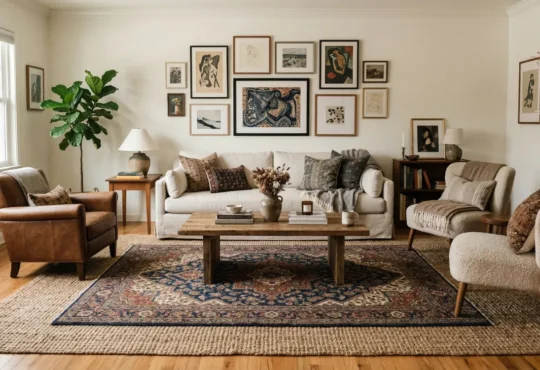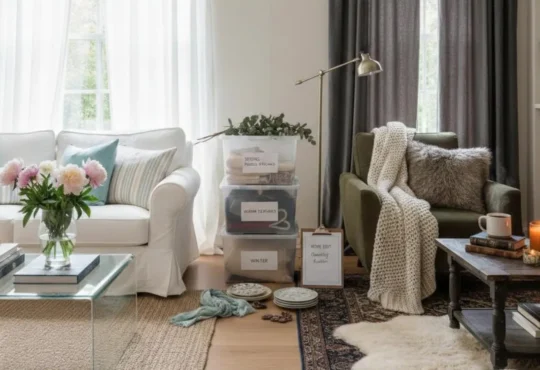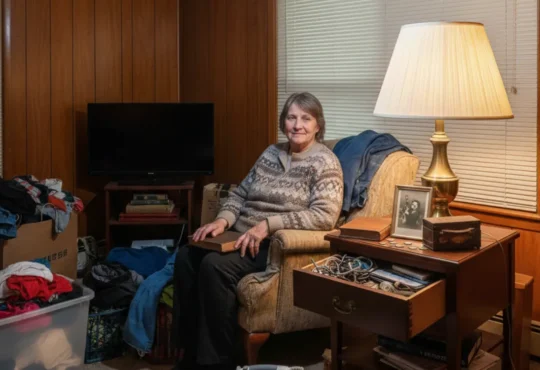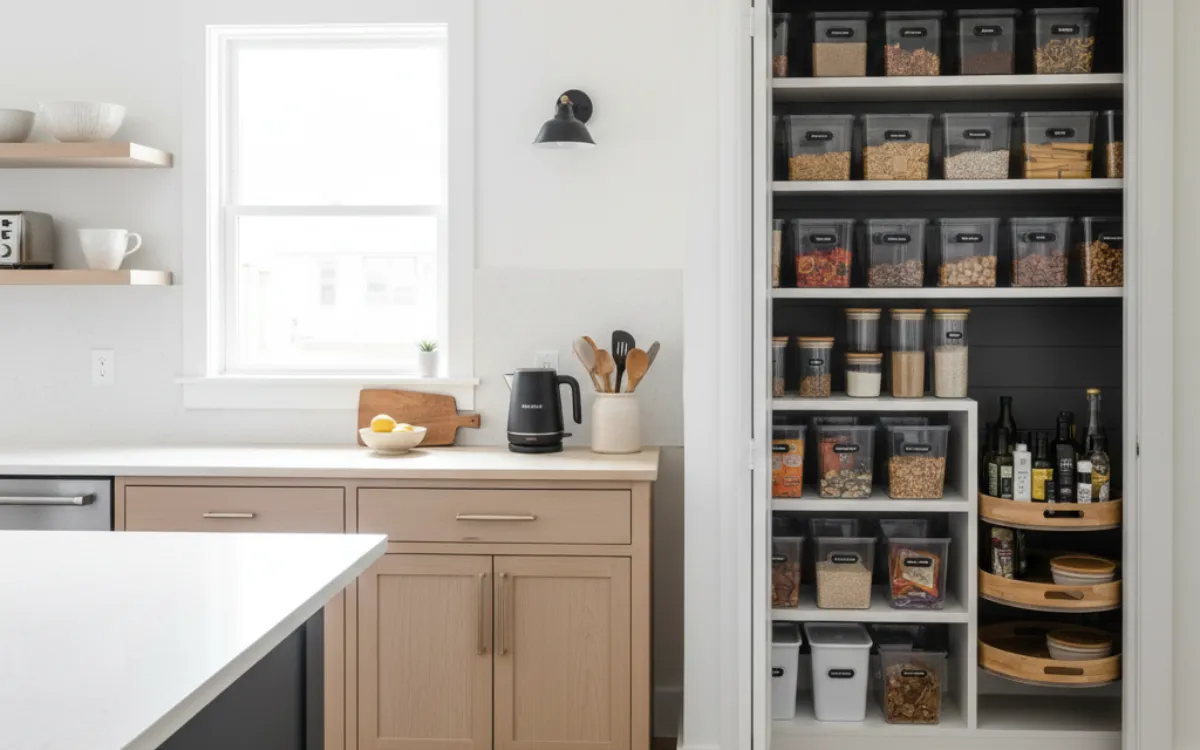
Transforming your home into a calm and functional space isn’t just about buying more containers; it’s about creating systems that last. As a professional home organizer, I’ve seen how clarity, purpose, and a few designer-inspired tricks can turn clutter into order. Here’s a fresh, practical approach to organizing your home, packed with inspiring ideas and expert insights.
Purpose Over Perfection
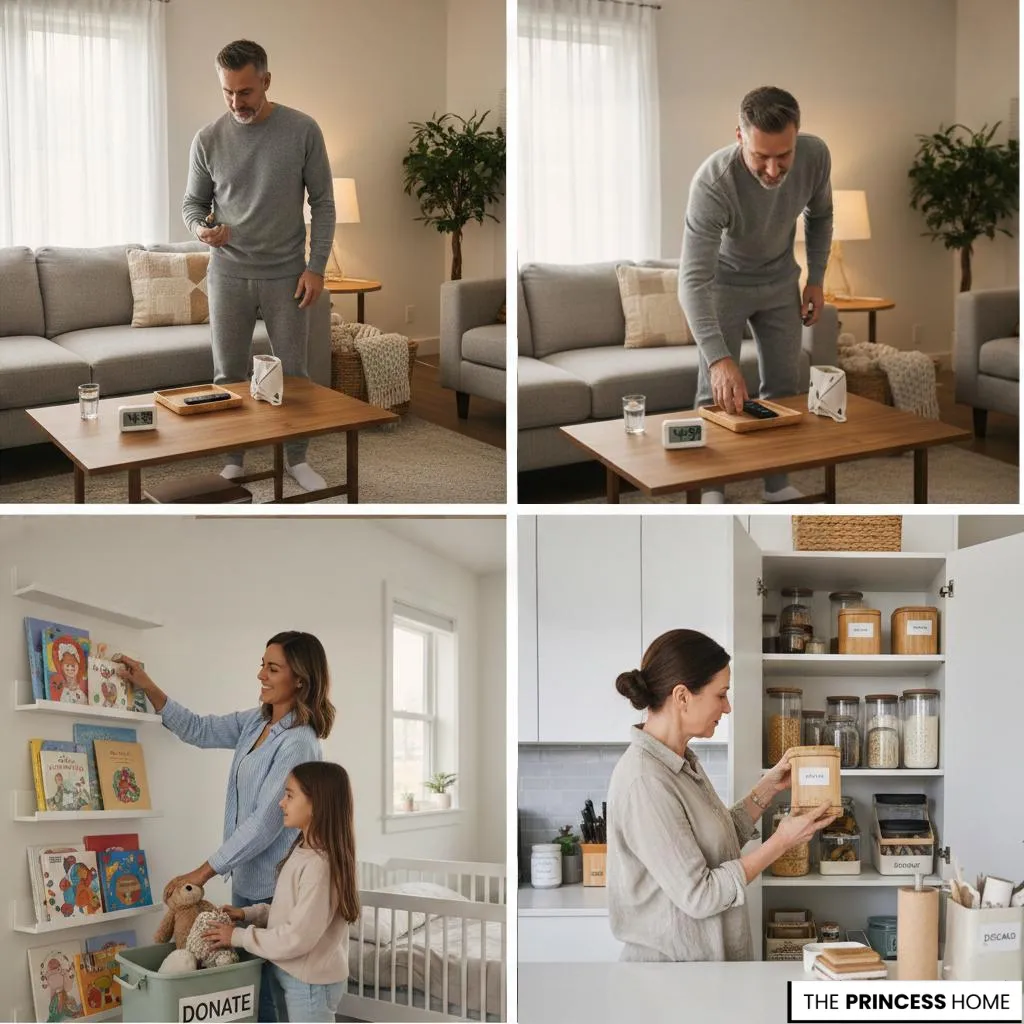
Home organization is no longer about picture-perfect pantries it’s about creating functional systems that reduce decision fatigue and support your daily routine. Instead of chasing aesthetic trends, professional organizers recommend starting with one simple question: What does this space need to do for me?
Many experts, including Marie Kondo and Joanna Gaines, emphasize that a home should reflect lifestyle and emotional well-being rather than social media standards. Designers like Nate Berkus and Shea McGee often highlight zoning spaces by activity work, rest, play so each area has a clear purpose and naturally supports habits.
When a room is organized around function first, maintaining it becomes effortless because the system works with you, not against you. Progress-based organizing focuses on small, sustainable improvements that compound over time, making your home calmer, more efficient, and easier to live in every day.
5 Day Clutter Cleanse
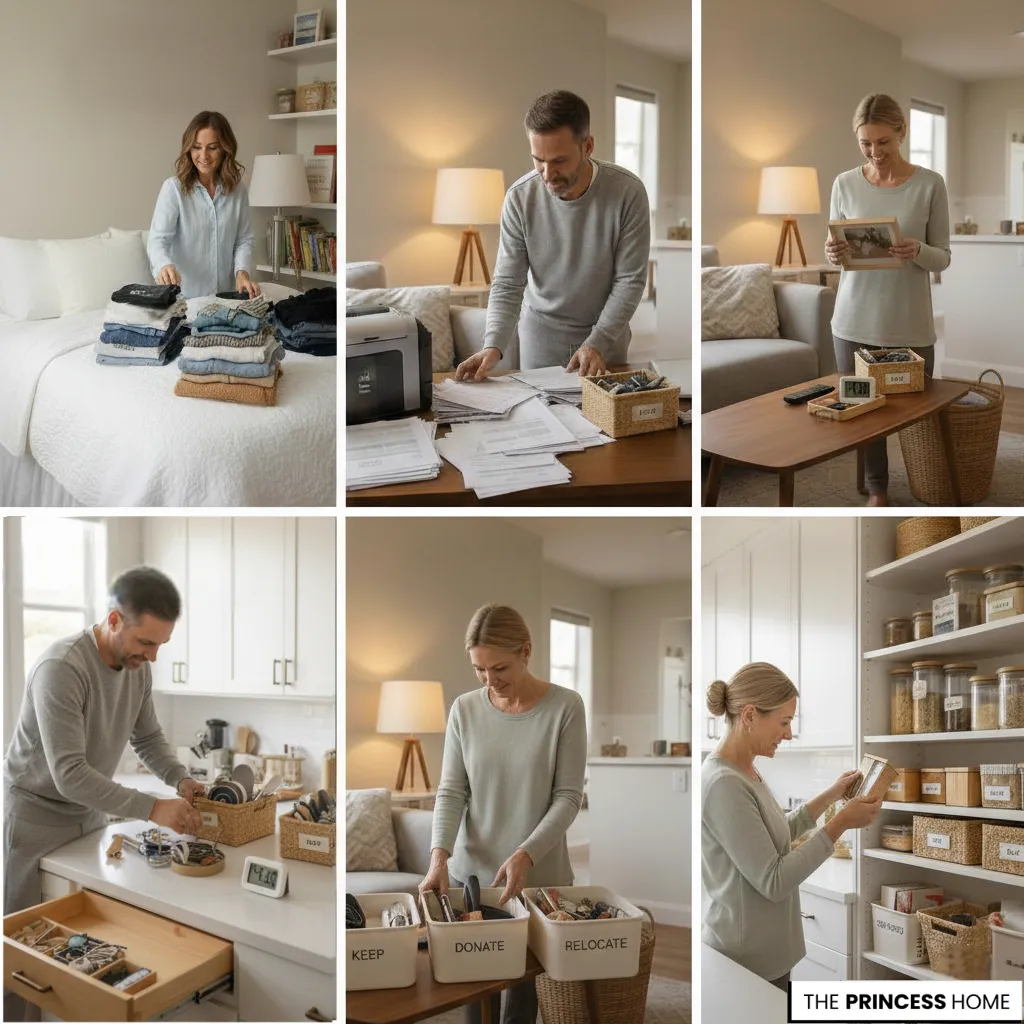
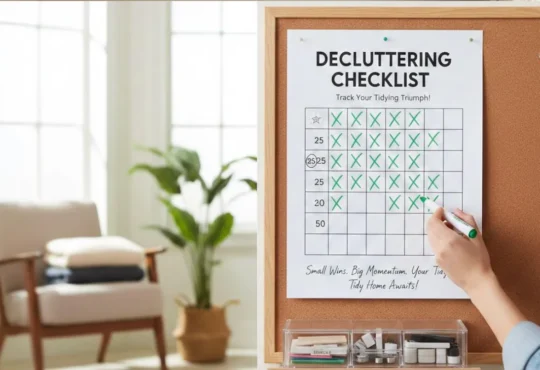
The 5-Day Clutter Shakedown breaks decluttering into focused, manageable sprints so you build momentum without burnout. Dedicate each day to one category clothes, papers, sentimental items, kitchen tools, and miscellaneous so decisions stay simple and targeted.
This category-by-category method echoes the approach popularized by Marie Kondo, who encourages sorting by type rather than room to see the full volume of what you own. Professional organizers like Clea Shearer also recommend structured editing sessions to reduce overwhelm and create visible progress quickly.
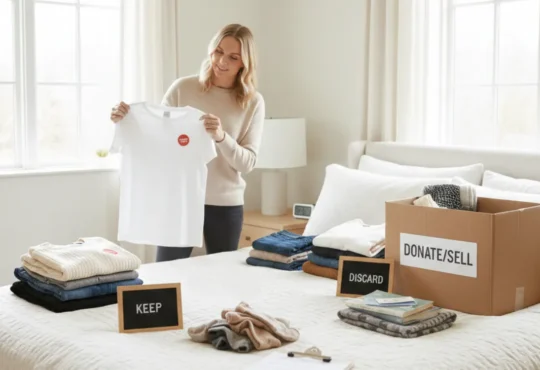
For faster results, try the “Drawer Dumping Method”: empty one drawer completely, sort items into keep, donate, or relocate, then return only what truly serves a purpose. Interior designer Nate Berkus often emphasizes that every item should earn its place if it doesn’t add function or meaning, it adds noise.
By the end of five days, you won’t just have less clutter you’ll have a clearer system that’s easier to maintain long term.
Designer Spatial Logic
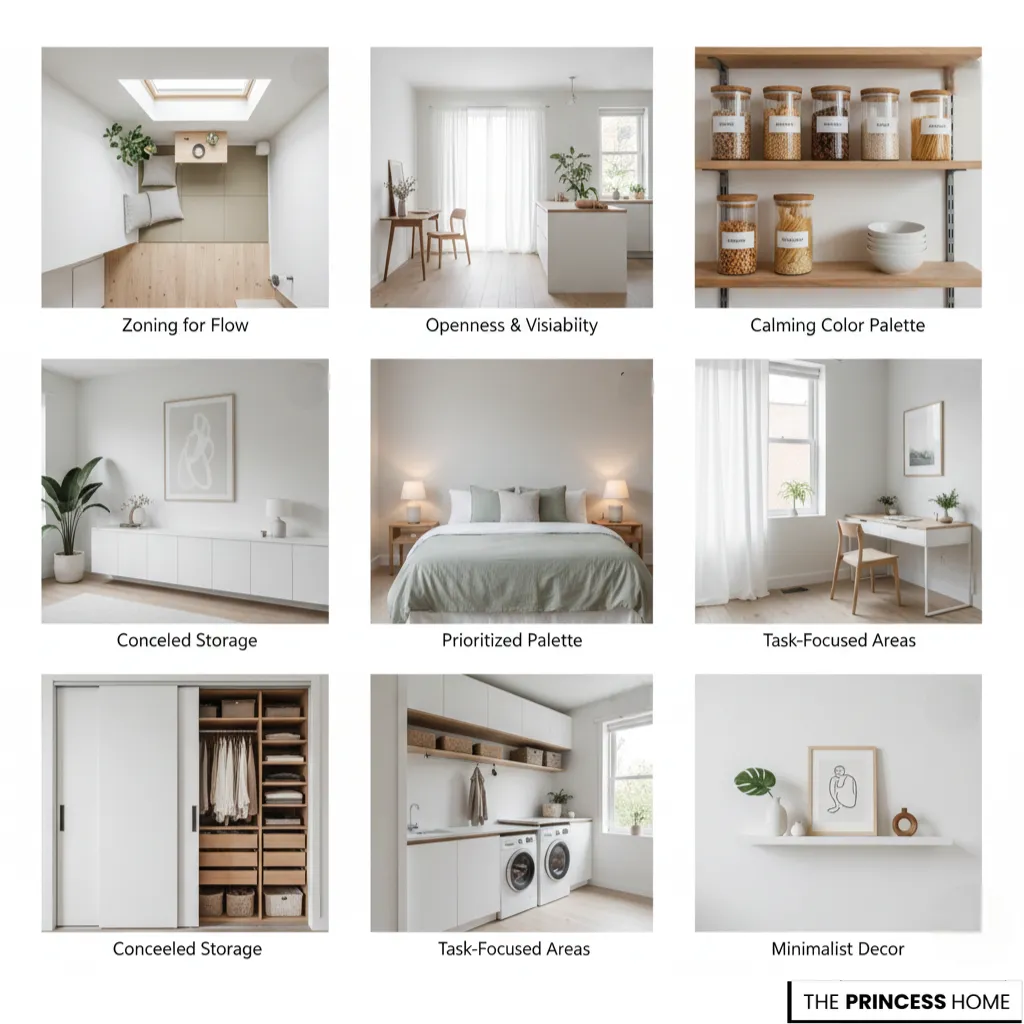
Interior designers approach organization through spatial logic the intentional planning of flow, visibility, and emotional impact within a room. The goal isn’t just tidiness; it’s creating systems that feel intuitive and calming every time you use them. Here’s how leading names translate design thinking into practical organization:
Visibility & Emotional Clarity
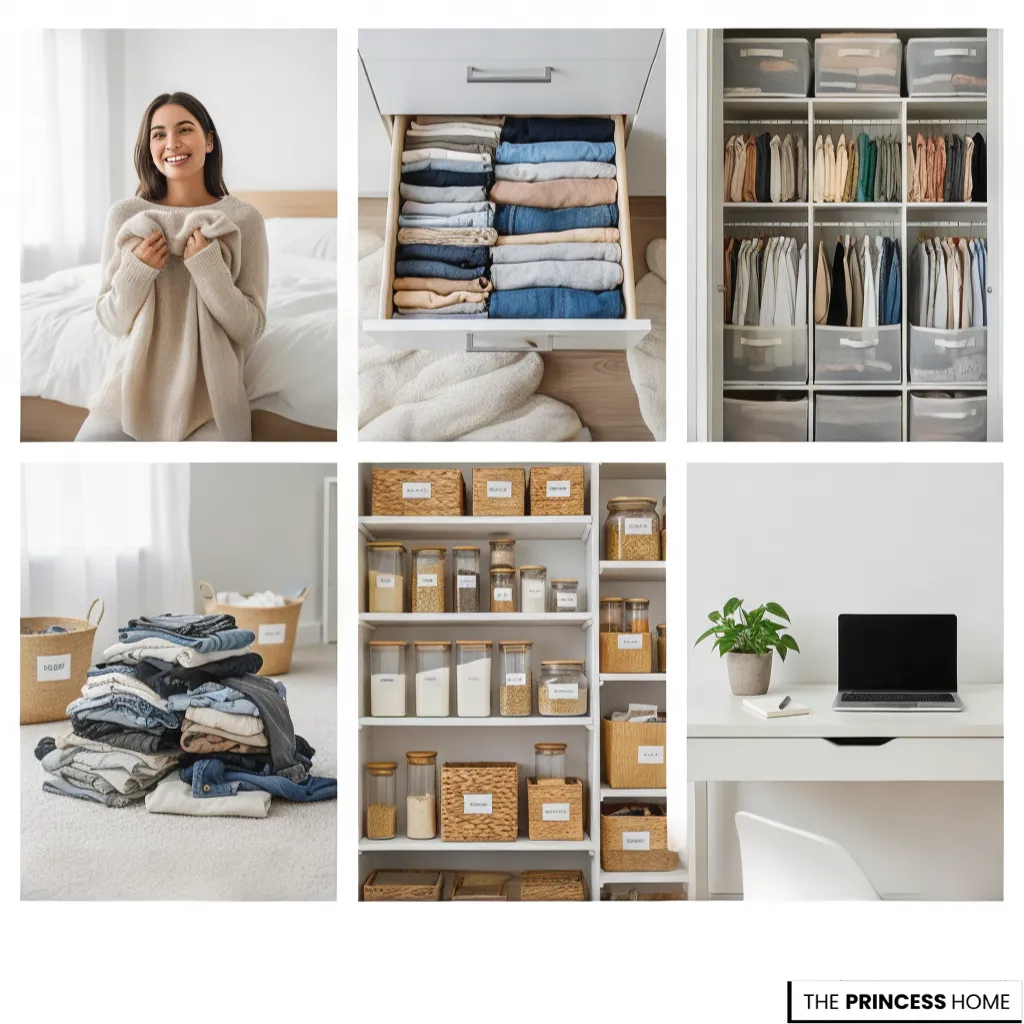
Kondo’s method focuses on visibility and emotional clarity, keeping only items that truly “spark joy” and folding them vertically so every piece is instantly visible. This technique reduces daily friction and prevents the cluttered “pile effect” caused by stacking items horizontally.
By sorting by category first, you can evaluate the volume of belongings before deciding where each item belongs, making storage intentional rather than reactive. Integrating these designer strategies with Kondo’s philosophy transforms storage from a chore into a system that works with your lifestyle, not against it.
Ease Home Edit
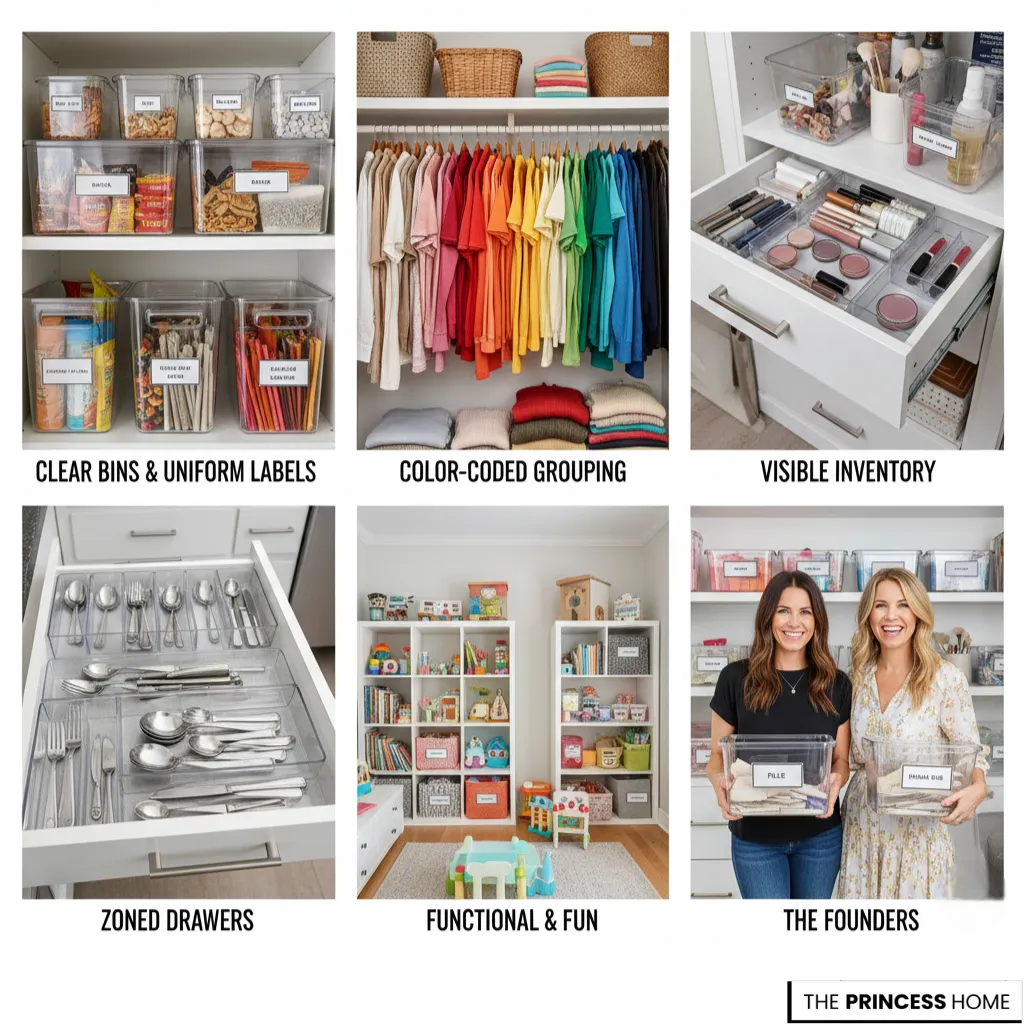
Clea Shearer and Joanna Teplin, founders of The Home Edit, transform clutter into clarity using clear bins, uniform labels, and color-coded groupings. Their core philosophy is simple: if you can see it, you’ll use it and maintain it.
By dividing shelves and drawers into micro-categories, they turn chaos into intuitive systems that are both functional and visually cohesive. This method reduces decision fatigue, making it easy to find what you need quickly.
Shearer and Teplin also emphasize consistency matching containers and labels create a calming rhythm that supports long-term organization. Combined with principles from designers like Marie Kondo, these strategies ensure your home is both practical and inspiring.
Calm Closet Design
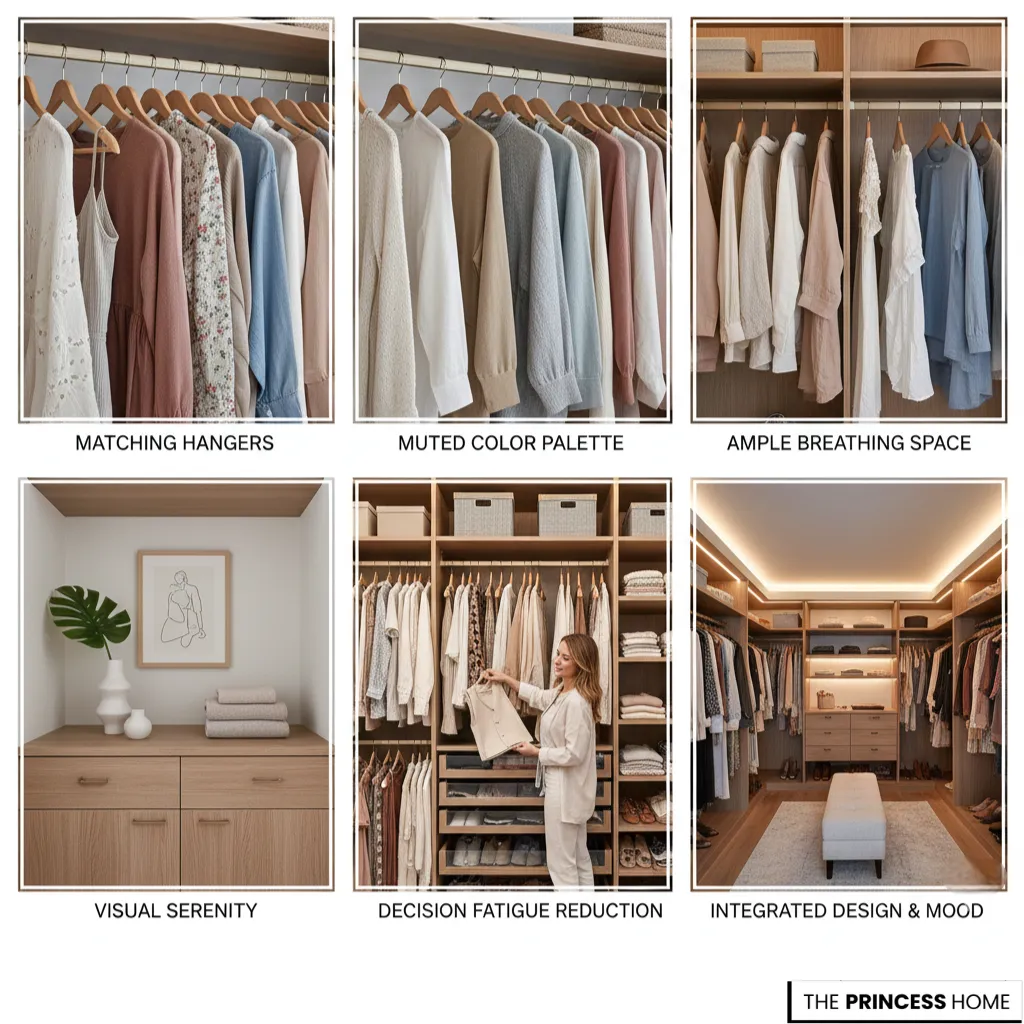
Nate Berkus combines beauty and practicality in closet organization, using matching hangers, muted color palettes, and ample breathing space between garments. His guiding principle is that a well-designed closet should feel like a “deep breath,” promoting calm and ease.
By creating visual serenity, Berkus reduces decision fatigue, making daily routines like getting dressed effortless. He emphasizes that organization isn’t just functional it impacts mood and energy throughout the day.
Subtle touches, like uniform hangers or coordinated tones, elevate the space without adding stress. Integrating these design-forward strategies transforms closets from chaotic storage into restful, efficient environments.
Warm Organized Spaces
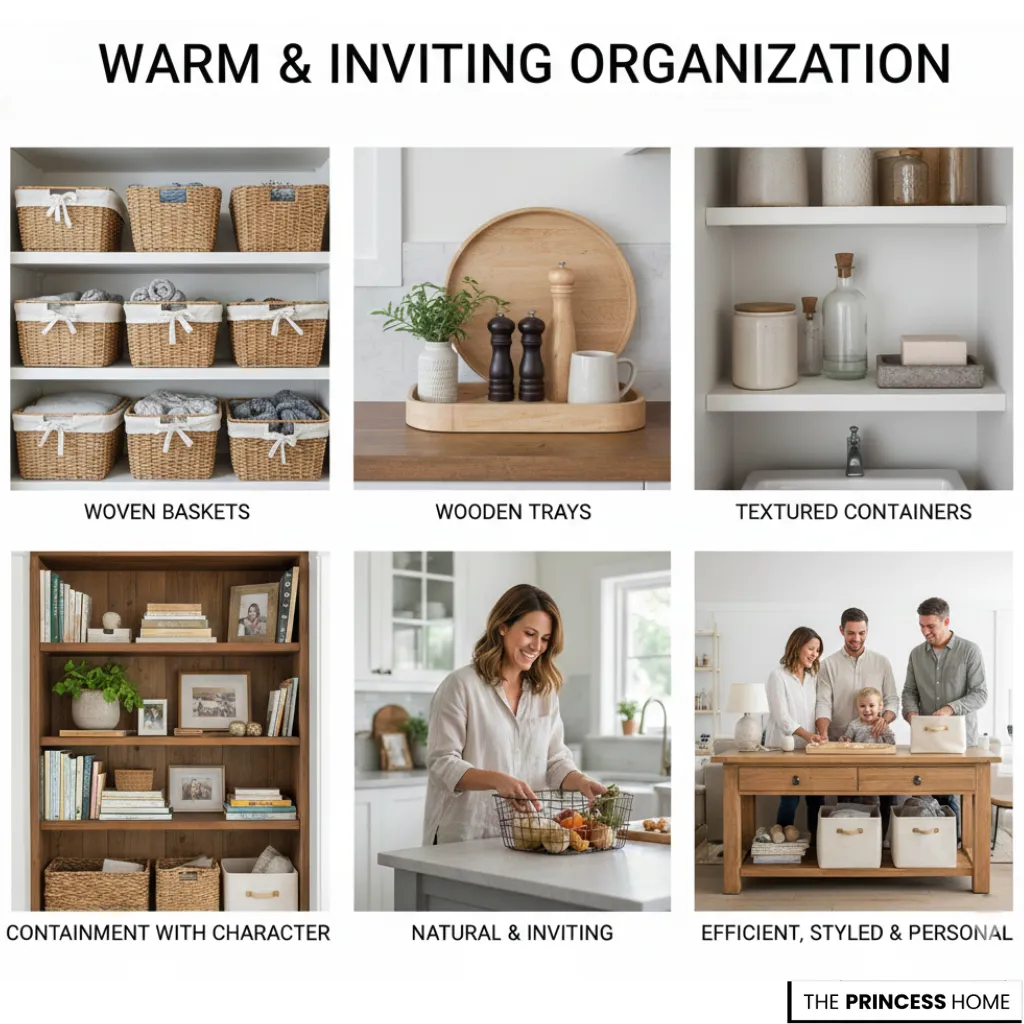
Joanna Gaines brings warmth and personality into home organization using woven baskets, wooden trays, and textured containers. Her approach shows that storage doesn’t have to feel sterile practical systems can still be inviting and comforting.
By pairing containment with character, Gaines creates spaces that are both functional and aesthetically pleasing. These design choices make organization feel natural rather than rigid, encouraging consistent use. She emphasizes that thoughtful materials and textures can enhance mood while keeping clutter under control. The result is a home that balances efficiency, style, and personal expression.
The takeaway: Designer-inspired spatial logic isn’t about copying a look it’s about designing flow, visibility, and emotion into your storage so your home works beautifully and effortlessly every day.
Sustainable Home Systems
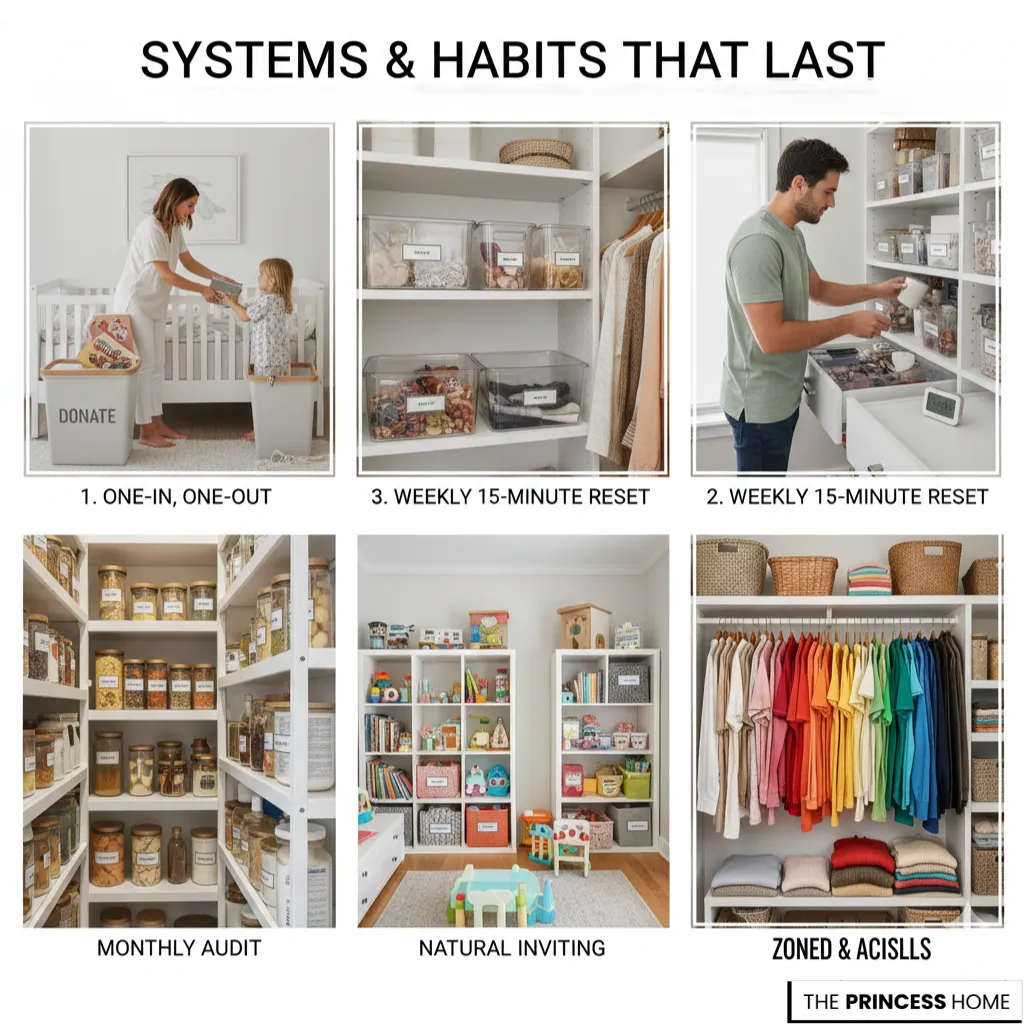
Sustainable organization is less about massive purges and more about maintaining systems that endure. Professional organizers like Marie Kondo emphasize small, repeatable habits like the one-in, one-out rule that prevent clutter from creeping back.
Designers such as Joanna Gaines and Nate Berkus highlight that homes should function intuitively, with zones and storage solutions tailored to real-life use rather than perfect aesthetics. Weekly 10–15 minute resets and monthly audits of pantry, closets, and medicine cabinets keep spaces organized and stress-free.
Systems that combine visibility, accessibility, and style like those promoted by The Home Edit make maintaining order feel effortless. When sustainability is prioritized over perfection, organized spaces support daily routines, save time, and enhance well-being.
1. One-In, One-Out Rule
For every new item that enters your home, remove one similar item. This simple boundary often recommended by experts like Marie Kondo prevents slow accumulation and keeps storage aligned with actual capacity. It trains mindful consumption and ensures every item earns its place.
2. Weekly 15-Minute Reset
Set a timer once a week and return stray items to their designated zones. Organizers such as Clea Shearer emphasize that quick, consistent resets are more effective than occasional marathon cleanups. Think of it as a “maintenance sweep” that restores flow before chaos builds.
3. Monthly Audit
Once a month, scan pantry shelves and medicine cabinets for expired or unused items. Interior designer Joanna Gaines often highlights functional beauty there’s nothing calming about cluttered or outdated supplies. Regular audits keep your home efficient, safe, and intentionally stocked.
When organization becomes routine instead of reactive, your home stays lighter, calmer, and easier to manage no perfection required.
Expert Help Matters
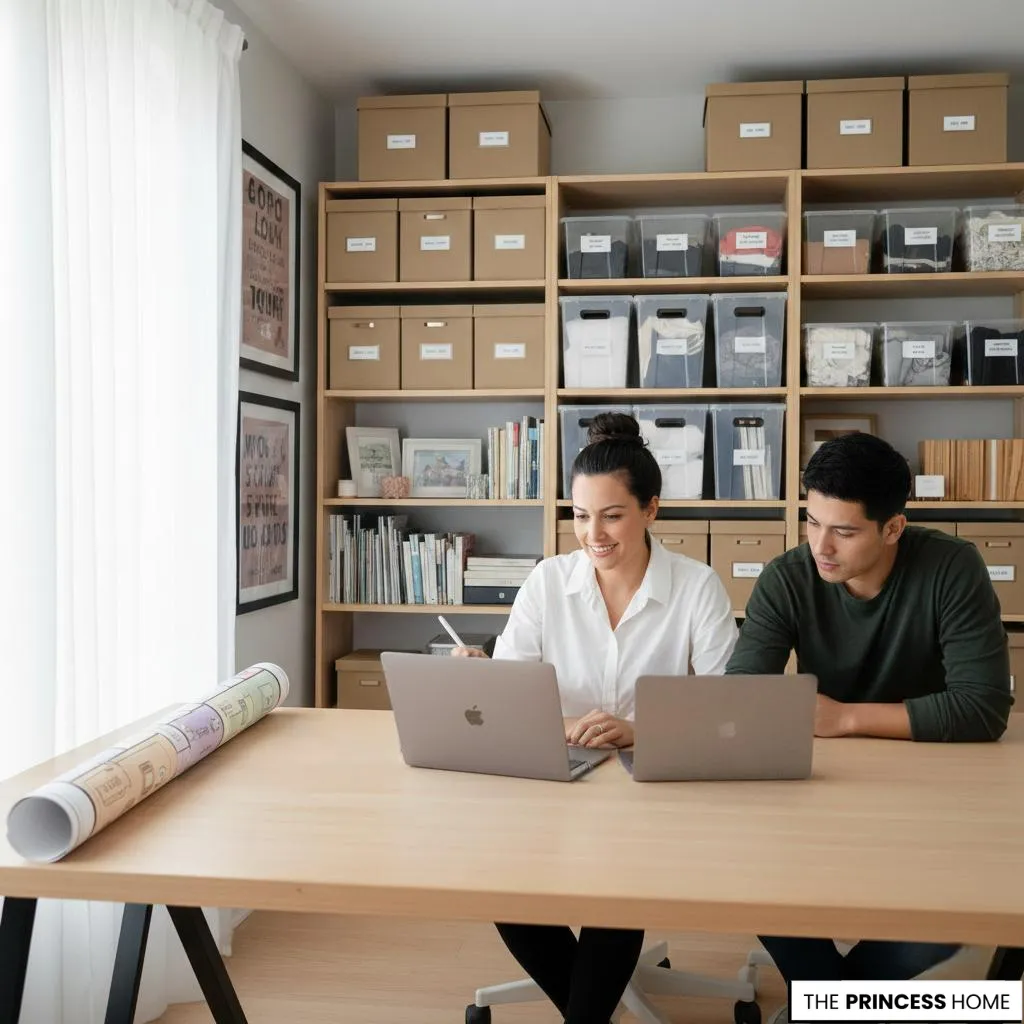
If you’re struggling to pinpoint clutter pain points or design storage that truly supports your routine, a professional home organizer can reset both your layout and your systems. Pros evaluate traffic flow, daily habits, and storage capacity to create solutions tailored to your lifestyle not generic Pinterest ideas.
Experts like Marie Kondo focus on values-based editing, while teams such as The Home Edit build visually intuitive, zone-driven systems that are easy to maintain. When hiring, prioritize organizers with strong local reviews, detailed before-and-after portfolios, and process-driven websites that clearly outline their approach.
Many now offer virtual consultations and city-specific strategies, whether optimizing compact urban apartments or spacious suburban homes. The right professional doesn’t just declutter your space they design systems that evolve with your life.
Smart Local Organizing
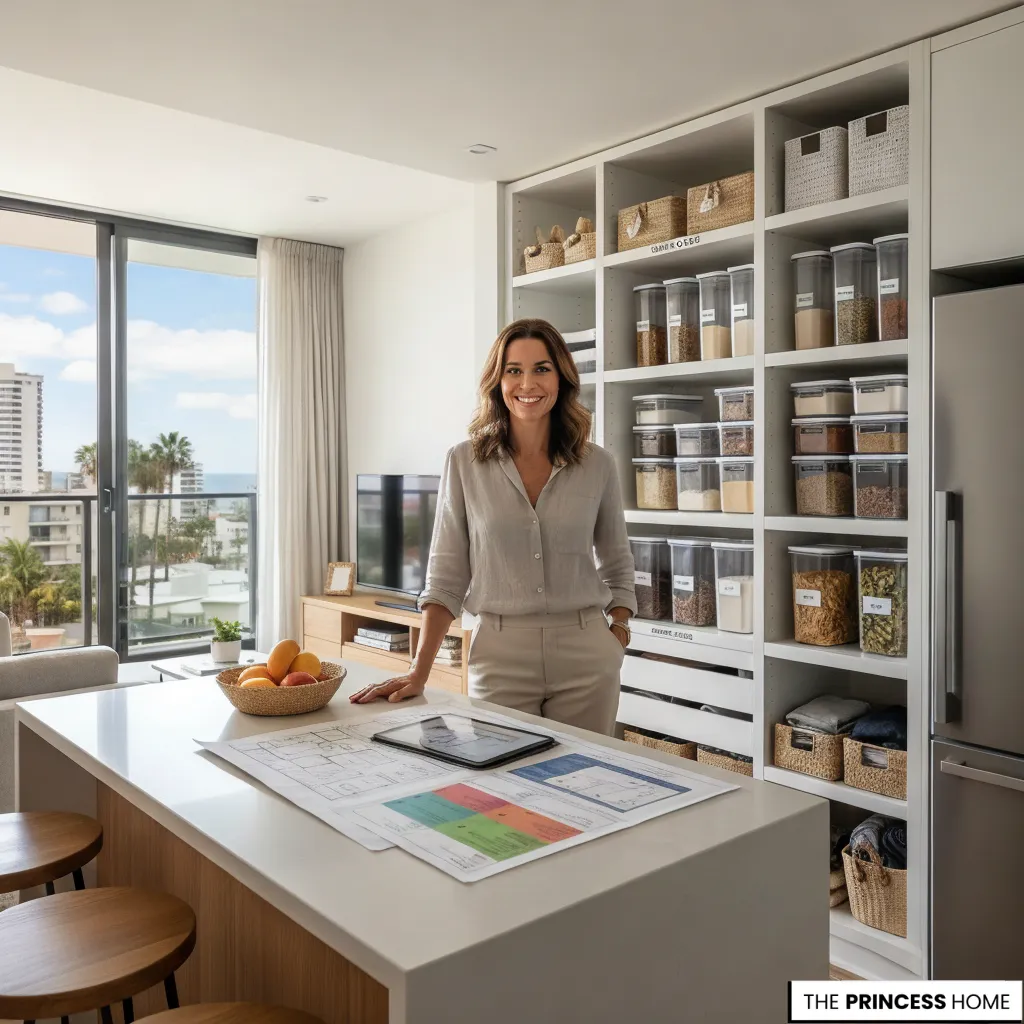
When searching for a “professional home organizer in [city],” prioritize experts who tailor systems to your lifestyle, square footage, and regional challenges. The best organizers don’t apply one-size-fits-all solutions they adapt strategies for compact urban apartments, busy family homes, or storage-heavy suburban garages.
Many professionals now offer virtual consultations, making customized guidance accessible even if in-person services are limited. Brands like The Home Edit have popularized personalized, zone-based systems that can be adapted to any city or home type.
Before hiring, review testimonials, portfolio photos, and a well-optimized Google Business Profile to ensure credibility and consistent results. Choosing a locally informed organizer ensures your systems are practical, sustainable, and designed for how you truly live.
Room by Room Blueprint
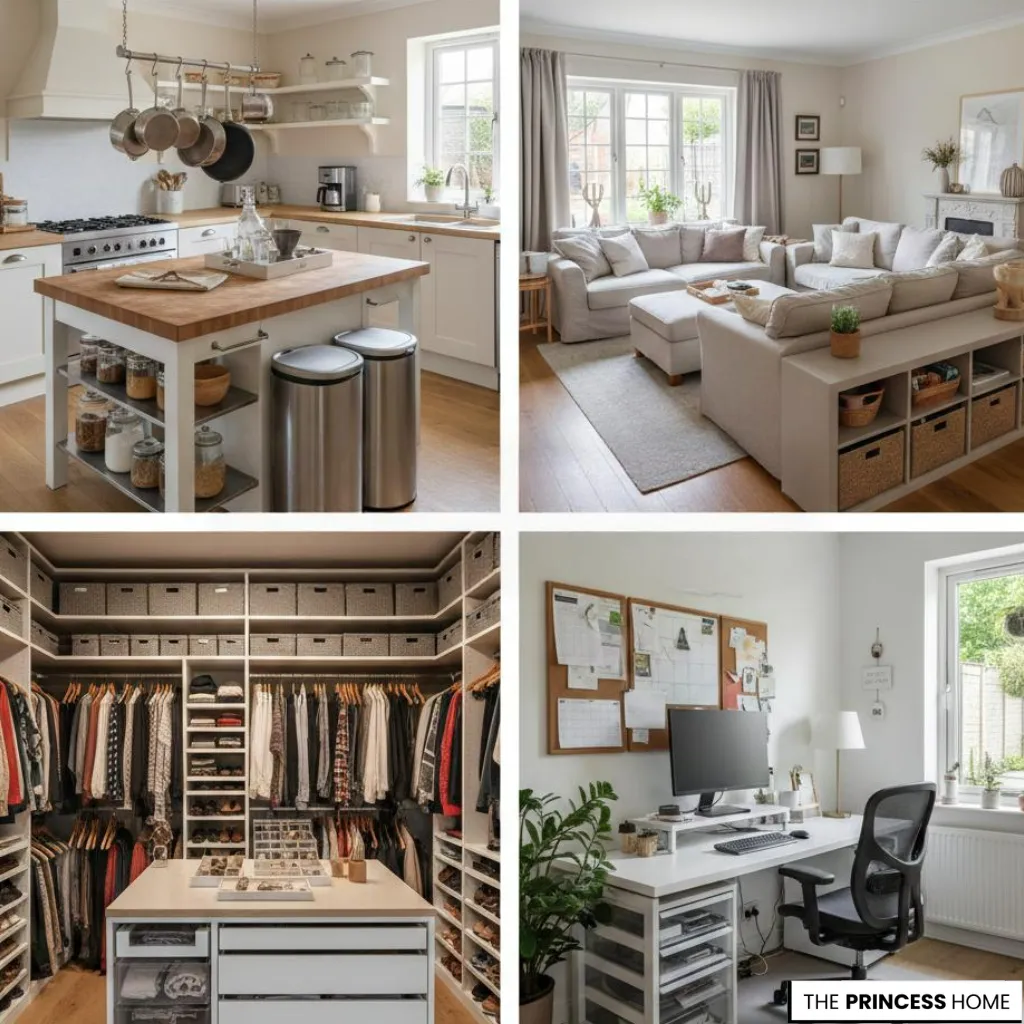
Professional home organizers and interior designers emphasize that each room should support real-life living, not just look picture-perfect. The goal is functional, intuitive spaces where every item has purpose, flow is effortless, and daily routines are simplified.
By designing rooms around how you actually use them, you create homes that are both practical and visually appealing, making organization sustainable over time.
Here’s a designer-inspired, system-driven playbook to organize your home like an expert.
Entryway Efficiency
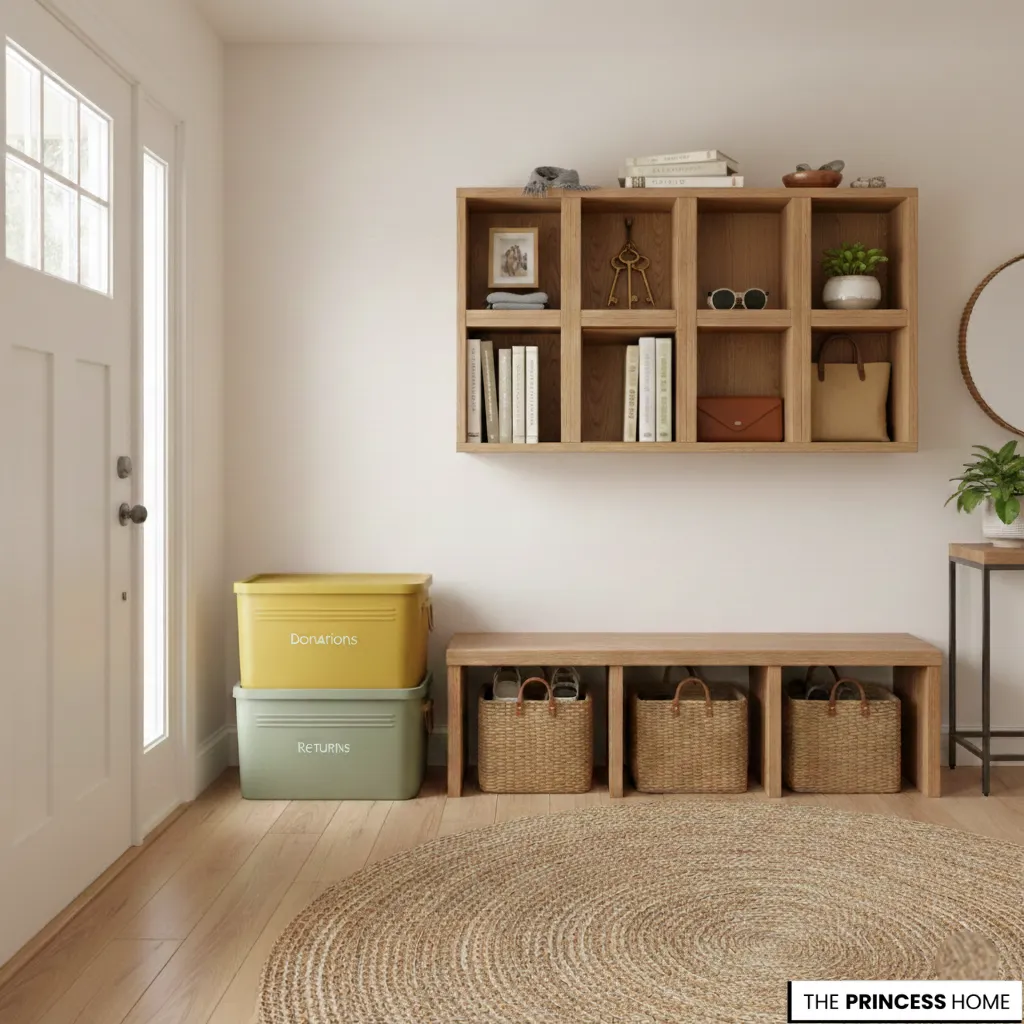
Create a designated “exit zone” near the door for donations, returns, and outgoing items an analog safeguard against one-click shopping clutter. Bright-colored bins act as visual cues to prevent surfaces from becoming drop zones. Wall-mounted cubbies allow each family member to manage their own shoes and bags, reinforcing personal responsibility. Designers like Joanna Gaines often layer warmth into entry storage with baskets and wood textures, balancing structure with style.
Kitchen Clarity
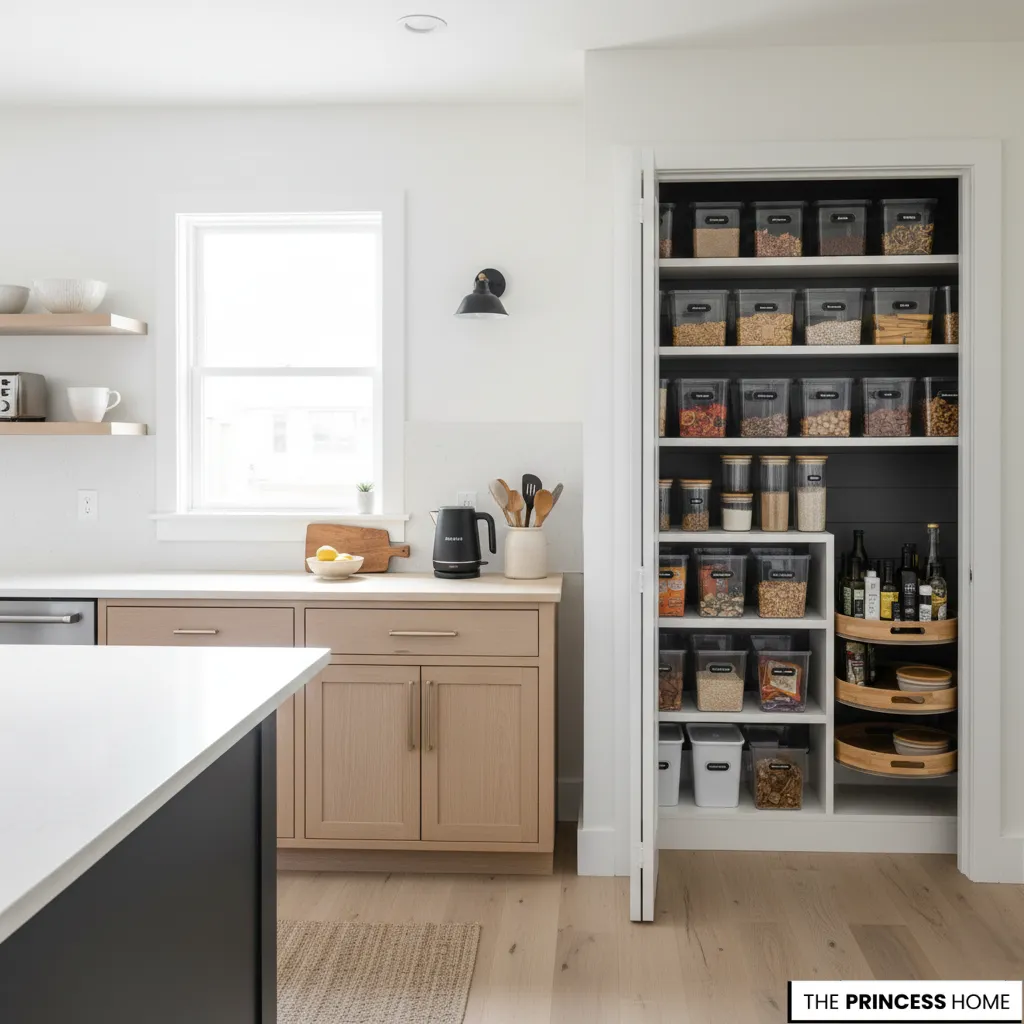
Keep countertops visually calm by displaying only daily-use essentials that are both functional and attractive. In the pantry, clear bins, airtight containers, and lazy Susans create instant visibility and reduce food waste. Bulky appliances can be relocated to a sideboard or dining cabinet to free up prep space. Organizing experts like Clea Shearer and Joanna Teplin emphasize zoning by category to maintain order long-term.
Living Room Calm
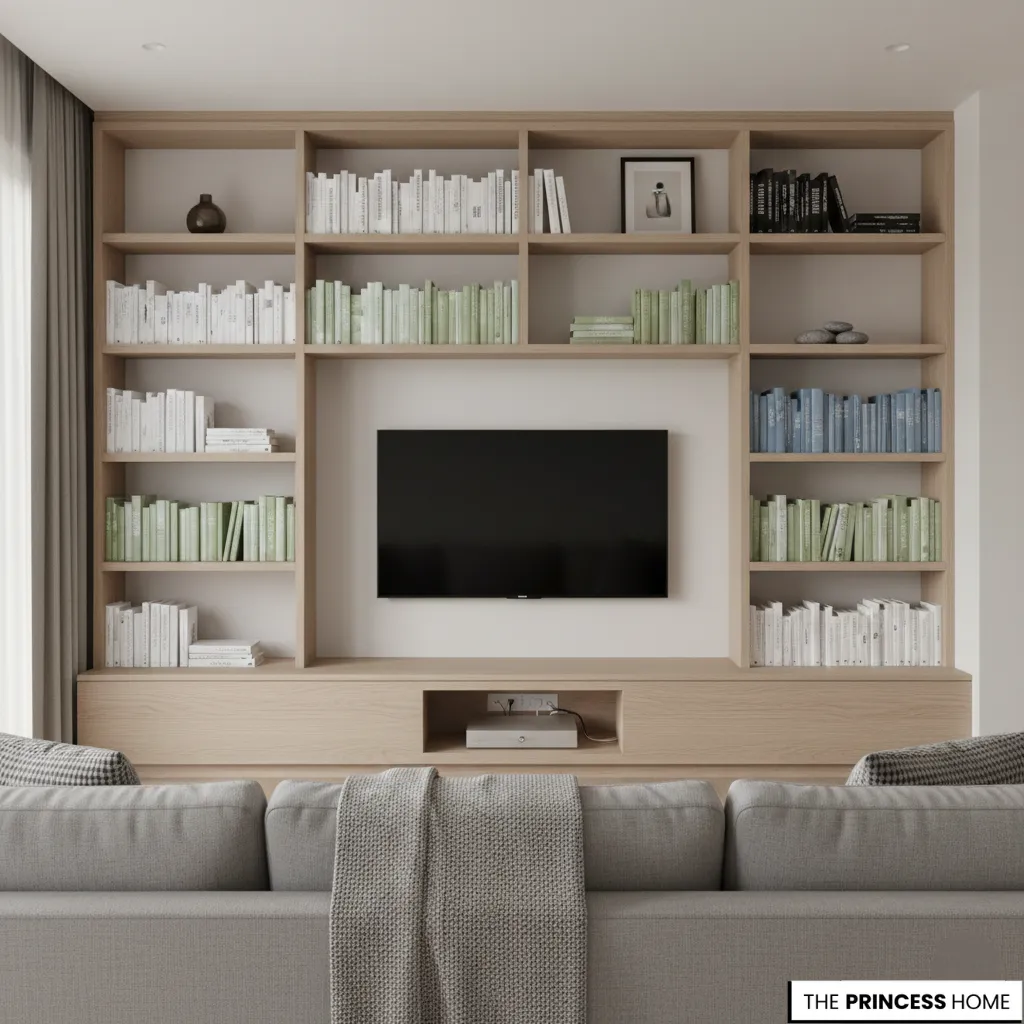
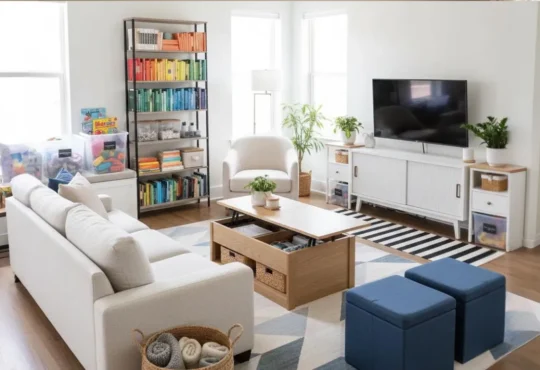
Restyle open shelves by removing non-essentials and leaving breathing room between objects. Sorting books or décor by color creates a cohesive, designer-approved aesthetic. Conceal cords with cable management boxes or clips to reduce visual noise instantly. Interior designer Nate Berkus often highlights that visual simplicity reduces mental clutter as well.
Bathroom Function
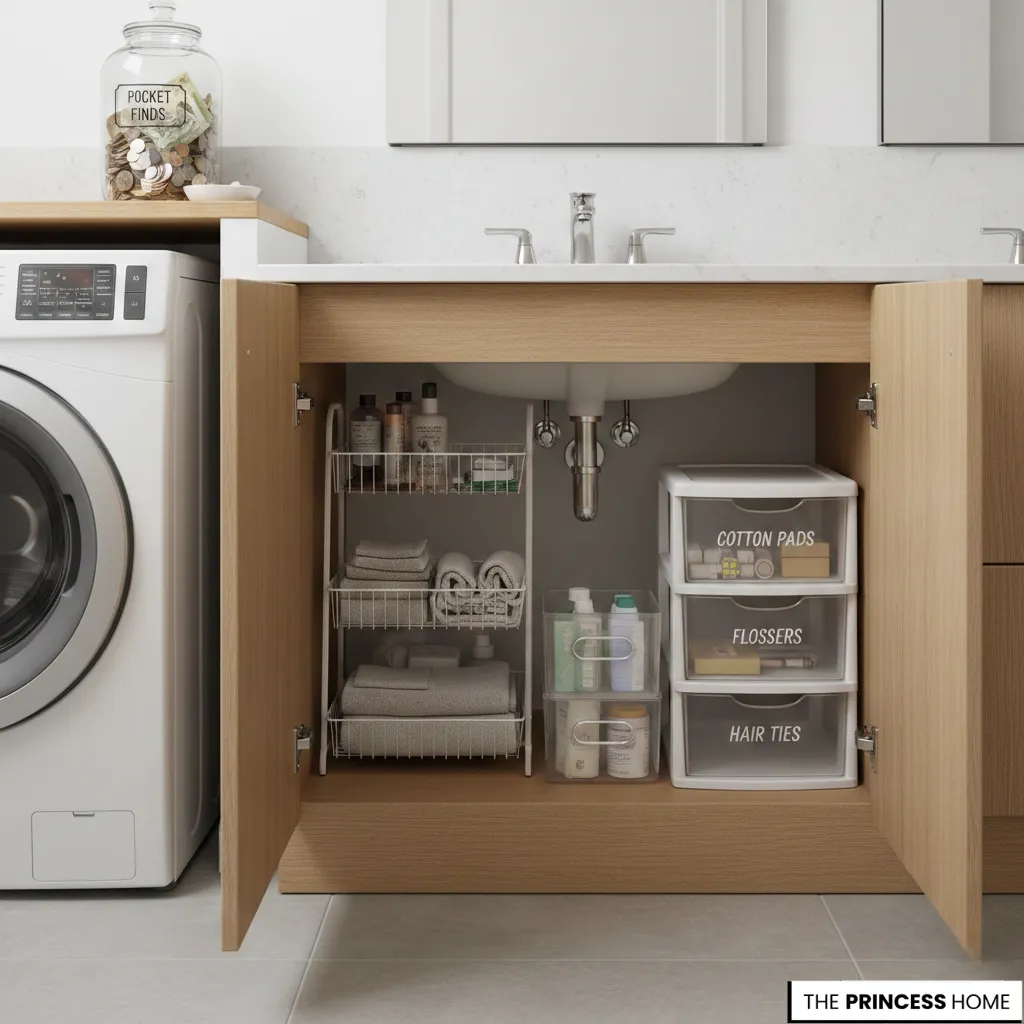
Maximize under-sink storage with tiered racks, stackable bins, and small drawers to use vertical space efficiently. Keep a clear jar in the laundry area for pocket finds coins, receipts, small items to prevent them from migrating back onto counters. Professional organizers recommend labeling small bins to simplify daily resets.
Closet Control
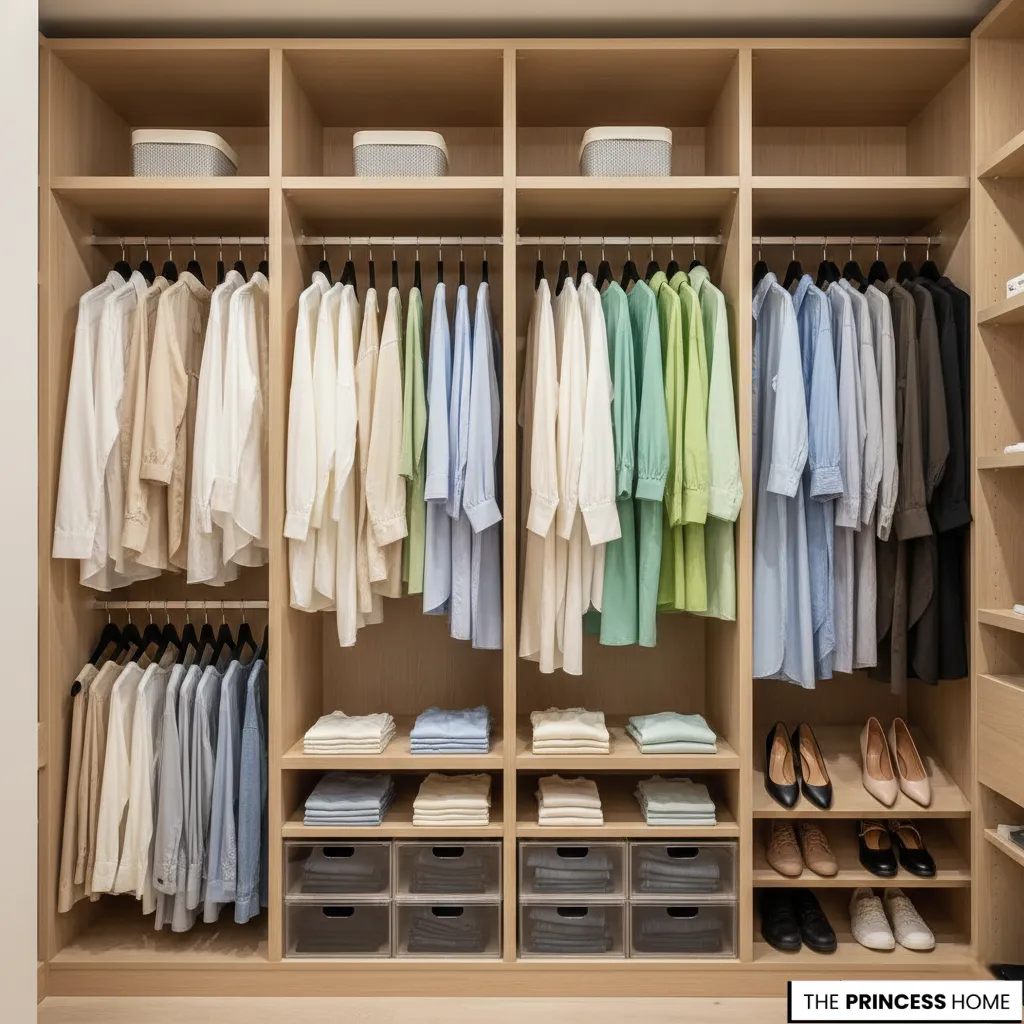
Use matching hangers and vertical folding, inspired by Marie Kondo, to ensure every item is visible at a glance. Group garments by color or category to create a boutique-like flow that simplifies outfit selection. Leave space between pieces to allow the closet to “breathe,” a principle championed by Nate Berkus.
By combining designer aesthetics with professional organizing systems, you create a home that feels intentional, efficient, and effortlessly maintainable room by room.
Design Material Palette
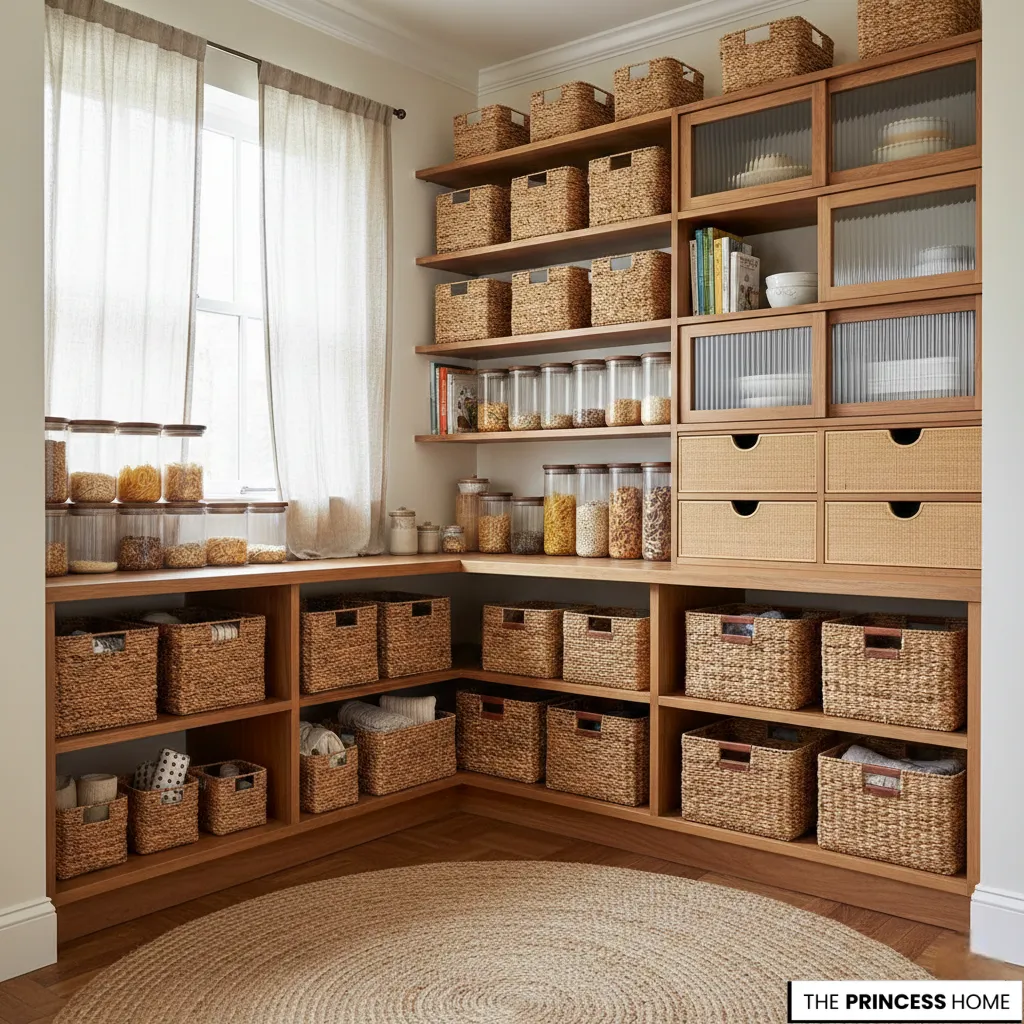
Top professional organizers are increasingly embracing a design-led material palette, where storage blends seamlessly with décor rather than feeling purely utilitarian. Natural, tactile materials like seagrass, bamboo, glass, and warm woods such as acacia and walnut create cohesion between furniture and functional pieces.
Designers like Joanna Gaines often layer woven textures and warm wood tones to soften storage, while Nate Berkus favors materials that add depth without visual noise. Rattan baskets and glass canisters with wooden lids keep contents visible while introducing texture and warmth.
Clear elements maintain accessibility, while organic finishes prevent spaces from feeling sterile or over-styled. The result is organization that feels intentional and beautifully integrated part of the home’s story, not a problem hidden behind closed doors.
Instant Organization Wins
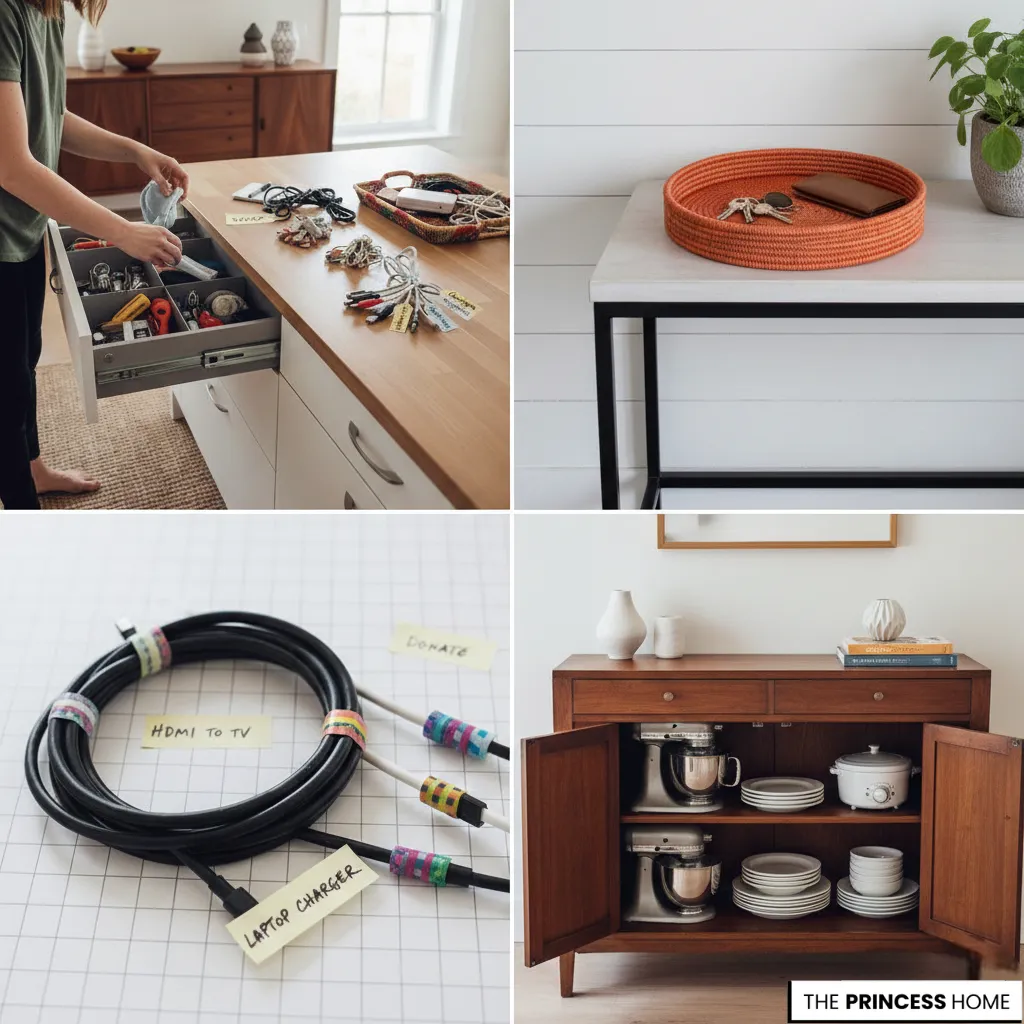
Want fast results without a full home reset? These designer-approved quick wins deliver immediate impact while setting the foundation for long-term order.
Try the Drawer Dumping Method. Empty one drawer completely, sort ruthlessly into keep/donate/relocate, and return only what truly belongs. This focused reset creates visible progress in under 30 minutes and builds momentum.
Create a “Do Not Drop” Zone. Add a bright tray or mat to clutter-prone surfaces like entry tables or kitchen counters to signal intentional placement. Designers like Joanna Gaines often use trays to corral items while maintaining warmth and style.
Label Tech Cables Immediately. Use simple tags or washi tape to label HDMI cords and chargers an organizing trick frequently recommended by Clea Shearer and Joanna Teplin to reduce daily frustration.
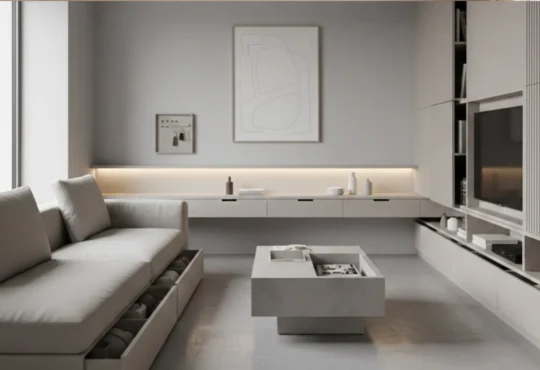
Use Hidden Storage Furniture. A sideboard near the kitchen or dining area can discreetly store bulky appliances or serving pieces, blending beauty with function an approach aligned with Nate Berkus’ philosophy of calm, edited spaces.
By combining interior designer aesthetics with professional organizing systems, you create a home that’s not just tidy it’s livable, beautiful, and effortless to maintain.
The Missing Piece
While professional bins and designer labels create a beautiful exterior, the secret to a home that stays organized lies in understanding the psychology of space. Many homeowners feel like they’ve failed when clutter returns, but the truth is, most systems fail because they overlook the “Human Element.” To truly master your home and rank among the most organized, you must bridge the gap between aesthetic perfection and daily reality.
1. Overcoming “Organization Burnout”
The biggest mistake in home decluttering is attempting a total transformation in a single weekend. This often leads to decision fatigue and burnout. Instead of a marathon, think of organization as a “lifestyle rhythm.” * Pro Tip: Give yourself permission to have a “transition zone.”
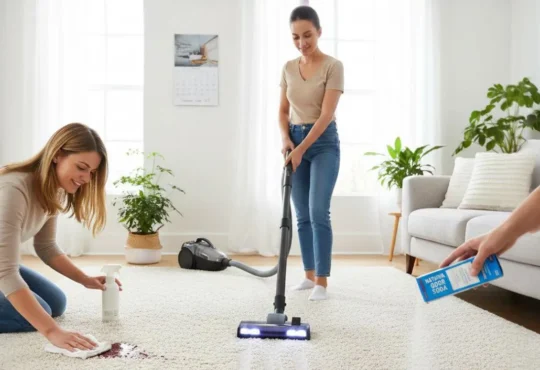
A home that is lived in will never look like a static photo 24/7. The goal is a system that allows you to reset in 15 minutes, not a system that forbids life from happening. Remember, your home is a living space, not a museum.
2. Organizing for Mental Clarity
We don’t just organize to find our keys; we organize to find our peace. Search engines and readers alike are looking for more than “how-to” guides—they want well-being.
The Mindset Shift: Ask yourself, “Does this item support the person I am becoming, or is it weighing down the person I used to be?” We often hold onto clutter because of guilt or “just in case” anxiety. A professional-grade system acknowledges these feelings, ensuring the maintenance feels like self-care, not a second job.
3. The 80/20 Rule
SEO data shows a high interest in “sustainable organization.” This means focusing your energy on the 20% of your home that causes 80% of your daily stress—like the entryway or the kitchen counter.
The Designer’s Secret: If your family naturally drops mail on the kitchen island, don’t fight it—style it. Use a high-end tray or a decorative bowl to “corral the chaos.” By acknowledging your natural habits instead of fighting them, you create a home that is both Pinterest-worthy and lived-in.
Final Thought: A truly organized home is one that serves your life, not one that demands all your time. If a system feels too rigid to maintain, it’s not your failure—it’s just a sign that the system needs to be redesigned to fit your unique human rhythm.
Conclusion
Organizing your home like a professional home organizer is about building intentional systems that fit your life, not chasing perfection. By blending designer-inspired aesthetics with practical habits, you can create spaces that are both beautiful and easy to maintain. Start small, stay consistent, and let your home’s purpose guide your choices. Whether you DIY or hire a pro, these strategies will help you craft a space that feels calm, functional, and uniquely yours.
Here are some frequently asked questions related to the article :
1. How do I start organizing if I’m overwhelmed?
Begin with the 5-Day Clutter Shakedown. Focus on one category daily clothes, papers, sentimental items, kitchen tools, and misc. Use the “Drawer Dumping Method”: empty a drawer, sort into keep/donate/relocate, and return only what belongs. Small wins build momentum without burnout.
2. What’s the difference between a professional organizer and a designer?
A professional home organizer focuses on functional systems, habits, and decluttering. Interior designers enhance aesthetics, flow, and spatial logic. Together, they create spaces that are both efficient and beautiful think labeled bins (organizer) plus matching materials and colors (designer).
3. How much does hiring a professional home organizer cost?
Costs vary by location and project scope. In major U.S. cities, hourly rates range from $75–$150, with package deals for whole-home projects. Virtual consults are often more affordable. Always ask for a clear plan and pricing upfront.
4. What are the best storage containers to buy?
Choose clear, stackable bins with uniform labels for visibility. Use drawer dividers for small items and lazy Susans in cabinets. For a designer touch, opt for natural materials like seagrass, bamboo, or glass canisters with wooden lids that complement your decor.
5. How do I maintain an organized home long-term?
Adopt simple habits: the one-in, one-out rule, a weekly 15-minute reset to return items to their zones, and a monthly audit of high-use areas like the pantry and medicine cabinet. Color-coding and consistent labeling make upkeep quick and intuitive.
6. Can organizing improve my mental health?
Yes. Reducing clutter lowers decision fatigue and stress. A calm, ordered space supports focus and relaxation. Professional organizers emphasize purpose over perfection creating systems that save time and mental energy daily.
7. Where can I find a reputable professional home organizer near me?
Search Google for “professional home organizer in [your city]” and check reviews, Google Business Profiles, and local directories. Look for clear before-and-after photos, testimonials, and tailored services. Many organizers offer virtual sessions if local options are limited.
The princess home on Pinterest