Small apartments can feel cramped if the wrong paint color for small apartment is used but with the right palette, you can create an airy, stylish, and personalized space that feels bigger than it is. In 2026, designers are pushing boundaries with color, blending timeless neutrals with bold, expressive hues that elevate compact spaces. Whether you want minimalist calm, subtle warmth, or creative contrast, this guide has modern paint color for small apartment solutions backed by design authorities.
Why Paint Colors Matter in Small Spaces
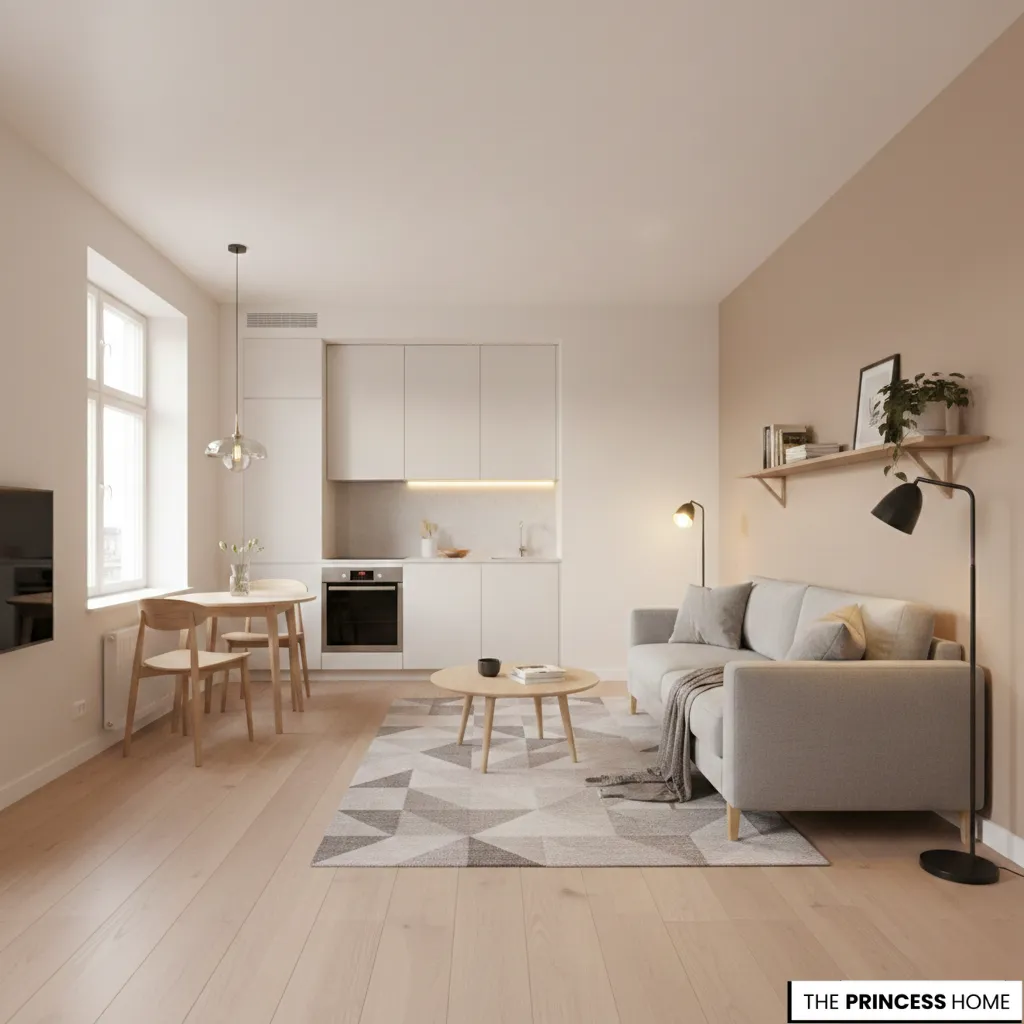
In small apartments, paint color for small apartment isn’t just decorative — it’s strategic. The right shades can visually expand walls, elevate ceilings, and make compact layouts feel open and breathable. Soft, light-reflective tones bounce natural light deeper into the room, reducing shadows and visual heaviness. Interior designer Emily Henderson notes that brighter hues minimize visual clutter and amplify available light, helping spaces feel nearly twice as large.
Beyond brightness, undertones matter: warm neutrals create coziness without shrinking the room, while cool hues add airy depth. Monochromatic color schemes prevent harsh visual breaks, allowing the eye to move smoothly across surfaces. Strategic contrast, such as a slightly darker accent wall, can define zones in studio apartments without adding partitions. Thoughtful paint color for small apartment choices transform compact spaces into balanced, inviting homes that feel intentional rather than limited.
Classic Warm White
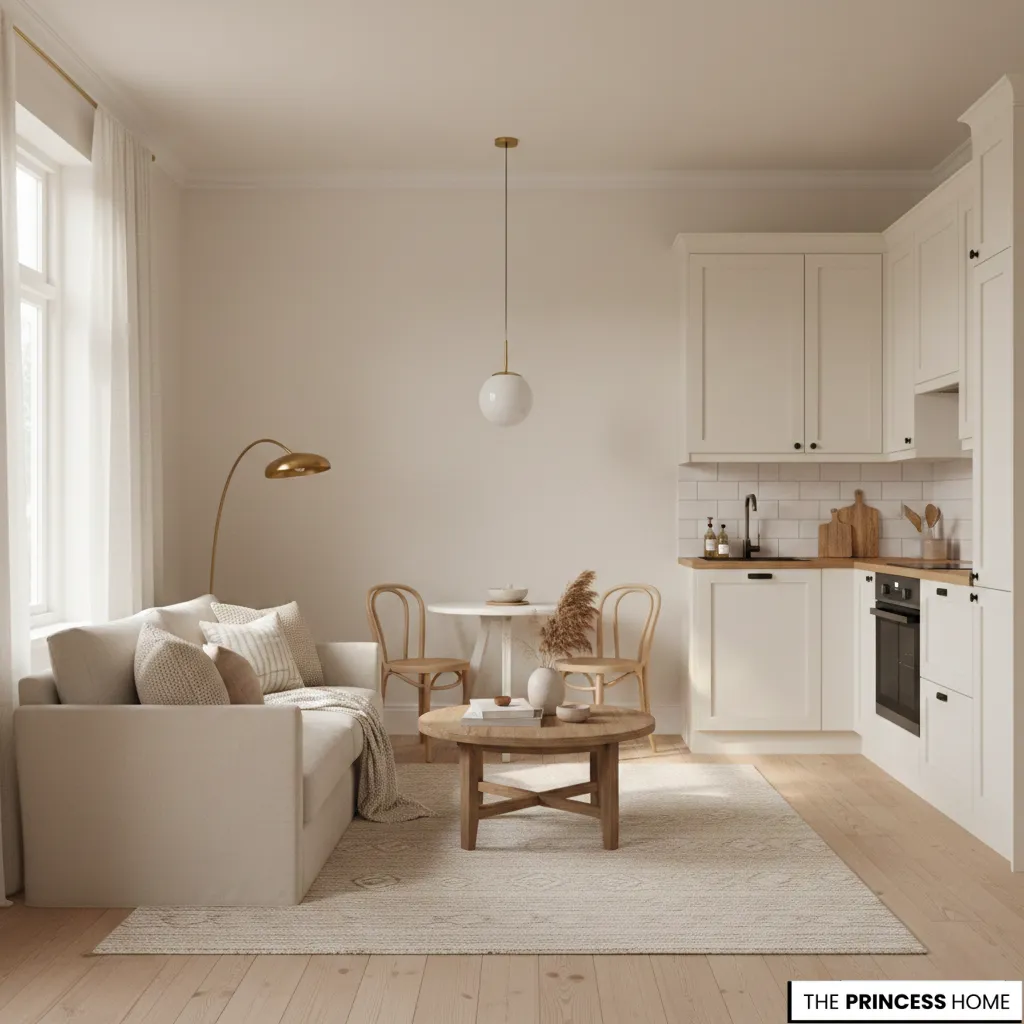
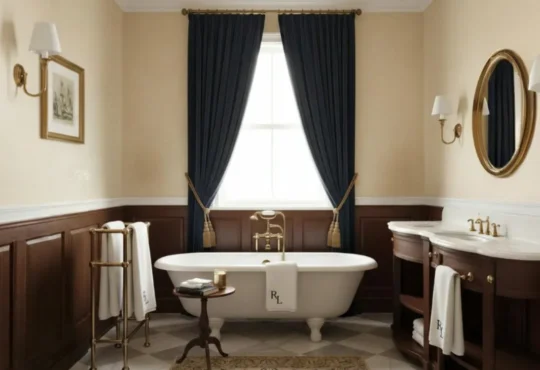
White is never boring when you choose the right undertone. In small apartments, warm whites create a soft, welcoming backdrop without making the space feel sterile. Designer Joanna Gaines often recommends creamy whites for compact living rooms, explaining that pure, stark white can feel cold or clinical. A subtle warmth keeps the atmosphere cozy while still maintaining brightness.
Cream-based whites reflect natural and artificial light beautifully, helping small kitchens and living areas appear more open. They also pair effortlessly with wood floors, brass fixtures, matte black hardware, and natural textiles. Unlike cool whites, warm tones soften shadows and create a balanced glow throughout the day. For best results, layer textures like linen curtains or woven rugs to add depth while keeping the palette clean and timeless.
Muted Pastels Magic
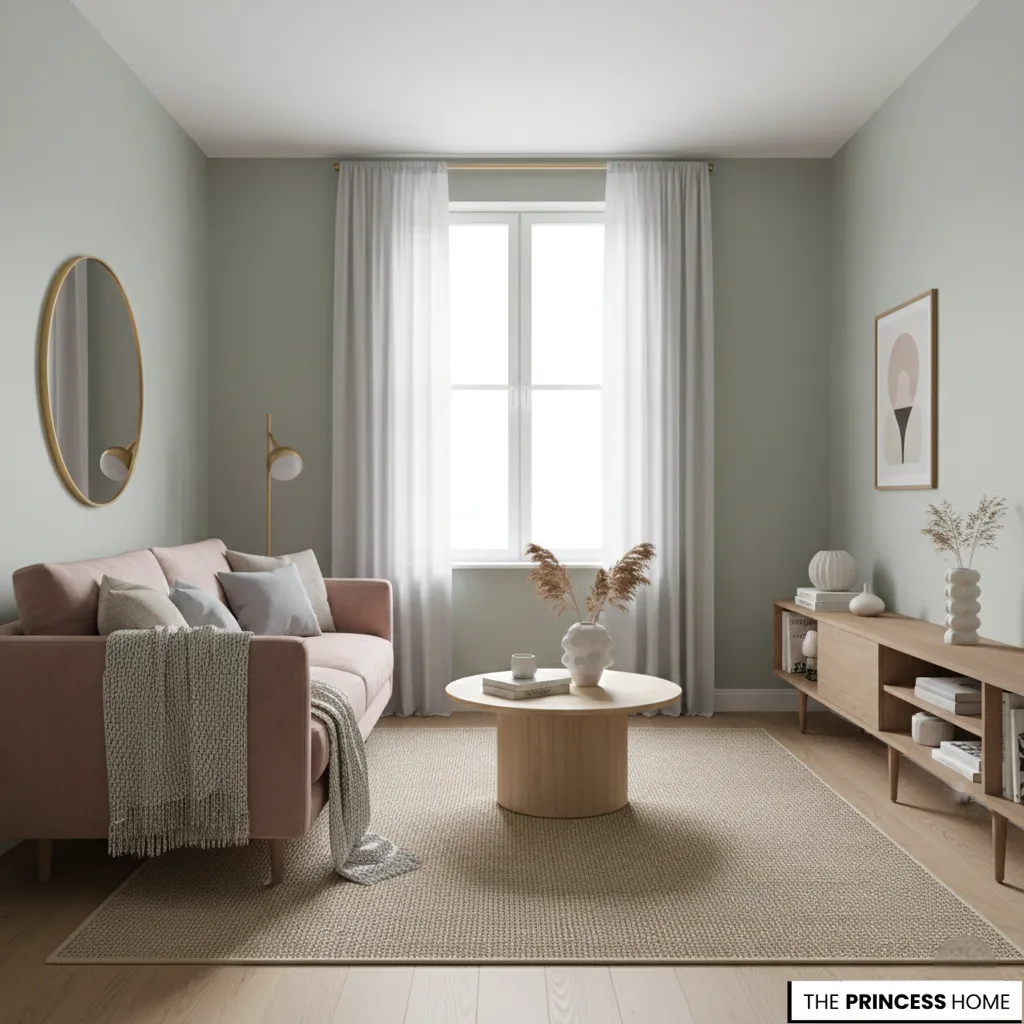
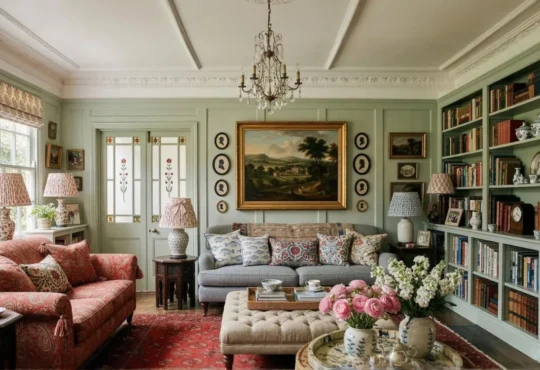
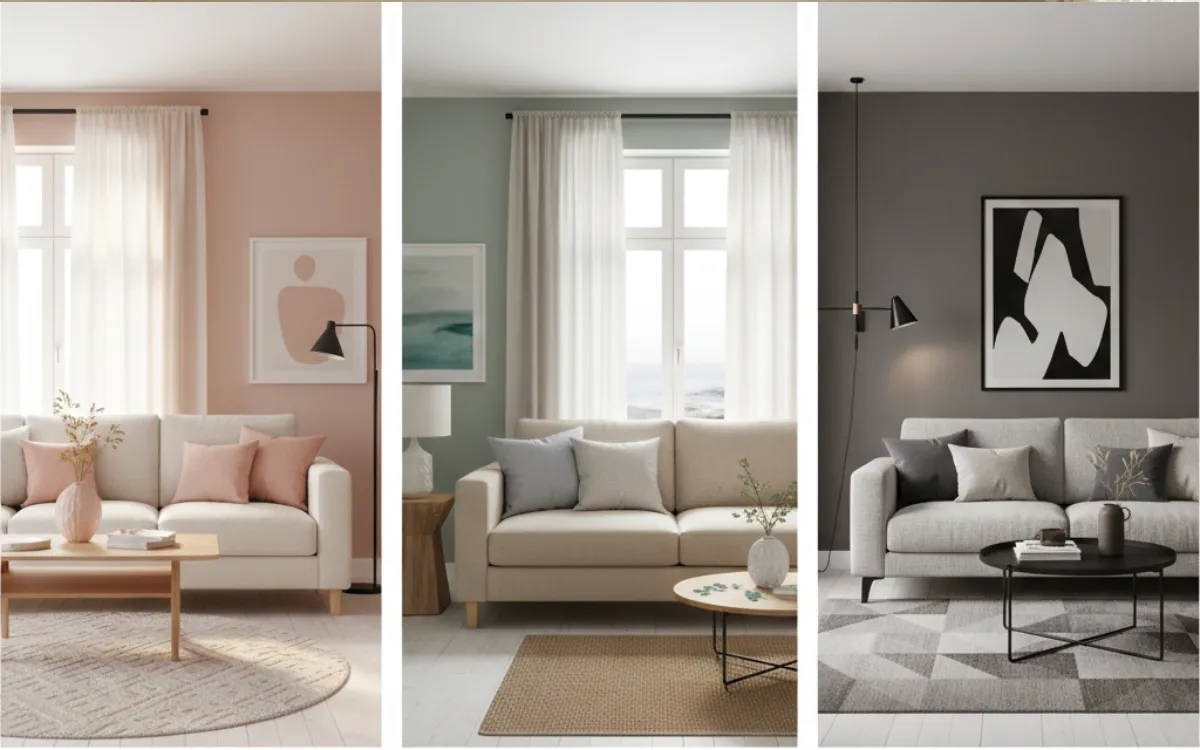
Pastels aren’t just for kids’ rooms in 2026, muted shades are making a sophisticated comeback in small-space design. Choosing the right paint color for small apartment, such as soft, dusty tones like blush, sage, or sky gray, adds subtle personality while keeping rooms airy and uncluttered. Interior designer Max Humphrey highlights that these muted colors introduce depth without overwhelming compact spaces.
Muted pastels harmonize beautifully with modern furniture, natural wood, and minimalist décor, creating a balanced, inviting environment. They reflect light gently, enhancing the perception of openness while adding warmth and charm. Layering textures such as velvet cushions or woven throws against pastel walls amplifies depth without clutter. Thoughtful paint color for small apartment choices like these let compact spaces feel both stylish and comfortably personal.
Strategic Accent Walls
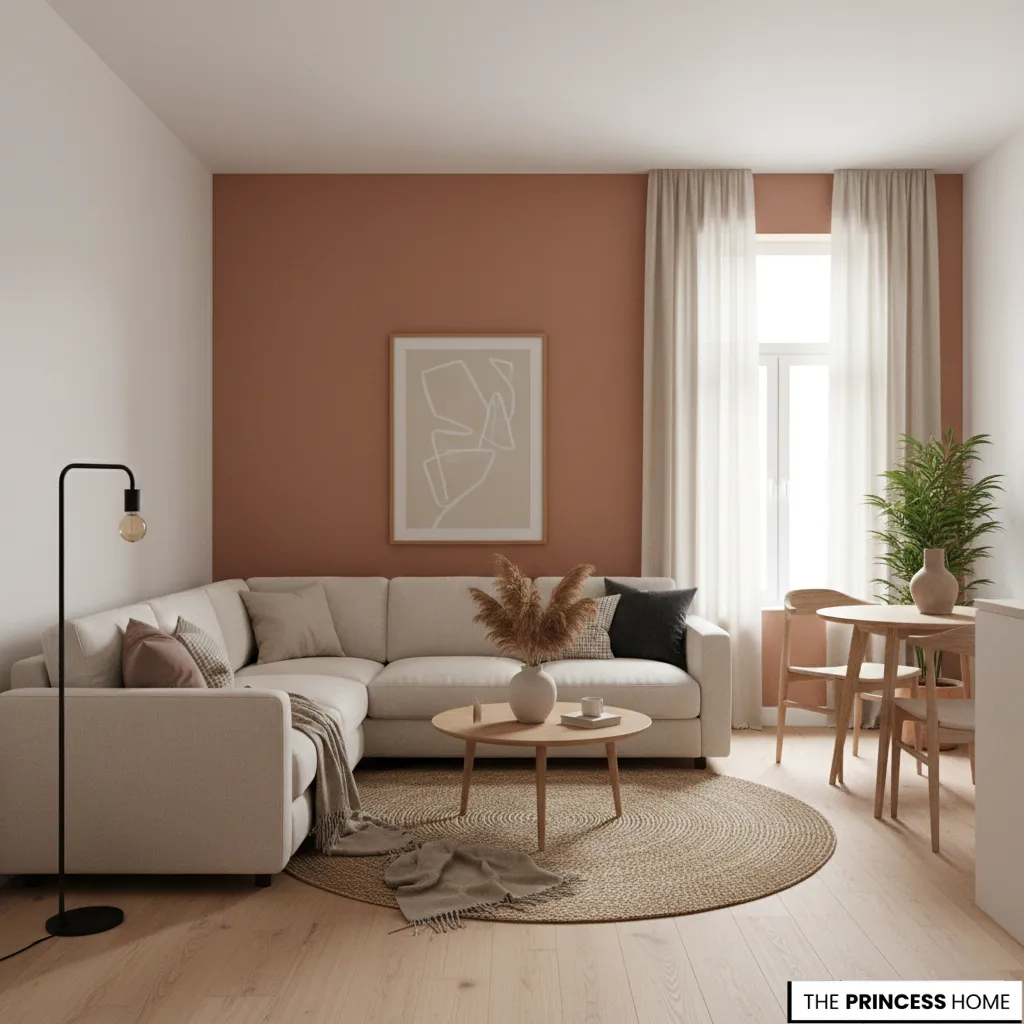
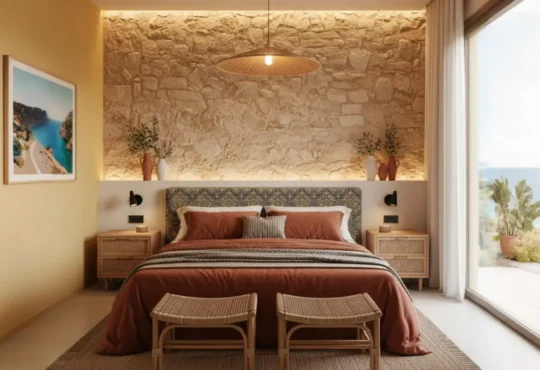
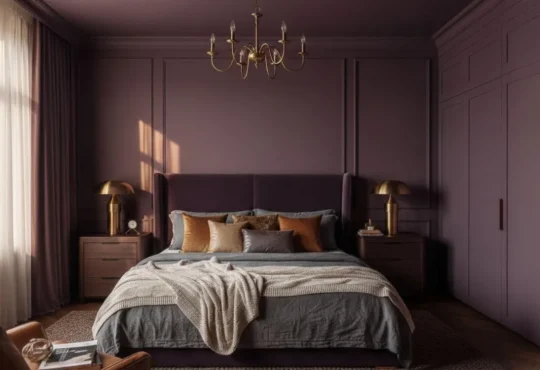
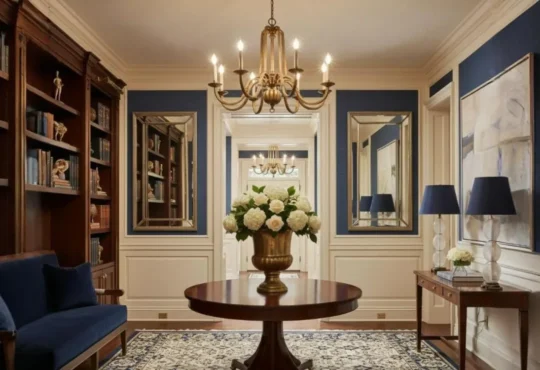
Accent walls are evolving in 2026 — no longer about bold, dark colors, but about soft, complementary contrasts that expand space visually. Designer Kelly Wearstler explains that using muted tones like navy, slate teal, or earthy terracotta creates depth without making small rooms feel cramped.
Place accent walls thoughtfully: behind beds to anchor the room, opposite windows to reflect natural light, or in open floor plans to subtly define zones. These gentle contrasts add personality and dimension while keeping the overall palette cohesive. Pair with light neutrals and layered textures to enhance the perception of space. The result is a small apartment that feels curated, spacious, and dynamic without overwhelming the senses.
Monochromatic Flow
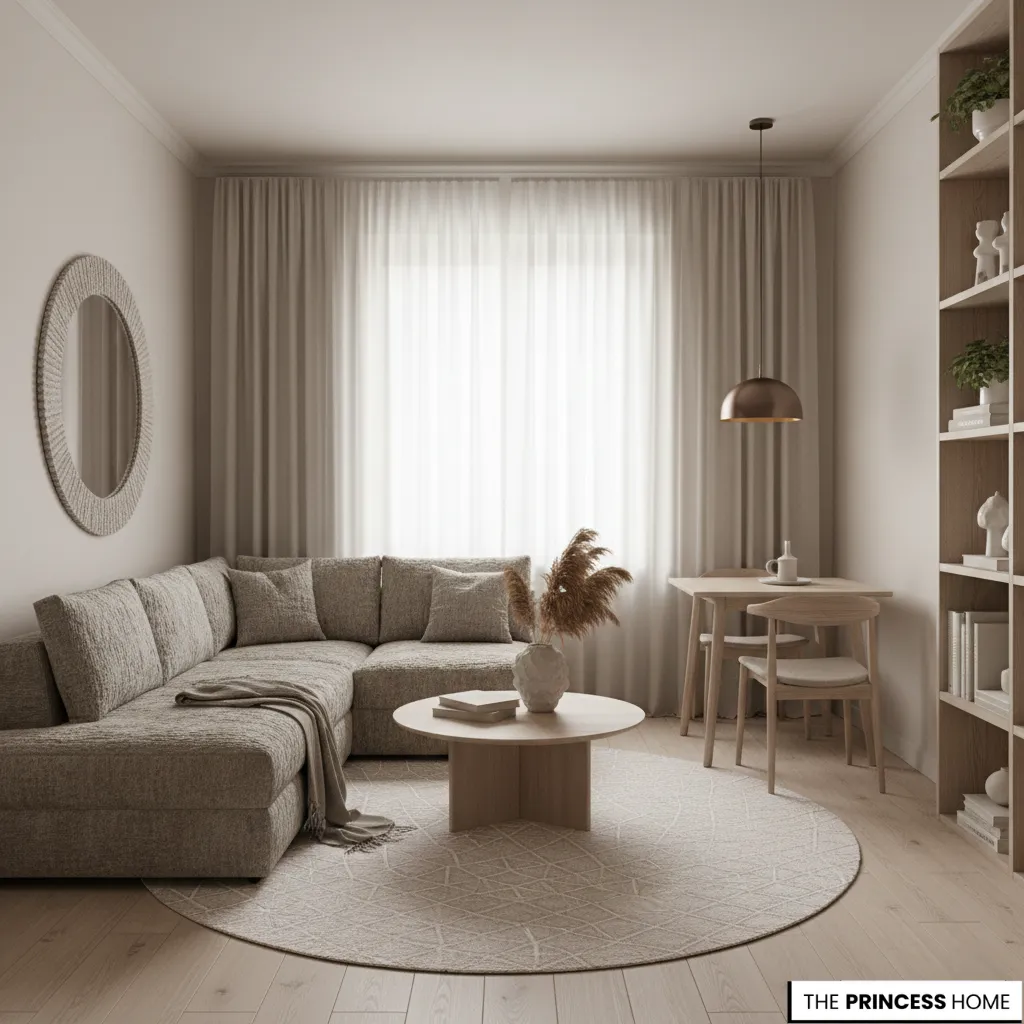
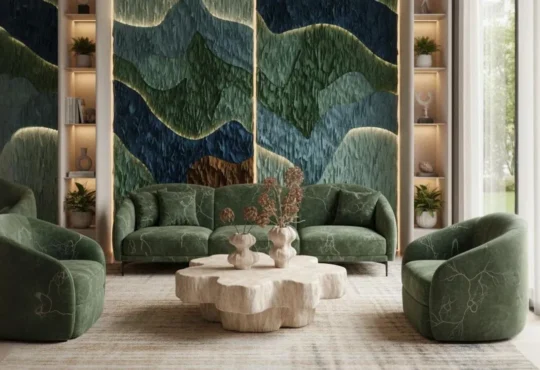
Monochromatic palettes are a powerful tool when selecting paint color for small apartment, helping compact spaces feel larger and more cohesive. By using different shades, tints, and textures of a single color, walls, furniture, and décor blend seamlessly, creating a continuous visual flow. Designer Bobby Berk emphasizes that layering textures — from matte walls to plush rugs — keeps the look dynamic rather than flat.
This approach works especially well in studio apartments, where distinct zones need subtle separation, and in narrow hallways that transition into living areas. Adding small accent pieces in metallic or natural tones can enhance depth while maintaining harmony. Thoughtful paint color for small apartment choices like these make a space feel unified, airy, and intentionally designed without overcrowding the eye.
Earthy Neutral Comfort
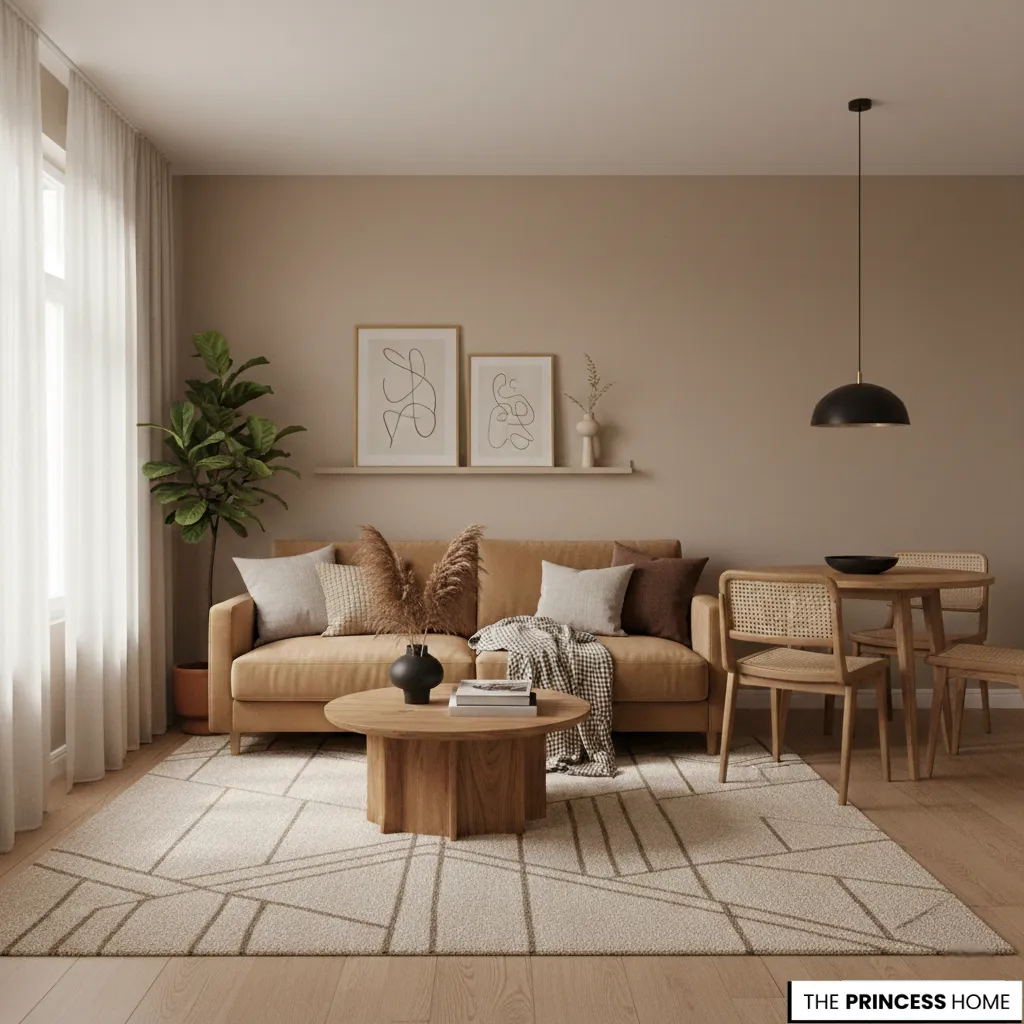
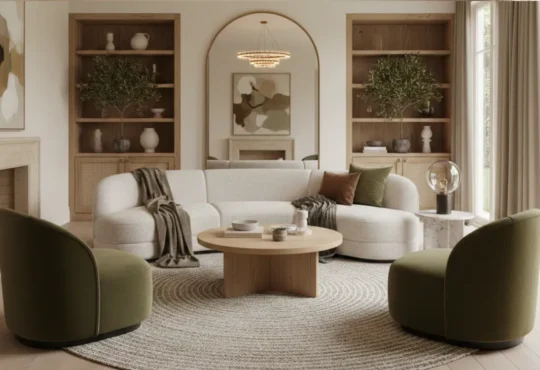
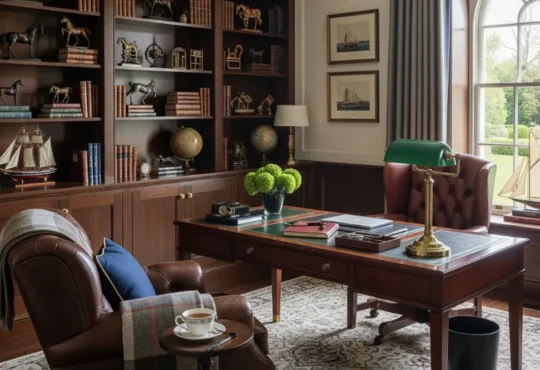
Earthy neutrals are transforming small apartments in 2026, proving that beige and taupe can be anything but boring. Shades like sand, camel, and warm taupe introduce natural warmth while keeping spaces bright and inviting. Interior designer Amalfi Rodriguez notes that these tones add depth and coziness, making them perfect for compact bedrooms, dining nooks, or multifunctional living areas.
Pair earthy neutrals with natural wood furniture to enhance organic textures, and complement with brass or matte black accents for a modern, elevated touch. Layered textiles — such as linen curtains, woven rugs, or knitted throws — amplify comfort while maintaining an airy feel. The result is a balanced, modern space that feels simultaneously sophisticated, relaxing, and intentionally designed.
Sheen Shapes Space
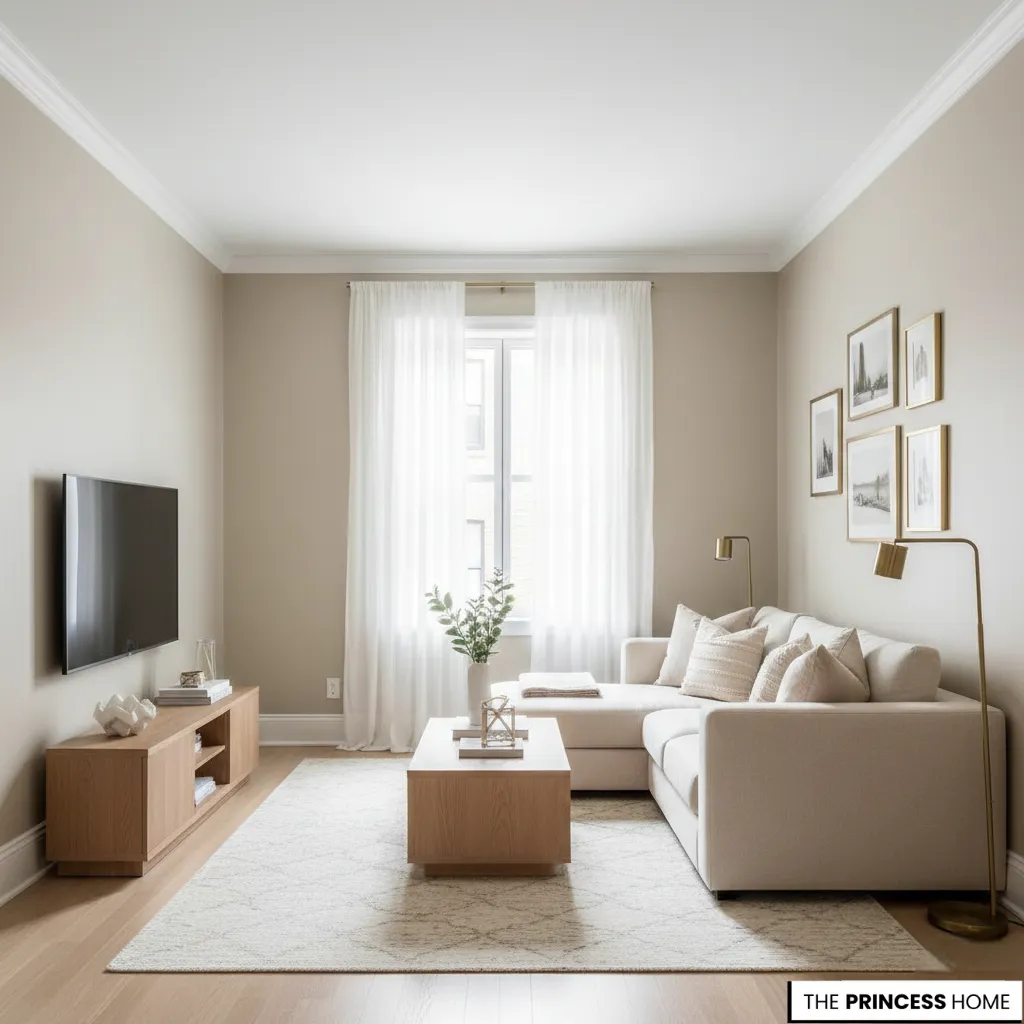
In small apartments, paint finish is just as important as color. High-sheen paints reflect light, helping walls illuminate corners and make rooms feel brighter and more open. Designers often favor eggshell or satin finishes for living areas, providing a soft, inviting glow without overwhelming the eye.
Use gloss on trims and moldings to subtly highlight architectural details, while matte finishes on ceilings create a smooth, unobtrusive backdrop. Satin works well on walls that receive natural light, bouncing it gently throughout the space. Thoughtful use of sheen adds dimension, depth, and visual interest, turning even compact rooms into luminous, welcoming environments.
8. Trending 2026 Color Palettes for Small Apartments
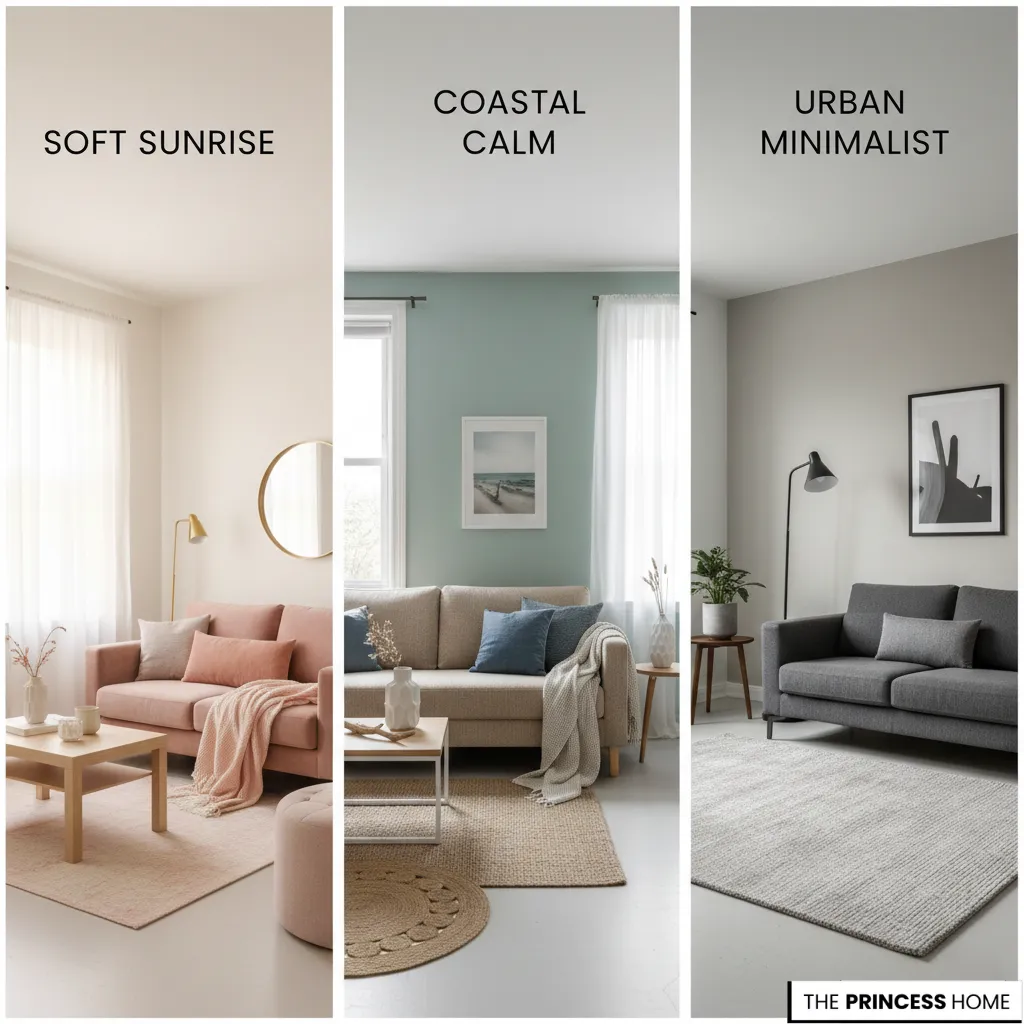
Here are some palettes designers are loving in 2026:
🎨 Soft Sunrise: blush, warm white, pale coral
🎨 Coastal Calm: seafoam green, sky gray, sandy beige
🎨 Urban Minimalist: greige, soft charcoal accents
These blends mix brightness with personality, ideal for limited square footage.
Conclusion
Choosing the right paint color for small apartment can transform a compact room into an inviting, expanded, and stylish environment. In 2026, the best trends blend light-reflective tones, practical finishes, and subtle contrasts to create depth without overwhelm. Whether you prefer timeless neutrals, muted colors with character, or coordinated palettes throughout your home, these strategies from top designers will help you make the most of every limited square foot.
Here are some frequently asked questions related to the article :
1. What paint colors make a small apartment look bigger?
Light reflective hues like warm whites, soft grays, and pale neutrals visually expand space by maximizing light.
2. Are dark colors bad for small rooms?
Not always — but use them sparingly on accent walls to create depth without shrinking the space.
3. Should ceilings be the same color as walls?
Painting ceilings slightly lighter than walls helps boost height perception.
4. How do I choose color undertones?
Match undertones to lighting — warm natural light pairs well with warm hues, cool light with cool tones.
5. Is glossy paint good for small apartments?
Glossy finishes can reflect light, but satin or eggshell are often better balanced for walls.
6. Can you use bold colors in small apartments?
Yes — but balance them with neutral surrounding walls and limit bold hues to accent areas.
7. Do monochromatic palettes work in small spaces?
Absolutely — they create continuity and make spaces feel larger by avoiding visual interruptions.
The princess home on Pinterest