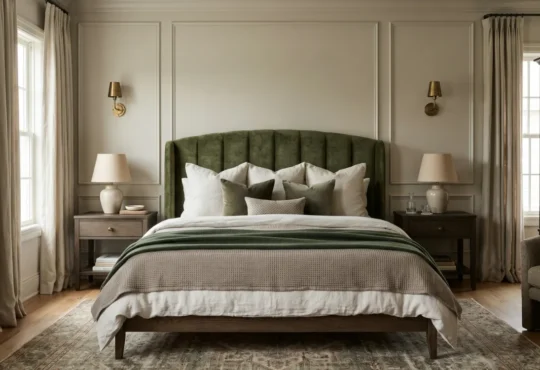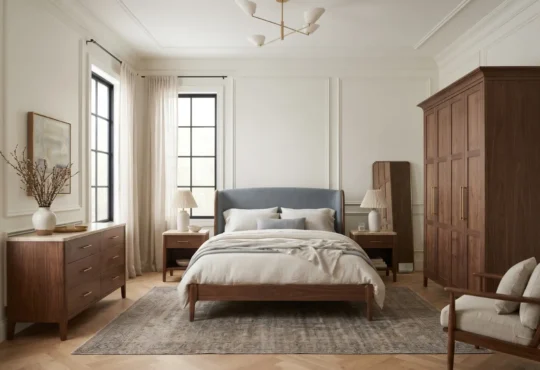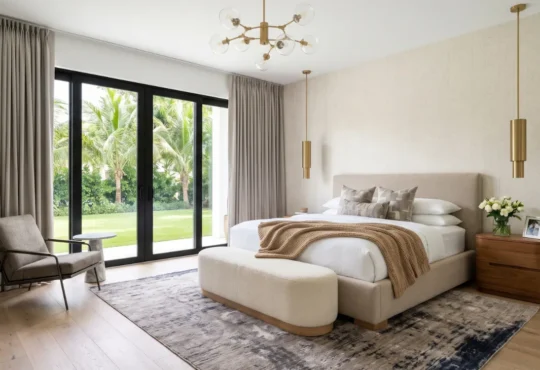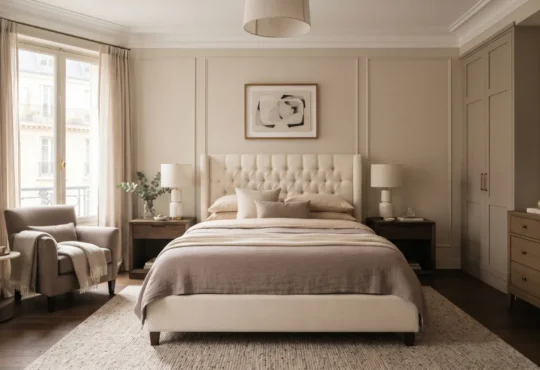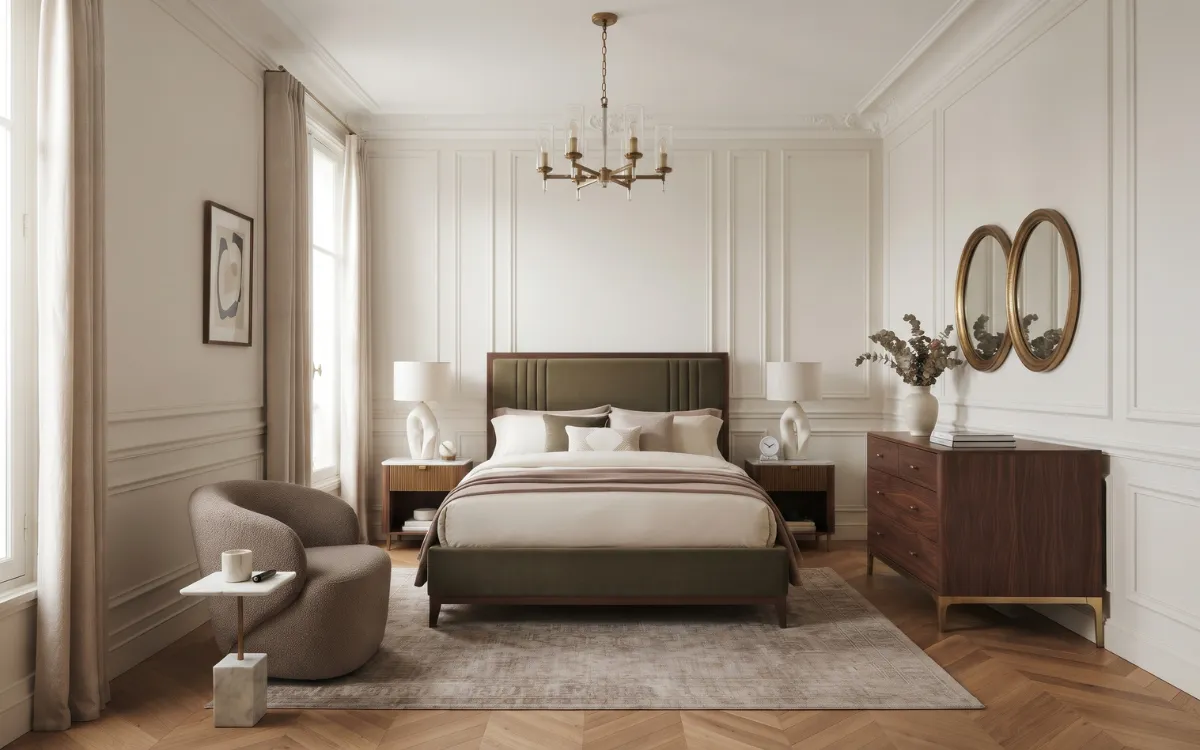
Choosing a bedroom style is about more than finding furniture or colors you like. It means understanding the design character you want your room to have and how well that look fits your home and everyday life. With so many bedroom styles available, knowing where to begin can be difficult.
This guide explores eight popular bedroom styles, explains what makes each one distinctive, and helps you identify the direction that suits your personal taste, home, and lifestyle before making design decisions.
What Defines a Bedroom Style?
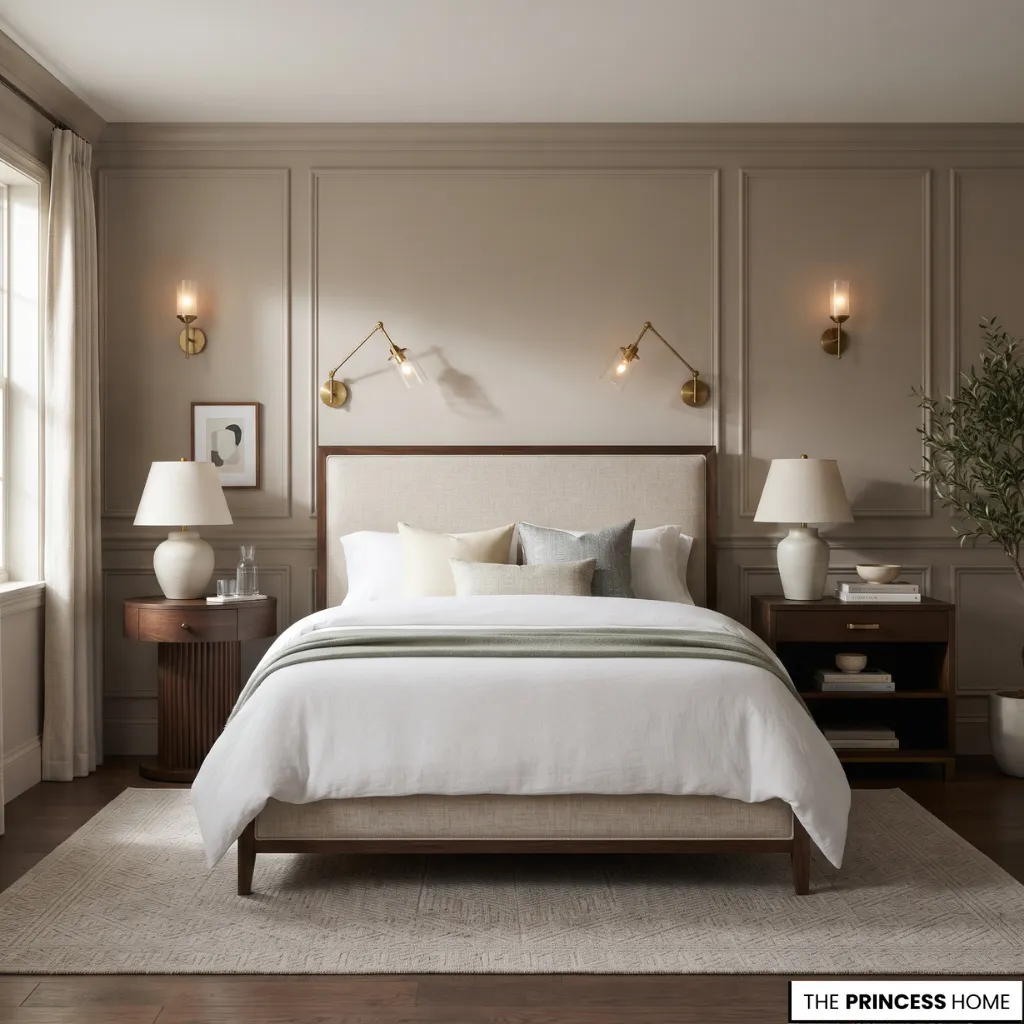
A bedroom style is the overall design direction that connects the room’s furniture, shapes, materials, colors, finishes, and decorative details. These elements work together to give the space a recognizable character.
For example, a bedroom with clean lines, simple furniture, and minimal ornamentation has a different design identity from one with traditional furniture, decorative moldings, and symmetrical arrangements.
Both can be comfortable and attractive, but they follow different design principles.
It is also important to distinguish between a design style and a decorating trend. A style has recognizable characteristics that influence several aspects of a room.
A trend is a particular look, color, material, or detail that becomes popular for a period of time. Trends can be incorporated into different styles without changing the room’s overall identity.
Understanding this difference helps you make more consistent choices. Rather than selecting individual elements simply because they look attractive, you can choose pieces that support the same design direction.
Explore Bedroom Styles
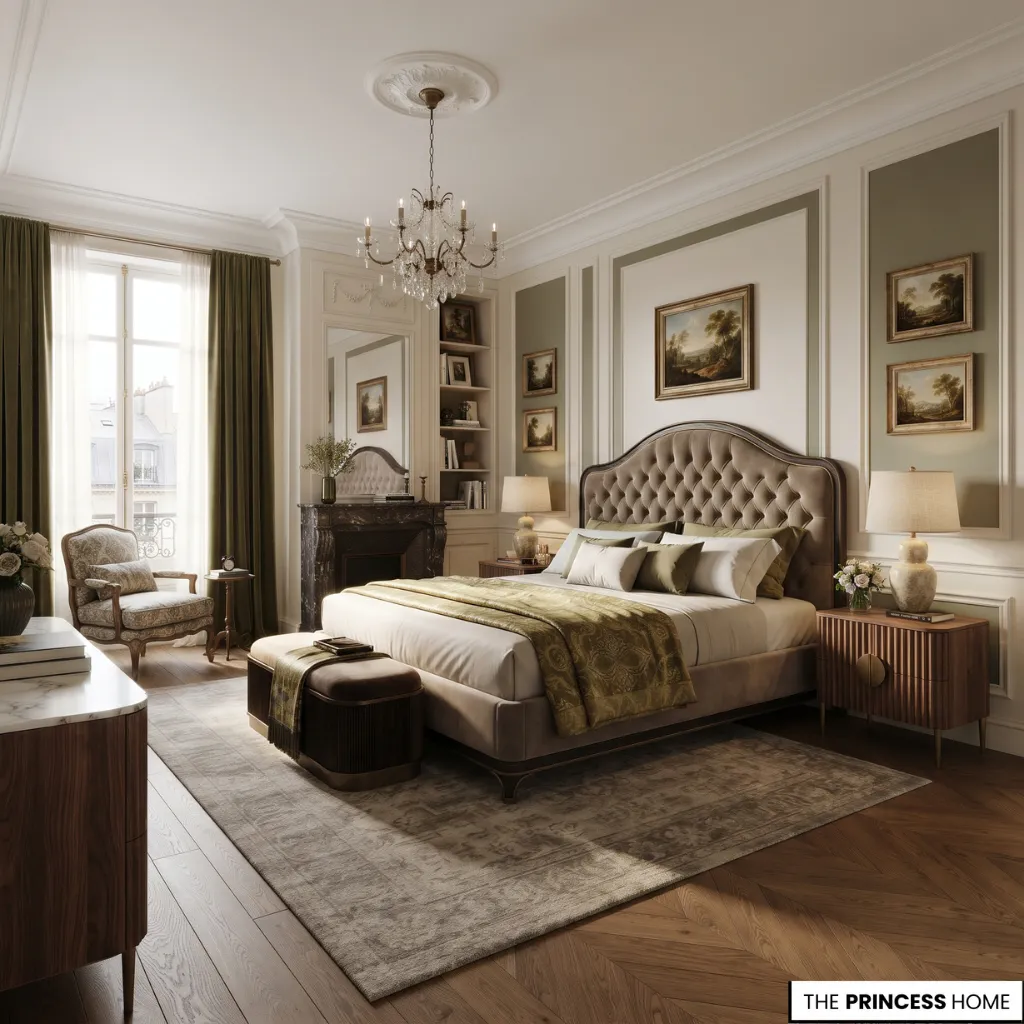
Bedroom styles offer different approaches to furniture, proportions, materials, and decoration. Some emphasize simplicity and function, while others favor traditional details, natural materials, or a mixture of old and new elements.
Understanding their defining characteristics makes it easier to recognize which direction appeals to you.
When comparing bedroom photographs, look beyond the overall color scheme and notice the furniture silhouettes, proportions, architectural details, and relationship between materials. These features often reveal a style more clearly than color alone.
1. Modern Bedroom Style
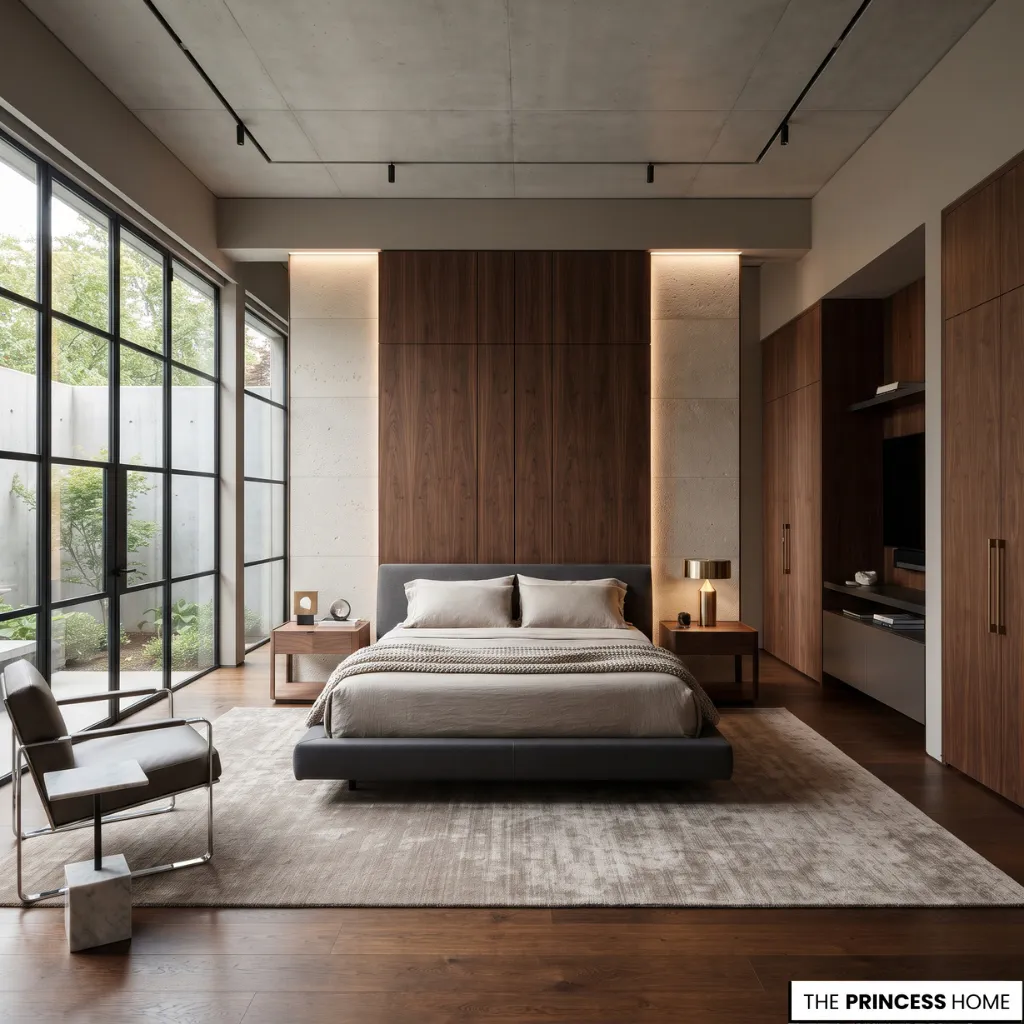
Modern bedroom design is associated with the modernist design movement and its emphasis on function, simplicity, and clear forms. Furniture often features straight lines, geometric shapes, and limited ornamentation.
The design focuses on how each element works within the room. Instead of relying on elaborate decoration, it uses proportion, construction, and carefully selected materials to establish its character.
Modern bedrooms often include streamlined beds, simple nightstands, understated lighting, and uncluttered arrangements. Wood, metal, glass, and upholstery can all contribute to the design, depending on the interpretation.
When identifying this style in a photograph, pay particular attention to the relationship between form and function.
Furniture usually has a clear, purposeful silhouette, and decorative details rarely compete with the room’s architectural lines. This helps distinguish Modern design from interiors that simply use neutral colors or minimal decoration.
This style suits people who appreciate architectural clarity, practical furniture, and a more restrained approach to decoration.
2. Contemporary Bedroom Style
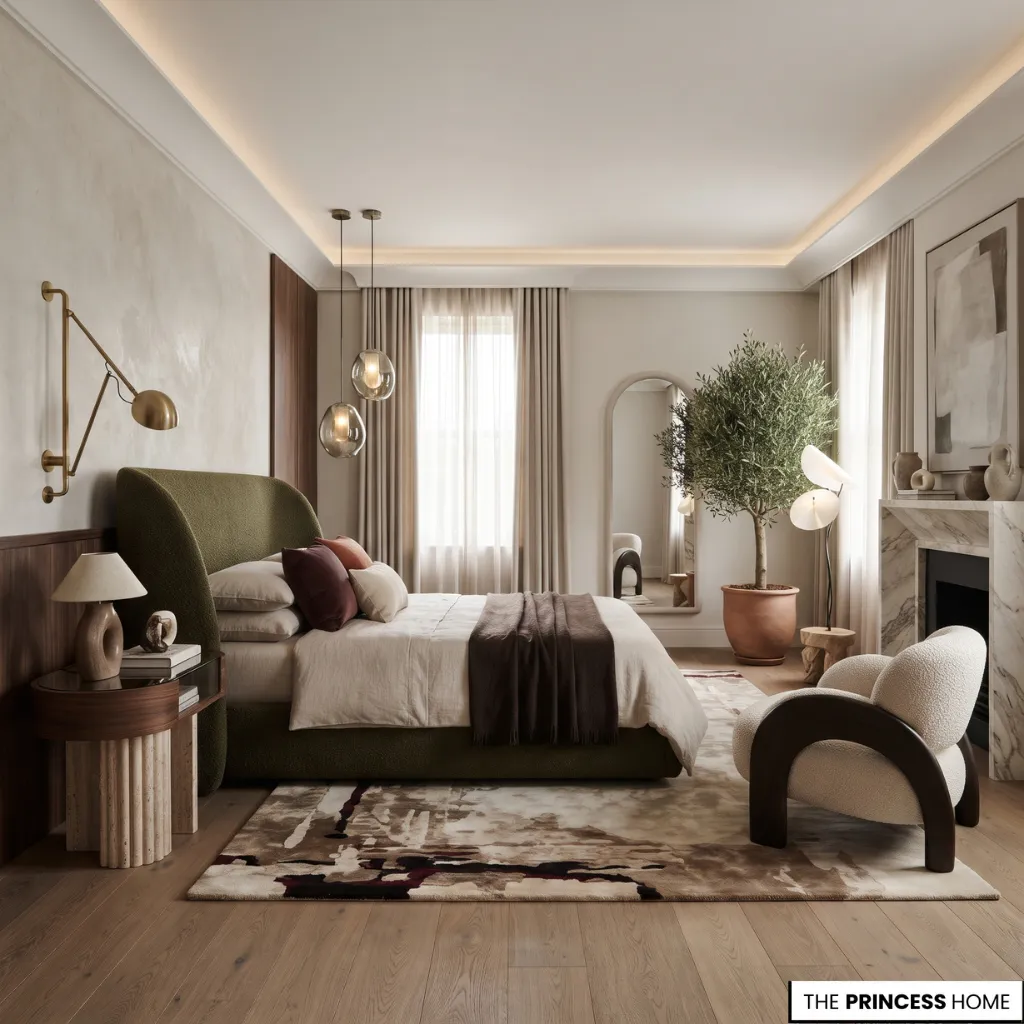
Contemporary bedroom design reflects the design preferences of the present. Unlike modern design, which refers to a particular historical movement, contemporary design continues to evolve as materials, furniture forms, and interior preferences change.
Its appearance can include curved furniture, sculptural lighting, mixed materials, and a combination of simple and expressive shapes. Some contemporary bedrooms have a minimal character, while others incorporate richer textures and more noticeable furniture silhouettes.
The defining feature is not a fixed collection of elements but a current approach to interior design.
When comparing Modern and Contemporary bedrooms, look at the consistency of their design features. A Modern room usually follows recognizable principles associated with modernism, while a Contemporary room may combine forms and details that reflect current design preferences.
For example, a contemporary bedroom might bring together curved furniture, sculptural lighting, and a mixture of materials in a way that would not necessarily follow the more defined principles of Modern design.
Contemporary style is a good choice for people who enjoy modern surroundings and want flexibility to update selected details as their preferences change.
3. Traditional and Modern Classic
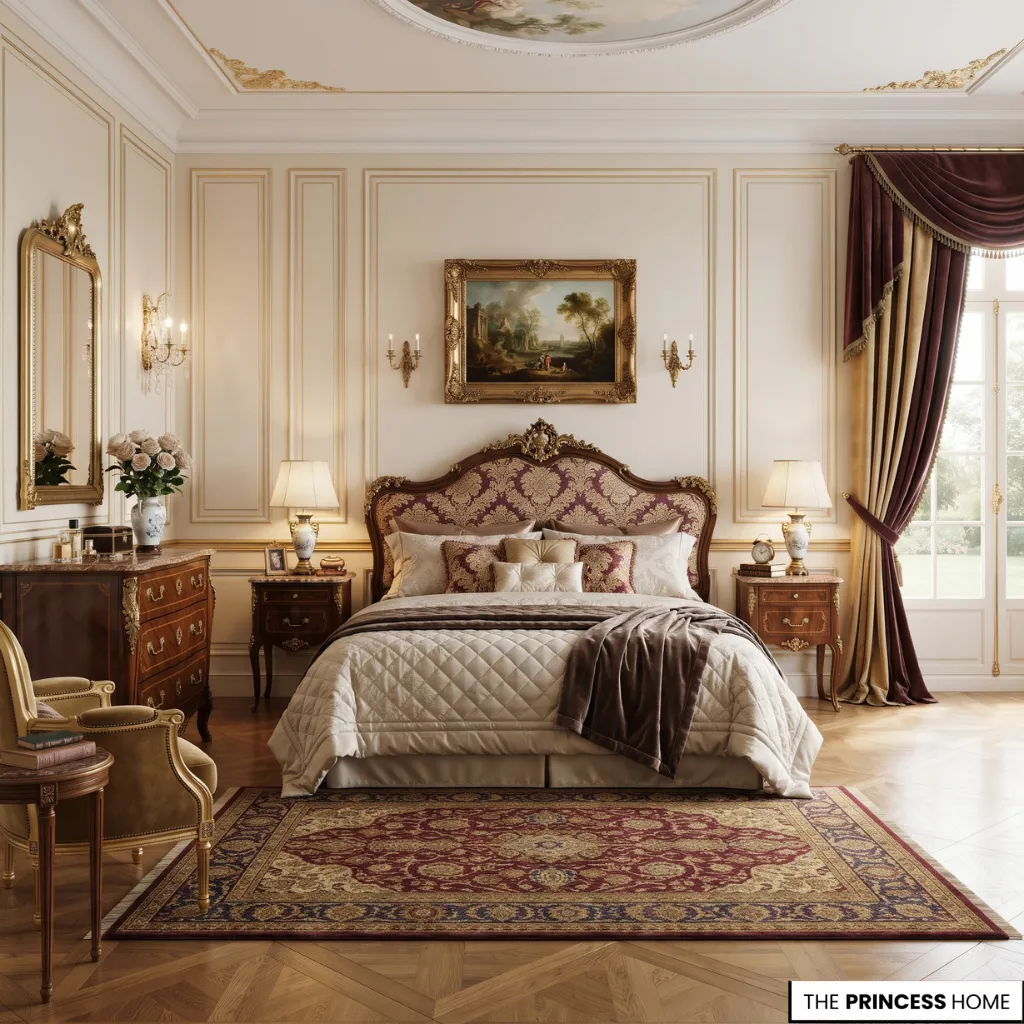
Traditional bedroom design draws on established furniture forms, decorative details, and balanced arrangements. It often features recognizable silhouettes, detailed woodwork, patterned fabrics, and a sense of symmetry.
Modern classic design retains some of these characteristics while simplifying their presentation. Furniture may have traditional proportions but cleaner profiles, and architectural details can be more restrained.
The distinction is important: traditional interiors generally preserve a stronger connection to established decorative forms, while modern classic interiors interpret those forms with a more contemporary approach.
When comparing the two, look at how much decorative detail remains visible and how the furniture is shaped. A traditional bedroom may feature more pronounced detailing and formal furniture profiles, while a modern classic bedroom often keeps the familiar proportions but reduces ornamentation.
This difference can help you recognize which interpretation feels closer to your preferences. These styles appeal to people who appreciate established design details, coordinated furniture, and a more formal sense of order without necessarily wanting an elaborate room.
4. Transitional Bedroom Style
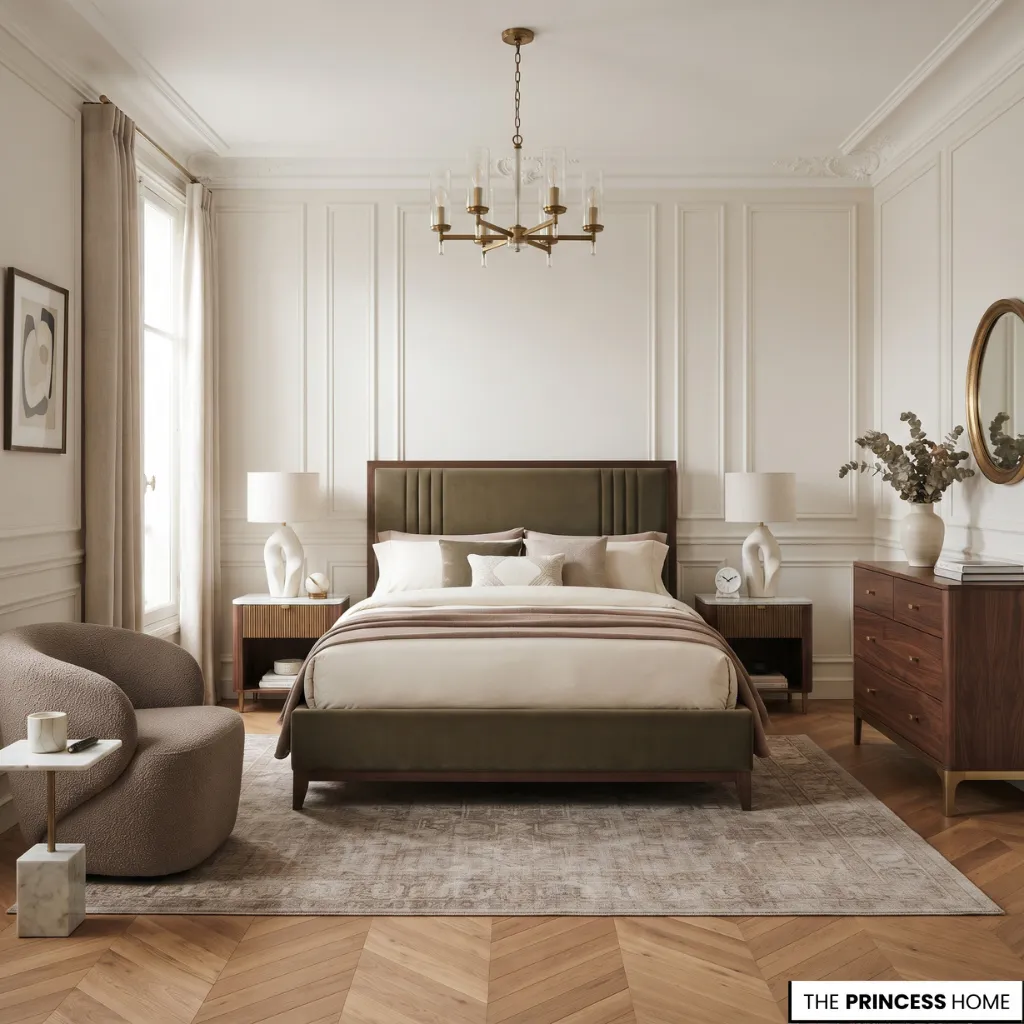
Transitional bedroom design combines traditional and contemporary elements to create a balanced interior. It retains selected classic details while using simpler furniture forms and more restrained decoration.
A bedroom might feature architectural wall moldings alongside a streamlined upholstered bed, or traditional bedside tables paired with contemporary lighting.
The key is to establish a relationship between the two design directions. Traditional and modern elements should share compatible proportions, finishes, or visual characteristics rather than compete for attention.
Transitional style suits people who appreciate classic elegance but prefer a fresher, less formal appearance. It also offers flexibility when working with homes that already contain traditional architectural features.
To recognize a successful Transitional bedroom, notice whether the classic and contemporary elements feel connected rather than simply placed together. For example, traditional wall moldings can provide the architectural character while simpler furniture keeps the room from feeling overly formal.
The balance can also work in reverse: contemporary architecture can accommodate selected traditional furniture when its proportions and details relate naturally to the space.
5. Scandinavian Bedroom Style
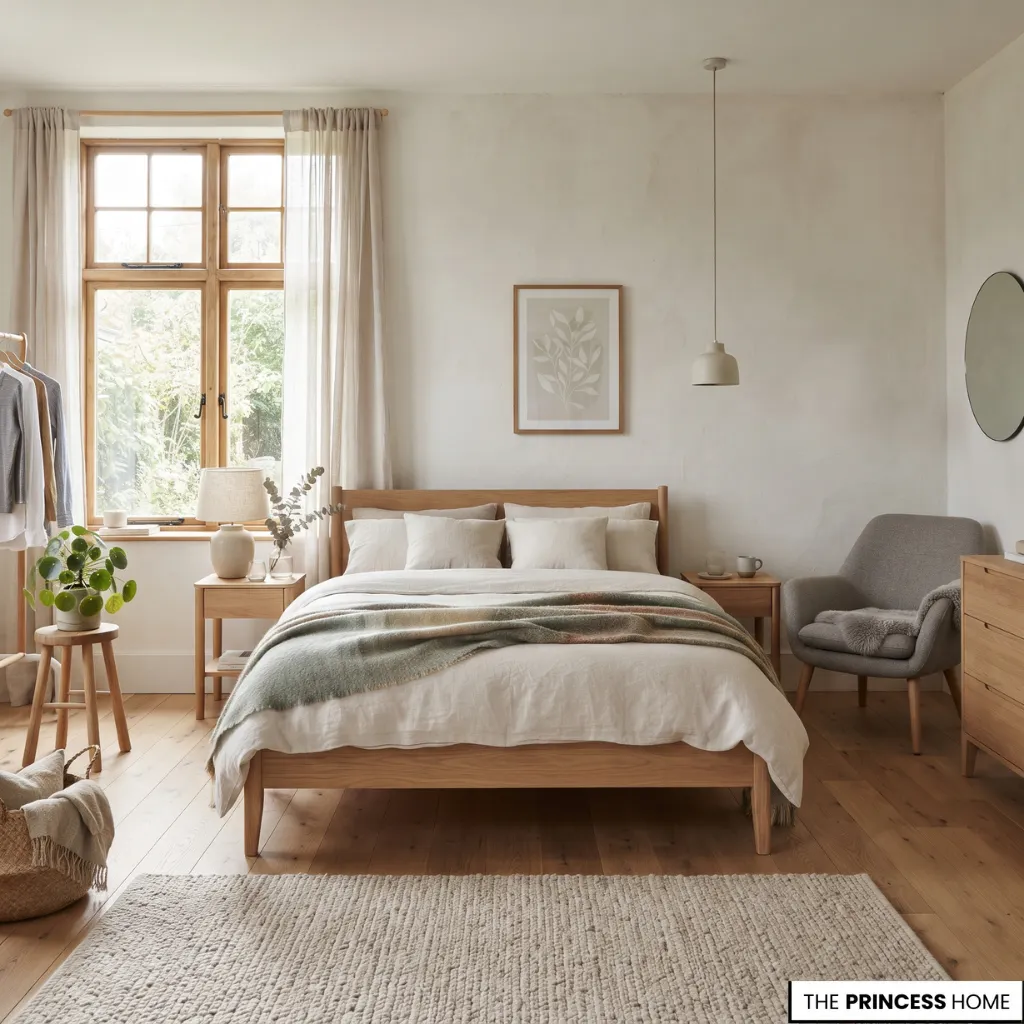
Scandinavian bedroom design emphasizes simplicity, functionality, and a connection to natural materials. Its furniture usually has clean lines, practical proportions, and an understated appearance.
Light wood, comfortable textiles, and uncluttered arrangements are common characteristics. Natural daylight also plays an important role, while lighting and soft furnishings help create a comfortable environment.
Although pale colors are frequently associated with Scandinavian interiors, the style is not limited to white walls or light neutral palettes. Other colors can work when they support the room’s overall simplicity and natural character.
This style is suitable for people who prefer practical surroundings, simple furniture, and a relaxed but organized appearance.
6. Japandi Bedroom Style
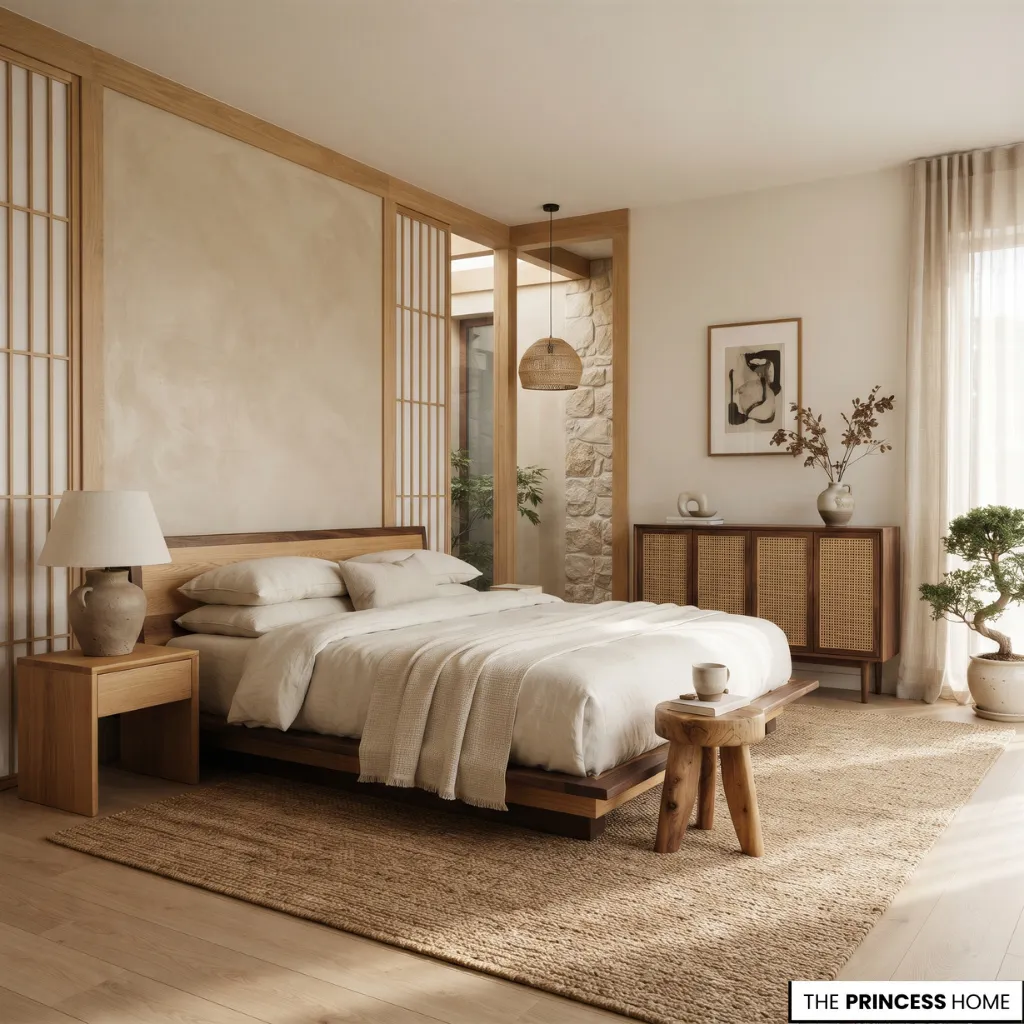
Japandi combines elements of Japanese design with Scandinavian simplicity. Both approaches value functionality, natural materials, and carefully considered spaces, making their combination particularly suitable for bedrooms.
The style often features low-profile furniture, natural wood, simple forms, handmade objects, and restrained decoration. Its visual character is quieter and more deliberate, with attention given to the quality and appearance of individual materials.
Unlike a room that simply contains few objects, a well-designed Japandi bedroom gives each selected element a clear purpose.
Japandi suits people who prefer calm, uncluttered surroundings and appreciate natural materials, thoughtful craftsmanship, and understated furniture.
Although Scandinavian and Japandi bedrooms can share simple furniture and natural finishes, their overall character is not identical.
Scandinavian interiors often place stronger emphasis on practical comfort and a relaxed everyday atmosphere, while Japandi tends to give more attention to restraint, craftsmanship, and the relationship between each object and the surrounding space.
When comparing examples, notice whether the room feels primarily functional and relaxed or more deliberately restrained and considered.
7. Mid-Century Modern Bedroom
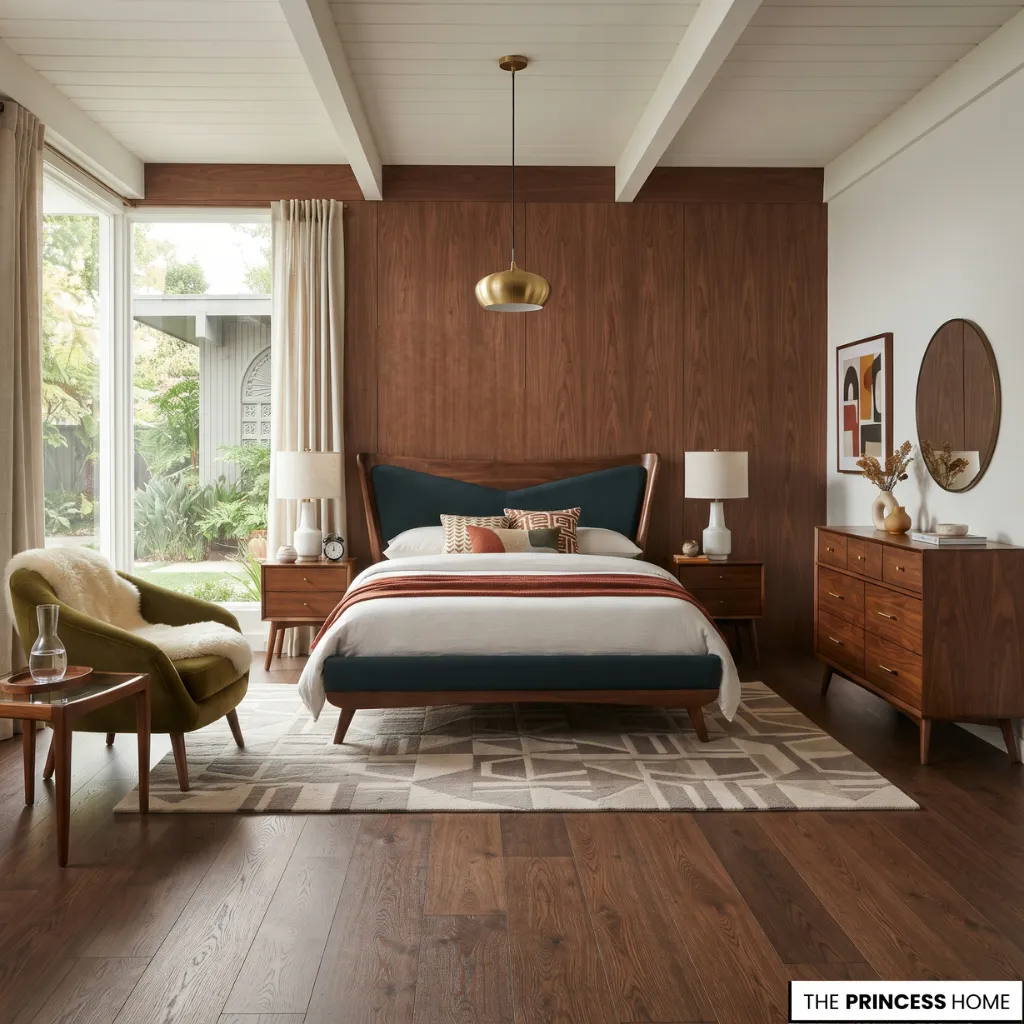
Mid-Century Modern design draws inspiration from furniture and interiors developed during the middle decades of the twentieth century. Its recognizable features include clean geometric forms, tapered furniture legs, organic curves, and practical construction.
Walnut and other warm woods are frequently used, alongside materials such as metal, glass, and textured upholstery. Furniture often has a distinctive silhouette that gives the room personality without requiring extensive decoration.
The style can feel nostalgic, but it does not need to look like a historical reproduction. Combining original mid-century forms with contemporary pieces can create a more current bedroom.
It appeals to people who enjoy distinctive furniture, vintage-inspired design, and the balance between functional construction and expressive shapes.
8. Modern Organic Bedroom
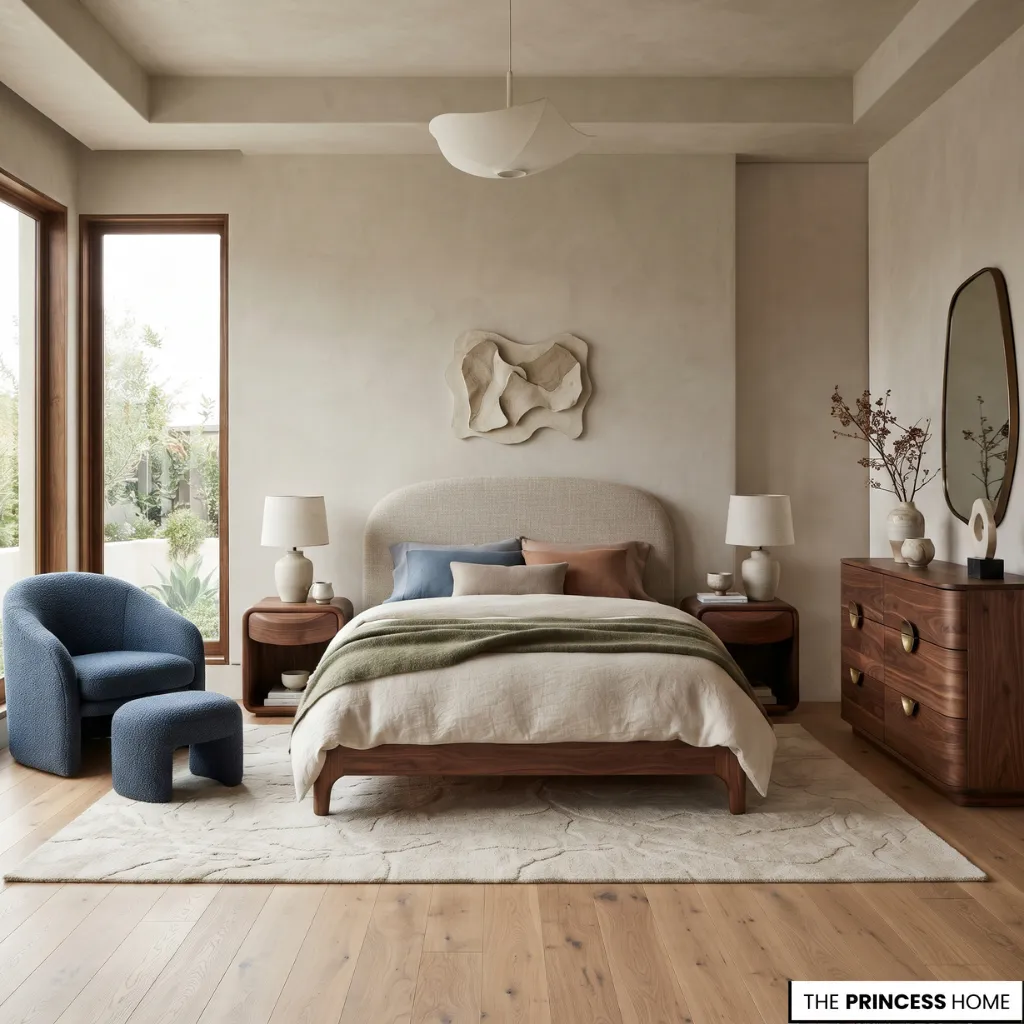
Modern organic bedroom design combines contemporary simplicity with shapes, textures, and materials inspired by nature. Rather than relying exclusively on straight lines and geometric furniture, it often incorporates curved forms and softer silhouettes.
Natural wood, stone, linen, wool, and other textured materials contribute to its character. Furniture may feature rounded edges, sculptural shapes, or less rigid proportions.
The style is not defined by a particular color palette. Its natural character comes from the relationship between forms, surfaces, and materials rather than from using earthy colors alone.
Modern organic design suits people who enjoy contemporary interiors but prefer a softer, more natural appearance.
Discover Your Personal Style
Knowing the different bedroom styles is a useful starting point, but choosing one requires a closer look at your own preferences. You may be attracted to several styles without realizing that they share particular design characteristics.
Instead of choosing a style immediately, look for patterns in the interiors you consistently enjoy.
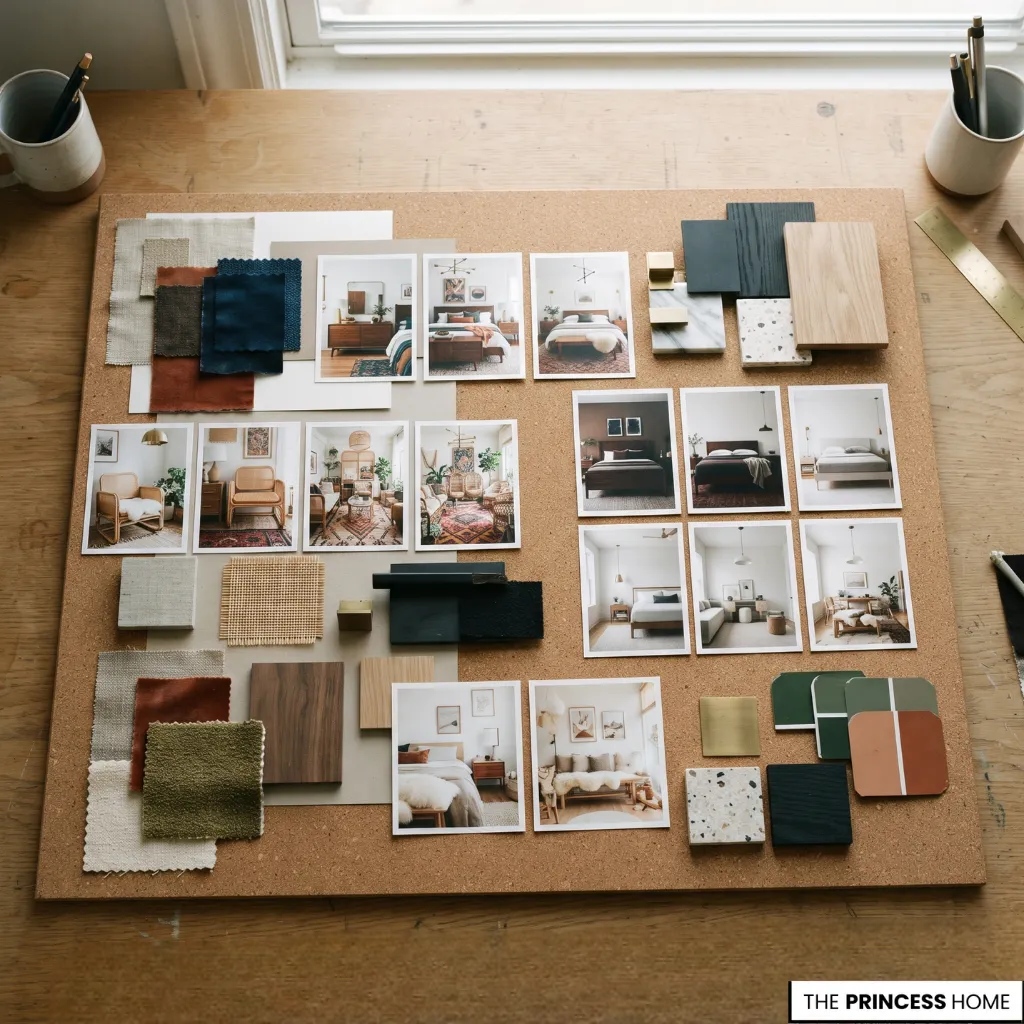
Start by collecting photographs of bedrooms that appeal to you. Save different examples rather than selecting only one carefully styled room. A collection of around 10–15 images can provide a useful starting point.
Then compare them and look for recurring characteristics. Consider the furniture shapes first: do you prefer straight lines, rounded forms, traditional silhouettes, or a combination?
Look at the decorative details and notice whether you are drawn to simple rooms or interiors with moldings, patterns, and visible craftsmanship. Pay attention to materials as well, including whether you repeatedly choose natural wood, metal, stone, glass, or upholstered surfaces.
Notice the visual character of the rooms, from restrained arrangements to interiors with more decorative detail, and consider whether you enjoy bright and relaxed spaces, formal interiors, or rooms with richer visual depth.
Pay attention to what appears repeatedly rather than what attracts your attention in a single photograph.
For example, you might save bedrooms described as Modern, Scandinavian, and Japandi. At first, these may seem like different preferences.
However, you may discover that you consistently favor simple furniture, natural materials, and limited decoration. Those shared characteristics can help identify the design direction you genuinely enjoy.
To make this comparison more useful, place similar photographs next to one another and look for the features that recur across them. You may find that several rooms share the same furniture proportions even though their styles have different names.
You may also discover that you like the architecture in one photograph, the furniture in another, and the restrained decoration in a third. Separating these preferences helps you understand what you actually want rather than choosing a style based on the label attached to an image.
It is equally useful to notice what you dislike. Understanding which shapes, finishes, or decorative approaches do not appeal to you can narrow your choices considerably.
By the end of this process, aim to identify three to five recurring design characteristics. These provide a more useful foundation for choosing a style than relying on a label alone.
You can then compare those characteristics with the eight styles in this guide and identify the two or three that appear closest to your preferences.
Consider Your Home
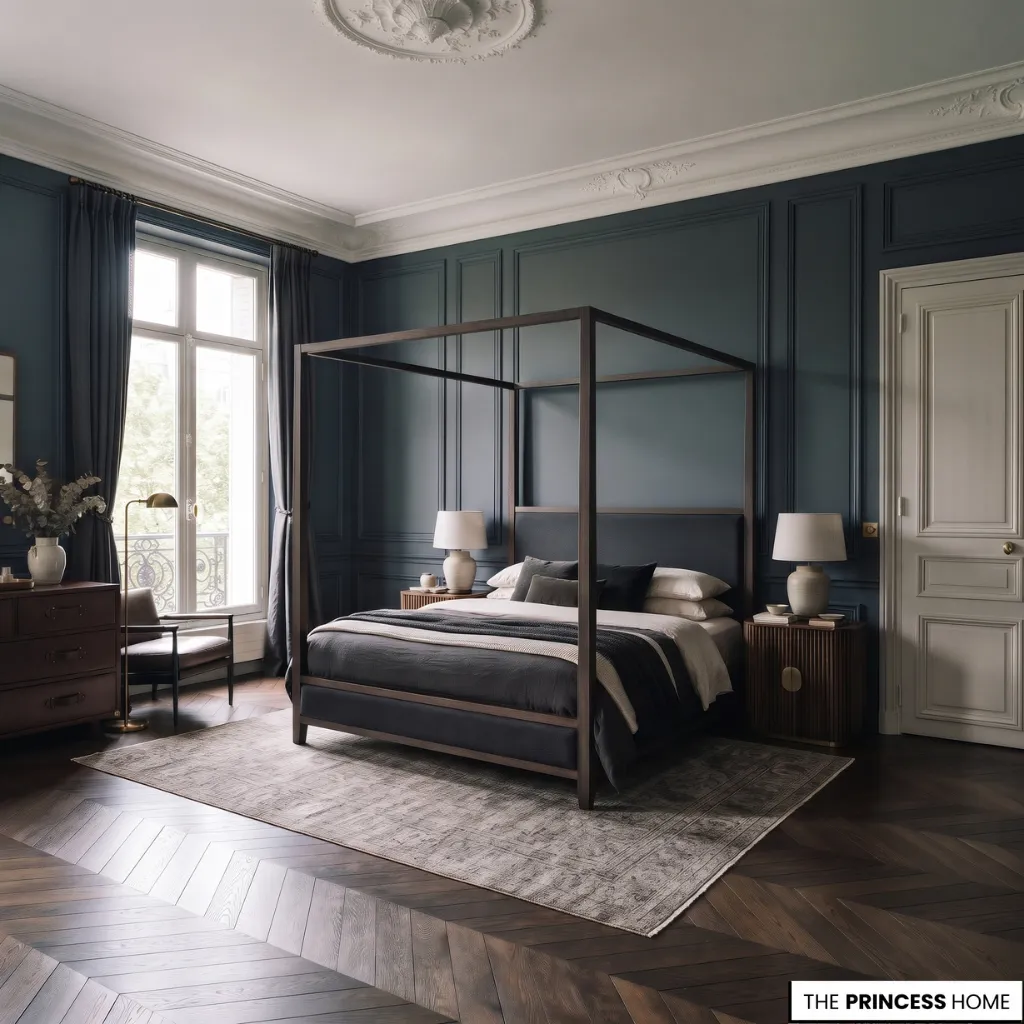
Your preferred bedroom style should also work with the home you already have. Architectural features, room proportions, natural light, and existing finishes can all influence how successfully a particular design direction can be applied.
Start by looking at the permanent characteristics of your bedroom.
Architectural details are an important consideration. Moldings, window shapes, ceiling details, doors, and flooring contribute to the room’s existing character.
A traditional home, for example, may naturally support classic or transitional elements, although contemporary furniture can also create an effective contrast.
Room proportions influence the scale and appearance of furniture. A compact bedroom may require simpler arrangements and carefully proportioned pieces, while a larger room can accommodate more substantial furniture or additional architectural details.
However, room size does not determine the style. Both modern and traditional designs can work in small or large bedrooms when properly adapted.
Natural light affects how materials, finishes, and colors appear. A bright room offers different opportunities from one with limited daylight, but neither condition prevents you from choosing a particular style.
The important consideration is how the selected elements work under the room’s actual lighting conditions.
For example, a bedroom with limited daylight can still follow a Scandinavian direction.
The style’s simple furniture, practical forms, and natural materials can remain part of the design, while the choice of finishes and the way surfaces reflect available light can be adjusted to suit the room.
The same principle applies to other styles: adapt their defining features to the conditions rather than assuming that a particular room rules them out.
Existing elements should also be considered. If you have flooring, furniture, or architectural details that you intend to keep, identify which styles can work with them. Sometimes adapting your preferred direction is more practical than replacing everything.
For example, a bedroom in a contemporary apartment can accommodate traditional furniture through a few carefully selected pieces. Similarly, a bedroom in an older home can look more current when its original architectural details are combined with simpler furniture.
Consider a small bedroom where you prefer Traditional design. You do not need to abandon that preference or replace it with Minimalism.
Instead, you can preserve recognizable traditional details while choosing furniture with suitable proportions and limiting unnecessary visual weight.
In the same way, a room with classic moldings can support a Modern direction when simpler furniture creates a deliberate contrast with the existing architecture.
The goal is not to make every element identical. It is to choose a style that feels appropriate within the existing environment.
For more ideas: Bedroom Design Planning a Beautiful and Comfortable Room
Match Style and Lifestyle
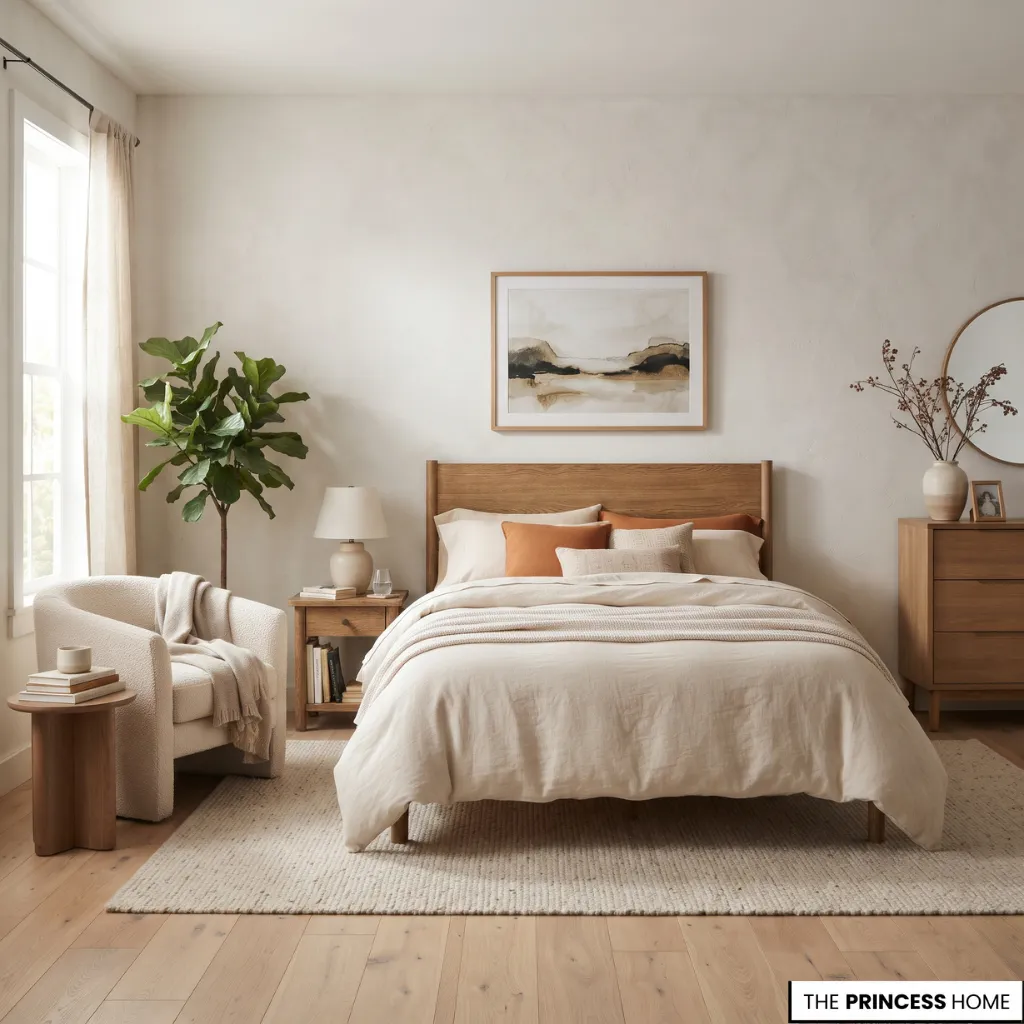
A bedroom is a personal living space, so its design should support the way you use it. Two people may prefer the same visual style but require different arrangements and levels of functionality.
Consider your everyday habits before committing to a design direction.
If you prefer a room with very few visible objects, a restrained style such as Japandi or Scandinavian may suit your preferences. If you enjoy displaying books, artwork, collected objects, and decorative pieces, a more layered interpretation of traditional, transitional, or eclectic design may feel more natural.
Think about how much organization you need. Some people prefer concealed storage and clear surfaces, while others enjoy keeping selected belongings visible. Your preferred approach should influence how the style is eventually applied.
Shared bedrooms introduce another consideration: both occupants should feel comfortable with the design direction. You do not necessarily need identical preferences.
Instead, look for common characteristics that can connect different tastes, such as similar materials, compatible furniture shapes, or a shared preference for a particular level of decoration.
Maintenance also matters. Detailed surfaces, delicate materials, and numerous decorative objects may require more attention than simpler arrangements. Consider how much time you want to spend keeping the room organized and maintaining its finishes.
A bedroom style should support your daily routine rather than make it more difficult. Visual appeal matters, but it should work alongside comfort, practicality, and personal preference.
Choose Your Main Style
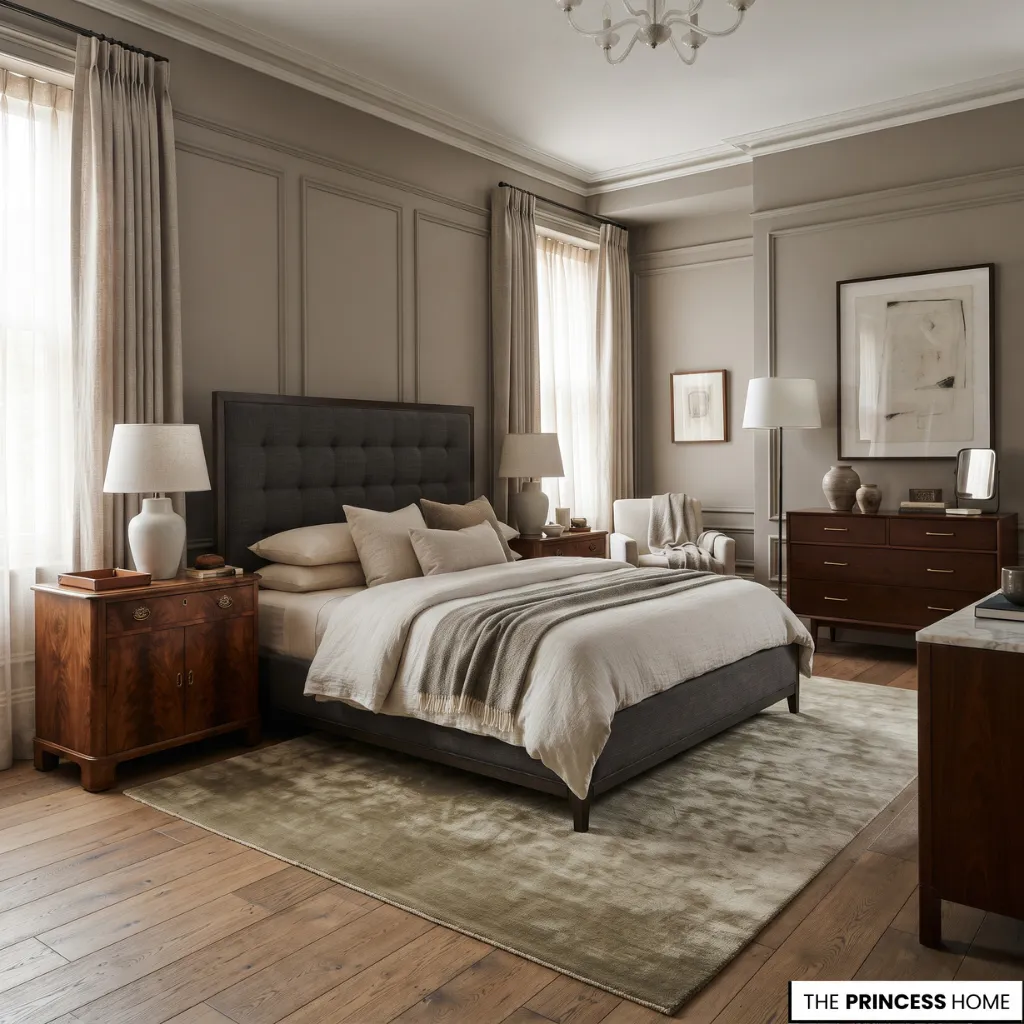
Once you understand your preferences, home, and lifestyle, you can begin selecting a main bedroom style. Start by comparing the styles that best match your findings.
You do not need to evaluate every available option. Focus on the two or three directions that share the characteristics you identified earlier.
Consider three factors:
Personal taste: Does the style reflect the furniture shapes, materials, and visual character you consistently enjoy?
Home character: Can its defining features work with your room’s architecture, proportions, and existing finishes?
Everyday lifestyle: Does it support the way you use your bedroom and the level of organization and maintenance you prefer?
The strongest choice is the one that works across all three considerations rather than excelling in only one.
It is also helpful to identify which characteristics define your chosen style and which are optional. For example, if you choose Transitional design, the relationship between traditional and contemporary elements is central to its identity.
However, you can interpret that relationship through different furniture forms, materials, and decorative details.
You do not need to reproduce a complete bedroom from a photograph. Instead, use the style as a design direction that guides your decisions.
Before purchasing anything, look at the main pieces and fixed features already in your bedroom. Ask whether each one supports your chosen direction, can work with a small adjustment, or creates a conflict with the overall character you want.
A traditional bedside table, for example, may work in a Transitional bedroom even if you prefer a more contemporary bed. An existing floor finish may also remain suitable when the furniture and other elements establish the intended direction.
Choosing a main style also helps you prioritize your spending. You can keep existing pieces that support the direction and replace only the elements that conflict with it. This approach avoids unnecessary purchases and makes future design decisions easier.
When several changes are possible, begin with the pieces that have the strongest influence on the room’s identity, then consider smaller details as your budget allows. You do not need to buy everything at once to create a consistent result.
For more ideas: Bedroom Furniture Ideas: How to Choose the Right Pieces
Mix Styles Carefully
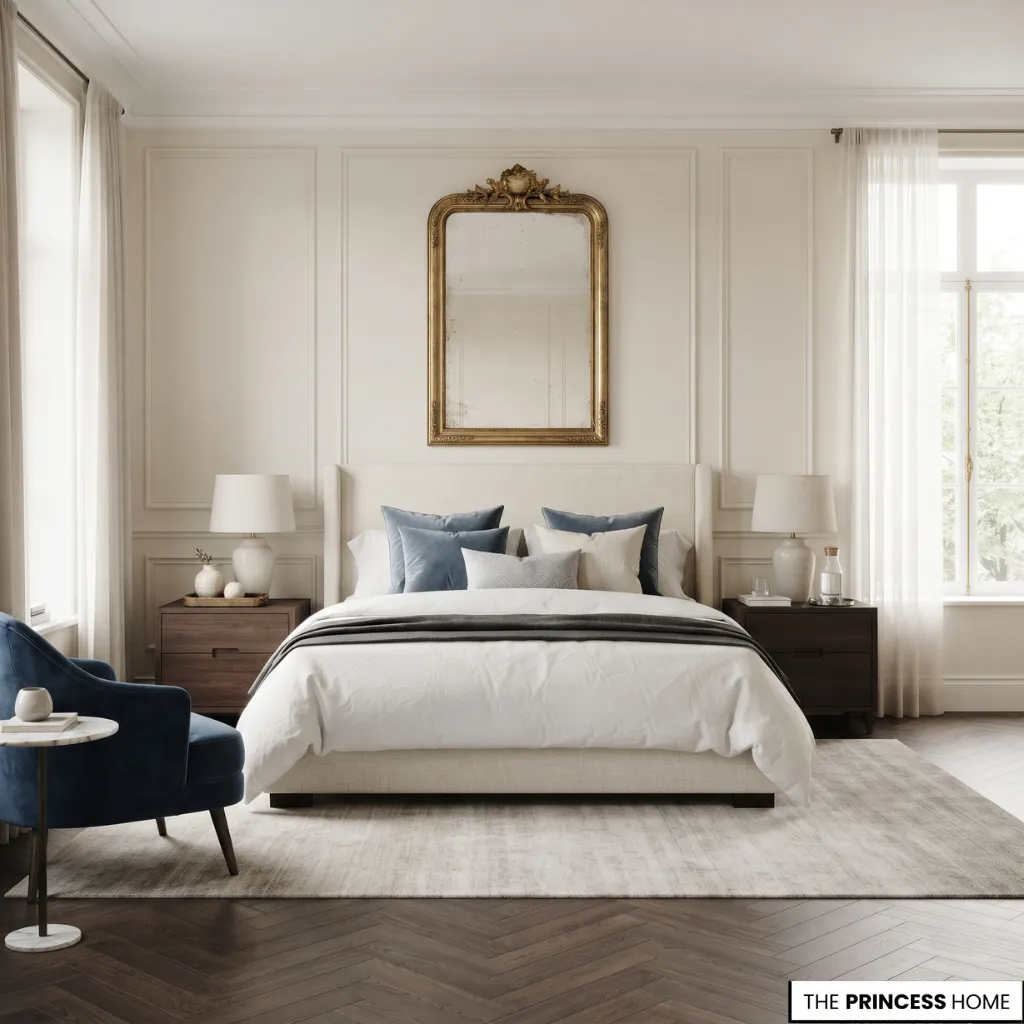
You do not have to follow one bedroom style exclusively. Many successful interiors combine different design influences, provided there is a clear relationship between the elements.
The easiest approach is to establish one dominant style and introduce a secondary influence through selected pieces or details.
For example, a Transitional bedroom can incorporate contemporary lighting while retaining classic architectural details. Scandinavian design can share characteristics with Japandi through natural materials, simple furniture, and restrained decoration.
A Modern bedroom can also include selected Mid-Century furniture without losing its contemporary direction.
The important consideration is compatibility.
Look for shared characteristics between the styles, such as similar furniture proportions, related wood finishes or material qualities, compatible shapes and silhouettes, a consistent level of decorative detail, and a common approach to simplicity or ornamentation.
Avoid combining several unrelated styles simply because you like individual pieces. A highly traditional bed, strongly industrial furniture, ornate accessories, and sculptural contemporary pieces may compete if they lack a connecting design principle.
A useful way to check your choices is to consider the room as a whole. Each element should either support the dominant style or introduce a deliberate contrast that still feels appropriate.
For example, if you prefer a Scandinavian bedroom but also like Japanese-inspired furniture, the shared use of simple forms and natural materials provides a clear connection.
If you prefer Modern design but want to include a Mid-Century piece, look for a furniture silhouette and finish that complement the room’s existing forms.
These combinations work because the secondary influence reinforces or adds character to the main direction rather than competing with it.
If the two styles are difficult to connect, reduce the influence of the secondary style rather than trying to give both equal importance.
For more ideas: Transitional Bedroom Style
Avoid Common Style Mistakes
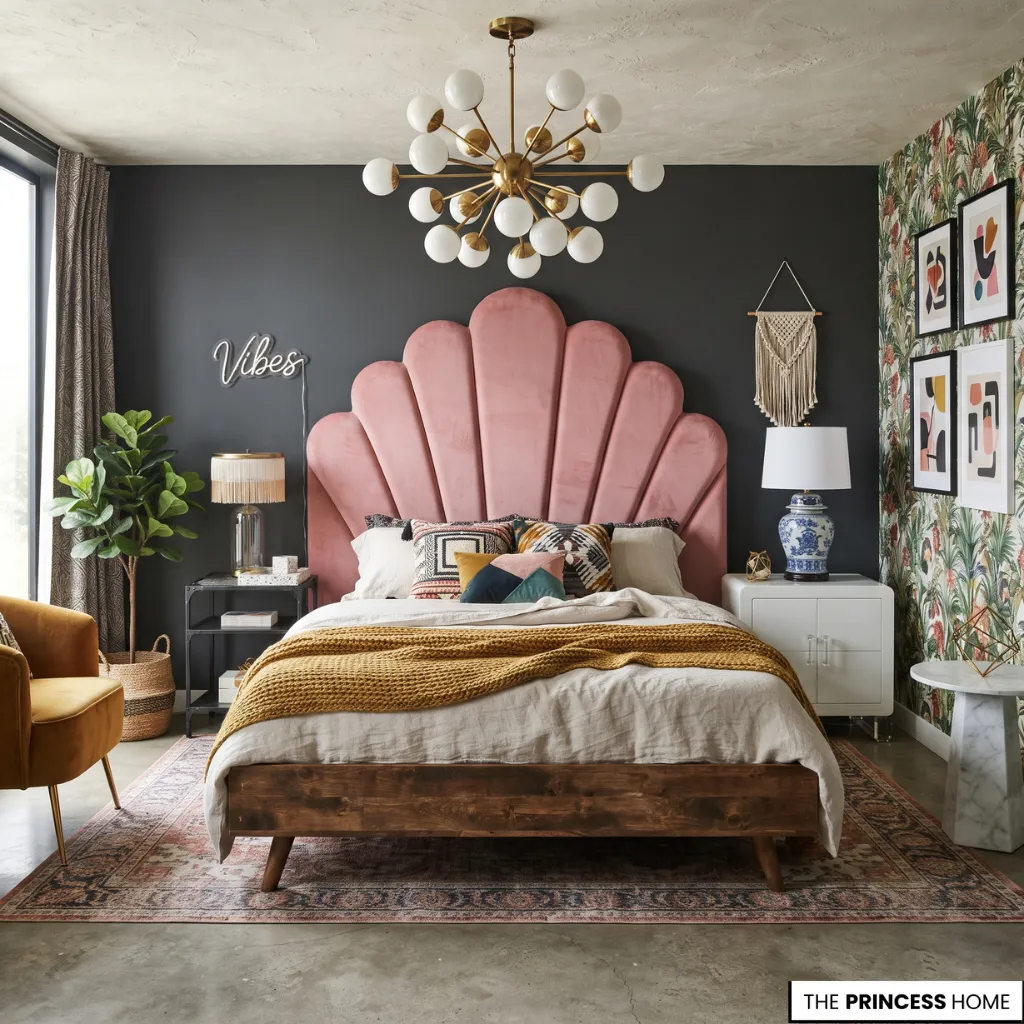
Choosing a bedroom style becomes easier when you recognize the decisions that can lead to an inconsistent result.
Choosing a style because it is popular: A widely shared interior may look attractive, but popularity does not mean it matches your preferences. Use current inspiration to discover possibilities, then evaluate the design characteristics independently.
Relying on one photograph: A single bedroom image may contain furniture, lighting, and decorative details that appeal to you for different reasons. Compare several examples before deciding which characteristics you actually want to reproduce.
Confusing colors with styles: A neutral bedroom is not automatically Scandinavian, and a dark bedroom is not necessarily traditional. Colors alone cannot establish a complete design identity. Consider furniture shapes, materials, proportions, and decorative details together.
Confusing Modern and Contemporary: These terms describe different design approaches. Modern design is associated with a particular historical movement, while Contemporary design reflects the changing preferences of the present.
Understanding the distinction helps you choose the direction that genuinely appeals to you.
Mixing too many influences: Combining several styles without a dominant direction can make the room feel disconnected. Choose one main style and use secondary influences selectively.
Ignoring the existing architecture: Trying to reproduce an interior without considering your home’s proportions and permanent features can lead to unsuitable choices. Adapt the style to the room rather than copying the reference exactly.
Buying furniture too early: Purchasing major pieces before establishing a design direction can create unnecessary expense and make it harder to achieve a cohesive result. Decide on the overall style first, then evaluate individual furniture choices.
Prioritizing appearance over comfort: A bedroom should support rest and everyday use. Do not choose furniture, materials, or arrangements that make the room less practical simply because they match an inspiration photograph.
Ignoring existing furniture and elements: Replacing everything can be unnecessary when your current furniture, flooring, or architectural details already support your preferred direction. Evaluate what can remain, what needs adjustment, and what genuinely conflicts with the new style before spending money.
Changing direction too frequently: Constantly following new trends can lead to repeated purchases and an inconsistent room. Once you have identified a style that suits your preferences and home, allow it to guide your major decisions. You can update smaller details without changing the entire design identity.
Conclusion
Choosing the right bedroom style begins with understanding what you enjoy, what your home can support, and how you want the room to function. Explore different styles, identify the characteristics that appeal to you, and select a main direction that connects your personal taste with your home’s existing character.
You do not need to reproduce a particular style perfectly. The aim is to establish a clear design direction that makes future choices easier and creates a bedroom that feels comfortable, consistent, and genuinely yours.