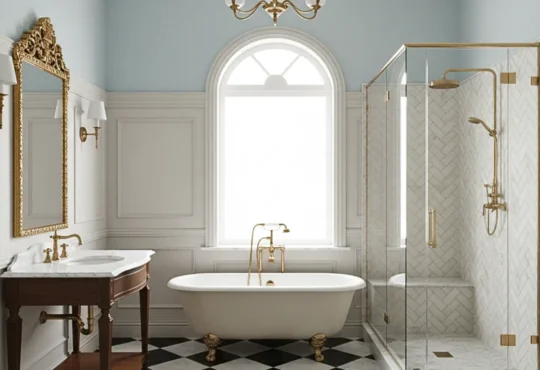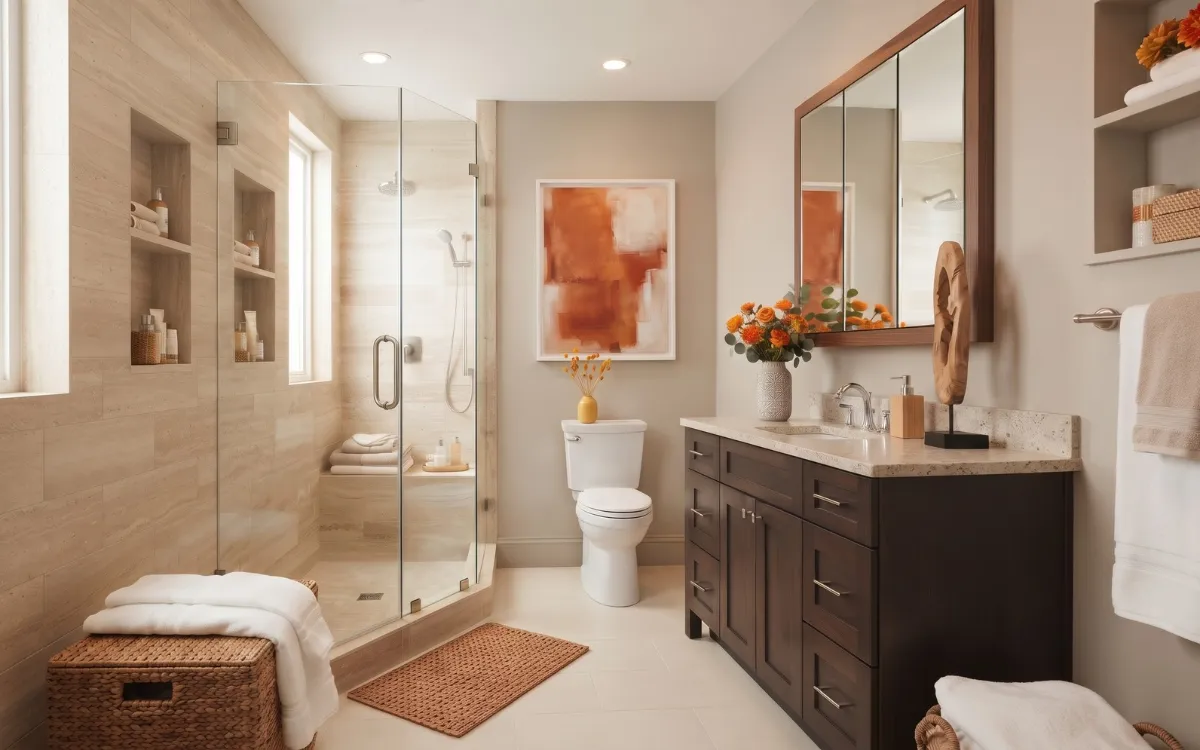
A well-prepared guest bathroom should make visitors feel comfortable without having to ask where essentials are kept. The best guest bathroom ideas combine practical facilities, accessible supplies, thoughtful storage, and welcoming details.
Whether dedicated to guests or shared with the household, the bathroom should reflect visitors’ needs and the length of their stay.
Plan for Guests
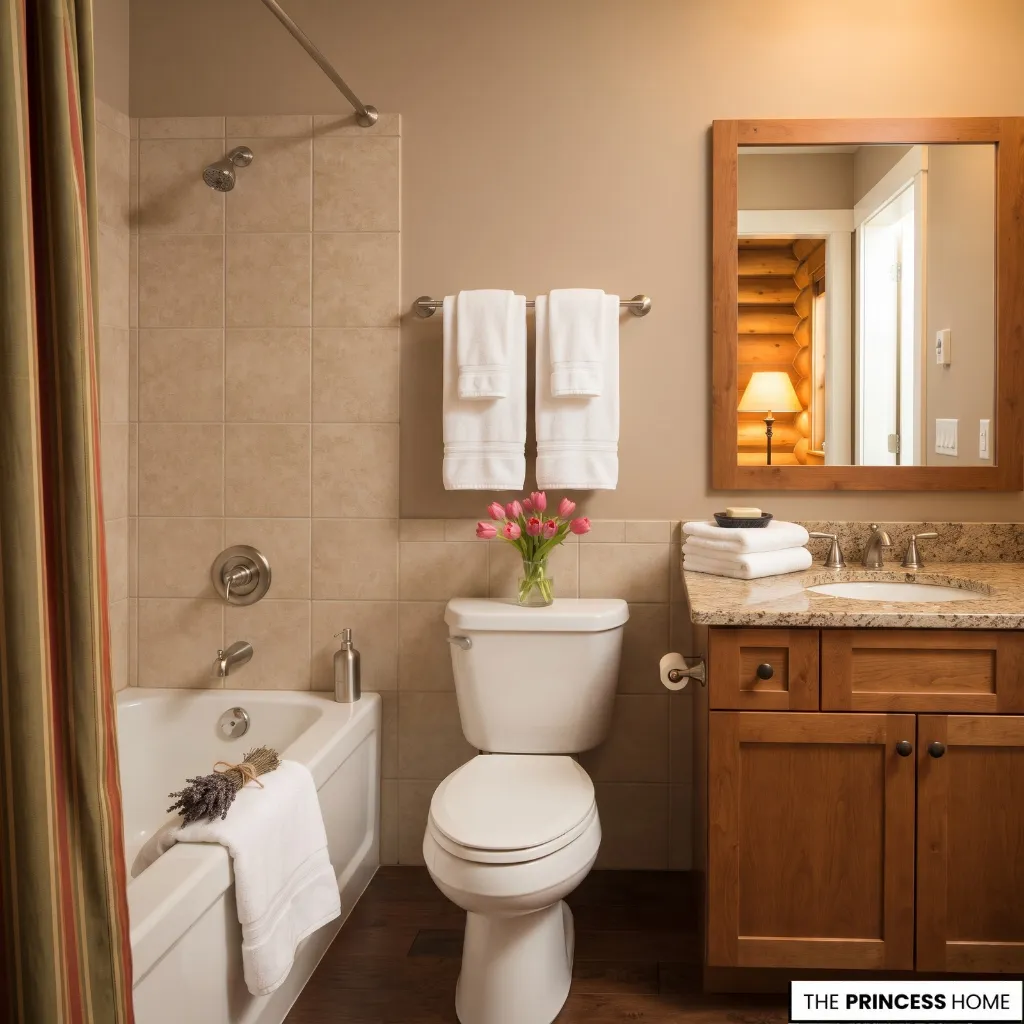
Before buying accessories or changing the bathroom’s appearance, consider how visitors will use the room. A dedicated guest bathroom has different requirements from a family bathroom that visitors occasionally share. The length of the stay also affects which facilities and supplies are necessary.
Assess Existing Facilities
Begin by identifying what the bathroom already provides. A room with a toilet and washbasin has different requirements from one that also includes a shower or bathtub.
A dedicated guest bathroom can reserve storage and supplies for visitors. A shared bathroom needs a more flexible arrangement that accommodates household routines while keeping guest essentials accessible.
Consider the following:
Bathroom facilities: Identify whether visitors can use a shower or bathtub, or whether bathing takes place elsewhere in the home.
Number of visitors: Consider how many people may use the room and whether they will need separate towels or additional supplies.
Length of stay: Short visits generally require fewer provisions than overnight stays.
Available storage: Check whether the vanity, shelves, or cabinets can accommodate guest supplies without displacing household necessities.
Personal belongings: Identify a convenient surface or storage space where visitors can place their own toiletries.
This assessment helps establish what the room actually needs. It also prevents unnecessary purchases, particularly when a small bathroom already has limited storage and floor space.
Prepare for Different Stays
A bathroom used during a short visit should provide convenient access to basic necessities. Hand soap, a clean hand towel, toilet paper, a waste bin, and a mirror are practical starting points.
Overnight guests may need more. In a full guest bathroom, consider bath towels, bathing products, spare toiletries, and somewhere to place personal items. A hairdryer may also be useful, depending on the facilities and expectations of the guests.
If visitors will use a shared family bathroom, reserve an accessible shelf or drawer for their belongings. This allows them to use the room without having to move household products or ask where personal items can be placed.
The arrangement should reflect the facilities available. A shower or bathtub is useful when the guest bathroom is intended to support bathing, but it is not a universal requirement for every home. What matters is making the available facilities clear and ensuring visitors can use them comfortably.
Essential Fixtures
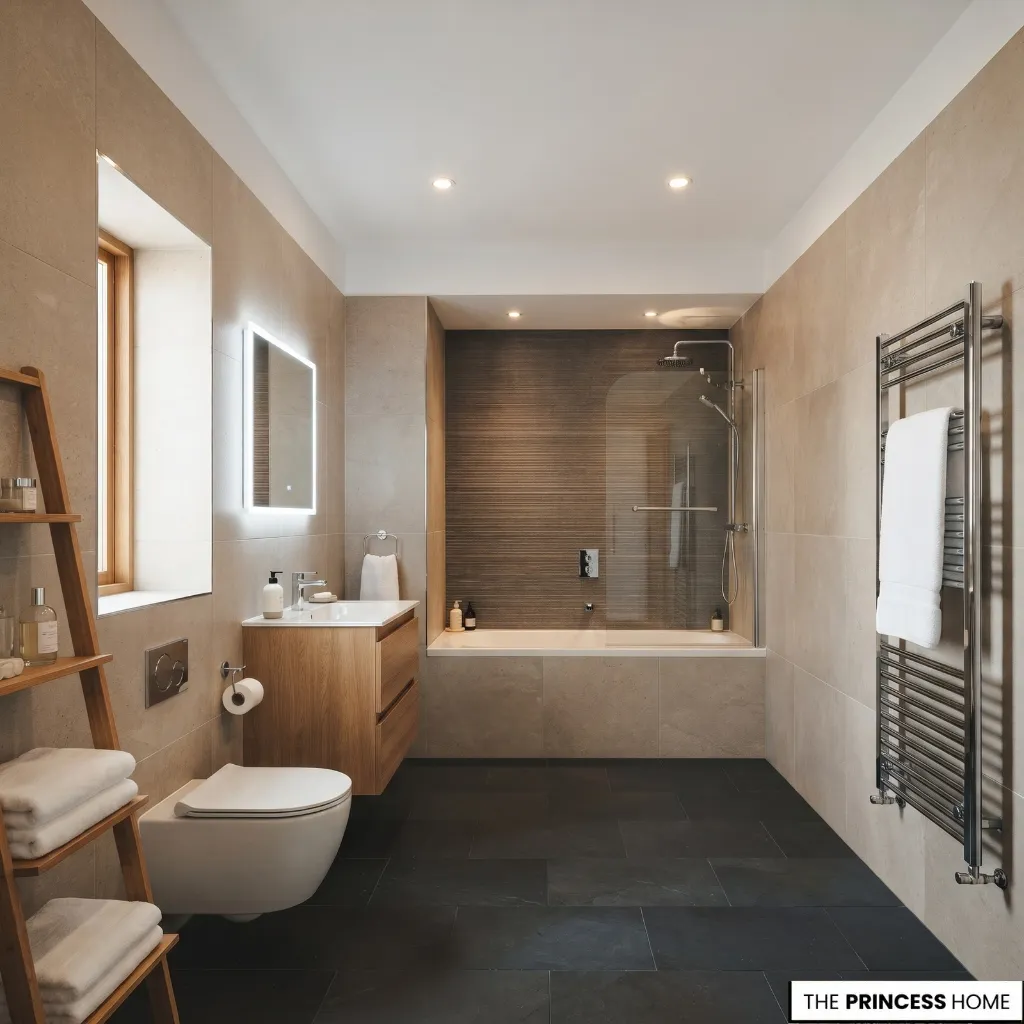
The bathroom’s permanent fixtures determine how comfortably visitors can carry out everyday activities. Before adding decorative details, check that the toilet, basin, mirror, lighting, and any bathing facilities work properly and are straightforward to use.
Check Everyday Fixtures
Start with the toilet and washbasin. Both should be clean, in good working order, and easy to access. Check taps and handles for smooth operation, and make sure the basin drains properly.
The mirror should be positioned conveniently above or near the basin. Its size should suit the vanity and available wall space, allowing visitors to use it comfortably for ordinary grooming.
Also assess the arrangement around each fixture. Visitors should be able to approach the toilet and basin without moving furniture or decorative objects. Controls, towel holders, and frequently used accessories should be within convenient reach.
Pay attention to the condition of the fixtures as well. A dripping tap, loose handle, blocked drain, or poorly functioning flush can make a bathroom inconvenient even when its appearance is attractive. Repairing these problems may provide more practical value than replacing fixtures that are otherwise suitable.
Comfortable Bathing
When the guest bathroom includes a shower or bathtub, prepare the bathing area as carefully as the rest of the room.
Check that the controls operate properly, the water drains without difficulty, and the shower enclosure or curtain provides suitable coverage. Controls should be understandable and easy to operate, particularly for visitors who are unfamiliar with the bathroom.
Provide a convenient place for guests to put their toiletries. A shower shelf, recessed niche, or existing ledge can hold a small selection of bathing products without requiring bottles to sit on the floor or the edge of the bathtub.
Consider where towels will be placed after bathing. A towel rail or hook near the shower makes it easier to reach a dry towel without crossing the room. Provide a bath mat where appropriate, and make sure it lies flat rather than creating a tripping hazard.
Avoid overcrowding the bathing area with products that guests may not need. A few clearly identified essentials are easier to use than a collection of unfamiliar bottles.
Guest Essentials
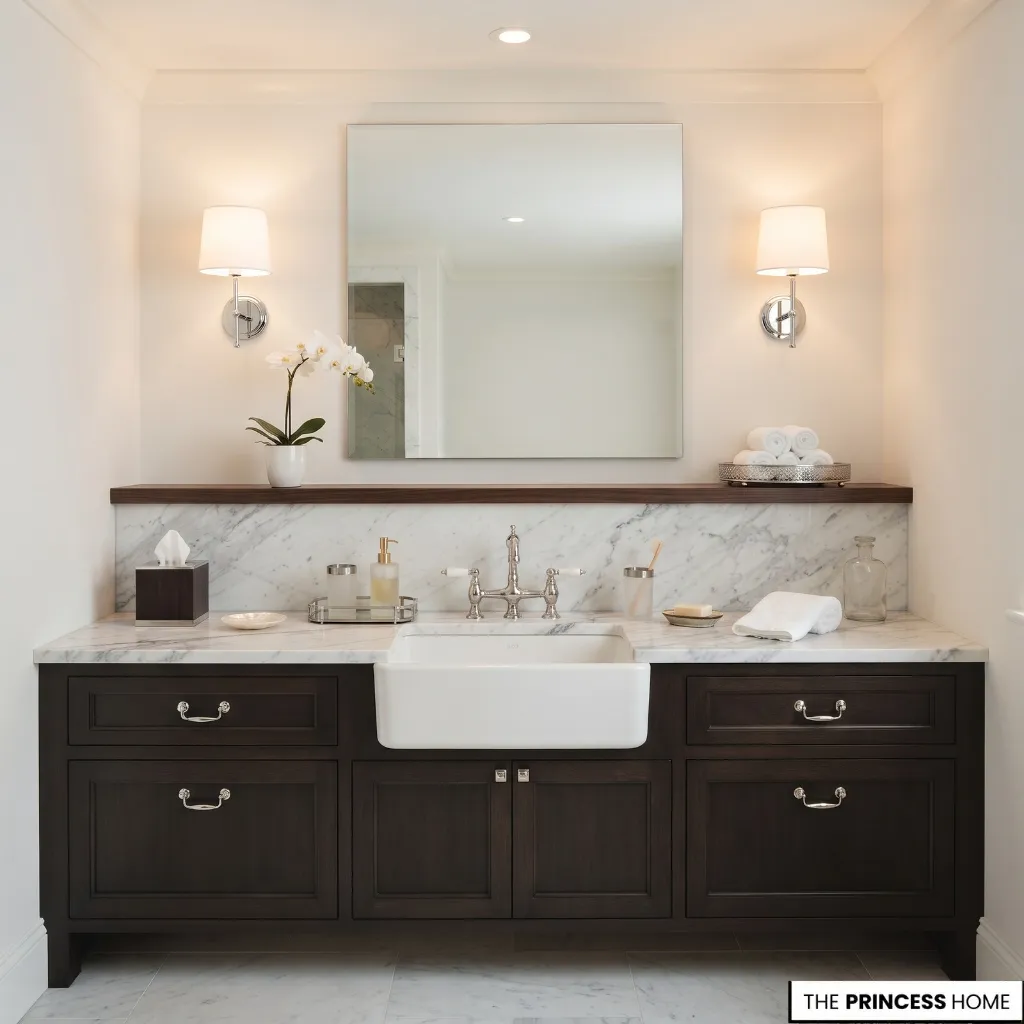
Visitors should be able to find basic bathroom supplies without asking household members. Prepare the essentials according to the facilities available and the expected length of the stay. Distinguish everyday necessities from optional hospitality items so the room remains useful rather than crowded.
Towels and Bath Linens
Provide a clean hand towel beside the basin so visitors can dry their hands immediately after washing them. In a full guest bathroom, make bath towels available in an accessible location.
The number of towels should reflect the number of visitors and the length of their stay. Overnight guests may appreciate additional clean towels, particularly when they are sharing the bathroom.
Useful arrangements include:
- Folded hand towels beside the basin.
- Bath towels on an accessible rail or shelf.
- Clean spare towels in a clearly identifiable basket.
- Additional towels in a dedicated guest drawer or cabinet.
Keep clean towels dry and separate from used ones. If several visitors will share the bathroom, provide enough hanging space for towels to dry between uses. A neat display is welcome, but towels should remain practical to reach and use.
Toiletries and Personal Care
Hand soap should always be available beside the basin. A refillable dispenser keeps the countertop organized, while clearly labelled products help visitors identify their contents.
For a full guest bathroom, a small selection of toiletries may be useful:
- Shampoo and conditioner.
- Body wash or soap.
- Spare toothbrushes and toothpaste.
- Tissues.
- Cotton pads or cotton swabs.
- Hand lotion, if appropriate.
These are optional provisions rather than a universal checklist. A powder room used during short visits does not need the same supplies as a bathroom prepared for overnight guests.
For longer stays, consider adding a hairdryer, extra toiletries, or a small selection of individually packaged personal-care items. These additions depend on the type of accommodation and what visitors are likely to expect. They should make the stay more convenient, not turn the vanity into a display of products.
Keep toiletries in their original packaging when identification matters. If you use refillable containers, label them clearly. Avoid placing so many products on the counter that visitors have no room for their own belongings.
Everyday Necessities
Some basic supplies are easy for household members to overlook because they already know where everything is kept. Visitors should not have to search for them.
Before guests arrive, check that:
- The toilet paper holder has a usable roll.
- A spare roll is accessible.
- The hand-soap dispenser is filled.
- The waste bin is empty and lined.
- A clean toilet brush is available in an appropriate location.
- Hand towels are clean and dry.
- The mirror and basin are clean.
These are practical starting points for a prepared bathroom, not a fixed list for every type of guest space. Bath towels and bathing products are relevant when the room includes a shower or bathtub, while additional toiletries are more useful for overnight stays.
Keep spare toilet paper in a location visitors can identify without opening private household cupboards. The same principle applies to other essential supplies: they do not need to be displayed, but their location should be understandable.
Smart Storage
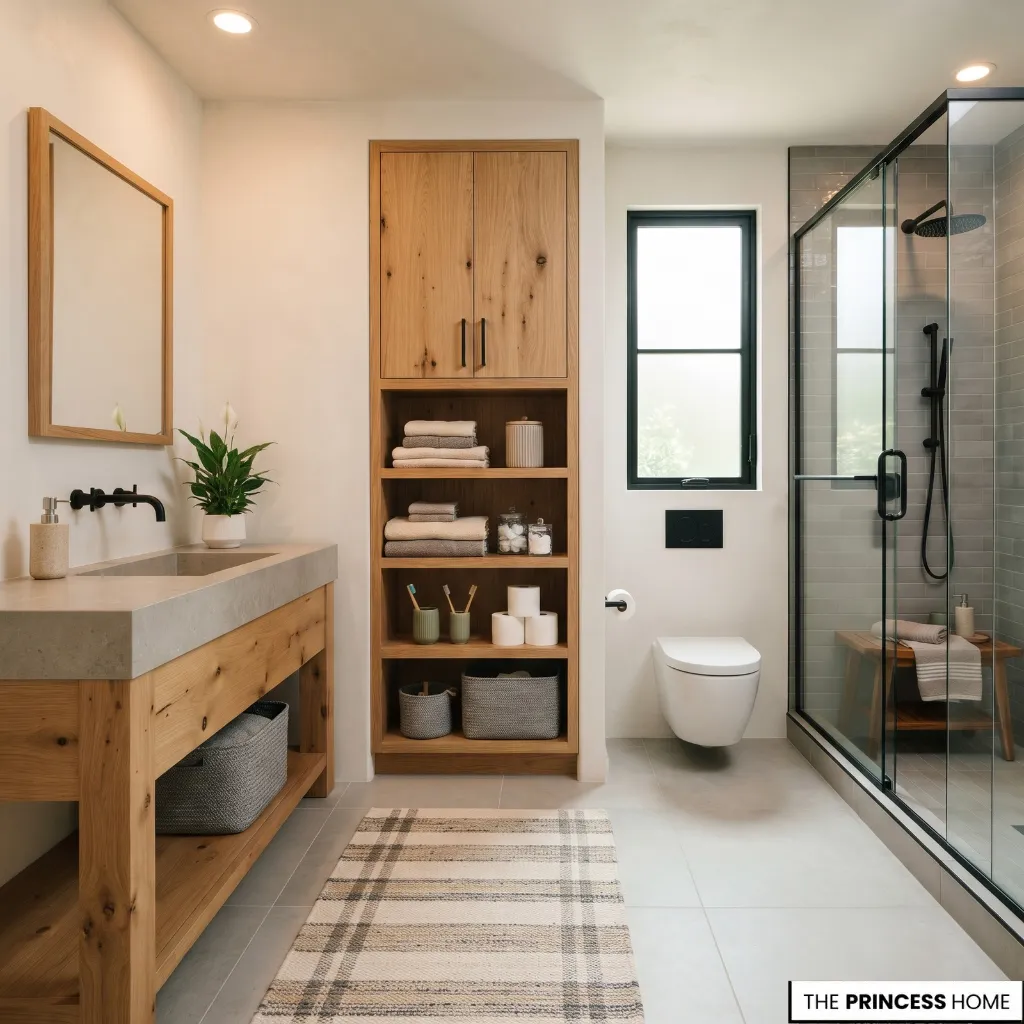
Guest bathroom storage should make supplies easy to find while leaving room for visitors’ personal belongings. A successful arrangement does not require additional furniture in every bathroom. It makes better use of the vanity, shelves, drawers, and other storage already available.
Create Guest Storage
Reserve a drawer, shelf, or basket for guest supplies whenever possible. This gives visitors a predictable place to find spare toiletries, tissues, and additional toilet paper.
Closed cabinets can keep the room looking orderly, but visitors may hesitate to open unfamiliar cupboards. Make the guest storage area easy to identify, particularly when the bathroom contains personal household products.
Open shelves offer a more visible alternative. They work well for frequently used towels and a small selection of essentials, provided the arrangement stays tidy and does not collect unnecessary items.
Choose between open and closed storage according to the room’s size and the supplies being stored. Keep everyday necessities accessible, while placing backup products and less frequently used items in cabinets or drawers.
Organize Baskets & Shelves
Baskets and small organizers can separate supplies without requiring a complete storage system. One basket might hold spare hand towels, while another contains toiletries for overnight visitors. A small tray can group a few frequently used items on the vanity.
Choose organizers that fit the actual dimensions of the shelf or cabinet. A deep basket may be useful inside a vanity but awkward on a narrow shelf. A large countertop organizer may also occupy the space visitors need for personal products.
Where built-in storage is limited, consider:
- Wall-mounted shelves where installation is suitable.
- Narrow organizers that fit existing vanity spaces.
- Small baskets on available shelving.
- Over-the-toilet storage when it does not obstruct access or use.
- Recessed shelves where the bathroom already has them.
Multipurpose pieces can be particularly useful in compact rooms. A shelf with hooks underneath, for example, can hold a small basket while providing a place for hand towels. A removable basket can also move between storage and the vanity when needed. Choose these solutions only when they remain easy to reach and do not make the room harder to use.
Shared Bathroom Storage
A shared family bathroom needs a little more planning because visitors may not know which products belong to the household and which are available for their use.
Reserve an accessible shelf or drawer for guest essentials. Keep household members’ personal products separate, and leave enough space for visitors to place their own toiletries. A removable basket can work well when a permanent guest drawer is not available.
Avoid requiring visitors to move household belongings to reach a towel or spare toilet paper. The guest area should remain easy to use even when family members continue their normal routines.
It should also be simple to restore after a visit. Keep guest supplies grouped together, return unused products to their designated place, and replenish anything that has run out. A consistent arrangement makes preparation easier before the next visit.
Privacy & Comfort
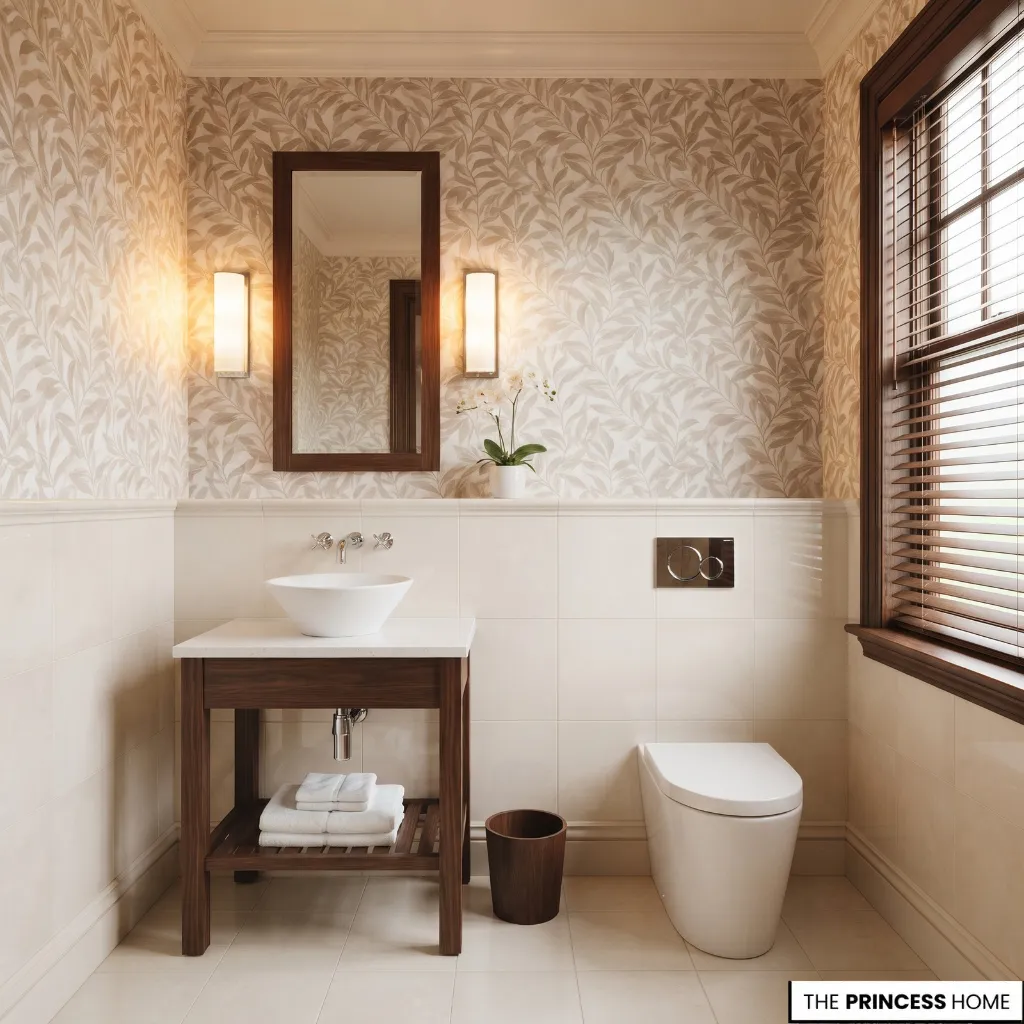
A welcoming bathroom should feel private, comfortable, and straightforward to use. Door security, clear movement, suitable lighting, ventilation, and a comfortable indoor temperature all contribute to the experience. These practical considerations deserve attention before decorative improvements.
Protect Privacy
Check that the bathroom door closes properly and that its lock works as intended. If the room has a window, consider whether visitors need a suitable window covering to prevent unwanted views.
Privacy also includes how the bathroom is shared. Guests should not have to open personal cupboards or move household products to find basic supplies. A designated guest storage area helps maintain clear boundaries while making essentials accessible.
If the bathroom is used by several household members, keep the visitor’s towel and toiletries separate from everyday family items. This small arrangement can make a shared room feel more considerate and easier to navigate.
Improve Lighting
Provide enough general lighting for visitors to move around safely and locate the bathroom’s contents. The basin and mirror also need suitable light for washing, shaving, and other grooming activities.
A ceiling fixture may provide adequate general illumination, but it does not always light the face evenly. Depending on the mirror’s position, wall lights beside it or integrated mirror lighting may offer a more useful result.
Evaluate the light from the position where someone stands at the basin. Check whether the face is evenly illuminated and whether the mirror can be used comfortably. Poorly positioned overhead lighting can cast shadows, while lighting from only one side may produce uneven illumination.
Choose fixtures suitable for bathroom conditions and follow applicable electrical installation requirements, particularly in areas exposed to water.
Maintain Ventilation
Bathrooms produce moisture through handwashing, showering, and bathing. Without adequate ventilation, moisture can remain on surfaces and contribute to condensation and conditions that encourage mold growth.
An operable window can help release moisture when outdoor conditions allow, but a window alone may not provide sufficient ventilation. This is especially relevant in interior bathrooms or rooms used frequently.
If the bathroom has a mechanical exhaust fan, check that it operates properly and that its grille is clean. Exhaust systems should discharge outdoors rather than into an attic, ceiling cavity, or another enclosed interior space.
For a bathroom without a window, suitable mechanical ventilation becomes particularly important. Its selection and installation should follow applicable building requirements and the room’s actual ventilation needs.
Persistent condensation, musty odors, or recurring dampness deserve investigation. Fragrance and decorative accessories cannot correct an underlying moisture problem.
Consider Accessibility & Comfort
Visitors may have different mobility, balance, or reach requirements. Older adults, children, and people with mobility limitations may benefit from a clearer and more accessible arrangement.
Keep the route to the toilet, basin, and shower free from unnecessary obstacles. Place towels and everyday supplies within convenient reach, and choose controls that are straightforward to operate.
A non-slip surface and a bath mat that lies flat can help reduce everyday hazards. Where support features are needed, properly selected grab bars should be positioned and securely installed for their intended use. Decorative towel rails are not substitutes for grab bars.
Comfort also depends on the room’s temperature. A bathroom that feels excessively cold or stuffy can make an otherwise pleasant visit uncomfortable. Where possible, maintain a comfortable temperature and check that heating or ventilation controls operate as expected. Avoid placing portable electrical heaters where they could create a hazard around water.
These adjustments can improve ordinary usability, but they do not automatically make a bathroom accessible to every person. More extensive accessibility needs may require specific space, fixture, and installation considerations. The right changes depend on the visitor and the existing room.
Welcoming Details
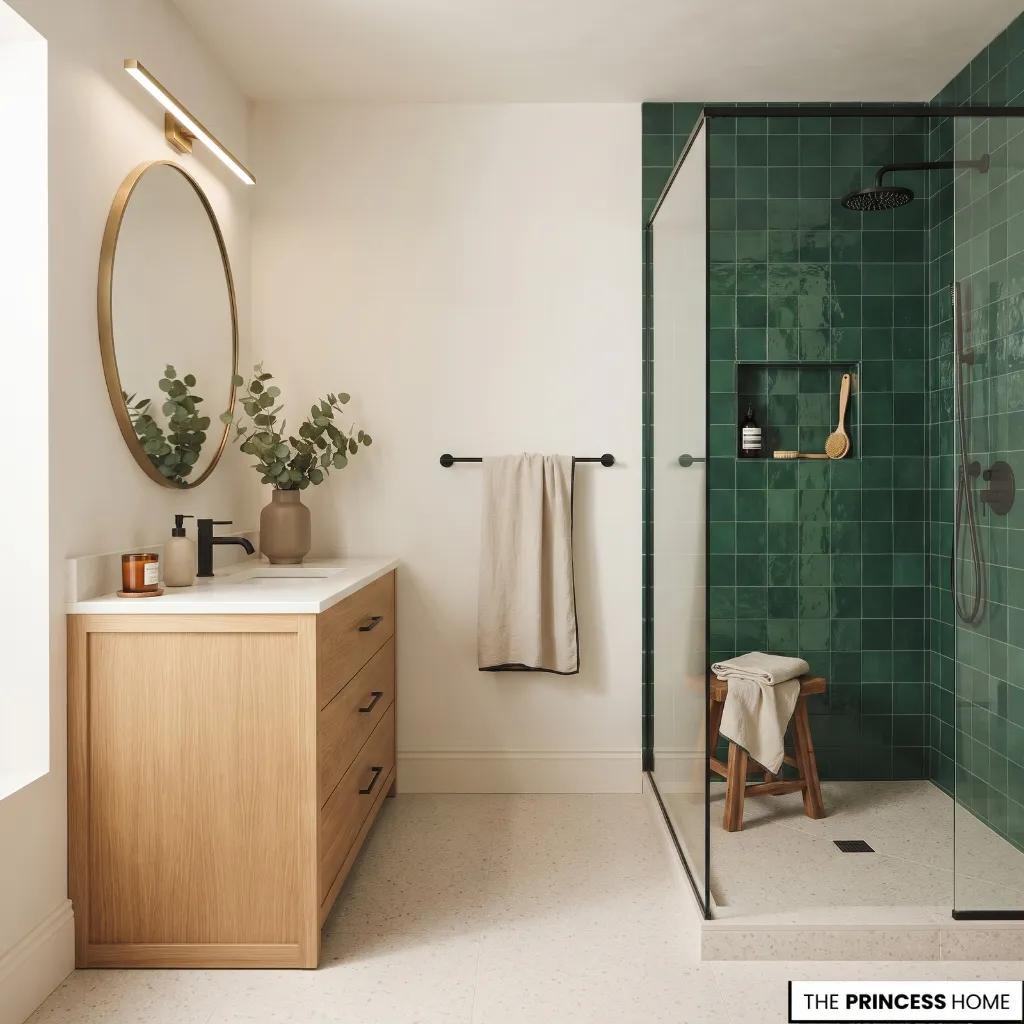
Once the facilities, supplies, and storage are in place, decorative details can give the bathroom a more considered appearance. The aim is to complement the existing room without reducing the space visitors need for everyday use.
Coordinate Finishes & Accessories
A cohesive guest bathroom does not depend on buying every accessory from one collection. It depends on how the permanent finishes and smaller details relate to one another.
Begin with the elements that are already difficult or expensive to change: the floor and wall tiles, vanity finish, basin, and main fittings. Consider their colors, patterns, and materials before choosing additional accessories.
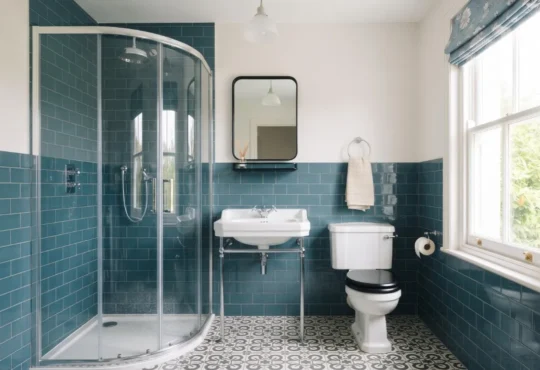
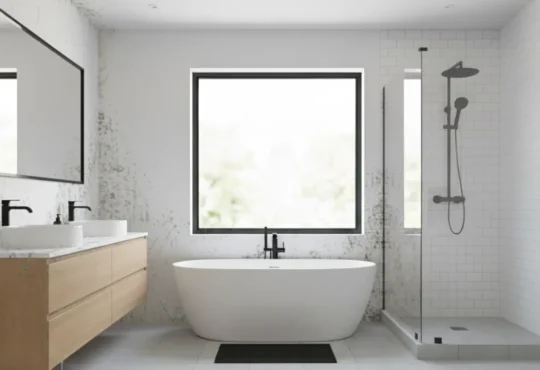
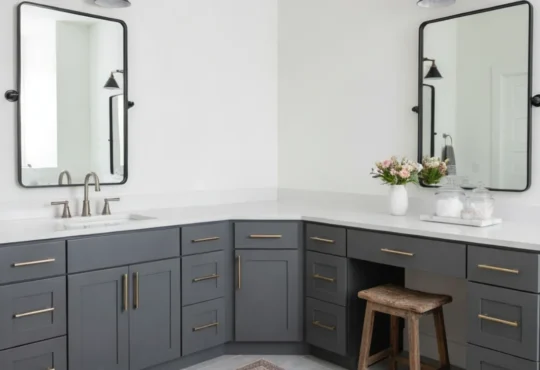
For example, brushed metal taps may work well with a similarly toned towel ring and cabinet handles. A traditional vanity may suit ceramic accessories and a framed mirror, while a contemporary bathroom may benefit from simpler profiles and more restrained finishes.
The finishes do not need to match exactly. Repeating a material, color, or finish in a few places can create a connection without making the room look overly coordinated. The mirror frame, hardware, soap dispenser, and towel accessories can provide these smaller points of continuity.
Pay attention to proportions as well. Oversized accessories can overwhelm a small vanity, while very small details may look disconnected from larger fixtures. Choose pieces that suit the scale and character of the room.
Use Color & Texture
Guest bathroom ideas can suit many color directions. The existing tiles, fixtures, natural light, and style of the home provide a useful starting point.
A light palette may work well in a bathroom with limited natural light, while deeper colors can give a well-lit room a more defined character. Neither approach is a universal rule. The choice should reflect the room’s finishes and the atmosphere you want to create.
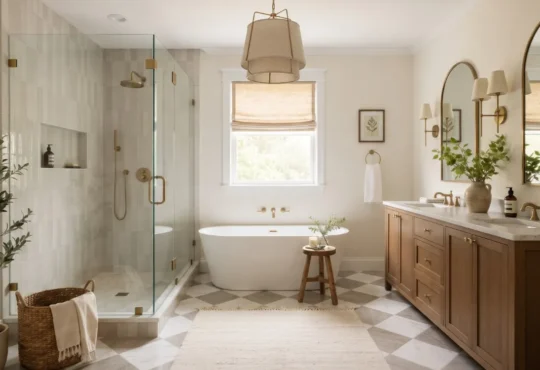
Textiles offer a simple way to introduce color. Towels and bath mats can coordinate with the existing palette or provide a contrasting accent. Woven baskets, ceramic accessories, natural stone, and suitable wood finishes can add texture without requiring permanent changes.
If the bathroom already contains patterned tiles or distinctive surfaces, keep additional decoration selective. In a more restrained room, color or texture in the towels and accessories can provide visual interest without requiring a complete redesign.
The goal is not to impose one particular style. Traditional, contemporary, farmhouse, colorful, and understated bathrooms can all feel welcoming when their materials, colors, and details work together.
Introduce Natural Elements
Natural details can soften the appearance of a bathroom when chosen with the room’s conditions in mind.
A small plant may suit a shelf or vanity if the available light and humidity meet its needs. A bathroom without suitable natural light may require a different plant choice or a location elsewhere in the home.
Other options include a wooden tray, a woven basket, or accessories with natural stone finishes. Consider how each material responds to repeated exposure to moisture. Some woods, fabrics, and decorative finishes may deteriorate if they remain wet.
Use a small number of well-chosen elements rather than adding objects simply to fill empty space. Their purpose is to complement the existing finishes, not compete with them.
Add a Finishing Touch
A few final details can make the room feel prepared for visitors. Freshly arranged towels, an attractive soap dispenser, a simple tray, or a small vase may be enough.
Fragrance should remain optional. Strong scents can be unpleasant for visitors with sensitivities or different preferences, particularly in a small bathroom.
Keep decorative objects away from the areas people need to use. A tray should not prevent someone from placing a toiletry bag beside the basin, and accessories should not obstruct the toilet, shower, or storage.
The most effective finishing touches are those that make the room feel considered while allowing every essential feature to remain convenient.
Small Bathrooms
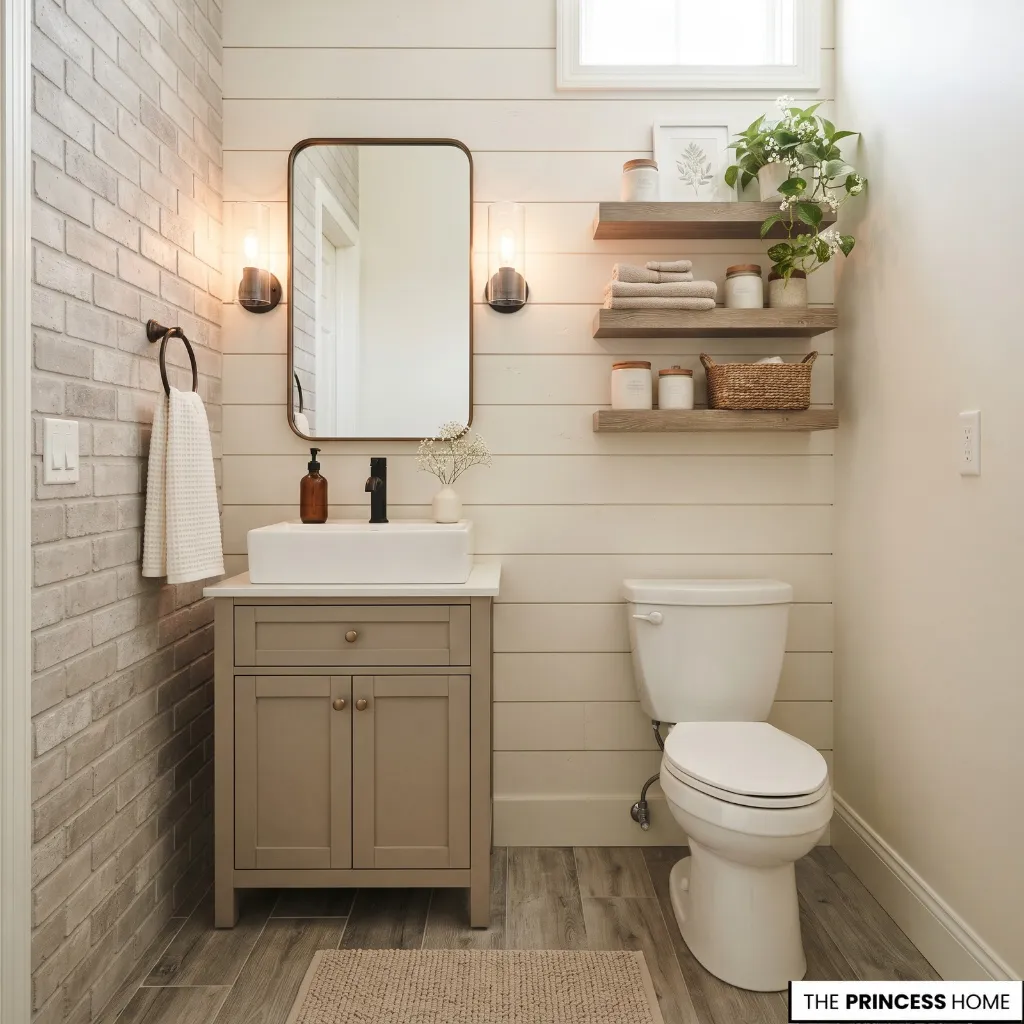
A compact guest bathroom needs careful organization because every surface and storage area has a practical role. The goal is not to remove essential supplies. It is to provide them without restricting movement or making the room feel crowded.
Use Existing Space
Start with the vanity and any shelves or cabinets already in the room. A compact vanity with useful internal storage may be more effective than adding a freestanding cabinet that reduces floor space.
If the vanity offers little storage, consider a narrow wall shelf or a small basket that fits an existing surface. Recessed storage can be useful where it already exists, but installing it may require more substantial work.
Over-the-toilet storage can provide additional space in some bathrooms. Check that it does not interfere with access, cleaning, or the comfortable use of the toilet.
Before buying anything, consider whether an existing drawer can be reorganized or whether a smaller organizer can serve the same purpose. Using available space more effectively is often simpler than introducing another piece of furniture.
Make Use of Vertical Storage
When floor space is limited, wall-mounted storage can keep supplies accessible without introducing additional furniture.
A narrow shelf can hold spare toilet paper or a small basket of toiletries. Hooks can provide convenient places for hand towels or bath towels, while a towel rail may be more suitable where several towels need to hang and dry.
Multipurpose storage can also help. A compact shelf with hooks underneath may provide space for a few supplies and a place for towels. A wall-mounted organizer with separate compartments can keep toiletries grouped together.
Choose the position according to how visitors move through the room. Storage should be reachable without forcing someone to stretch across the basin or reach behind a door.
Prioritize Essential Space
A small bathroom cannot accommodate every optional amenity. Prioritize the items visitors genuinely need:
- Hand soap and a clean hand towel.
- Accessible toilet paper and a spare roll.
- A waste bin.
- A clear surface for personal belongings.
- Bath towels and bathing supplies when the room includes a shower or bathtub.
Store backup products in a drawer or basket rather than displaying every item. Keep the countertop as clear as possible, and choose compact accessories that do not interfere with the basin.
If space is especially limited, think carefully about the purpose of every item. A useful hook may be more valuable than a decorative stand, and a compact wall shelf may serve visitors better than a freestanding cabinet.
The best arrangement preserves comfortable movement while keeping necessities within reach. A small room can still feel prepared and welcoming when its essentials are easy to find and its limited space remains usable.
Common Mistakes
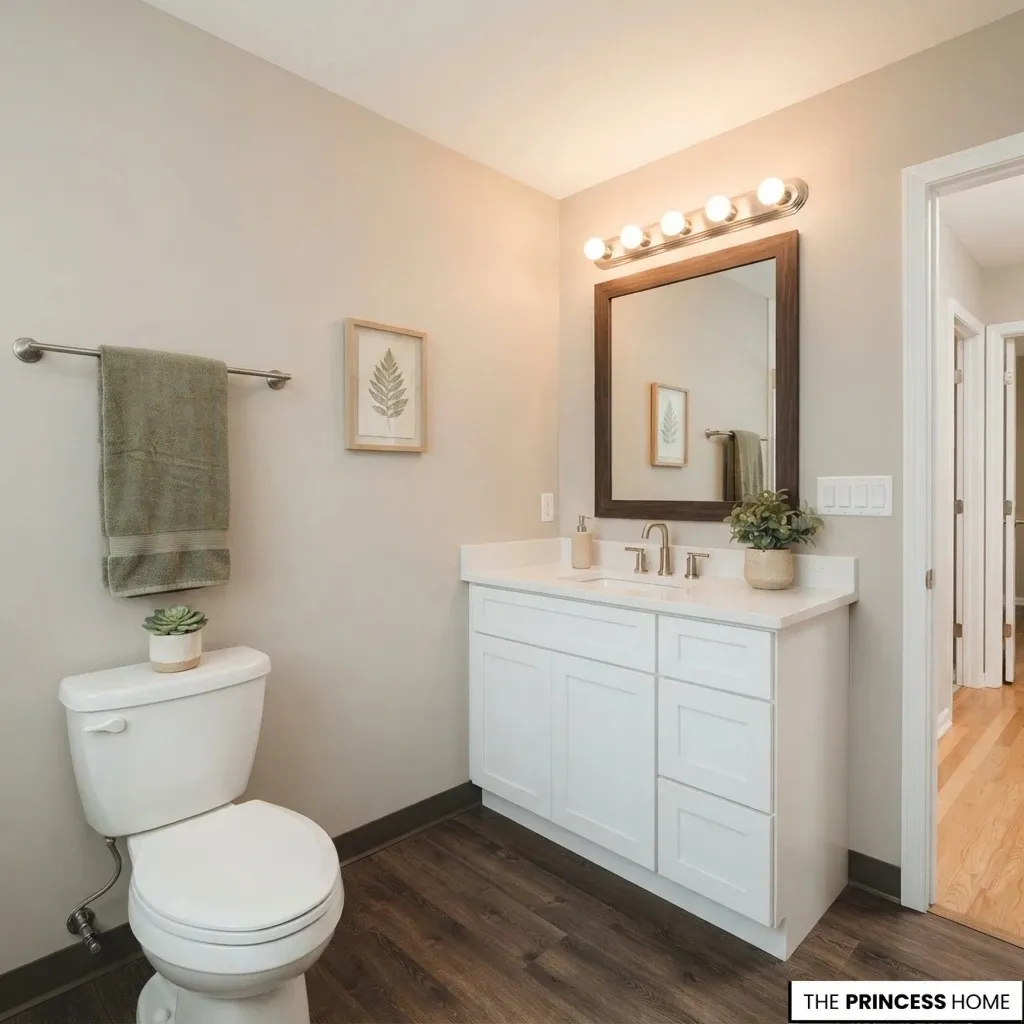
A guest bathroom may contain attractive fixtures and carefully chosen accessories yet remain inconvenient to use. The most common problems arise when supplies are difficult to find, practical needs are overlooked, or decoration takes priority over everyday comfort.
Hiding Essential Supplies
Storing all guest supplies behind unfamiliar cabinet doors can make the bathroom difficult to navigate. Visitors may hesitate to open private cupboards, even when they need something as simple as a spare toilet roll or clean towel.
This problem often occurs in shared bathrooms, where household products occupy most of the available storage. Guests may then need to ask where essentials are kept.
Reserve a clearly identifiable drawer, shelf, or basket for visitor supplies. Keep frequently needed items accessible, and make spare toilet paper easy to locate. Storage can remain closed and tidy without becoming difficult to understand.
Forgetting Spare Towels
Providing one hand towel or one bath towel may be insufficient when several people share the bathroom or stay overnight. Visitors should not have to reuse a damp towel simply because no alternative is available.
Prepare enough clean towels for the expected number of guests and the length of their stay. Make additional towels accessible, and provide suitable hanging space so used towels can dry between uses.
In a bathroom with limited storage, a small basket or an accessible shelf can hold folded spares without requiring another cabinet.
Overcrowding Surfaces
Filling the vanity with bottles, candles, trays, and decorative objects can make a guest bathroom look prepared while leaving little room for practical use.
Visitors need space for personal toiletries, cosmetics, and other belongings. This becomes especially important in compact bathrooms, where the basin and countertop already occupy much of the available area.
Keep only the most useful items near the sink. Move backup products into drawers or baskets, and leave a clear section of countertop for visitors. The same principle applies to shelves and the shower area: storage should support use rather than crowd it.
Neglecting Privacy
A bathroom that does not close securely or has inadequate window coverage can make visitors uncomfortable. A faulty door lock or an exposed window may be easy for household members to overlook because they are familiar with the room.
Before guests arrive, check that the door closes and locks properly. Review window coverings where privacy is needed, and keep personal household products separate from guest supplies.
These simple checks help visitors use the room without worrying about interruptions or disturbing private belongings.
Ignoring Ventilation
Poor ventilation can allow moisture to linger, leading to persistent condensation, musty odors, and conditions that encourage mold growth. The problem may be more noticeable in a full guest bathroom where showering and bathing add moisture to the air.
Check that the exhaust fan works and that its grille is not obstructed. Use an operable window when appropriate, but do not assume that a window alone provides sufficient ventilation in every bathroom.
If dampness keeps returning, investigate the source rather than trying to conceal the odor with fragrance or decorative products.
Choosing Style Over Function
An attractive guest bathroom is not necessarily a comfortable one. Decorative towels that visitors cannot use, inaccessible toiletries, oversized accessories, and unnecessary furniture can make the room less practical.
This mistake often begins with choosing appearance before considering how people will use the space. A large cabinet may look suitable but restrict movement, while a decorative arrangement may leave no room for personal belongings.
Check the facilities, storage, lighting, and available surfaces first. Choose accessories that support those functions, and introduce decorative details only when they do not interfere with everyday use. A well-prepared bathroom is defined by how comfortably visitors can use it, not by how many accessories it contains.
A successful guest bathroom does not need to be large or filled with expensive products. It needs to anticipate the needs of the people using it, make everyday essentials easy to find, and provide a comfortable setting. When practical preparation comes first, even a modest bathroom can offer a thoughtful and welcoming experience.