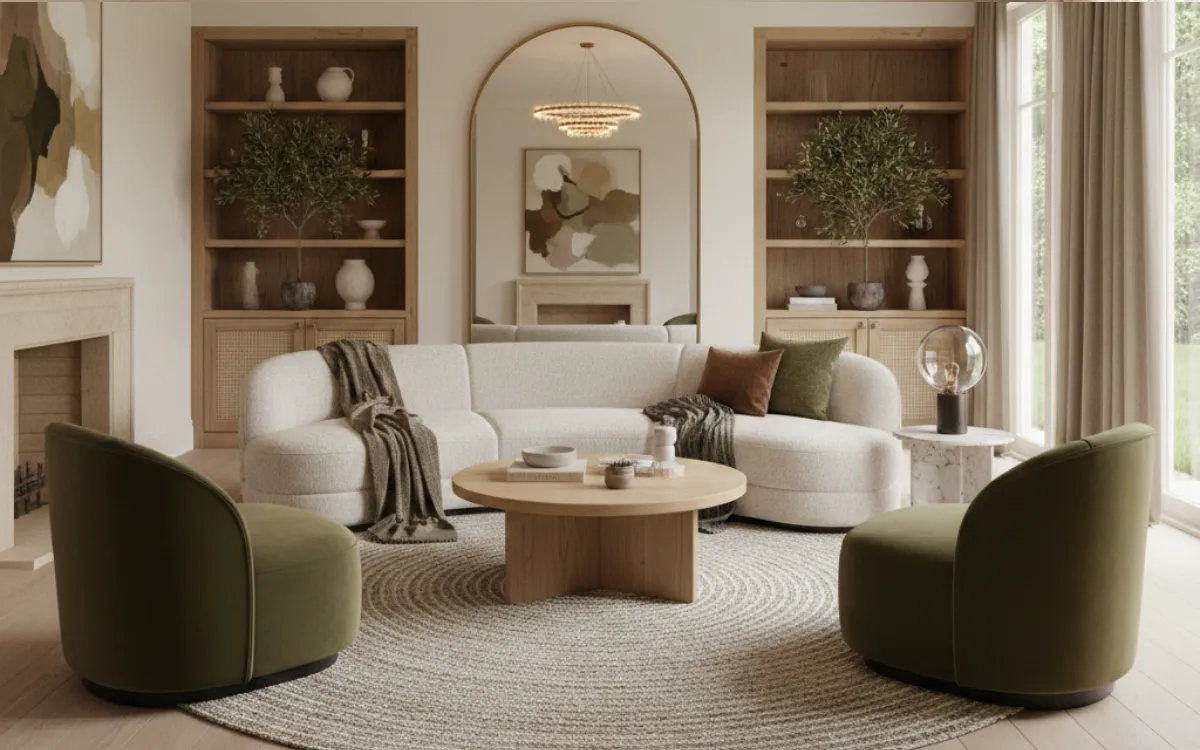
Curved furniture is redefining modern living rooms in 2026, blending style, comfort, and function like never before. From flowing, sinuous sofas that naturally draw people together to sculptural accent chairs that feel like functional art, these designs create spaces that are both visually striking and deeply welcoming. In this article, we’ll explore the best ideas for integrating curved furniture into modern living rooms in 2026, highlighting trends, designer insights, and practical tips for creating a space that is both stylish and welcoming.
Curved Furniture Is a 2026 Must‑Have
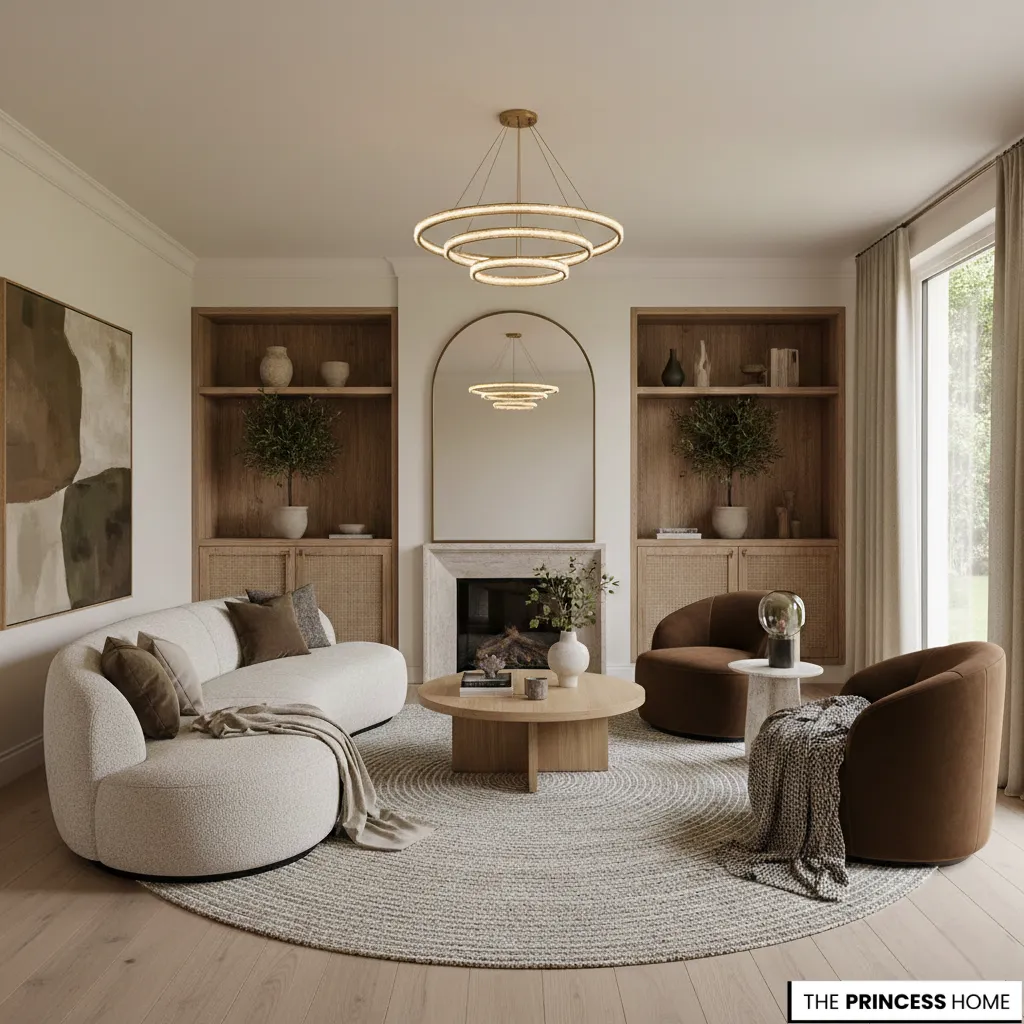
Designers from New York to London agree: curved silhouettes aren’t going anywhere. Curved shapes soften spaces, improve flow, and create human‑centered interiors that feel calm and social. Alexis Vitale of the Vitale Design Group says organic, curved shapes are one of the biggest furniture trends in 2026, bringing warmth and subtle architectural interest to living rooms.
Simon Mayhew, founder of TXTURED (UK), points out that soft, curved silhouettes feel more human and emotionally comforting than traditional sharp lines. Molly Torres Portnof from DATE Interiors adds that sculptural curves paired with natural materials create customized, tactile spaces that feel both modern and personal. This trend isn’t just decoration — it’s about how furniture interacts with people and space in new ways.
Top 2026 Curved Furniture Ideas
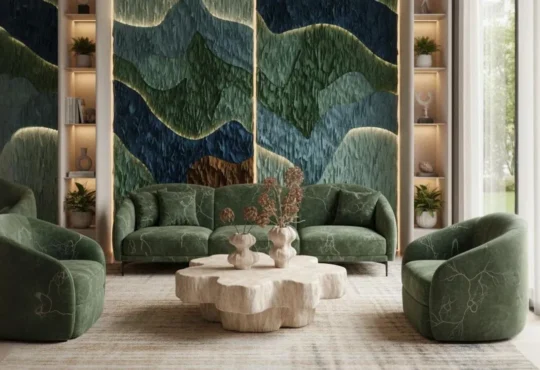
Sculptural Curved Sofa
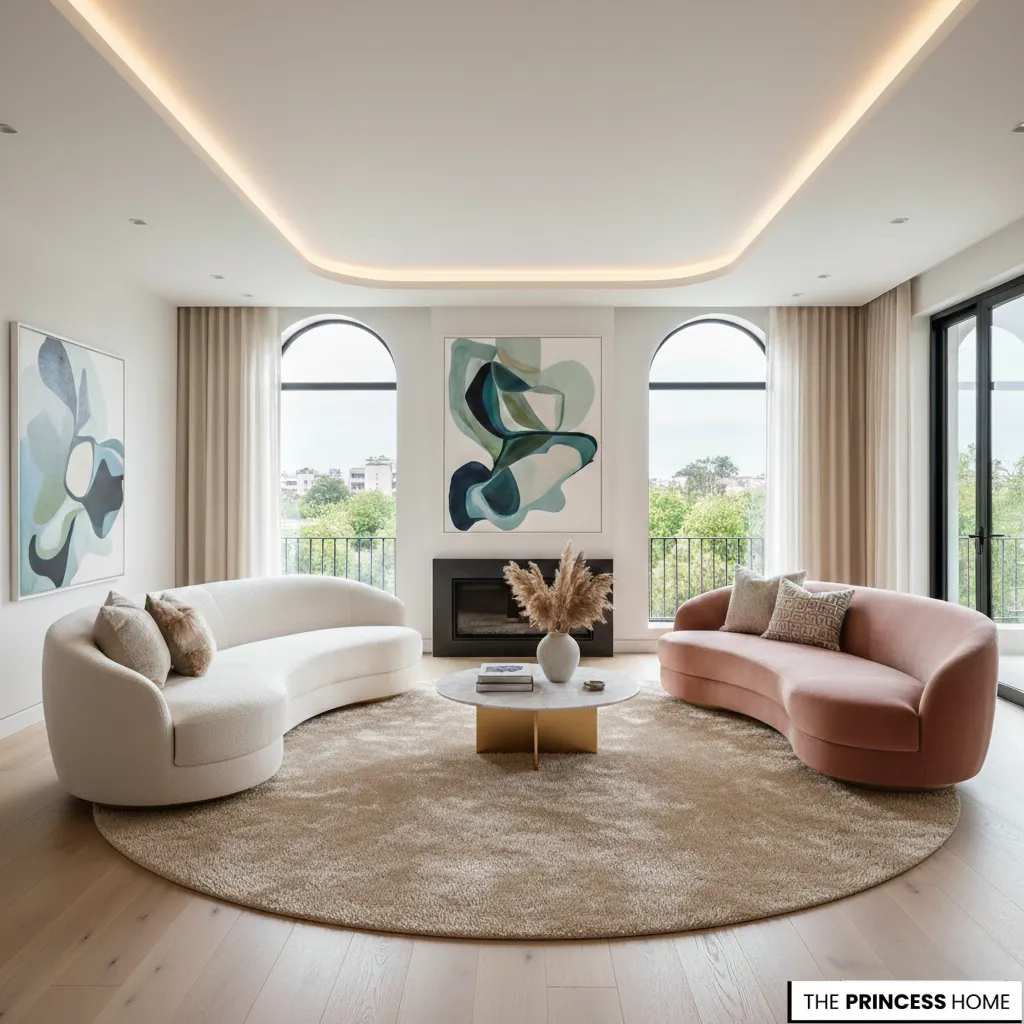
A sculptural curved sofa instantly transforms a living room from ordinary to architectural. Unlike traditional straight seating, its fluid silhouette softens sharp corners and creates a natural sense of movement. Interior designer Jen Dallas of Jen Dallas Interior Architecture & Design Studio often uses curved sectionals to anchor open layouts while maintaining an inviting, conversational flow. In spacious rooms, a soft curved sectional defines the lounge area without relying on harsh visual boundaries.
Velvet crescent sofas placed around circular rugs enhance harmony and spatial balance. These designs improve traffic flow, making small and large living rooms feel more intentional and cohesive. Layering textured fabrics like boucle or velvet adds depth while keeping the form visually light. For 2026 interiors, curved sofas are not just seating they are statement pieces that blend comfort, functionality, and sculptural elegance.
Sculptural Accent Seating
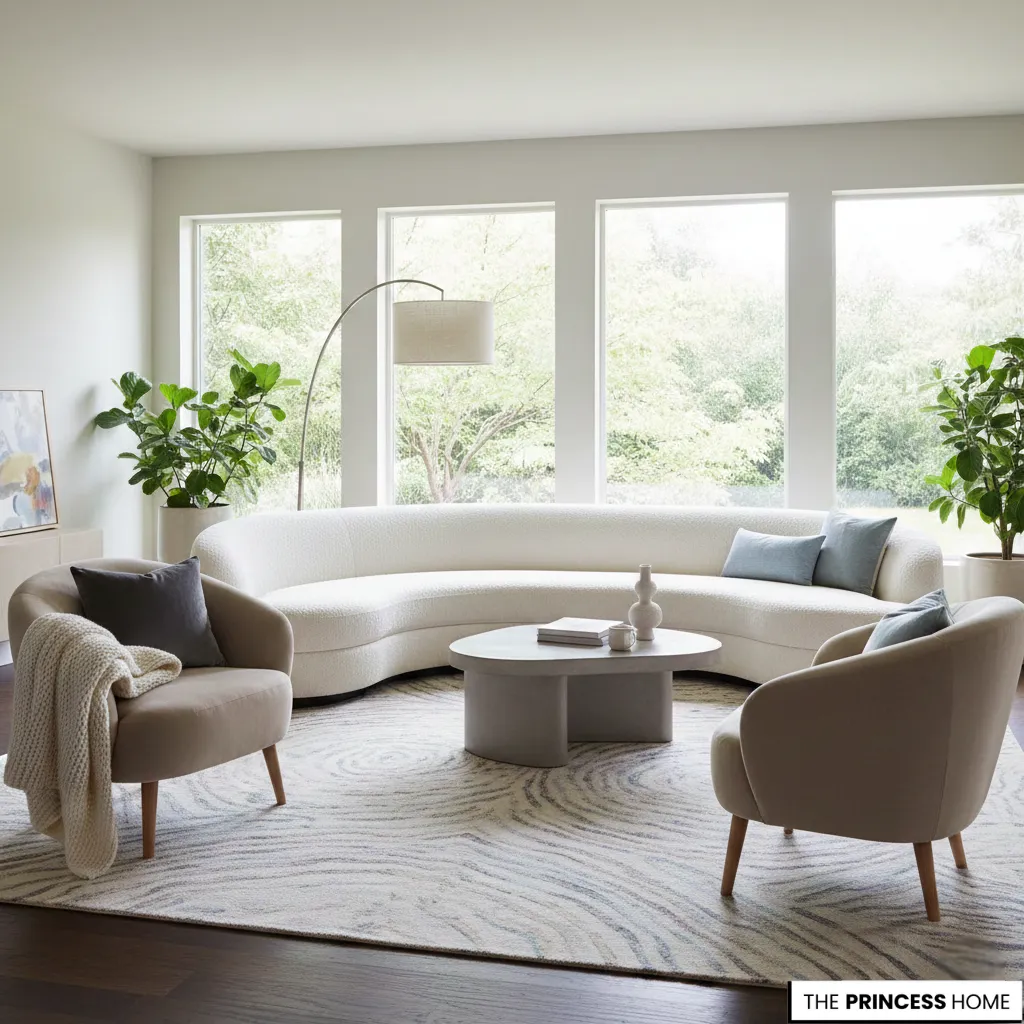
Elevate your living space with organic accent chairs that mirror the curves of your sofa. Opt for round-backed or enveloping silhouettes to create a harmonious, flowing aesthetic. Materials like bouclé, velvet, or soft leather add tactile luxury while enhancing visual warmth. Designers recommend neutral or muted tones to allow furniture shapes to take center stage.
Layer textures with cushions or throws to boost comfort and style. Consider lightweight frames for easy room rearrangement and dynamic layouts. Mixing natural wood or metal legs can introduce subtle contrast without breaking the organic vibe. These chairs not only complement your décor but also provide sculptural, functional seating for modern living.
Round Coffee & Side Tables
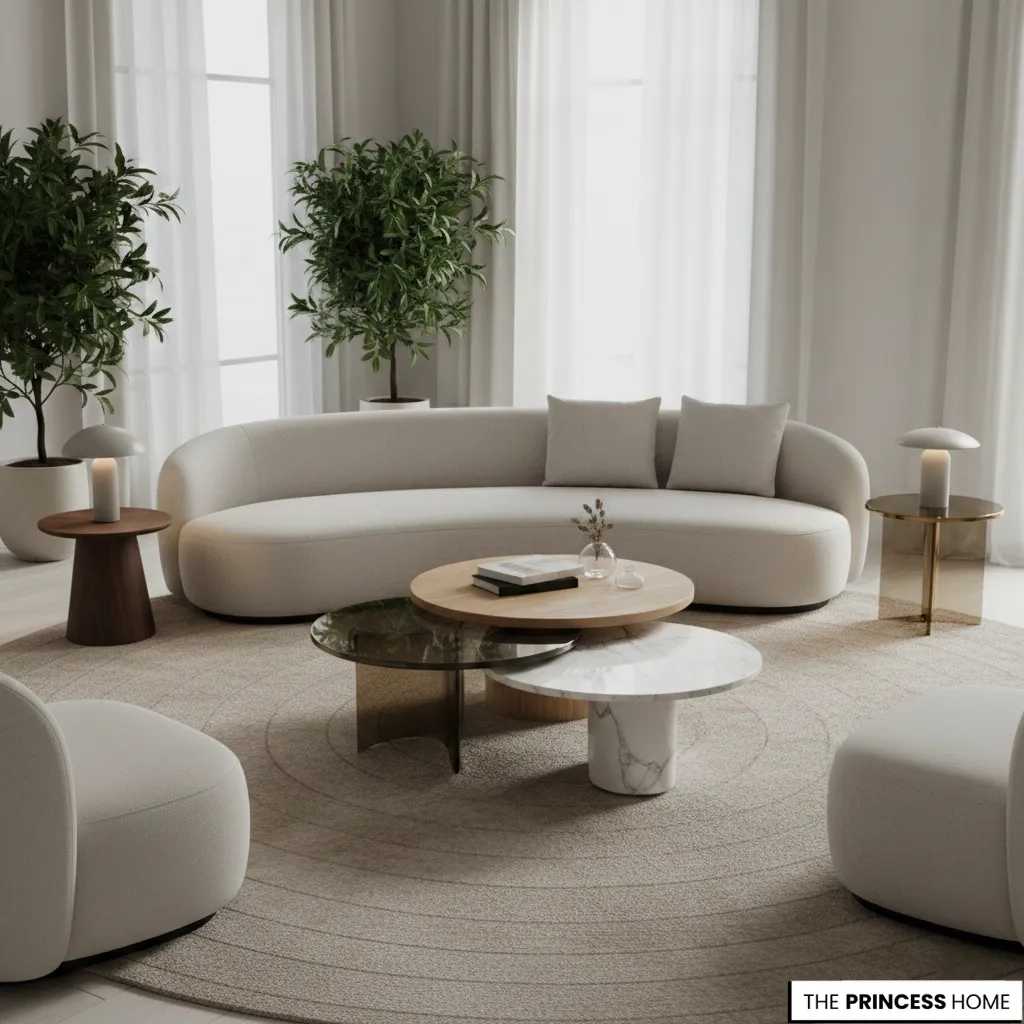
Round coffee and side tables are key in 2026 interiors, echoing the curves of sofas and conversation seating. Their flowing shapes soften a room’s geometry while guiding natural movement through open-plan spaces. This design encourages a seamless circulation path, reducing clutter and creating visual balance. According to top designers, gentle, rounded edges invite guests to move freely, fostering an intuitive, relaxed environment.
Materials like tempered glass, wood, or marble enhance both elegance and practicality. Layering varying table heights adds dimension and functionality, perfect for drinks, décor, or casual work. Curved tables also complement lighting and rug shapes, reinforcing a cohesive design. Ultimately, they merge aesthetics with social comfort, supporting gatherings effortlessly.
Curved Social Lounges
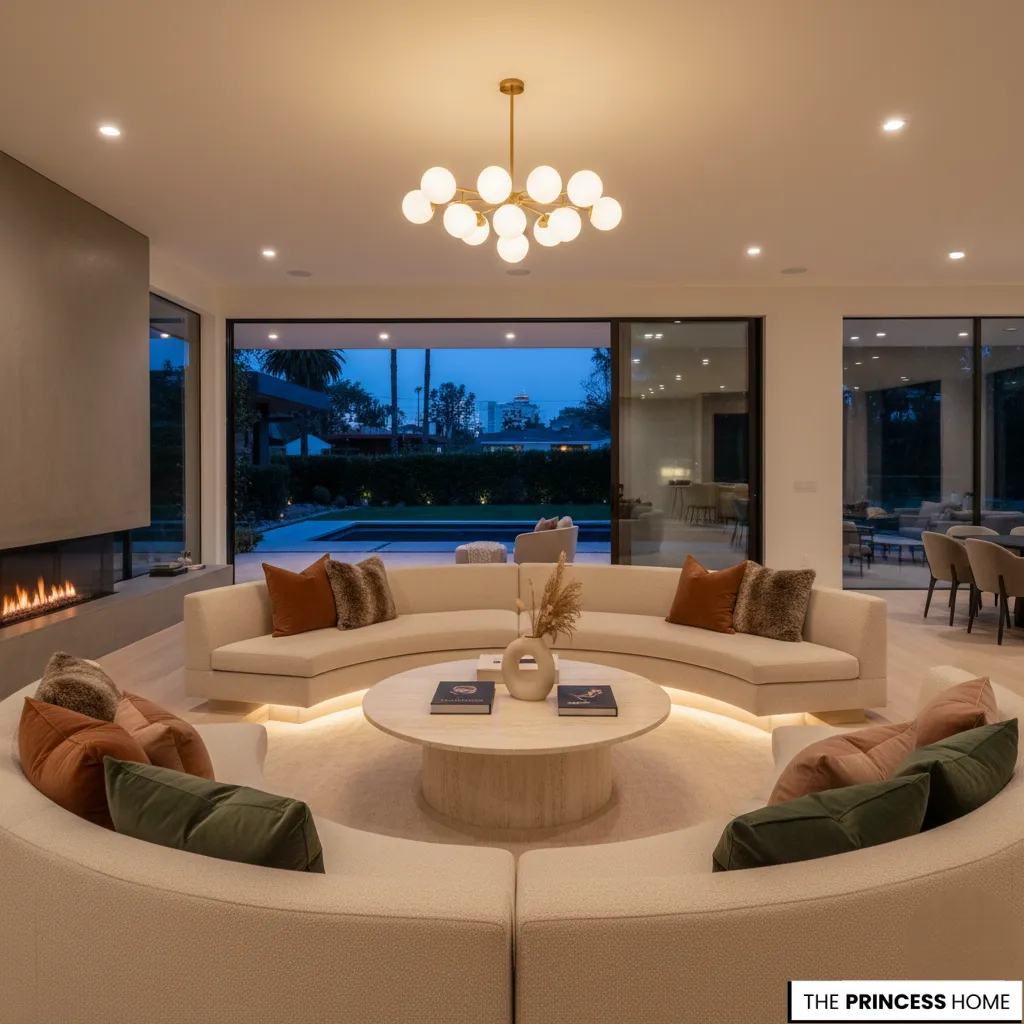
In 2026, the classic conversation pit is making a bold comeback, reinvented for modern living. Curved, centrally placed seating encourages face-to-face interaction, turning living rooms into vibrant social hubs rather than TV-focused spaces. Designers Tiffany Howell and Sarah Ellison of Ellison Studios showcase this with “The Poet” sofa, merging sculptural artistry with disco-era nostalgia and contemporary luxury. These pieces use soft, rounded forms that naturally invite guests to gather and linger.
Incorporating plush textures, layered fabrics, and subtle lighting enhances comfort and intimacy. Beyond aesthetics, this layout improves acoustics and sightlines, making conversations effortless. Minimalist décor paired with curved furniture maintains openness while adding warmth. This trend highlights human connection as the heart of interior design, blending style with social function.
Styling Curved Furniture
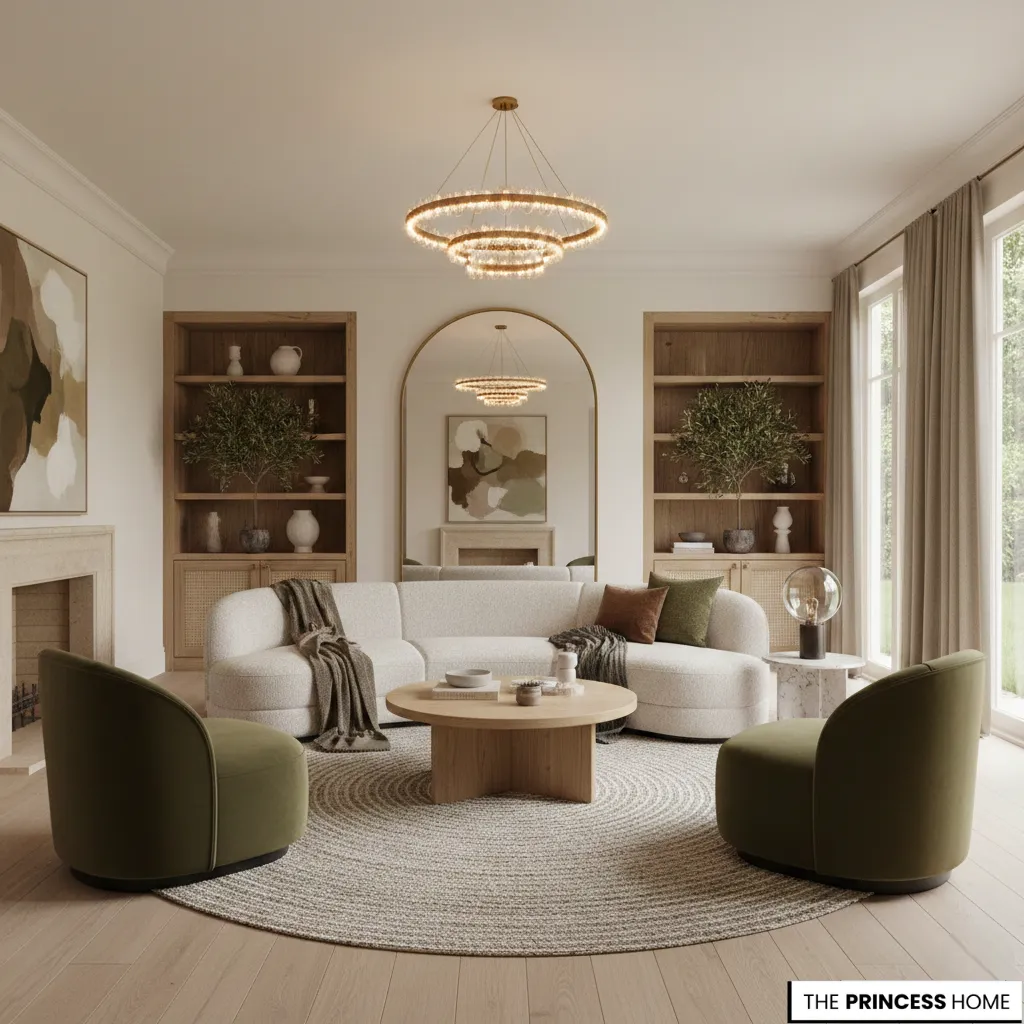
Designers recommend balancing curves with layered textures and thoughtful color palettes. Natural materials like wood, stone, and linen enhance warmth and organic appeal, while soft textiles add comfort. Neutral tones create a calming backdrop, and accents in jewel shades—deep green, olive, or rich mocha—add sophistication. Round rugs under curved sofas define seating areas and reinforce fluidity.
Arched mirrors and complementary lighting accentuate movement, guiding the eye around the room. Mixing metallic or glass accents adds modern contrast without breaking the softness. Designers emphasize arranging furniture to encourage interaction, making curved layouts feel both functional and inviting. This approach transforms interiors into lively, human-centered spaces that celebrate flow and comfort.
Curves Leading 2026
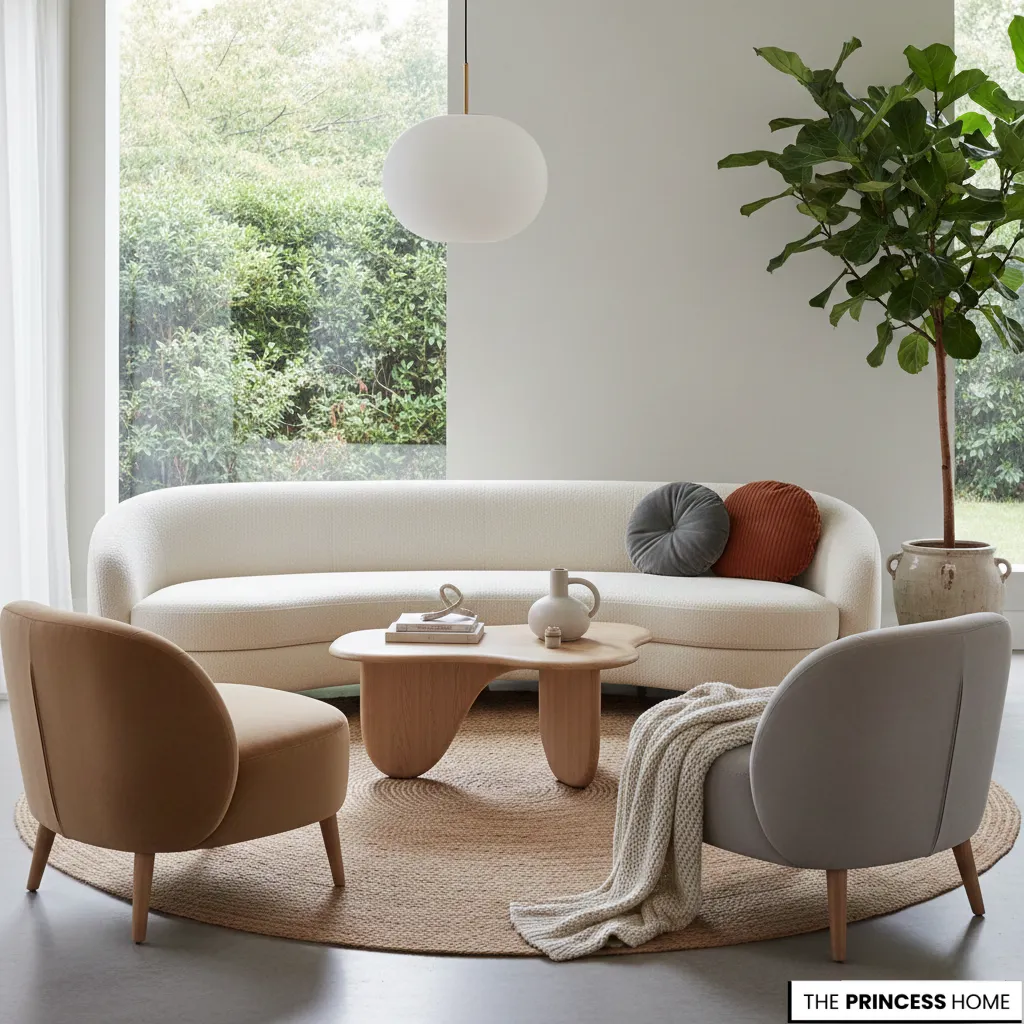
Curved furniture is more than a trend—it’s redefining modern living rooms in 2026. Experts agree that soft, rounded forms create calmer, warmer, and more inviting spaces compared to rigid, angular layouts. According to Homes and Gardens, curved silhouettes enhance flow, making open-plan living areas feel seamless and connected. Top Haven Home highlights how these shapes pair beautifully with tactile materials like velvet, wood, and stone, adding depth and sensory richness.
Curves also break up boxy interiors, naturally guiding movement and circulation. Designers note that in today’s digitally saturated world, curved spaces offer an emotional response—creating rooms that feel intimate and embracing rather than sterile or showroom-like. This combination of function, comfort, and emotional resonance ensures curves remain central in 2026 interiors.
What Designers Say
Alexis Vitale – Highlights curves as a trend with architectural impact and emotional warmth.
Simon Mayhew – Notes curves as emotionally comforting and visually engaging.
Molly Torres Portnof – Emphasizes sculptural forms and natural materials in 2026.
Jen Dallas – Uses curved seating to solve spatial challenges and enhance flow.
Tiffany Howell & Sarah Ellison – Bring contemporary narrative design to curved pieces.
Conclusion
Curved furniture in modern living rooms is more than just a trend — it’s a design philosophy that combines comfort, flow, and aesthetics. From crescent-shaped sofas to sculptural chairs and round coffee tables, these pieces transform spaces into warm, inviting, and human-centered environments. Designers like Alexis Vitale, Simon Mayhew, and Molly Torres Portnof emphasize that curves create both emotional and visual harmony, enhancing interactions and making rooms feel naturally cohesive.
In 2026, embracing curves means blending functionality with art, choosing tactile materials, and strategically layering shapes and textures to create living rooms that are not only stylish but truly livable and inspiring.
Here are some frequently asked questions related to the article :
1. What is curved furniture?
Curved furniture refers to pieces with rounded or flowing shapes, such as sofas, chairs, and tables, designed to create a softer, more inviting look compared to sharp, angular furniture.
2. Why is curved furniture popular in 2026?
Designers say it’s because curves enhance visual flow, encourage conversation, and make spaces feel warmer and more human-centered. It also complements modern, open-plan layouts.
3. How do I style curved furniture in a living room?
Balance curves with textures, colors, and complementary shapes. For example, pair a curved sofa with a round rug, circular coffee table, and soft textiles like velvet or boucle for a cohesive look.
4. Can curved furniture work in small spaces?
Absolutely. Curves soften corners and maximize flow, making small rooms feel more spacious. Opt for modular or crescent-shaped pieces to fit compact layouts without feeling cramped.
5. What colors work best with curved furniture?
Warm neutrals, earthy tones like olive or terracotta, and jewel tones complement curves beautifully. These shades enhance comfort, depth, and visual harmony in living rooms.
6. Are curved furniture pieces more expensive than traditional ones?
They can be slightly higher in price due to custom shapes and upholstery requirements, but investing in curved furniture often adds both aesthetic value and functionality to a space.
7. Which designers are known for curved furniture trends?
- Alexis Vitale – Vitale Design Group
- Simon Mayhew – TXTURED, UK
- Molly Torres Portnof – DATE Interiors
- Jen Dallas – Jen Dallas Interior Architecture & Design Studio
- Tiffany Howell & Sarah Ellison – Ellison Studios
These designers highlight the emotional and functional benefits of curves, shaping how modern living rooms feel and function.
The princess home on Pinterest