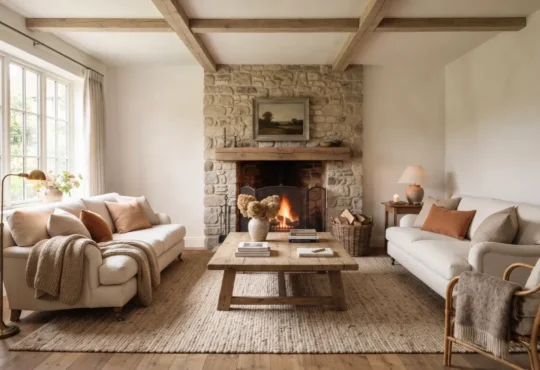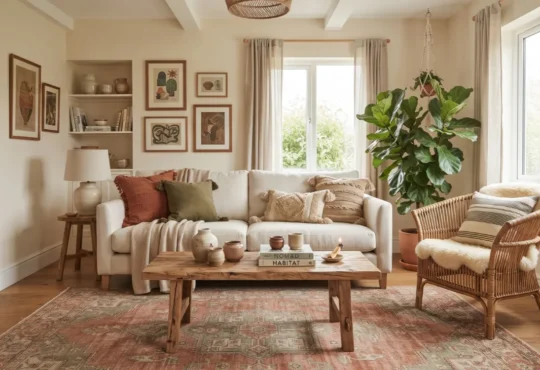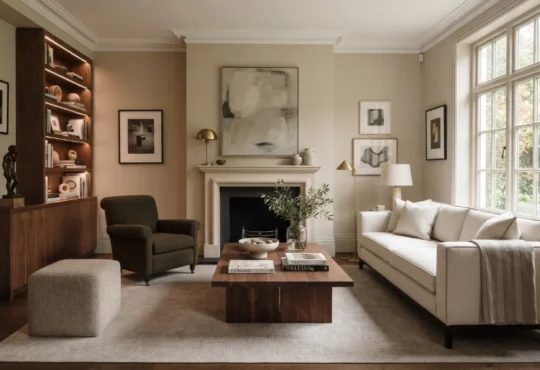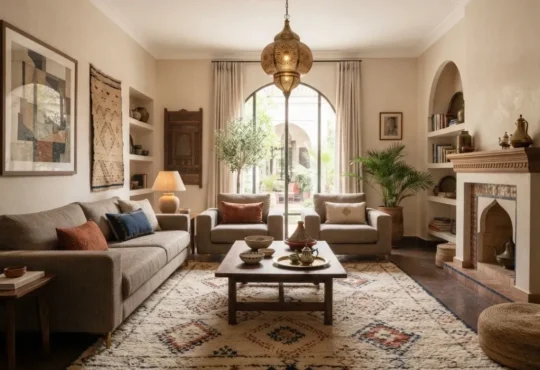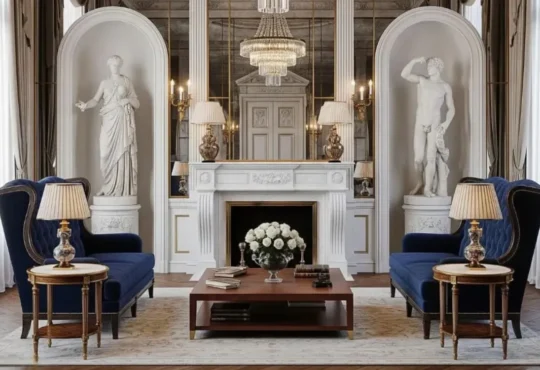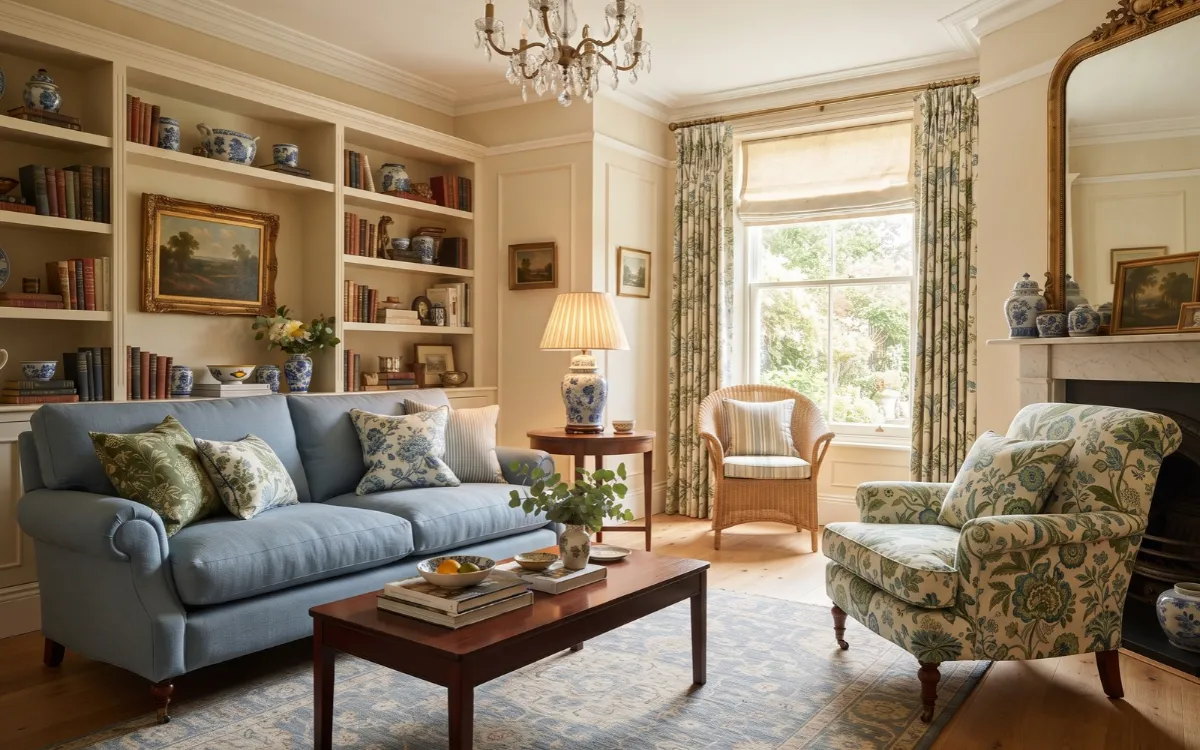
Grandmillennial style brings traditional decorating into a more personal, relaxed setting. It draws on floral fabrics, classic furniture, wicker, decorative details, and collected pieces, while allowing simpler contemporary elements to keep the room current.
The challenge is knowing how to combine these traditional references without making a room feel dated, overly formal, or crowded. This guide explains what defines Grandmillennial style and how to apply its furniture, patterns, colors, materials, lighting, and decorative details in a contemporary home.
What Is Grandmillennial?
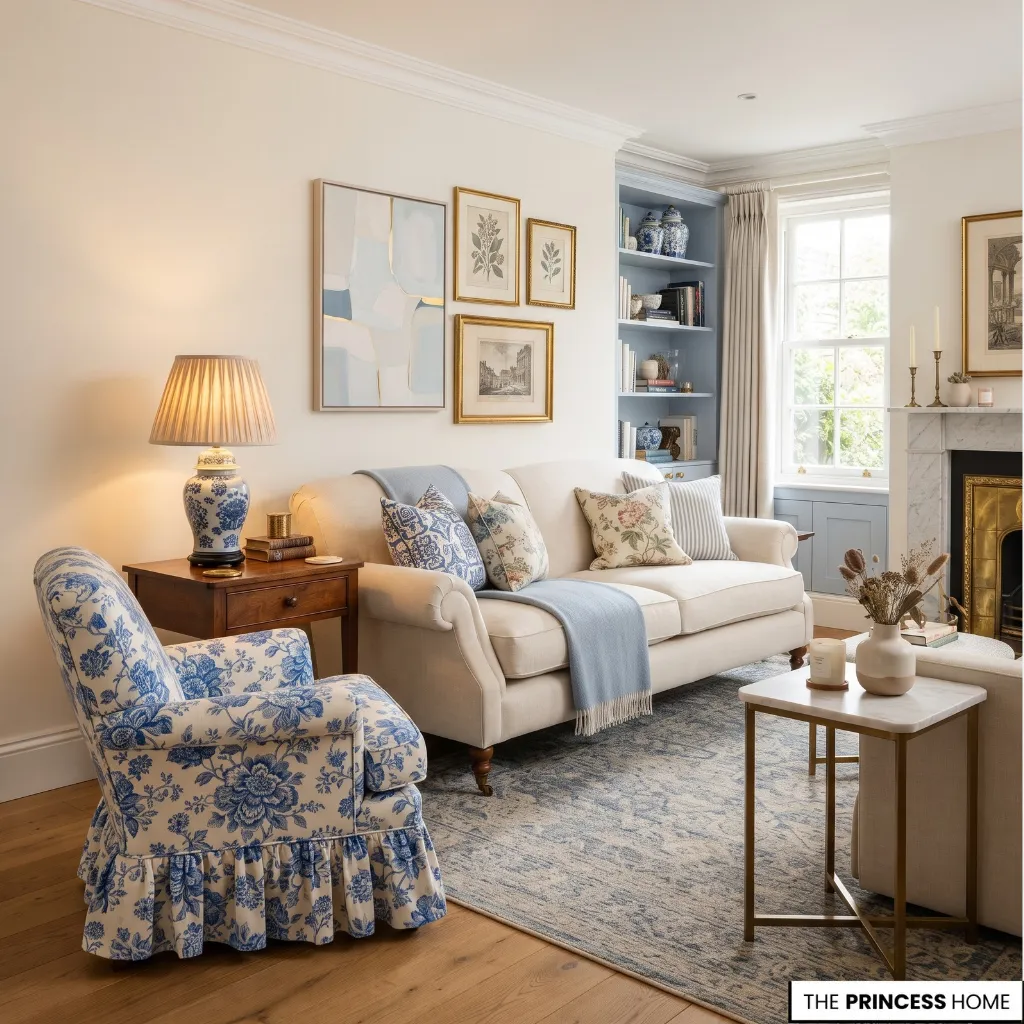
Grandmillennial style is a contemporary approach to traditional decorating that became widely recognized in the late 2010s. House Beautiful writer Emma Bazilian coined the term in 2019 to describe renewed interest in decorative elements that many people had once considered old-fashioned.
The style draws from established traditional interiors rather than representing a historical period of its own. Chintz, florals, toile, wicker, chinoiserie, skirted furniture, needlepoint, pleated lampshades, blue-and-white ceramics, and vintage or heirloom-style pieces are among its familiar references.
What makes Grandmillennial distinctive is how these elements come together. Traditional furniture and decorative patterns can pair with cleaner forms, simpler surfaces, contemporary artwork, or restrained accessories. The result can feel fresh and personal rather than like a formal room from another era.
Grandmillennial can overlap with what is sometimes called Granny Chic because both styles embrace traditional and nostalgic decorative elements.
The distinction is mainly in the overall approach: Grandmillennial usually interprets these references through a more intentional contemporary mix rather than simply recreating an older-fashioned room.
It can also overlap with traditional style, but its stronger use of pattern, collected character, comfort, and contemporary editing gives it a more specific identity. A room does not become Grandmillennial simply because it contains an antique chair or floral fabric.
The style comes from the relationship between traditional character, pattern, comfort, and thoughtful editing. When these qualities work together, the room reads as Grandmillennial rather than simply traditional, vintage, or floral.
For more ideas: Classic Style: A Timeless Guide to Choosing Elegance
Build A Traditional Foundation
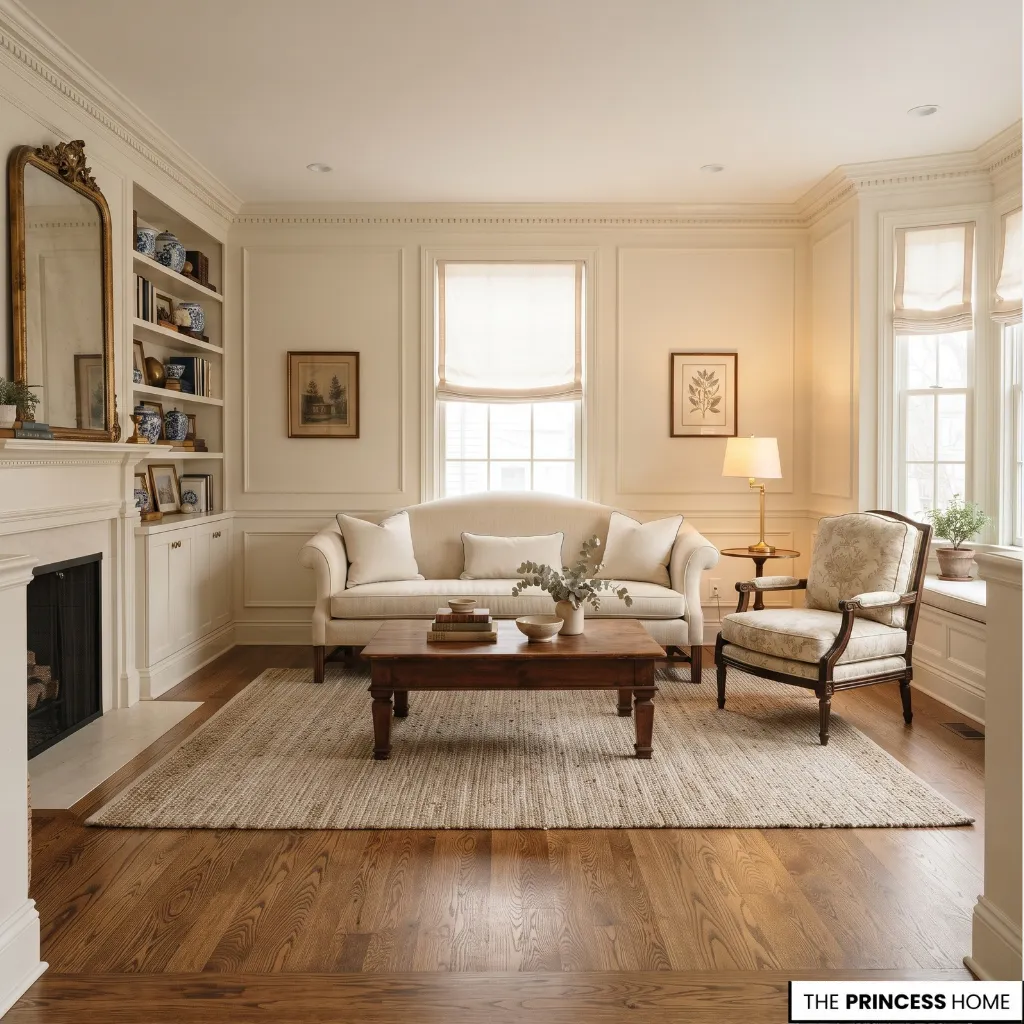
Grandmillennial decorating works best when the room has a clear foundation before decorative details are introduced. Start with the architecture, proportions, major furniture, and existing materials. Look first at what the room already provides.
Wood floors, molding, built-ins, traditional windows, fireplaces, or existing furniture may already support the style. These elements do not need to be replaced simply because they are not new. Major furniture should establish the room’s direction.
A traditional sofa, upholstered armchair, classic wood table, or vintage cabinet can provide more character than a collection of small accessories. Proportion matters as well.
Traditional furniture can have a stronger visual presence than very minimal contemporary pieces, so leave enough space around major items for them to remain comfortable to use and easy to move around.
Build in this order: foundation, major furniture, textiles, pattern, then decorative details. This gives the room a structure that accessories can support rather than asking accessories to carry the entire style.
For more ideas: English Cottage Decor Ideas: Cozy and Charming Home Inspiration
Choose Character Furniture
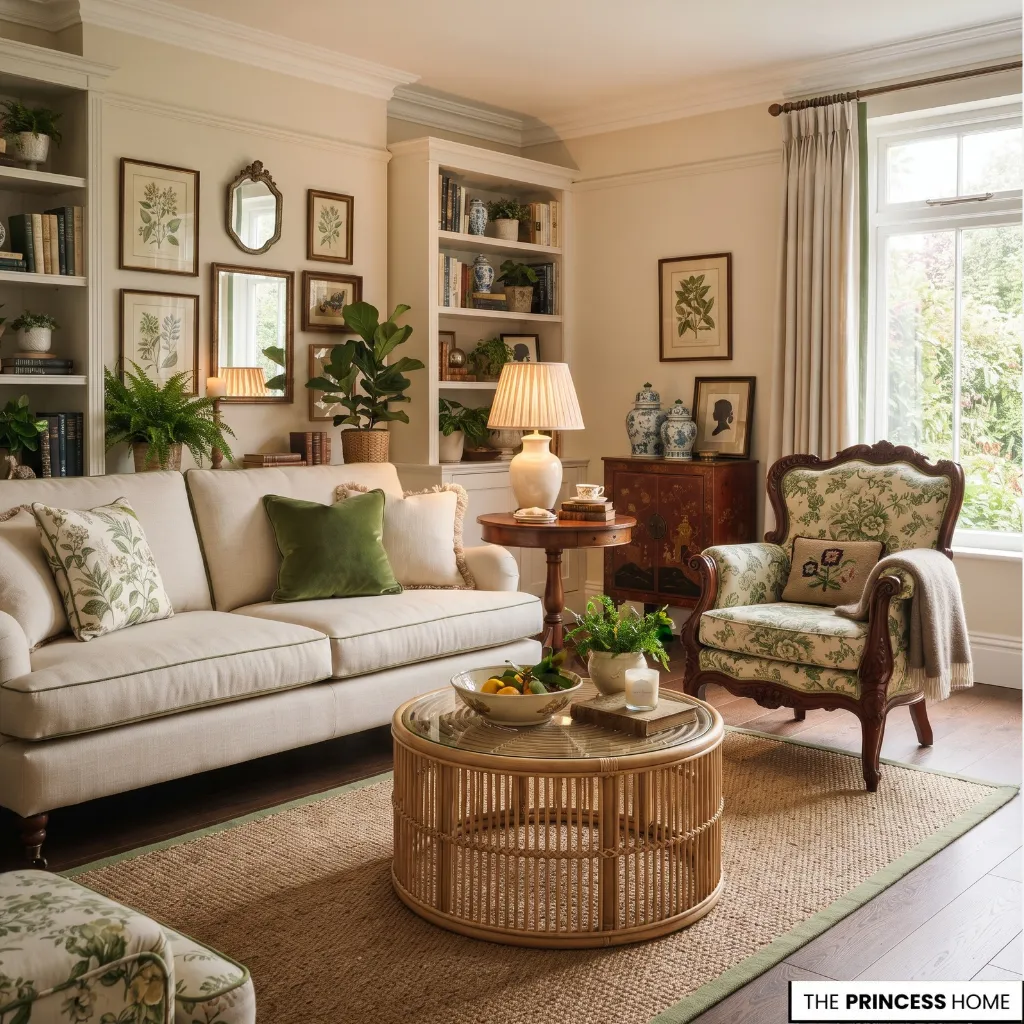
Furniture gives Grandmillennial interiors much of their traditional character. Look for classic silhouettes that are comfortable enough for everyday use rather than choosing pieces only because they look vintage.
Skirted seating, upholstered armchairs, traditional sofas, classic wood furniture, wicker and rattan pieces, antique tables, and inherited furniture can all work within the style. The important question is whether each piece contributes to the room’s proportions, function, and overall direction.
Choose furniture with useful scale, comfortable construction, and shapes that relate to the other pieces in the room. A single distinctive vintage chair or traditional cabinet can often provide more character than several unrelated pieces.
Avoid filling the room with traditional furniture simply to establish the style. When every piece has a strong historical reference, the room can begin to look like a period reproduction.
Existing furniture can also be part of the solution. If a piece has good proportions and useful construction, consider keeping, repairing, or reupholstering it rather than replacing it. Grandmillennial style naturally accommodates furniture with history and personal meaning.
Layer Traditional Patterns
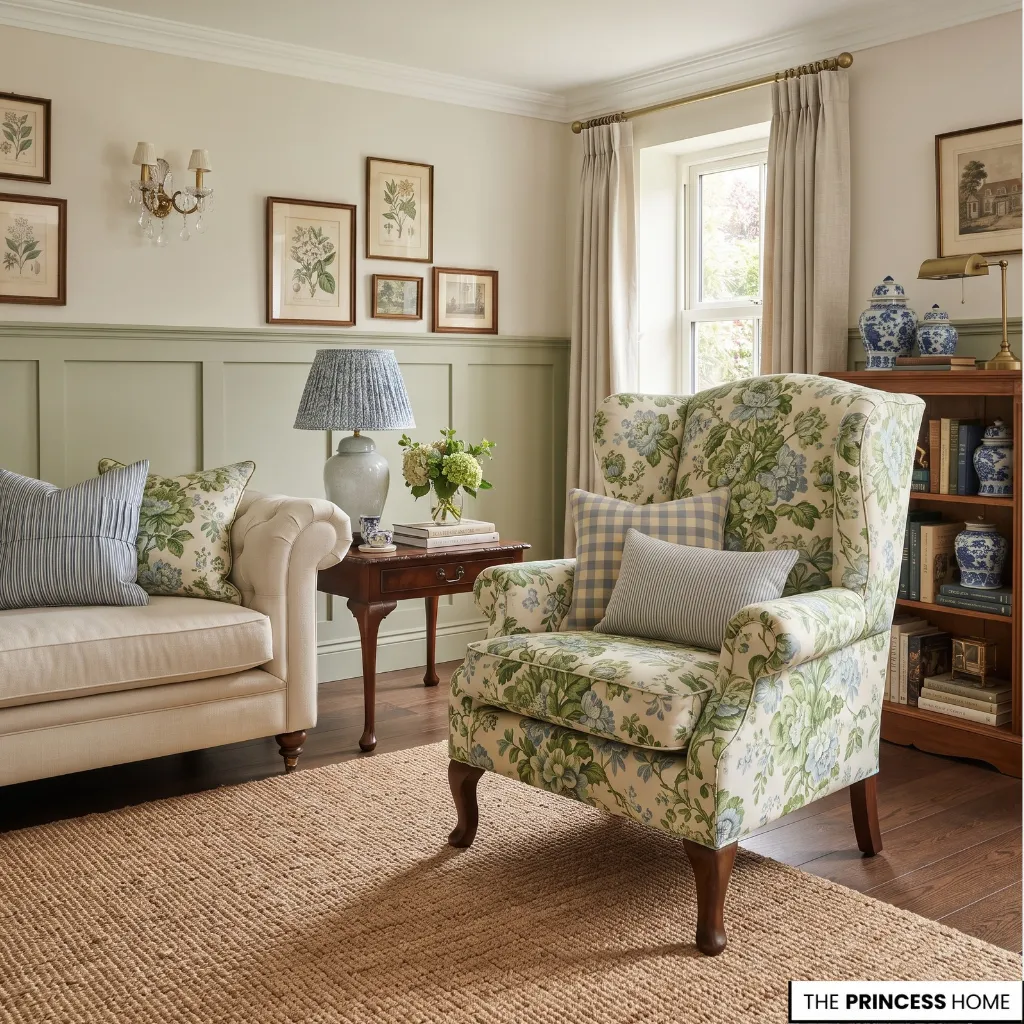
Pattern is one of the strongest characteristics of Grandmillennial style. Floral prints, chintz, toile, gingham, checks, stripes, trellis patterns, botanical motifs, and chinoiserie can all contribute to the look. The goal is not to use as many patterns as possible. Pattern needs hierarchy.
Begin with one dominant pattern that establishes the main color relationship. Supporting patterns can then repeat some of its colors while changing the scale, direction, or density. For example, a large floral can be paired with a smaller check or stripe. A detailed botanical print can sit beside a quieter solid textile.
This gives each pattern a clear role instead of allowing all of them to compete. Avoid choosing several patterns independently. Even traditional patterns can look disconnected when they share no color or scale relationship.
Apply pattern gradually. Upholstery, curtains, bedding, cushions, rugs, and small decorative textiles do not all need to carry prints. Solid fabrics and quiet surfaces are equally important because they give stronger patterns somewhere to rest.
For more ideas: Boho Decorating Embracing the Bohemian Spirit A Guide
Select Warm Colors
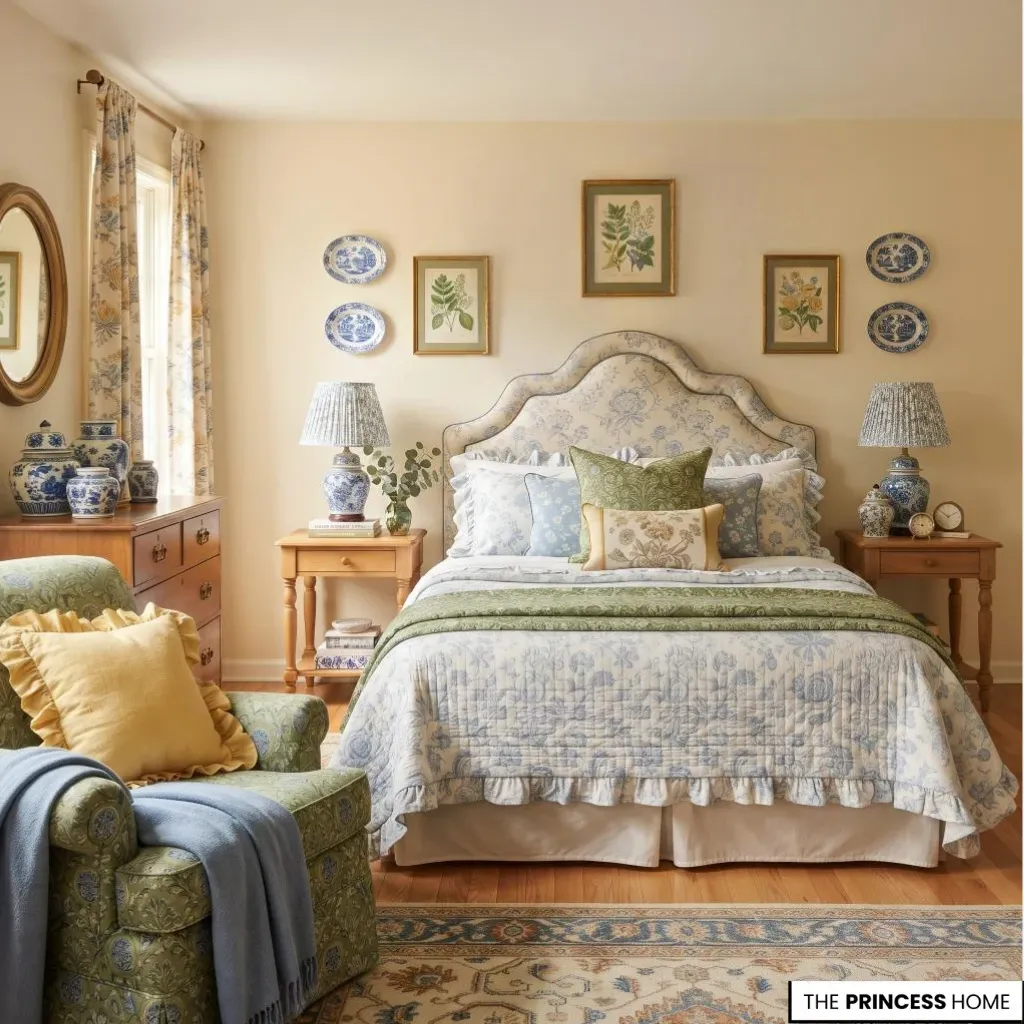
Grandmillennial style does not follow one official color palette. Its colors usually connect to traditional fabrics, natural materials, furniture, and the existing architecture of the room.
Warm whites and creams can provide a neutral foundation, while soft blues, botanical greens, muted pinks, warm yellows, and deeper traditional tones can add color through textiles and accessories.
Start with the colors already present in the room. Let wood tones, flooring, upholstery, artwork, and natural light guide the palette before you introduce additional colors.
A strong patterned fabric can also become the starting point. Pull one or two supporting colors from that pattern and repeat them elsewhere in smaller amounts.
Avoid adding a new color every time you introduce another decorative object. A controlled palette allows several traditional patterns and materials to coexist without making the room visually restless.
For more ideas: Black and White Modern Home Decor Timeless Design Ideas
Mix Old And New
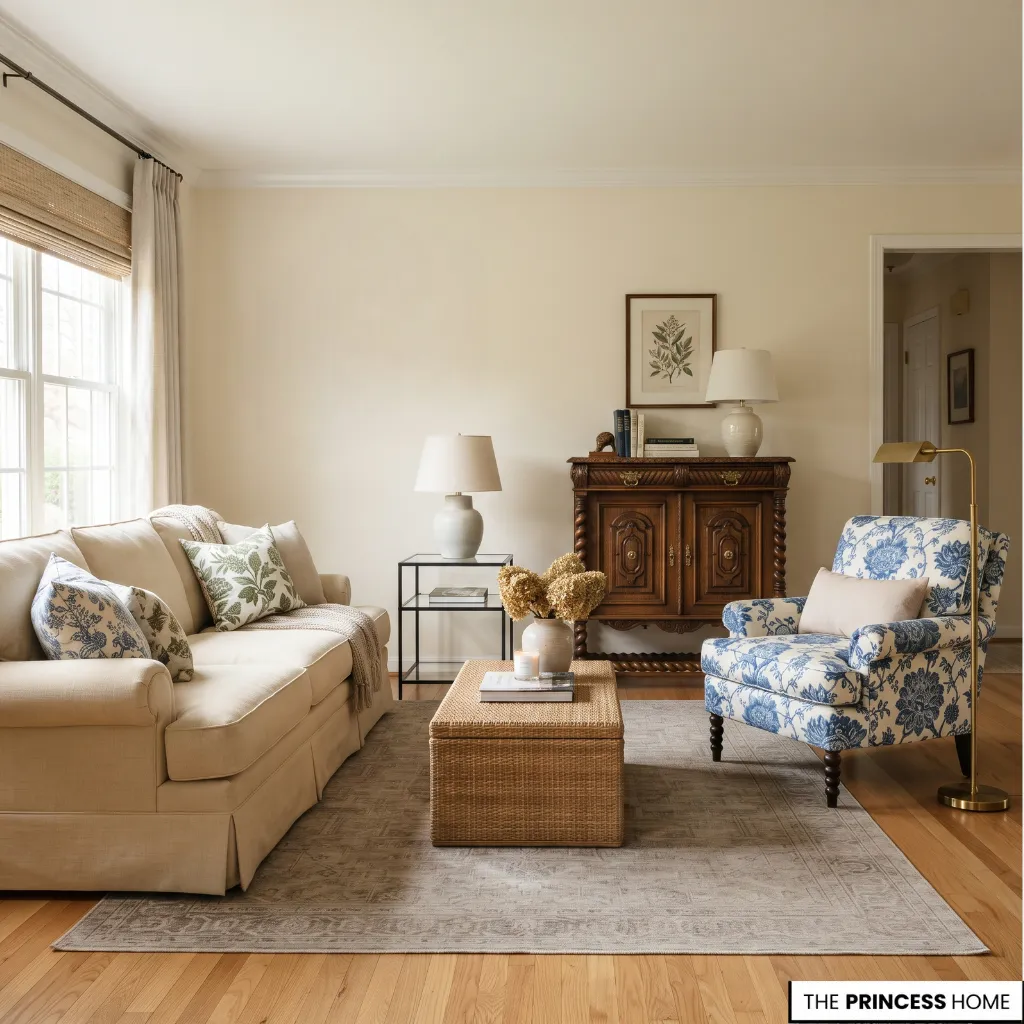
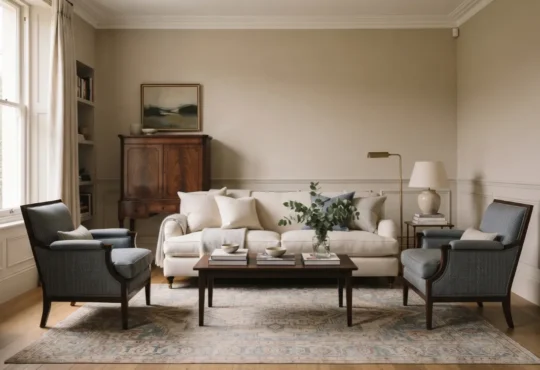
One of the most effective ways to keep Grandmillennial style current is to combine traditional pieces with simpler contemporary elements. A traditional sofa can sit beside a cleaner-lined table. An antique cabinet can be paired with modern artwork.
A patterned armchair can work with a simple rug and understated lighting. These contrasts give traditional details room to stand out without turning the entire interior into a historical reproduction.
The balance does not need to be divided equally between old and new. One room may rely heavily on traditional furniture with only a few contemporary accents, while another may use a simpler foundation with several traditional decorative references.
The important decision is to create enough restraint around the more detailed elements. This keeps the room connected to traditional decorating without making every surface compete for attention.
To make Grandmillennial feel modern, focus on the overall composition rather than simply adding contemporary objects. Clear circulation, useful proportions, quieter surfaces, simpler forms, and open space can provide the editing that keeps traditional patterns and furniture feeling intentional.
A room can remain strongly traditional while still feeling current when its more decorative elements have enough visual space around them.
For more ideas: Interior Design Styles Choose Your Home’s Personality
Add Natural Materials
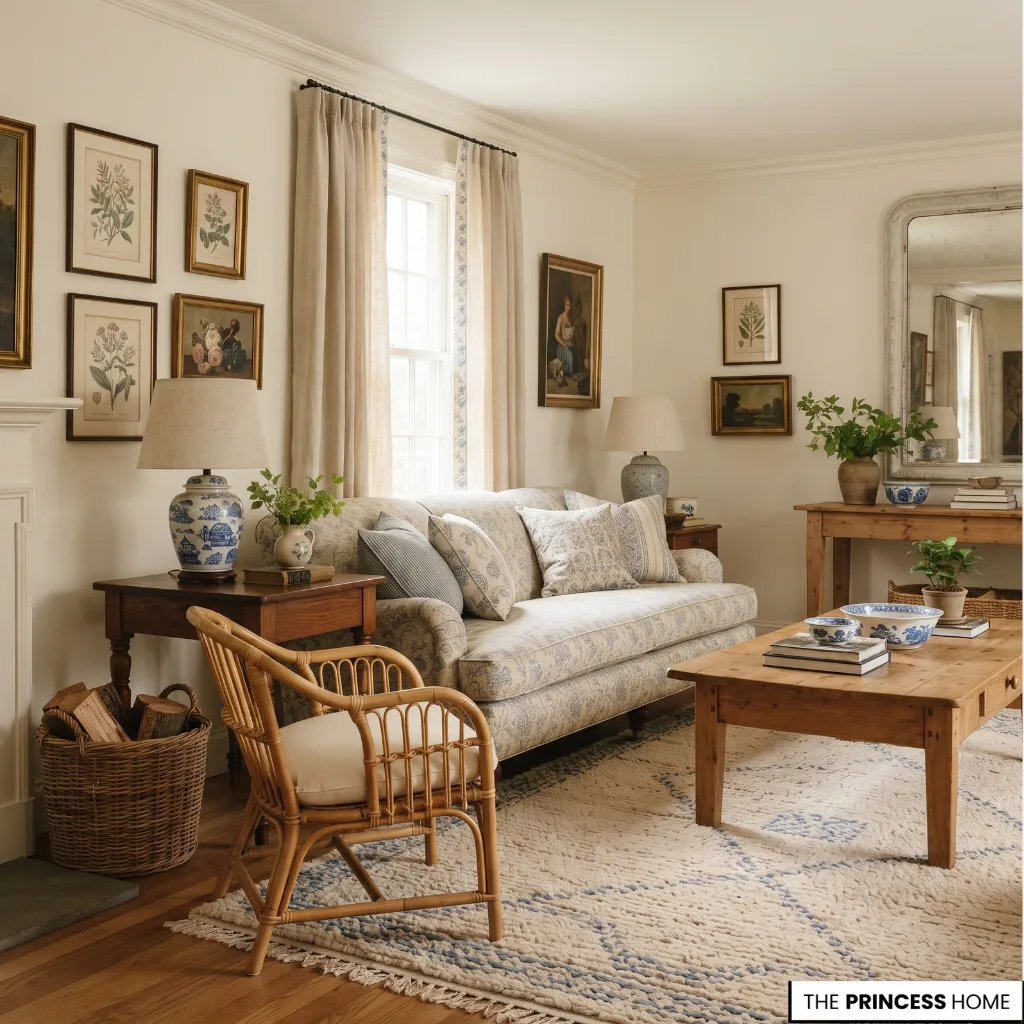
Natural materials connect Grandmillennial’s decorative patterns with the tactile qualities of traditional interiors. Wicker, rattan, cane, natural wood, linen, cotton, wool, ceramics, and porcelain are useful materials for this style. Wicker and rattan are particularly familiar within Grandmillennial interiors.
Use materials for different purposes rather than repeating the same surface throughout the room. Wood can provide structure, woven materials can introduce texture, and linen or cotton can soften upholstered and window areas.
Texture becomes especially useful when the room already contains several patterns. Instead of adding another print, a woven basket, natural-fiber rug, linen curtain, or ceramic object can provide interest without increasing pattern density.
When selecting materials, consider their relationship with the furniture and colors already present. Natural materials work best when they support the room’s existing palette rather than appearing as isolated accents.
For more ideas: Farmhouse Style: A Complete Guide to Creating Warm &Inviting
Use Decorative Details
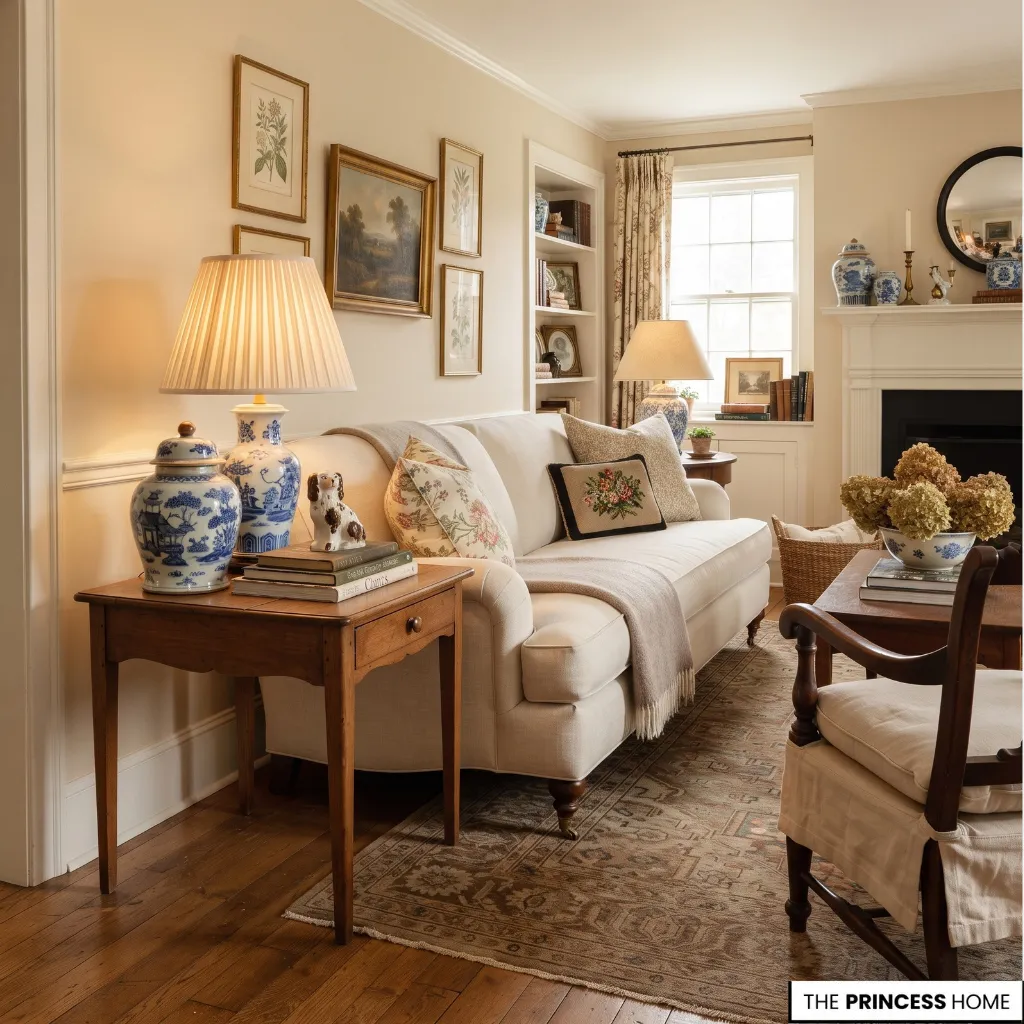
Small details give Grandmillennial interiors much of their recognizable personality. Scalloped edges, pleated lampshades, fringe, piping, needlepoint, decorative ceramics, blue-and-white porcelain, ginger jars, traditional artwork, books, and collected objects can all contribute to the style.
These details should be selected according to the room rather than treated as a checklist. If the furniture already has strong traditional shapes, a simpler lampshade or restrained collection may be enough.
If the room has a quieter foundation, a patterned lampshade, decorative ceramic, or vintage artwork can provide a stronger point of character.
Avoid using every recognizable Grandmillennial detail in the same room. Scallops, fringe, ruffles, needlepoint, chintz, chinoiserie, wicker, and decorative porcelain can all belong to the style, but they do not all need to appear together.
The strongest decorative pieces often have another reason to be there. They may be inherited, useful, handmade, connected to a collection, or simply well suited to the room’s colors and proportions.
For more ideas: Understanding Vintage Style in Interior Design: A Detailed Guide
Create Warm Lighting
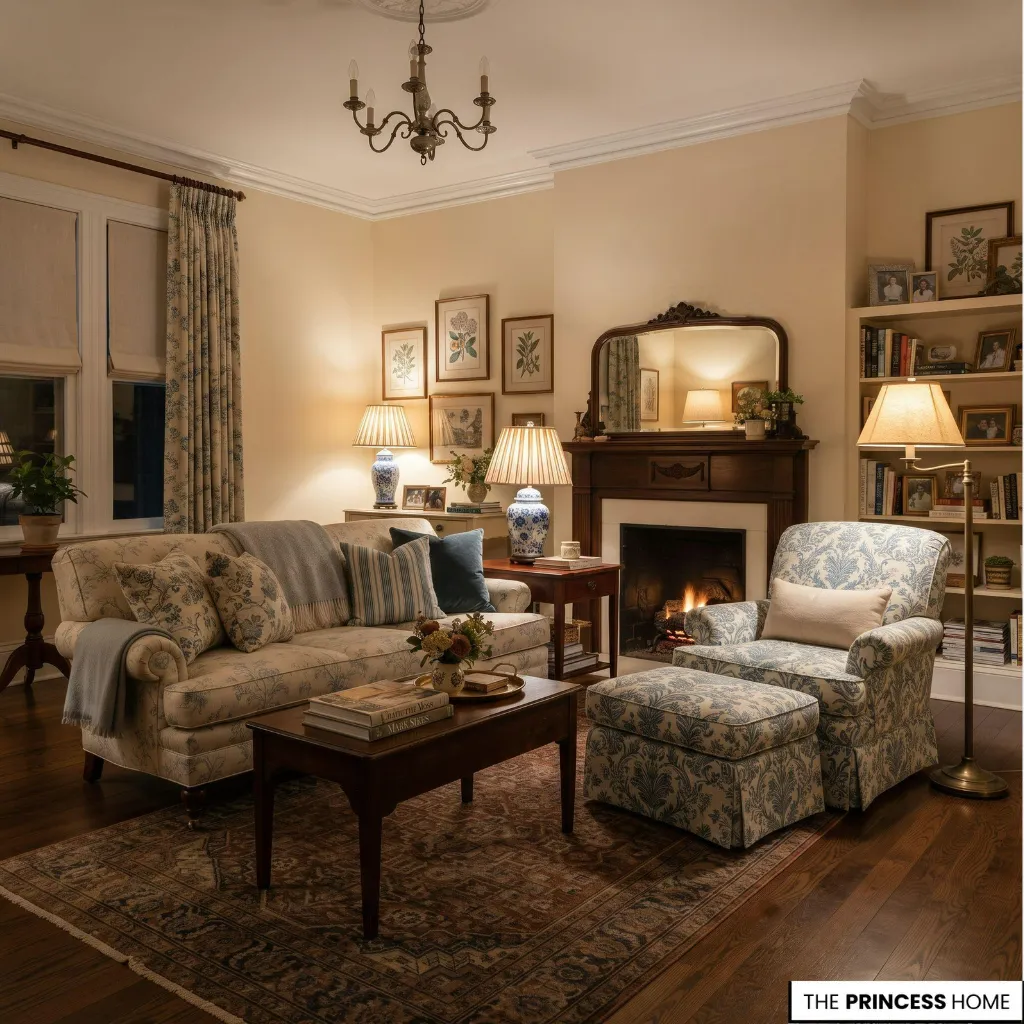
Lighting should support the comfortable residential character of Grandmillennial interiors while providing enough illumination for everyday activities. Use a combination of ambient, task, and accent lighting rather than relying on one central fixture.
Table lamps and floor lamps are particularly useful because their shades can contribute to the traditional character of the room. Pleated or fabric lampshades can reinforce the style without requiring another patterned textile elsewhere.
Decorative lamps can also introduce traditional detail in a relatively contained way. For warm residential rooms, around 2700K is a practical starting point, although the appropriate light depends on the room, finishes, and activities taking place there.
Avoid choosing lighting only for its decorative appearance. Reading, conversation, work, and circulation still need suitable illumination. The fixture should support the room’s function as well as its design.
Style Each Room
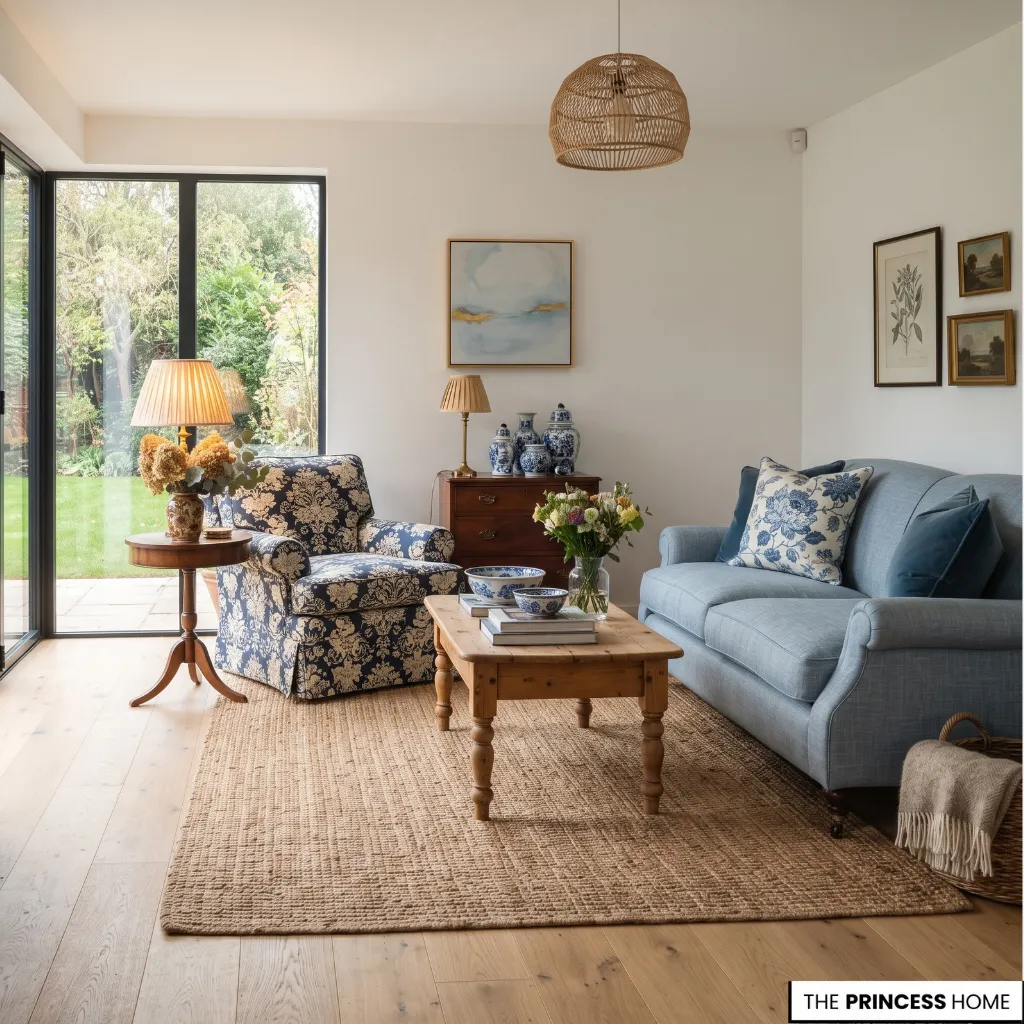
Grandmillennial style can be adapted to different rooms without repeating exactly the same combination of furniture and patterns.
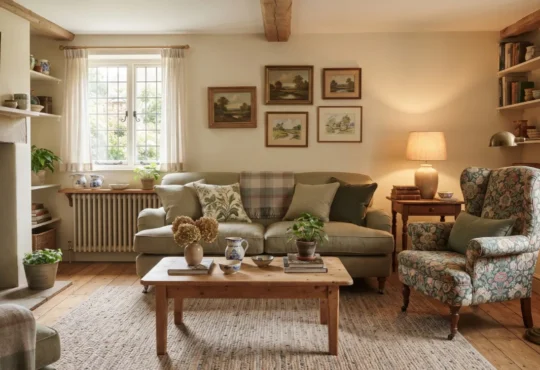
In a living room, begin with comfortable traditional seating and add one or two patterned pieces, such as an armchair or cushions. Wicker, natural wood, collected objects, and a restrained contemporary element can keep the arrangement from feeling too formal.
In a bedroom, traditional character can come through an upholstered or classic headboard, patterned bedding, layered textiles, bedside lamps, and selected decorative details. Let one textile pattern lead while quieter fabrics support it.
In a dining room, a traditional table and comfortable chairs can establish the foundation. Ceramics, decorative lighting, artwork, or a patterned textile can then add personality without filling every surface.
In a kitchen, the style can appear through traditional cabinet details, classic hardware, woven accents, ceramics, patterned textiles, and selected objects on open shelves. A few carefully chosen pieces are usually more effective than turning every visible surface into a display.
In a smaller room, reduce the quantity of major pieces rather than removing the style’s personality. One strong traditional chair, a well-chosen textile, or a distinctive lamp can provide character without overwhelming the available space.
Keep circulation clear and leave enough open surface around patterned and decorative elements. Grandmillennial can also work in a home with an already contemporary architectural envelope. Clean cabinetry, modern flooring, simple walls, or streamlined finishes do not need to be replaced.
Traditional furniture, patterned textiles, woven materials, decorative lighting, and selected accessories can introduce the style while allowing the existing architecture to remain part of the room.
Avoid Common Mistakes
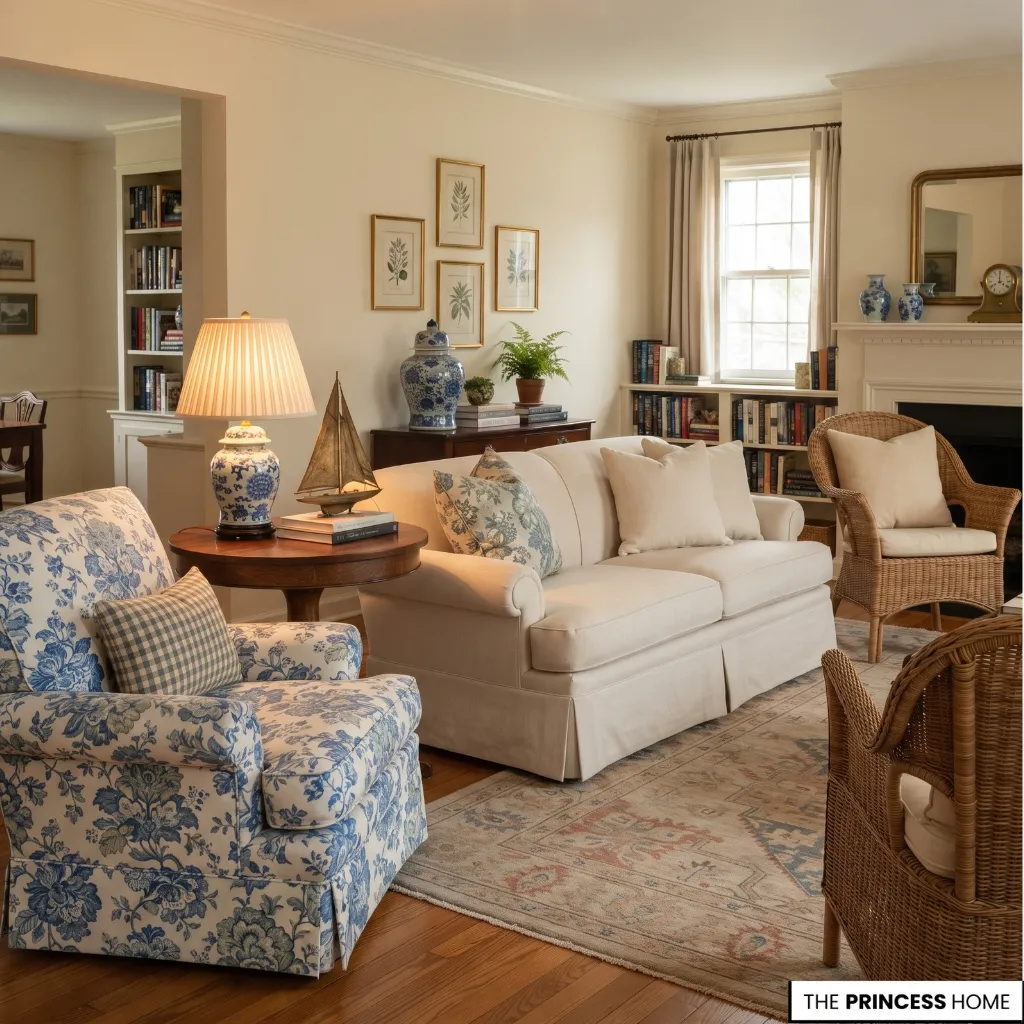
Recreating an older room literally can make Grandmillennial style look like a historical reproduction. Combine traditional furniture with cleaner forms, simpler surfaces, or contemporary artwork to give the room a more current direction.
Using every signature detail can quickly overwhelm the room. Scallops, ruffles, fringe, chintz, chinoiserie, needlepoint, wicker, and decorative ceramics can all belong to the style, but select the details that contribute most to the room’s direction.
Mixing patterns randomly creates competition between prints. Start with a dominant pattern, repeat its colors, and vary the scale or density of supporting patterns.
Displaying too many collectibles can turn a collected room into a cluttered one. Edit displays so important pieces remain visible and open surfaces are preserved.
Treating vintage as the style itself misses the larger design principle. An old piece of furniture does not automatically make a room Grandmillennial. The style depends on how furniture, pattern, color, materials, and decorative details work together.
Making everything floral removes pattern hierarchy. Balance florals with stripes, checks, solids, wood, woven materials, and quieter fabrics.
Ignoring comfort can make a room attractive but impractical. Choose seating, textiles, lighting, and layouts according to how the room is actually used.
Overspending on new pieces is also unnecessary. Grandmillennial style works naturally with existing, inherited, vintage, and secondhand furniture. Before replacing a suitable piece, consider whether it can be repaired, reupholstered, refinished, or integrated more effectively with the rest of the room.
There is no fixed number of Grandmillennial elements a room needs. If the space already has strong traditional furniture, patterned textiles, and decorative lighting, adding more recognizable details may reduce clarity rather than strengthen the style.
The right amount is the point at which the room has enough traditional character to feel intentional while still leaving visual space for the furniture, patterns, and people who use it.
Grandmillennial style works best when traditional character is selected rather than accumulated. Floral fabrics, classic furniture, wicker, ceramics, and decorative details provide the foundation, but thoughtful editing determines whether the room feels current.
Start with the strongest elements already present in your home, establish a controlled color and pattern relationship, and add traditional details gradually. Combining these elements with simpler contemporary pieces preserves the warmth and personality of traditional interiors while making the result practical for modern life.
Conclusion
If the room is already furnished, you do not need to start over. Keep pieces that have useful proportions, good function, or personal meaning, then identify where pattern, texture, lighting, or decorative character is missing.
This approach allows the existing room to evolve toward Grandmillennial style without replacing everything at once. The goal is not to reproduce a room from another generation. It is to understand the qualities that make traditional interiors personal and inviting, then use those qualities in a way that belongs to your home today.
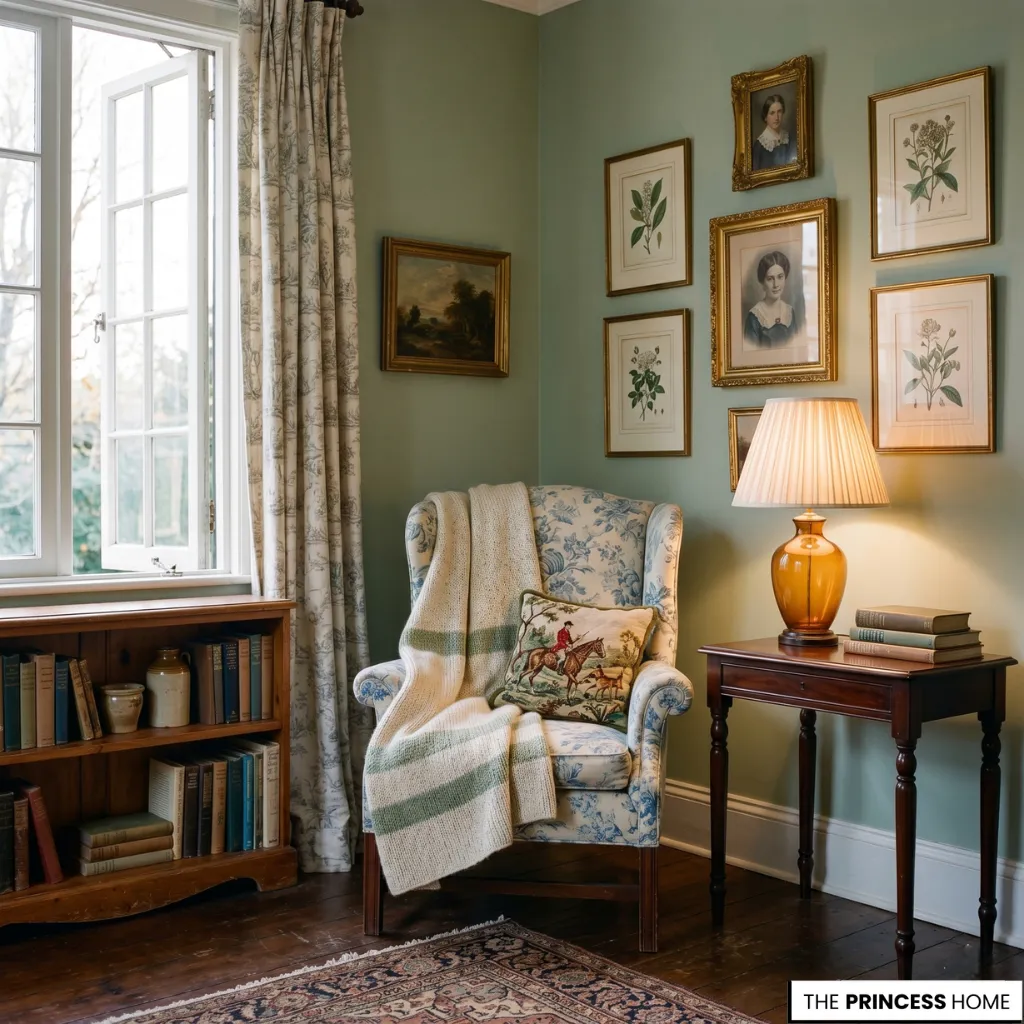
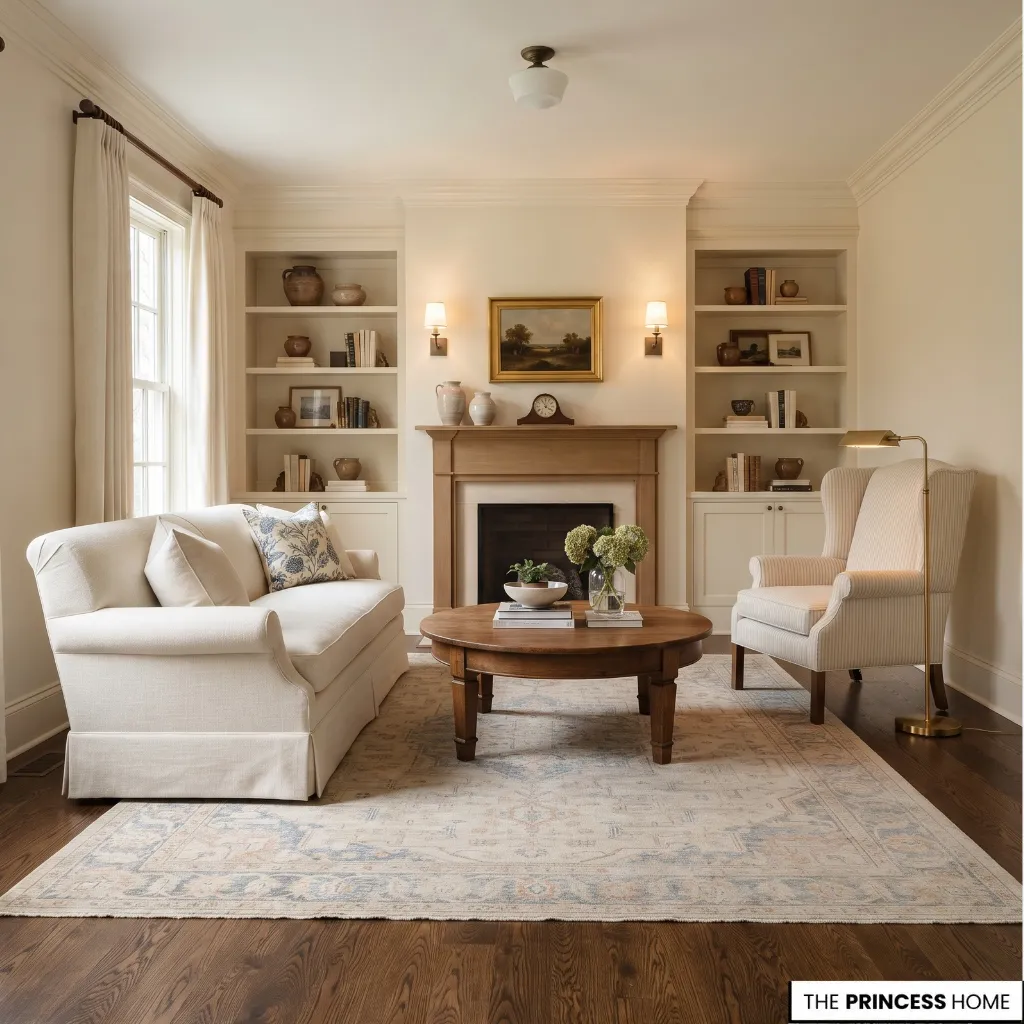
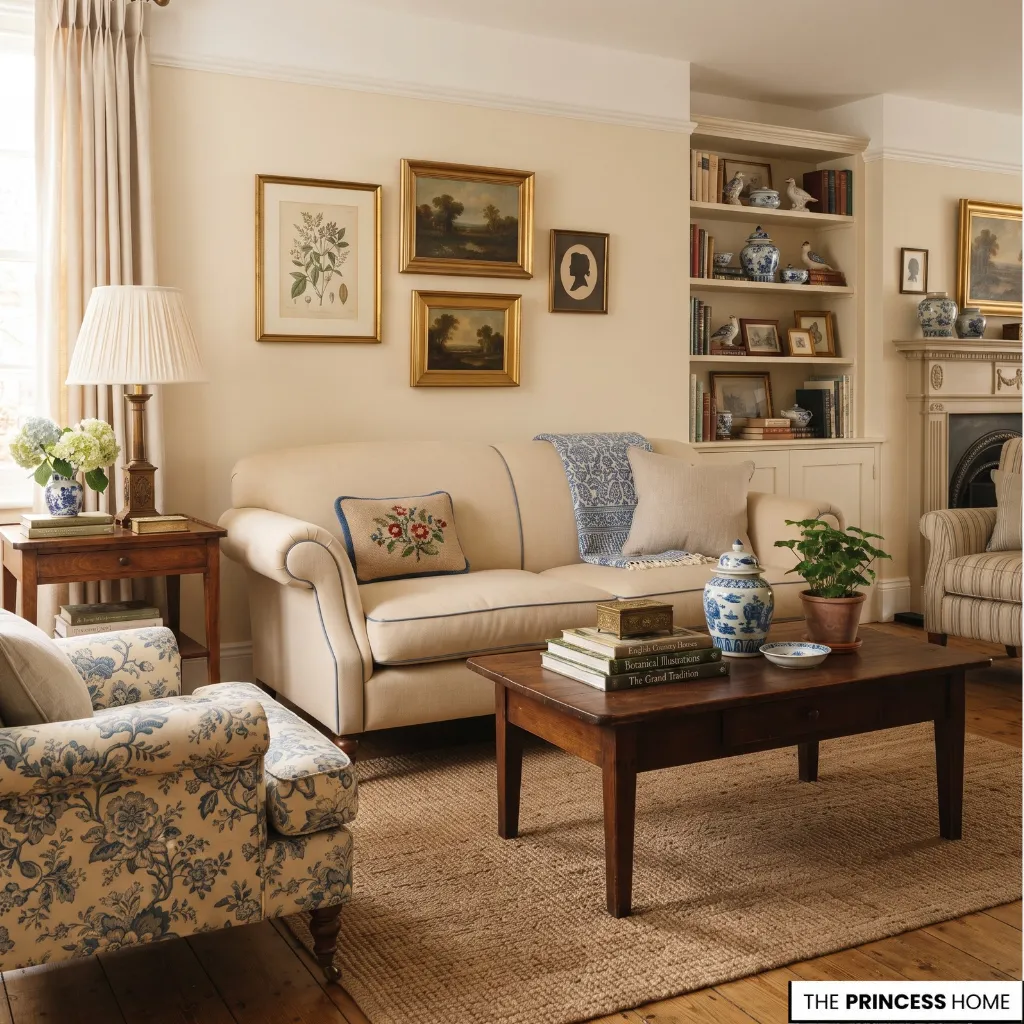
Explore the visual gallery below for inspiring ideas that bring this aesthetic to life in your home.
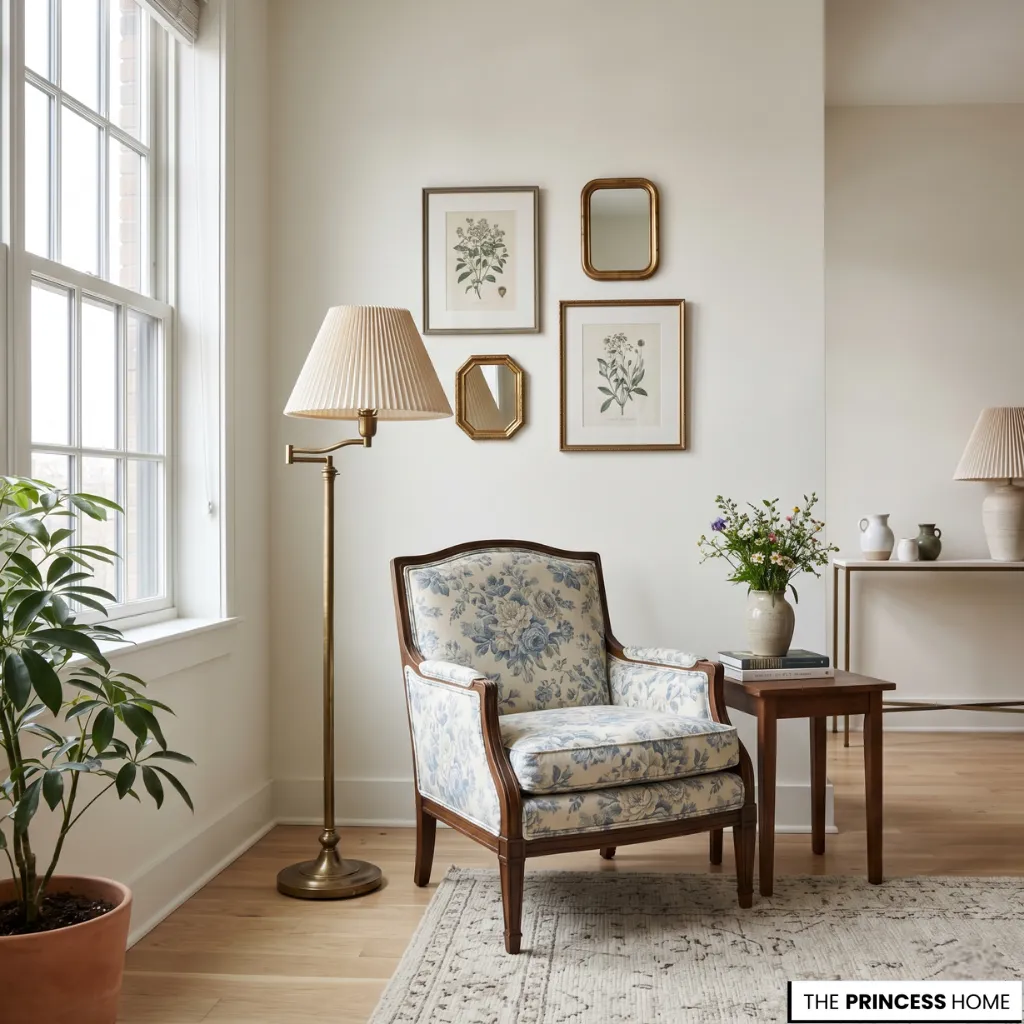
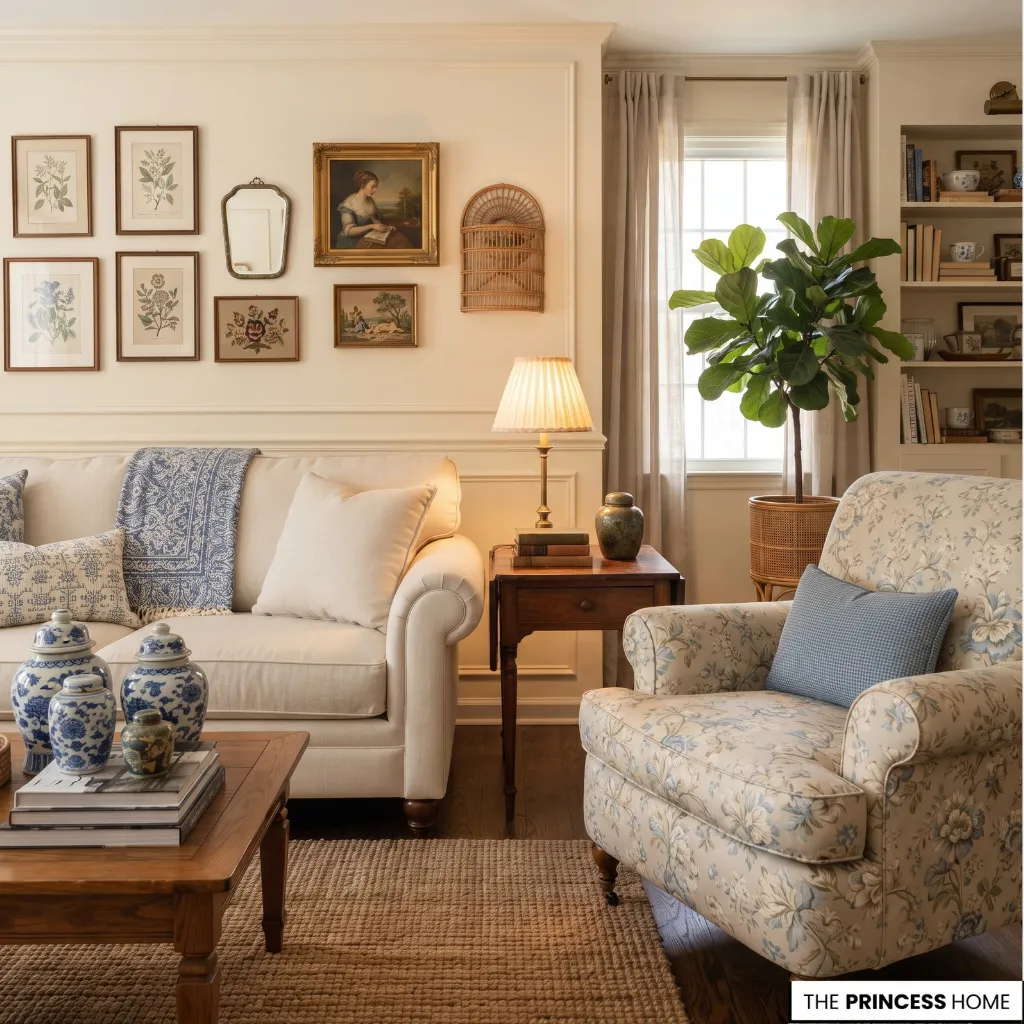
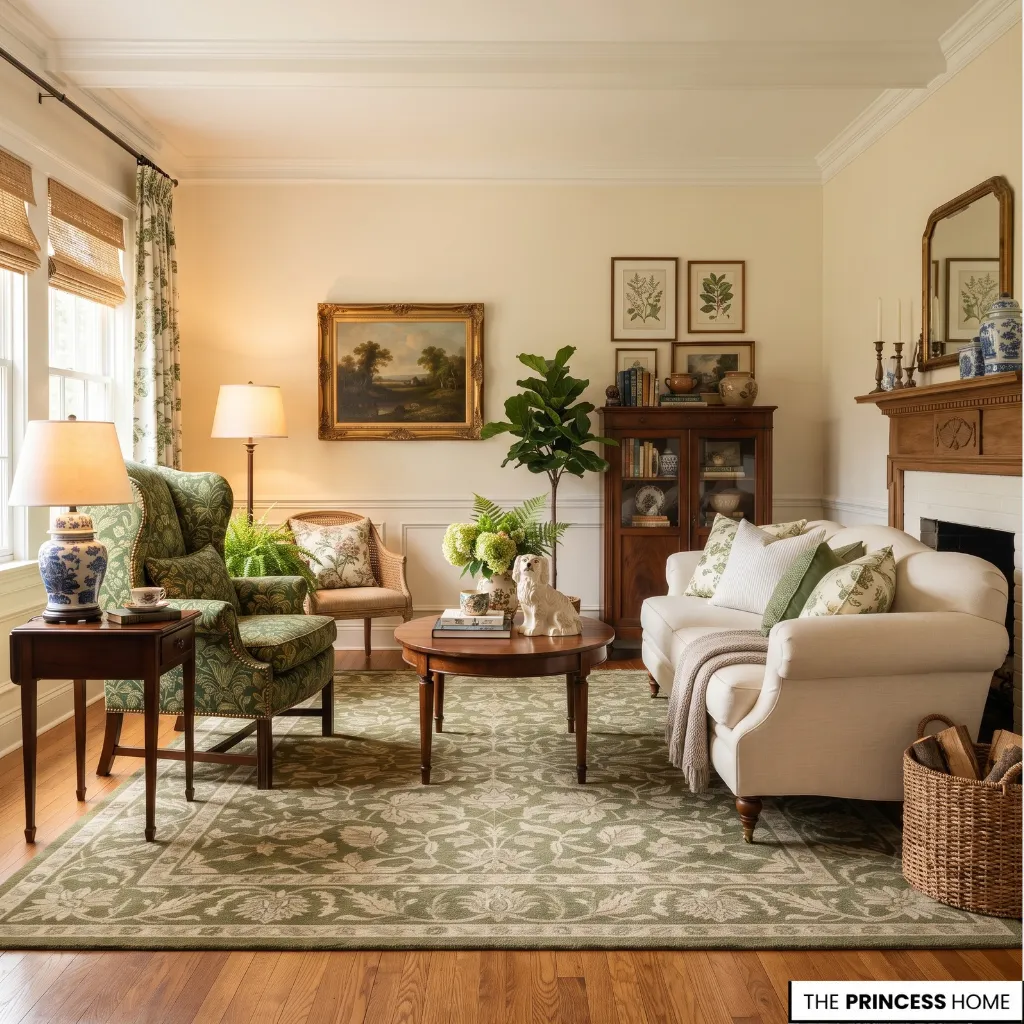
Watch this inspiring video from The Princess Home for more ideas and a closer look at how this aesthetic can come to life in your home.