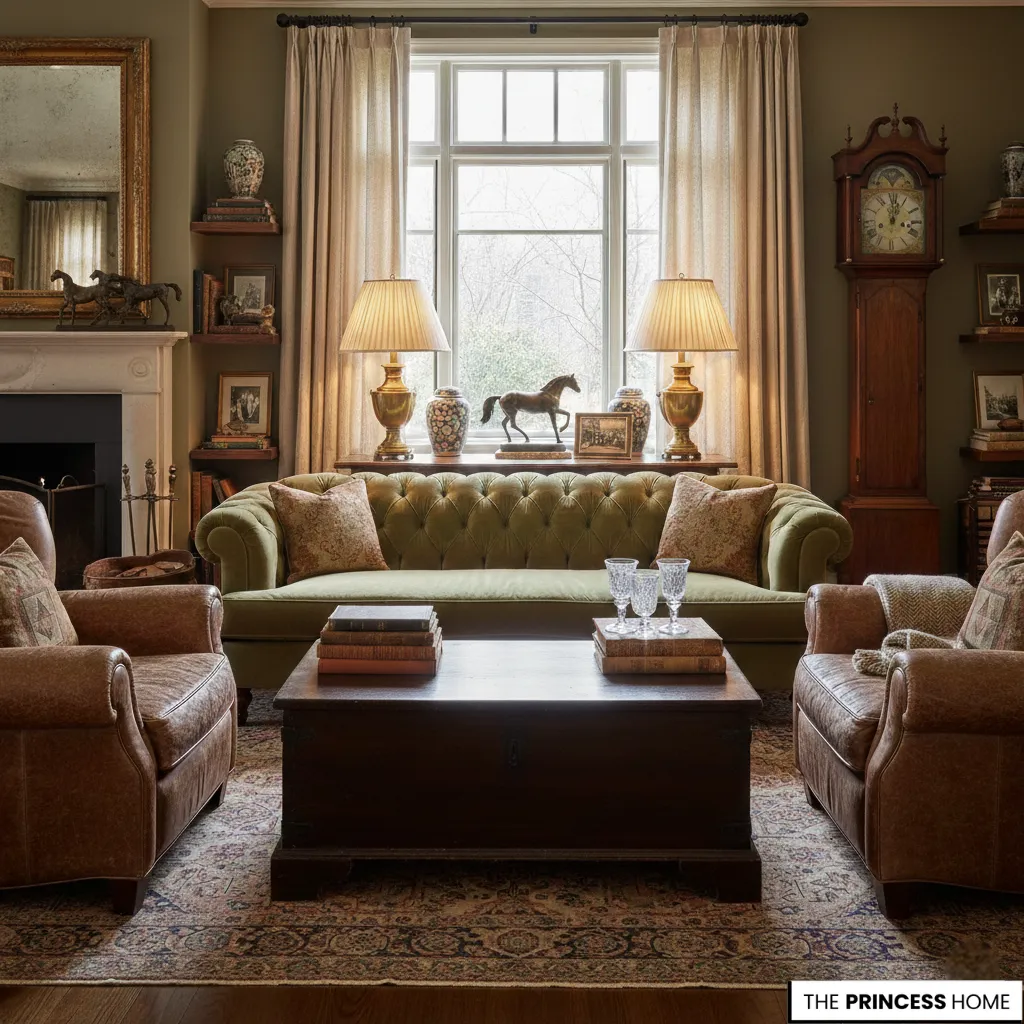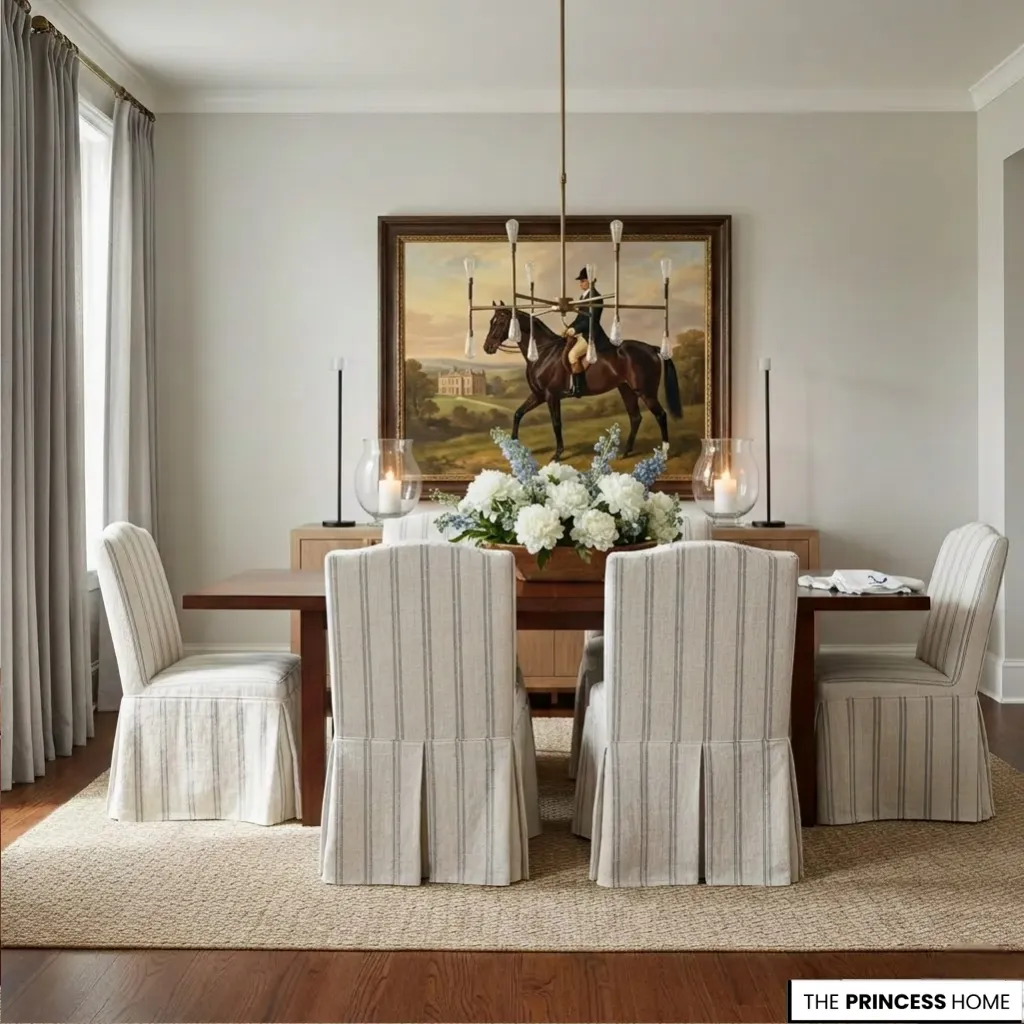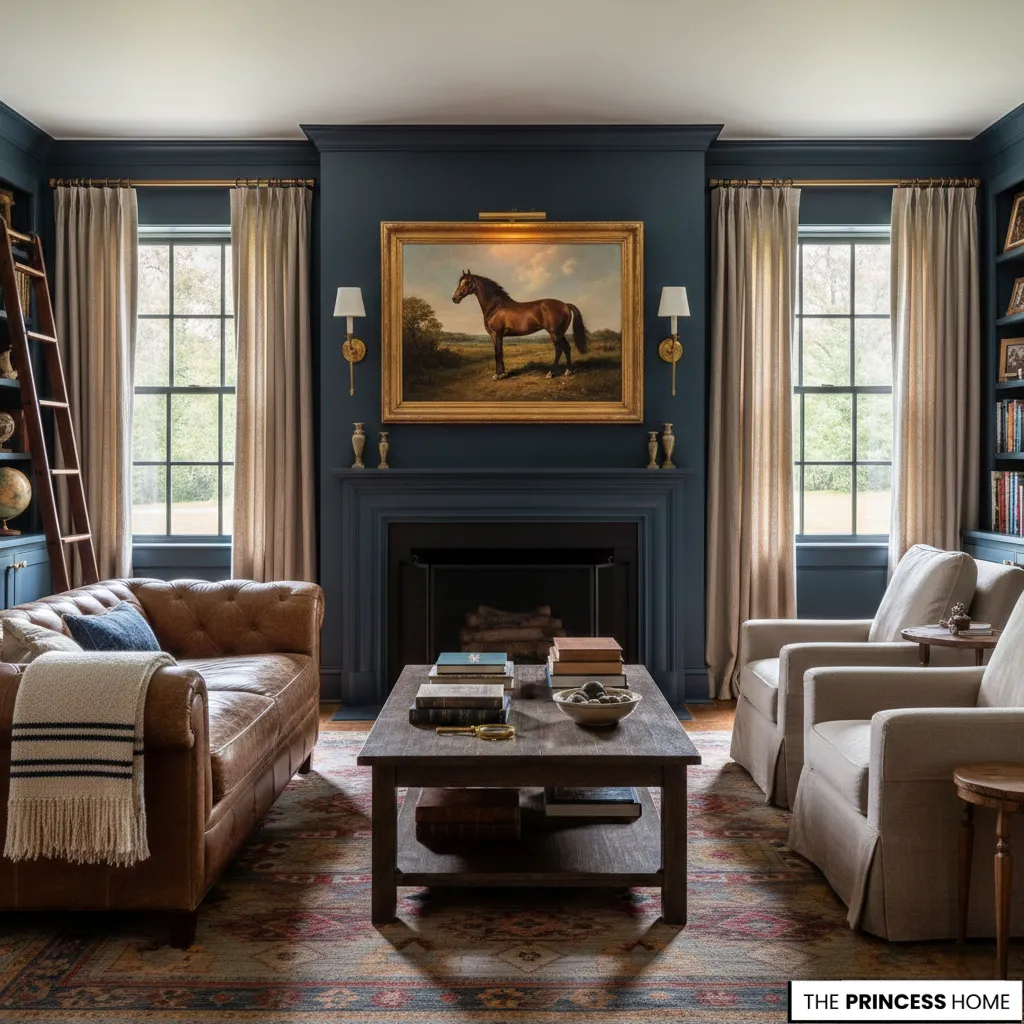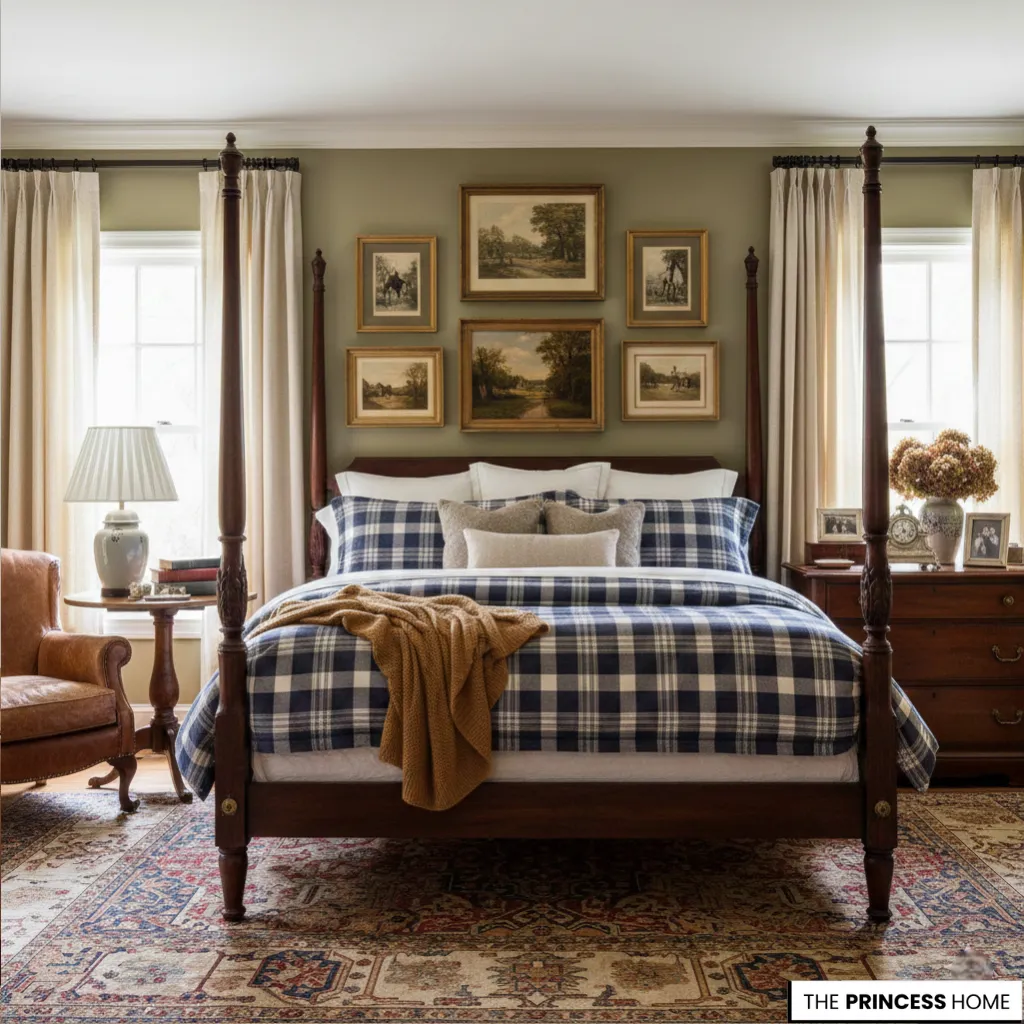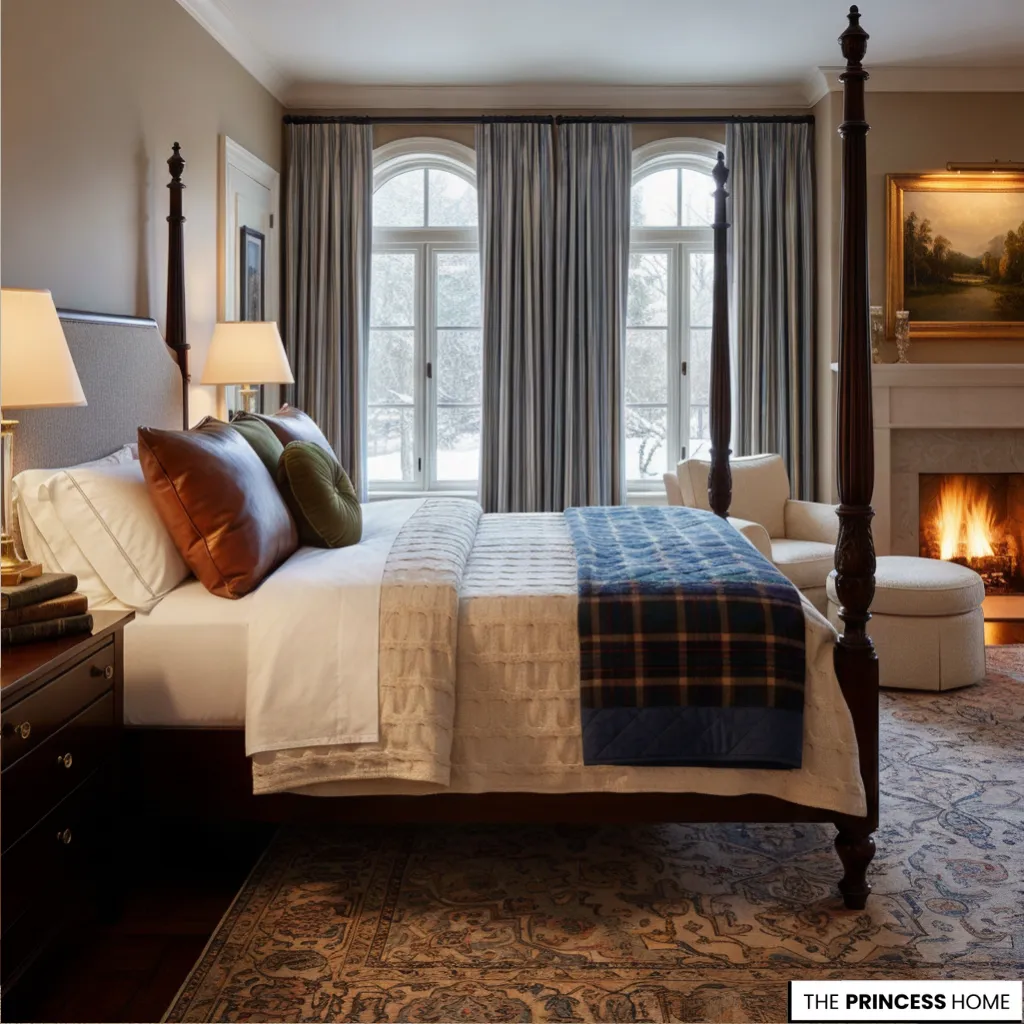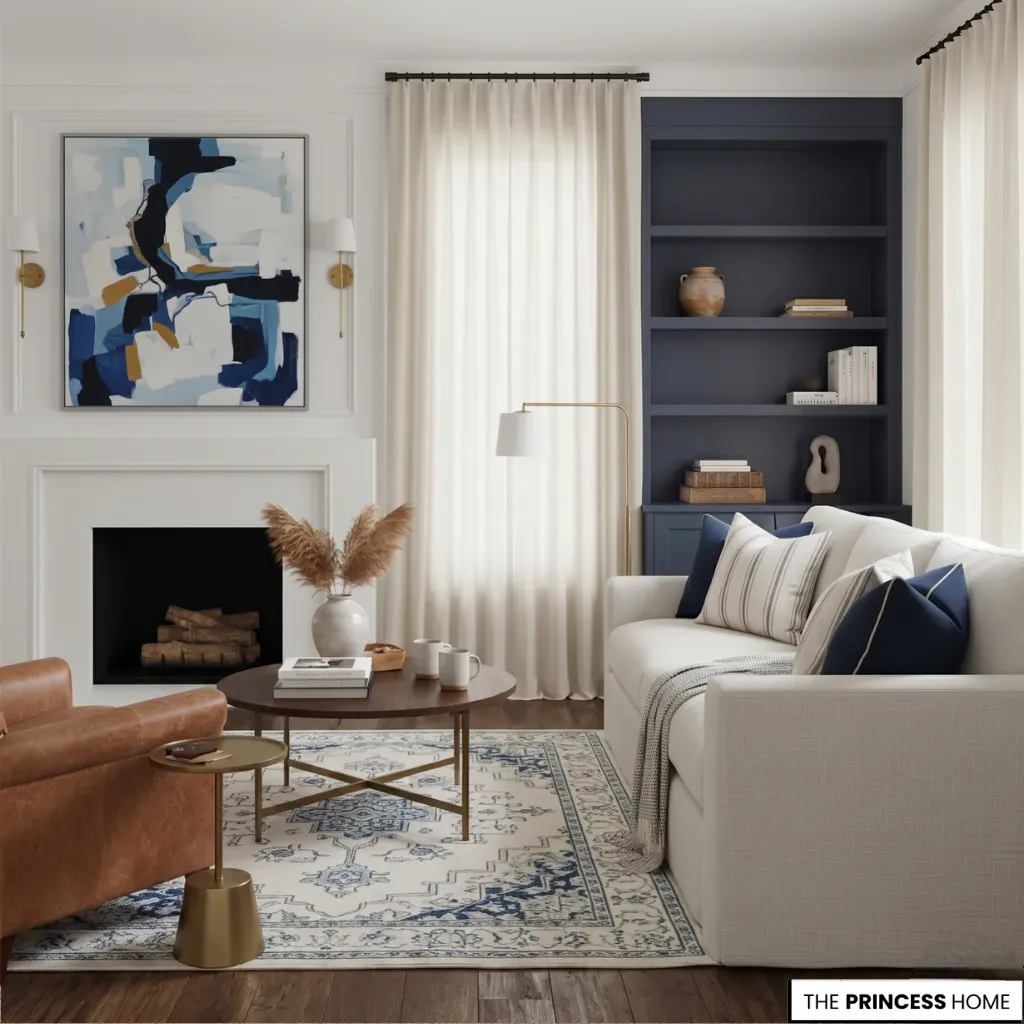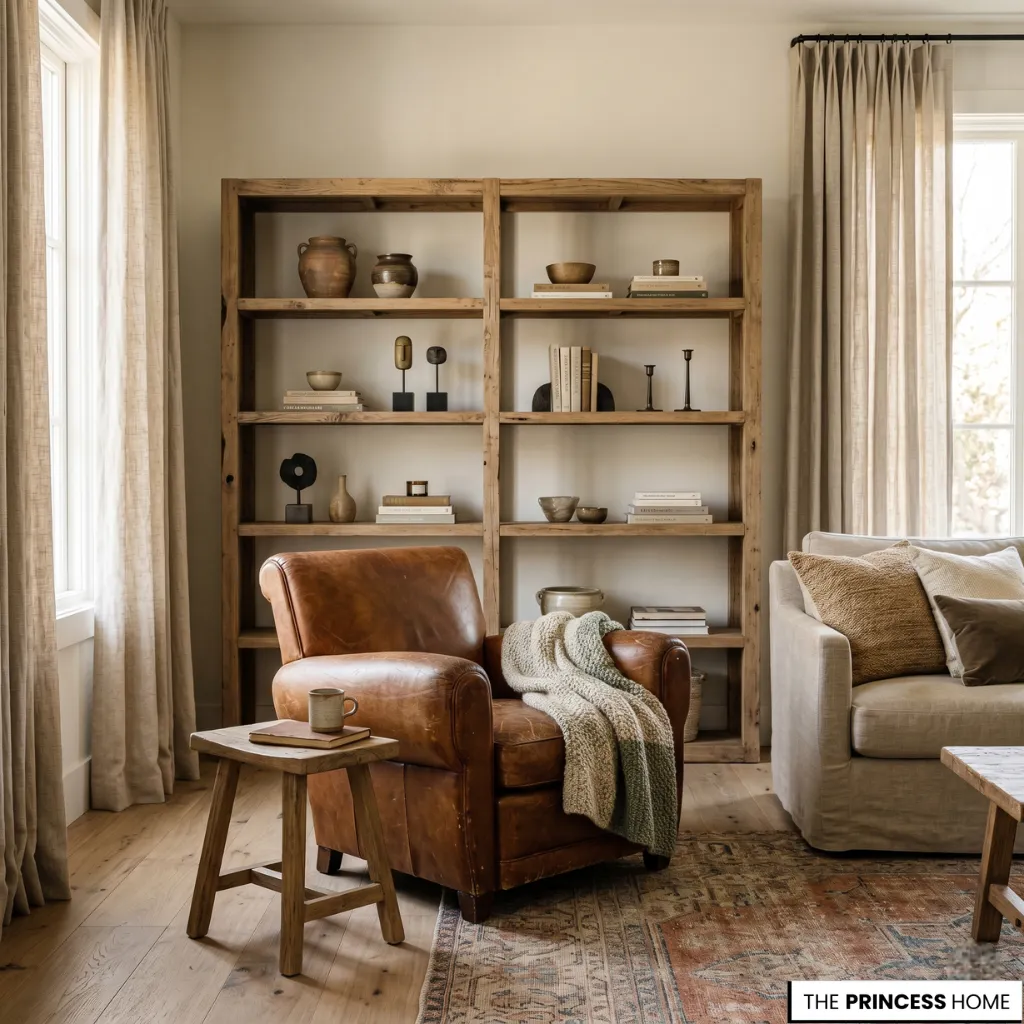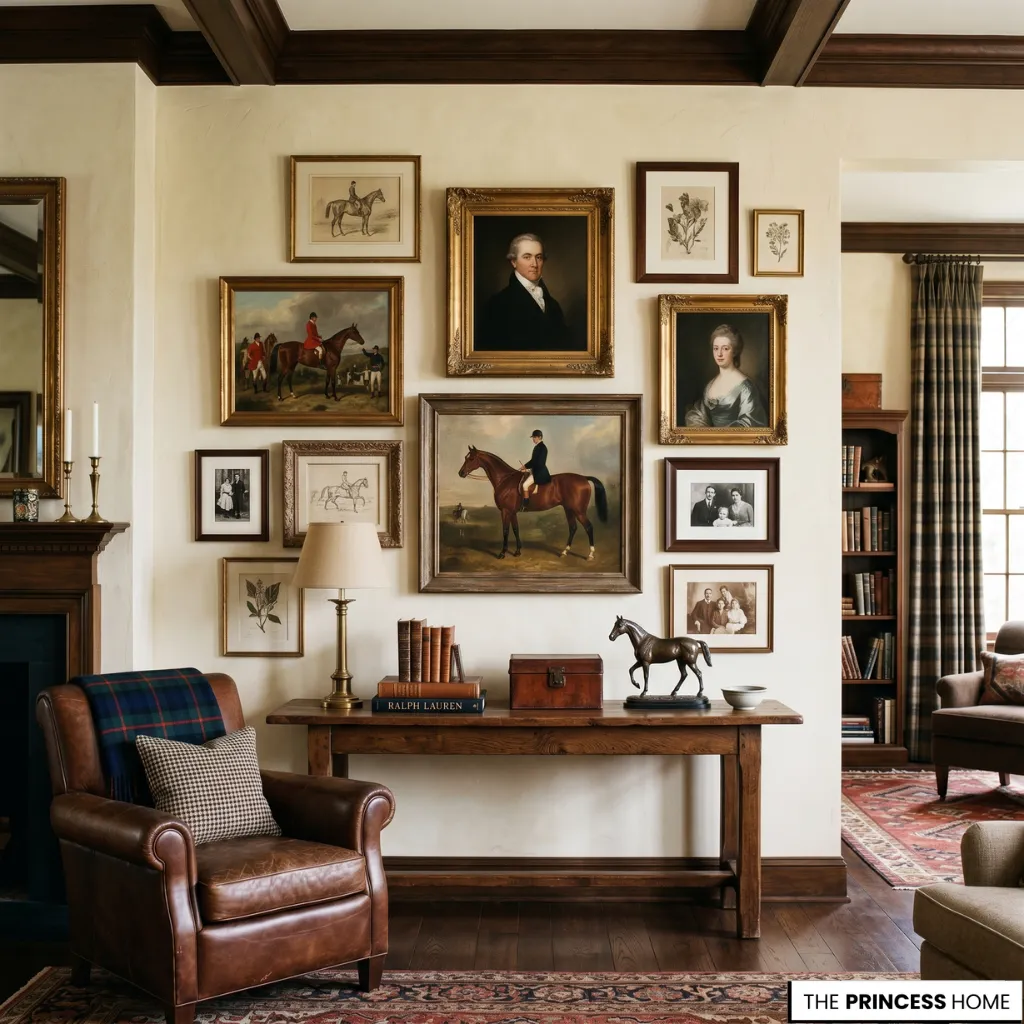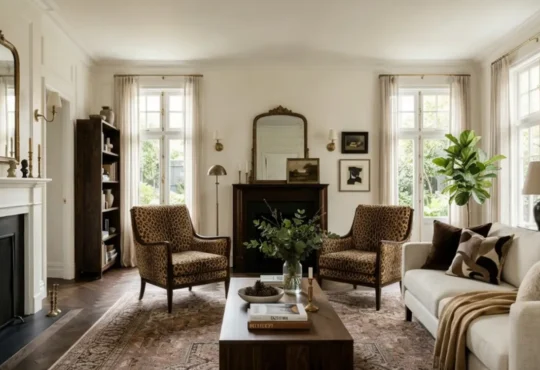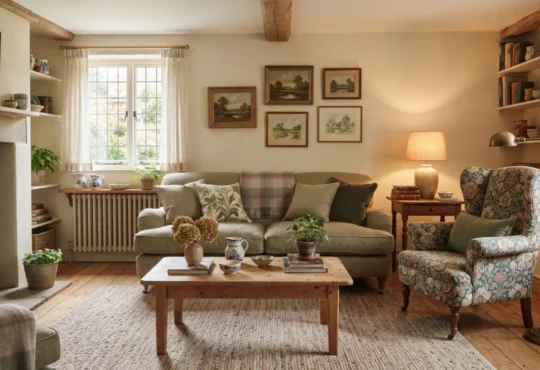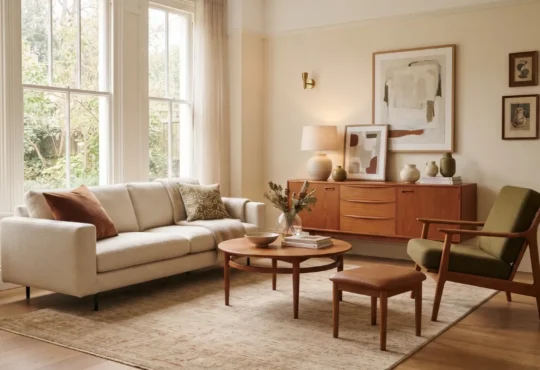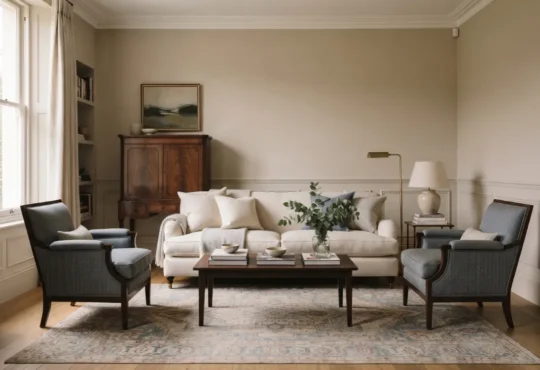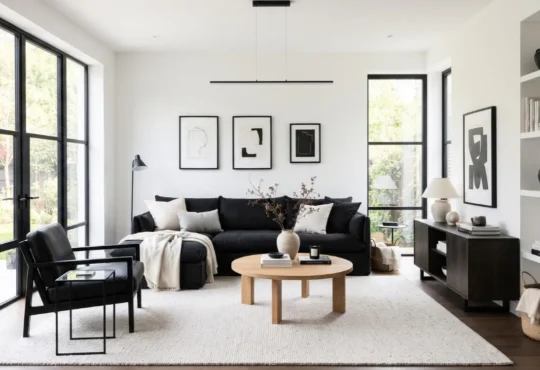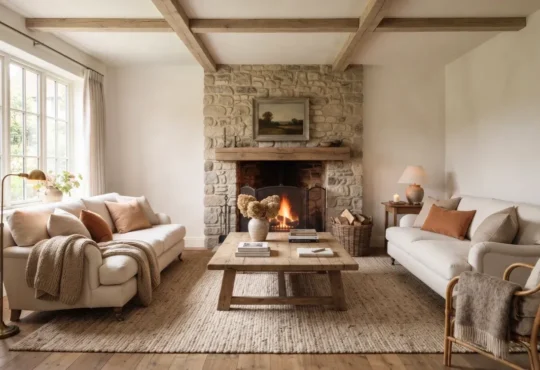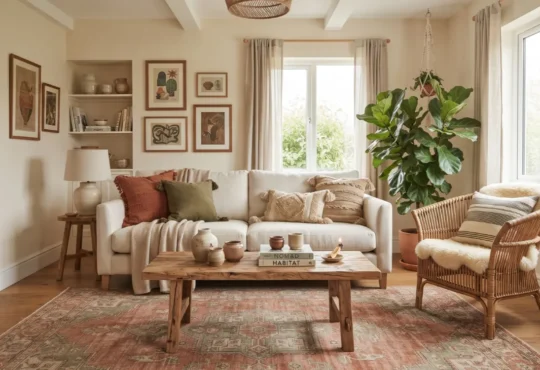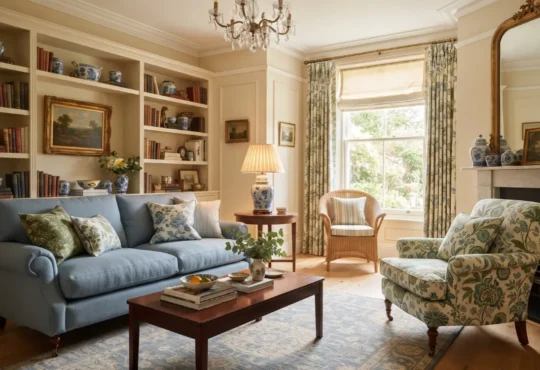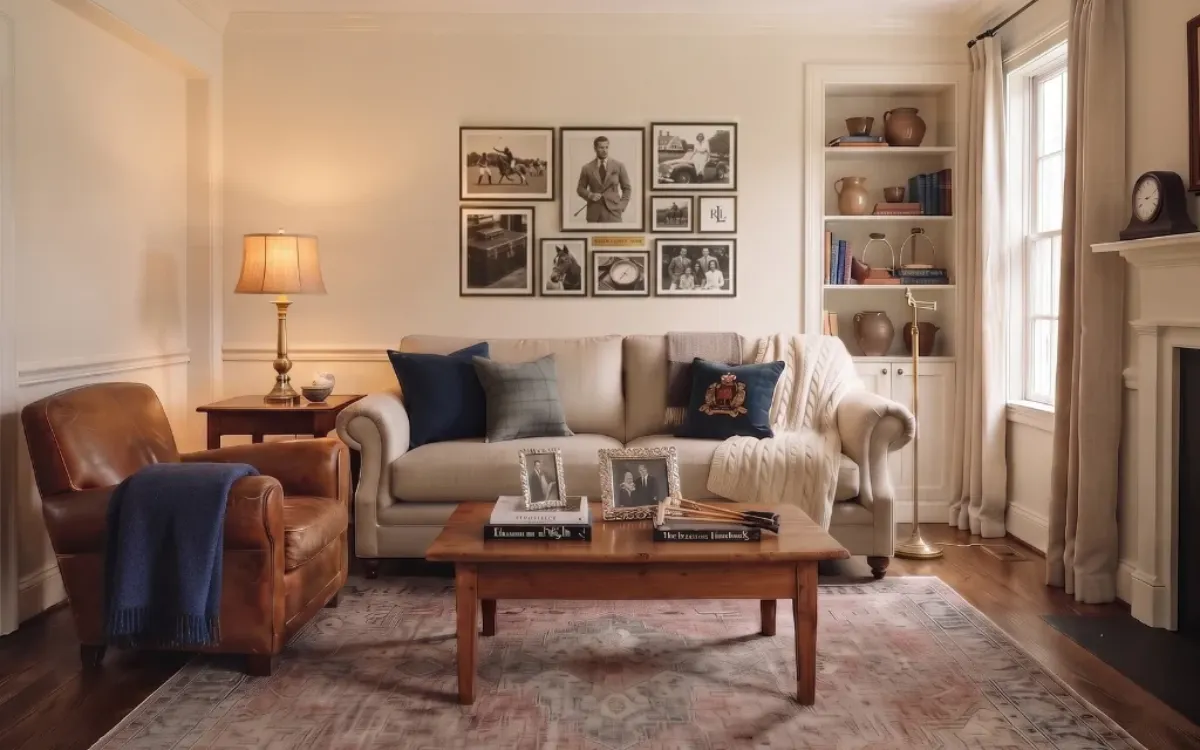
Ralph Lauren style is known for tailored furniture, rich materials, heritage colors, layered patterns, warm lighting, and rooms that feel collected over time. Recreating that character can seem expensive, especially when the inspiration comes from luxury interiors.
The key is to understand which design decisions matter most, where your budget will make the greatest difference, and where you can save without weakening the overall look.
Ralph Lauren Style
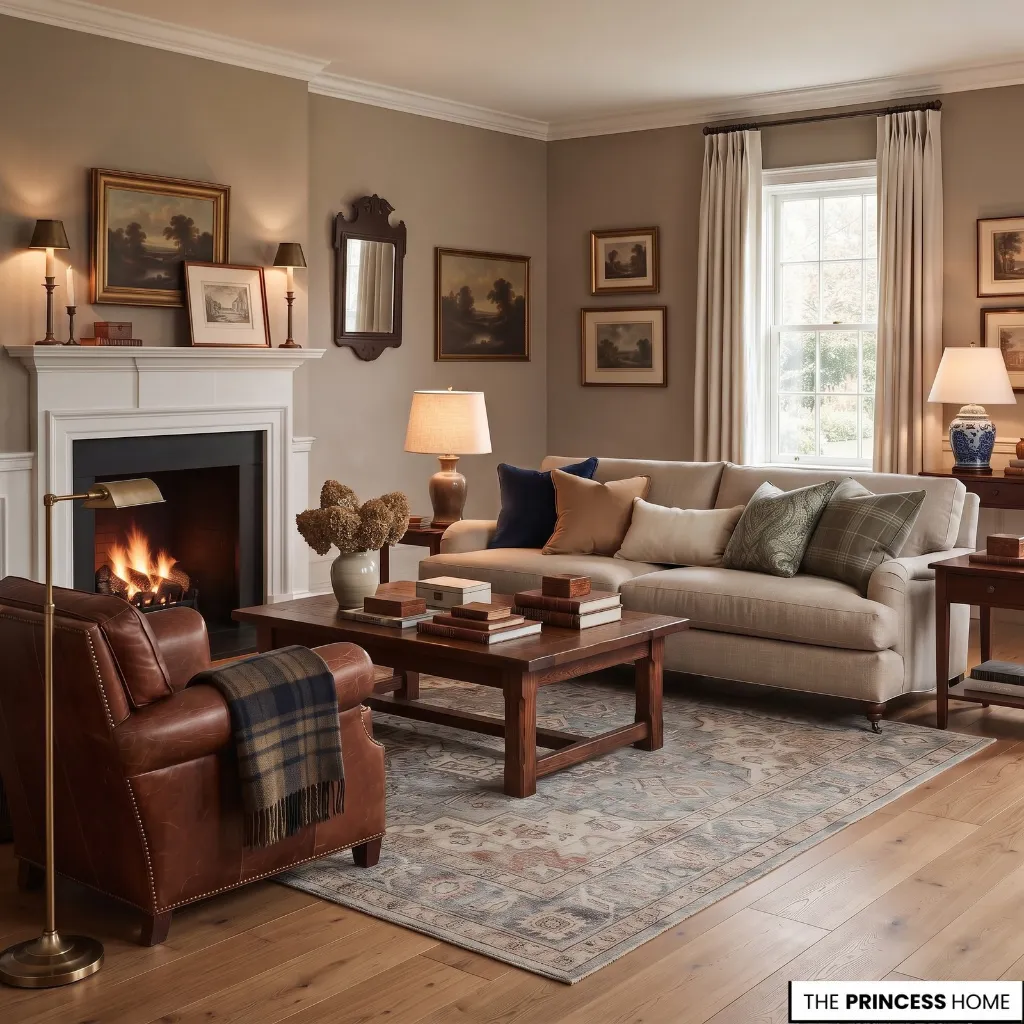
Ralph Lauren style is broader than navy, plaid, leather, and dark wood. Its interiors draw on American heritage, traditional craftsmanship, substantial furniture, natural materials, layered textiles, warm lighting, and personal objects.
Different expressions range from country and equestrian influences to coastal, Western, and more contemporary settings. What connects them is the way the elements work together.
Furniture has clear proportions and a tailored character. Materials show texture or natural variation, colors are controlled, and patterns are used selectively. Decorative objects add personal character rather than making the room look like a coordinated shopping display.
You do not need every recognizable Ralph Lauren reference to achieve this effect. Begin with proportion, material, color, lighting, and character.
A well-proportioned dark wood table may contribute more than several inexpensive accessories, while a simple linen curtain in the right color may do more than a collection of themed cushions.
An older chair with a strong frame can also be a better choice than a new chair designed to imitate traditional furniture. The goal is to apply sound design principles at a level that suits your home and budget.
For more ideas: Ralph Lauren Home Decor and the Art of Timeless Americana
Set Your Budget Priorities
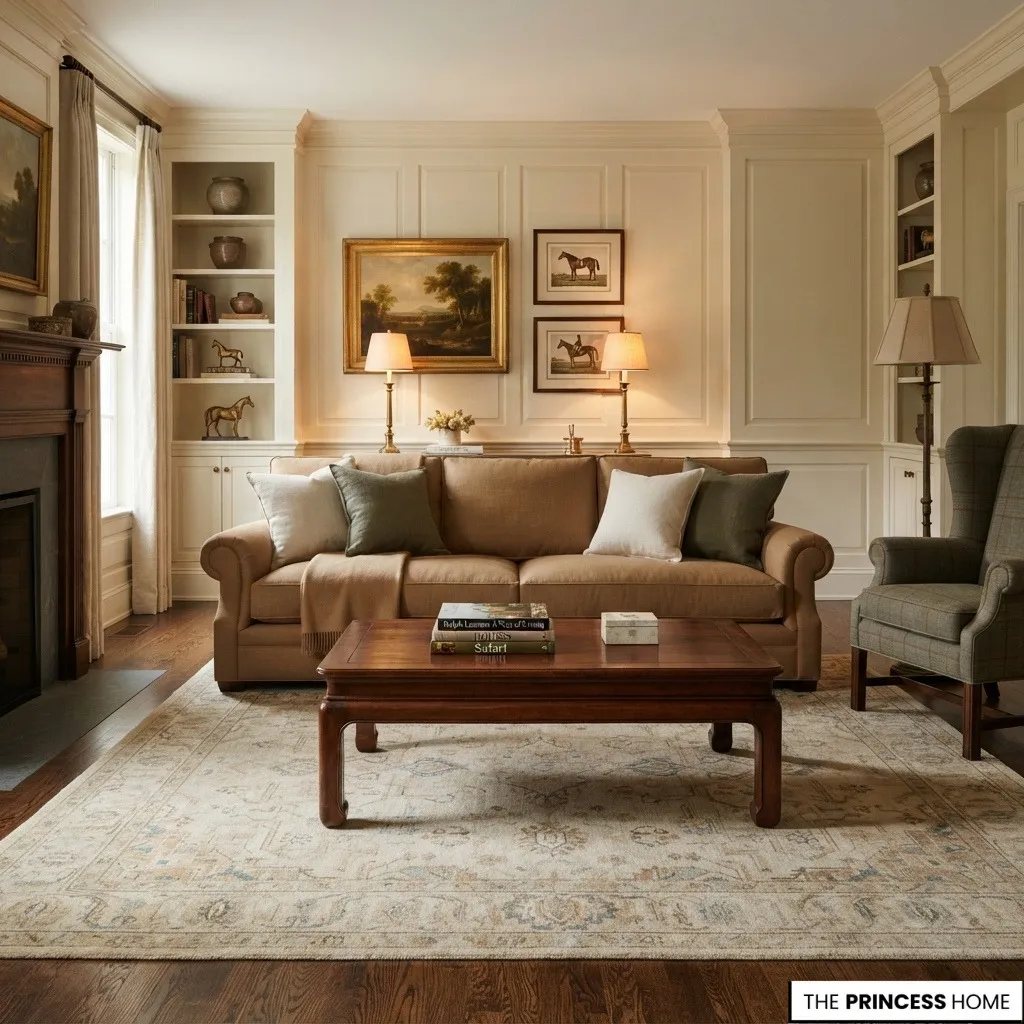
A limited budget works best when you spend according to the visual importance of each element rather than dividing the money equally across the room.
A useful starting order is: Foundation → Main Seating/Furniture → Rug & Wood Anchor → Distributed Lighting → Textiles → Decorative Narrative
The foundation includes the existing architecture, wall color, flooring, and other features likely to remain in place for years. If these elements already work, keep them and direct your money elsewhere.
Next, assess the largest pieces. A sofa, bed, dining table, desk, or substantial cabinet usually has more influence on a room than a small accessory. If one major piece needs replacing, consider saving for a suitable replacement instead of spending the same amount on several inexpensive objects.
The rug or wood anchor comes next. You do not need an expensive rug or antique furniture, but the room needs a clear material foundation. Lighting follows because several modest light sources can improve the room more effectively than one expensive decorative fixture.
Textiles and accessories come last. They introduce color, pattern, softness, and personal character, but they should support the room rather than compensate for weak furniture choices or poor lighting.
You do not need to complete every layer at once. Keep what already works, improve the most noticeable weakness first, and add the remaining elements gradually. This reduces the risk of buying inexpensive pieces that later need replacing.
For more ideas: Ralph Lauren Inspired Living Room Timeless Design Guide
Choose Affordable Furniture
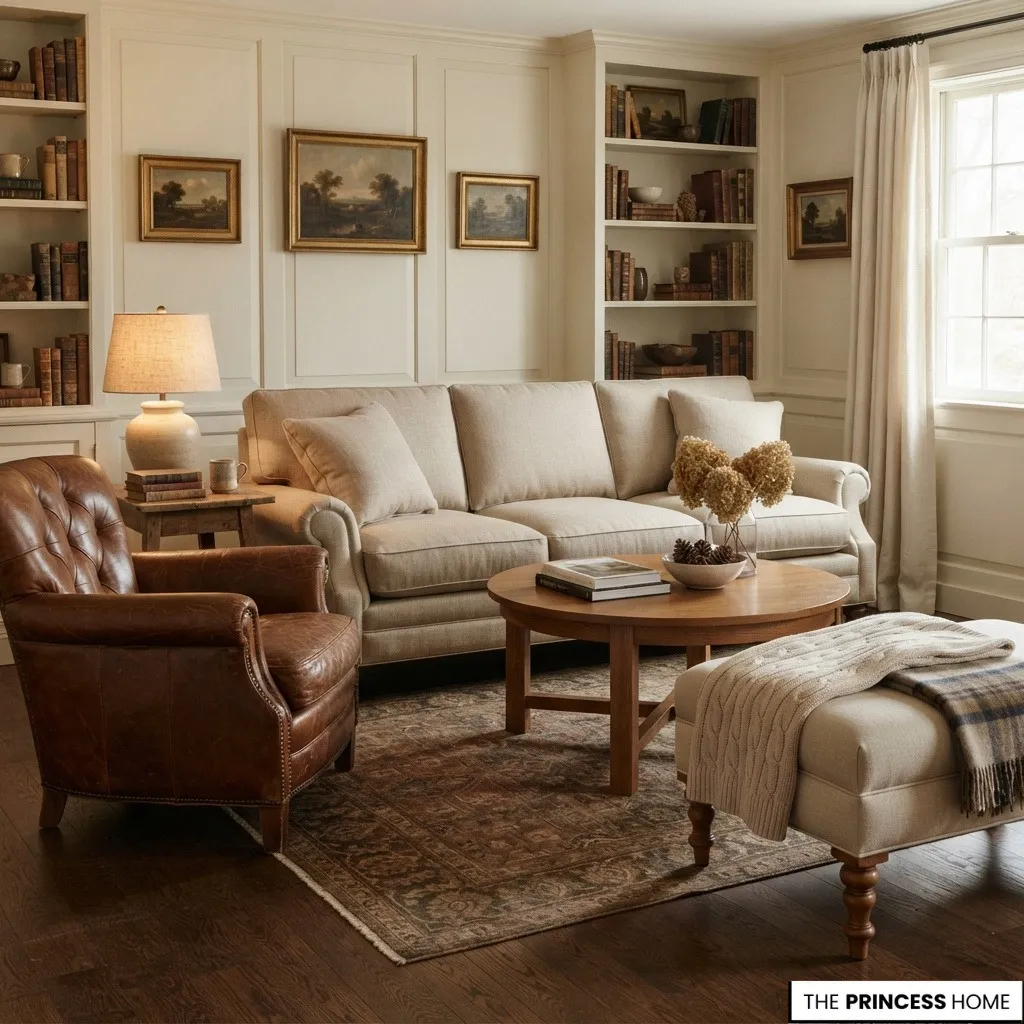
Choose furniture for its proportions, construction, comfort, and character before looking for a particular brand or label. Classic shapes and substantial forms can support a Ralph Lauren-inspired room without requiring expensive designer pieces.
Wood furniture should have visible character, while upholstered pieces should feel comfortable and well-proportioned. Look at the frame and overall shape before judging the finish: a dated finish can sometimes be improved, but poor proportions are much harder to correct.
Before buying, ask whether the piece would still work in the room if its price and brand were hidden. Consider its scale, construction, function, and material character.
Secondhand furniture can be especially useful. A solid-wood table, traditional chair, console, cabinet, or desk may offer more character than a new inexpensive imitation. When a defining piece is outside your budget, look for an affordable alternative that performs the same design function.
You can also adapt furniture you already own. A suitable sofa may need only new cushions, a throw, or better lighting around it. A plain wooden table can gain character through the chairs, textiles, and lighting that surround it.
Avoid pieces with weak construction, awkward proportions, overly trendy shapes, or decorative details that imitate luxury without providing quality or useful function. One well-chosen piece is often more valuable than several purchases made simply because they are cheap.
For more ideas: Ralph Lauren Dining Room Style: How to Achieve Timeless Luxury at Home
Layer Rich Materials
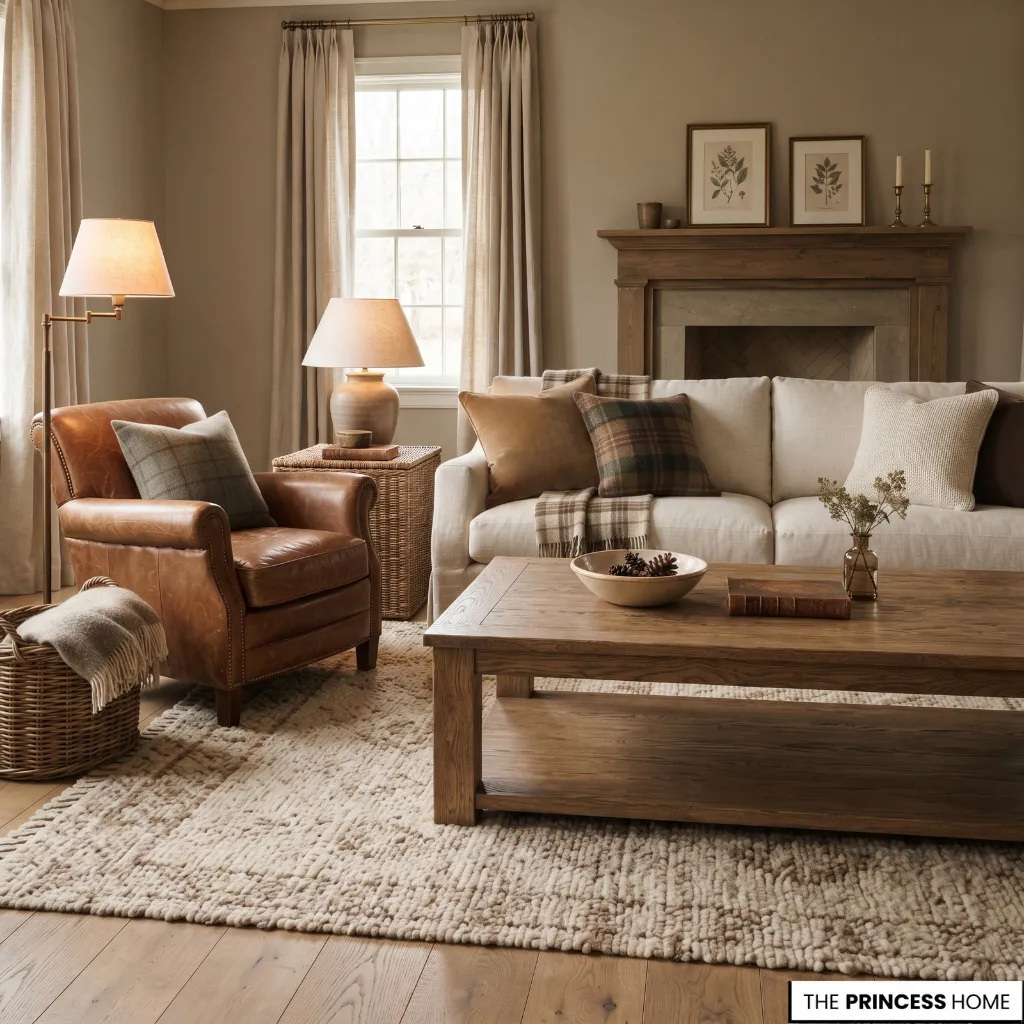
Material variety helps a modestly furnished room feel considered. Combine wood, linen, cotton, wool, leather, woven fibers, ceramics, and aged or matte metals instead of buying expensive versions of every item.
Start with one or two substantial materials. A wooden dining table, leather chair, woven rug, or textured sofa can establish the foundation. Then introduce smaller layers through curtains, cushions, throws, baskets, lamps, and decorative objects.
Secondhand wood can be particularly useful because its natural variation, age, and small imperfections may add character without requiring a large investment. Affordable textiles can also make a difference: a simple cotton curtain, textured throw, or wool-blend rug adds softness and variation without expensive surfaces.
The aim is to create contrast between materials rather than make every object look luxurious. Smooth leather can sit beside textured wool, natural wood can balance linen, and warm metal can complement a darker wooden surface.
Be cautious with excessive faux-luxury finishes, highly glossy surfaces, and distressed effects applied simply to make new furniture appear old. Straightforward materials with convincing texture and character are often more successful.
For more ideas: Ralph Lauren Inspired Kitchens: Elegant Design Ideas
Use Heritage Colors
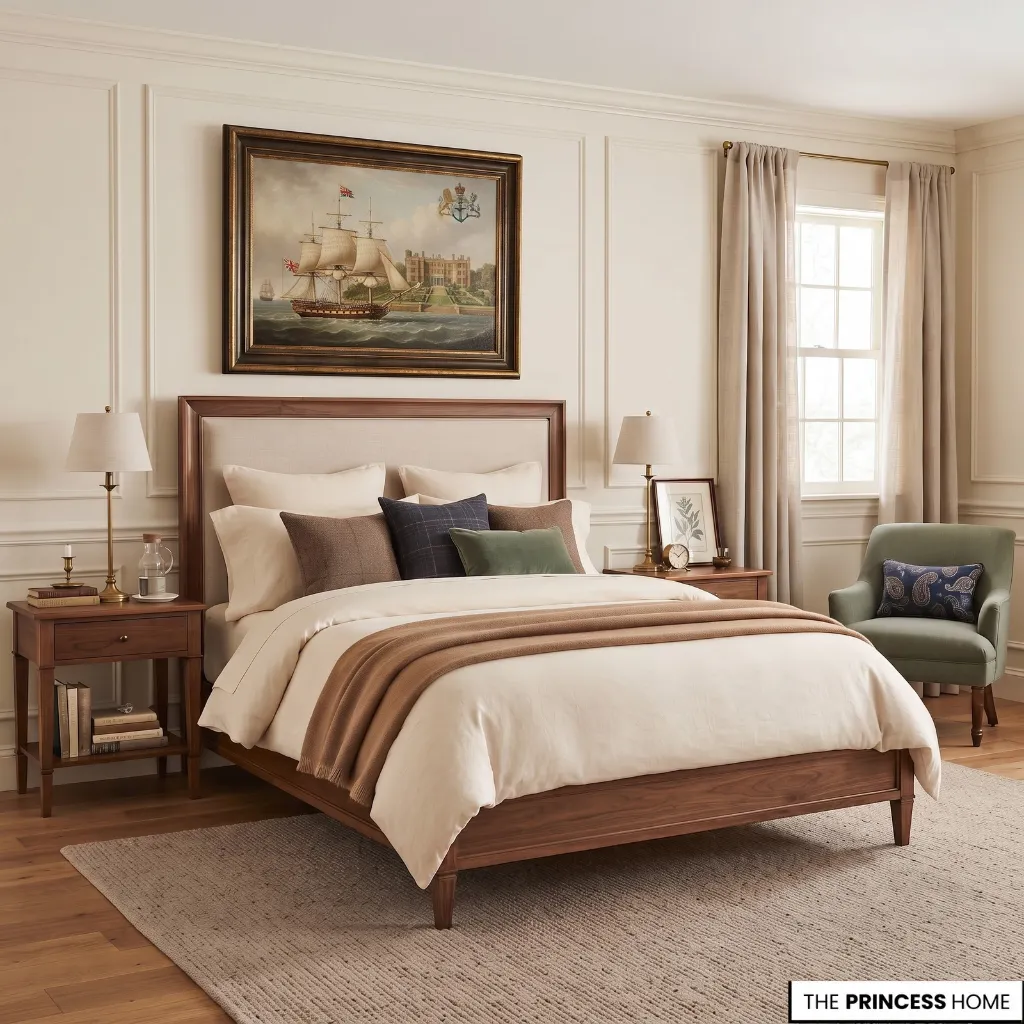
Color is one of the most accessible ways to establish a Ralph Lauren-inspired direction because paint and textiles can change a room without replacing major furniture.
Useful starting points include warm cream, camel, tobacco, brown, navy, muted green, burgundy, oxblood, and warm white. You do not need to use all of them. Choose a foundation color, then introduce one or two deeper tones through furniture, curtains, rugs, artwork, or textiles.
For example, warm cream walls can support dark wood, camel upholstery, and small amounts of navy. A muted green room can work with brown furniture and warm white textiles. A lighter coastal interpretation can rely more on warm whites and blue while keeping the materials natural.
Repeating a color in several places usually creates a more intentional result than introducing many unrelated colors. Pattern should support the palette, not compete with it.
Paint is also a practical budget tool. It can refresh the architectural backdrop, while cushions, throws, curtains, and bedding introduce stronger colors without permanent changes.
In a small room, do not assume that every surface needs a dark finish. Use a lighter foundation and introduce depth through wood, one darker accent, textiles, and warm lighting. A controlled palette usually needs fewer colors, not more.
For more ideas: Ralph Lauren Summer Style for Elegant Seasonal Living
Add Patterns Carefully
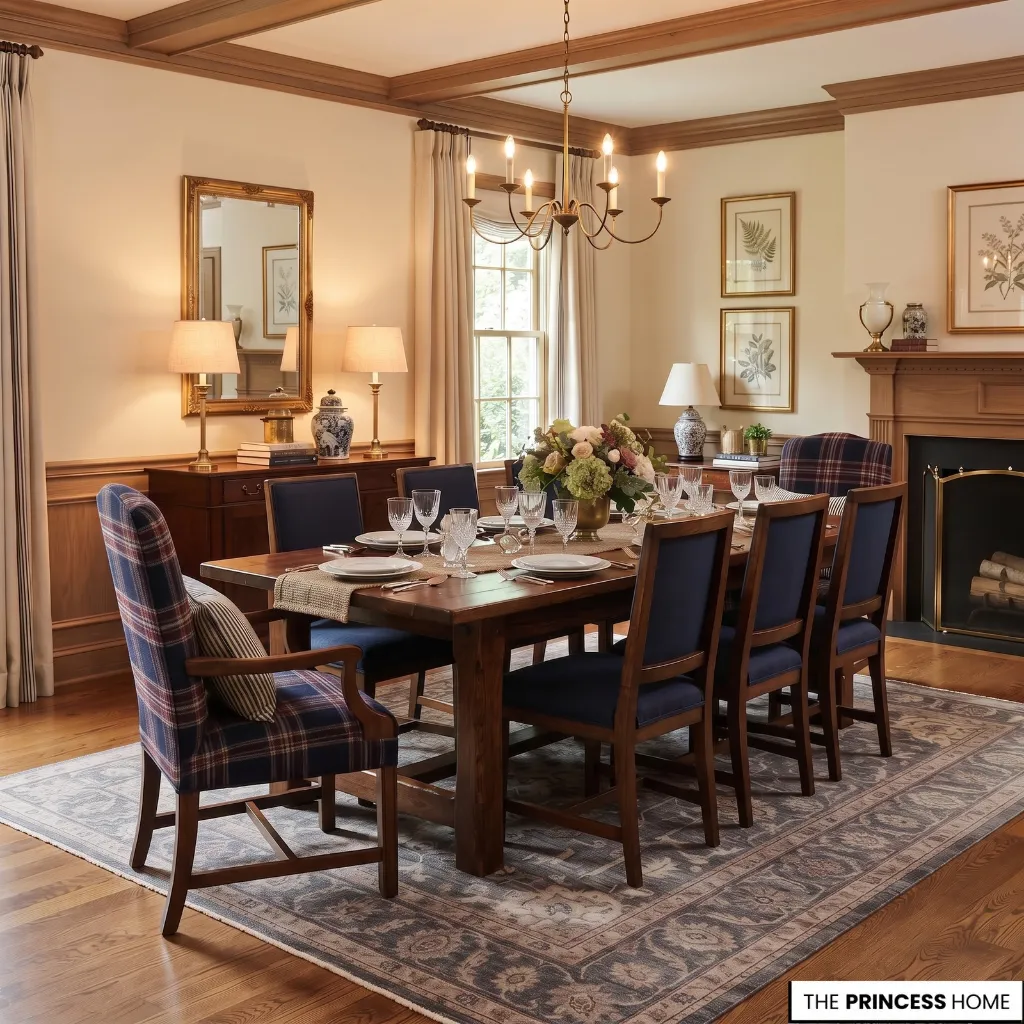
Plaid, tartan, checks, ticking stripes, paisley, and traditional florals can introduce heritage character, but too many strong patterns can make a budget interior feel themed.
Start with one dominant pattern on a chair, curtain, bedding, rug, or throw. Support it with a quieter stripe, check, or texture rather than adding several equally strong designs.
Look at color and scale when combining patterns. A large plaid can work with a smaller stripe because each has a different visual role. A patterned cushion can repeat a color already present in the rug or curtains, while a floral becomes easier to use when its colors are restrained.
You can also use pattern economically. A single patterned throw or pair of cushions may establish the desired direction without replacing a sofa or buying a matching collection.
Avoid repeating plaid across every surface or combining numerous equestrian and Americana accessories. A few well-placed references are usually more convincing than a room in which every object announces the theme.
Warm the Lighting
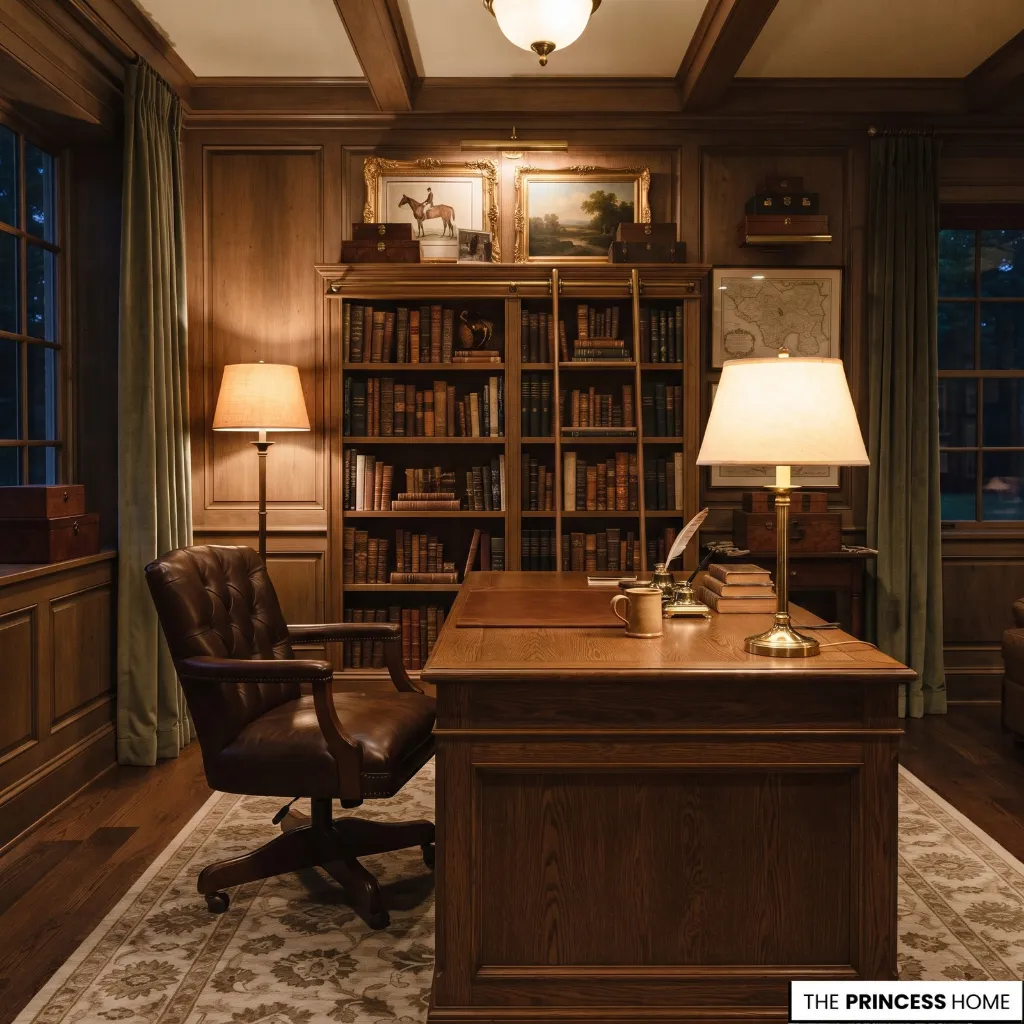
Lighting affects how furniture, colors, and materials appear, so it deserves a place in the budget. Instead of depending on one bright ceiling fixture, combine several sources that serve different purposes.
Table lamps, floor lamps, wall lights, and picture lights can provide general, task, and accent illumination. A secondhand lamp with a good shape, a new shade on an existing base, or several simple lamps placed at different heights may be more useful than one costly statement fixture.
Look for lamp bases in ceramic, wood, brass, or aged metal, with shades in linen or similar fabrics. The exact style matters less than its relationship to the furniture and the room.
Warm residential light around 2700K is a useful starting point when choosing bulbs. This is a practical guideline for comfortable warm illumination, not an official Ralph Lauren specification.
Place lighting where it is needed: beside a reading chair, on a desk, near artwork, or on a console. Avoid making every lamp identical, and do not spend heavily on one decorative fixture while leaving the rest of the room dependent on harsh overhead lighting.
For more ideas: Ralph Lauren Home Office Decor: Create a Luxurious Workspace
Shop Secondhand
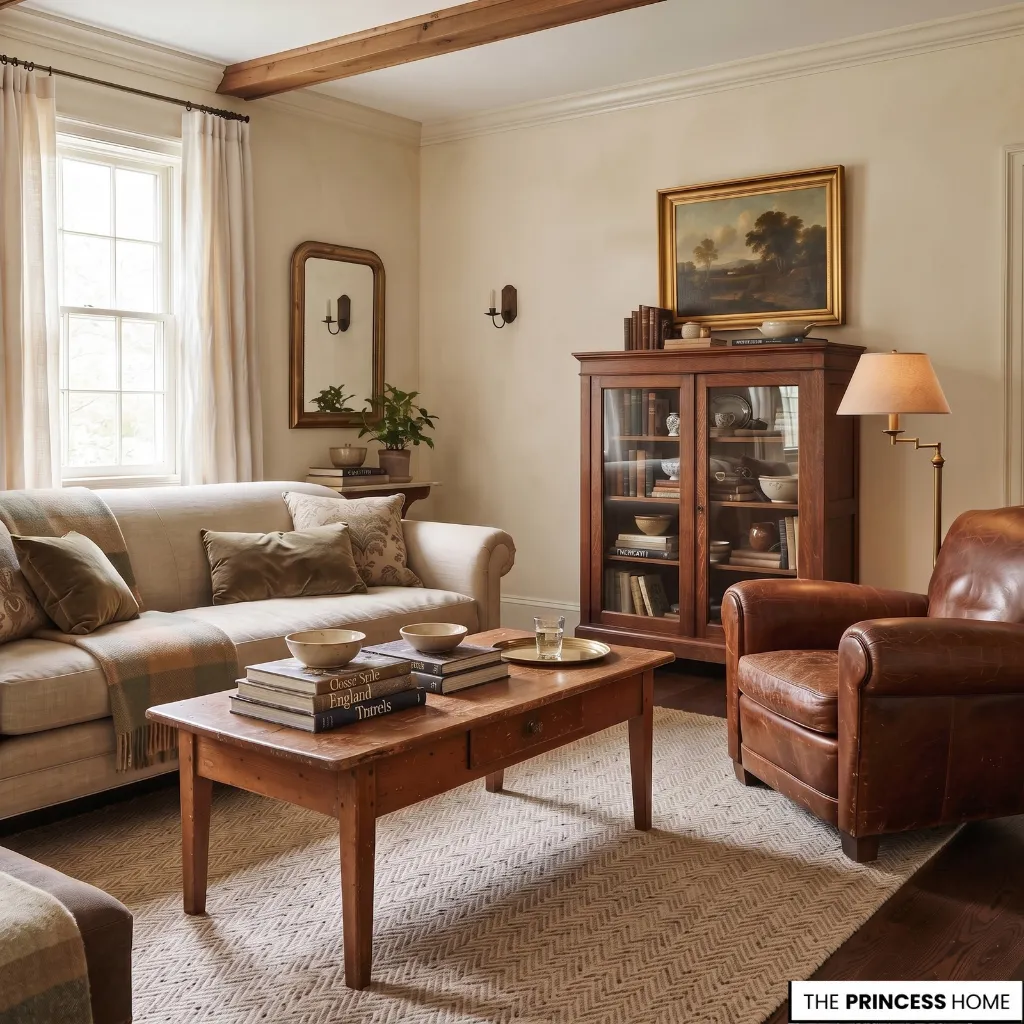
Secondhand shopping can help you find traditional forms, substantial materials, and distinctive pieces without paying for new luxury furniture.
Start with items that benefit from age and material character, such as wooden tables, consoles, cabinets, bookshelves, traditional chairs, mirrors, frames, lamps, and selected decorative objects.
Inspect the frame, joints, stability, proportions, material, and likely repair costs. A damaged finish may be acceptable if the piece is structurally sound. A weak frame is usually a poor investment, even when the price is low.
For upholstered furniture and textiles, check for stains, odors, damage, cleaning requirements, and wear that cannot reasonably be repaired.
Do not buy an item simply because it is old or looks traditional. A beautiful table that is too large for the room is still the wrong table, and a vintage chair that is uncomfortable may not be useful for everyday living.
Choose secondhand pieces that solve a real design need and work with the room’s scale, function, and materials. This keeps the search focused and prevents affordable finds from becoming clutter.
For more ideas: Modern Ralph Lauren Interiors: Design Ideas for Apartments
Reuse What You Have
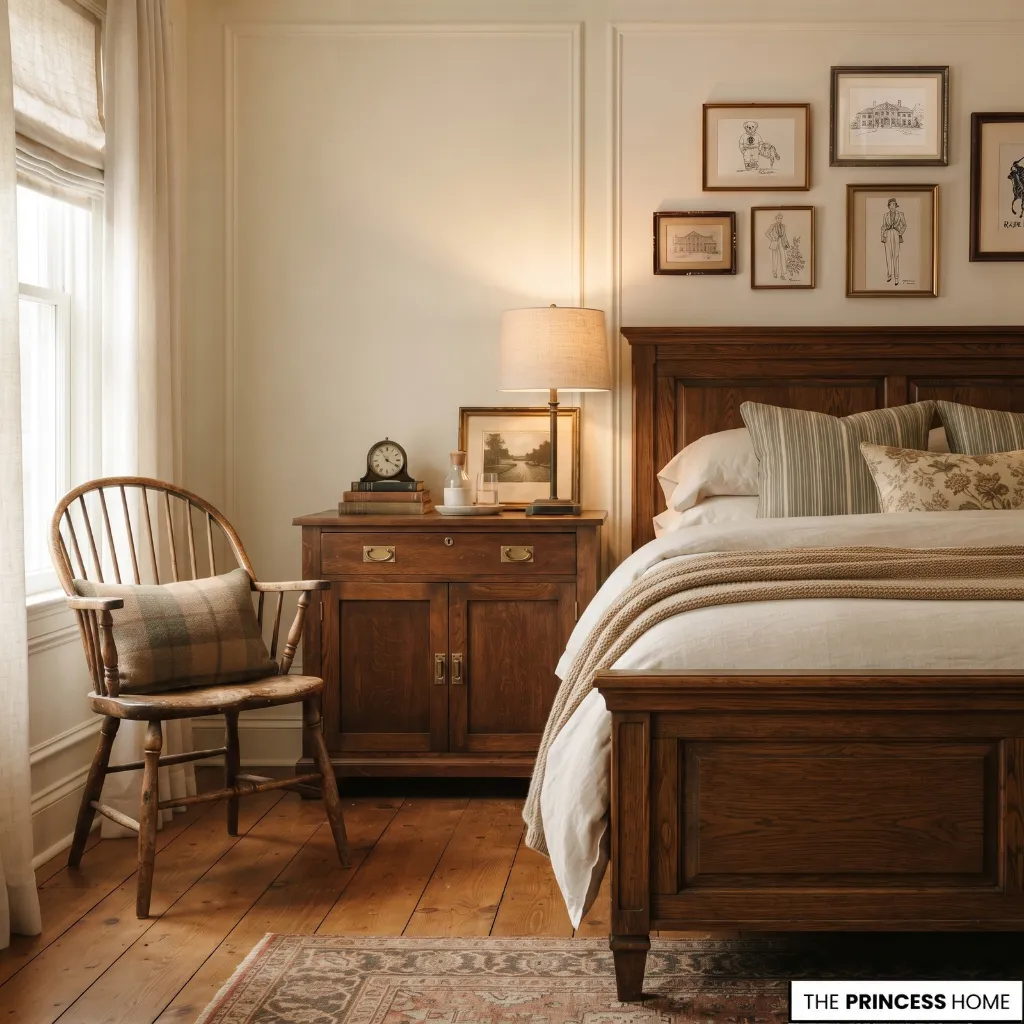
Before replacing furniture, remove what is no longer useful and assess the pieces that remain. Keep an item if its proportions, function, material, or shape can support the room.
Sometimes a change of role or a small update is enough. A plain wooden cabinet can become part of a collected interior when styled with books, artwork, and meaningful objects. An existing sofa may work with new cushions and a better-scaled rug, while a dated lamp may need only a different shade.
Dining chairs can sometimes be rearranged or reupholstered rather than discarded. Paint and hardware can refresh certain pieces when their construction and materials justify the effort.
In rentals or homes where architectural features cannot be changed, focus on movable elements. Rugs, curtains, lamps, furniture, artwork, mirrors, and textiles can establish much of the room’s character without permanent renovation.
Adapt before replacing when the existing piece already performs its job well. Replacing everything at once can increase costs while removing the individual character that makes a room feel collected.
Style Small Rooms
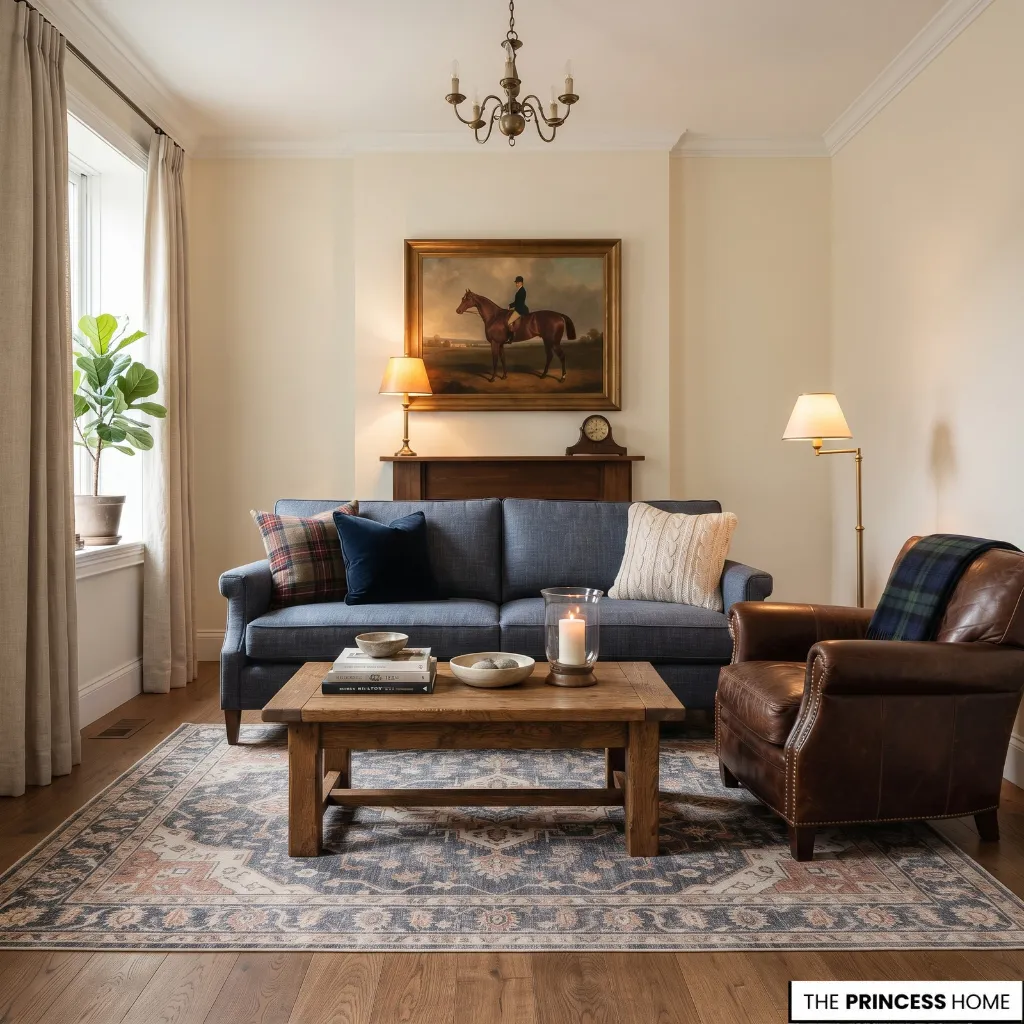
A small room does not need miniature versions of every traditional piece. Use fewer major items and give each enough space to function properly.
Begin with one visual anchor, such as a well-proportioned sofa, bed, desk, or wooden cabinet. Keep circulation clear, then choose supporting pieces that serve a purpose.
Deeper colors can work in small rooms when used selectively. A lighter wall, warm wood, one darker piece of furniture, and patterned textiles can provide contrast without making the room feel heavy.
Lighting is especially important in a compact space. Several modest warm light sources can make functional areas more comfortable and reduce dependence on a single overhead fixture.
A small room also needs fewer purchases. Instead of buying five inexpensive pieces to fill it, choose two or three that perform clear functions and coordinate well.
Do not shrink every item simply because the room is small. Very small furniture can look awkward just as oversized furniture can overwhelm the space. Focus on suitable proportions, clear movement, and a few pieces with enough visual presence.
For more ideas: Ralph Lauren Bedroom Ideas for Timeless Heritage Luxury
Create Collected Rooms
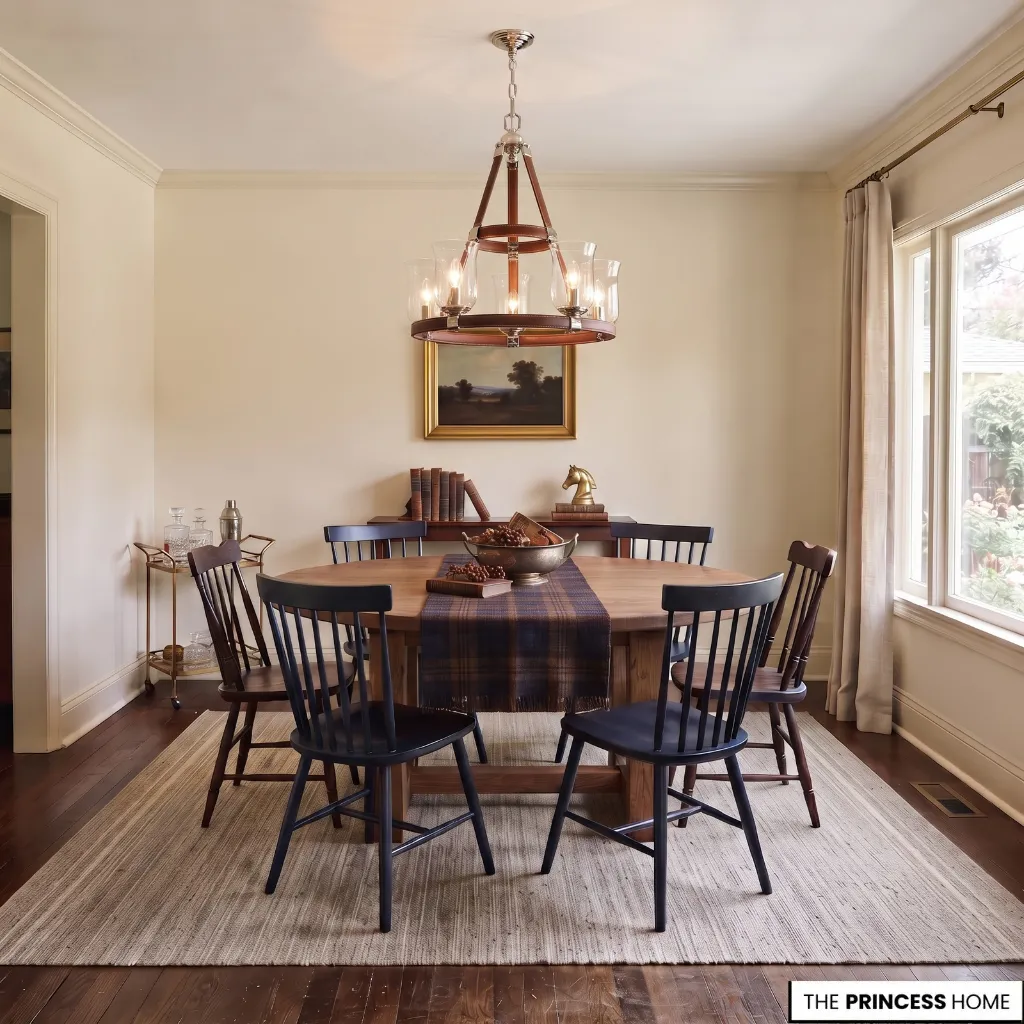
Personal objects keep a Ralph Lauren-inspired room from looking like a themed imitation. Use books you read, family photographs, artwork, inherited objects, travel finds, ceramics, useful collections, and vintage pieces gathered over time.
These details do not need to be expensive. A shelf of well-used books or a family photograph in a simple frame can contribute more character than decorative objects purchased only for appearance.
Arrange objects with variation while keeping surfaces edited. Group related items, vary their heights, and leave enough space for individual pieces to remain visible. Furniture and accessories do not need to come from the same period or collection.
A traditional wooden cabinet can sit beside a contemporary lamp when their proportions, materials, and colors work together. Equestrian or Americana references can appear as individual details rather than being repeated throughout the room.
The aim is not to purchase a complete decorative identity in one trip. Let the room develop gradually, using objects that reflect the people who live there. This gives the interior a more personal character and helps prevent a showroom effect.
For more ideas: Ralph Lauren Entryway Decor Ideas for Elegant First Impressions
Avoid Budget Mistakes
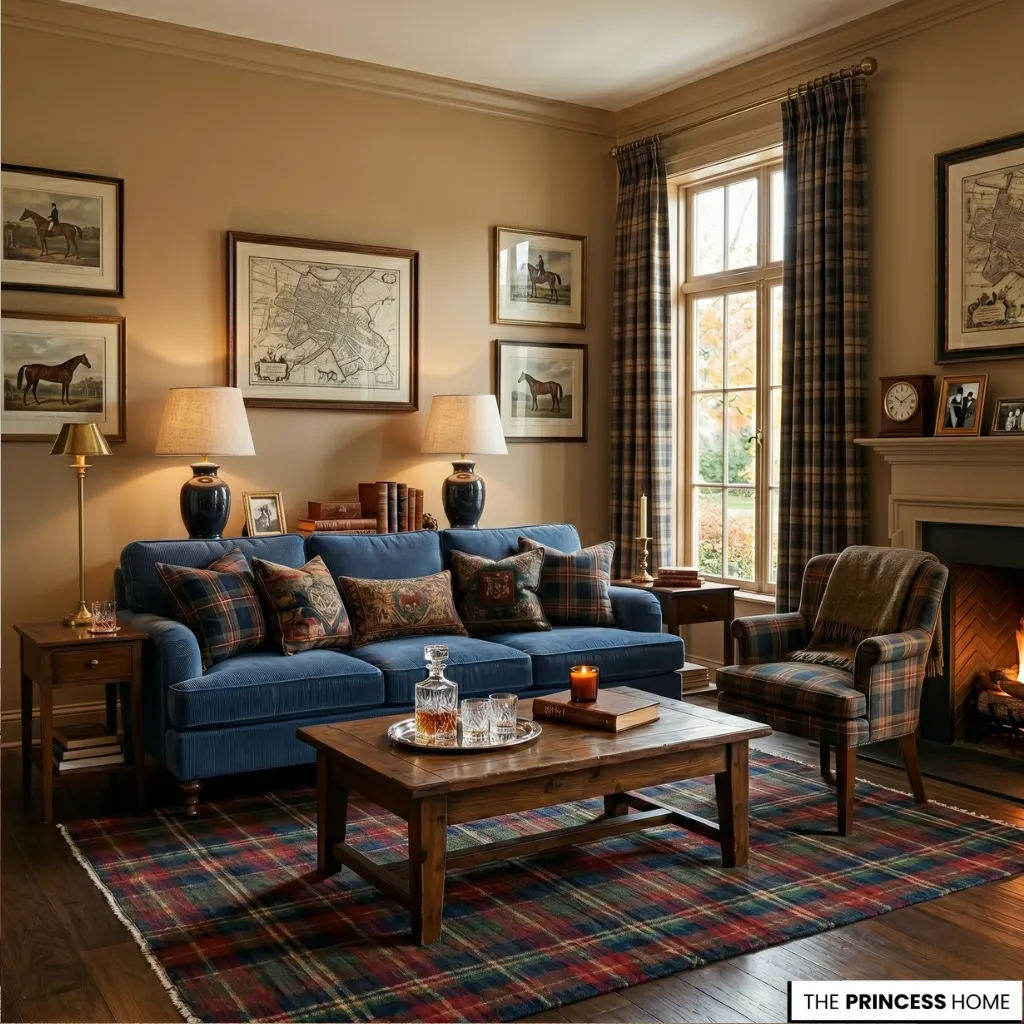
A limited budget is most effective when it supports the elements that matter to the room rather than paying for recognizable decorations alone.
Buying accessories first. Decorative objects cannot compensate for poorly proportioned furniture, an unsuitable rug, or inadequate lighting. Establish the foundation before adding smaller layers.
Treating navy, plaid, and leather as the whole style. These are useful references, but proportion, materials, lighting, and personal objects matter just as much.
Choosing cheap imitation furniture. A low price does not make a piece a good alternative. Poor construction, awkward proportions, and artificial-looking details can weaken the entire room.
Using too many patterns. Choose one dominant pattern and let quieter materials support it. Plaid does not need to appear on the sofa, curtains, cushions, and rug simultaneously.
Making everything dark. Rich colors and dark wood can work well, but they need contrast. Use lighter surfaces, warm textiles, and layered lighting when the room starts to feel heavy.
Making every piece traditional. A Ralph Lauren-inspired interior does not need to look frozen in one period. A contemporary lamp or simpler piece of artwork can work when its proportions and materials suit the room.
Buying everything at once. A room assembled in one shopping trip may look coordinated but impersonal. Build gradually and allow stronger pieces to replace weaker ones over time.
Turning the room into Americana. Too many flags, horse motifs, signs, leather references, or themed accessories can make the result feel staged. Use a few meaningful references and let the materials and proportions carry the rest.
Spending equally on everything. Prioritize the foundation, major furniture, rug or wood anchor, and lighting. Textiles and decorative objects can be added when the room’s main elements are working well.
The goal is not to make every item look expensive. It is to make the important decisions work together.
Conclusion
A Ralph Lauren-inspired interior does not require a room full of branded pieces. Keep the elements that already work, choose furniture for its proportions and construction, and use secondhand finds, affordable textiles, controlled color, and warm lighting to build the room gradually.
When materials, furniture, and personal details work together, a smaller budget can still create an interior with the collected, timeless character you want.
Explore the visual gallery below for inspiring ideas that bring this aesthetic to life in your home.