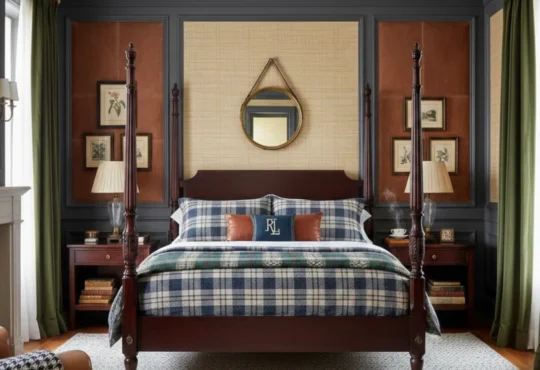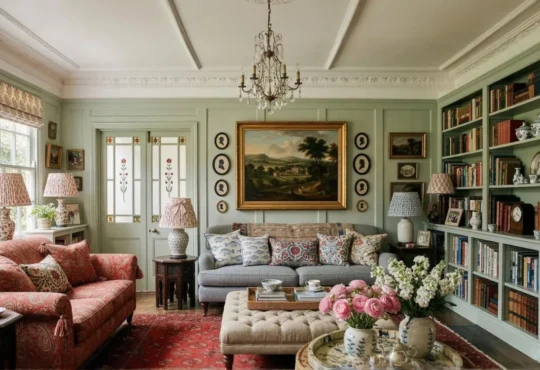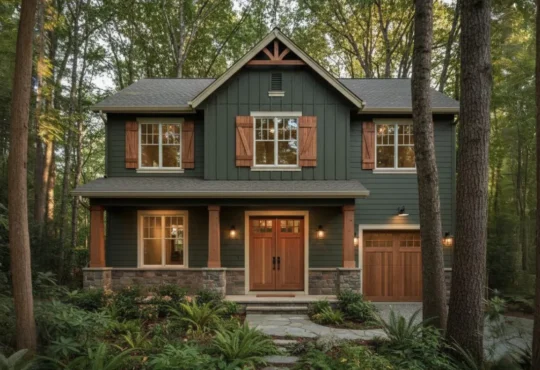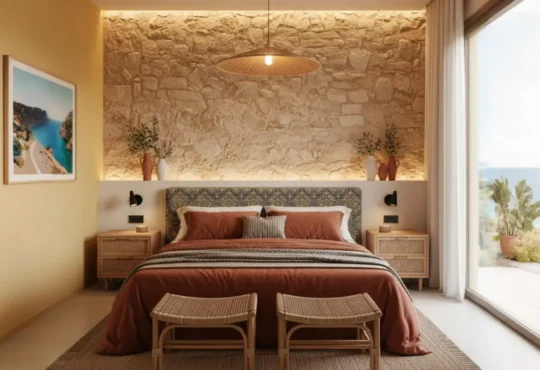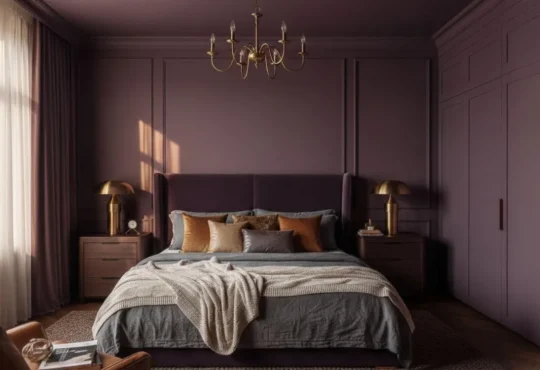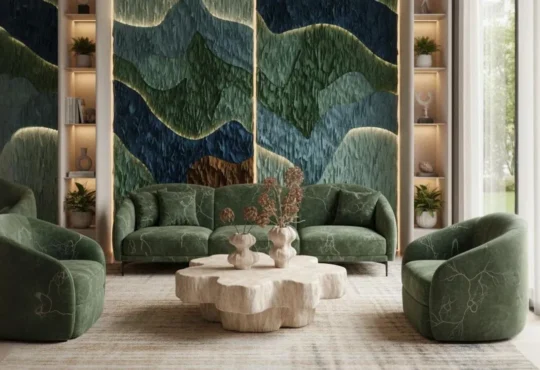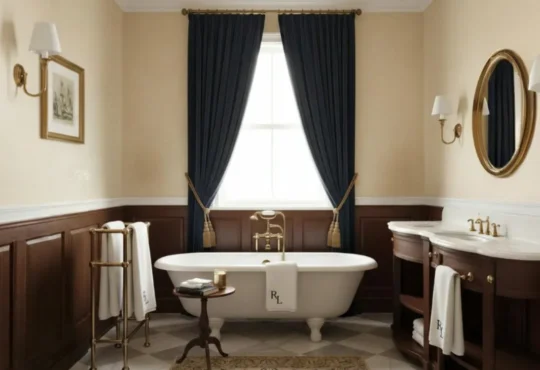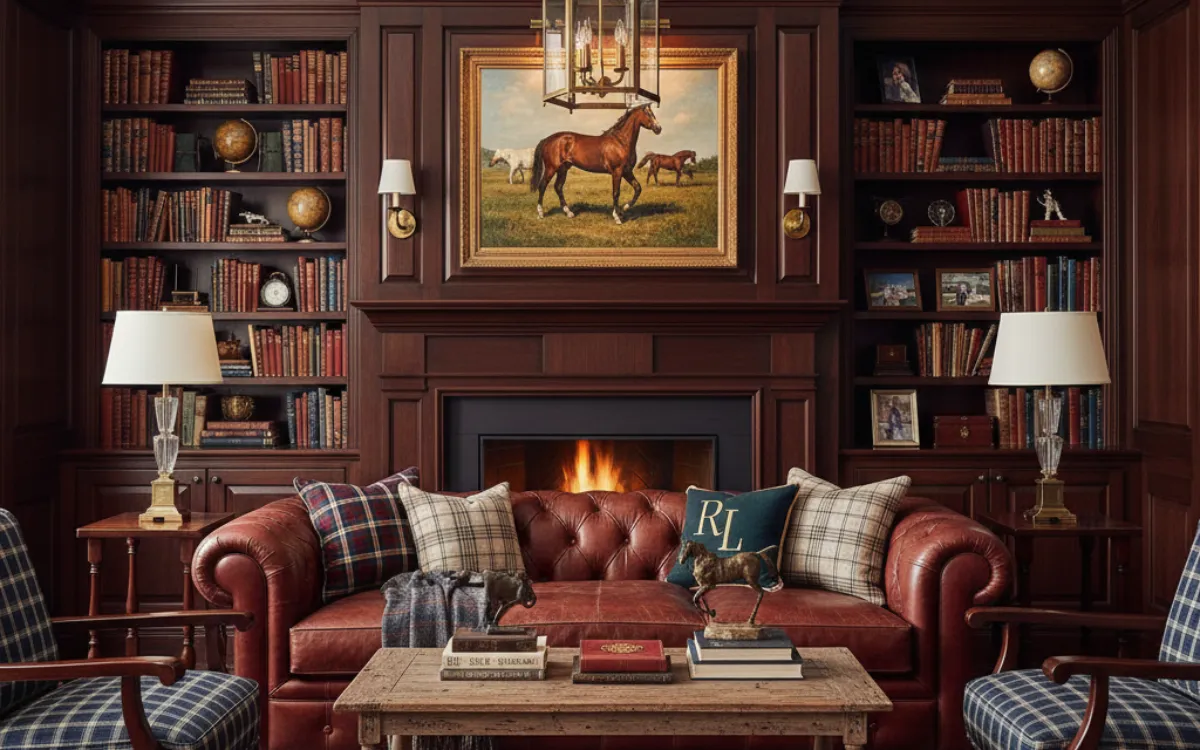
Ralph Lauren Home Decor transforms ordinary spaces into enduring interiors shaped by heritage, texture, and quiet sophistication. It blends American elegance with rustic warmth and tailored refinement to create balanced, lived-in luxury.
Rather than focusing on decoration, this design language focuses on atmosphere, emotional stability, and material storytelling. Every surface, texture, and silhouette works together to create a home that feels intentional, grounded, and timeless.
This guide explores how to recreate the Ralph Lauren Home Decor aesthetic in a modern home with clarity and design intention.
Ralph Lauren Philosophy
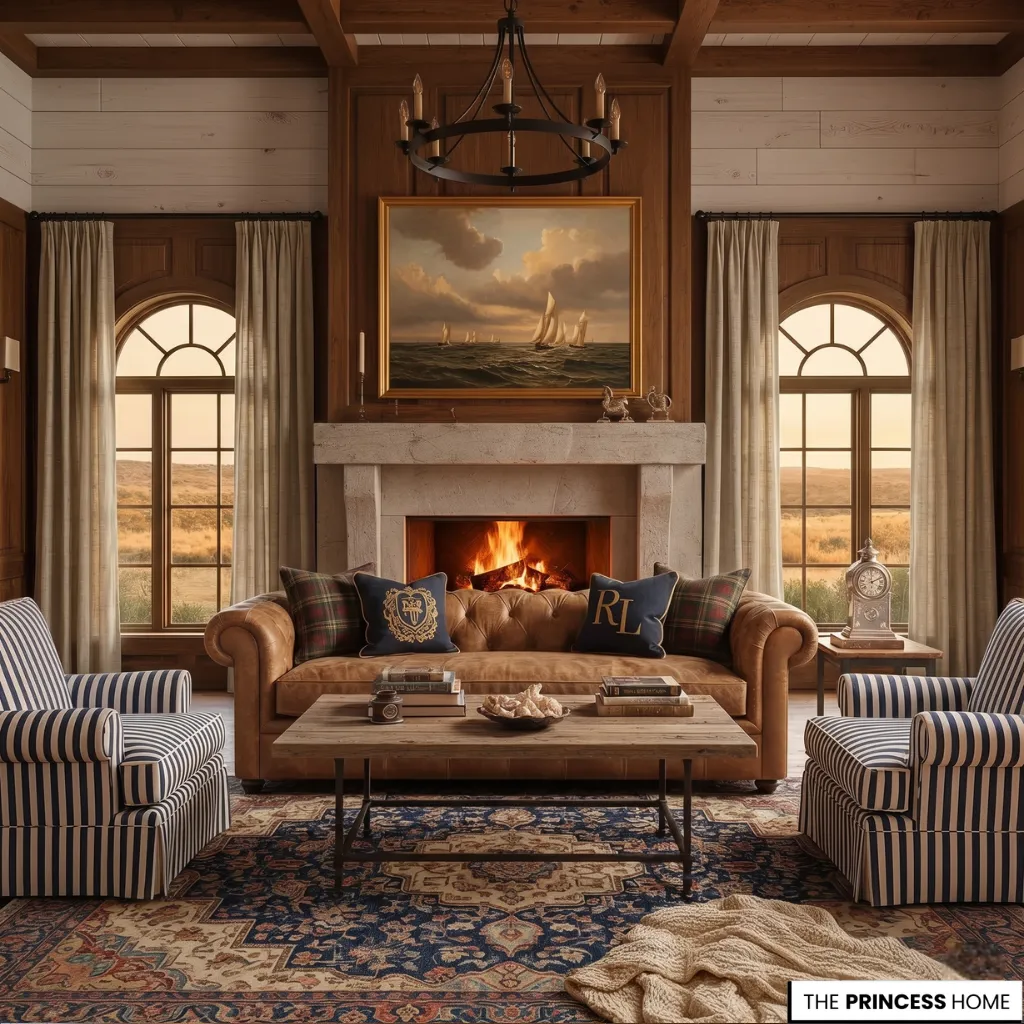
Ralph Lauren Home Decor reflects a vision of American elegance rooted in heritage, restraint, and emotional depth. It does not aim to fill a space. Instead, it gives it character, weight, and soul.
Designers often use this aesthetic as a benchmark in luxury hospitality to create an immediate sense of belonging. Moreover, it is a long-term design language built for emotional stability and visual continuity across generations.
Every object feels intentional, and every surface carries meaning. The result is a home that feels collected over time rather than designed in a single moment.
This works because it triggers “sensory safety”—a psychological response to natural materials and warm lighting that reduces environmental stress. Moreover, this contrast between strength and softness creates true spatial intimacy and enhances perceived visual weight within the room.
At its core, this philosophy embraces imperfection. Patina, texture, and age are not flaws. Instead, they are essential elements that build material integrity and emotional continuity within the space.
In interior design, this style remains a global reference for timeless living environments. It prioritizes atmosphere over decoration and permanence over temporary visual trends.
Design Core Insights
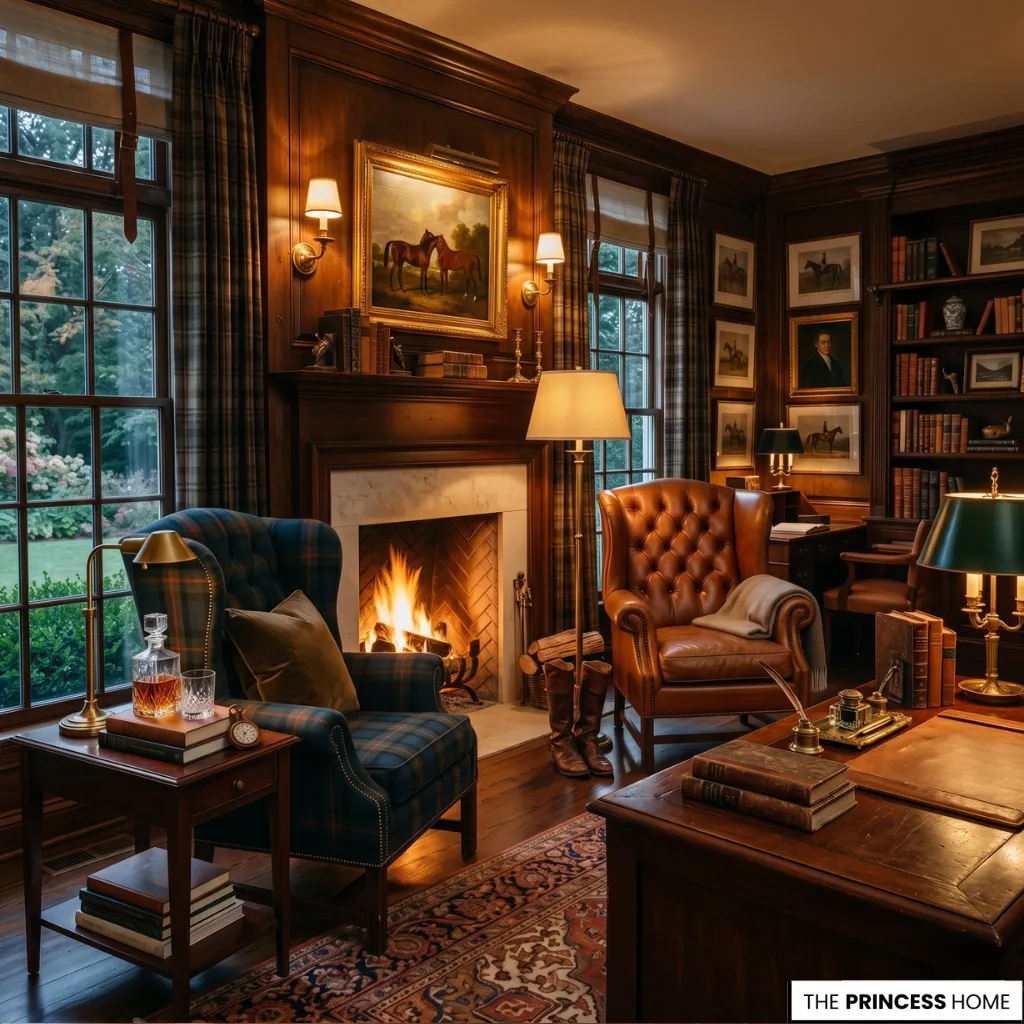
These core insights distill the fundamental principles behind the Ralph Lauren Home Decor philosophy into its most essential expressions. They outline the emotional, material, and atmospheric logic that defines its timeless character.
- Imperfection is embraced as a design value, where patina and aging enhance authenticity and material richness over time.
- The style is rooted in American heritage, combining restraint, elegance, and emotional depth to create interiors with lasting meaning.
- It prioritizes atmosphere over decoration, allowing spaces to feel lived-in, intentional, and emotionally grounded.
- Every material and object is chosen with purpose, reinforcing a sense of narrative continuity within the home.
- The design relies on sensory balance, where natural textures and warm lighting create psychological comfort and spatial intimacy.
Ralph Lauren Luxury
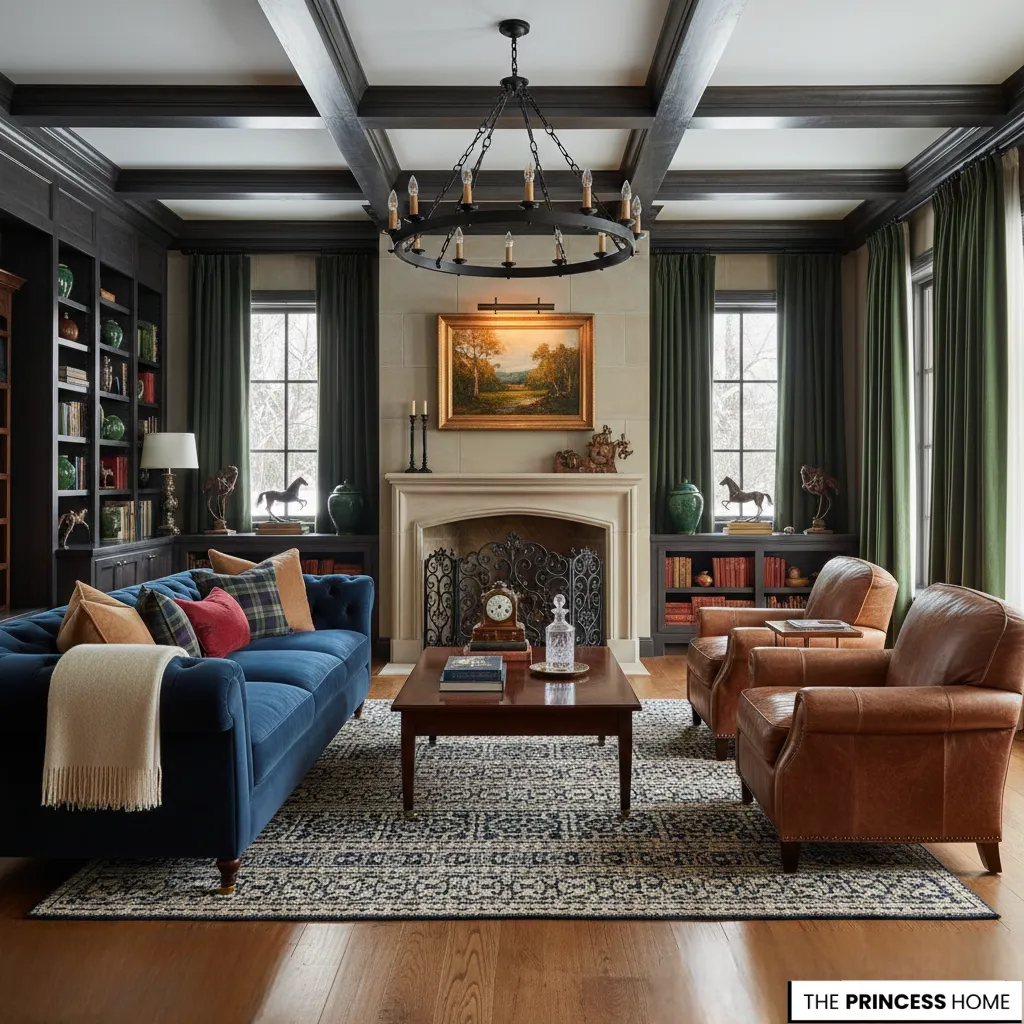
Timeless luxury is not about excess. It is about emotional stability and thoughtful choices that allow a space to age with grace.
Trends may change quickly, but interiors built on quality materials and balanced design remain relevant over time. When a room is shaped by durable pieces rather than temporary styles, it avoids the feeling of becoming outdated with every shift in fashion.
Instead of replacing furniture every few years, timeless design focuses on selecting pieces that naturally belong together. Each element is chosen for its quality, its texture, and how it contributes to the overall rhythm of the space.
When every piece is selected with intention, the home develops a quiet continuity that feels stable, personal, and enduring.
Ralph Lauren Colors
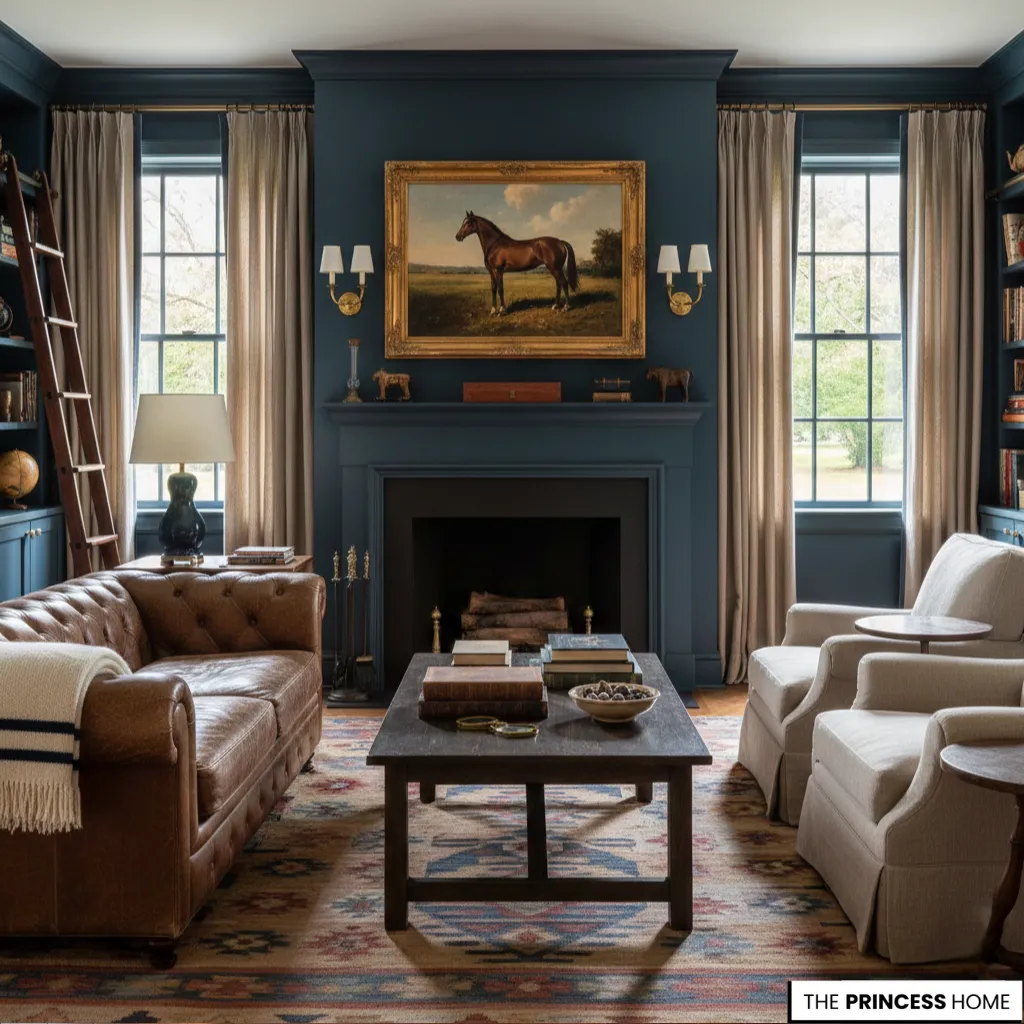
The color language of this style is rooted in depth and understatement. Earth tones, soft neutrals, and warm shadows form a foundation that prioritizes emotional grounding over visual brightness.
Harmony is created through tonal transitions rather than sharp contrasts. This approach supports “circadian comfort,” where lighting, softened through fabric shades, removes harsh edges. It also promotes psychological calm within the space.
For example, a deep navy wall paired with beige linen creates both intimacy and openness. These palettes are designed for “visual longevity.” They maintain their sophistication regardless of changing lighting conditions or seasonal shifts.
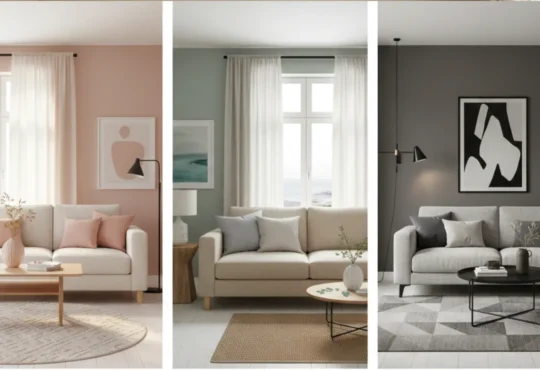
👉 In practical terms, warmer climates benefit from lighter palettes such as sand, off-white, and soft ivory. Therefore, the same atmospheric depth can be achieved without adding visual or thermal heaviness to the interior.
Luxury Material Layer
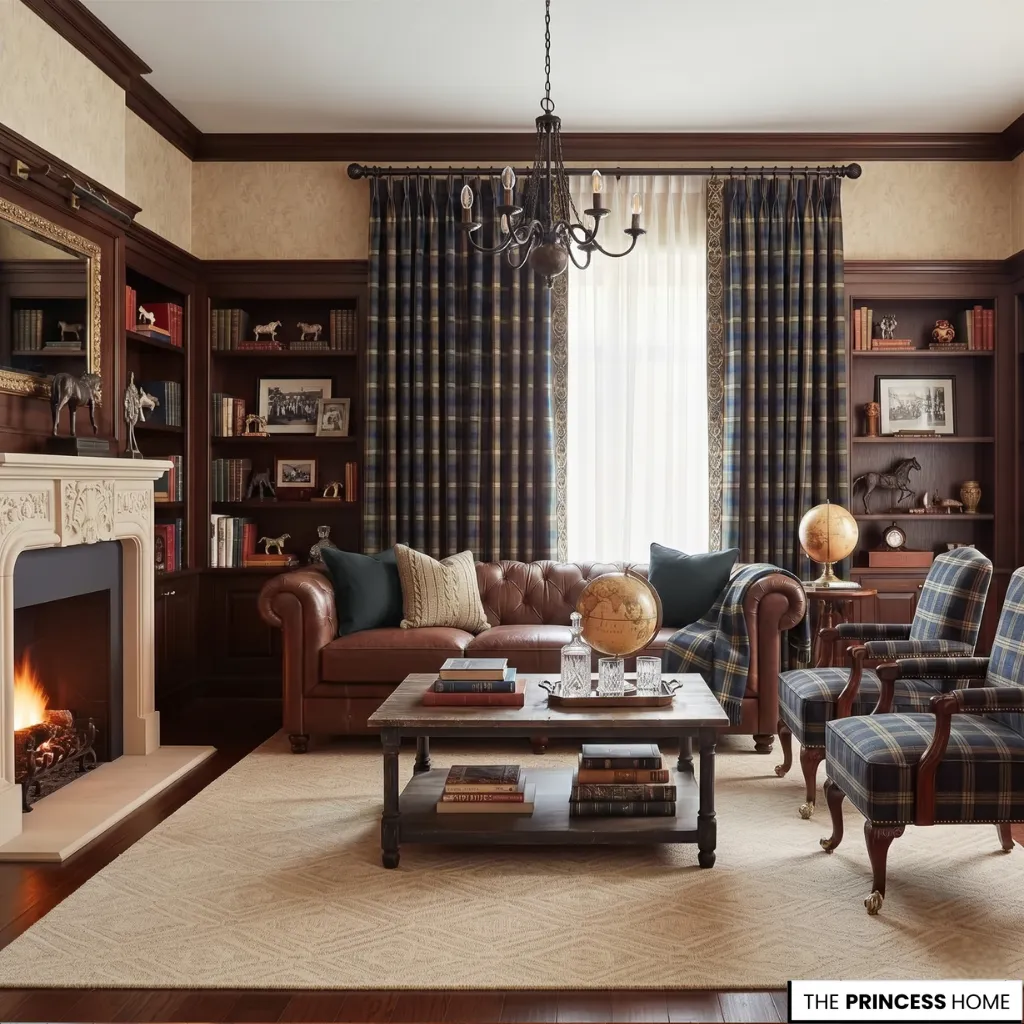
Materials are the emotional backbone of this interior approach. Leather, natural wood, wool, linen, and brushed metals are selected for their tactile integrity. Together, they create layered depth that feels permanent rather than decorative.
These materials are never isolated. Instead, they interact continuously to shape the spatial identity of the room. This interaction is rooted in the principle of “material honesty,” where each surface is allowed to express its natural character, texture, and gradual aging over time.
For example, a tartan throw on a structured sofa introduces a sense of heritage, while polished wood adds grounding stability. This deliberate contrast between rough and smooth surfaces generates tactile depth. As a result, the space develops material richness and visual endurance.
It creates an atmosphere of lived-in elegance rather than staged decoration.
Interior Texture Layer
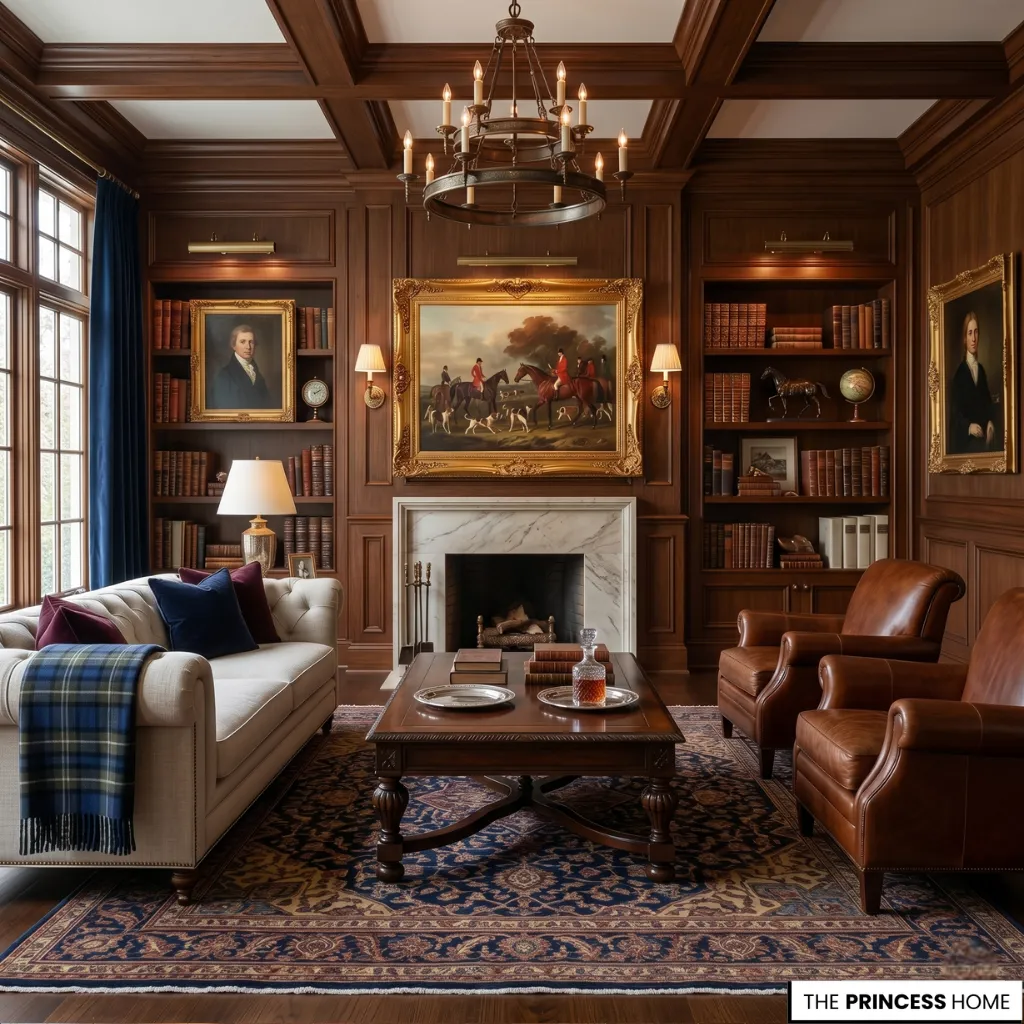
Layering is not accumulation. It is balance. Each material must support the other without competing, ensuring that the room feels like a unified composition rather than a collection of objects.
This process relies on the principle of “visual weight balance,” where heavier textures like leather are offset by lighter fabrics such as linen or cotton. When done correctly, this creates a rhythmic visual flow that prevents the interior from feeling flat, heavy, or cluttered.
👉 In practical terms, a vintage wooden table paired with a linen sofa creates immediate tactile contrast. This simple interaction introduces layered depth and emotional warmth without requiring excessive ornamentation or high-cost additions. Moreover, material contrast alone can define the atmosphere of an entire space.
Decor Styling Rules
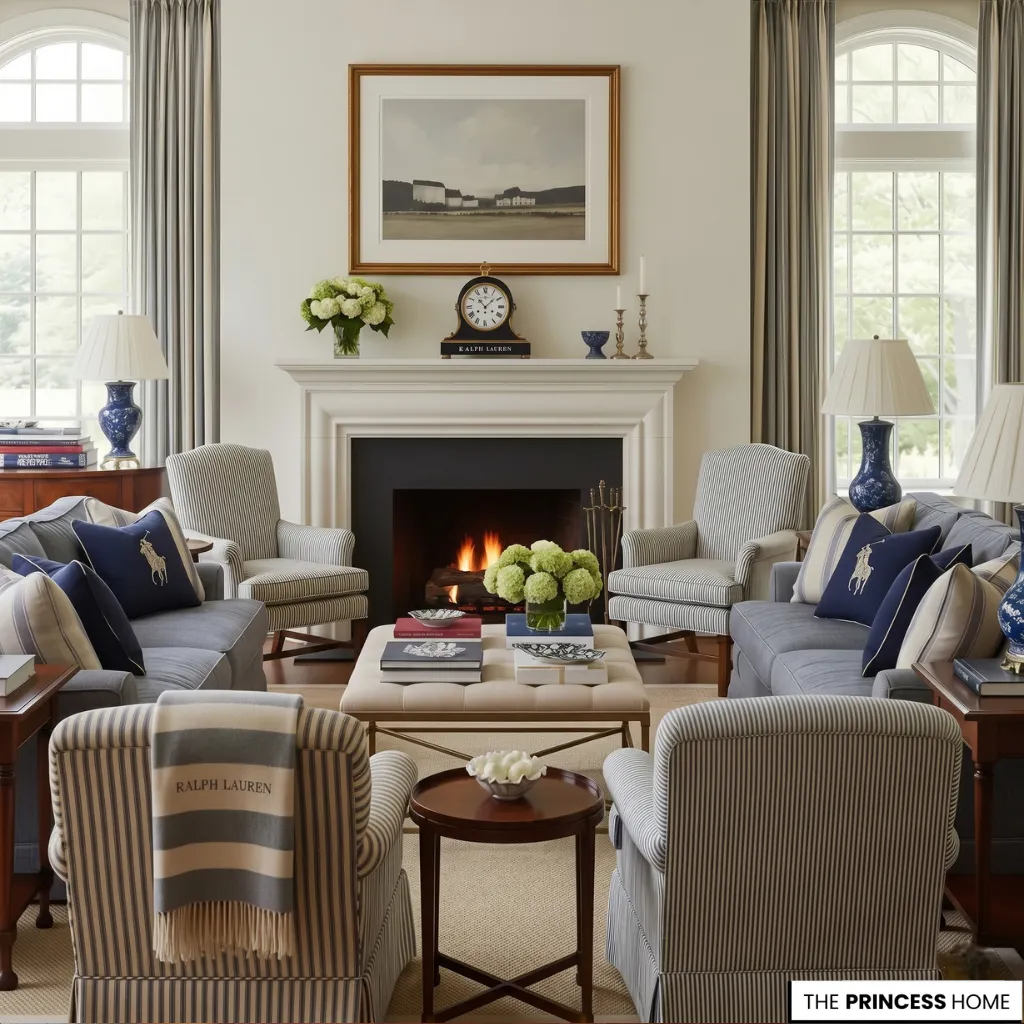
Restraint is the core principle of this aesthetic, where every object must justify its presence through function or meaning. This approach prioritizes “visual clarity” over decorative accumulation.
Overdecorating breaks the rhythmic flow of the space and weakens the emotional atmosphere. Instead, the focus shifts to refinement; a single sculptural piece often carries more spatial presence than multiple decorative objects combined.
Negative space is equally essential, as it allows the room to breathe and highlights the material integrity of each piece within the composition.
👉 In practical terms, removing 20–30% of existing accessories often improves the atmosphere instantly. This “subtractive styling” ensures that the room feels intentionally composed rather than visually cluttered, enhancing both balance and emotional impact.
Home Atmosphere
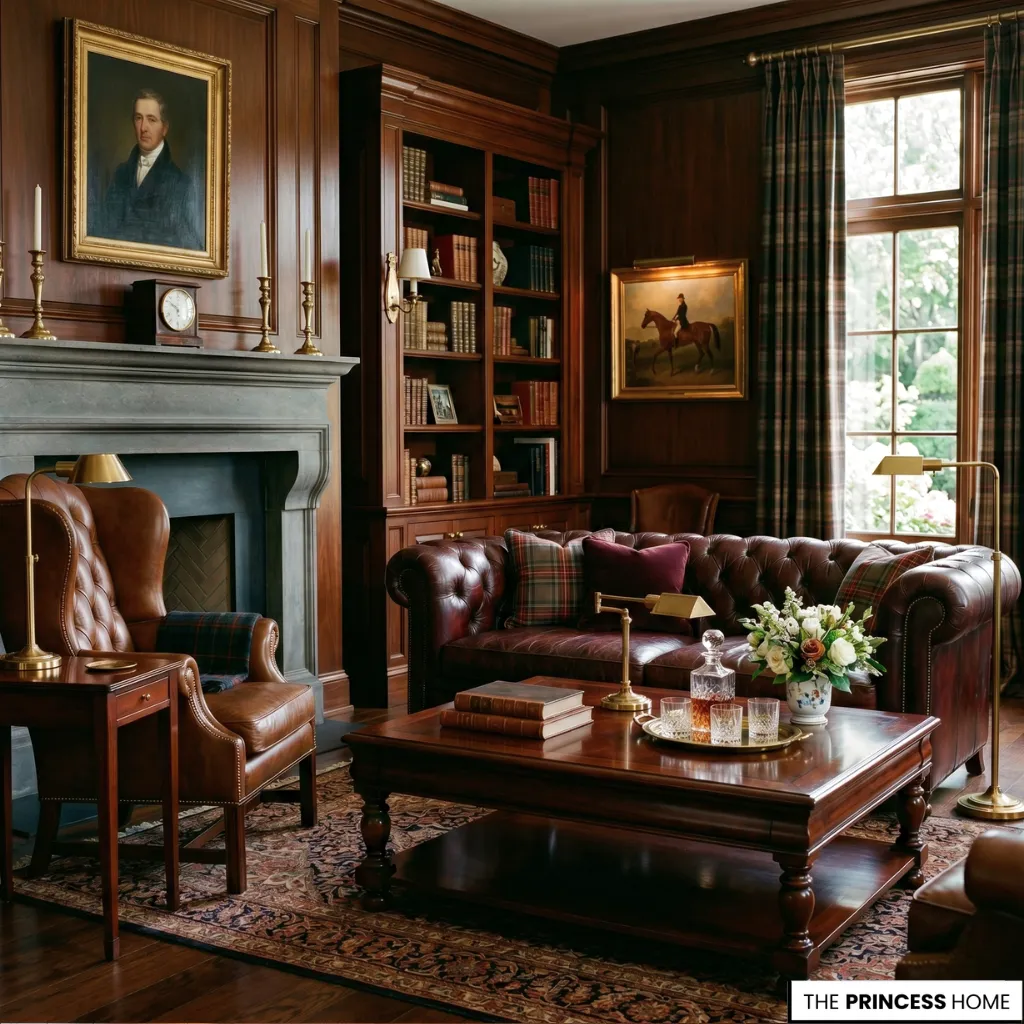
The signature atmosphere is not created by objects alone. It comes from the relationship between light, materials, proportion, and silence. When these elements align, the room feels unified and emotionally grounded.
In a Ralph Lauren inspired living room, this harmony appears through how materials respond to light. Aged leather softens illumination and adds quiet depth, while dark mahogany introduces warmth and a sense of structure. Matte velvet smooths the contrast, allowing the space to feel more balanced and calm.
Leather works especially well in areas exposed to strong natural light, such as near windows or bright corners. Instead of reflecting glare, it gently absorbs and diffuses it, turning harsh light into softer shadows. This creates natural visual anchors within the room and brings a subtle sense of order without relying on decorative excess.
Under warm lighting, these materials come together as one continuous composition. Nothing feels isolated; everything feels connected through tone, texture, and light.
This is where design moves beyond decoration into a quiet sensory experience shaped by balance and atmosphere.
Ultimately, it creates a space that feels stable, timeless, and emotionally enduring.
Modern Style Adaptation
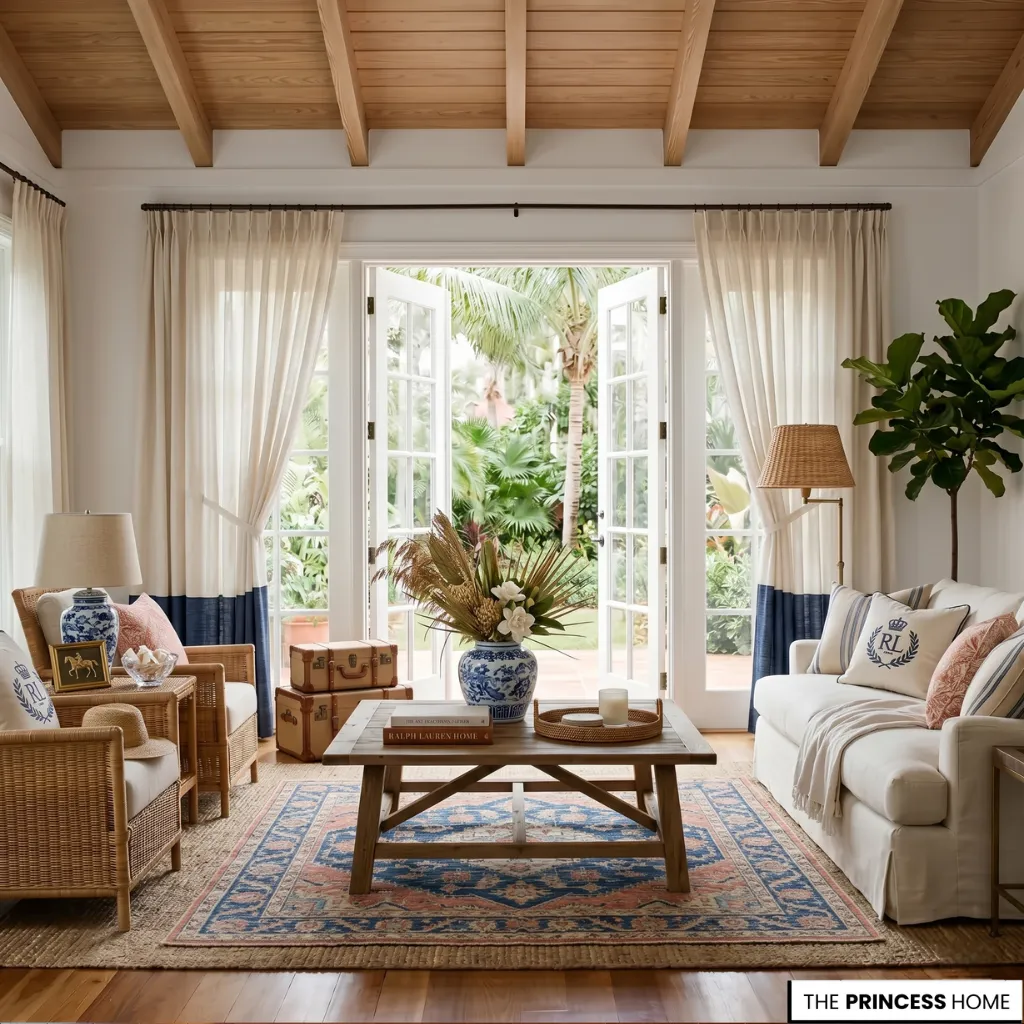
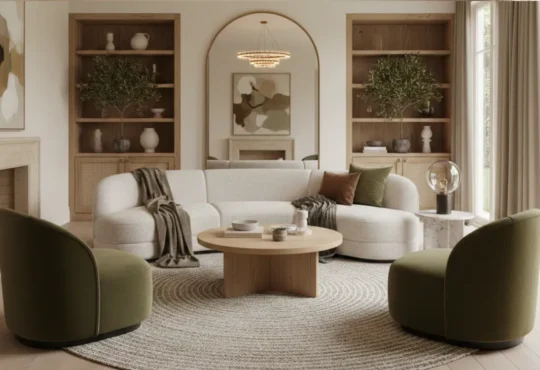
When translating this aesthetic from deeper, mood-rich interiors into lighter spaces suited for warmer climates, the focus shifts to adjusting the visual weight of materials while preserving their original language.
Lighter fabrics such as linen and cotton replace heavier upholstery, allowing the space to feel more breathable and visually relaxed. Natural rattan or light wood introduces the same sense of craftsmanship, but with a softer and more airy presence.
To maintain emotional depth, the space still requires subtle grounding elements. A single leather accent, such as these leather trunks, a touch of dark wood, or small brass details are often enough to preserve the identity of the style without overwhelming the lighter composition.
In this way, natural light and airflow become part of the design itself rather than external conditions. The result is a space that feels open and fresh, yet still carries the same timeless and emotionally grounded character.
Final Thoughts
Discover how these design principles come together in a complete interior transformation. Explore a full home tour to see how layered textures, lighting, and heritage materials create timeless living spaces.
Begin your journey toward refined living inspired by Ralph Lauren design philosophy.
Final Thought
This approach is not about copying a look. It is about shaping a feeling. A space becomes truly successful when it feels calm, lived-in, and emotionally grounded. Start with one element—light, texture, or a single object—and allow the atmosphere to evolve naturally over time.
Here are some frequently asked questions related to the article :
1. What Ralph Lauren Home Decor in interior design?
A timeless American style focused on warmth, heritage, and understated luxury through rich materials and soft lighting.
2. How achieve Ralph Lauren Home Decor style at home?
Use natural materials, muted colors, layered lighting, and avoid clutter for a balanced, elegant space.
3. What makes Ralph Lauren Decor timeless?
It relies on emotional depth, durable materials, and balanced design rather than changing trends.
4. Is Ralph Lauren Home Decor modern homes?
Yes, it blends clean modern architecture with warm textures and classic materials for perfect balance.
5. What colors define Ralph Lauren Home Decor style?
Earth tones, navy, beige, cream, and deep browns that create warmth and visual calm.
6. Essential Ralph Lauren Home Decor materials?
Leather, wood, linen, wool, and brushed metals that add texture and long-lasting depth.
7. Biggest Ralph Lauren Home Decor mistake?
The biggest mistake is overdecorating. Too many objects disrupt the calm balance of the space. The style depends on restraint, allowing each piece to have meaning and presence.