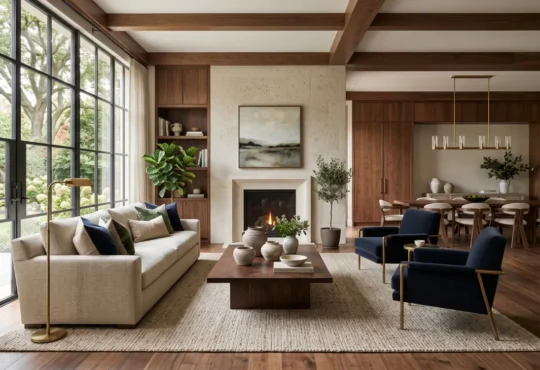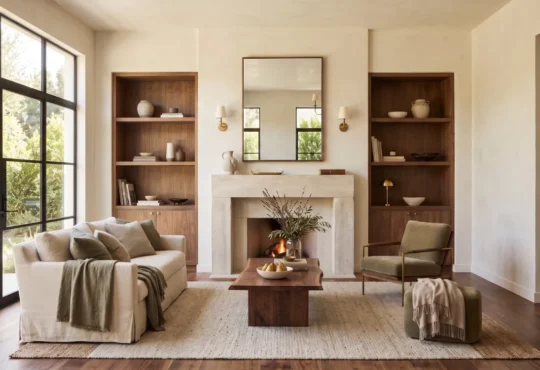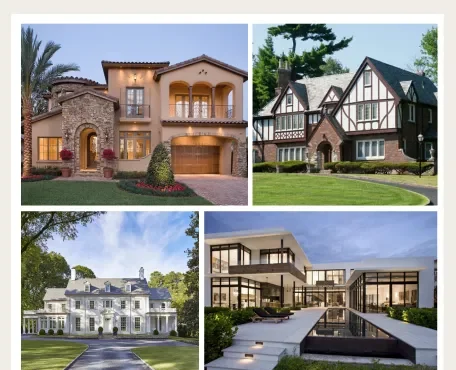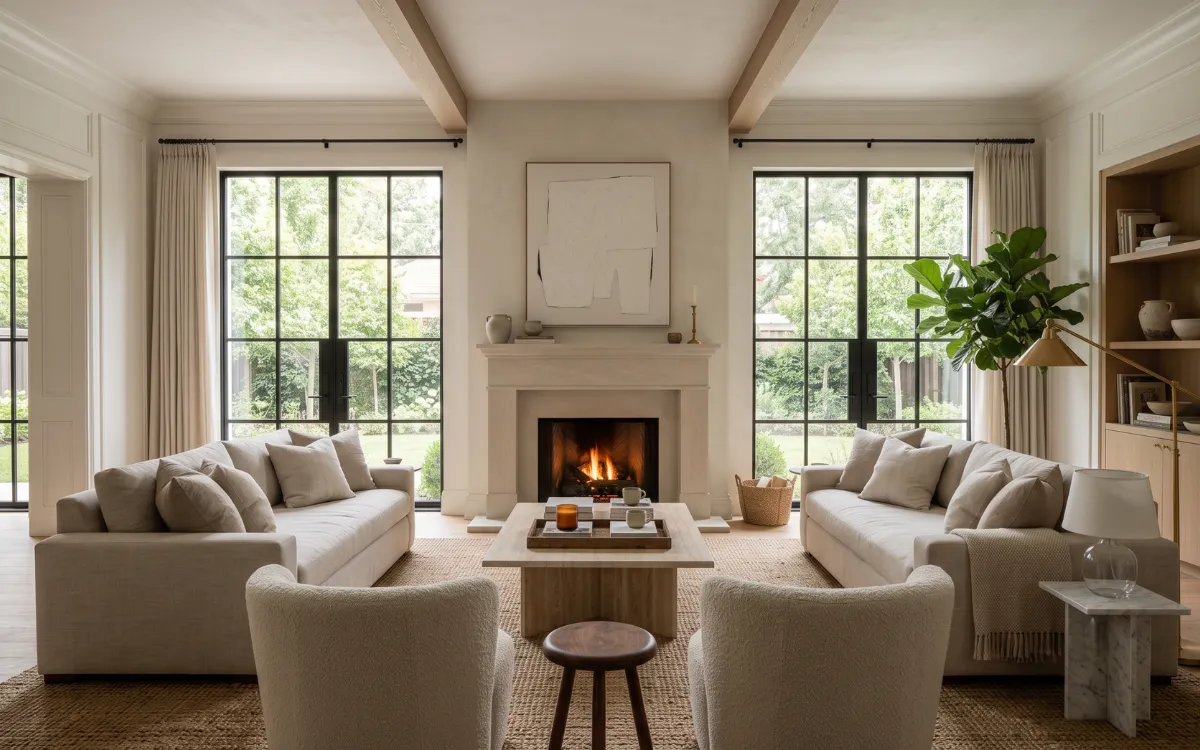
There is a quiet moment when a room begins to feel different. Morning light settles gently across a wall, familiar furniture seems to breathe more easily, and even the smallest decorative object appears to have found its place. Beautiful interiors rarely emerge from expensive purchases alone.
They grow from an understanding of balance, proportion, light, and the subtle relationship between every surface in a space. A free interior design course offers more than information. It introduces the principles behind thoughtful residential interiors, helping you understand how rooms are planned, styled, and refined over time.
Whether you are designing a compact apartment, a contemporary family home, or a spacious residence, the experience opens the door to seeing your surroundings with fresh eyes and making confident design decisions that feel both personal and timeless.
Interior Design Fundamentals
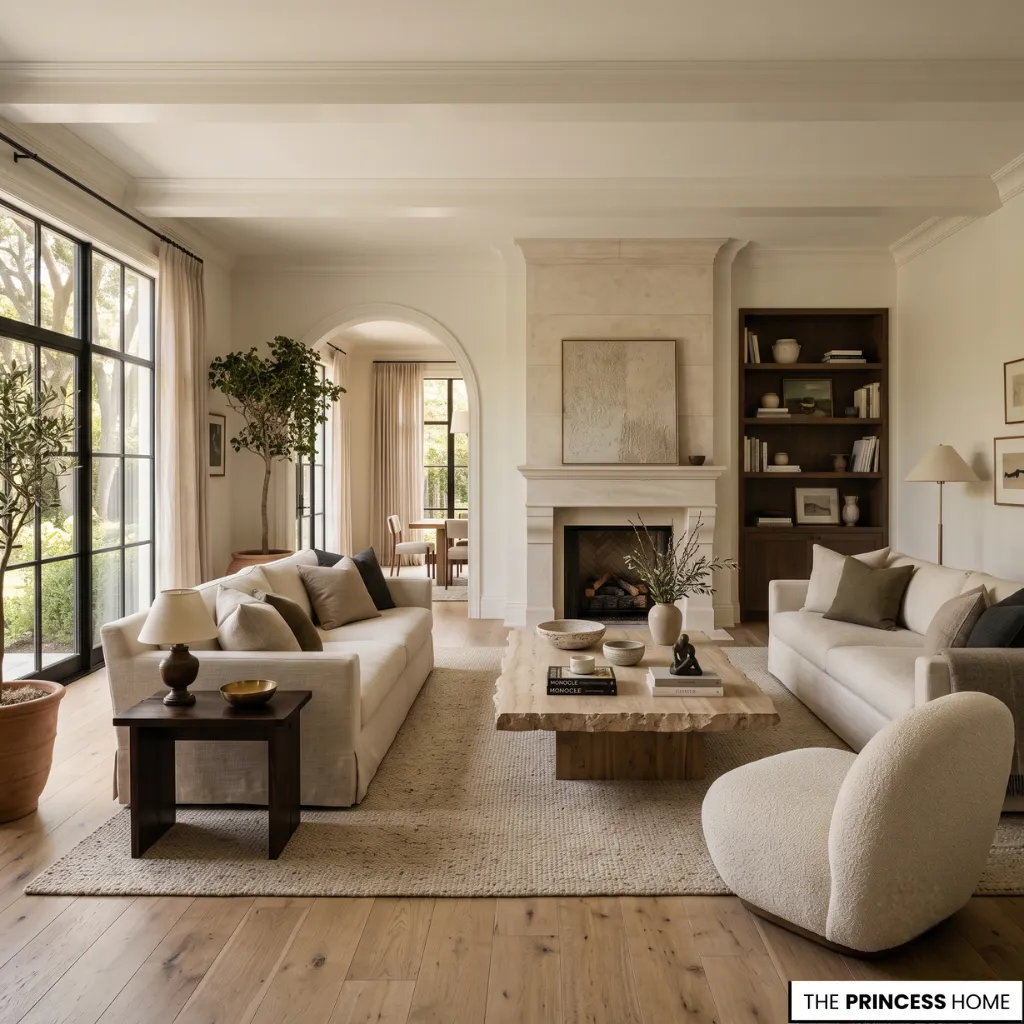
Most people begin their design journey believing that beautiful interiors are created by choosing attractive furniture or following the latest decorating trends. The experience quickly reveals something more profound. Every successful room is built upon invisible relationships. Scale influences comfort.
Light reshapes color throughout the day. Empty space often contributes as much as the objects that fill it. An interior design course gradually changes the way these relationships are perceived. Instead of looking at a sofa, you begin noticing how it anchors a conversation area.
Rather than choosing paint by color alone, you start observing how daylight, flooring, layered lighting, and surrounding materials quietly alter its appearance.
You also begin to distinguish between interior design, which shapes the structure, flow, and function of a room, and interior styling, which introduces the final layers of texture, accessories, and personality.
A home becomes less about individual pieces and more about the dialogue between architecture, furnishings, materials, and light. That shift in perspective is often the first creative skill students discover.
Whether learning through a self-paced online course or exploring individual lessons at their own rhythm, they gradually move from admiring beautiful rooms to understanding how every design decision contributes to a cohesive, functional, and visually balanced interior.
💡 EXPLORE MORE:
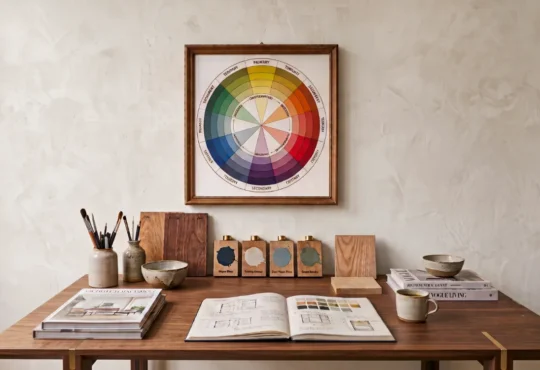
Master the core relationships of shade and harmony with our foundational guide to Understanding the Color Wheel Primary & Secondary Colors.
Space Planning Basics
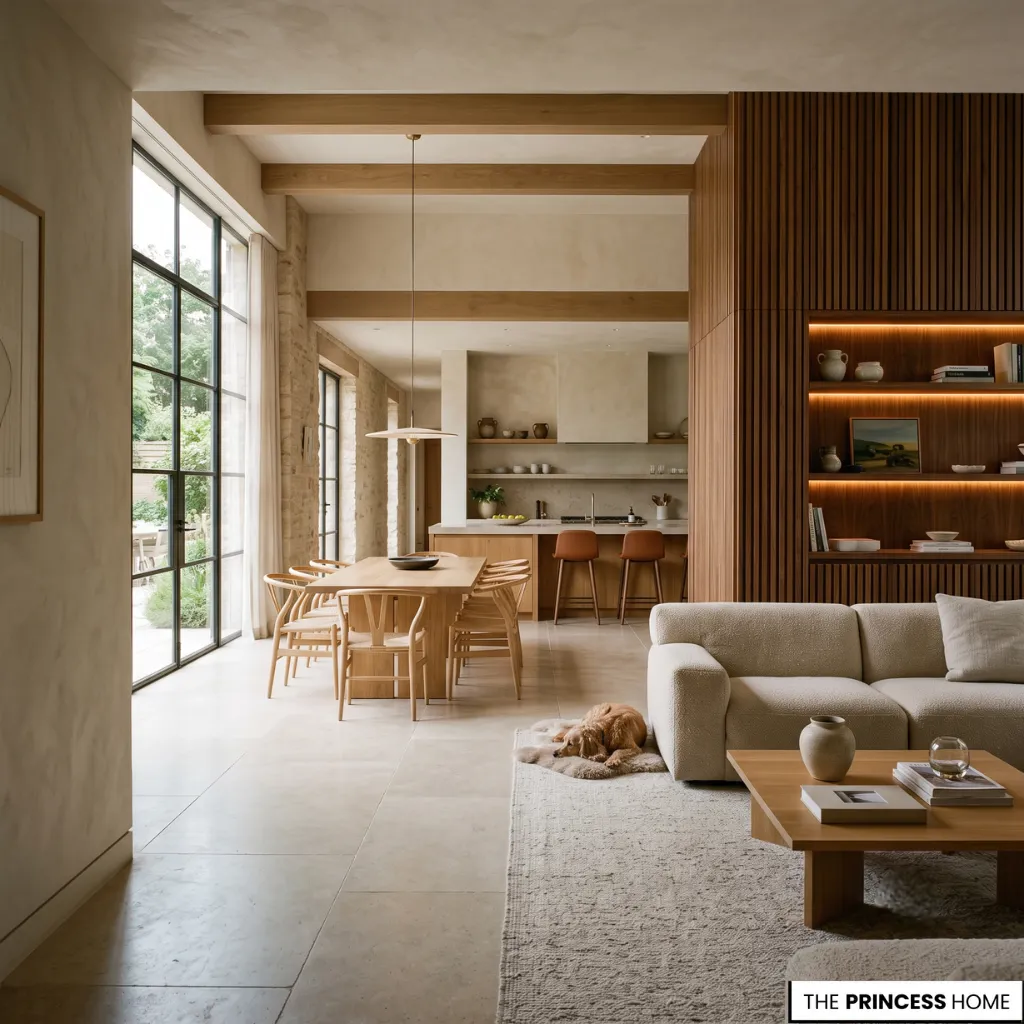
Every room communicates before anyone speaks. Ceiling height influences emotion. Window placement determines rhythm. Texture softens architecture, while carefully chosen materials introduce warmth without overwhelming the senses. Learning interior design means becoming fluent in this silent language.
Concepts like proportion, visual balance, circulation, focal points, and space planning gradually become intuitive rather than technical.
Students begin understanding how layered lighting transforms atmosphere throughout the day, how furniture placement encourages natural movement, and how carefully planned room flow creates comfort from one space to the next.
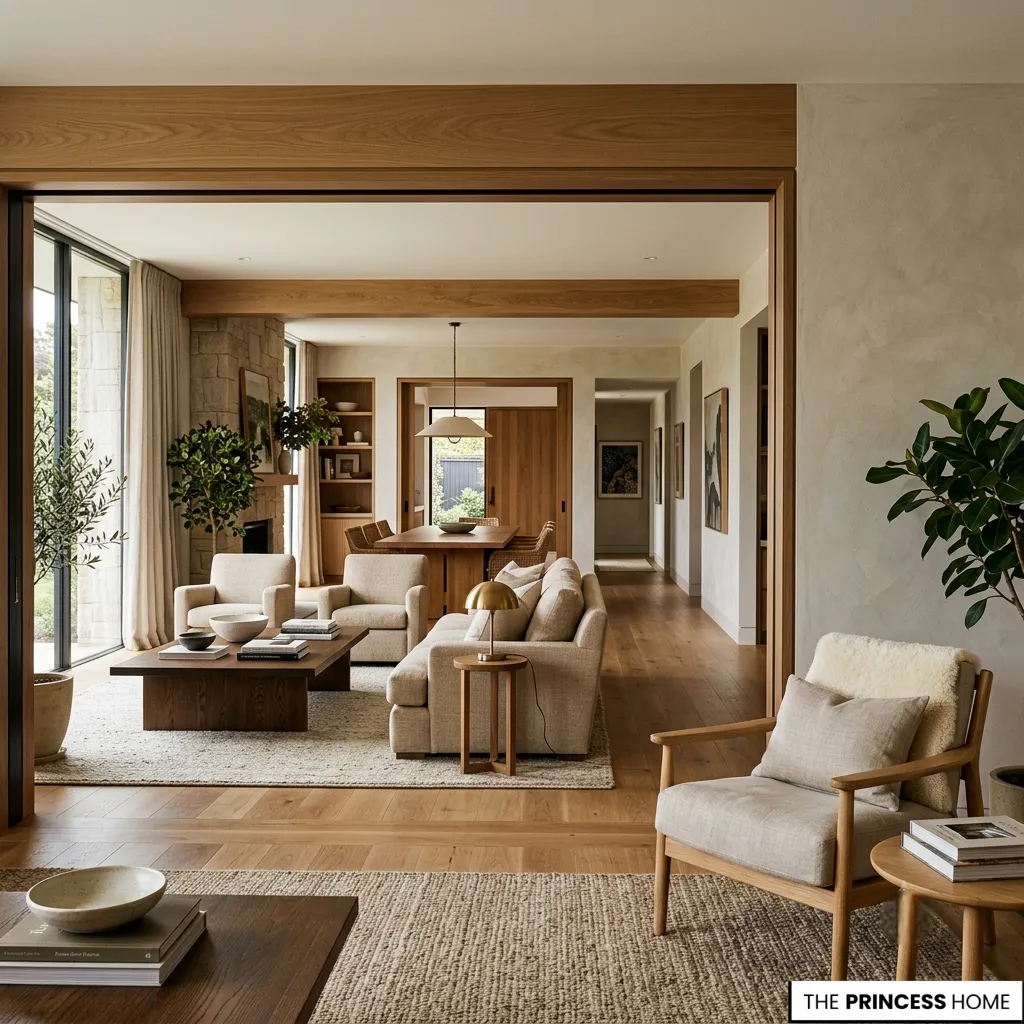
Whether applied to a studio apartment, a modern open-plan home, a traditional residence, or a spacious luxury property, these principles remain remarkably consistent. The scale changes, but the relationship between people and space continues to define every successful interior.
💡 READ NEXT:
Elevate architectural details and create striking focal points by exploring Accent walls and feature Colors adding visual interest to a space.
Interior Color Harmony
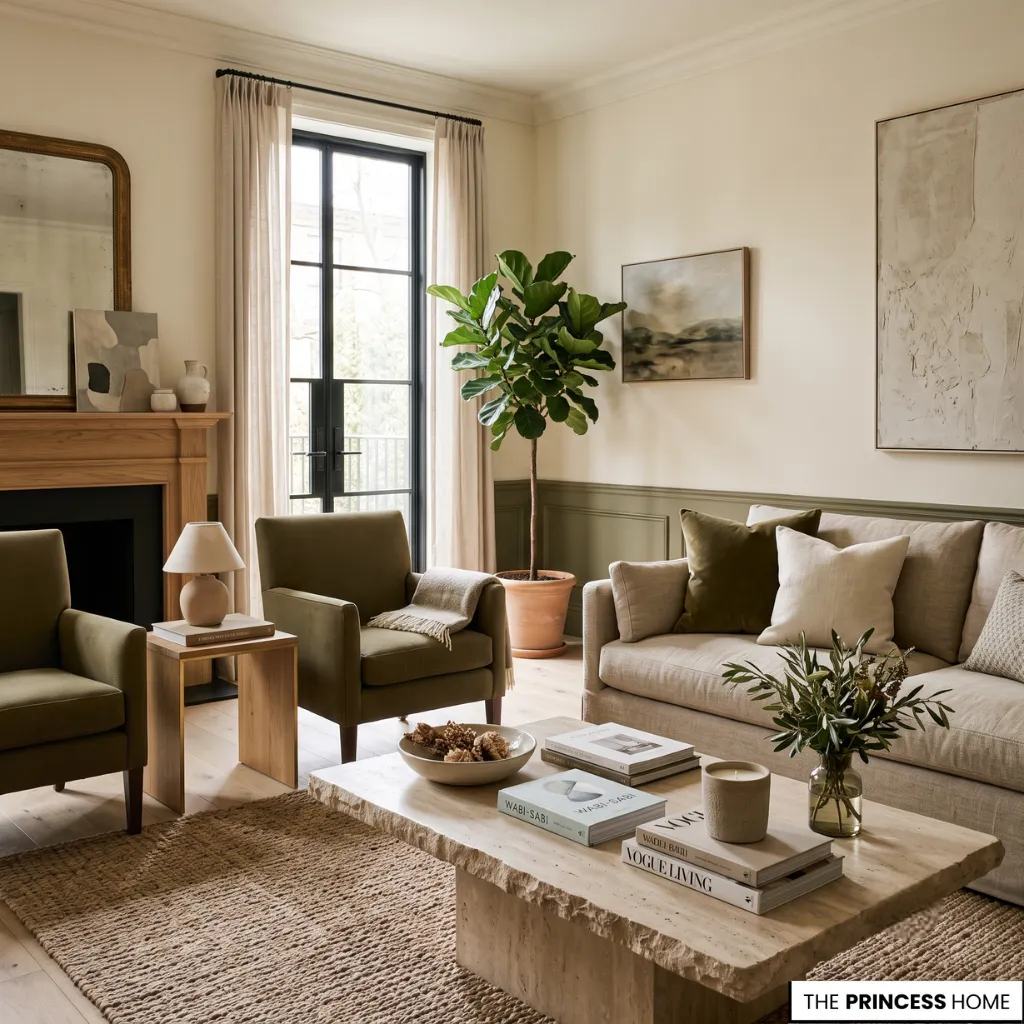
Few design decisions influence atmosphere as deeply as color. Yet color is rarely experienced as an isolated choice. It responds constantly to natural light, artificial lighting, surrounding textures, neighboring finishes, and decorative accessories that quietly complete a room.
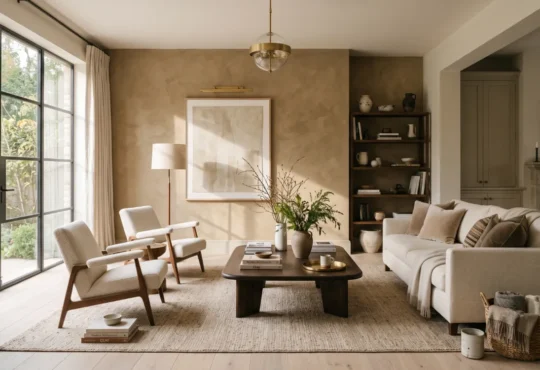
As understanding grows, palettes begin to feel less like collections of paint samples and more like carefully composed environments. Warm neutrals create calm without feeling empty. Earth-inspired greens introduce softness that shifts gracefully through changing daylight.
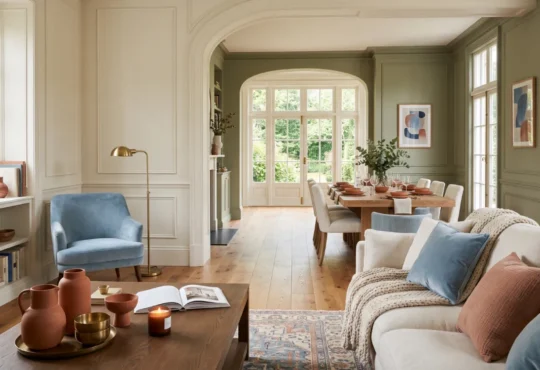
Gentle blues invite stillness, while muted terracotta brings subtle warmth to contemporary interiors. Classic palettes continue to demonstrate why timeless color relationships remain relevant across evolving design styles, from Scandinavian simplicity to richly layered traditional homes.
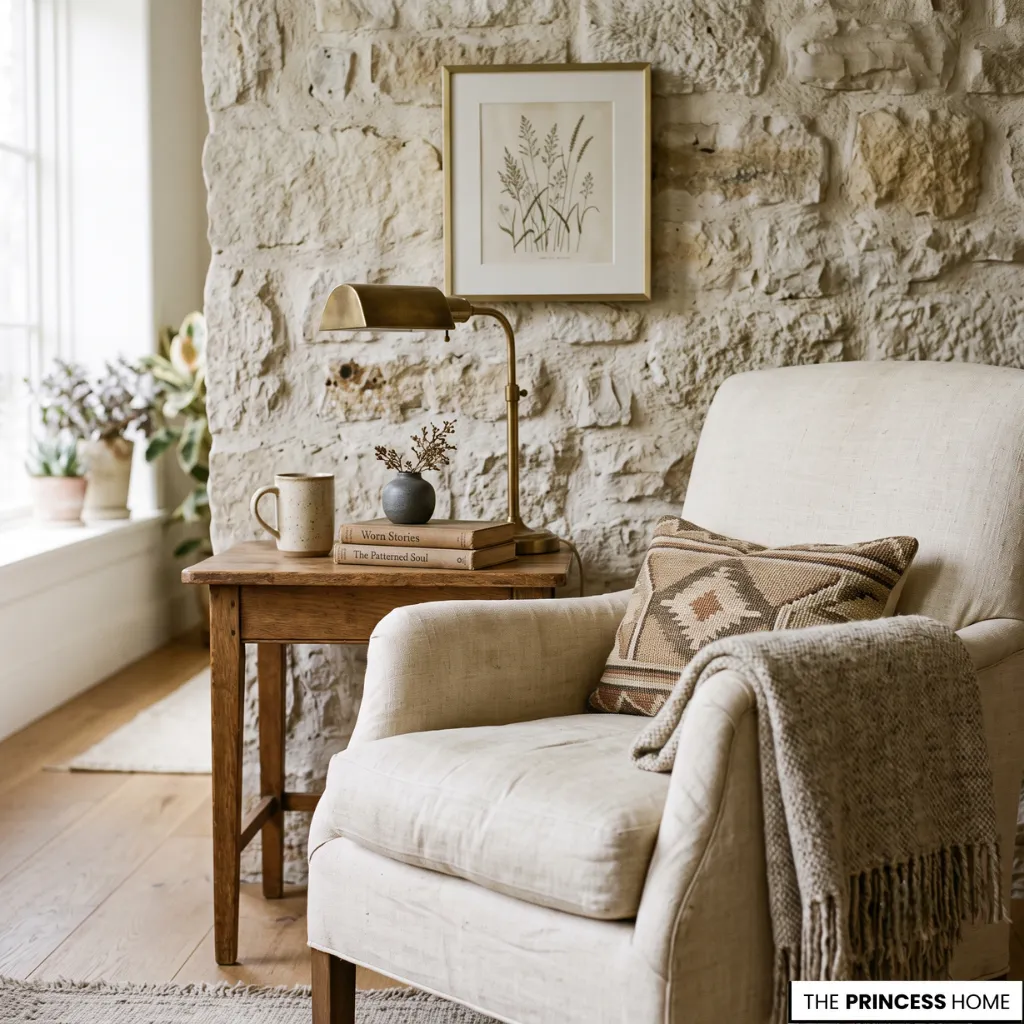
Rather than chasing dramatic contrasts, thoughtful interiors discover richness through harmony. Walls, flooring, upholstery, wood finishes, stone, and textiles quietly support one another until the entire room feels naturally complete.
💡 EXPLORE MORE:
Understand how wall tones subtly affect your mood and atmosphere in Color And Psychology How Different Colors Evoke Emotions.
Functional Interior Design
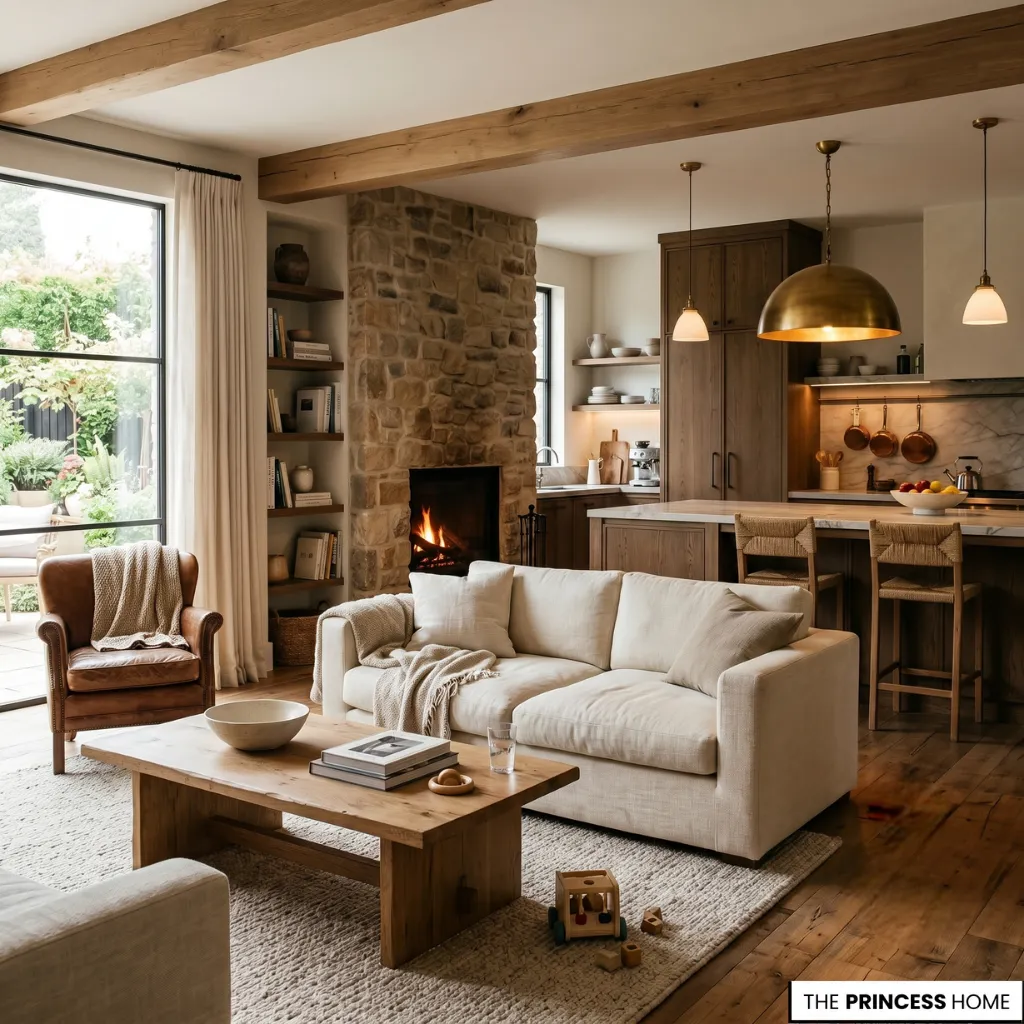
The most memorable interiors rarely ask people to change how they live. Instead, they adapt gracefully to daily routines, family habits, and individual personalities. A thoughtfully designed kitchen encourages conversation while meals are prepared. Bedrooms become restorative rather than merely functional.
Living spaces accommodate both quiet evenings and lively gatherings without feeling overdesigned. Even compact apartments benefit from thoughtful furniture layouts, while expansive homes rely on careful zoning to maintain warmth, intimacy, and visual continuity across multiple rooms.
This practical sensitivity is what separates decoration from design. A beautiful room is not simply admired. It is experienced repeatedly, becoming more comfortable as everyday life unfolds within it.
💡 INSIDER TIPS:
Avoid costly palette blunders by reviewing our breakdown on Color Choices The Most Common Mistakes in Interior Design.
Interior Design Skills
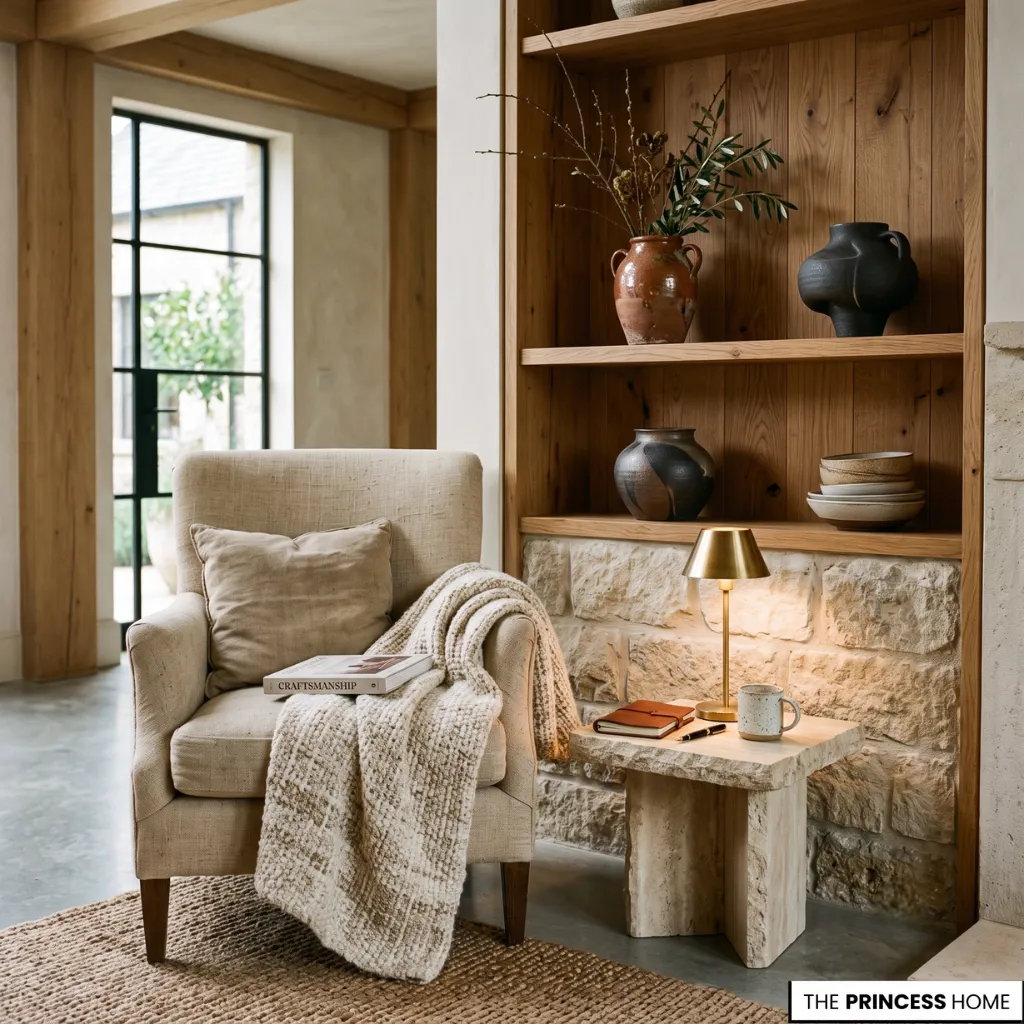
One of the most rewarding discoveries inside an interior design course is that creativity is rarely a sudden moment of inspiration. It develops through observation. The way linen softens stone. The contrast between matte wood and polished metal. The rhythm created by repeated architectural details.
The balance between natural and artificial light. Even changing sunlight throughout the seasons becomes part of the design conversation.
As students progress through foundational concepts, color theory, furniture layout, material selection, lighting, and spatial composition, inspiration begins appearing everywhere—in boutique hotels, neighborhood cafés, historic buildings, galleries, and ordinary homes filled with personal character.
Design becomes less about copying beautiful spaces and more about understanding why they feel memorable. This deeper awareness transforms everyday environments into an endless source of ideas while strengthening the confidence to interpret different styles rather than simply reproduce them.
Interior Design Confidence
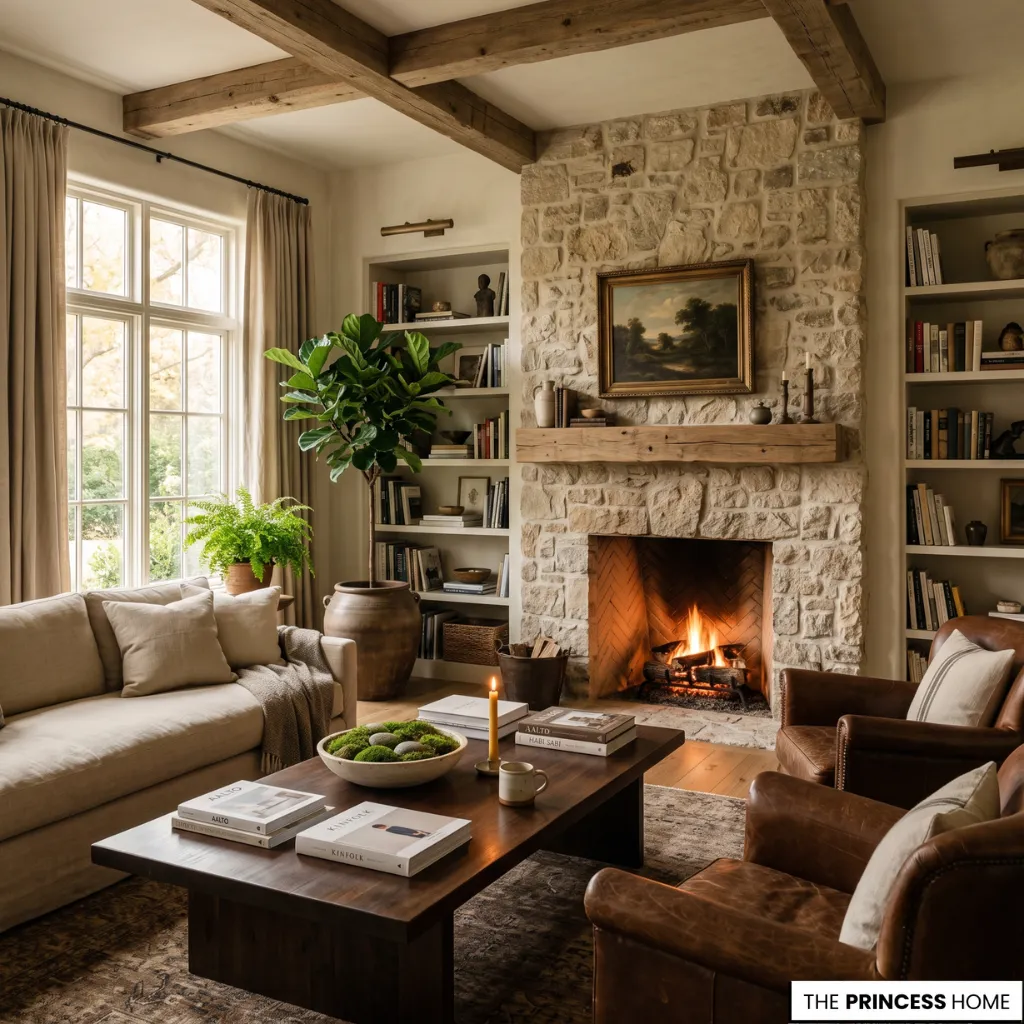
Many people begin learning interior design because they want to decorate a single room. Along the way, something more lasting develops. Decisions become calmer. Rooms evolve with greater intention. Decorative choices begin supporting one another rather than competing for attention.
Instead of relying on constantly changing trends, confidence grows from understanding the enduring principles that shape inviting interiors. The learning process naturally progresses from understanding individual design concepts to planning complete rooms with clarity and consistency.
Some learners continue toward certificates or advanced study, while others simply apply these skills to their own homes. In either case, confidence comes from understanding how proportion, materials, lighting, furniture placement, and color work together as one complete design language.
Timeless Home Design
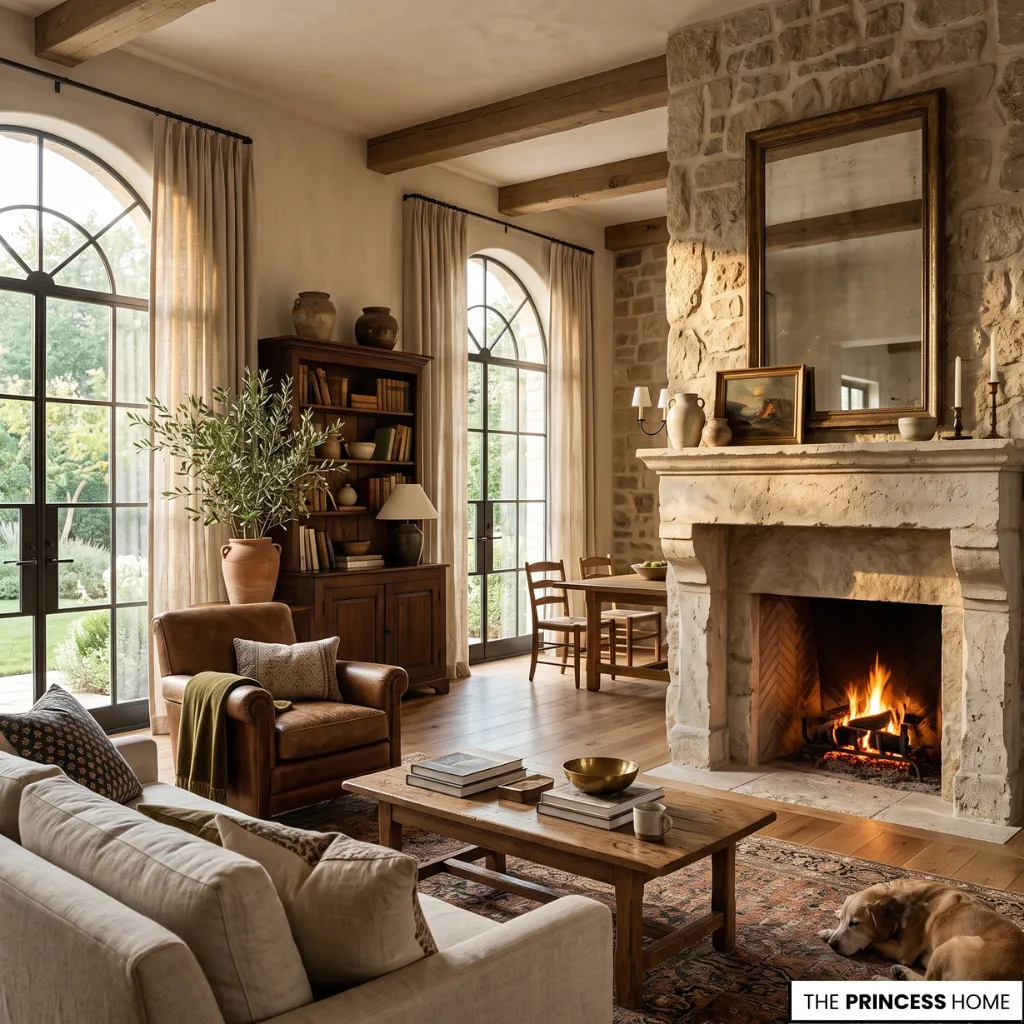
Every memorable interior carries traces of the people who live within it. Their routines, collections, memories, and aspirations quietly shape the atmosphere more than any single decorative style ever could. A free interior design course is ultimately an invitation to discover that possibility.
It encourages a different way of seeing familiar rooms, where light, texture, proportion, atmosphere, thoughtful planning, and personal expression work together to create interiors that feel authentic rather than staged.
Whether inspired by contemporary minimalism, Scandinavian restraint, classic elegance, or a style uniquely your own, the underlying design principles remain remarkably consistent. The result is not simply a more beautiful home.
It is a home that feels intentional, welcoming, functional, and unmistakably personal, where every room tells its own story with quiet confidence and lasting appeal.
💡 DESIGN INSPIRATION:
Discover enduring aesthetics that outlast trends in our guide to Color Trends: Timeless Palettes for Modern Living.
FAQ
What is an interior design course?
An interior design course teaches space planning, color, lighting, furniture layout, and design principles for creating beautiful, functional homes.
How do I start learning interior design?
Start by learning the basics of color, space planning, furniture arrangement, lighting, and materials through a structured interior design course.
Can beginners take an interior design course?
Yes. Most interior design courses are designed for beginners and require no previous design experience.
What skills do you learn in an interior design course?
You’ll learn space planning, color harmony, lighting design, furniture selection, material coordination, and visual balance.
Which colors work best in timeless interiors?
Warm neutrals, soft greens, muted blues, and natural earth tones create elegant interiors that stay stylish for years.
Can interior design work in small spaces?
Yes. Smart layouts, multifunctional furniture, layered lighting, and balanced proportions make small rooms feel larger and more comfortable.
Why is an interior design course worth taking?
It helps you make confident design decisions, avoid costly mistakes, and create functional spaces with lasting style.
Final Thoughts
A free interior design course offers more than decorating inspiration. It builds a deeper understanding of how proportion, color, lighting, materials, and thoughtful planning work together to create timeless interiors. By applying these foundational principles, you can confidently design spaces that feel comfortable, functional, and uniquely personal while developing an eye for beautiful design that continues to grow with every project.