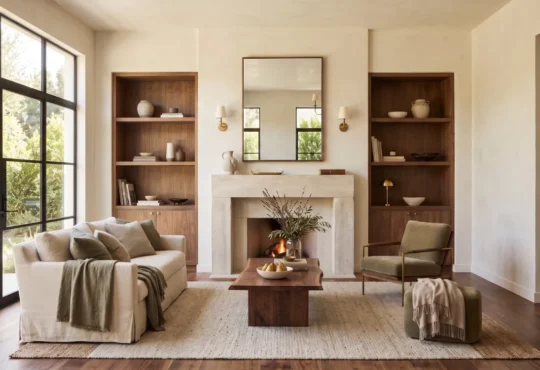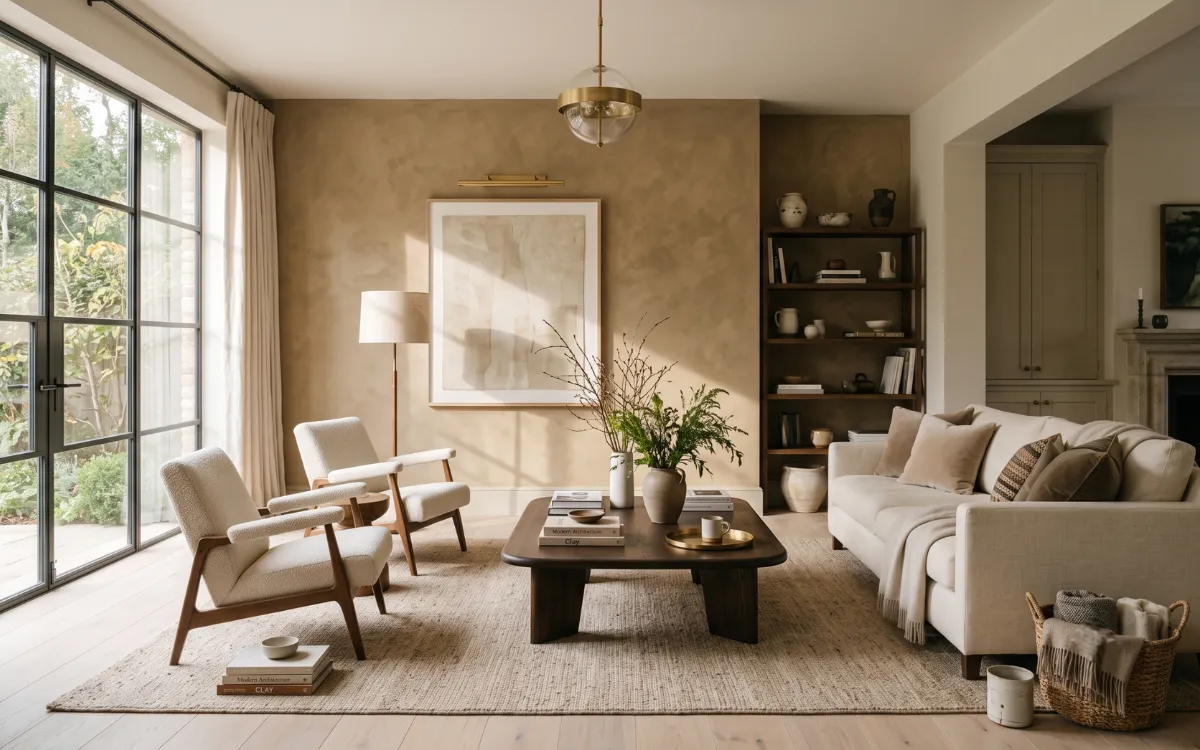
There is often a single wall that quietly changes the way an entire room is experienced. Morning light lingers there a little longer. Shadows become softer. Artwork feels more intentional, and familiar furniture suddenly appears connected rather than scattered.
Accent walls are less about introducing another color than creating a moment of visual pause. They give the eye somewhere to rest, allowing the surrounding space to feel calmer, richer, and more complete without overwhelming the room itself.
More than a decorative feature, an accent wall becomes a visual anchor that brings color, material, light, and architecture into a harmonious relationship, creating depth and visual interest that extends across the entire space.
Accent Wall Ideas
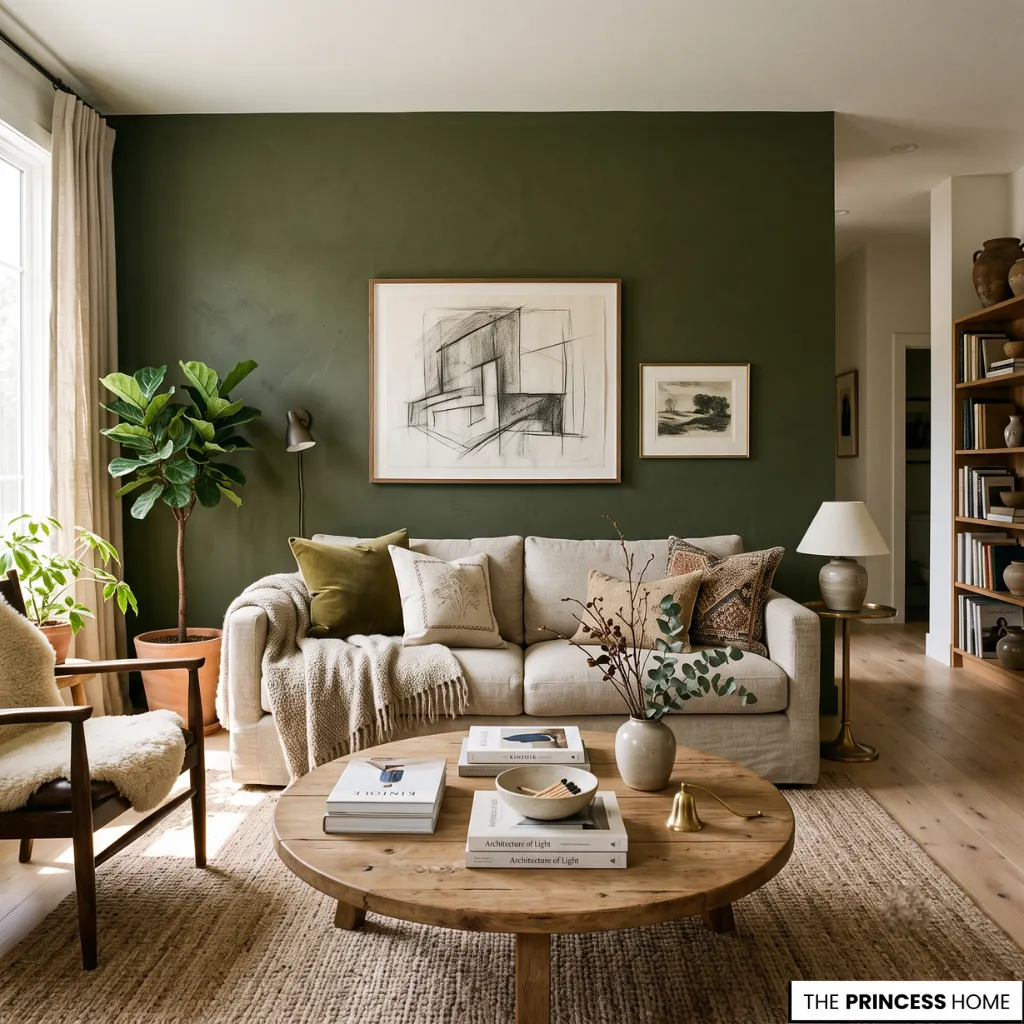
A thoughtfully chosen accent wall rarely demands attention through brightness alone. Instead, it gently reshapes the rhythm of a room. A deep olive backdrop can make pale oak furniture feel warmer. Soft charcoal behind shelving adds quiet depth without shrinking the space.
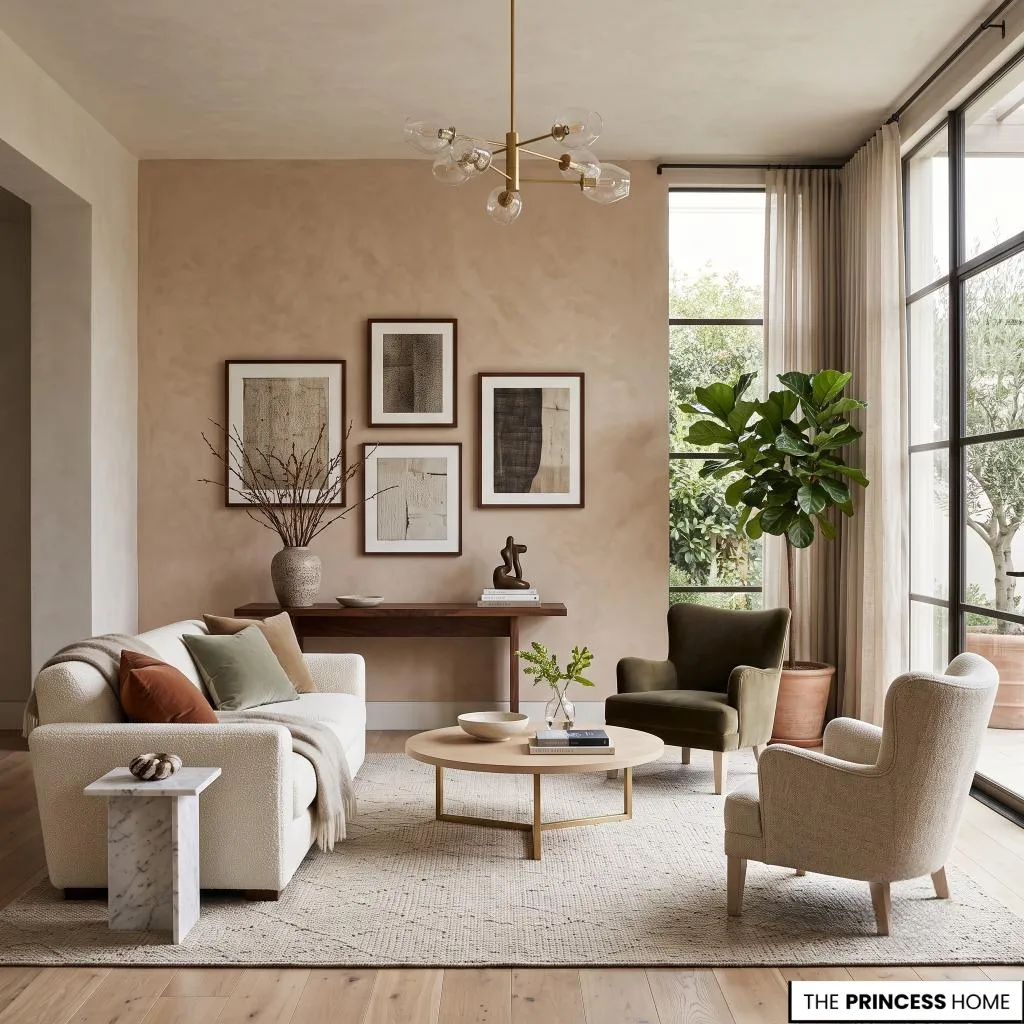
Even a muted clay tone can transform ordinary daylight into something noticeably softer. The beauty lies in contrast that feels natural rather than dramatic. Every surrounding surface begins responding differently. Fabrics reveal more texture. Metallic finishes gain subtle warmth.
Architectural details become easier to appreciate because the room has acquired a clear visual anchor.
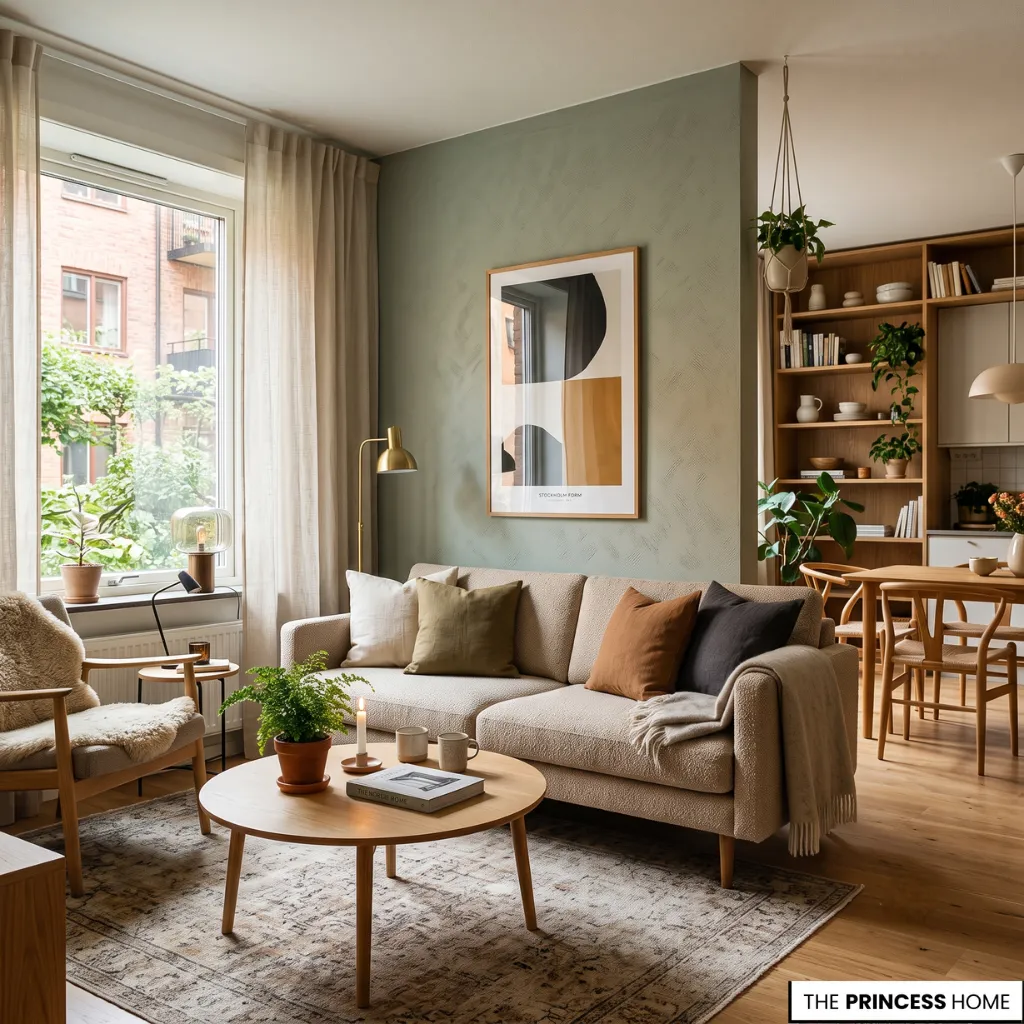
Whether in a small apartment, a contemporary family home, or an expansive open-plan residence, one carefully considered accent wall often creates a stronger impression than repainting every surface.
Positioned behind seating, a fireplace, a bed, or built-in shelving, it naturally frames the room’s focal point while allowing furniture, artwork, and architectural features to feel intentionally connected.
💡 BACK TO BASICS:
Build your overall design framework with our comprehensive guide to the Free Interior Design Course Learn the Skills to Design Your Home.
Feature Wall Colors
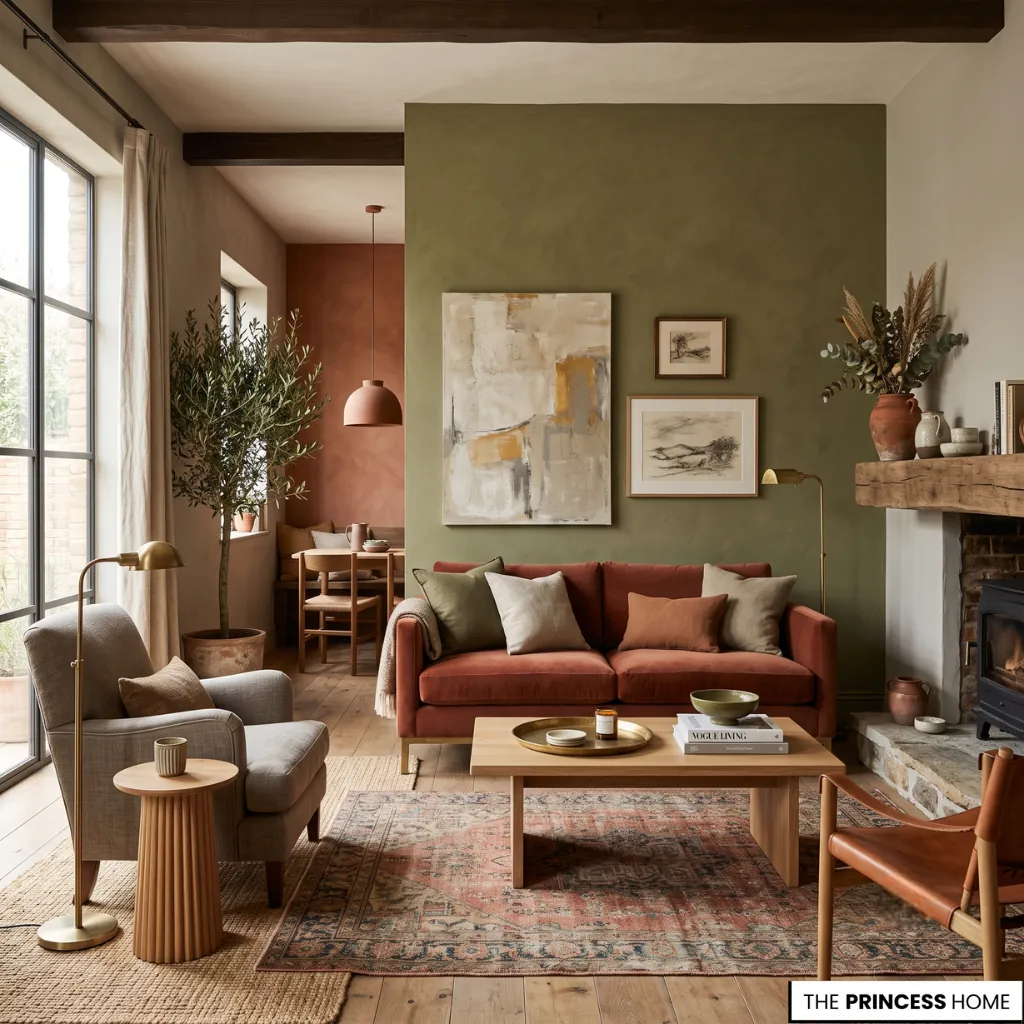
The most memorable feature colors seem to belong to the room long before the furniture arrives. Rather than appearing as decoration, they become part of the architecture itself. Earth-inspired greens introduce quiet stability.
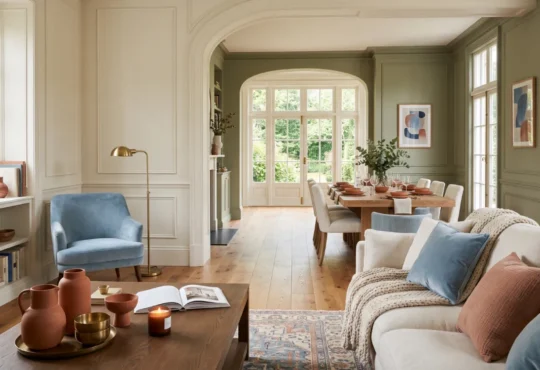
Dusty blues stretch the perceived depth of a room, especially where natural light changes throughout the day. Rich browns and warm terracotta create intimacy, while soft mineral grays allow artwork, textiles, and natural materials to take on greater presence.
The experience changes continuously as daylight shifts. Morning brings crisp definition. Afternoon reveals subtle undertones. Evening lighting softens every transition. A feature color evolves throughout the day instead of remaining visually static.
Rather than competing with surrounding finishes, successful accent wall colors quietly balance flooring, ceilings, trim, cabinetry, and neighboring walls, creating a composition that feels layered, cohesive, and timeless.
💡 EXPLORE MORE:
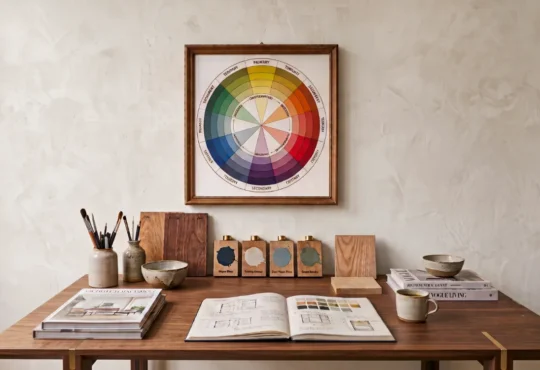
Learn how primary and secondary shades interact before selecting your wall paint in Understanding the Color Wheel Primary & Secondary Colors.
Accent Wall Materials
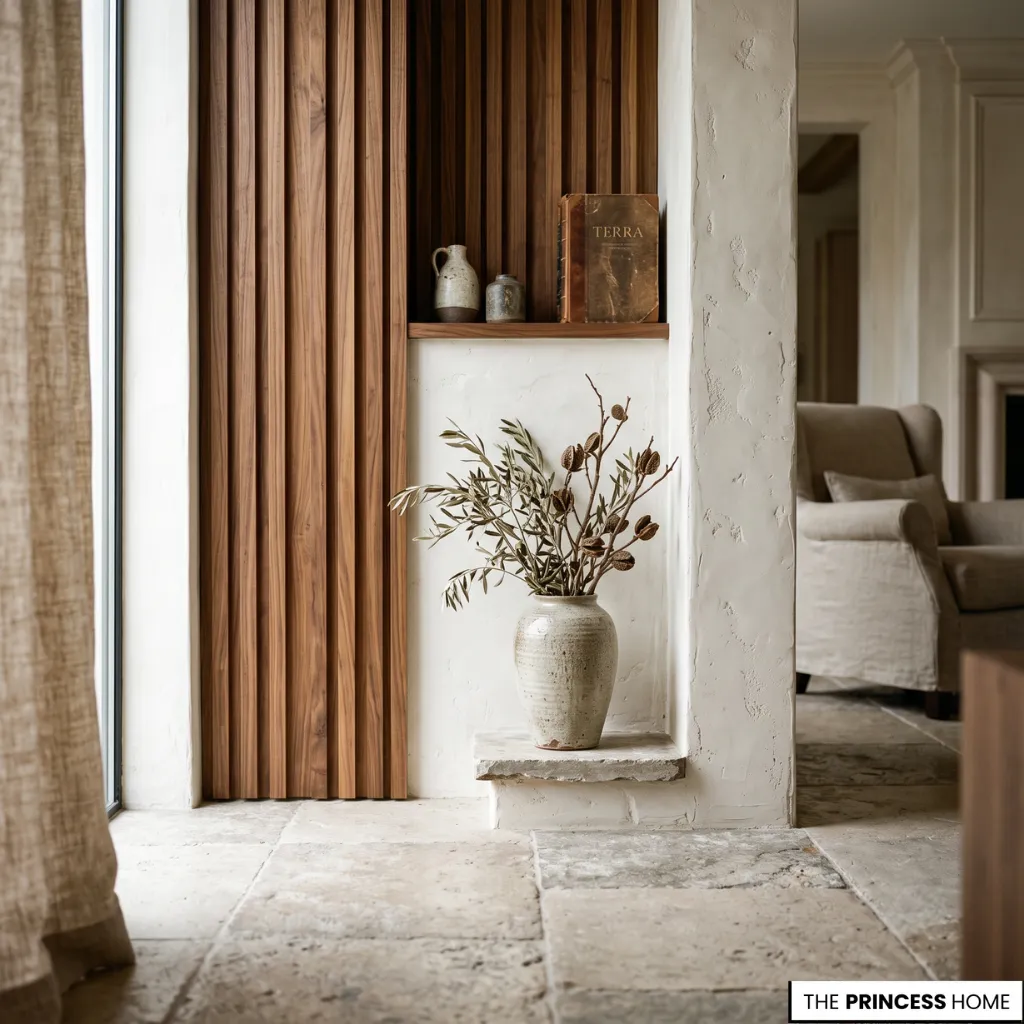
Visual interest is rarely created by paint alone. Material and texture often speak more quietly, yet leave a stronger impression over time.
Wood slats introduce gentle rhythm without feeling repetitive. Limewashed finishes capture light with an almost cloud-like softness. Stone surfaces add permanence, while delicate plaster textures create movement that changes with every angle of the sun.
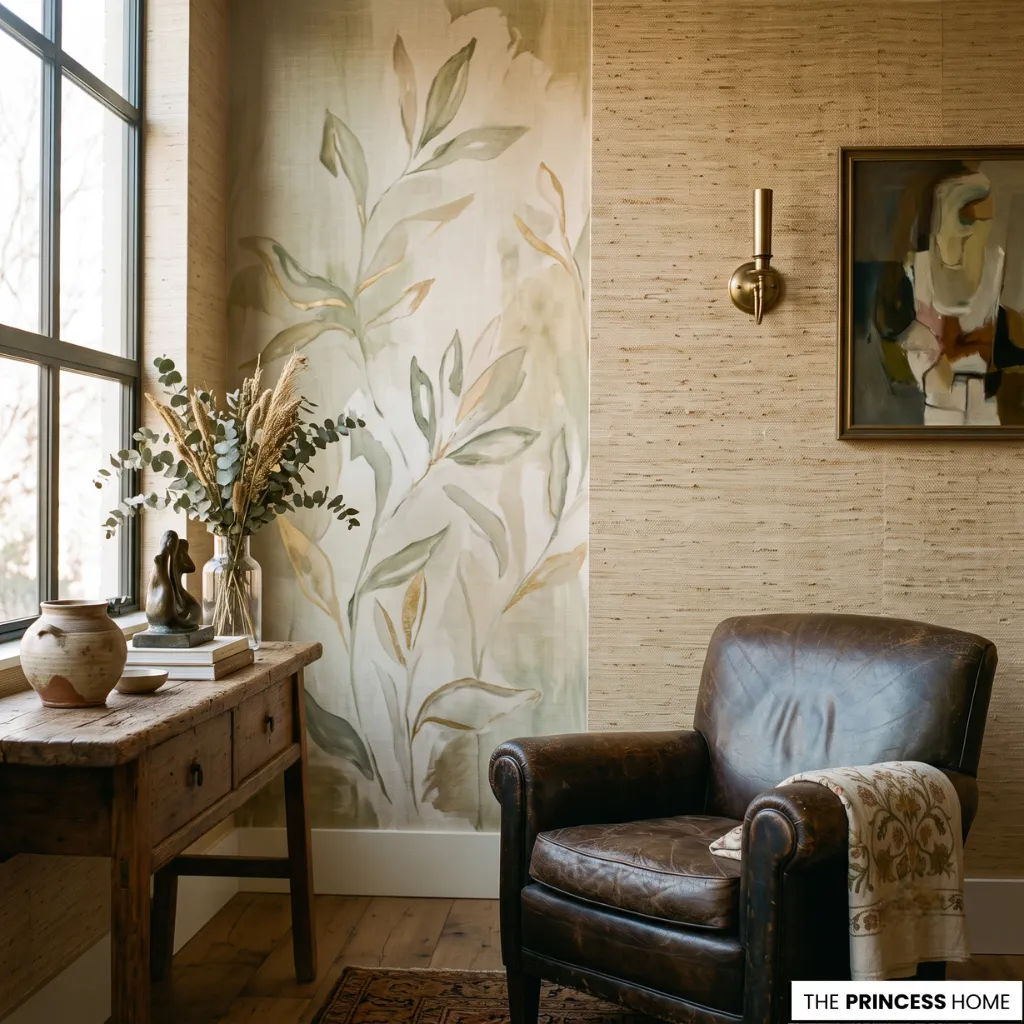
Wallpaper has also evolved beyond bold patterns. Linen-inspired weaves, grasscloth textures, oversized organic motifs, and subtle murals create layered depth without competing for attention. Instead of acting as decoration, they become part of the room’s atmosphere.
Whether finished in paint, wallpaper, wood paneling, textured plaster, or natural stone, each accent wall material reflects light differently and establishes its own visual language.
Some create crisp architectural definition, while others introduce softness and quiet movement, allowing the room to gain depth without relying on dramatic color alone.
Accent Wall Lighting
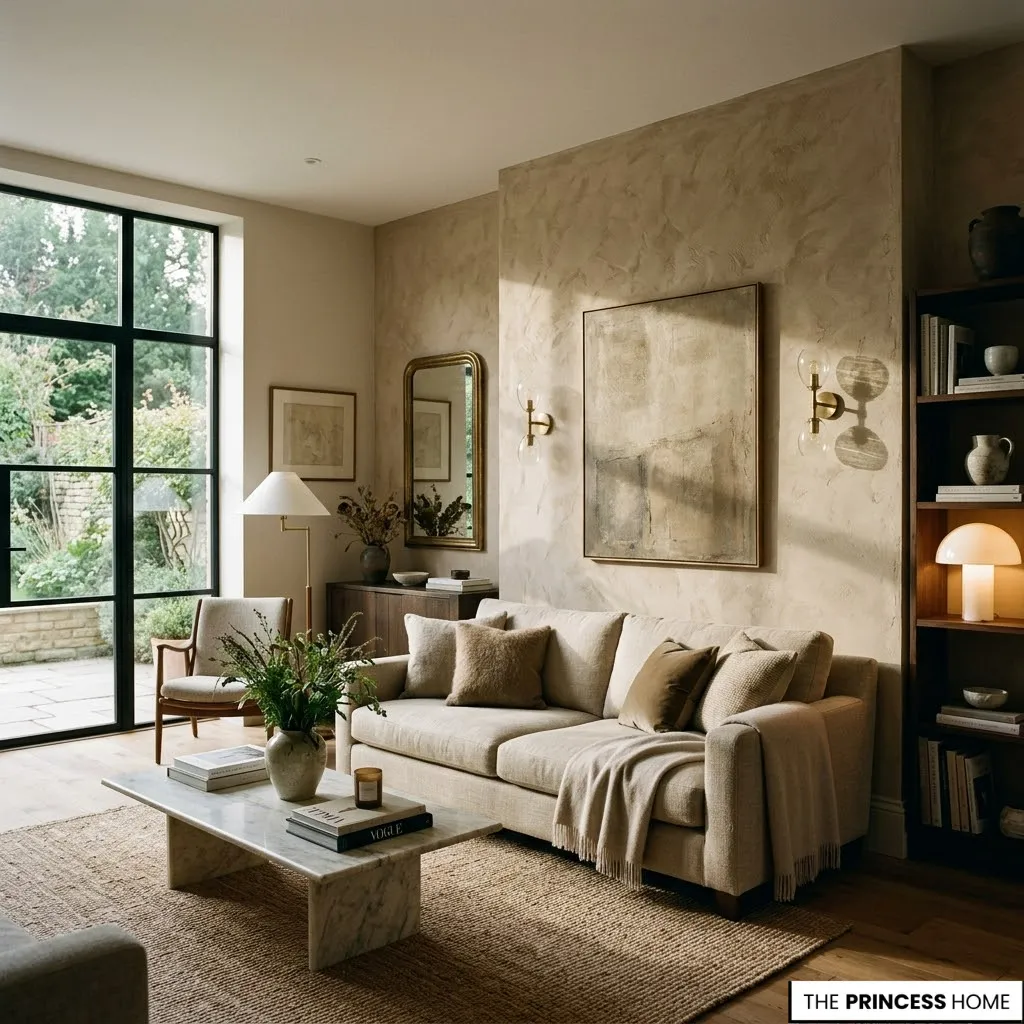
A wall is never experienced in isolation. It constantly borrows character from windows, flooring, fabrics, and the changing quality of natural light.
North-facing rooms often reveal cooler undertones, making warm feature colors feel especially comforting. Sun-filled interiors allow richer shades to appear softer than expected. Evening illumination introduces another personality entirely, emphasizing texture while gently muting contrast.
Because of this constant dialogue, an accent wall feels less like a painted surface and more like an active participant in the room’s atmosphere. Light continues rewriting its appearance hour after hour, ensuring the space never feels completely static.
Layered lighting quietly extends this relationship after sunset. Wall sconces, ceiling fixtures, and carefully positioned lamps reveal texture, emphasize artwork, and strengthen the architectural presence of the feature wall without overpowering the room.
Modern Accent Walls
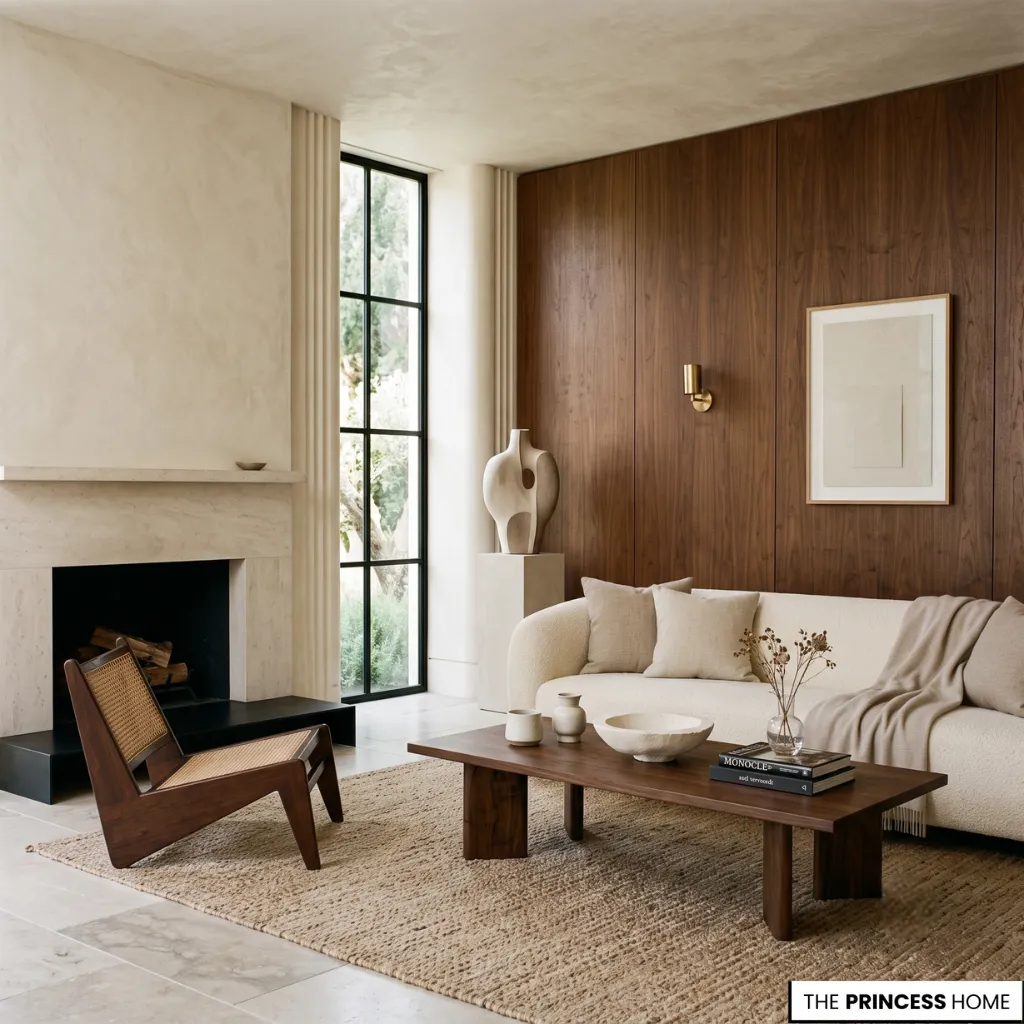
Modern interiors increasingly favor contrast that feels restrained rather than theatrical. Instead of placing one bold color against entirely neutral surroundings, designers often create quieter transitions between related tones and complementary materials.
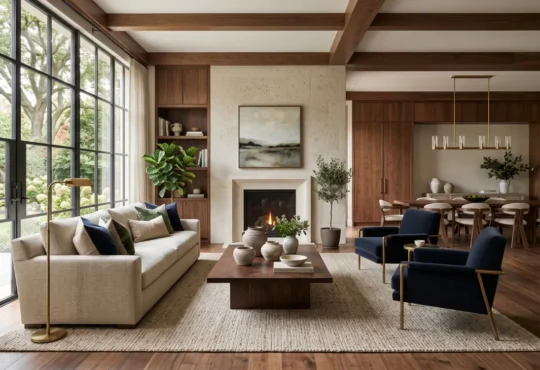
A wall wrapped in walnut paneling beside creamy plaster introduces warmth through texture instead of intensity. Deep mineral paint paired with natural limestone feels layered rather than dramatic.
Even monochromatic interiors become more expressive when subtle tonal shifts establish depth without visual clutter. Traditional interiors often emphasize architectural moldings, richly painted feature walls, timeless wallpaper, or detailed millwork.
Contemporary spaces lean toward cleaner surfaces, restrained palettes, and natural textures. Although the visual language differs, both approaches rely on proportion, balance, and carefully considered materials to create lasting visual interest.
💡 INSIDER TIPS:
Avoid common undertone mismatches and lighting blunders with our checklist on Color Choices The Most Common Mistakes in Interior Design.
Accent Wall Focal Points
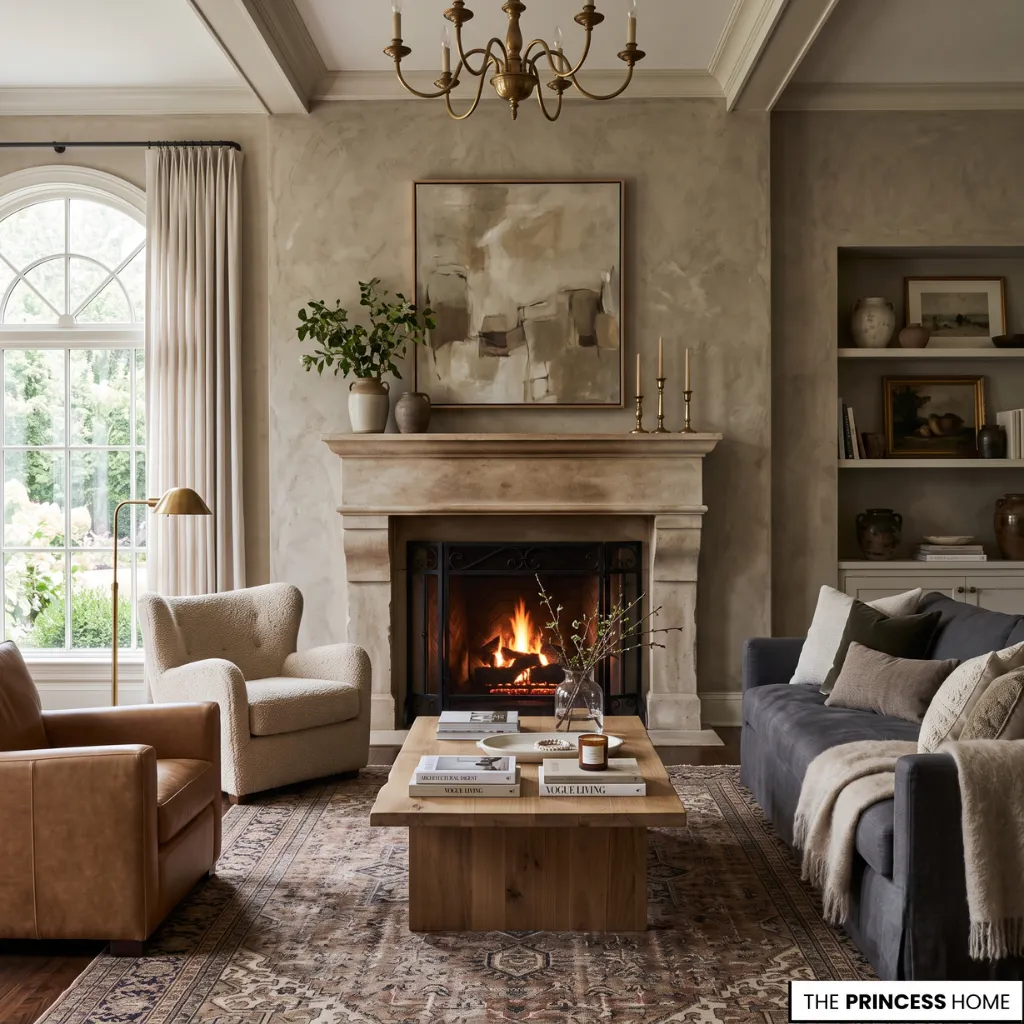
The strongest focal points rarely announce themselves immediately. They reveal their presence gradually, encouraging the eye to explore the room rather than stopping at a single dramatic feature.
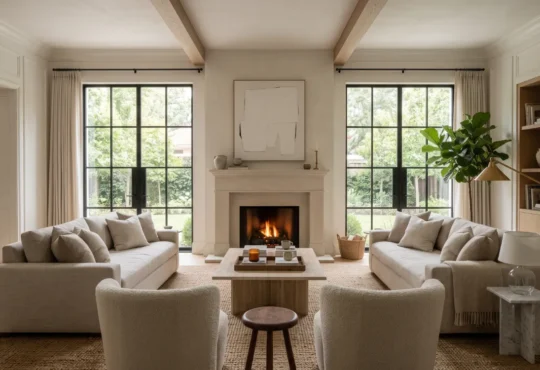
An elegant fireplace surround, carefully framed artwork, built-in shelving, or a softly textured wall can become the visual center without overwhelming the surrounding design. The accent wall provides a calm backdrop that strengthens these architectural elements while preserving balance throughout the room.
Rather than separating one area from another, it quietly unifies the composition. Furniture arrangements feel more grounded. Decorative objects appear more intentional. The entire space develops a stronger sense of visual order.
Accent Wall Spaces
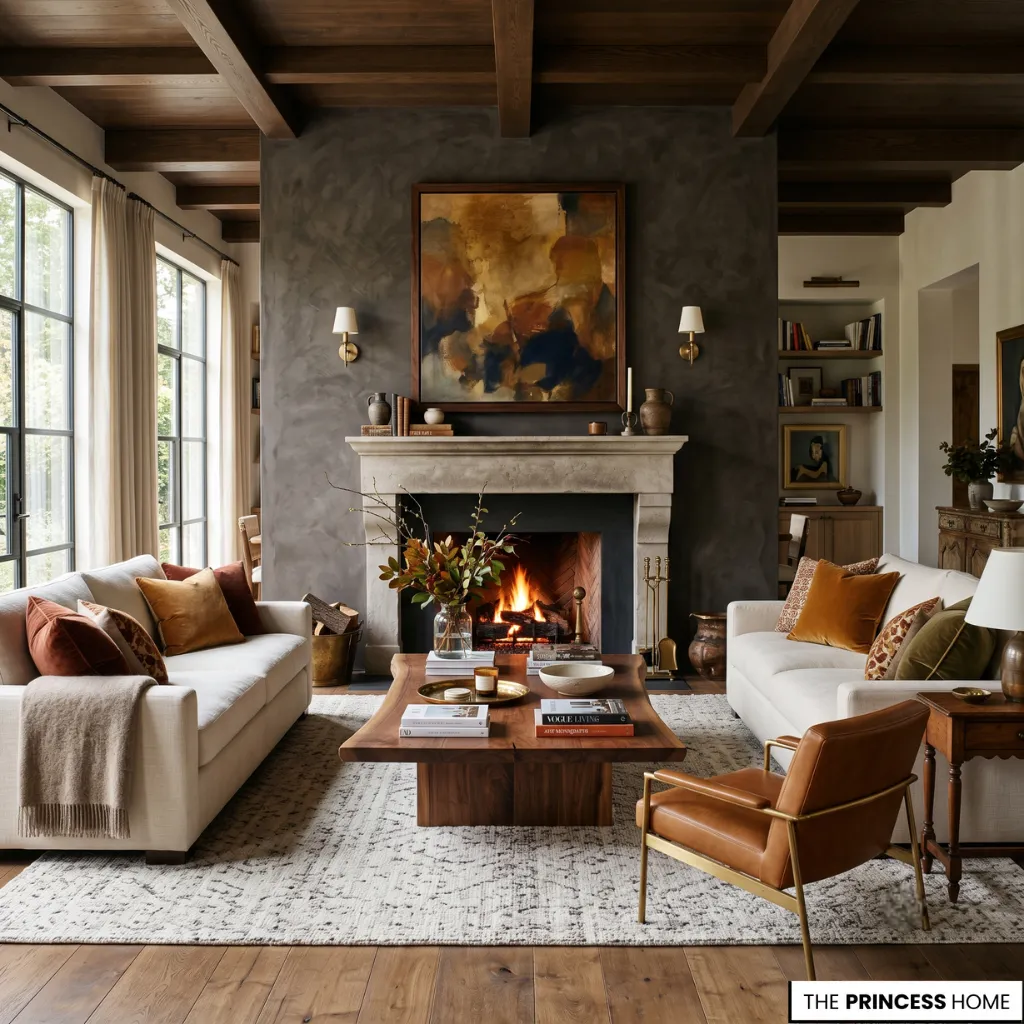
Beautiful interiors are remembered less for the number of decorative elements they contain than for the clarity of their atmosphere. A single thoughtfully composed accent wall often communicates more personality than multiple competing colors or patterns.
Dining spaces gain warmth that encourages lingering gatherings, while home offices acquire greater focus through carefully layered color and texture.
Entryways, hallways, staircases, and open-plan living spaces also benefit from a carefully framed feature wall that quietly establishes the home’s visual identity from the moment of arrival.
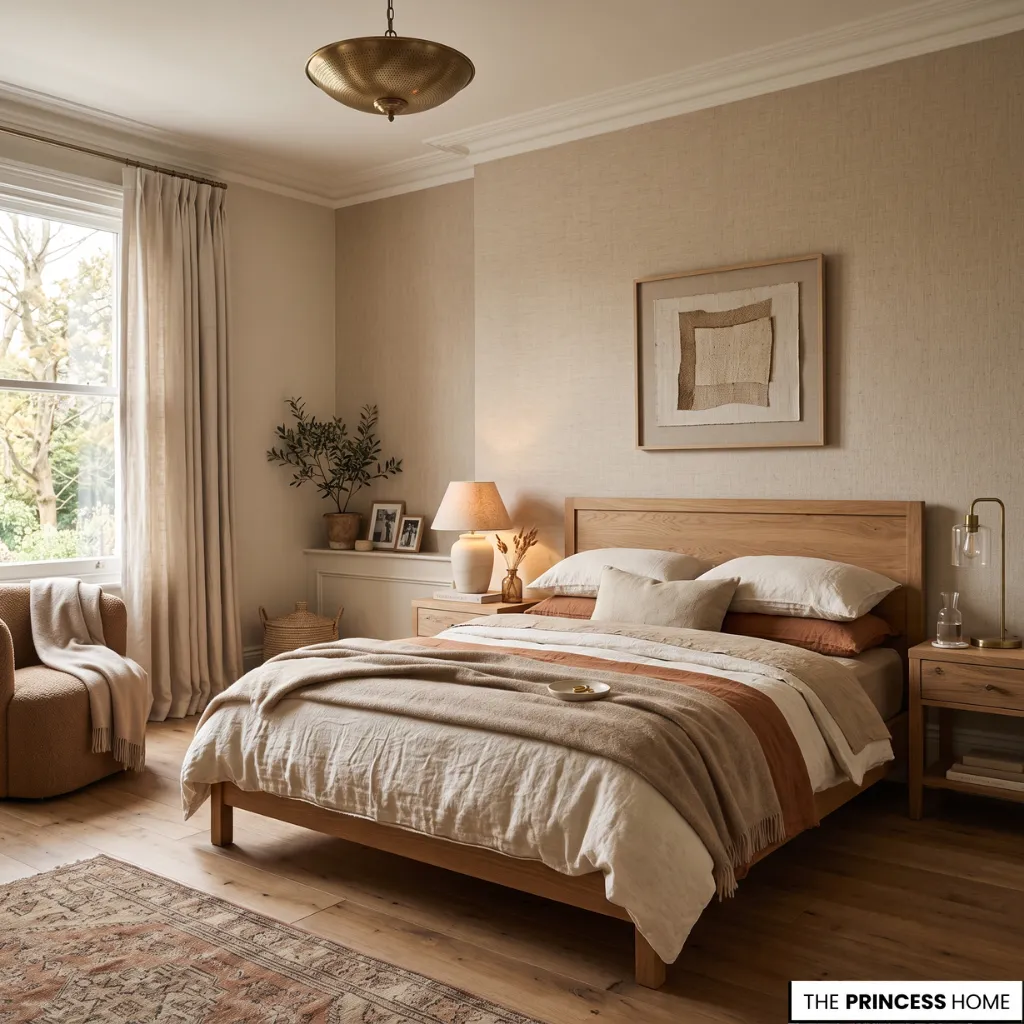
In a bedroom, it introduces calm behind the bed without making the room feel enclosed. Within a living room, it organizes conversation areas and highlights architectural details.
Across different homes and different scales, the principle remains remarkably consistent. Whether enhancing a compact apartment or bringing intimacy to a large luxury interior, one intentional surface can transform the emotional rhythm of an entire room.
💡 DEEP DIVE:
Discover how specific color palettes affect energy and mood across different rooms in Color And Psychology How Different Colors Evoke Emotions.
Timeless Accent Walls
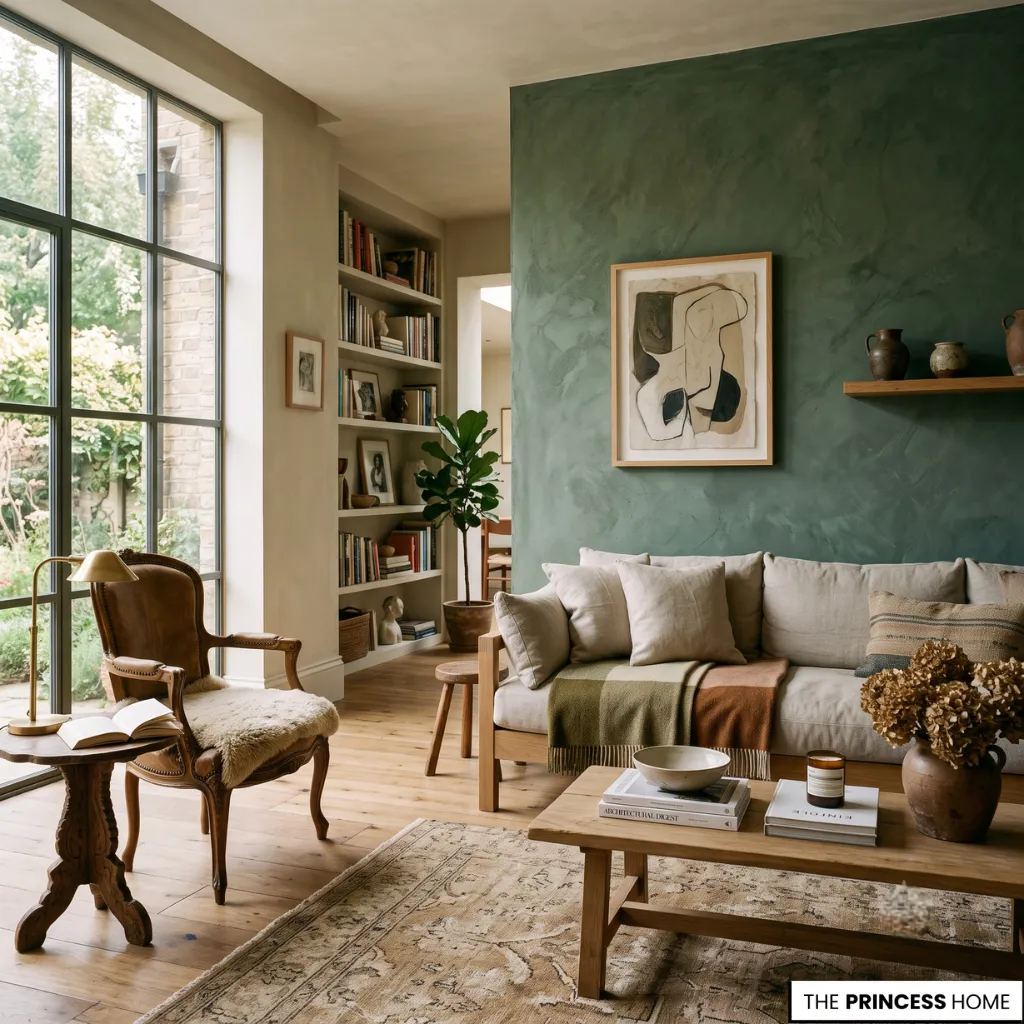
Long after individual decorating trends begin to fade, spaces that feel balanced continue to leave an impression. An accent wall succeeds because it is never simply about color. It is about proportion, light, texture, material, and the quiet relationships that allow every element in a room to feel connected.
When feature colors are chosen with sensitivity to architecture and atmosphere, they create interiors that feel composed rather than decorated. The result is not a room defined by a single statement, but one where every glance discovers another layer of warmth, depth, texture, and quiet visual interest.
A thoughtfully designed accent wall remains timeless because it enhances the experience of the entire space rather than drawing attention only to itself.
💡 DESIGN INSPIRATION:
Explore classic color combinations that maintain elegance over time in Color Trends: Timeless Palettes for Modern Living.
FAQ
What is an accent wall?
An accent wall is a single wall designed with a distinct color, material, or texture to create a focal point and add visual interest without overwhelming the room.
How do you choose the best accent wall?
Select the wall that naturally draws attention, such as the one behind a bed, sofa, fireplace, or built-in shelving, so it enhances the room’s architecture.
Which colors work best for accent walls?
Earthy greens, warm terracottas, deep blues, charcoal grays, and rich neutrals create depth while complementing natural light and surrounding finishes.
Can accent walls work in small spaces?
Yes. A thoughtfully placed accent wall can make a small apartment or compact room feel more layered, organized, and visually spacious.
Is wallpaper better than paint for an accent wall?
Neither is universally better. Paint creates clean simplicity, while wallpaper adds texture, pattern, and greater visual depth depending on the desired style.
Why are accent walls still popular?
Accent walls remain popular because they introduce personality, highlight architectural features, and create lasting visual impact with minimal changes to a space.
How do you style furniture around an accent wall?
Arrange key furniture to face or anchor the accent wall, allowing artwork, lighting, and decorative pieces to reinforce the room’s natural focal point.
Final Thoughts
An accent wall brings depth, character, and balance to a room through thoughtful color, texture, and materials. When designed with intention, it becomes a timeless feature that enhances both the architecture and everyday living.