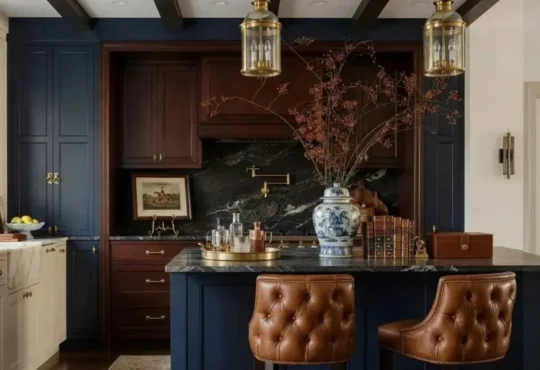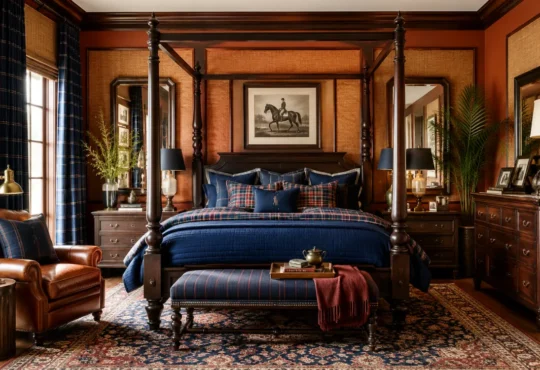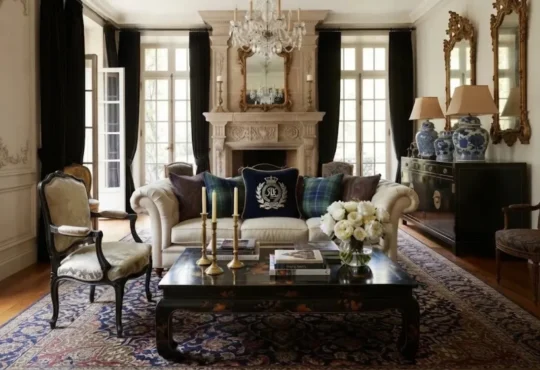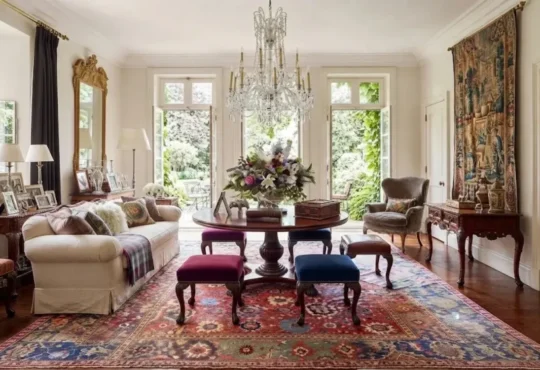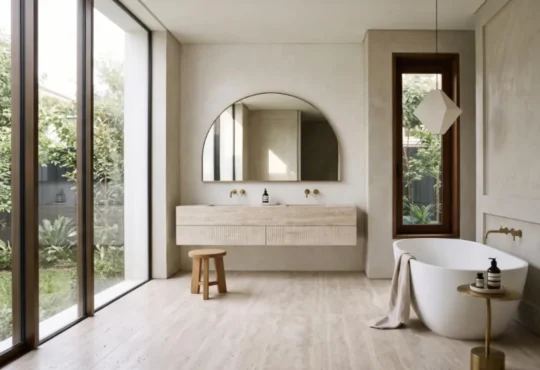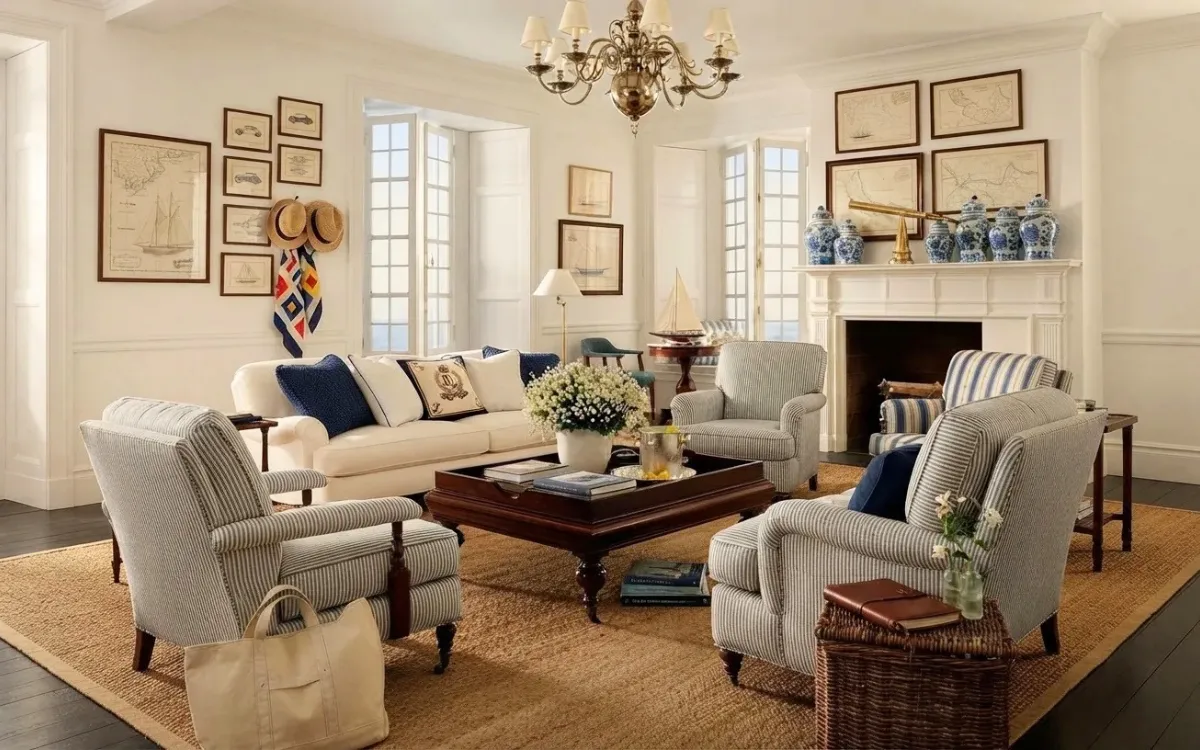
Ralph Lauren summer style brings a lighter seasonal expression to classic interiors through natural materials, tailored furniture, layered patterns, and relaxed textiles.
The challenge is knowing what to change and what to keep. This guide explains how to refresh color, fabrics, patterns, lighting, and seasonal styling without turning a classic home into generic coastal or beach-themed décor.
Defining Summer Style
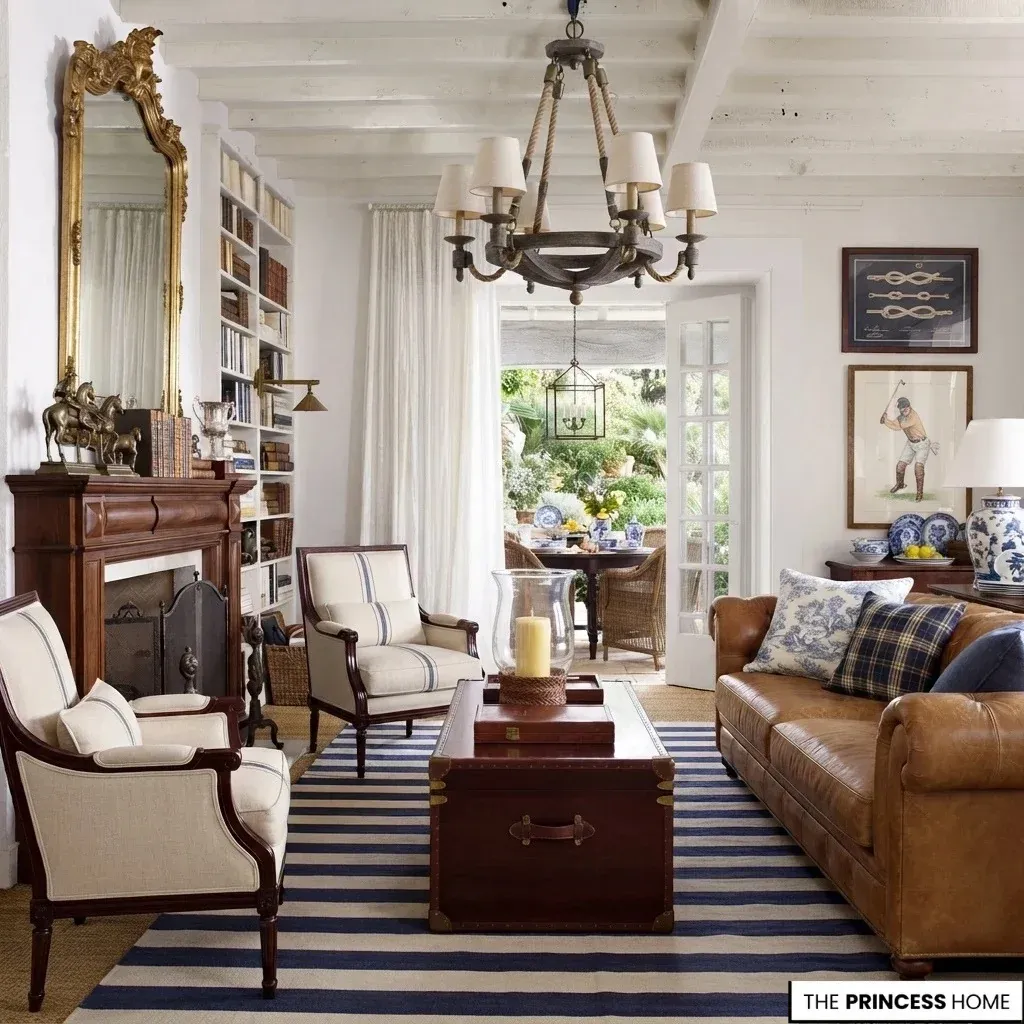
Ralph Lauren summer style is a seasonal expression of the broader Ralph Lauren design language rather than a separate decorating formula.
Ralph Lauren Home launched in 1983 with four distinct lifestyle worlds: Thoroughbred, New England, Jamaica, and Log Cabin. Each reflected a different design influence, demonstrating that the collection was never built around one fixed interior look.
Summer brings certain influences forward, particularly coastal settings, blue skies, ocean views, green landscapes, white architecture, relaxed fabrics, and outdoor living.
The Meadow Lane collection offers a contemporary example of this seasonal direction, combining coastal inspiration with blue and white textiles, chambray, plaids, florals, embroidery, and relaxed family living.
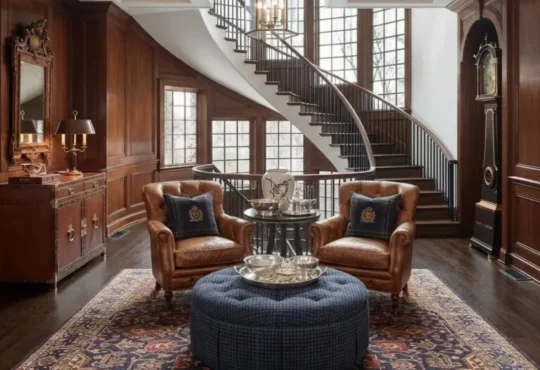
The important distinction is that a summer update does not require turning a classic interior into a beach house. A substantial sofa, wooden table, traditional chair, artwork, books, and meaningful personal pieces can remain.
The seasonal change comes through lighter textiles, fresher color, natural texture, pattern, and the way the room is used.
You do not need coastal architecture or an ocean view to use this approach. Color, textiles, pattern, natural texture, and seasonal light can introduce a summer expression into a traditional or urban home while preserving its established character.
Ralph Lauren summer style is also more layered and collected than generic coastal décor. Seasonal lightness works alongside tailored furniture, heritage patterns, natural materials, and personal pieces rather than relying on beach-themed decoration alone.
Choose Summer Colors
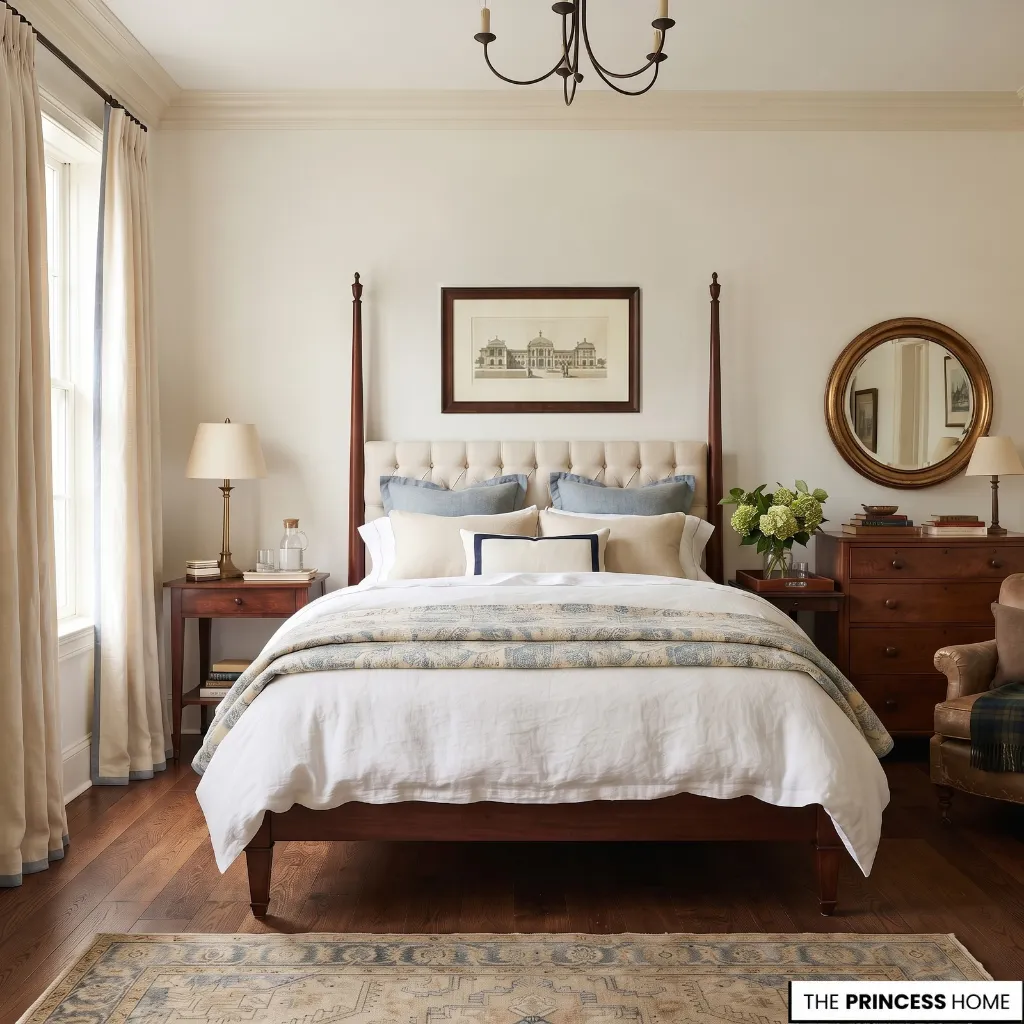
Start with colors that introduce light without removing the depth of the existing room. Warm white, cream, soft blue, faded blue, indigo, navy, natural tan, sandy beige, and muted green provide a useful summer palette.
Blue and white are especially natural choices because they connect with the coastal and New England influences associated with Ralph Lauren Home. Use white or cream as a larger field, then repeat blue through cushions, bedding, ceramics, artwork, or table textiles.
Deeper navy can provide an anchor, while wood and natural tan prevent the palette from becoming too cool. Warmer accents can also work when they relate to the room. Muted red or restrained coral, for example, can provide contrast without turning the interior into a collection of seasonal colors.
Consider the room’s existing finishes before selecting new accents. Dark wood, warm flooring, traditional upholstery, and existing artwork all influence how a particular shade of blue or white will appear.
A cream textile may sit more naturally alongside warm wood than a stark white, while a faded blue may complement an established traditional palette better than a highly saturated shade.
Avoid making every surface blue and white. Without cream, wood, natural tones, or darker accents, the room can lose the layered quality that keeps the style from feeling flat or overly literal.
If the room already contains dark wood or traditional furniture, you may need only lighter textiles and a few carefully placed blue or cream accents to shift its seasonal character.
Lighten Rich Materials
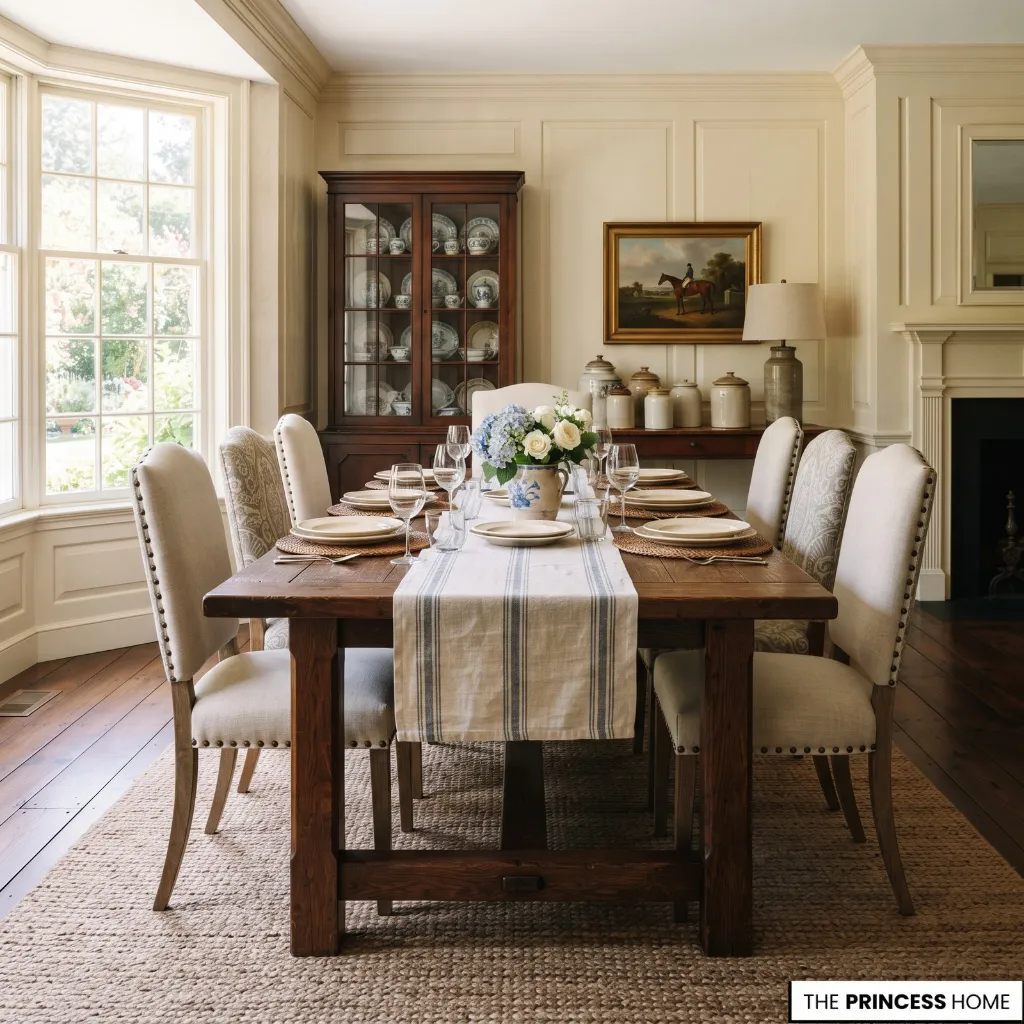
Summer does not mean removing every substantial material from the room. Instead, introduce lighter-feeling textiles and natural surfaces around the permanent foundation. Cotton, linen, chambray, cotton voile, and woven materials can work well for bedding, cushions, curtains, and other seasonal layers.
Ralph Lauren’s summer collections use a broader textile vocabulary that includes cotton, chambray, embroidery, plaid, florals, and other layered fabrics, so linen is not a requirement. The goal is to reduce visual heaviness while retaining texture.
A traditional wooden table can remain while a heavier table textile is replaced with a lighter one. A classic upholstered sofa can also stay in place while its cushions change to cotton, linen, or lighter patterned fabrics.
Choose textiles according to their intended use, not appearance alone. For example, bedding should feel comfortable against the skin and suit the room’s usual temperature, while cushion covers and table linens should be practical to clean and maintain.
For curtains, consider how much daylight and privacy the room needs before choosing a particularly light or transparent fabric.
The contrast between substantial furniture and lighter seasonal layers helps preserve the character of the room. If linen is unavailable or unsuitable, choose another good-quality lightweight textile that performs the same role.
The important decision is the fabric’s weight, texture, appearance, maintenance requirements, and suitability for its use rather than the fiber name alone.
Layer Classic Patterns
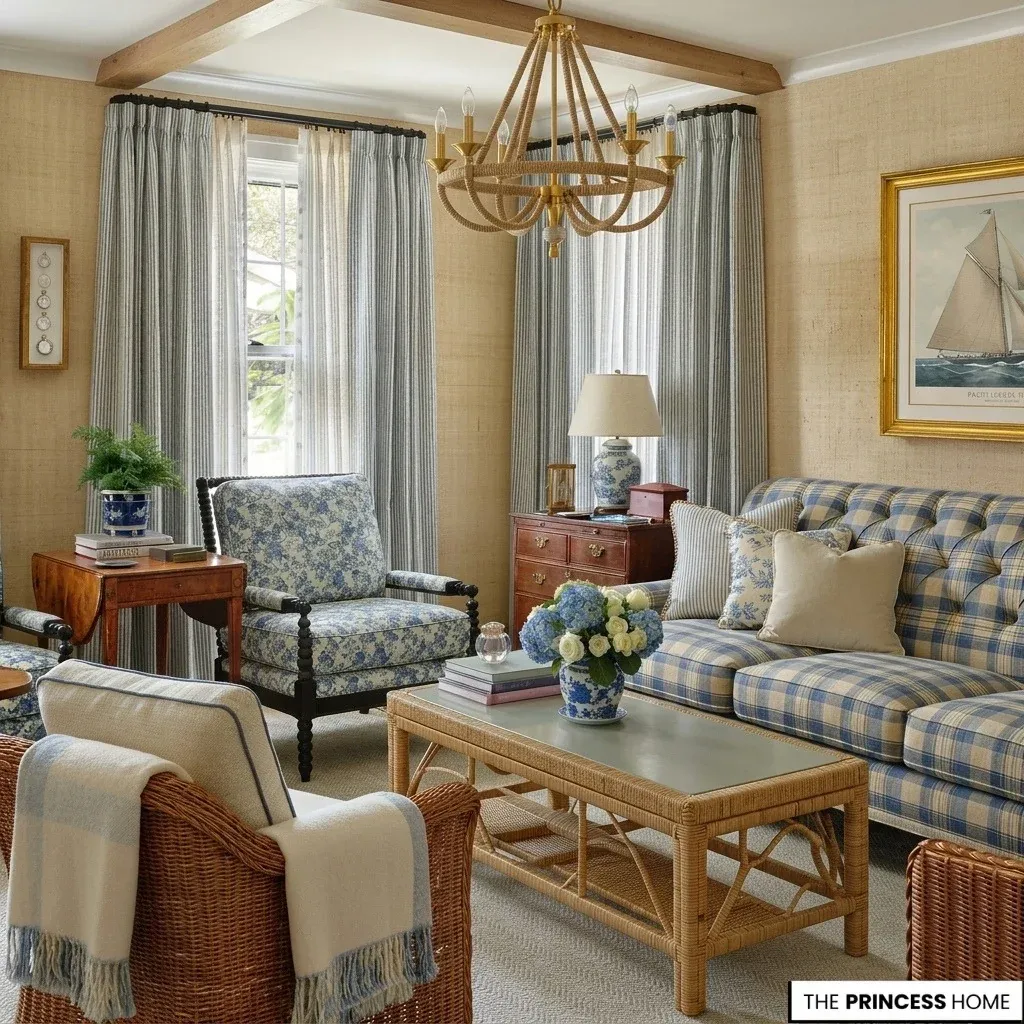
Pattern is an effective way to retain Ralph Lauren character while changing a room for summer. Stripes, plaids, checks, florals, patchwork, and heritage-inspired patterns can work together when their colors and scales are controlled.
Start with one dominant pattern, then add a smaller supporting pattern and quieter solids or textures. A blue-and-white stripe, for example, can establish the main direction while a smaller floral or check adds variation. A solid cream or natural textile gives the eye a quieter surface between them.
Consider both pattern scale and visual density. If the dominant pattern contains wide stripes or large florals, use a smaller, less visually busy design for the supporting pattern.
Two patterns of similar scale and intensity can compete, even when their colors coordinate. Varying their scale and allowing some solid or textured surfaces between them creates a more controlled arrangement.
Ralph Lauren’s Meadow Lane collection demonstrates this layered approach through combinations of patchwork plaids, florals, chambray, and sailing-inspired stripes. The goal is not to reproduce one collection but to understand how different patterns can coexist within a controlled palette.
Avoid placing nautical motifs on every cushion, wall, and tabletop. A stripe or coastal reference can suggest summer without turning the room into a theme.
Apply pattern through textiles and smaller furnishings first. This makes the seasonal expression easier to adjust later while allowing the permanent furniture to remain the foundation.
Keep Tailored Furniture
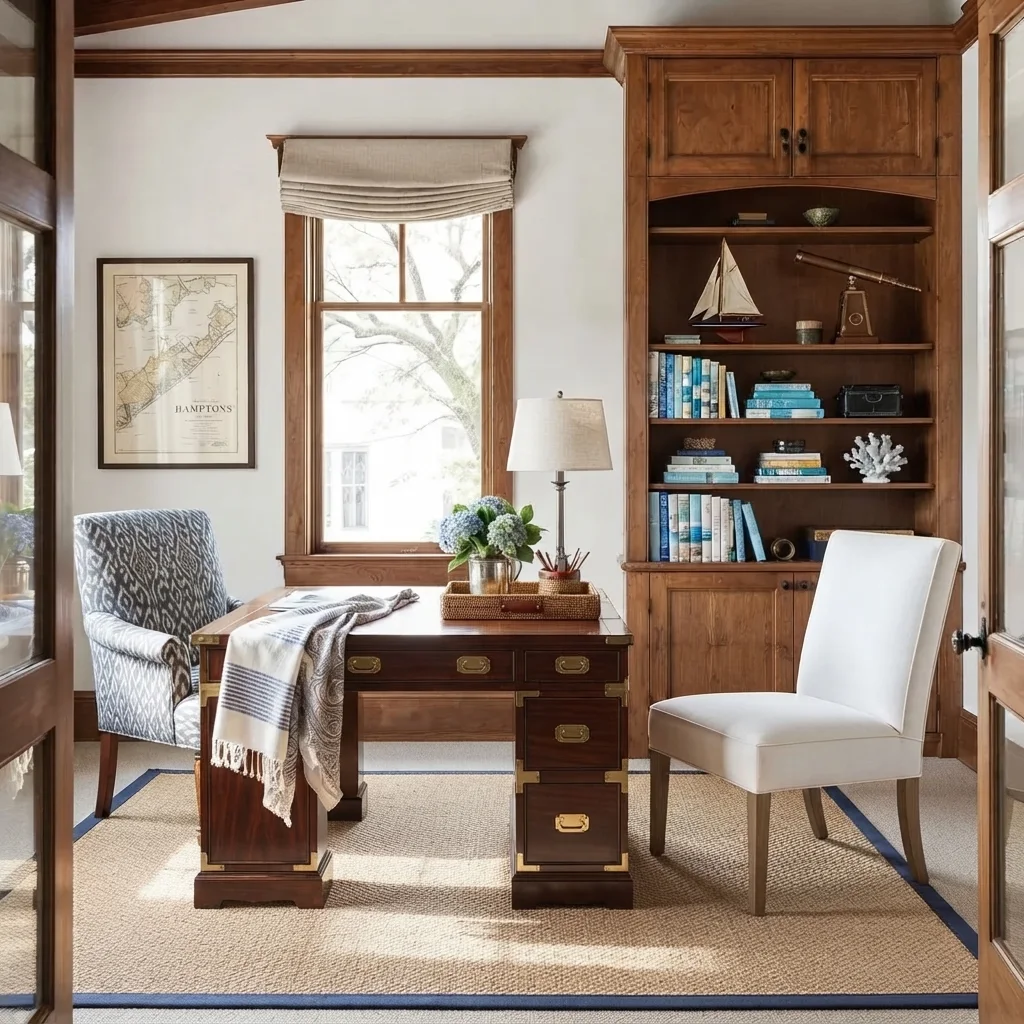
Major furniture usually does not need to change for summer. Tailored sofas, classic upholstered seating, substantial wooden tables, traditional chairs, classic beds, bookcases, and useful storage pieces can continue to define the room throughout the year.
Furniture establishes the room’s long-term character, while seasonal textiles and styling can change more easily.
Replacing substantial furniture simply because summer has arrived can weaken the connection between the seasonal update and the rest of the home. Adjust the layers around the furniture first.
Change cushions, throws, bedding, table textiles, and selected accessories before considering a major furniture purchase. For a limited budget, keeping existing furniture is often the most useful approach.
Put seasonal spending toward elements that are highly visible and easy to change, such as bedding, cushions, lightweight curtains, table linens, or a few carefully chosen accessories.
The same principle works in a small room. Rather than adding more seasonal furniture, lighten the visual layers, choose pieces that suit the room’s scale, and preserve open space around the furniture that already serves the room.
For a room that already has a suitable foundation, start with the easiest seasonal layers such as bedding, cushions, throws, and table textiles. Then adjust color, pattern, lighting, and smaller accessories before considering any permanent furniture change.
Use Natural Texture
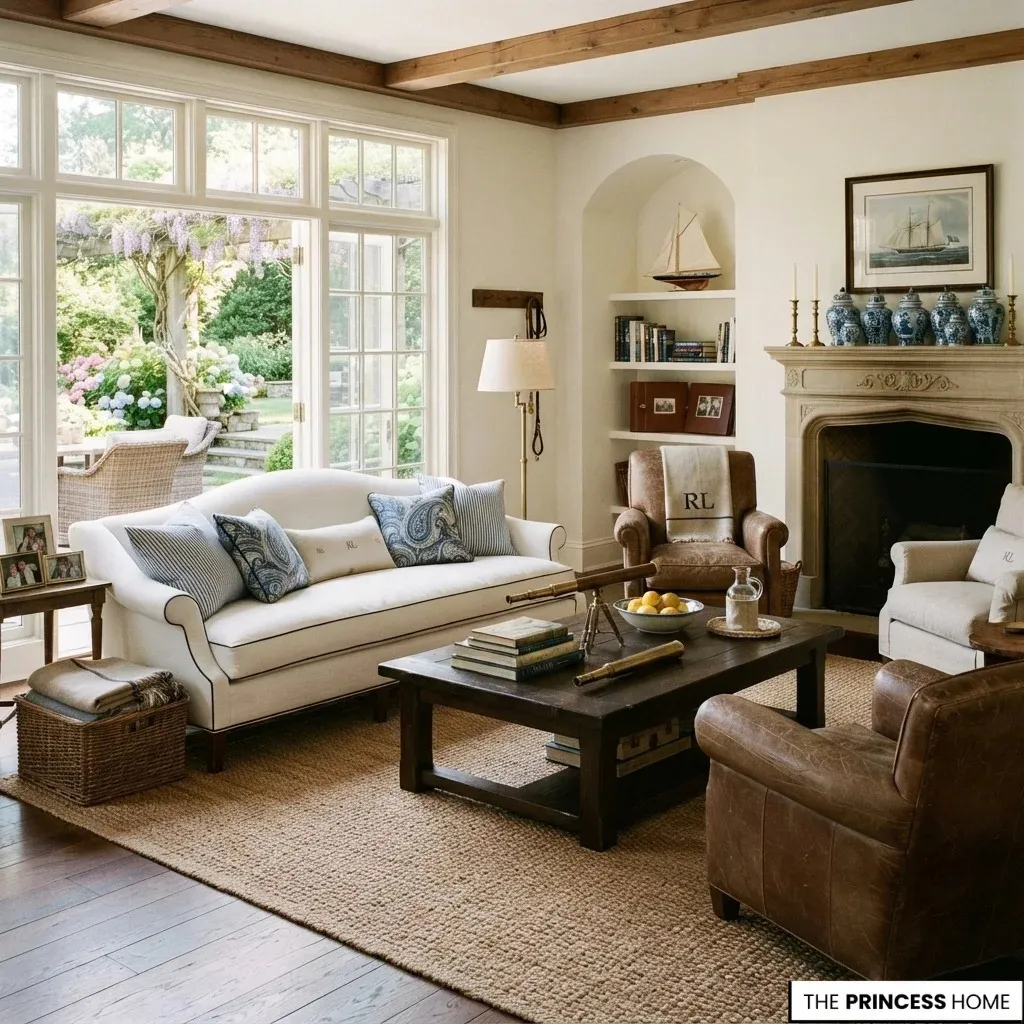
Natural texture keeps a lighter summer palette from becoming flat. Wood, cotton, linen, chambray, woven fibers, ceramics, and carefully selected wicker or woven elements can introduce variation without requiring more decoration.
Use contrast rather than quantity. Pair a smooth surface with something woven, a structured piece with a soft textile, or polished tableware with natural wood. The result is more varied without filling the room with accessories.
Wicker and woven furniture can work particularly well in rooms with a relaxed coastal or outdoor connection, but they should remain appropriate to the architecture and existing furniture.
Adding large amounts of rattan simply because it is associated with summer can pull the room toward a resort aesthetic.
Natural texture should support the room rather than announce the season. When the materials, colors, and furniture already relate to one another, only a few seasonal additions may be necessary.
Style Each Room

The same Ralph Lauren summer principles can be adapted according to how each room is used.
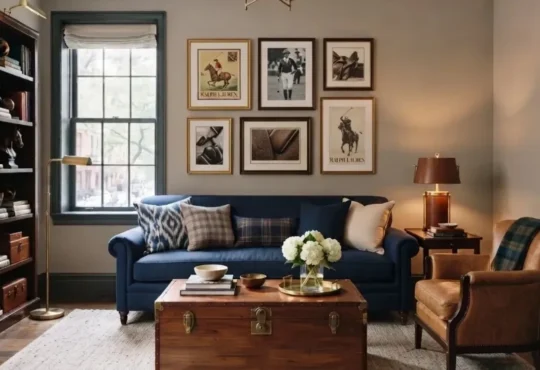
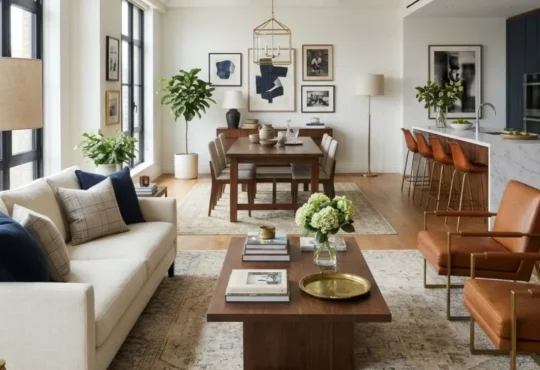
In the living room, keep the substantial seating and wooden pieces that establish the room’s character. Introduce lighter cushions, relaxed textiles, blue or faded blue accents, and a small amount of woven texture.
More open space around the furniture can also make the room feel lighter without requiring a complete change to the layout.
In the bedroom, bedding provides one of the simplest opportunities for seasonal change. Cotton, chambray, lighter linen, or other breathable-feeling textiles can replace heavier layers.
Blue and white, stripes, plaids, or restrained florals can introduce pattern while the classic bed and wooden furniture remain unchanged. Avoid styling the bedroom like a resort; artwork, books, personal objects, and familiar furniture should still make it feel like a home.
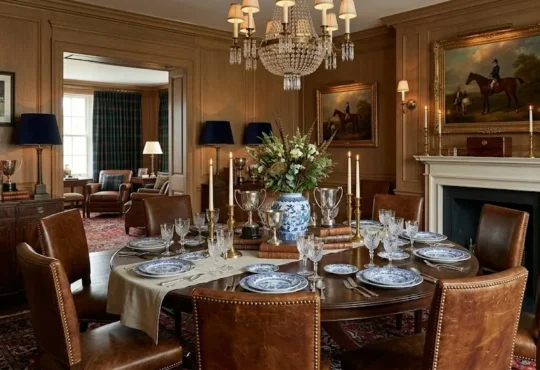
In the dining room, use lighter table linens, blue-and-white or striped textiles, natural wood, simple glassware, and restrained greenery or flowers. Summer entertaining can become more relaxed without abandoning the traditional furniture that gives the room its identity.
For outdoor spaces, carry selected colors and materials from the interior rather than copying the room literally. Comfortable seating, a useful dining area, suitable exterior textiles, and warm evening lighting can make a terrace or porch feel connected to the house.
Extend Summer Outdoors
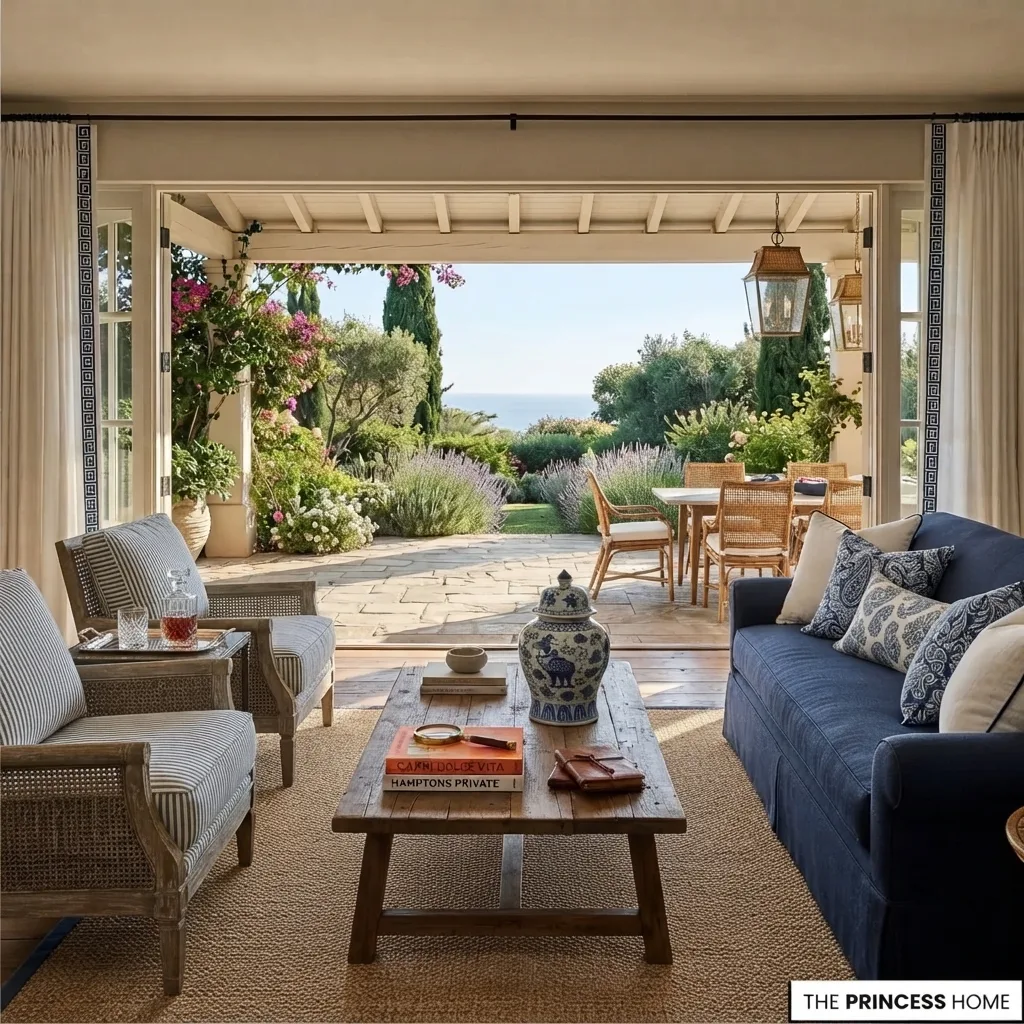
Summer living naturally expands into outdoor areas, but the outdoor space should remain part of the home’s overall design rather than becoming a separate decorative theme. Repeat a few interior colors outside through cushions, table settings, or other appropriate textiles.
Natural wood, woven materials, and comfortable seating can connect the spaces without making them overly coordinated.
For dining areas, focus on function first. A table that comfortably accommodates meals, durable textiles suited to outdoor exposure, simple tableware, and appropriate lighting are more useful than a large collection of seasonal accessories.
Outdoor materials require more practical consideration than indoor fabrics. Sun exposure, weather, cleaning requirements, and the manufacturer’s intended use should determine whether a particular textile or furnishing is suitable outside.
A fabric that works well on an indoor cushion is not automatically suitable for an exposed terrace or garden seating area.
Lantern-style lighting can support evening gatherings, while greenery can provide a natural transition between the house and garden. The aim is to make outdoor living feel like an extension of the home.
Layer Summer Lighting
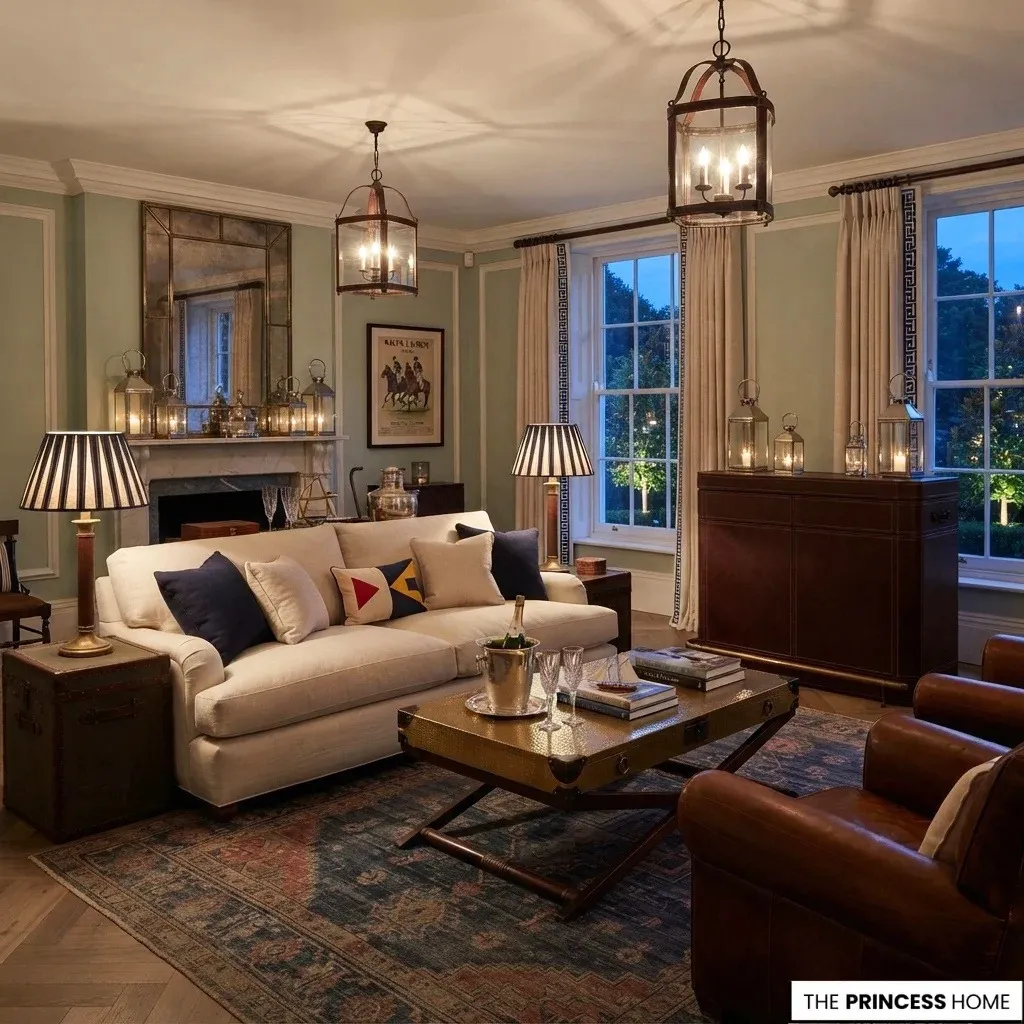
Summer lighting begins with making better use of natural daylight. Where appropriate, lighter window treatments and unobstructed windows can allow more daylight into the room without requiring architectural changes.
Evening lighting should remain warm and localized rather than relying entirely on bright overhead illumination. Table lamps, lantern-style fixtures, dining lighting, and suitable exterior lights can create several smaller areas of illumination throughout the home.
This approach works well with the layered character of Ralph Lauren interiors. A classic lamp, wooden furniture, artwork, and textiles can remain in place while the distribution of light changes how the room is used after sunset.
Do not assume that a particular technical lighting temperature is required to create Ralph Lauren summer style. A more useful principle is to combine generous daytime light with warm, comfortable evening illumination.
A Lasting Summer Look
Ralph Lauren summer style works best when the seasonal change is visible but does not overwhelm the room’s permanent identity. A successful summer interior does not need to become a different room.
Keep the tailored furniture, wood, personal pieces, and established proportions, then lighten the experience through color, textiles, pattern, natural texture, daylight, and relaxed seasonal use. The result should feel distinctly summery while still belonging to the home.
Further Reading
Explore these related guides for more design inspiration and practical ideas for creating timeless interiors.
- Timeless Ralph Lauren-Inspired Living Room Design
- Creating a Bedroom with Heritage Luxury
- Elegant Kitchen Design Inspired by Ralph Lauren
- A Dining Room That Combines Classic Style and Timeless Luxury
- How to Achieve Ralph Lauren Style on a Budget
- Modern Heritage Interiors for Apartment Living
- Elegant Summer Living with Ralph Lauren Style
- Welcoming Entryways with Classic Elegance
- Timeless Luxury Bathroom Design Ideas
- Creating a Luxurious Ralph Lauren-Inspired Home Office
- Timeless Outdoor Spaces with Ralph Lauren-Inspired Details