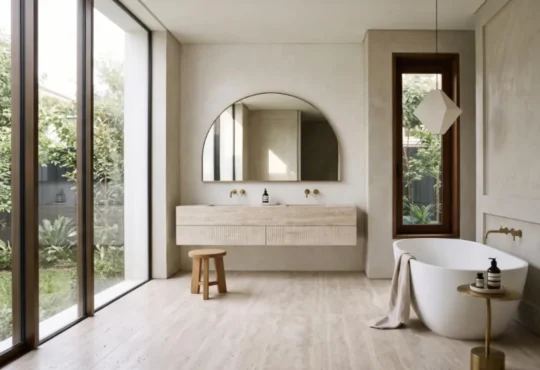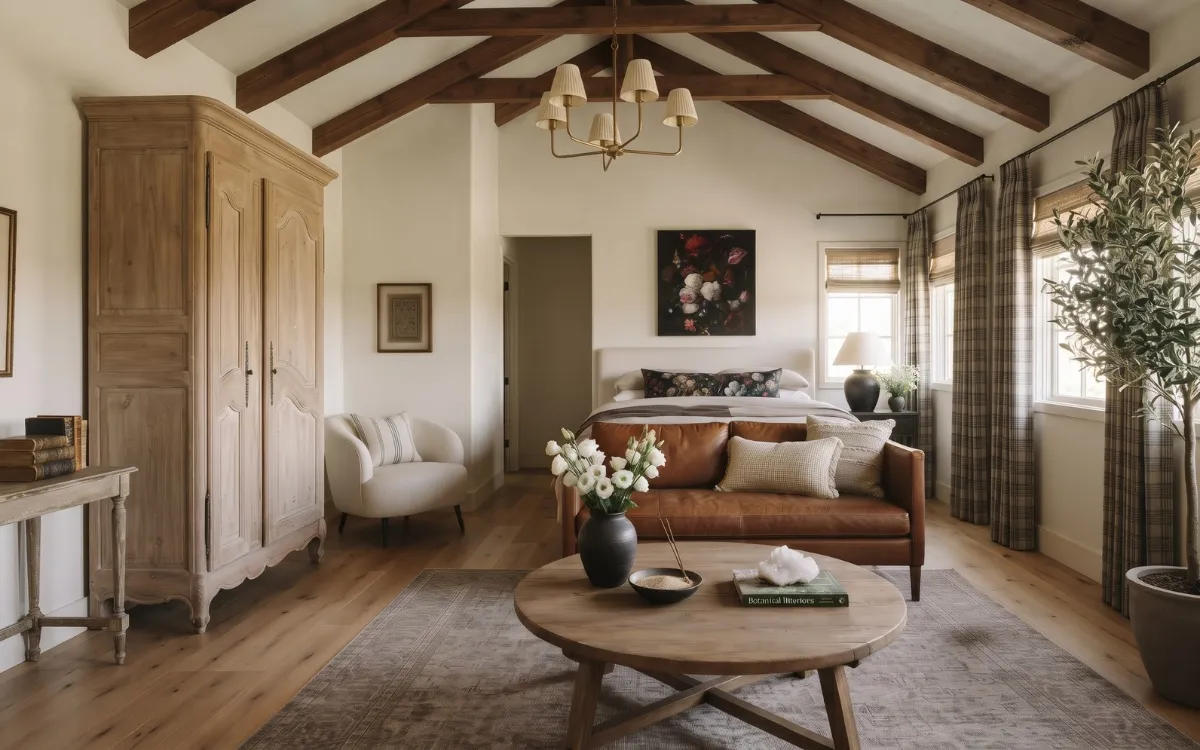
Bedroom design in 2027 is moving toward more personal, comfortable spaces that reflect everyday life. Designers are exploring warmer colors, tactile materials, expressive furniture, and thoughtful layouts.
The focus is on creating bedrooms that support rest, accommodate daily routines, and reflect individual lifestyles. From layered lighting to flexible furniture, these trends offer practical ways to create a space that feels both comfortable and lasting.
What Defines 2027 Bedrooms?
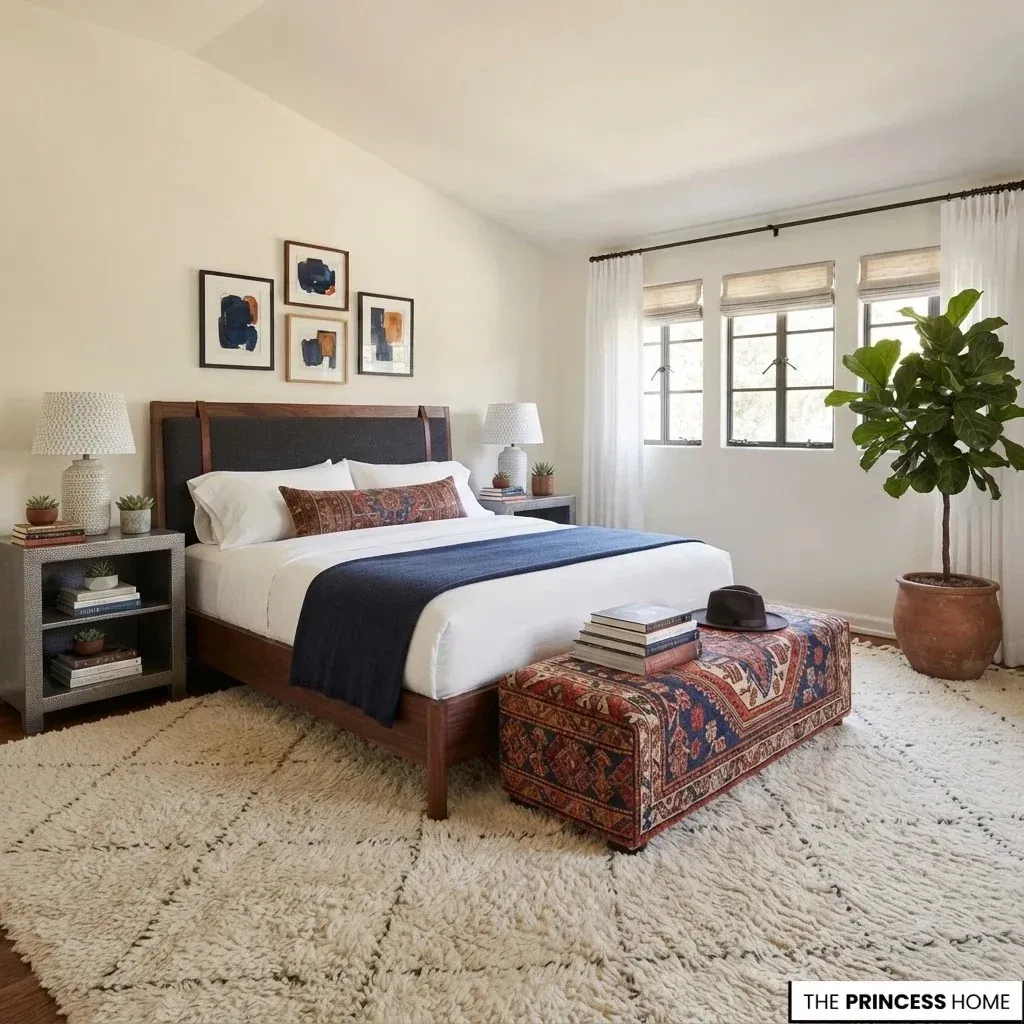
Several bedroom design directions emerging in 2027 share a common emphasis on comfort, individuality, and visual character. Warm color palettes, natural materials, distinctive furniture, and more personal combinations of old and new pieces are receiving renewed attention.
This does not mean that every bedroom needs a complete redesign. Some ideas involve changing the color of a wall or introducing a more tactile fabric, while others require a more considered approach to furniture placement, lighting, or storage.
The most useful direction is to treat these trends as design choices rather than rules. A bedroom should respond to its proportions, natural light, existing furniture, and the routines of its occupants.
The strongest results come from selecting ideas that improve the room rather than adding features simply because they are fashionable.
Embrace Warmer Color
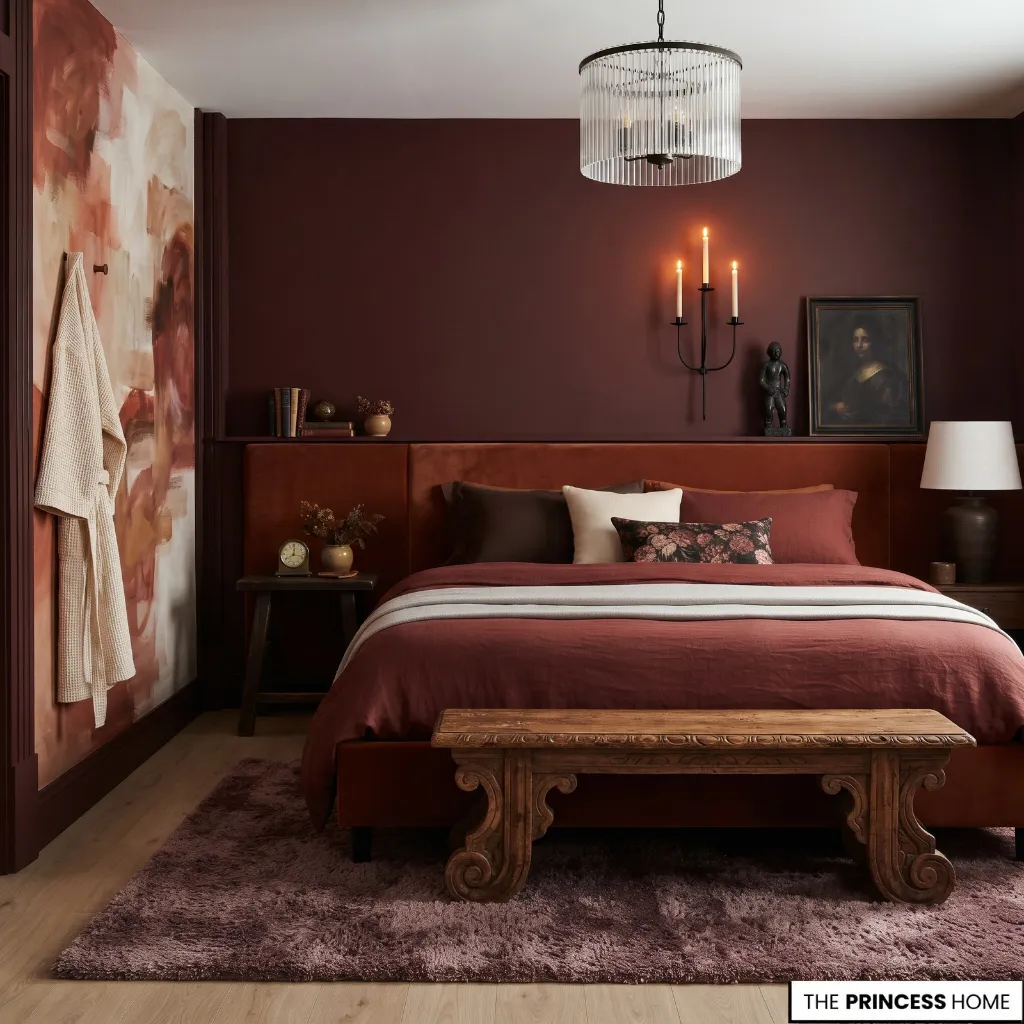
Warmer colors are gaining attention as an alternative to bedrooms dominated by cool gray and predictable neutral combinations. Terracotta, muted rust, warm brown, dusty rose, olive green, and deeper burgundy can introduce more character while maintaining a comfortable atmosphere.
The key is to consider how much color the room can accommodate. A warm accent wall can establish a clear focal point without overwhelming the space. Larger bedrooms may support richer colors across several surfaces, while smaller rooms often benefit from a more selective approach.
Color also changes according to natural and artificial light. A muted green may appear soft in daylight and considerably deeper under warm evening lighting. Before committing to a large painted surface, test samples on different walls and observe them throughout the day.
For a coordinated scheme, combine warm colors with materials that complement their undertones. Terracotta works well with natural wood and textured linen, while olive green can sit comfortably alongside aged brass, walnut, or warm stone.
The goal is not to make every bedroom colorful. It is to move beyond automatic neutral choices and select a palette that gives the room a more individual character.
Try Color Drenching
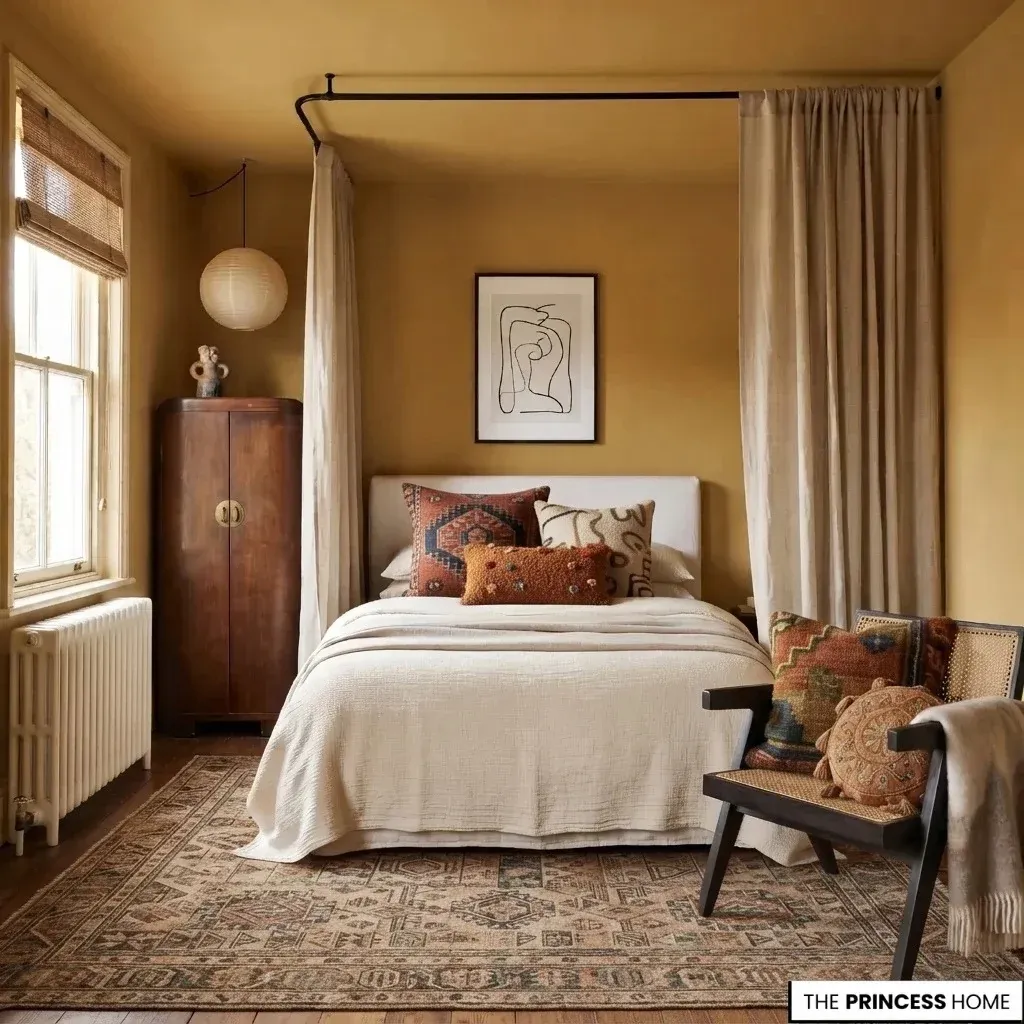
Color drenching uses one dominant color across several surfaces, often including walls, ceilings, woodwork, and sometimes furniture. Instead of treating each surface as a separate decorative element, the approach creates a more continuous visual environment.
Full Color Drenching
Full color drenching applies the same or closely matched color across multiple surfaces. Walls, ceilings, doors, and trim can share one shade, creating a unified effect that makes architectural details feel connected rather than visually separated.
The result can be particularly effective when the color suits the room’s natural light and proportions. Deeper shades can create an intimate atmosphere, while lighter colors offer a softer interpretation of the technique.
Tonal Color Drenching
A related approach uses different shades and intensities from the same color family. For example, a bedroom might combine muted blue walls, a deeper blue headboard, and softer blue-gray textiles.
This tonal method introduces variation without losing the overall relationship between surfaces. It can be useful when applying one color to every element feels too uniform.
Furniture and textiles should support the color rather than compete with it. Natural wood, contrasting upholstery, and carefully selected metal finishes can provide enough variation to keep the room from feeling flat.
Color drenching works best when the chosen shade suits the architecture and atmosphere of the bedroom, rather than being applied as a trend without considering the space.
Choose Tactile Materials
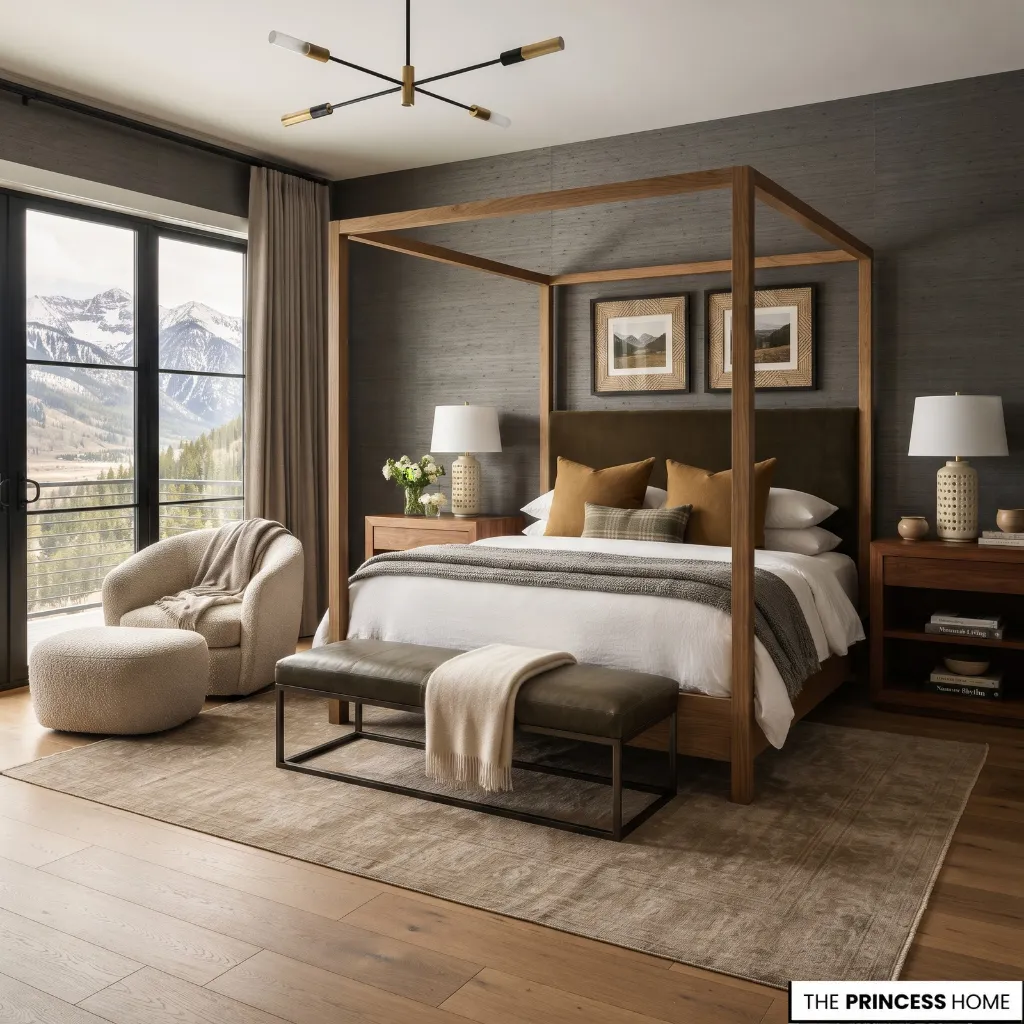
Texture is an important part of bedroom design because it affects how the room looks and feels. In 2027, tactile materials remain a prominent direction, with greater attention to natural finishes, soft upholstery, textured wall treatments, and fabrics that introduce depth without relying on strong patterns.
Linen, cotton, wool, velvet, and boucle can each contribute a different surface quality. Their effect depends on how they are combined. A smooth wooden bedside table beside a textured upholstered headboard, for example, creates contrast without requiring additional decoration.
Bedding, curtains, cushions, and upholstered seating offer opportunities to introduce different textures. The aim is to create variation while maintaining a comfortable relationship between the materials.
Timber, natural stone, and woven materials can add organic variation to the bedroom. Their grain, color, and surface differences help prevent the room from feeling overly uniform.
These materials do not need to match exactly. A combination of wood, stone, and natural textiles can create a coherent scheme when their colors and finishes work together.
Upholstered wall panels and fabric-covered headboards can introduce softness around the bed. Depending on their construction and installation, some upholstered surfaces may help reduce sound reflections, although they should not be treated as a substitute for proper acoustic insulation.
Material selection should consider maintenance as well as appearance. Linen and cotton offer breathable, relaxed finishes, while velvet introduces a richer surface that may require more careful cleaning. Timber and stone provide visual structure, but their finishes should suit the practical demands of the room.
The most successful combinations include different textures without introducing too many competing materials. A few well-chosen surfaces can make a bedroom feel more complete than a large collection of unrelated finishes.
Make the Bed Focal
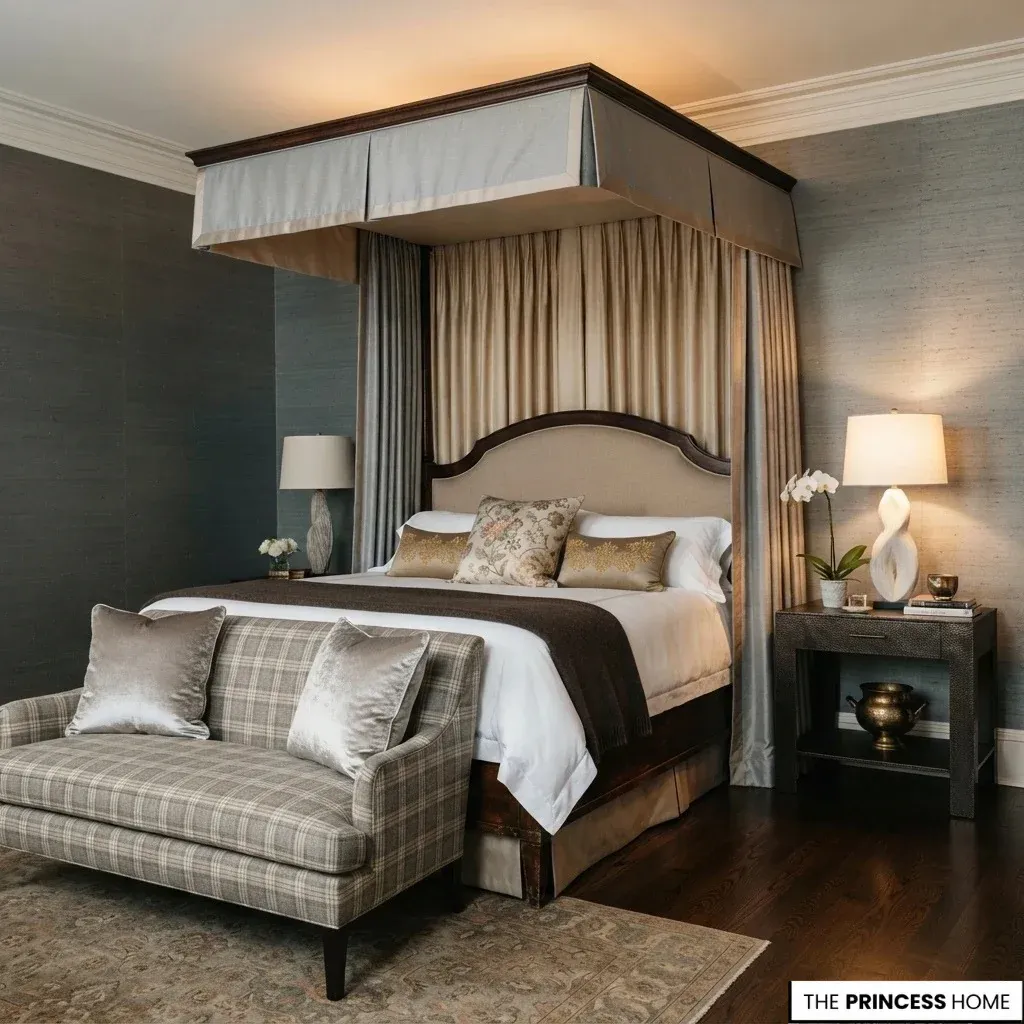
The bed usually occupies the largest visual area in a bedroom, making it a natural starting point for the overall design.
In 2027, statement beds and more distinctive headboard designs continue to attract attention, particularly when they introduce architectural shape, upholstery, or carefully considered detailing.
A tall upholstered headboard can establish a strong focal point while providing a comfortable surface for sitting up in bed. Curved headboards soften the appearance of the room, while wooden or paneled designs can introduce a more structured architectural character.
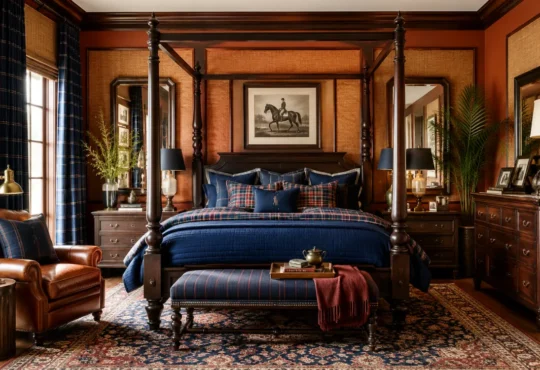
Canopy beds offer another way to give the sleeping area greater presence. Their frames can define the bed without requiring additional architectural changes, although their proportions should suit the ceiling height and available floor space.
Platform beds, integrated headboard designs, and frames with distinctive shapes can also establish a clear focal point. The right choice depends on the room’s dimensions and the visual character of the furniture.
The bed frame, headboard, bedside tables, and surrounding lighting should be considered together. A large statement headboard may need simpler bedside furniture to preserve visual balance. Conversely, a restrained bed frame can support more expressive lamps, artwork, or textiles.
The focal point should not come at the expense of movement around the bed. Leave enough room to access both sides where possible, open drawers comfortably, and make the bed without obstruction.
A well-chosen bed can give the entire bedroom a clear design direction without requiring every other element to compete for attention.
Layer Bedroom Lighting
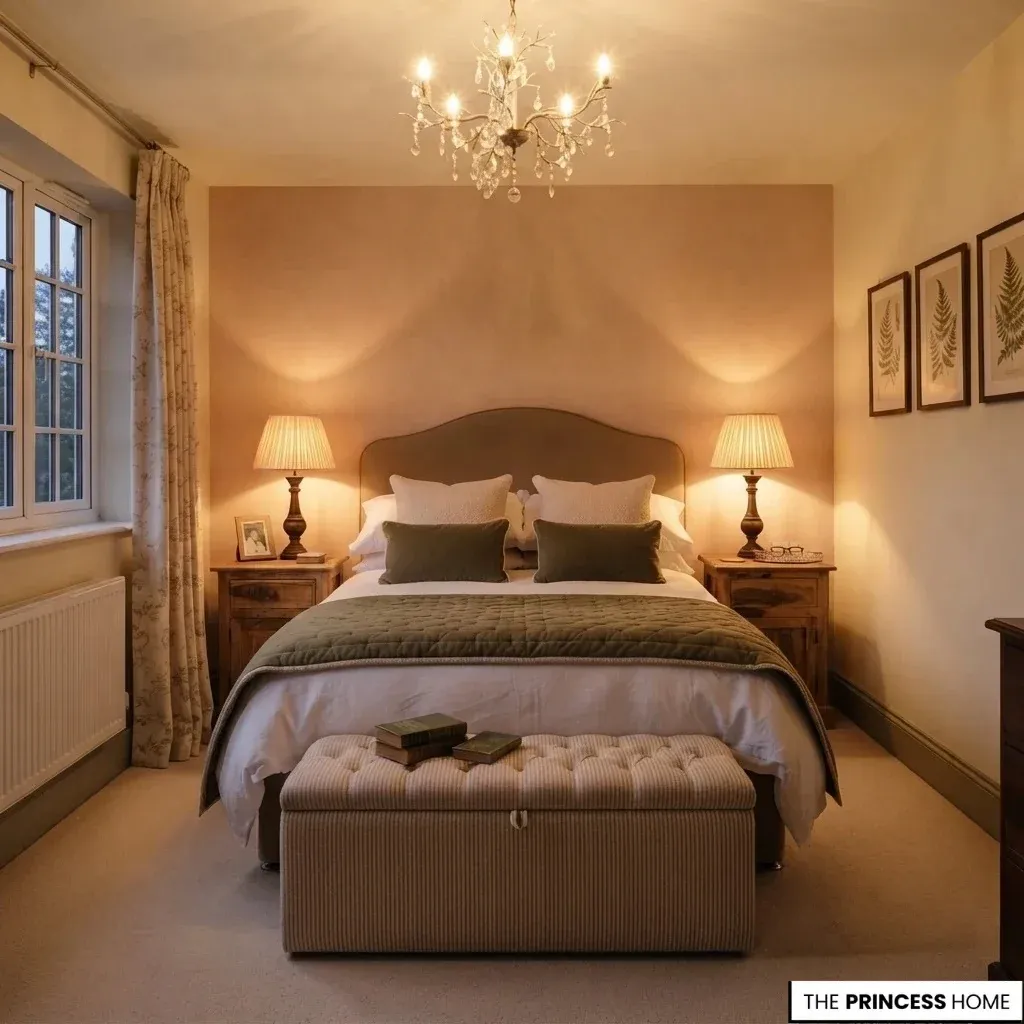
Bedroom lighting needs to support different activities throughout the day. A single ceiling fixture rarely provides enough flexibility for reading, dressing, relaxing, and moving safely around the room.
Combine Three Lighting Layers
A more effective plan combines three lighting functions:
Ambient lighting: Provides general illumination through ceiling fixtures, recessed lights, or indirect lighting.
Task lighting: Supports specific activities, such as reading beside the bed or applying makeup at a dressing table.
Accent lighting: Highlights selected architectural features, artwork, shelving, or textured surfaces.
Each layer serves a different purpose. Together, they provide more control over the room’s atmosphere and practical use.
Plan Bedside & Dressing Lighting
Bedside lighting deserves particular attention. Wall-mounted reading lights can free up space on small bedside tables, while adjustable lamps allow users to direct light where it is needed.
Dressing areas benefit from lighting that makes clothing and colors easier to see. Where possible, position light sources to reduce harsh shadows on the face. Lighting around mirrors should be practical rather than purely decorative.
Adjust Light for Different Times
Dimmable fixtures add another layer of control. Brighter settings can support morning routines, while softer illumination is more suitable for winding down in the evening.
Warm-toned lighting is often preferred for relaxing bedroom environments, although the best choice depends on the room’s finishes and the activities taking place.
Plan the lighting before finalizing furniture placement. Electrical points, switches, and wall lights are easier to coordinate when the position of the bed and other major pieces has already been established.
Bring Nature Indoors
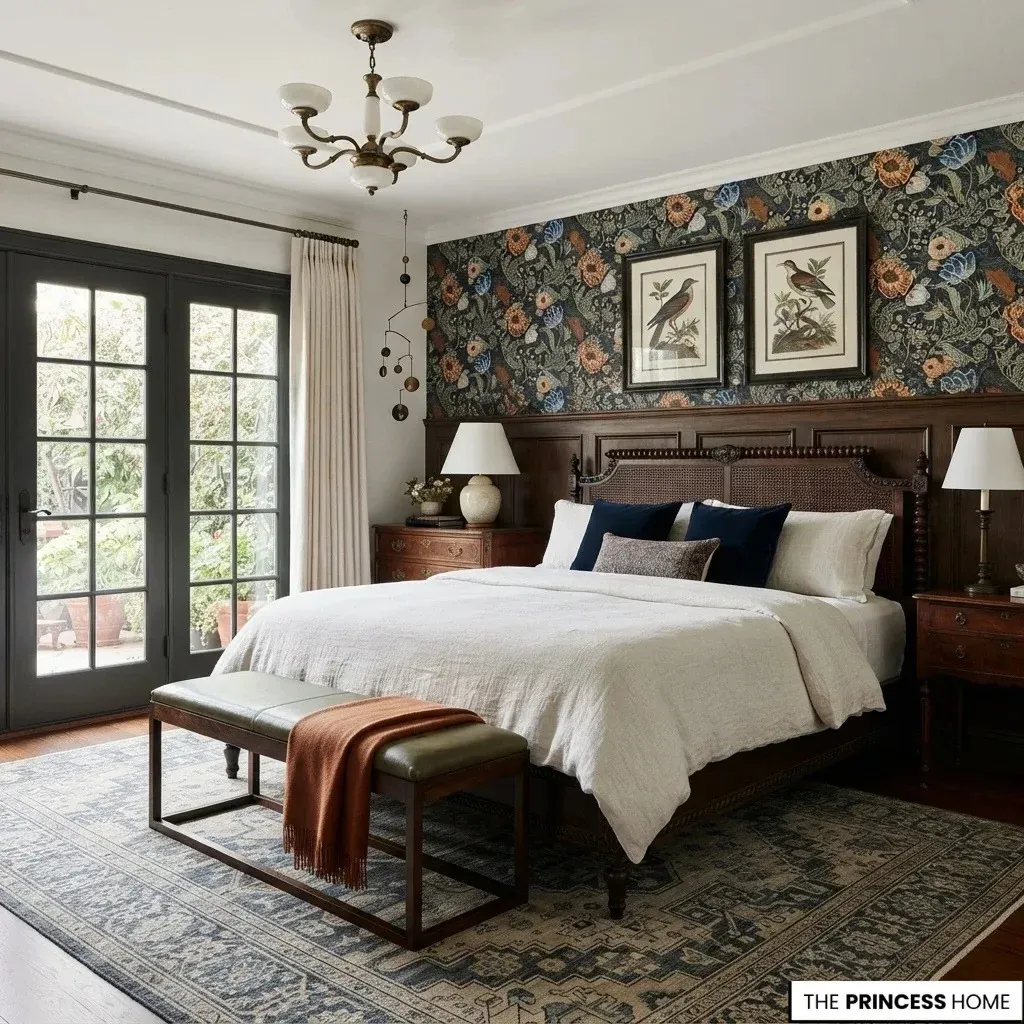
Natural materials, plants, daylight, and views of the outdoors can help create a bedroom that feels more connected to its surroundings. This direction is often associated with biophilic design, which considers the relationship between people and the natural environment.
Wooden furniture, stone details, woven textures, and natural fabrics can introduce organic variation. These materials do not need to match exactly. Their differences in grain, surface, and color often make the room feel more authentic.
Plants can add life and soften hard architectural lines, but their placement should reflect the available daylight and the practical conditions of the bedroom. Choose varieties suited to the room rather than selecting plants for appearance alone.
Natural light is equally important. Avoid blocking windows with unnecessarily heavy furniture, and consider window treatments that provide privacy without removing all daylight.
Nature-inspired design does not require a bedroom filled with plants or rustic finishes. A simple combination of timber, natural textiles, daylight, and a small number of carefully selected organic elements can establish the same connection.
Mix Old and New
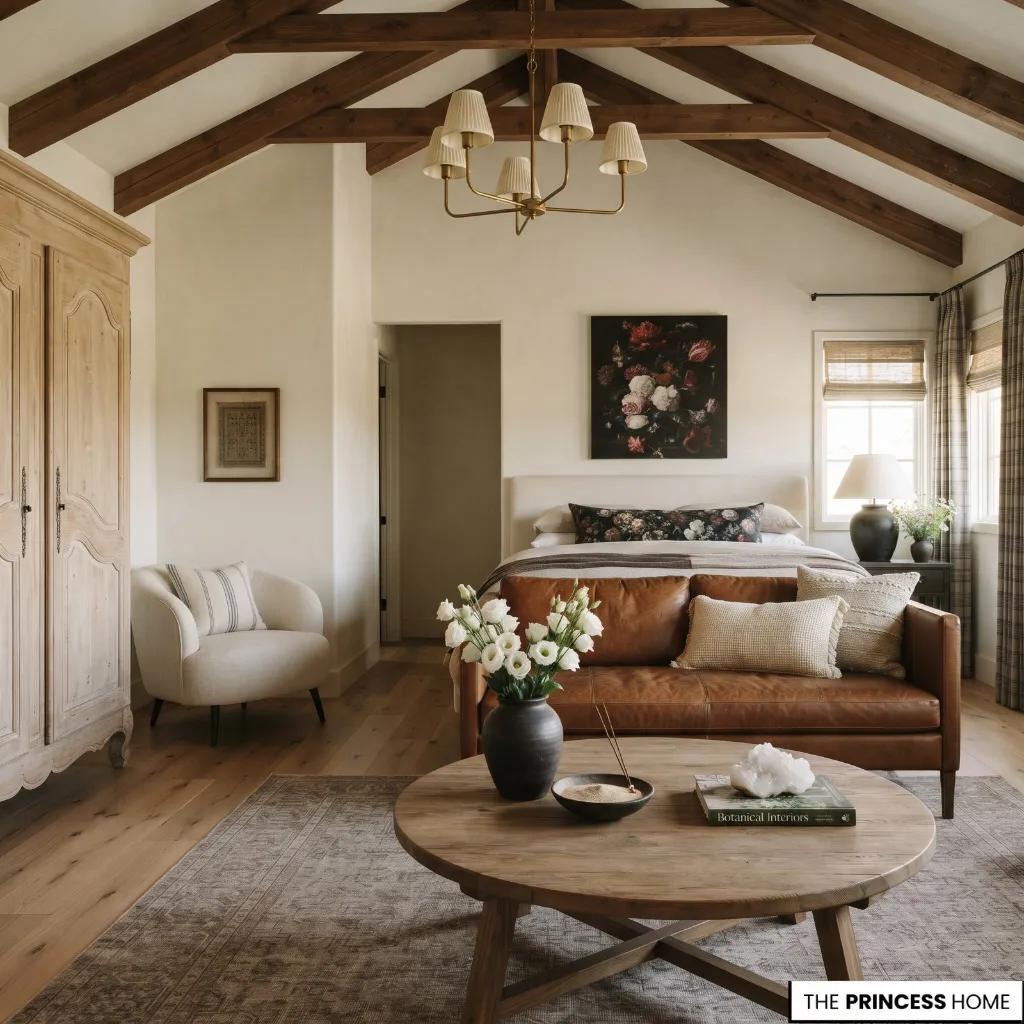
Combining vintage and contemporary furniture can give a bedroom more individuality than purchasing every piece from the same collection. Older furniture often introduces craftsmanship, patina, and distinctive details, while modern pieces can provide cleaner lines and more practical proportions.
An antique dresser, vintage bedside table, or traditional wooden chair can provide a starting point for a mixed-furniture scheme. Choosing one distinctive piece first helps establish the room’s character without filling it with competing styles.
The challenge is making the combination feel intentional. Age alone does not create a successful mix. The pieces need a relationship through scale, shape, material, color, or visual weight.
For example, an antique wooden dresser can work alongside a contemporary upholstered bed when their proportions are compatible. A modern bedside table may also provide a useful contrast beside a traditional headboard.
Color can help connect different periods. Repeating a wood tone, metal finish, or fabric color in more than one place creates continuity without making the furniture identical.
Avoid filling the room with unrelated statement pieces. Choose one or two distinctive older items and allow the remaining furniture to support them. This approach gives the bedroom character while preserving a clear visual structure.
The aim is not to recreate a particular historical period. It is to combine pieces that serve the room and create a more personal result.
Use Personal Pattern
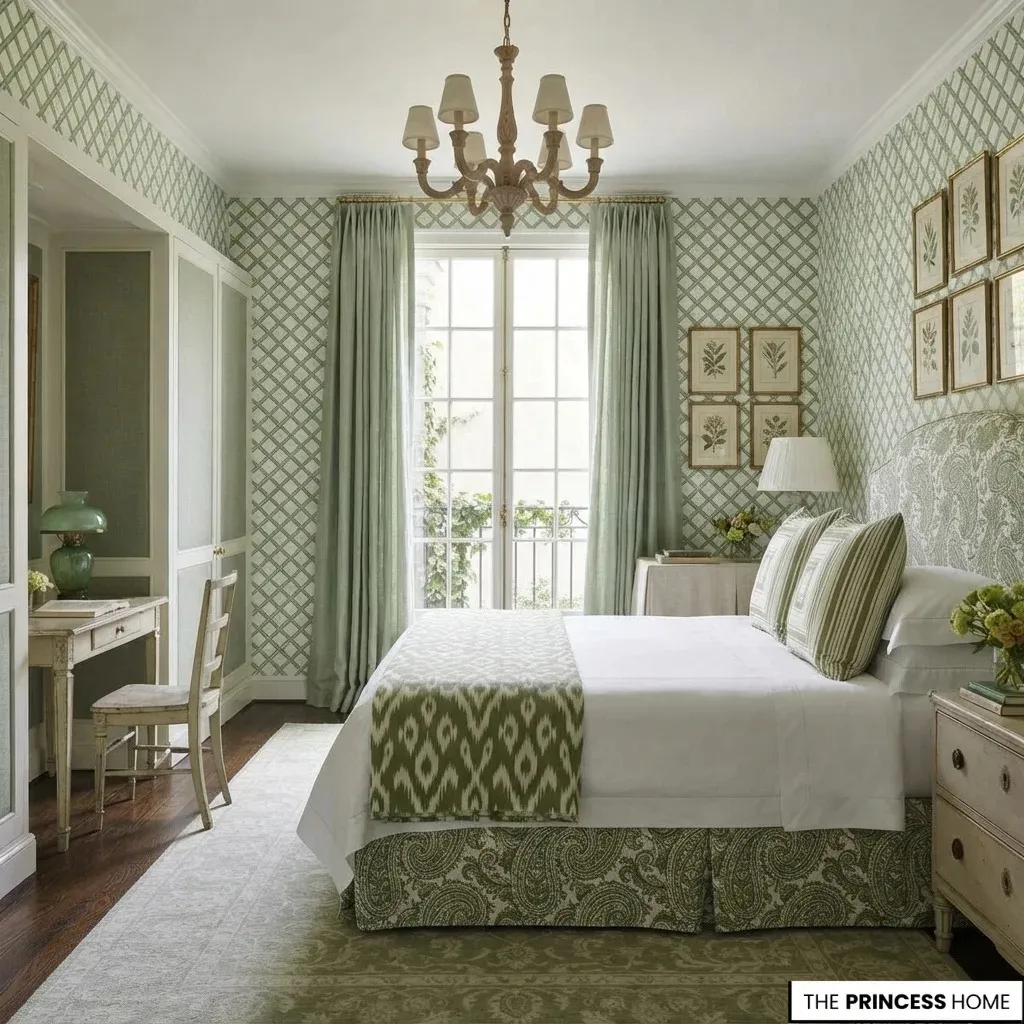
Pattern can bring individuality to a bedroom, particularly when it is selected according to the scale and character of the space. Florals, stripes, geometric designs, botanical prints, and traditional motifs can all work, provided they have a clear relationship with the rest of the room.
The easiest way to introduce pattern is through bedding, cushions, curtains, or an upholstered chair. These elements can be changed more easily than wallpaper or permanent finishes, making them useful when experimenting with a new direction.
Larger patterns tend to attract more attention and are often more effective on a single surface. Smaller patterns can provide visual detail across larger areas, although repeating too many small motifs may make the room feel busy.
When combining patterns, vary their scale and give each one enough visual space. A large floral print can sit alongside a smaller stripe when their colors are related. Repeating one or two colors across different patterns helps connect them.
Pattern does not need to dominate the bedroom. It can be used selectively to highlight the bed, introduce a decorative feature, or connect otherwise simple furnishings.
The most successful approach is to choose patterns that reflect the character of the room rather than treating them as interchangeable decoration.
Create a Restorative Retreat
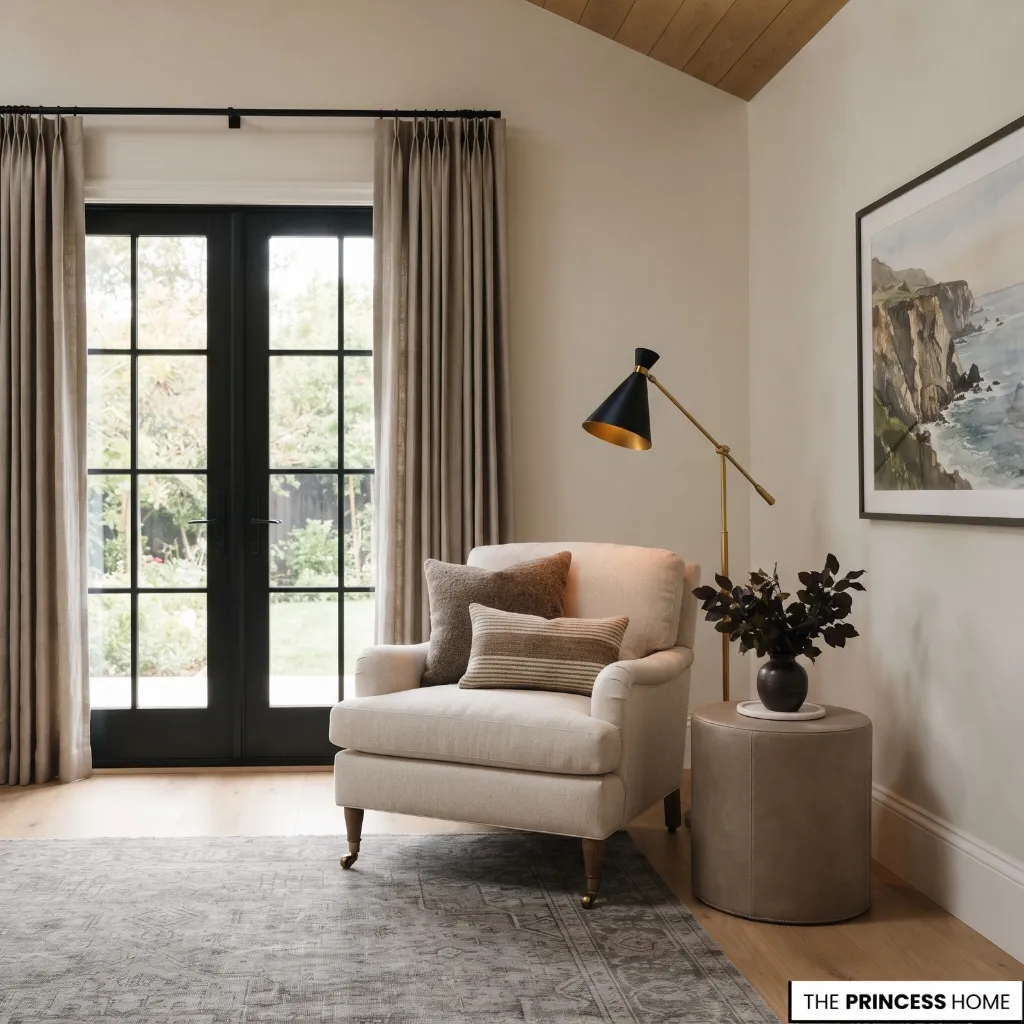
A bedroom should support rest, but its design also needs to accommodate the practical activities that take place there. Sleep, dressing, reading, and quiet personal time all influence how the room should be arranged.
A restorative bedroom begins with a clear sleeping area. The bed should have enough surrounding space for comfortable access, while unnecessary furniture and visual clutter should be kept under control.
Textiles can contribute to comfort through their softness, weight, and suitability for the season. Bedding should be selected according to personal sleeping preferences and maintenance needs, rather than appearance alone.
Acoustic comfort also deserves consideration. Heavy curtains, upholstered furniture, rugs, and soft furnishings can help reduce some sound reflections within a room. However, they cannot eliminate noise from neighboring spaces or replace proper sound insulation.
Visual organization is equally important. Closed storage can conceal everyday belongings, while open shelves are best reserved for items that contribute to the room’s function or appearance.
A comfortable bedroom should also leave room for movement. Overfilling the space with decorative furniture can make daily routines more difficult and reduce the sense of ease the room is intended to provide.
The most restorative bedrooms are not necessarily the most elaborate. They are spaces where comfort, organization, lighting, and personal preferences work together.
Reduce Digital Distraction
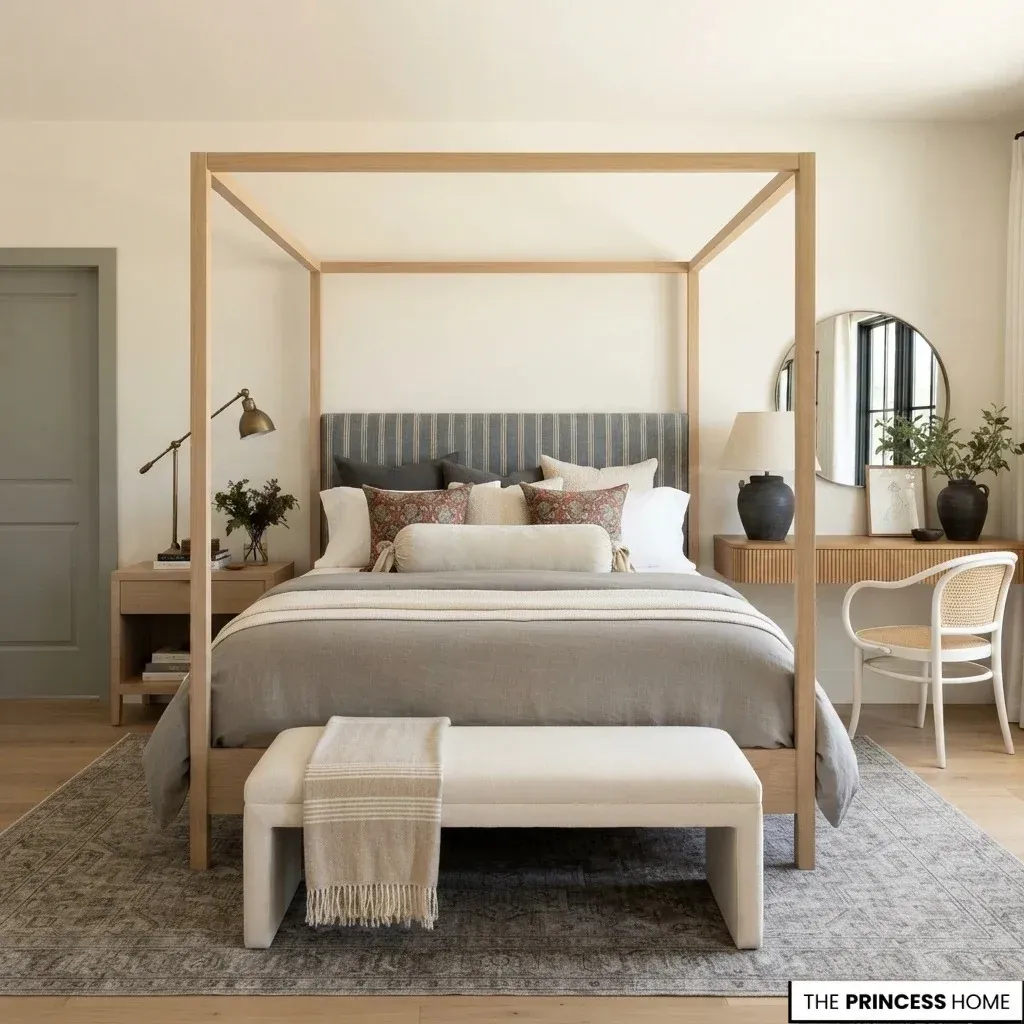
The idea of a quieter, less connected bedroom is gaining attention as more people reconsider the role of technology in their daily routines. Sometimes described as an analog bedroom, this approach gives greater priority to rest and offline activities.
The practical starting point is deciding which devices genuinely need to remain in the room. A television, computer, or collection of charging devices may be useful for some households, but unnecessary for others.
If a television is required, consider placing it where it does not dominate the main view of the bed. Concealed storage, integrated cabinetry, or a carefully planned wall arrangement can help reduce its visual presence.
A bedside table can also be organized around non-digital activities. A reading lamp, book, small clock, or notebook can provide useful alternatives to keeping a phone within immediate reach.
Cable management is another simple improvement. Keep charging points accessible but organized, and avoid allowing wires to become a permanent visual feature.
Reducing digital distraction does not mean removing every device. It means making deliberate decisions about which technologies support daily life and which ones interfere with the atmosphere intended for the bedroom.
Design Functional Zones
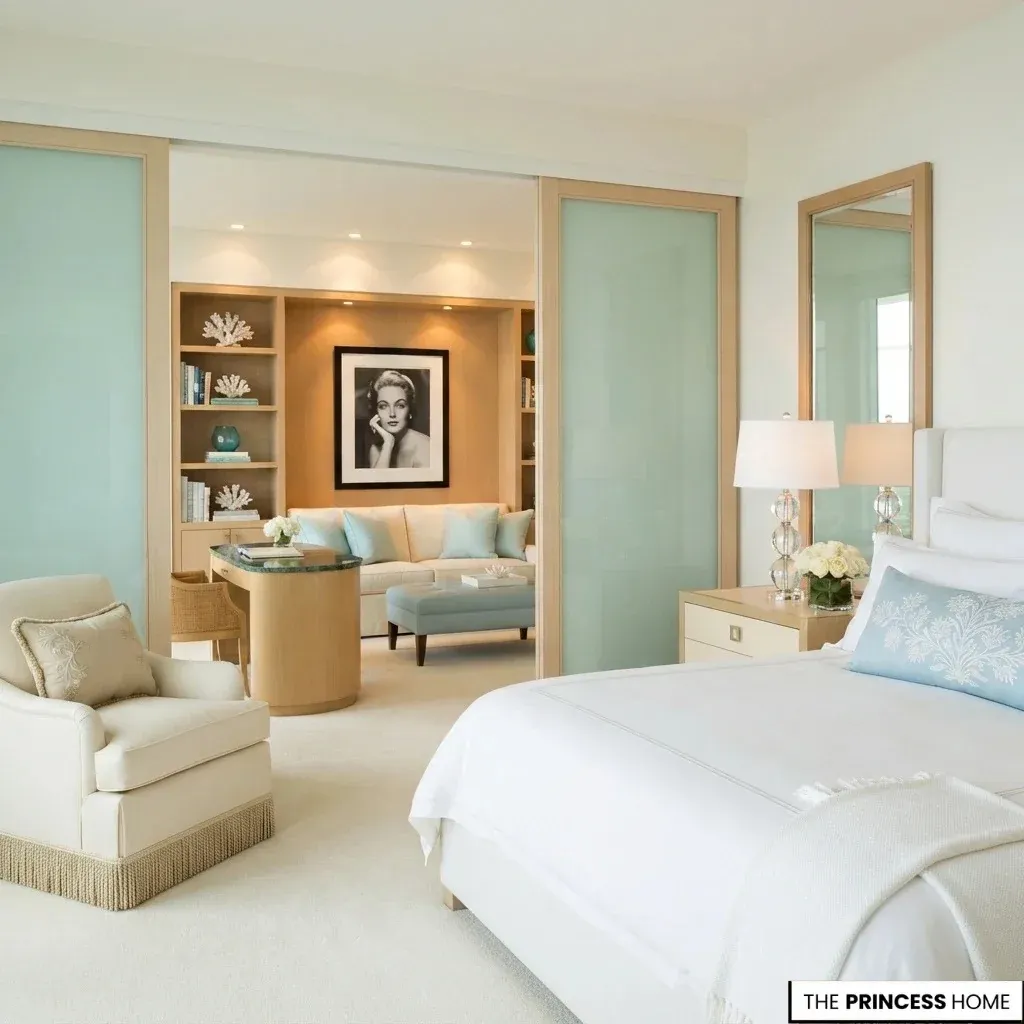
Bedrooms increasingly need to accommodate more than sleeping. Dressing, reading, working, and quiet relaxation may all take place in the same room, particularly where a separate study or sitting room is unavailable.
Create a Dressing Zone
A dressing zone might include a wardrobe, mirror, and small dressing table. Position these elements so that drawers and doors can open comfortably without blocking the main route through the bedroom.
Where space is limited, a wall-mounted mirror and compact dressing surface can provide the essential functions without requiring a separate furniture group.
Establish a Reading or Seating Area
A reading area can be established with a comfortable chair, a side table, and dedicated lighting. The chair should have enough clearance to be used comfortably, while the lighting should support reading without creating glare.
In a larger bedroom, a small seating arrangement can create a separate place for conversation or relaxation. In a smaller room, one well-positioned chair may be sufficient.
Add a Work Area When Needed
Where space permits, a compact desk can provide a separate work surface. It should be positioned to avoid interfering with the sleeping area and, where practical, make use of natural light.
A work zone should be designed around actual working needs. Consider desk depth, chair clearance, power access, and storage before choosing a location.
Functional zoning works best when each area responds to an actual need. Adding a desk or chair simply to fill an empty corner can reduce usable space without improving the room.
Choose Flexible Furniture
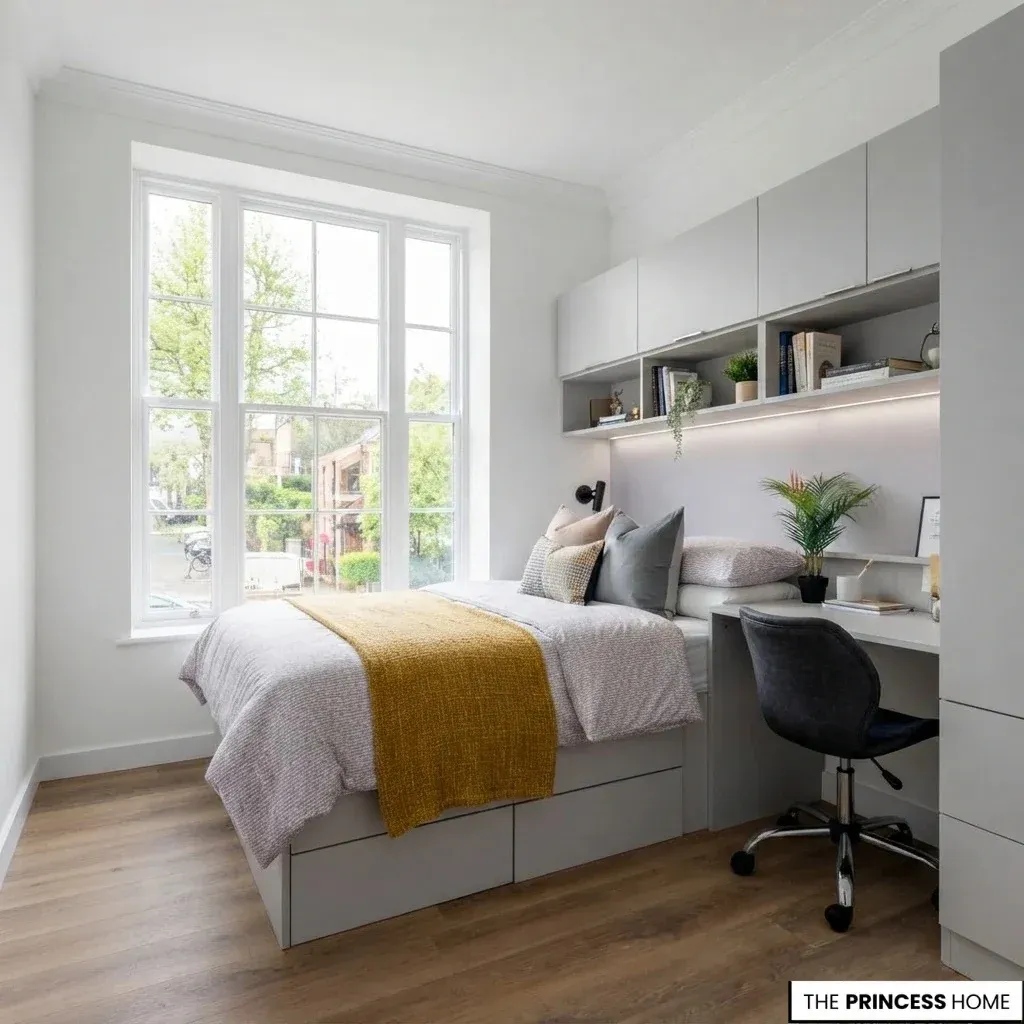
Flexible furniture helps bedrooms adapt to changing needs. This can be particularly useful in smaller homes, guest rooms, and spaces that serve more than one purpose.
Flexible furniture can be repositioned or adjusted as needs change, while multifunctional furniture performs more than one task. Some pieces offer both qualities, but the terms describe different practical benefits.
For example, a folding desk can be adjusted or stored when it is not needed. A storage bed performs an additional function by providing space for belongings, even though its position usually remains fixed.
Examples include bedside tables with drawers, storage beds, compact dressing tables, extendable desks, and seating with concealed storage. These pieces combine useful functions without necessarily changing the room’s overall arrangement.
Before choosing a piece, consider how often each function will be used. A storage bed may be practical when wardrobe space is limited, but its storage mechanism should remain easy to access. A folding desk can help in a guest room, provided it is stable and large enough for the intended activity.
Dimensions matter as much as functionality. Check the furniture’s open and closed measurements, drawer clearance, and the space needed for everyday use.
A bedroom does not become more practical simply because every item serves multiple purposes. The best choices solve specific problems while preserving comfort and ease of movement.
Design for Small Bedrooms
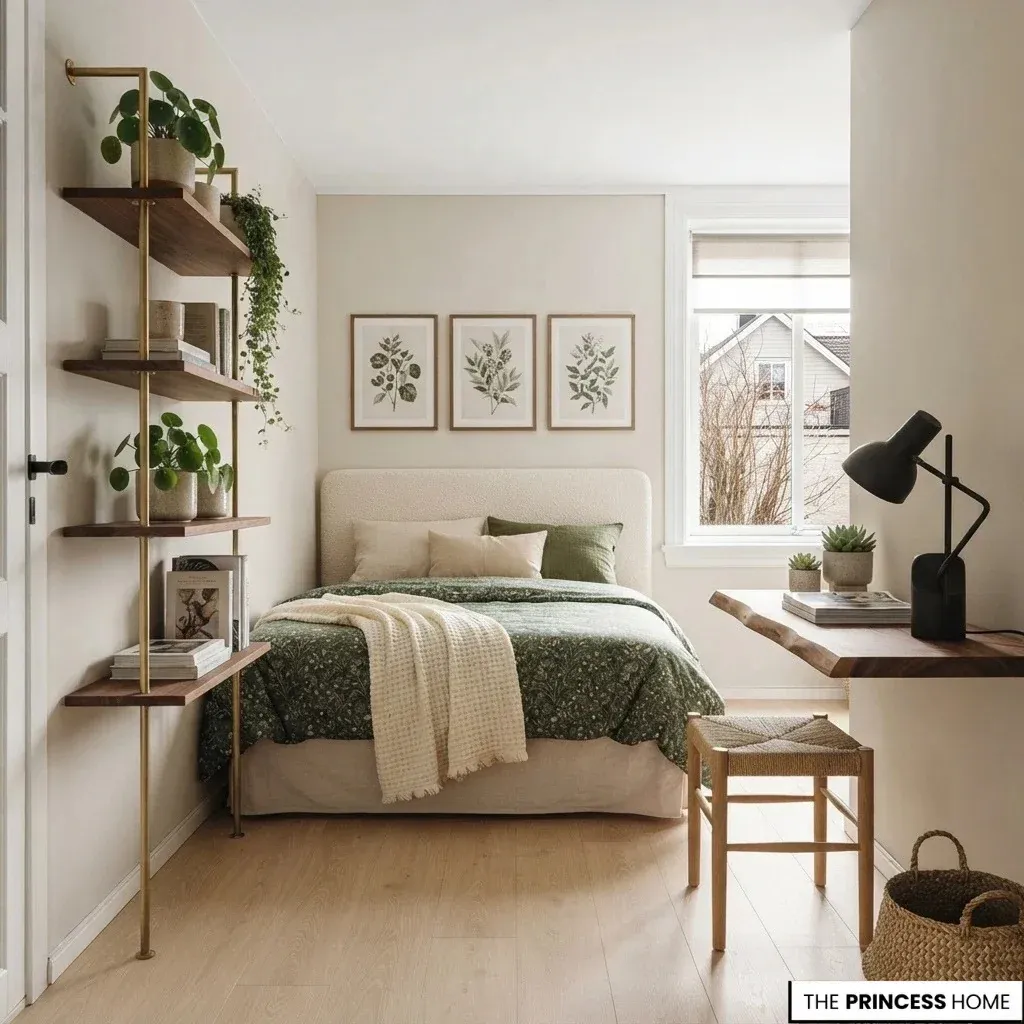
Small bedrooms require careful planning because every piece of furniture affects movement and storage. The most effective solutions begin with accurate measurements rather than choosing furniture first and trying to fit it into the room afterward.
Measure Before Choosing Furniture
Start by measuring the bed, wardrobes, bedside tables, door swings, and window positions. Mark the main circulation routes and identify any areas that need to remain accessible.
Check the dimensions of furniture in relation to the actual room, including the space needed to open drawers, wardrobe doors, and storage compartments. This helps prevent a common planning problem: choosing pieces that fit on paper but make everyday movement difficult.
Use Under-Bed & Vertical Storage
A bed with built-in drawers or a lift-up storage base can make use of space that would otherwise remain unused. However, the storage mechanism should be practical to operate, and enough clearance must remain for opening it.
Vertical storage is another useful option. Tall wardrobes, wall-mounted shelves, and cabinets that use the full available height can reduce the need for additional floor-standing furniture. Keep frequently used items within comfortable reach.
Keep the Room Visually Open
Bedside furniture can also be scaled to the room. Narrow tables, wall-mounted shelves, and compact wall lights can provide essential functions without occupying unnecessary floor space.
Mirrors may help reflect daylight and create a greater sense of openness, particularly when positioned opposite or near a window.
Light colors can also make a room feel more open, but they are not the only suitable choice. A small bedroom can still use deep or saturated colors when the lighting and furniture arrangement are carefully considered.
The priority is to protect circulation, provide accessible storage, and choose furniture that fits the actual dimensions of the room.
Make Trends Timeless
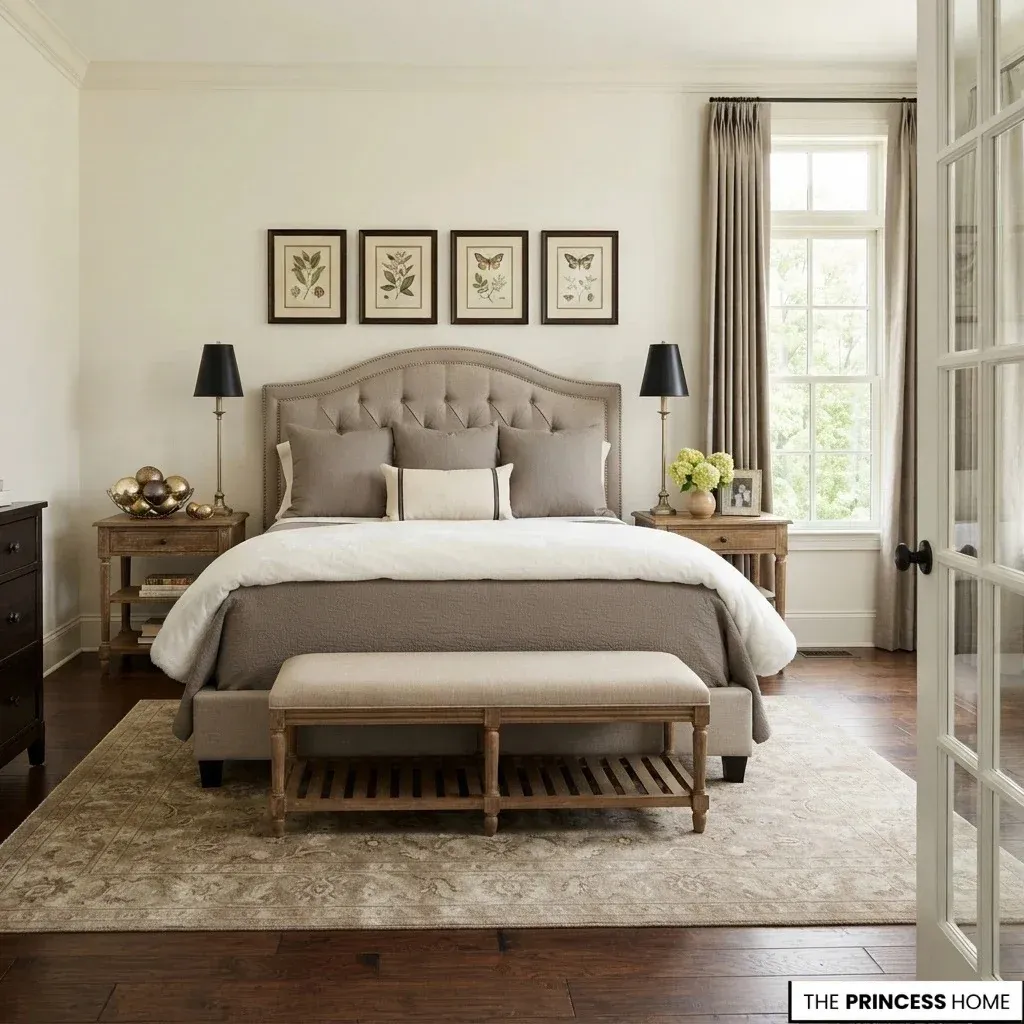
Not every bedroom trend deserves the same level of commitment. Some ideas are easy to change, while others involve permanent finishes, substantial furniture purchases, or alterations to the room itself.
Invest in Long-Term Elements
Permanent or expensive elements, such as flooring, fitted wardrobes, and major architectural details, should generally be chosen for their long-term suitability. These decisions need to respond to the room’s proportions, practical requirements, and the preferences of the people using it.
Choose Medium-Term Design
Medium-term choices include wall colors, headboards, larger furniture pieces, and window treatments. They can shape the bedroom’s identity, but they should still be selected with enough flexibility to work beyond one decorating season.
Experiment Through Smaller Details
Smaller accessories, bedding, cushions, lampshades, and decorative objects offer the easiest way to experiment with current trends. These elements can introduce new colors or patterns without requiring a complete redesign.
A timeless bedroom does not need to avoid contemporary ideas. It simply uses them selectively. The strongest design decisions are those that improve comfort, function, and personal expression while remaining suitable for everyday life.
Conclusion
Bedroom trends in 2027 point toward more personal spaces, richer material choices, warmer colors, and a stronger connection between design and daily routines. From statement beds and layered lighting to functional zones and flexible furniture, these ideas offer different ways to improve the bedroom without following a single prescribed style.
The best approach is to choose the changes that respond to the room’s actual needs. A well-planned bedroom should look considered, feel comfortable, and support the way its occupants live. Trends can provide inspiration, but thoughtful design is what makes a bedroom worth keeping.
Further Reading
Explore these selected articles for additional design inspiration and practical ideas:
- Decor Trends 2027 Modern Styles, Colors & Home Inspiration
- Color Trends 2027 Renewed Collection Harmonizing Your Home
- Exterior Home Painting 2027 Modern Colors, Trends & Expert Tips
- Best Paint Colors for Small Apartments in 2027 Modern Ideas
- Curved Furniture 2027 Best Ideas for Modern Living Rooms
- Bathroom Trend 2027 Timeless Design Ideas for a Luxurious Space