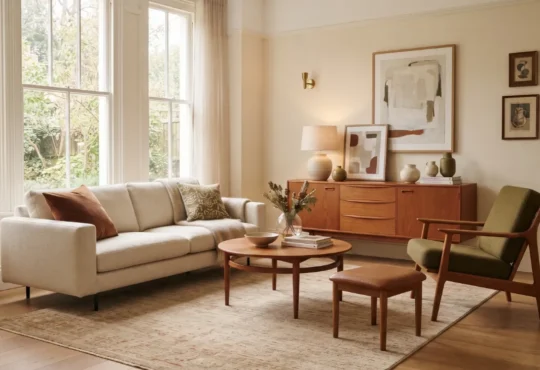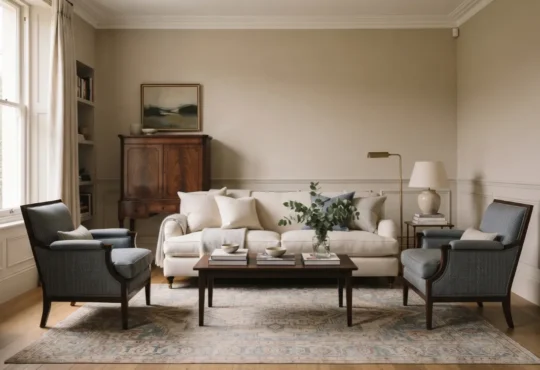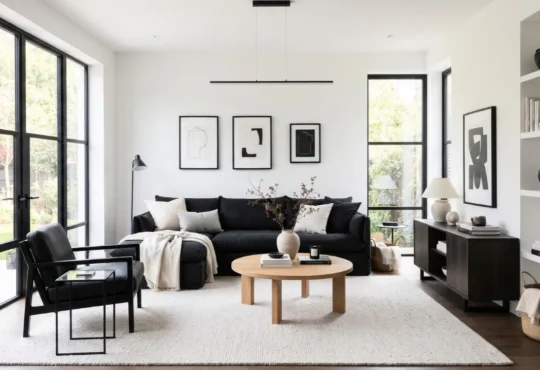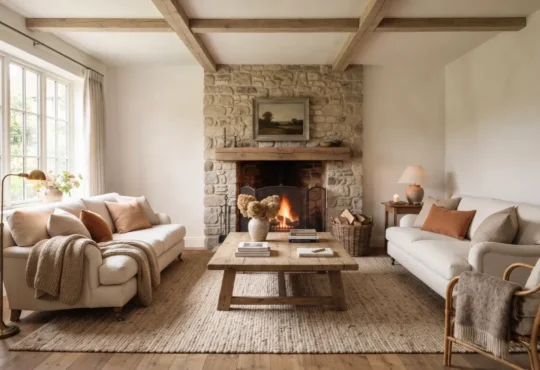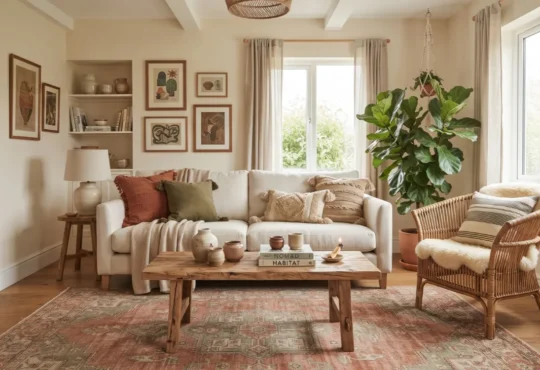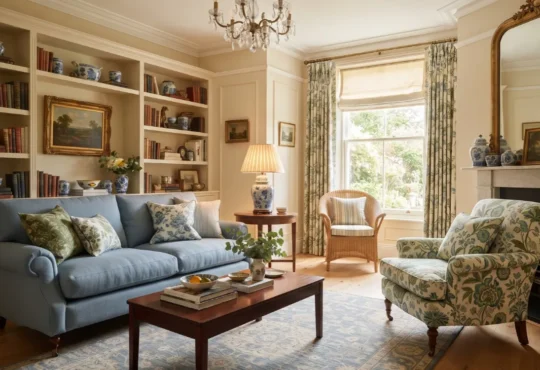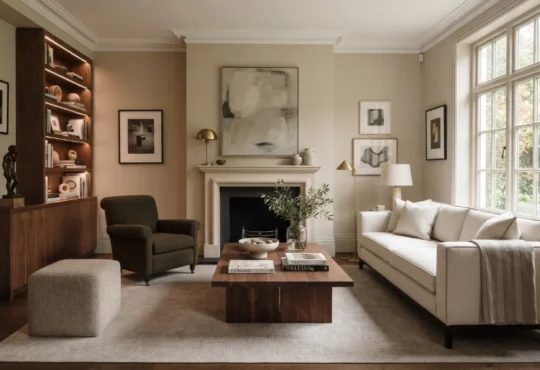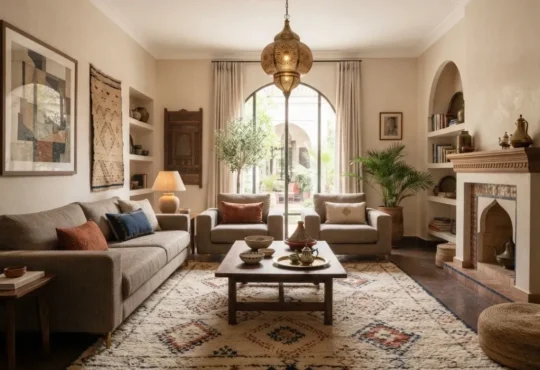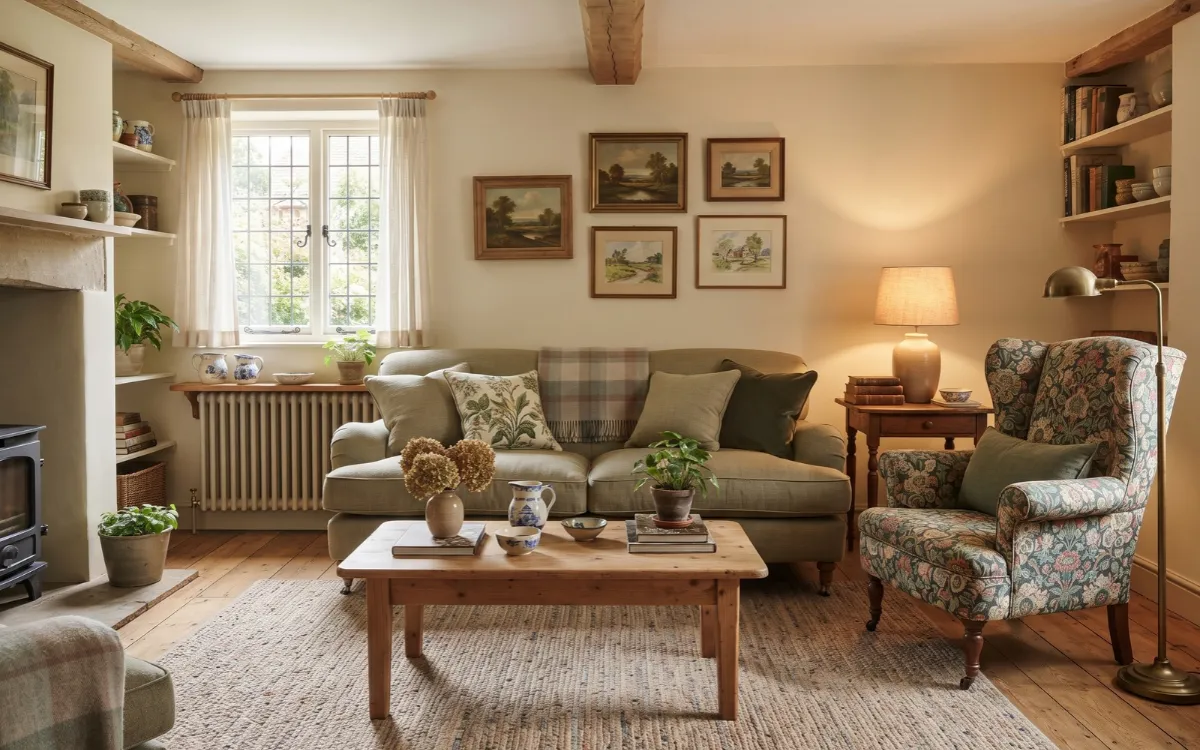
English cottage decor brings together comfortable furniture, nature-inspired colors, traditional patterns, and natural materials. The challenge is combining these elements without making a room feel cluttered, overly rustic, or stuck in the past.
With a thoughtful approach to color, furniture, textiles, and personal details, you can create a welcoming cottage-inspired home that suits your architecture, lifestyle, and budget.
What Is English Cottage Decor?
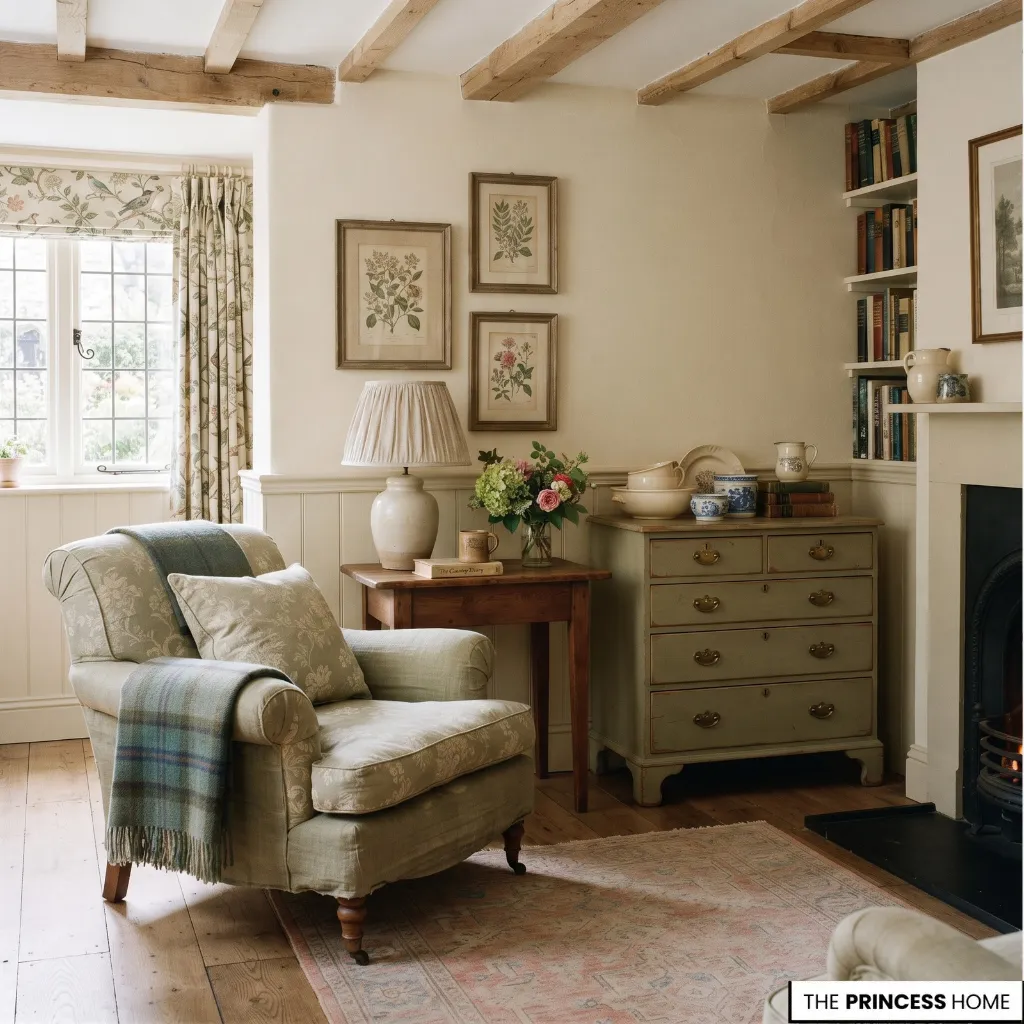
English cottage decor draws inspiration from traditional rural English homes and country interiors. Its defining features include comfortable furnishings, botanical prints, natural materials, traditional details, and objects collected over time.
Rather than following a strict matching scheme, the style brings together elements that feel connected through color, texture, and personal character. The style can range from simple and restrained to richly layered
. Some interiors feature painted wooden furniture, soft floral fabrics, and light walls, while others use deeper colors, antique pieces, and more elaborate patterns. Neither approach is essential to the style. The goal is to create a comfortable home with character rather than reproduce a particular historical interior.
English cottage decor also differs from a strictly formal country-house interior. Although the two can share traditional furniture and decorative fabrics, cottage interiors generally place greater emphasis on everyday comfort and an informal arrangement of furnishings.
Cottagecore overlaps with this aesthetic through its interest in flowers, rural life, and vintage objects, but it is a broader contemporary style rather than an exact synonym for English cottage decor.
You do not need an old cottage, exposed wooden beams, or an original fireplace to achieve the look. Traditional furniture, natural textures, considered color choices, and a few meaningful decorative pieces can establish the same general character in a modern house or apartment.
For more ideas: ⭐Interior Design Styles Choose Your Home’s Personality
Choose Cottage Colors
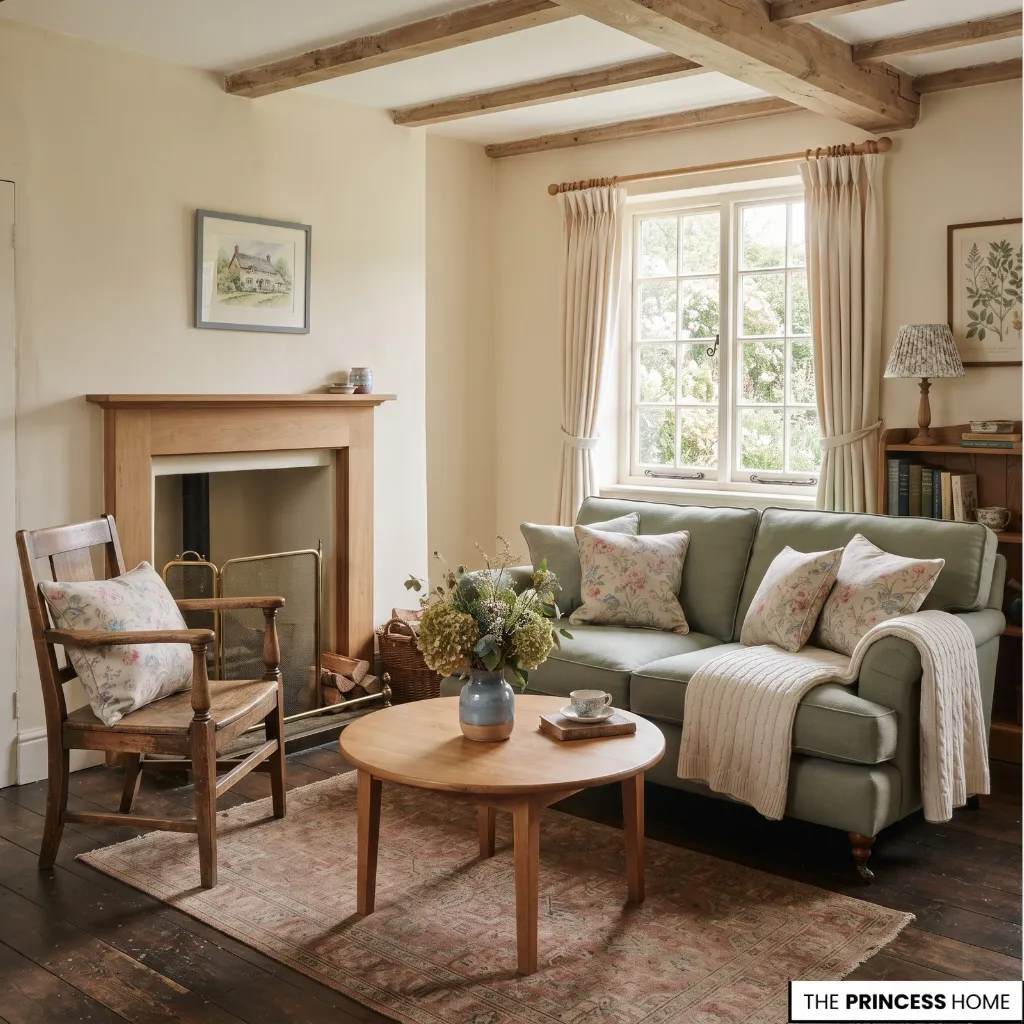
Color establishes the relationship between furniture, fabrics, walls, and decorative objects. English cottage interiors often draw from the natural landscape, using warm whites, creamy neutrals, soft greens, dusty blues, muted pinks, and gentle yellows.
Earthy browns and deeper shades can provide contrast when the room needs more visual weight. Begin by considering the colors already present in the room. Flooring, kitchen cabinets, stone surfaces, large upholstered pieces, and the direction of natural light all influence which wall colors will work well.
A cream that looks warm in one room may appear yellow in another, while a pale green can look noticeably cooler under limited daylight. Choose a small group of related colors rather than selecting every shade independently.
Warm white walls can provide a quiet background for green upholstery, floral curtains, and wooden furniture. Alternatively, dusty blue walls can work with cream textiles, warm timber, and restrained botanical accents.
Repeating a few colors across different materials helps the room feel connected even when the patterns vary. A practical way to build the palette is to choose one main color for the larger surfaces, a second for the furniture or substantial textiles, and a smaller accent color for cushions, artwork, or ceramics.
This creates a clear relationship between the elements without requiring every item to match. Deeper colors can also suit English cottage decor. Forest green, burgundy, and warm brown may work particularly well on a single piece of furniture, a patterned fabric, or a smaller wall area.
In a compact or dimly lit room, use these shades where they will provide useful contrast without making the overall scheme feel too heavy. Avoid choosing paint, curtains, and upholstery in isolation. Look at fabric samples alongside the flooring and wood finishes before making a final decision.
If the room feels disconnected after decorating, repeat one of its existing colors in another area rather than adding several new shades.
For more ideas: Grand Millennials Style A Return to Warm Traditional Interiors
Select Cottage Furniture
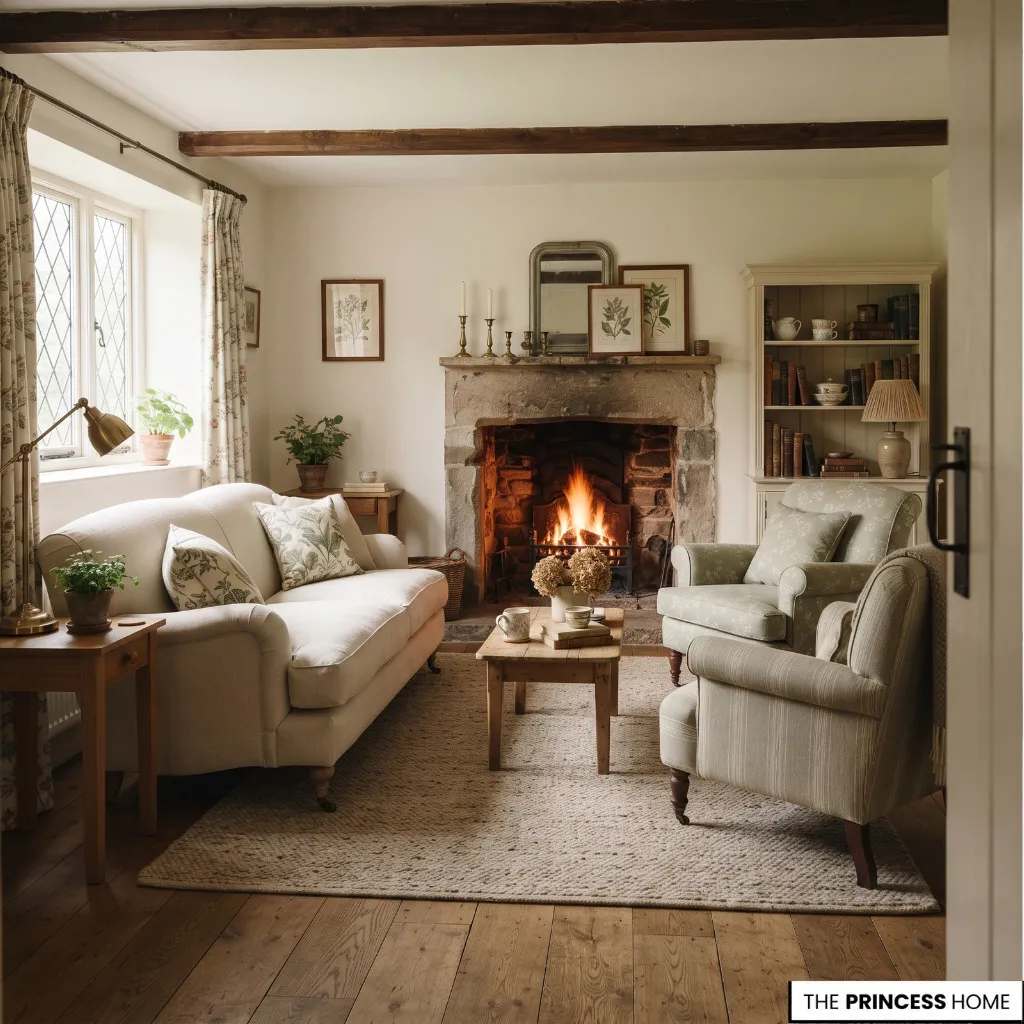
Furniture provides the functional foundation of an English cottage interior. Comfortable sofas, upholstered armchairs, wooden tables, traditional dressers, bookcases, and practical storage pieces are all suitable starting points.
The best choices combine everyday usefulness with shapes and finishes that contribute to the character of the room. Look for details such as curved chair arms, traditional legs, visible wood grain, painted finishes, or gently shaped furniture fronts.
These features can introduce traditional character without requiring every piece to be antique. Upholstered seating can provide softness, while wooden tables and cabinets offer a useful contrast in material and texture.
Mixing old and new furniture is often more effective than furnishing the entire room with matching pieces. An inherited wooden dresser may work alongside a simple contemporary bed, while a traditional armchair can complement a more streamlined sofa.
The connection can come from similar wood tones, compatible proportions, or colors repeated elsewhere in the room. Before buying furniture, assess its size and purpose. A large sofa may suit a spacious living room but leave little room for circulation in a smaller one.
Measure the available area and consider how people will move between seating, tables, doors, and other frequently used features. Comfortable seating and practical access should take priority over decorative details.
In a living room, begin by identifying the main focal point, such as a fireplace, a large window, or a substantial piece of artwork. Position the principal seating in relation to that feature, then arrange additional chairs and tables to support conversation without blocking doorways or everyday walking routes.
Leave enough space to pull out chairs, reach storage, and use tables comfortably. Antiques can add individual character, but they are not essential.
If authentic vintage furniture is expensive or difficult to find, consider secondhand pieces, existing family furniture, or contemporary designs with compatible shapes and finishes. Refinishing a wooden table or changing unsuitable hardware may also help an existing piece fit the scheme.
Avoid using distressed finishes on every surface or buying an entire furniture set simply because it looks coordinated. English cottage decor benefits from a sense of gradual collection. A few well-chosen pieces with different histories and finishes can create a more convincing result.
For more ideas: Classic Style: A Timeless Guide to Choosing Elegance
Mix Cottage Patterns
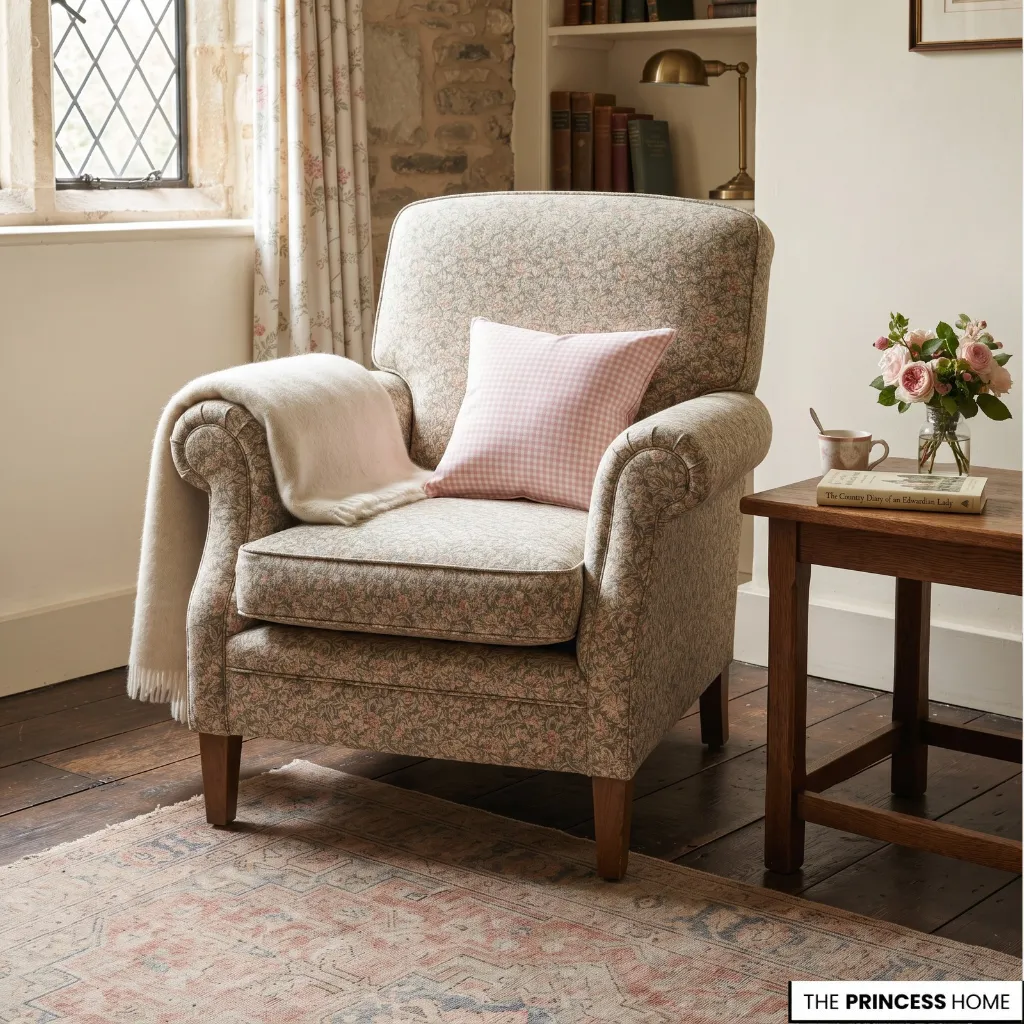
Floral prints, botanical designs, gingham, stripes, checks, and traditional decorative motifs are useful ways to introduce English cottage character. The key is understanding how the patterns relate to one another rather than selecting several designs simply because each looks attractive on its own.
Start with one leading pattern. This might be a floral wallpaper, patterned curtains, an upholstered armchair, or a duvet cover. The leading pattern establishes the main colors and the general scale of the design. Supporting patterns can then add variation without competing equally for attention.
Pattern scale is particularly important. A large floral print can work with a fine stripe or small check because the designs have different visual weights. If two patterns are equally bold and similarly sized, they may compete rather than complement one another.
Introducing a plain fabric between them gives the eye a quieter area. A useful starting point is to combine one prominent pattern with a smaller, quieter design and a plain or subtly textured fabric. This approach gives each pattern a distinct role and makes the overall combination easier to balance.
Color provides another connection. A floral fabric containing green, cream, and muted pink can be paired with a green-and-cream stripe or a small pink check. The patterns do not need to match exactly, but repeating selected colors helps them belong to the same scheme.
Consider the room’s proportions before covering several surfaces with prints. In a smaller bedroom, patterned bedding may provide enough character without patterned wallpaper and curtains as well. In a larger living room, several patterns may work comfortably when they are distributed across different furniture pieces and textiles.
Plain fabrics remain important. Solid-colored cushions, simple upholstery, and understated curtains can give patterned elements room to stand out. If a room begins to feel busy, remove or simplify one of the competing patterns before replacing the entire color scheme.
For more ideas: Moroccan Decor Transform Your Space with Exotic Elegance
Layer Natural Materials
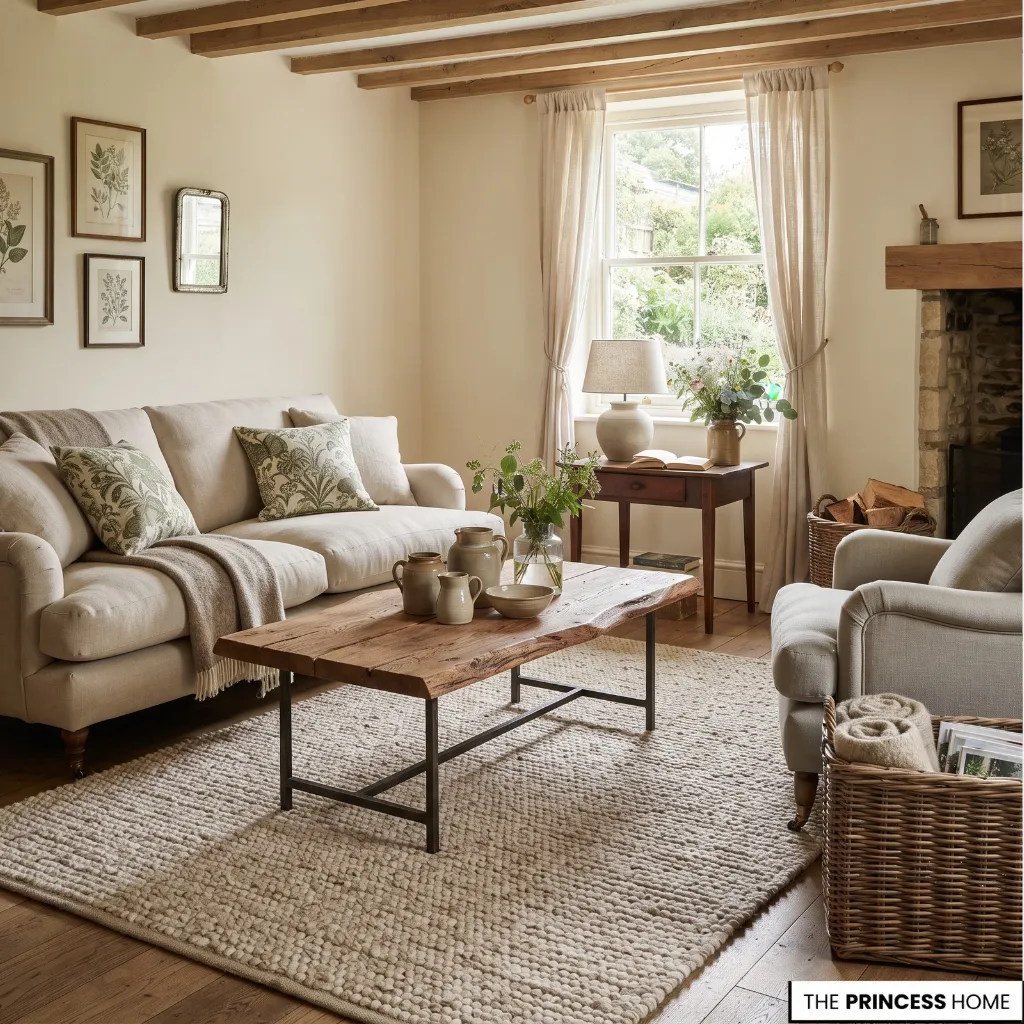
Natural materials contribute much of the tactile character associated with English cottage decor. Wood, linen, cotton, wool, stone, ceramic, wicker, and rattan can all play a role, depending on the room and its existing finishes.
Their value comes from the way their surfaces complement one another rather than from using as many different materials as possible. Wooden furniture provides a useful foundation. Visible grain and gently worn finishes can introduce character, while painted wood offers a softer or lighter appearance.
Linen and cotton work well for curtains, bedding, and upholstery, while wool rugs and woven accessories provide texture underfoot and across other surfaces. Stone and ceramic elements can add a harder finish alongside softer textiles.
A ceramic lamp base, pottery displayed on a shelf, or a stone surface can provide contrast without introducing another strong color. Wicker and rattan may also suit the style when used in practical pieces such as baskets, occasional chairs, or storage accessories.
Think about how each material relates to the others. A wooden table may look more balanced with soft upholstered chairs than with several additional heavy timber pieces. Similarly, a room containing many patterned fabrics may benefit from simpler wood finishes and understated accessories.
You do not need to introduce every natural material into one room. Choose a few that support the furniture and color palette. In a bedroom, linen bedding, a wooden bedside table, and a wool rug may be sufficient.
In a living room, a timber coffee table, upholstered seating, and a woven rug may provide a similarly coherent combination. If your home lacks original stone floors, exposed brick, or wooden beams, use natural materials in furniture and accessories instead.
These choices can establish a related character without costly structural changes. Avoid adding artificial architectural features indiscriminately, especially when their proportions or finishes conflict with the existing home.
For more ideas: Farmhouse Style: A Complete Guide to Creating Warm &Inviting
Create Cozy Lighting
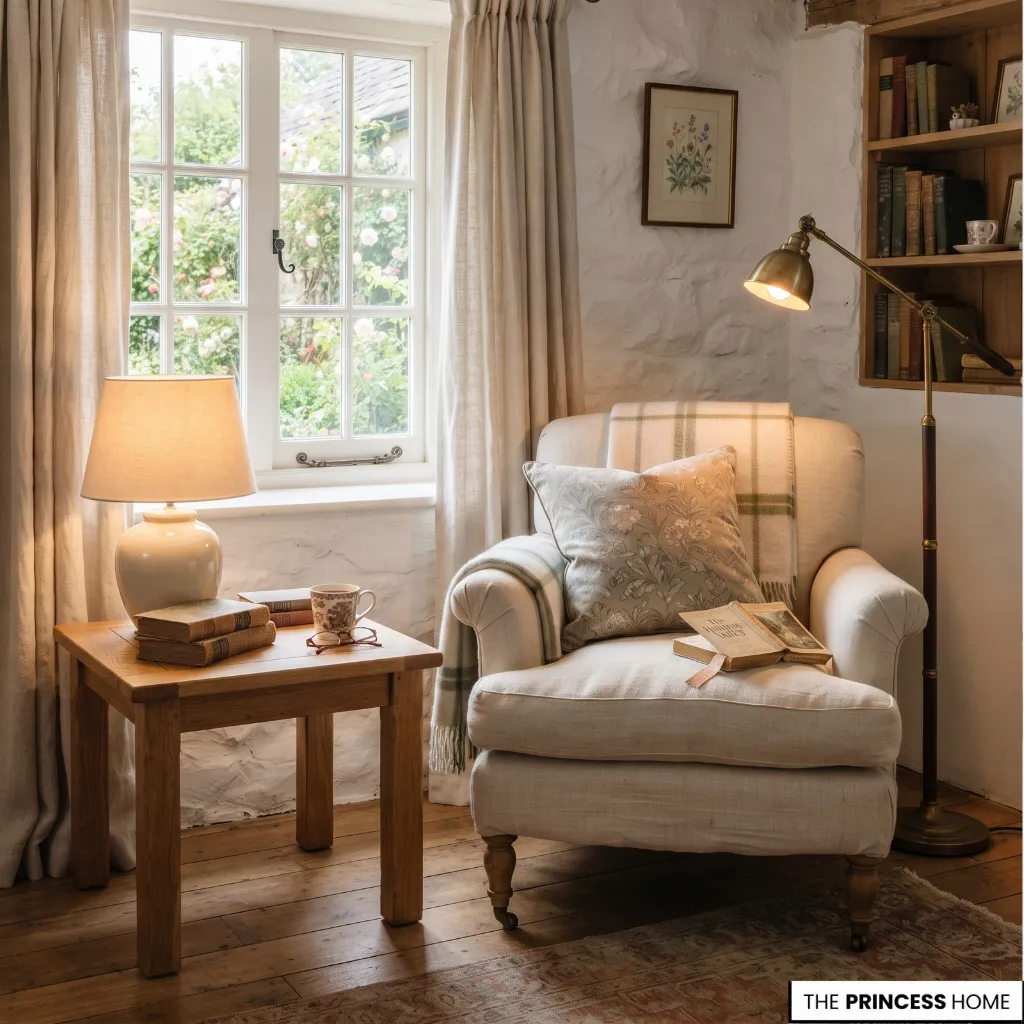
Lighting should support the way each room is used while complementing the furniture and materials. A combination of ambient, task, and accent lighting is generally more adaptable than relying on one overhead fixture for every activity.
In a living room, table lamps and floor lamps can provide light for reading, conversation, and relaxation. A pendant or ceiling fixture may provide general illumination, while smaller lamps make seating corners more useful in the evening.
In a bedroom, bedside lamps support reading and nighttime routines. In a kitchen, task lighting should illuminate work surfaces clearly. Traditional shapes, fabric shades, ceramic bases, and warm-toned metal finishes can complement English cottage decor. However, fixtures do not need to be antique or elaborate.
A simple contemporary lamp can work well when its proportions and finish relate to the rest of the room. Consider the direction and quality of the light as well as the appearance of the fixture.
A lamp positioned behind a chair may create glare rather than useful reading light, while a single pendant may leave corners too dim. Place lighting where it supports specific activities, and use dimmable fixtures where practical.
For reading, position a lamp beside or slightly behind the seating area so that it illuminates the page without shining directly into the reader’s eyes. In kitchens and other work areas, place task lighting to reduce shadows on the surfaces where food preparation or other activities take place.
Warm light often suits the relaxed character of cottage interiors, but the appropriate color temperature depends on the room, the finishes, and personal preference. Kitchens and work areas may require clearer task lighting than a sitting room used mainly in the evening.
If a room feels harsh, assess the balance between overhead lighting and smaller sources. If it feels too dark, improve the placement and output of the existing lights before assuming that darker wall colors or traditional furniture are the problem.
Preserve Cottage Character
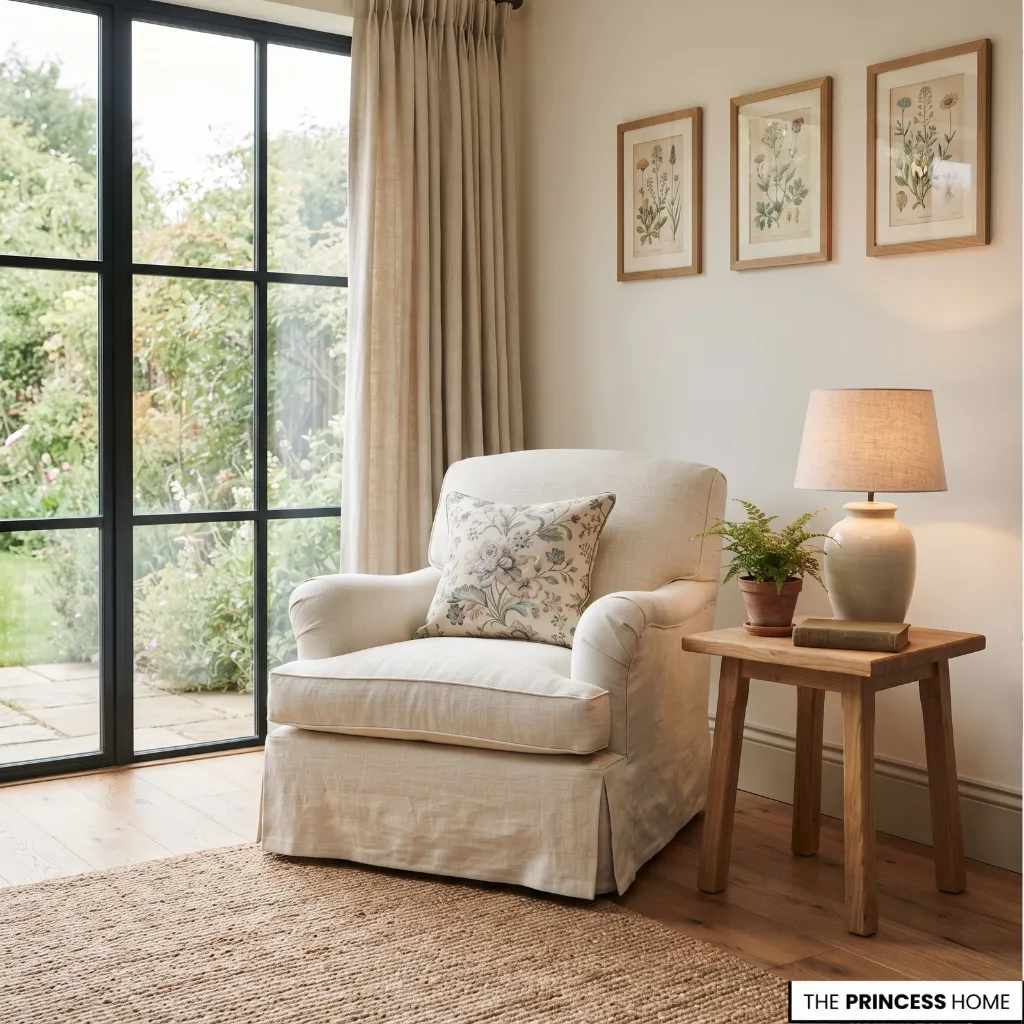
Architectural features can give an English cottage-inspired interior a strong starting point. Exposed beams, fireplaces, traditional paneling, older timber, deep window reveals, and original flooring may contribute to the character of a particular building.
Their presence and appearance vary, so they should not be treated as requirements for every cottage interior. Begin by identifying what already exists in your home. An original wooden floor, a traditional fireplace, or a built-in bookcase may provide a natural focal point.
Arrange furniture and choose finishes that support these features instead of covering or competing with them unnecessarily. If the room has painted paneling or traditional doors, consider how their colors relate to the walls and furniture.
A restrained palette may allow the architectural details to stand out, while patterned textiles and artwork can provide additional character without overwhelming the space. Modern homes can achieve a cottage-inspired look without recreating historic architecture.
Traditional furniture, framed landscapes, botanical prints, natural materials, and layered fabrics can establish the style even in a room with smooth walls and contemporary windows.
In a modern apartment, for example, a traditional upholstered chair, linen curtains, a wooden side table, and a botanical print can introduce the style without changing the walls or installing period features.
The most convincing result comes from choosing elements that suit the existing architecture and combining them with everyday comfort. Avoid installing decorative beams, faux stone, or extensive paneling simply because they appear in cottage interiors.
Such features may look convincing in one building but disproportionate in another. Consider ceiling height, room dimensions, existing finishes, and the overall architecture before making permanent changes.
Where an original feature is unavailable, focus on the design purpose it might have served. A fireplace can provide a focal point, for example, but a carefully arranged bookcase or substantial piece of artwork can perform a similar visual role without imitating the original structure.
For more ideas: Neo-Classical Design How to Create Timeless Interiors
Style Collected Details
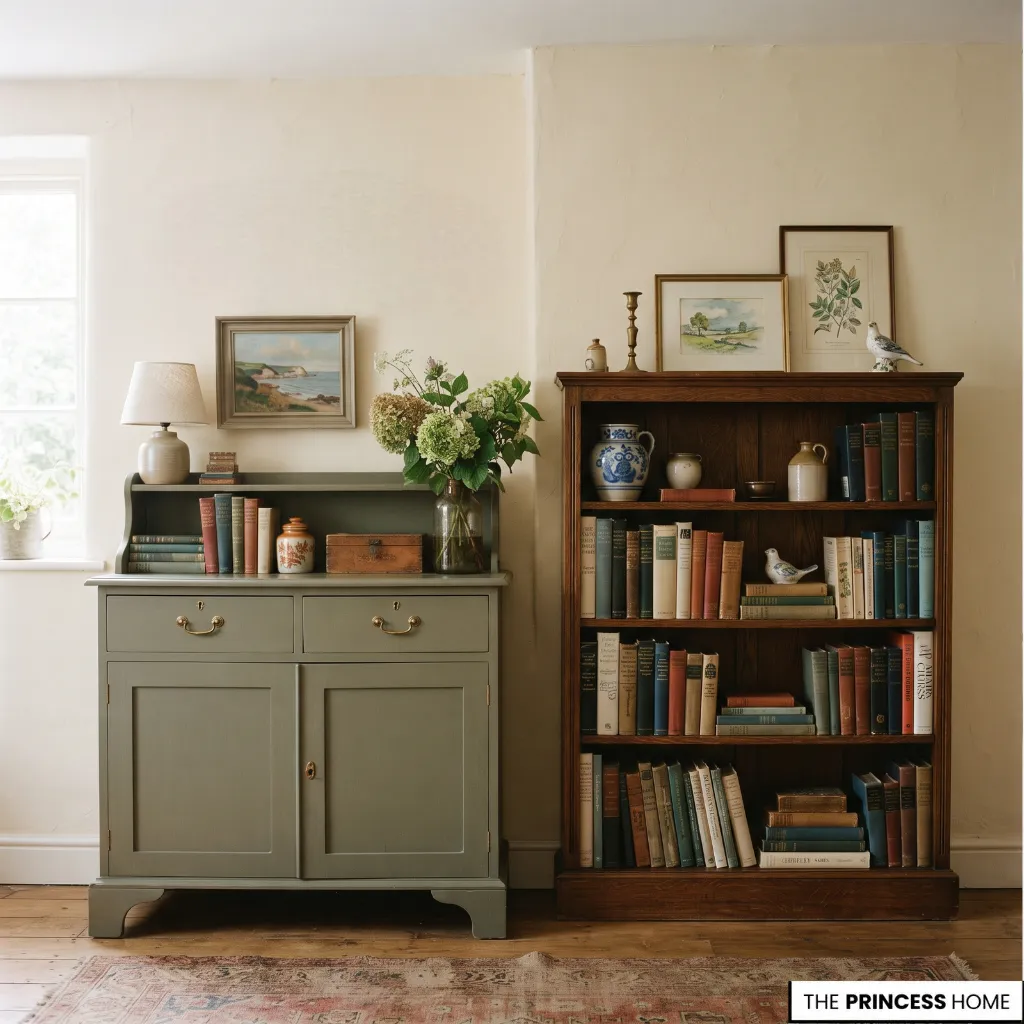
Decorative objects help an English cottage interior reflect the people who live there. Framed botanical prints, landscape paintings, books, ceramics, pottery, inherited objects, and selected vintage accessories can contribute character when they relate to the room’s colors, materials, or interests.
Start with items you already own. A collection of books, a few pieces of pottery, or artwork gathered over time may be more meaningful than accessories purchased solely to create a particular theme. The aim is to display objects that contribute something to the room rather than filling every available surface.
Grouping objects can make collections easier to read. Arrange ceramics by material or color, combine framed artwork with related subjects, or display a small group of objects at different heights.
A larger piece can anchor the arrangement, while smaller items provide variation. Leave enough space between objects for their individual shapes to remain visible. Bookshelves and dressers can accommodate collections, but they still need room for practical use.
Mix displayed objects with useful storage rather than allowing decorative items to take over every shelf. In smaller rooms, a few well-placed accessories may be more effective than numerous miniature arrangements.
Artwork can connect the decorative details to the broader scheme. Botanical prints may relate to floral fabrics, while landscapes can introduce greens, blues, and earthy tones. Frames can vary in style, but repeating a finish or color helps a group feel connected.
Avoid purchasing artificial antiques or filling shelves with matching themed accessories. If a room feels cluttered, remove objects that compete for attention and keep those that have personal value, serve a useful purpose, or contribute meaningfully to the design.
For more ideas: Understanding Vintage Style in Interior Design: A Detailed Guide
Decorate Each Room
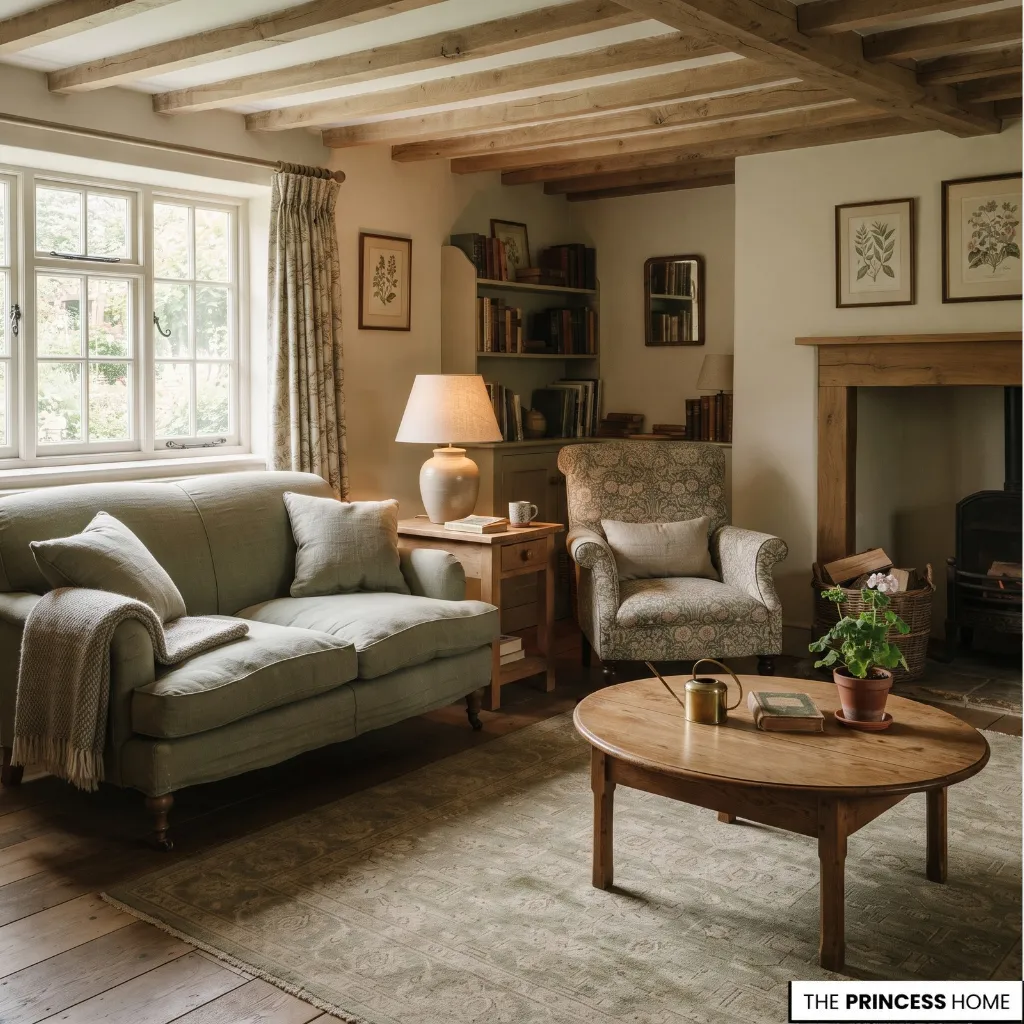
English cottage decor works best when its defining elements are adapted to the function of each room. The colors and materials can remain connected throughout the home, but the furniture, patterns, and decorative details should respond to everyday needs.
Living Room
Begin with comfortable seating and arrange it to support conversation, reading, or relaxation. A suitable rug can help define the seating area, while wooden tables provide practical surfaces.
Introduce floral or checked patterns through selected cushions, curtains, or an upholstered chair rather than covering every large surface with prints.
Use a fireplace or bookcase as a focal point when one exists. If the room has no obvious architectural feature, a substantial piece of artwork or a carefully arranged seating area can establish visual focus. Table and floor lamps should support the activities that take place around the room.
Bedroom
Comfortable bedding, a suitable headboard, bedside lighting, and practical storage provide the foundation. Linen or cotton bedding can be layered with a quilt, blanket, or patterned cushions. Floral prints work well on bedding or curtains, while a plain bedspread can balance a more decorative wallpaper.
Choose bedside tables and storage according to the available space. A traditional wooden dresser can add character, but a simpler contemporary piece may work just as well if its proportions and finish complement the room. Keep bedside surfaces practical enough for everyday routines.
Kitchen
A cottage-inspired kitchen can combine functional cabinetry, wood, ceramic accessories, and practical textiles. Painted cabinets may provide a soft background for wooden shelves or a timber table, while displayed crockery can contribute color and character.
Open shelving is useful when frequently used items are easy to reach and the household is comfortable maintaining visible displays.
Closed storage may be preferable for items that create visual clutter or require protection from cooking residue. Choose decorative details only after considering work surfaces, storage, cleaning, and the kitchen’s existing finishes.
Dining Room
A wooden dining table can provide a strong foundation, whether paired with traditional chairs or a mixture of compatible styles. Consider comfort, table size, and the space required to move chairs before selecting furniture.
A pendant light can define the dining area, while a simple tablecloth, runner, or selected ceramic pieces introduce pattern and texture. The table does not need to remain permanently dressed with decorative objects. Keep its surface practical for meals and everyday use.
Across all four rooms, repeat a few colors and materials to establish continuity. The furniture and accessories can vary, but a related palette and consistent approach to comfort will help the home feel connected.
For more ideas: Boho Decorating Embracing the Bohemian Spirit A Guide
Adapt Smaller Spaces
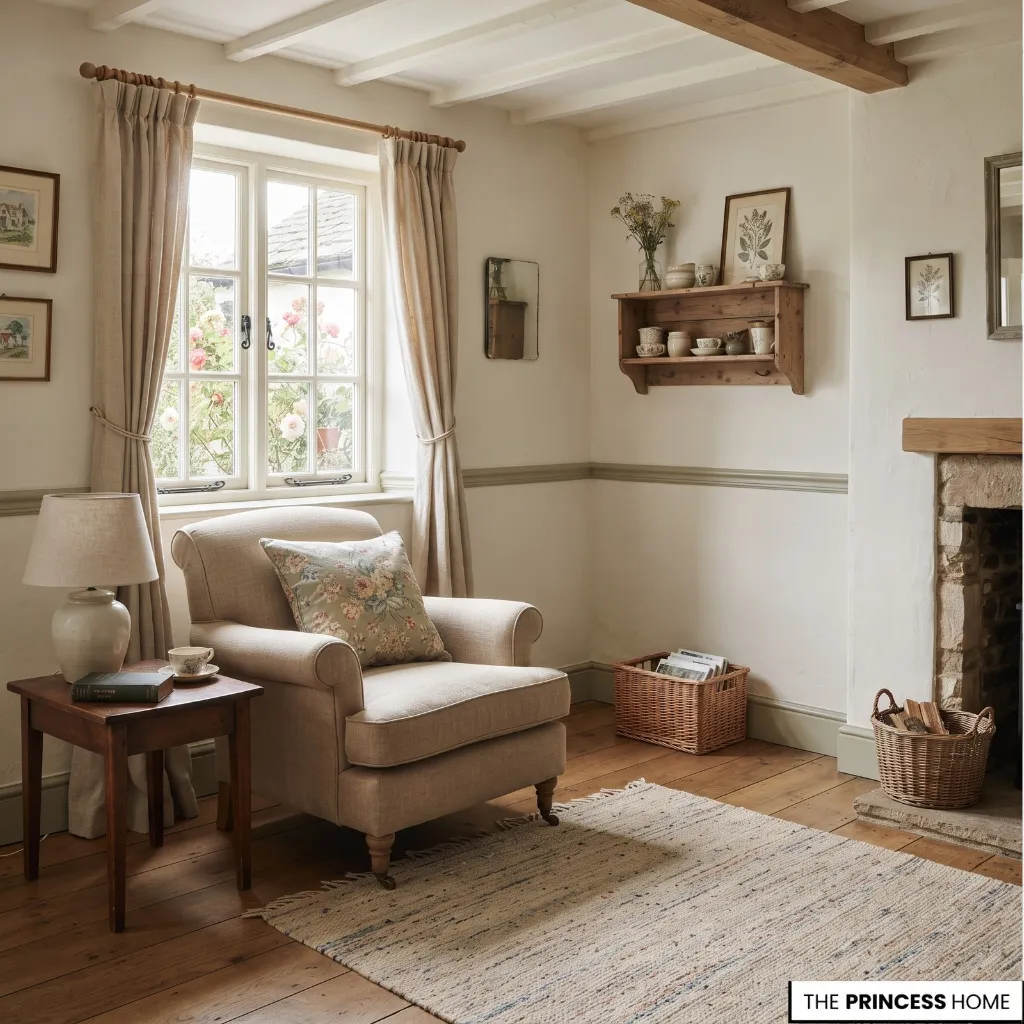
English cottage decor can work in an apartment or compact room when its character comes from carefully selected elements rather than a large quantity of furniture and accessories.
Start with the essential furniture and assess how much floor space remains. Choose pieces that suit the room’s dimensions and allow clear routes between doors, seating, and storage. Traditional shapes can still work in smaller rooms, provided their scale is appropriate.
Use patterns selectively. A floral chair, patterned curtains, or a checked cushion may establish the style without requiring patterned wallpaper and upholstery throughout the room. Repeat one or two colors in the remaining textiles to maintain a clear connection.
Natural materials can provide character without taking up much space. A wooden side table, a woven basket, or a ceramic lamp may introduce texture while serving a practical purpose.
Wall-mounted shelves can display books and artwork when floor space is limited, provided the arrangement does not become overcrowded.
Storage should be part of the design rather than an afterthought. A dresser, storage bench, or useful cabinet can reduce the need for numerous small containers. Keep frequently used items accessible and reserve decorative displays for objects that genuinely contribute to the room.
If a small room feels busy, remove accessories before replacing the furniture. If it feels too plain, introduce a stronger textile, a characterful wooden piece, or a small group of framed artwork. The goal is to preserve the comfort and individuality of English cottage decor while allowing the room to function comfortably.
For more ideas: Black and White Modern Home Decor Timeless Design Ideas
Decorate on Budget
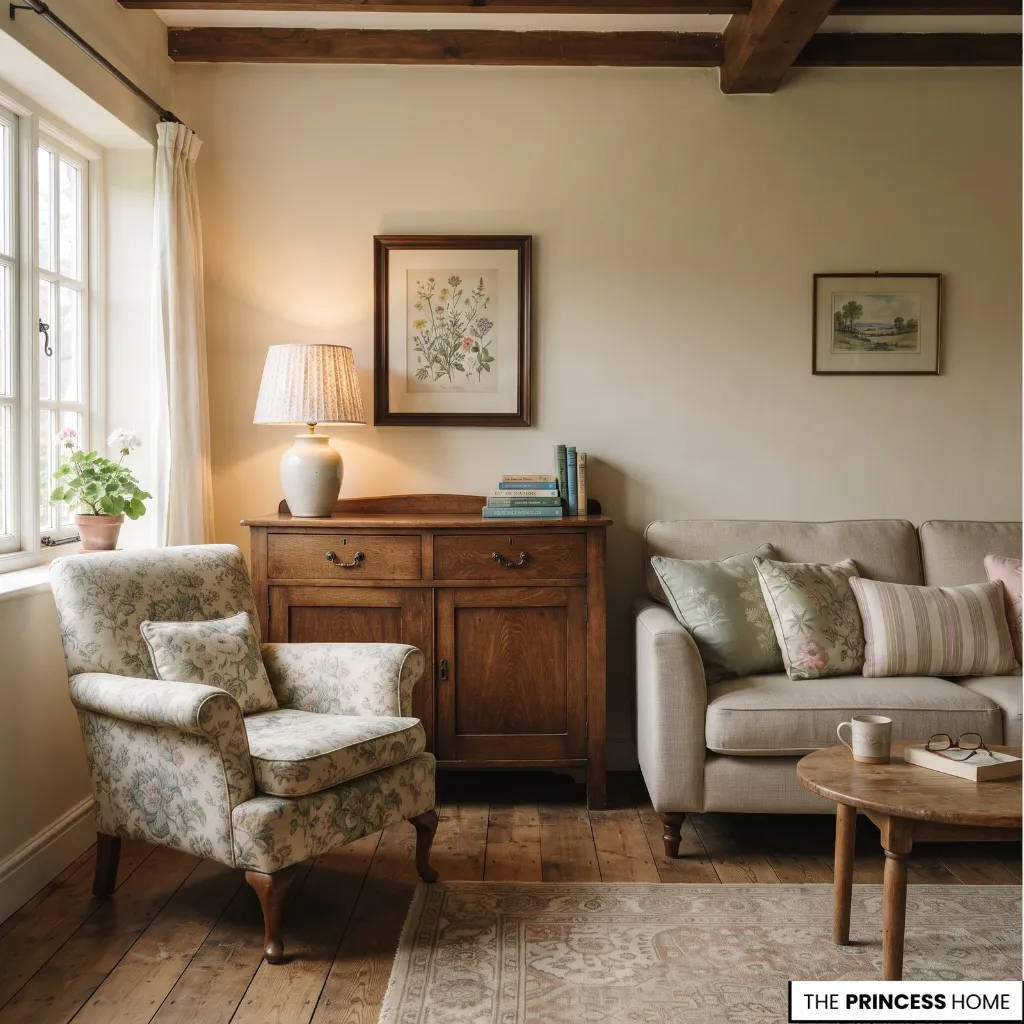
Creating English cottage decor does not require a house full of antiques or expensive fabrics. A more practical approach is to identify which existing elements can be retained, which changes would make the greatest difference, and which purchases can wait.
Begin with the furniture and accessories you already own. A wooden table may need refinishing rather than replacing, while an existing armchair may become more suitable with new upholstery or a carefully chosen cushion.
Artwork, books, ceramics, and useful textiles can often be rearranged to create a more connected scheme without additional spending.
Prioritize functional furniture and any lighting that the room needs. These decisions affect everyday use as well as the overall arrangement. Once the essential pieces are in place, consider a rug, curtains, bedding, or other textiles that introduce the chosen colors and patterns.
Secondhand shops and vintage markets can provide traditional furniture and decorative objects at a range of prices. Inspect the condition of a piece before buying it, especially if repairs or reupholstery may be necessary. A lower purchase price does not always mean a lower overall cost.
Smaller changes can also be effective. A few cushions in a coordinated floral or checked fabric may establish the style more economically than replacing a sofa. Repainting a suitable wooden cabinet can refresh an existing piece, while a secondhand lamp or framed print may add character without a major investment.
Save money by reducing the number of purchases rather than replacing a defining element with an unrelated alternative. If antique furniture is beyond your budget, look for a compatible secondhand or contemporary piece.
If patterned wallpaper is too expensive, use patterned fabric, artwork, or a smaller decorative area to introduce a similar visual idea.
Spend where durability, comfort, and function matter most. Save on decorative accessories that can be introduced gradually. English cottage decor is particularly suited to this approach because its character can develop over time rather than being completed in one expensive shopping trip.
Avoid Common Mistakes
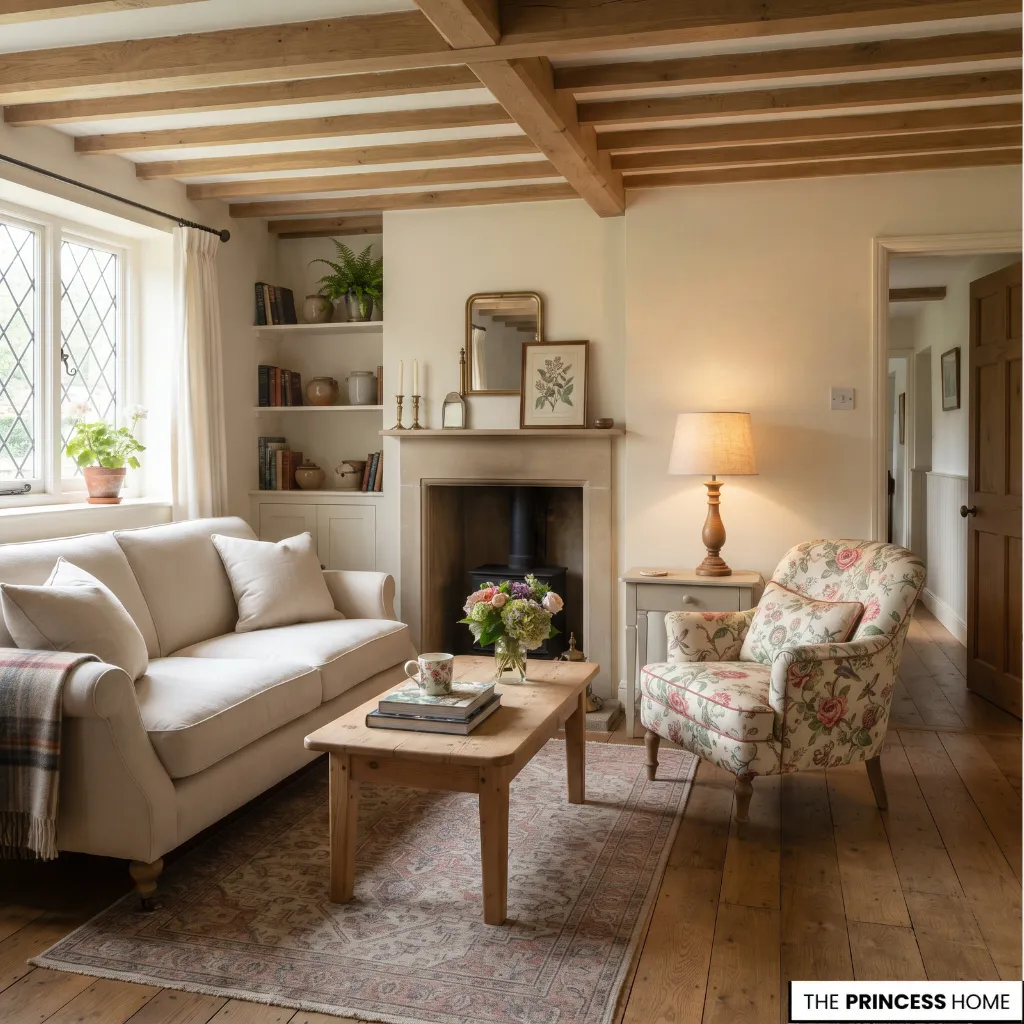
English cottage decor relies on a relationship between comfort, pattern, materials, and personal details. When one element dominates the room, the overall result can feel less natural. Recognizing the cause makes it easier to correct the problem without starting again.
Using too many patterns can make furniture and decorative details compete for attention. Establish one leading print, support it with smaller patterns, and use plain fabrics where the room needs visual relief.
Adding too many accessories can make collections difficult to appreciate. Remove objects that serve no useful or personal purpose, then regroup the remaining pieces with enough space between them.
Forcing a vintage theme can make a room resemble a staged display. Replace the idea of matching every finish with a more considered mix of traditional and contemporary furniture, selected according to proportion, material, and function.
Choosing unrelated colors can make patterned fabrics and furniture appear disconnected. Repeat a few colors across the room and check new samples against existing finishes before making further purchases.
Ignoring furniture proportions can reduce both comfort and usability. Reassess the size of the main pieces and the space between them before buying additional furniture or accessories.
Relying on one light source can leave reading areas, seating corners, or work surfaces poorly illuminated. Add suitable lamps or task lighting according to the room’s activities.
Decorating before considering function can result in beautiful but impractical spaces. Make sure storage, seating, circulation, and everyday tasks are adequately supported before filling the room with decorative objects.
Conclusion
A successful correction usually involves adjusting an existing choice rather than adding another layer. Remove competing patterns, reposition a lamp, edit a collection, or repeat a useful color before assuming that the room needs more decoration.
English cottage decor is most successful when its elements work together to support everyday living. Start with comfortable furniture and a coherent palette, introduce patterns and natural materials with care, and allow personal objects to develop the room’s character over time.
The result should reflect the home and the people who live in it rather than a fixed picture of what a cottage ought to look like.