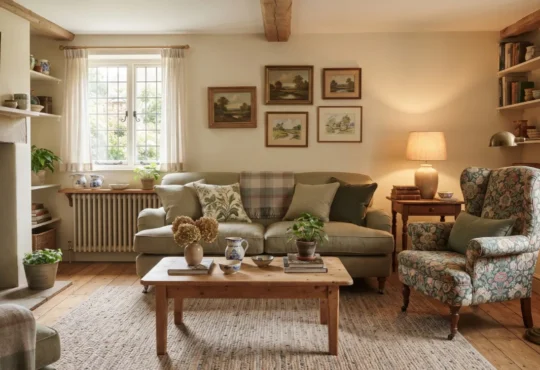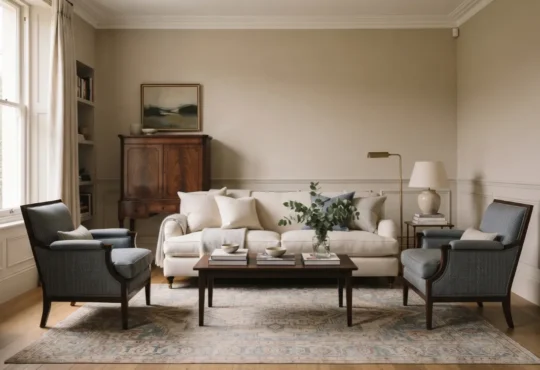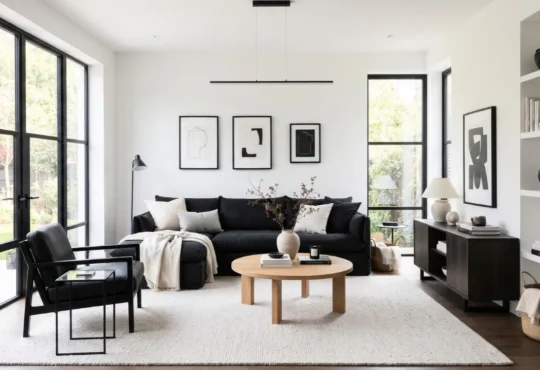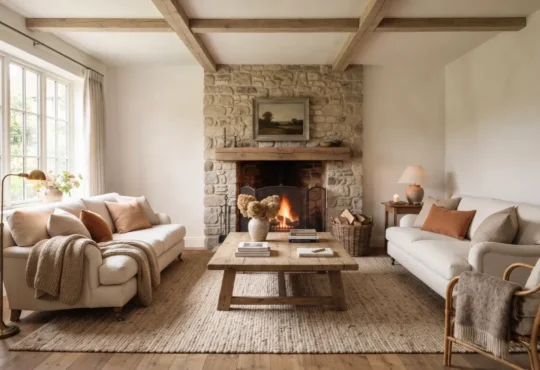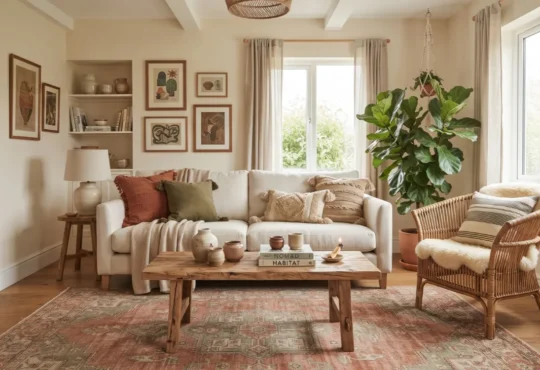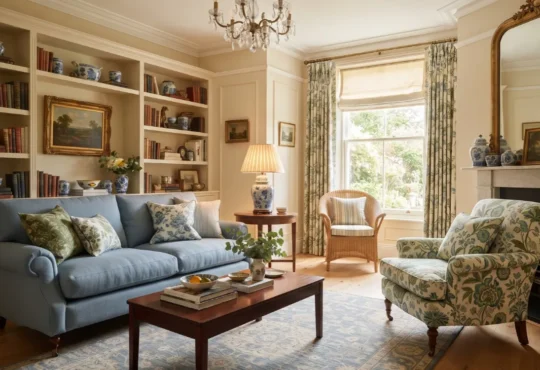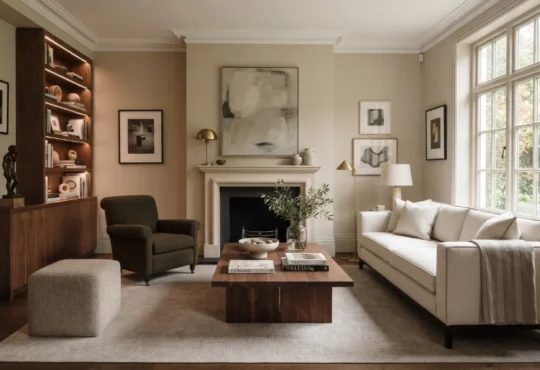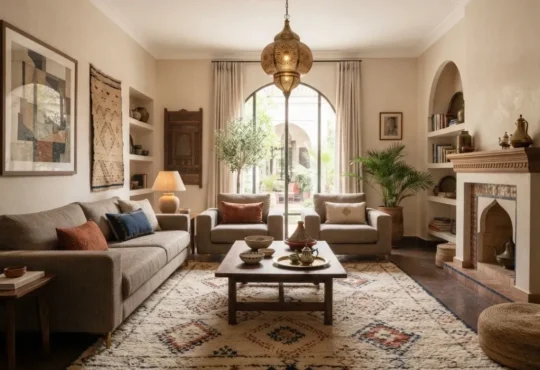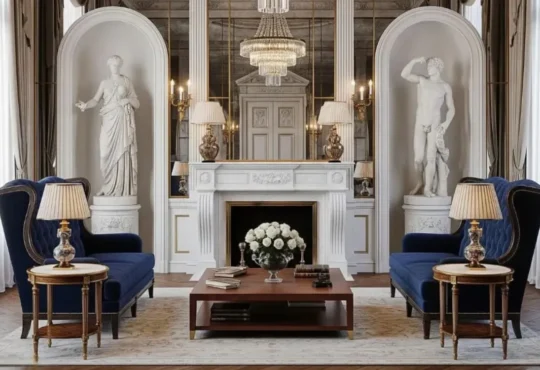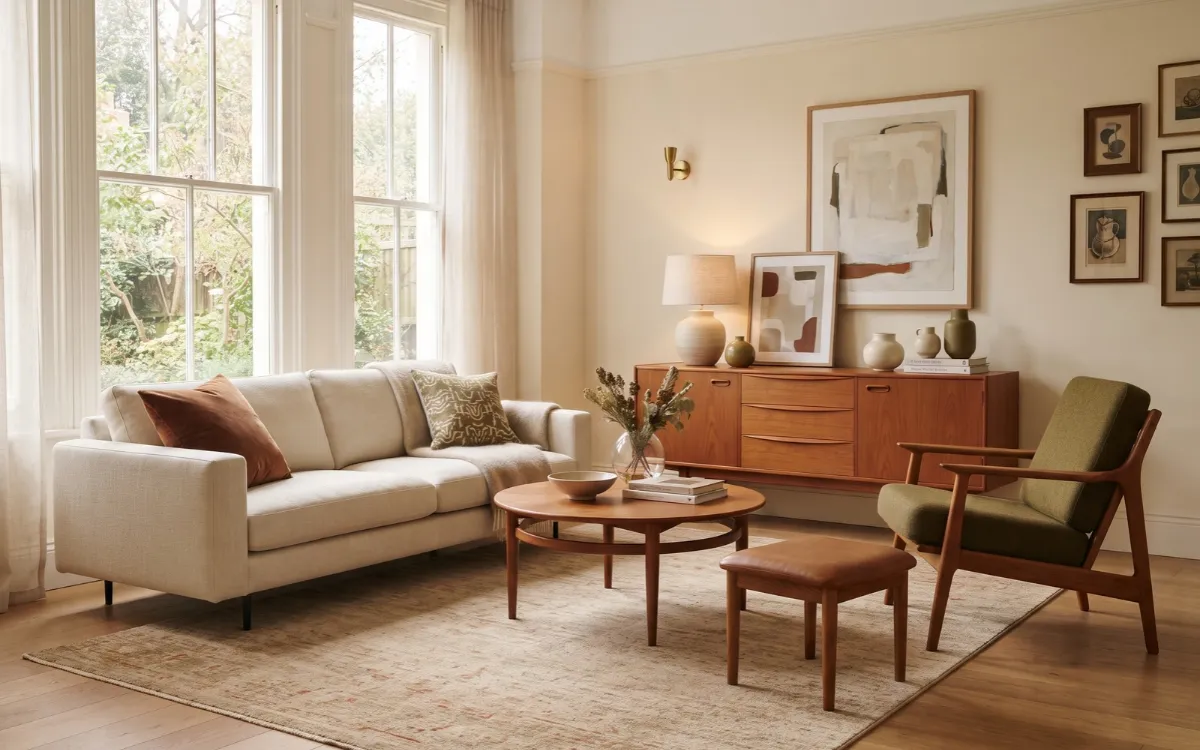
Vintage style brings the character of earlier design periods into the home through distinctive furniture, familiar materials, considered colors, and carefully chosen decorative pieces. The challenge is combining these elements without making a room feel dated, cluttered, or disconnected from modern life.
Understanding how vintage design works helps you select suitable pieces, mix old and new, and create an interior that feels personal, comfortable, and coherent.
What Is Vintage Style?
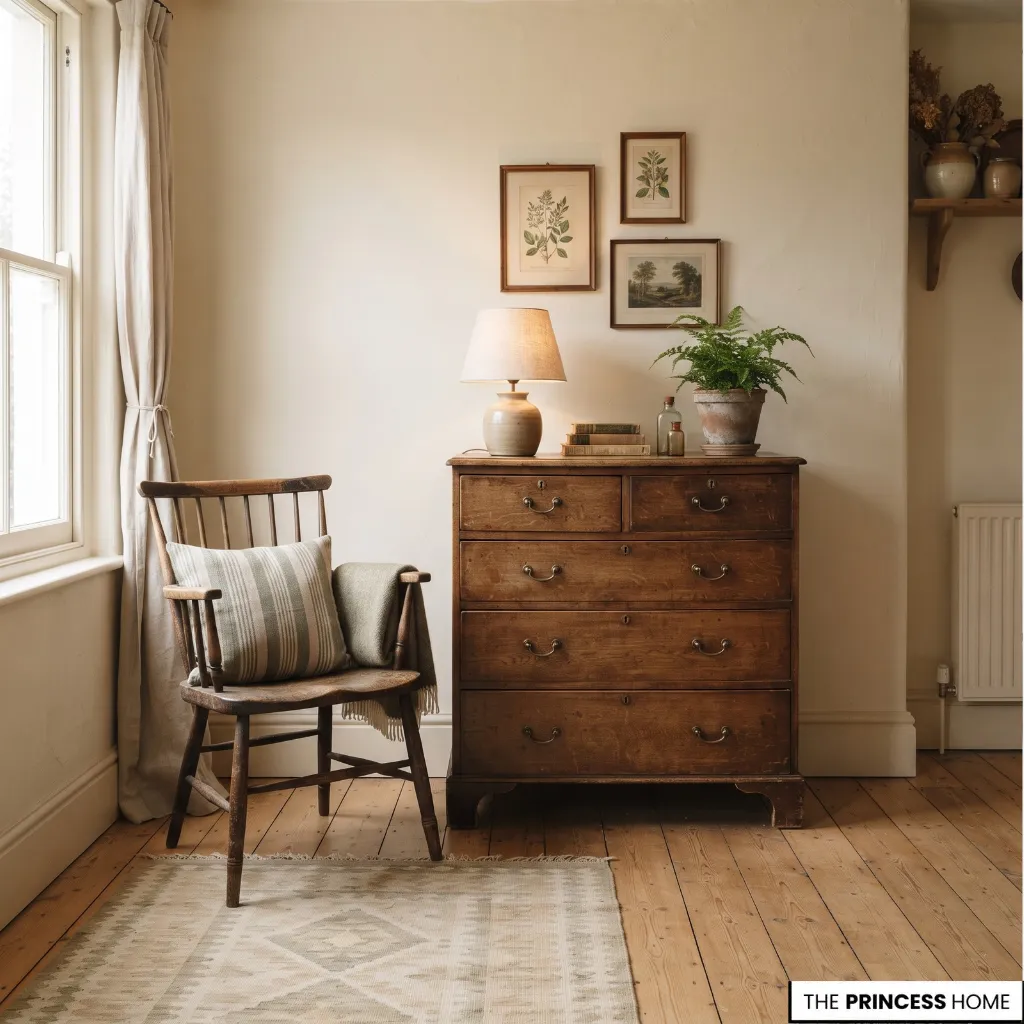
Vintage style in interior design draws on furniture, lighting, textiles, and decorative objects from earlier periods. Its character comes from the shapes, materials, finishes, and details associated with a particular era. Some pieces show natural wear, while others retain a well-preserved finish.
Neither condition alone determines whether an item belongs in a vintage interior. A vintage-inspired room does not need to contain exclusively old objects. An authentic wooden sideboard, an upholstered armchair, a ceramic lamp, or a framed print can introduce period character alongside contemporary furnishings.
The aim is to select pieces that work together rather than recreate an entire historical room. Vintage design encompasses several distinct periods. Mid-century interiors often feature streamlined furniture and tapered legs.
Art Deco-inspired rooms may use geometric patterns and strong outlines, while 1970s-inspired spaces can incorporate earthy colors, expressive textiles, and sculptural lighting. These examples illustrate the range of vintage style rather than define a single formula.
Start by identifying the period or design features you find appealing. You can begin with a piece of furniture you love, the colors already present in your home, or details in the architecture.
Then consider how the period’s furniture, colors, and materials will work with your existing furnishings and everyday needs. This approach helps you establish a clear direction before buying additional pieces.
For more ideas: Interior Design Styles Choose Your Home’s Personality
Vintage vs. Classic
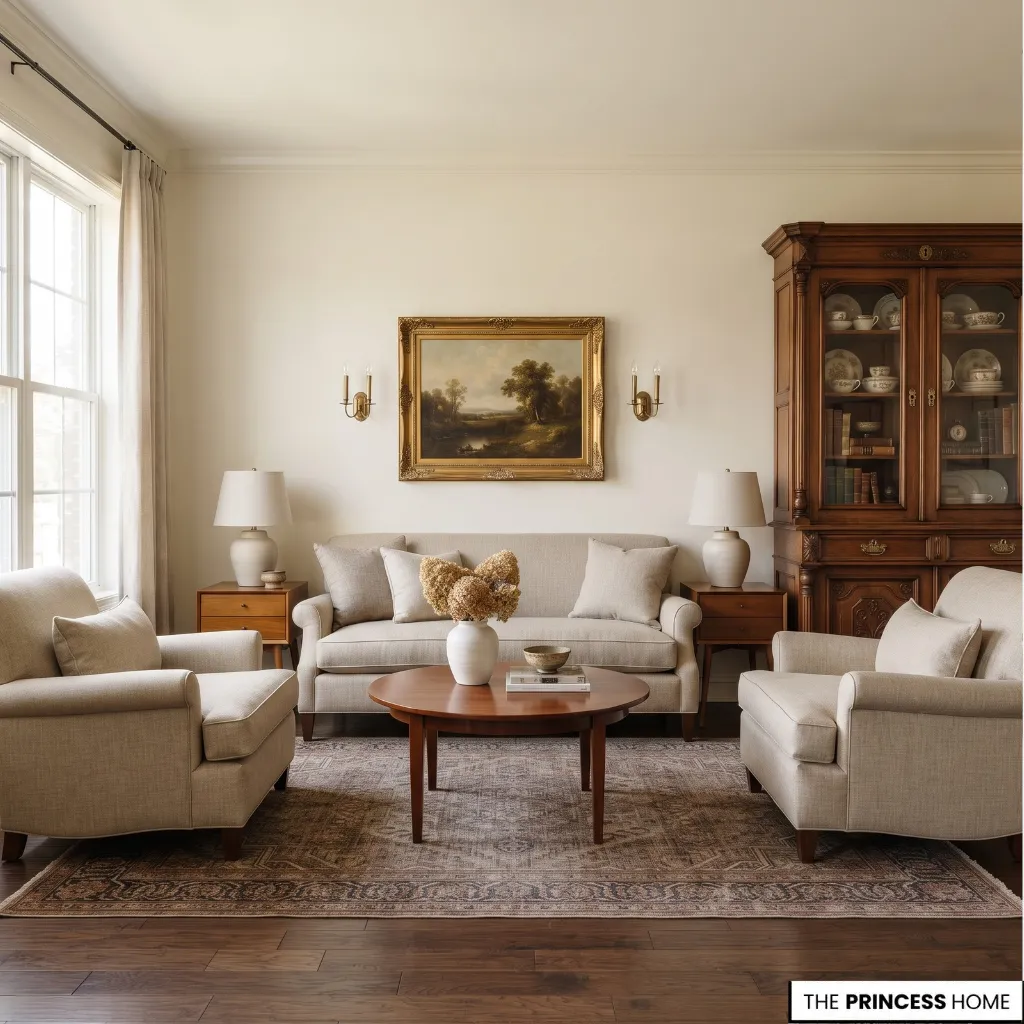
Vintage, antique, retro, and classic describe different concepts. Understanding their distinctions helps you choose furniture and establish a clear design direction. Vintage generally describes objects from an earlier period that retain recognizable characteristics of their time.
A mid-century wooden chair or an older patterned rug may qualify, depending on its age and provenance. The term is commonly applied to objects at least 20 years old, although definitions vary across dealers and design contexts.
Antique generally refers to objects at least 100 years old, but legal, trade, and specialist definitions can differ. Age is only one consideration; condition, craftsmanship, authenticity, and provenance also influence an item’s value and suitability.
Retro describes a design that recalls an earlier period. A newly manufactured chair with tapered legs or a lamp inspired by 1970s forms can have a retro appearance without being vintage.
Classic style, by contrast, refers to an enduring design approach associated with established forms, balanced proportions, and traditional details. A classic living room might feature symmetrical furniture arrangements, tailored upholstery, and architectural moldings, even if every piece is newly made.
These categories can overlap. Vintage furniture can complement a classic interior, while a contemporary room can incorporate authentic vintage objects. The important decision is whether the individual pieces support the same overall design direction.
For more ideas: Classic Style: A Timeless Guide to Choosing Elegance
Choose Vintage Colors
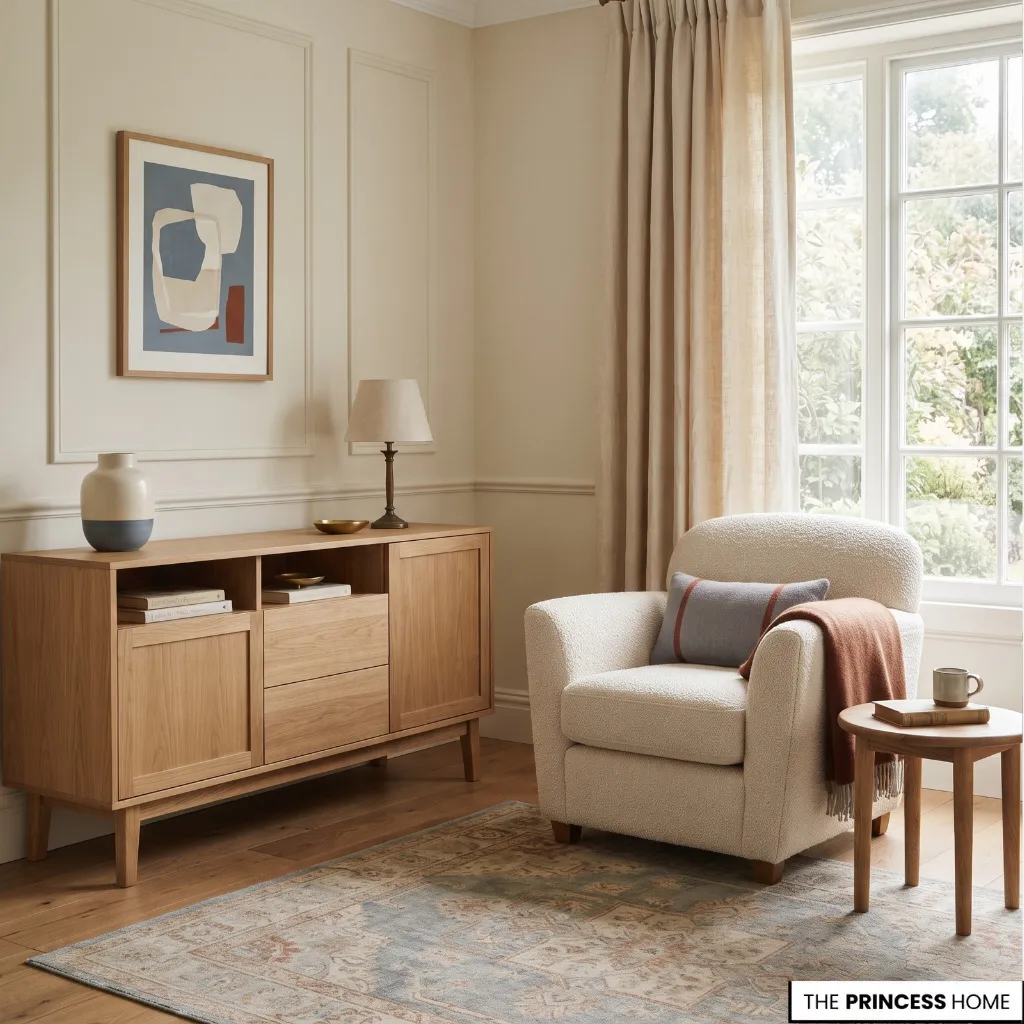
Color helps establish the period character of a vintage interior. The most suitable palette depends on the era you want to reference, the room’s existing finishes, and the degree of contrast you prefer.
Warm neutrals, cream, muted green, dusty blue, rust, mustard, and burgundy can all work in vintage-inspired interiors. Mid-century interpretations often combine timber with restrained colors, while some 1970s-inspired rooms use deeper earth tones and stronger patterns.
These associations are useful starting points rather than strict historical rules. Begin with the largest surfaces. Wall color, flooring, and substantial upholstered furniture establish the background against which smaller pieces appear.
A neutral foundation allows colorful vintage furniture or patterned accessories to stand out. Alternatively, a stronger wall color can support simpler furniture and more restrained decoration. Choose one dominant color, one or two supporting colors, and a small number of accents.
Repeat selected colors across elements such as cushions, artwork, rugs, and ceramics. This connects the room without requiring every item to match.
Consider the existing finishes, too. Warm timber can work naturally with cream, olive green, or muted rust, while darker furniture may benefit from softer surrounding colors. The relationship between the colors matters more than choosing a supposedly authentic vintage palette.
If the room feels too colorful, simplify the accessories or introduce quieter textiles. If the palette looks flat, add contrast through a deeper accent, a patterned rug, or a different material rather than introducing several unrelated colors.
For more ideas: Grand Millennials Style A Return to Warm Traditional Interiors
Select Vintage Furniture
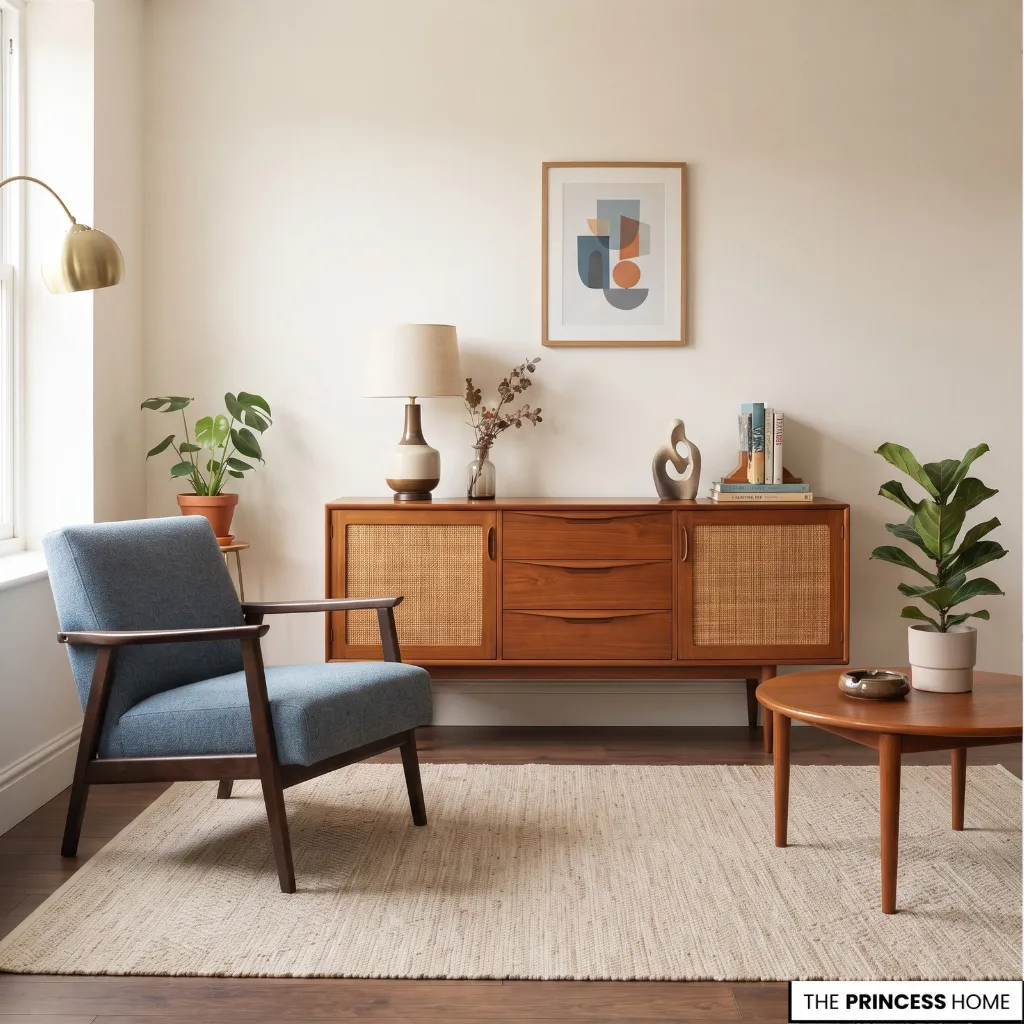
Furniture usually establishes the strongest visual connection to a particular design period. Its silhouette, proportions, construction, and finish often communicate more about the intended style than a collection of small decorative accessories.
Start with one or two substantial pieces. A vintage armchair, wooden sideboard, dining table, or bed frame can provide a clear reference point for the rest of the room. Choose according to the space’s function and dimensions, then introduce smaller items that support the same direction.
Pay attention to recognizable forms. Tapered legs and streamlined profiles can suggest mid-century design, while geometric shapes and bold outlines may suit an Art Deco-inspired interior. More traditional vintage pieces can feature shaped woodwork, turned legs, or detailed upholstery.
These characteristics help identify a design direction, but an item’s actual period and provenance require separate assessment when authenticity matters. Proportion is equally important.
A large vintage cabinet may overwhelm a narrow room, while a small occasional table can disappear beside substantial seating. Measure the available space and consider door openings, circulation, storage needs, and the furniture’s relationship to neighboring pieces before purchasing.
Condition also affects suitability. Inspect joints, stability, drawers, upholstery, surfaces, and previous repairs. Worn finishes can contribute character, but structural damage, persistent odors, or costly restoration requirements may outweigh the appeal of a low purchase price.
Authentic vintage furniture is not the only option. When a suitable original is unavailable or beyond budget, a well-made contemporary piece with a compatible silhouette can preserve the intended design direction. Choose the substitute for its proportions, materials, and visual character rather than its age alone.
For more ideas: Neo-Classical Design How to Create Timeless Interiors
Mix Materials and Textures
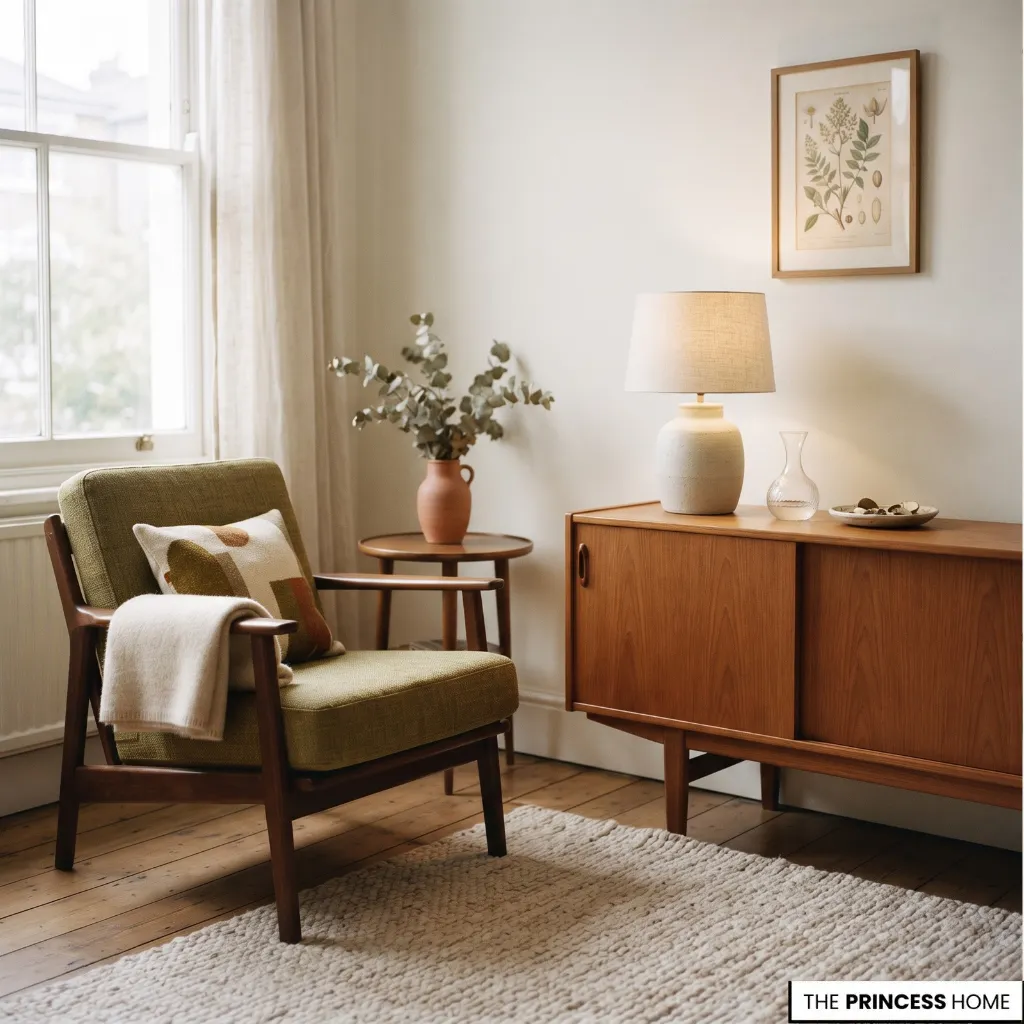
Materials give vintage interiors much of their character. Timber, glass, metal, ceramic, wool, linen, velvet, leather, and woven fibers offer different surface qualities. Their combination should reflect the furniture, period references, and practical demands of the room.
Begin with the materials established by the larger pieces. A wooden sideboard may provide the main finish, while an upholstered chair introduces softness and a glass lamp adds a lighter surface. These contrasts distinguish individual pieces without making them appear unrelated.
Repeat selected materials in more than one place. If the room includes a timber dining table, a smaller wooden frame or side table can connect the arrangement. Similarly, a metal lighting detail can relate to a nearby decorative object without requiring every metal finish to be identical.
Texture also helps balance the palette. Smooth wood or glass can sit comfortably alongside woven textiles, wool rugs, or upholstered furniture. Combine surfaces with different qualities, but retain a clear relationship between their colors and overall character.
Avoid introducing too many unrelated finishes. Several timber tones, metal colors, glossy surfaces, and heavily textured fabrics can compete for attention. When this happens, identify the dominant materials and reduce the number of competing finishes.
Authentic vintage pieces may show scratches, fading, or changes in color over time. Decide whether these signs of age support the intended look and whether the item’s condition remains suitable for daily use. A carefully preserved finish can be just as appropriate as visible patina.
For more ideas: Farmhouse Style: A Complete Guide to Creating Warm &Inviting
Layer Patterns Carefully
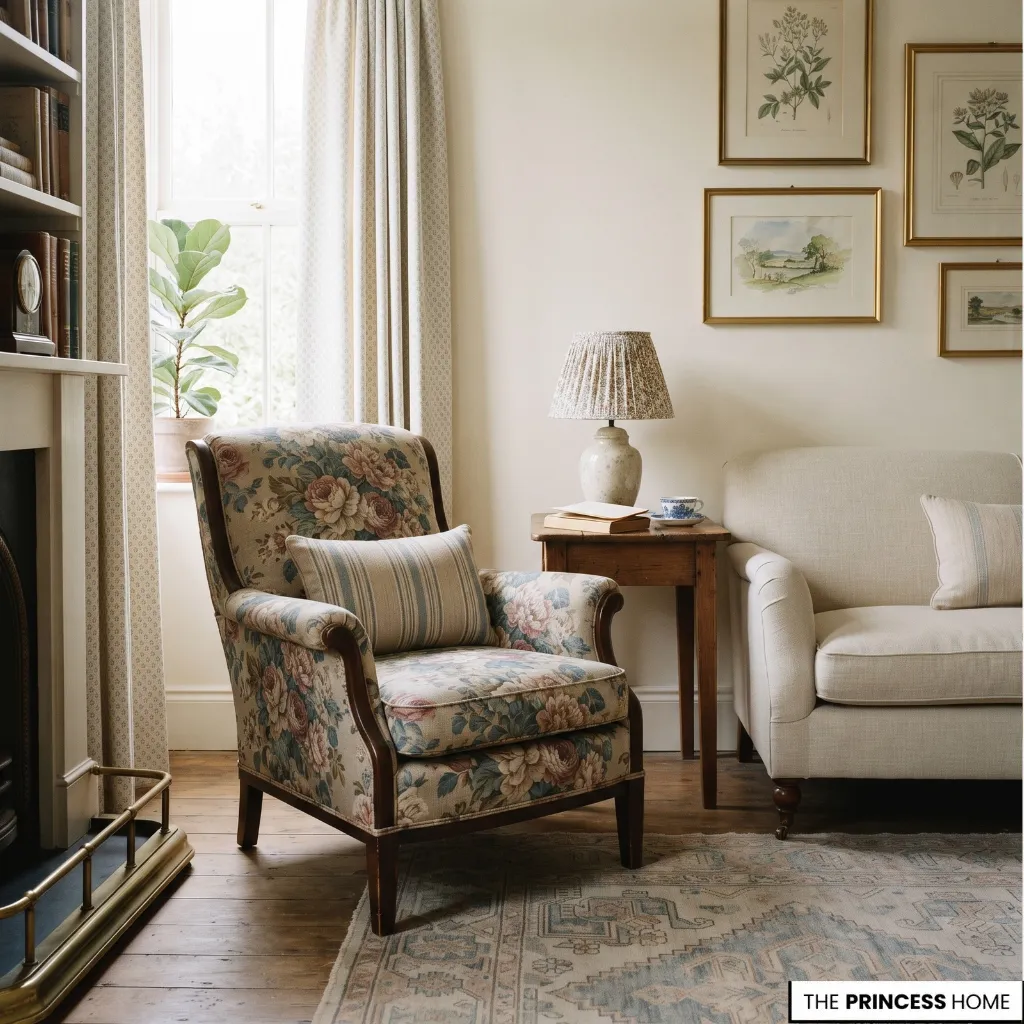
Patterns can connect a vintage interior to a particular period, but they need a clear relationship in color, scale, and placement. Floral upholstery, geometric rugs, striped textiles, and patterned wallpaper can all work when their roles are considered before they are combined.
Begin with one dominant pattern. This might be a rug, a pair of upholstered chairs, or wallpaper behind a bed. Use simpler surfaces around it so the main pattern remains easy to read.
When combining patterns, look for a shared color or compatible design features. A floral cushion and striped fabric, for example, may work together when both contain a similar background color. Varying their scale also helps: a large pattern can sit alongside a smaller, quieter print without creating the same degree of competition.
The distribution of patterns matters as much as the designs themselves. If the rug, curtains, upholstery, and cushions all demand attention, the room may feel crowded. Retain one or two dominant patterns and let the remaining surfaces provide visual rest.
Wallpaper requires particular care because it covers a substantial area. A strong print may be enough to establish the room’s character, especially when the furniture already has distinctive shapes or finishes.
In a smaller room, using the pattern on one wall or choosing a less contrasting design can preserve the vintage influence without overwhelming the space.
If patterns begin to compete, remove or replace the least important print first. The goal is to retain variety while establishing a clear hierarchy between the strongest design and its supporting elements.
For more ideas: Moroccan Decor Transform Your Space with Exotic Elegance
Choose Vintage Lighting
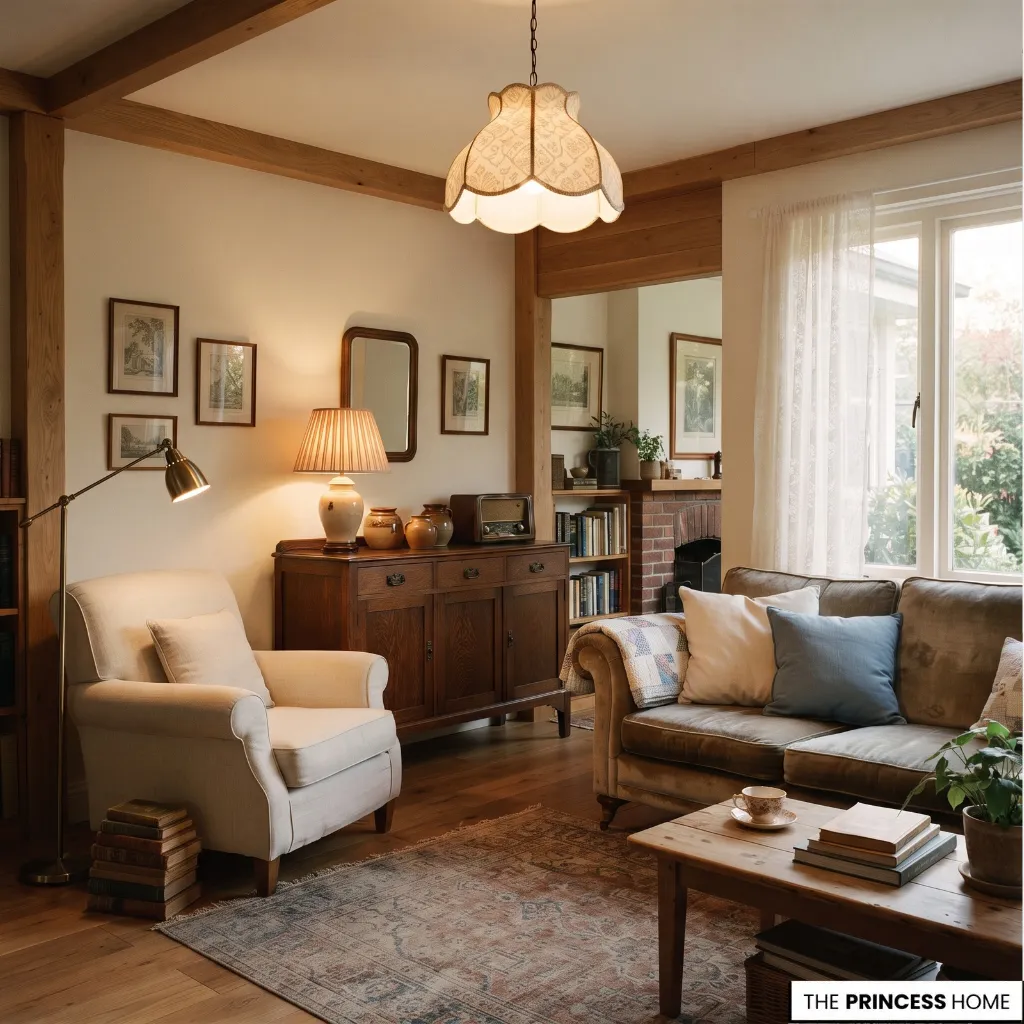
Lighting contributes to the period character of a room while determining how comfortably the space can be used. Vintage pendants, chandeliers, table lamps, floor lamps, and wall lights can introduce recognizable shapes and materials, but their placement must suit the room’s activities.
Start by identifying the lighting the room needs. General illumination supports movement and everyday use, task lighting helps with activities such as reading, and accent lighting highlights artwork or architectural features. One vintage fixture rarely needs to perform every function.
Choose fixtures that relate to the furniture and materials. A sculptural table lamp may complement a streamlined sideboard, while a more decorative pendant may suit a dining room with traditional furniture. The relationship between scale and placement matters more than choosing every fixture from the same period.
Layer different light sources where appropriate. A ceiling fixture can provide general illumination, while table and floor lamps supply localized light for reading or relaxing. This arrangement also allows the room to be used comfortably at different times of day.
Contemporary lighting can work alongside authentic vintage fixtures. A discreet modern task light may provide better practical illumination without changing the character established by an older lamp or pendant.
When buying original electrical fixtures, inspect their condition and arrange professional assessment or rewiring when necessary. An attractive vintage appearance does not establish electrical safety.
Choose compatible fittings and suitable bulbs rather than assuming one bulb color or fixture finish is required for every vintage interior.
Style Each Room
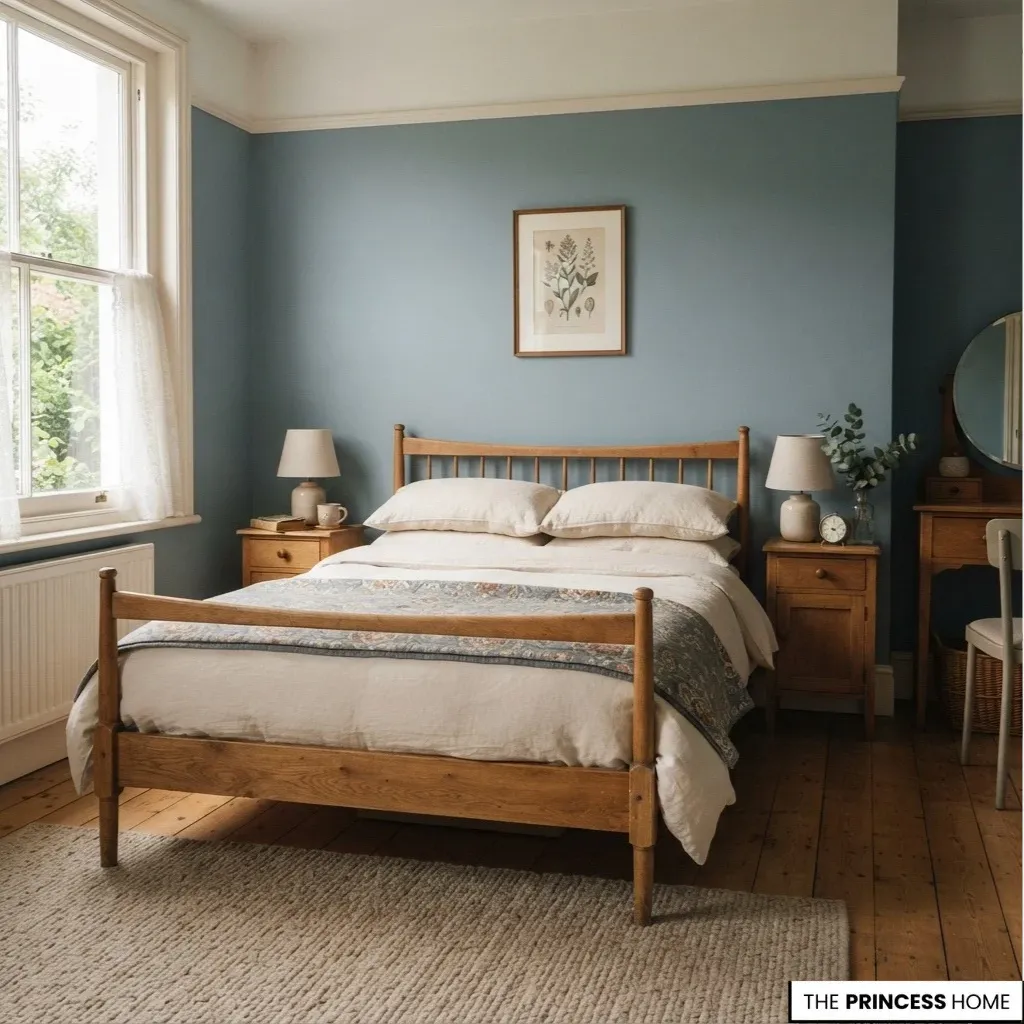
Vintage style should respond to how each room is used. The same design principles apply throughout the home, but furniture, materials, and decorative elements must support different activities. In a living room, begin with the main seating arrangement.
A vintage armchair, sofa, or wooden sideboard can establish the period reference, while a suitably sized rug connects the seating area. Add tables and lighting according to the available space, then use artwork or a few carefully selected accessories to reinforce the chosen character.
Preserve comfortable walking routes rather than filling every empty corner. In a bedroom, the bed or headboard can provide the main vintage feature. Pair it with suitable bedside furniture and practical lighting, then introduce period-inspired textiles through bedding, cushions, or curtains.
If the bed has a strong decorative form, keep surrounding furniture simpler so the room remains visually balanced. A dining room can combine a vintage table with complementary chairs.
Matching sets are not essential, but differences in chair shape, finish, or upholstery should relate to the table and the room’s palette. A pendant can help define the dining area, while a sideboard provides useful storage and space for a few carefully selected objects.
In a small home, prioritize function and scale. One distinctive chair or compact sideboard may provide sufficient vintage character without consuming valuable floor space. Use wall-mounted artwork, smaller lamps, and textiles when larger pieces would restrict circulation.
Storage furniture should fit the available dimensions and serve an actual purpose. A single well-chosen vintage piece can establish the look without requiring a full collection, especially when its color or material connects with the existing furniture.
Across all rooms, begin with the furniture arrangement and everyday requirements. Decorative details should support the room’s function rather than interfere with it.
For more ideas: English Cottage Decor Ideas: Cozy and Charming Home Inspiration
Mix Old and New
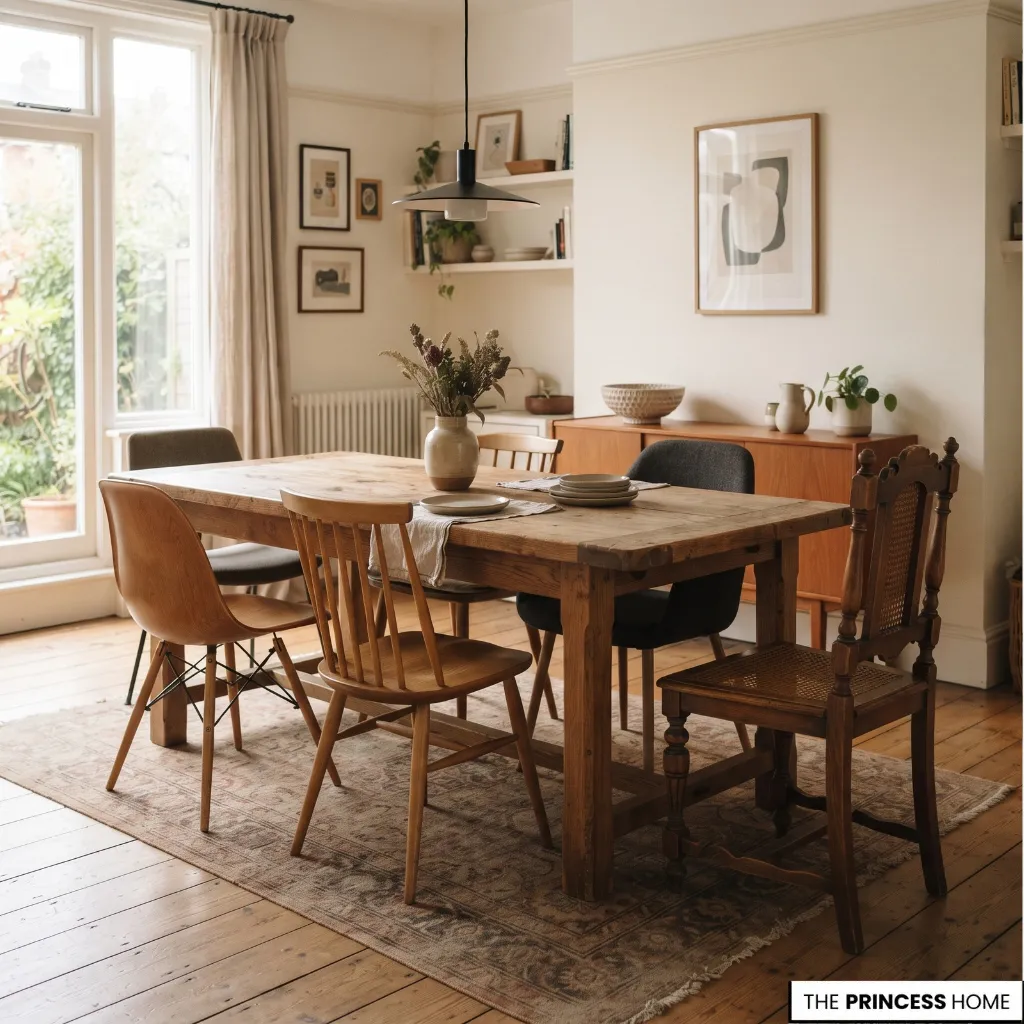
Combining vintage and contemporary furniture allows a room to retain period character without sacrificing modern comfort. The key is to establish a visual connection between the pieces instead of treating age as the only organizing principle.
A contemporary sofa can work with a vintage wooden coffee table when their proportions are compatible and their finishes relate to the wider palette. An older dining table may sit comfortably with simpler modern chairs, especially when upholstery or color connects the arrangement.
A vintage lamp can also introduce character into a room with contemporary storage and restrained accessories. Use one or more shared features to connect different periods. These may include a common color, similar timber tones, related shapes, or a repeated material.
The pieces do not need to match, but their differences should appear deliberate. Consider the room’s architecture as well. Original moldings, timber floors, fireplaces, or older doors may provide an existing connection to the past.
In a recently built home, furniture, lighting, artwork, and textiles can establish the same design direction without requiring architectural changes.
Personal objects can make the combination feel more individual. Books, artwork, inherited pieces, and objects collected over time can add meaning without needing to belong to a specific period.
Choose a few that relate to the room’s colors, materials, or character, allowing them to sit naturally alongside the furniture rather than crowding every surface.
Rental homes can benefit from movable solutions. Choose freestanding furniture, removable textiles, and artwork that can be relocated when necessary. Where permanent changes are restricted, these elements introduce vintage character without altering the building.
If the combination feels disconnected, identify which pieces establish the strongest direction. Retain those elements and simplify the surrounding furniture or accessories. A clear relationship between a few substantial pieces usually works better than a room filled with unrelated objects from different eras.
For more ideas: Boho Decorating Embracing the Bohemian Spirit A Guide
Find and Assess Pieces
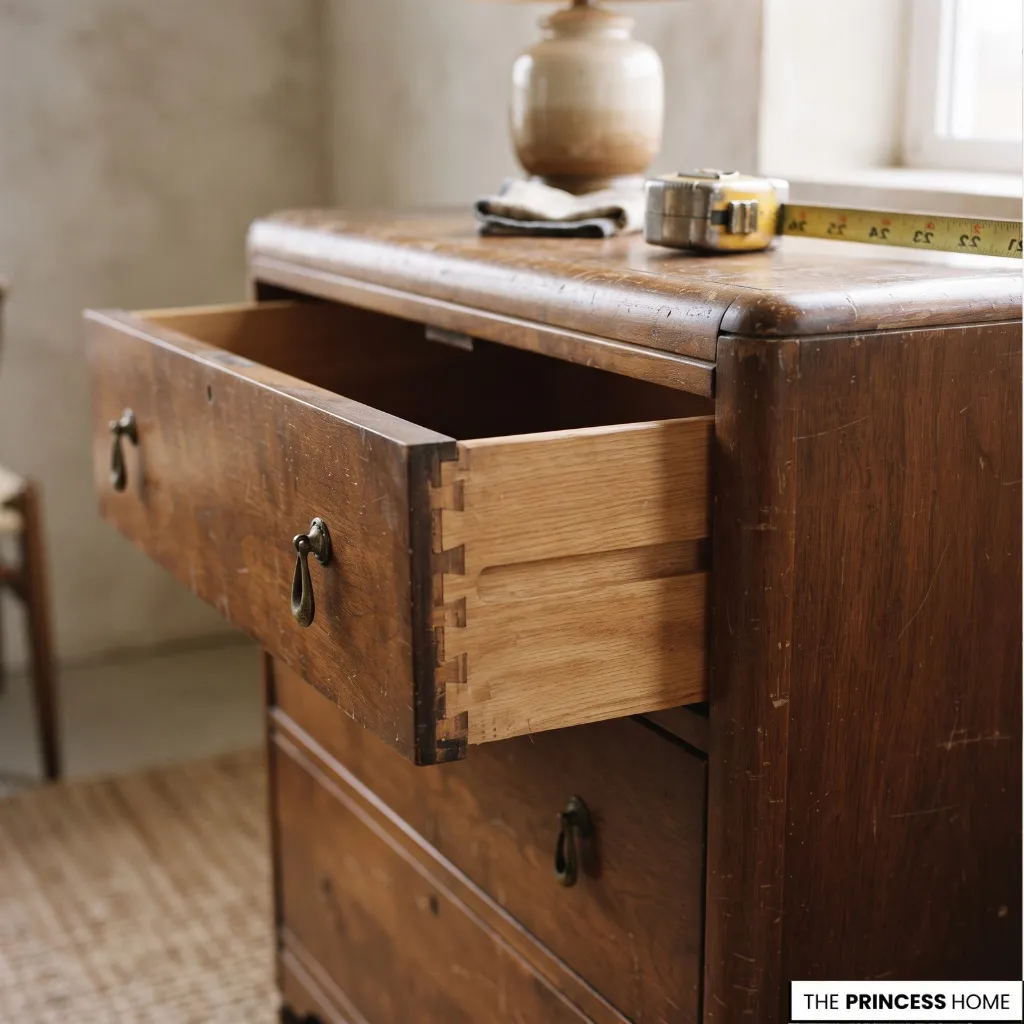
Finding suitable vintage furniture requires more than recognizing an attractive shape. The item’s dimensions, condition, construction, authenticity, and suitability for everyday use all affect whether it is a worthwhile choice.
Vintage and secondhand dealers, antique shops, estate sales, auctions, and online marketplaces offer different opportunities. Visit established sellers when you want to inspect construction and condition in person.
Online listings can widen the search, but request clear photographs of the underside, joints, back, drawers, upholstery, and damaged areas before committing to a purchase.
Measure the item carefully and compare those dimensions with your room. Include the space required to open doors and drawers, move chairs, and carry the piece through entrances and stairways. Transport costs and access restrictions can change the overall value of an apparently inexpensive purchase.
Inspect structural condition before focusing on surface appearance. Check for unstable joints, damaged supports, sticking drawers, loose hardware, and signs of previous repairs. Upholstered pieces require particular attention to fabric, odor, cushioning, and the condition of the underlying frame.
When authenticity or age affects the price, ask the seller for supporting information. Maker’s marks, labels, documented provenance, and construction details may help, but no single feature guarantees a reliable identification.
Design alone cannot establish a piece’s age, and signs of wear do not prove that it is genuinely vintage. Consider the evidence together, including materials, construction, labels, and any available documentation. Seek specialist advice for expensive or potentially significant pieces.
Choose based on suitability rather than rarity alone. A modest vintage side table in good condition may serve the room better than an expensive statement piece that is difficult to place or maintain.
If the original is unavailable, a well-made reproduction can provide the required shape and function without being misrepresented as an authentic vintage item.
Decorate on a Budget
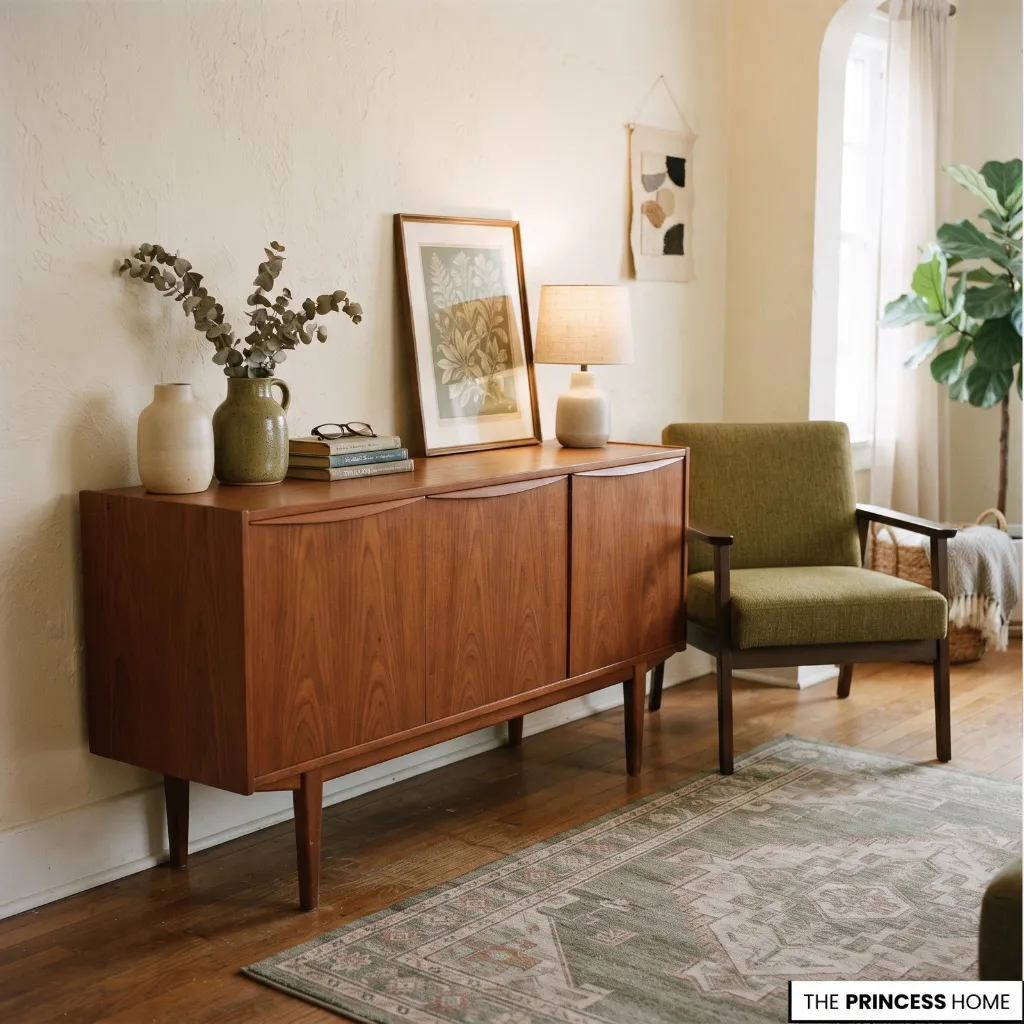
A vintage interior does not require a complete collection of period furniture. A focused approach allows you to establish the design direction gradually while spending on the elements that contribute most to the room.
Begin with the existing furniture. Identify pieces that already fit the intended look or can be adapted through a suitable finish, new upholstery, or replacement hardware.
A sound wooden dresser may be worth retaining, while an uncomfortable or structurally damaged chair may require more attention than its appearance justifies.
Prioritize one or two influential purchases. Depending on the room, these might be a vintage armchair, a sideboard, a dining table, or a distinctive lamp. Their proportions and materials can guide later choices, reducing the risk of buying smaller accessories that do not work together.
Use accessible accents to introduce the period reference. Secondhand artwork, ceramic pieces, patterned cushions, and small occasional tables can contribute character without requiring major expenditure.
Select them according to the established palette and materials rather than buying every attractive item you encounter. Spend according to use and condition. A chair used every day may justify professional upholstery or structural repairs, while a purely decorative object may not warrant extensive restoration.
Compare the purchase price with transport, cleaning, repair, and maintenance costs before deciding. Phased decorating also helps preserve a coherent result. Establish the main furniture arrangement first, then add lighting, textiles, and smaller objects as suitable pieces become available.
This gives you time to assess what the room needs instead of purchasing everything at once. When a defining vintage piece is too expensive or difficult to source, consider a compatible contemporary alternative.
Preserve its intended function, silhouette, and relationship to the room rather than choosing a cheaper object that has little connection to the design.
Avoid Common Mistakes
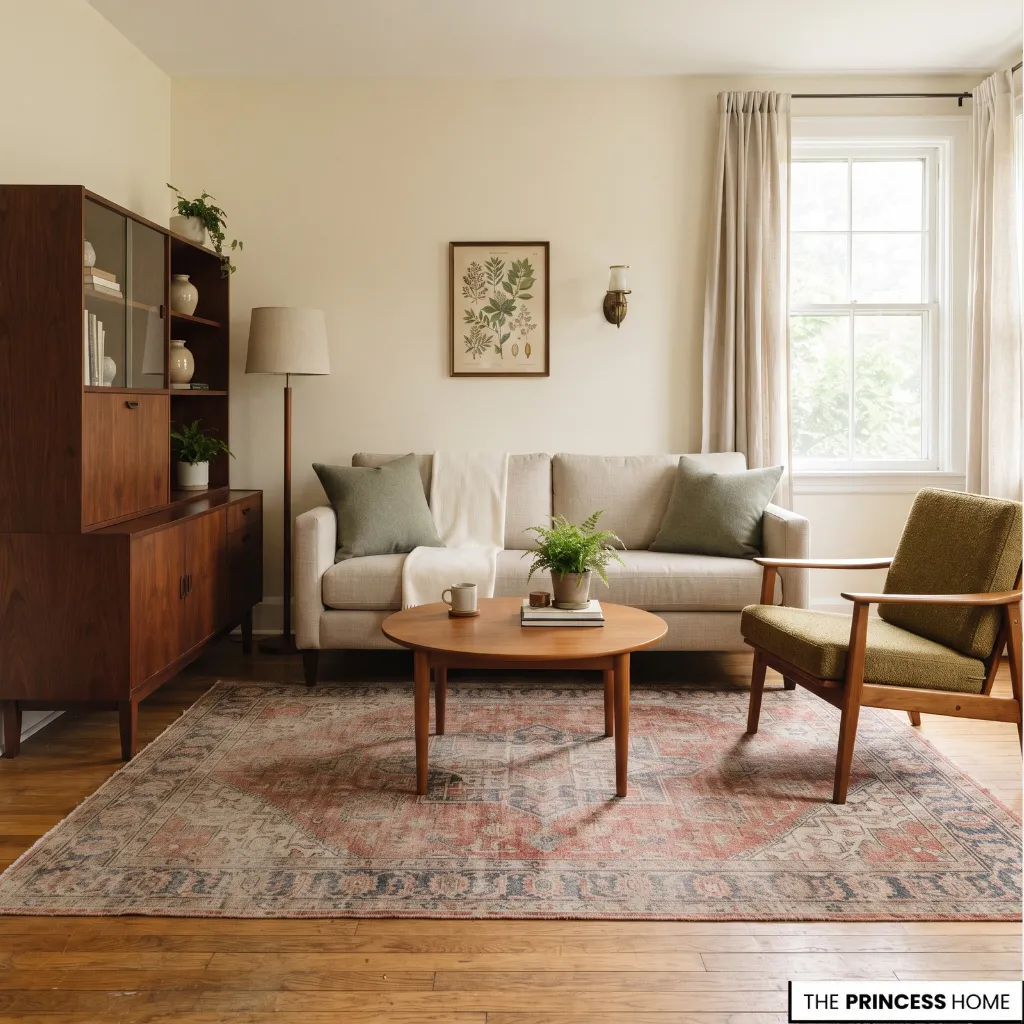
One common mistake is treating every vintage object as a necessary addition. Collecting too many pieces can obscure the furniture that gives the room its character. Choose the most important items first and leave enough open space for their shapes and finishes to remain visible.
Another problem is mixing periods without establishing a clear relationship. A mid-century chair, an ornate traditional cabinet, and a strongly patterned 1970s lamp may each be appealing, but together they can compete for attention. Connect them through color, materials, or proportion, or allow one period to remain the dominant influence.
Furniture that is too large can also undermine the arrangement. Measure substantial pieces before buying them and consider their relationship to doorways, circulation, and neighboring furniture. In a smaller room, fewer appropriately scaled pieces are usually more useful than several oversized items.
Relying on a stereotypical color palette can make a vintage interior feel predictable. There is no need to use dark wood, mustard, rust, and patterned upholstery together simply because they are associated with earlier decades. Choose colors that support the particular period reference and the room’s existing finishes.
Ignoring lighting and practical condition creates different problems. A decorative fixture may not provide enough useful illumination, while an attractive secondhand chair may require repairs that exceed the budget. Assess function, safety, and maintenance alongside appearance.
Finally, avoid confusing visible age with quality. Scratches, fading, and patina can contribute character, but they do not automatically indicate craftsmanship or authenticity. Select pieces because their construction, condition, proportions, and design suit the room.
For more ideas: Black and White Modern Home Decor Timeless Design Ideas
Conclusion
Successful vintage design depends on choosing pieces with a clear purpose and understanding how they relate to one another. Start with a period or design direction that appeals to you, establish a compatible palette, and select furniture that suits the room’s proportions and daily use.
Build the interior gradually, combining authentic vintage objects with contemporary pieces when they provide the right function and visual connection. The result should reflect the character of earlier design without requiring you to reproduce an entire historical room.