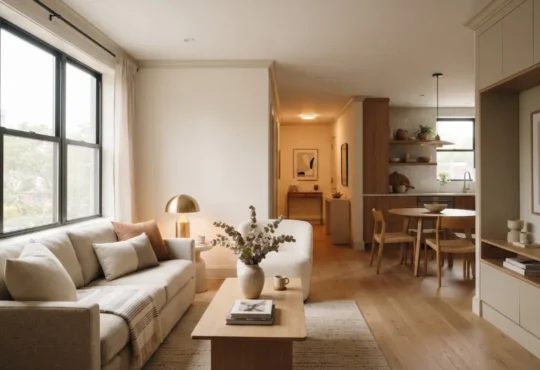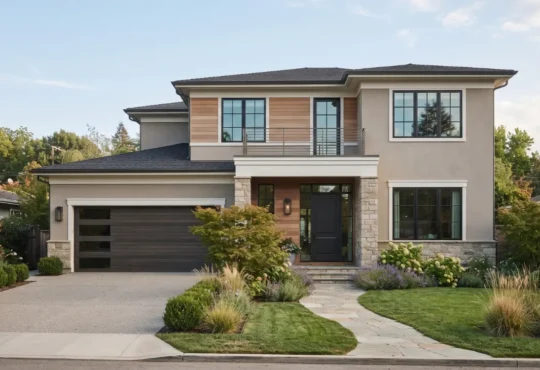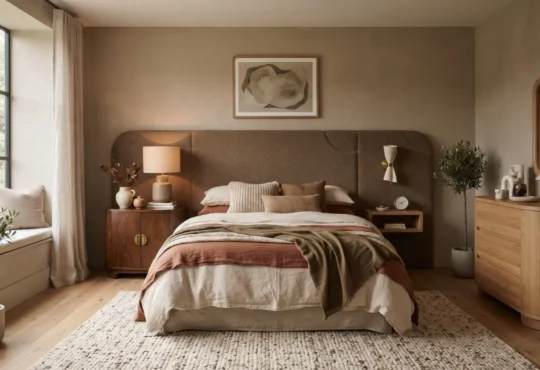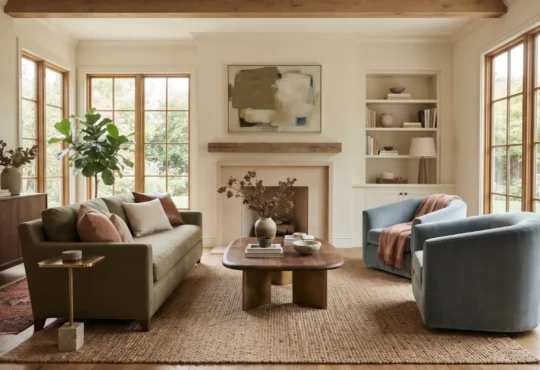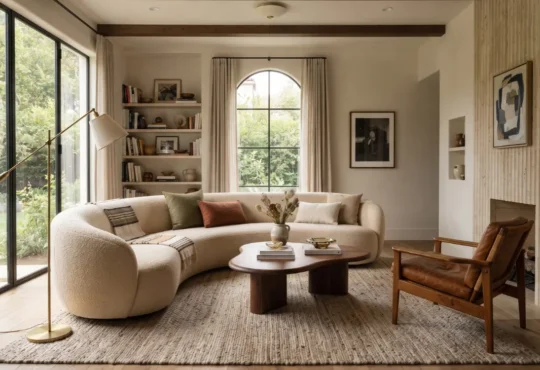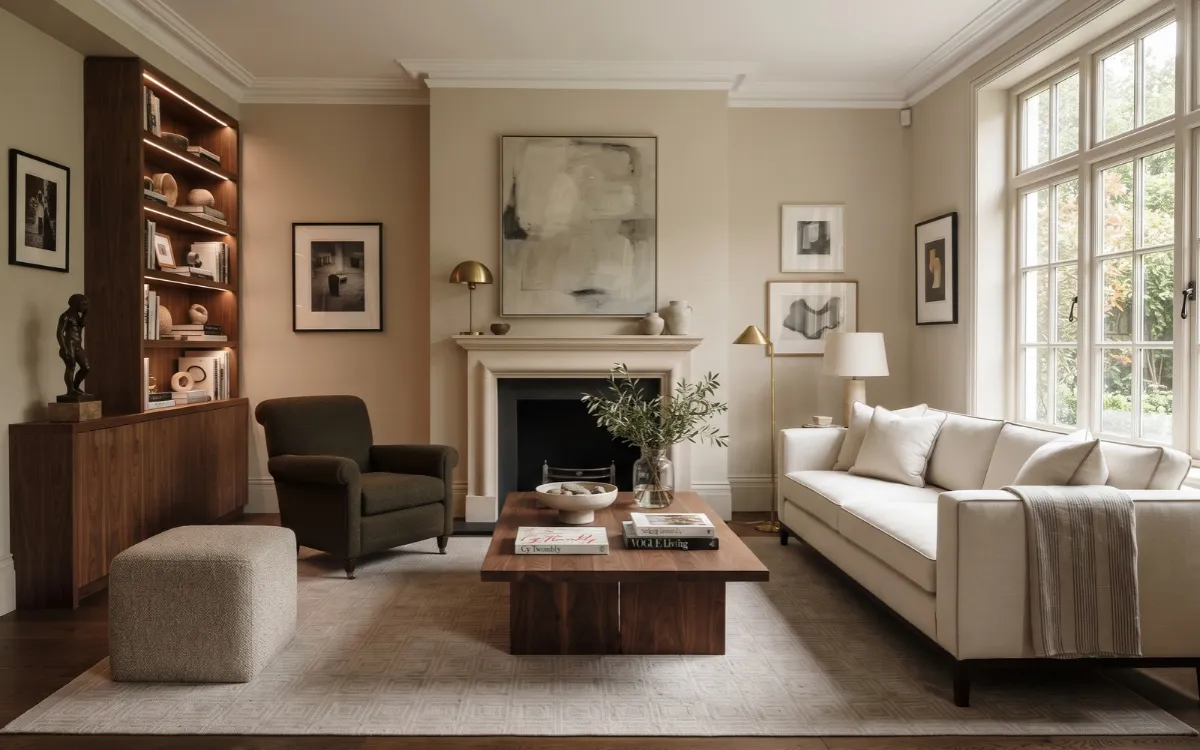
Interior design styles give a home a clear direction, but choosing one can be harder than it seems. With so many styles and overlapping influences, it is easy to focus on individual furniture pieces or colors without understanding how they work together.
The key is to look beyond style names and understand the decisions that define them. This guide explains the major interior design styles, how to recognize their differences, how to choose a direction that suits your home, and how to combine influences without losing cohesion.
What Is Interior Design Style?
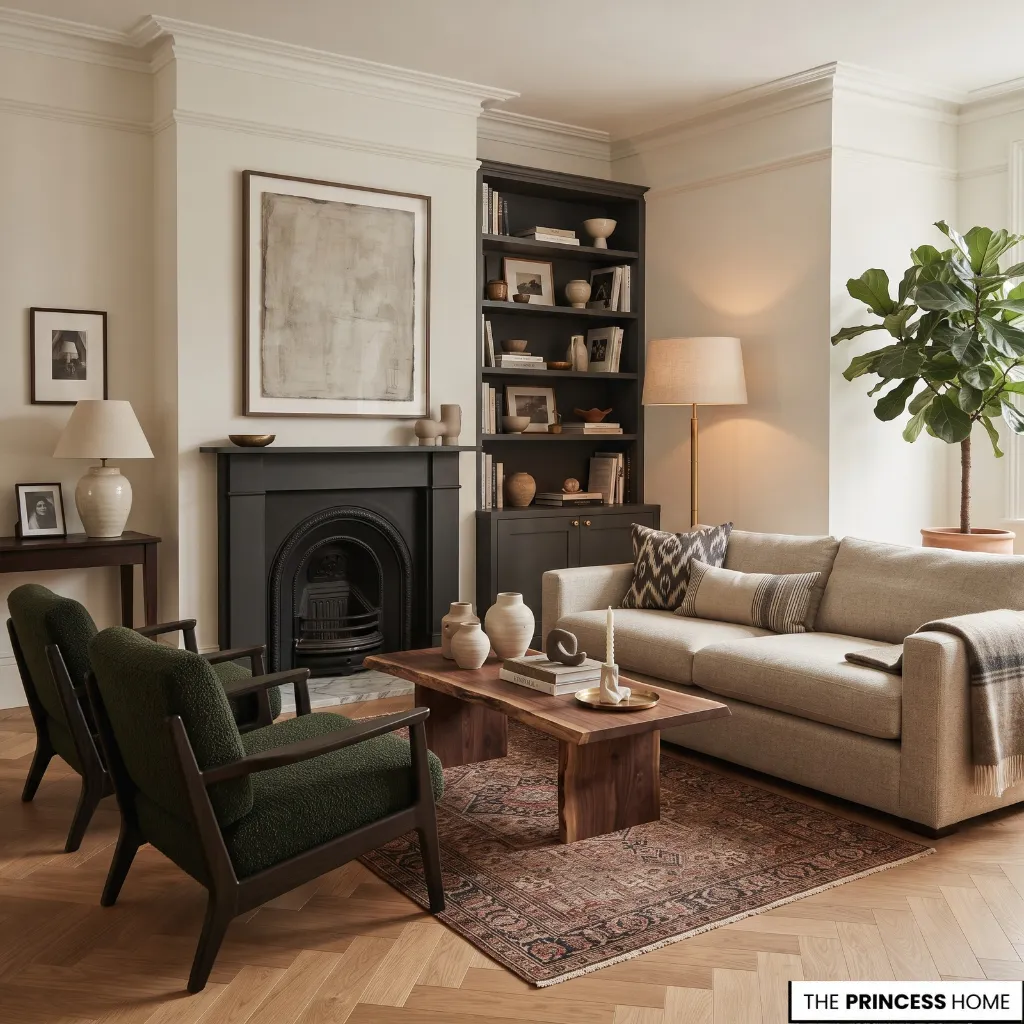
An interior design style is a recognizable approach to shaping a room through connected decisions about furniture, color, materials, lighting, architecture, patterns, and decoration. A style is more than a collection of objects. A traditional room, for example, is not traditional simply because it contains an antique table.
Its furniture proportions, symmetry, materials, architectural details, textiles, and decorative choices work together to establish the overall direction. This distinction matters when choosing a style for your own home.
Buying several recognizable pieces from the same style does not automatically create a successful interior. The surrounding elements need to support them. Style is also different from a trend. A trend may influence a color, finish, furniture shape, or decorative detail for a period of time.
A design style provides a broader framework for making decisions over time. Your home also does not need to reproduce a style exactly as it appears in a reference photograph.
A style can be interpreted in a more traditional, relaxed, minimal, or contemporary way while retaining its essential character.
Understand Style Families
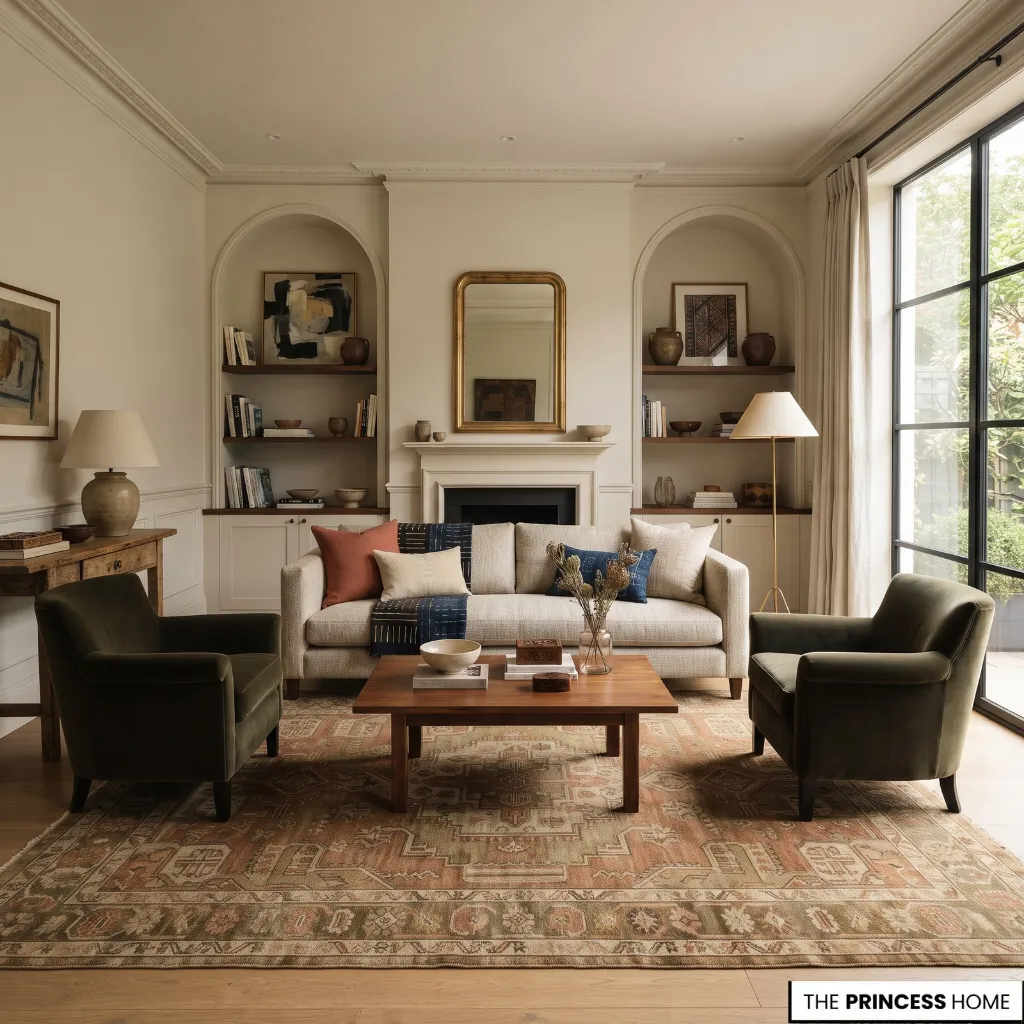
Interior design styles become easier to understand when you look at their broader relationships instead of trying to memorize a long list of names.
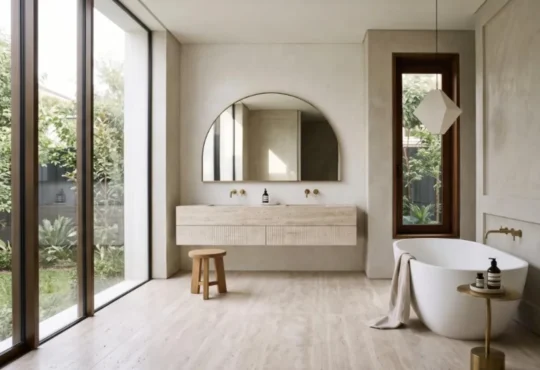
Modern and contemporary interiors often emphasize clean forms, controlled decoration, and a strong relationship between furniture, materials, and architecture. Minimalist interiors take restraint further by reducing unnecessary visual elements and emphasizing function, proportion, and simplicity.
Mid-Century Modern is recognized for practical forms, clean lines, organic influences, and furniture associated with the mid-20th century. Scandinavian interiors commonly combine simplicity, practical furniture, natural materials, and a comfortable, restrained approach.
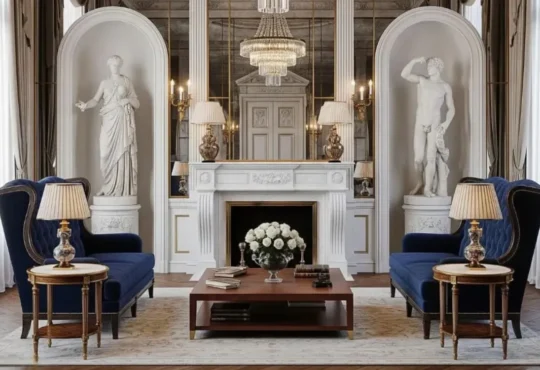
Classic and traditional styles rely more heavily on established furniture forms, symmetry, architectural detail, and layered materials. Neo-Classical design brings classical references into a more controlled and structured composition, while Transitional interiors combine traditional and contemporary characteristics.
Rustic and country-related styles place greater emphasis on natural materials, comfortable forms, visible texture, and an informal connection to the home. Farmhouse design belongs within this broader family, although contemporary interpretations can be much more restrained than older versions of the style.
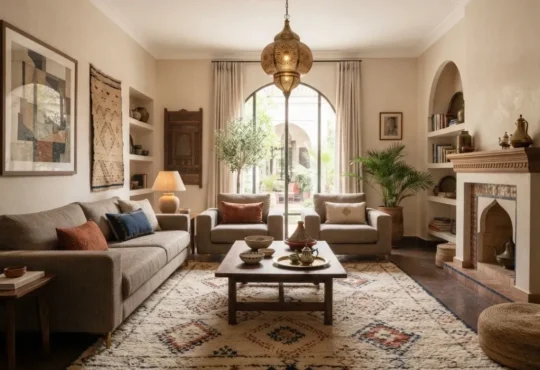
Bohemian, Moroccan, and globally influenced interiors tend to emphasize layered textiles, pattern, craftsmanship, distinctive materials, and collected objects. Their expressions can range from richly detailed rooms to restrained contemporary interpretations.
These families are useful for orientation, but they are not rigid categories. Interior styles overlap, evolve, and can be interpreted differently from one home to another.
Recognize Each Style
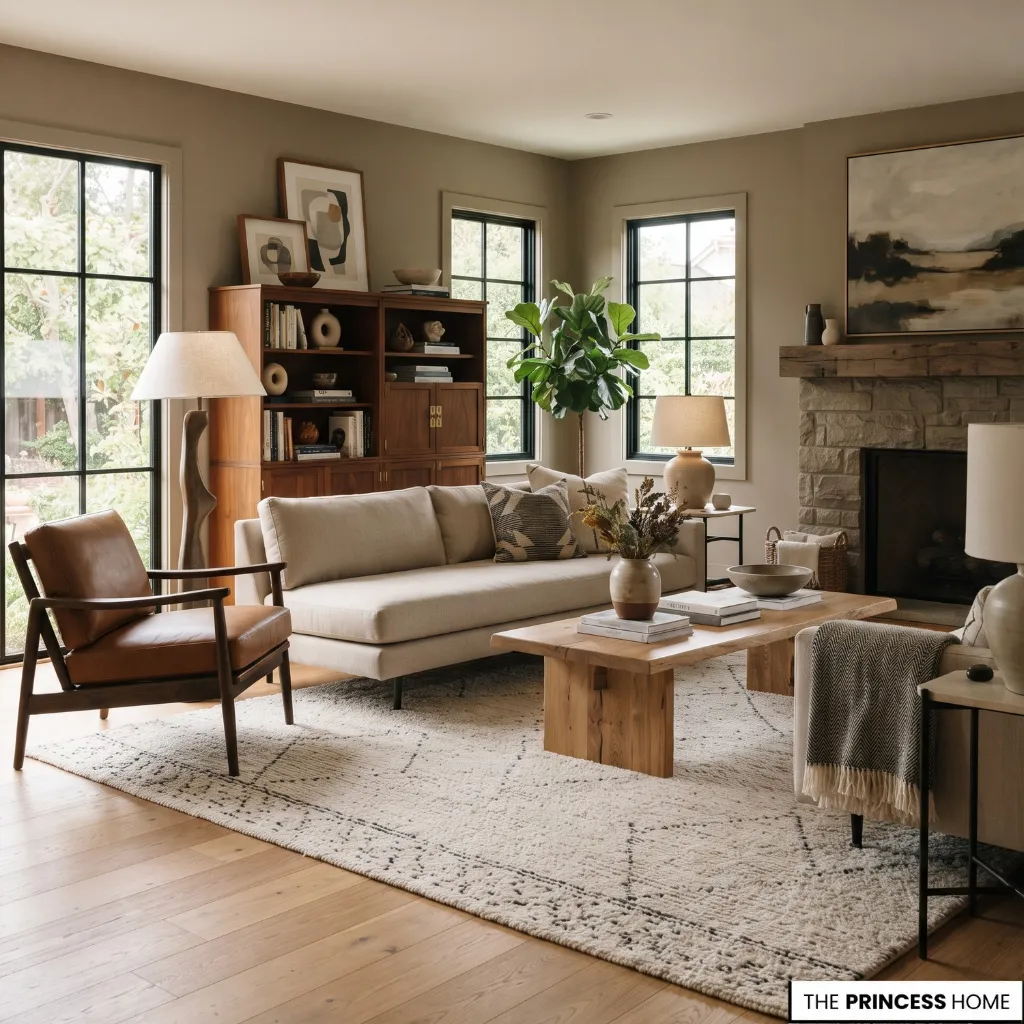
Recognizing a style becomes easier when you look at several design decisions together rather than searching for one defining object.
Modern interiors generally rely on clean forms, controlled decoration, and an emphasis on function and proportion. Materials and furniture are usually presented clearly rather than heavily layered.
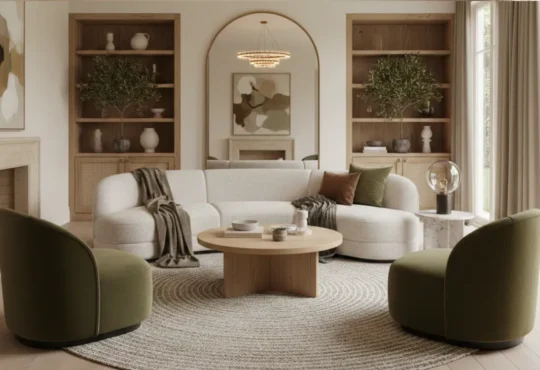
Contemporary interiors reflect current design thinking and can change as preferences and materials evolve. They often combine clean forms with natural materials, sculptural pieces, softer shapes, or other current influences.
Modern and Contemporary can therefore look similar, but Modern generally refers to a more defined design tradition, while Contemporary describes what feels current and can continue to change over time.
Minimalist interiors reduce visual and physical excess. Furniture is carefully selected, storage is important, and color and material choices are controlled so that each remaining element has a clear purpose.
Mid-Century Modern is associated with furniture from the mid-20th century, practical forms, clean lines, organic influences, and materials such as wood. Recognizable furniture shapes often play an important role in the overall composition.
Scandinavian design emphasizes simplicity, functionality, natural materials, comfortable furnishings, and a relatively restrained palette. It can work well when the goal is a practical home with a lighter, simpler character.
Traditional interiors draw from established design conventions, often using symmetry, classic furniture silhouettes, architectural details, layered textiles, and a more formal composition.
Classic interiors focus on enduring proportions, refined materials, balanced furniture arrangements, and details that are less dependent on short-lived trends.
Classic and Traditional often overlap, but Classic design places greater emphasis on enduring proportion and formal balance, while Traditional can draw more broadly from established historical decorating conventions.
Neo-Classical design uses principles such as symmetry, proportion, and architectural order while allowing for a cleaner and more contemporary interpretation. It shares some qualities with Classic design, but its stronger emphasis on classical architectural order gives it a more specific identity.
Farmhouse interiors traditionally emphasize practicality, natural materials, comfortable furniture, and an informal connection to country living. Modern farmhouse interpretations are often more edited and less rustic than earlier versions of the style.
Bohemian interiors are generally more layered and expressive, using textiles, pattern, natural materials, collected objects, and varied furniture to create a relaxed composition.
Moroccan interiors are strongly associated with craftsmanship, geometric patterns, textured materials, distinctive lighting, and layered textiles. The style can range from richly detailed interiors to restrained contemporary interpretations.
Grandmillennial design brings traditional elements, decorative patterns, vintage references, and familiar furnishings into a more personal and contemporary home environment.
Vintage interiors draw on furniture, objects, materials, and visual references from earlier periods. The result can be highly collected or more relaxed depending on how those pieces are combined with contemporary elements.
These descriptions are starting points rather than strict formulas. The more useful question is not simply, “What style is this?” but “Which design decisions make this room read as this style?”
Choose Your Style
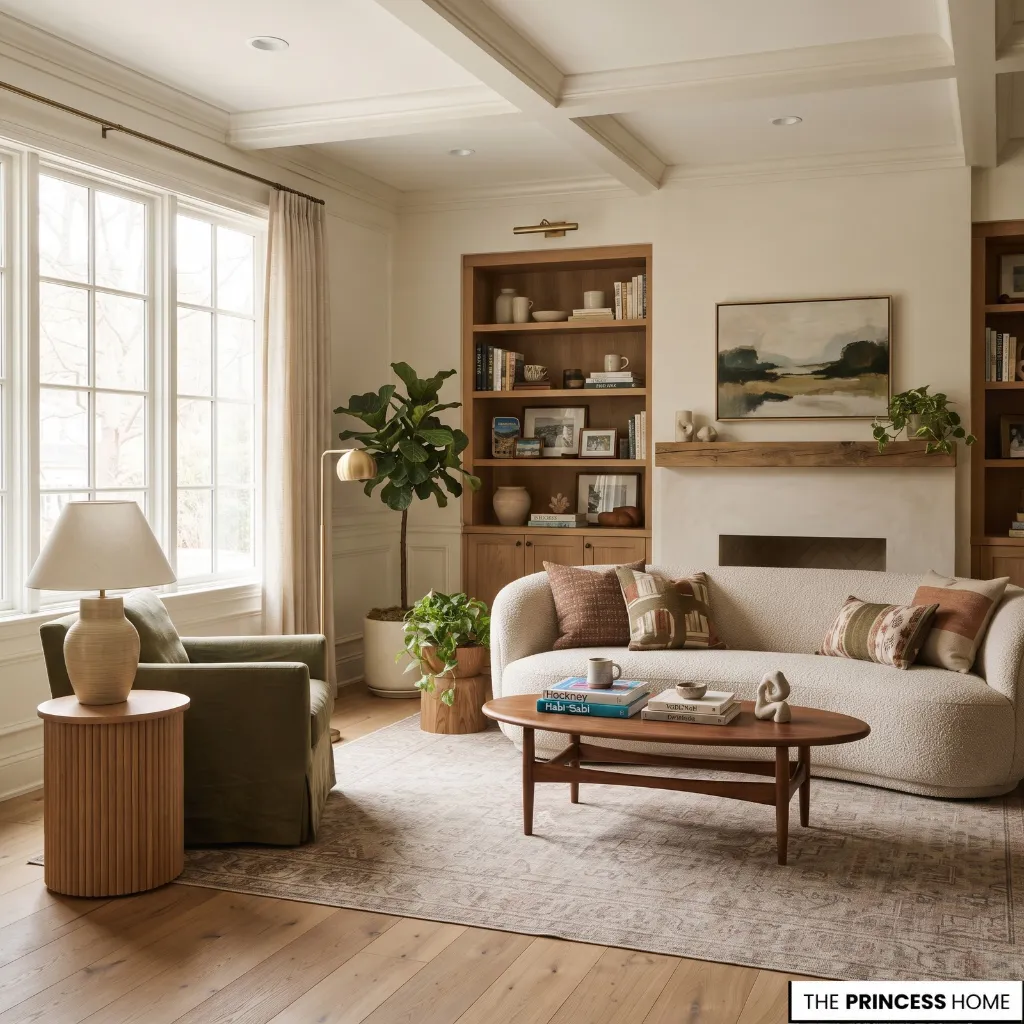
Choosing an interior design style should begin with your preferences rather than with a shopping list. Look at the rooms you consistently save, revisit, or enjoy. Notice patterns in the furniture shapes, colors, materials, lighting, and level of decoration that attract you.
You may discover that you prefer curved furniture, natural wood, symmetrical arrangements, patterned textiles, simple rooms, or richly layered spaces even when the photographs carry different style labels.
A useful way to find your direction is to compare the qualities you repeatedly choose rather than the names attached to the images. If several very different rooms appeal to you, look for the qualities they share.
You may prefer the same level of decoration, similar furniture proportions, related colors, natural materials, or a consistent balance between simplicity and layering. Those repeated preferences can reveal your underlying design direction more accurately than choosing a style name first.
Your lifestyle matters as well. A home for a family with young children has different practical requirements from a formal entertaining space or a quiet home used mainly by adults. Furniture durability, storage, maintenance, circulation, and comfort should influence the way you interpret a style.
Consider how much visual complexity you enjoy. Some people prefer open rooms with relatively few objects, while others enjoy spaces built through layers of books, textiles, artwork, collections, and furniture. Do not choose a style only because it looks impressive in photographs.
Choose a direction that you can comfortably live with and maintain. Your preferences also do not have to fit one style name perfectly. You may prefer the symmetry of Classic design with the simpler furniture of Contemporary interiors, or the warmth of Farmhouse with more refined materials.
The goal is to identify the design principles you genuinely want to live with. You also do not need to choose only one style. Most homes can have a dominant direction supported by secondary influences.
The important part is deciding which qualities should lead the room and which should remain supporting elements.
Start With Your Home
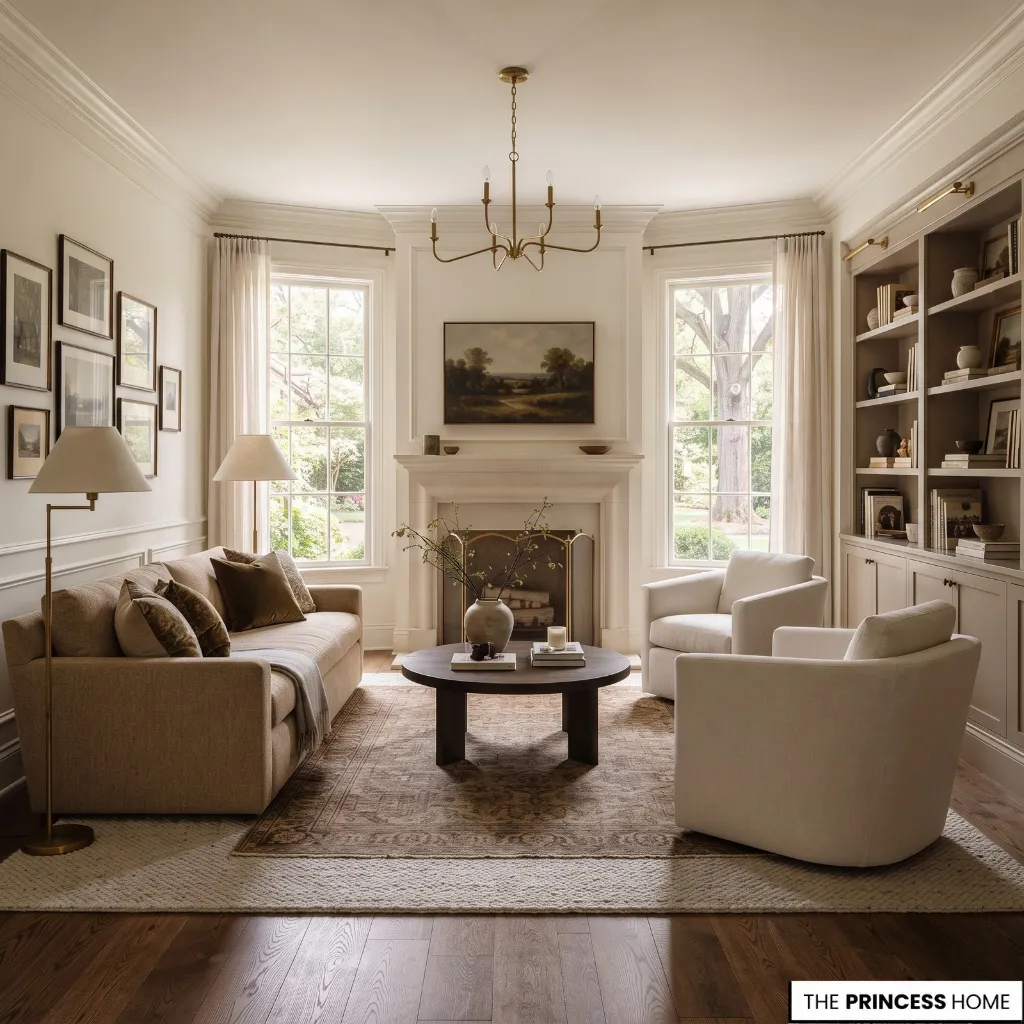
Your existing home should influence how you interpret an interior design style. Look at the architecture first. Consider ceiling height, windows, flooring, moldings, doors, fireplaces, built-ins, natural light, and room proportions.
These fixed elements form the setting in which your furniture, colors, and materials will be placed. A style that works beautifully in one architectural setting may need a different interpretation elsewhere.
A home with traditional moldings can support classical references naturally, while a simple contemporary apartment may call for a lighter interpretation of the same ideas.
Existing furniture also deserves consideration. Before replacing everything, identify the pieces that are useful, well made, meaningful, or visually compatible with the direction you want to establish. Your room size matters too.
In a smaller space, choose furniture that leaves clear circulation and avoid filling every available surface with decorative objects. In a larger room, scale and quantity become more important because pieces need enough presence to relate to the available space.
The goal is not to force the architecture into a style category. Use what already exists as part of the design decision. This approach can also make a style more personal. Instead of copying a photographed interior, you develop an interpretation that responds to your actual rooms, possessions, and daily life.
Build Your Style
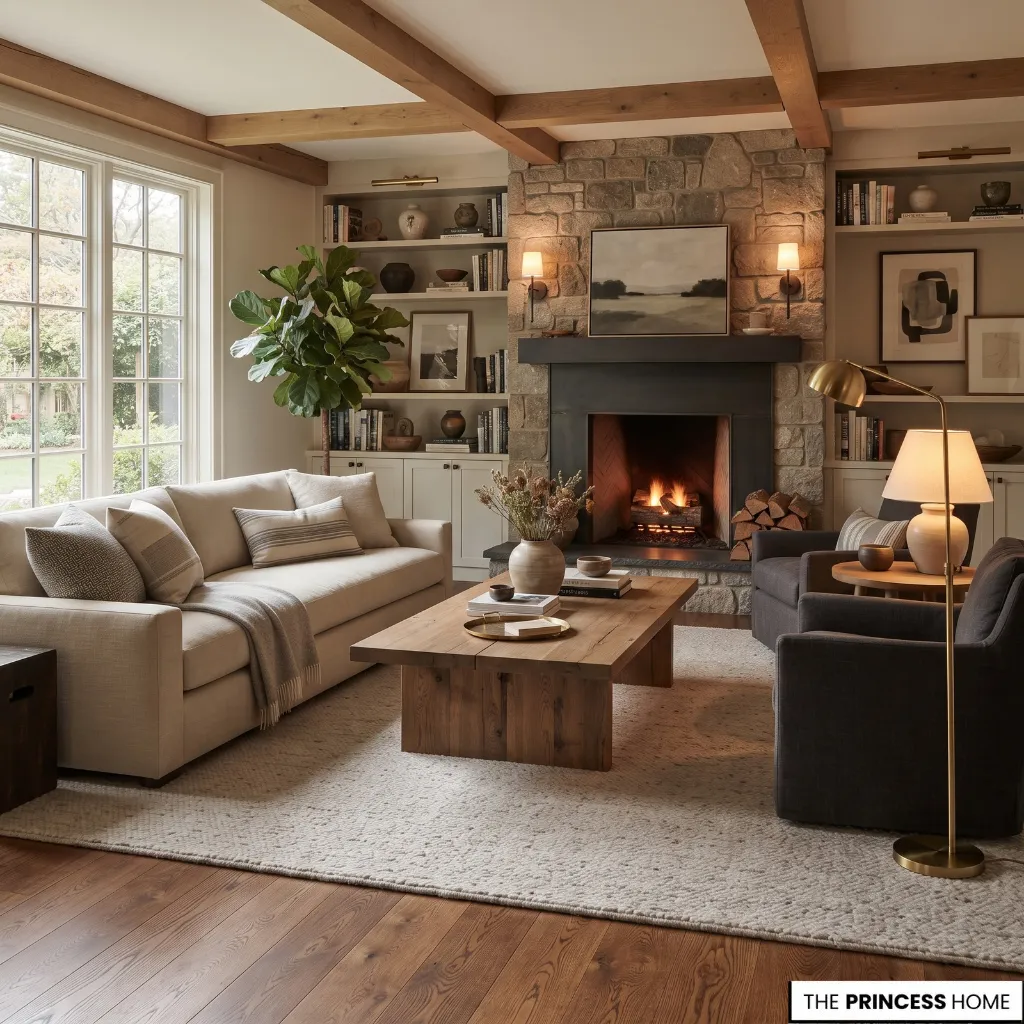
Once you have chosen a general direction, translate it into a connected series of design decisions. Start with the largest elements. Furniture proportions, major materials, flooring, wall treatments, and architectural features establish more of the room’s character than small decorative objects.
Then consider color. A style does not always depend on one fixed palette. Look at the relationship between dominant, supporting, and accent colors. A Classic interior can be light and restrained or deeper and more layered.
A Moroccan-inspired room can be richly colorful or interpreted through neutral materials and carefully selected patterns. Materials should support the same direction. Wood, stone, metal, glass, plaster, textiles, and leather each contribute a different character.
The objective is not to use every material associated with a style but to select a combination that supports the room. Lighting should also be considered as part of the style rather than as an afterthought.
The shapes and materials of fixtures contribute to the design, while the placement of light affects how furniture, colors, artwork, and architectural features are experienced. Use more than one source where appropriate so the room is not dependent on a single central fixture.
Patterns and decorative objects come later. They can reinforce the direction, but they should not be expected to create the entire style by themselves. A useful sequence is:
Architecture → Furniture → Color → Materials → Lighting → Pattern → Styling
This order keeps the major decisions in control and prevents a room from depending on accessories to communicate its identity.
When working with a limited budget, keep useful existing elements, establish the overall direction, prioritize major furniture, improve high-impact finishes and lighting, and add textiles and decorative details gradually. This allows the style to develop without requiring an entire room to be replaced at once.
Mix Styles Carefully
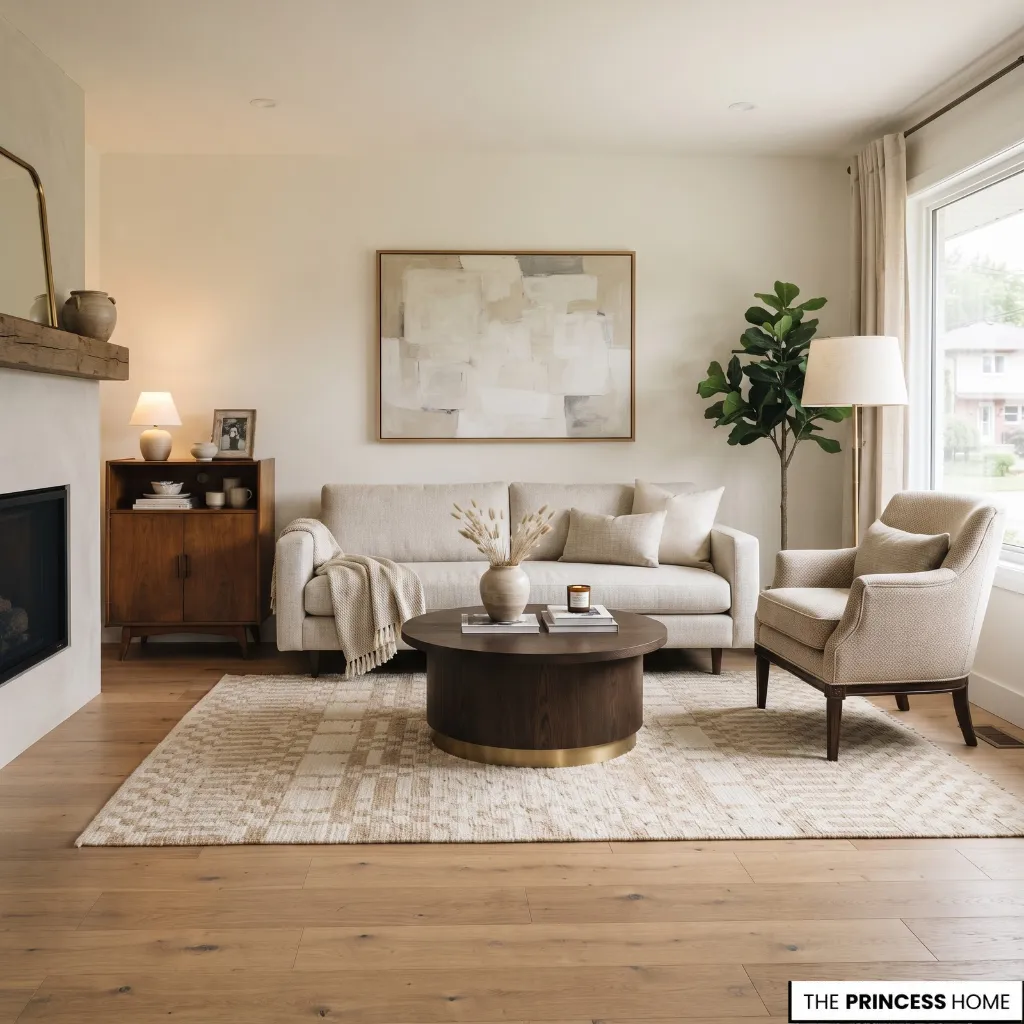
A home does not have to follow one pure interior design style. Combining influences can make a room more personal, particularly when the architecture, furniture, and possessions already come from different periods. The important part is establishing a clear relationship between the styles.
Start with a dominant direction. This gives the room a foundation and prevents every piece from competing for attention. A secondary style can then introduce contrast through furniture, materials, artwork, or decorative details. Look for common ground between the influences.
Similar wood tones, related colors, compatible proportions, repeated materials, or a shared level of formality can help different pieces work together. Contrast can also be intentional.
A contemporary light fixture can provide a useful counterpoint in a traditional room, while a vintage cabinet can add character to a cleaner contemporary interior. The important question is whether the contrast has a clear reason. Avoid treating every style as an equal voice.
When too many unrelated influences receive the same visual importance, the room can lose direction. Successful mixing is therefore less about following a fixed percentage formula and more about controlling hierarchy, repetition, proportion, and contrast.
Avoid Style Mistakes
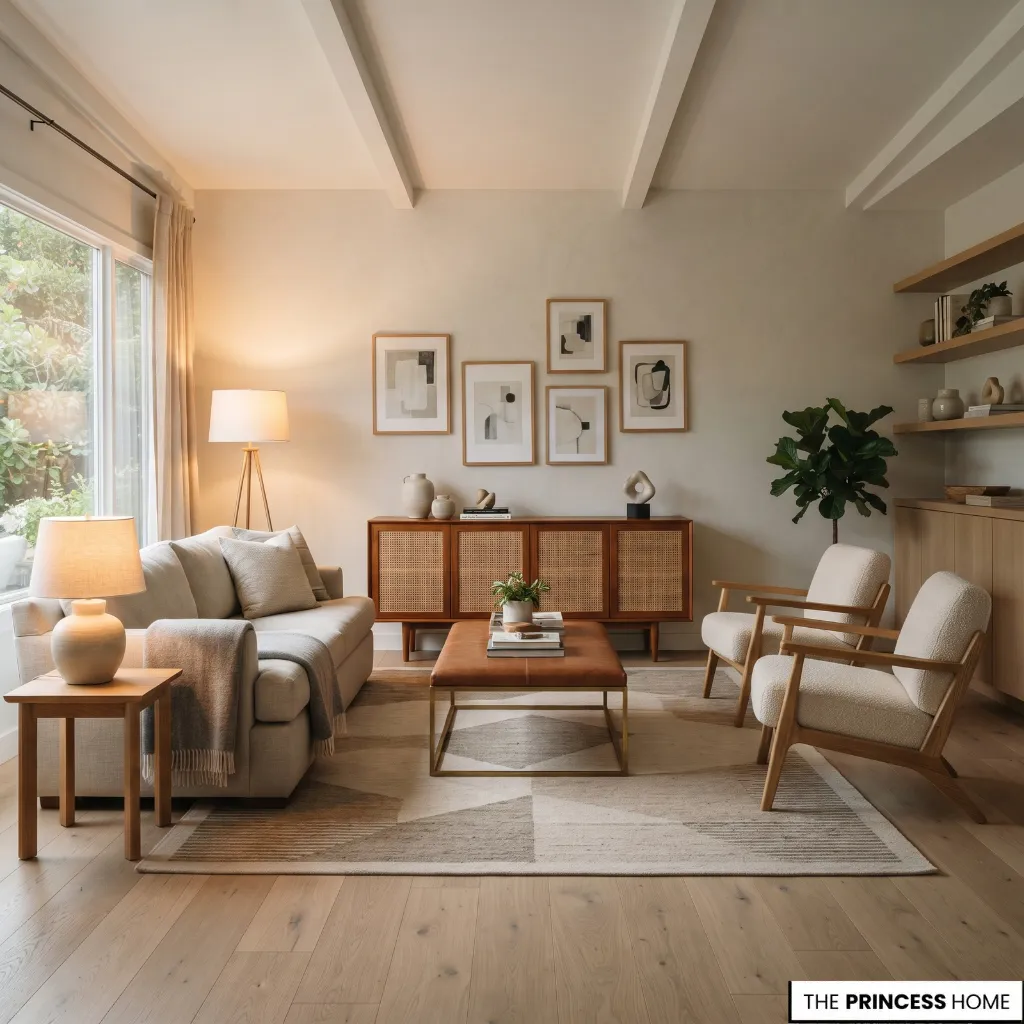
One common mistake is choosing a style from a single photograph. A room may look appealing because of its architecture, natural light, proportions, furniture arrangement, or combination of materials rather than because of one style label. Study what you actually like about the room before attempting to reproduce it.
Another mistake is buying recognizable style objects without considering the surrounding composition. A farmhouse sign, traditional chair, or Moroccan lantern cannot establish a complete design direction when the rest of the room works against it.
Mixing too many unrelated influences can create the same problem. Different styles can coexist, but they need a visual relationship. Establish a dominant direction before introducing contrasting pieces.
Ignoring the architecture can also make a style feel forced. Work with the characteristics of the home whenever possible rather than trying to conceal everything that does not match an idealized reference.
It is also easy to confuse a trend with a style. A fashionable color or furniture shape may be useful within a broader design direction, but it should not determine the identity of the entire room.
Finally, avoid matching everything too literally. A successful interior usually has enough consistency to feel intentional and enough variation to feel lived in.
Make Style Personal
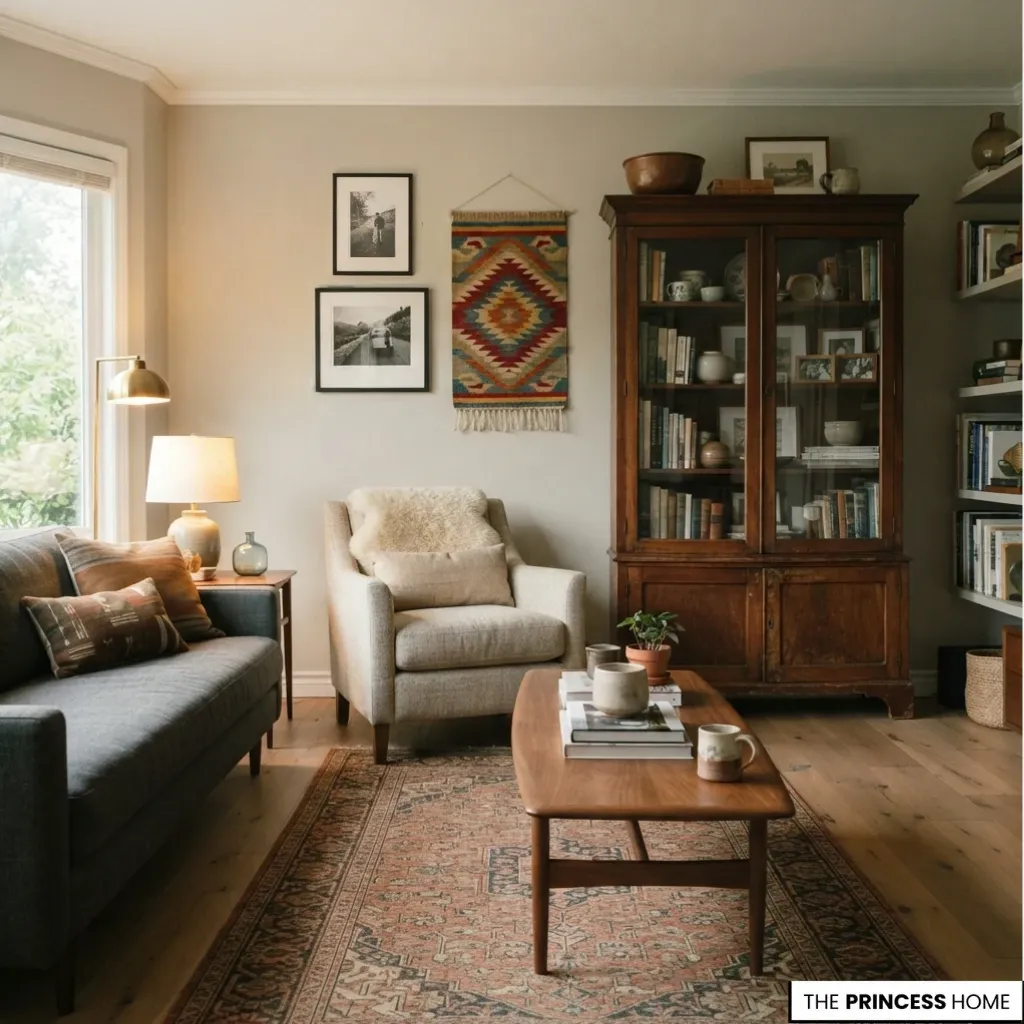
Your personal style develops through the decisions you repeat, keep, and live with over time. Instead of asking which style is objectively best, ask which combination of qualities suits your home and your life. You may value symmetry while preferring relaxed furniture.
Traditional architecture can work beautifully with contemporary lighting, while Moroccan pattern can add character without overwhelming a restrained room. These preferences can coexist when they are connected by proportion, color, materials, or a consistent level of visual detail.
Personal style also comes from what you already own. A meaningful painting, inherited cabinet, favorite chair, collection of books, or textile can become part of the design rather than an obstacle to achieving a particular style. This is why a home does not need to look like a showroom.
The strongest interiors often reveal the people who live in them while maintaining enough design consistency to feel intentional.
Conclusion
The goal is not to choose a label and reproduce it perfectly. It is to understand the principles behind the style and use them intelligently.
The most successful interior design style is ultimately the one that gives your home a clear direction while leaving room for your architecture, lifestyle, possessions, and personal taste. When those decisions work together, the result feels considered rather than copied.