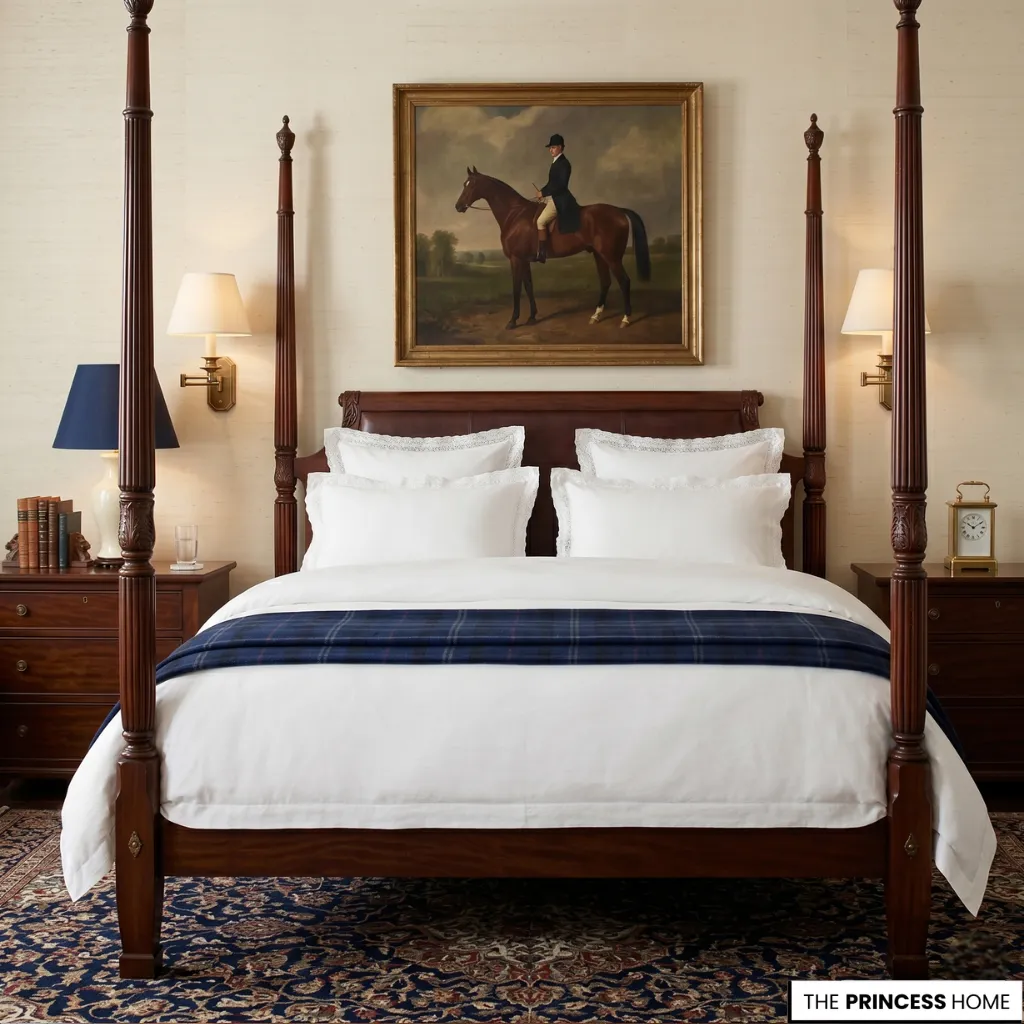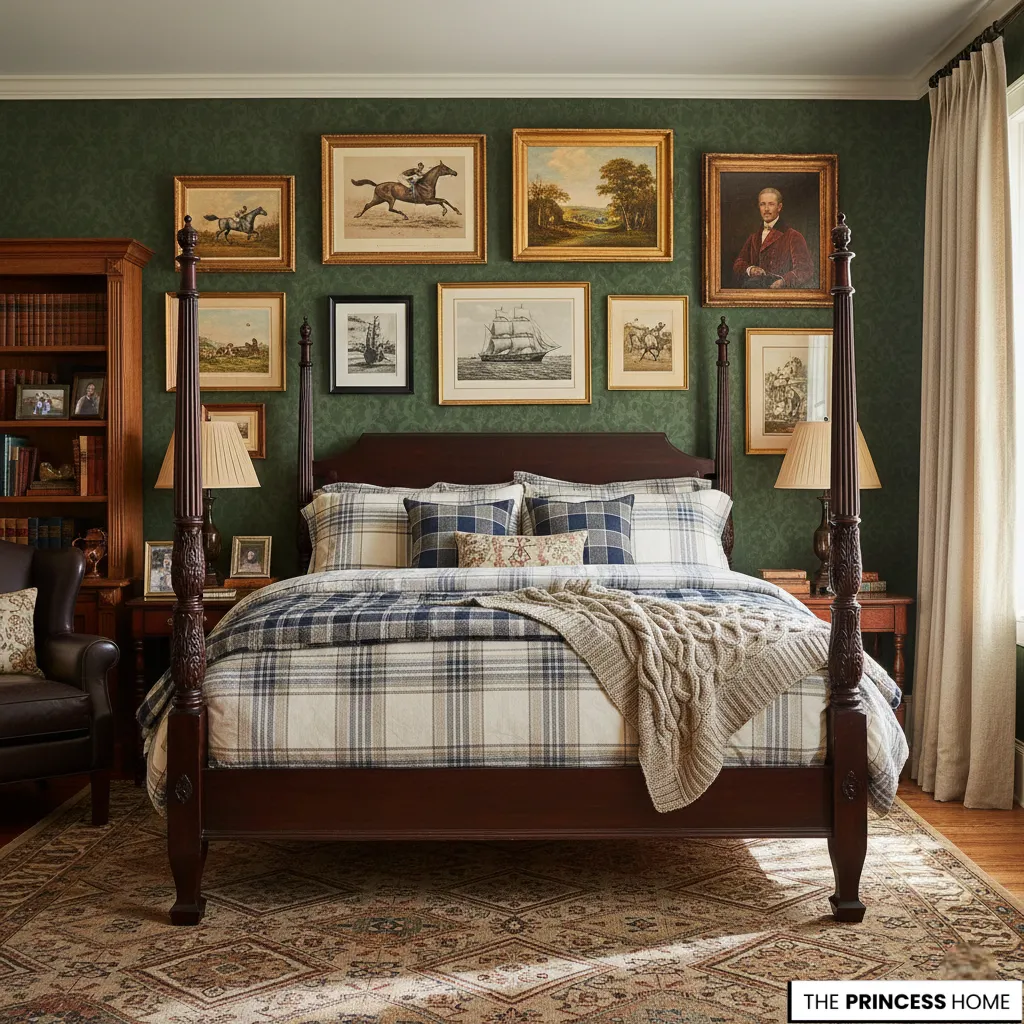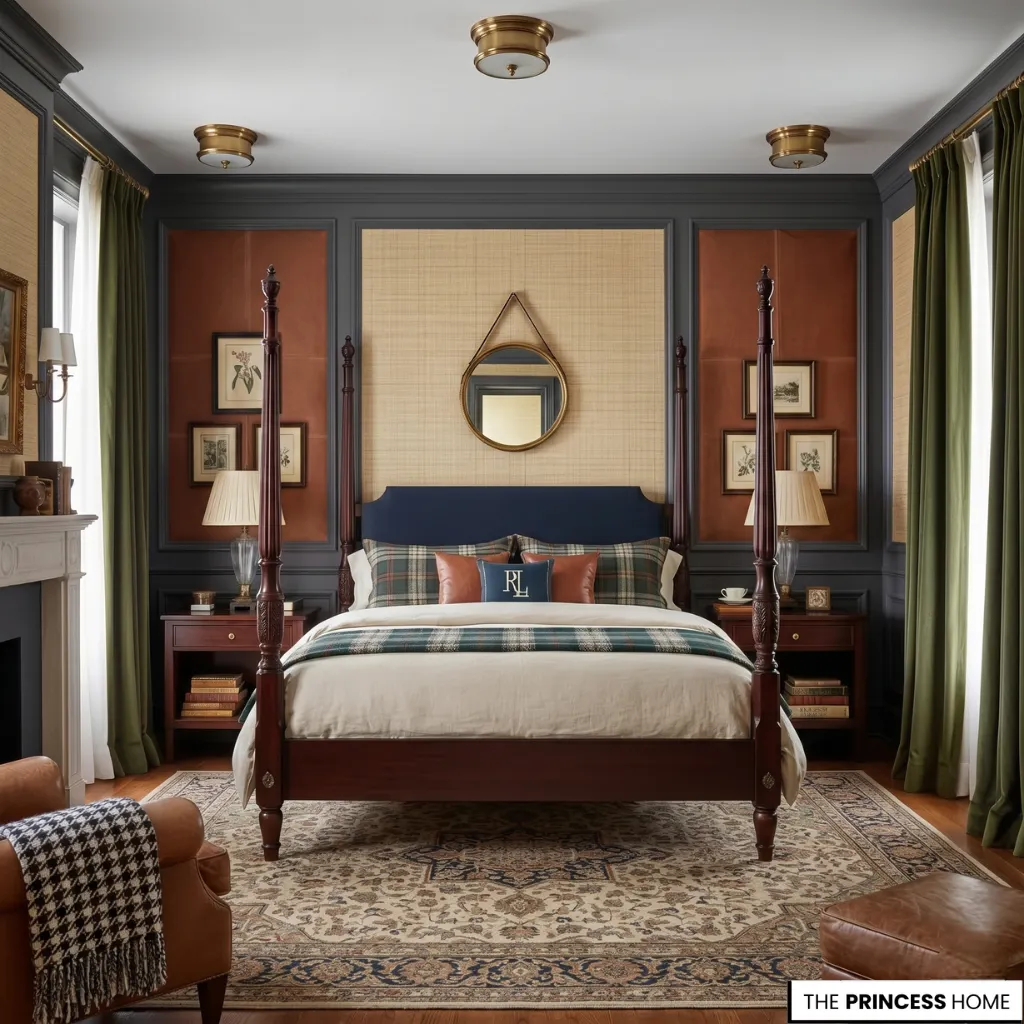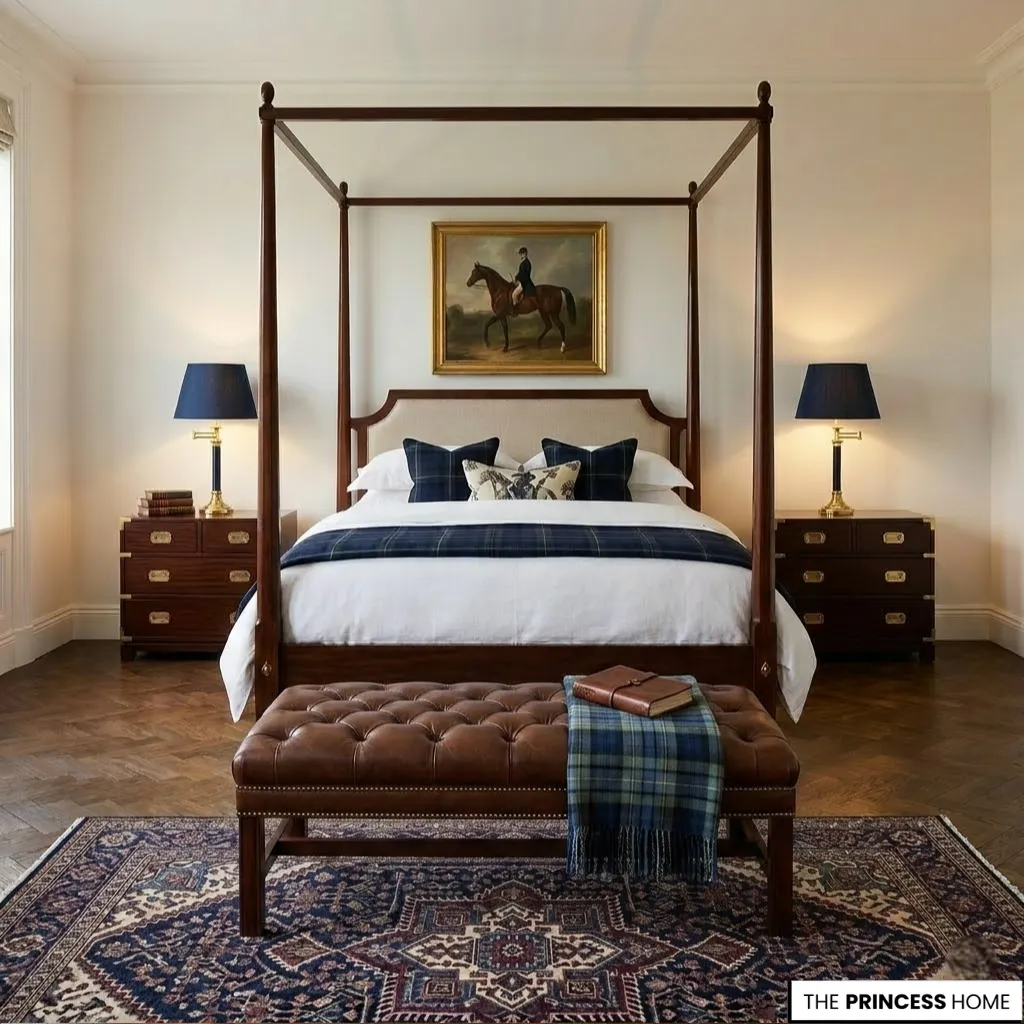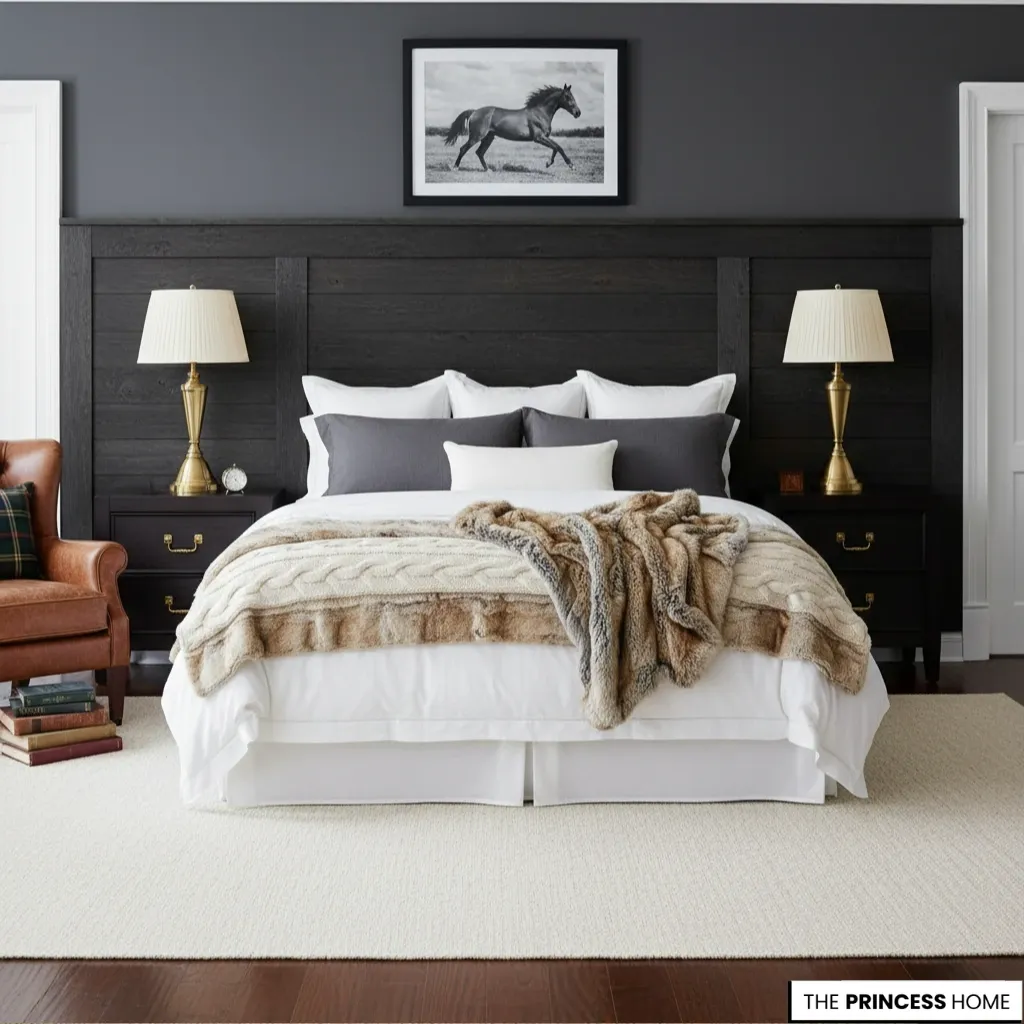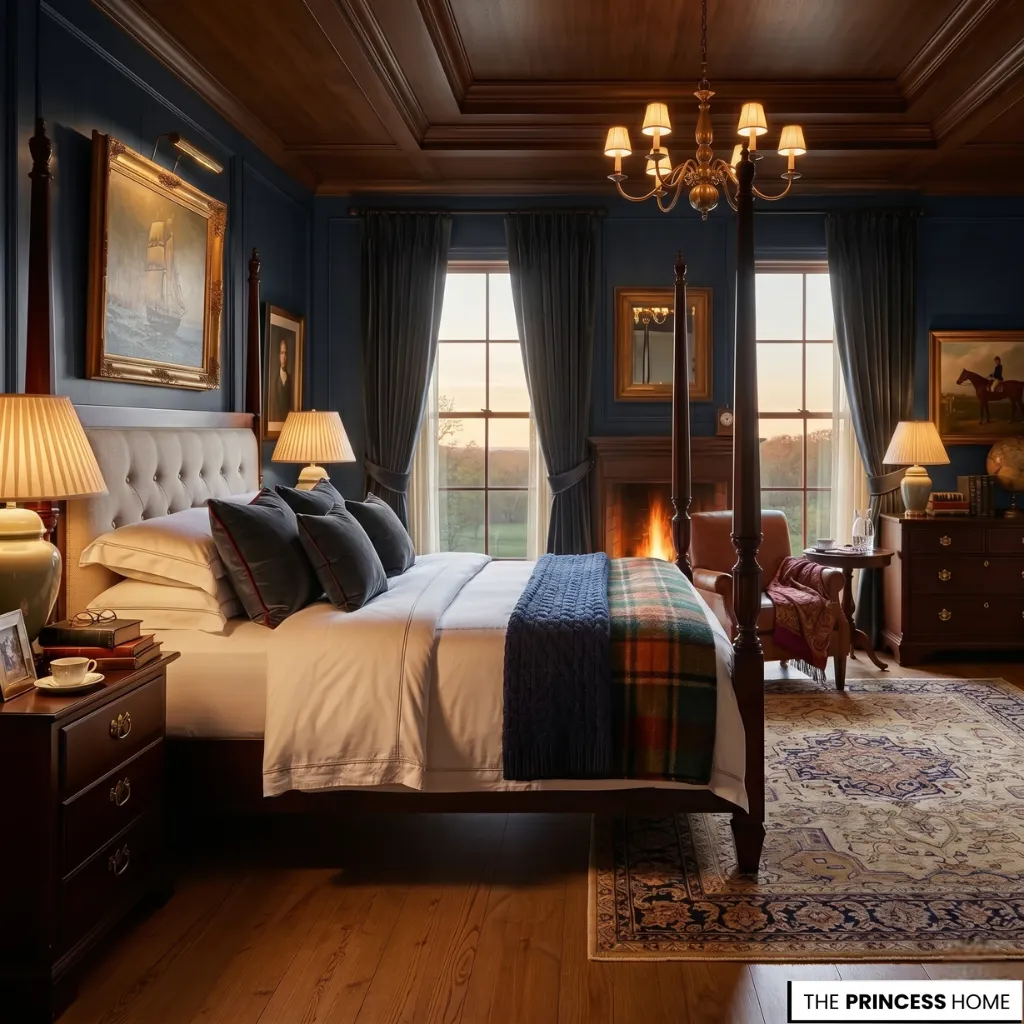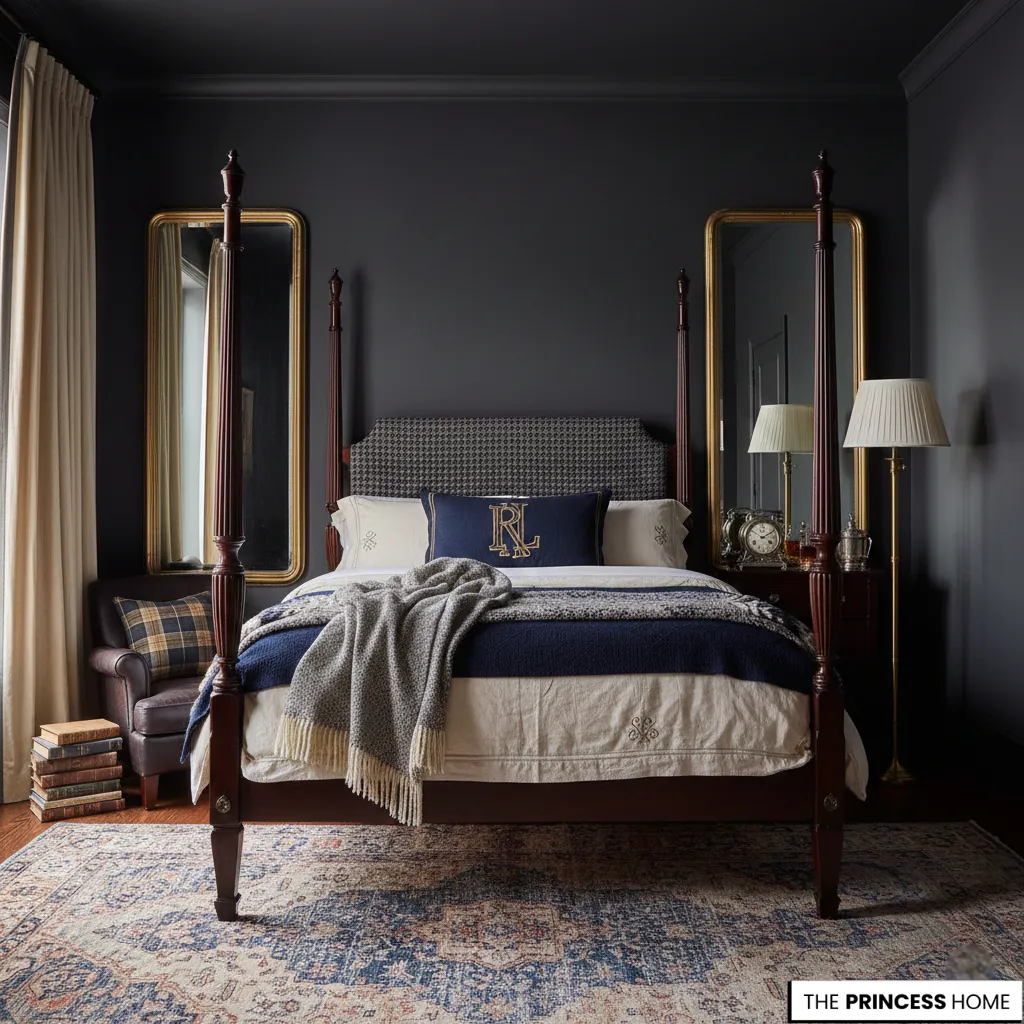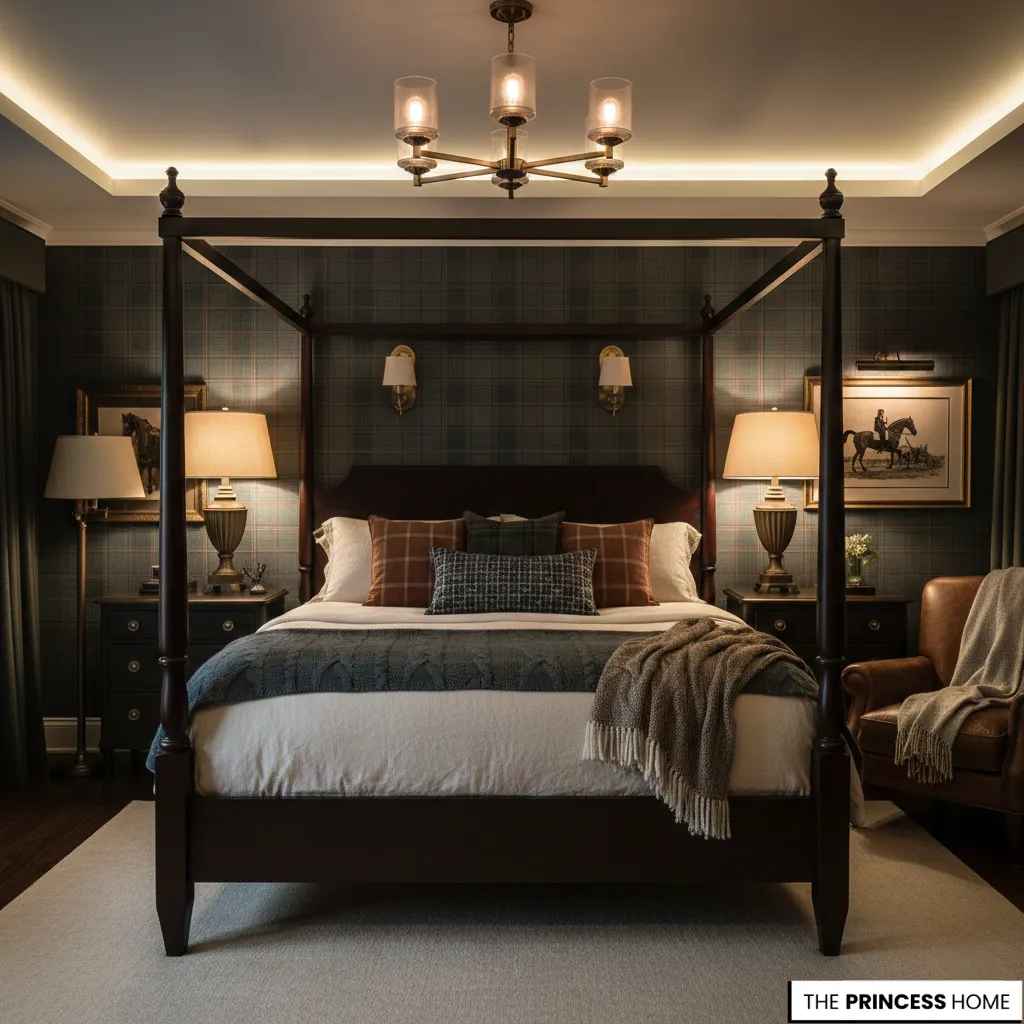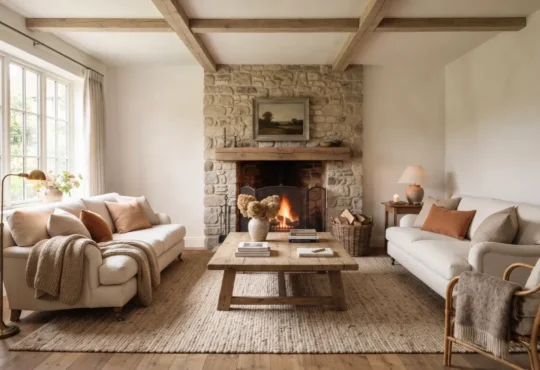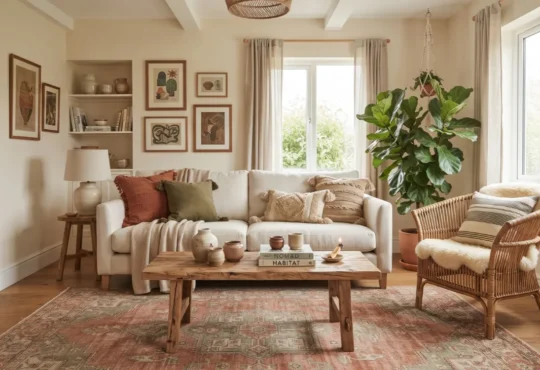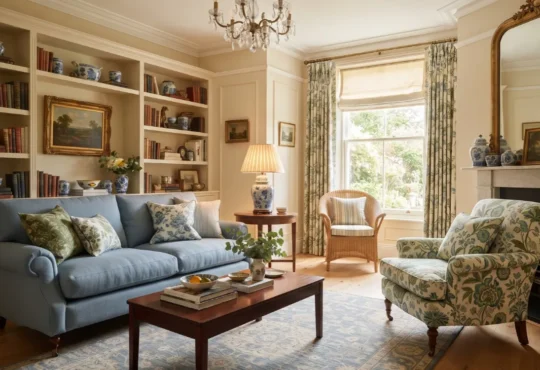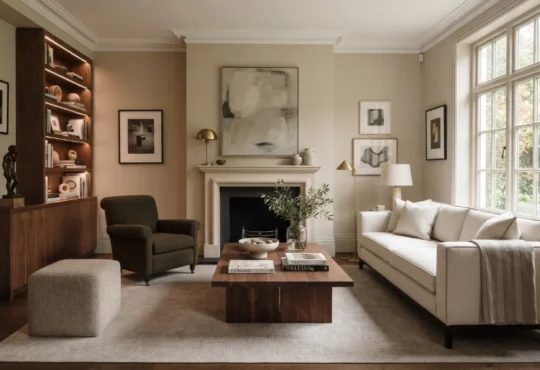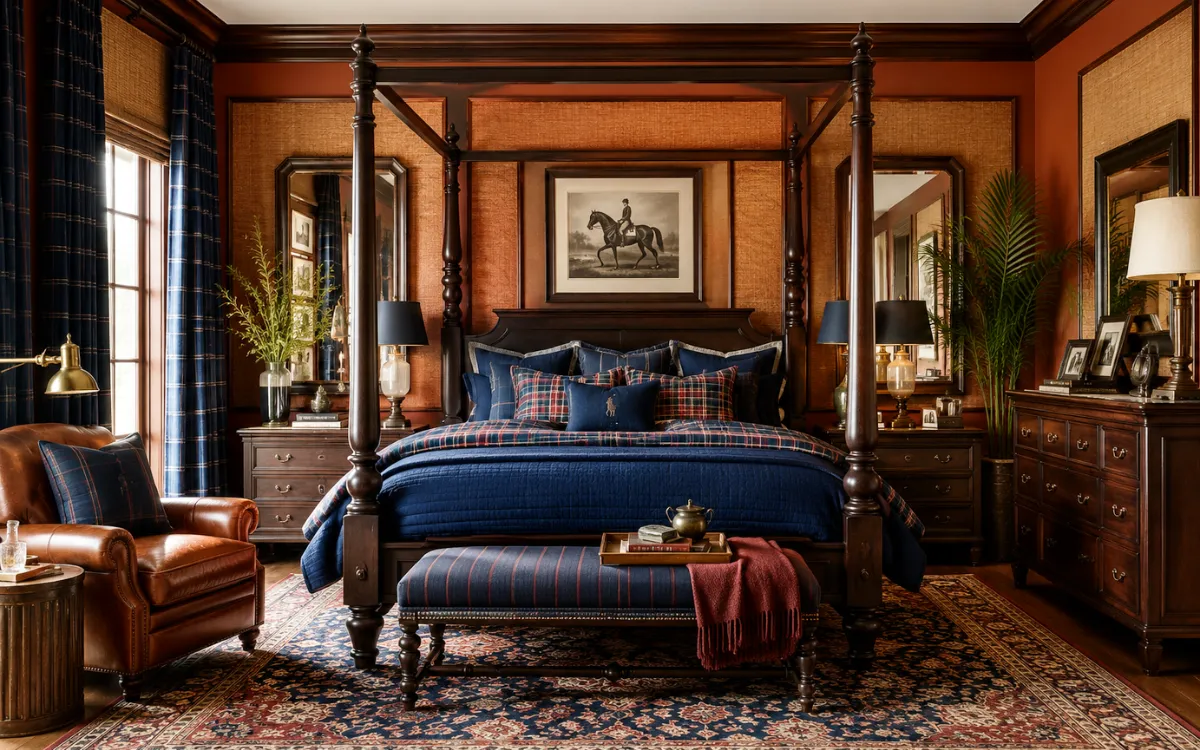
A Ralph Lauren bedroom combines tailored furniture, heritage materials, layered textiles, and personal objects without relying on a single color or decorating formula. The challenge is using these elements with enough restraint that the room feels established rather than themed or staged.
Start with one strong anchor, then build the bed, palette, materials, patterns, lighting, and personal details around it.
Ralph Lauren Bedroom Style
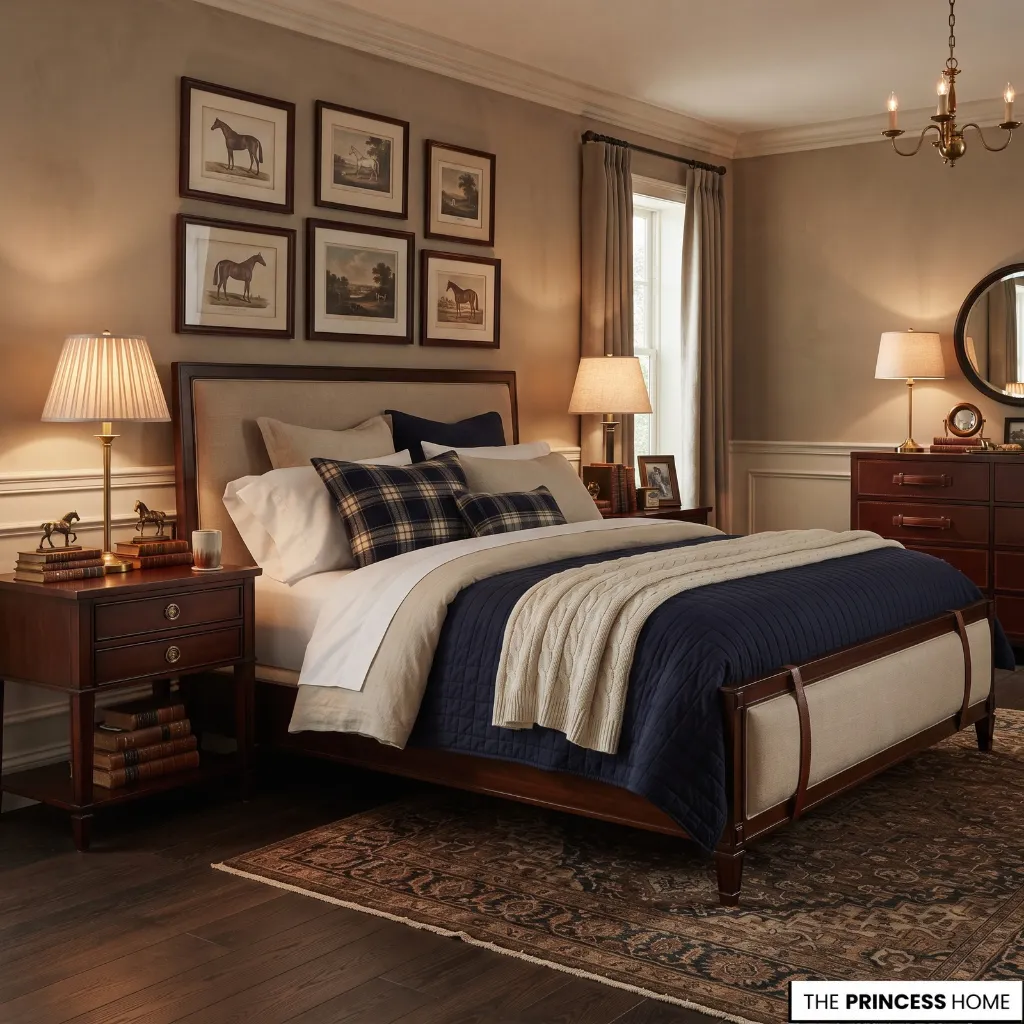
A Ralph Lauren bedroom typically combines classic American and English references with tailored comfort. Substantial furniture, traditional details, layered bedding, heritage patterns, warm materials, and carefully chosen personal objects are recurring parts of the design.
There is no single Ralph Lauren bedroom formula. Ralph Lauren Home has developed different lifestyle expressions, including Estate, Island, Western, and Penthouse. A bedroom can therefore be traditional and country-inspired, relaxed and coastal, rustic, or more polished while still drawing from the broader Ralph Lauren design approach.
What connects these expressions is the way the elements are edited. Furniture has presence without filling every part of the room. Patterns are layered rather than scattered. Wood, leather, cotton, linen, wool, and metal provide variation without requiring a large number of colors.
This is why navy, plaid, dark wood, or brass alone do not make a bedroom Ralph Lauren. They are individual ingredients. The style comes from their proportions and relationships to the rest of the room.
Avoid treating the style as a theme. Repeating obvious Americana, equestrian, or heritage motifs throughout the room can make it feel staged. Use those references selectively and allow the bedroom to develop its own identity.
For more ideas: Ralph Lauren Home Decor and the Art of Timeless Americana
Start With an Anchor
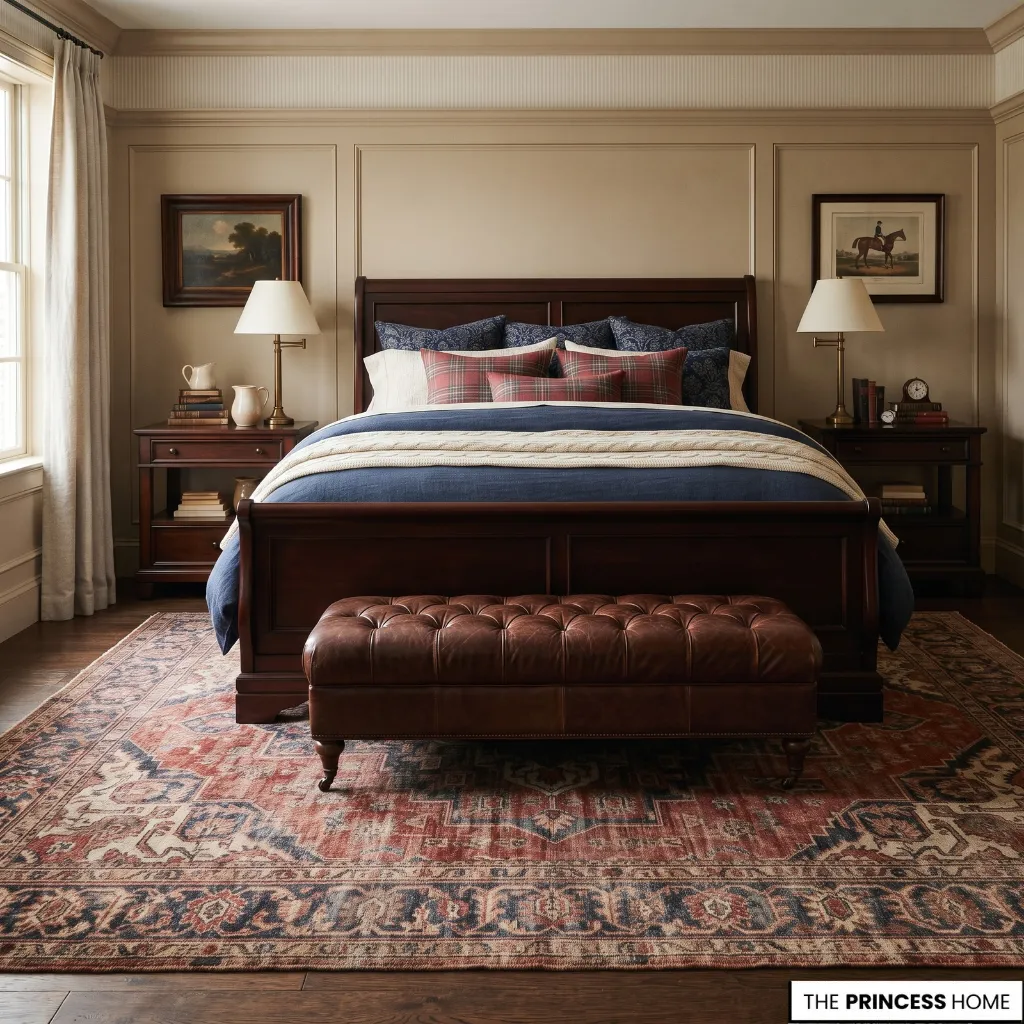
Choose one strong element to establish the room’s direction before adding smaller decorations. The anchor might be the bed, a rug, an existing piece of wood furniture, meaningful artwork, or a particularly beautiful textile.A strong anchor gives the rest of the room something to respond to.
It can establish the dominant color family, material character, visual weight, or level of formality. This is more reliable than buying individual pieces simply because they look traditionally styled. For example, a rug can introduce faded red, navy, cream, and brown.
Those colors can then appear more quietly in the bedding and accessories. A rug can also establish the bedroom’s scale and color direction. In a larger room, let it extend well beyond the bed so the bed and bedside furniture feel connected to it.
In a smaller room, a smaller rug can still provide the same grounding effect without filling the entire floor. If the bed is the strongest element, its wood, upholstery, or shape can establish the direction instead. Use what you already own when it has the right character.
A well-made wooden dresser or inherited bedside table may contribute more to a collected bedroom than a new matching set. Avoid creating several competing focal points. If the bed, rug, artwork, wallpaper, and accessories all demand attention at once, the room loses hierarchy.
Select the anchor first, identify two or three qualities worth repeating, and let the remaining pieces support it rather than compete with it.
For more ideas: Ralph Lauren Inspired Living Room Timeless Design Guide
Choose the Bed
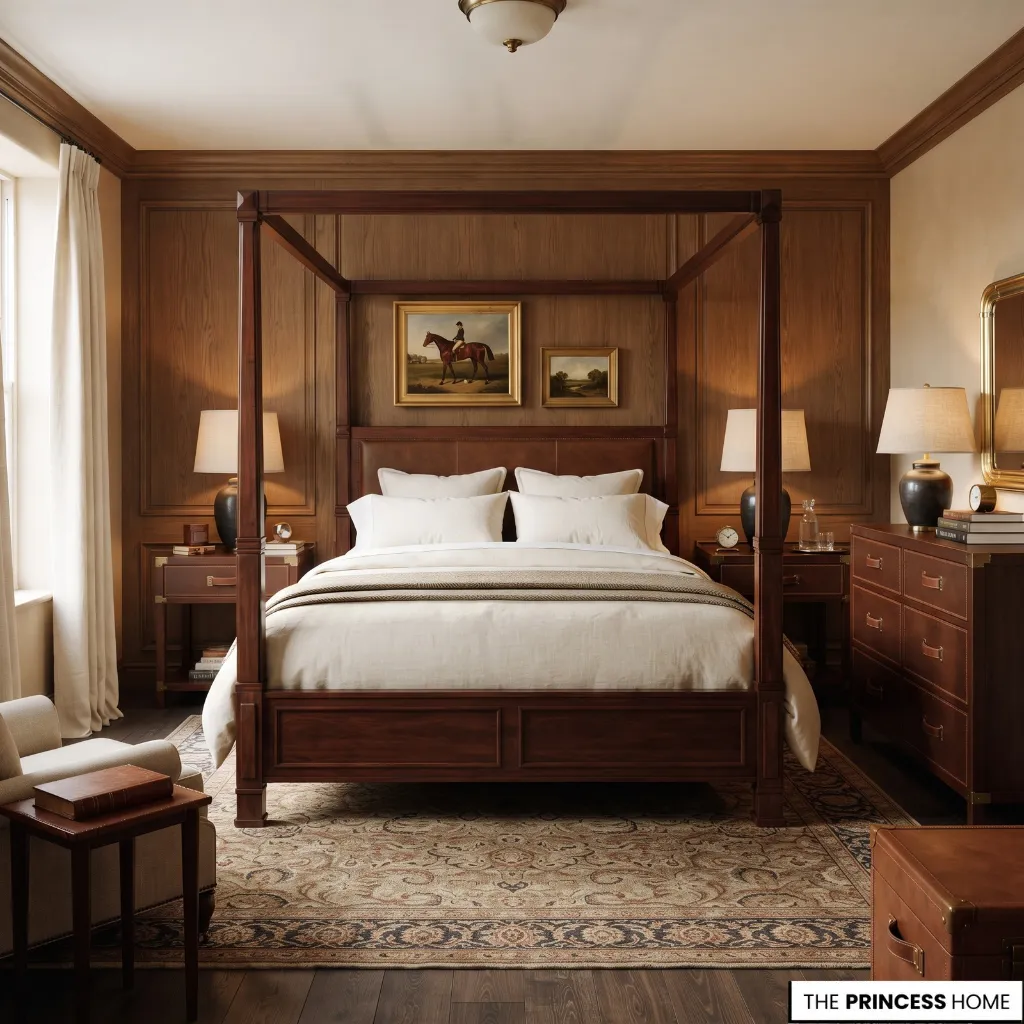
Choose a bed with enough visual presence to anchor the bedroom. Ralph Lauren Home examples range from substantial mahogany and leather designs with traditional references to upholstered and more contemporary forms, so the style does not depend on one specific bed shape.
A wooden bed works well when you want stronger traditional character. Look for substantial construction, considered proportions, and details that feel crafted rather than excessively ornate. An upholstered bed provides a softer interpretation.
Tufting, tailored upholstery, leather, or a simple structured headboard can all work, depending on the rest of the room. Scale matters as much as material. A small, delicate bed can look disconnected from substantial rugs, heavy curtains, or large traditional furniture.
Conversely, an oversized ornate bed can dominate a modest room. Avoid choosing a highly decorative bed simply because it looks luxurious. If the room has no architectural or decorative elements to support it, the result can feel theatrical rather than established.
In a small bedroom, do not automatically shrink every piece. Keep the bed visually strong and reduce the number of competing furniture pieces around it. Clear circulation and fewer stronger decisions usually work better than filling the room with miniature versions of everything.
Layer the Bedding
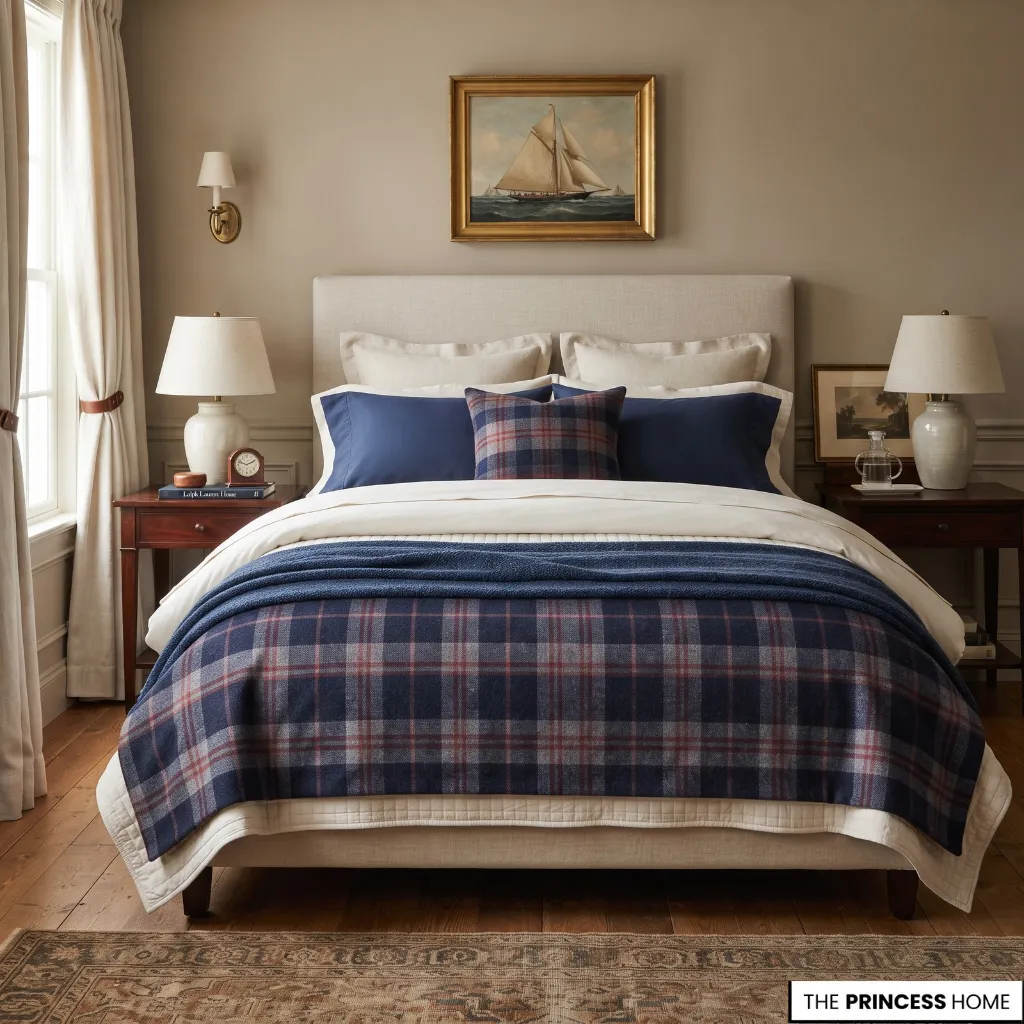
Build the bed in layers rather than relying on one decorative comforter to carry the entire room. Start with practical sheets, then add the main duvet or comforter. A quilt or coverlet can provide another layer, followed by shams, a blanket, and a limited number of decorative pillows.
The exact combination should depend on the season, room temperature, and how much visual pattern the rest of the bedroom already contains.
Ralph Lauren’s bedding collections demonstrate this layered approach through combinations of sheets, duvets, comforters, quilts, coverlets, blankets, shams, and decorative pillows. The important lesson is the relationship between the layers, not the need to reproduce a particular collection.
Use texture to make a quiet palette interesting. Linen, cotton, quilted fabric, wool, and woven materials can provide variation even when the colors remain restrained.If you use a strong pattern, give it room to work. A plaid coverlet can become the main pattern while the sheets and pillows remain quieter.
A striped sham can introduce pattern instead if the rest of the bed is plain. Avoid covering the entire bed with competing patterns. Several patterns can coexist, but they should share a color family and vary in scale.
Give each textile a role: a practical base, a main bedding layer, one textural or patterned layer, and a limited number of finishing pieces.
Build the Palette
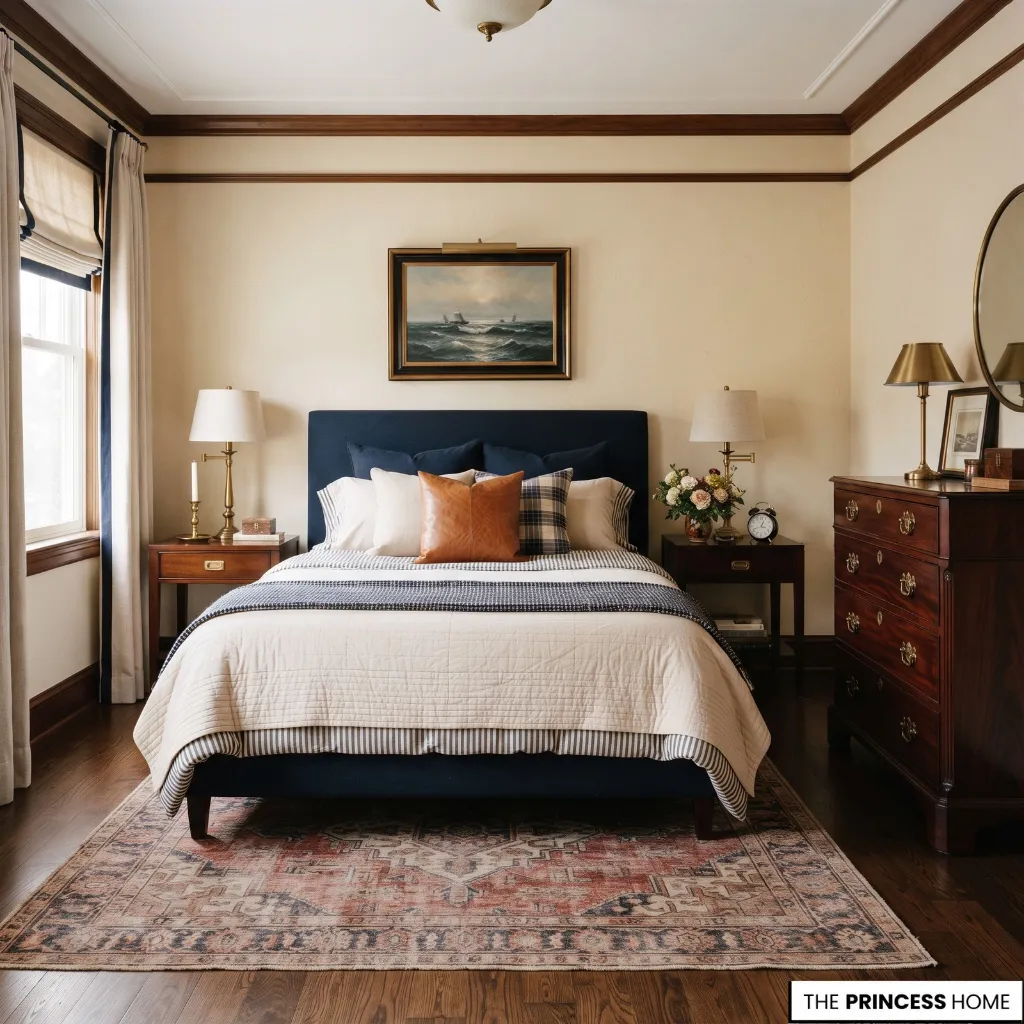
Choose a restrained palette rather than trying to use every color associated with traditional American interiors. Navy, indigo, cream, ivory, brown, cognac, muted green, burgundy, dusty blue, and warm neutrals can all provide useful starting points.
These are practical color families that appear across Ralph Lauren Home’s broader bedding and interior vocabulary, not fixed Ralph Lauren rules. Start with one dominant base color. Add one or two supporting colors, then use a stronger accent sparingly.
For example, a cream-and-navy bedroom can use brown wood and a small amount of red in a rug or artwork. A brown-and-cream room can introduce faded blue through bedding. A green room can remain restrained with natural linen, dark wood, and aged-looking metal.
Navy is not mandatory. The same design logic can work through warm neutrals, forest green, faded red, natural tones, or lighter coastal colors. Dark walls are also optional. They can produce a dramatic heritage bedroom, but they are not necessary.
A lighter wall can be useful when the furniture, bedding, and wood already carry substantial visual weight. Avoid giving every color equal importance. When navy, red, green, brown, cream, and multiple patterns all compete for attention, the room loses the controlled quality that makes the style work.
For more ideas: Ralph Lauren Summer Style for Elegant Seasonal Living
Mix Rich Materials
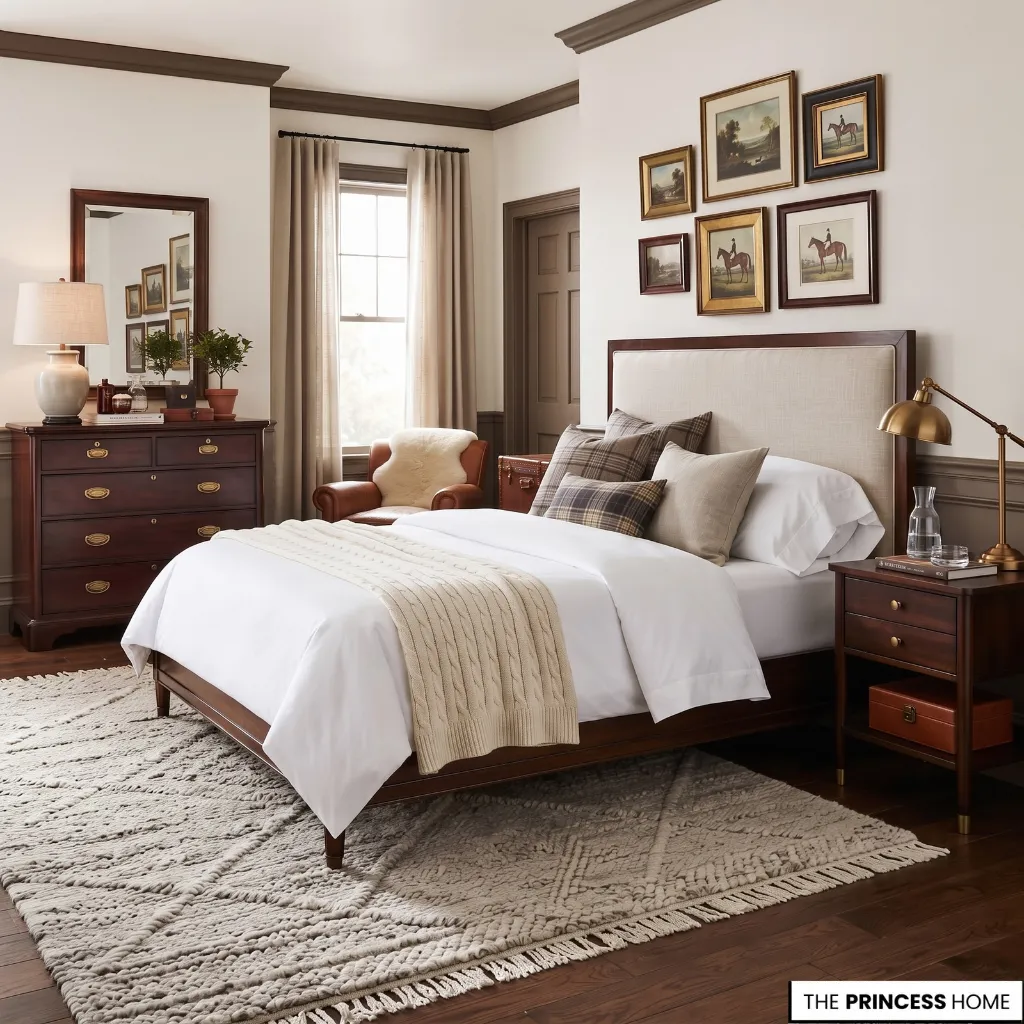
Use material contrast to give the bedroom depth without depending on decoration. Wood is an important grounding material, particularly when the room needs more visual weight. Leather can introduce structure and a slightly equestrian or traditional note.
Linen and cotton soften harder surfaces, while wool and woven textiles provide another layer of texture. A useful combination might be a substantial wood dresser, an upholstered bed, crisp cotton bedding, a wool rug, and one leather or woven accent. The materials do not need to match.
They need to relate in scale, color, and character. Warm metal can appear in smaller quantities through lamps, hardware, picture lights, or other functional details. Avoid making every surface rich at the same time.
Dark wood, leather, heavy plaid, ornate metal, and highly patterned fabric can become visually dense when all are used heavily. If the bedroom lacks one of these materials, preserve its visual function rather than searching for a literal replacement.
One substantial wood piece, for example, may provide enough grounding when replacing all the furniture is unnecessary. The goal is a room where smooth and rough, hard and soft, matte and reflective materials support one another.
For more ideas: Ralph Lauren Inspired Kitchens Elegant Design Ideas
Use Heritage Patterns
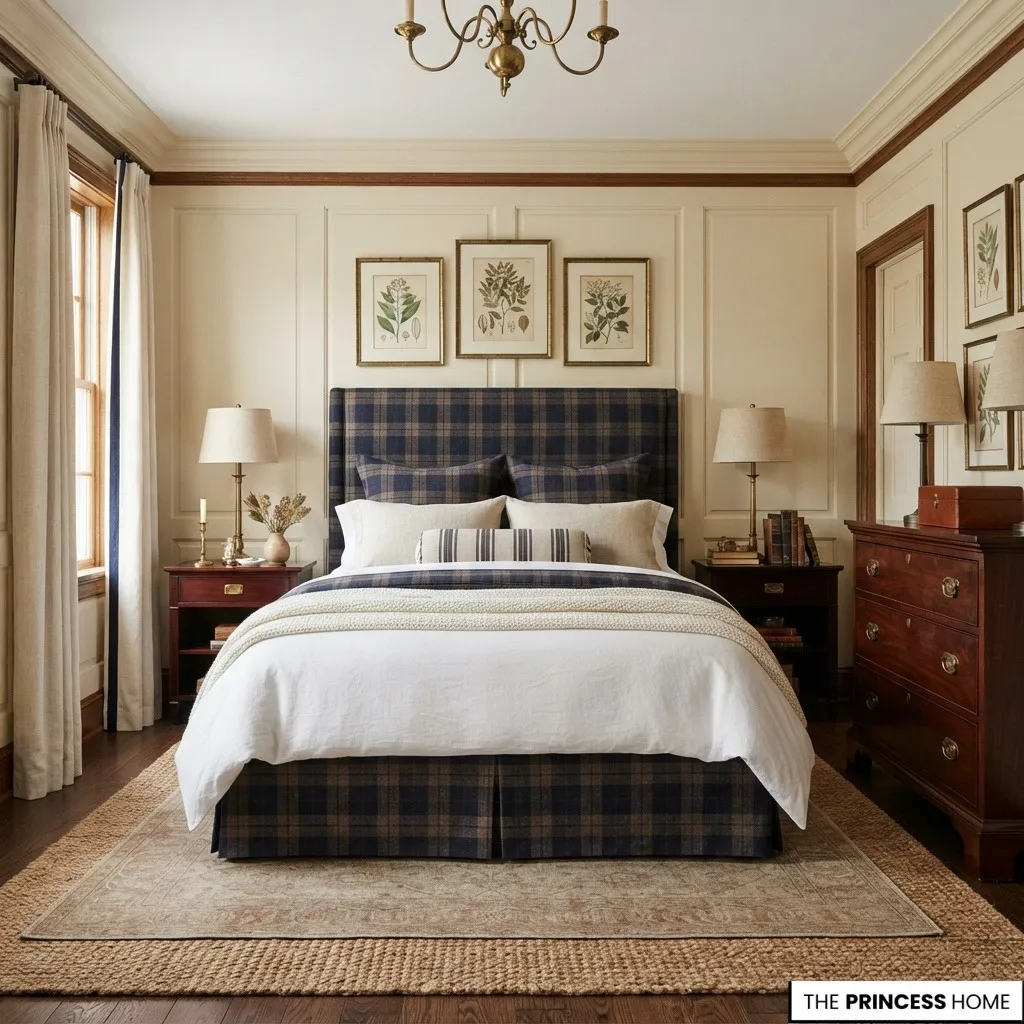
Choose patterns that support the direction of the bedroom rather than adding them simply because they are recognizable. Plaid, checks, stripes, tattersall, florals, botanical motifs, and shirting-inspired patterns all have a place within Ralph Lauren’s broader design vocabulary.
Ralph Lauren has also drawn directly on menswear references such as Oxford cloth, chambray, shirting stripes, and tattersall in its bedding designs. Pattern can help determine the character of the room. A restrained stripe can make the bedroom feel tailored.
Tattersall or plaid can reinforce a country or estate direction. A botanical pattern can soften the room, while an indigo pattern can create a more relaxed heritage expression. Begin with one dominant pattern family. If you use a large plaid, pair it with smaller stripes or quiet textures rather than another large competing pattern.
Repeat one color between patterns to connect them. A navy stripe and a faded blue floral, for example, can work together more easily when the surrounding textiles remain calm. Avoid placing strong patterns at the same scale across the bed, curtains, rug, and upholstery. The eye needs areas of visual rest.
Use one major patterned textile and a few smaller references. The result should feel layered rather than coordinated to the point of looking manufactured.
For more ideas: Ralph Lauren Dining Room Style: How to Achieve Timeless Luxury at Home
Shape Warm Lighting
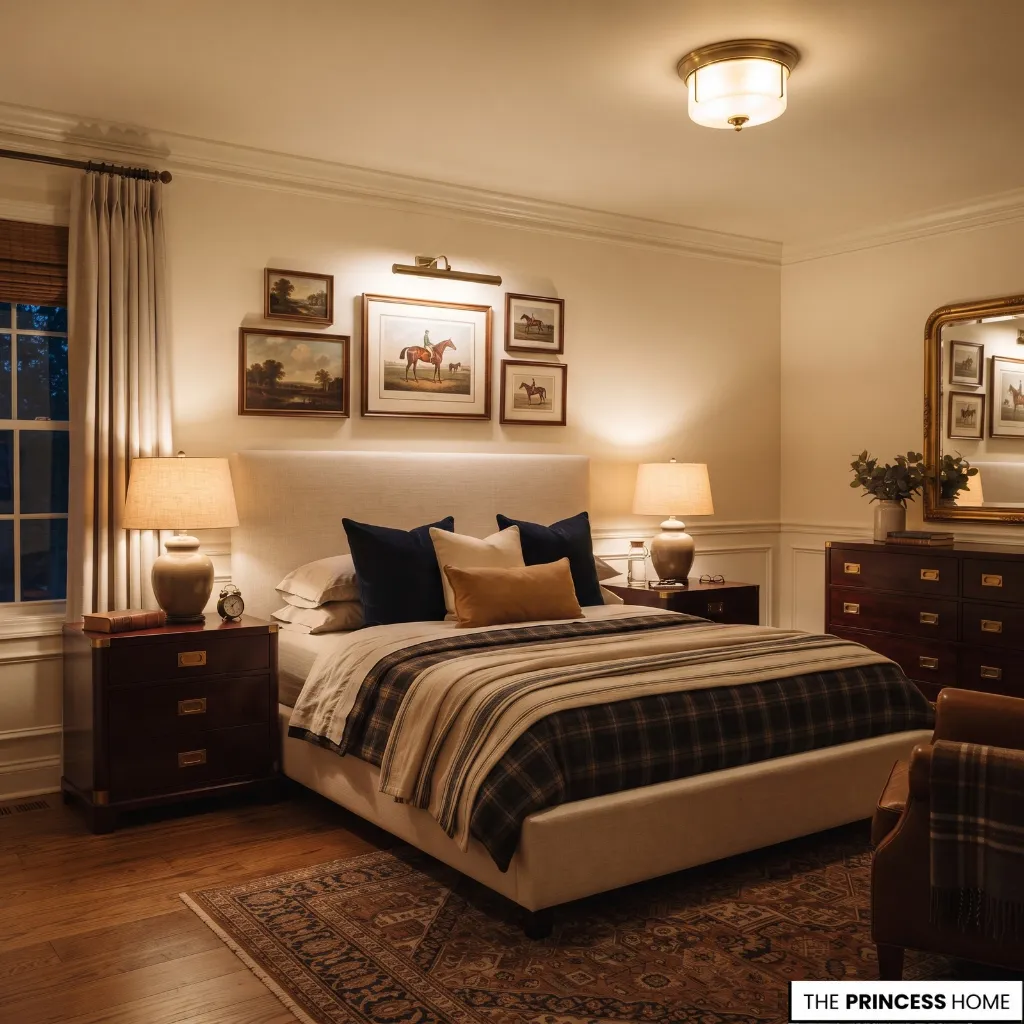
Use several useful light sources instead of relying on one ceiling fixture. Bedside lamps provide practical reading light and can establish symmetry when appropriate. Wall sconces can free bedside surfaces in smaller rooms.
Picture lights can bring attention to artwork, while a decorative ceiling fixture can provide general illumination. Traditional materials and forms can support the bedroom’s design language. Brass, ceramic, and wood lamp bases, together with linen or pleated shades, are useful starting points.
Keep the light warm and comfortable for evening use. Around 2700K is a practical residential starting point, but it is a lighting recommendation rather than an official Ralph Lauren specification. Avoid a single bright overhead source that illuminates the whole room evenly.
It can flatten the differences between the bed, furniture, artwork, and textiles. Layer the lighting according to how the room is used: general light for the room, bedside light for reading and other tasks, and focused light where artwork or architectural features deserve attention.
For more ideas: Ralph Lauren Home Office Decor Create a Luxurious Workspace
Add Collected Details
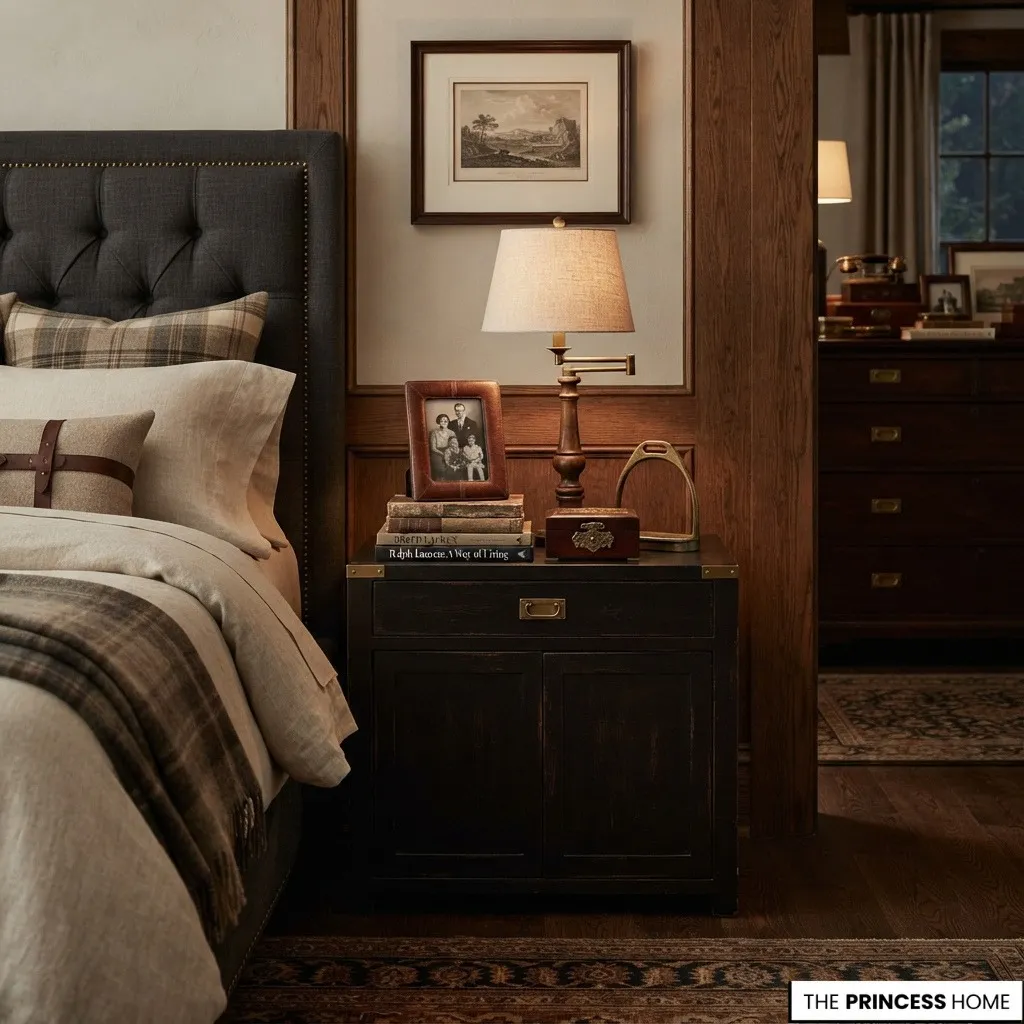
Add objects that tell something about the people who use the room. Books, framed photographs, artwork, inherited pieces, travel finds, vintage objects, and a few useful decorative pieces can give the bedroom a sense of history. The important word is collected, not crowded.
A bedroom can include traditional references without displaying an obvious symbol of Americana on every surface. One equestrian artwork, an old wooden box, a framed map, or a vintage object can suggest heritage more effectively than a room filled with themed accessories.
Use personal objects to soften the formality of tailored furniture. A bedroom becomes more convincing when the objects appear to have accumulated through living rather than being purchased as a matching decorative package. Avoid turning the room into a Ralph Lauren set.
Repeated polo imagery, horses, flags, leather accessories, or overt Americana can make the design feel literal. Instead, combine heritage references with things that belong specifically to you. This allows the broader design approach to become a personal bedroom rather than a reproduction of someone else’s room.
Adapt the Style
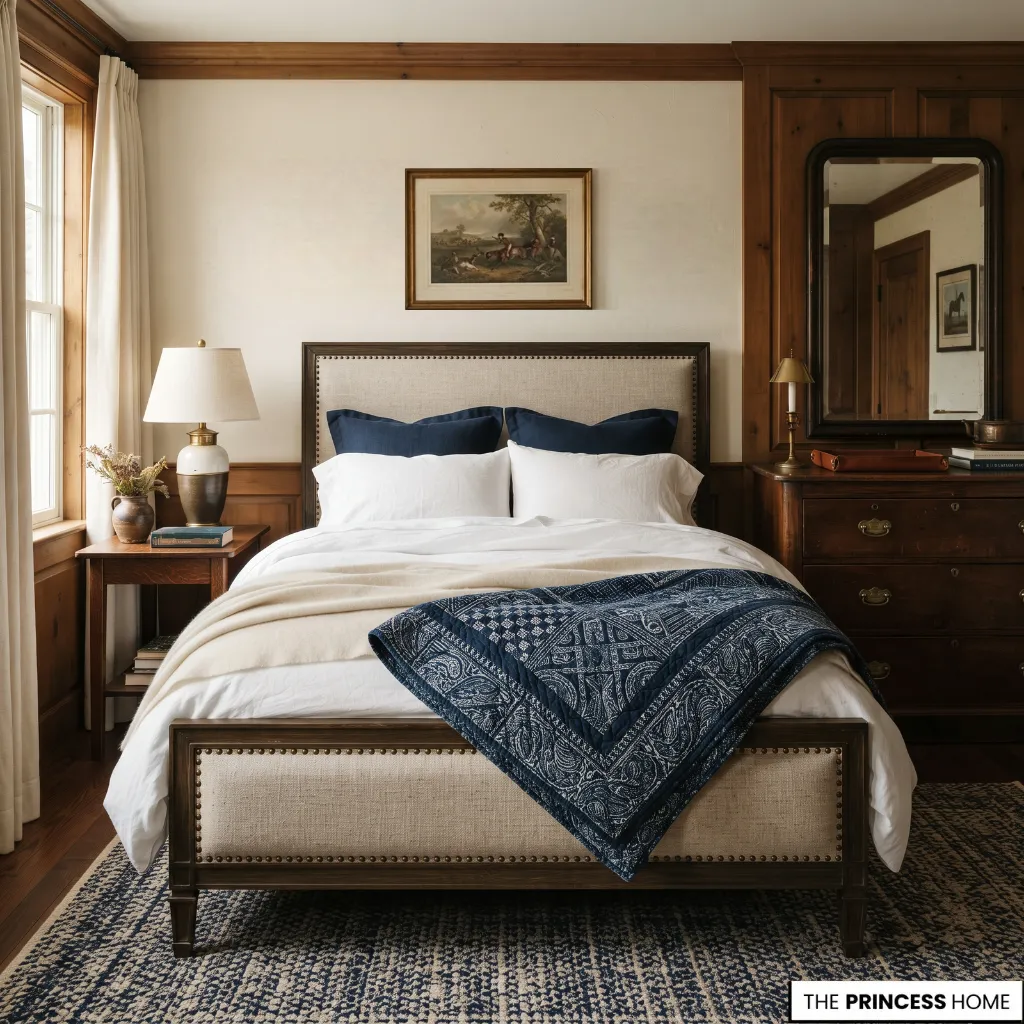
You do not need a large bedroom or a complete Ralph Lauren Home collection to use the design principles. For a smaller bedroom, keep one strong bed, one meaningful textile or pattern, a substantial material such as wood, and layered lighting. Reduce unnecessary furniture and decorative objects rather than shrinking every element.
The same approach works when the budget is limited. Build the room in this order: establish the foundation first, then the bed or main furniture, followed by the rug or wood anchor, lighting, textiles, and finally the decorative narrative. You can preserve the design intent without purchasing a complete matching collection.
An existing wooden dresser may provide the necessary heritage character. A single tailored headboard can establish the bed’s structure. One well-chosen quilt or blanket can introduce pattern. A pair of warm lamps can change the room’s evening character without requiring new furniture.
When an original element is unavailable, look for another way to perform its design function. If you cannot add a substantial antique piece, an existing piece with strong proportions may provide the necessary visual weight.
If patterned wallpaper is unsuitable, bedding or artwork can introduce the same color and pattern direction. Do not choose an alternative simply because it is cheaper. It should still support the proportions, materials, and visual character of the bedroom.
The strongest adaptation is usually selective: keep fewer elements, but give each one a clear reason to be there.
For more ideas: Modern Ralph Lauren Interiors Design Ideas for Apartments
Avoid Common Mistakes
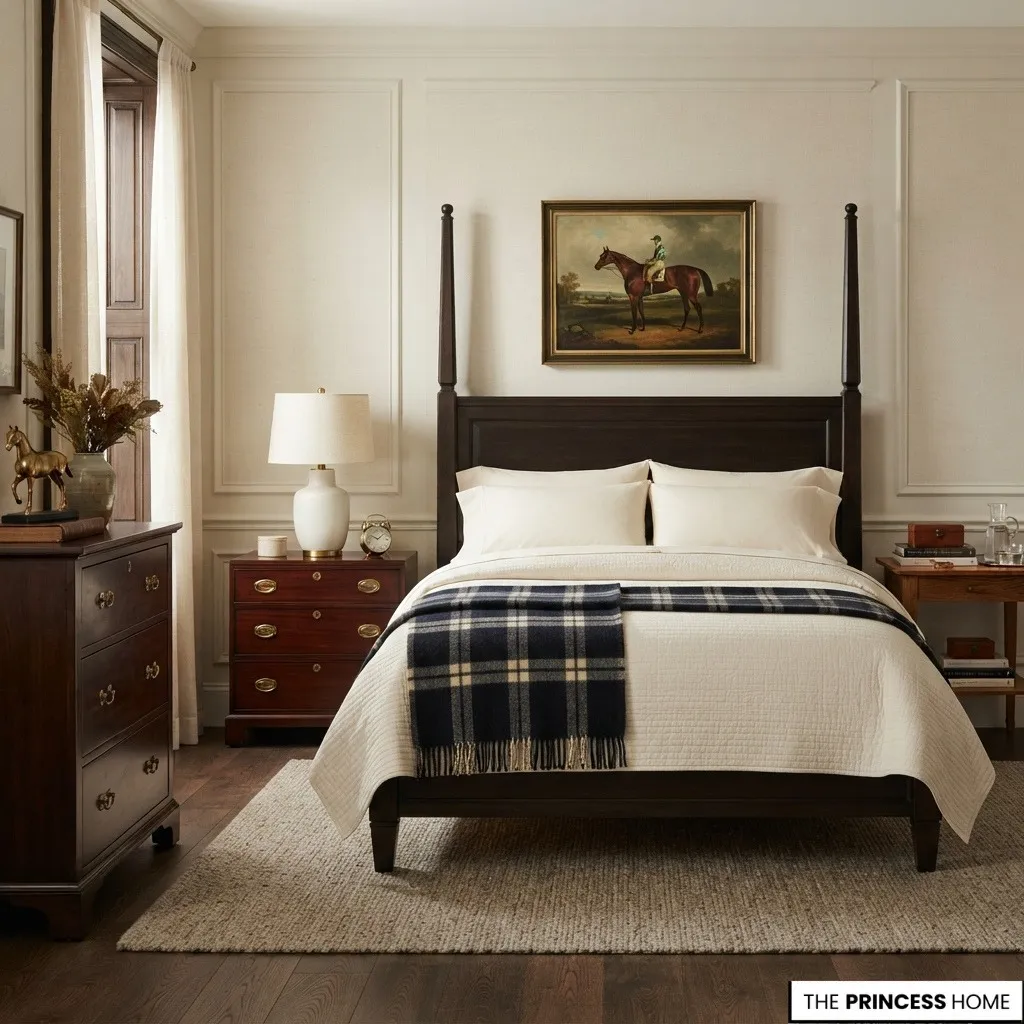
Turning the bedroom into a theme. Too many obvious Americana or equestrian references make the room look staged. Keep the references selective and let the furniture, materials, and textiles carry most of the style.
Matching everything. A complete bedroom set can remove the collected quality. Coordinate wood tones and materials without requiring every piece to come from the same collection.
Using too many patterns. Several strong patterns can compete instead of layering. Choose one dominant pattern and support it with quieter stripes, solids, or textures.
Making everything dark. Dark wood, dark walls, and dark bedding can give the room weight, but using all three heavily may make the space monotonous. Balance them with lighter textiles, walls, or artwork where needed.
Overloading the bed. Layered bedding should remain practical. Remove pillows and throws that interfere with sleeping or make the bed difficult to use.
Relying on one light source. A single overhead fixture cannot provide the same control as bedside, ambient, and focused lighting. Layer the sources according to how the room is actually used.
Buying only Ralph Lauren-looking objects. The style does not depend on branded pieces. Combining compatible furniture with inherited, vintage, existing, or personally meaningful objects creates a more individual result.
Making every piece traditional. A bedroom can become overly formal when every element uses the same historical language. A contemporary artwork, simpler lamp, or unexpected textile can provide contrast while keeping the main structure classic.
The final test is simple: if removing the recognizable Ralph Lauren references would make the room lose all of its character, the design may depend too heavily on the theme. A stronger bedroom is one where the underlying principles still work without the obvious references.
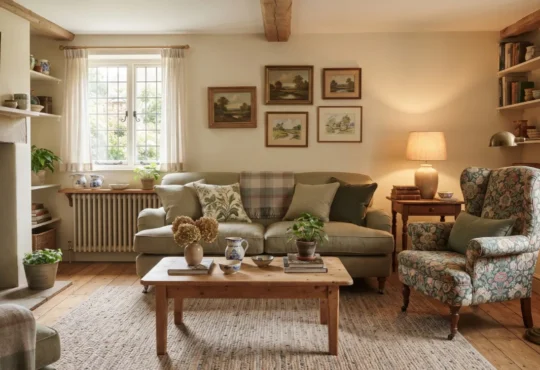
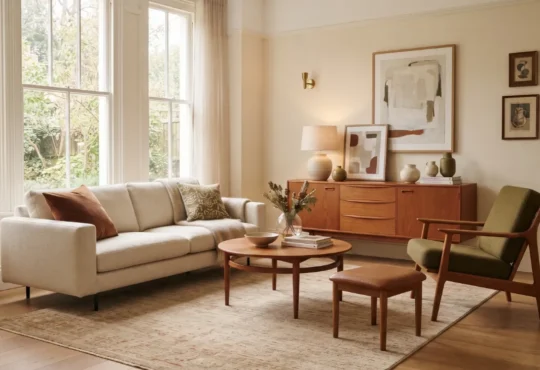
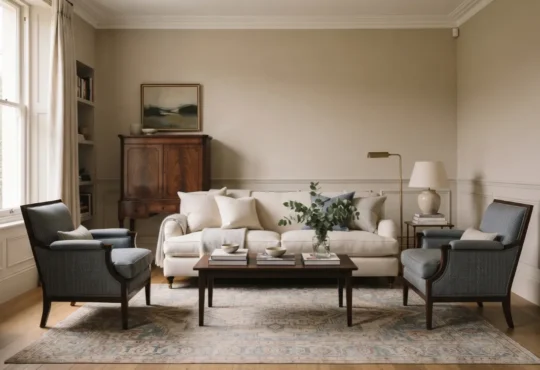
Explore the visual gallery above to discover wonderful ideas that bring this aesthetic into tangible reality in your home.
For more ideas: Ralph Lauren Style on a Budget Timeless Luxury for Less
Conclusion
A Ralph Lauren bedroom works when the room feels established without looking staged. Start with one strong anchor, give the bed enough presence, layer bedding and materials with restraint, control the palette, and let lighting and personal objects complete the room.
The goal is not to reproduce a showroom, but to translate a heritage design approach into a bedroom that feels comfortable, collected, and distinctly your own.
Explore the visual gallery below for inspiring ideas that bring this aesthetic to life in your home.