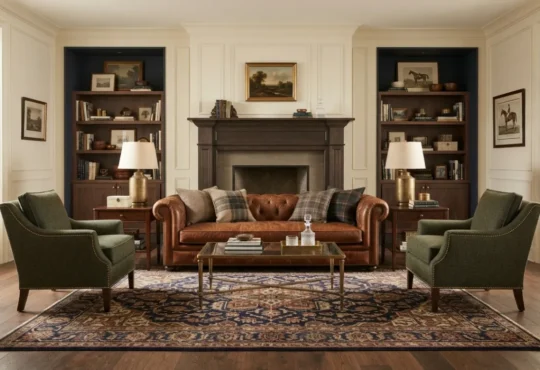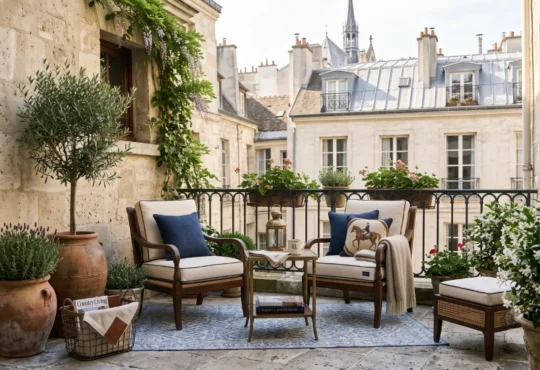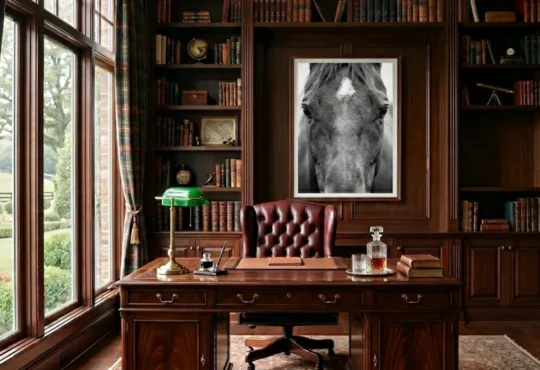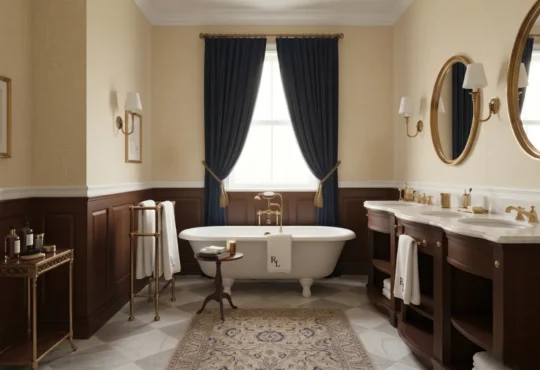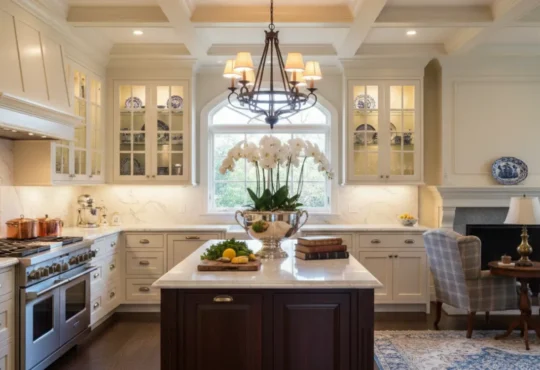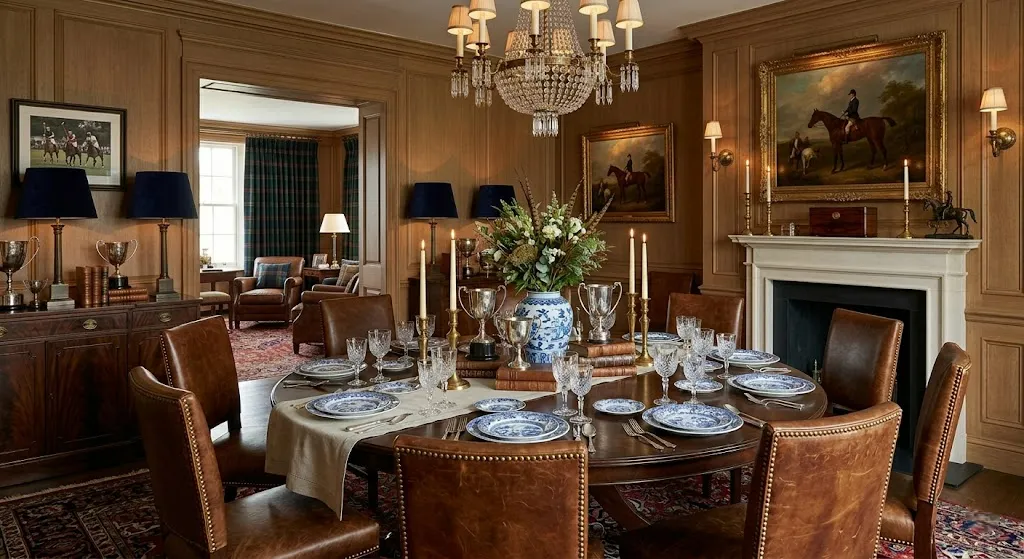
Late afternoon light settles softly across the dining table, catching the polished grain of dark wood and reflecting gently from crystal glassware waiting for the evening ahead. Instead of chasing fleeting trends, the room carries a quiet confidence—a sense that every object in a Ralph Lauren dining room aesthetic belongs exactly where it is.
This interior style reflects classic American refinement blended with warmth, comfort, and a timeless living philosophy that adapts naturally to modern apartments, traditional homes, and compact urban spaces alike.
Heritage Character
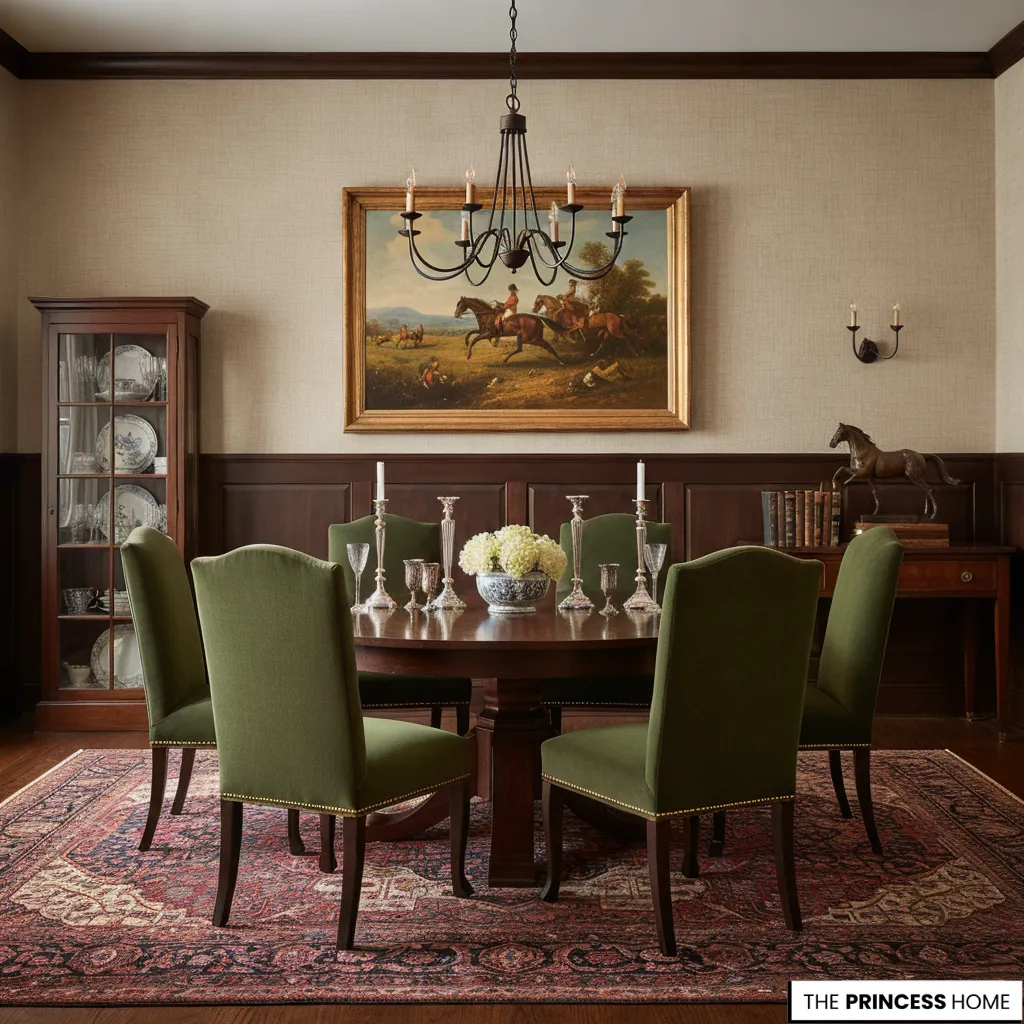
Some dining rooms impress at first glance and quickly fade from memory. Others reveal themselves slowly, layer by layer. A Ralph Lauren dining room aesthetic belongs to the latter. It feels collected rather than simply decorated, shaped by layers of materials, textures, and cultural references that suggest a life well lived.
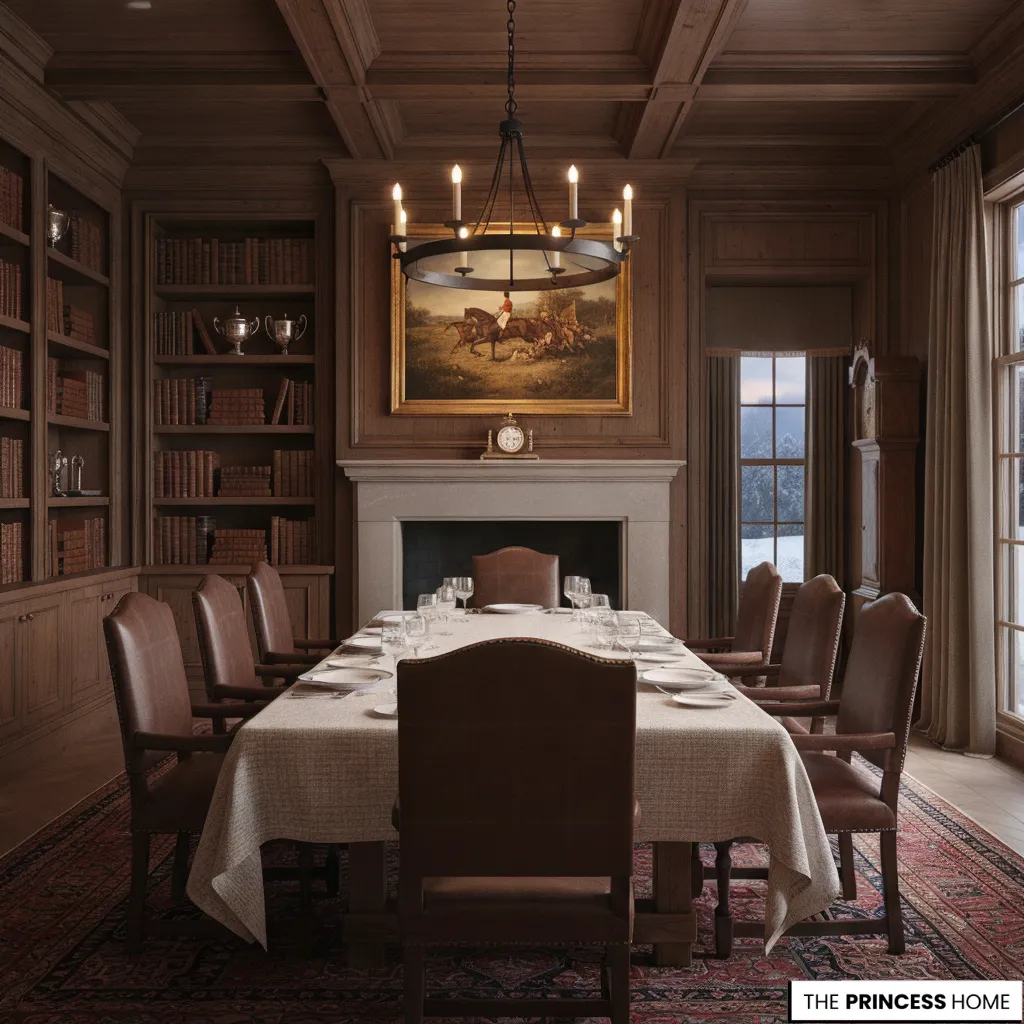
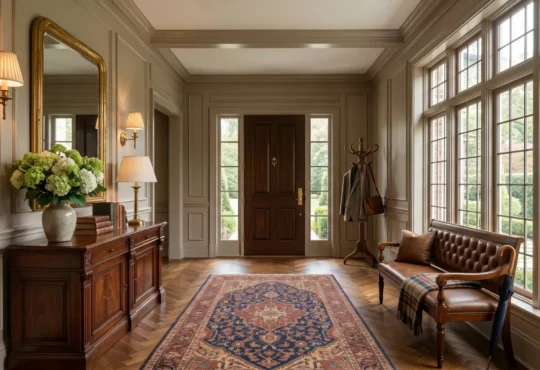
The space often carries echoes of country estates, historic townhouses, equestrian traditions, and old libraries, yet it remains adaptable—feeling equally present in a spacious luxury home or a smaller modern dining area when balanced with proportion and restraint.
Instead of chasing trends, this interior language builds permanence through scale, atmosphere, and refined simplicity.
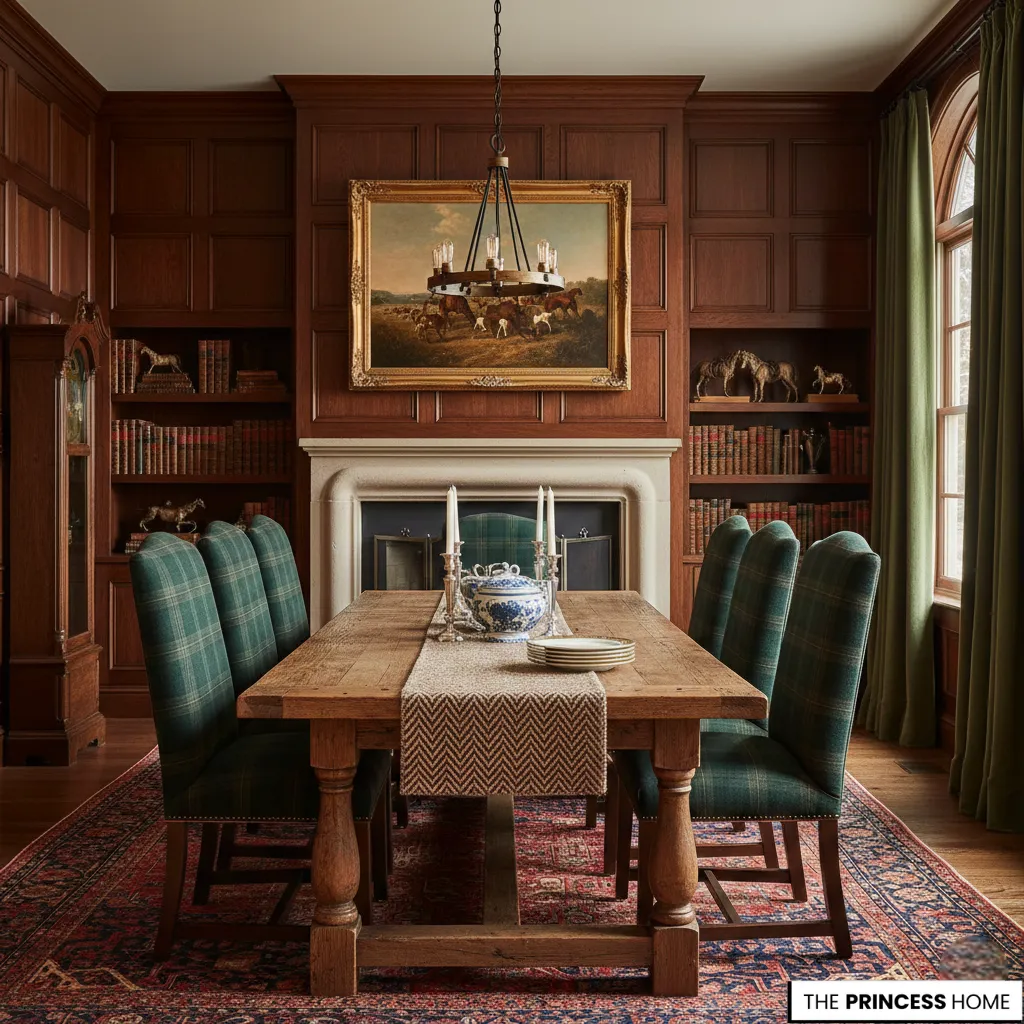
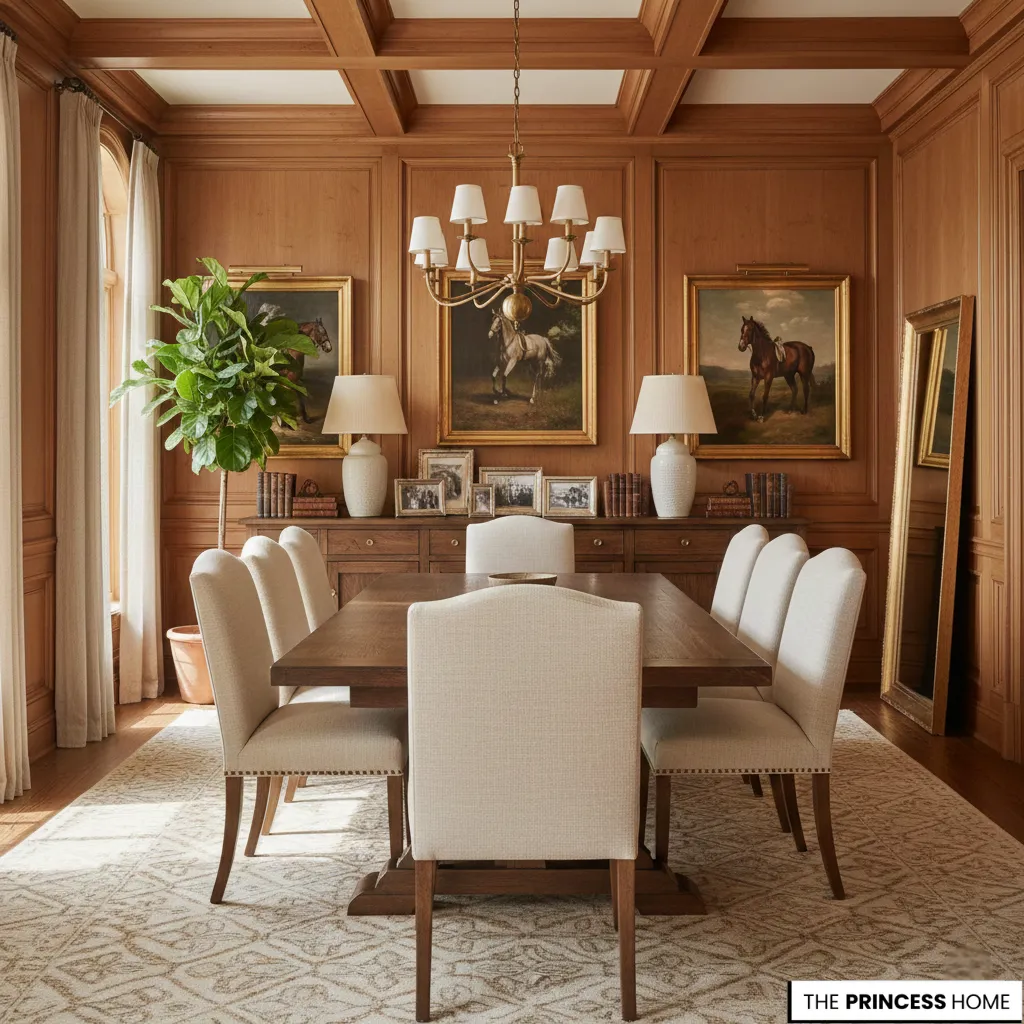
Dark oak dining tables acquire richness from shifting natural light, often becoming the visual anchor of the room. Upholstered dining chairs introduce softness against structured architectural lines, while maintaining balance in furniture hierarchy.
Brass accents add warmth without visual noise, reinforcing a calm and cohesive composition that defines Ralph Lauren interior design.
💡 EXPLORE MORE
Looking to bring a fresh, seasonal dimension to this timeless interior? Discover our complete guide to Ralph Lauren Summer Style.
Heritage Palette
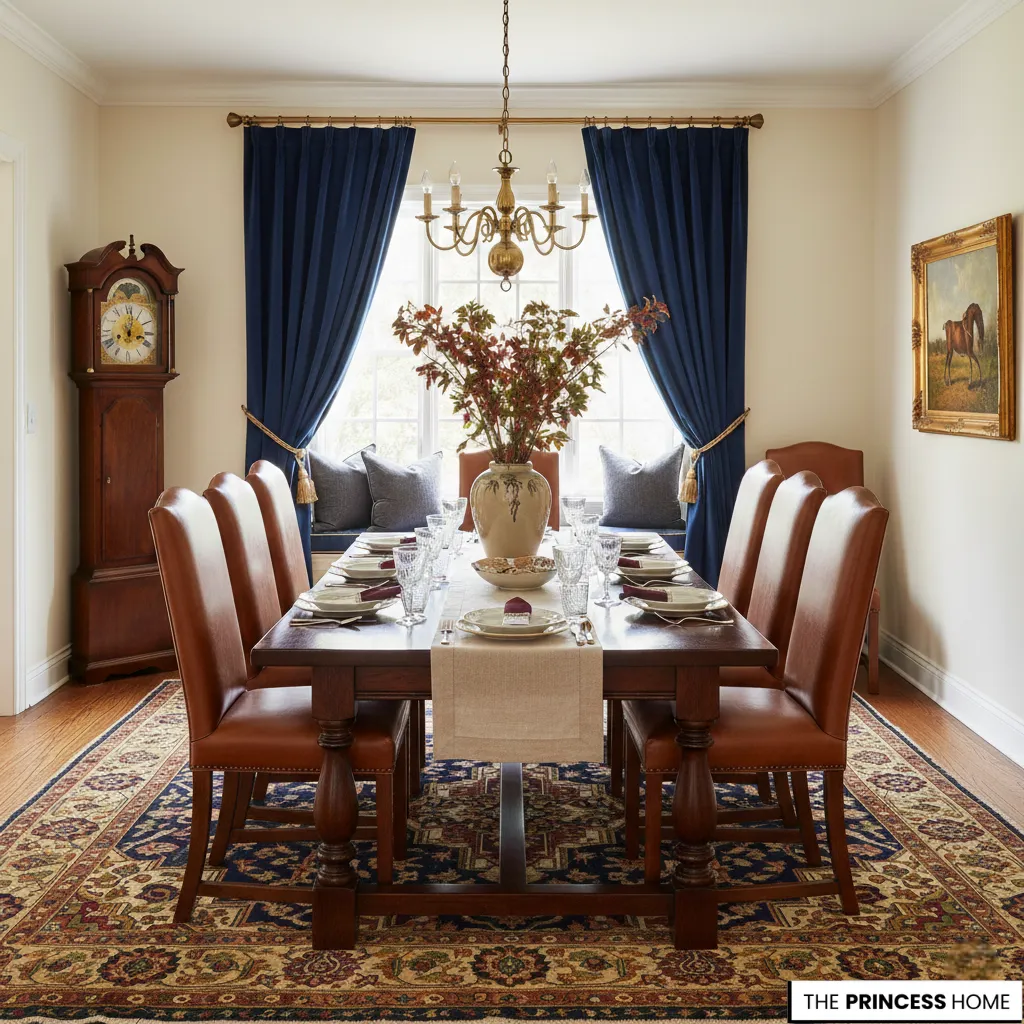
Color plays a subtle but defining role in shaping a Ralph Lauren dining room aesthetic, guiding both mood and spatial perception. Rather than relying on contrast, the palette leans into depth and familiarity.
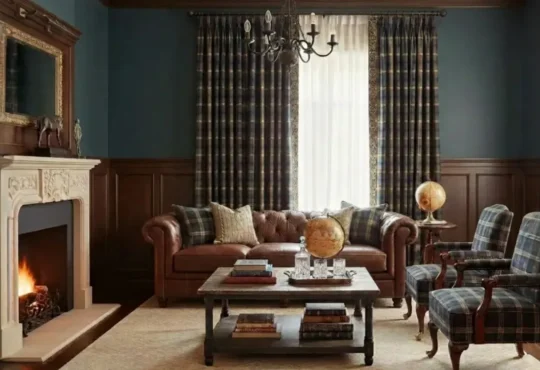
Deep tobacco browns, warm creams, charcoal tones, muted greens, and rich navy hues create a steady and enduring atmosphere. In small dining spaces or apartments, these tones are softened through layered lighting and texture; in larger homes, they gain architectural depth and presence.
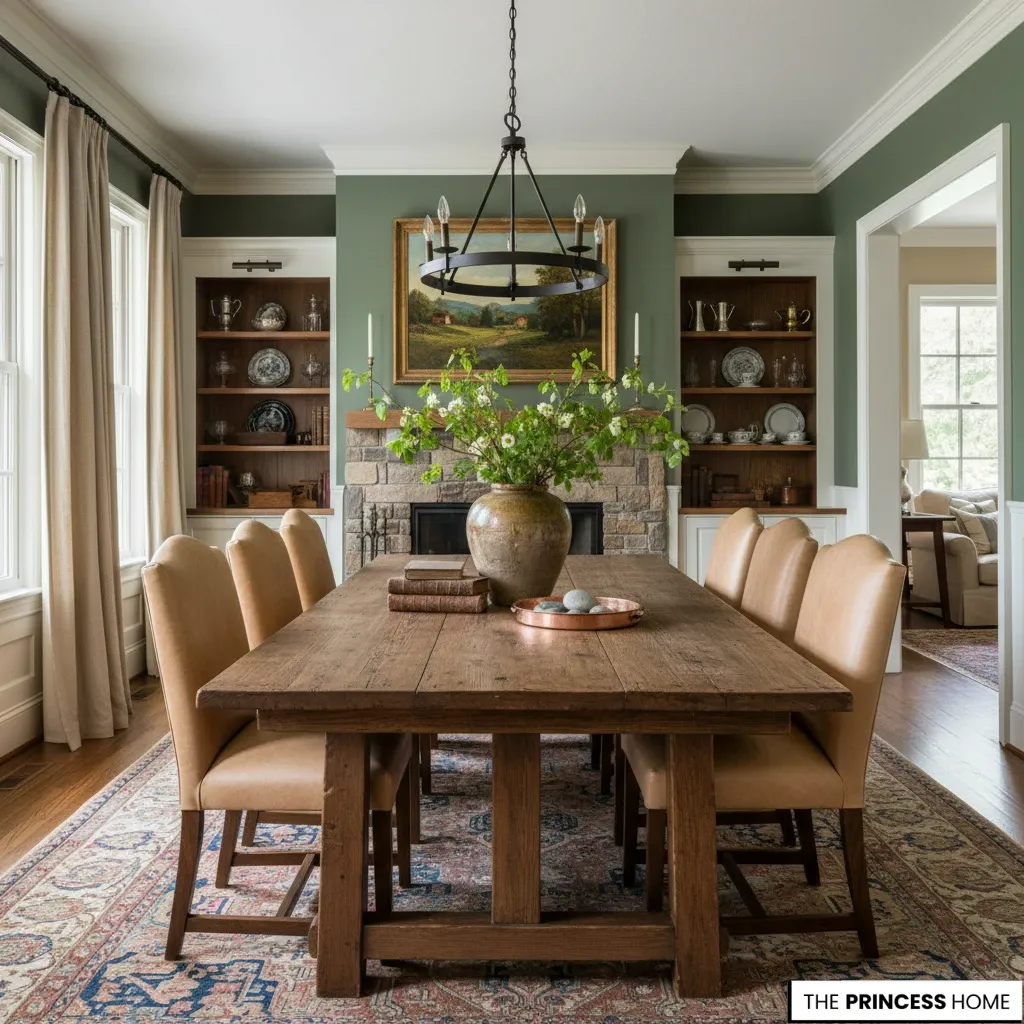
Morning light brings clarity to these colors, while evening light enhances their intimacy, allowing the dining room to shift naturally across the day. This layered palette reflects a heritage-driven interior approach where visual richness is achieved not through excess, but through controlled harmony.
Even in modern open-plan homes, it creates seamless continuity between dining, living, and transitional spaces.
💡 EXPLORE MORE
Looking to seamlessly connect this dining area with your culinary space? Discover our complete guide to Ralph Lauren Kitchens.
Material Language
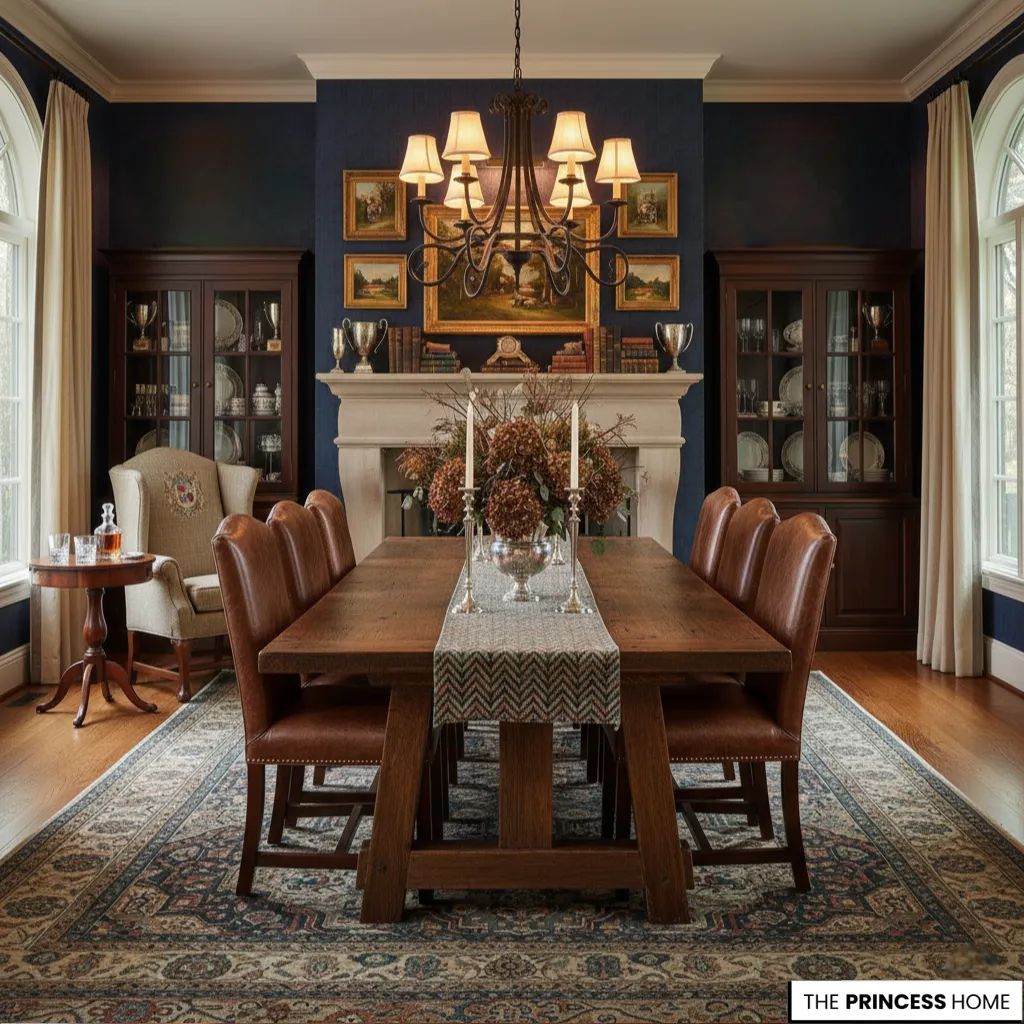
The atmosphere is defined less by decoration and more by material presence, where each surface contributes to the identity of a Ralph Lauren dining room.
Wood remains central, especially in substantial dining tables with visible grain patterns that establish both grounding and scale hierarchy. Leather, linen, wool, and aged metals introduce tactile contrast, reinforcing authenticity within the space.
Nothing appears overly polished or artificial. Subtle imperfections—weathered finishes, softened edges, and natural fabric folds—become part of the visual language, suggesting time, use, and lived experience.
This material balance allows the space to function across contexts: refined enough for formal entertaining, yet relaxed enough for everyday dining in modern homes or compact apartments.
Layered Lighting
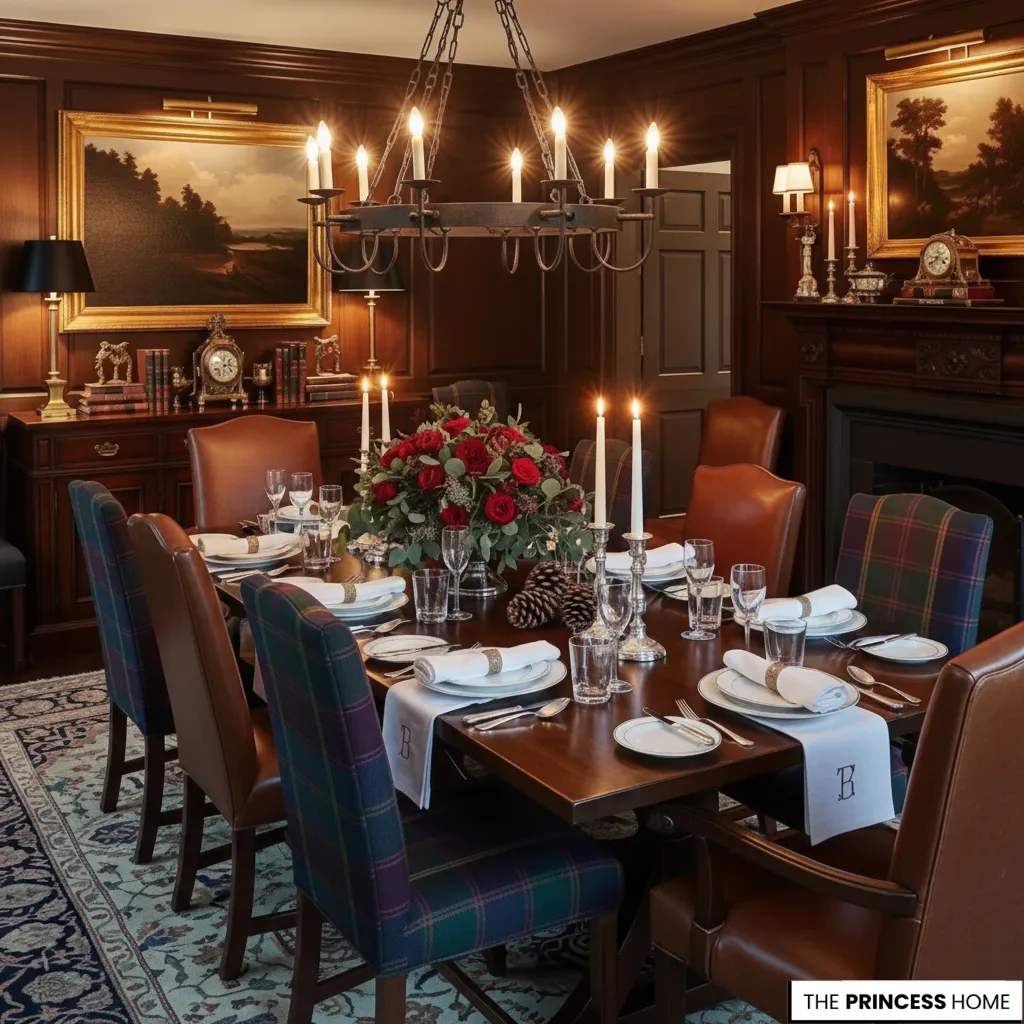
As daylight fades, lighting begins to define the identity of the Ralph Lauren dining room, shifting it from architectural clarity to emotional depth. A central chandelier establishes presence above the dining table, acting as the visual anchor of the space.
Wall sconces and shaded lamps then soften surrounding edges, creating a layered lighting system that enhances both intimacy and scale.
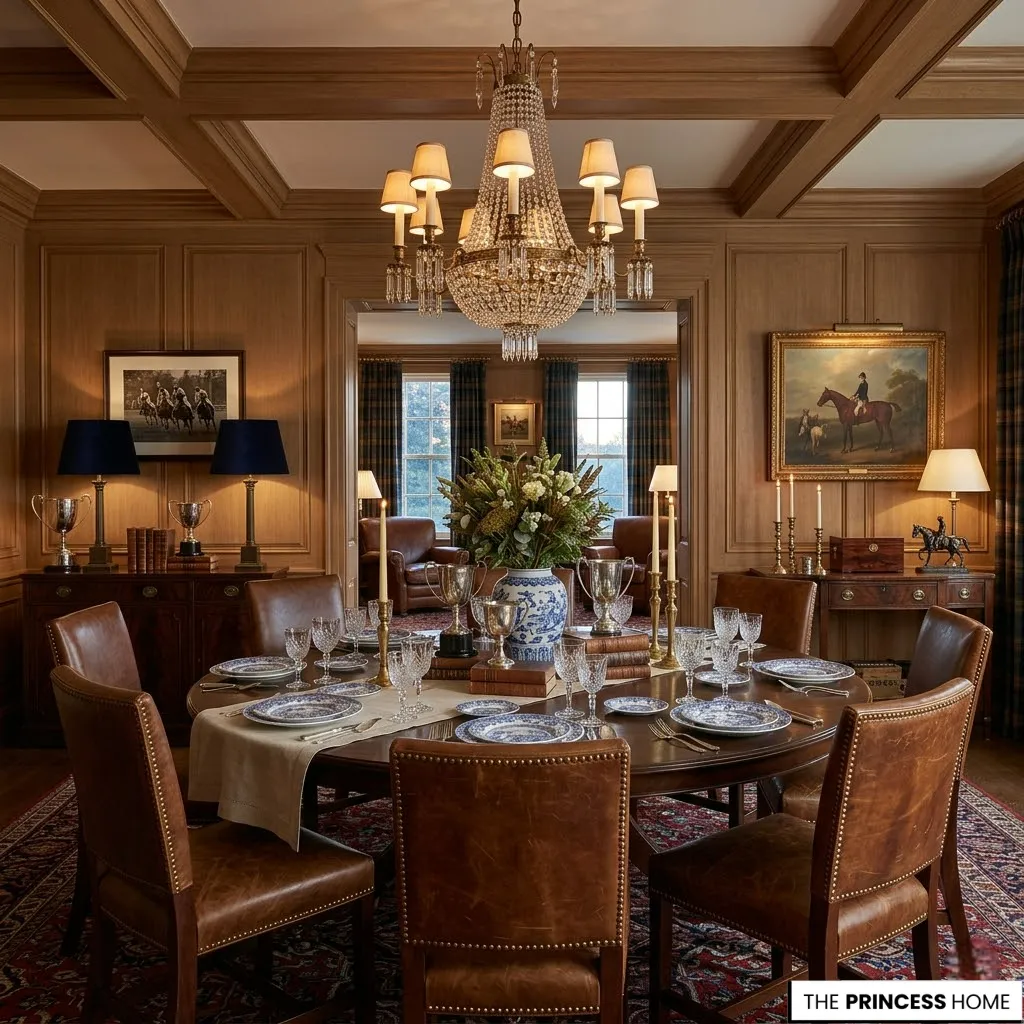
In small dining rooms, this layering adds depth and dimension. In larger homes, it reinforces architectural proportion without overwhelming the interior. Shadows are embraced rather than avoided.
They soften transitions, enrich textures, and allow materials like wood, glass, and fabric to reveal new depth. The result is a dining environment that feels cinematic yet deeply personal.
Relaxed Formality
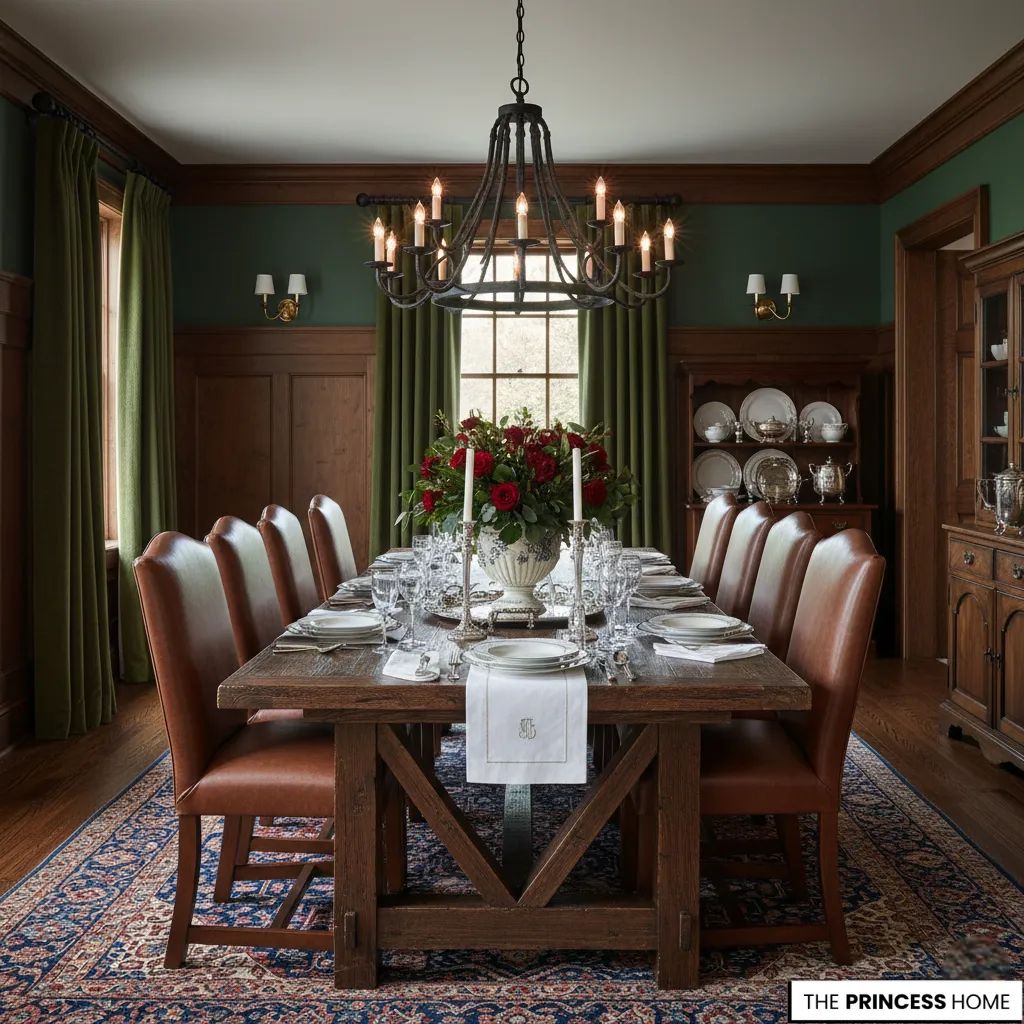
One of the most defining characteristics of a Ralph Lauren dining room is its balance between structure and ease. The space may include traditional architectural detailing, heritage-inspired furniture, and refined proportions, yet it never feels rigid or distant. Instead, it encourages gathering, conversation, and long, unhurried moments.
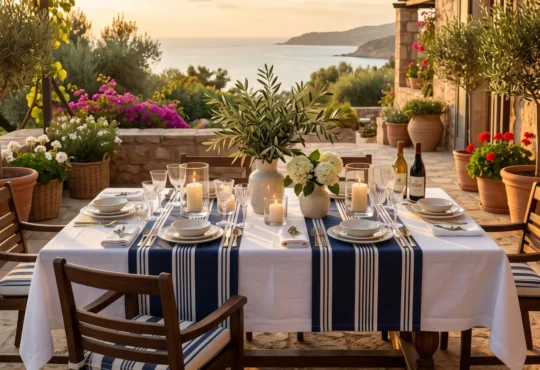
Fresh flowers in a ceramic vessel, a stack of books on a sideboard, or monochrome framed photography introduce narrative without breaking visual calm. These elements soften formality, reinforcing a lived-in atmosphere rather than a staged interior.
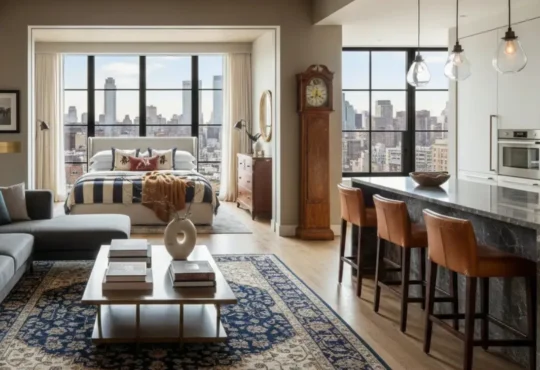
This adaptability allows the style to translate across different environments—from modern apartments to suburban homes and large-scale residences with expansive dining areas.
💡 EXPLORE MORE
Designing a smaller layout or looking to maximize proportion in compact spaces? Read our complete guide to Modern Ralph Lauren Apartments.
Quiet Luxury
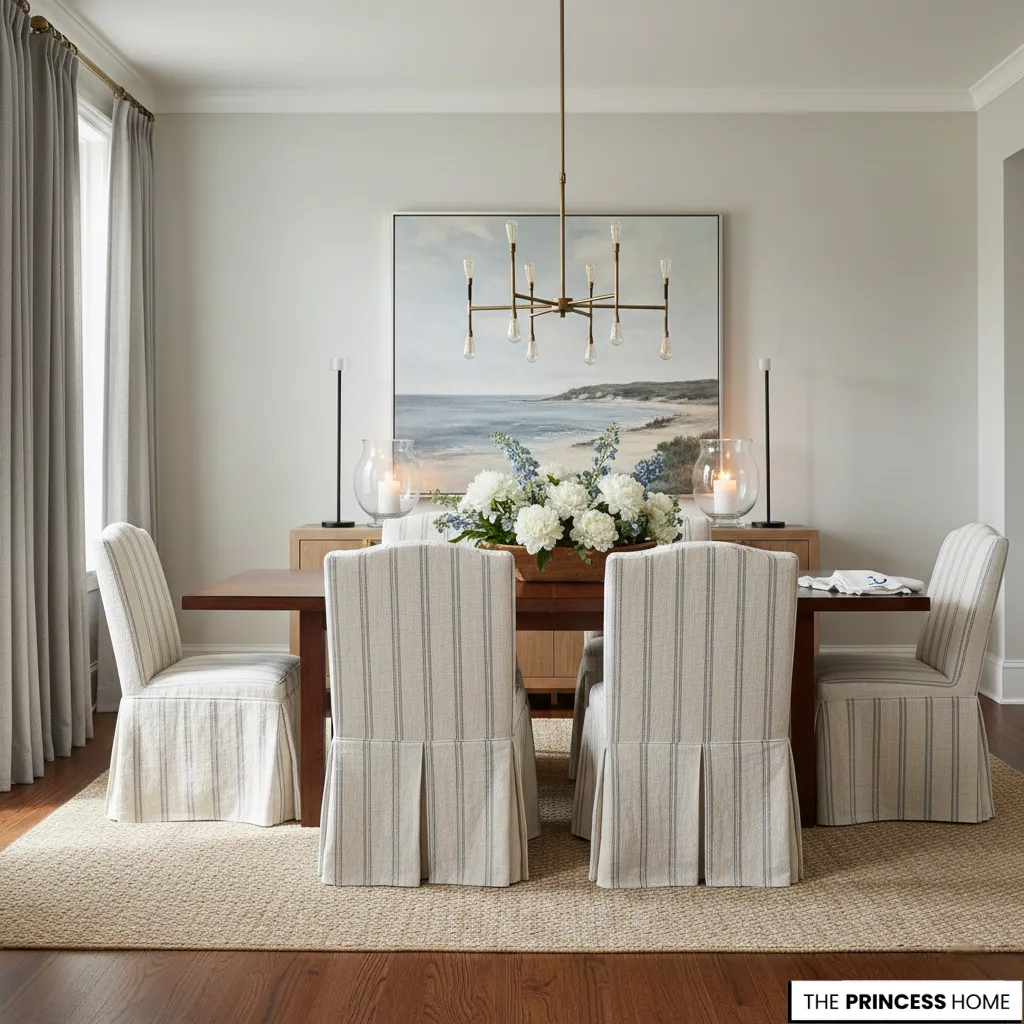
At the core of this design language is restraint and intentional simplicity. There is richness in every detail, but never excess. Furniture, lighting, textiles, and finishes work together in cohesion rather than competition, defining the essence of quiet luxury interior design.
The dining room becomes a composed environment where every element supports the atmosphere rather than dominating it. It functions as a backdrop for layered life moments—formal dinners, casual conversations, and everyday rituals that gain meaning through setting.
💡 EXPLORE MORE
Ready to achieve this high-end, composed look on a practical budget? Discover our complete guide to Ralph Lauren Style on a Budget.
Timeless Living
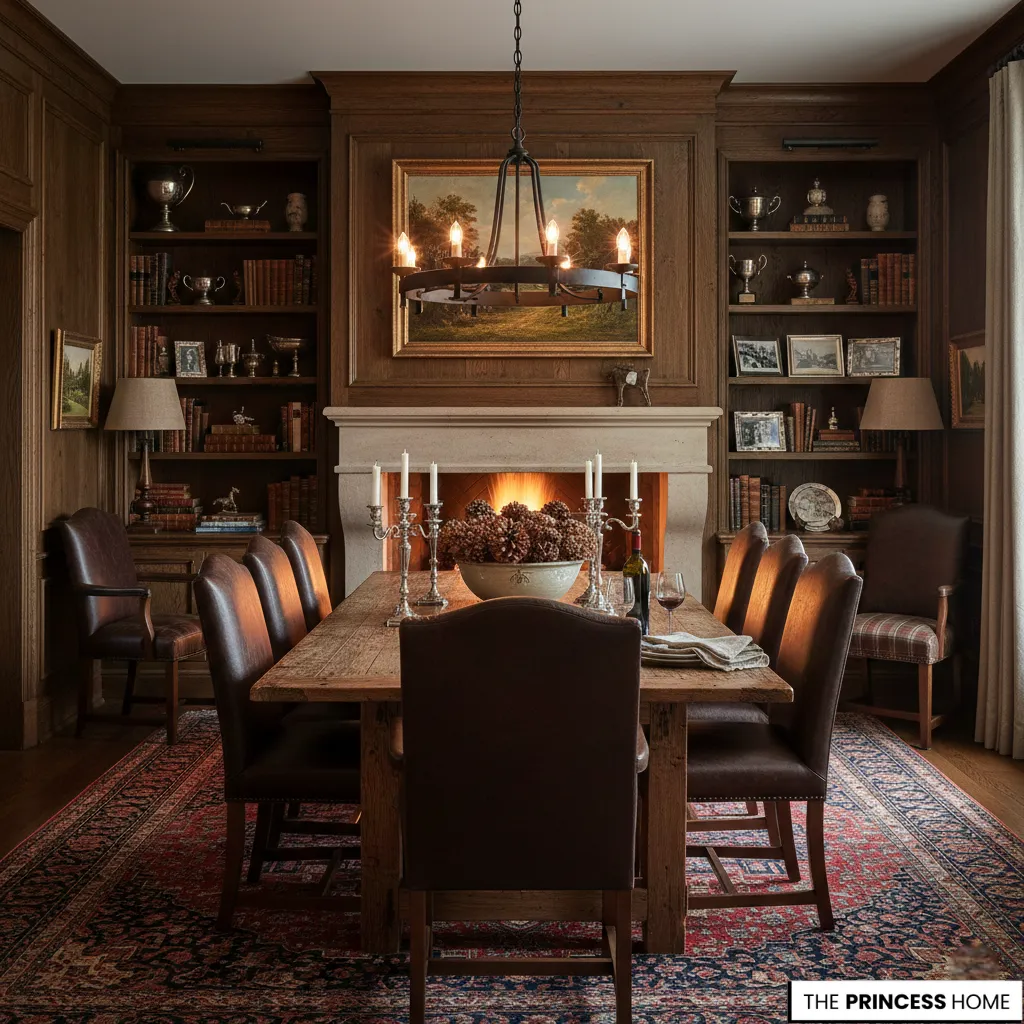
Long after trends evolve and interior directions shift, certain spaces remain relevant because they are built on atmosphere rather than novelty. A Ralph Lauren dining room aesthetic embodies this idea of timeless living. Through layered materials, controlled color palettes, refined lighting, and a strong sense of heritage interior design,
it creates an environment that feels both grounded and adaptable. Whether in a compact urban apartment or a large traditional residence, the essence remains consistent: a space designed not only to be seen, but to be lived in, remembered, and experienced over time.
Inspiration Gallery
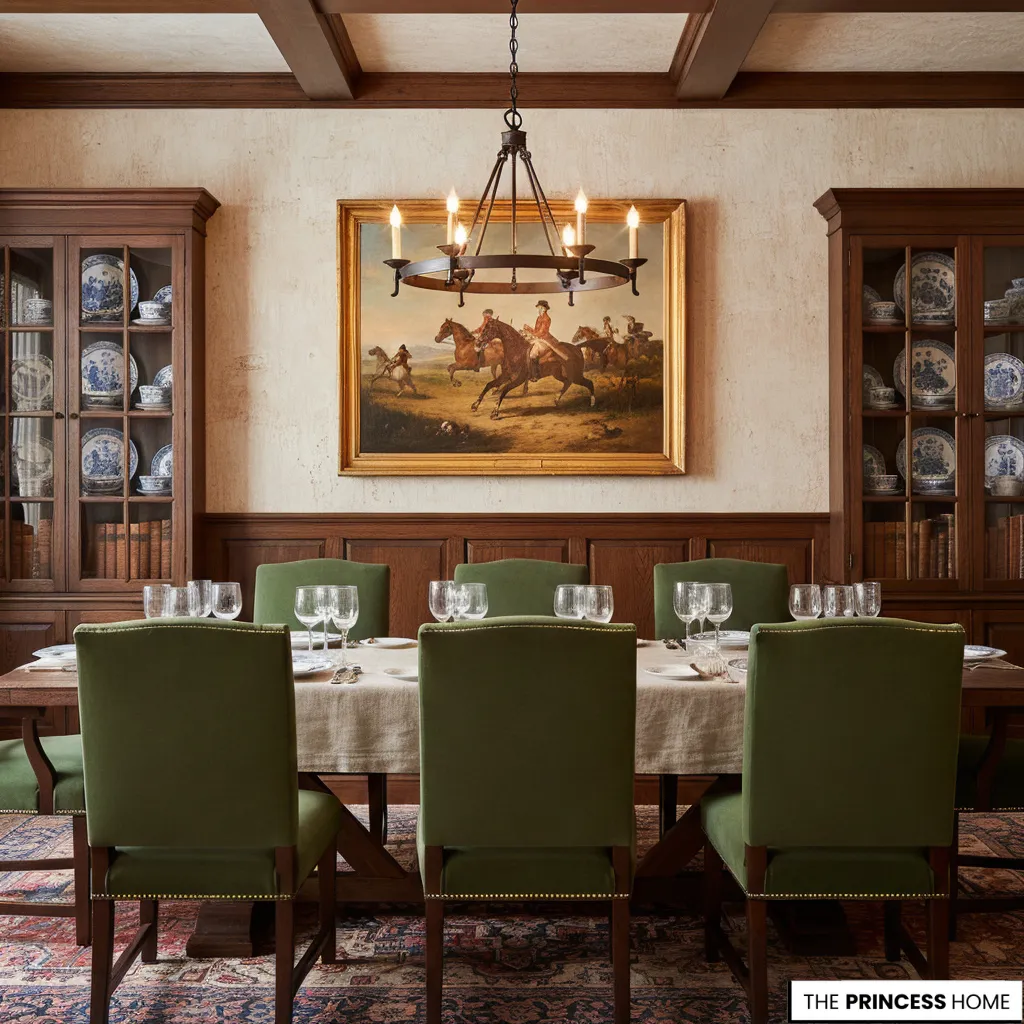
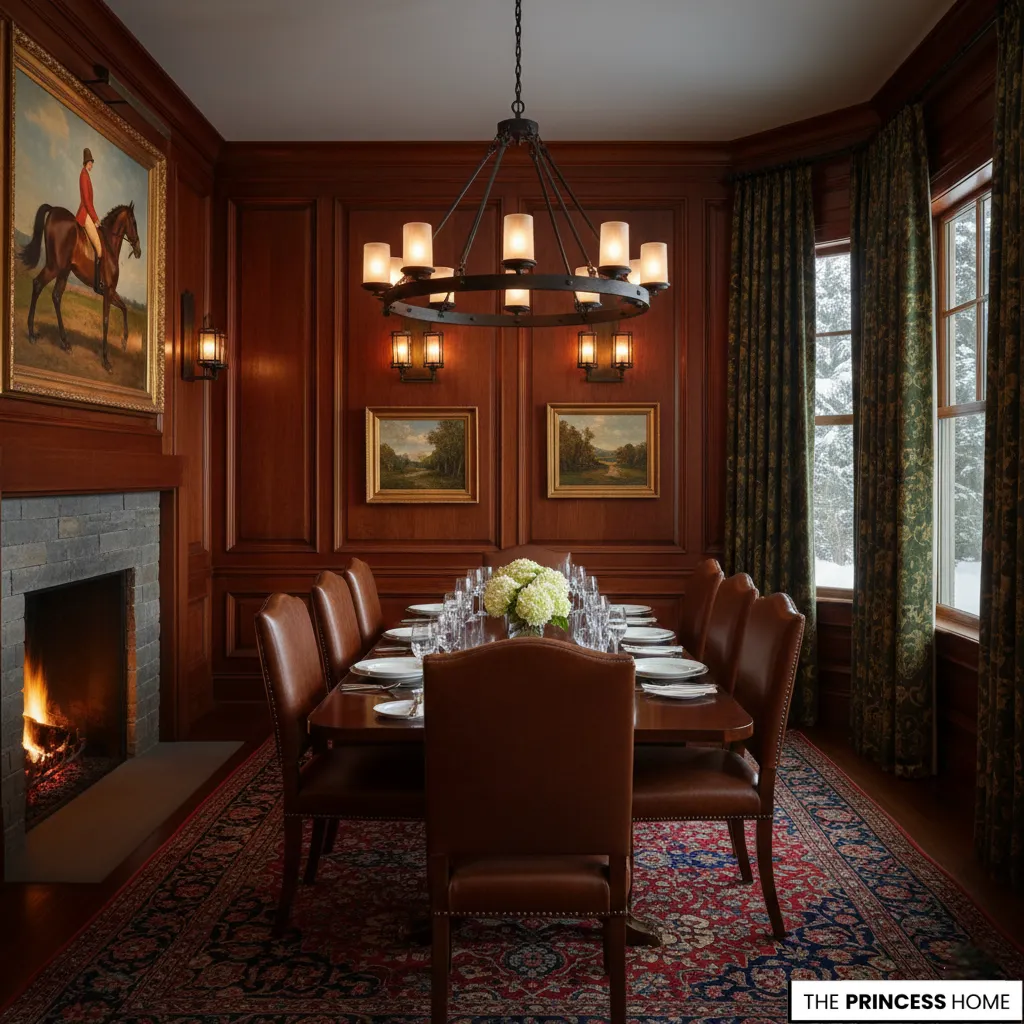
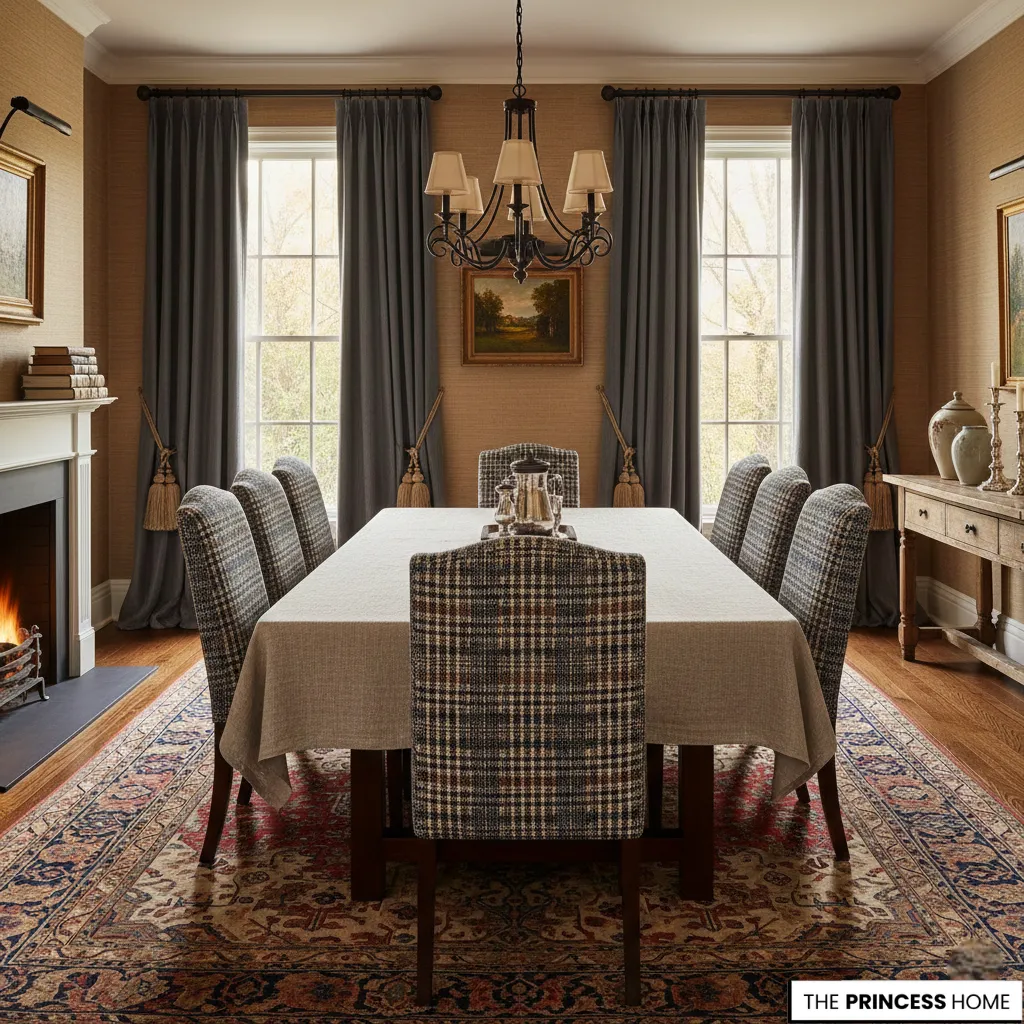
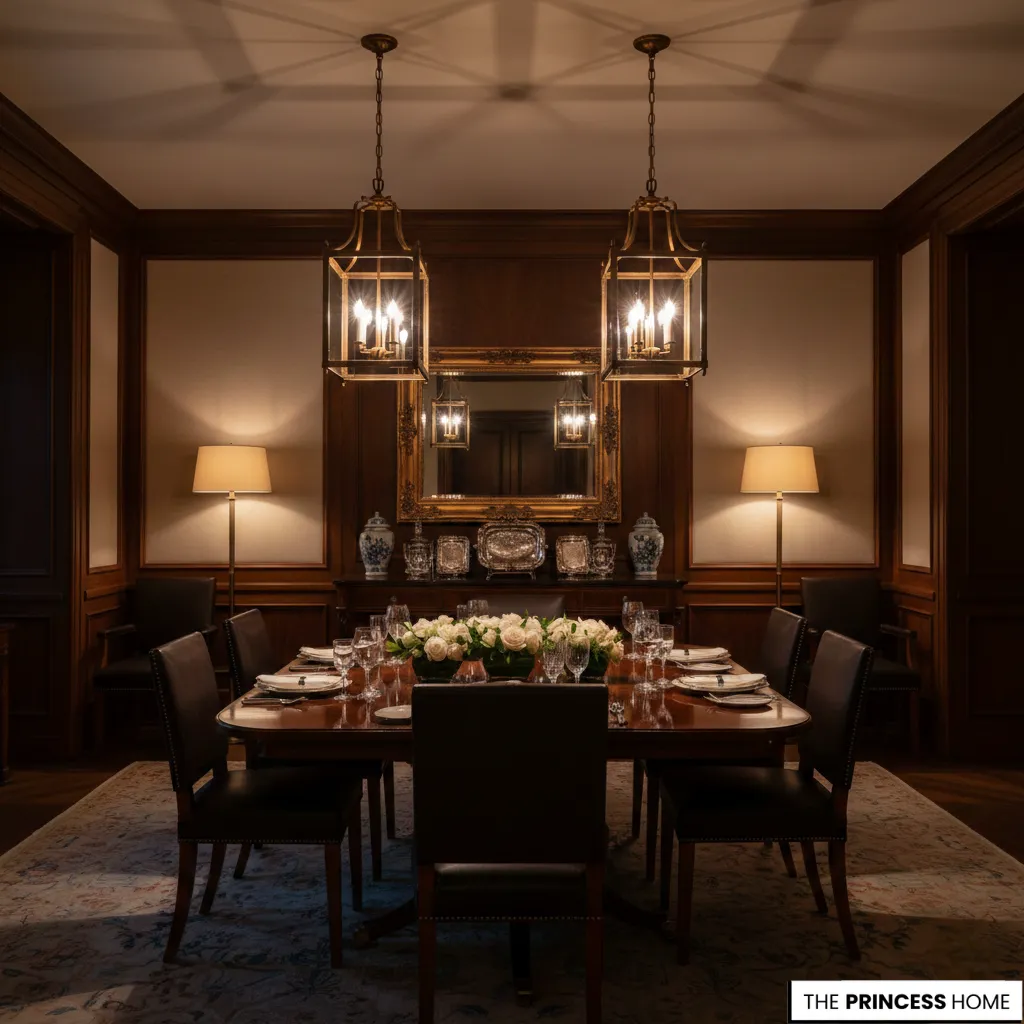
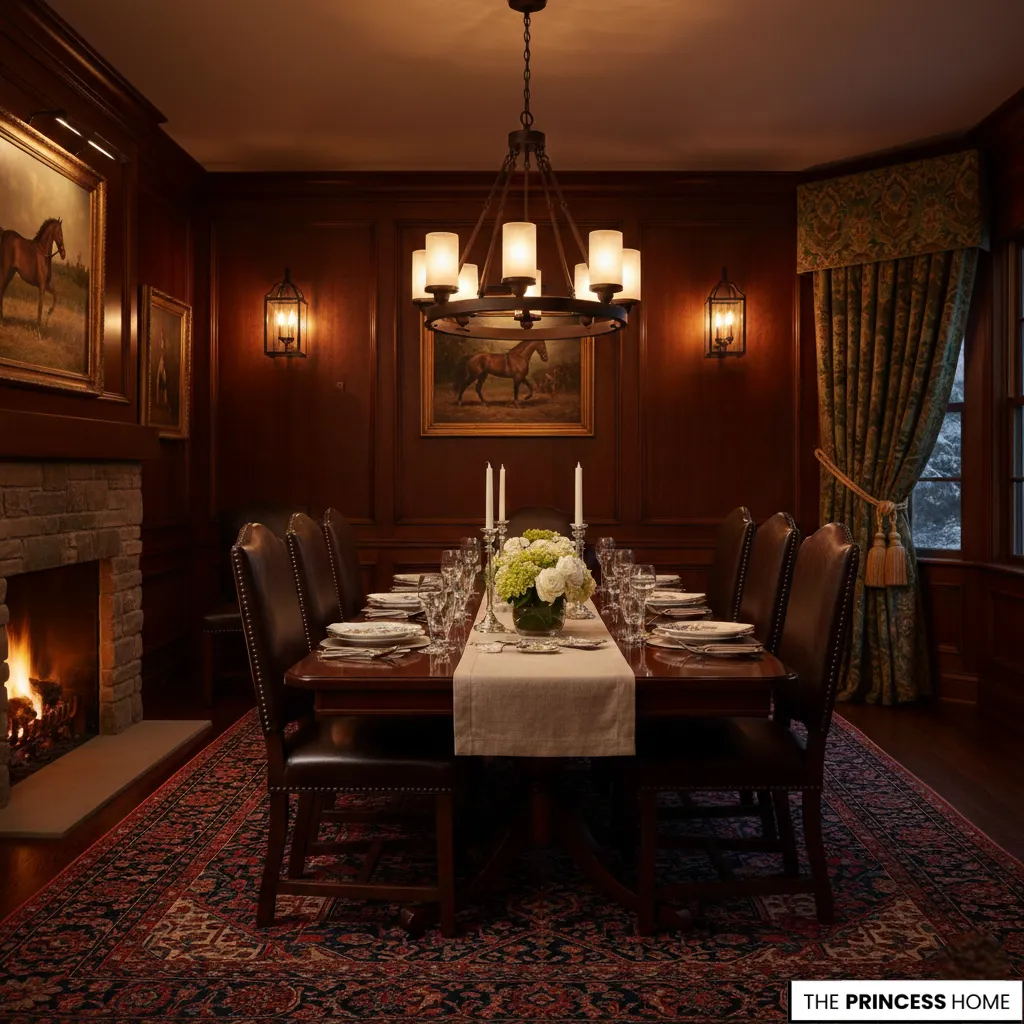
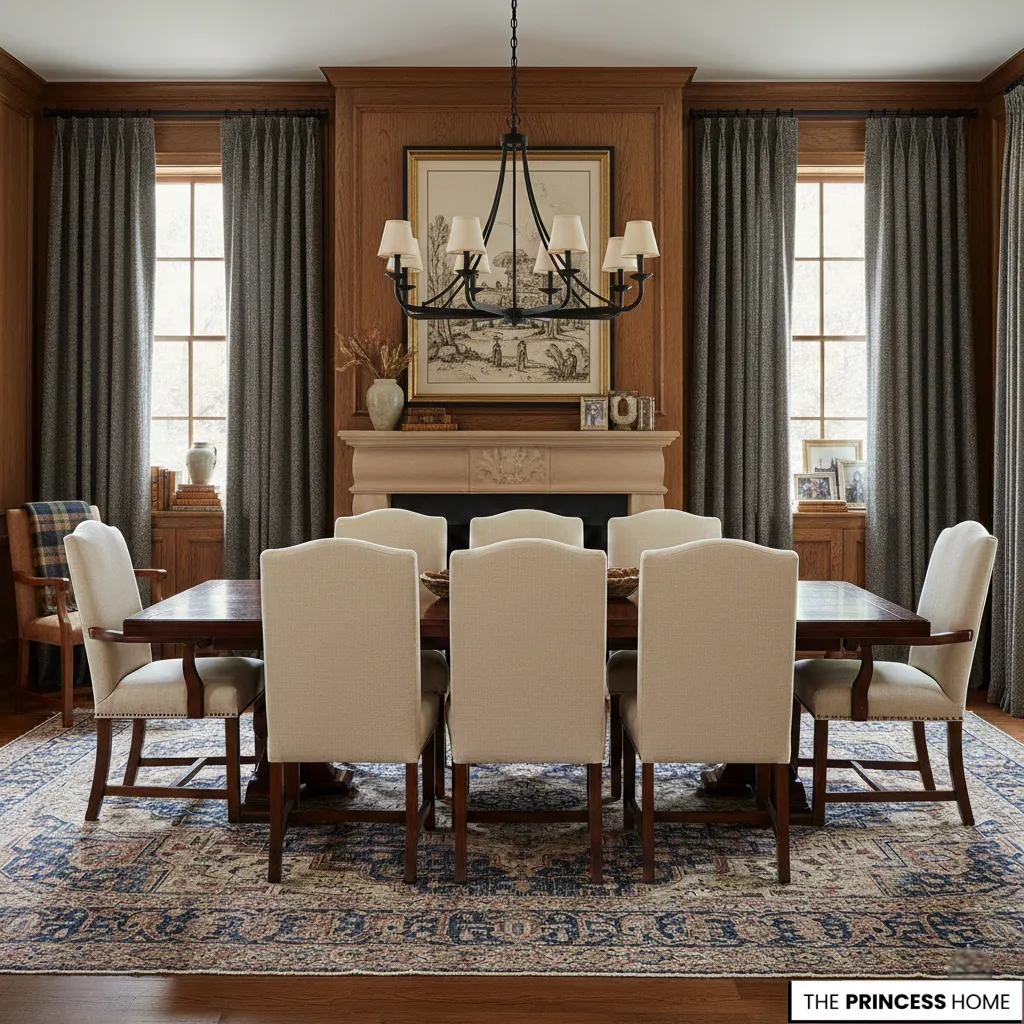
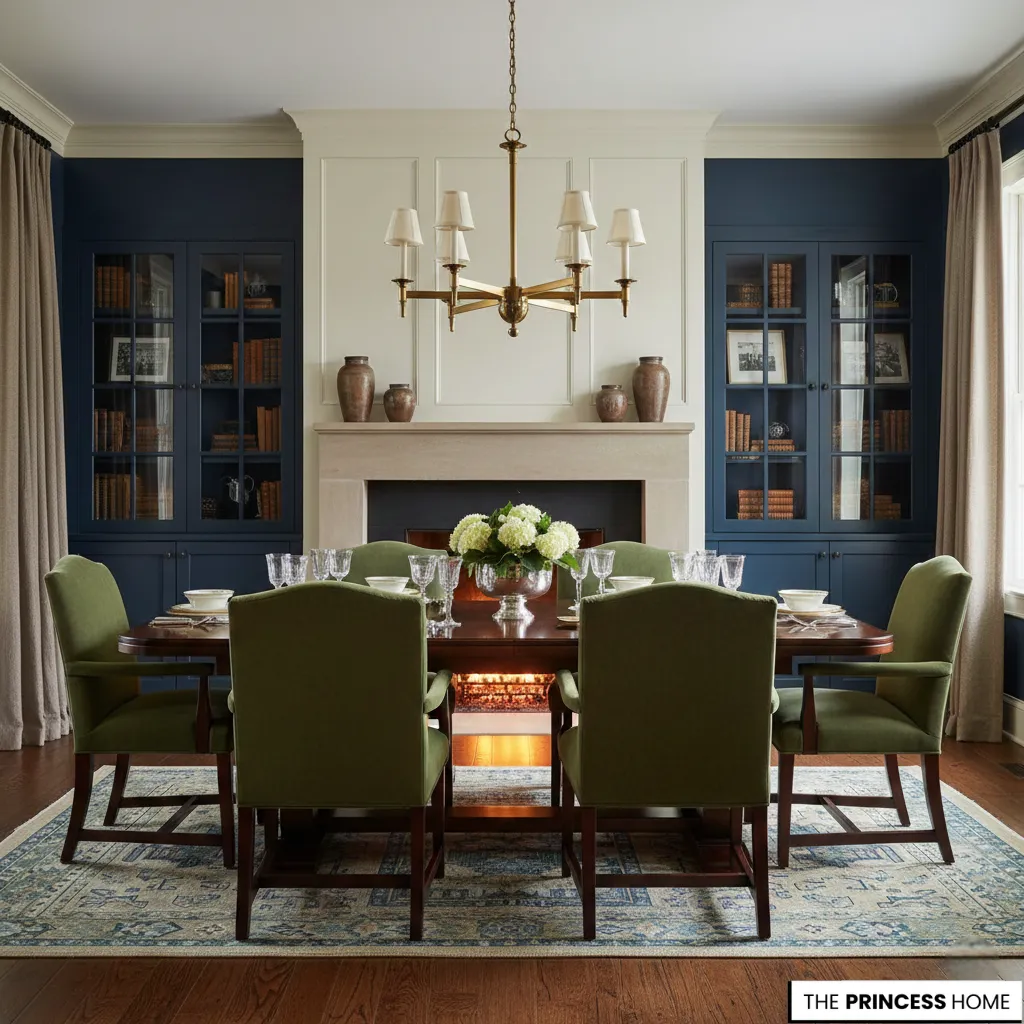
After exploring these curated interior design ideas, let’s translate visual inspiration into reality. Below, we address your most defining home decor questions, offering clarity for your own styling journey:”
FAQ
What defines a Ralph Lauren dining room style?
A Ralph Lauren dining room style is defined by timeless heritage luxury combining classic American elegance, rich textures, and warm atmosphere.
How to design a Ralph Lauren dining room?
You design a Ralph Lauren dining room by layering natural materials, balanced lighting, and classic furniture for a timeless elegant space.
What colors work in Ralph Lauren dining room design?
Ralph Lauren dining room colors include deep browns, navy, cream, and muted greens that create warmth and visual depth.
What furniture fits a Ralph Lauren dining room?
A Ralph Lauren dining room uses solid wood tables, upholstered chairs, brass details, and heritage-inspired storage pieces.
Can Ralph Lauren dining room work in small spaces?
Yes, it works in small spaces using scaled furniture, soft lighting, and neutral tones to maintain elegance without crowding.
Is Ralph Lauren dining room style still popular?
Yes, it remains popular due to its timeless design approach, natural materials, and adaptability to modern interiors.
Why is Ralph Lauren dining room style timeless?
It is timeless because it focuses on restraint, quality craftsmanship, and atmosphere rather than short-lived trends.
Final Thoughts
Ultimately, the Ralph Lauren dining room aesthetic is more than a visual style; it represents a deeper sense of continuity, comfort, and quiet sophistication within the space. It is a design language shaped by light, natural materials, and a refined balance between luxury and restraint, creating a dining room that feels like part of a lived experience rather than a fleeting moment.